10 Designers & Artisans Defining Middle Eastern Craft in 2025
LIFESTYLE
From Beirut to Dubai, Amman to Paris, a new wave of emerging artists, interior artisans, and design studios is quietly redefining the visual language of Middle Eastern craft. At the intersection of memory and material, these voices explore how tradition meets innovation—and how form becomes a vessel for storytelling across time and place.
Rather than subscribing to a singular aesthetic, their work reflects a mosaic of architectural, artisanal, and cultural influences. Across geographies and generations, Lebanese architects, Dubai-based designers, and regional artists fuse personal narratives with bold form. This is a region alive with creative momentum, where the past is not forgotten but reinterpreted through a distinctly contemporary lens.
Working across ceramics, wood, textiles, metalwork, and spatial experimentation, these ten creatives are crafting collectible design that resonates far beyond the region. Whether developing sculptural furniture in Dubai, exploring concept architecture in Paris, or producing material-forward pieces in Beirut’s ateliers, they represent a generation of modern Middle Eastern makers reshaping how we perceive design, craft, and culture.
Boo Design Studio
Editions Levantine
Beirut, LEBANON
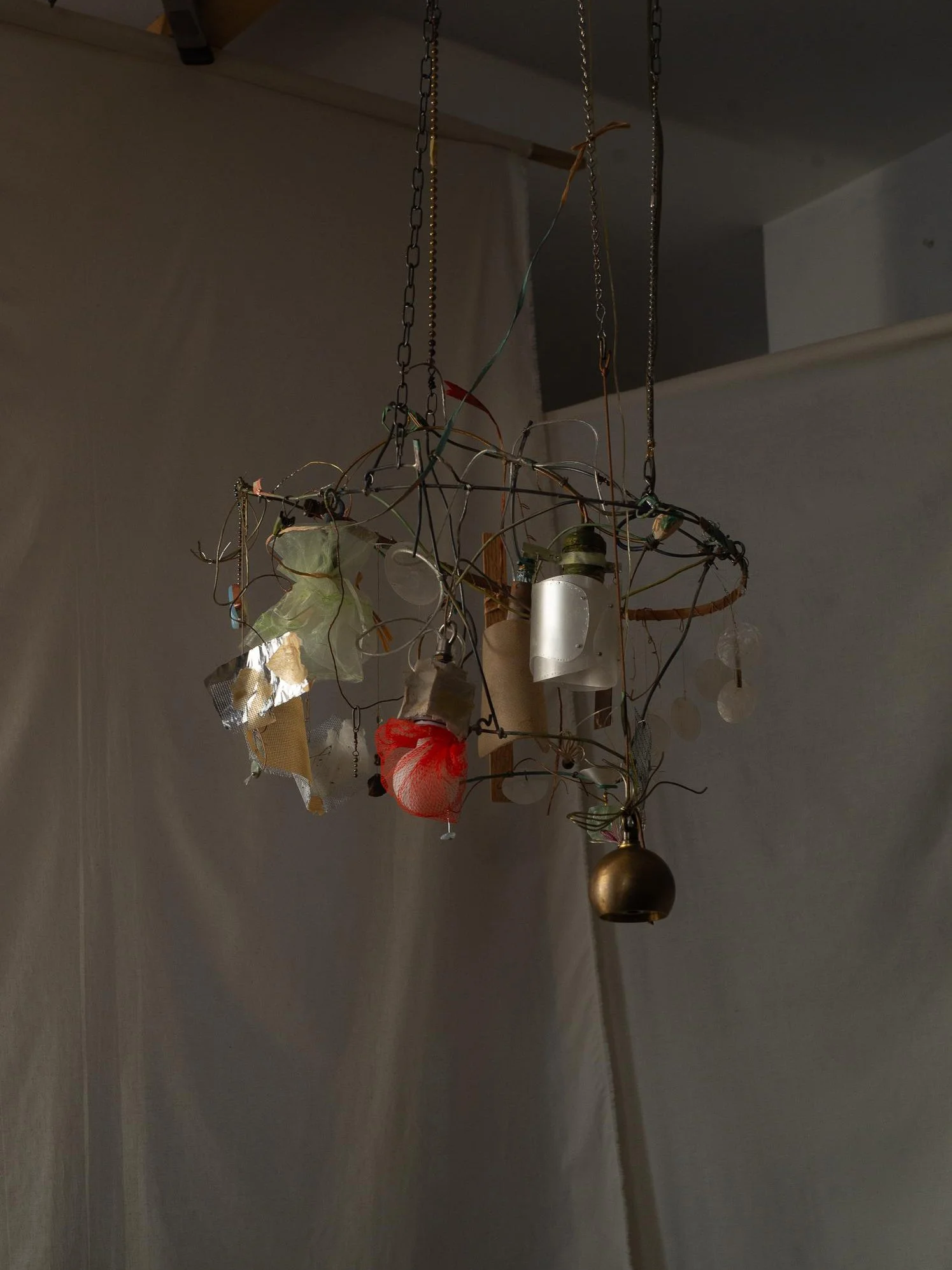
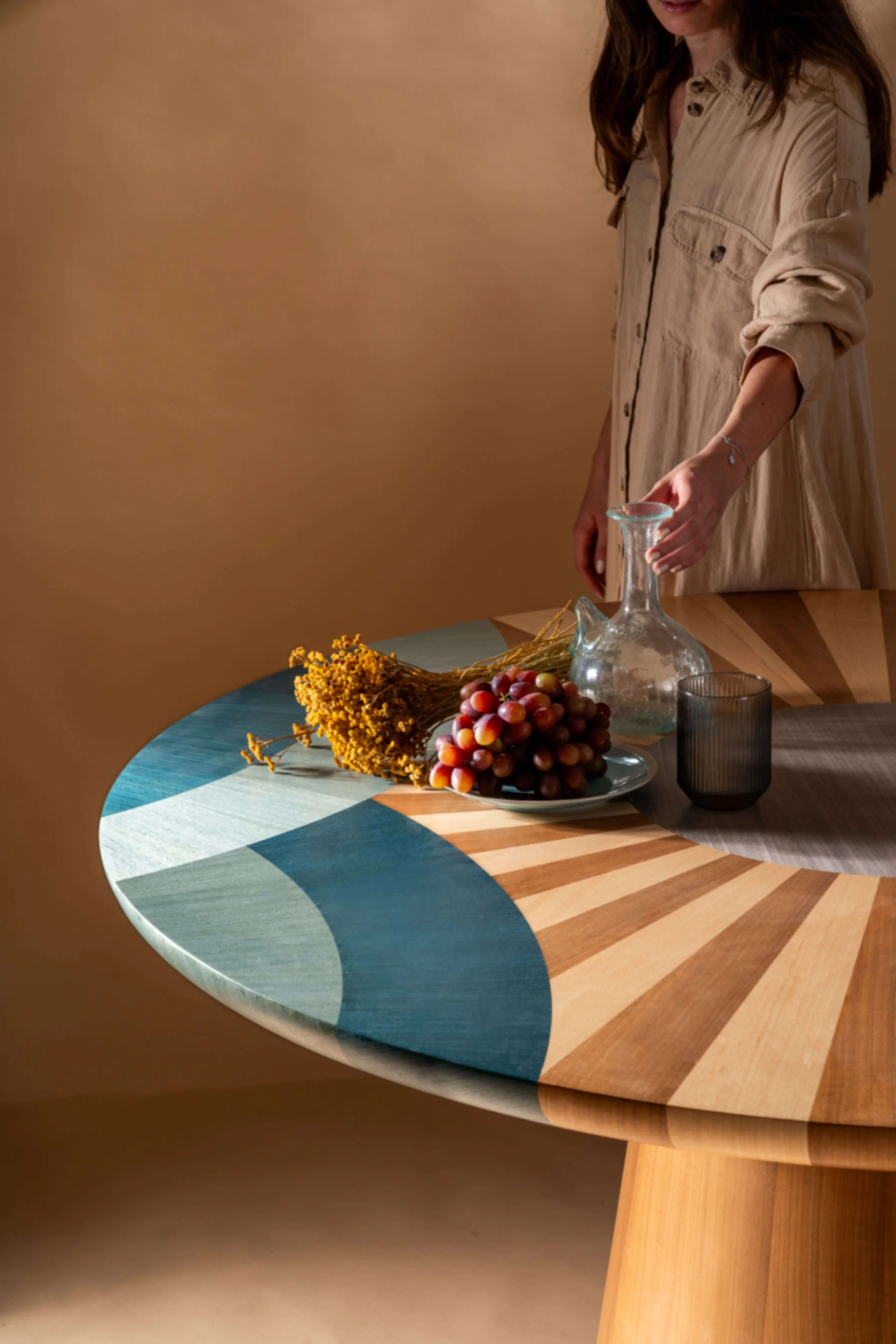
Founded by interior architect Joe and Amanda Bou Abboud, Boo Design Studio sits at the intersection of architecture, object-making, and poetics. Part of a new wave of Beirut design studios, Boo’s language is both sculptural and sparse, rich in material storytelling and cultural undertones. Works like Keys to Memories embody the studio’s ability to transform personal and collective memory into collectible design pieces that are rooted in the region’s past yet strikingly contemporary.
Dubai, UAE
More than a brand, Editions Levantine is a movement reclaiming the narrative of contemporary craft from the Arab world. Their platform explores regional aesthetics through furniture, objects, and curatorial collaborations. Their pieces reframe regional craft traditions with sharp cultural insight and radical softness, an ongoing conversation between heritage and now.
Omar Al Gurg
Omar Chakil
3. Omar Al Gurg
Dubai, uAE
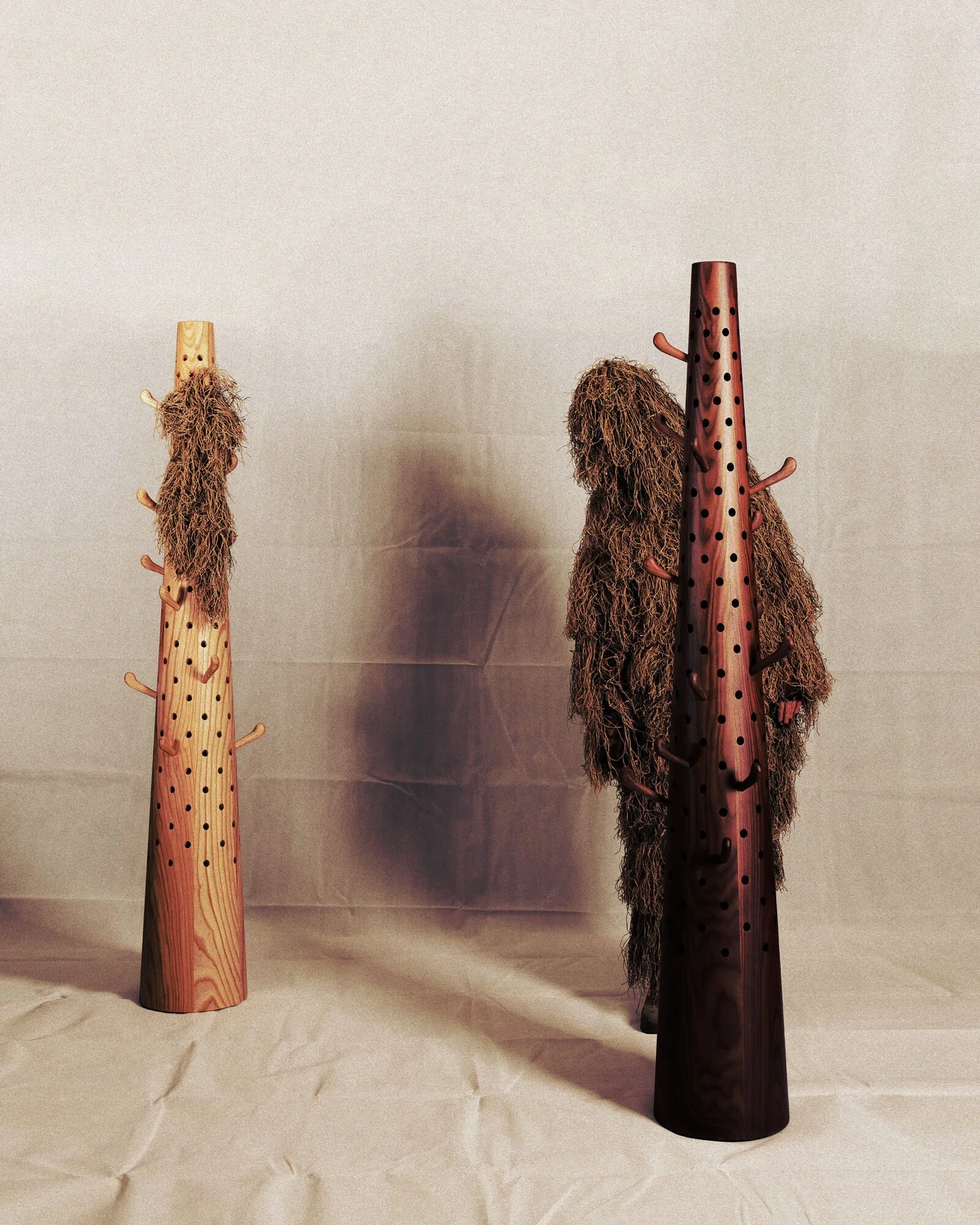
An engineer-turned-designer, Omar Al Gurg represents a rising generation of modern Middle Eastern makers. His studio, Modu Method, explores adaptive systems and collectible design that feels both personal and universal. With clean geometry and a reverence for negative space, his work reflects a minimalism rooted in intention, where modularity becomes an emotional language, not just a function.
4. Omar Chakil
Paris/ Middle East
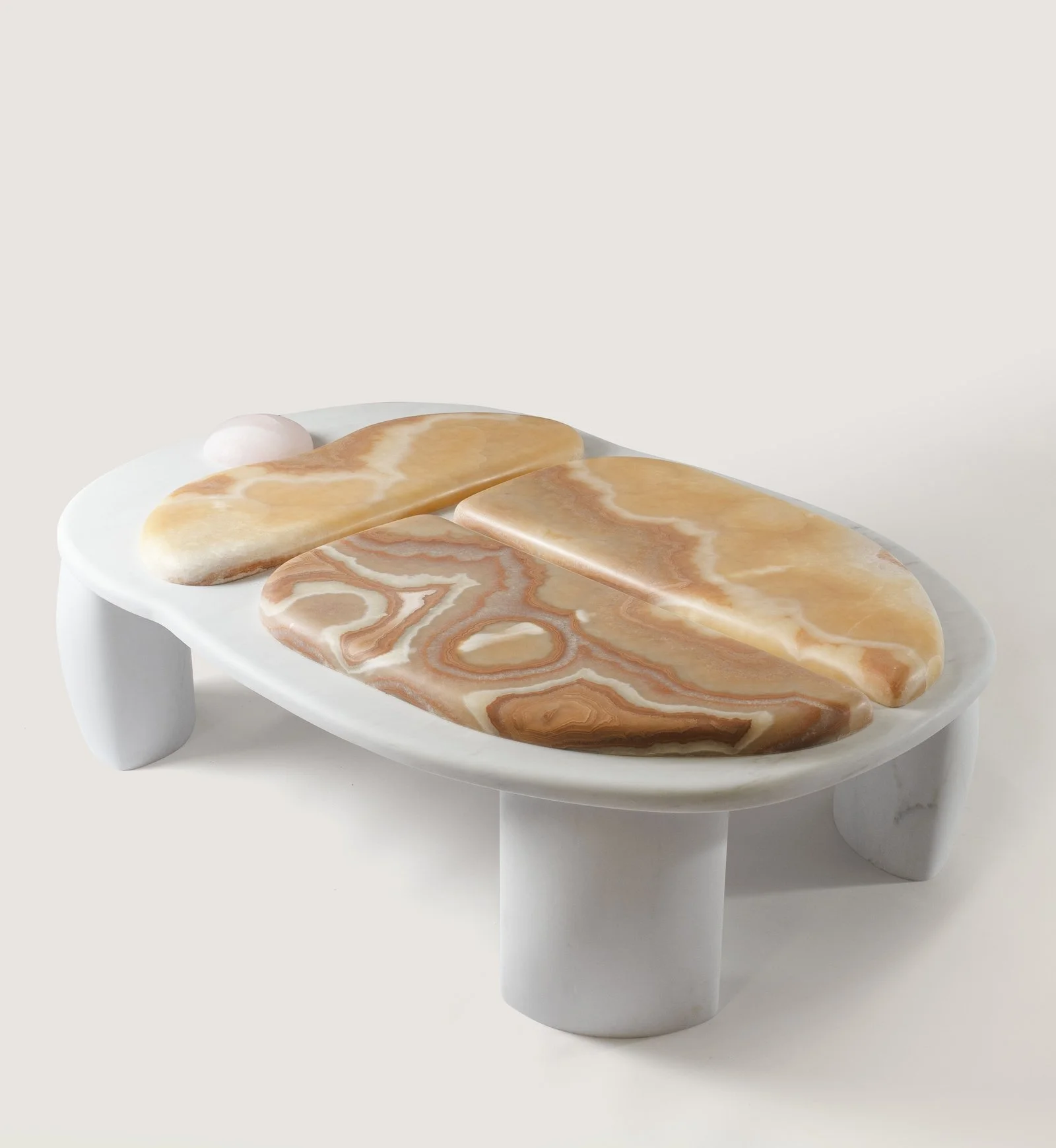
Operating at the intersection of design, sculpture, and conceptual art, Omar Chakil is among the most compelling emerging artists from the Middle East. His work channels regional narratives through speculative form, creating objects that feel like archaeological artefacts from imagined futures. Rooted in Arab world design sensibilities, Chakil’s practice blurs the boundaries between past and possibility, making space for both memory and invention.
George Geara

Karim & Elias
5. George Geara
Beirut, Lebanon
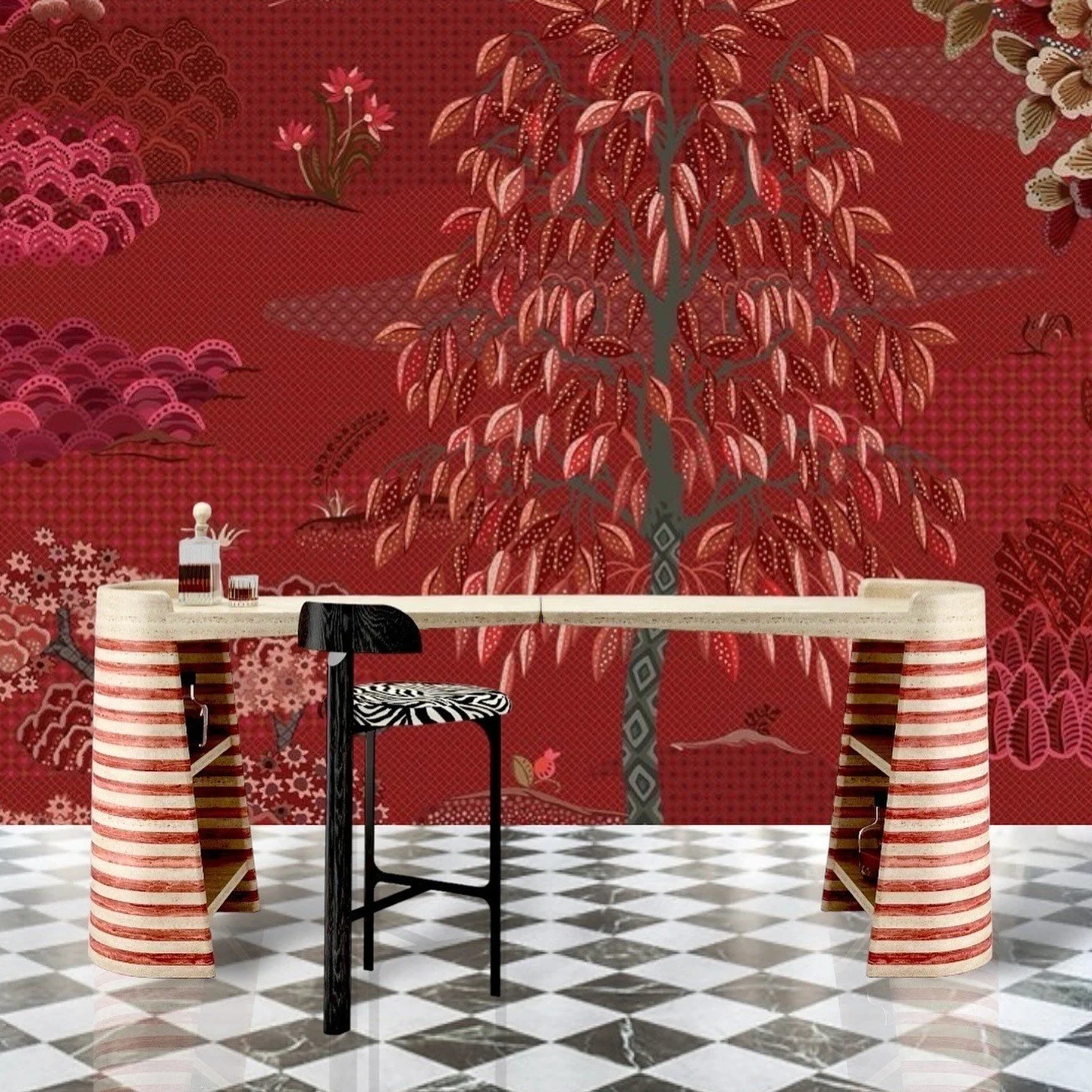
With the precision of an architect and the rhythm of a sculptor, George Geara stands out among contemporary Lebanese designers. His work distills structure into ritualistic, collectible design objects, where repetition and symmetry invite meditation. Drawing on both modernist restraint and regional nuance, Geara’s forms are deeply attuned to Middle Eastern design language, where calm becomes power, and stillness, expression.
Beirut, Lebanon
As one of the region’s most poetic interior artisan duos, Karim & Elias ground their practice in the elemental: earth, pigment, and fire. Their work, whether installation or collectible piece, peels back the surface to reveal an emotive, regional craft tradition. Through clay and silence, they explore what it means to belong, to remember, and to make art that whispers across cultures.

Kameh
Karen Chekerdjian Studio
7. Kameh
Dubai, UAE
Rooted in a fluid cultural identity, Kameh is more than a studio—it’s a spatial and material philosophy. Among a new generation of Dubai-based design voices, Kameh blurs the line between interior architecture and collectible design objects, creating grounded forms that echo regional craft traditions. The result is a vocabulary that feels at once ancient and progressive, tactile and contemplative.
Beirut, Lebanon
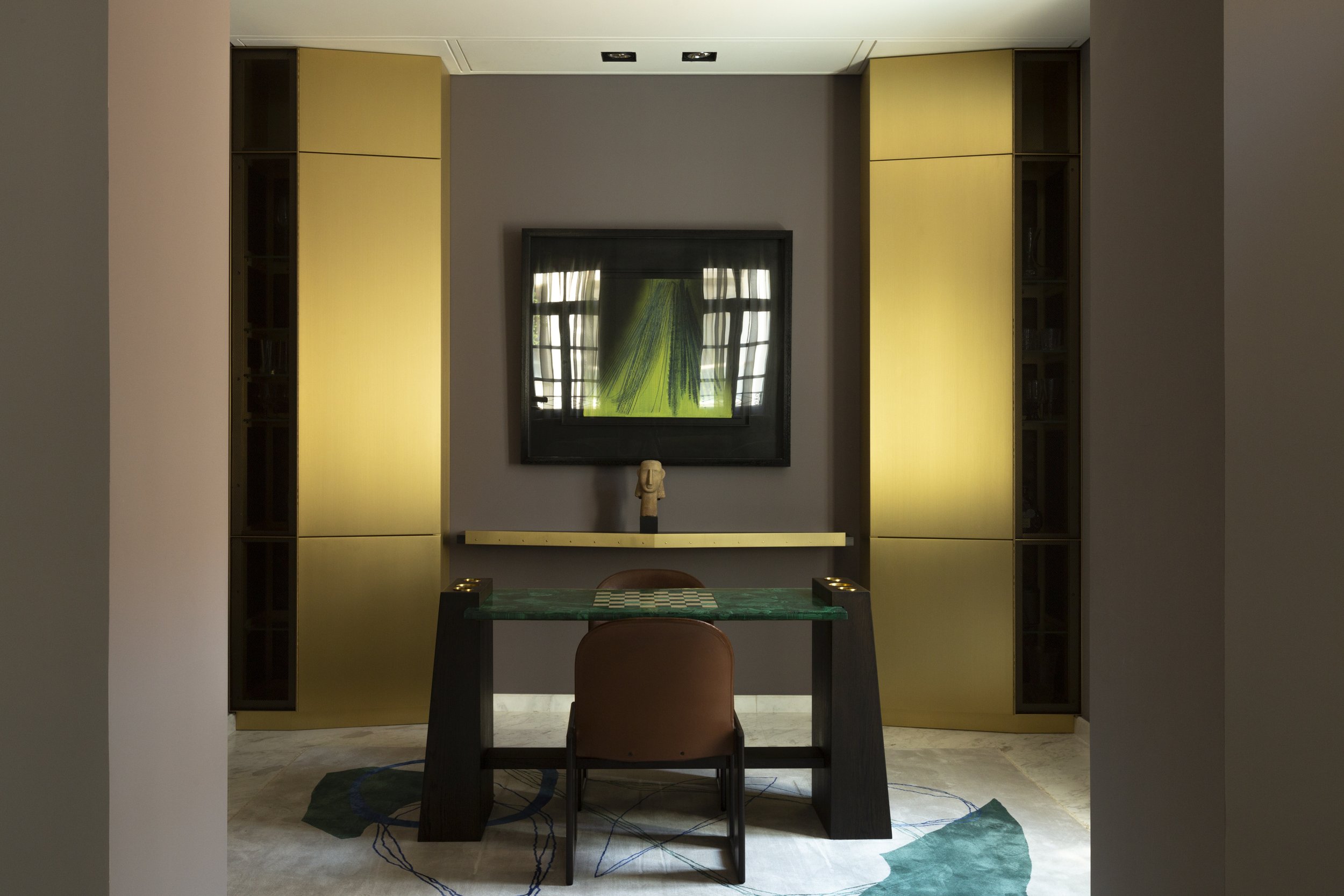
A true pioneer among modern Middle Eastern makers, Karen Chekerdjian has spent decades reshaping the landscape of contemporary Arab design. Her objects defy category—instinctual, symbolic, and sculptural, they function as emotional artefacts more than utilitarian objects. Chekerdjian’s work reminds us that in the right hands, design can be a vehicle for transformation, memory, and quiet provocation.
Studio Paola Sakr
Naqsh Collective
Beirut, Lebanon
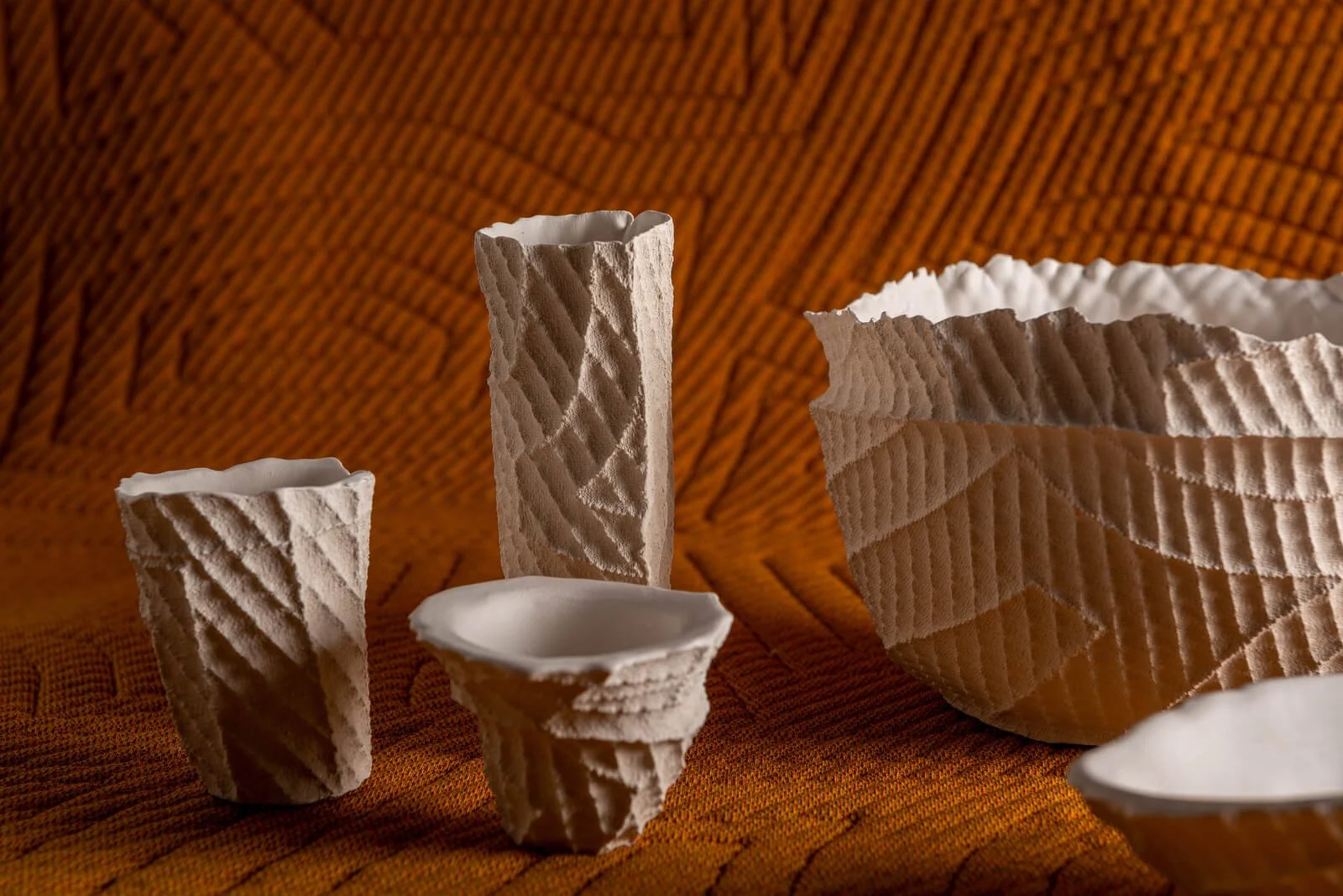
Blending sustainability with sculpture, Paola Sakr is among the most thoughtful emerging artists in Middle Eastern design. Her studio practice moves between recycled materials, clay, and bioplastics: exploring impermanence, care, and intuition. Sakr’s objects are part of a growing dialogue in regional craft traditions, where emotional resonance and material innovation are not at odds but in harmon
10. Naqsh Collective
Amman, Jordan
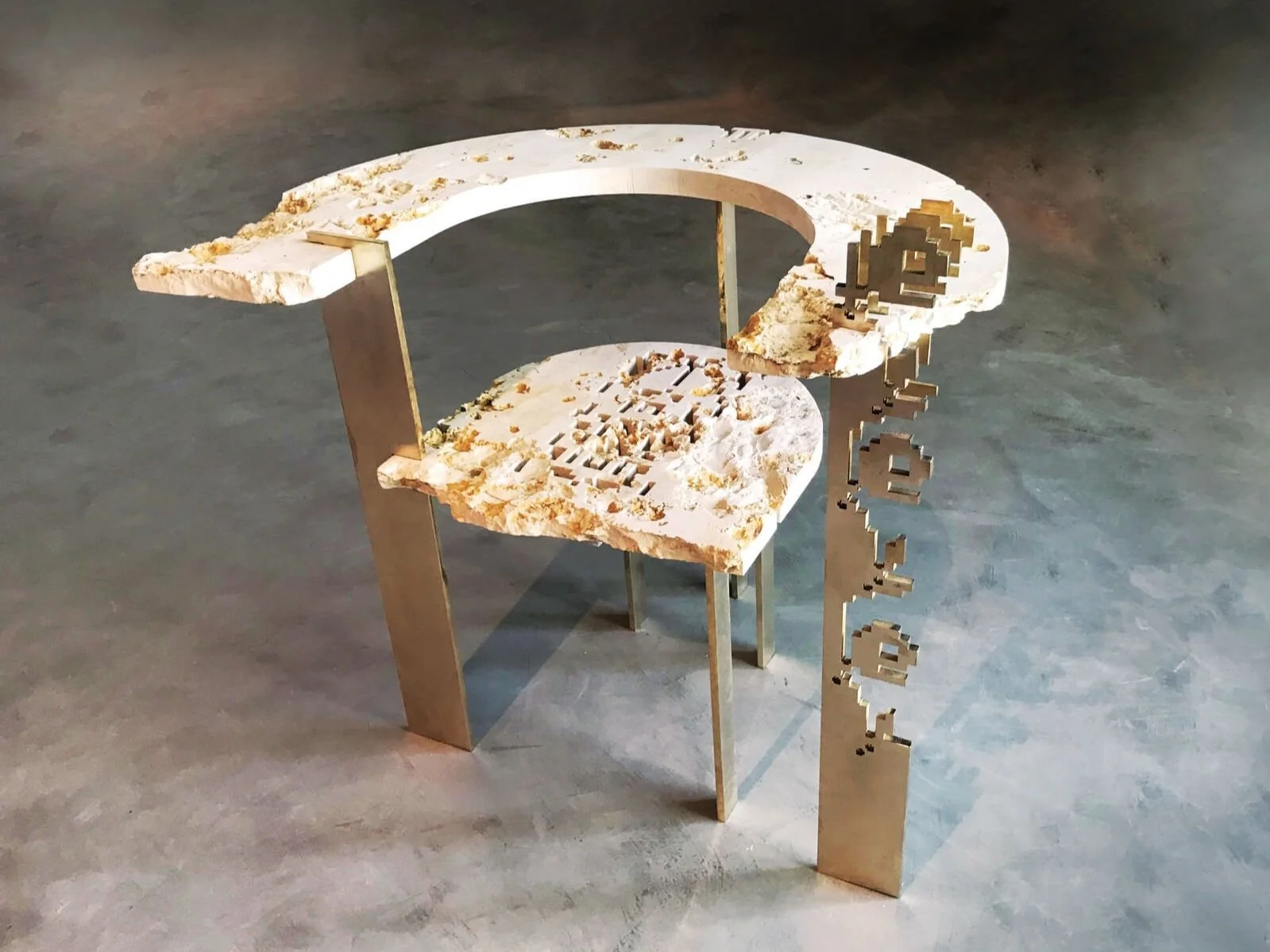
Founded by sisters Nisreen and Nermeen Abu Dail, Naqsh Collective bridges interior artistry and architectural storytelling. Their work celebrates the precision of embroidery, the permanence of metal, and the memory of stone. Through a uniquely Jordanian lens, they translate Arab heritage into collectible design, crafting pieces that are both poetic and enduring, rooted in culture, but untethered by geography.
These ten profiles offer just a glimpse into the growing landscape of contemporary design in the Middle East. From Lebanese artisans to Jordanian architects and Emirati-based conceptual studios, each brings a distinctive voice to the region’s creative renaissance.
Their work reflects a shift in how interior design and artistic craft are perceived, not only as disciplines of beauty, but as tools for cultural reflection and storytelling. As this new generation of Arab world design voices continues to rise, they remind us that heritage isn’t static, it’s a living, evolving medium shaped by material, memory, and vision.