people • Interior Architect & Designer
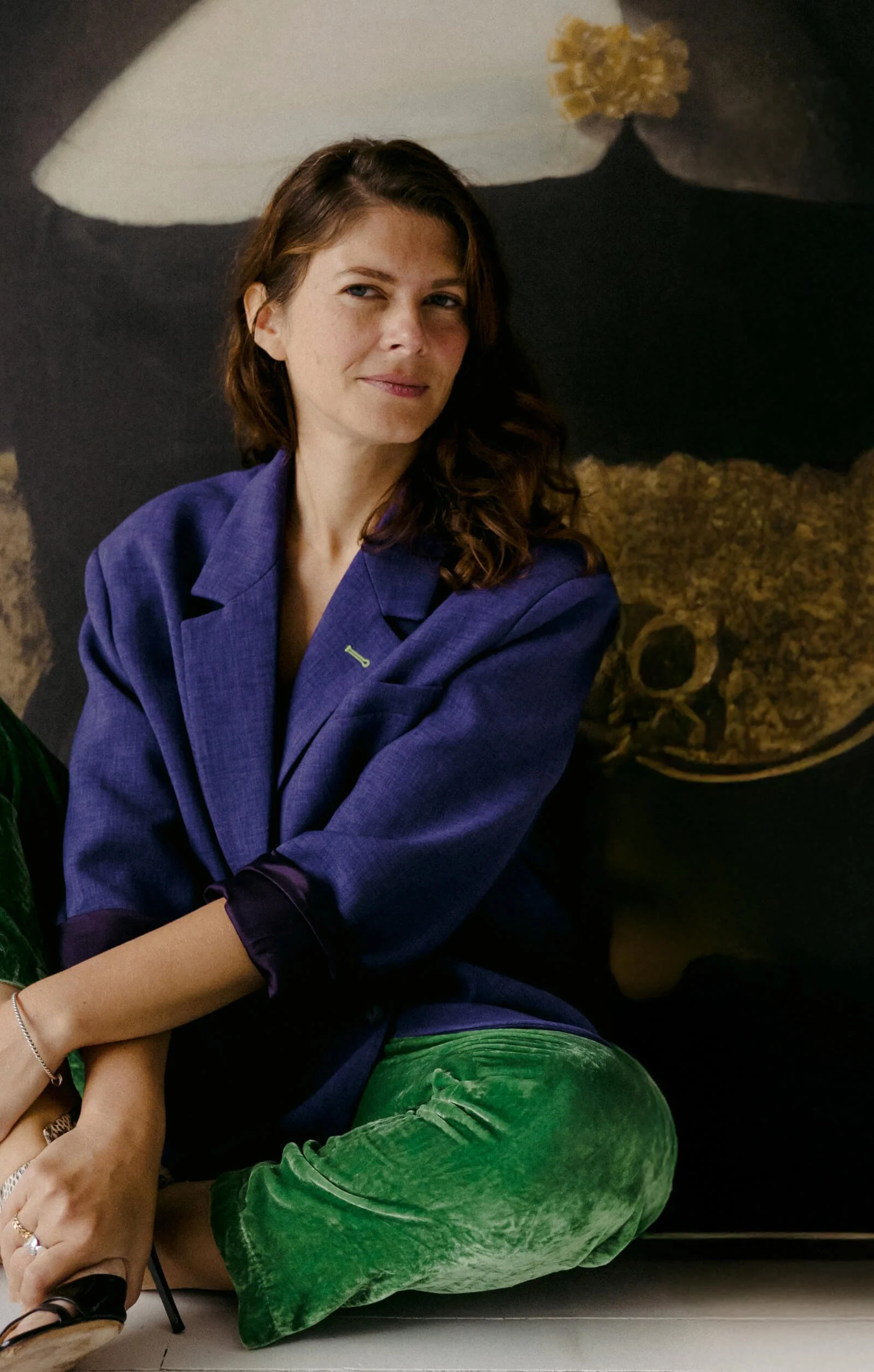
From Bucharest to Milan, Paris to New York, architect and interior designer Crina Arghirescu Rogard has built an international practice defined by artistic diversity and contemporary luxury interiors, and thoughtful, modern design. Crina’s design philosophy centers on singularity and artistry. Her furniture transcends function to become collectible works of art crafted with exquisite attention to materiality, texture, and colour, existing as intimate extensions of her architectural vision. Whether born from bespoke commissions or collaborative exhibitions, these pieces forge a dialogue between object and space, balancing poetic expression with purposeful form. Her interiors reveal a meticulous care for detail, where subtle gestures and refined finishes articulate a narrative of precision and elegance. Through this fusion of art and architecture, Crina creates immersive environments that resonate with quiet sophistication and enduring authenticity.
With projects spanning Europe, the Middle East, Latin America, and of course, the United States, her work reflects a balance of refined luxury, innovation, and cultural sensitivity. Regularly featured in leading publications such as Architectural Digest, Wallpaper, The New York Times, and Dezeen, Crina Arghirescu Rogard is recognised as one of the most distinctive voices in contemporary design today. In this exclusive interview, she shares her influences, her philosophy of elegance, poetry, and audacity, and the creative vision guiding her global projects.
Words: designeers
SEPTEMBER 2025
WEBSITE: crina-architecture.com
INSTAGRAM: @crina_architecture
DESIGNEERS
Your creative journey is shaped by an international background spanning Milan, Paris, and New York. How did your career develop, and which experiences have most influenced your vision as an architect and designer?
Crina Architecture
I grew up in Bucharest, but it was in Milan, while studying at the Politecnico di Milano, that I first fell in love with architecture’s dialogue with history, art, and context. My years in Paris refined my sense of elegance and proportion, a city where architecture is imbued with poetry. New York, with its dynamism and constant reinvention, taught me to embrace bold contrasts and modern experimentation.
When I founded Crina Architecture in 2013, it felt like a natural way to weave these influences together. My work today seeks to combine enduring style with contemporary design, creating interiors that balance elegance, audacity, and cultural resonance.
DESIGNEERS
Was there a specific moment when you realised that design and architecture would become your primary means of expression?
Crina Architecture
Yes, I remember discovering the W.W. Stool by Philippe Starck, designed for the filmmaker Wim Wenders. Wenders had asked Starck to create a workspace that would allow him to work while standing, and the stool became both a functional solution and a poetic gesture. I was captivated by how a simple object could solve a human need with elegance, wit, and design intelligence. That moment crystallised for me the idea that architecture and design are not just about aesthetics; they are about expression, problem-solving, and creating beauty with purpose.
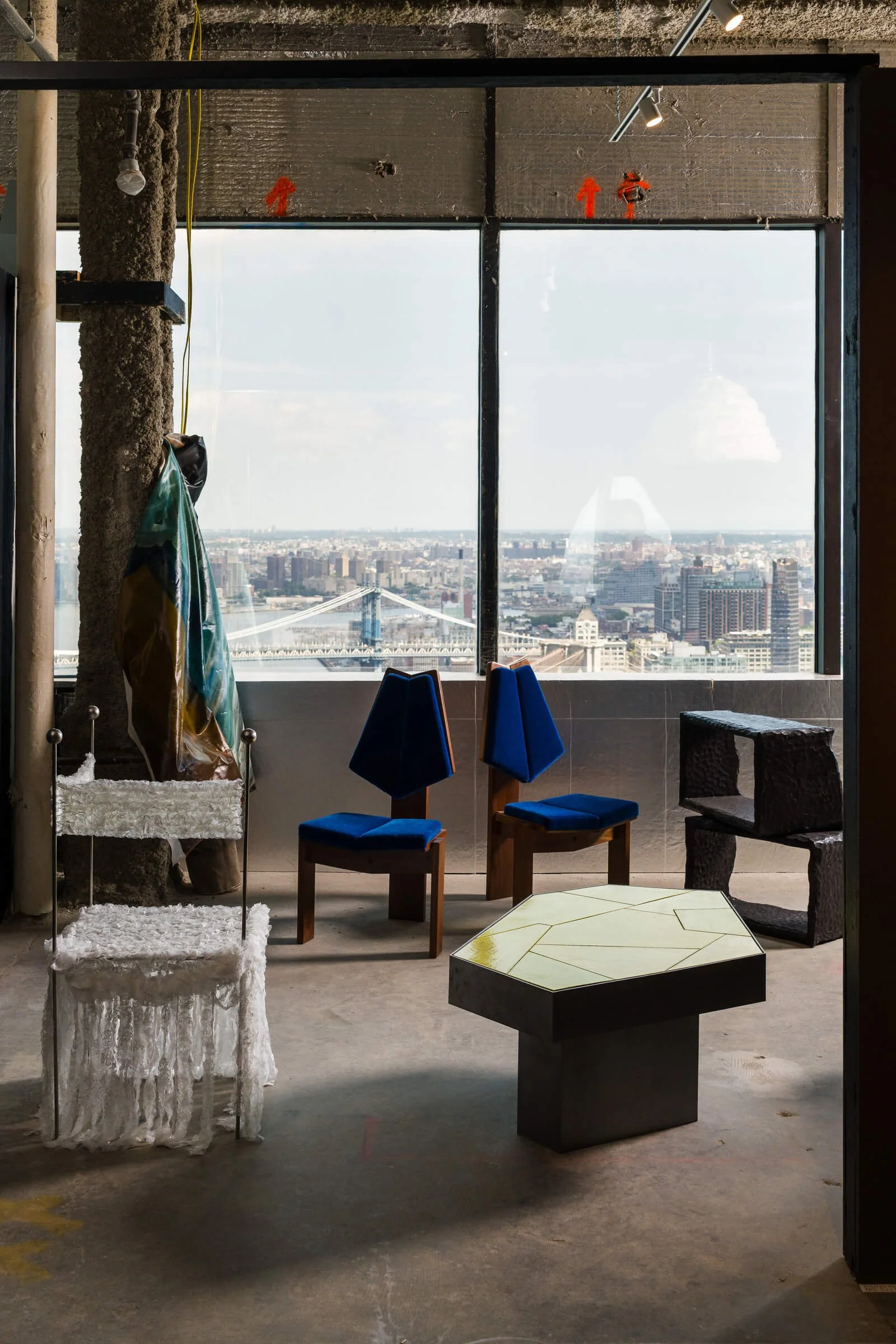
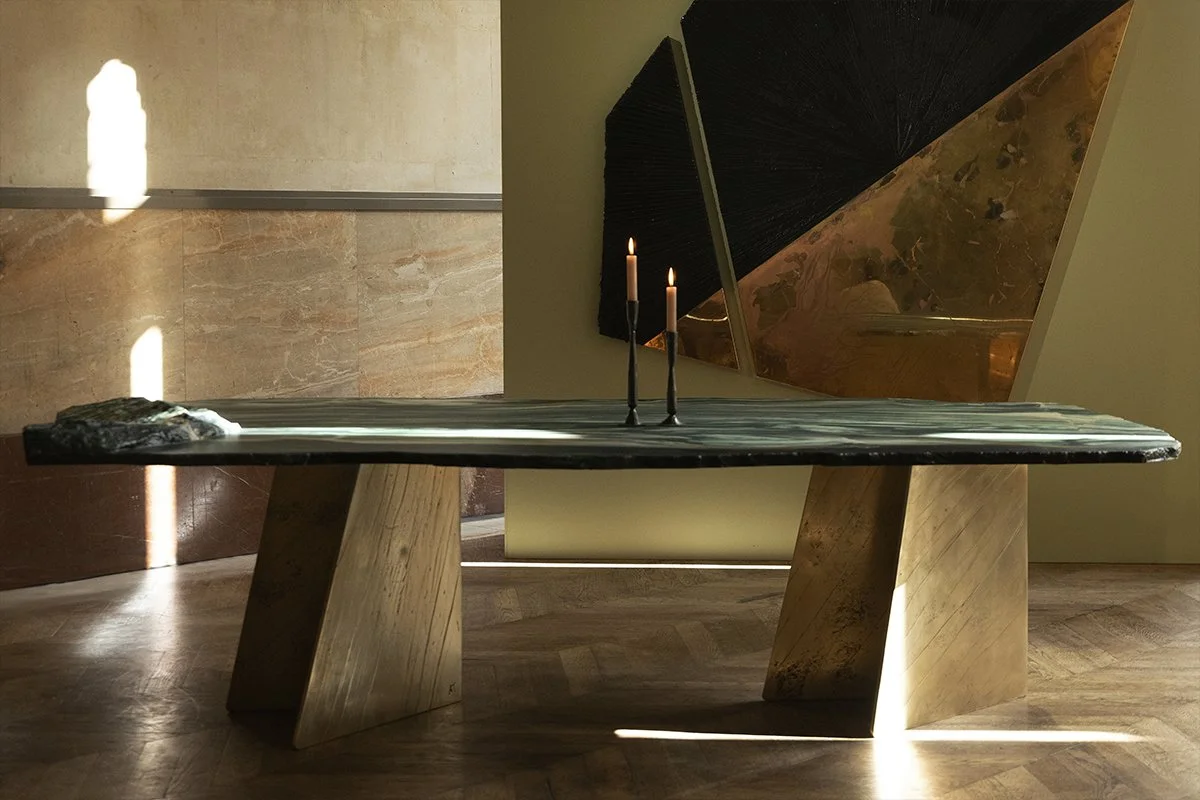
Brutalist Chairs, Forest of Ink Bookshelf, Raku Table (all collectible design pieces by Crina Architecture), Veiled Structure (by AE02) & Painting (by Claudia Doring Baez)
Photo: Simon Leung
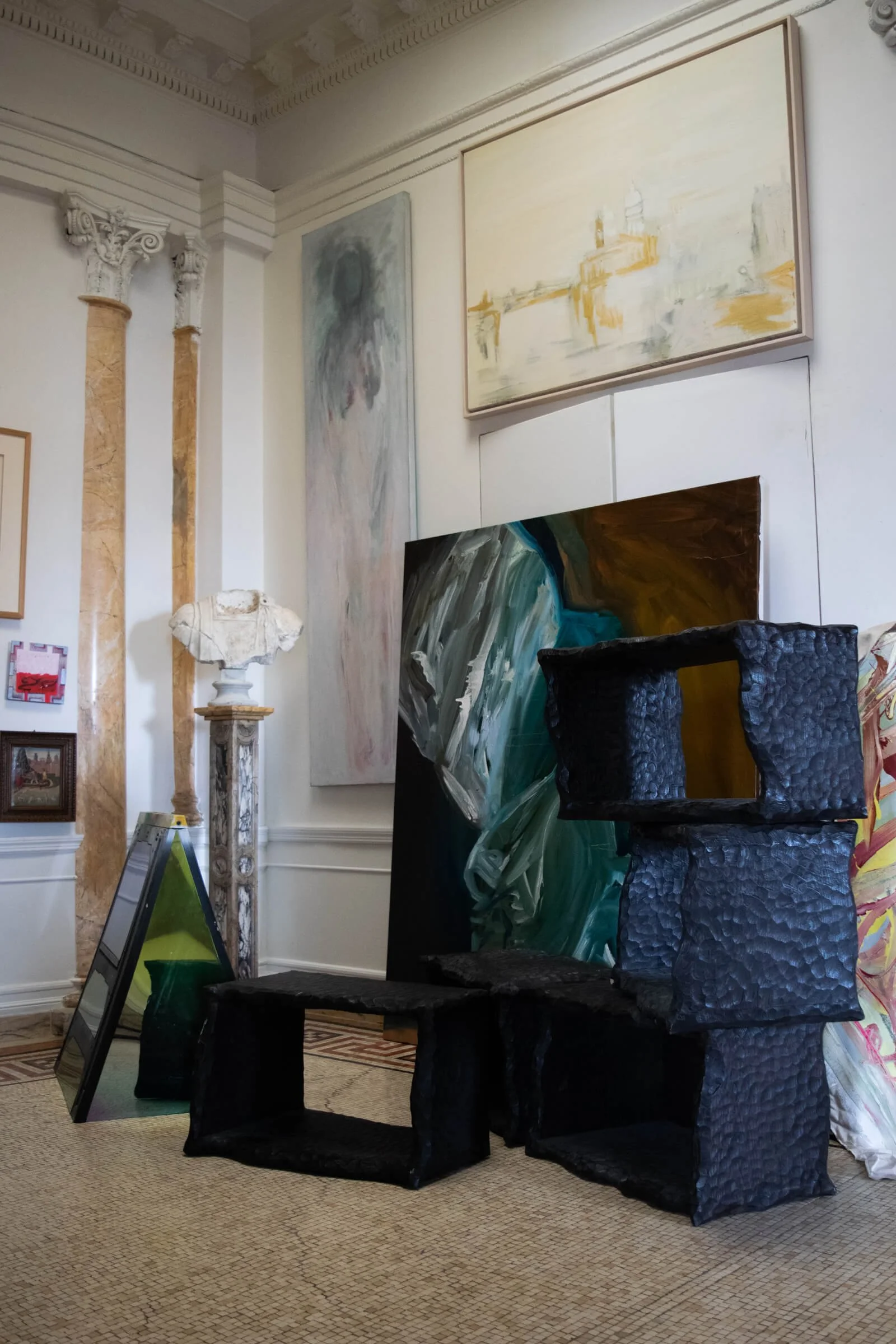
Forest of Ink Bookshelf (by Crina Architecture) & Painting (by Claudia Doring Baez)
Photo: Franchesca Rousseas
DESIGNEERS
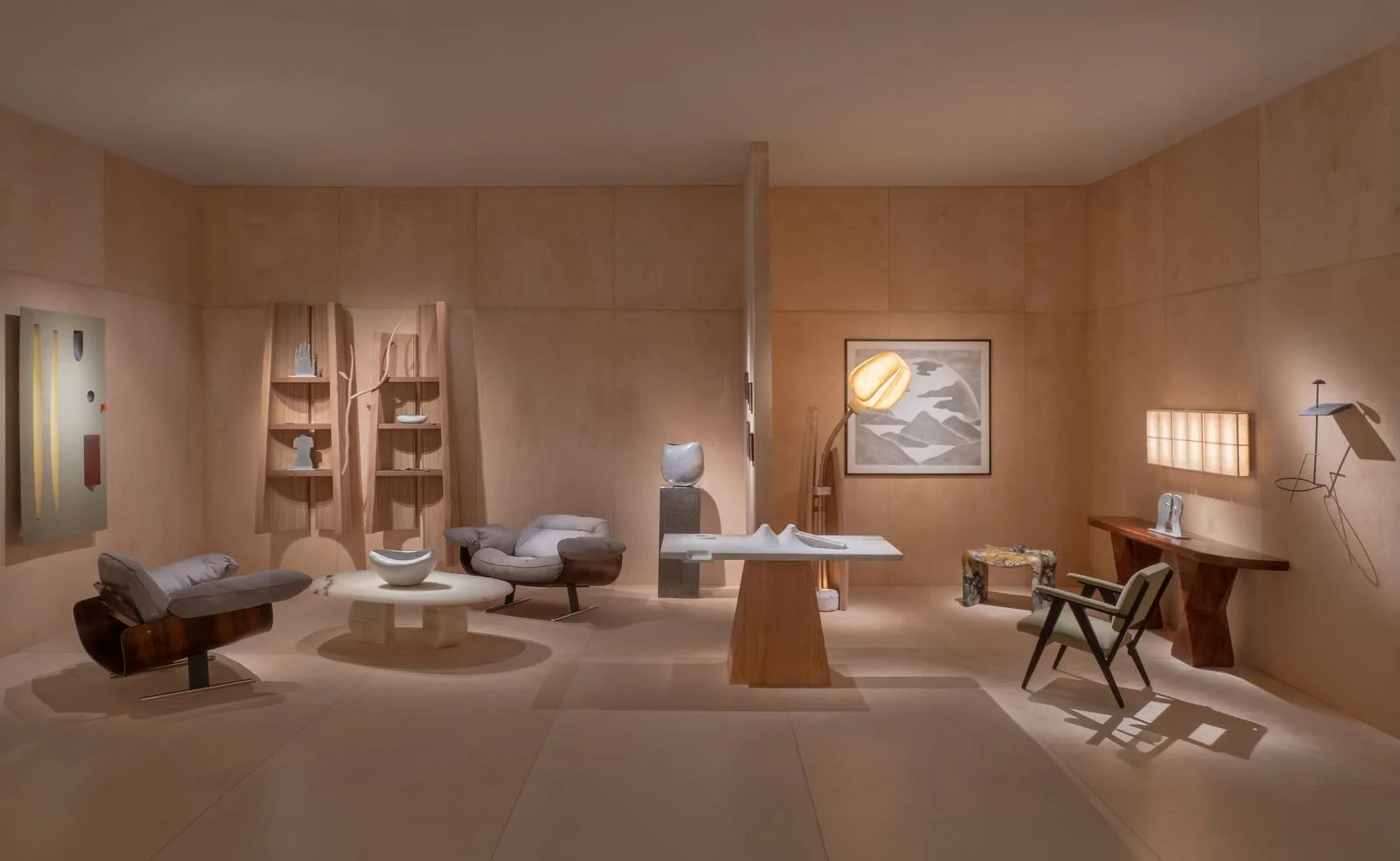
Your exhibition “Ghosts of the Mundane,” hosted at NKG Annex Gallery, explores a poetic and curatorial approach to design. How did the idea come about, and what message did you aim to convey to visitors?
Crina Architecture
The project began quite organically. Nathalie Karg, a dear friend, invited me to curate a design show at her gallery, and I immediately embraced the opportunity. Within just two weeks, with the support of my team and Aurore Vuillierme, we created a comprehensive exhibition that juxtaposed some of Nathalie’s artists with exceptional designers from New York and Europe.
The show became an exploration of memory, presence, and the poetry within everyday objects, blurring the line between art and design. We included several of our own collectible design pieces, situating them in dialogue with contemporary artworks. Ghosts of the Mundane was less about spectacle and more about creating an atmosphere, a space where visitors could reflect on how design holds both beauty and narrative.
DESIGNEERS
Your product design collections, from the Raku Table to the Iele Chair and the Forest of Ink Bookshelf, have a strong sculptural presence. Is there a common thread connecting these pieces?
Crina Architecture
Many of our clients are also significant art collectors, so I approach both our interiors and collectible design pieces as part of that same world. Furniture, for me, is never just functional; it’s meant to exist as a sculptural presence, holding its own alongside artworks and architectural spaces.
Pieces like the Raku Table, the Iele Chair, or the Forest of Ink Bookshelf are conceived to sit boldly in dialogue with works by Morris Louis, Helen Frankenthaler, or Giacometti. The aim is not simply to complement a collection but to become part of it, to create objects that feel at home in environments shaped by creativity, refinement, and cultural resonance.
DESIGNEERS
Many of your works seem to engage in a dialogue between art, architecture, and memory. How important is cross-pollination between disciplines in your practice?
Crina Architecture
For me, cross-pollination is essential, and in many ways, unavoidable. The most inspiring moments in my practice emerge when art, architecture, and design intersect, allowing new meanings to unfold beyond traditional boundaries. This interdisciplinary approach enriches every project, enabling me to craft dynamic, immersive, and highly curated environments where architecture speaks to memory, and design becomes an extension of culture.
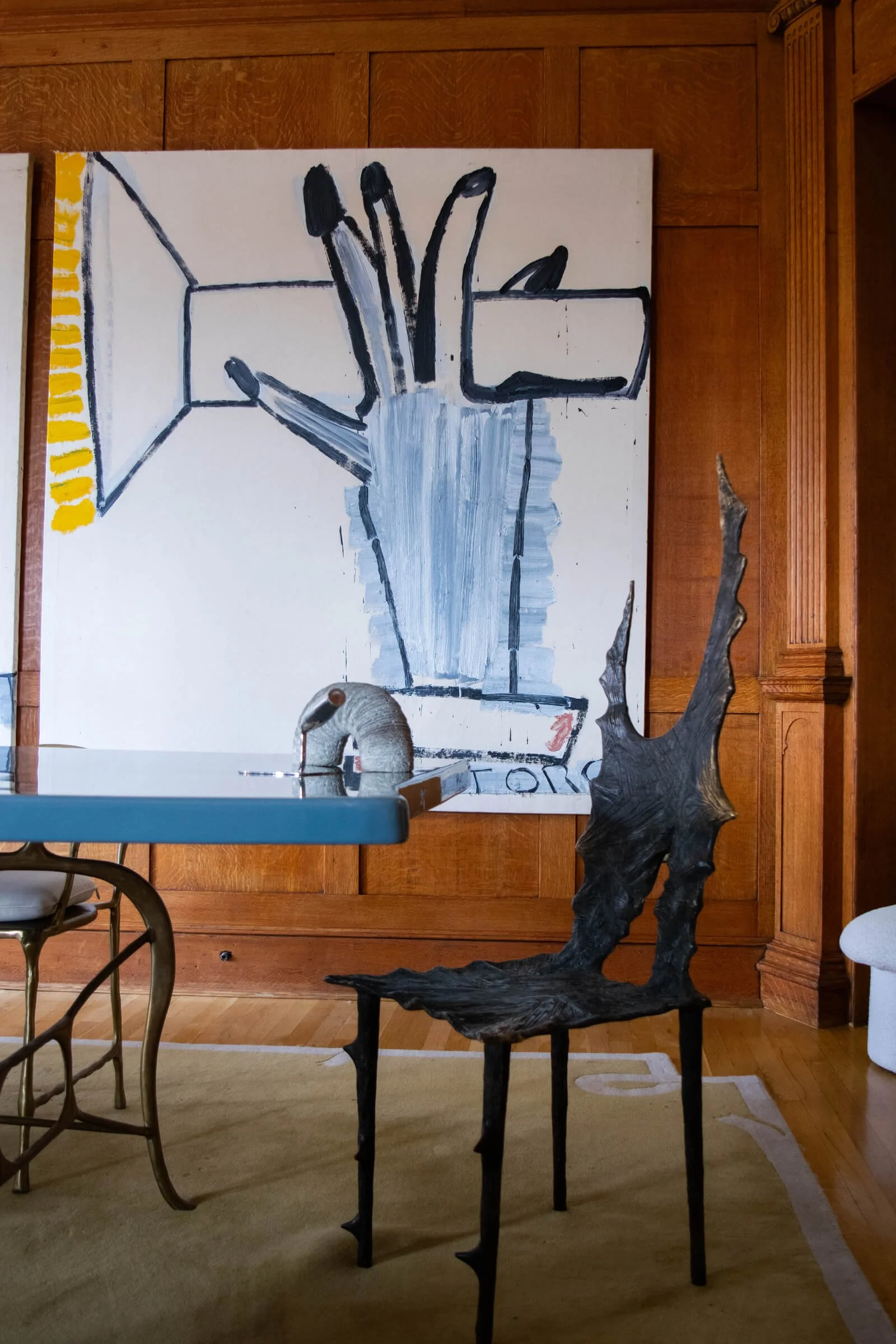
Iele Chair (by Crina Architecture)
Photo: Franchesca Rousseas
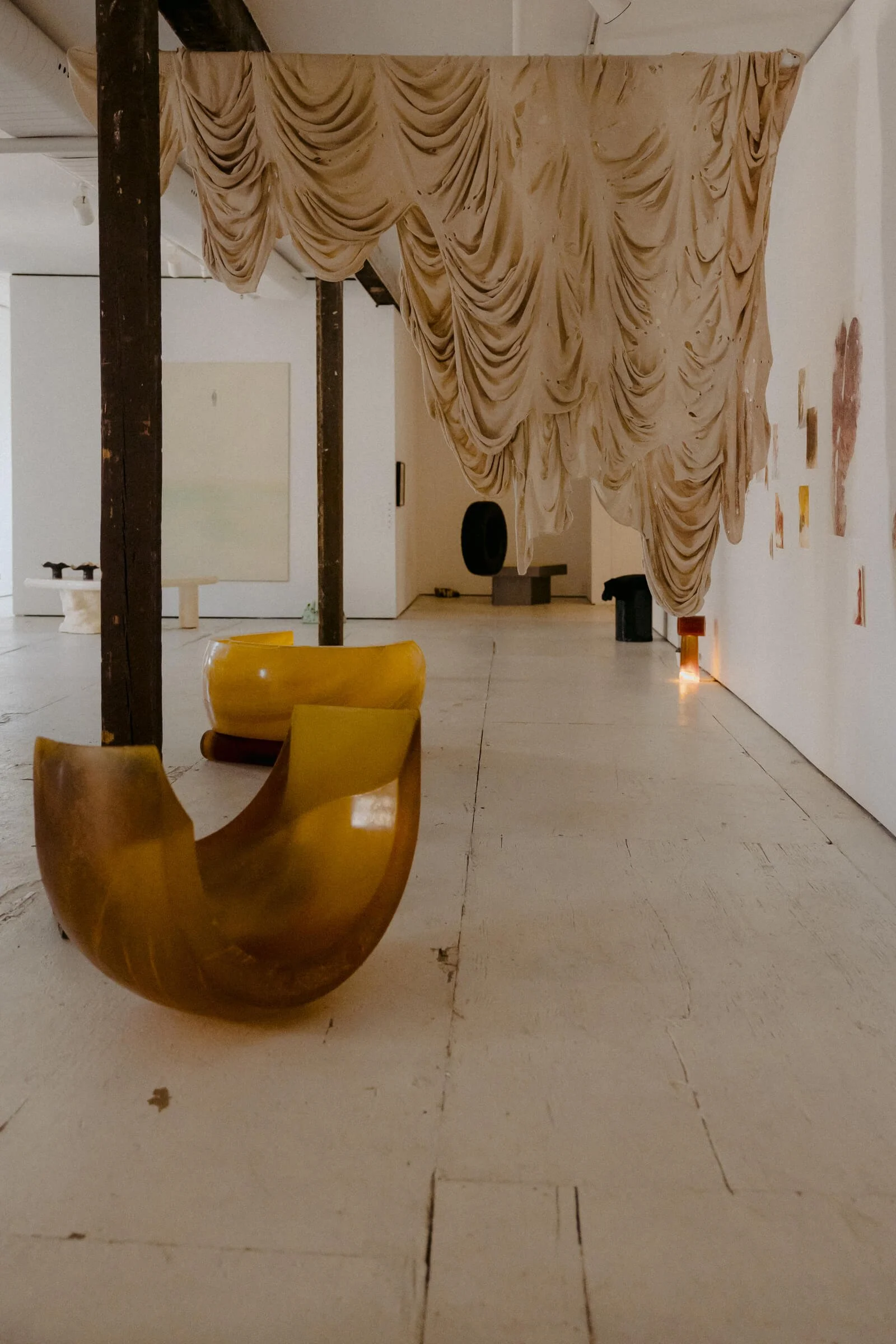
Photo: Sheena Kim at UNIQUE LAPIN Photograph
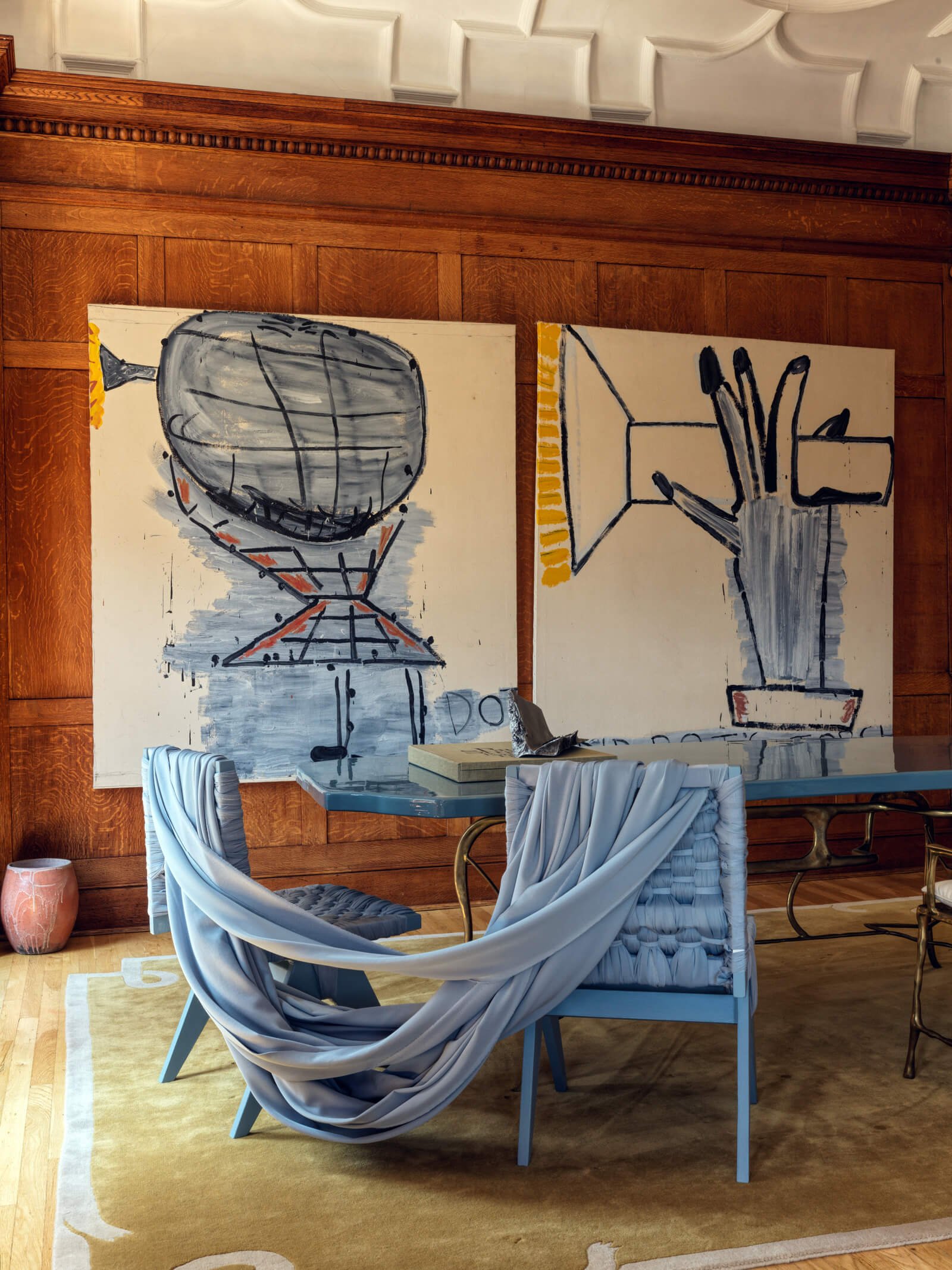
Claudia's Chairs (by Liz Collins 1st edition developed with Crina Architecture. Original concept: Liz Collins & Harry Allen)
Photo: Chris Mottalini
“The most inspiring moments often arise when different disciplines converse, allowing design to shine in contexts beyond its traditional boundaries.”
Crina Architecture
DESIGNEERS
Which designers or artistic movements have had the most significant influence on your creative journey?
Crina Architecture
I'm always attracted to architects and designers that cover the full spectrum of creation, but in this moment I'm particularly interested in the work of Álvaro Siza, Ricardo Bofill, and Alvar Aalto, as well as the timeless vision of Charles and Ray Eames. Each of them, in different ways, has shown how architecture and design can be both poetic and functional. On a broader level, the Brutalist and Bauhaus movements continue to resonate with me; their emphasis on functionality, materiality, and clean lines has shaped the way I think about form, proportion, and how design lives within its context.
DESIGNEERS
When selecting materials for a project, what are your priorities? Are there particular surfaces, textures, or techniques you especially enjoy experimenting with?
Crina Architecture
Materiality is central to my practice; every project begins as a blank canvas where surfaces, textures, and details are chosen with both aesthetic resonance and functional longevity in mind. Often, my approach is informed by the dialogue between art and architecture, which allows me to create interiors that feel deeply personal and layered.
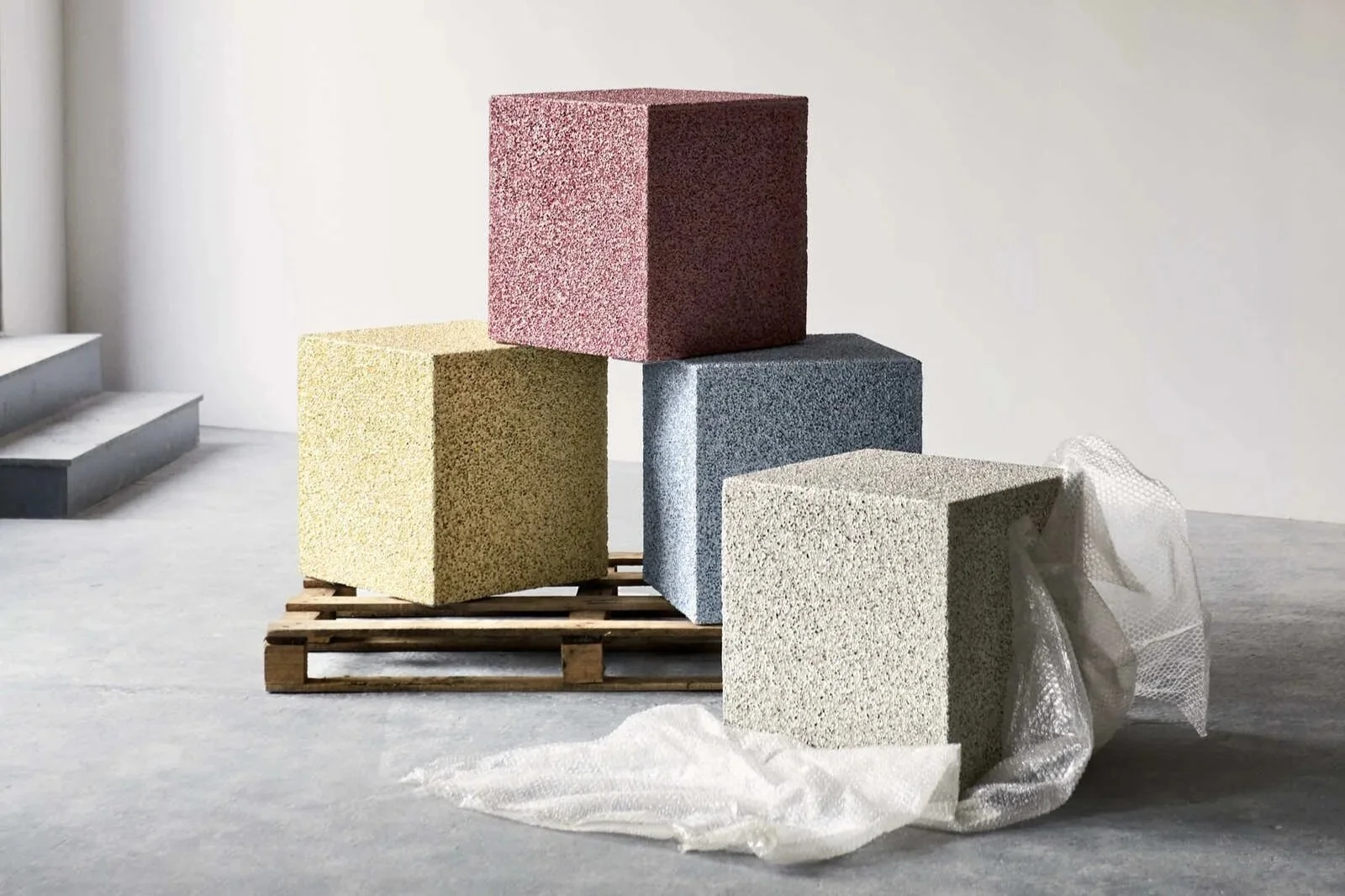
I enjoy collaborating with artists and makers to develop one-of-a-kind pieces that elevate a space into a work of art. Recent projects have included a Rogan Gregory bar, a Henry Timi fireplace, a Hartis leather-embossed mirror, and a sculptural swing co-designed with Mr. Liz Hopkins. For me, these bespoke interventions are not decorative afterthoughts; they are integral to the narrative of luxury, craftsmanship, and contemporary design.
DESIGNEERS
You have collaborated with various artisans and creatives, such as for the Carte Blanche Swing. What qualities do you look for in a creative partner or trusted supplier?
Crina Architecture
For me, the best collaborations are built on openness, curiosity, and a willingness to experiment. I seek partners who approach each project as a true dialogue, where ideas and materials can be pushed beyond the expected to achieve something original. Mutual respect is essential, as is a shared passion for craftsmanship and innovation. And of course, I value collaborators who can bring vision to reality with agility, sometimes within just two weeks.
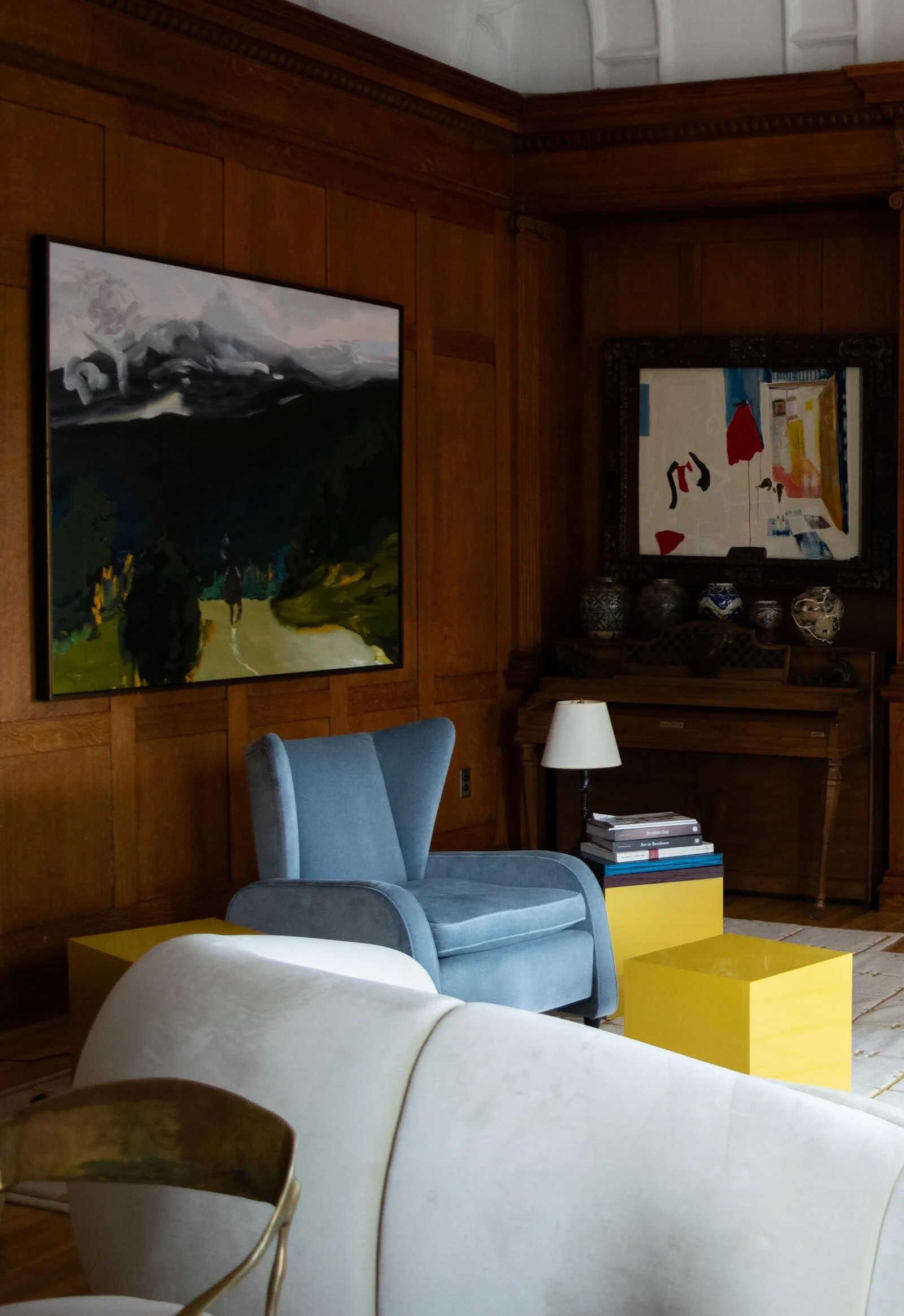
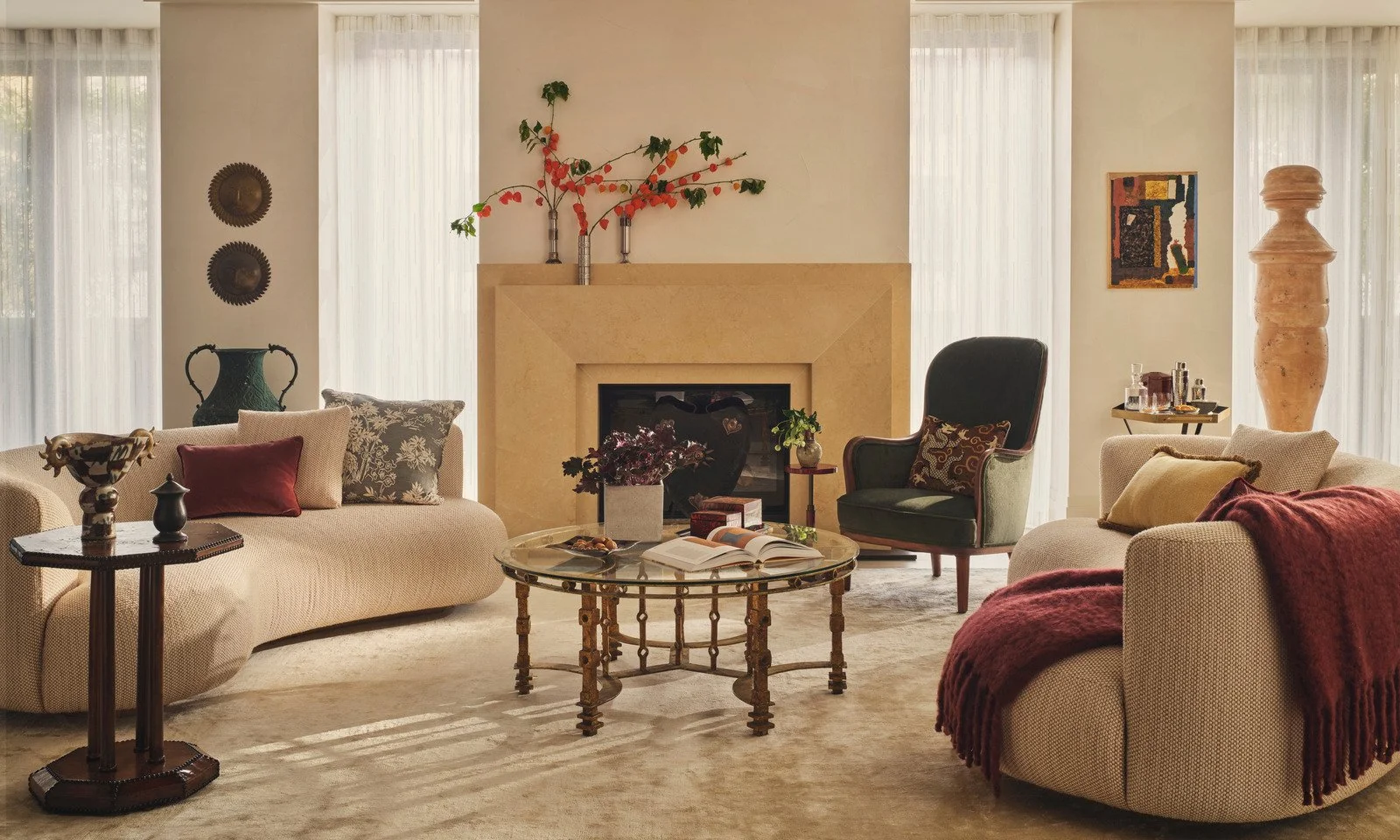
American Thread Building Penthouse: Dreaming of Gio
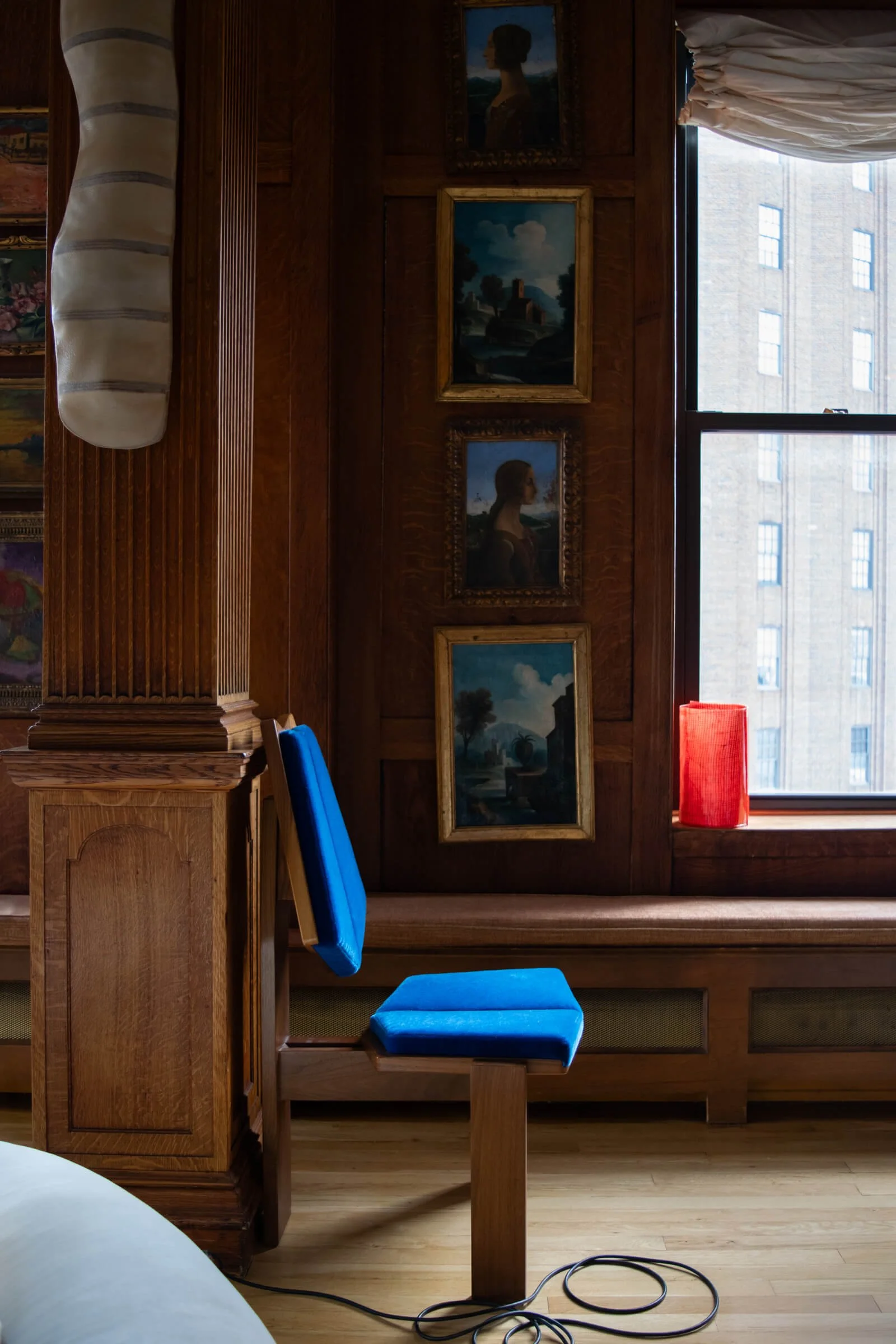
American Thread Building Penthouse: Brutalist Chair
DESIGNEERS
Are there any artisans or suppliers you consider true “top suppliers” with whom you’ve built a strong working relationship?
Crina Architecture
I’ve been fortunate to collaborate with some of the most exceptional international artisans, whose imagination and mastery elevate every project. Over the years, workshops such as Ateliers Fey, Maison Charles, Ateliers Jouffre, Rinck, Ateliers Première, and Par Excellence have been invaluable partners. Many of these studios are part of France’s artistic and artisanal patrimony, carrying forward traditions of craftsmanship and cultural heritage that enrich the quality of an architectural project.
Most recently, I had the pleasure of working with Otilia and Giulian Dumitriu of Bronz Art, who brought to life the Iele Chair in cast bronze, along with other new pieces we presented at Collectible in New York. These collaborations are not just about production — they are about sustaining dialogue between heritage, innovation, and contemporary design.
DESIGNEERS
Dream project with an unlimited budget, what would it be?
Crina Architecture
I’ve always been inspired by the immersive worlds of grand performance spaces, especially places like La Scala in Milan. My dream project would be to design a complete scenography in the spirit of visionary conductor Edward Clug, from stage and lighting to furniture and set pieces. It would be a chance to create a fully cohesive environment where architecture, design, and performance merge into one poetic experience.
DESIGNEERS
Favourite design hotel in the world?
Crina Architecture
I actually have two. First, The Vines in Mendoza, Argentina, a place very close to me, as our studio is currently developing a major new extension there. The project will add 65 new villas, a spa with panoramic views of the vineyards and the Andes, and a circular, sustainable organic restaurant rising at the heart of the vineyard, the second restaurant at The Vines, by a renowned Argentinian Chef Francis Mallmann
The second is The Standard, a brand I admire because every property is truly anything but standard; each has its own identity while remaining playful and design-forward. And I can’t help but mention the Touriste hotels by Adrien Gloaguen and Julie Revuz in Paris, which I find wonderfully distinctive; each location is conceived with a unique narrative and design personality.
DESIGNEERS
Your design hero?
Crina Architecture
I oscillate between two Carlo’s: Scarpa and Mollino!
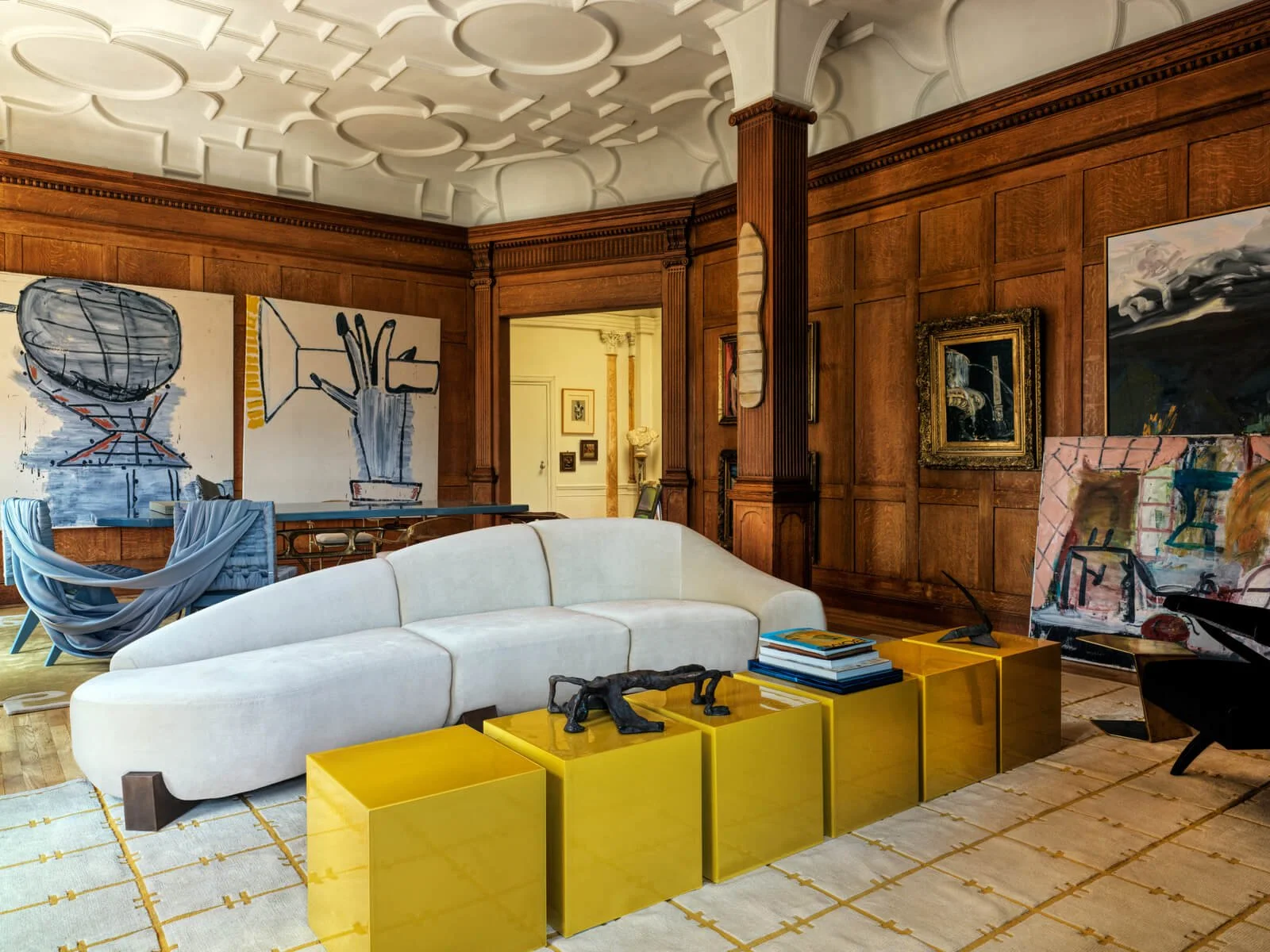
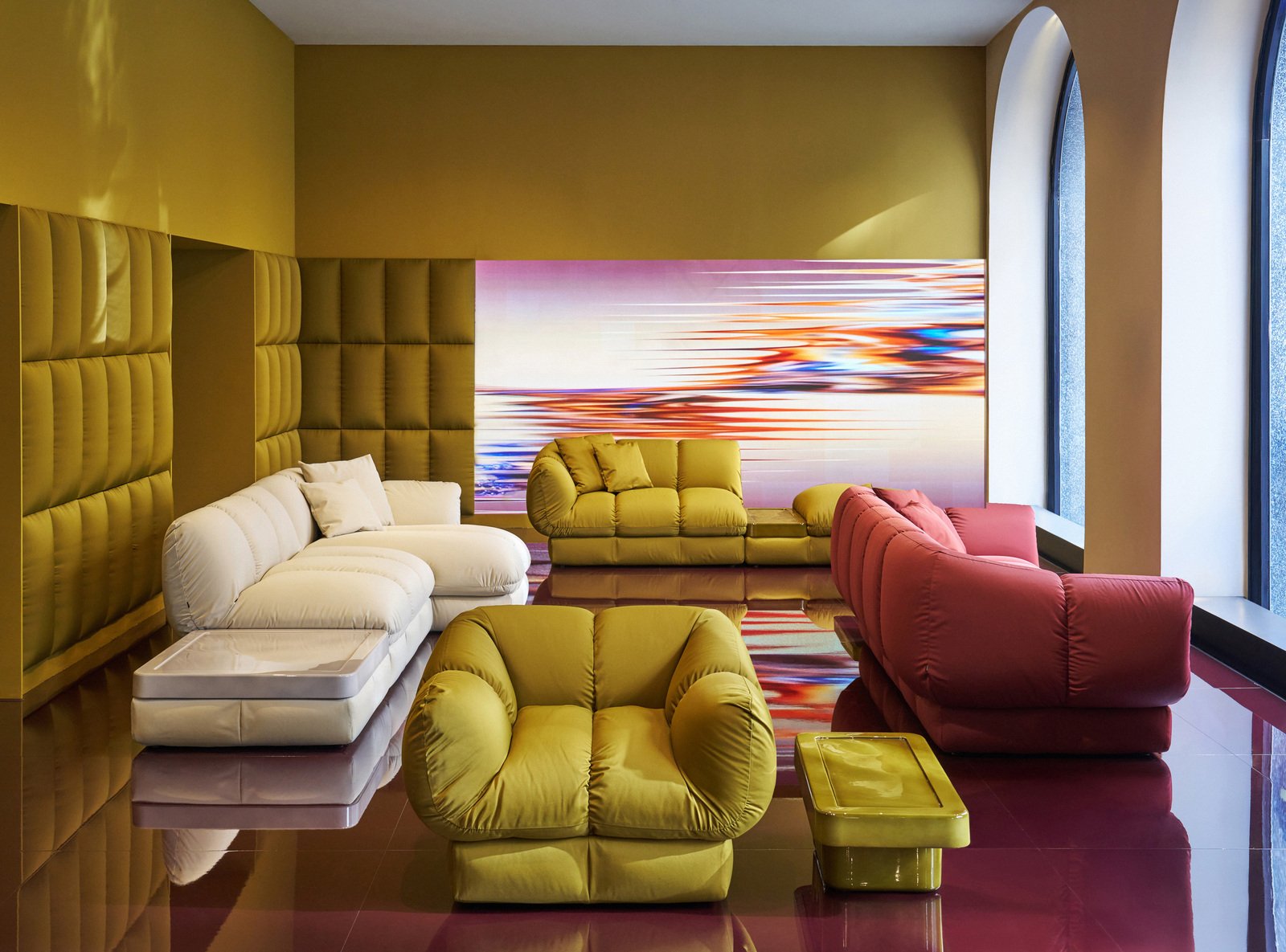
American Thread Building Penthouse: Mr. Liz Hopkins Resin Coffee Tables
Photo: Chris Mottalini
PHOTOGRAPHY CREDITS:
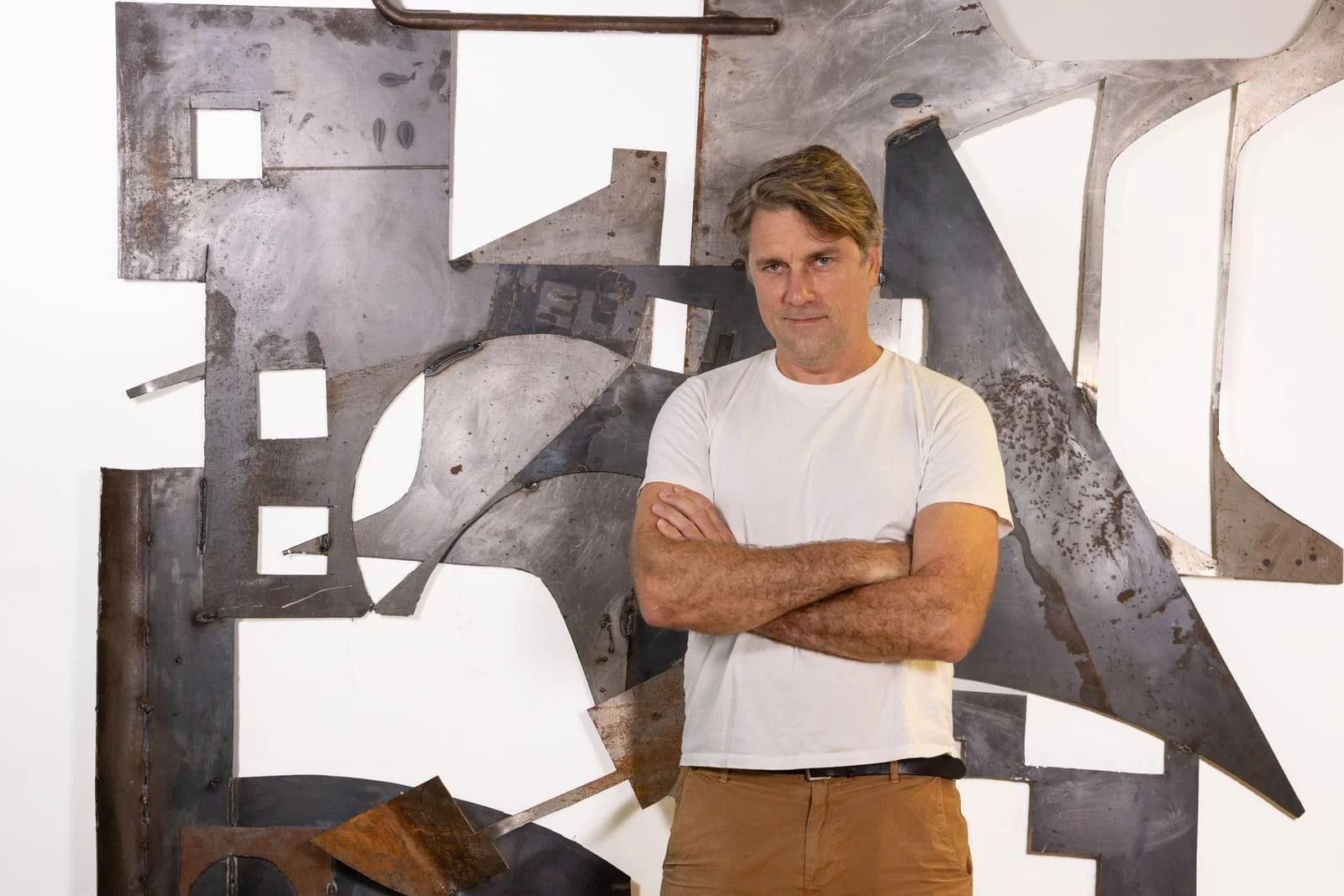
PROFILE IMAGE- SHEENA KIM
Simon Leung, Franchesca Rousseas, Chris Mottalini