people • DESIGNERs
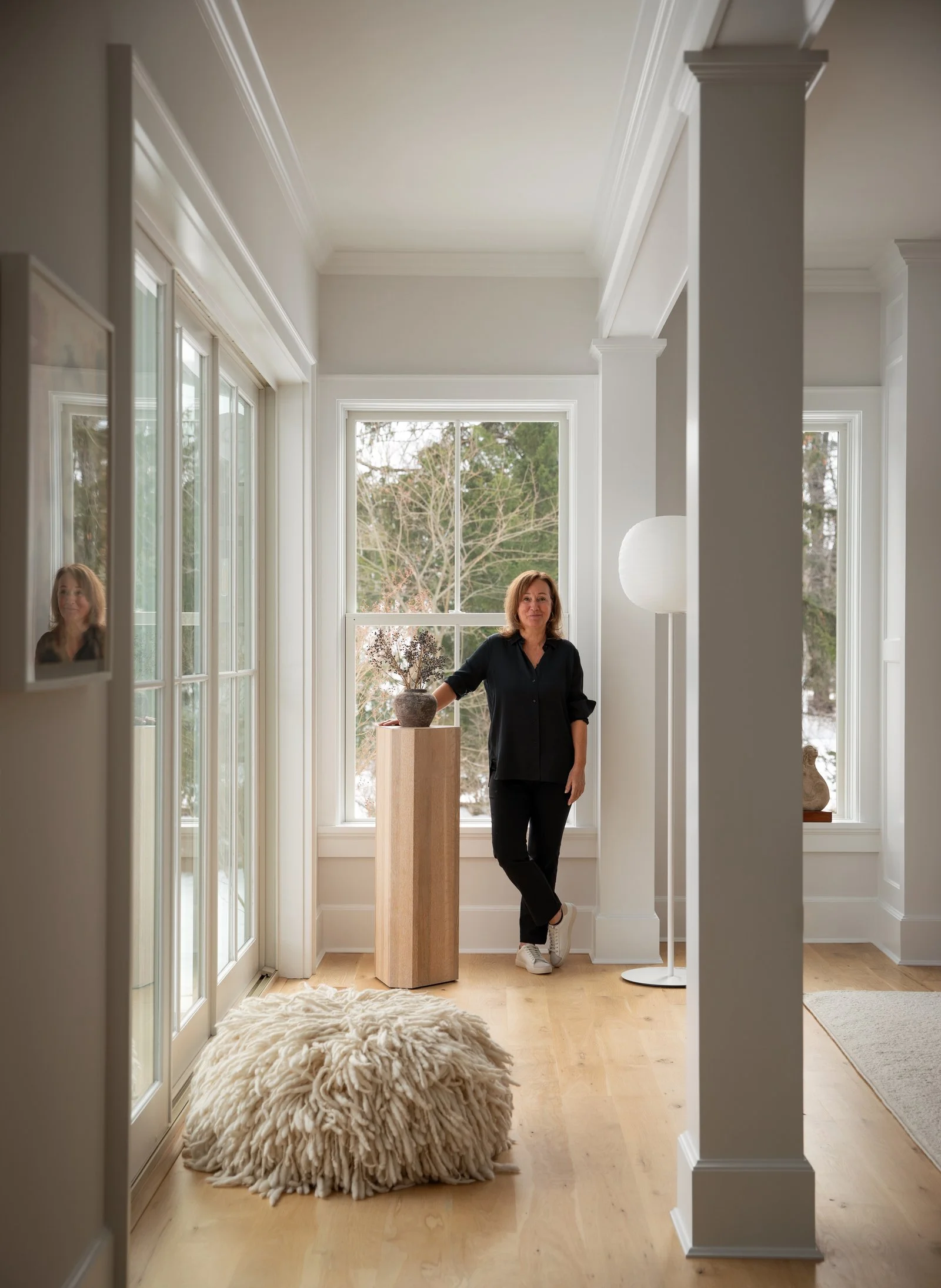
Ginger Lemon Indigo is a vibrant interior design studio based in Westport, Connecticut, founded by Barbra Fordyce. With formative years in the Netherlands and professional training at the New York School of Interior Design, Barbra blends European sensitivity with a practical American mindset to create homes that feel both curated and utterly livable. Her work moves between Amsterdam, London, and New York and is guided by a belief in sustainability, material honesty, and respect for clients’ treasured objects. In this interview, Barbra discusses how travel, craft, and memory shape her approach to residential and small commercial projects, and why she designs for longevity rather than fashion.
Words: designeers
JANUARY 2026
WEBSITE: gingerlemonindigo.com
INSTAGRAM: @gingerlemonindigo
DESIGNEERS
You describe your interiors as “modern, comfortable, and authentic,” and balancing old and new. What does “authenticity” mean in your work, and how do you hold onto it through each project?
Barbra Fordyce
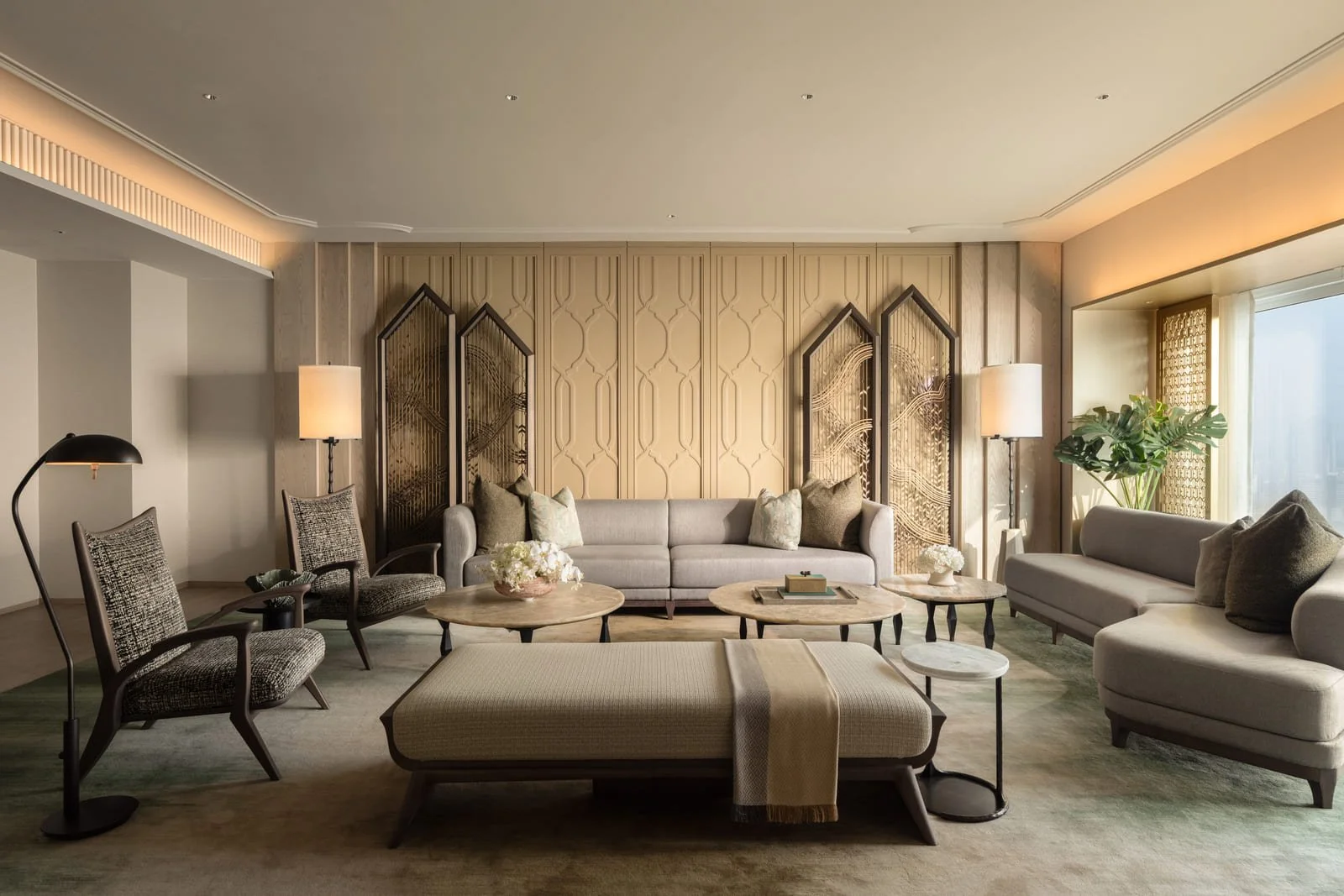
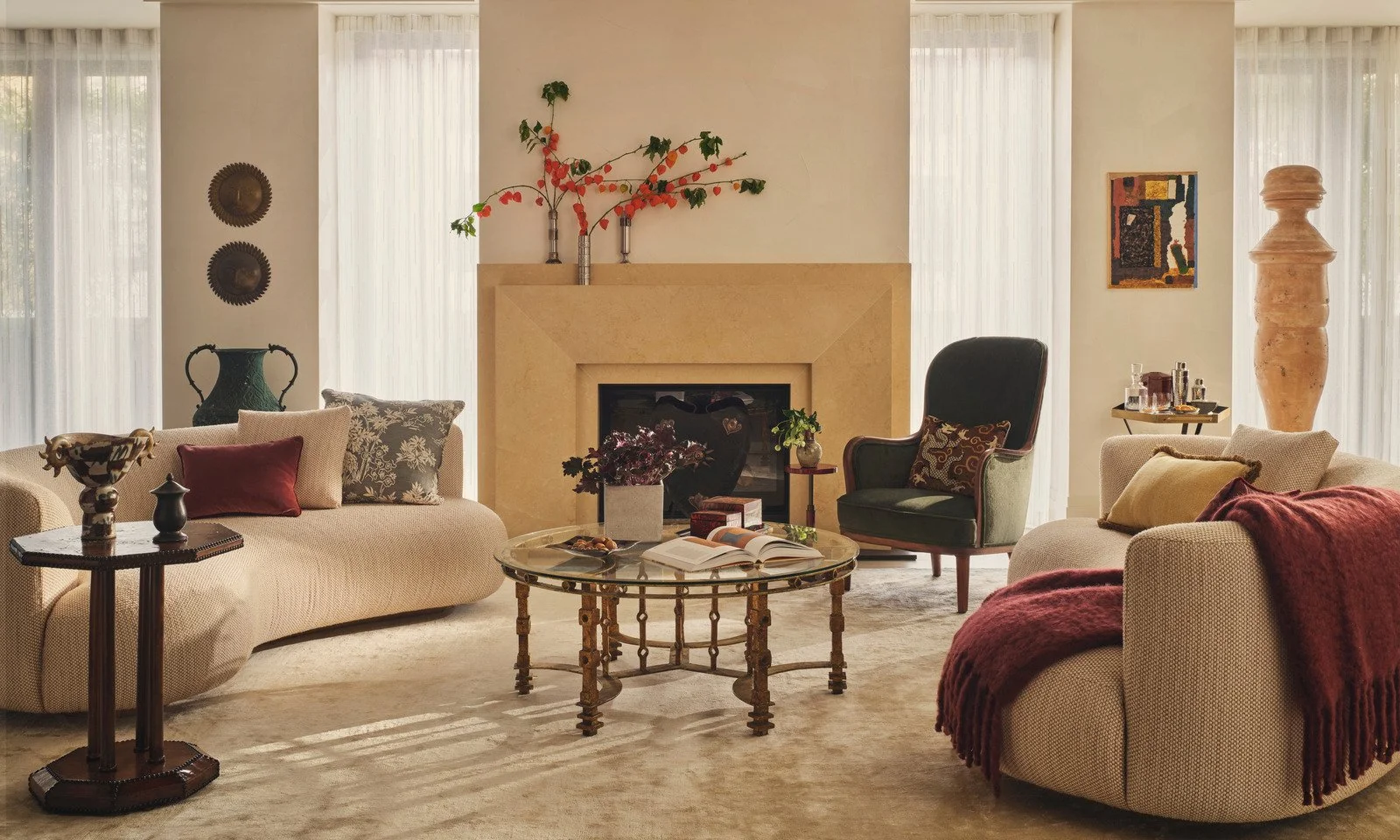
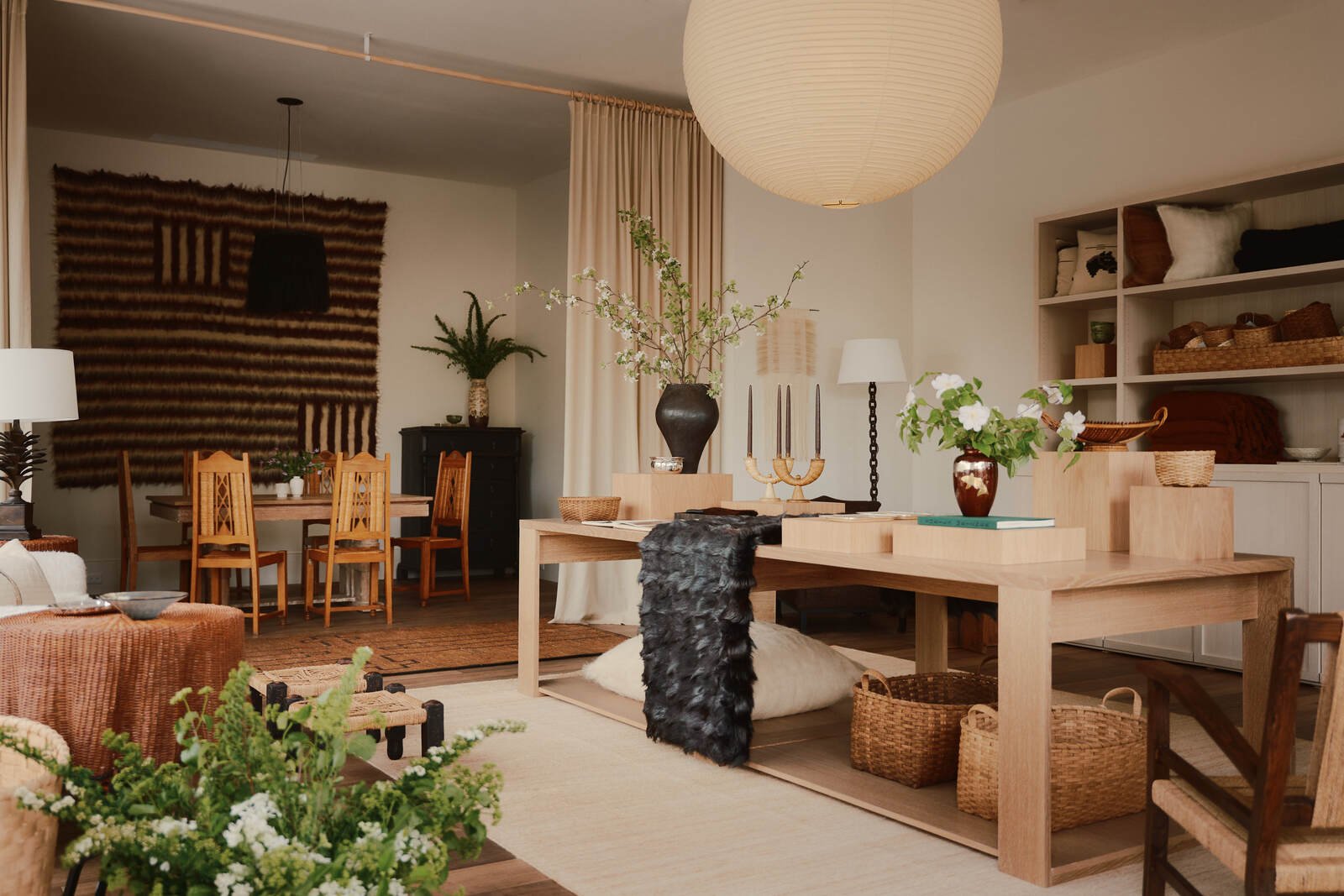
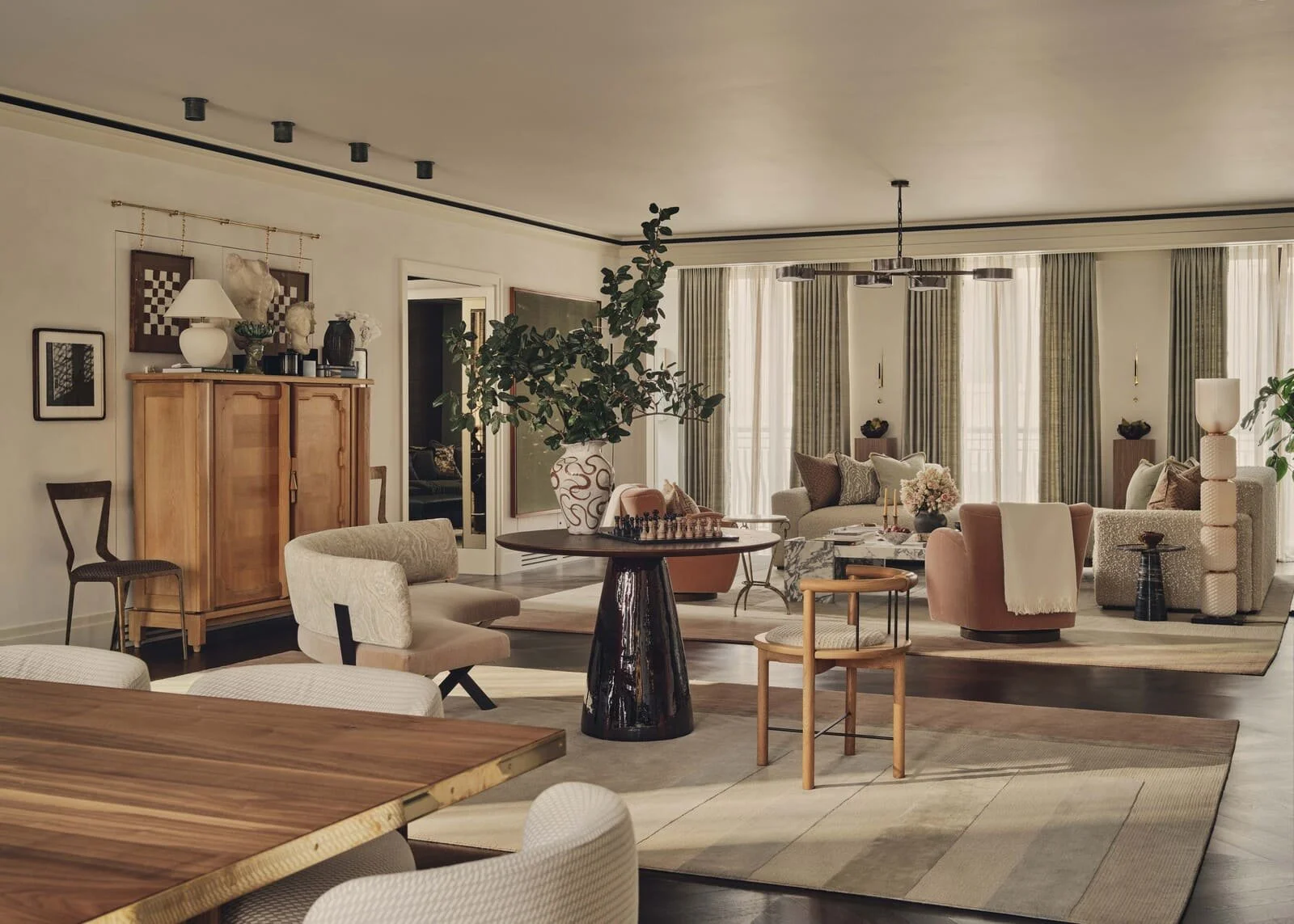
To me, authenticity means designing the client’s home so that it reflects their story, their journey and what they value and cherish. I aim for a lived-in, soulful quality in my work, where each piece and detail feel meaningful and personal. In my design process, it’s integral to honour the architecture of the home and its setting so that we’re responding actively to what the home has to offer.
DESIGNEERS
How do you balance functionality with beauty, especially in modern residential interiors where you want both comfort and visual appeal?
Barbra Fordyce
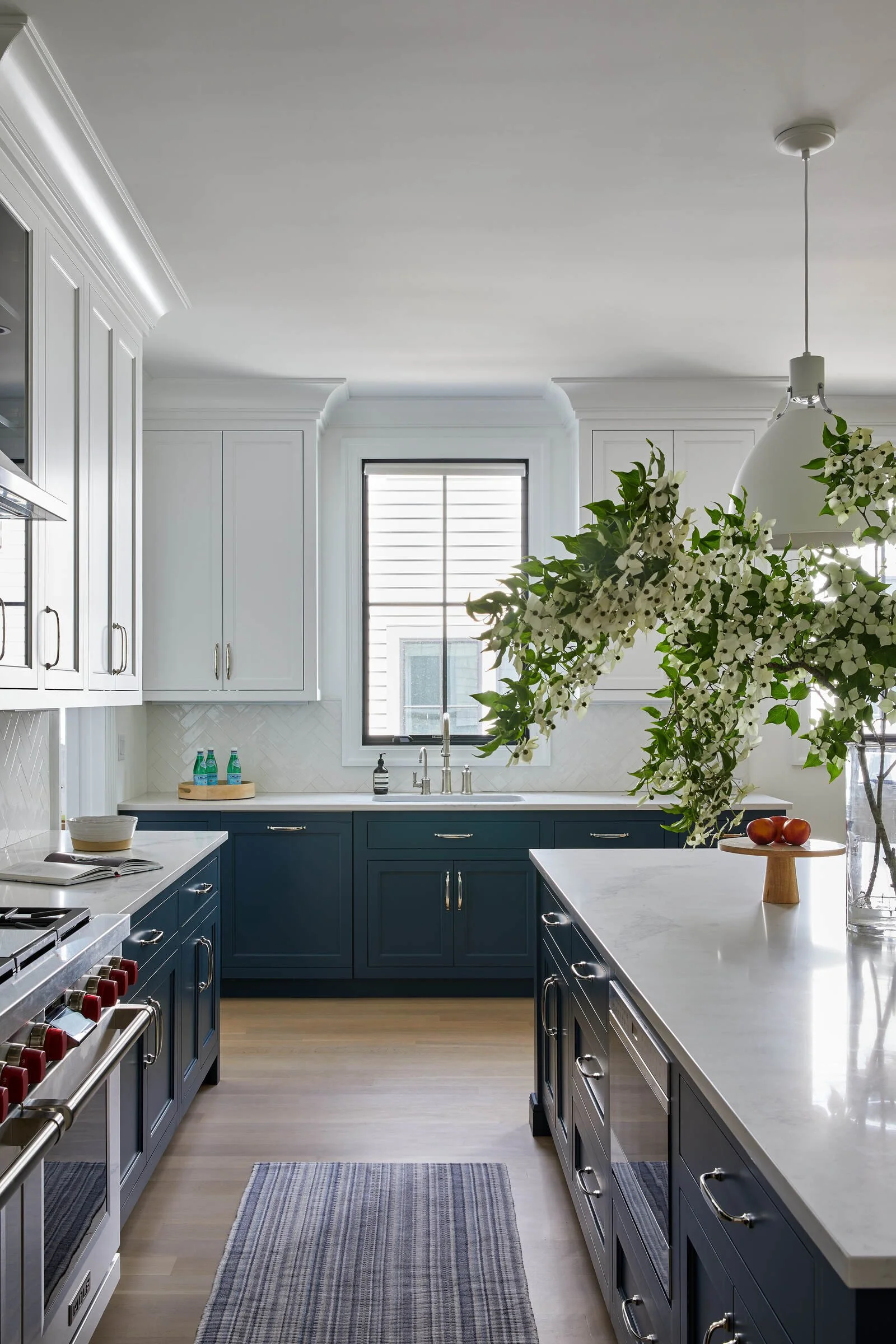
When the planning is thoughtful from the beginning, functionality and beauty can coexist.
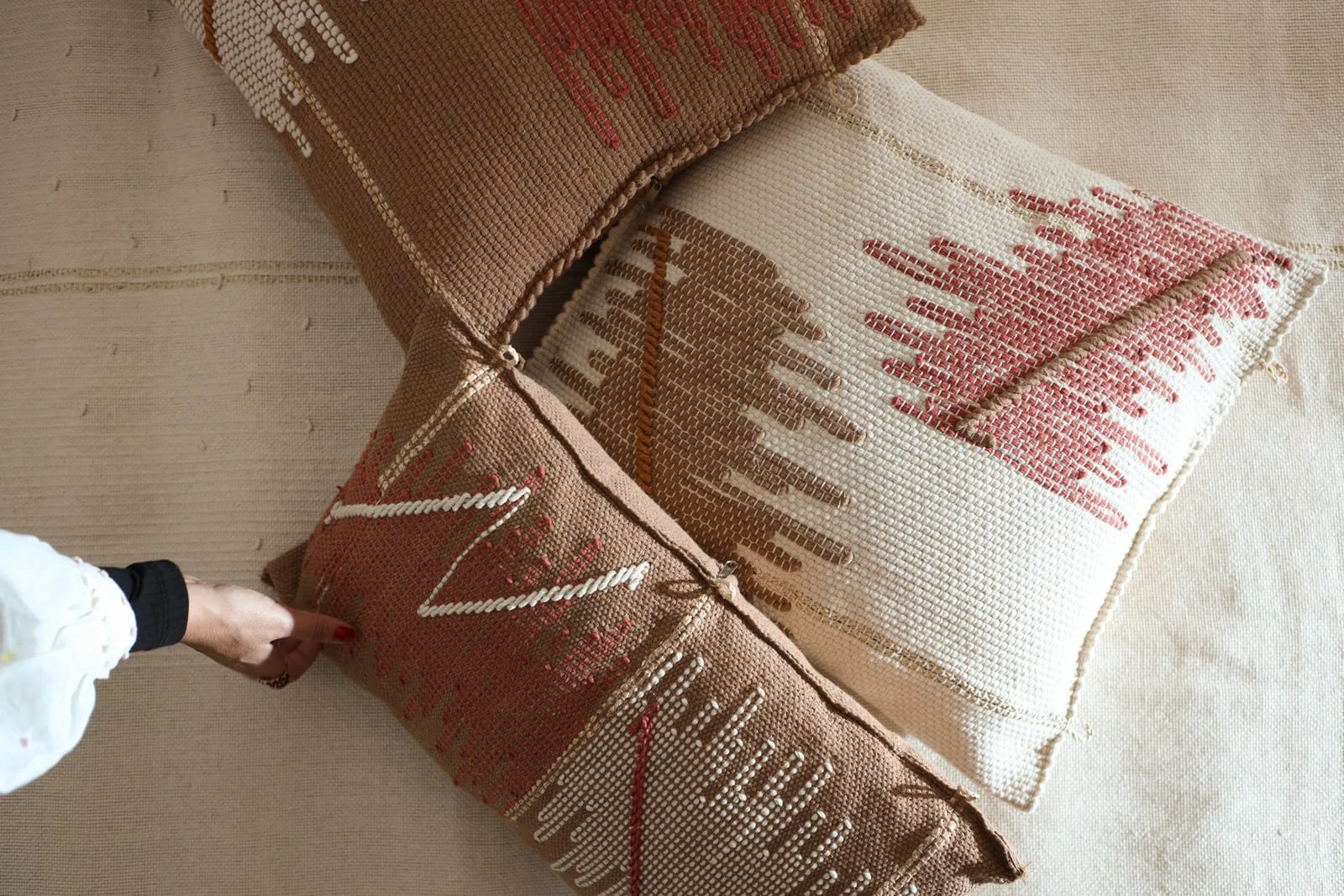
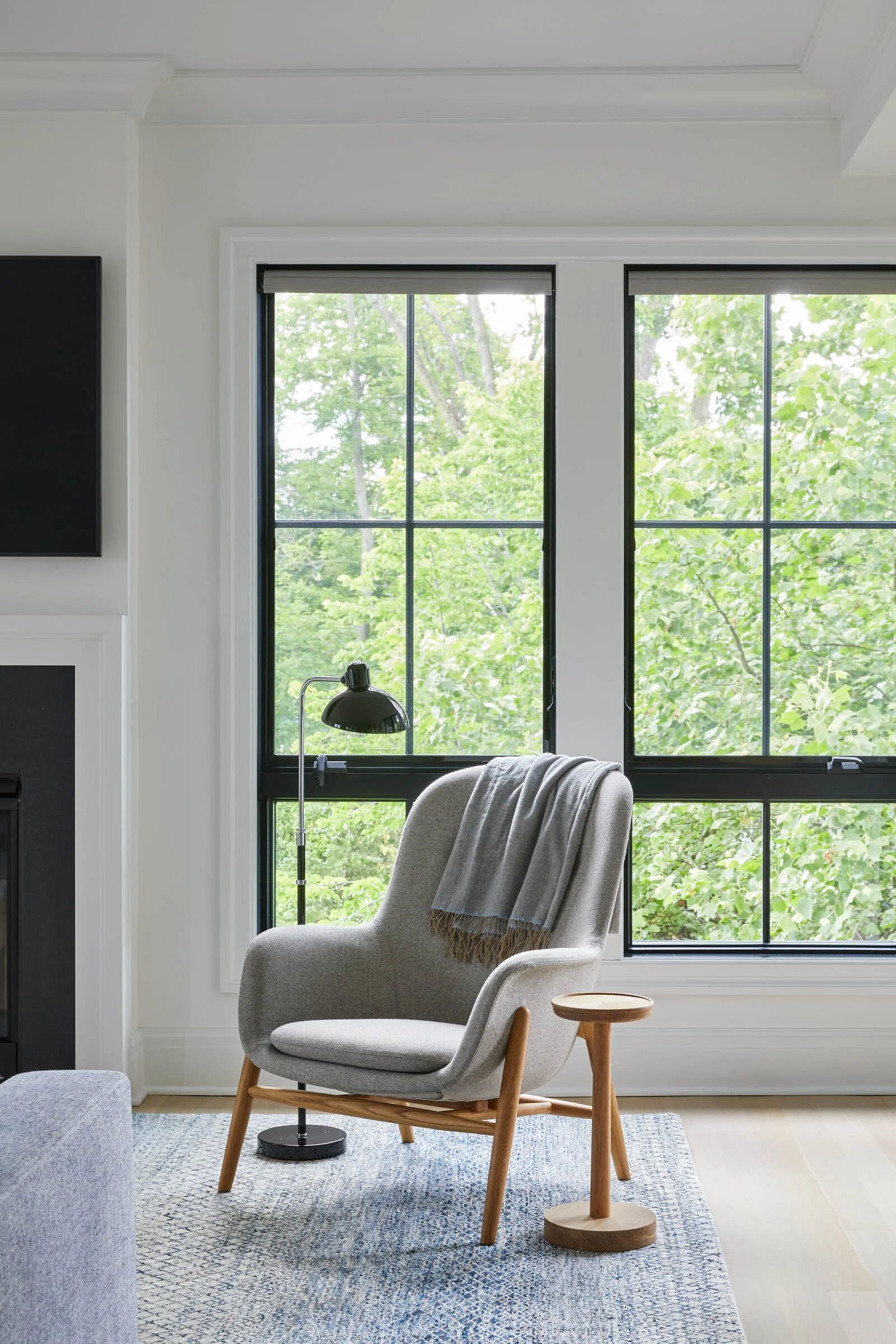
If the practical elements are genuinely considered, comfort becomes effortless, and the visual appeal naturally follows. I lean into high-quality natural materials that are durable and age gracefully, like 100% wool rugs, high-performance fabrics and leather that develops a beautiful patina.
DESIGNEERS
Sustainability is part of your stated values. What are some sustainable design or material practices you bring into your interiors, even in small ways?
Barbra Fordyce
I choose handcrafted, high-quality pieces that are durable and will truly last. I also work with vendors who take their environmental responsibility seriously: suppliers who repurpose scraps, work with materials free of off-gassing, etc.
Other meaningful ways to bring sustainability into everyday design choices include sourcing locally whenever possible and incorporating vintage pieces throughout the home.
DESIGNEERS
Which materials have most challenged you as a designer (good or bad), and what lessons did they teach you?
Barbra Fordyce
Wood probably challenged me the most. People often forget that it’s a living material, so it expands and contracts with temperature and humidity. Having an understanding of how materials behave is important when designing spaces.
DESIGNEERS
Who is your ultimate design hero, the one you’d love to shadow for a day?
Barbra Fordyce
Vincent van Duysen designs have an elevated simplicity that I’m drawn to. Van Duysen focuses on the essentials and makes them count. It’s all about quality, like a black dress that drapes so perfectly you don’t need jewellery. His spaces are quiet and sophisticated, a serene quality that is central to my approach to designing a home.
Robert Stilin is just very cool. We have a similar ethos; when I look to design a space, I am keen on learning how to make it more personal, warm and interesting. He’s a collector, so his interiors mix modern design with the vintage and bespoke. I admire that his choices are one of a kind and feel deeply layered and thoughtful.
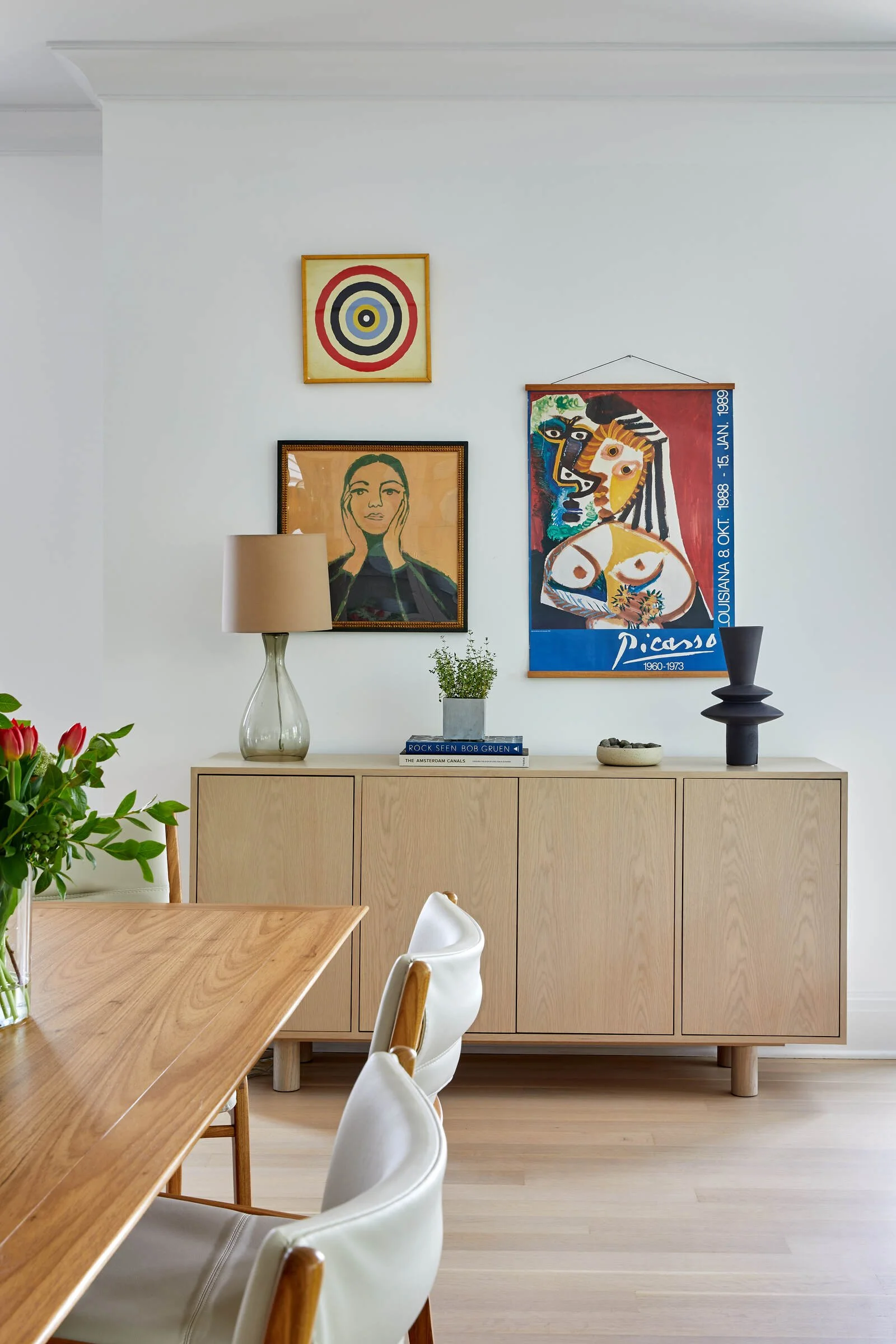
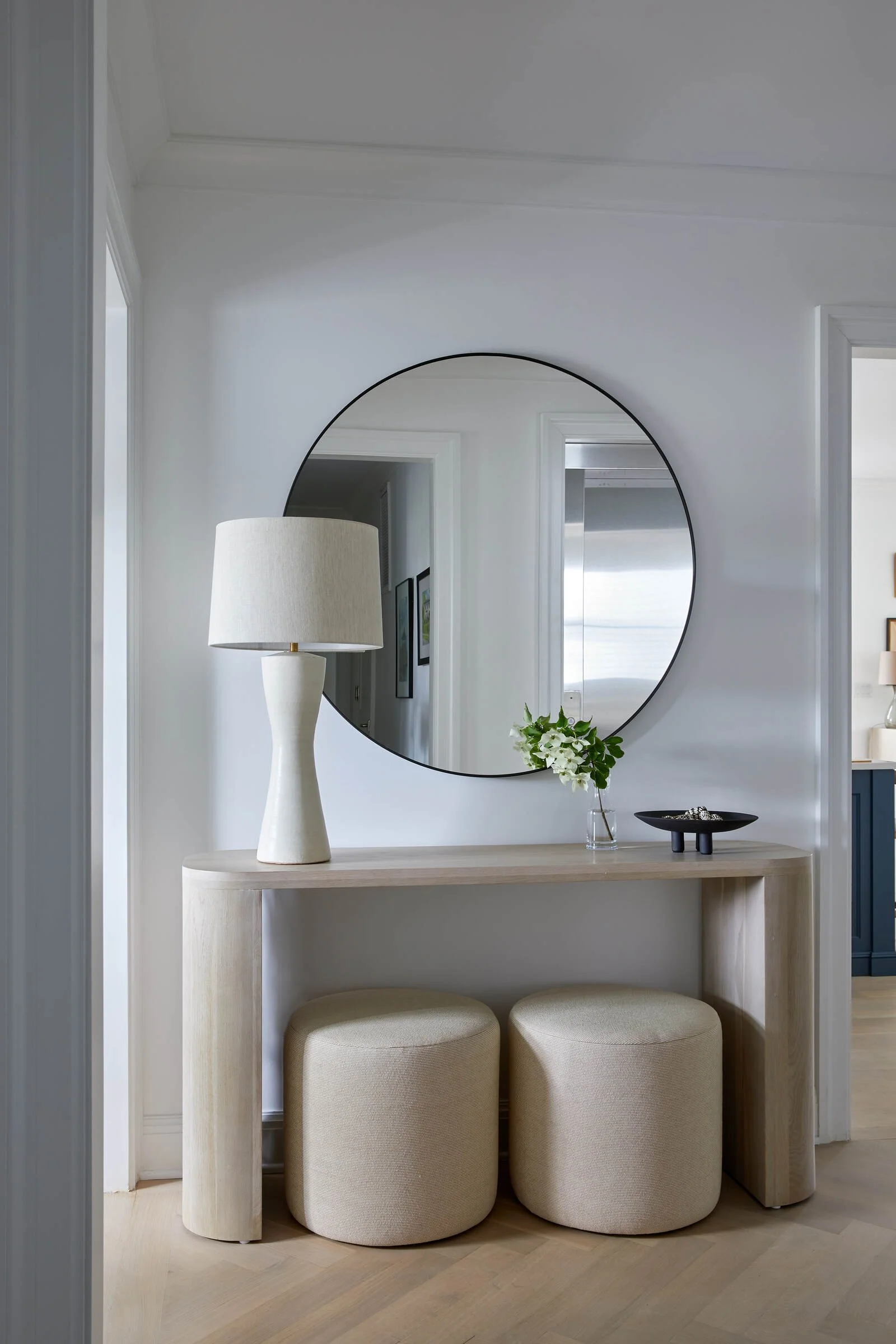
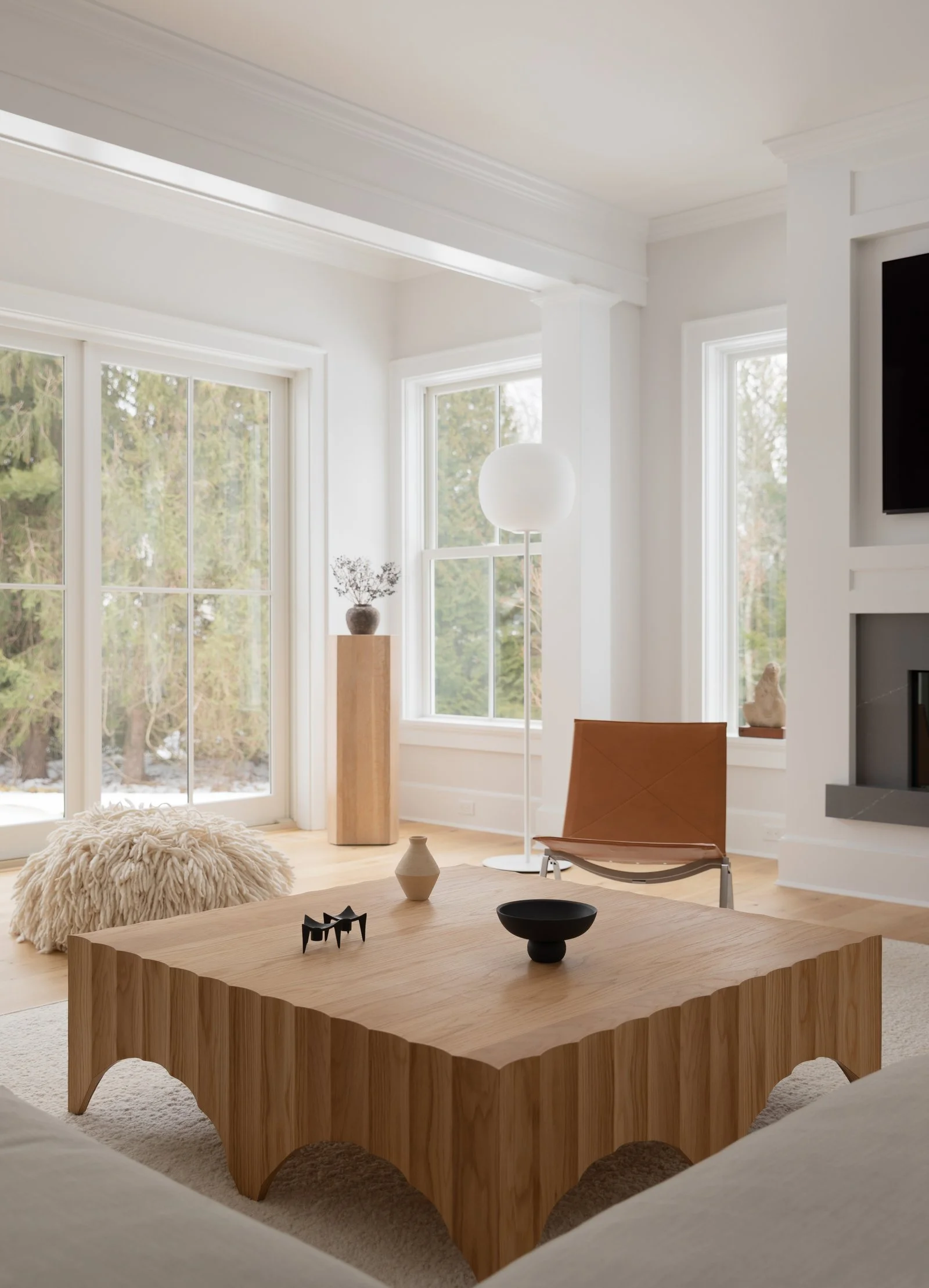
“My inspiration for design comes from examining people, shuffling through stores, and learning more about the history of buildings.”
Barbra Fordyce
DESIGNEERS
What’s the first design object or piece of furniture you ever fell in love with?
Barbra Fordyce
When I was growing up, we had an Artifort F510 swivel lounge chair, which was distinctive in shape with a playful, almost futuristic silhouette. It had a white trumpet base and was upholstered in a bright orange woven wool fabric. Lying sideways on it and spinning around felt absolutely wonderful.
I later discovered it was designed by Geoffrey D. Harcourt, who created the chair’s generous shell to suit different seating positions, inspired by his partner, who always sat cross-legged.
One piece I still dream about owning is the Jorge Zalszupin 720 armchair, which I find so beautifully minimalist in line and proportion.
DESIGNEERS
Which is your favourite design hotel?
Barbra Fordyce
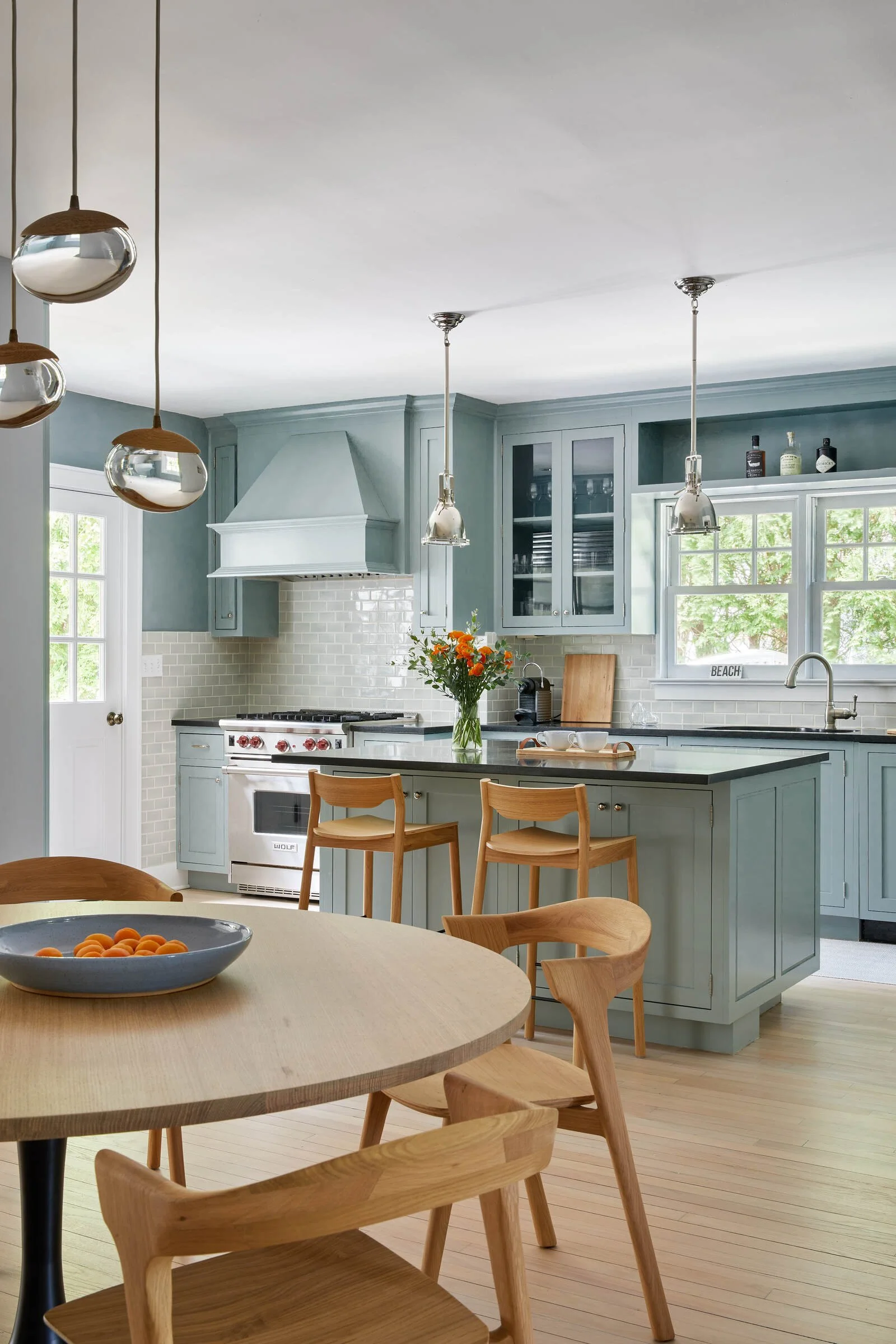
At the moment, I love The Maker in Hudson, NY, for its blend of eras and textures. It’s eclectic and refined, without being precious. Stepping inside is like entering the home of a well-travelled collector. The rich reds and browns used throughout make it the perfect spot for a fall escape. Many of the furnishings were crafted by Hudson Valley artisans, which adds a beautiful sense of place. The library is my favourite corner with its towering shelves, a grand fireplace and soft antique lighting because it’s a room that eases you into fall and invites you to slow down.
DESIGNEERS
Favourite museum or gallery for design inspiration?
Barbra Fordyce
I get my inspiration from everywhere. My life centred around three main cities: Amsterdam, New York, and London, which all function in a way as living museums.
My inspiration for design comes from examining people, shuffling through stores, and learning more about the history of buildings. I’m always curious about how things are made and admire the craftsmanship of older buildings. The energy of these three cities collectively forms my inspiration.
DESIGNEERS
What do you hope people feel the moment they step into a space you’ve designed?
Barbra Fordyce
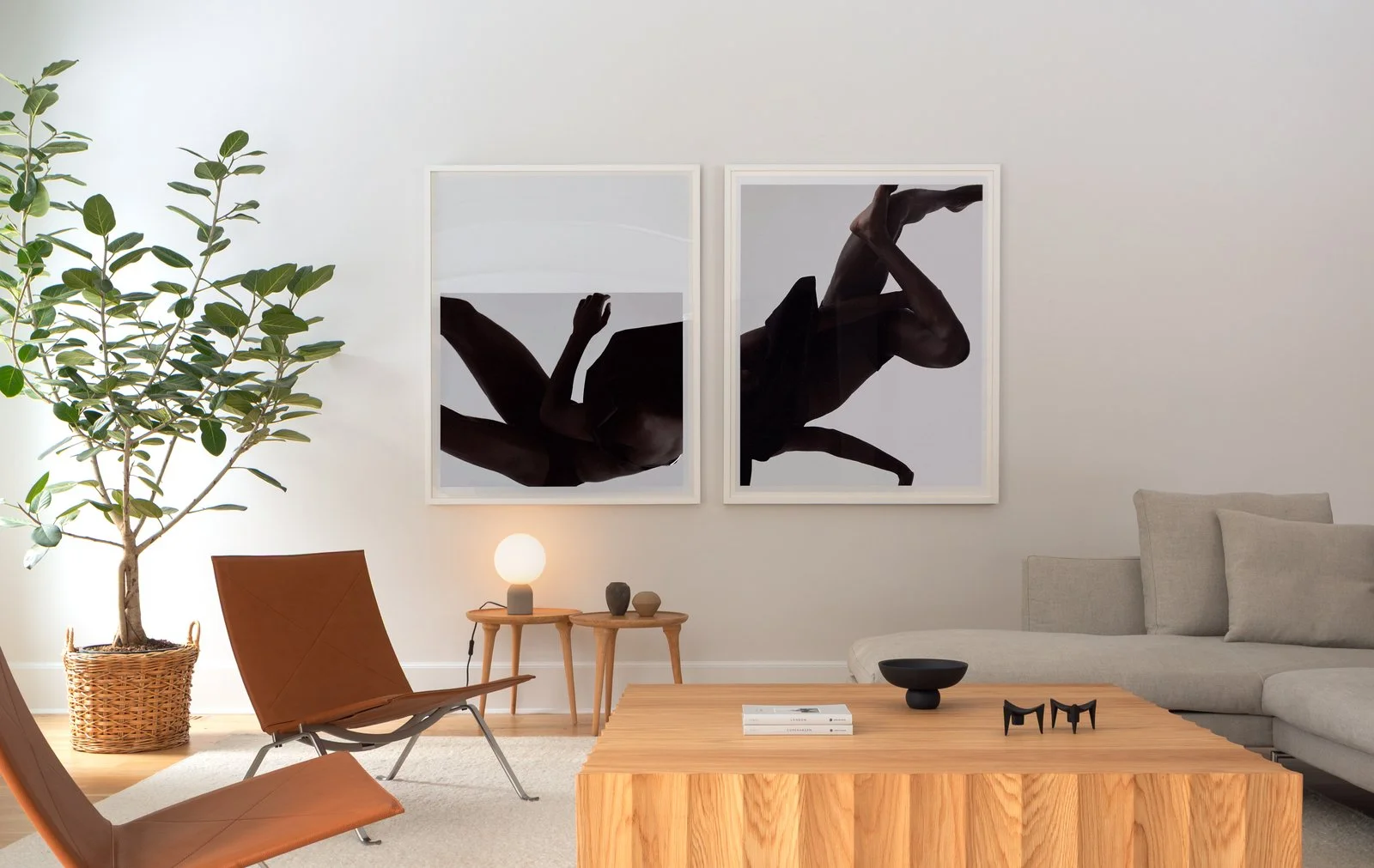
I hope they feel an immediate exhale, as if the space is quietly embracing them. I want the room to feel elegant and deeply comfortable but also subtly alive with texture, light, and intention.
In Dutch, we call it ‘gezellig,’ a feeling of comfort, ease, and belonging. If someone steps inside, they instinctively slow down and feel that they could linger for hours.
PHOTOGRAPHY CREDITS: Kirsten Francis & Nicholas Venezia.