Designing Without Labels: A Conversation with Aiya Lisova
people • Interior Architects & Designers
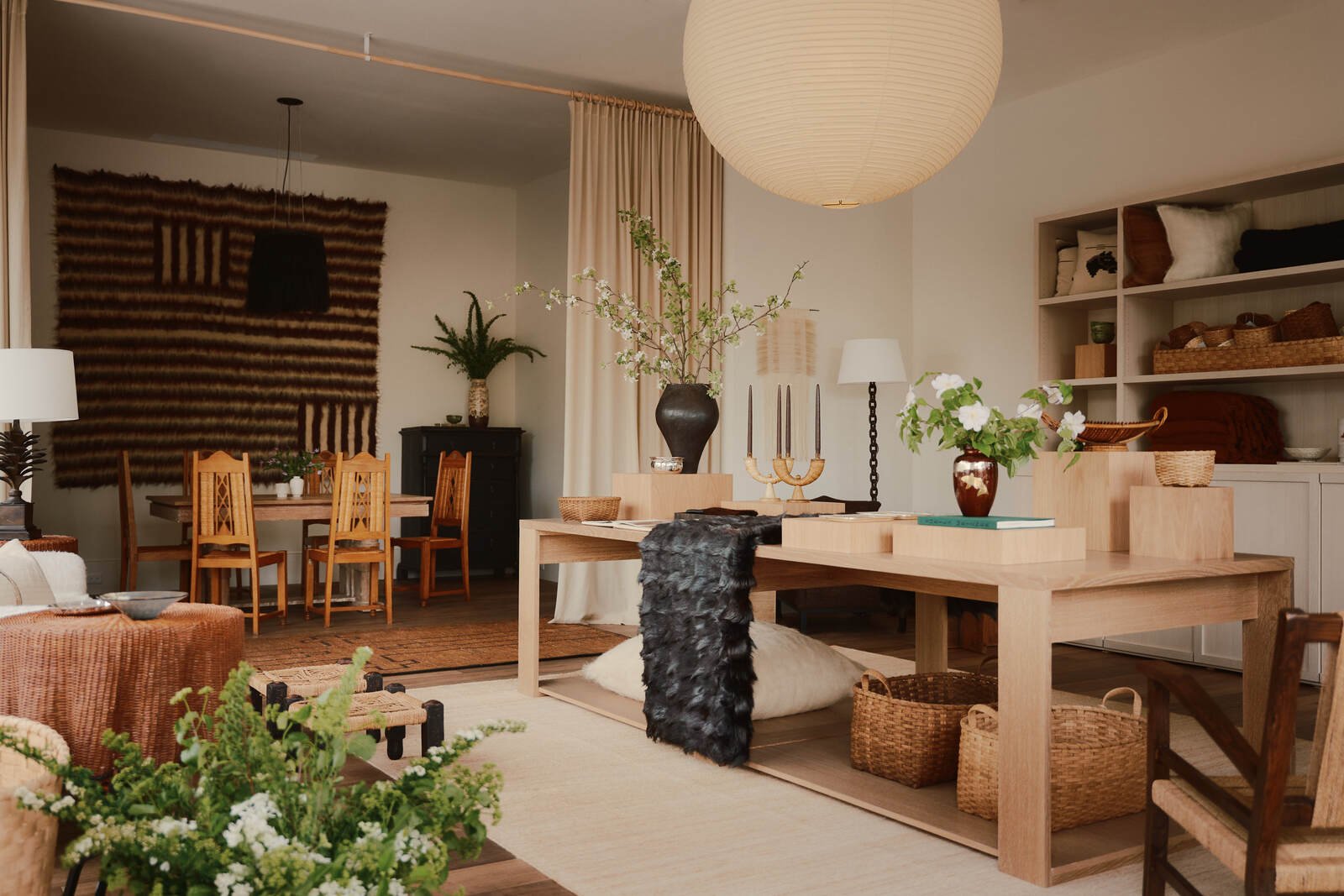
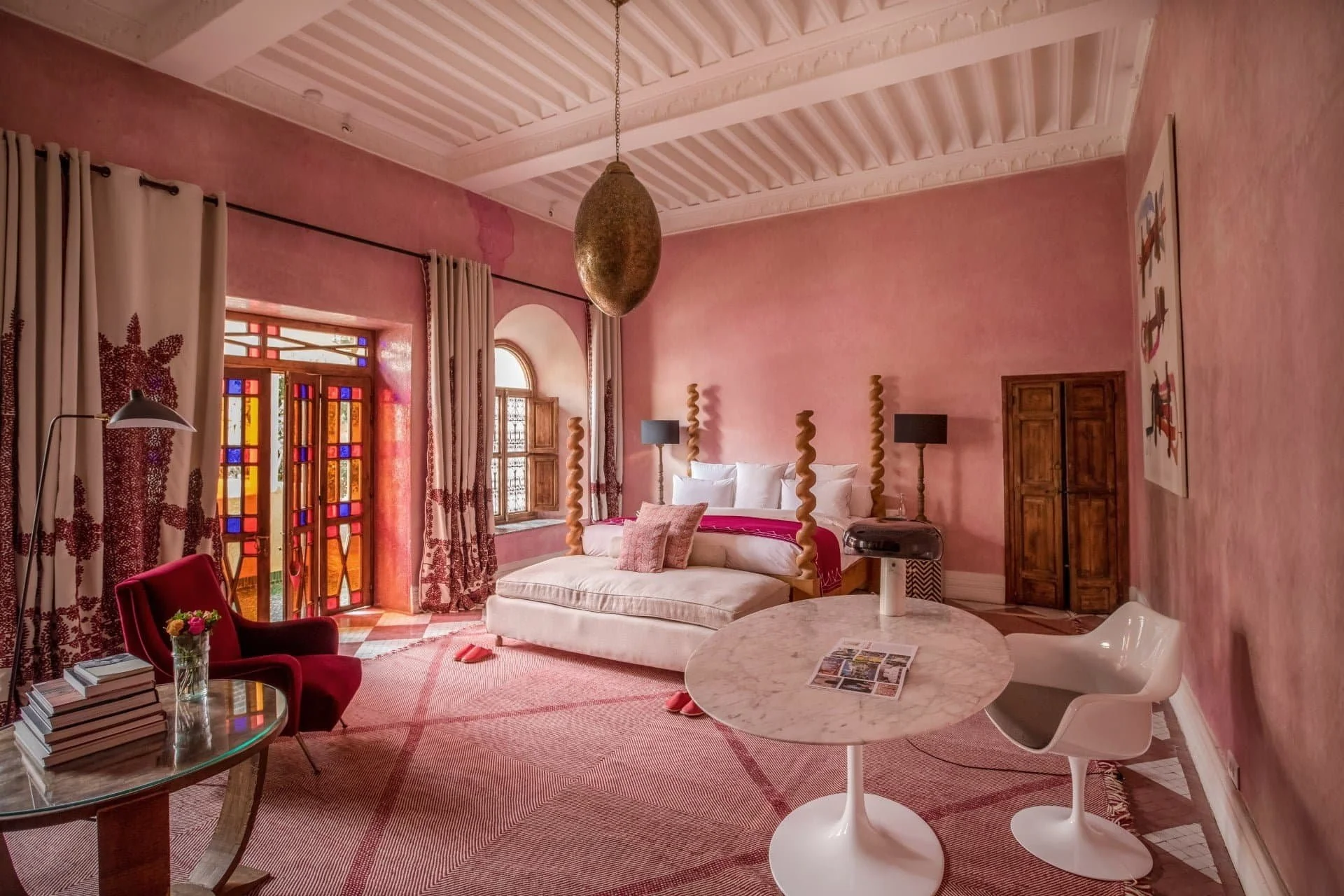
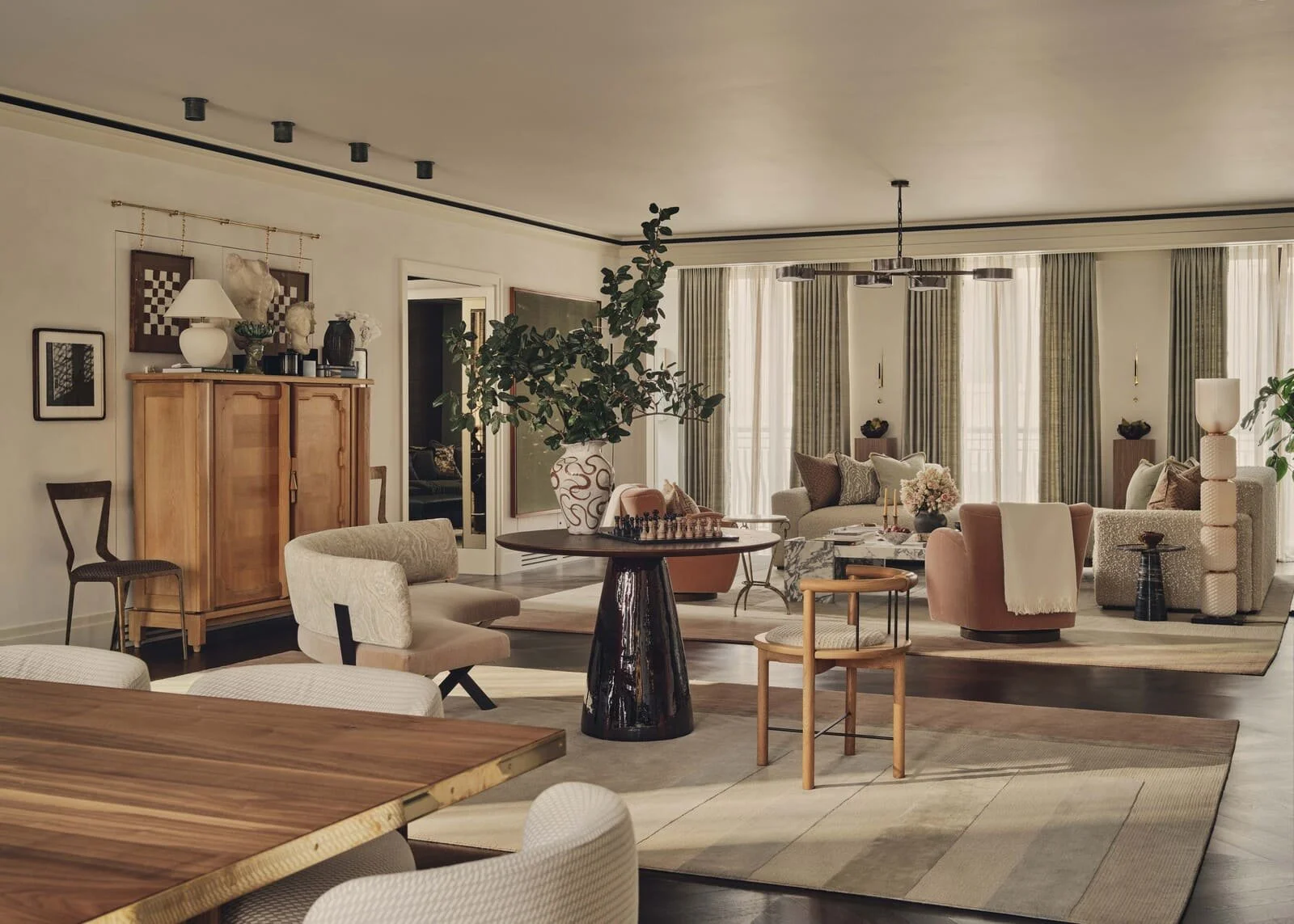
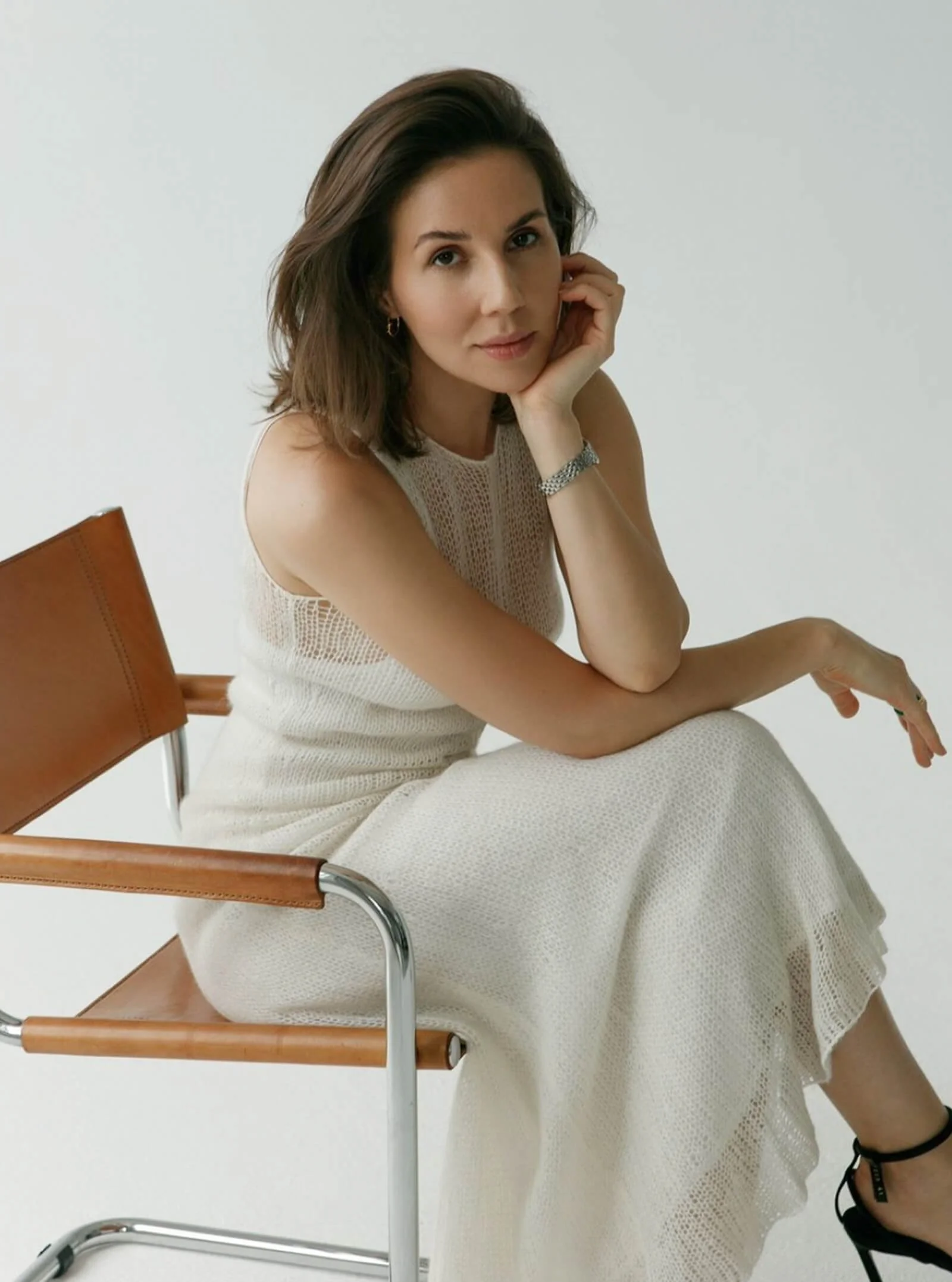
Aiya Lisova approaches interior design with the mind of an art historian and the discipline of an architect. As the founder of AIYA Bureau, an international interior architecture and design studio, she leads a practice working across London, Moscow, Milan, and Dubai, crafting high-end residential projects that feel both composed and deeply personal. Guided by proportion, spatial logic, and curated art, her work results in homes that support daily life with clarity and emotional depth.
In this conversation, Aiya reflects on her evolution from designer to art director, how geography shapes her material language, and why the future of luxury residential design lies in a more holistic, cross-disciplinary approach. We discuss art-led interiors, spatial storytelling, and the principles behind designing timeless, modern homes.
Words: designeers
February 2026
WEBSITE: aiyabureau.com
INSTAGRAM: @aiyabureau & @aiushka
DESIGNEERS
Your career spans concept design, art direction, and leadership. At what point did you realise that your role was not just to design spaces, but to define their emotional and cultural direction?
Aiya Lisova
There was never a single moment when I consciously decided to become an art director or studio leader. My path has always been driven by growth and a search for meaning in what I do. I have always needed to understand and shape the significance of a project, rather than simply execute it. Because of that, I could never remain in a linear or repetitive process for long.
Over time, this led to a natural shift from designing spaces to shaping ideas, narratives, and overall direction. It was a fluid progression, moving through each stage before growing into the next. What motivates me most is the sense of development, the freedom to explore new territories, and the belief that there is always room to go deeper and be more meaningful in the work.
DESIGNEERS
You lead projects across Europe, the UK, and now the Middle East, while managing a remote team. How has working across geographies shaped your design language and your way of thinking about space?
Aiya Lisova
Working across different geographies has reinforced my belief that the foundations of good interior design are universal. Proportion, balance, axes, and spatial logic remain consistent, regardless of location.
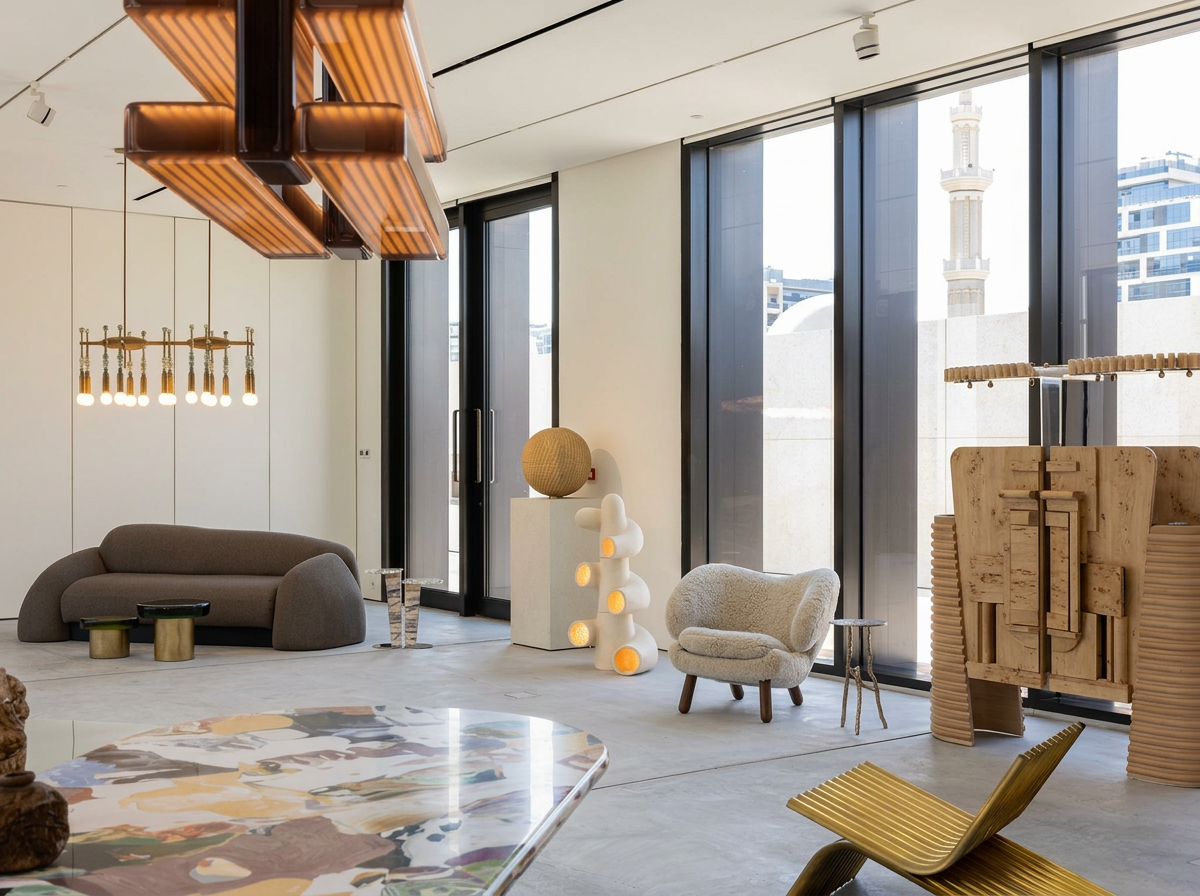
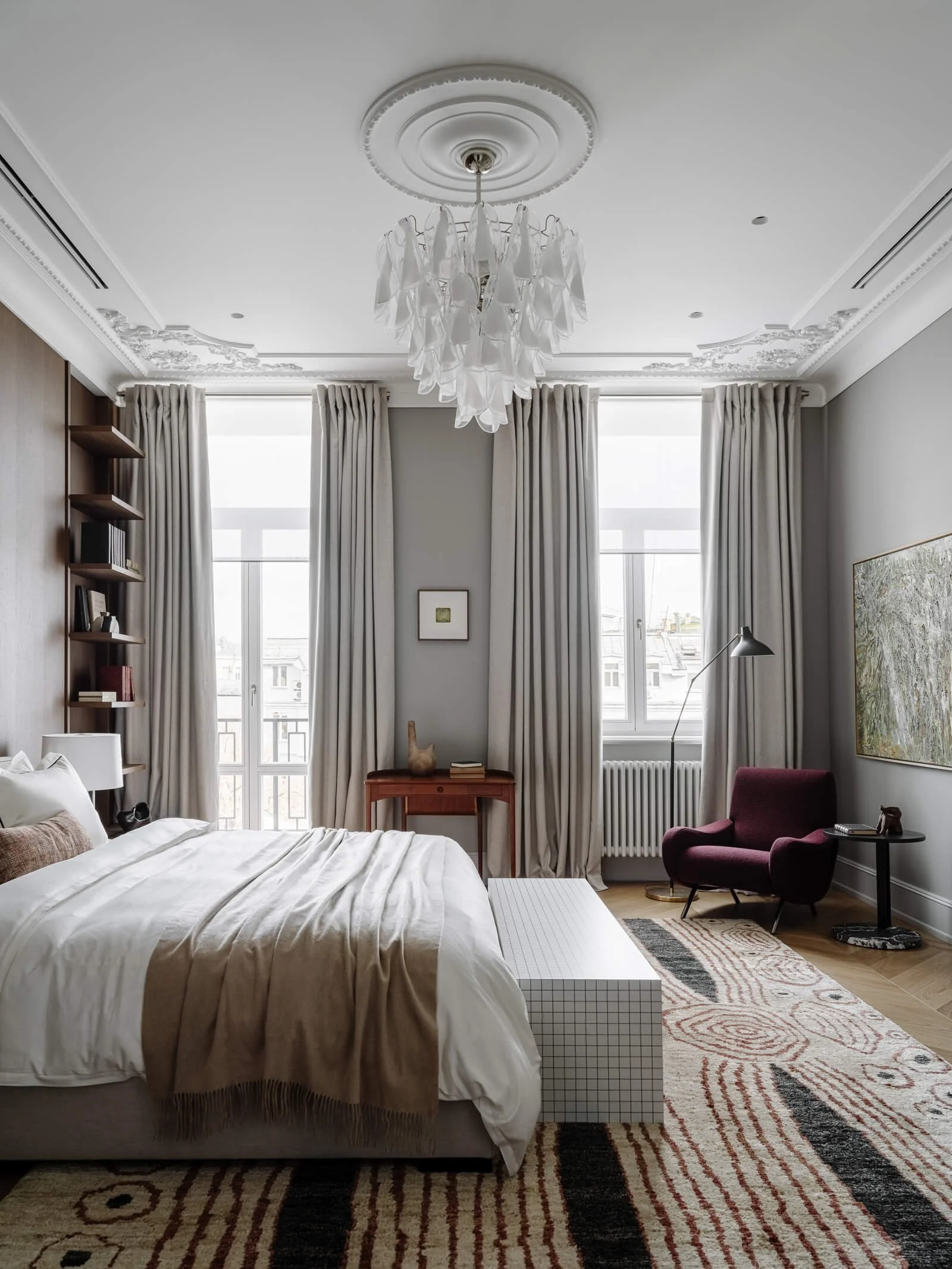
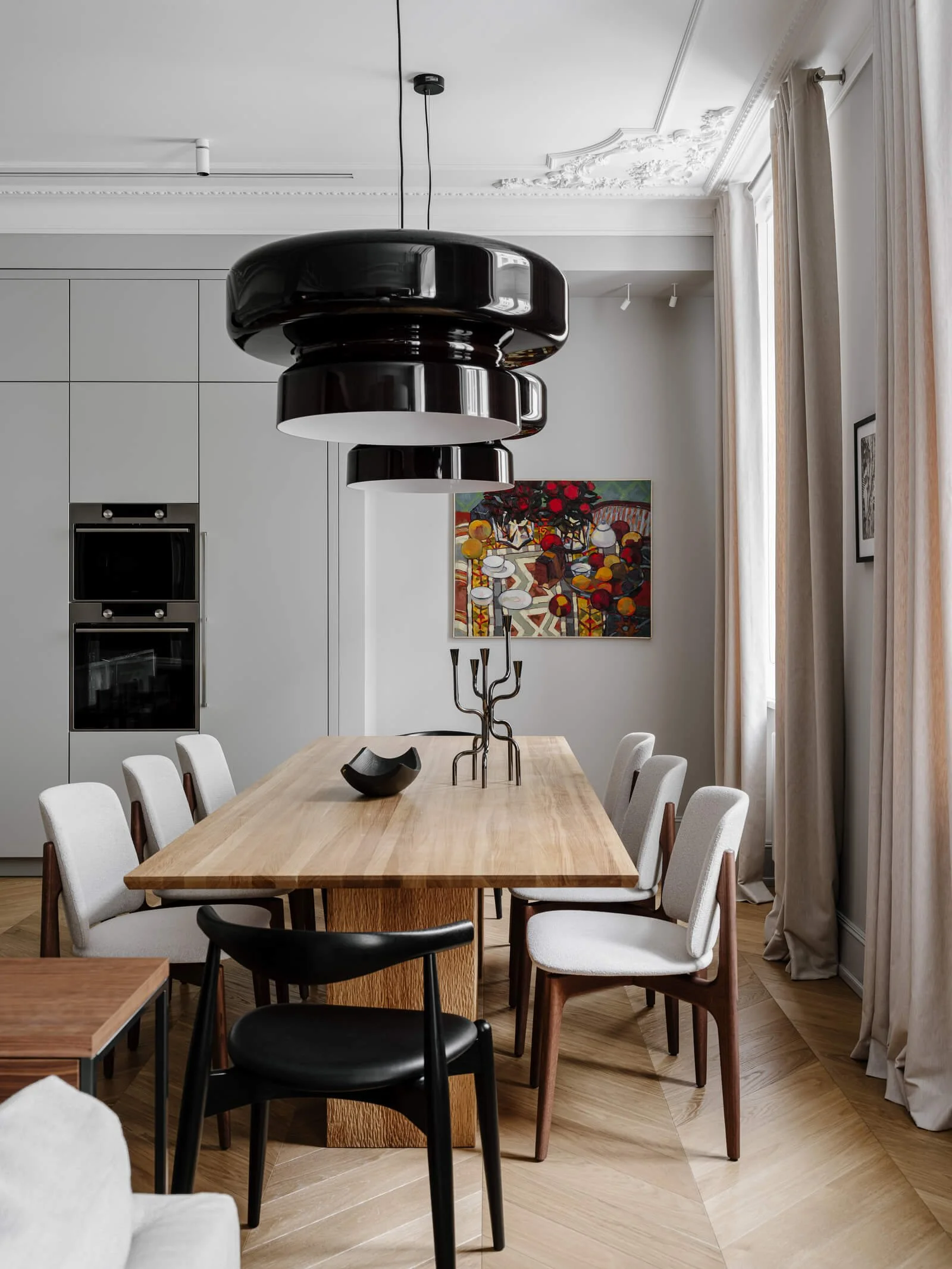
What changes are culture, rhythm of life and spatial expectation. Each country has its own habits and unspoken rules, from the role of an entrance space to the openness of a kitchen or the definition of privacy. This experience has made me more attentive to local context and everyday routines. It has also influenced my approach to colour and materiality, as light, climate and landscape vary dramatically. A palette that works in the UK may feel completely out of place in the Middle East.
DESIGNEERS
You often speak about mood and energy as the starting point of a project. How do you translate something intangible into architecture that feels grounded and lasting?
Aiya Lisova
For me, it is a deeply human process. Even with advanced digital tools and AI, brainstorming with the team and drawing by hand remain essential. When an idea moves from the mind to the hand, something changes. Sketching activates different cognitive and emotional responses.
Through drawing, discussion, and early exchanges with colleagues or clients, ideas begin to crystallise. They pass through layers of reflection, doubt, and evaluation. What starts as something abstract gradually finds structure and form. In this way, an initial feeling becomes architecture that feels considered, grounded, and lasting.
DESIGNEERS
As an art historian, you approach interiors with a strong conceptual backbone. How does art influence your spatial decisions, and where do you draw the line between art-led and architecture-led design?
Aiya Lisova
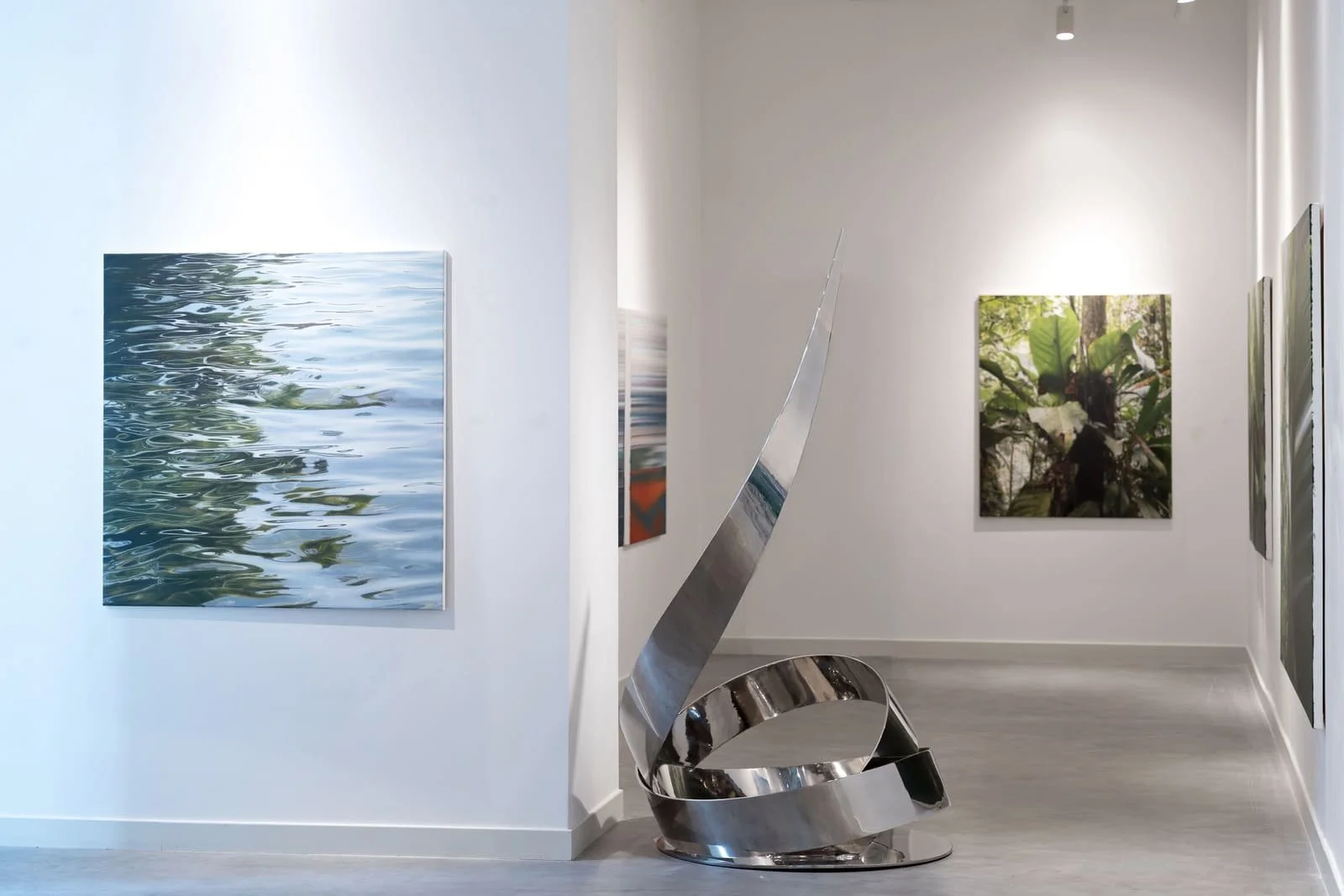
Art should never be a decorative element used to match colours or fill empty walls. It should reflect the owner’s character, interests, and way of thinking. Art creates dialogue and builds narrative within a space.
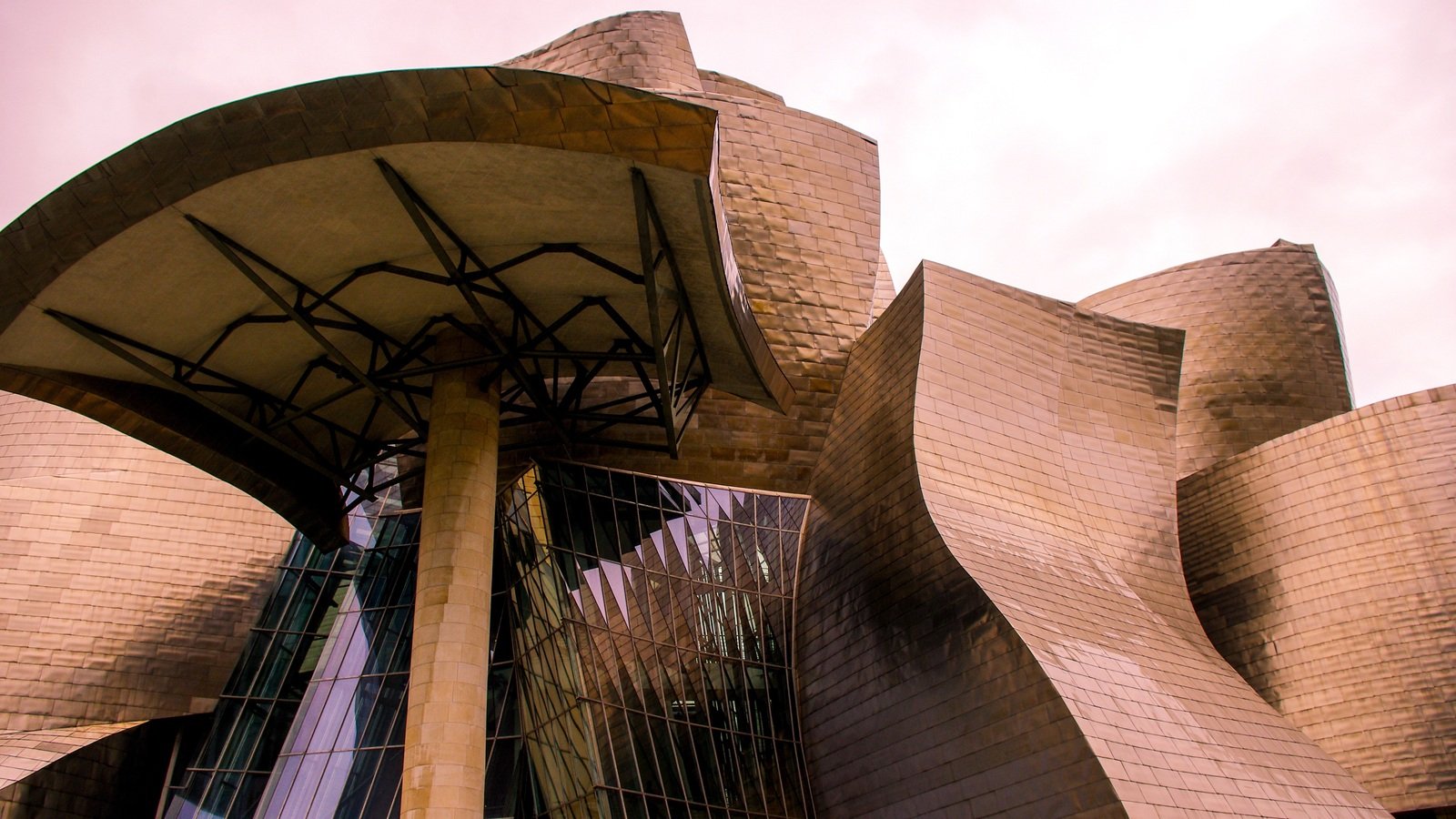
At the same time, my background in art history is inseparable from architecture and urbanism, and this has shaped my priorities as an interior designer. For me, architecture always comes first. A space must have clear proportions, axes, and movement before anything else is added. Once the spatial structure is resolved, we consider how art can enrich it, identifying focal points and visual corridors where it can exist naturally and meaningfully.
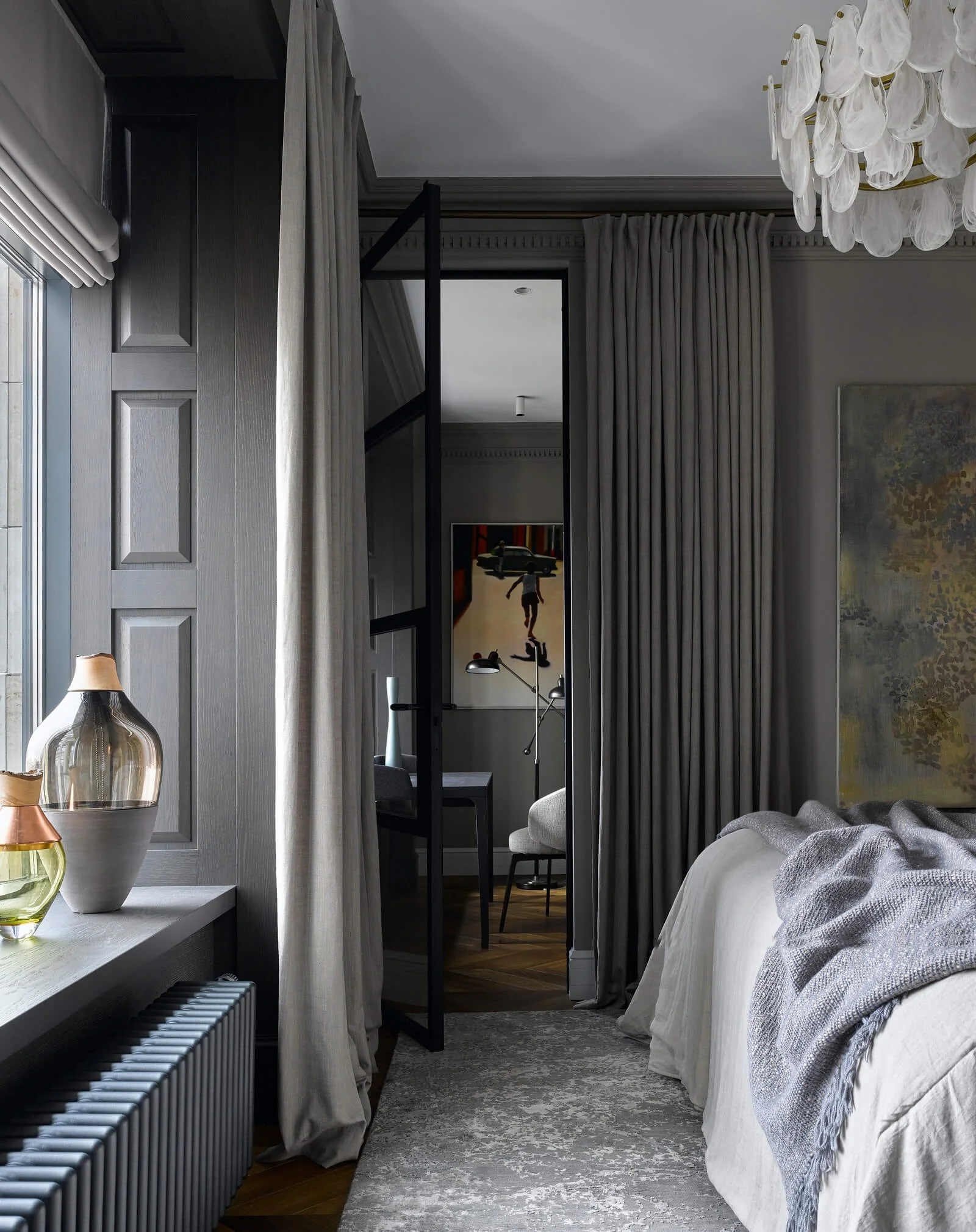
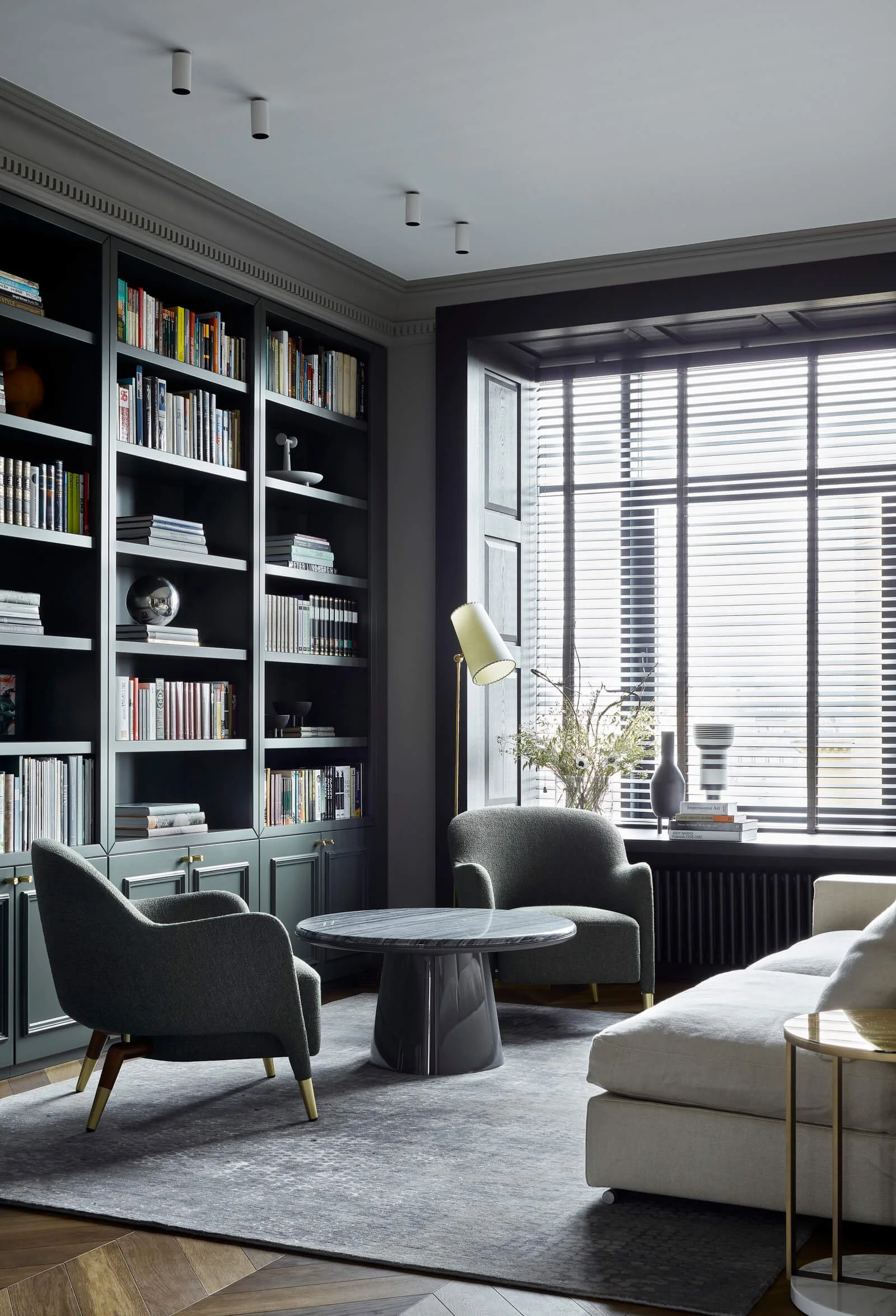
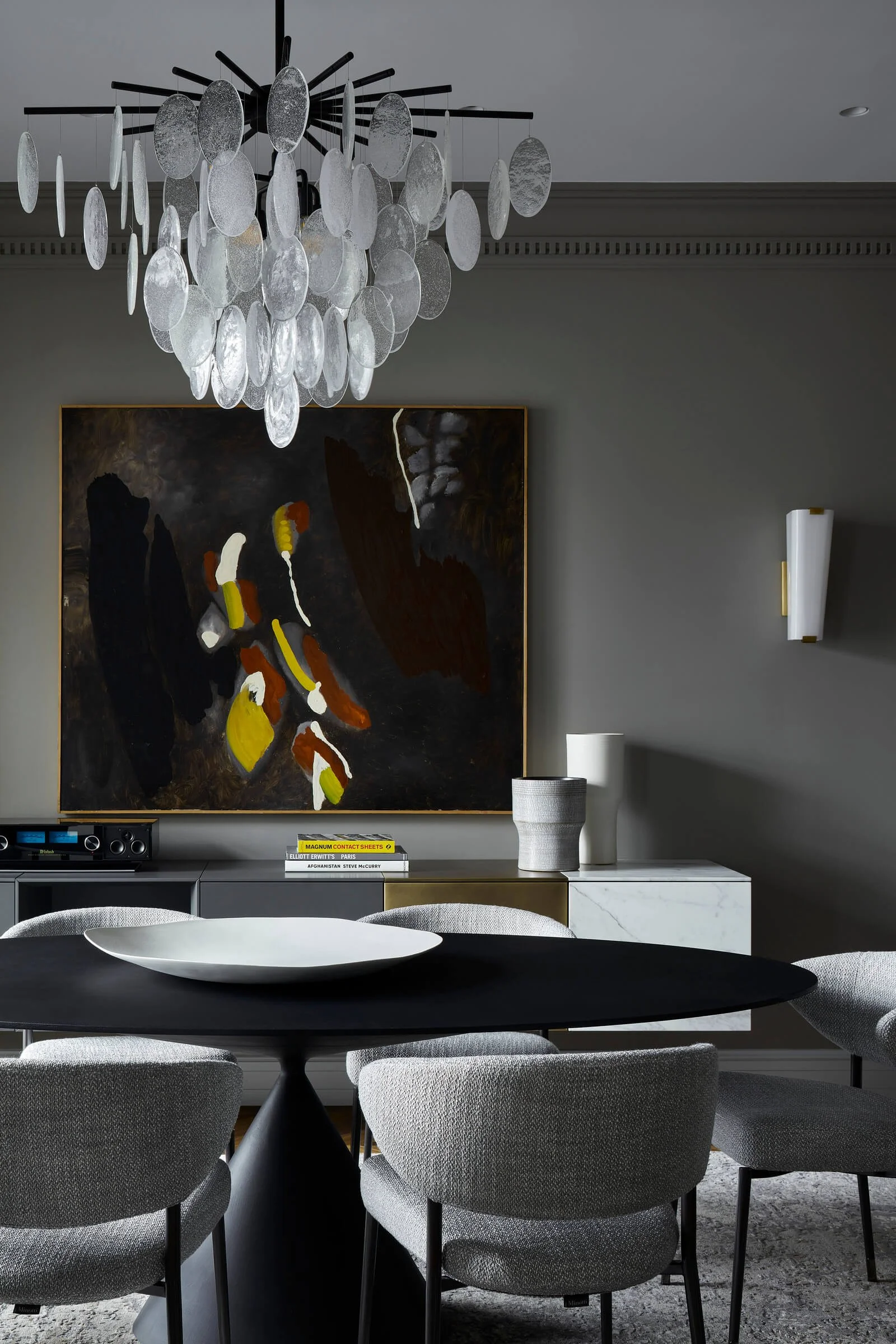
“Art should never be a decorative element used to match colours or fill empty walls. It should reflect the owner’s character, interests and way of thinking.”
Aiya Lisova
DESIGNEERS
Through your consulting work, you advise not only clients but also other designers. What do you think is most misunderstood about building a sustainable interior design studio today?
Aiya Lisova
Many people assume sustainability in interior design is about aesthetics, marketing, or social media visibility. In reality, long-term sustainability is about systems. It requires clear processes, realistic timelines, healthy team structures, and the ability to say no when something is not aligned.
Another common misconception is that success comes from doing more. I believe it comes from doing less, but with more intention. It’s about choosing the right projects, building trust-based relationships, and allowing a studio practice to grow at its own pace. A sustainable design studio is not the fastest-growing one, but the one that remains relevant, curious, and resilient over time.
DESIGNEERS
You work closely with art, procurement, and real estate strategy. Why do you believe the future of high-end interiors lies in a more holistic, cross-disciplinary approach?
Aiya Lisova
Today, a home is not just an aesthetic statement. In luxury residential design, it’s a living system that must support lifestyle, well-being, privacy, comfort, and often long-term investment at the same time. That requires a cross-disciplinary approach.
The process may begin with selecting the right property alongside a designer or architect. It may involve developing a private residence from the ground up, where architecture and interiors are conceived together. Only after that foundation is established do we move towards procurement: furnishings, equipment, and art. Each stage builds on the previous one, resulting in a home that is not only beautiful but also emotionally and mentally supportive.
DESIGNEERS
Looking ahead, what kind of projects or conversations are you most excited to say yes to now?
Aiya Lisova
I’m increasingly drawn to interior design projects that operate at a larger and more holistic scale. One direction I find particularly compelling is working with clients at the property selection and real estate strategy stage. Choosing the right property together creates a strong foundation for every design decision that follows, from architecture to interiors.
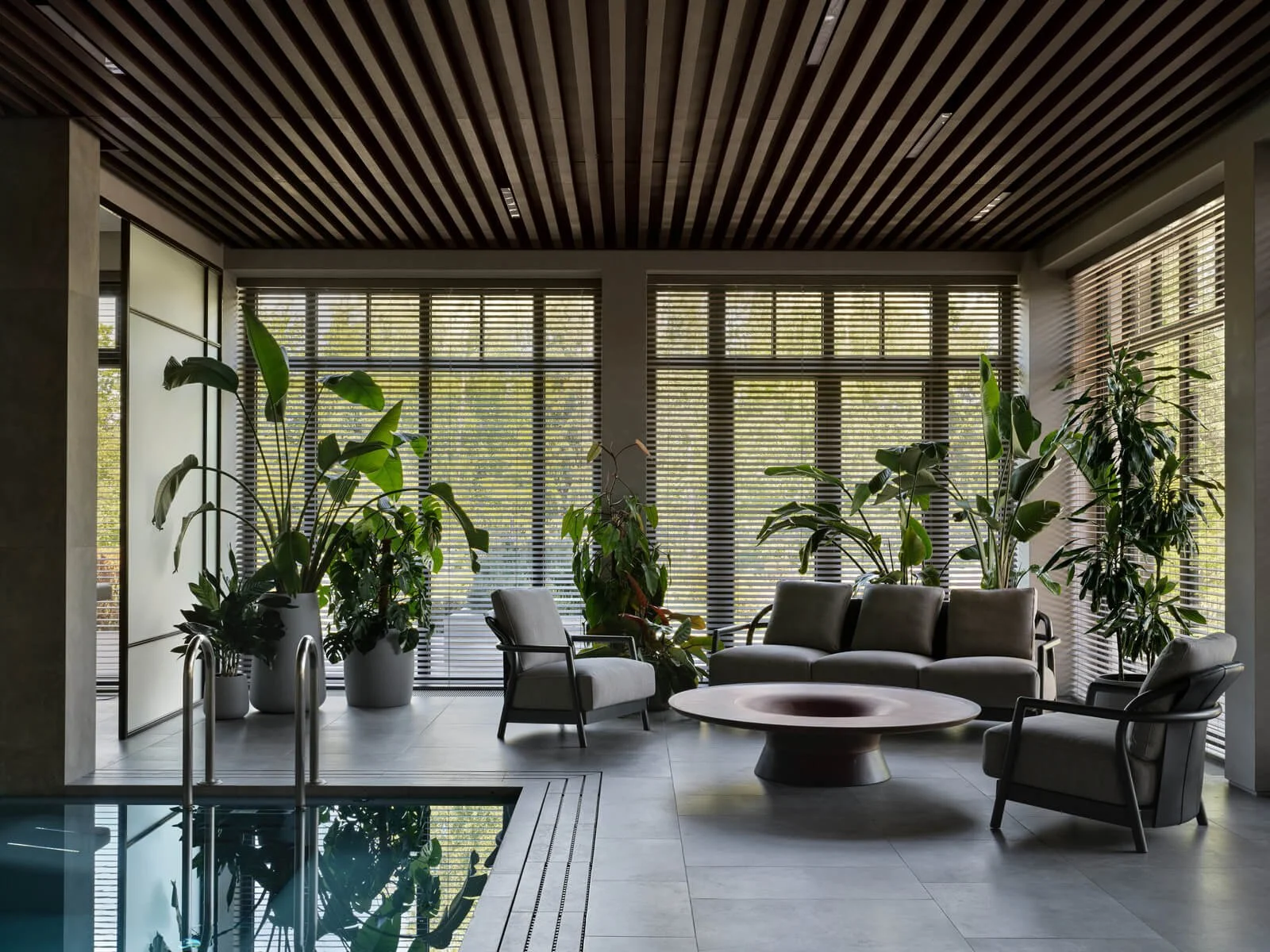
I’m also interested in large private residences conceived as complete ecosystems, where living, working, well-being, hobbies, and shared experiences are integrated into a single environment. Alongside this, I’m keen to extend this holistic design approach into hospitality and wellness-led projects, particularly hotels, wellness retreats, and spa environments, where atmosphere and spatial experience can meaningfully influence how people feel, restore, and engage with their surroundings.
DESIGNEERS
An artwork you would build an entire interior around?
Aiya Lisova
I would choose Walking Man by Alberto Giacometti.
Sculpture is often avoided in interiors; it is perceived as difficult or risky, and therefore rarely used. Yet sculpture, especially when it expresses movement, can become a powerful anchor for an entire space.
A dynamic sculptural piece has the ability to set direction, tension, and meaning, becoming a unique focal point around which the interior is built. I feel that contemporary interiors lack sculpture in general, and when used thoughtfully, it can add a depth that no other element can replace.
DESIGNEERS
What is one material you’re currently obsessed with?
Aiya Lisova
I’m currently obsessed with bio-grown materials, materials created through natural processes rather than conventional industrial manufacturing.
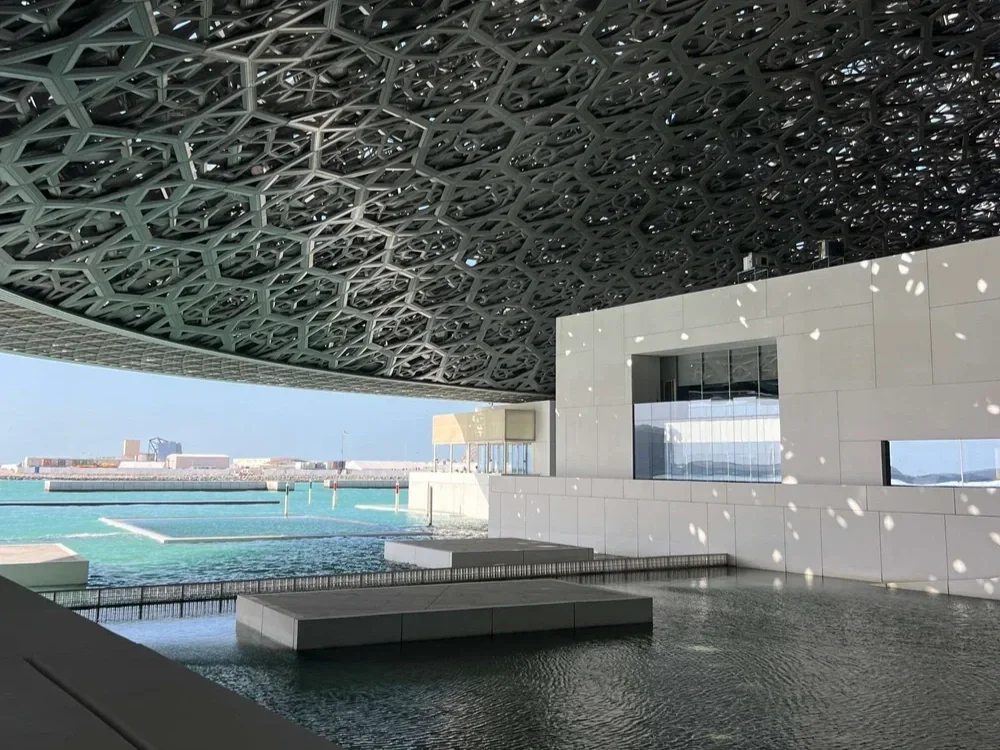
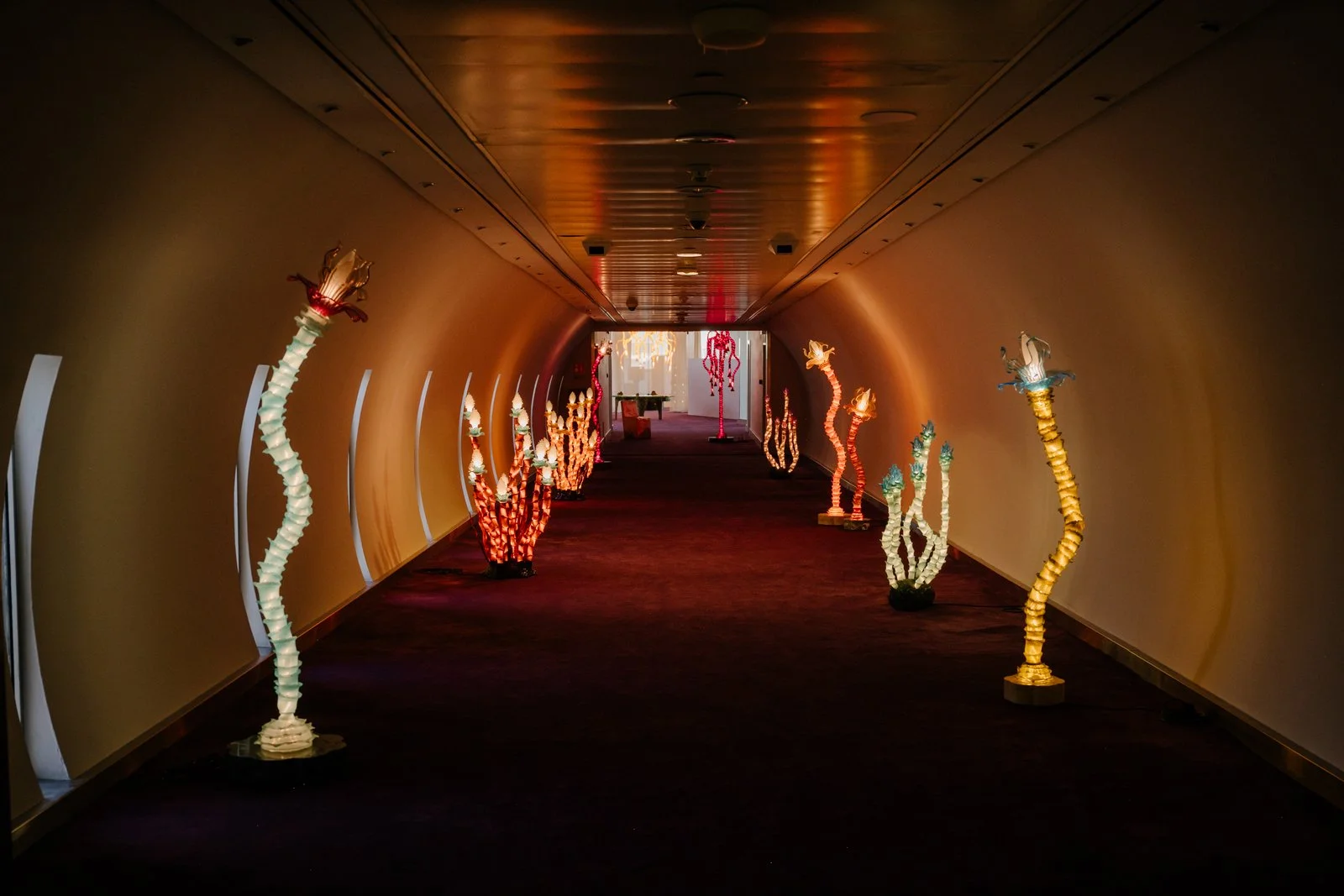
I’m especially drawn to mycelium-based materials, as well as honeycomb-like formations created by insects and organic, sponge-like textures shaped by growth and time. These emerging materials feel alive: intelligent, imperfect, and materially expressive. For now, they’re more a source of inspiration than something I’m specifying directly in high-end residential interiors, but I believe bio-grown materials and nature-based fabrication will strongly influence the future of interior design and sustainable architecture.
DESIGNEERS
The design rule you secretly love breaking?
Aiya Lisova
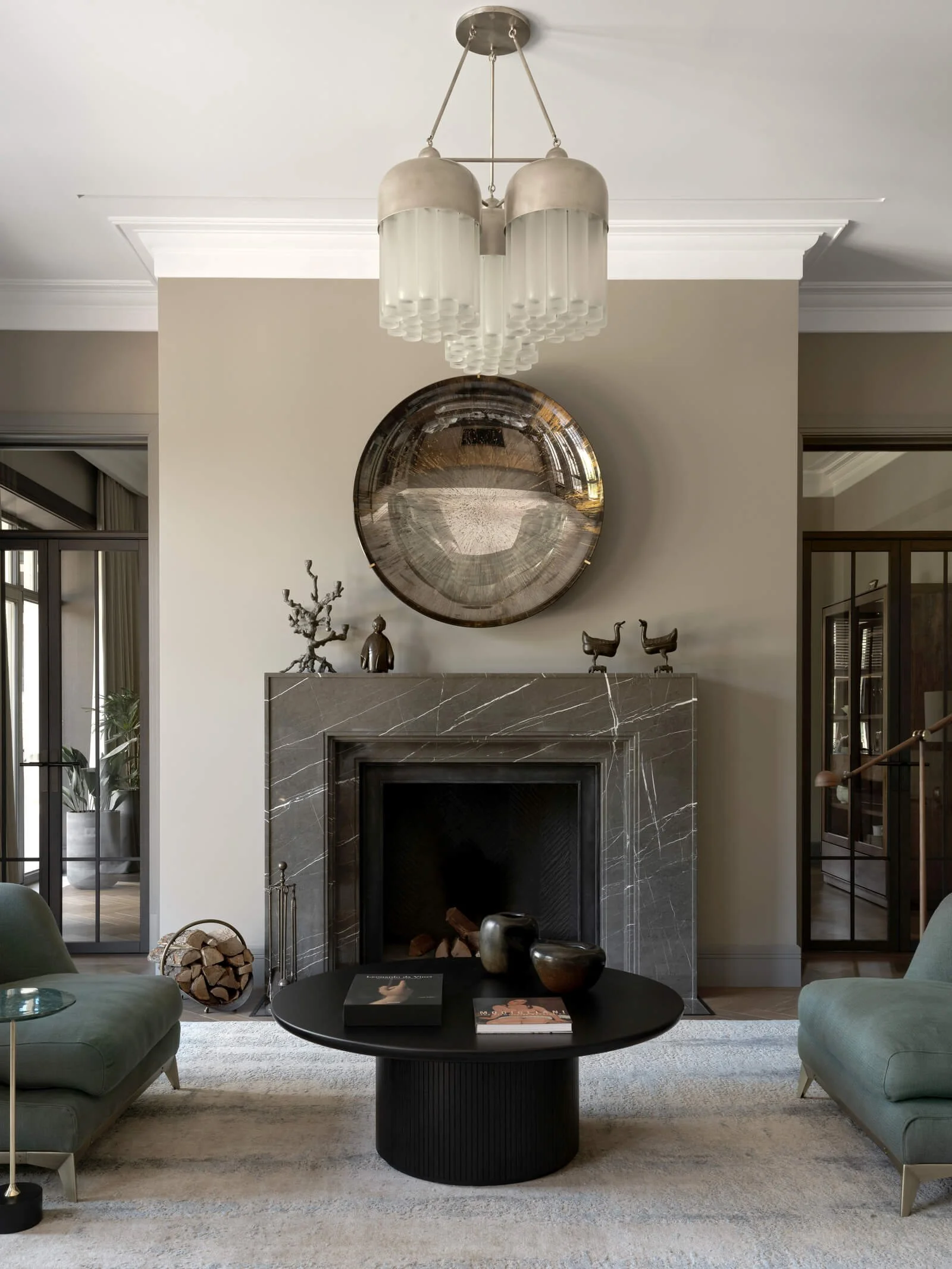
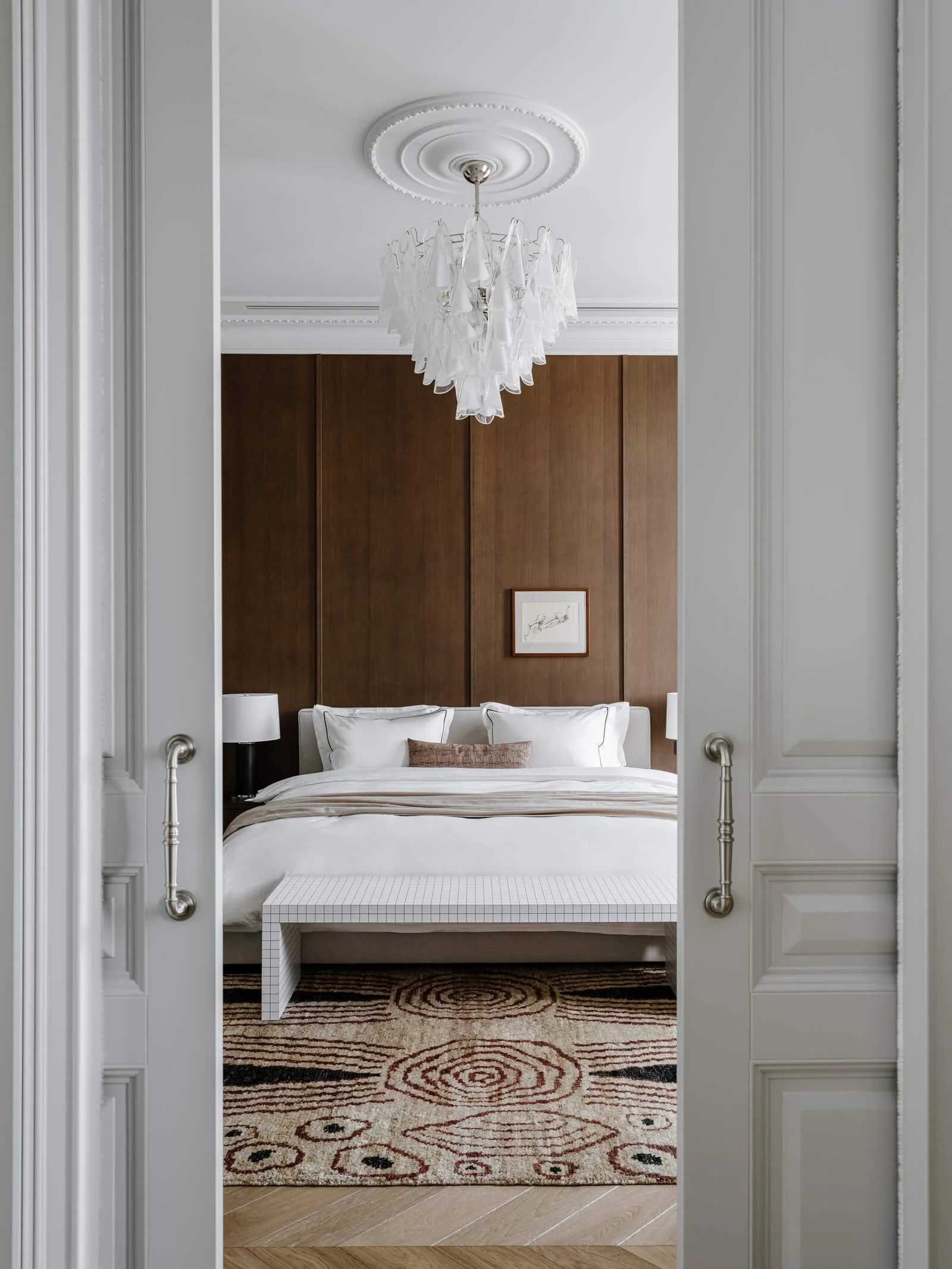
The design rule I secretly love breaking is the idea that an interior must belong to a clearly defined style. I don’t believe in strict stylistic frameworks in interior design.
I enjoy mixing elements that are considered incompatible, different eras, moods, and references, and working intuitively rather than following predefined categories. For me, design isn’t about fitting into a label, but about creating spaces that feel authentic, layered, and alive.
DESIGNEERS
What does luxury mean to you in 2026, quietly, without definition?
Aiya Lisova
True luxury in 2026 is time and the freedom to make one’s own choices.
It is the ability to live and decide without being influenced by advertising, social media, trends, or external opinions. Luxury today is autonomy: clarity of mind, independence of taste, and the confidence to follow one’s own values.
photography by sergey ananiev and mikhail loskutov