Studio Dua Abukhalaf: Architecture at the Intersection of Innovation and Authenticity
people • designers
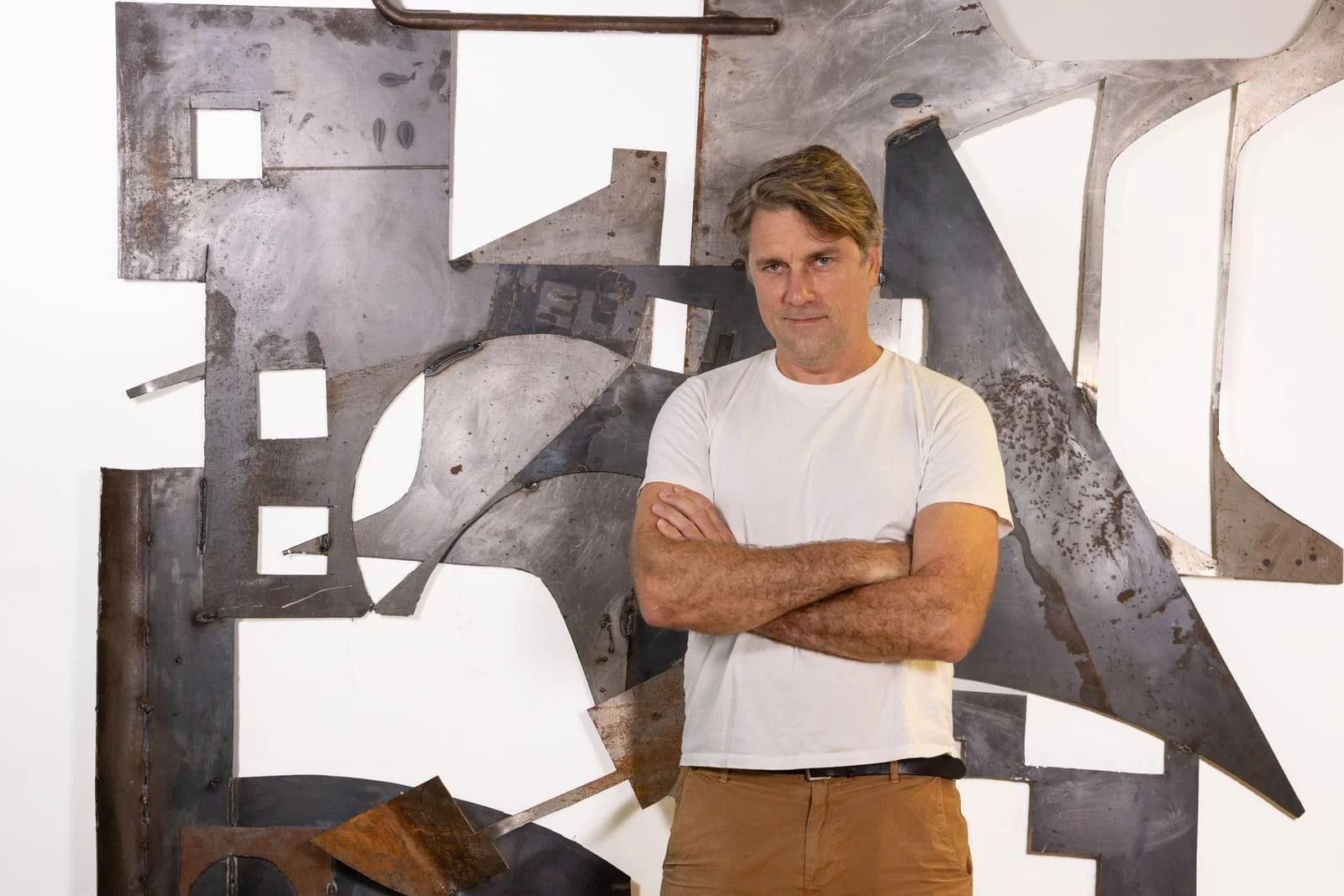
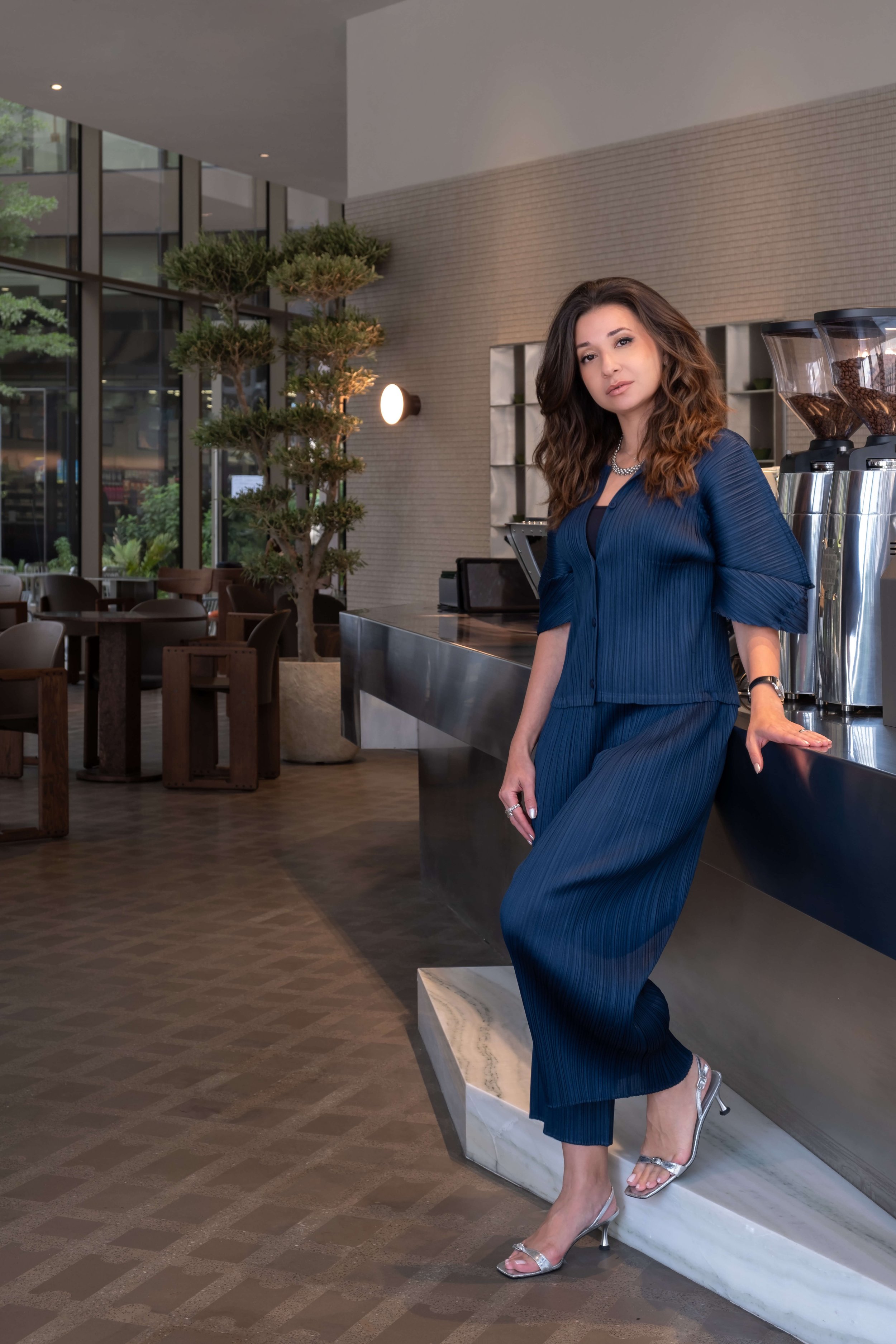
Studio Dua Abukhalaf is a boutique multidisciplinary design studio based in Dubai, with a growing presence across the Middle East and beyond. Led by founder and architect Dua Abukhalaf, the practice is defined by a sensitive balance between innovation and authenticity, where contemporary technologies meet material honesty, craft, and cultural context.
Working across architecture, interiors, research, and concept development, the studio approaches each project as a layered architectural experience shaped by place, purpose, and human interaction. In this interview, Dua Abukhalaf reflects on the values that guide the studio, the role of regional craft in modern architecture, and the importance of restraint, experimentation, and meaning in design.
Words: designeers
JANUARY 2026
WEBSITE: duaabukhalaf.com
INSTAGRAM: @duaabukhalaf.studio
DESIGNEERS
Your studio sits at the intersection of innovation and authenticity. What does this balance mean to you in practical design terms?
Dua Abukhalaf
For us, the balance between innovation and authenticity is not a stylistic choice but a working method.
In practical design terms, authenticity begins with listening to the site, the context, the culture, the client, and the material itself.
Innovation enters as a tool rather than an end in itself. Through contemporary design thinking, digital tools, and experimental techniques, we reinterpret these foundations in ways that feel relevant today, whether through custom detailing, new material applications, or alternative construction methods.
DESIGNEERS
You speak about blending values and ideas into meaningful architectural experiences. Which values guide you most consistently?
Dua Abukhalaf
The values that guide us most consistently are authenticity, material honesty, a strong sense of place, and artistic expression.
We believe architecture should be rooted in its context, culturally, socially, and materially responding to how people use and experience space rather than to trends or predefined aesthetics.
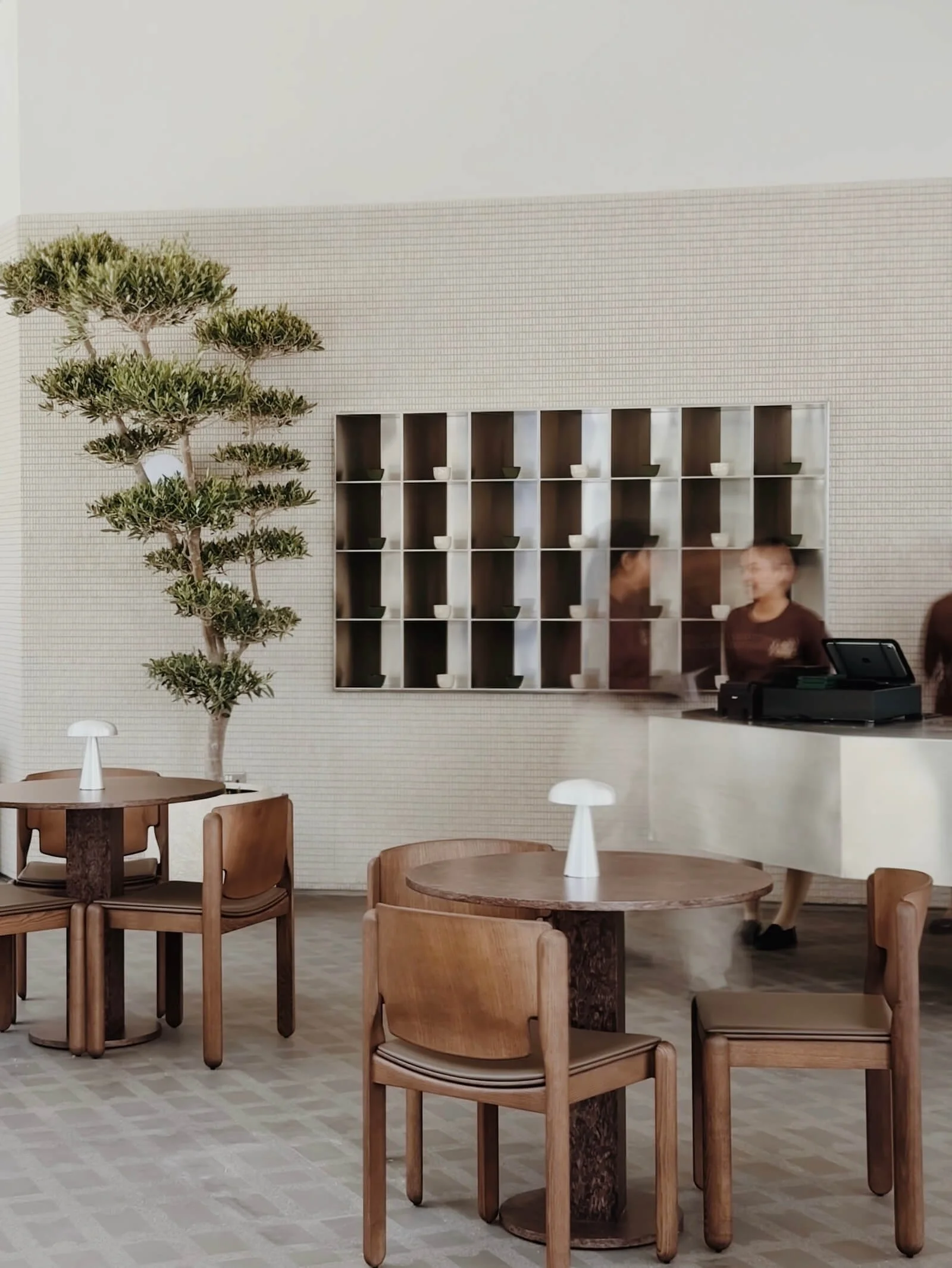
Material honesty is central to our approach, allowing materials to express their true character, imperfections, and weight through intentional use.
Equally important is artistic expression, where form, light, and material shape atmosphere and emotion. Guided by clarity and restraint, we focus on thoughtful detailing and meaningful spatial sequences that avoid excess, creating environments that are quietly expressive, emotionally resonant, and enduring.
DESIGNEERS
Is there a traditional craft from the region that you feel especially connected to and wish to reintroduce to modern architecture?
Dua Abukhalaf
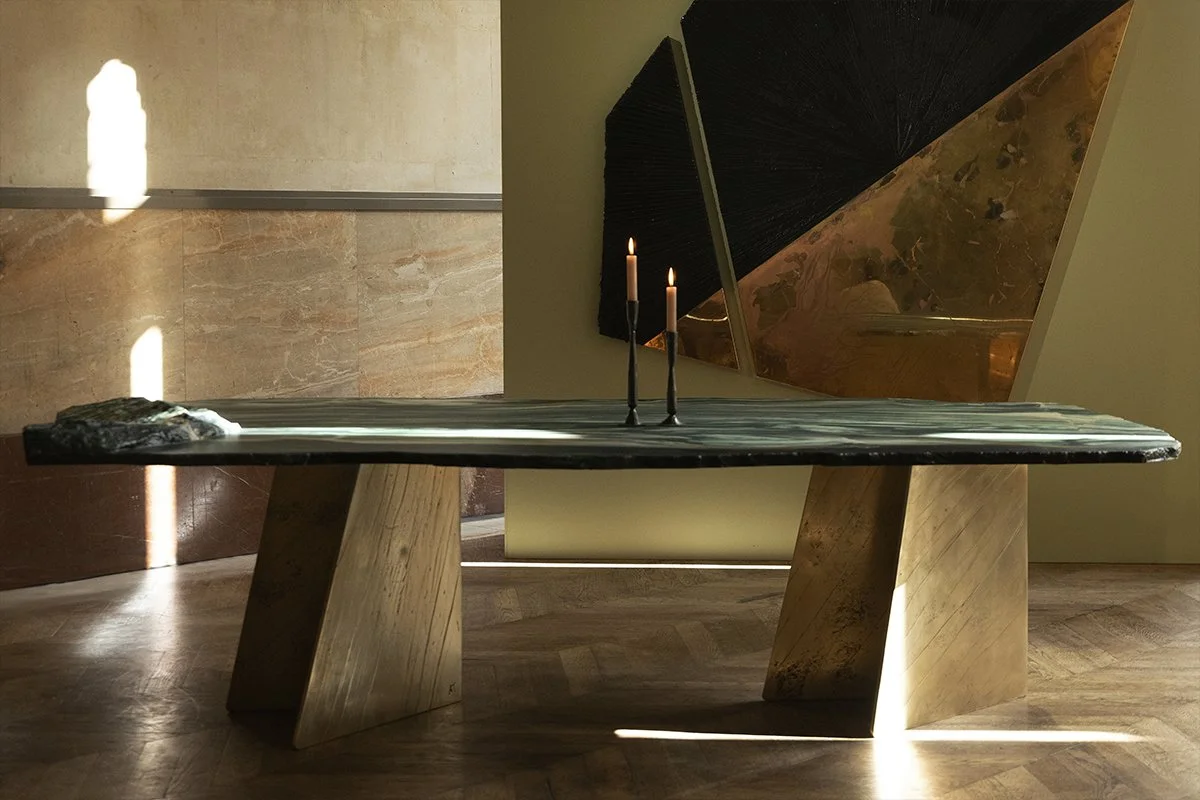
We are interested in a range of local crafts rooted in Emirati culture and the wider Middle Eastern region, particularly those connected to stone, weaving, and metalwork.
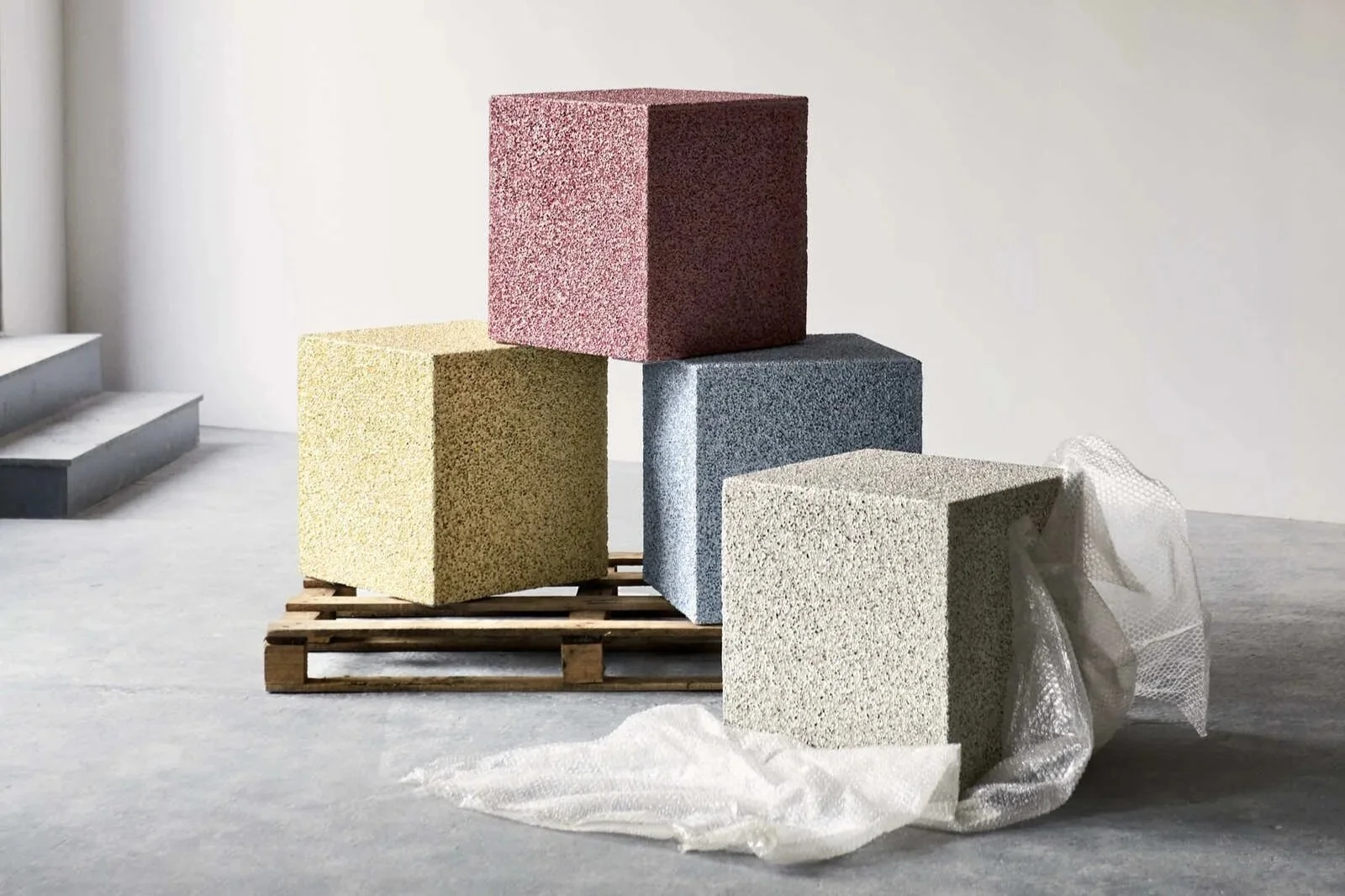
At the same time, we are especially drawn to how locally available materials such as sand are being redeveloped and reused through contemporary architectural applications, including 3D printing and experimental fabrication techniques. This area represents an exciting direction for us, where traditional material intelligence meets advanced technology.
What interests us most is the potential to develop local prototypes that are honest in their material expression, sustainable in their production, and rooted in the region, while remaining forward-thinking in their architectural language. This approach allows craft to evolve rather than be preserved as nostalgia, becoming an active part of future architectural practice.
DESIGNEERS
What material or technique has taught you the most about patience, structure, or restraint?
Dua Abukhalaf
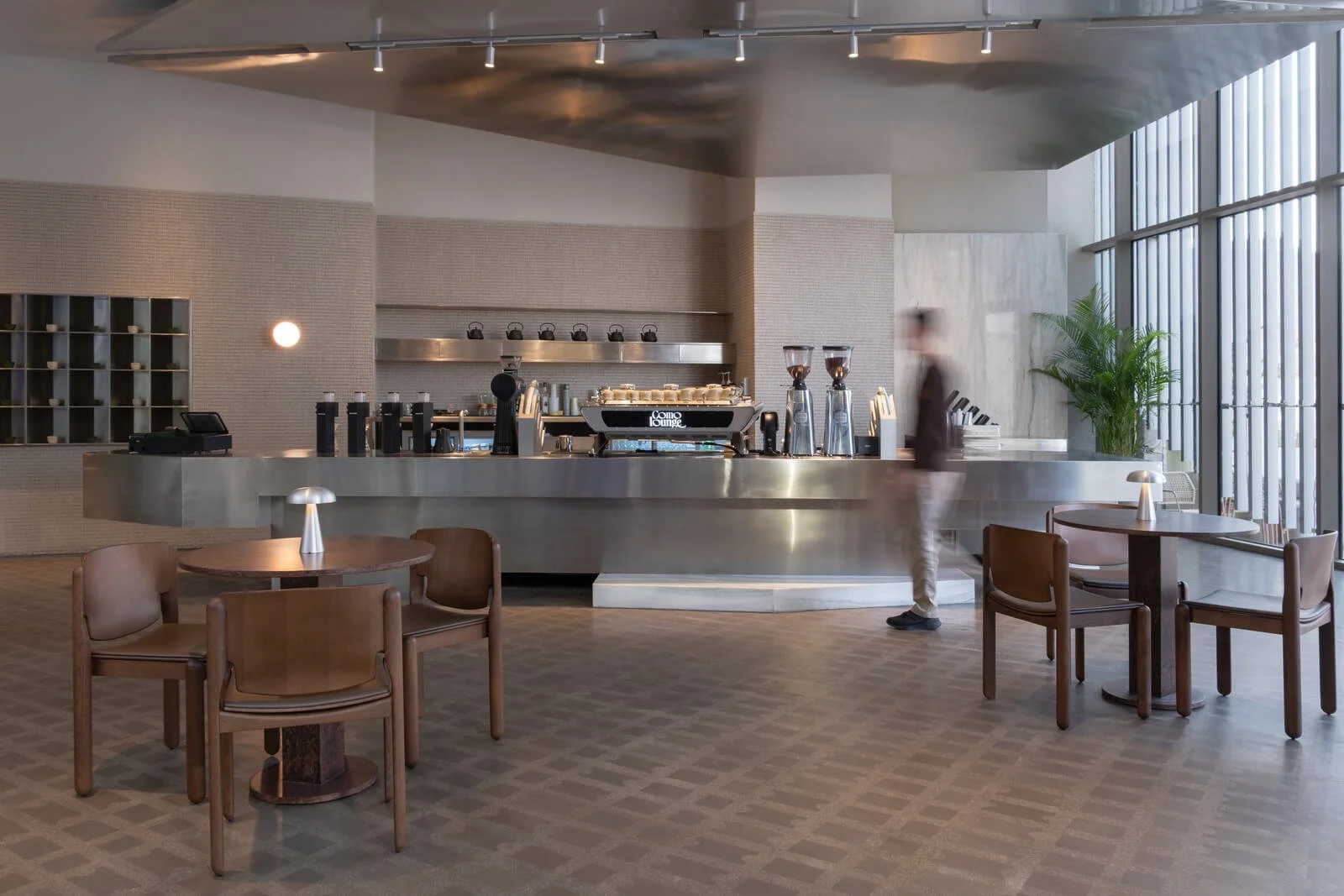
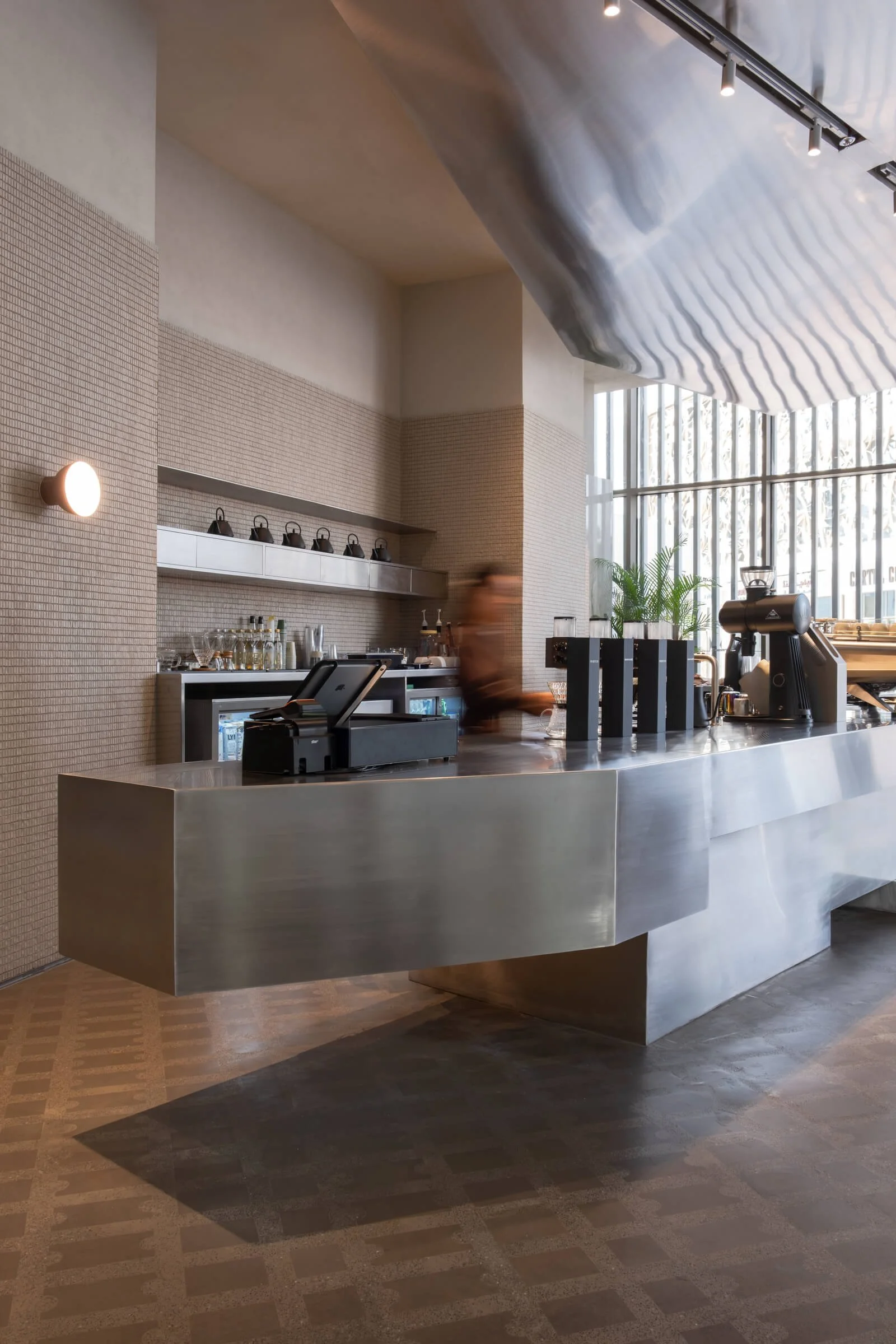
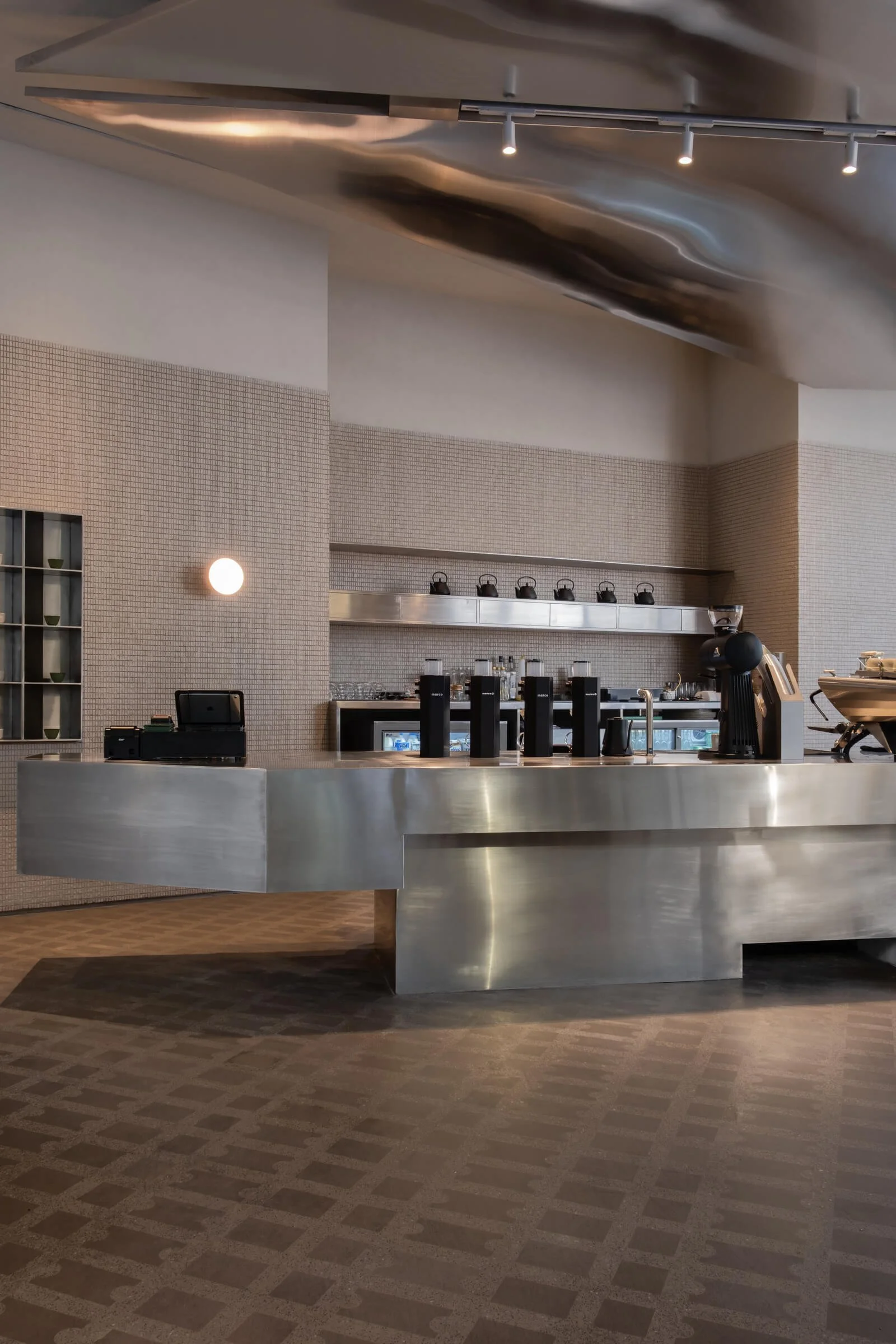
Working with a range of materials has shaped our understanding of patience, structure, and restraint, but more recently, stainless steel has been particularly instructive.
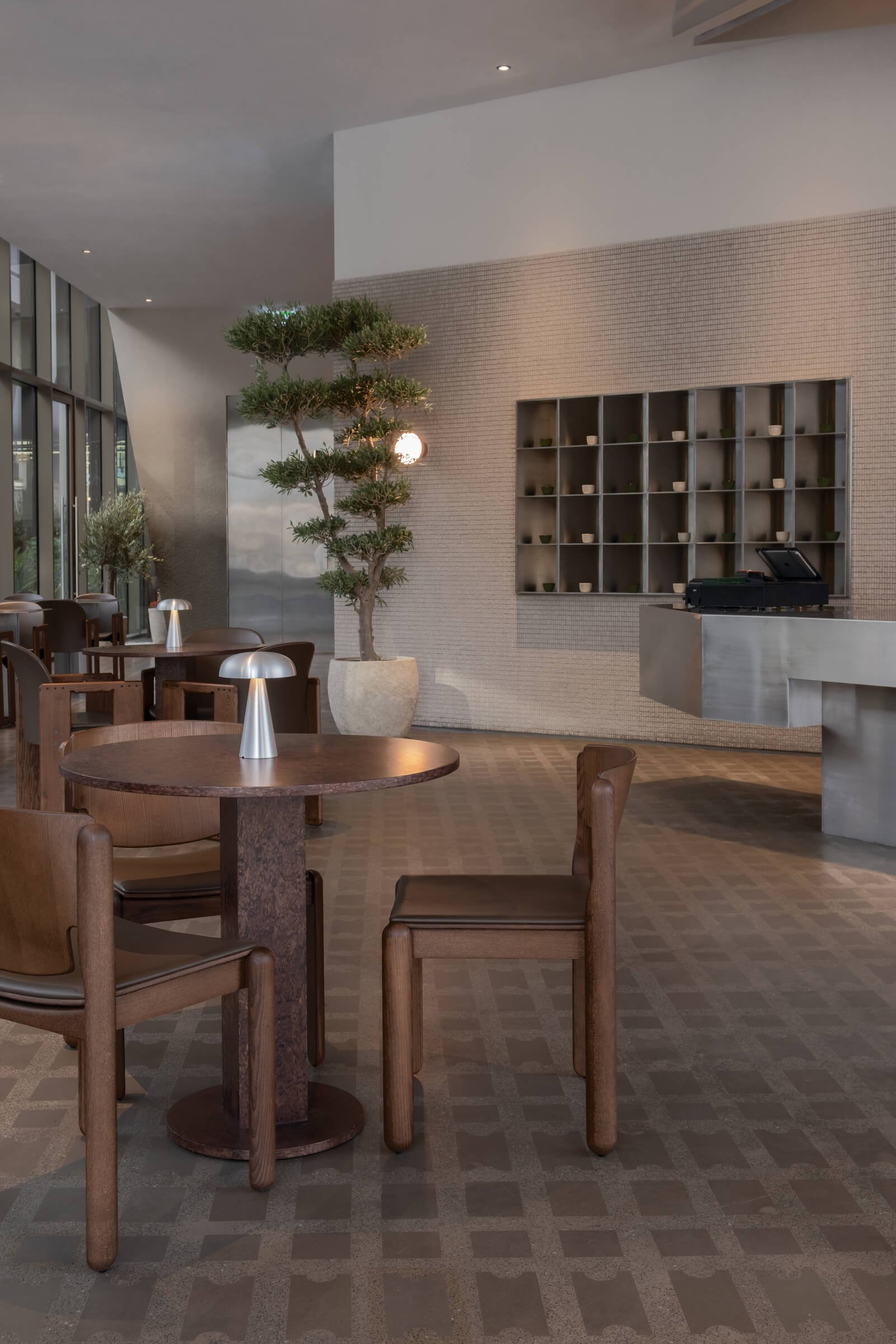
By pushing the material to span larger surfaces without visible joints, we were forced to work closely with its limitations as much as its potential. This process required a high level of precision, careful coordination, and a deep understanding of structure and fabrication.
Stainless steel taught us that pushing boundaries is inseparable from craftsmanship. It demands patience, restraint, and continuous guidance throughout the process, reinforcing the idea that innovation is only meaningful when supported by discipline and control.
DESIGNEERS
Your ultimate design hero who inspires you endlessly?
Dua Abukhalaf
Oscar Niemeyer
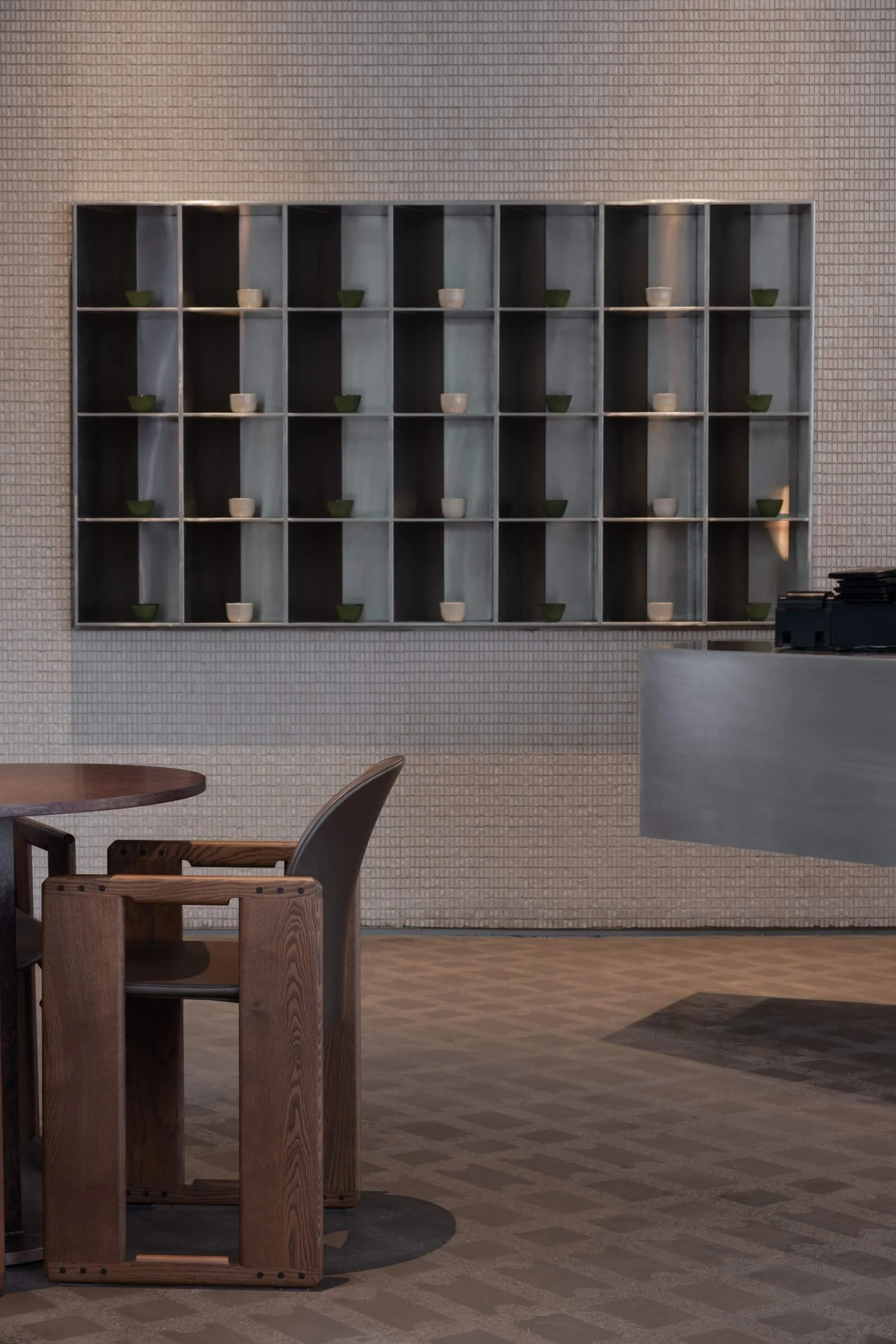
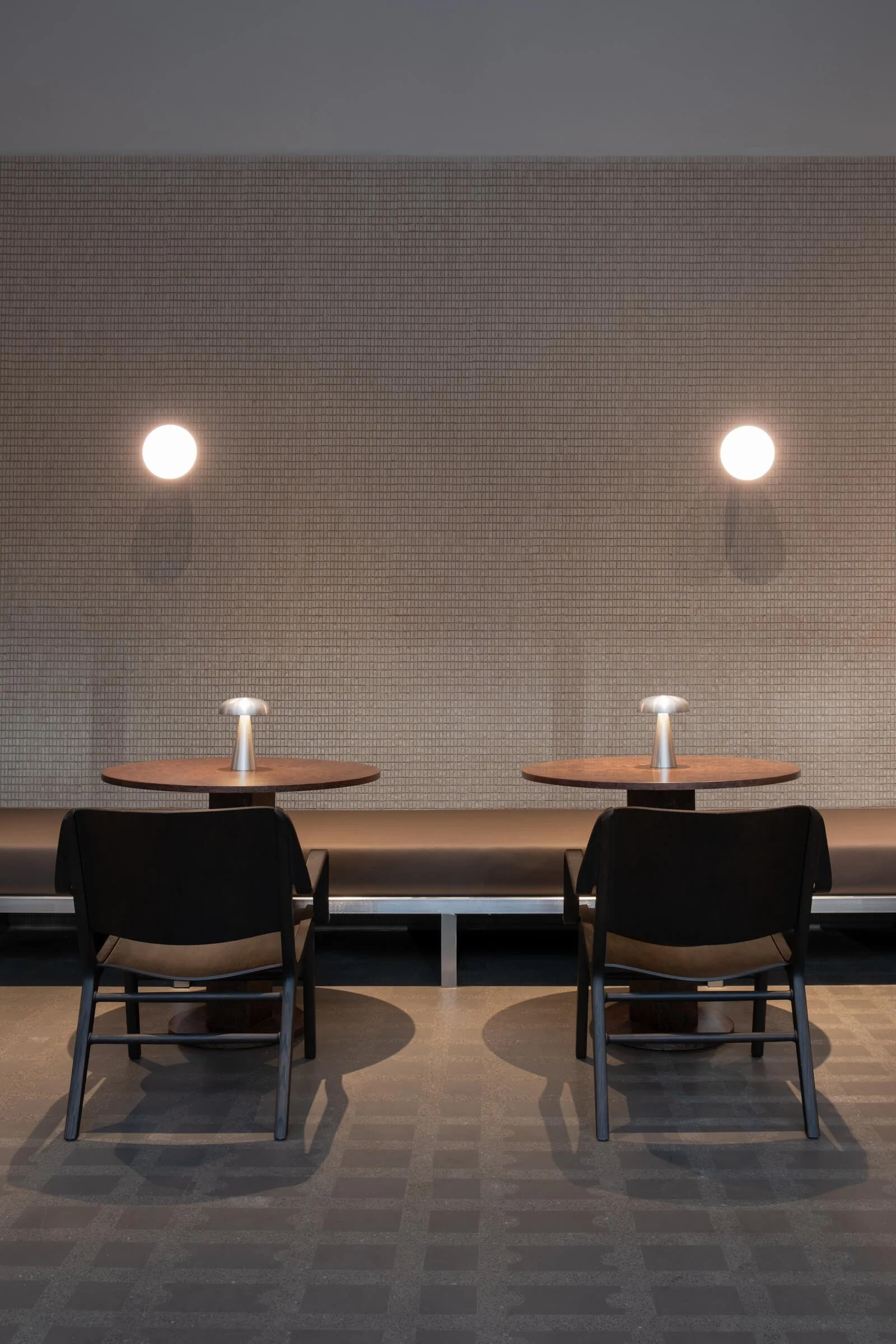
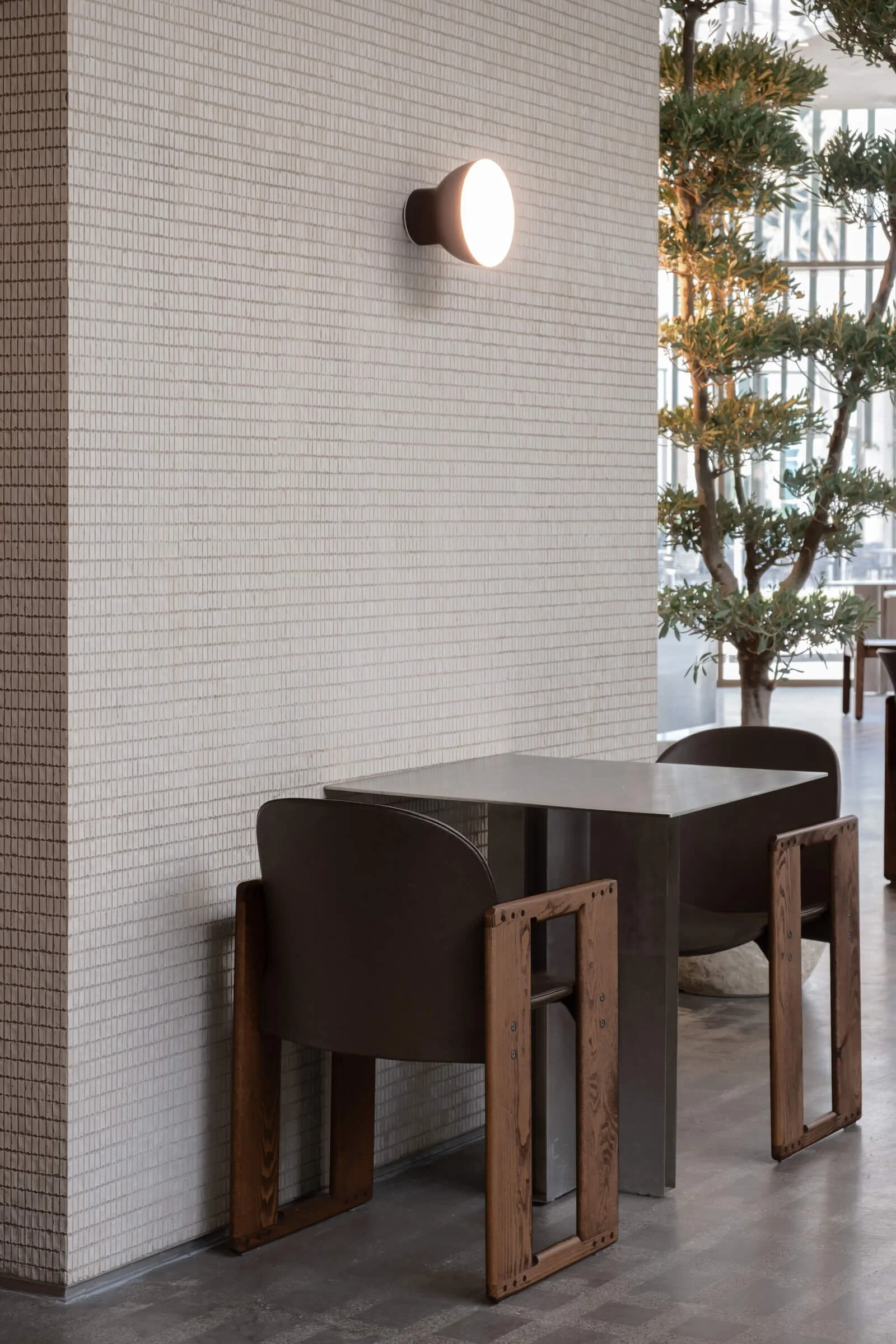
“We are interested in a range of local crafts rooted in Emirati culture and the wider Middle Eastern region, particularly those connected to stone, weaving, and metalwork.”
Dua Abukhalaf
DESIGNEERS
If you could design in any city in the world tomorrow, where would you choose?
Dua Abukhalaf
Not one city in particular, but Arizona, drawn to its desert landscapes and raw context.
DESIGNEERS
One design trend you secretly love and one you could happily leave behind?
Dua Abukhalaf
A trend we quietly appreciate is the renewed focus on material-led design, while a trend we could happily leave behind is maximalism and chaotic expression.
DESIGNEERS
Your favourite design hotel in the world.
Dua Abukhalaf
The Therme Vals, designed by Peter Zumthor, an Amangiri resort in Utah.
DESIGNEERS
A craftsperson or artisan you would love to collaborate with?
Dua Abukhalaf
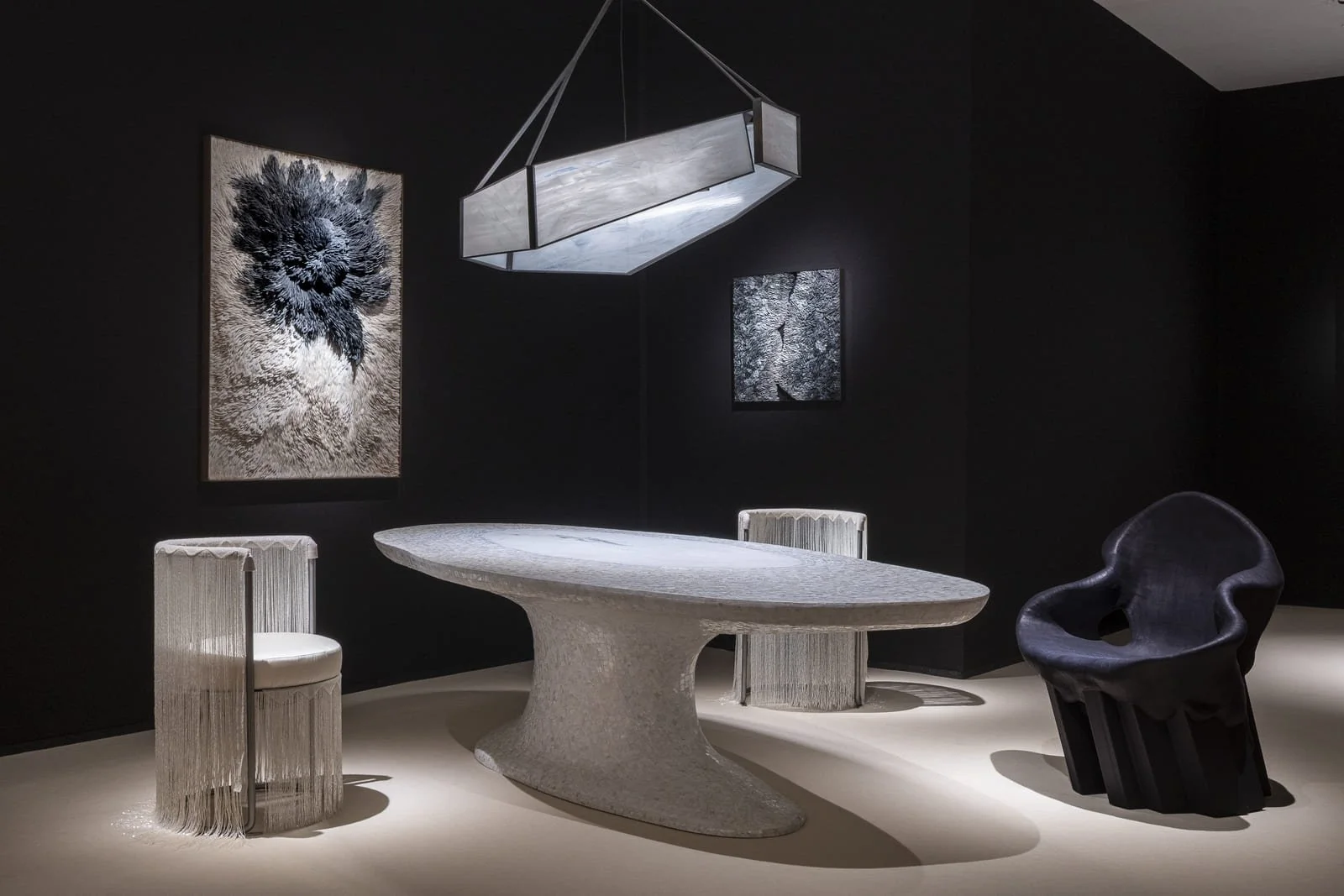
Vincenzo De Cotiis
DESIGNEERS
What kind of architectural legacy do you hope to build across the region?
Dua Abukhalaf
We hope to build an architectural legacy that is rooted in the region while remaining open to experimentation and future thinking. Our aim is to contribute work that is honest in its use of materials, respectful of context, and driven by meaning rather than trend. We want our projects to demonstrate how regional identity, craft, and locally available materials can evolve through contemporary design methods and new technologies.
Beyond the built work itself, we hope to inspire younger generations to approach projects with honesty, curiosity, and a willingness to experiment. To remain open to development, to question conventions, and to see architecture as an evolving process rather than a fixed outcome is an essential part of the legacy we aspire to leave.