Sculpting Light: Inside Mila Zila’s Bespoke Glass Practice
people • makers
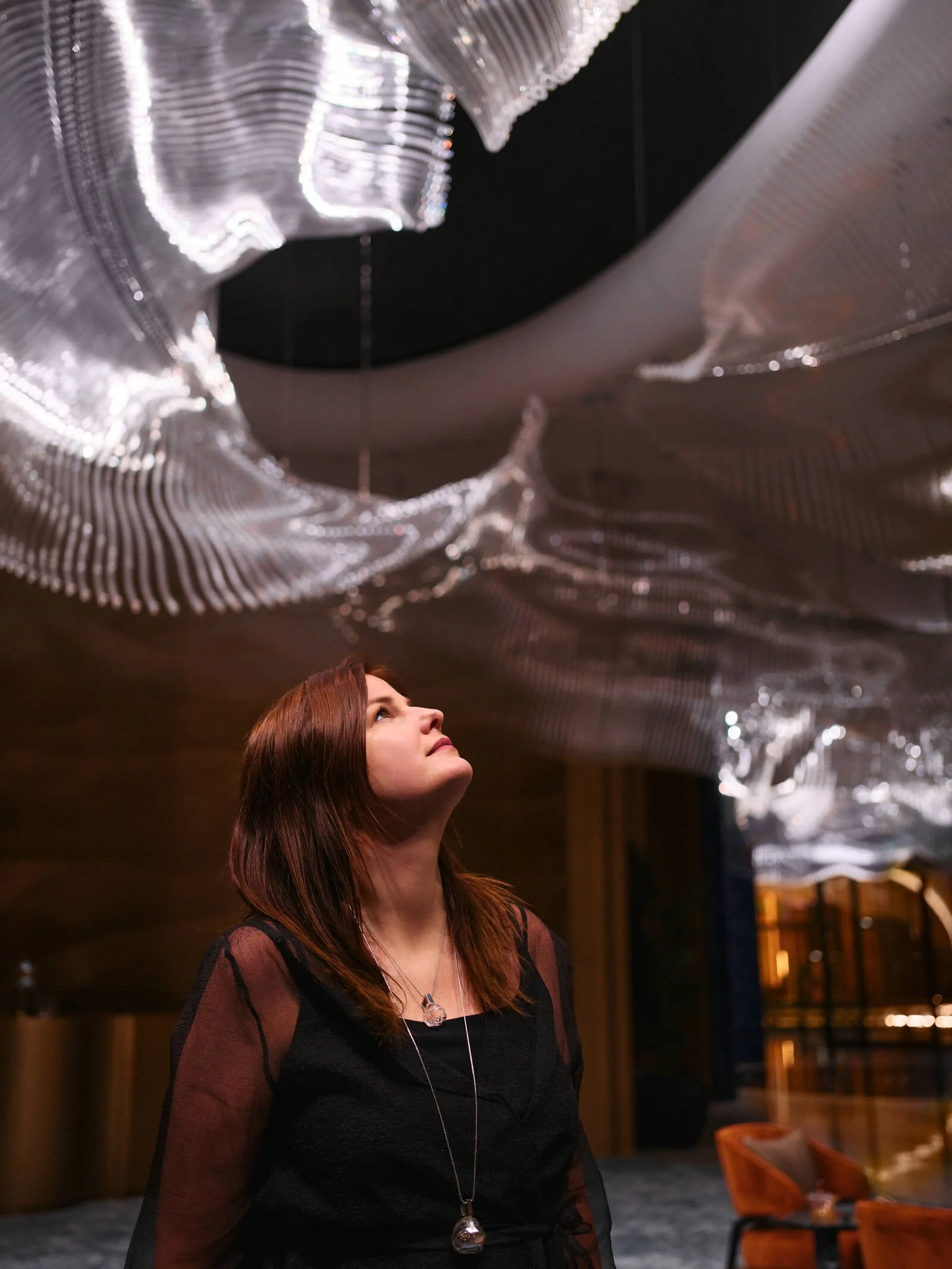
Mila Zila is the artistic practice of Ľudmila Žilková, a contemporary glass designer based in Northern Bohemia - a region long renowned for its glassmaking heritage. Working primarily with hand-blown glass, she moves between traditional craftsmanship and material experimentation.
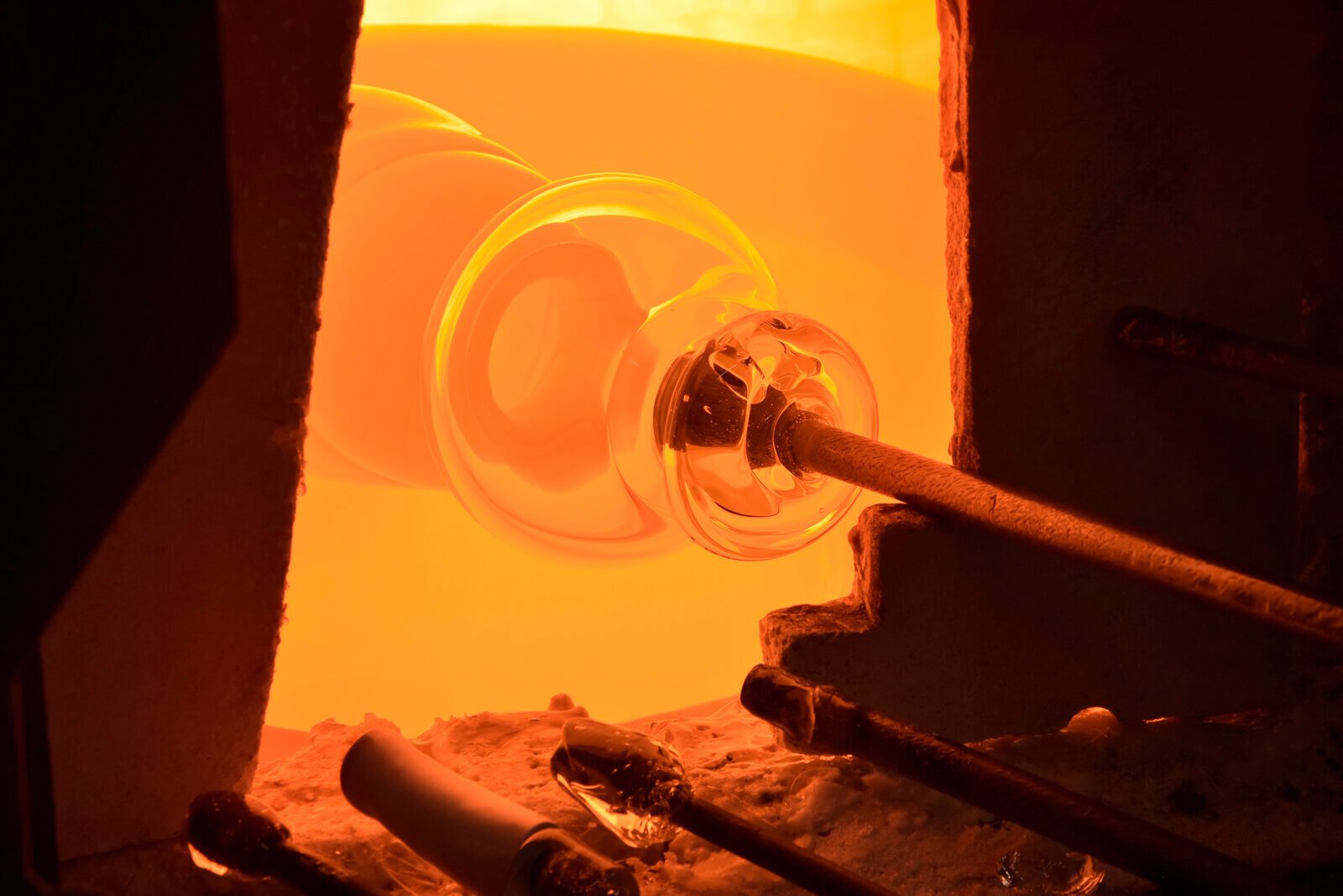
For Žilková, glass is not inert but alive - yielding to gravity, surrendering to fire, and shifting with light throughout the day. With nearly fifteen years of experience creating bespoke glass lighting and spatial installations, she has developed an intuitive sensitivity to how glass behaves within architecture and interiors.
Her pieces rarely begin with a fixed form; instead, they emerge through process - shaped by technical limits, fractures, and moments of resistance within the material itself. The result is collectible design suspended between sculpture and function, fragility and strength. In this conversation, she reflects on failure as method, atmosphere as intention, and the enduring value of authentic craft.
Words: designeers
MARCH 2026
WEBSITE: milazila.studio
INSTAGRAM: @mila_zila
DESIGNEERS
You describe your practice as material-based and shaped by years working with light, objects and space. How would you summarise what you do in one sentence?
MILA ZILA
At the core of my work is the relationship between material and experience - how physical matter can carry deeply personal, often unspoken meanings. I’m drawn to everyday objects and typologies we’ve internalised over time, and I explore how they can be reinterpreted through material presence and light.
DESIGNEERS
You often begin with material logic rather than a fixed form. What does that look like at the start of a bespoke project? What are the first decisions you make?
MILA ZILA
I rarely begin with a defined form - I begin with a situation. It might be a technical limitation, an unexpected reaction within the material, or simply a “what if” question. I don’t work toward a predetermined outcome; instead, I observe what the material allows, where it resists, and where it surprises me.
For me, the process itself is a way of thinking. Only once I truly understand what I’m holding in my hands do I consciously begin to shape the aesthetic direction.
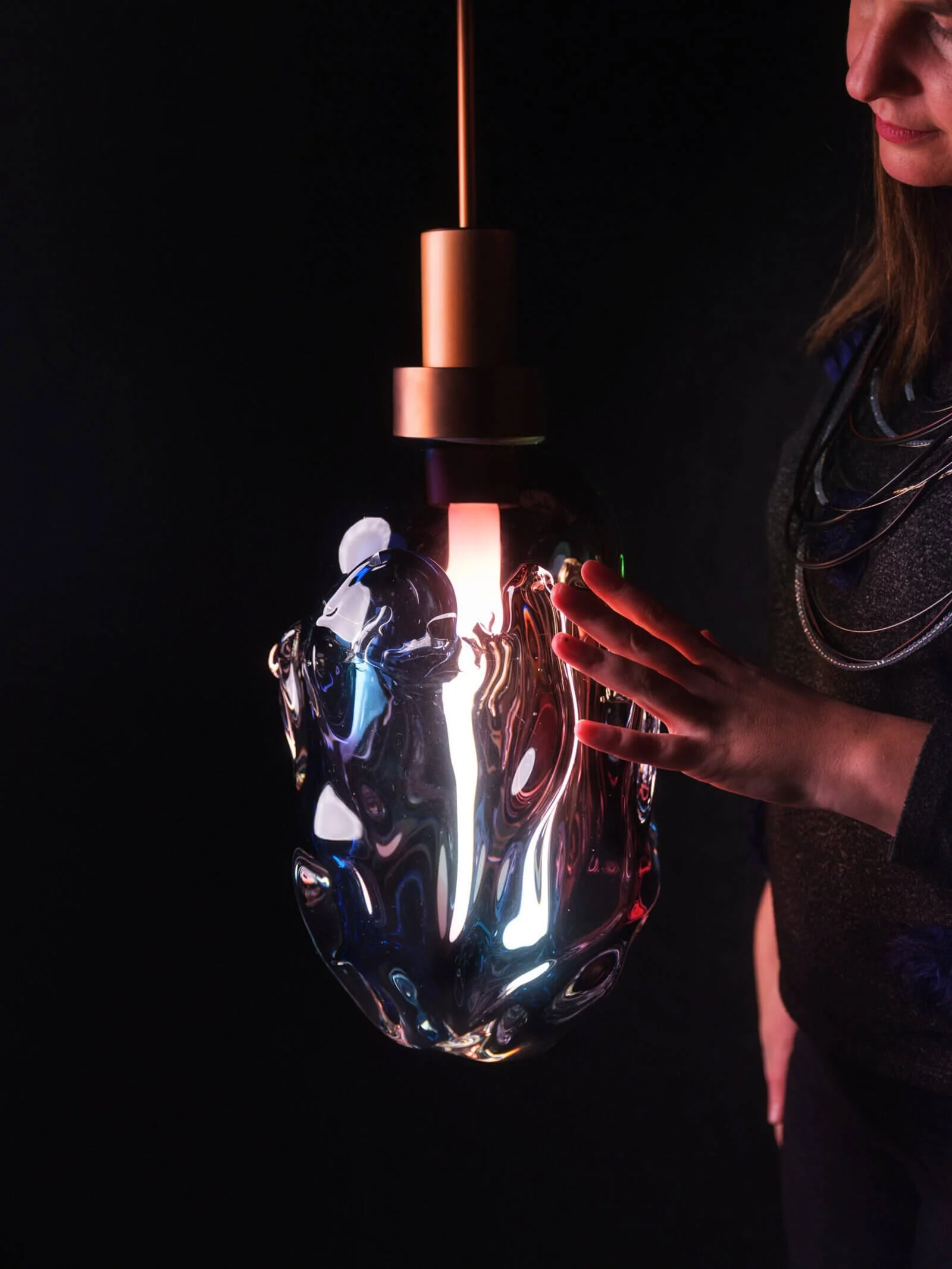
Persona Vase
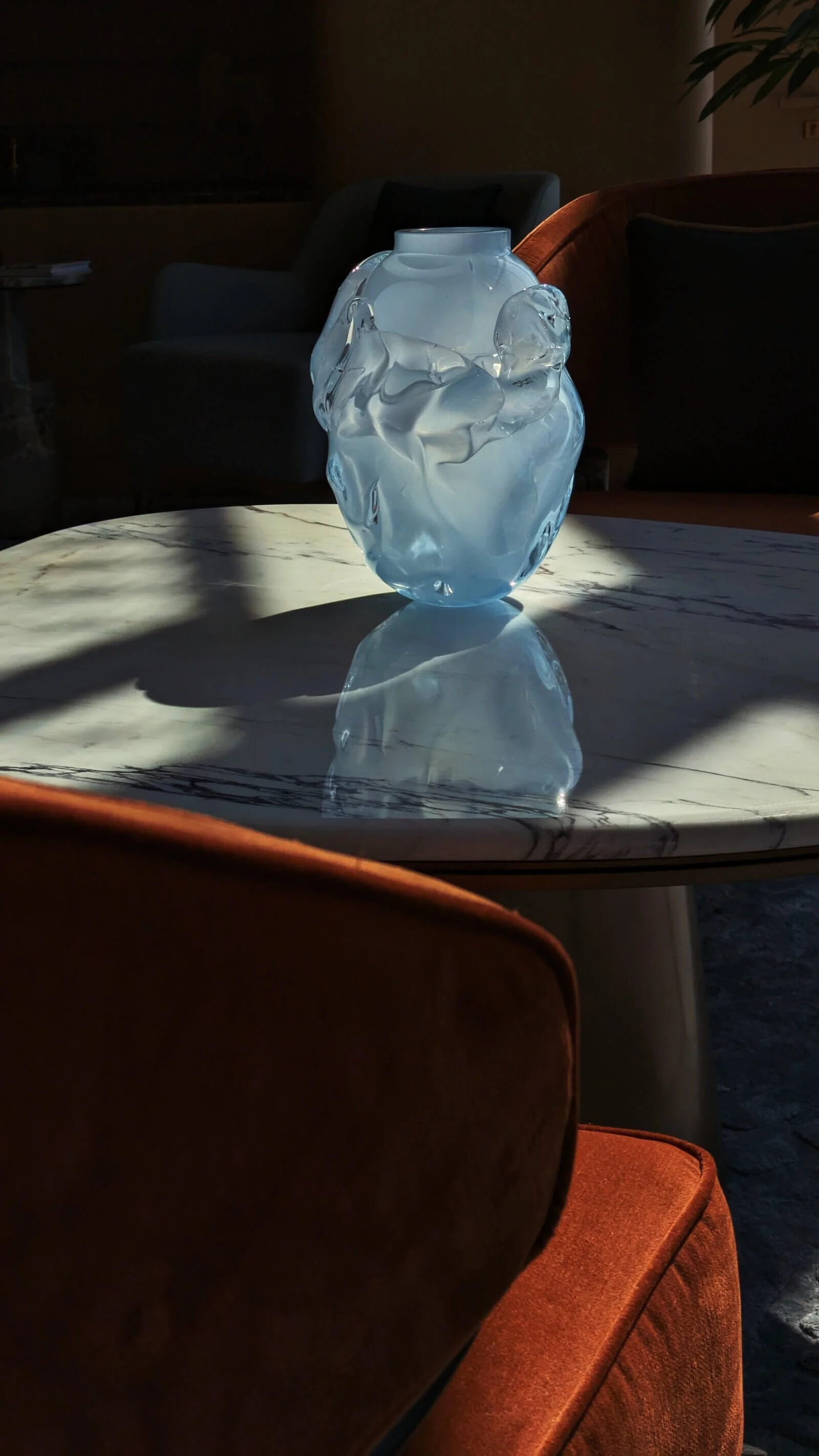
Persona Vase
DESIGNEERS
You've worked with light for nearly 15 years, mainly on custom lighting and spatial installations. What has that experience taught you about how light actually behaves in real interiors?
MILA ZILA
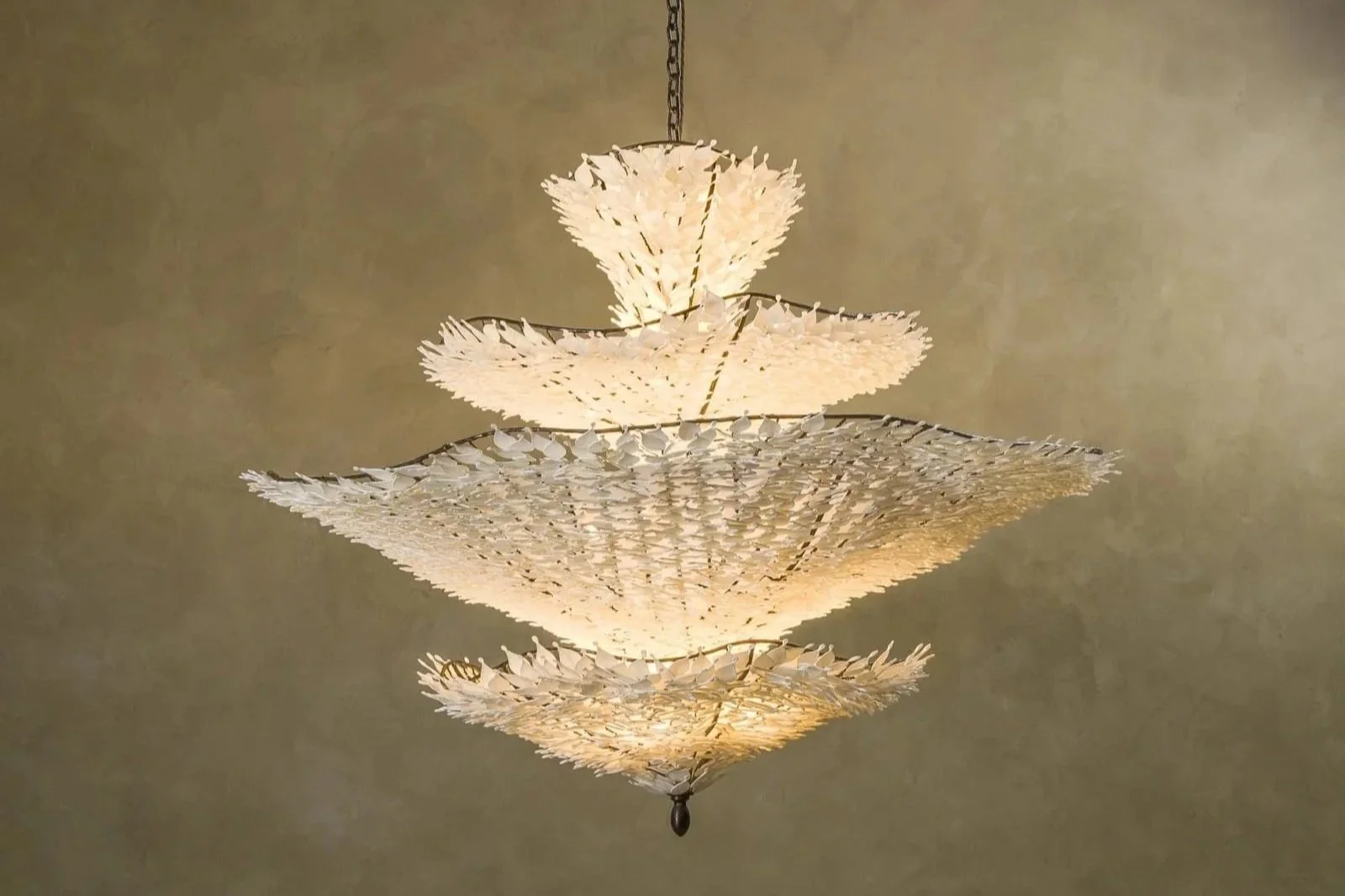
Glass and light naturally belong together. When I design lighting, I’m not only thinking about illumination. I’m thinking about the atmosphere about how the object will live in the space, how it will behave in the morning versus at night. Light can reveal everything in glass, but it can also soften or mute it completely. That balance is something I’m constantly working with.
DESIGNEERS
You are known for material experimentation: testing, adjusting, sometimes hitting dead ends. Can you share an example of an experiment that changed the direction of a piece or commission?
MILA ZILA
Experimentation is fundamental to my practice. It always begins with curiosity - and a willingness to fail. In fact, I value failure.
The MIND collection, for example, emerged from what initially seemed like a mistake. I was developing prototypes for drinking glasses and accidentally overheated the rims. They began to collapse and deform. At first, it felt like I had ruined them.
But instead of discarding the pieces, I kept observing. I started to recognise a pattern in how the glass responded to heat. Gradually, I learned how to guide that behaviour rather than resist it. What appeared to be a technical error became the defining gesture of the collection.
Those moments are essential to me. They remind me that control is not always about precision - sometimes it is about attention.
DESIGNEERS
Your studio work has been focused on hand-blown glass, and you're now developing new work using flat glass and lampworking. What drew you to these techniques, and how do they expand your design language?
MILA ZILA
Glassblowing is inherently collective. It is a precise, physical discipline that only functions when the team moves and breathes together. For many years, I found energy in that intensity. Over time, however, I felt the need for more solitude and concentration.
Lampworking introduced a completely different scale and rhythm. It allows me to slow down, work with finer detail, and respond more intuitively in the moment. Flat glass, in turn, opened formats and spatial possibilities that simply aren’t achievable through blowing.
I don’t see these techniques as a departure, but as a natural extension of my language. For me, technique should always serve the intention - never dominate it.
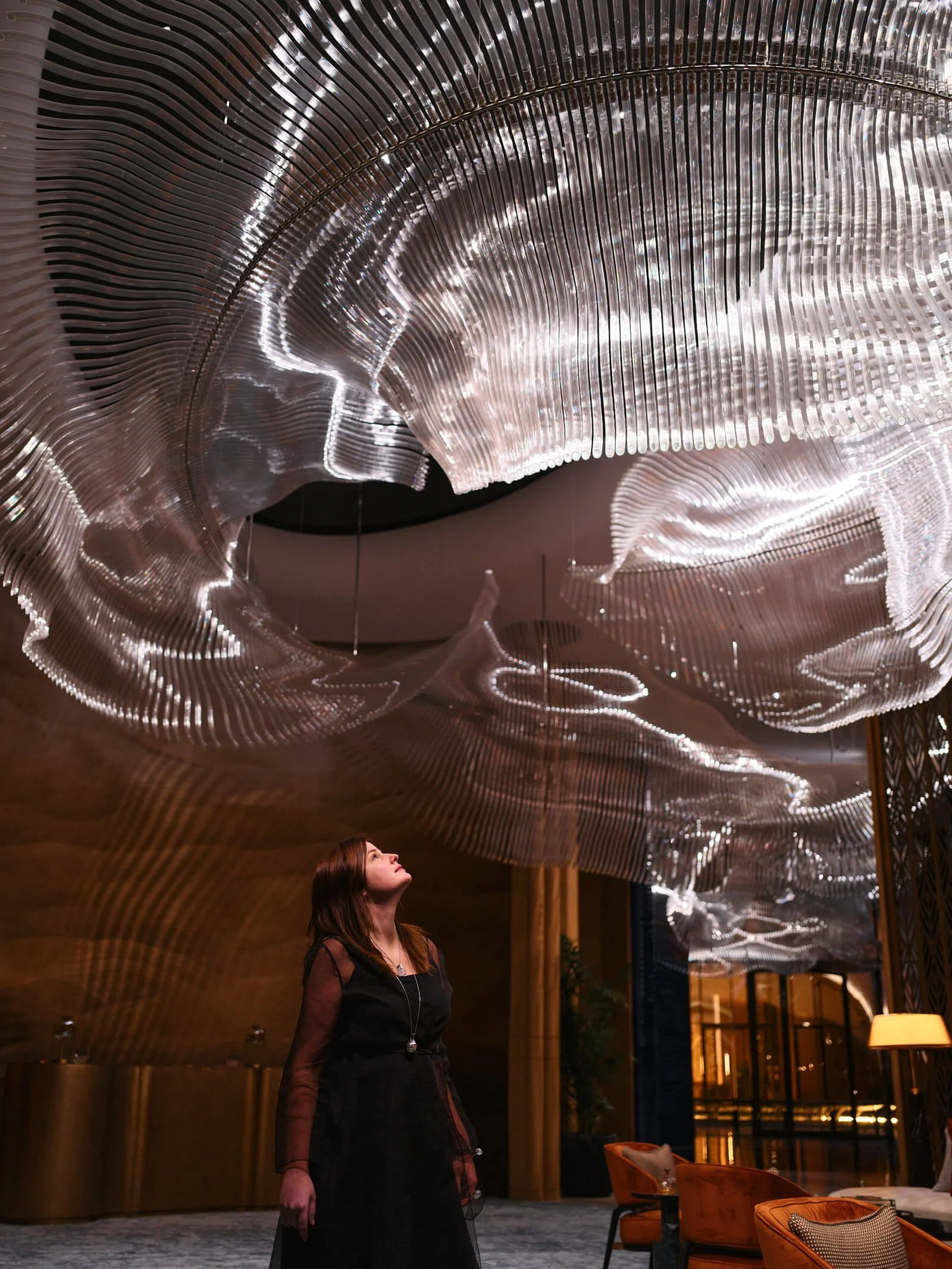
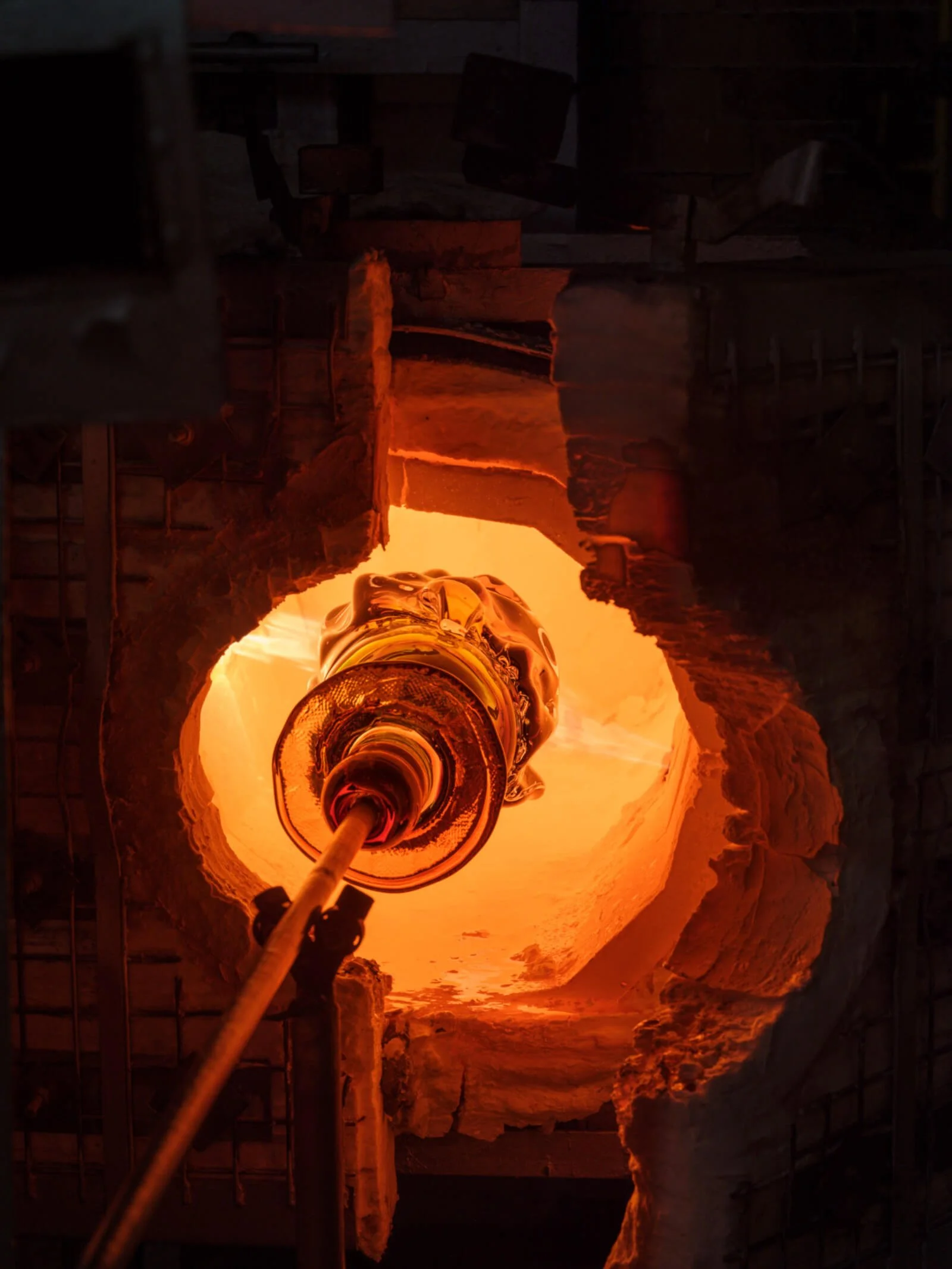
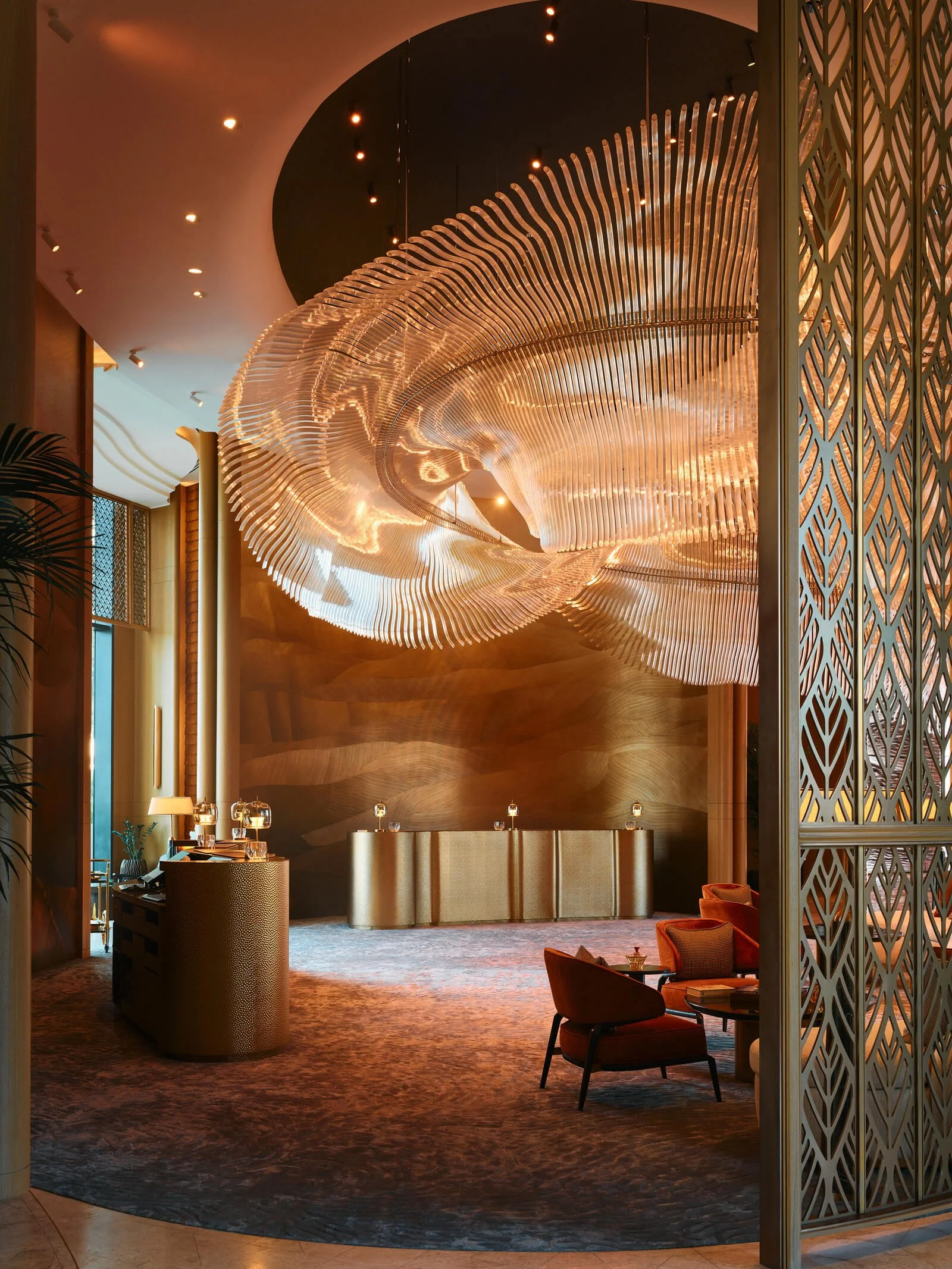
“Glass and light naturally belong together. When I design lighting, I’m not only thinking about illumination. I’m thinking about the atmosphere about how the object will live in the space, how it will behave in the morning versus at night.”
MILA ZILA
DESIGNEERS
Many of your pieces start from something functional, but you're interested in how they can become sculptural presences. How do you balance function with form, especially in lighting?
MILA ZILA
I don’t see function and sculpture as opposites. Many of my objects begin with a functional starting point - perhaps because of my design background - but I’m drawn to the moment when an object begins to exceed its purpose and exist more autonomously.
It can still be used, but it no longer depends on that use to justify itself. Sometimes it is enough for a piece to hold space, to create tension or atmosphere. In lighting especially, that boundary becomes fluid. Light transforms an object into something experiential, almost immaterial. That threshold between utility and presence is what interests me most.
DESIGNEERS
Collaboration is central to your bespoke work. What types of partners and projects are you most excited to take on right now—and what makes a collaboration truly successful for you?
MILA ZILA
For me, collaboration is rooted in trust and respect - and in valuing the process as much as the final result. I’m most inspired when there is openness: a willingness to question, to adjust, and to let the work evolve.
At the moment, I’m particularly interested in working with interior designers and architects, on both residential and public spaces. I enjoy entering a context with its own logic and discovering where my work can integrate naturally - while still bringing something distinct.
I’m not interested in decoration. I want the object to play a role in shaping the atmosphere of a space.
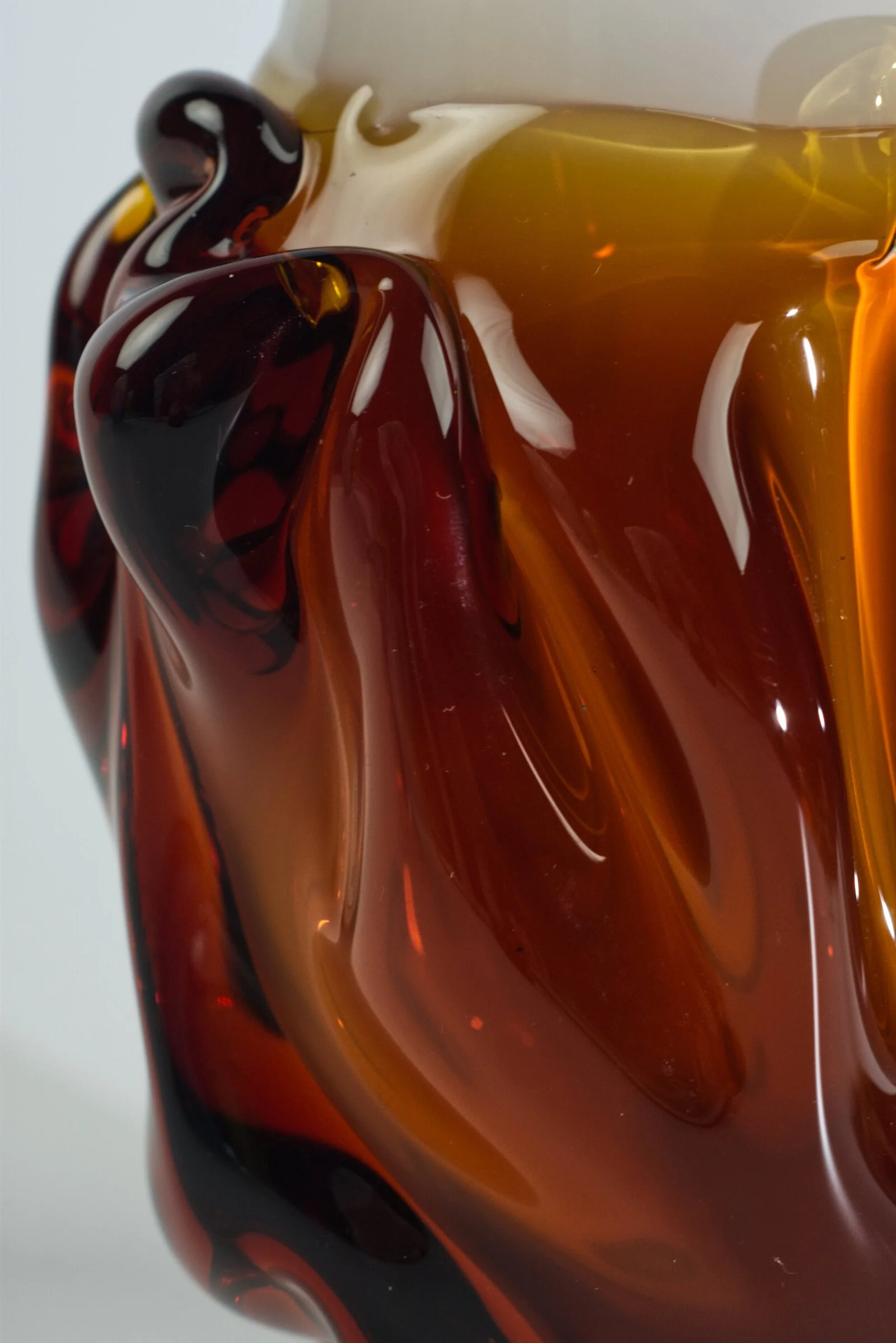
Persona Small Amber
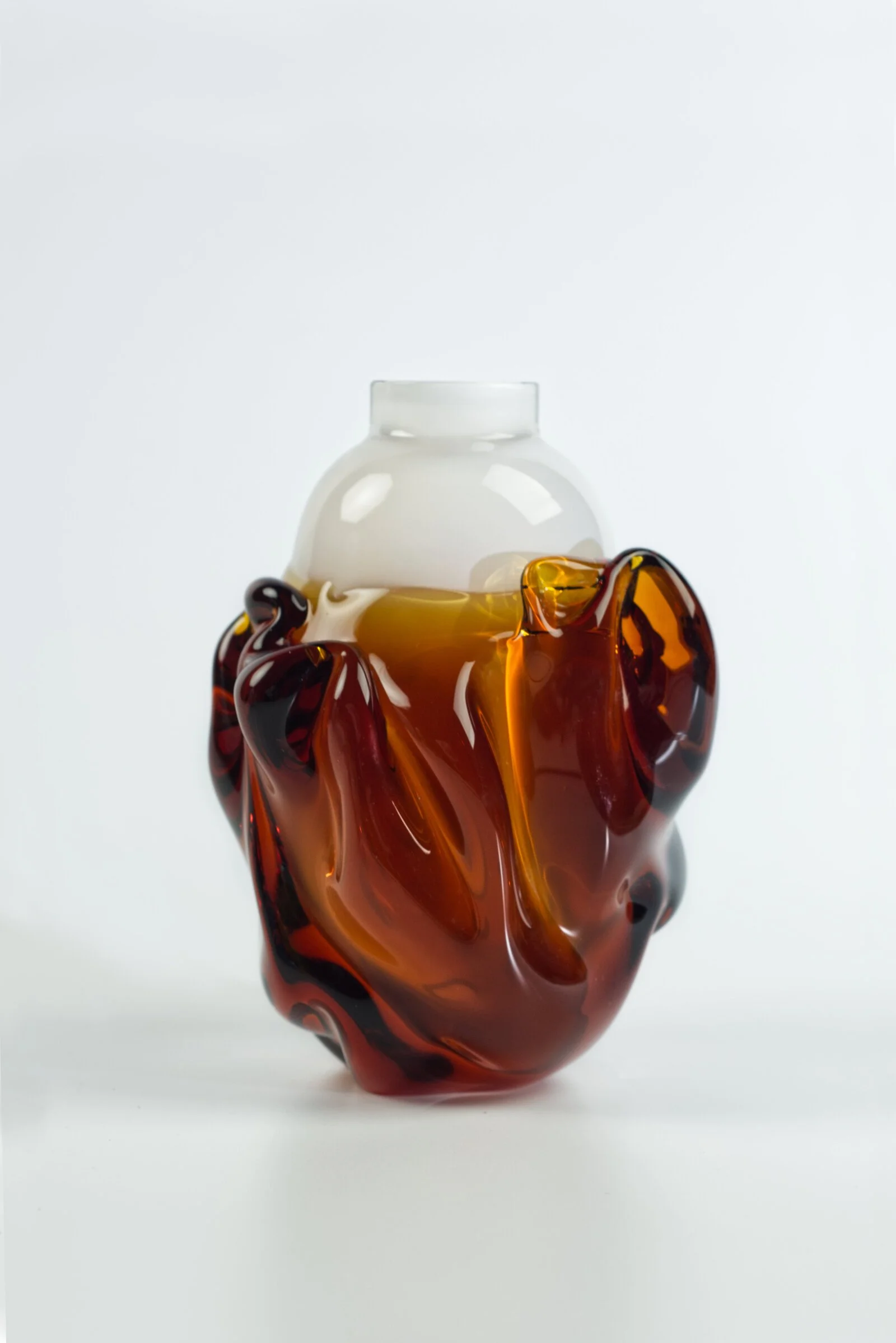
Persona Small Amber
DESIGNEERS
Your design hero?
MILA ZILA
Architect Alan Prekop. I deeply admire his fearlessness and his unwavering authenticity. His work feels uncompromised - it doesn’t seek to meet expectations or follow trends; it exists entirely on its own terms. That level of consistency and integrity is rare, and profoundly inspiring to me.
DESIGNEERS
Your dream dinner guest?
MILA ZILA
Julie Mehretu, the Ethiopian-American contemporary artist. I consider her a genius. I’m fascinated by the way she constructs complex, almost chaotic systems, yet holds them in a precise and powerful balance. There is an underlying structure within the intensity. I feel very close to that way of thinking - this search for order within movement.
DESIGNEERS
Your favourite hotel in the world?
MILA ZILA
Fairmont Prague. I was genuinely impressed by its recent renovation led by architect Marek Tichý of TaK Architects. The original Brutalist structure by Karel Filsak carries a powerful historical presence, and the new interventions feel respectful rather than decorative. There is a quiet dialogue between past and present — a balance I deeply value.
Mila Zila