The Ten Designers We Spotted at Alcova 2026 in Milan
lifestyle
Each spring, Milan Design Week is too much to take in. The fairs sprawl, the parties multiply, the exhibitions blur. Alcova has, over the past few years, established itself as the venue most editorially worth slowing down for - its pavilions offering a slower pace, a more curatorial register, and the kind of work that rewards a second look rather than just a quick photograph.
The ten designers below are the voices that stayed with us after the trip back. They span Antwerp to Beirut, Northern Bohemia to Valencia, Milan to Gdańsk - and they are doing genuinely different things: architectural rationalism, conceptual sculpture, glass-making in tradition and in experiment, ceramics, beaded ornament, leather and chrome, sculptural lighting. What they share is a seriousness of practice that tells you, if you slow down enough to see it, that contemporary design is in good hands.
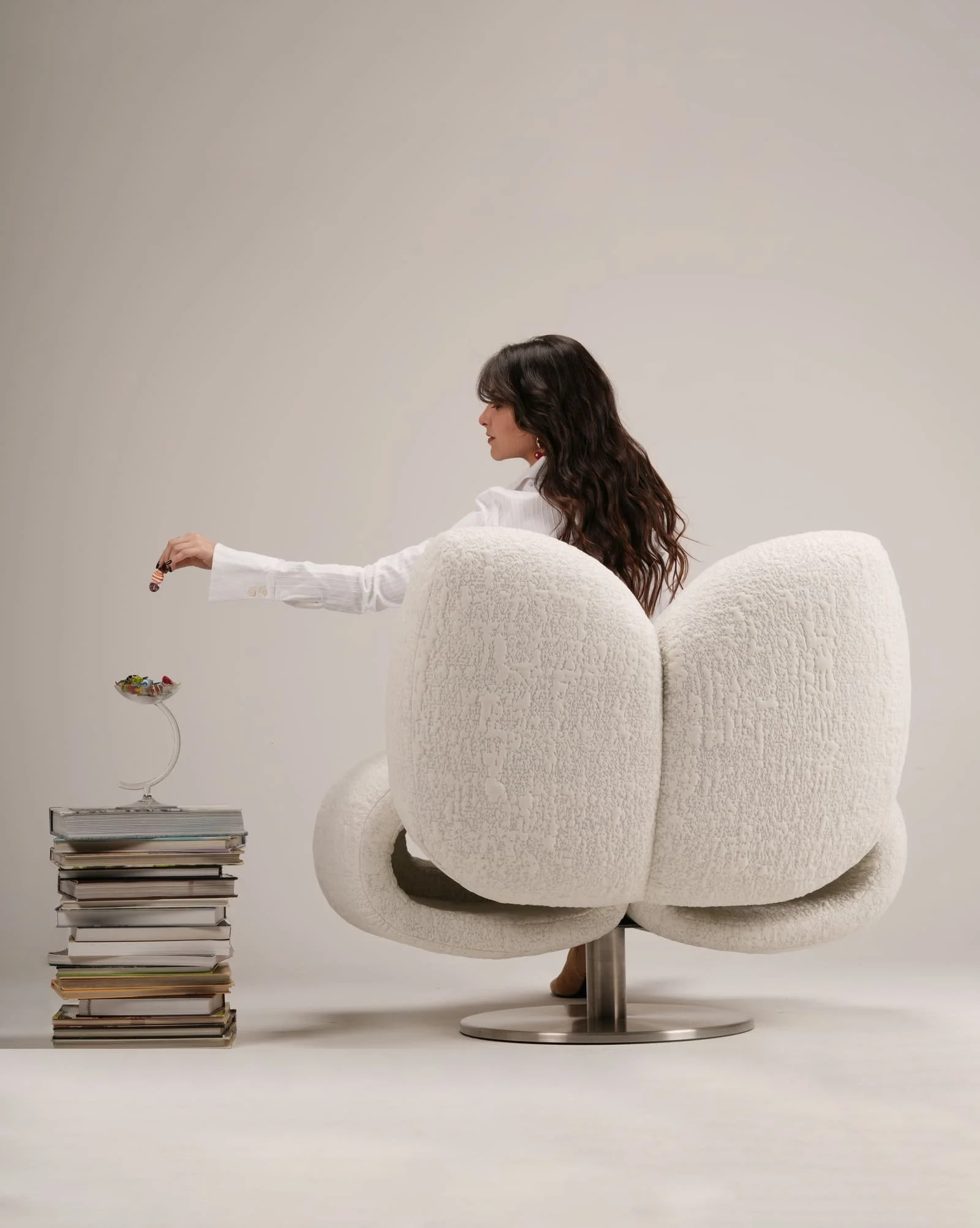
Architect and designer Elitta at Alcova 2026
Milano razionalista collection by Dalmoto at Alcova 2026
1. The Architectural Voice
Two practices that approach furniture as architecture - Elitta through sculptural, cross-cultural restraint, Dalmoto through direct dialogue with the rationalist heritage of its home city.
Elitta - Beirut & Milan
Lebanese architect and designer Elitta works at the seam between architecture and collectible design, treating furniture as a study in structure, proportion, and balance. Educated across Beirut, Florence, New York, her cross-cultural training lends her practice a sculptural confidence - pieces that feel architectural in their discipline yet quietly emotional in their presence. Her language turns on tension between opposites: rigour and softness, weight and lightness, an object and the contemplation it invites.
Dalmoto - Milan
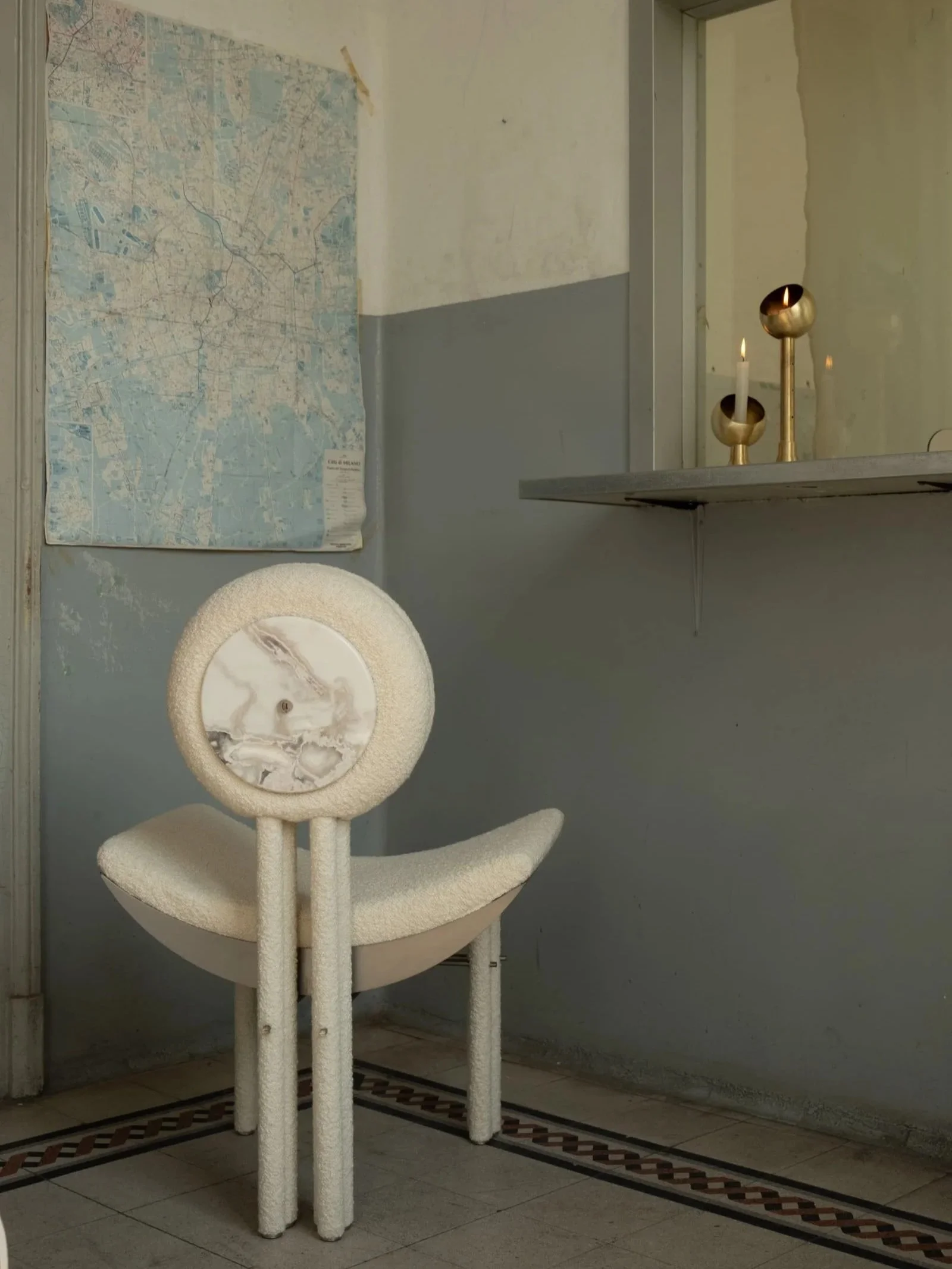
Milan-based studio Dalmoto pays homage to the architectural language that shaped the city across the last century - the rationalist movement, with its geometric harmony and disciplined proportion - and translates it into a collection grounded in contemporary design and living. At Alcova 2026, the studio presents Milano razionalista, a body of work in cream and tan leather, chrome tubular framing, and bolster-style cushions held together by signature leather straps. The visual register is unmistakably Italian: a direct conversation with the 1930s tradition of Gio Ponti and BBPR, reworked for a contemporary interior without nostalgia or pastiche. Dalmoto's animating concept is movement, and the collection earns the word - pieces that feel poised and unfixed even when at rest.
Finepianta 05 collection by Carla Sibiceanu at Alcova 2026
‘Binario’ collection by Saban Furkan at Alcova 2026
2. The Reductive Hand
Two designers whose work refuses ornament in favour of structure as language — Finepianta through monolithic mass, Saban Furkan through systems built on contrast.
Finepianta - Milan
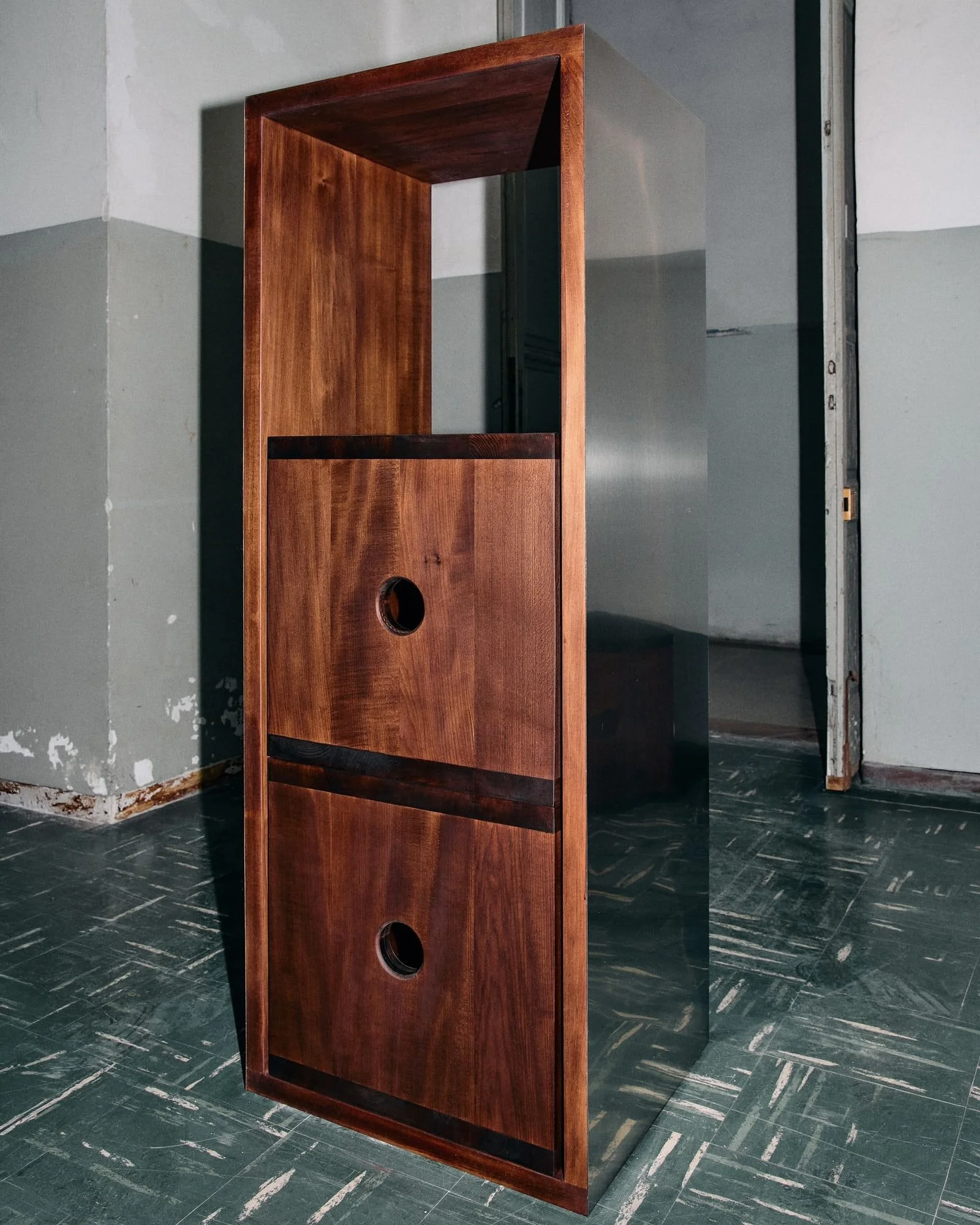
Founded by Carla Sibiceanu, Milan-based studio Finepianta works through a process of reduction - compressing form into its essential mass, proportion, and presence. The result is a body of work that reads as monolithic yet functional: independent volumes that recalibrate the rooms they inhabit rather than simply furnish them. At Alcova 2026, the studio presented Finepianta 05, a standing stool that begins as a silent mass and gradually reveals its function as you move around it, as if someone had recently paused there in contemplation. The piece holds its tension through material contrast - industrial stainless steel against linden wood, set within a softly weathered interior. Sibiceanu's instinct for objects that exist somewhere between use and observation is precisely the kind of restrained, thinking practice that rewards the slower pace of Alcova's pavilions.
Saban Furkan - Istanbul & Milan
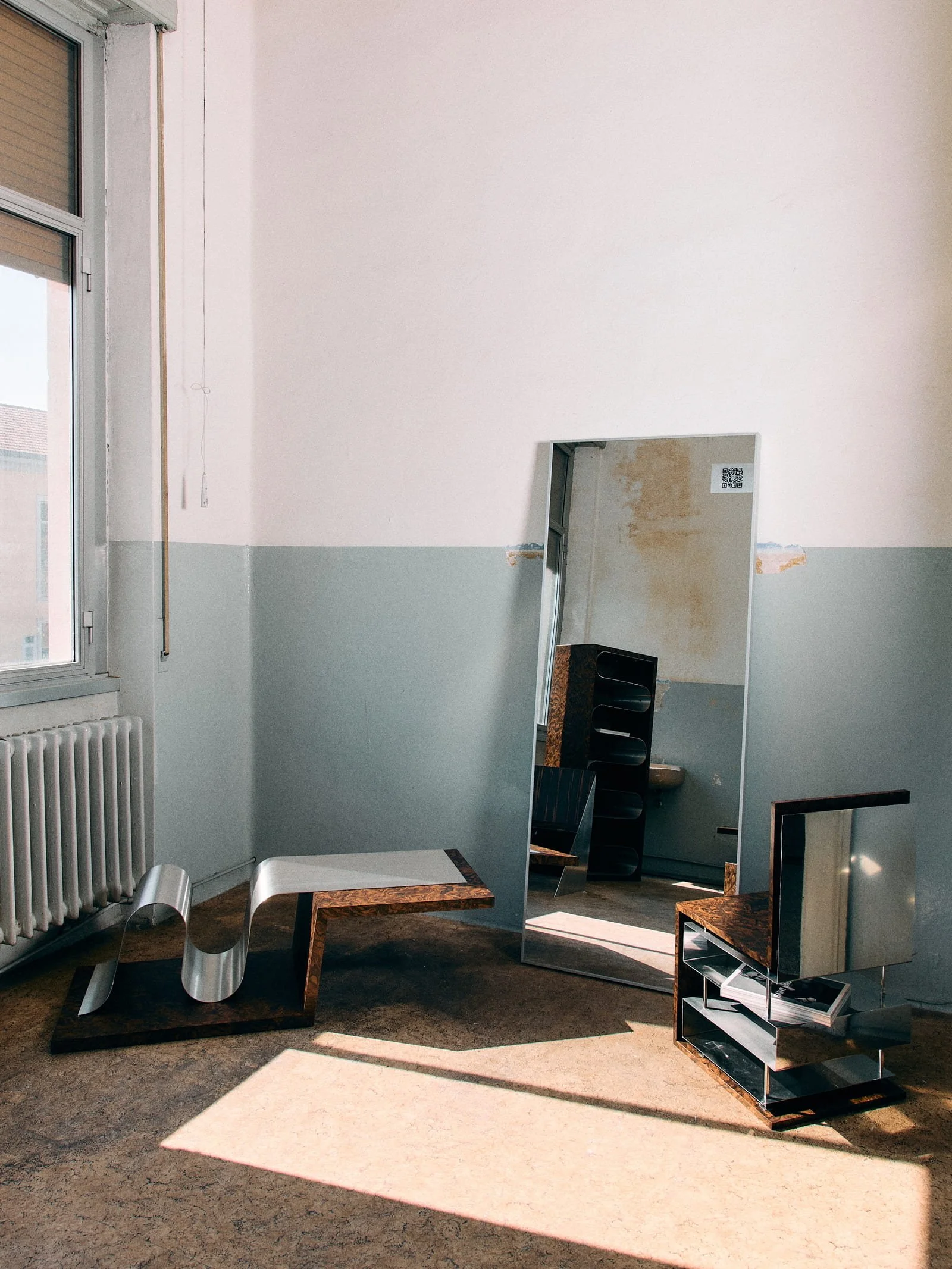
Working between Istanbul and Milan, Saban Furkan designs objects and interiors with a discipline that treats each piece as a decision rather than a form - what to reveal, what to conceal, how to guide the user's interaction. His practice refuses decoration in favour of a direct conversation between structure, material, and the body that meets it. At Alcova 2026, he presents Binario, a series built on contrast as balance rather than opposition: wood carrying mass and continuity, stainless steel introducing movement and reflection. Each piece in the system explores a different condition within the same structural logic, with nothing added and nothing hidden. Binario is the kind of considered, materially honest work that signals a designer thinking in systems rather than products - and one of the quieter, more confident debuts at this year's Alcova.
Sky shelving system by Salak Studio at Alcova 2026
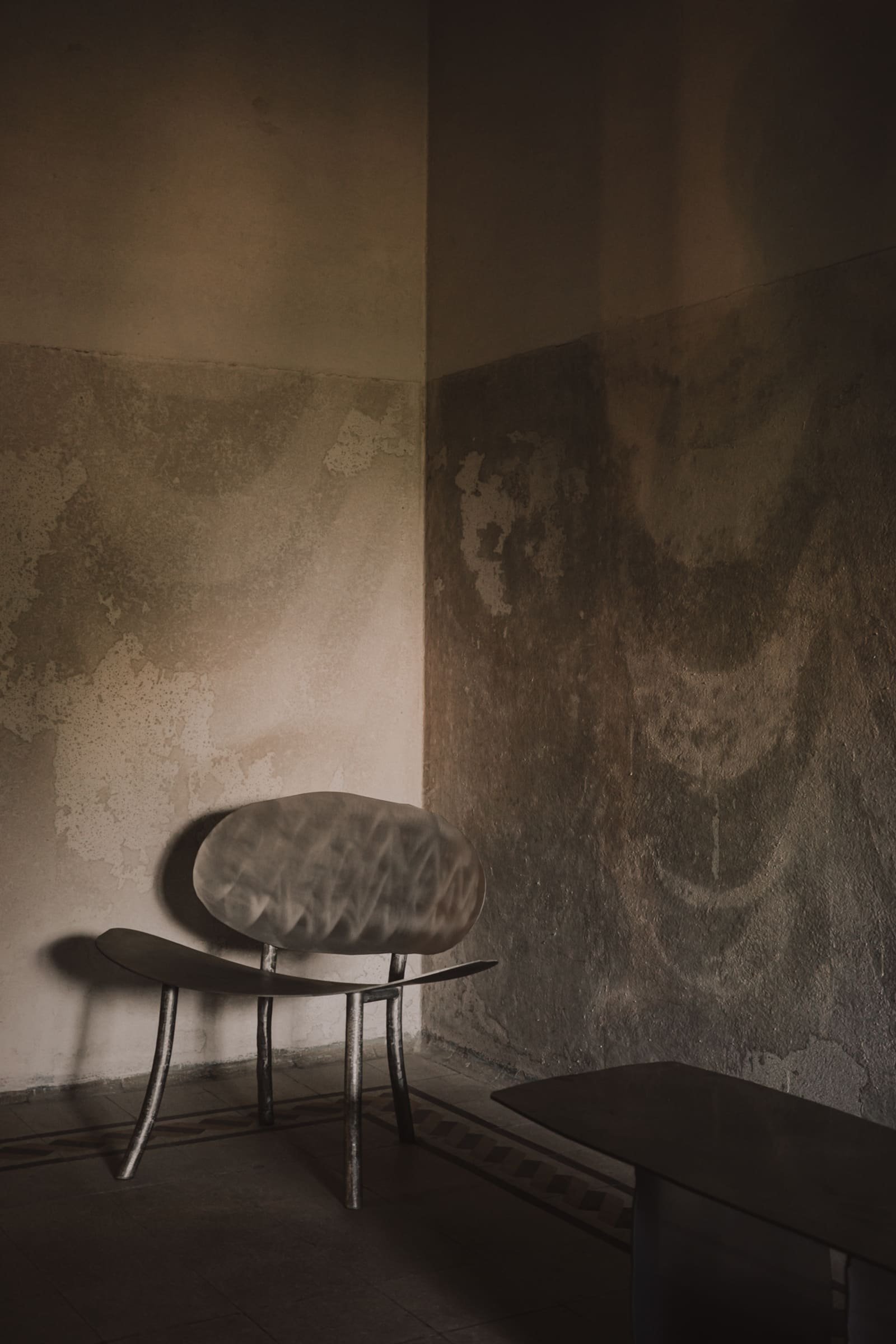
NG Design by Krzysztof Karp at Alcova 2026
5. A Polish Moment at Alcova
Two Polish practices that quietly mark a wider sense - Polish furniture design is having a confident, considered moment on the international stage. Where Salak works in the disciplined lineage of Mies van der Rohe, NG Design moves the opposite direction, sculpting expressive statements with avant-garde intent.
Salak Studio - Gdańsk
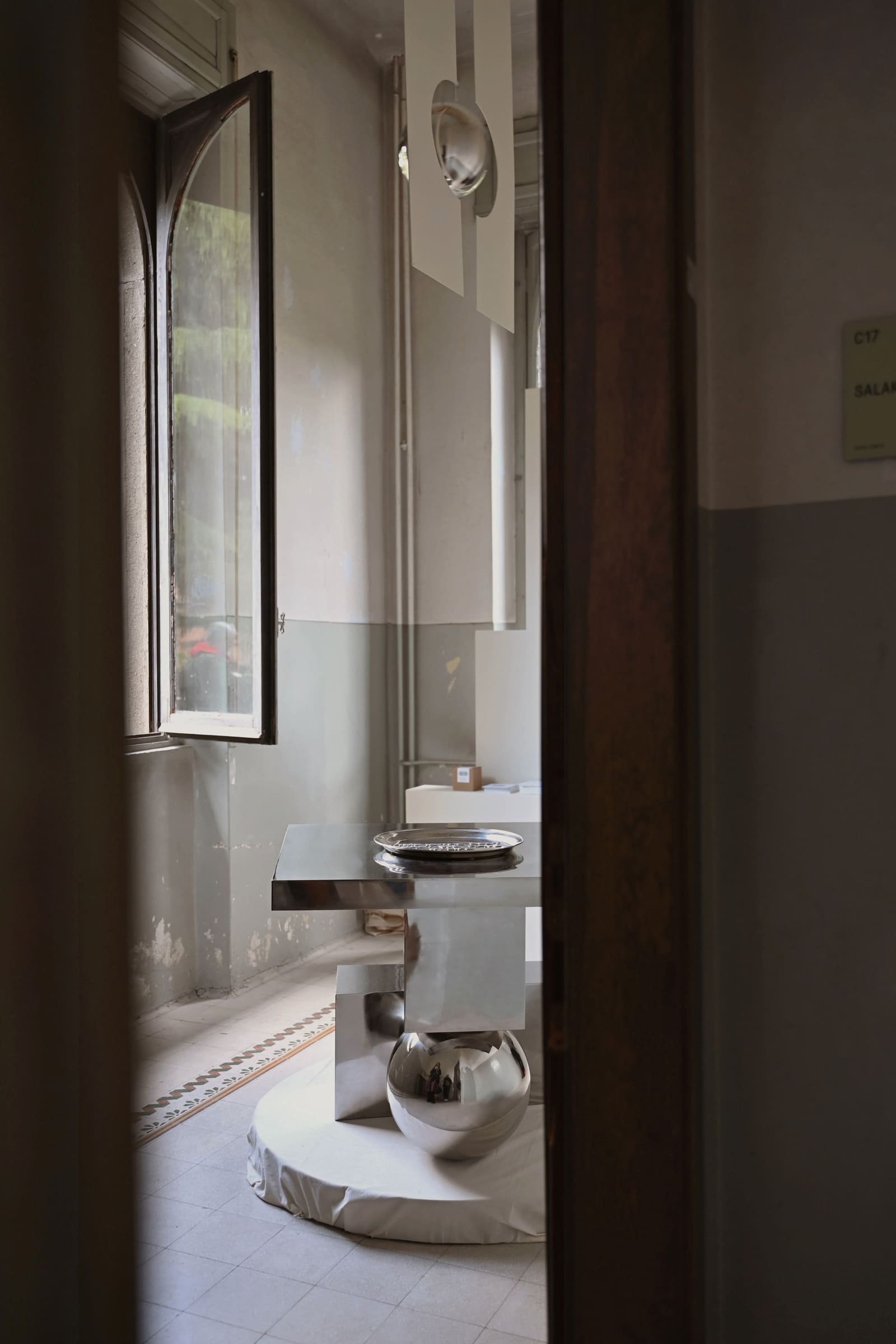
Polish studio Salak, led by interior architect Alicja Korbut alongside Rafał, crafts furniture and lighting in-house from its Gdańsk workshop - burl-wood side tables, solid-oak consoles, sculptural lighting, and the hand-turned wooden spheres that have become the studio's quiet signature. The practice eschews outsourcing in favour of material honesty, precise joinery, and the durable finishes that distinguish collectible design from product. At Alcova 2026, the studio presents Sky, a modular shelving system built on multiple configurations and expansion, conceived in conversation with the architectural language of Mies van der Rohe. Salak brings to Milan the kind of unhurried, deeply considered craftsmanship that makes a useful counterweight, amid the speed of Milan Design Week, to the louder pieces in the room. Find them in our BlackBook here.
NG Design- Poland
Polish designer Krzysztof Karp leads NG Design, a studio whose work refuses the polite middle ground of contemporary furniture - sculpting bold, expressive forms that sit at the intersection of art and function. Karp's pieces are unexpected by intention rather than accident; each one is meticulously crafted in-house, anchored in Polish craft tradition while leaning, in form, toward the avant-garde. His practice is a quiet challenge to the norms of interior design, treating everyday objects as opportunities for visual statement rather than restraint. At Alcova 2026, Karp presents work that demonstrates exactly why Poland's contemporary design scene is being watched closely: not for safety, but for its willingness to make objects that hold a room rather than dissolve into it. Find him in our BlackBook here.
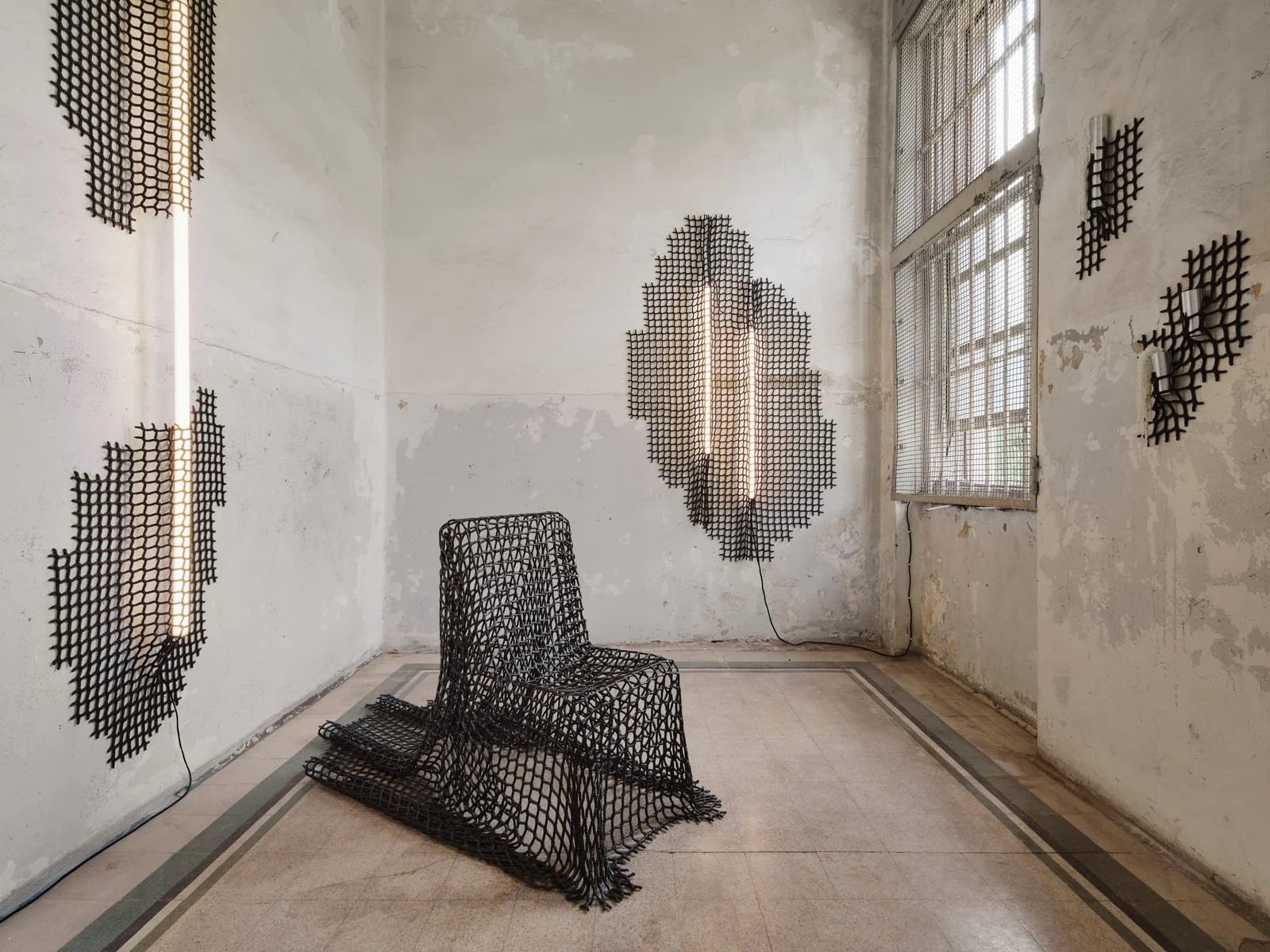
‘Permanent Souls’ collection by Iranzo at Alcova 2026
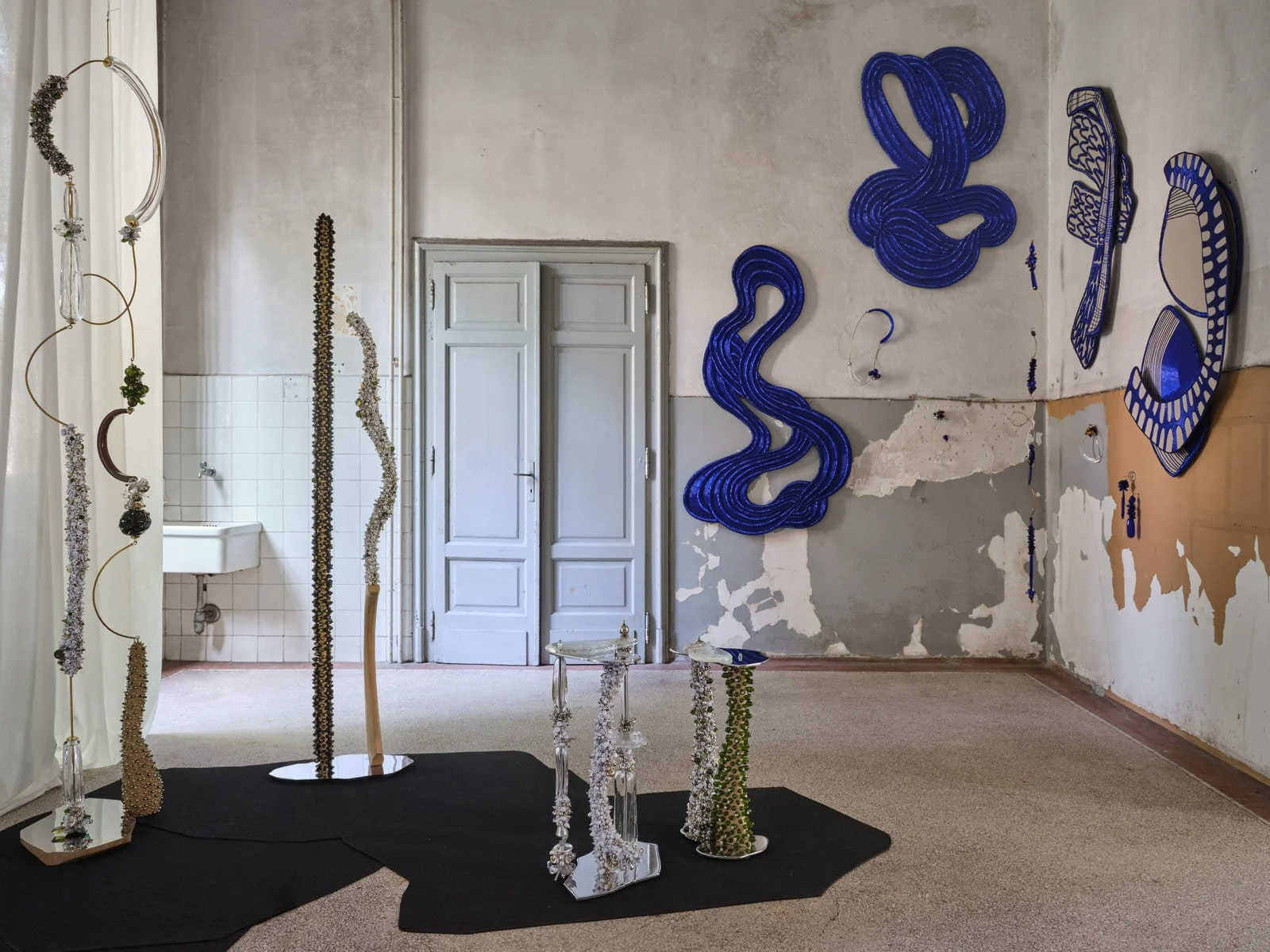
Marijke De Cock exhibit at Alcova 2026
7. Memory and the Hand
Two designers whose work makes something visible from what is normally hidden - Iranzo by drawing volume from discarded netting, Marijke De Cock by translating intuitive line drawings into beaded ornaments made by hands continents apart.
Iranzo-Valencia
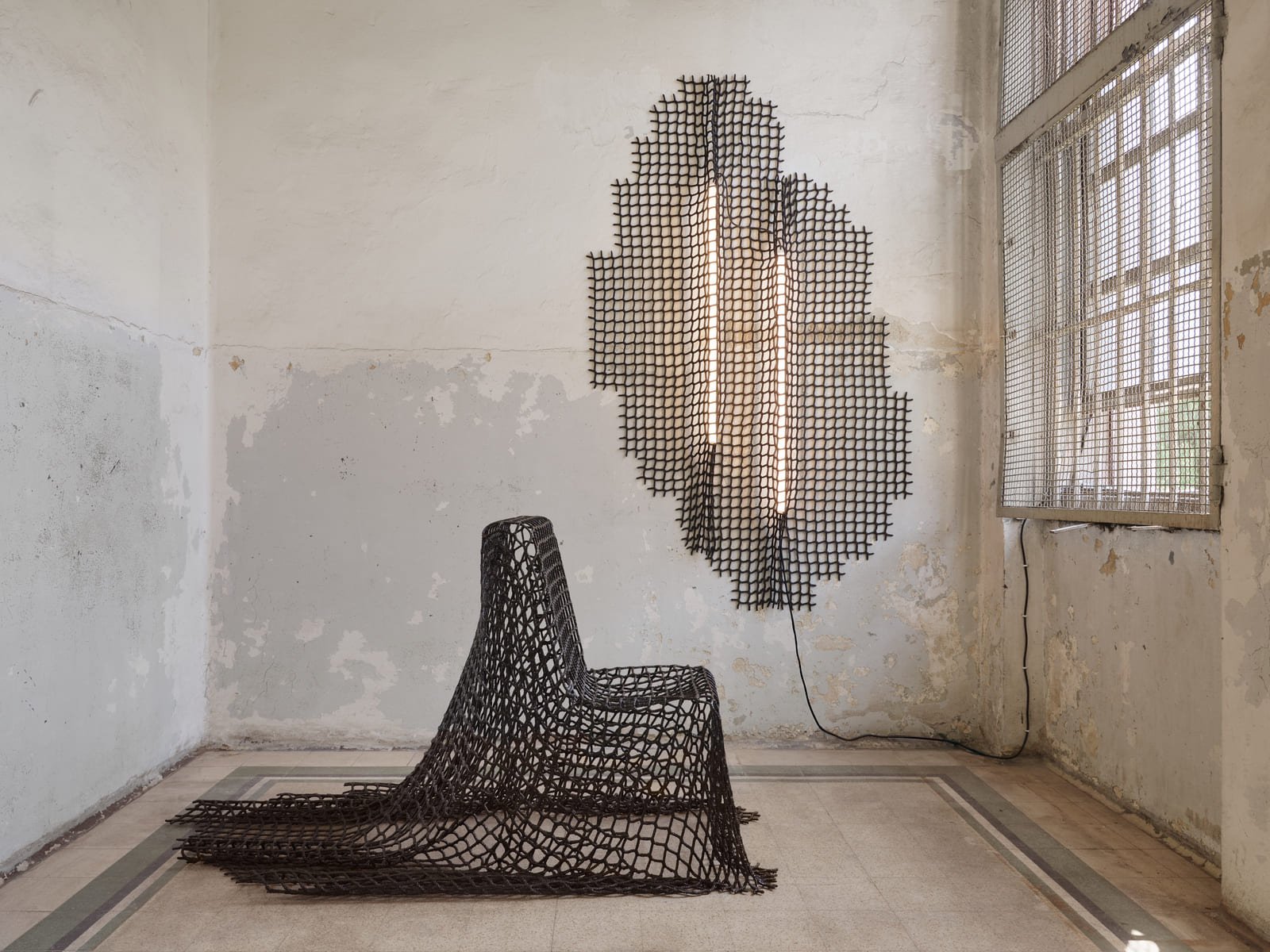
The personal practice of Spanish designer Jordi Iranzo, co-founder and creative director of Clap Studio, recipient of the 2023 National Design Award (Spain), operates in the space between functional object and spatial presence, where structure meets fragility and form is held by tension rather than mass.
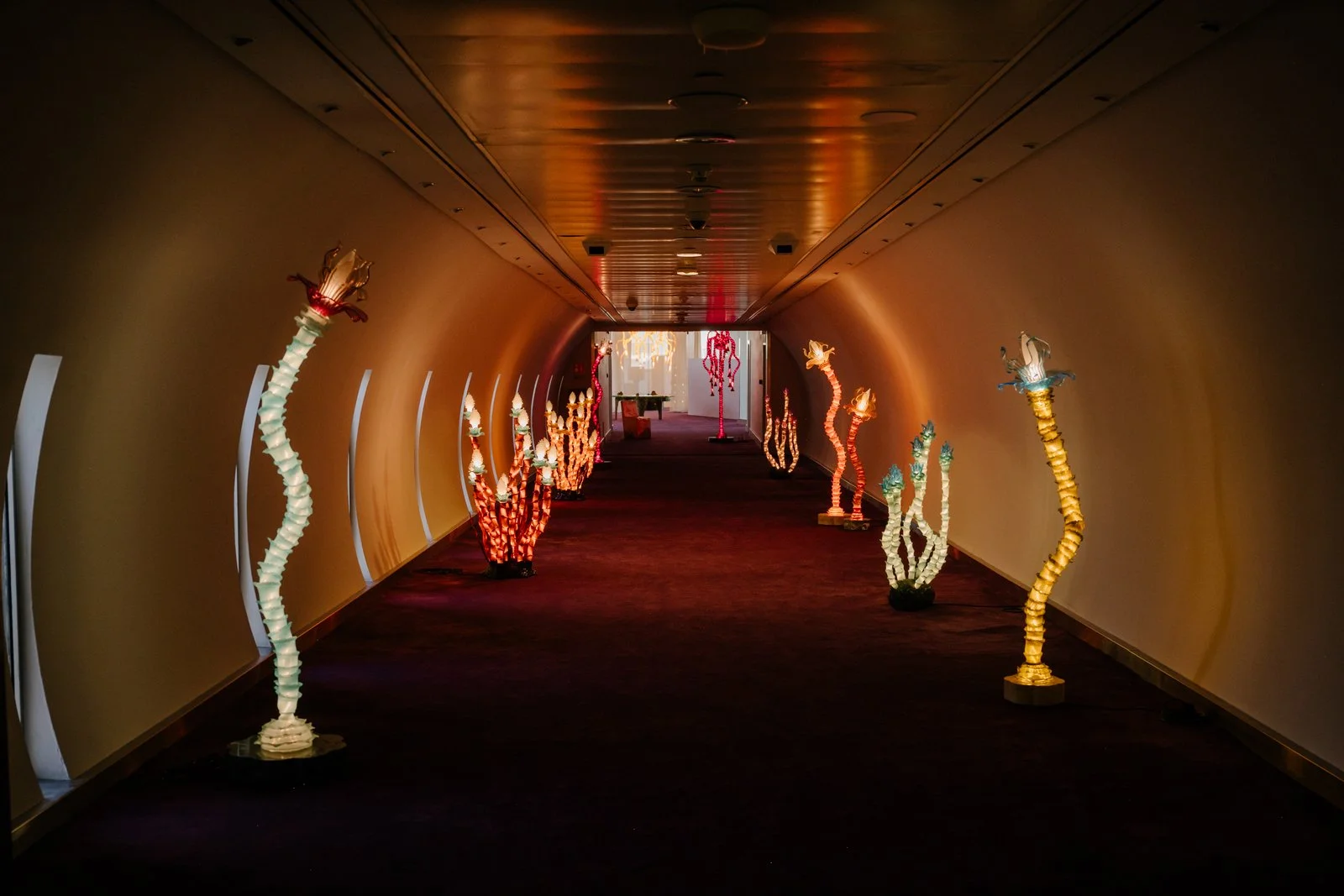
At Alcova 2026, Iranzo presents Permanent Souls, a collection drawn from discarded netting sourced from sports and construction contexts, set in epoxy resin and polypropylene. The pieces are outlined rather than constructed, suspended in the air so that the void becomes an active material. The collection's animating idea is fragmented memory - what endures when an object or space no longer exists but continues to live on through gesture and posture. Iranzo refuses to reconstruct the past; the work allows it to breathe instead. Permanent Souls operates as a functional sculpture, holding the threshold between the visible and the invisible, and is among the most conceptually serious works at Alcova this year.
Marijke De Cock- Antwerp
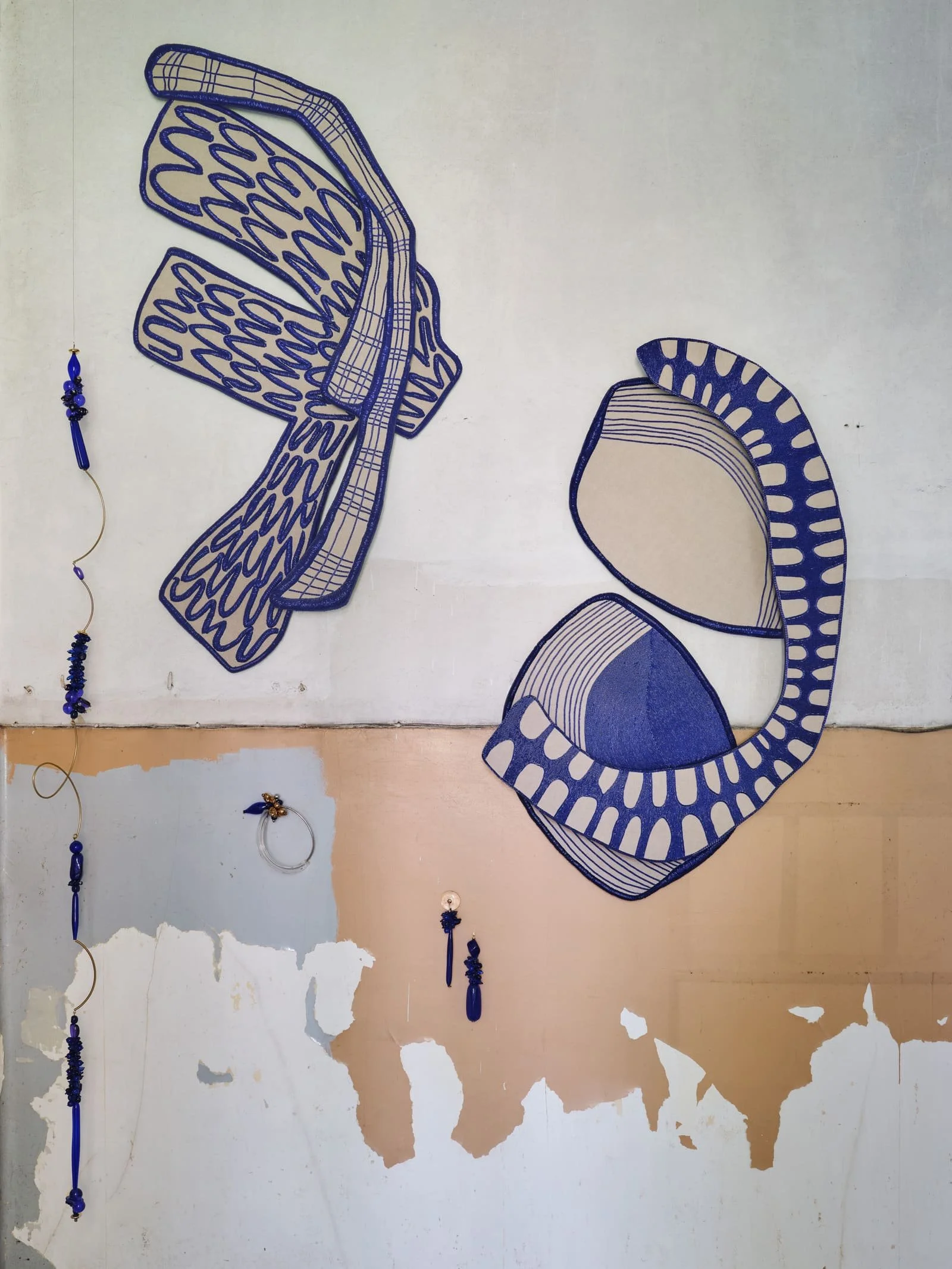
Antwerp-based artist Marijke De Cock works at the seam between fashion, ornament, and autonomous sculpture - a discipline shaped by her years as a designer within Dries Van Noten's atelier, where she conceives exceptional embellishments and jewellery. Her own practice extends this craft into wall-mounted bas-reliefs: intuitive, almost automatic drawings, generated by a hand that moves freely of intention, and then translated into beadwork through a long-standing collaboration with a group of artisans in India who carry forward a glass-beading tradition centuries deep. The completed drawings - laced with countless tiny stitches and glass beads - return to her studio, where she and her partner mount each piece on a tailor-made wooden backing. The result is a quiet bas-relief that catches light as the viewer moves: an entrancing landscape of physical pixel-like dots, where ornament becomes its own kind of contemplation.
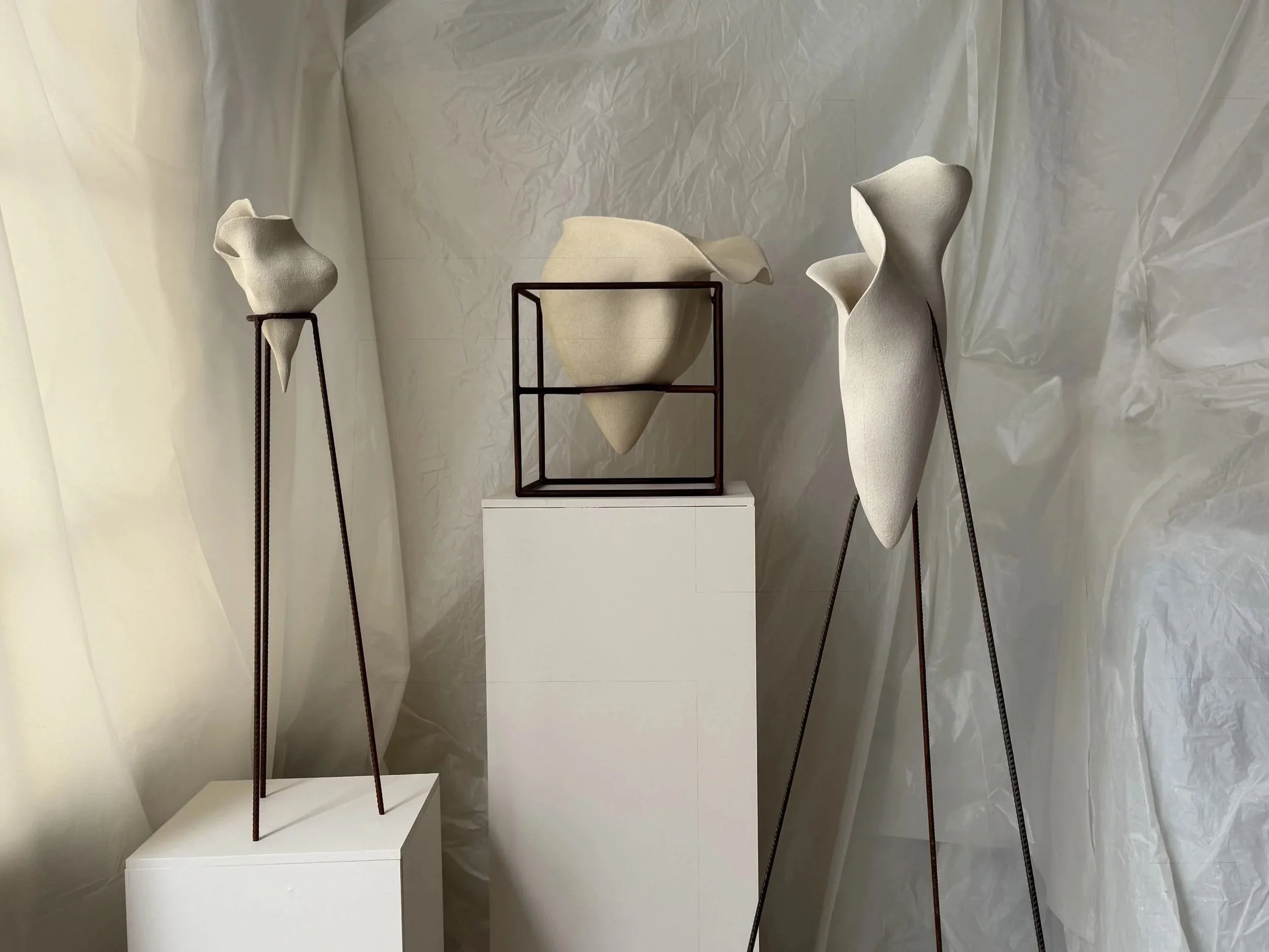
Ceramicist Laura Giudice presents her collection ‘Nascita’ at Alcova 2026
Mila Zila at Alcova 2026
9. Glass, Light, and Atmosphere
Two practices working with light as their primary material - Laura Giudice through ceramic and thermoformed glass, Mila Zila through hand-blown glass shaped by gravity, heat, and the deep tradition of Northern Bohemia.
Laura Giudice- Italy
Among the lesser-known names at Alcova this year, Italian ceramicist Laura Giudice presents Nascita - a wall light that earns its quiet but immediate hold on the room. The outer form is hand-built in white chamotte stoneware, partially glazed, its surface left raw enough to read as an object before it reads as a fixture. Within it, a thermoformed glass insert in warm amber and ochre catches and refracts light as if the piece were holding a stilled flame. The title - birth in Italian - names the work's animating gesture: a soft outer shell cradling something luminous, vulnerable, alive. Giudice keeps a quiet profile, but Nascita speaks for itself - exactly the kind of contemporary ceramic practice that the slower pavilions of Alcova exist to reveal.
Mila Zila- Northern Bohemia
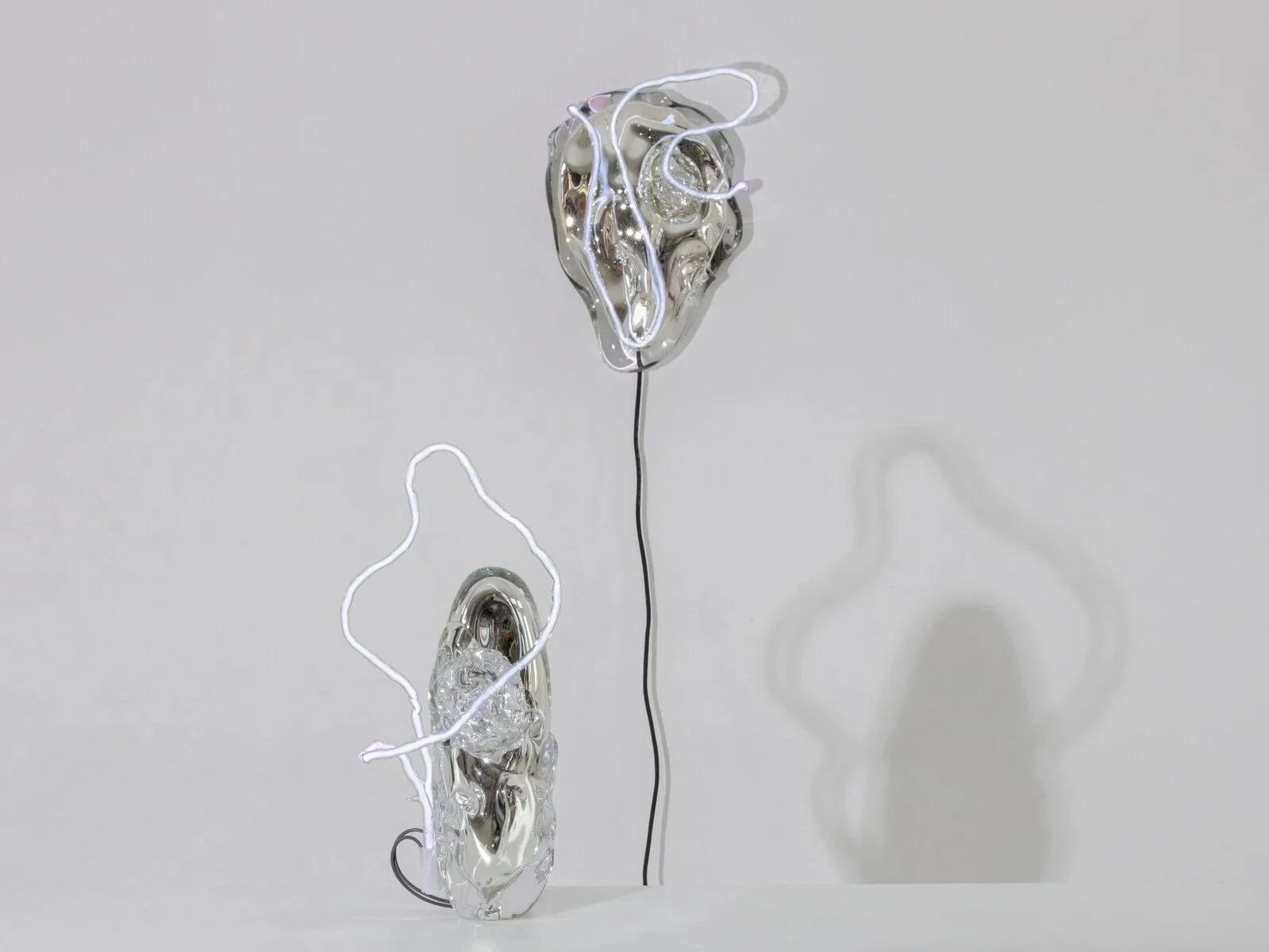
The studio of Ľudmila Žilková works at the intersection of hand-blown glass, light, and spatial perception — a practice rooted in the deep craft tradition of Northern Bohemia yet driven by genuine material experimentation. Žilková allows the natural behaviour of glass — heat, gravity, resistance — to guide form rather than impose it, treating each piece as a collaboration between maker and material rather than a fully directed gesture. The studio's output spans bespoke glass lighting, sculptural installations, and collectible pieces for residential and hospitality interiors, each work responding intuitively to its environment. The result is glass that feels alive: atmospheric, immersive, quietly transformative. Discover more of Mila Zila’s work here.
‘Permanent Souls’ collection by Iranzo at Alcova 2026
Alcova continues to do what the wider Milan Design Week machinery struggles with: it rewards patience, and it surfaces voices that are still finding their public. The ten designers above are at different points on that arc - some already collected by international press, some surfacing for the first time - but each has earned a place in our reading of the season. Designeers will be following several of these practices into the rest of 2026 with deeper editorial features. The full conversation, as always, continues within our BlackBook circle.
Photography credits:
Finepianta: Giorgio Garzella
Iranzo: Hector Montes
Dalmoto: Ricky Monti
Marijke De Cock: Frederik Vercruysse