galleries
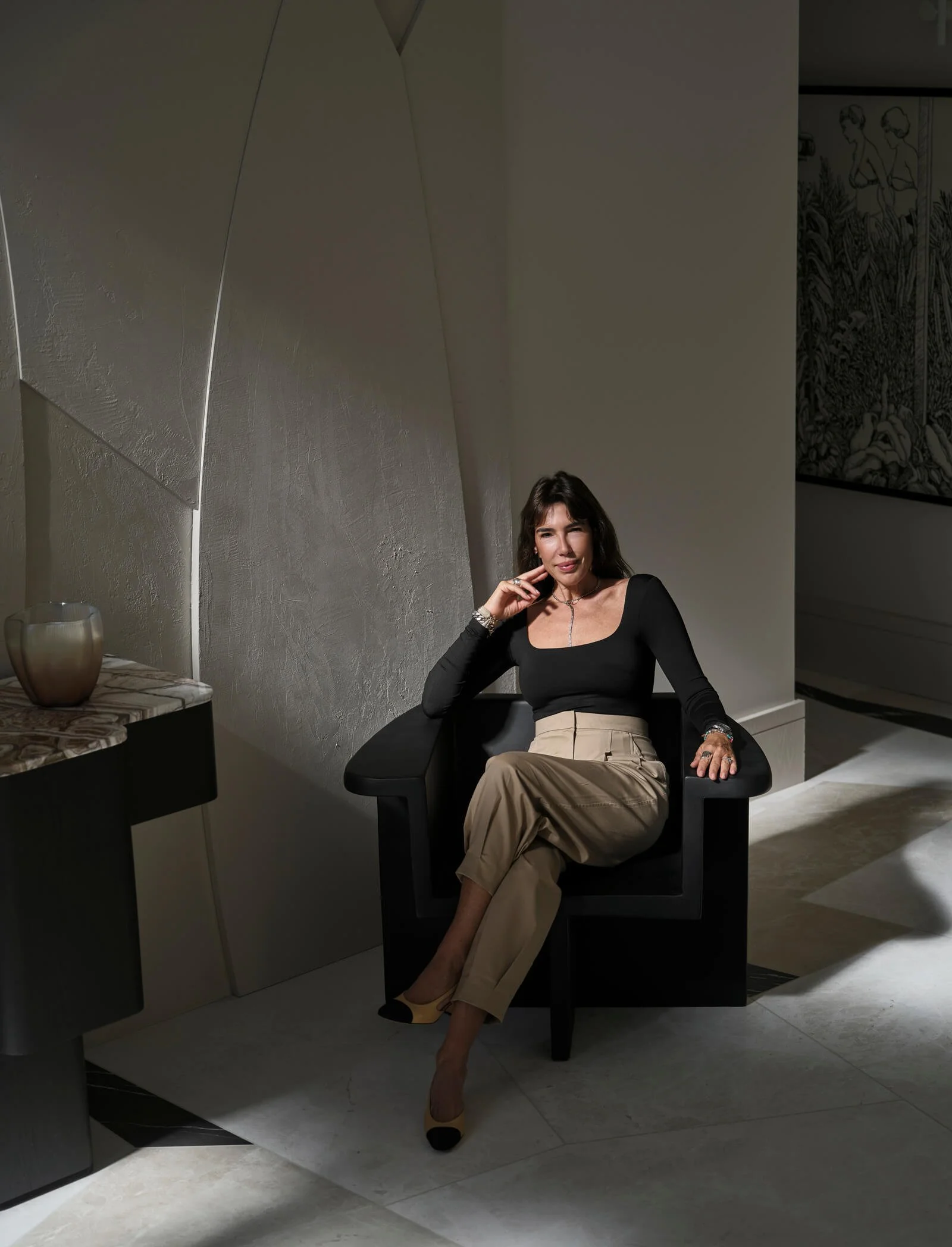
For Esra Kazmirci, a space is read before it's seen. The Istanbul-based designer is known for human-centred interiors built on natural light, tactile materials and quiet restraint — work that resists trend and is made to age. Her eye, tuned to atmosphere and honest craft, makes her a particular kind of guide to a city that rewards exactly that way of looking.
Istanbul's creative scene runs on contrast: established institutions shaping the language of modern and contemporary Turkish art alongside younger galleries, artists and studios working in sculpture, ceramics and material-led design. What ties them — and what Esra has selected for — is a sensibility that takes craft seriously, sits comfortably with imperfection, and treats material as memory.
This is her edit: the galleries, artists and design studios defining Istanbul today.
Pilevneli Gallery
Galeri Bosfor
GALLERIES
1. Pilevneli Gallery — A Contemporary Anchor in Dolapdere
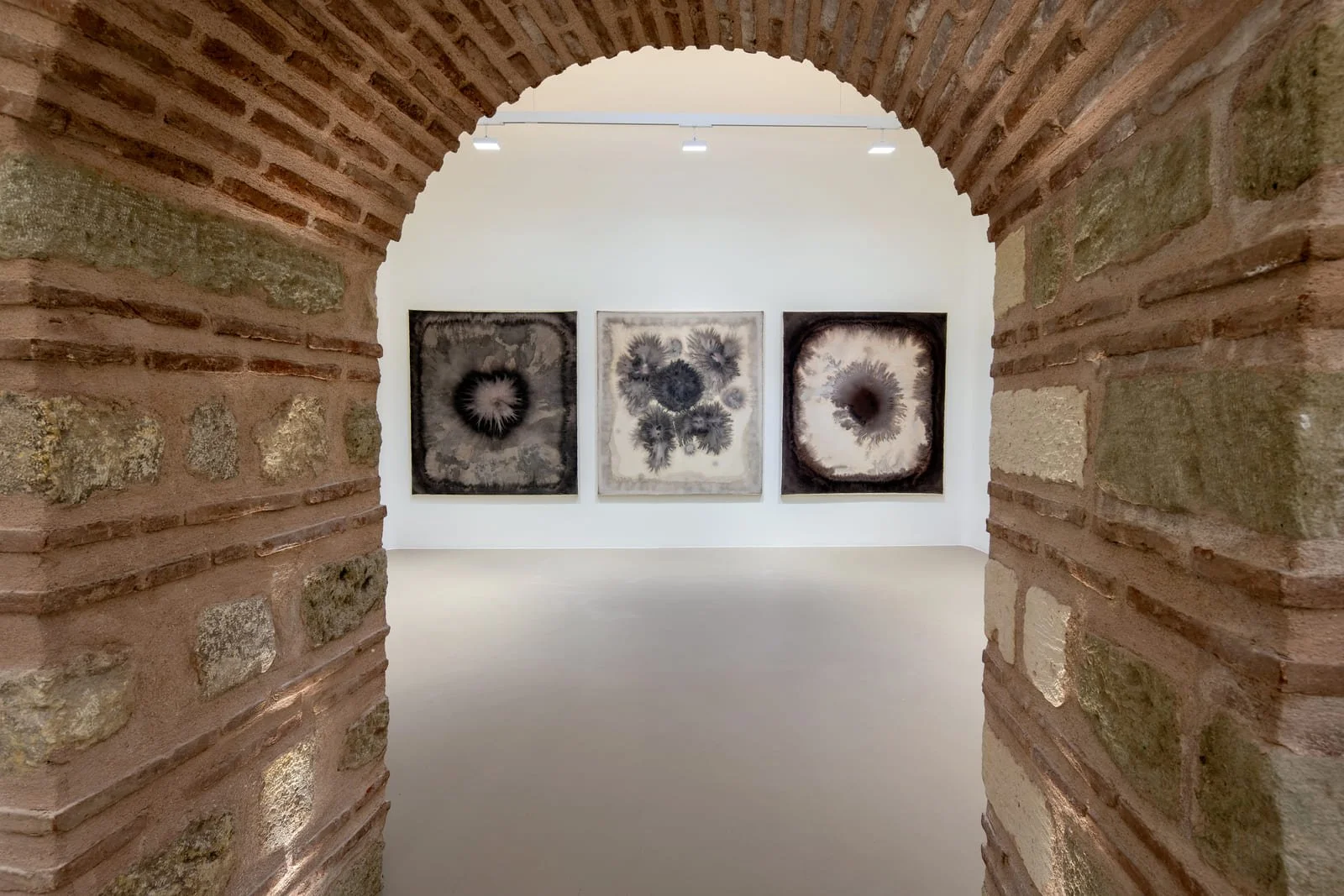
Founded in 2017 by Murat Pilevneli — a twenty-year fixture of the Istanbul scene who previously ran Galerist (2001–11) and founded IstanbulArtNews — Pilevneli is the city's most ambitious contemporary art platform. The Dolapdere flagship, designed by Emre Arolat Architecture as an adaptive reuse of a former industrial building, anchors a neighbourhood that has quietly become Istanbul's contemporary art quarter. Programming has moved between internationally established practices — Hans Op de Beeck, Ryan Gander, Johan Creten — and Turkish artists working at global scale; the gallery has shown Istanbul-born Refik Anadol. A second outpost in Yalıkavak, Bodrum, extends the programme into Turkey's summer cultural axis.
2. Galeri Bosfor— Form, Material and a Karaköy Address
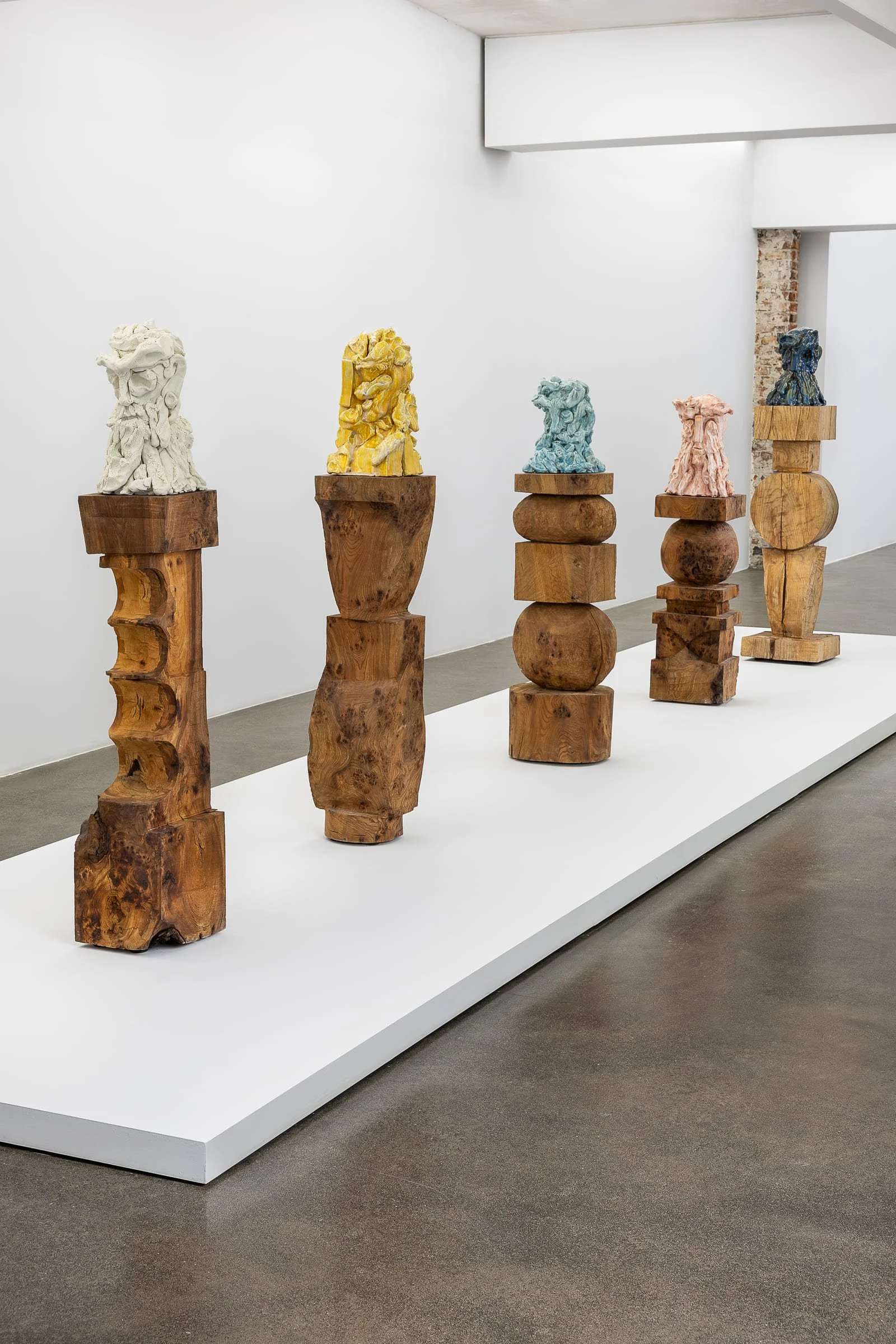
Founded in 2022 by Gökşen Buğra and recently moved to Kölemen Sokak in Karaköy, Galeri Bosfor is one of the more deliberate younger spaces in the city - research-driven, project-led, and explicitly focused on artists working in form and material. Its programme has staged solo and curated exhibitions of Mithat Şen, Funda Susamoğlu, Renin Bilginer and ceramicist Yasha Butler, alongside textile-led work by Neslihan Başer. The gallery favours commissions and site-specific interventions over traditional white-wall hangs, treating each show as a project rather than a placement.
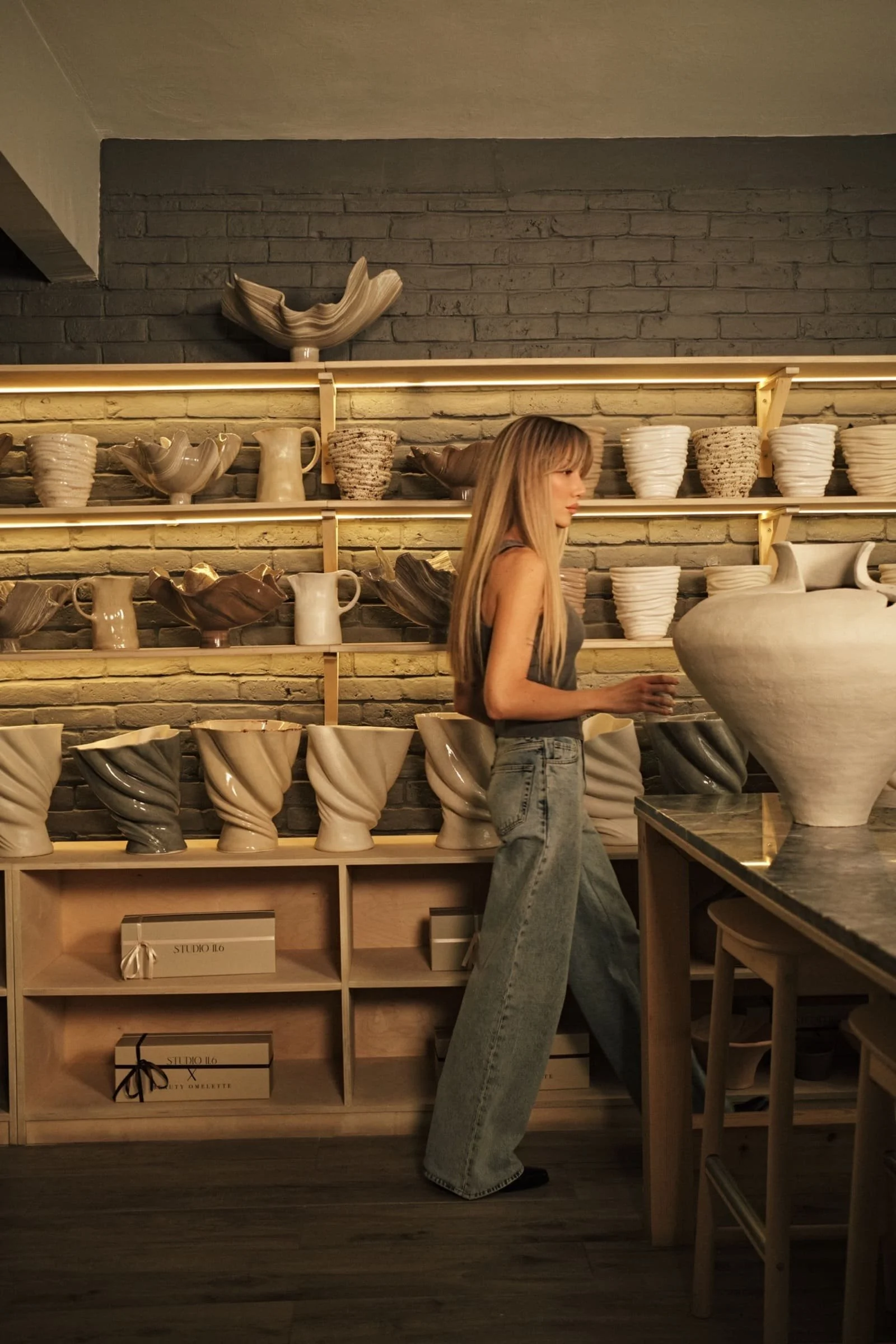
Cemre Karataş
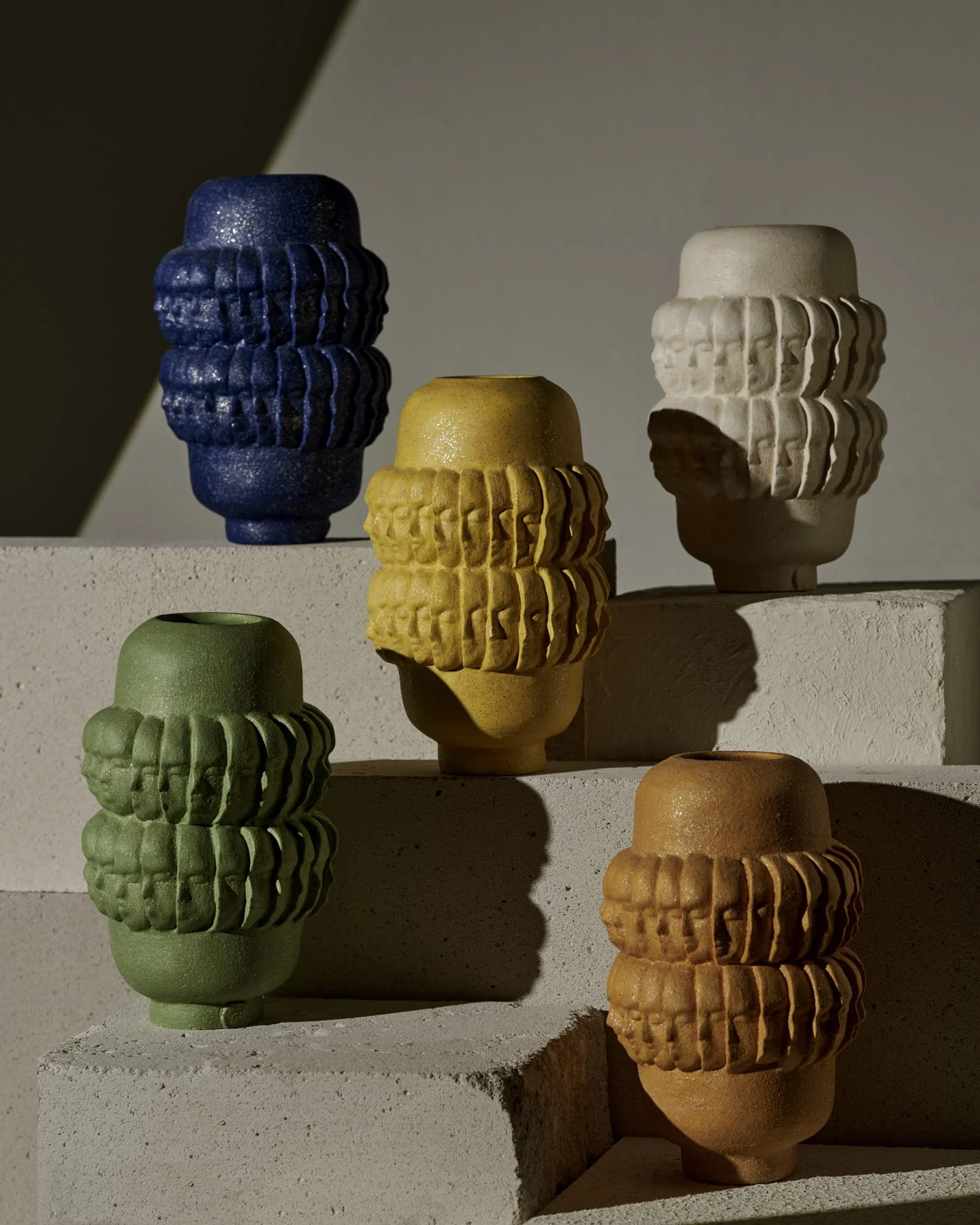
Pınar Yeşilnacar
ARTISTS
3. Cemre Karataş — Porcelain and Stoneware, London / Istanbul
Karataş is the founder of Studio 11.6, working in porcelain and stoneware between London and Istanbul. Her practice is minimalist and ritual-driven, producing vessel-led pieces designed to live inside architecture rather than perform against it. The work belongs in a lineage of contemporary Turkish ceramicists for whom restraint and the trace of the hand matter more than statement form — quiet objects, made to be lived with.
4. Pınar Yeşilnacar — Ceramics from a Theatrical Eye
Born in Istanbul in 1976, Yeşilnacar trained in stage and costume design at Mimar Sinan University and completed a master's at Florence's Polimoda Institute before turning to ceramics in 2019, training at Istanbul's Birsen Canbaz Studio. Working in hand-shaped and wheel-thrown forms, her practice is built around an ongoing exploration she calls the Antagonist theme — translating abstract ideas of opposition and tension into ceramic form. The result carries a designer's eye for silhouette and a costume-maker's instinct for character.
5.Felekşan Onar — Glass as Living History
Onar trained as an economist at Cornell and Harvard Business School before turning to glass; she has run her Pera studio, Fy-Shan Glass, for over twenty years. Her best-known work, Perched, is a series of mould-blown swallows with trimmed wings — a quiet response to the Syrian refugees she watched arriving on her own studio's steps. The piece has since travelled to the V&A, the Pergamon, the Met and Istanbul's Sadberk Hanım Museum on the Bosphorus. Her recent Shattered series, made after the 2023 Turkey–Syria earthquakes, fills the cracks in each bird with kintsugi-style gold — a practice in which fragility, memory and repair are the material itself.
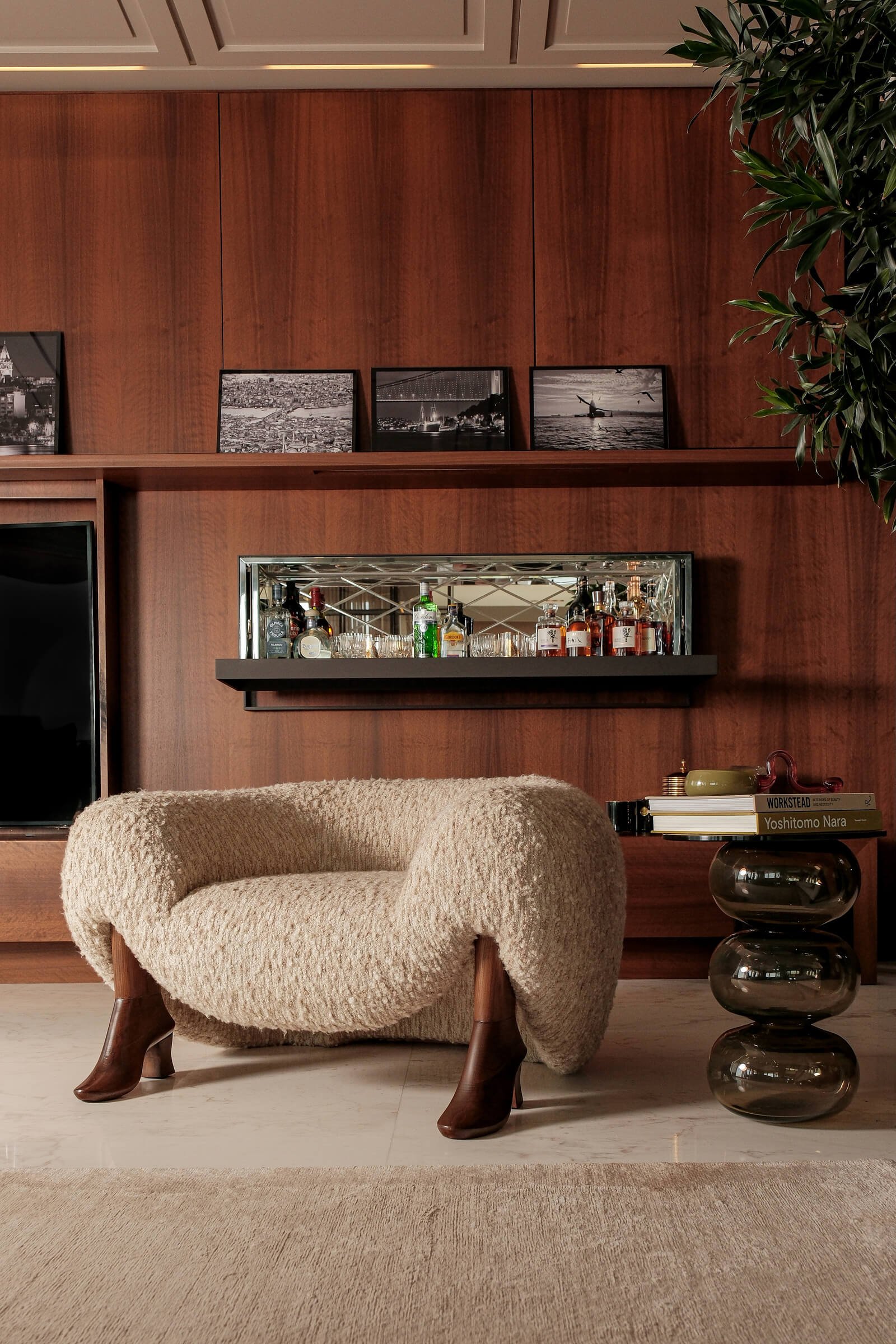
Deya
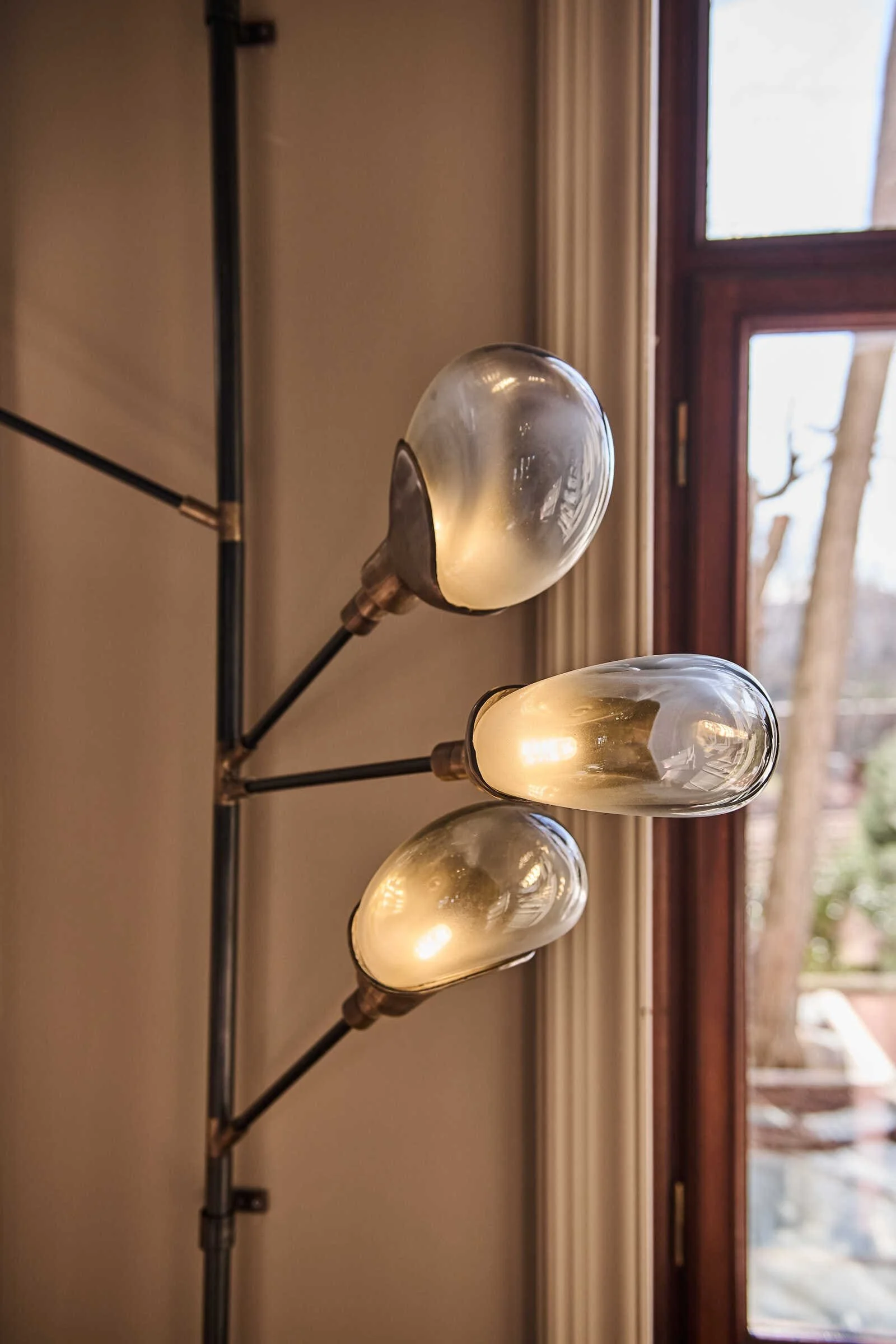
Felekşan Onar
Design Studios
6. Deya — Future Heirlooms, London / Istanbul
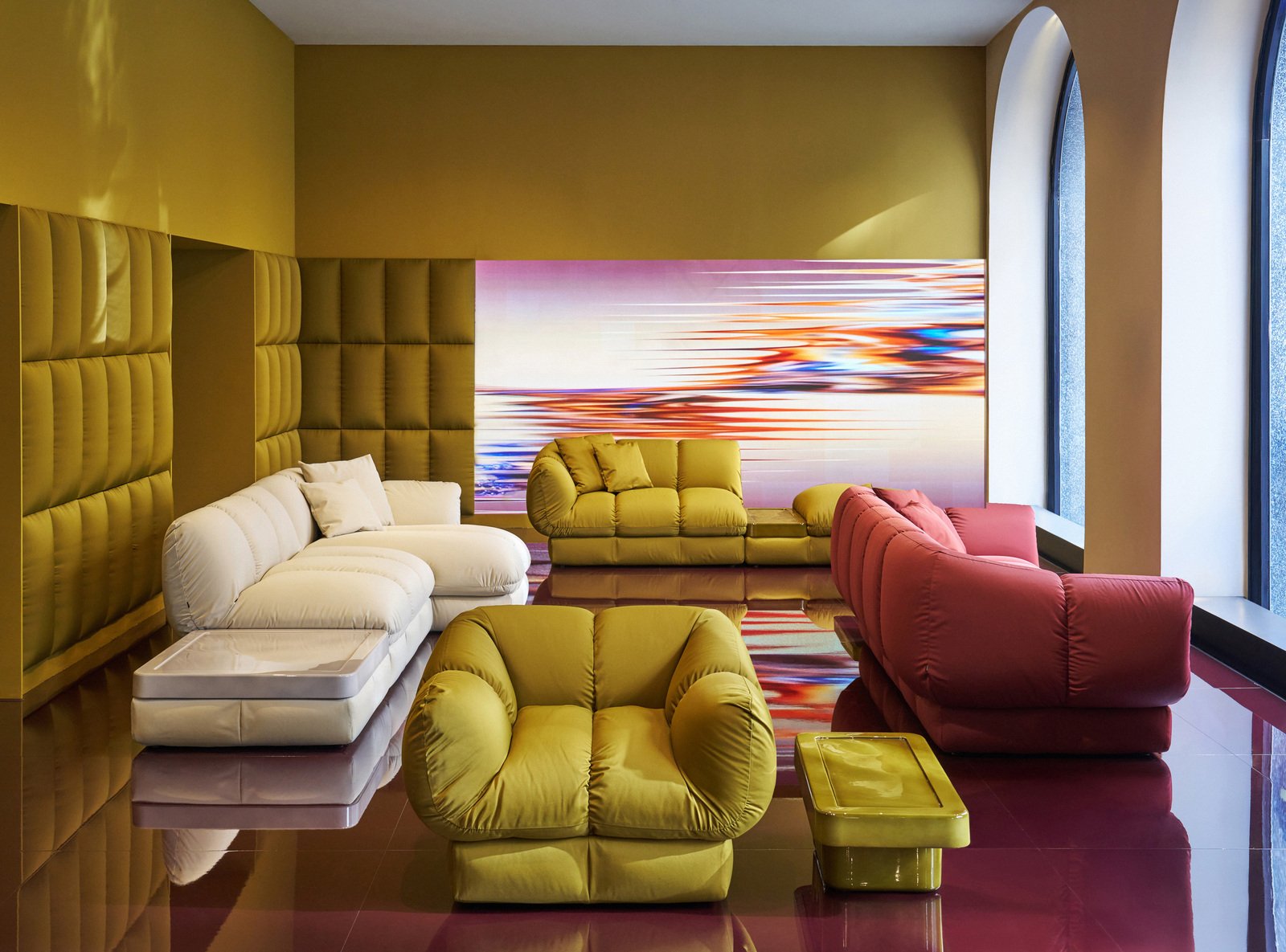
Founded in 2023 by childhood friends Defne Arıkoğlu and Yasmin Karamolla, Deya designs between London and Istanbul and produces in Turkey. The brand made its name with mouth-blown glassware that embraces asymmetry and the trace of the maker's hand, before expanding into furniture — the Poppy Armchair now its breakout piece. Stocked by 1stDibs, Adorno, Maison Flâneur, Beymen and the Istanbul Modern shop. The founders describe what they're building as "future heirlooms": made slowly, made well, and meant to be passed on.
7. Atelier Terra Madre — Anatolian Craft on the Asian Side
Atelier Terra Madre was founded in 2019 by interior architect Efe Urgunlu (also of No:3 Design) and Güliz Urgunlu, and works from a studio in Kuzguncuk on Istanbul's quieter Asian shore. The practice produces collectible tableware and home objects in bronze casting and ceramics, drawing on Anatolian craft traditions and a network of artisans across the country. The pieces — described by the studio as "handcrafted home jewels" — sit in the gap between functional design and sculpture, and have shown internationally at Maison&Objet.
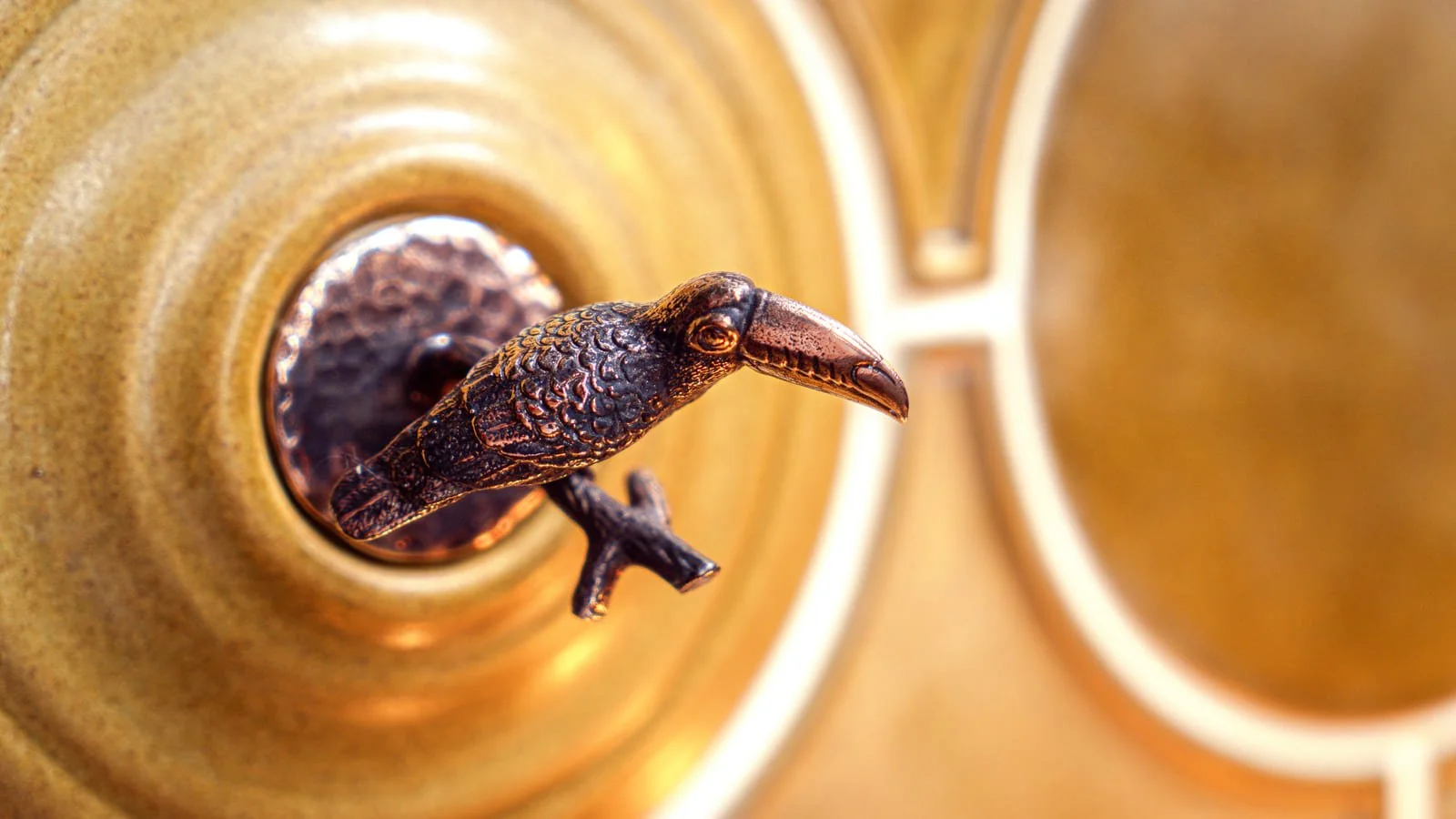
Atelier Terra Madre
What unites Esra's selection isn't a movement or a moment but a sensibility: a preference for objects that ask to be returned to, rooms that don't perform, and hands that show their work. Read together, the seven are an invitation to see Istanbul the way a designer does — slowly, by texture, and on second look.