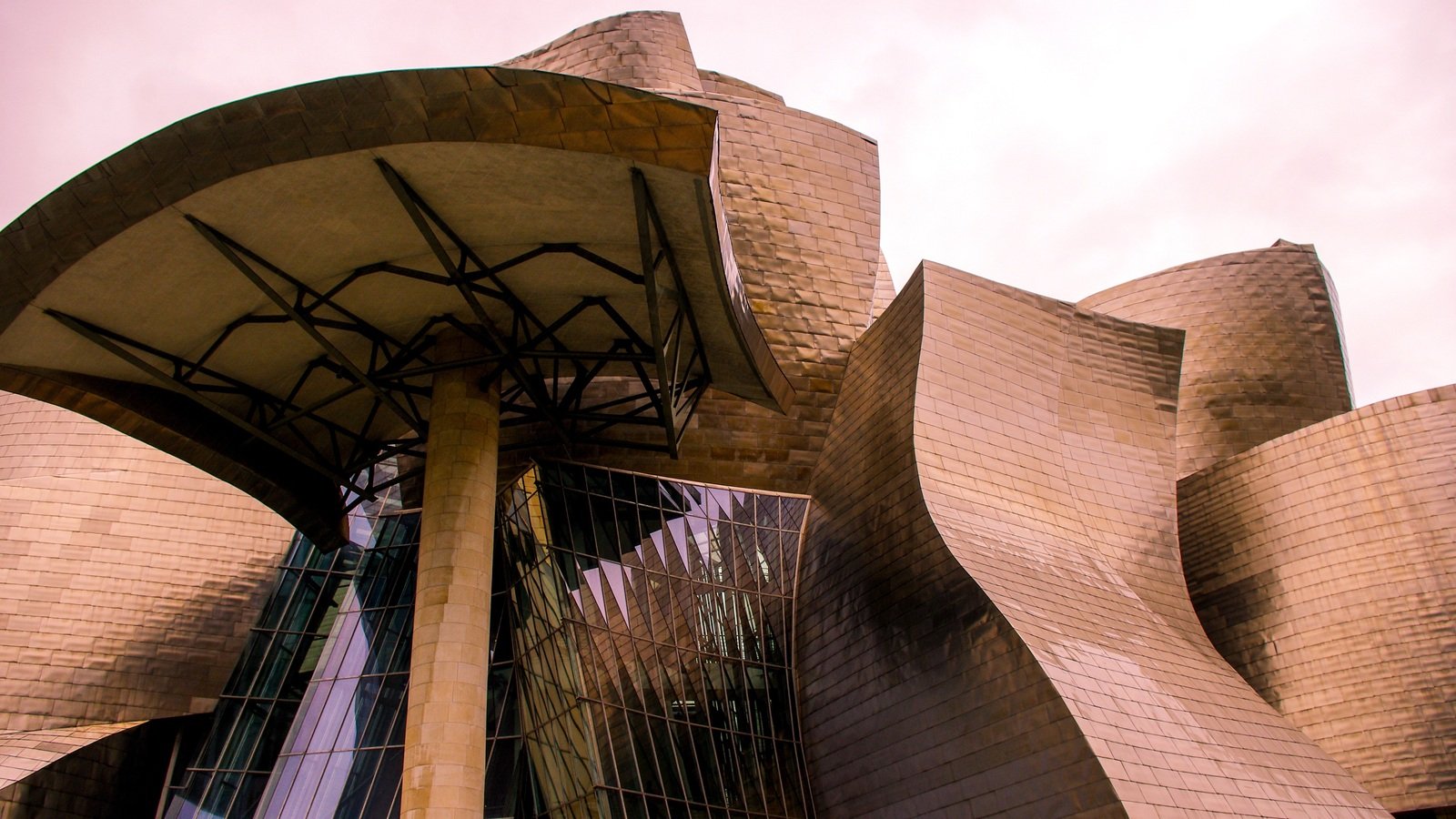
Atelier Munaé: Handcrafted Objects Shaped by Lunar Cycles and the Poetry of Twilight

people • makers
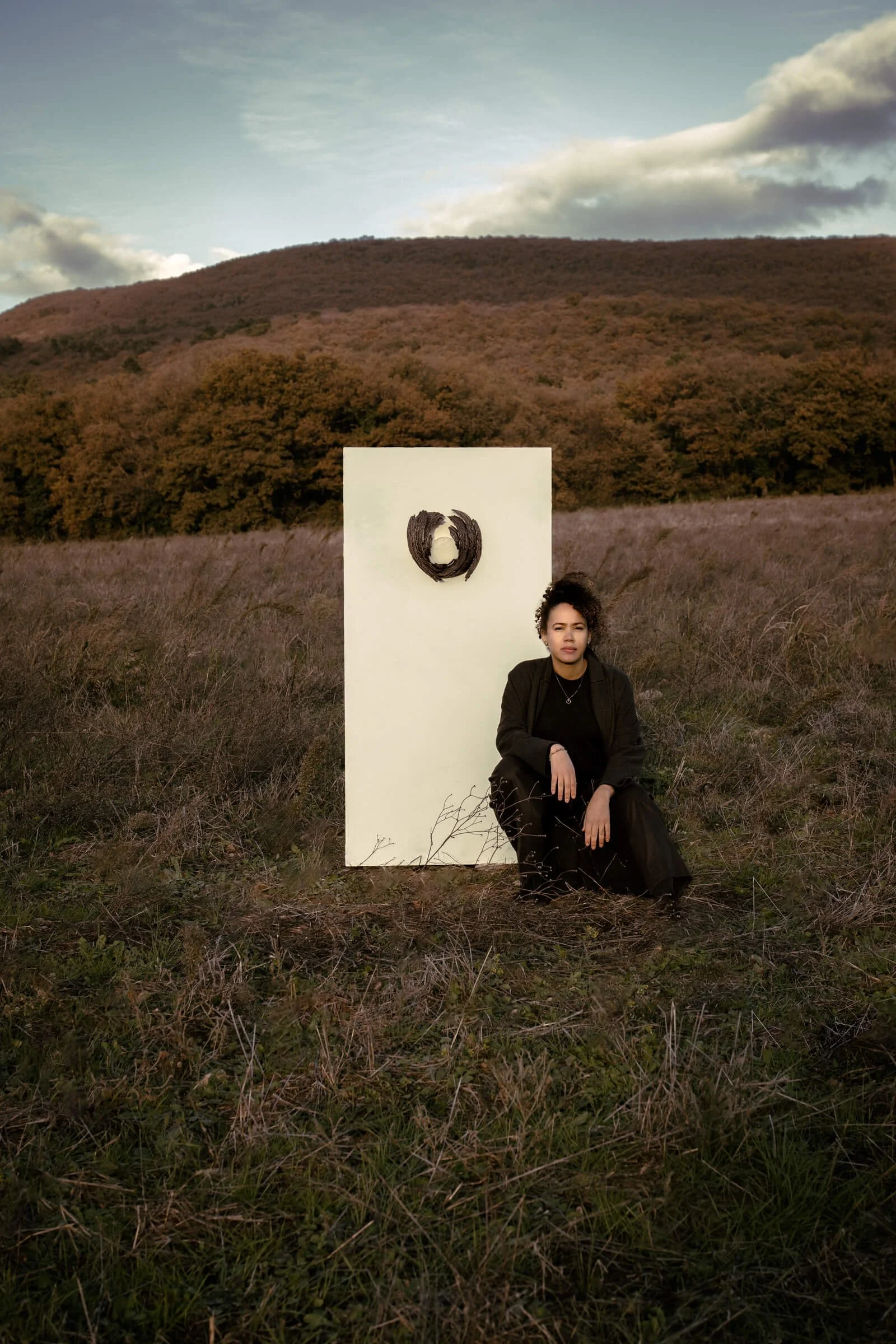
Some studios begin with a brief. Atelier Munaé begins with a feeling. Founded by Paris-trained designer Sarah Gracia, whose multidisciplinary practice spans fashion, textile embellishment, and interior design, the studio approaches object-making as an act of emotional translation: the conversion of atmosphere, memory, and intuition into tangible, handcrafted form.
Working across the boundaries of decorative art and functional design, Gracia's objects resist easy categorisation. They are neither purely sculptural nor strictly utilitarian. What they share is a quality of quiet presence, the sense that each piece has absorbed something of the world it was made in, and carries it forward.
Crépuscule — French for twilight — takes its name and sensibility from a specific, fleeting phenomenon: the brief interval between daylight and dark when the world appears suspended, neither one thing nor another. It is precisely this quality of in-between-ness that animates the collection. Each piece is designed to exist in that same register of transition.
Words: designeers
april 2026
WEBSITE: ateliermunae.com
INSTAGRAM: @atelier_munae
DESIGNEERS
Atelier Munaé is a name that carries a sense of intimacy and intention. What is the story behind it, and what did you want the atelier to stand for from the very beginning?
Sarah Gracia
"Munaé" began as a personal gesture — a contraction of ma and lunae, the Latin word for the moon. It translates, simply, as "my moon."
I have always been drawn to the moon for what it evokes: its mystery, its cycles, its quiet and enduring presence. That connection became a natural starting point. I was also searching for a name that felt singular (slightly elsewhere) something simple yet rich in imagery, without being anchored to an obvious reference or trend.
From the beginning, Atelier Munaé was shaped around a practice of contemporary collectible design: sensitive in its approach, deliberate in its poetic dimension. Each object is conceived to carry a sense of narrative and emotional depth — pieces that exist not merely as beautiful things, but as vessels of meaning.
DESIGNEERS
Before Crépuscule, what path brought you here—as a designer, as a maker, as someone working at the intersection of both?
Sarah Gracia
I have always been drawn to objects, though my early path took shape through pattern and textile. Working with textures and materials quickly became a constant thread — one that continues to inform my material-led approach to design.
Over time, I felt the need to return to something more essential. I chose to work with raw, natural materials and to step away from pattern entirely, allowing form-driven design to speak more fully - to let the object find its own language.
My practice has always been transversal and instinctive, moving freely between disciplines. Trained in fine arts, my work remains deeply in dialogue with art history - with artists such as Pierre Soulages, Egon Schiele, Constantin Brancusi, and Henri Rousseau. Their influence surfaces in my sensitivity to sculptural form, to line, and to the expressive potential of material itself.
DESIGNEERS
Crépuscule—twilight. A title that suggests a threshold, a moment between two states. Where did the idea begin, and how did it find its way into the objects themselves?
Sarah Gracia
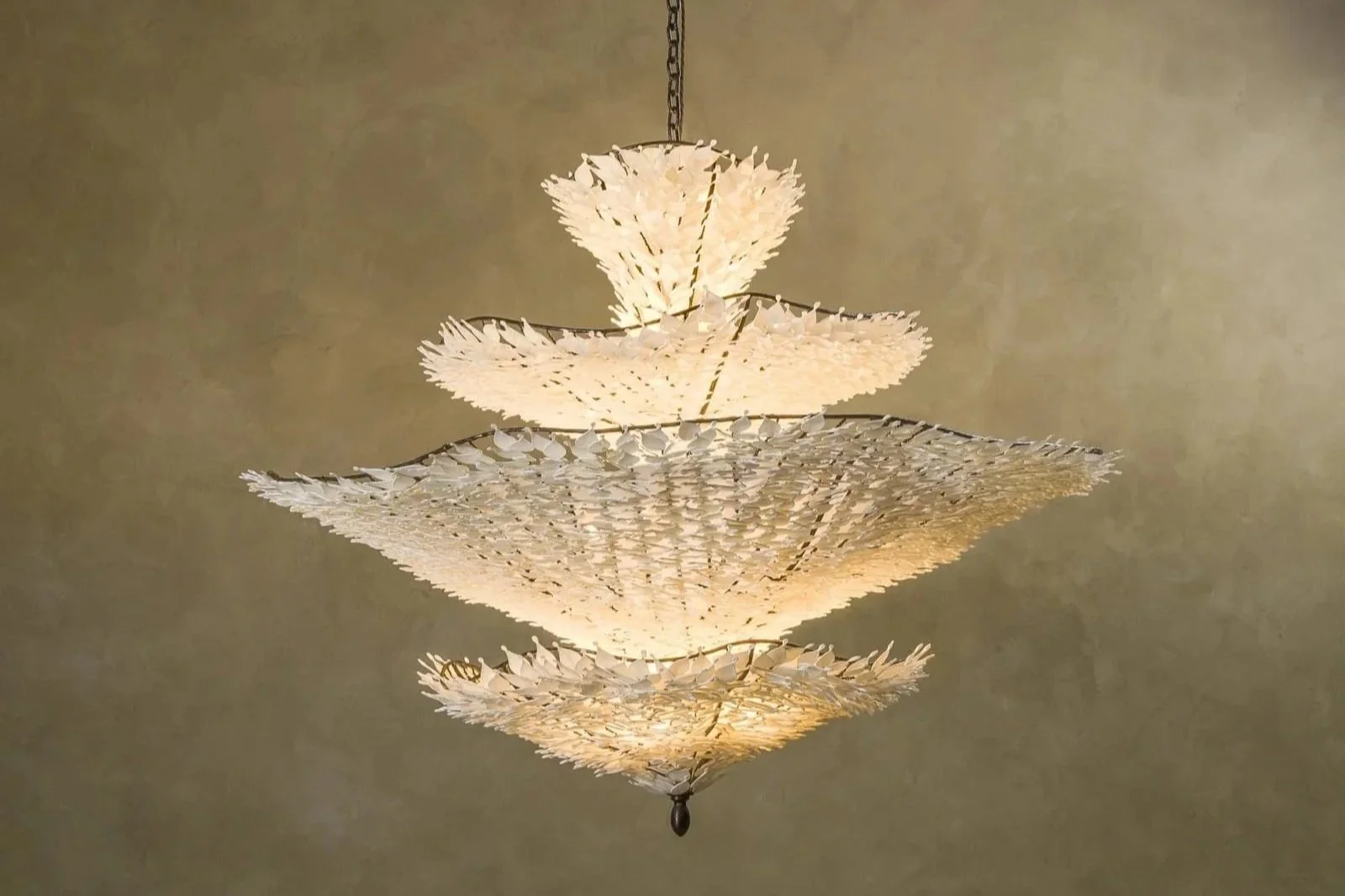
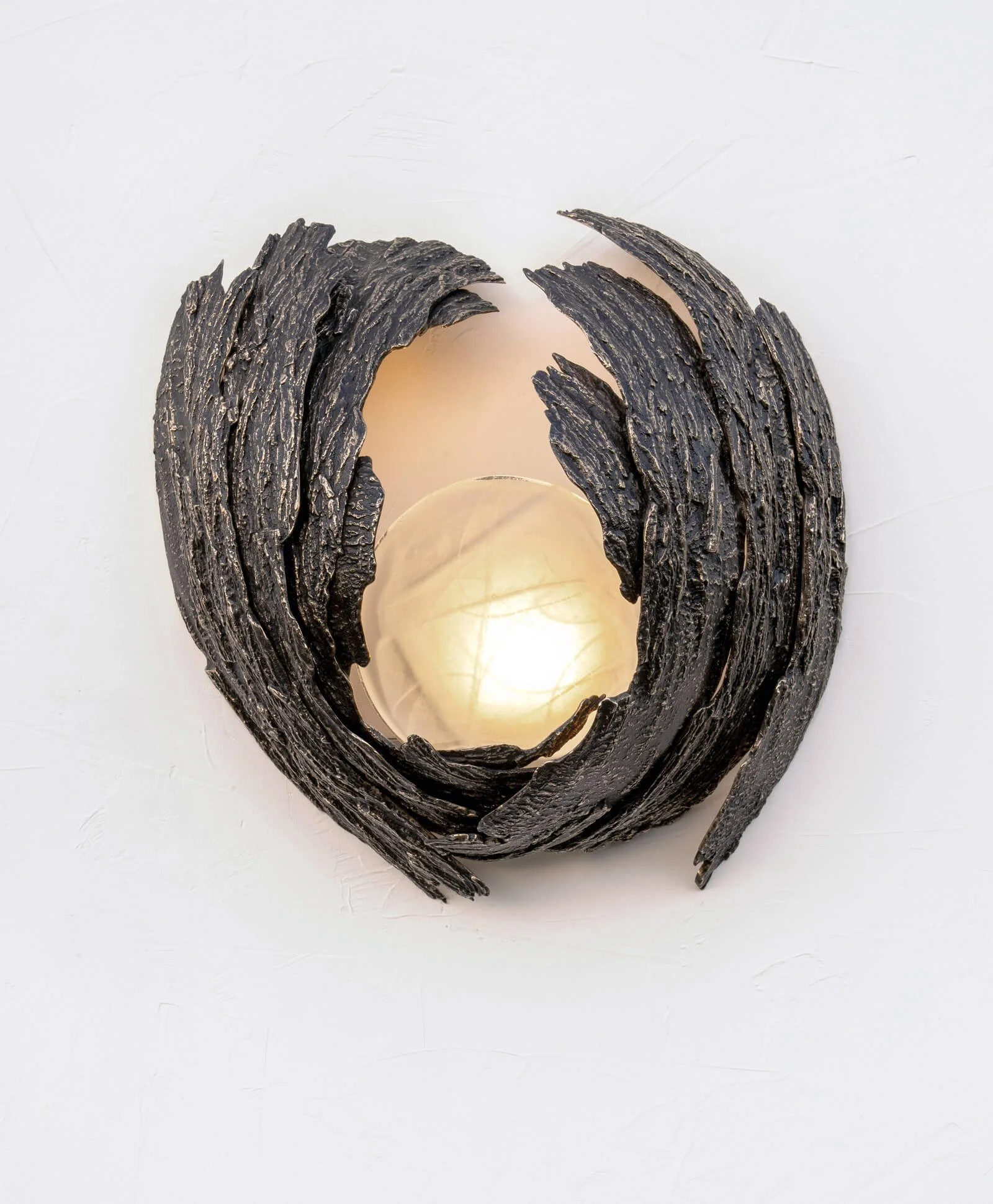
Each collection is conceived like a lunar cycle. Crépuscule, the first, revolves around variations of light, chiaroscuro, and transparency.
Glass, echoing the moon, captures and reflects light in a shifting, almost elusive way. The rug introduces a gradient that evokes sunrise. Even the darkest pieces are never fixed; they reveal themselves differently over time, as if in constant transition, reinforcing a sense of atmospheric interior design.
DESIGNEERS
The collection holds a tension between lightness (the lunar) and something rawer, more grounded. Was that tension there from the start, or did it emerge through the making?
Sarah Gracia
Yes, that tension was present from the very beginning. I wanted to articulate a duality - in both material and form. Some pieces feel grounded and earthy, acting as a counterweight to others that are lighter, more reduced.
The work is built on a hybrid design approach: combining the organic with the precious, the sensory with the constructed. A subtle thread of brutalist influence runs through the collection, disrupting its softness and introducing a quiet, deliberate tension - the kind that keeps an object from resolving too easily.
DESIGNEERS
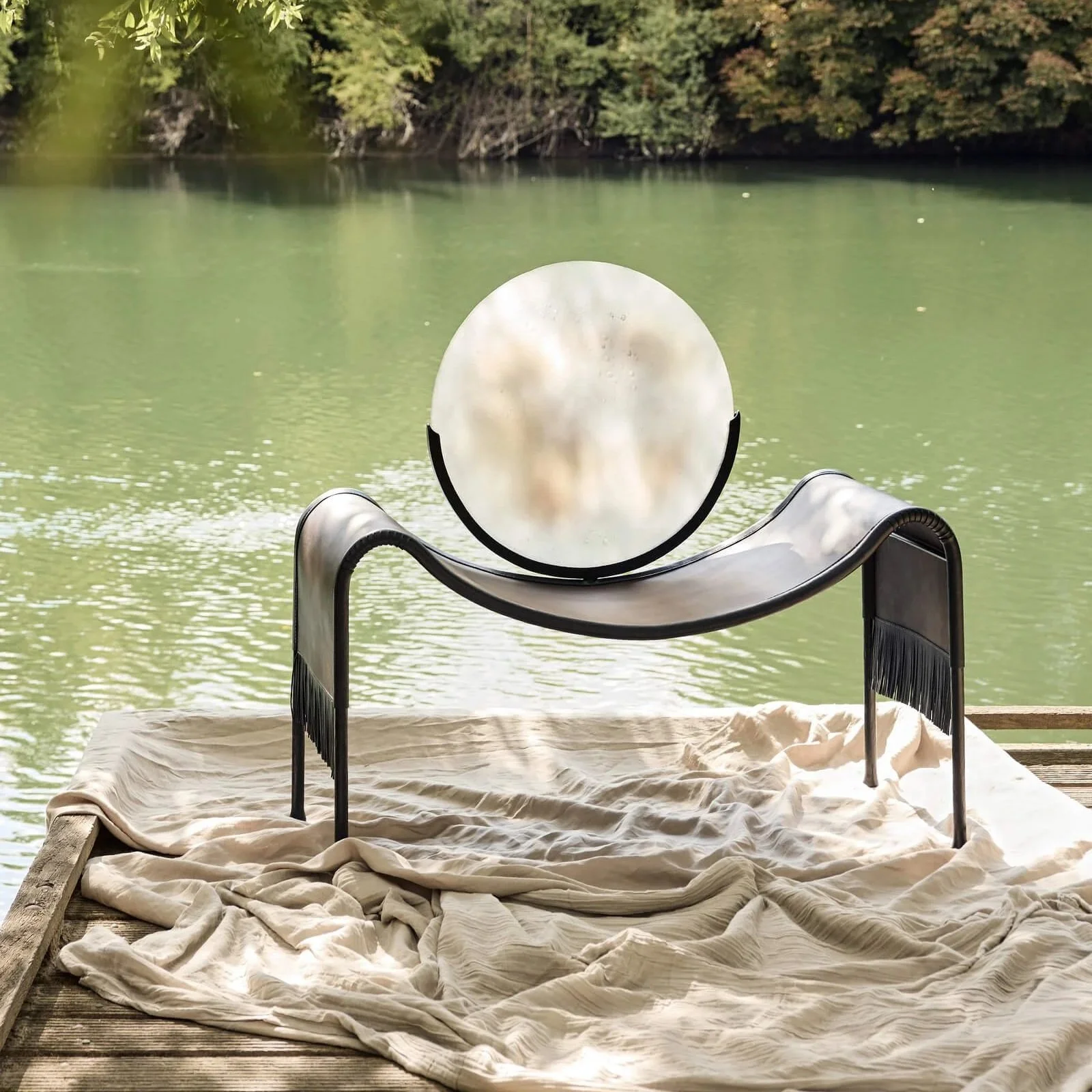
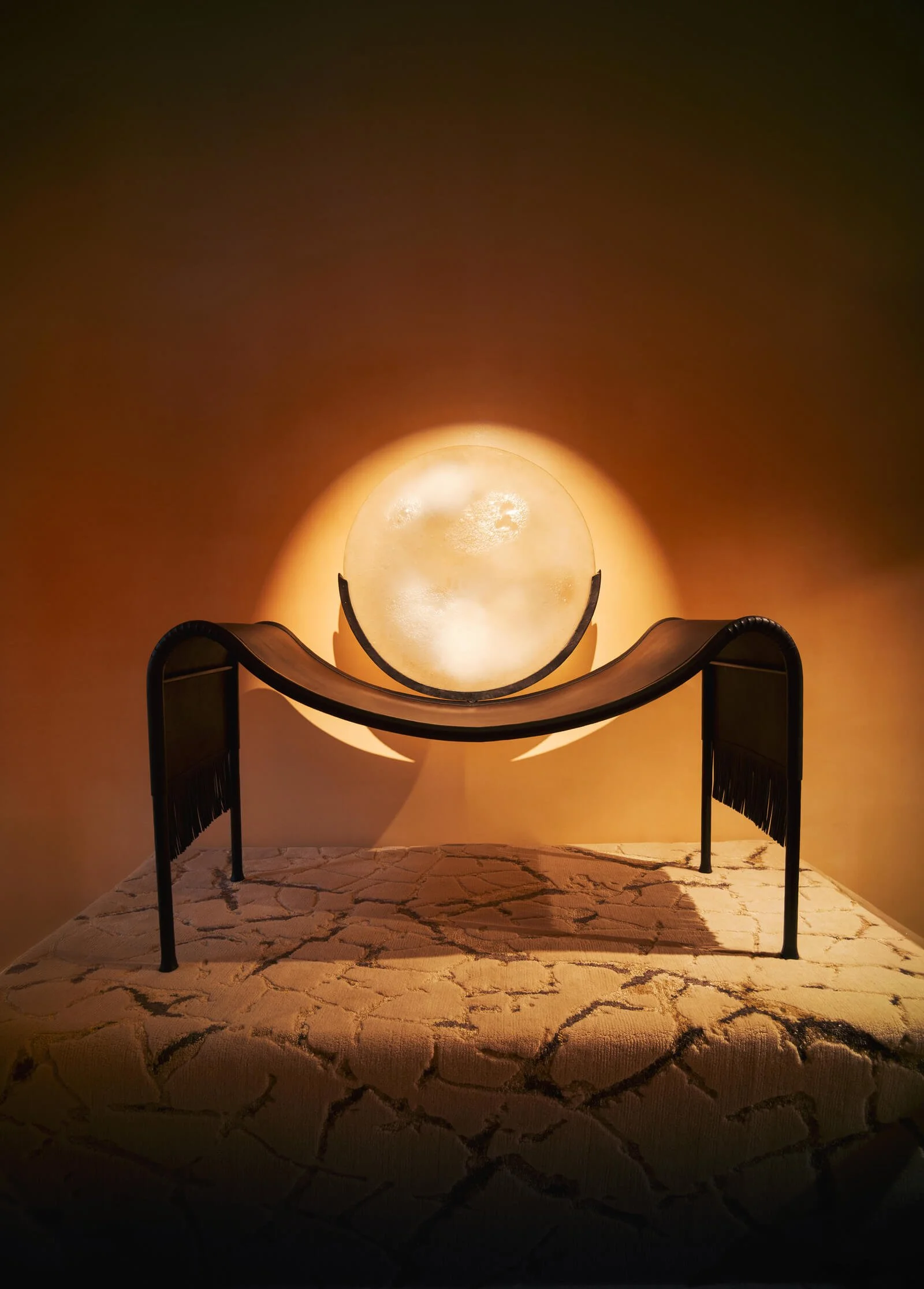
The Moon Chair brings together glass, metal, and leather in a single form. Can you walk us through how it came to be—from first sketch to finished object?
Sarah Gracia
The Moon Chair is, in many ways, the most complete expression of the atelier's identity - and a direct embodiment of my monogram given form.
Its development was long and demanding. Three artisans, each with distinct expertise in glass, metal, and leather, were brought into dialogue with one another - their individual practices gradually finding harmony within a single object. That process of convergence is itself part of what the piece represents: a genuine example of contemporary craft collaboration, where the integrity of each discipline is preserved rather than dissolved.
The intention was to create something meditative. The backrest carries a subtle evocation of the moon - present but not literal, felt more than declared. The result is an object that operates on two registers simultaneously: technically exacting, and quietly emotional. It sits, I think, precisely at the intersection of collectible design furniture and fine art object.
“Trained in fine arts, my work remains deeply connected to art history, in dialogue with artists such as Pierre Soulages, Egon Schiele, Constantin Brancusi, and Henri Rousseau.”
Sarah Gracia
DESIGNEERS
Crépuscule was built through collaboration - with Affaire d’Enclumes on the metalwork, Atelier La Motte on the leather. How did you find these makers, and how did you build the trust a project like this requires?
Sarah Gracia
I also collaborated with Claire Pegis, a glass artisan whose work brought an additional layer of richness to the project. I found each of these makers through personal connections and word of mouth - all of them deeply specialised within their respective fields.
The development of the piece required many exchanges, back and forth over time. Working across different regions made the logistics more complex, turning the process into a genuine exercise in collaborative craft. I made a point of maintaining clear and transparent communication with each maker throughout - and that consistency quickly built a strong foundation of trust.
DESIGNEeRS
When you work alongside craftspeople who have spent years inside a single material, what do you bring to that exchange—and what do you take from it? Were there moments where a maker’s instinct led somewhere you had not anticipated?
Sarah Gracia
I never ask artisans to abandon their craft. Instead, I invite them to step slightly outside their comfort zone by placing their work in dialogue with other disciplines.
It is, above all, a human exchange that requires openness and engagement. Each person contributes their expertise while pushing the boundaries of what they know, reinforcing a shared craft-driven design process.
These encounters also challenge my own ideas. They force me to refine, adapt, and sometimes transform them. The project evolves through collaboration, which is central to contemporary design methodology.
DESIGNEERS
Who is your design hero - living or not, known or obscure? Who are they, and what did they teach you?
Sarah Gracia
I don't have a single design hero, but I did have a mentor who shaped my path in a way that proved more formative than any singular influence.
He encouraged me to think beyond established norms and to hold to the belief that nothing is impossible, that even the strange carries its own aesthetic logic and value.
His unconventional perspective gave me the confidence to trust my own vision, and to develop an approach to design that remains experimental, conceptual, and resistant to easy categorisation.
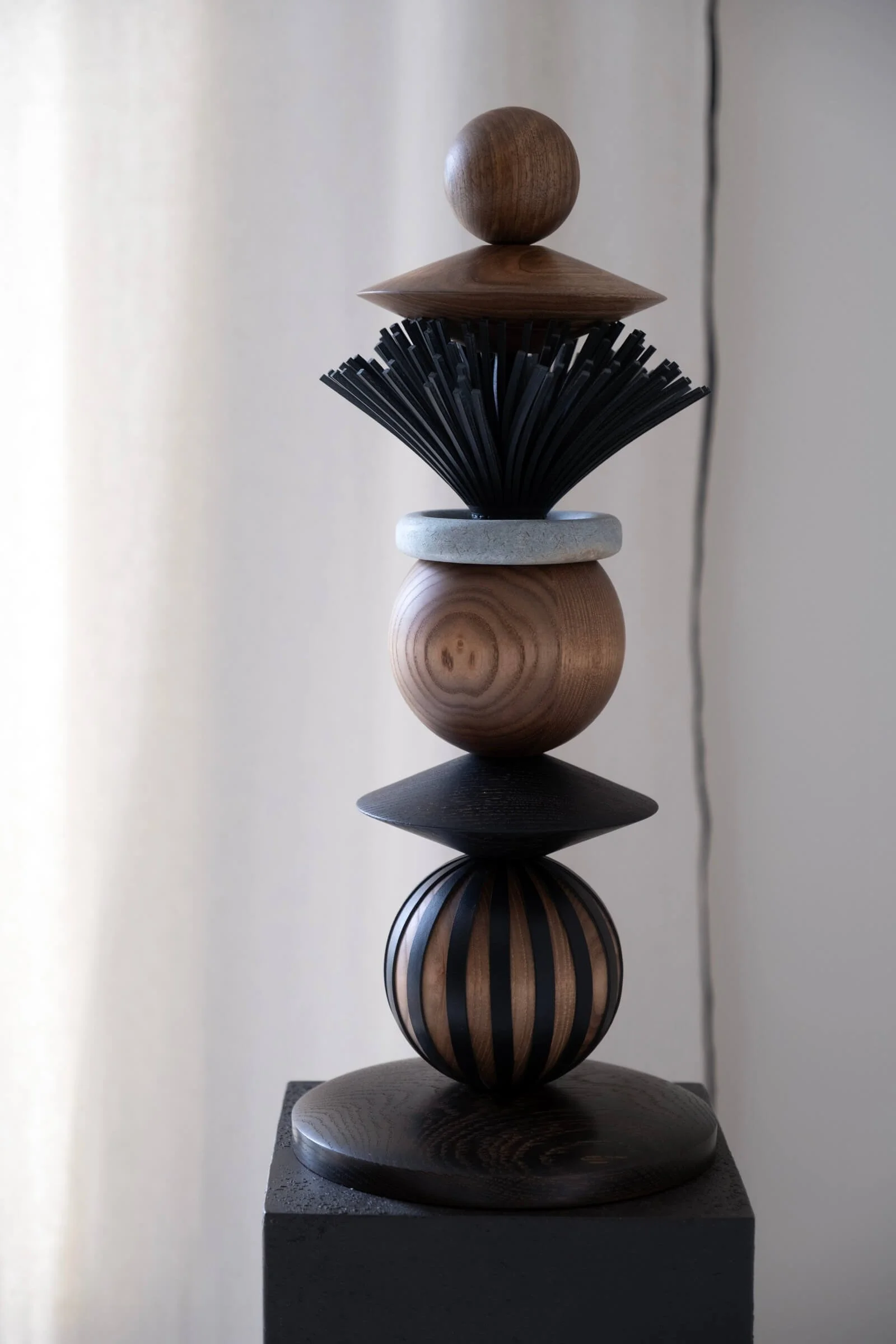
Fara Totem by Atelier Munaé
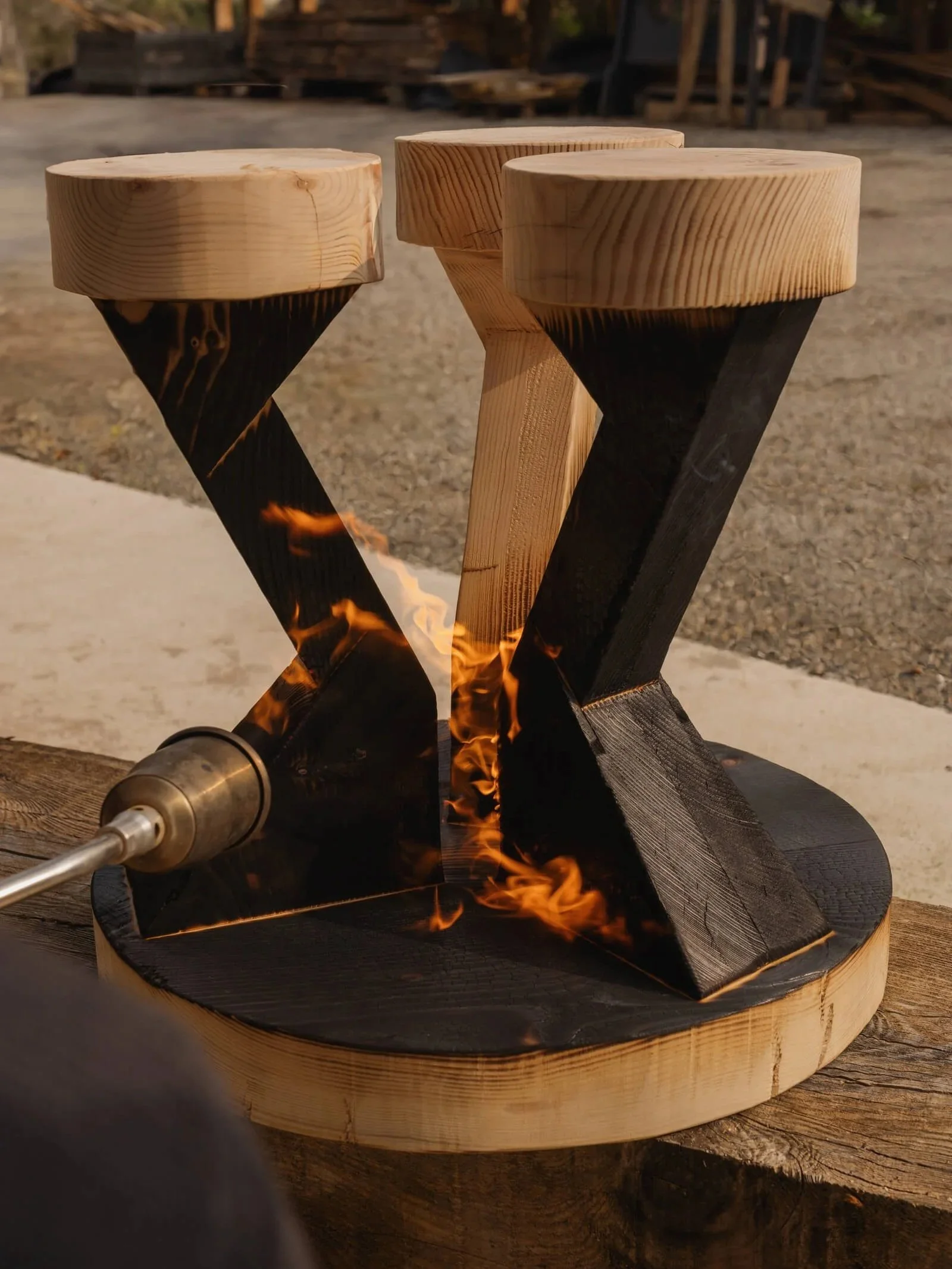
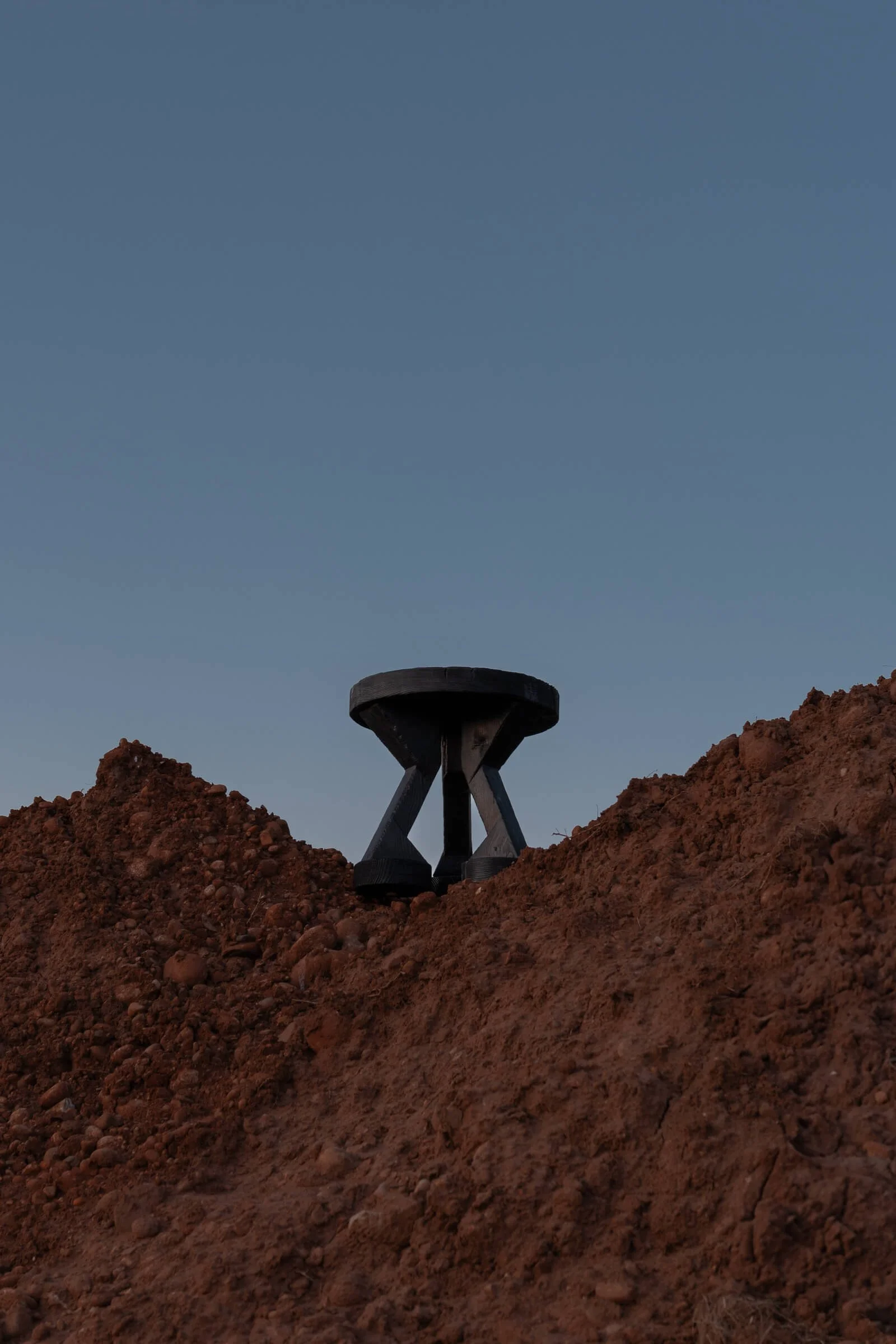
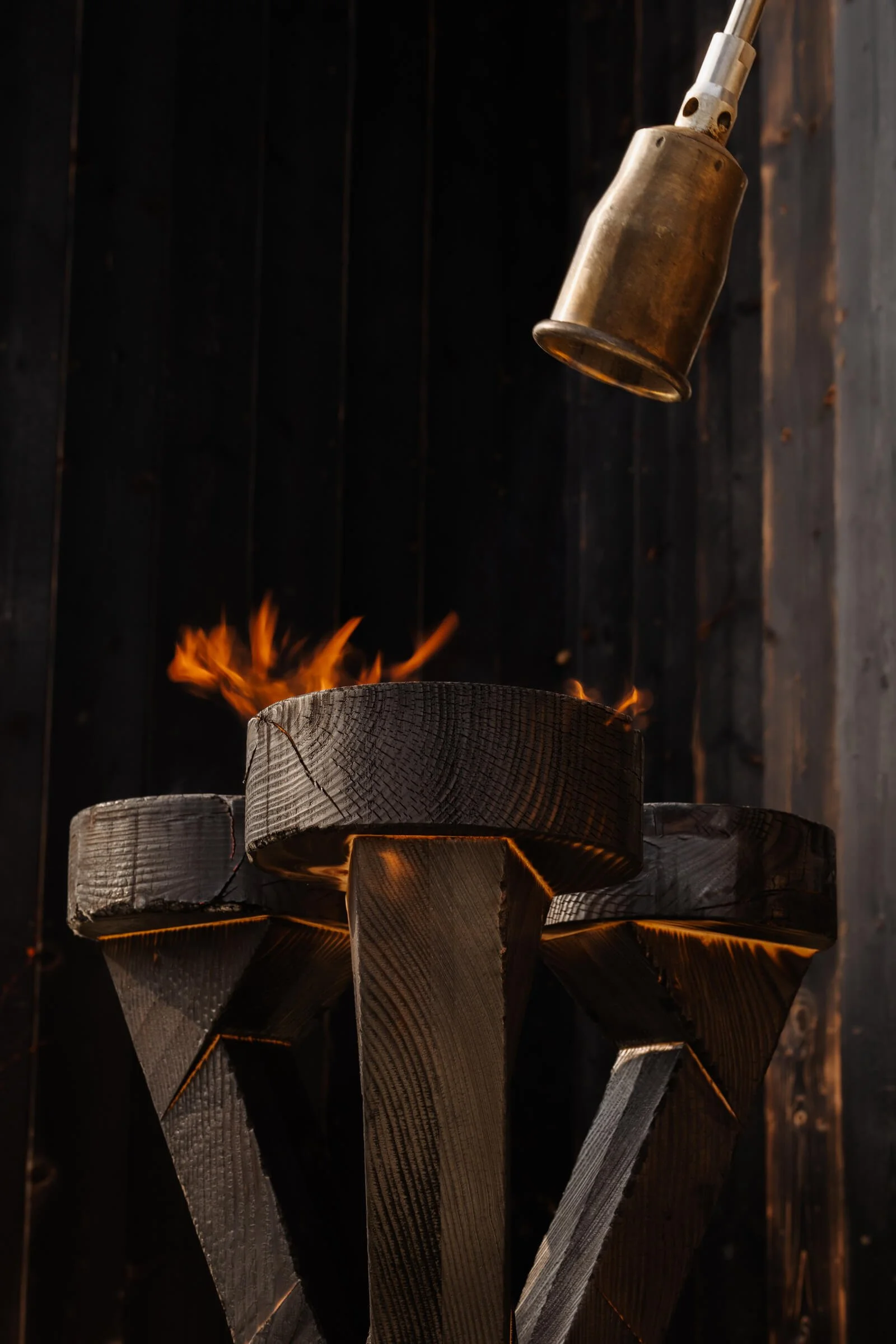
Abora Stool in making
DESIGNEeRS
A hotel that moved you. Not necessarily the grandest, but the one where the design made you feel something you could not quite name.
Sarah Gracia
I would say a bush camp in Kenya. It was an incredible experience, a place in the heart of nature. In the morning, you watch animals come to drink; at night, you gaze at the stars, and in between, you share a hot chocolate by the fire with a Maasai. It’s a timeless experience, something deeply rooted, where nature itself becomes the setting.
DESIGNEERS
A person (living or not) you would invite to dinner, and what would you'd serve them?
Sarah Gracia
Billie Holiday. I would invite her to a simple, unhurried dinner - listen to her sing, and ask her about her life and her convictions.
DESIGNEERS
The object in your home you could never part with, and why?
Sarah Gracia
My Nepalese meditation bowl, because acquiring it is tied to a meaningful story of human connection and exchange.
DESIGNEERS
If Crépuscule had a soundtrack - one piece of music that plays in the room where it lives - what would it be?
Sarah Gracia
It’s funny you ask this question, because when I created my brand, I composed a piece of music dedicated to the world I wanted to evoke. For the Crépuscule collection, I might have chosen something different at the beginning of the process, but today, I would say UNO by Awaré.