From Cape Town to Shanghai: Tristan Du Plessis and the New Language of Global Luxury
people • designers
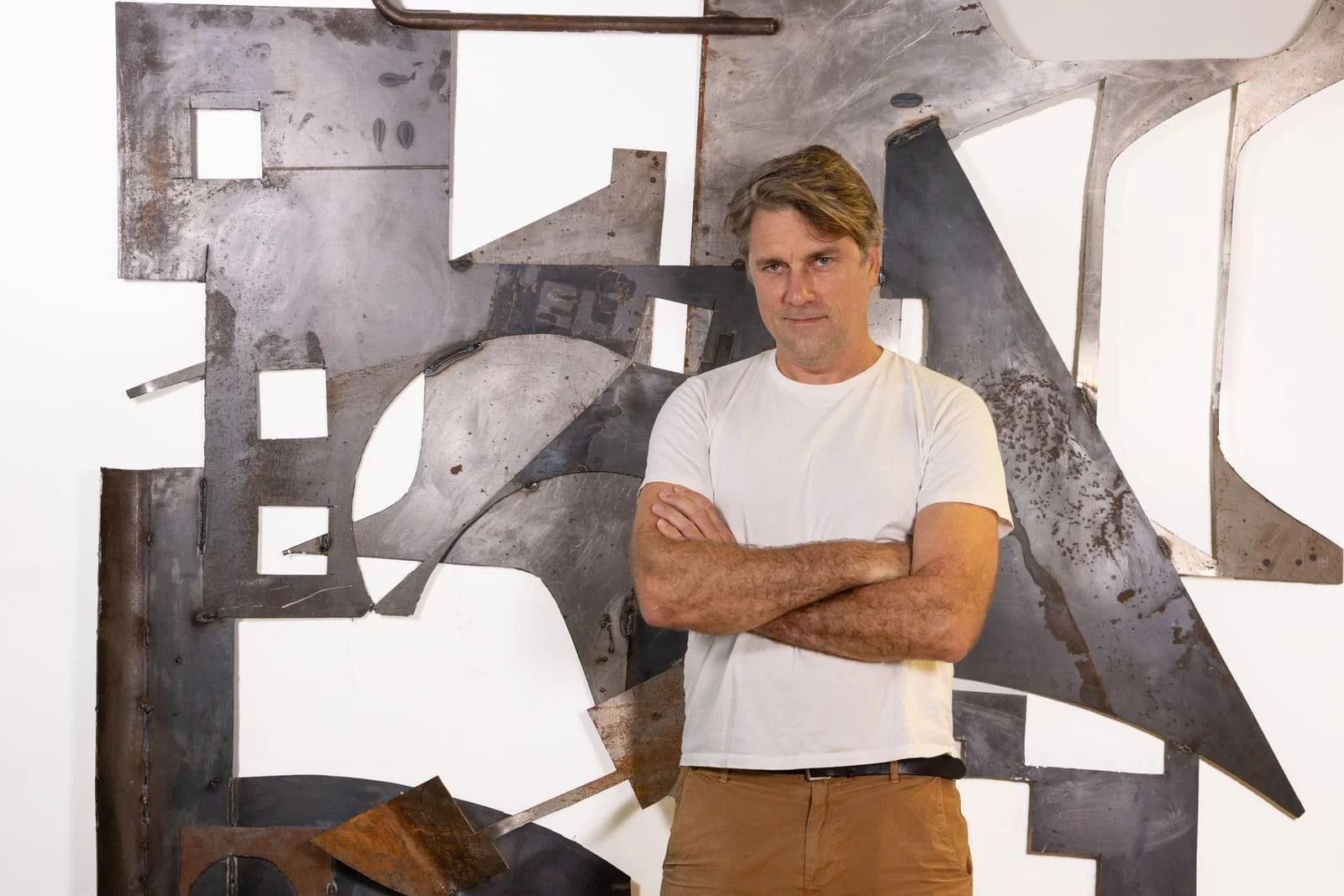
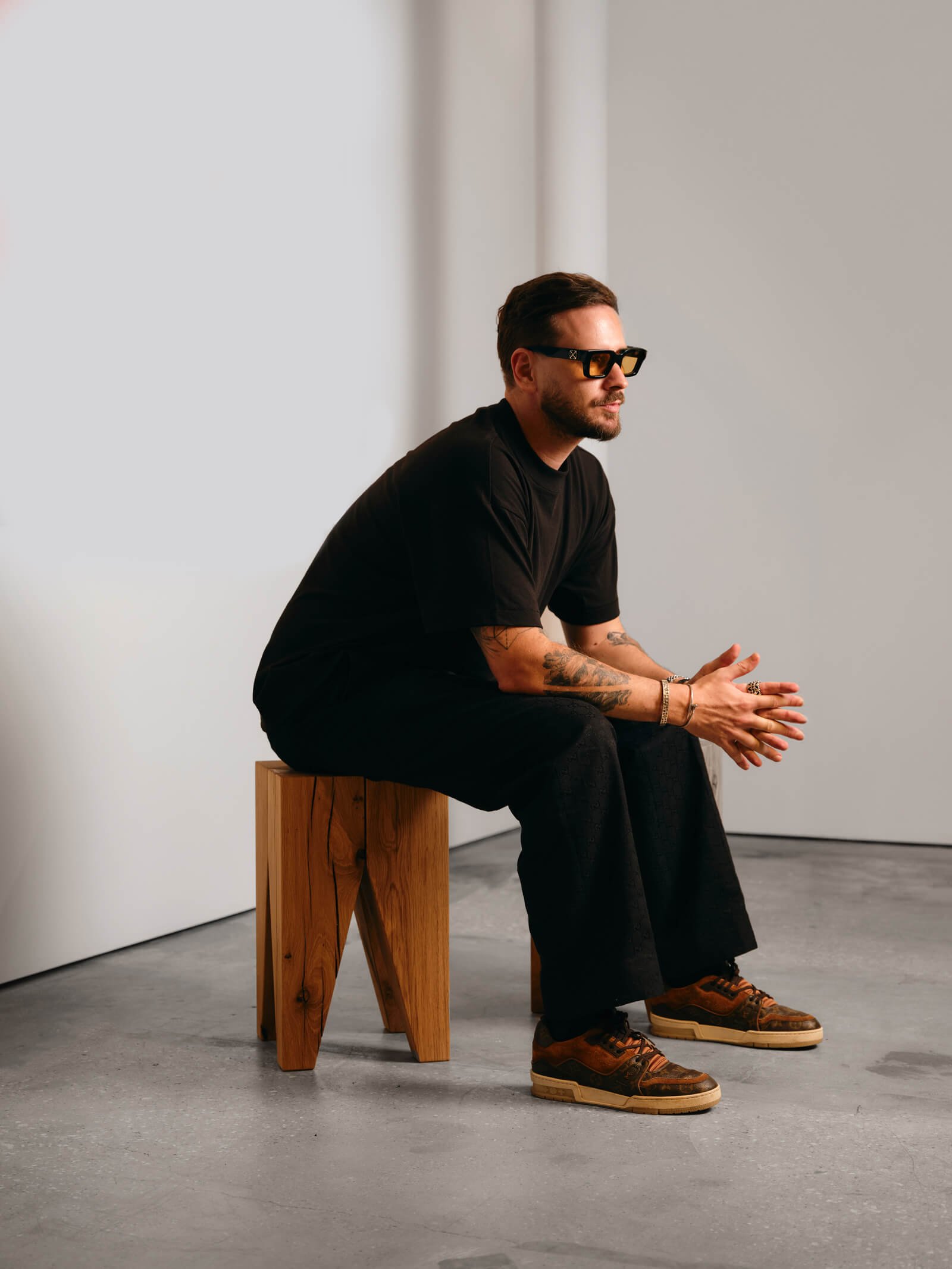
Tristan Du Plessis is an internationally award-winning interior architect based in Cape Town. Since founding his boutique studio in 2015, he has built a reputation for highly authored hospitality and luxury residential projects across the globe. With over fifteen years of experience in the hospitality design industry, his portfolio includes some of the world’s most talked-about destinations, where atmosphere, narrative, and emotional choreography define the guest experience. In this conversation, Du Plessis reflects on creative distance, cultural authenticity, ultra-luxury, and why interior architecture must sit at the strategic core of any development.
Words: designeers
February 2026
WEBSITE: tristanduplessis.com
INSTAGRAM: @tristanduplessis_studio
DESIGNEERS
You built an internationally recognised studio from Cape Town rather than relocating to London or New York. Has the distance from traditional power centres sharpened your authorship?
TRISTAN DU PLESSIS
Travel sharpens perspective. But returning to Cape Town gives me something more valuable. Distance from the noise of global design trends. Distance from comparison. That creative separation allows me to focus on narrative over novelty. I’m less interested in reacting to what’s trending and more invested in building projects with authorship and clarity. Cape Town gives me that mental space. (And yes, it’s also an extraordinary place to live.)
DESIGNEERS
In a world increasingly shaped by homogenised global luxury, what still feels culturally non-negotiable?
TRISTAN DU PLESSIS
“Sense of place” is an overused phrase in interior design, but authentic cultural integration is non-negotiable. For us, it’s never about applying a theme. It’s about embedding ourselves in the local design culture, working with regional artisans, makers, and craftspeople so the project grows from its context. Imported aesthetics can be beautiful. But authenticity is built, not styled.
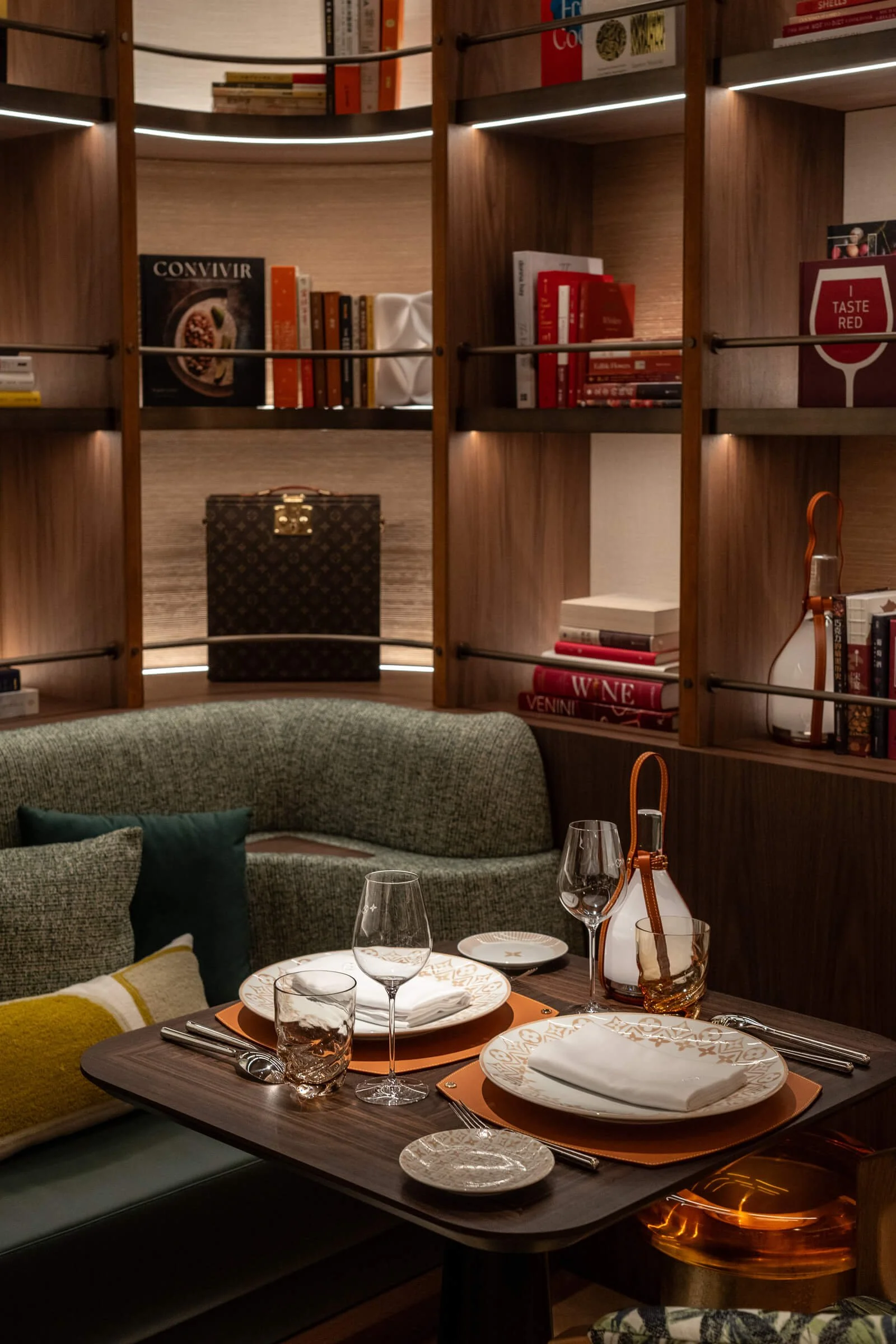
Louis Vuitton Malletier
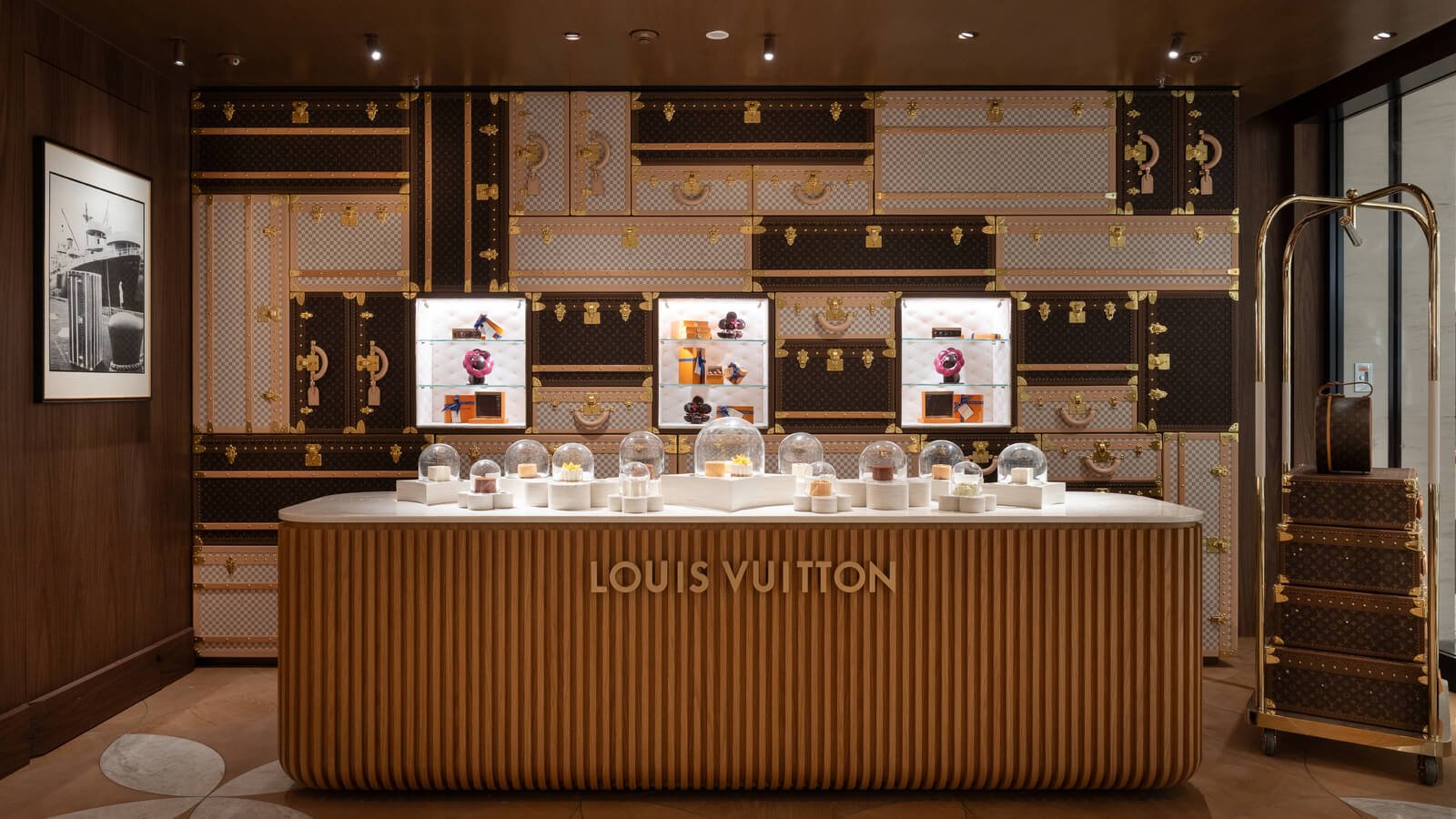
Louis Vuitton Malletier
DESIGNEERS
When working with heritage houses that already possess mythology, where does interpretation end and authorship begin?
TRISTAN DU PLESSIS
Preservation alone isn’t authorship. At Gorgeous George in Cape Town, where two Edwardian and Victorian buildings were merged into a single hotel, the challenge wasn’t restoration, it was interpretation. A building should not be frozen in time. It should be honoured, then reactivated. Heritage provides the narrative backbone. Contemporary design gives it relevance. Authorship lies in reinterpreting history so it continues to breathe.
DESIGNEERS
Is atmosphere a form of seduction or control?
TRISTAN DU PLESSIS
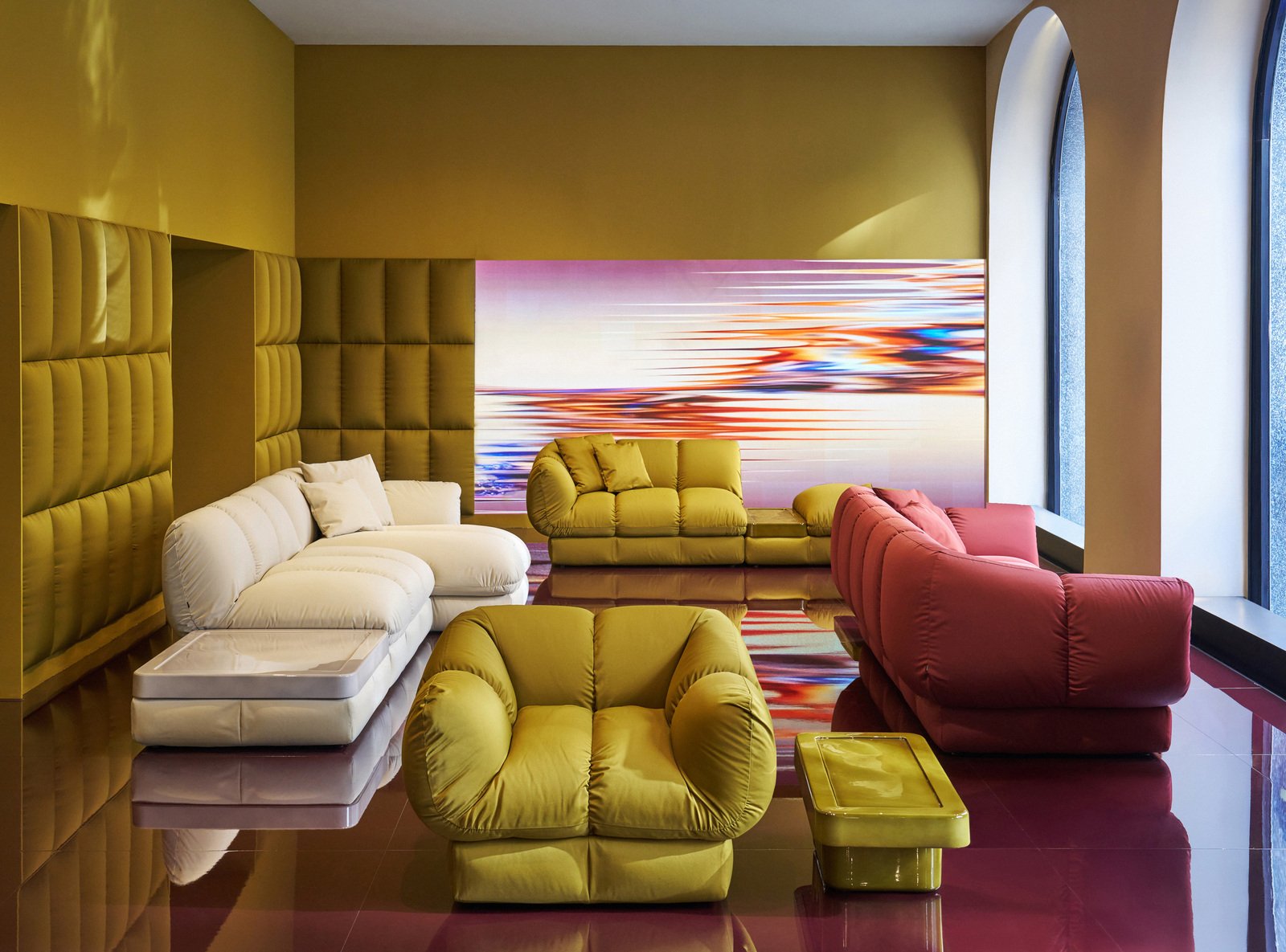
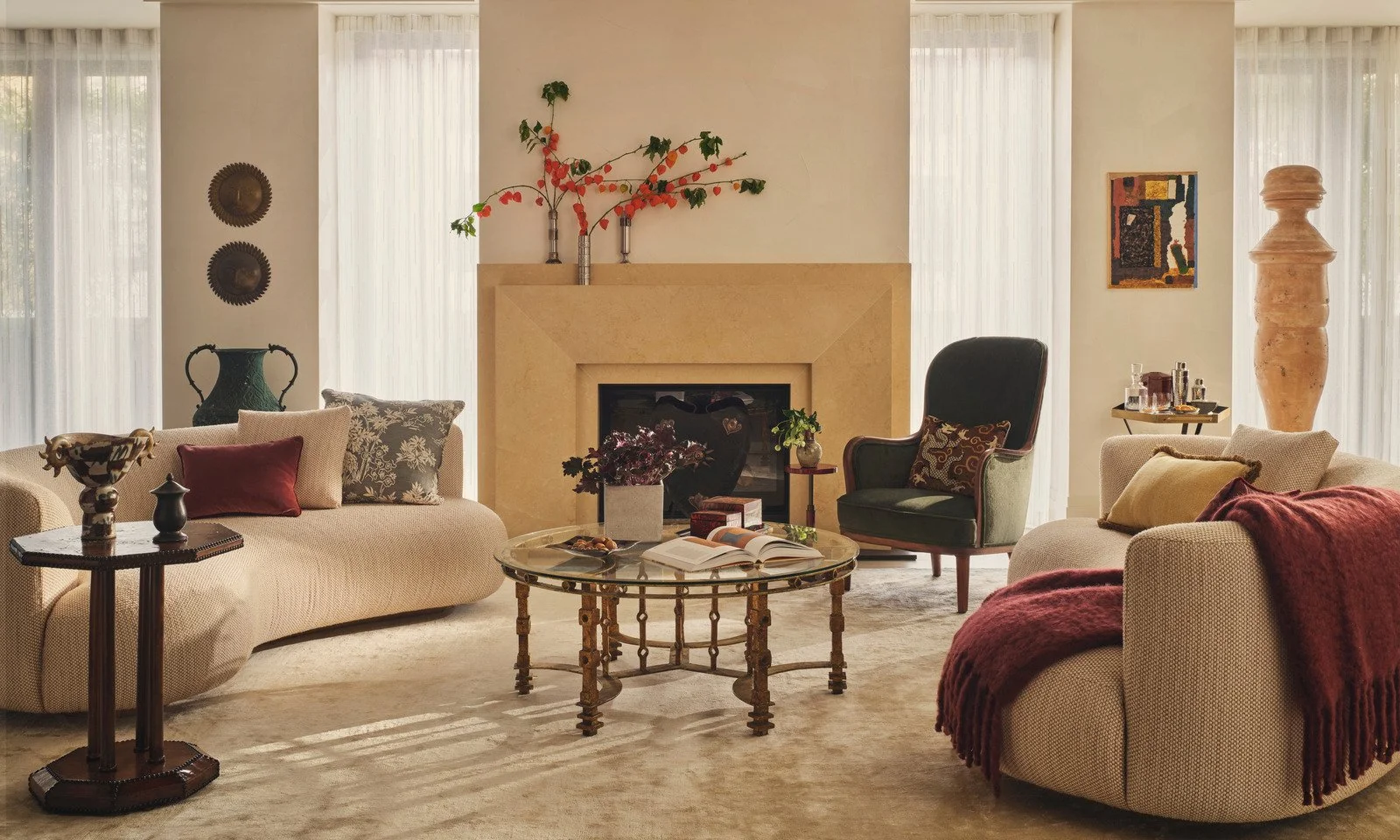
Atmosphere is absolutely a form of seduction, especially in restaurant design. Not manipulation. Not theatre. But emotional choreography. Through lighting, materiality, acoustics, and spatial rhythm, you can shift how people feel the moment they enter a room. In hospitality interiors, atmosphere is storytelling without words.
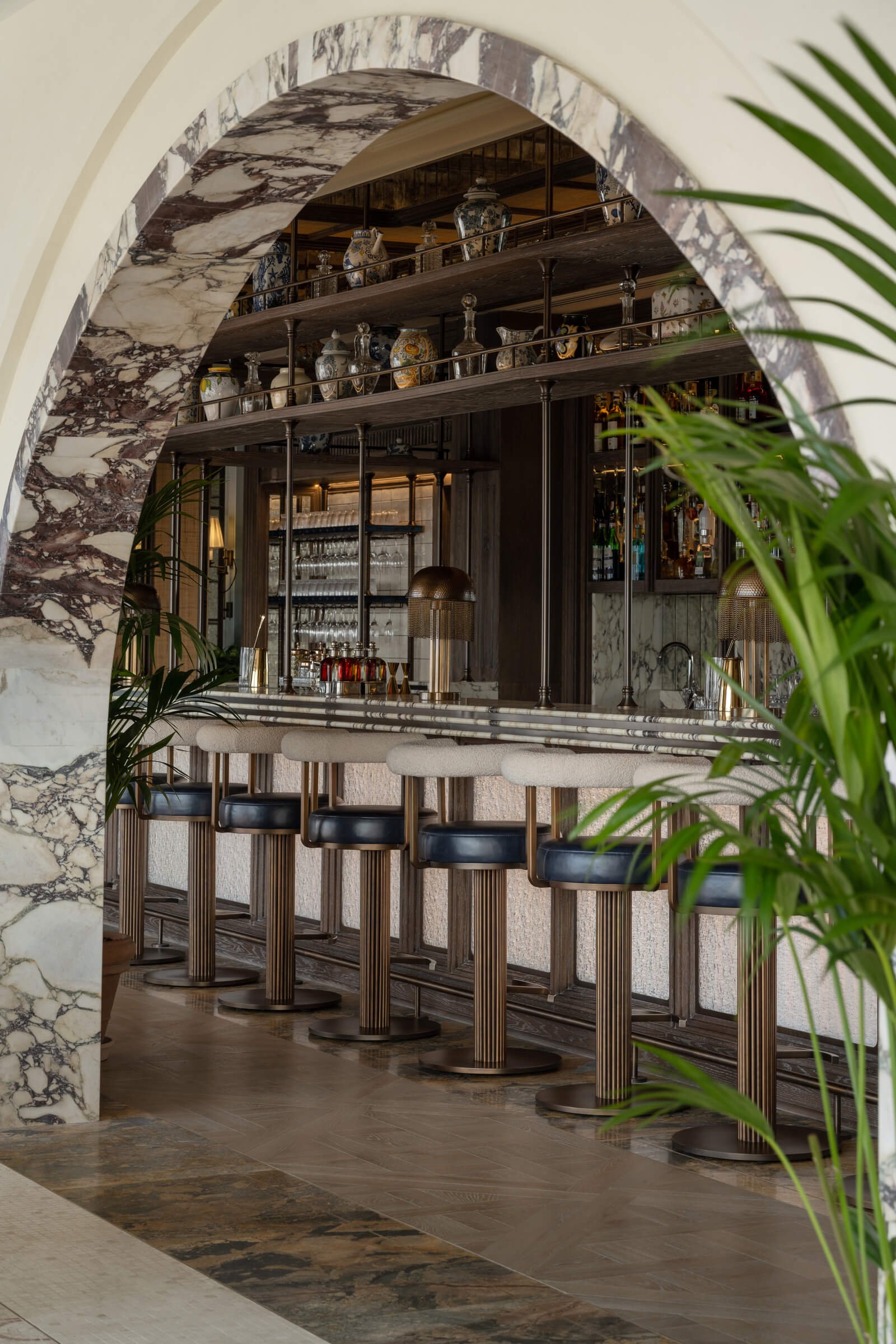
Loren restaurant at Jumeirah Marsa Al Arab
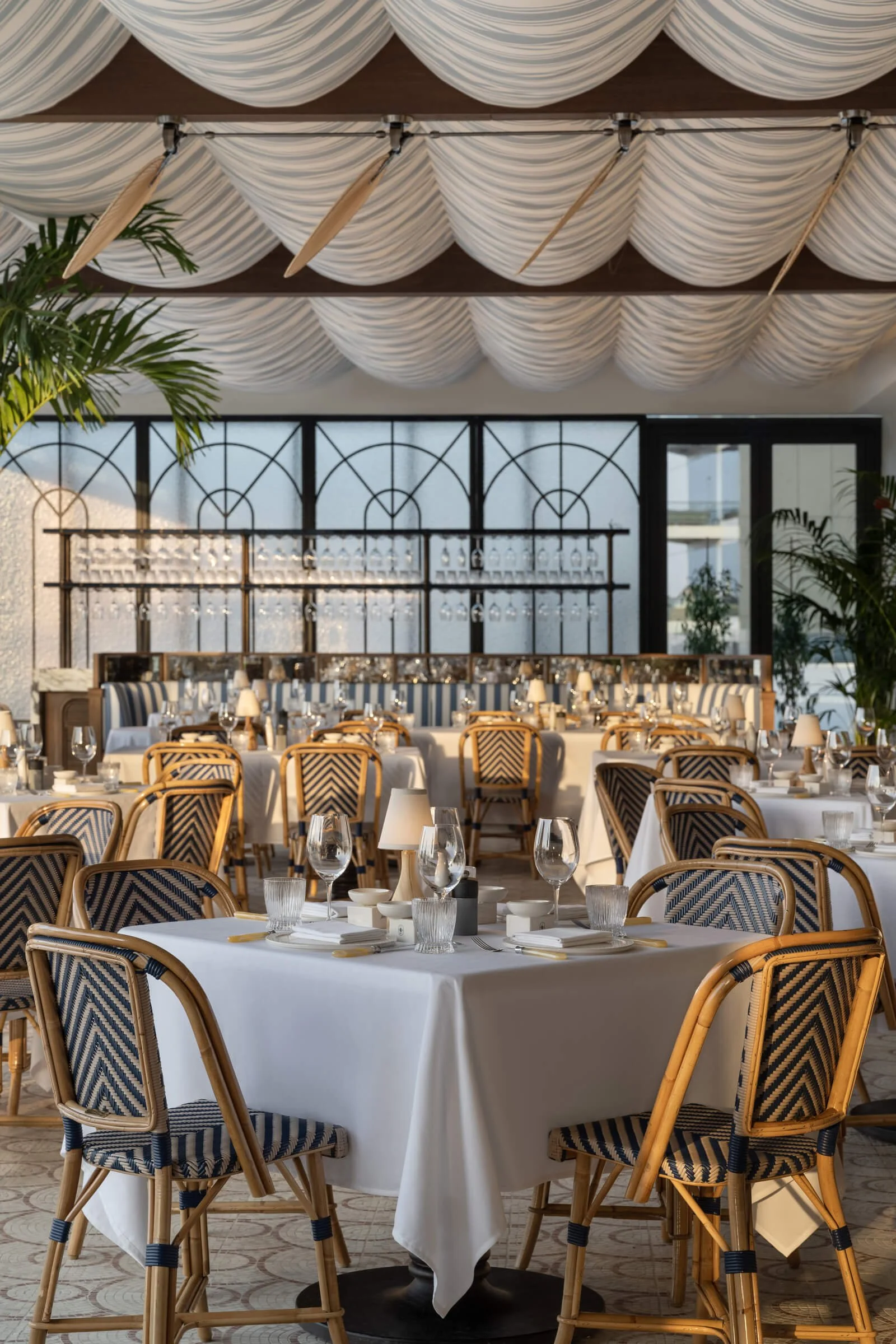
Loren restaurant at Jumeirah Marsa Al Arab
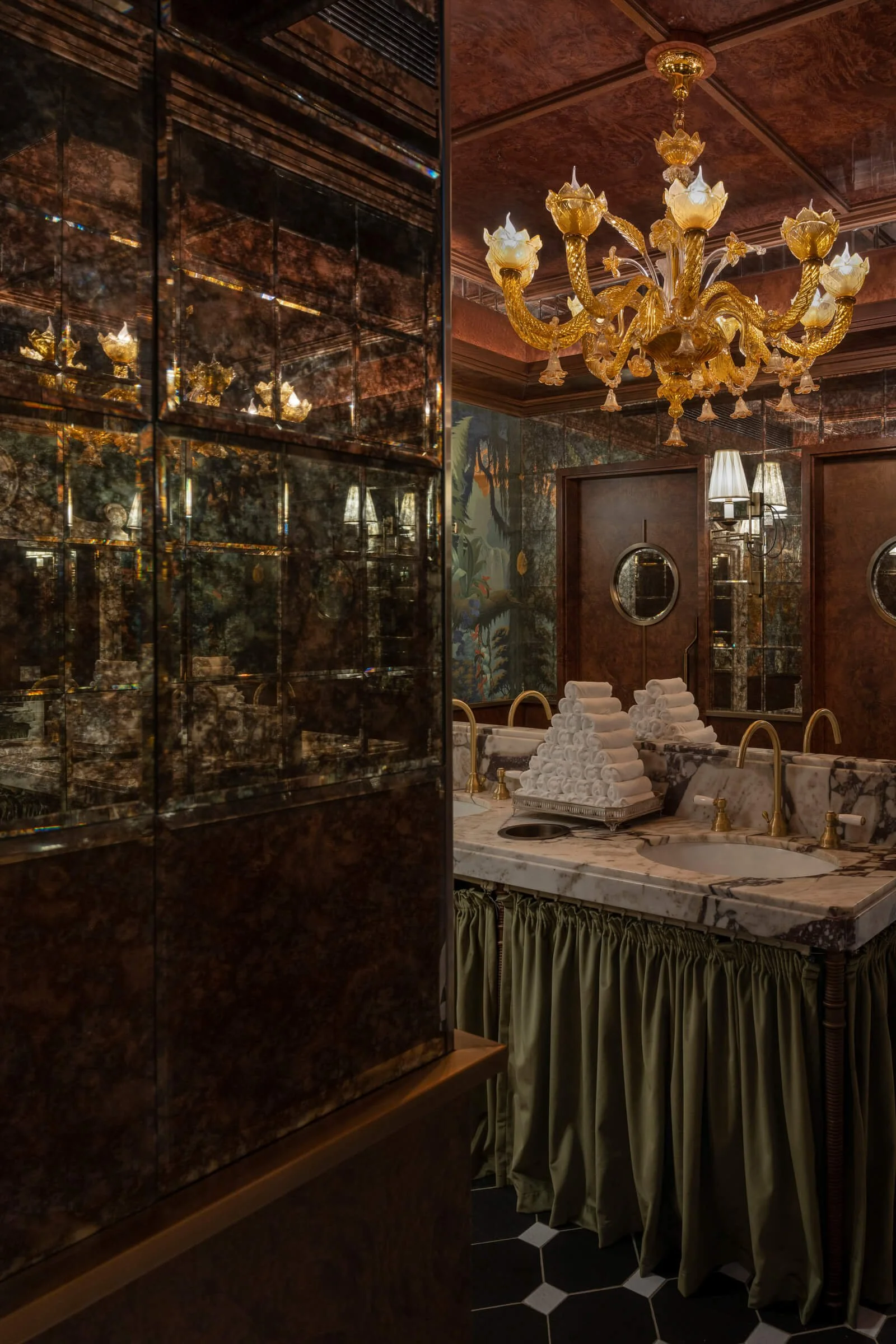
Loren restaurant at Jumeirah Marsa Al Arab
“Travel sharpens perspective. But returning to Cape Town gives me something more valuable. Distance from the noise of global design trends. Distance from comparison. That creative separation allows me to focus on narrative over novelty.”
TRISTAN DU PLESSIS
DESIGNEERS
Hospitality has become theatre. Do you design for spectacle, intimacy, or psychological immersion?
TRISTAN DU PLESSIS
Spectacle without substance is forgettable. In hospitality design, the goal is never visual shock. It’s an emotional connection. Whether through intimacy, immersion, or controlled drama, every design decision must contribute to an experience that people carry with them long after they leave. Design should not only be seen. It should be felt.
DESIGNEERS
Is restraint becoming the new status symbol in ultra-luxury spaces?
TRISTAN DU PLESSIS
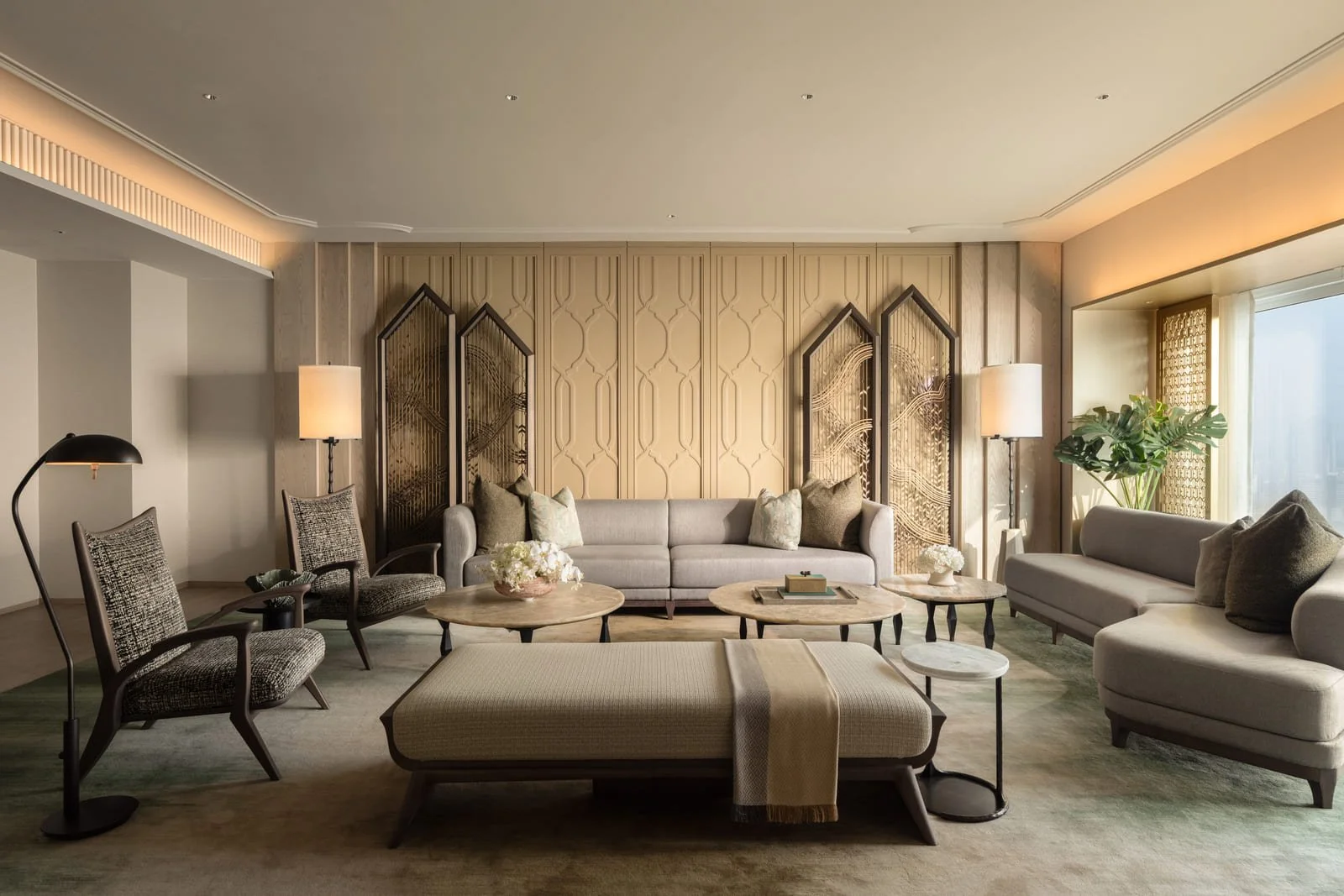
Ultra-luxury is not minimalism. And it’s not maximalism either. It’s conviction. What distinguishes true ultra-luxury interiors is the depth of care, the absolute commitment to concept at every level of detail. Restraint can be powerful. So can layered complexity. Luxury is not about aesthetic volume; it’s about coherence and craftsmanship.
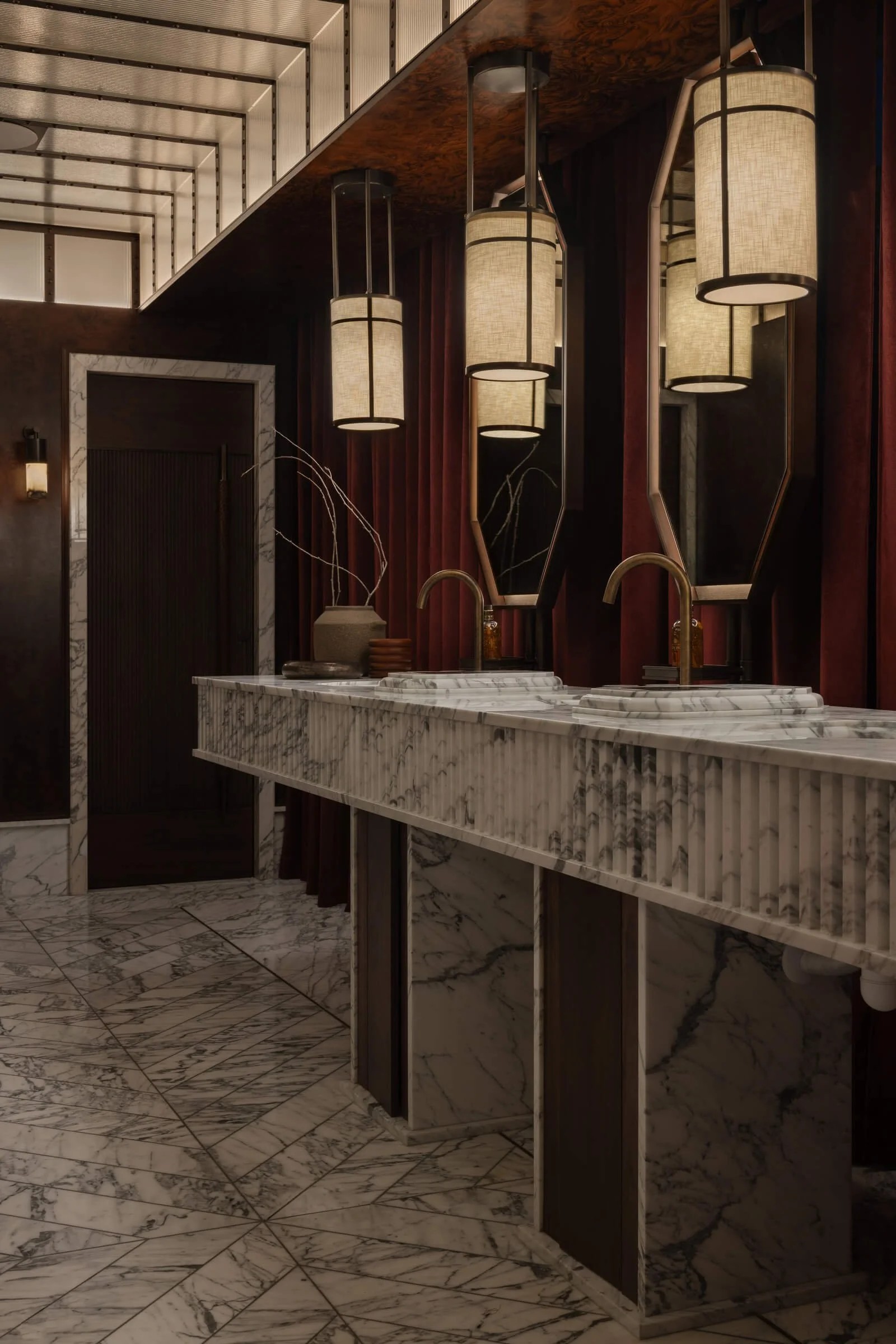
The Cullinan restaurant at Jumeirah Marsa Al Arab
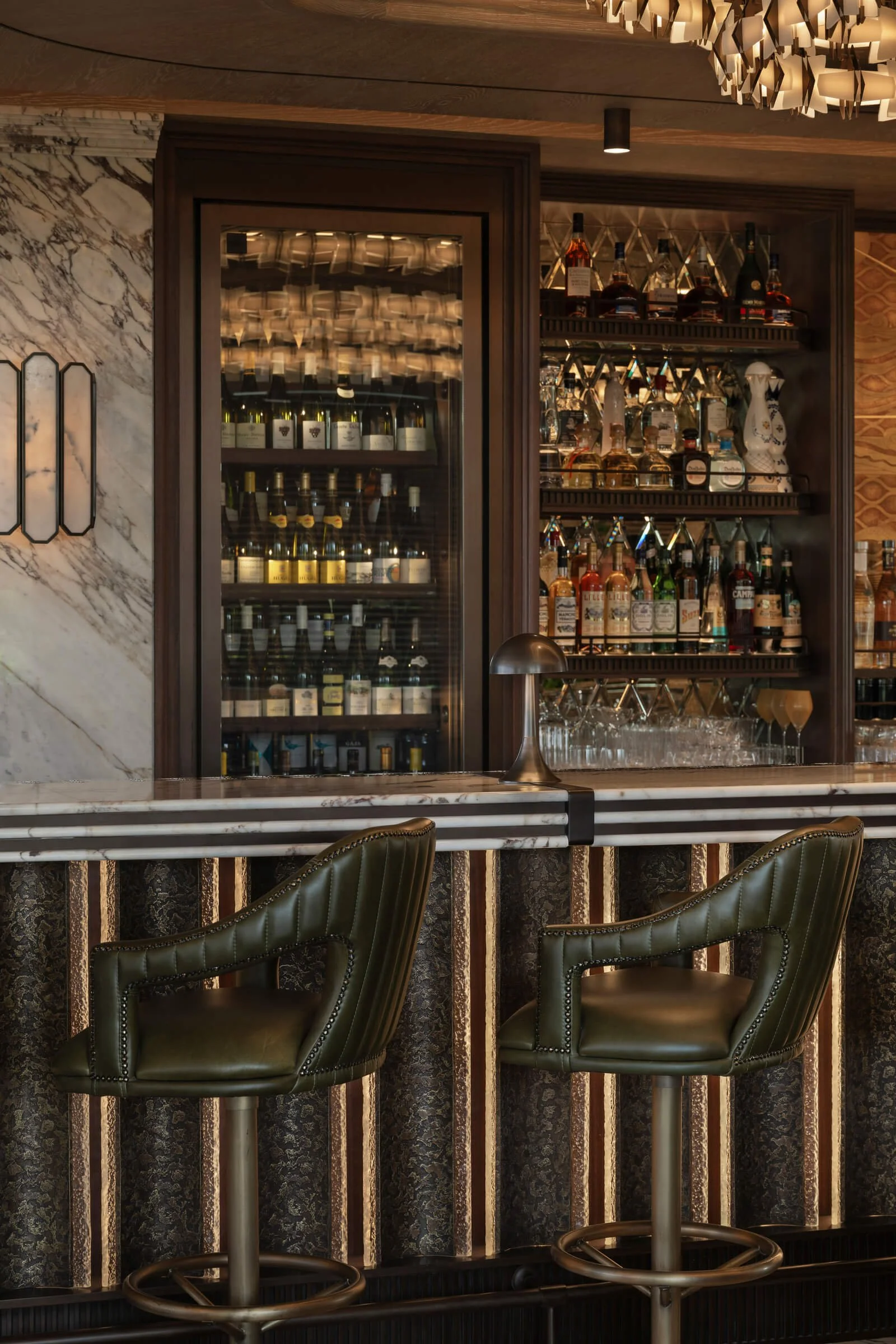
The Cullinan restaurant at Jumeirah Marsa Al Arab
DESIGNEERS
What do developers consistently misunderstand about interior architecture at the highest level?
TRISTAN DU PLESSIS
Interior architecture is not the finishing touch. It is the strategic core. Too often it’s treated as decoration, cushions and accessories layered onto a completed structure. But the most powerful design decisions happen at the beginning: spatial sequencing, arrival moments, material durability, brand narrative. When interior architecture is integrated from day one, ideally during brand refinement, a development shifts from well-built to unforgettable.
DESIGNEERS
When you walk into a finished project, what tells you immediately that it has succeeded?
TRISTAN DU PLESSIS
Success in hospitality design is immediate. You see it when someone walks in, pauses, and looks around. It’s in the smile. The shift in posture. The sense of being transported. No project is ever perfect. But if a space creates connection, memory, and shared experience, then it has done its job.
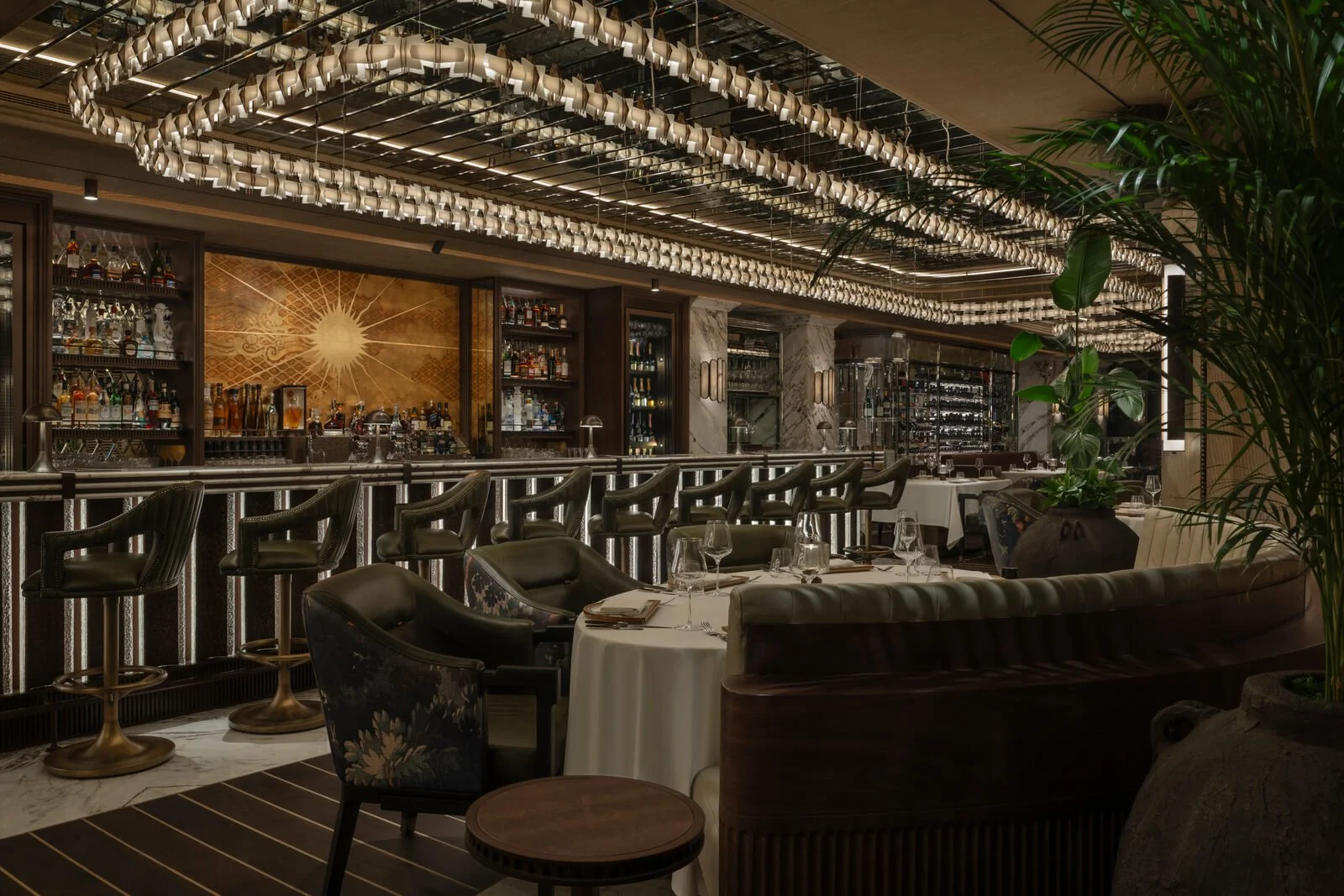
The Cullinan restaurant at Jumeirah Marsa Al Arab
In an industry increasingly seduced by immediacy, Tristan du Plessis designs with deliberation. His work resists spectacle for spectacle’s sake, favouring authorship over imitation and atmosphere over ornament. From heritage reactivation to ultra-luxury precision, his projects are unified by one constant: conviction. Not trend-led, not geographically defined, but rooted in clarity of intent. And in that clarity lies their enduring power.
PHOTOGRAPHY CREDITS: NATALEE COCKS