people • COLLECTIBLES
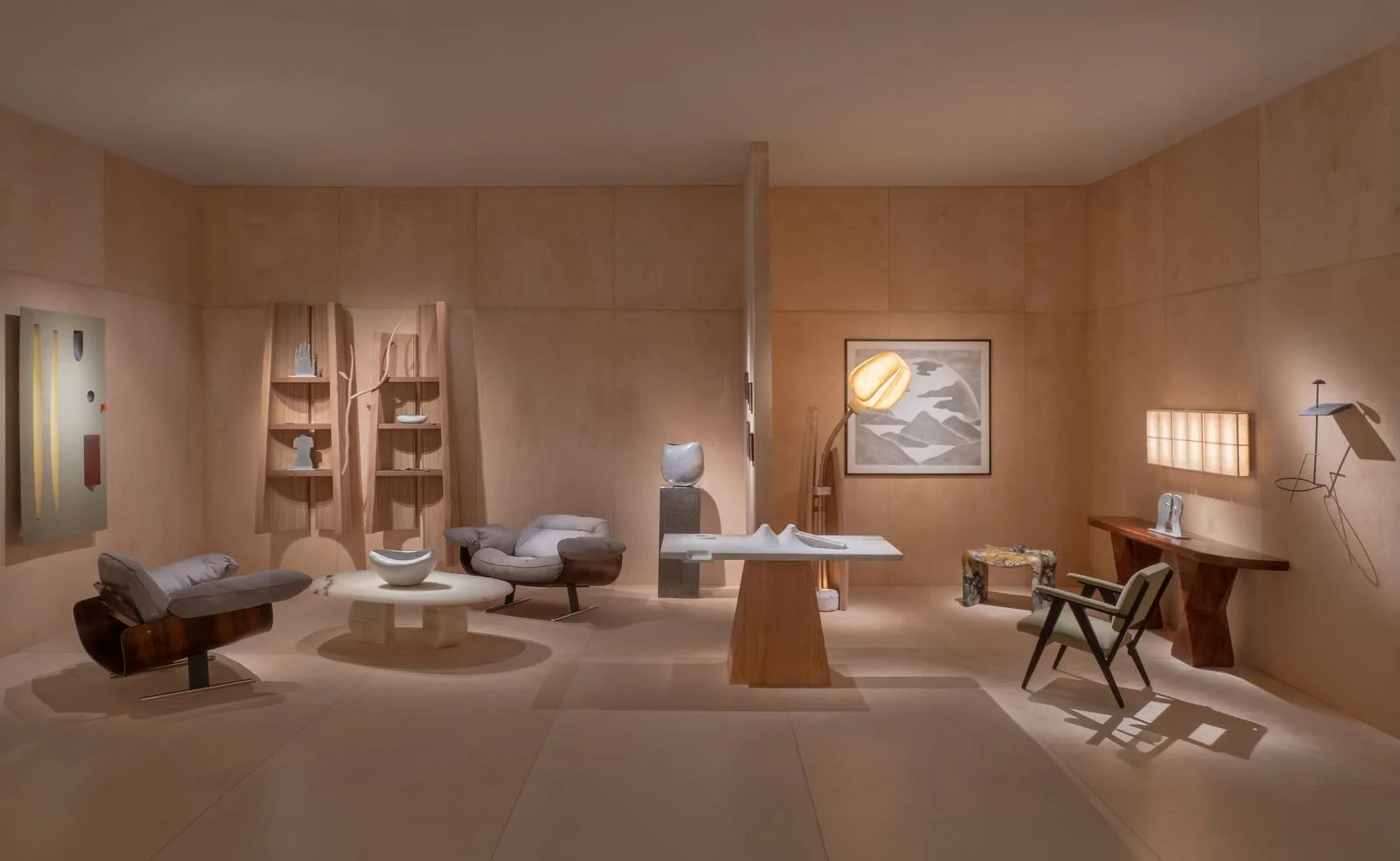
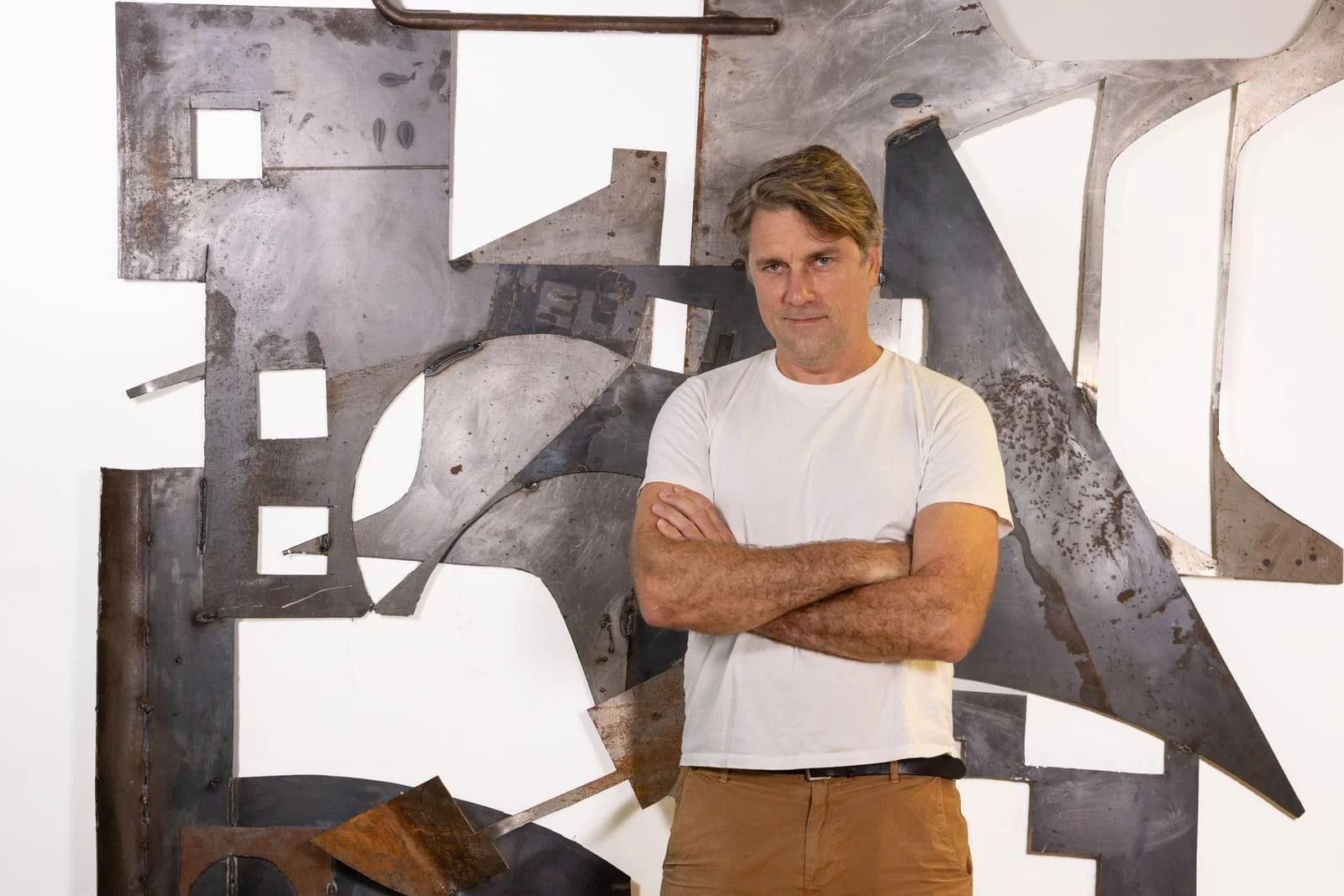
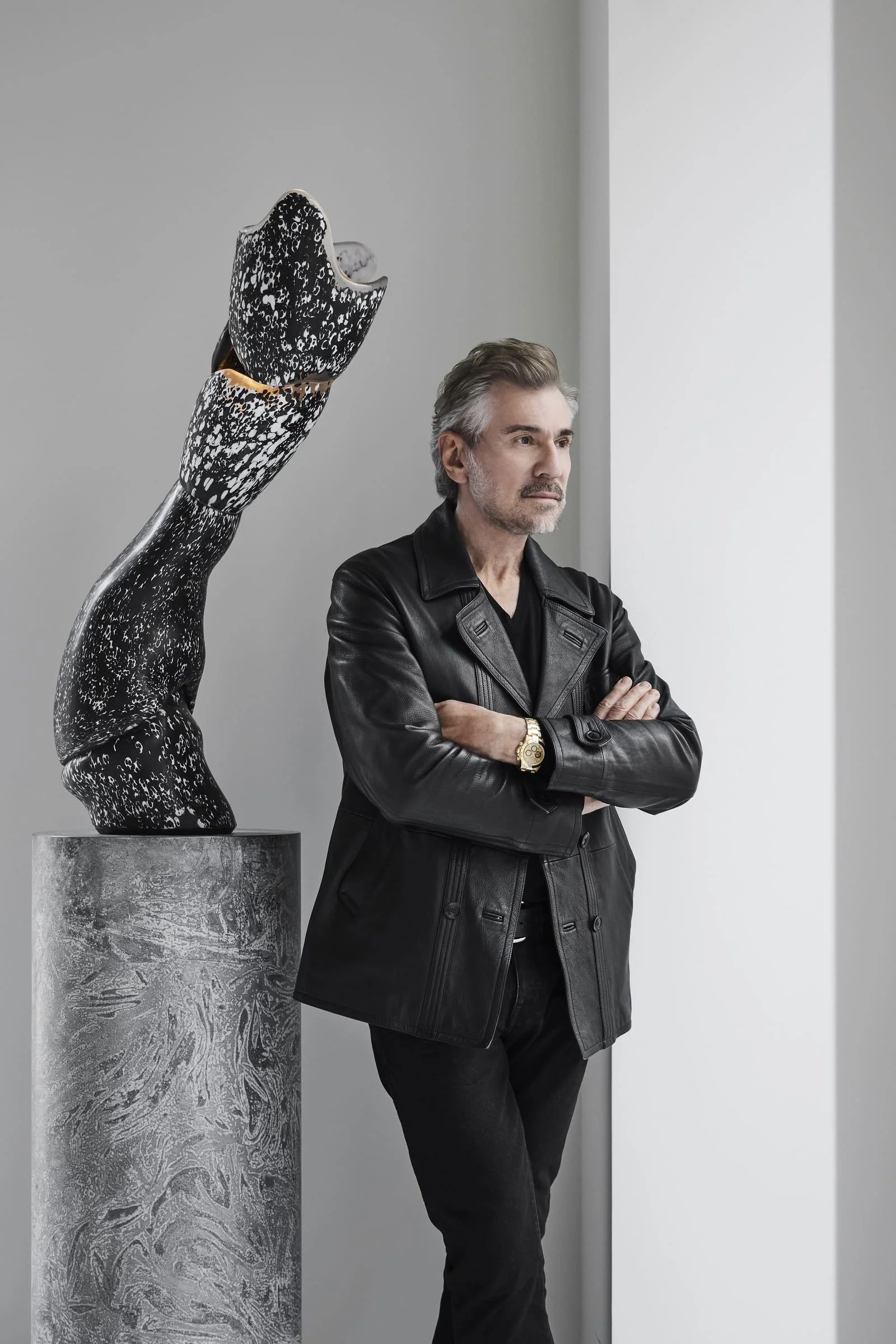
Presented at Vincenzo De Cotiis’ Gallery during Milan Design Week, Je suis la matière marks the latest evolution of Vincenzo De Cotiis’ ongoing exploration of matter, memory, and transformation. Born in 1958 and based in Milan, De Cotiis has developed a singular practice that moves fluidly between architecture, sculpture, and collectible design, balancing ancient references with futuristic forms through instinctive material experimentation.
Inspired by cosmic fragments, geological erosion, and invisible traces of colour, the collection dissolves the boundaries between marble, Murano glass, metal, and reclaimed materials. Surfaces fracture, oxidise, and merge into one another, creating works that feel both archaeological and otherworldly - monumental yet fragile, refined yet ruptured.
Known for transforming imperfection and patina into sources of beauty, De Cotiis continues to create pieces suspended between function and sculpture, carrying the emotional resonance of objects shaped by time and memory.
In conversation with Designeers, Vincenzo De Cotiis reflects on material ambiguity, invisible colour, and the emotional tension that defines his work.
Words: designeers
may 2026
WEBSITE: decotiis.it
INSTAGRAM: @vdecotiis
DESIGNEERS
Je suis la matière feels less like a series and more like a state of transformation. What did the title come to represent for you?
Vincenzo De Cotiis
The title represents a condition rather than an object. Matter is never static. In the natural course of life, we absorb matter and eventually become part of a larger cosmic reality that is continuously transforming around us.
For me, the series became an exploration of matter as an evolving organism, constantly expanding beyond its own boundaries through internal tensions, openings and invisible forces. Matter itself becomes the true language of the project, carrying memory, movement, energy and transformation rather than existing as something passive or fixed.
The reduction of colour to black and white also became central to the work. Through this process, surfaces retain what I describe as a ‘couleur invisible,’ a latent presence suggesting something that exists beyond immediate perception.
DESIGNEERS
Cosmic rocks and fragmented geological surfaces appear as the starting point for the series. What drew you toward these cosmic structures?
Vincenzo De Cotiis
Stone became the conceptual starting point for the collection. Geological and cosmic structures fascinated me because they embody matter in its most primordial state, shaped by pressure, stratification, erosion and time.
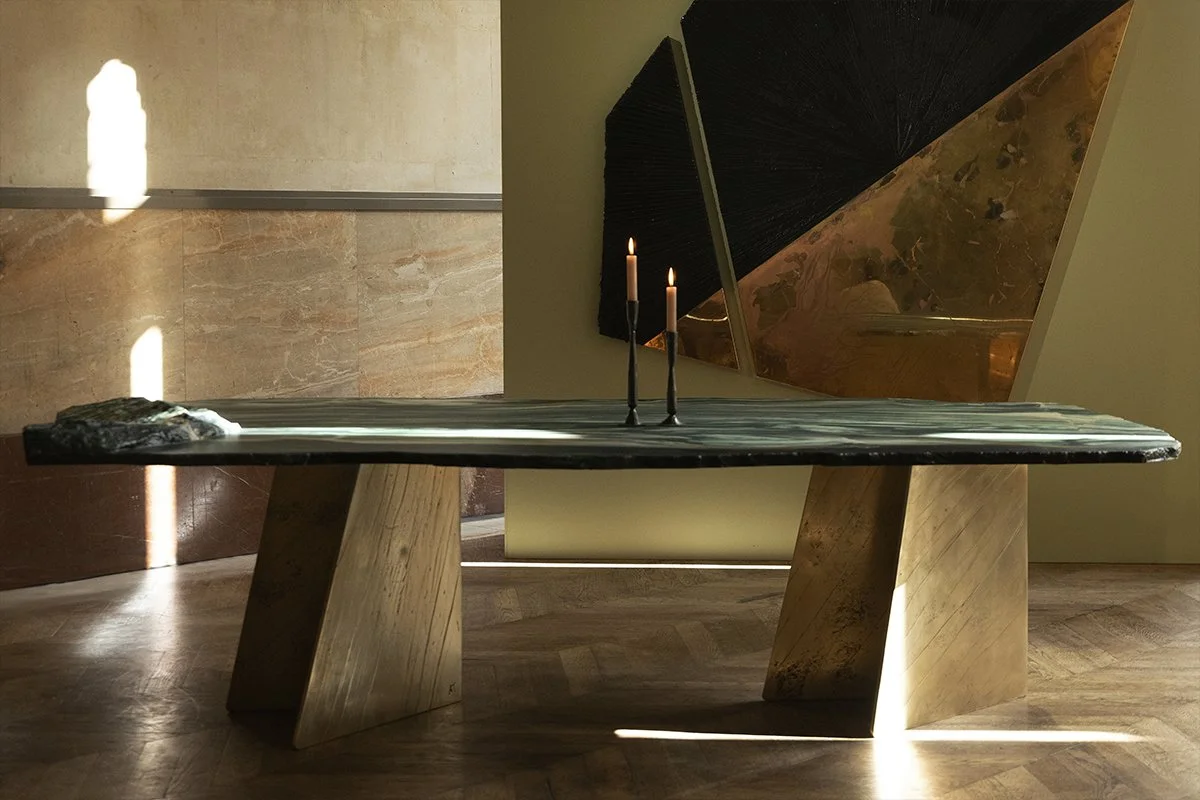
Rather than literally reproducing nature, the intention was to capture the sensation of matter existing in perpetual evolution. Meteorites, rocks and fragmented surfaces became references not only for their physical qualities but also for the emotional tension they carry, suspended somewhere between destruction and creation, ancient and futuristic simultaneously.
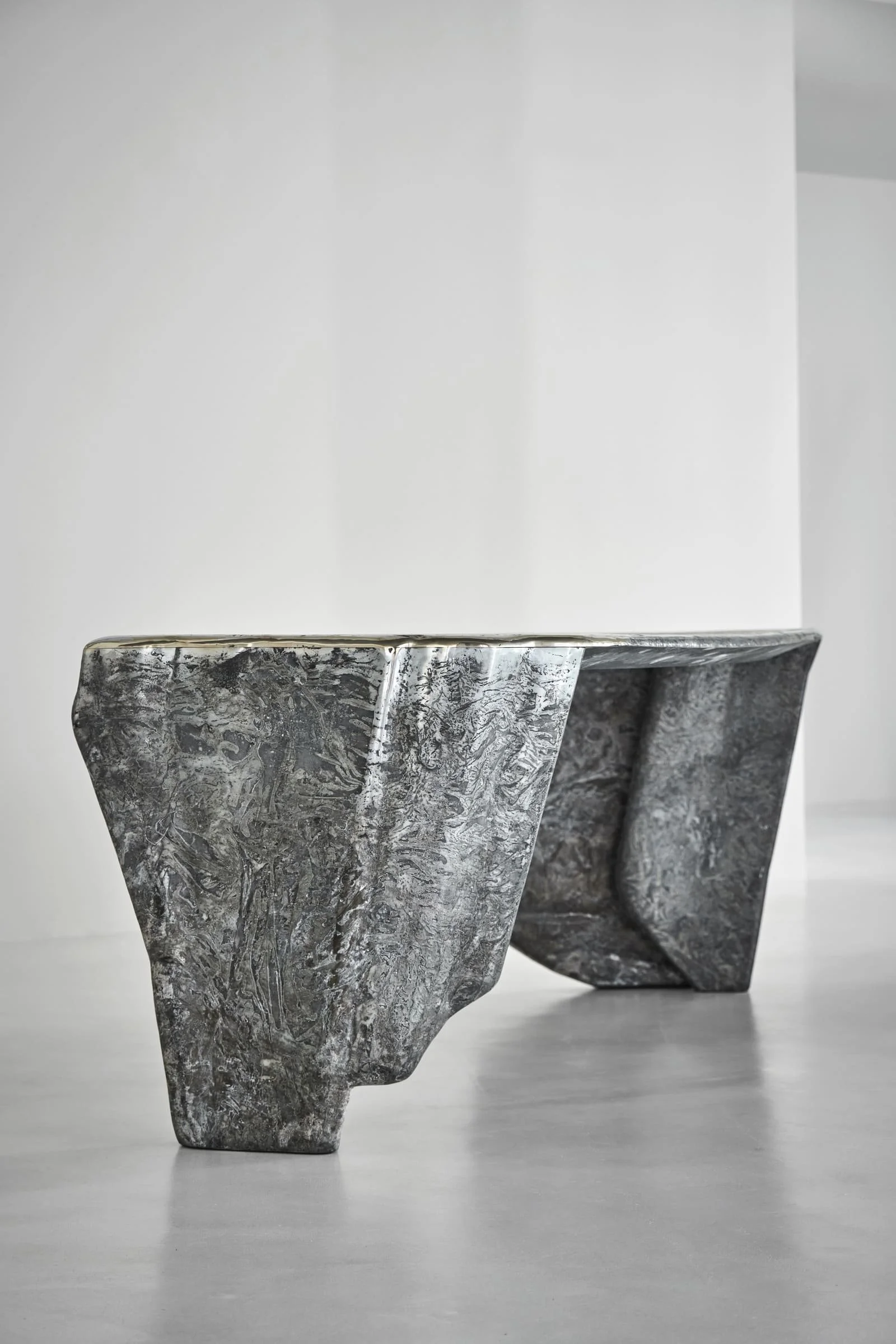
Metal table resembling meteorites
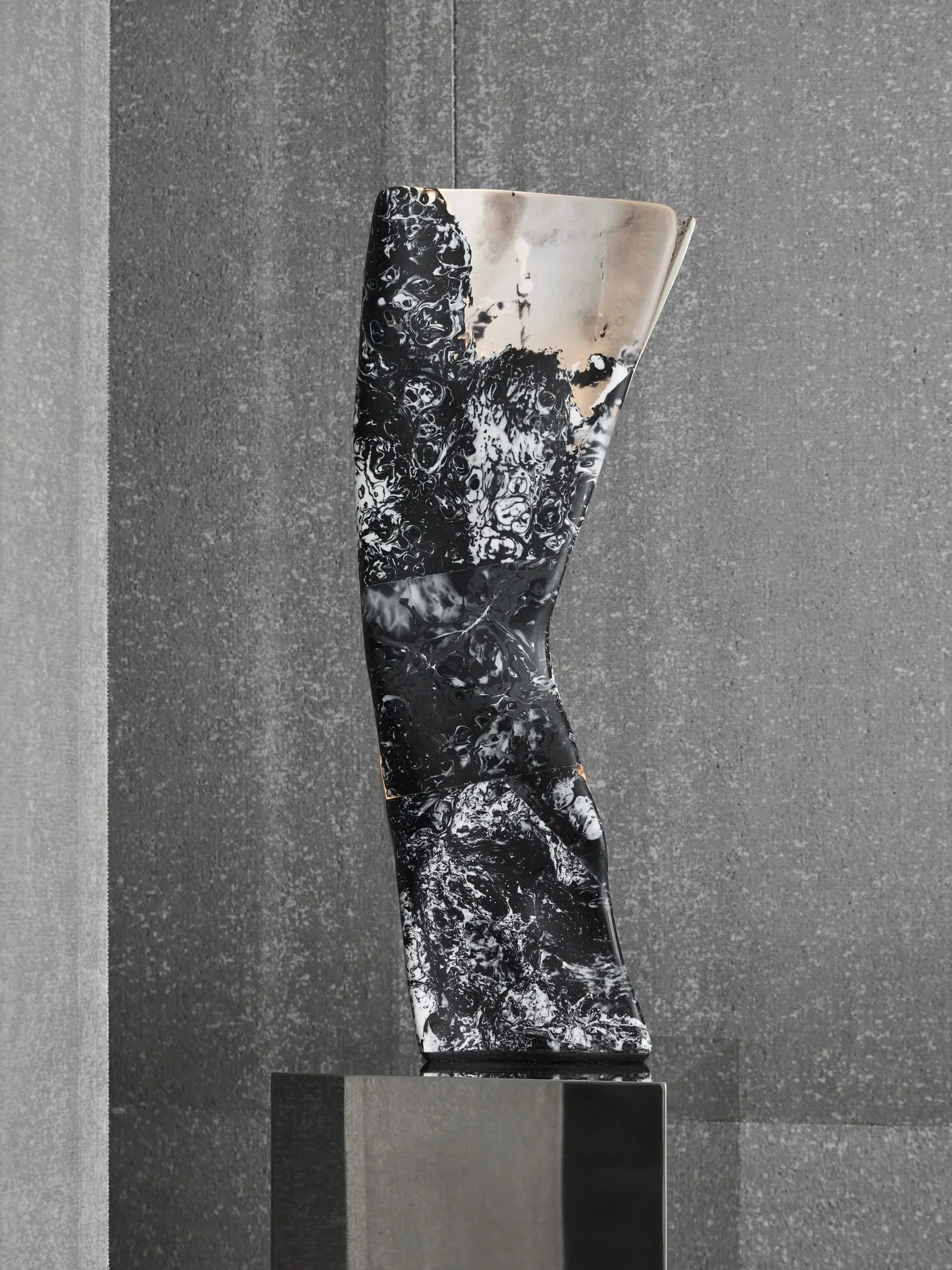
Murano cast glass light sculpture
DESIGNEERS
Across the series, textures migrate from one material to another. Metal begins to resemble meteorites, while Murano glass adopts geological patterns. What interested you about allowing materials to echo one another in this way?
Vincenzo De Cotiis
The instability between materials became an essential part of the project. Fragmented black-and-white patterns originating from stone gradually migrate into Murano glass, metal and recycled matter until the boundaries between surfaces begin to dissolve visually.
Metal starts to resemble meteorites, while Murano glass adopts geological textures and fragmented rhythms. At certain moments, the materials become almost indistinguishable from one another. This ambiguity reflects the behaviour of matter itself within the cosmos, constantly shifting across forms, surfaces and states.
Murano glass became especially significant because it allowed rupture, movement and fragility to become visible simultaneously. The material appears almost explosive, as a meteorite suspended in transformation, while still retaining delicacy, transparency and light.
DESIGNEERS
Despite their physical weight, many of the pieces feel almost suspended or unstable. How did you approach this tension between monumentality and fragility?
Vincenzo De Cotiis
I was interested in creating objects that appear monumental while remaining internally dynamic. Many of the larger works evoke meteorites or cosmic fragments shaped by invisible movement and internal energy.
Expansion, contraction and dilation create the sensation that the pieces are still evolving, even when static. Light also plays a crucial role throughout the series. Though abstract, it becomes fundamental in revealing texture, movement and the idea of invisible colour embedded within the material itself. Through black and white, colour is reduced almost to an absence while still remaining emotionally present.
DESIGNEERS
Your work embraces rupture, ambiguity, and incompleteness. Why does that language resonate with you?
Vincenzo De Cotiis
For me, transformation itself is inherently incomplete. Perfect or closed forms feel disconnected from reality, which he sees as fragmented, unstable and continuously evolving.
Within Je suis la matière, fractures, irregularities and interruptions are never decorative gestures. Instead, they become structural elements that suggest erosion, mutation, pressure and movement. Despite this appearance of spontaneity, each work is carefully designed and constructed, balancing emotional openness with rigorous control.
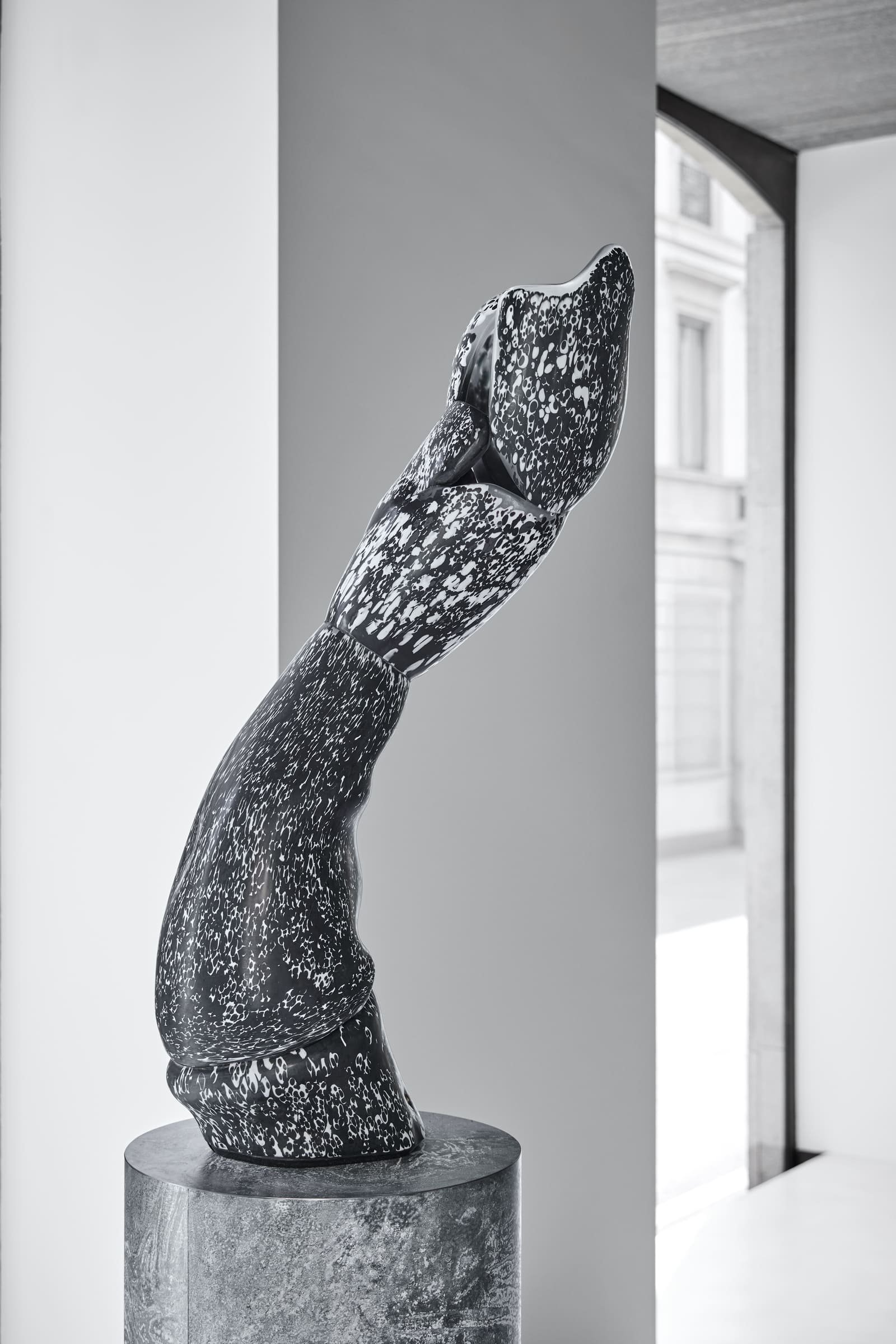
Murano cast glass light sculpture
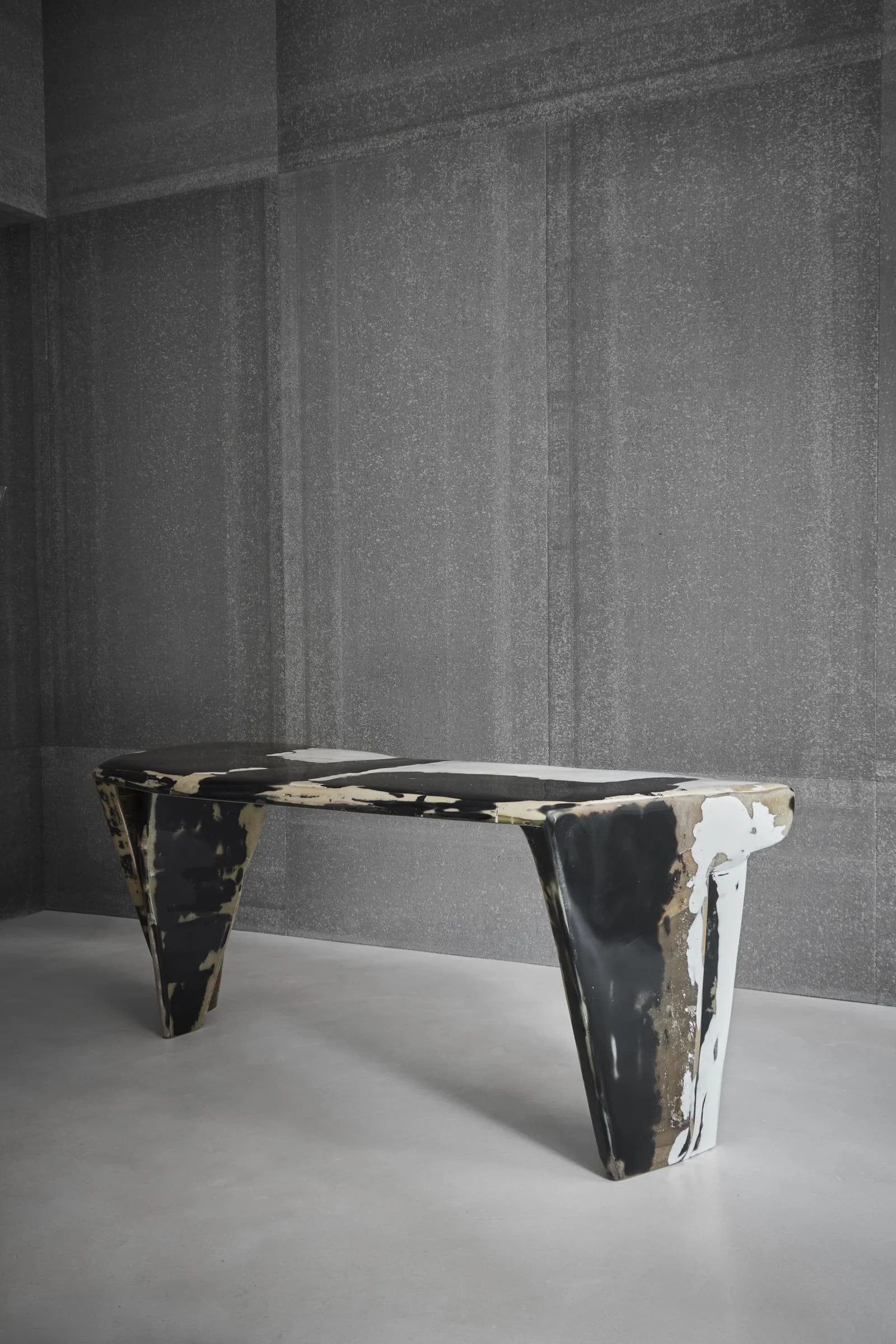
Mixed materials
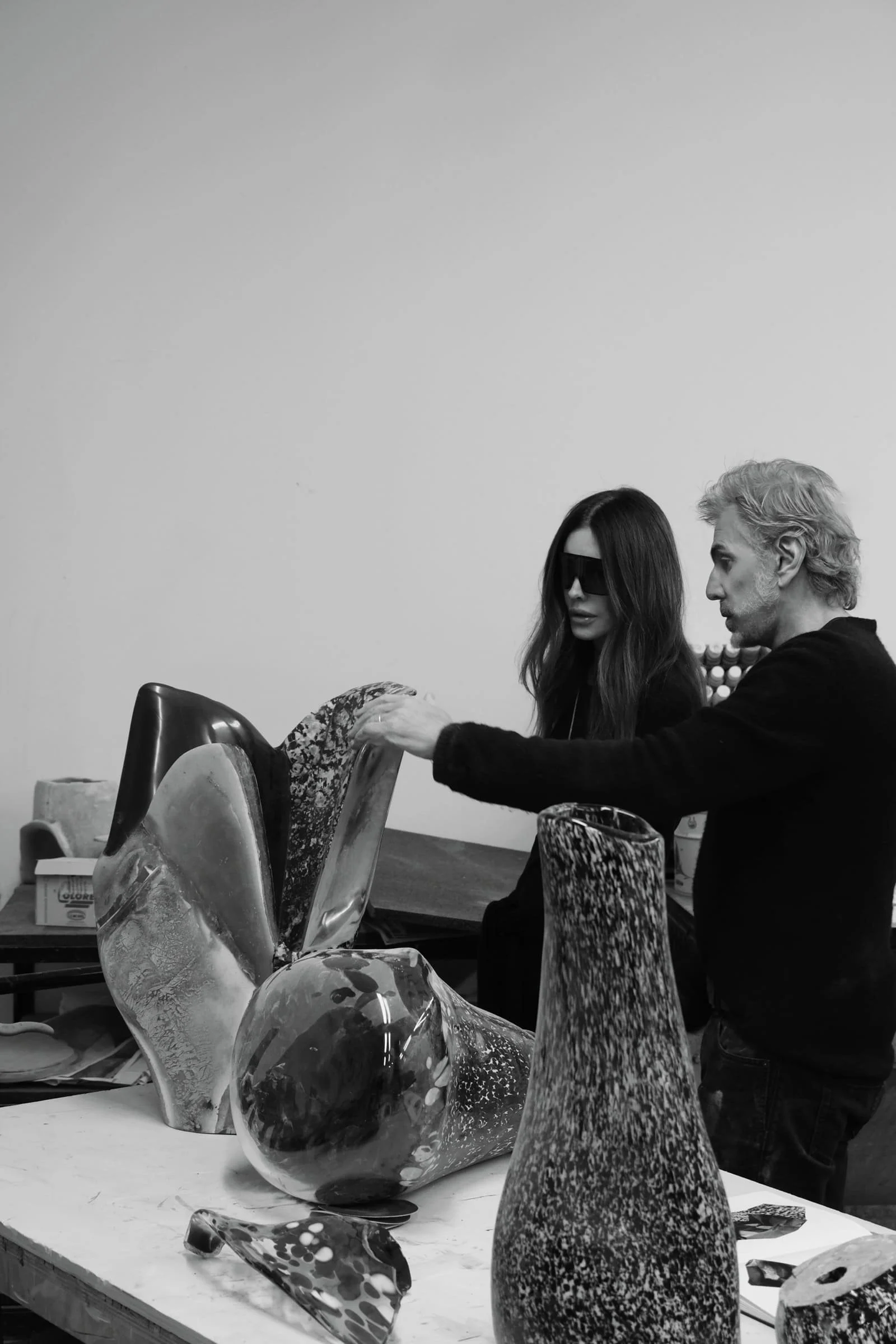
Vincenzo and his wife Claudia Rose De Cotiis
“Timelessness is not connected to style for me. It is the ability of a work to continue transforming emotionally through time instead of resisting it.”
Vincenzo De Cotiis
DESIGNEERS
What do you hope people feel when encountering your work?
Vincenzo De Cotiis
I hope people feel a sense of emotional and physical tension. The works should not be understood immediately. I prefer when there is uncertainty, when the viewer is drawn slowly into the material through light, texture, scale, and silence.
Even when still, the pieces are intended to carry an internal vibration, inhabiting a suspended space between order and chaos, permanence and disappearance. More than anything, I hope the works remain emotionally open, continuing to transform through the gaze and personal interpretation of the viewer.
DESIGNEeRS
What does timelessness mean to you today?
Vincenzo De Cotiis
Timelessness is not connected to style for me. It is the ability of a work to continue transforming emotionally through time. I am interested in objects that resist immediate definition, works that remain open and ambiguous.
Matter itself carries time within it. Oxidation, stratification, erosion, and fragmentation all become part of the life of the object. A timeless work accepts transformation instead of resisting it.
DESIGNEERS
A work of art or architecture you return to mentally again and again?
Vincenzo De Cotiis
I often return to Carlo Scarpa because of his extraordinary sensitivity toward materials and detail. His work contains a deep emotional precision while remaining incredibly tactile and physical.
I also return frequently to certain geological landscapes rather than specific artworks. Cliffs, rocks, erosion, volcanic surfaces, and cosmic imagery continue to shape my imagination.
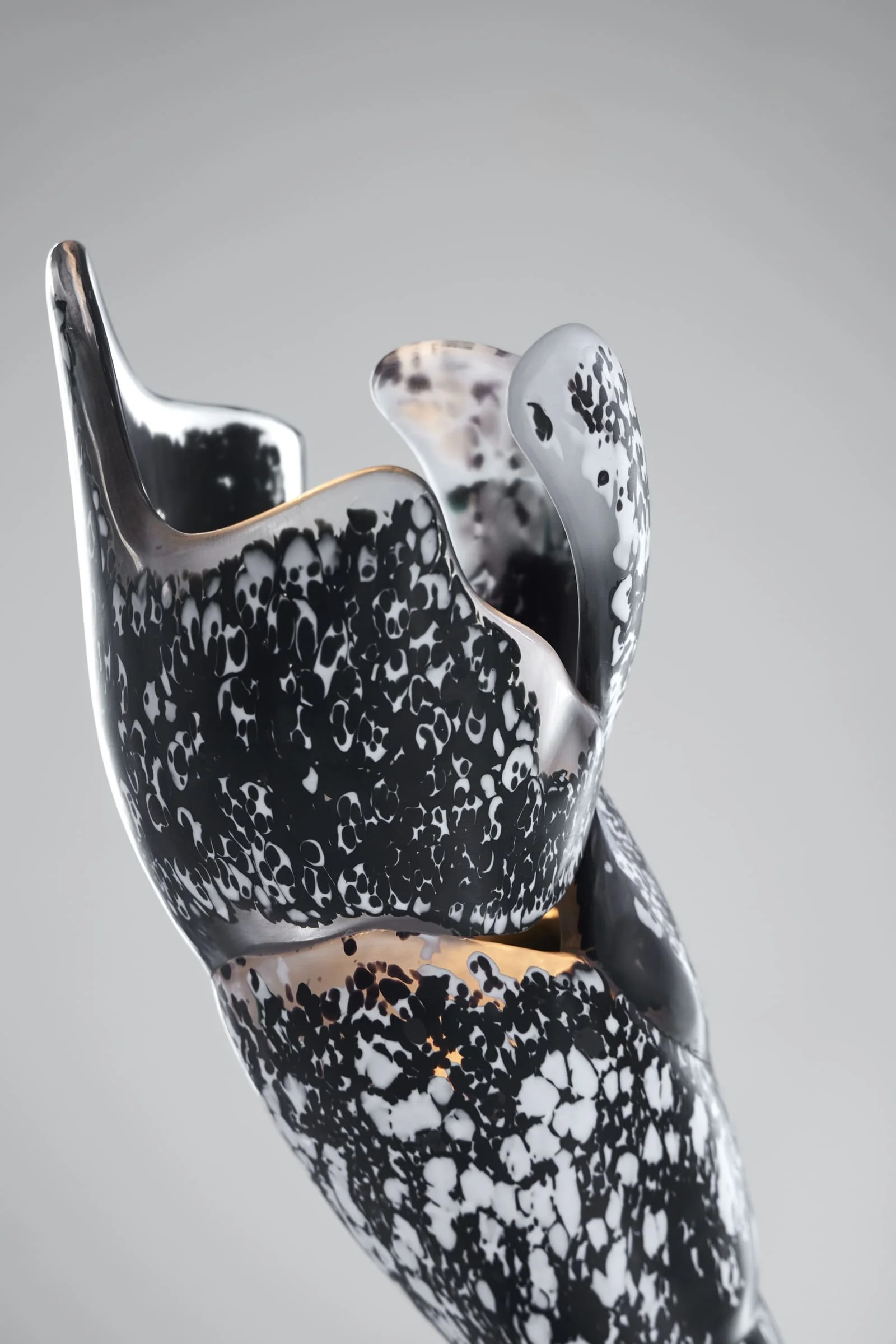
Murano cast glass light sculpture
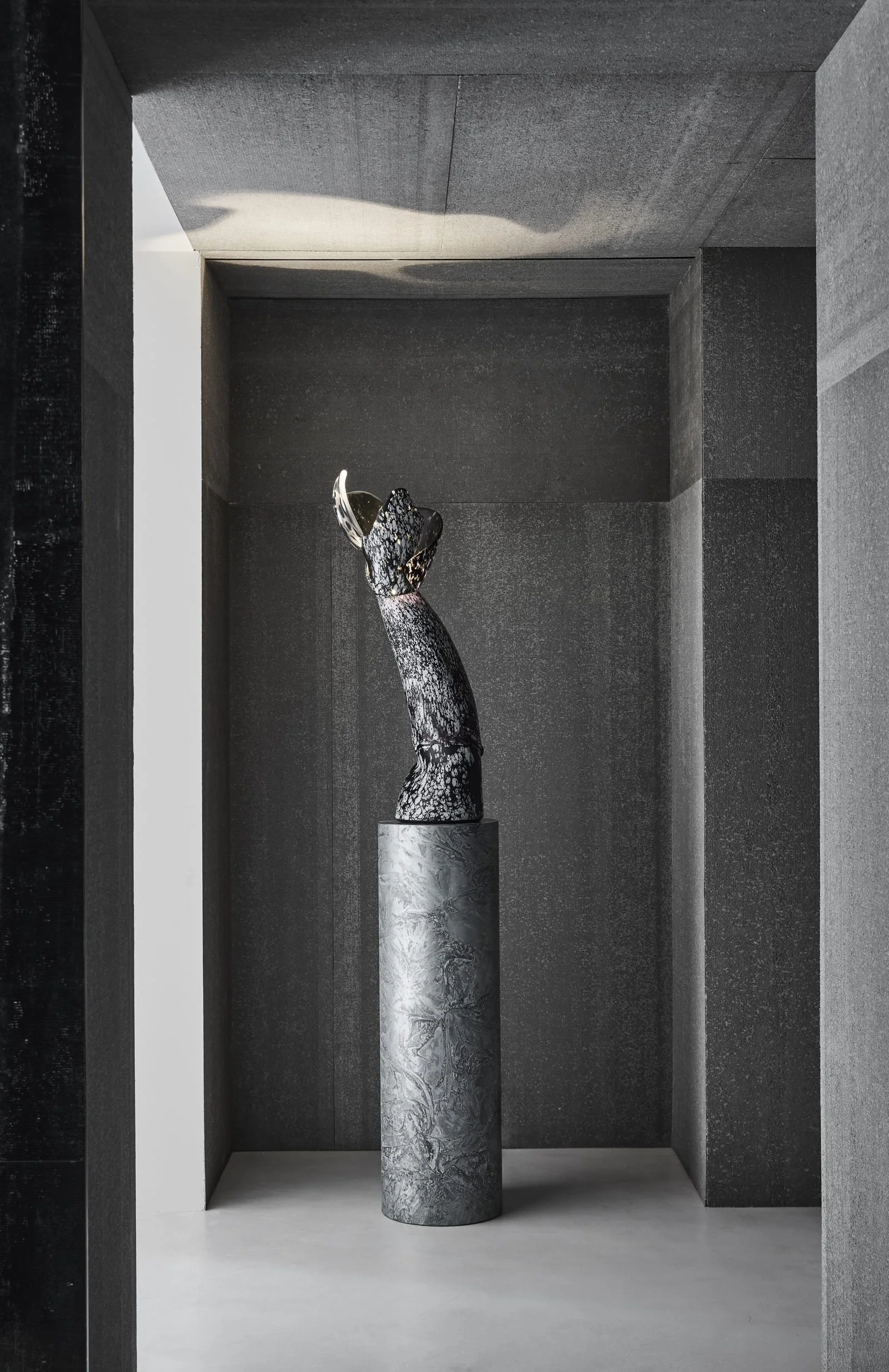
Murano cast glass light sculpture
DESIGNEeRS
A material you continually return to?
Vincenzo De Cotiis
Fibreglass, Metal and Murano Glass. Cast bronze carries memory and transformation through oxidation and surface variation. It never remains fixed.
Murano cast glass interests me because it exists between fragility and violence. In this series, the glass becomes almost geological, fragmented and unstable, while still retaining transparency and light. I am also increasingly interested in recycled matter because it introduces another layer of memory and transformation into the work.
DESIGNEERS
A place that continues to shape your imagination?
Vincenzo De Cotiis
Both Venice and New York City continue to influence me in profoundly different ways. Venice exists in a constant state of transformation, shaped by water, erosion, silence, reflection and fragility. New York, by contrast, embodies density, movement, immediacy and expansion. Between the two cities, I describe an ongoing dialogue between silence and intensity, history and projection, fragility and force.
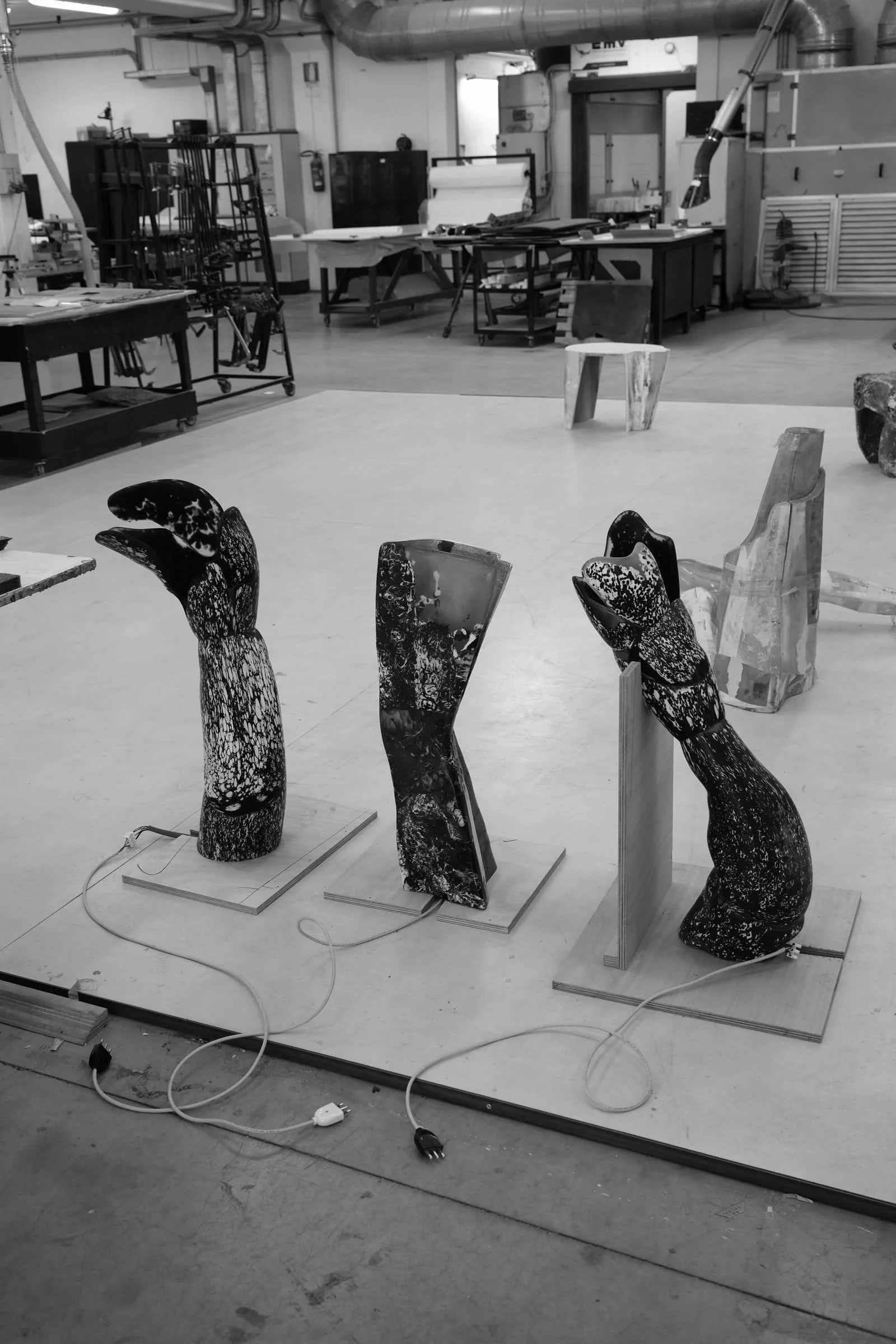
Murano cast glass light sculptures in his workshop
PHOTOGRAPHY CREDITS: MARTIN MORRELL