Reflections on Antiquity: Inside Francesco Maria Messina's Mirrors Collection
people • COLLECTIBLES
At Milan Design Week 2026, Francesco Maria Messina unveiled the latest chapter of his De Architectura collection, presenting three sculptural mirrors inspired by classical architecture. Drawing on monumental columns, Renaissance oculi, and expressive grotesque façades, the contemporary collectible design pieces reimagined Italy's architectural heritage as functional works of art.
Presented within the Renaissance cloisters of Santa Maria alla Fontana, the collection created a striking dialogue between contemporary design and historic architecture. As the afternoon light reflected across gilded surfaces and carved forms, it became difficult to tell where the sixteenth-century surroundings ended and Messina's mirrors began.
Words: designeers
JULY 2026
WEBSITE: fmm.design
INSTAGRAM: @francesco_maria_messina
A Roman Education
For Francesco Maria Messina, architecture is less a profession than a lifelong vocabulary. Trained as an architect, the Italian designer has spent the past year immersed in the enduring language of Roman architecture, studying the masterpieces of Borromini, Michelangelo, and Bramante while exploring the timeless proportions and symbolism that define Italy's architectural heritage. "Rome has always been one of my greatest sources of inspiration," he says. "Being Italian is an incredible privilege because beauty is part of everyday life. Every street, façade and monument becomes a source of inspiration."
Yet De Architectura is far from a nostalgic revival. Rather than reproducing historical forms, Messina transforms them into contemporary collectible design, distilling centuries of architectural thinking into sculptural mirrors that feel playful, unexpected and unmistakably modern. "I'm interested in translating historical references into a contemporary language that feels alive, rather than simply celebrating the past," he explains.
Running alongside this classical influence is a more fantastical thread, inspired by medieval bestiaries, Renaissance Mannerism, the mythical creatures of Bomarzo's Sacro Bosco, and the surreal visions of Hieronymus Bosch. "At one point everything suddenly connected," Messina recalls. "I realised these worlds could become contemporary functional sculptures." The result is a collection that balances architectural precision with imagination, where Italy's rich artistic history is reinterpreted through the lens of contemporary design
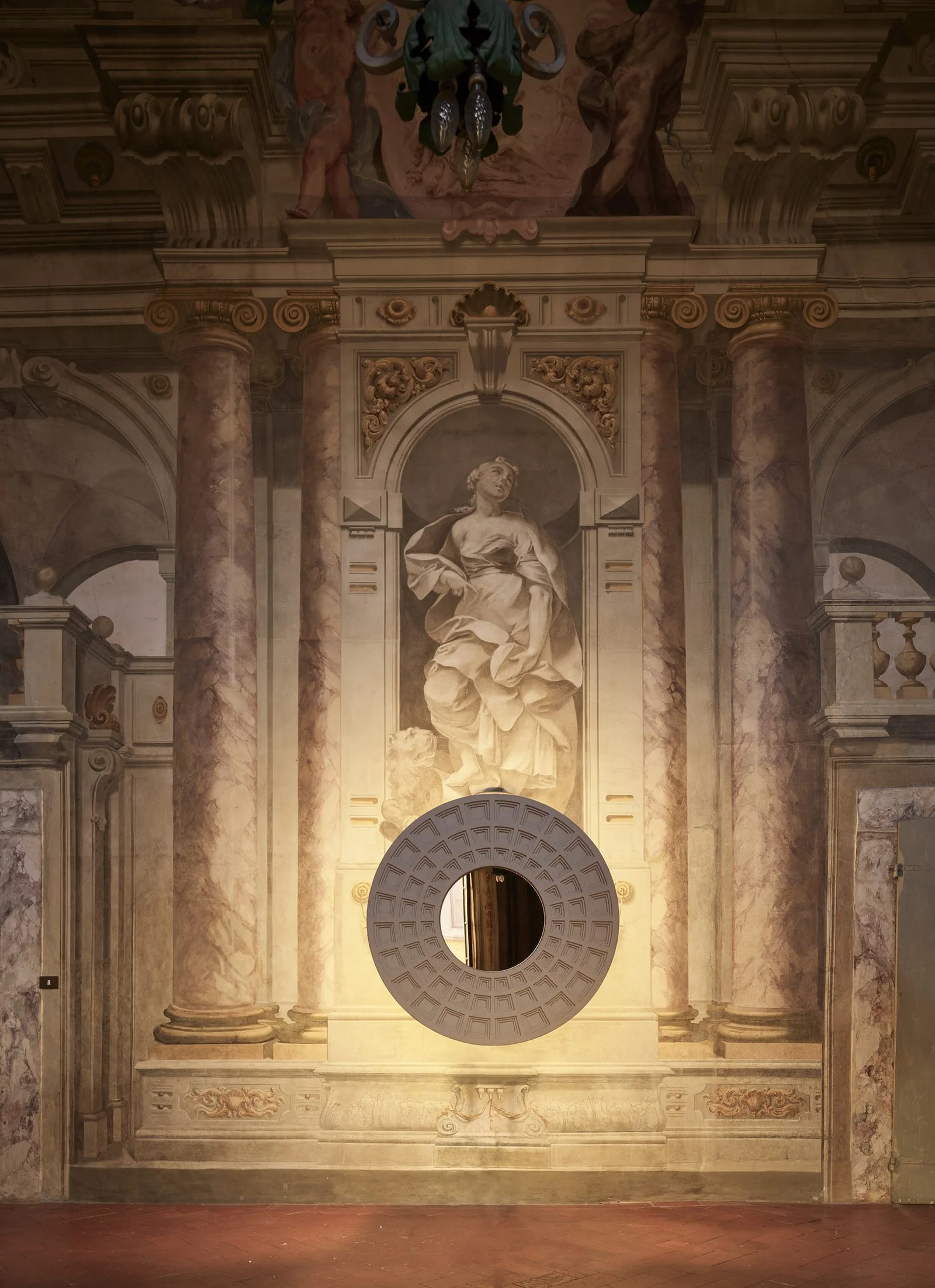
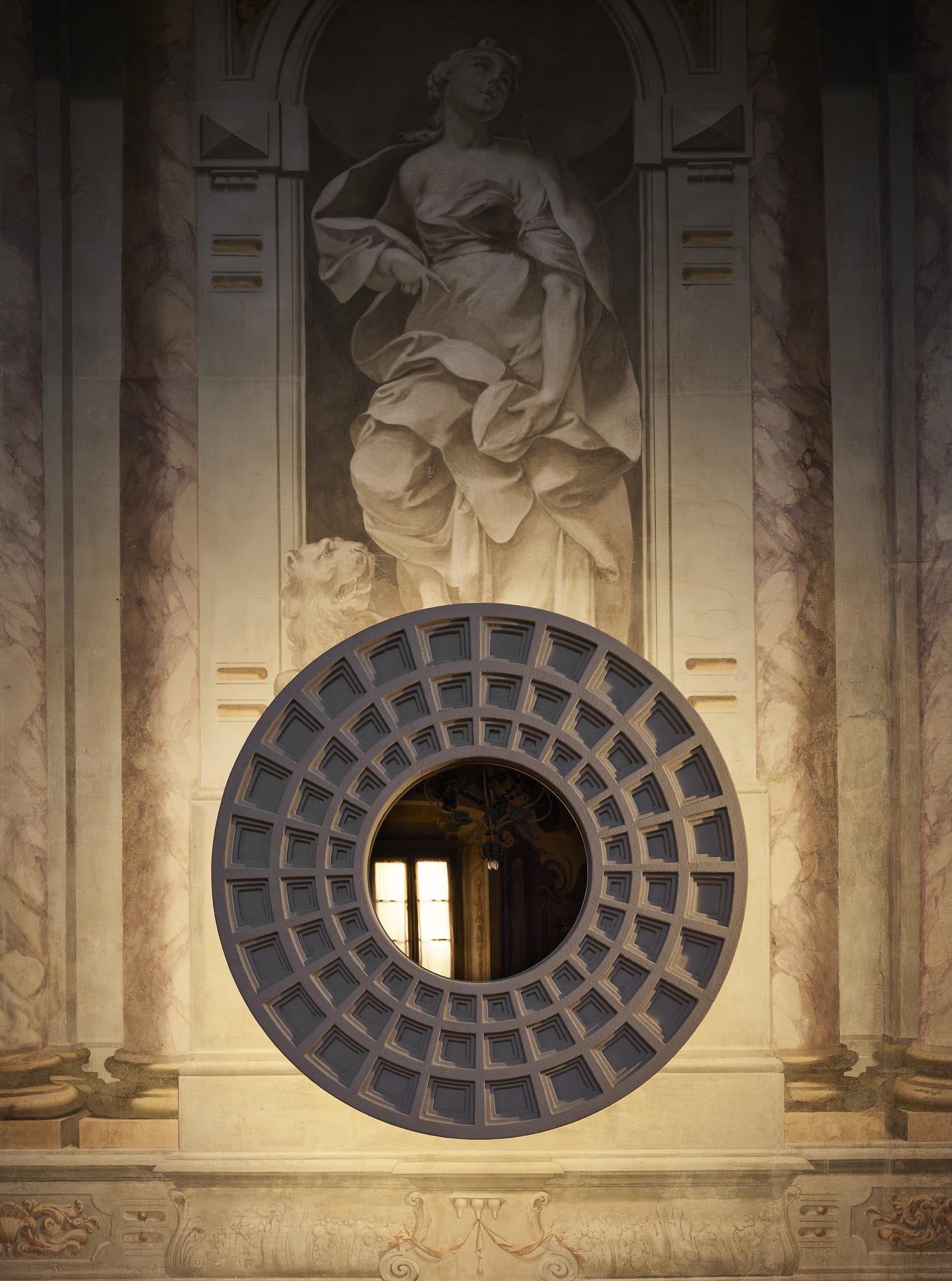
Pantheon by Francesco Maria Messina
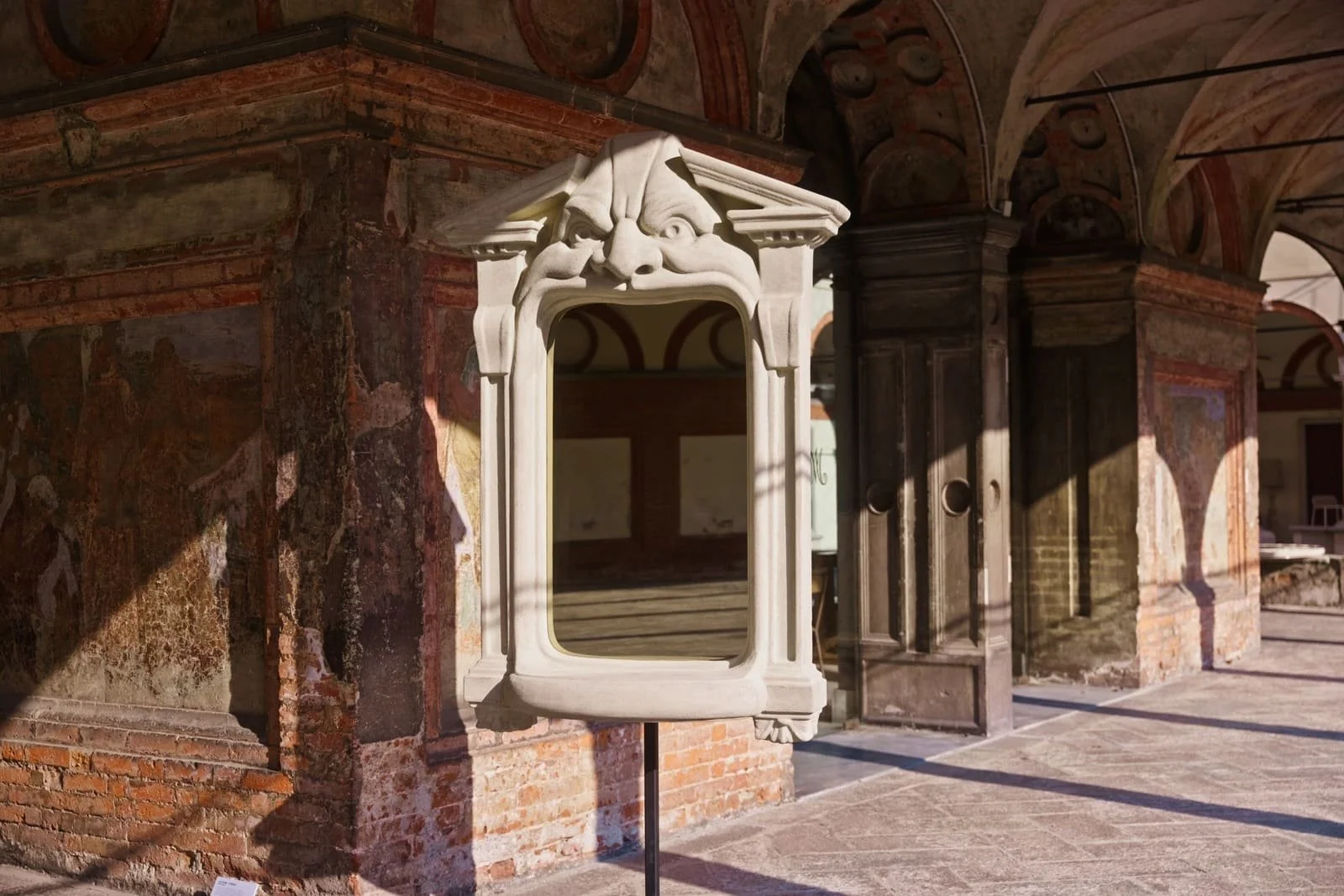
Chimera by Francesco Maria Messina
Three Mirrors, Three Architectural Narratives
Each piece in De Architectura explores a different chapter of Italian architectural history, transforming iconic references into contemporary collectible design that sits somewhere between sculpture, furniture and functional art.
Chimera, the collection's most theatrical work, draws inspiration from the dramatic façades of Roman palazzi and the mythical, open-mouthed stone monsters of Bomarzo's Sacro Bosco. Framed by sculptural columns and a carved pediment, the mirror evokes a guardian suspended between architecture and fantasy. Its open "mouth" conceals a functional console, while concealed LED lighting behind the bronze mirror creates a warm, ethereal glow, making the textured form appear to float effortlessly from the wall. As Messina describes it, the piece is "mirror, shelf, light installation merged into a single, continuous gesture."
If Chimera embraces theatricality, Pantheon celebrates geometric perfection. Inspired by the iconic coffered dome of Rome's Pantheon, the circular mirror reinterprets the building's celebrated oculus through a bronze reflective surface, transforming one of antiquity's greatest architectural innovations into a contemporary design object. Soft backlighting recreates the warmth of natural light filtering through the ancient dome, turning a timeless architectural icon into a sculptural centrepiece.
The most understated of the trio, Bramante, pays tribute to the Renaissance masterpiece Tempietto di San Pietro in Montorio. Rather than reproducing the building itself, Messina distilled its perfectly balanced floor plan into an intricate composition of Rosso Levanto marble and bronze mirror. The result is an object that feels like both an architectural drawing and a collectible sculpture.
Together, the three mirrors demonstrate Messina's belief that design can do more than simply reflect a space. It can reinterpret history, spark conversation and transform architecture into living, functional art.
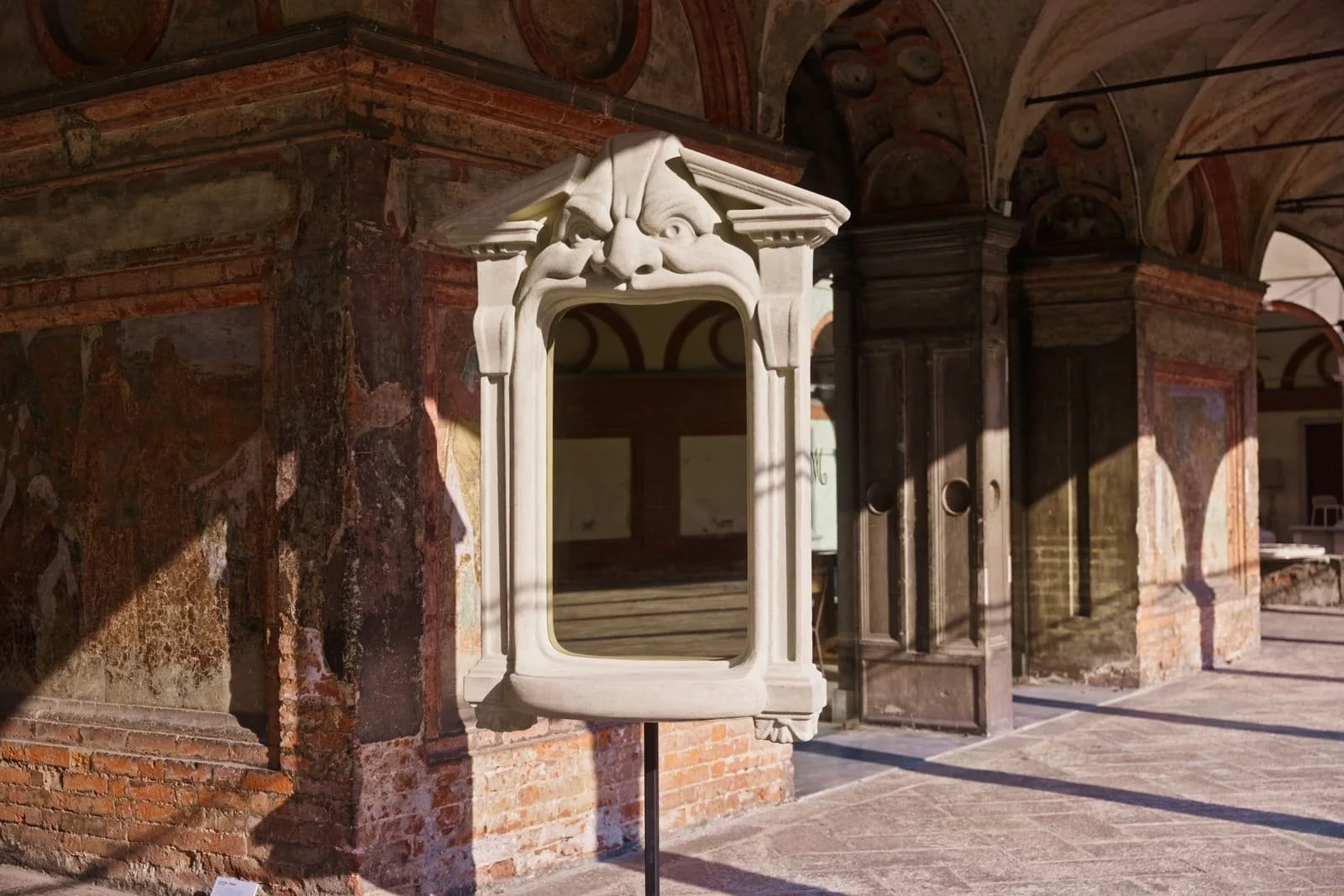
Chimera by Francesco Maria Messina
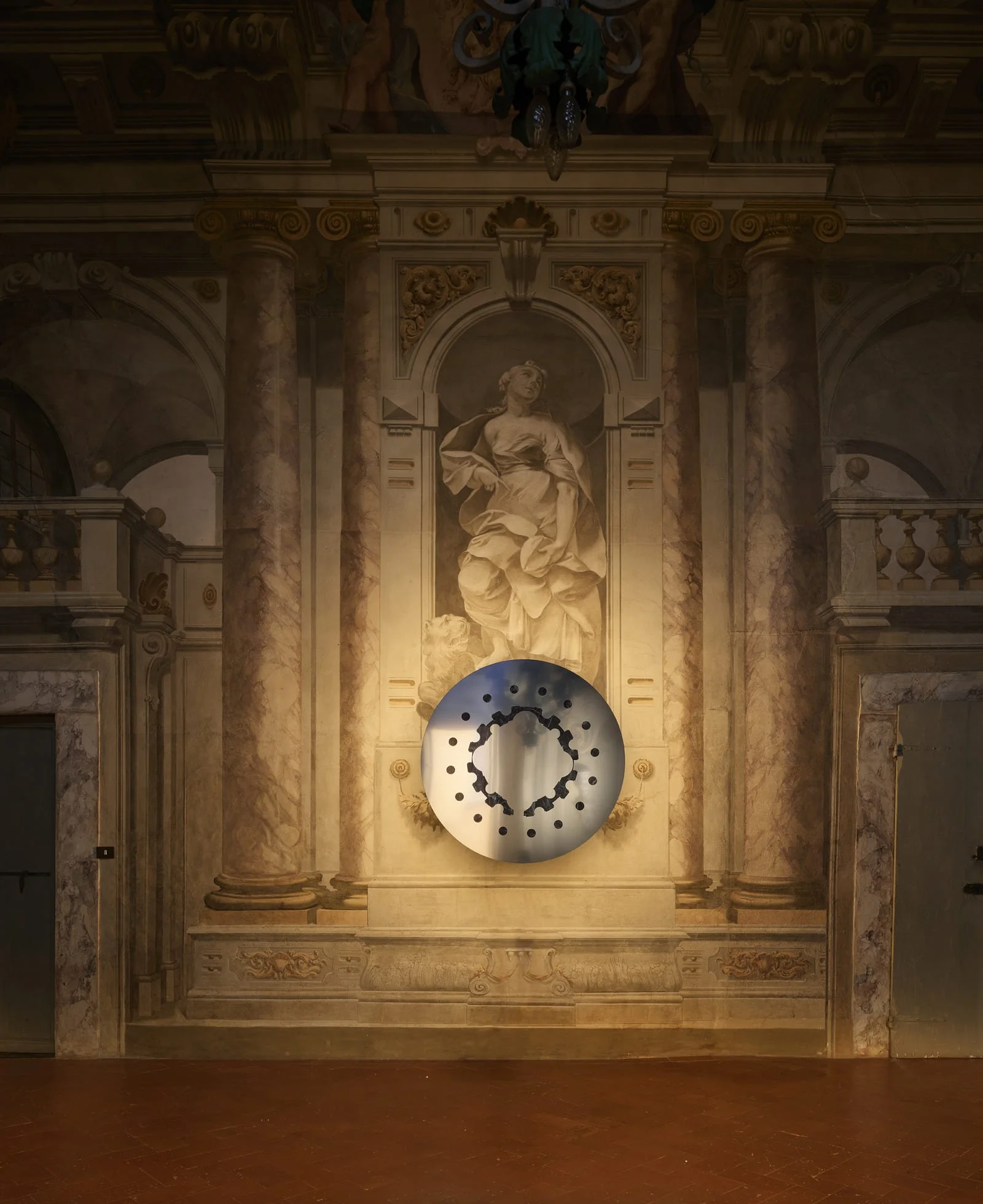
Bramante by Francesco Maria Messina
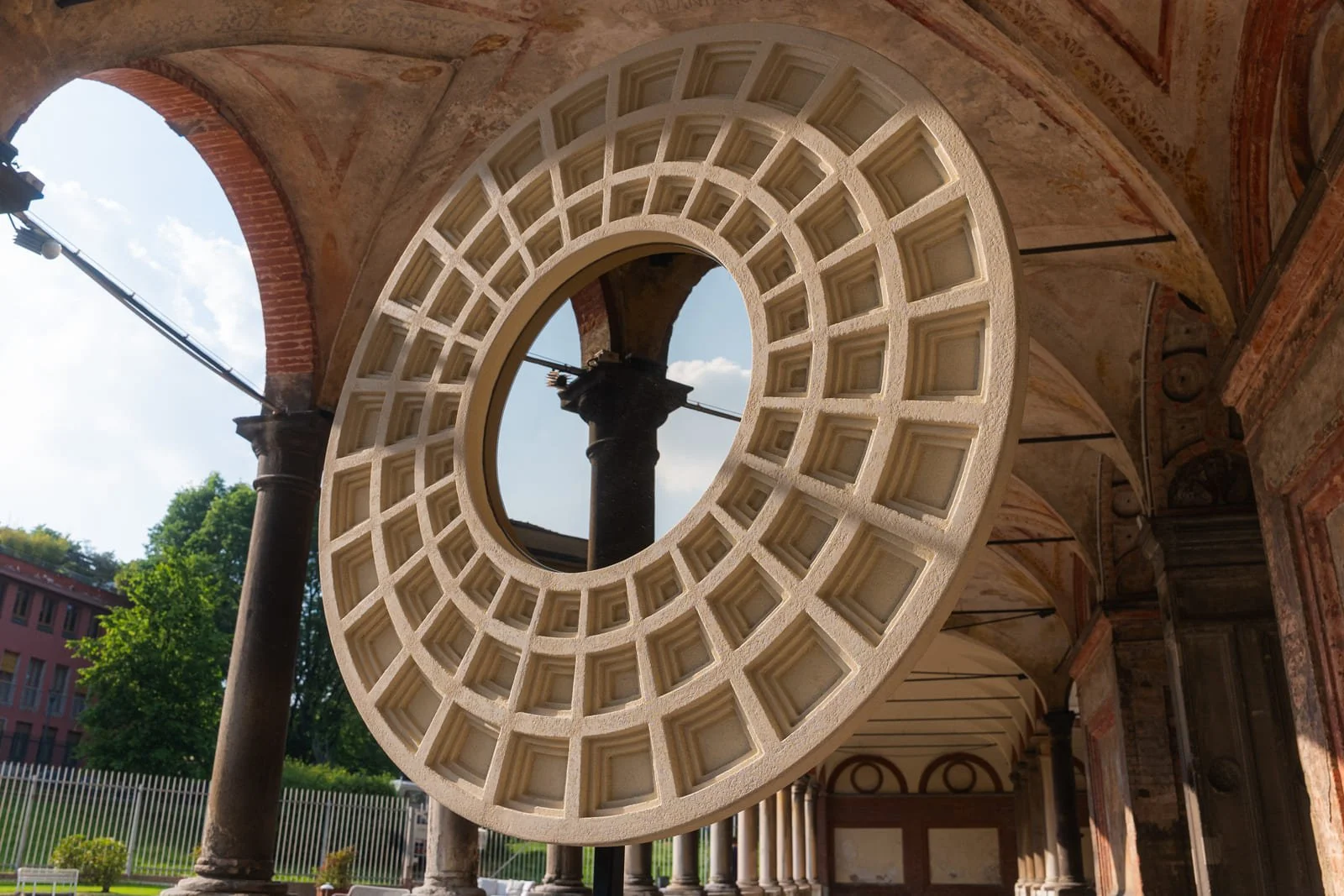
Pantheon by Francesco Maria Messina
“Rome has always been one of my greatest sources of inspiration. As an architect by training, I’ve always been fascinated by the way history, architecture and art coexist and continuously influence one another.”
Francesco Maria Messina
DESIGNEERS
The Mirrors Collection was unveiled during Milan Design Week. What made this the right moment and setting to introduce this new body of work?
Francesco Maria Messina
The timing felt very natural. Since last summer, my research has increasingly focused on creating pieces inspired by architectural landmarks and the great masters of the Italian Renaissance and Baroque, such as Borromini, Michelangelo and Bramante, as well as the timeless language of classical Roman architecture.
Milan Design Week provided the ideal platform to present this new direction. The exhibition was hosted within the Renaissance cloisters of Santa Maria alla Fontana, and the dialogue between the collection and the architecture became an essential part of the experience. The geometries, proportions, volumes and historical details of the space echoed the language of the mirrors, creating a conversation between contemporary collectible design and centuries of architectural history. It felt like the perfect setting for these works to come to life.
DESIGNEERS
Many of the references behind this collection come from Italian architectural heritage. How does Rome, and its layers of history, continue to influence your creative vision?
Francesco Maria Messina
Rome has always been one of my greatest sources of inspiration. As an architect by training, I’ve always been fascinated by the way history, architecture and art coexist and continuously influence one another.
What I love most about my work is the freedom to combine these disciplines into a single object. Being Italian is an incredible privilege because beauty is part of everyday life. Whether walking through Rome, Florence or countless smaller towns, every street, façade and monument becomes a source of inspiration.
This year, my research has been particularly drawn towards antiquity, but not from a nostalgic perspective. I’m interested in translating historical references into a contemporary language that feels playful, unexpected and alive rather than simply celebrating the past.
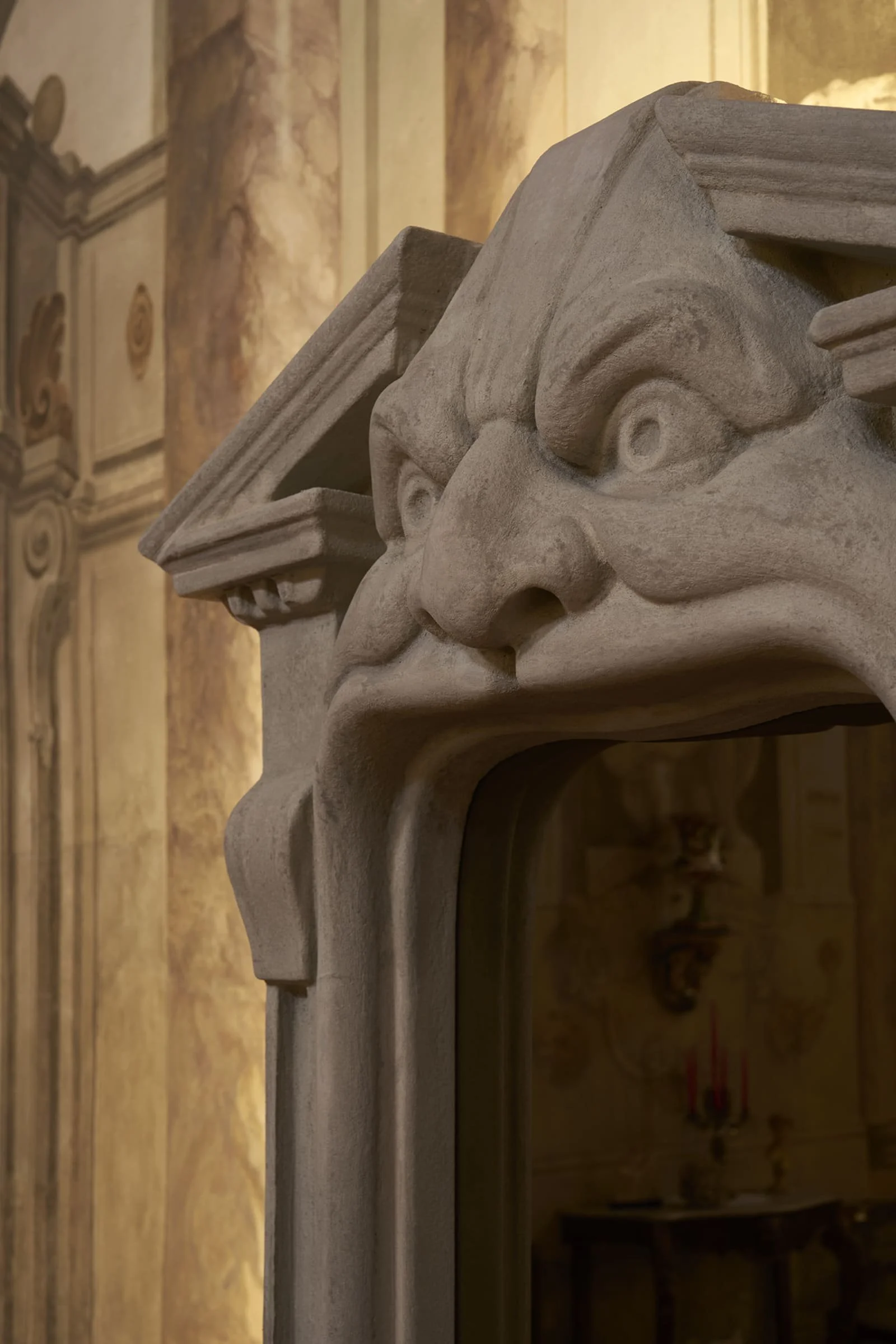
Details of Chimera by Francesco Maria Messina
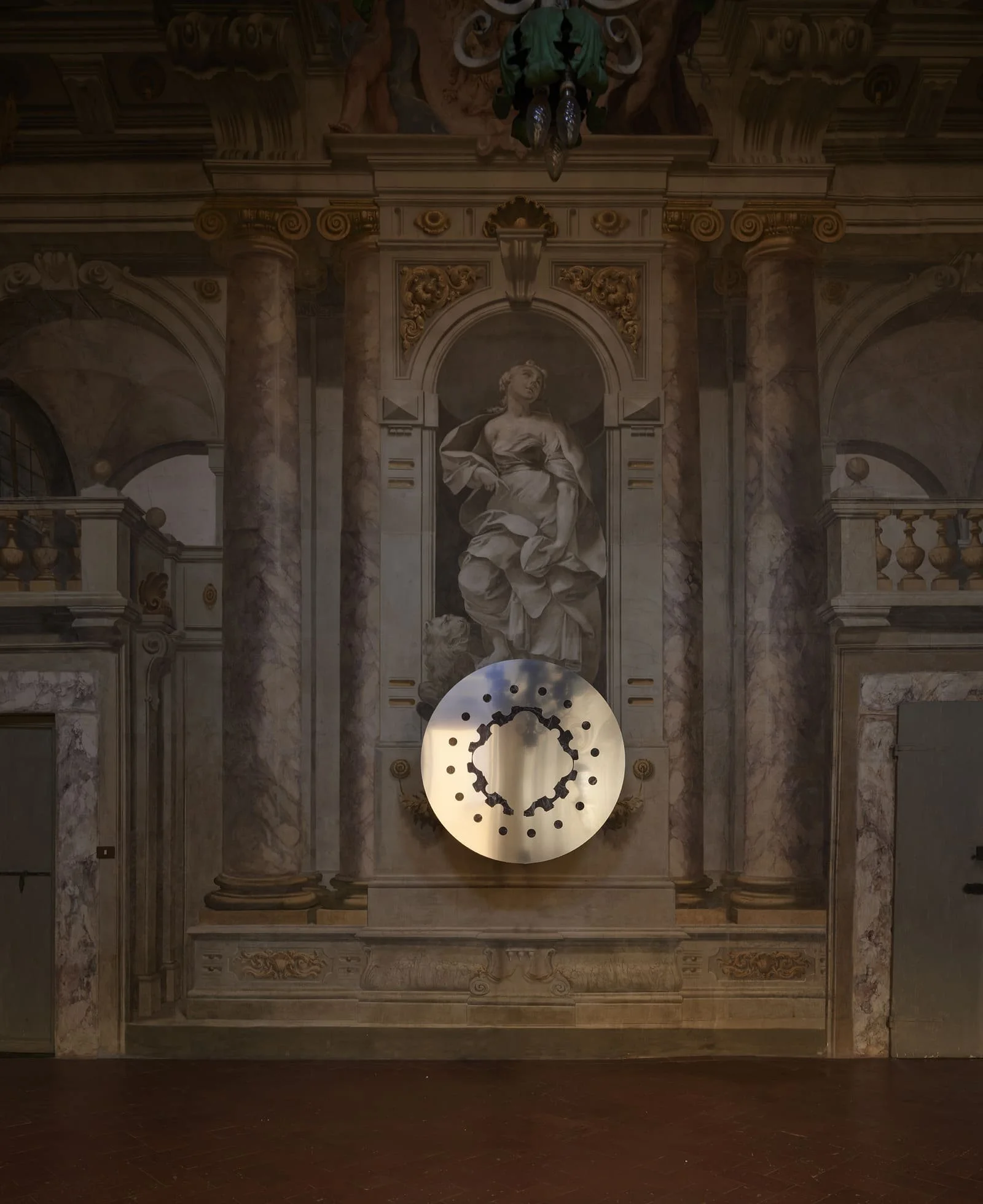
Bramante by Francesco Maria Messina
DESIGNEERS
The collection draws from iconic architectural references while maintaining a strong individual identity. How did you translate these influences without simply replicating their original forms?
Francesco Maria Messina
Alongside architecture, I’ve spent a great deal of time researching medieval and Renaissance imagery, mythology and fantasy. It was a period when artists allowed themselves extraordinary creative freedom, imagining infernal worlds, mythical creatures and impossible architectures.
The work of Hieronymus Bosch, the Sacro Bosco of Bomarzo, Renaissance Mannerism and medieval bestiaries have all deeply influenced me. At one point everything suddenly connected, and I realised these worlds could become contemporary functional sculptures.
Rather than reproducing historical architecture, I reinterpret its spirit through new narratives. CHIMERA was the first expression of this approach, and I’m now expanding the research into new pieces, including cabinets and other collectible objects that continue exploring this dialogue between architecture, mythology and function.
DESIGNEERS
What emotions or atmosphere did you want these mirrors to bring into the spaces they inhabit?
Francesco Maria Messina
Above all, I want people to experience a sense of surprise and wonder.
For many years, interiors have often pursued an increasingly minimal aesthetic. While I appreciate simplicity, I also believe people long to live with objects that tell stories, spark conversations and create emotion.
I always imagine the pieces I would want in my own home, objects that impress guests not because they are extravagant, but because they are unexpected, theatrical and memorable. That’s why my mirrors are conceived as sculptures as much as functional objects. They transform a room into an experience rather than simply furnishing it.
DESIGNEERS
Following CHIMERA and the development of new works within this series, how do you see the Mirrors Collection evolving as part of FMM Design’s wider creative journey?
Francesco Maria Messina
This year my ambition is to expand the De Architectura collection and continue developing this family of sculptural mirrors and collectible objects inspired by architecture, mythology and history.
More than following a specific style or material, I’m interested in following ideas. Every collection becomes a chapter within an ongoing research process, allowing me to explore different historical periods, architectural languages and forms of craftsmanship while maintaining a coherent vision.
I don’t see my work as being tied to one aesthetic. Instead, I want each new piece to reflect my personal evolution as a designer and artist, giving me the freedom to experiment, to tell new stories and to continuously reinterpret the extraordinary cultural heritage that surrounds us through a contemporary lens.
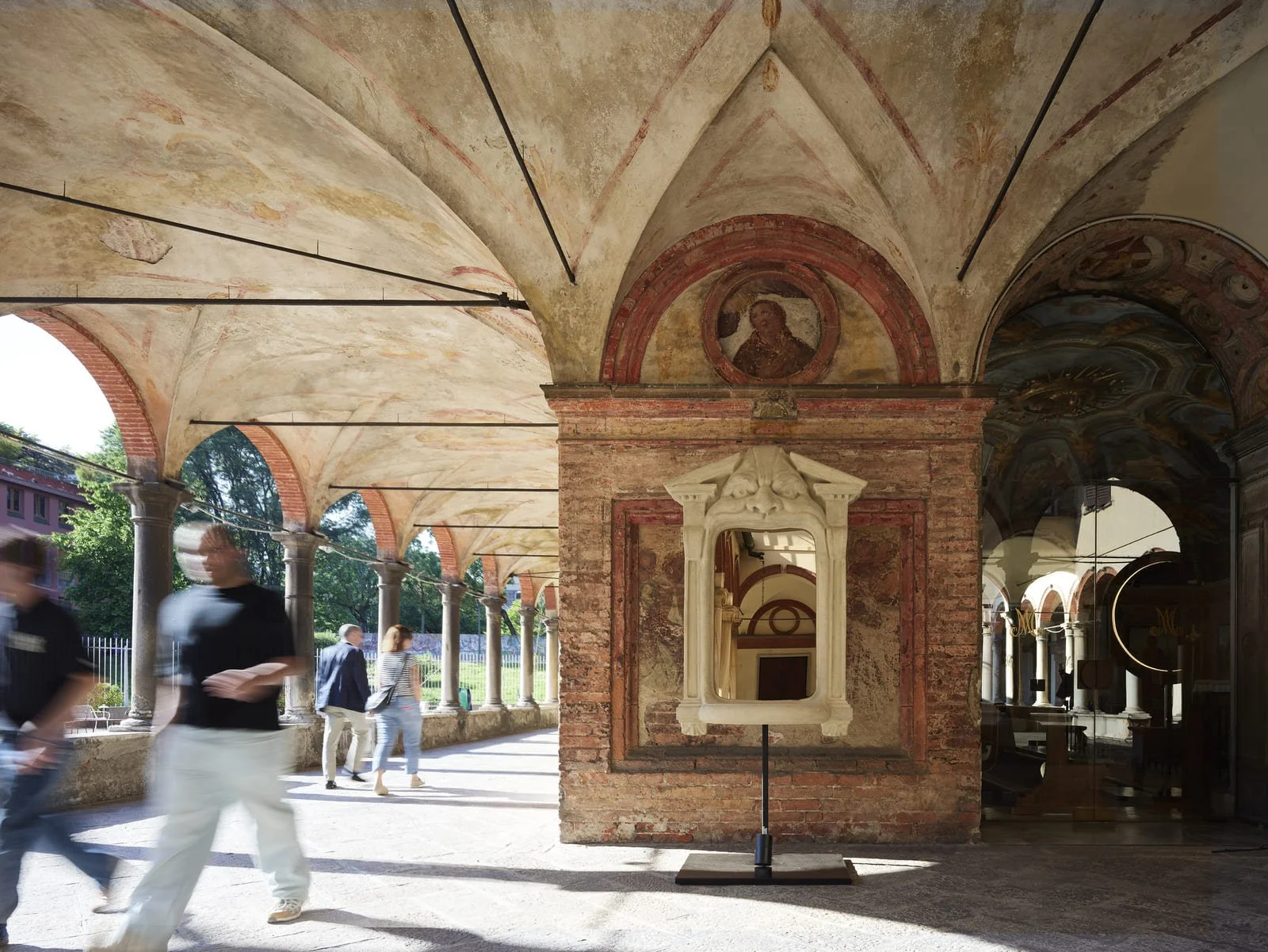
Chimera by Francesco Maria Messina displayed in Santa Maria alla Fontana during Milan Design Week
PHOTOGRAPHY CREDITS
Pietro Savorelli AND Mauro Simoncini
Discover more by Francesco Maria Messina here.