people • makers
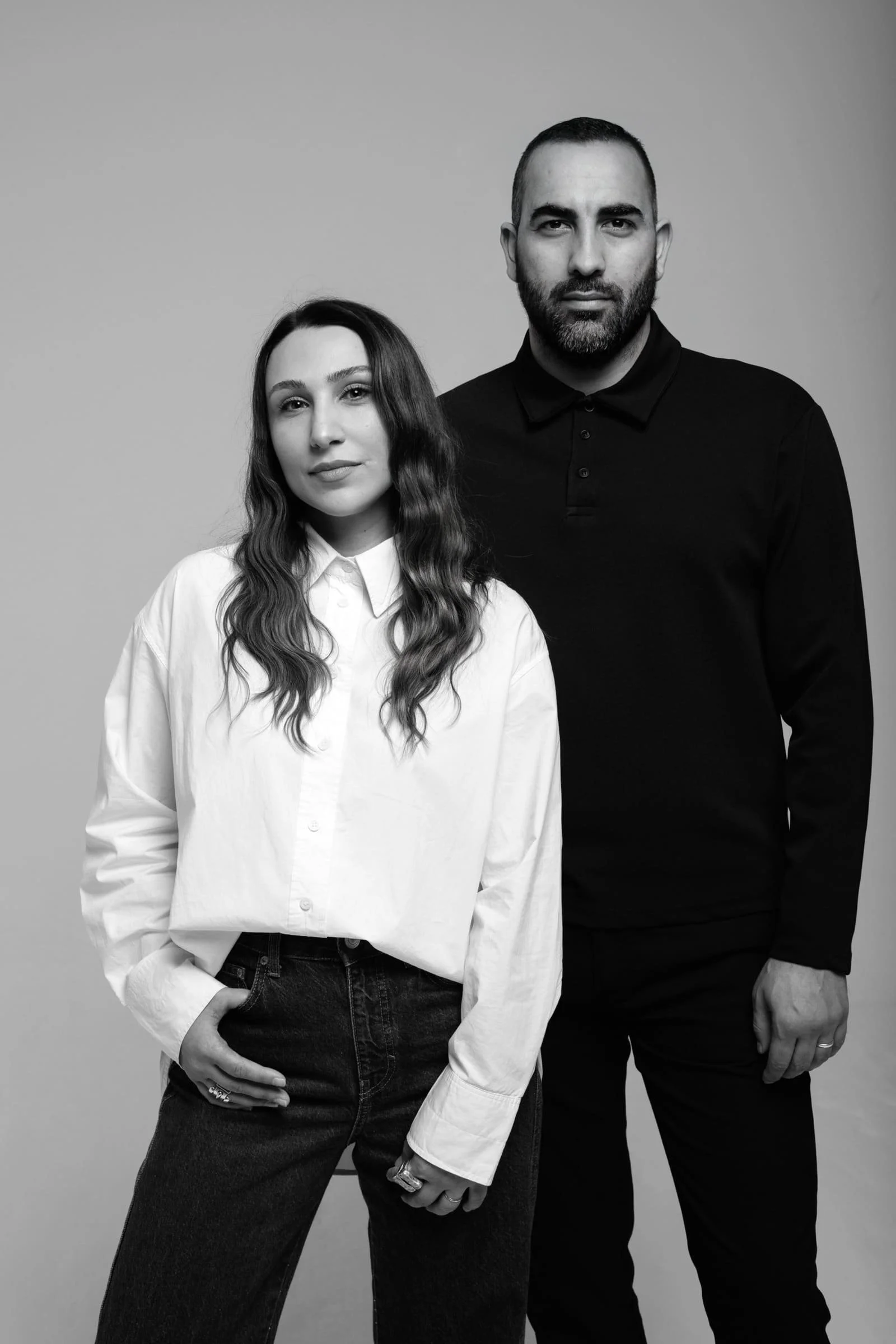
YET. Design Studio approaches design as something that is never truly complete. Founded in 2019 by interior architect Yağmur Köylü and strategist Lokman Köylü, the Istanbul and London-based interdisciplinary practice works across interior architecture, furniture, product design, visual communication and creative direction, exploring the relationships between objects, spaces, materials and the people who inhabit them.
Defined by sculptural simplicity, geometric clarity and a deep respect for craftsmanship, YET. finds meaning in the tension between precision and imperfection. In this conversation, the studio reflects on the philosophy behind its name, the dialogue between geometry and natural materials, the disappearing crafts that continue to shape its work and why the most meaningful objects are those that gradually become part of our everyday rituals.
Words: designeers
JULY 2026
WEBSITE: yetdesignstudio.com
INSTAGRAM: @yet.designstudio
DESIGNEERS
YET. is a name that lives in the unfinished. What drew you to the idea that a piece, or a practice, is never quite complete?
YET Design Studio
We never believed in design as an act of arriving somewhere definitive. A project leaves the studio, but it continues to gather meaning through use, through time, through the people who live with it. The name YET. came from this idea of incompleteness—not as absence, but as possibility. There is always another layer to discover, another conversation to have with a material, a space, or an object. Perhaps that is why we are less interested in perfection than in resonance. A piece should feel resolved enough to exist in the world, but open enough to keep evolving within it.
DESIGNEERS
Your work holds a tension: rigorous geometry on one hand, the raw irregularity of stone and timber on the other. Where do those two instincts meet in the studio?
YET Design Studio
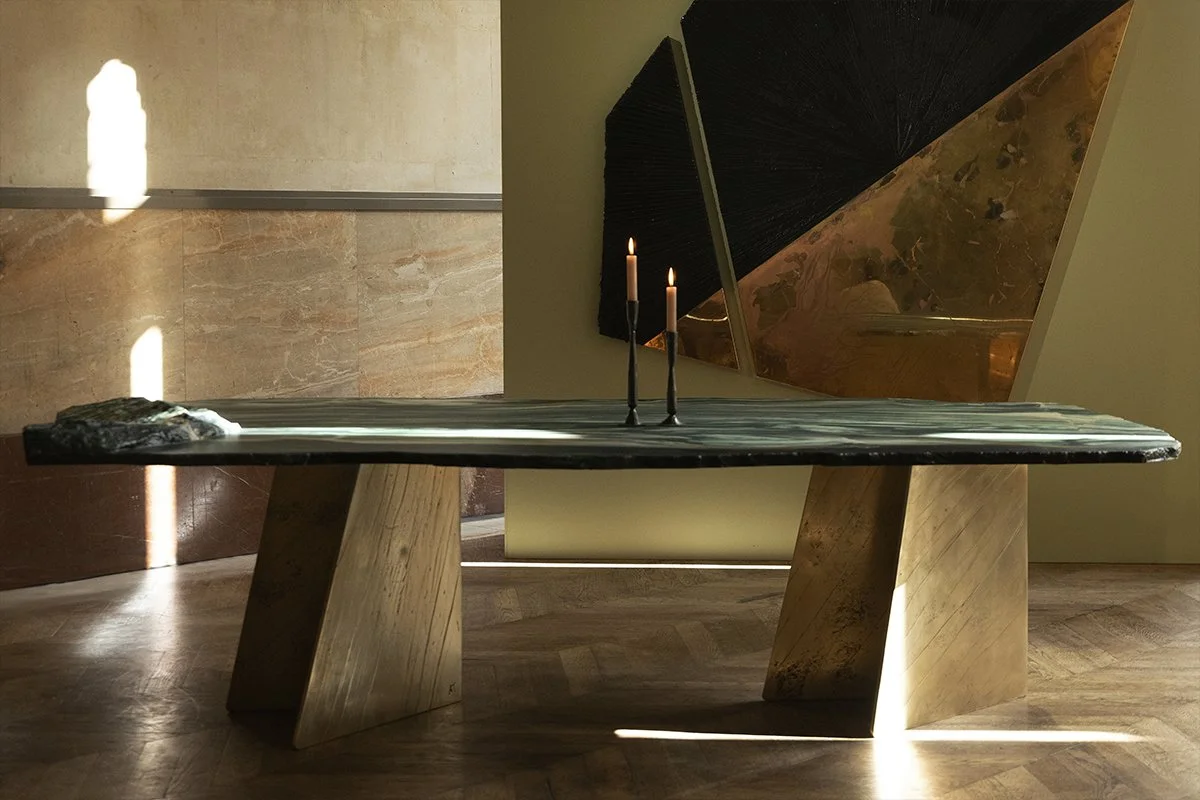
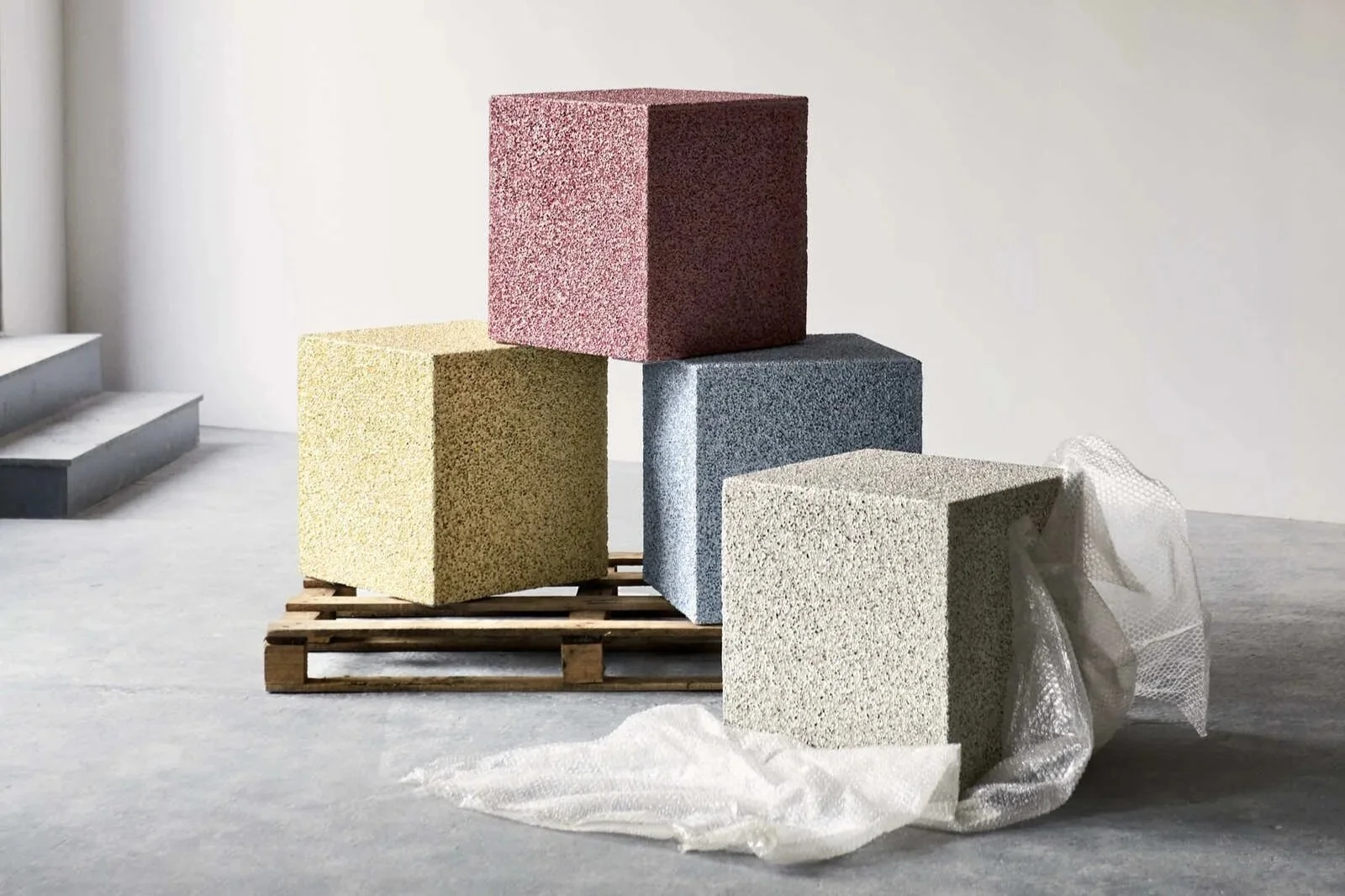
For us, geometry is not about control and material is not about chaos. They are simply two different ways of telling the same story. We often begin with an idea, a memory, a feeling, or a narrative rather than a form or a material. Geometry gives that idea clarity and structure, while natural materials introduce unpredictability, texture, and time. The meeting point is somewhere between intention and surrender — deciding what should be designed and what should be left for the material itself to say.
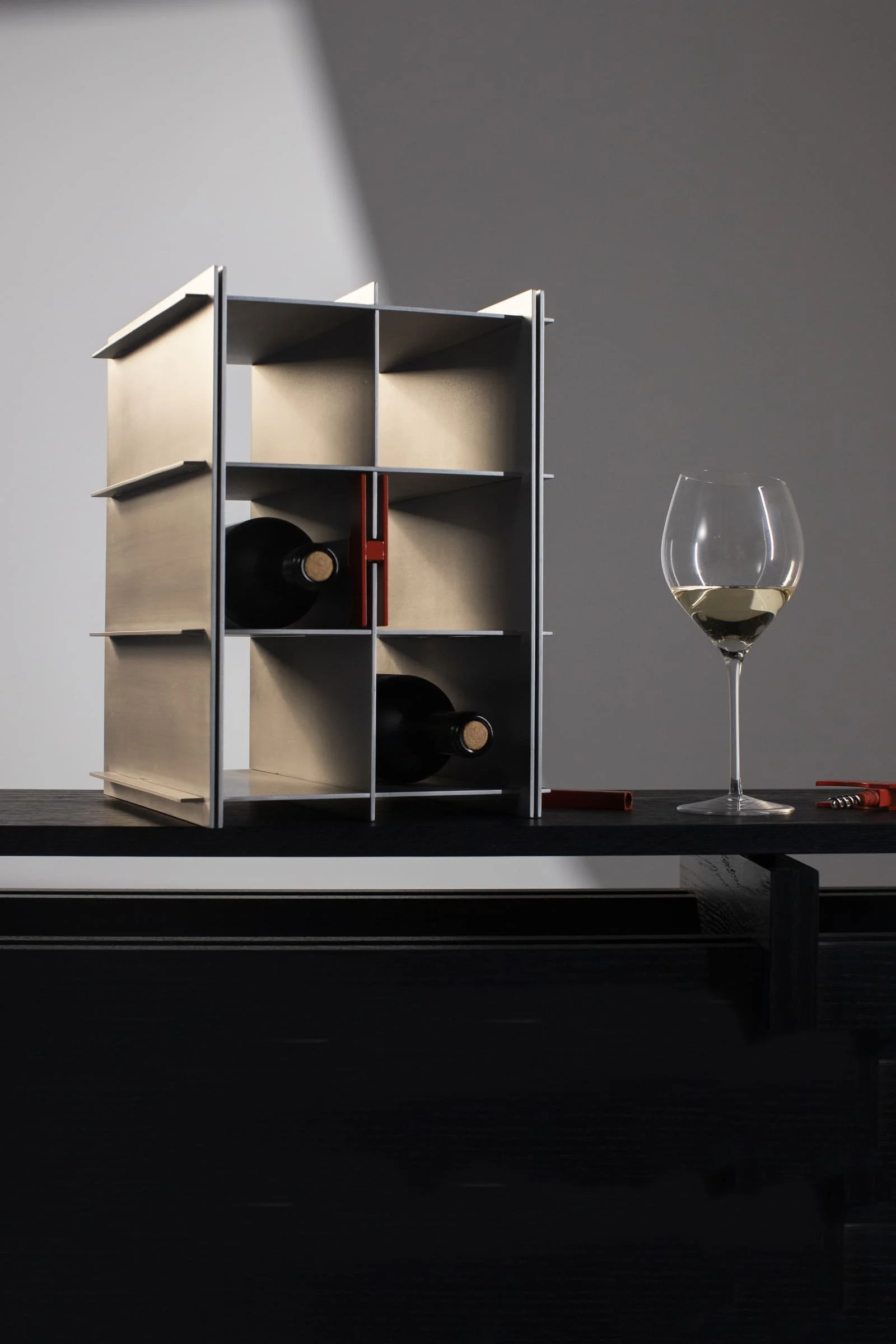
Core Wine Rack
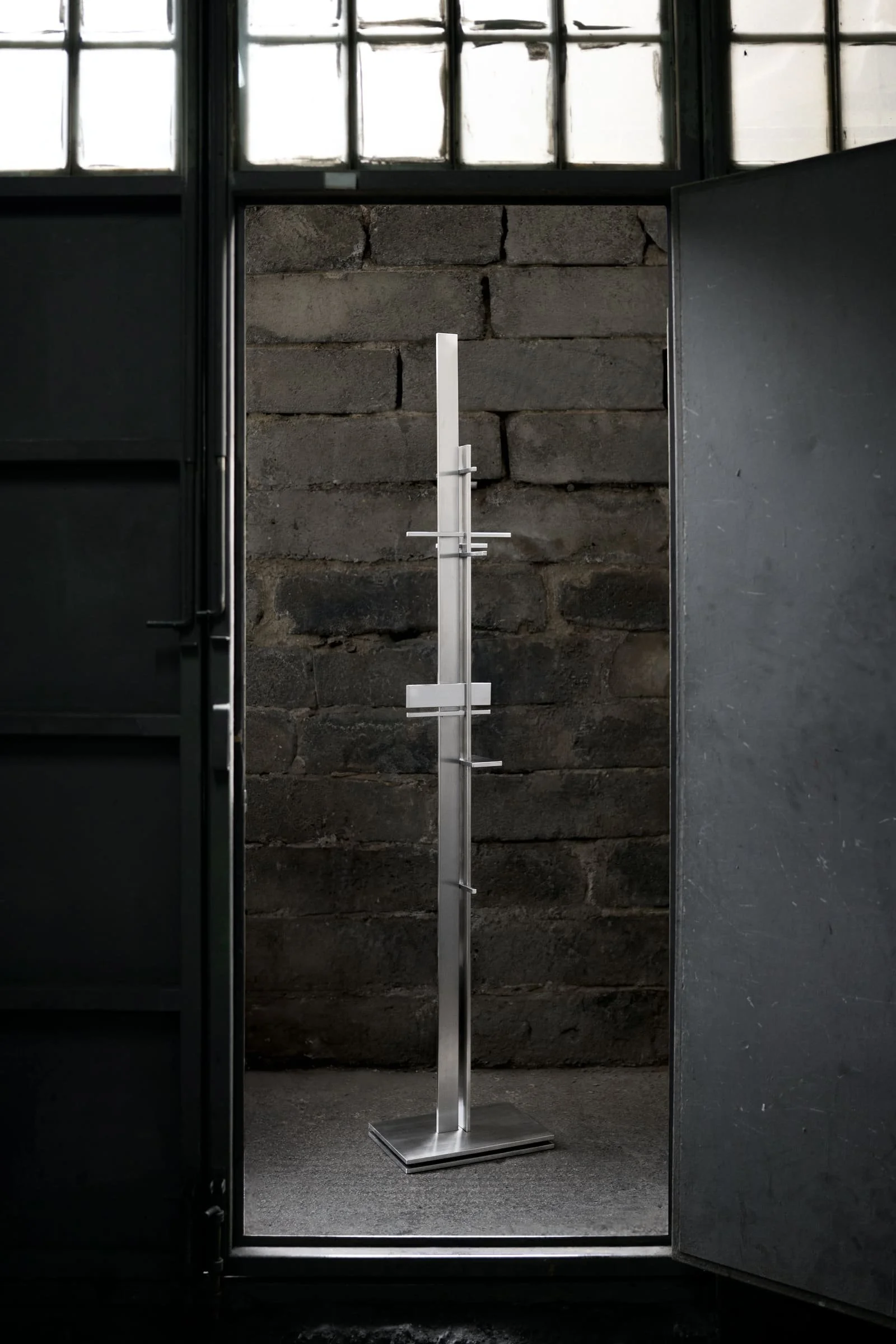
Dash Hanger
DESIGNEERS
You collaborate with local artisans whose crafts are quietly vanishing. What have those hands taught you that no design education could?
YET Design Studio
The design process does not end when the drawing is finished. Working with artisans taught us that making itself is part of the design process. Some decisions can only be taken in front of the material, in the workshop, through years of accumulated intuition and experience. An artisan often sees possibilities and limitations long before they become visible to the designer. They know when to insist, when to adapt, and when an unexpected outcome is actually better than the original intention. Perhaps the most valuable lesson was learning to give up a certain amount of control. The best pieces rarely emerge from a designer imposing an idea onto a material. They emerge from a conversation between the drawing, the material, and the hands making it.
DESIGNEERS
Oak, travertine, basalt, and then, without warning, a charge of electric blue. How does a material earn the lead in a piece, and what is that blue really saying?
YET Design Studio
Materials usually arrive with the story rather than after it. Sometimes a project demands the weight and permanence of stone; sometimes it needs the softness of timber or the precision of metal. We rarely ask what material we want to use. We ask what the idea wants to become. And the blue? Perhaps it is our reminder not to become too comfortable inside our own restraint. It introduces tension, optimism, and occasionally a little mischief. It keeps the room awake.
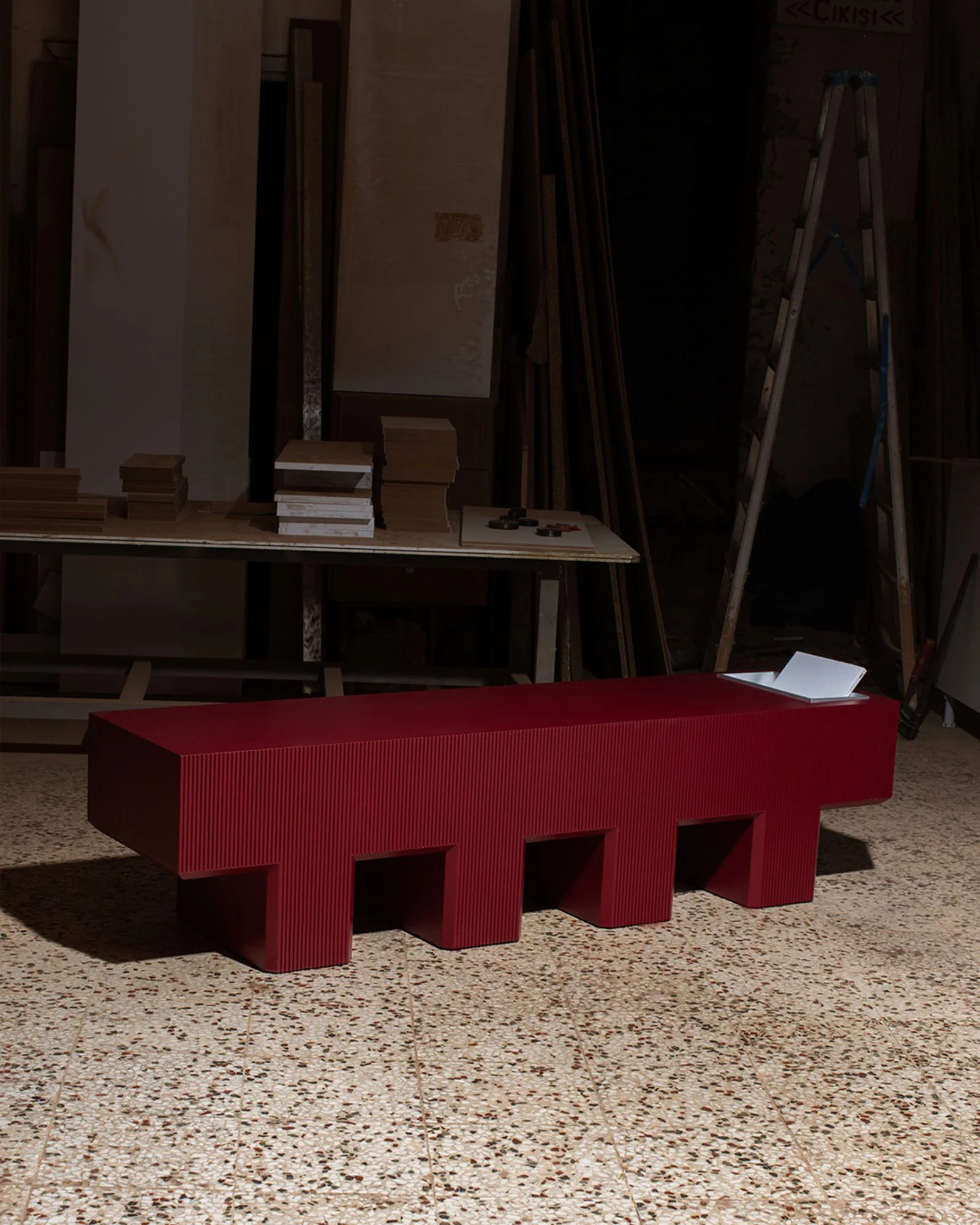
Lego Bench
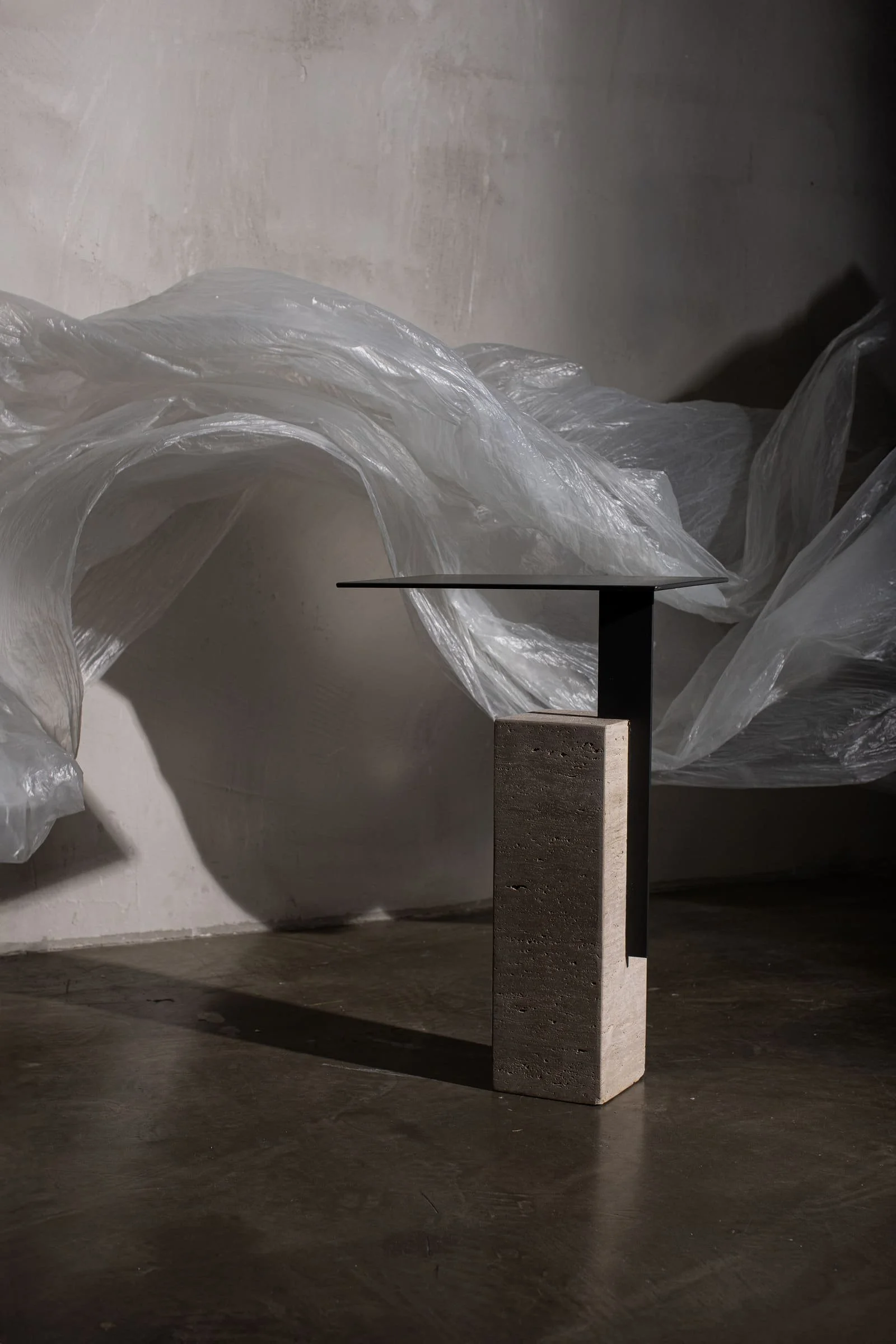
Mono Side Table
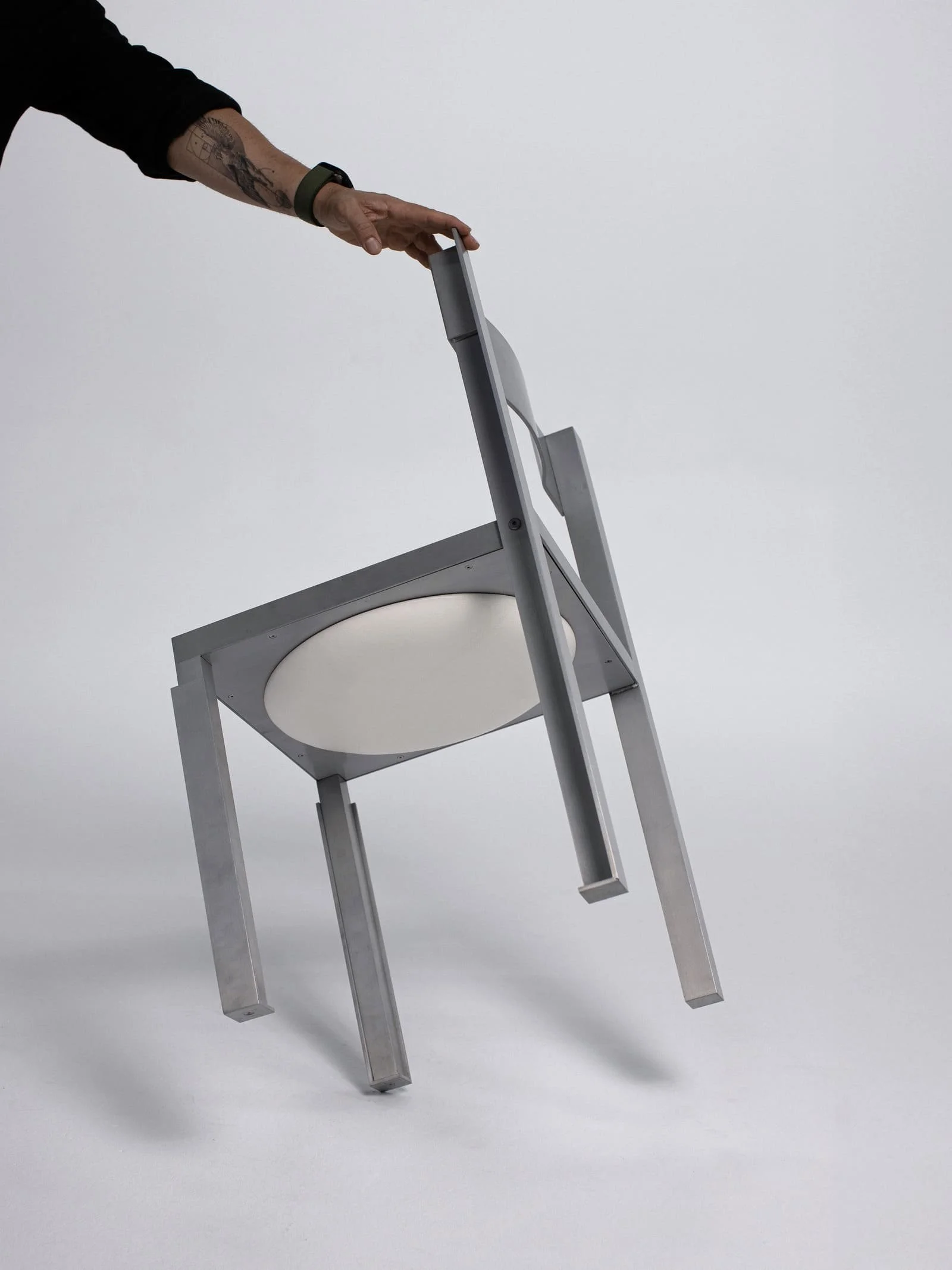
Strut Chair
“Working with artisans taught us that making itself is part of the design process. Some decisions can only be taken in front of the material, in the workshop, through years of accumulated intuition and experience.”
YET Design Studio
DESIGNEERS
You've said you design for feeling as much as function. Years from now, when someone has lived with a YET. piece, what do you hope it has come to mean to them?
YET Design Studio
We hope it becomes part of someone's rituals rather than remaining an object to be admired from a distance. The relationship we build with objects changes over time. What begins as admiration can slowly turn into familiarity, attachment, and memory. The pieces that stay with us are often the ones that quietly become part of our daily rituals and personal histories. If, years later, someone cannot imagine their home without a piece we designed, not because it is beautiful, but because it feels as though it has always belonged there, we would consider that a success.
DESIGNEERS
Every designer has a figure they return to. Whose work still stops you in your tracks?
YET Design Studio
Not one person, but a conversation between many. The sculptural restraint of Donald Judd, the emotional precision of Carlo Scarpa, the humanity of Enzo Mari, and the quiet confidence of Jasper Morrison continue to shape the way we think. Outside design, we return just as often to architecture, cinema, literature, and contemporary art. Inspiration rarely respects disciplinary boundaries.
DESIGNEeRS
If YET. were a guest at a dinner party, who would be seated around the table?
YET Design Studio
If YET. were a guest at a dinner party, it would probably avoid sitting with people from a single discipline. There would be someone who understands materials as memory, someone who believes objects can carry emotion, someone obsessed with proportion and restraint, and someone willing to disrupt the conversation entirely. Carlo Scarpa would be there, discussing details nobody else had noticed. Donald Judd would quietly argue for clarity, proportion, and the discipline of reduction. Isamu Noguchi would refuse the distinction between sculpture and furniture. Andrei Tarkovsky would remind us that atmosphere can matter more than form. The conversation would probably move between architecture, cinema, craft, art, and literature without recognising where one discipline ends and another begins.
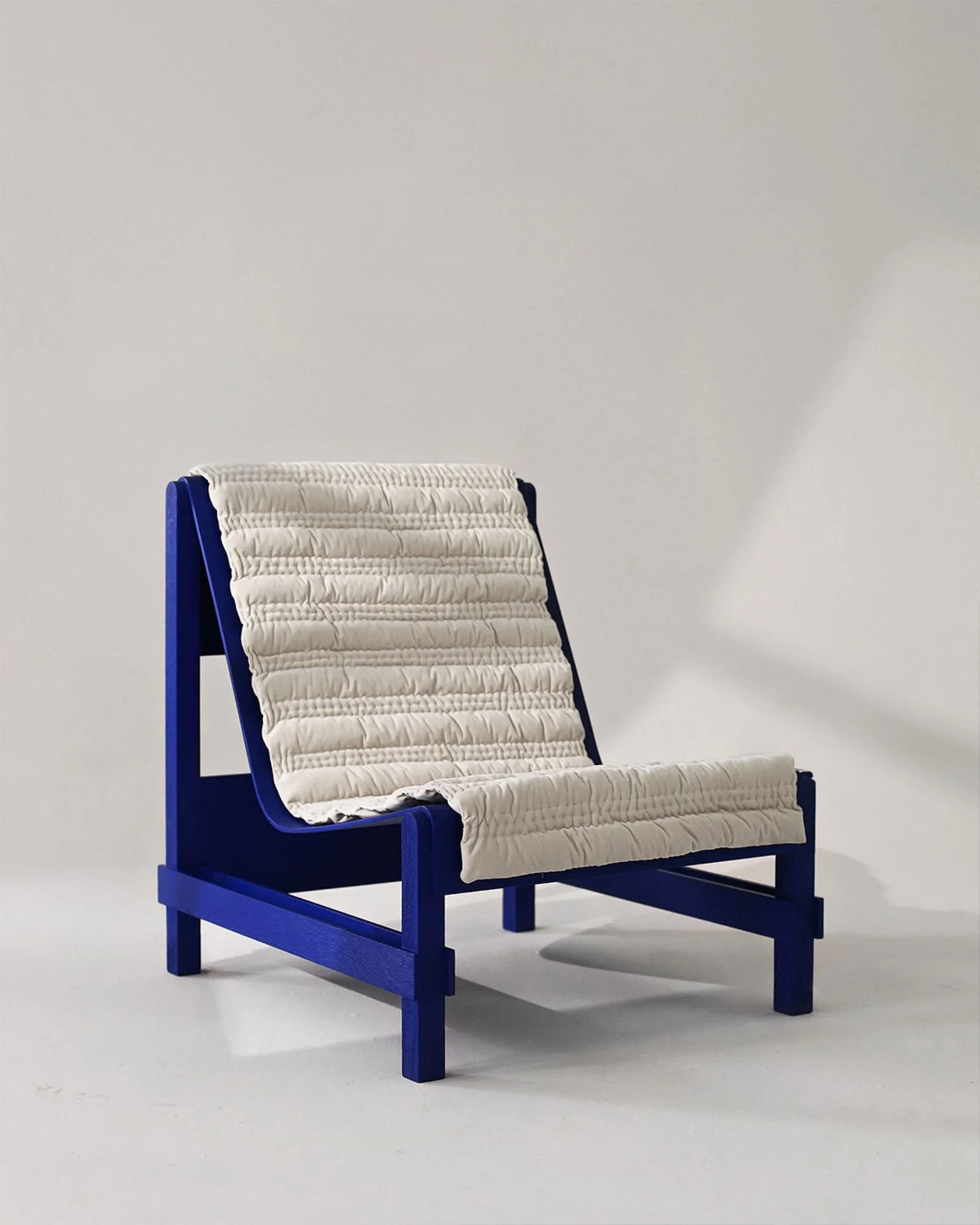
Ripple Armchair Blue
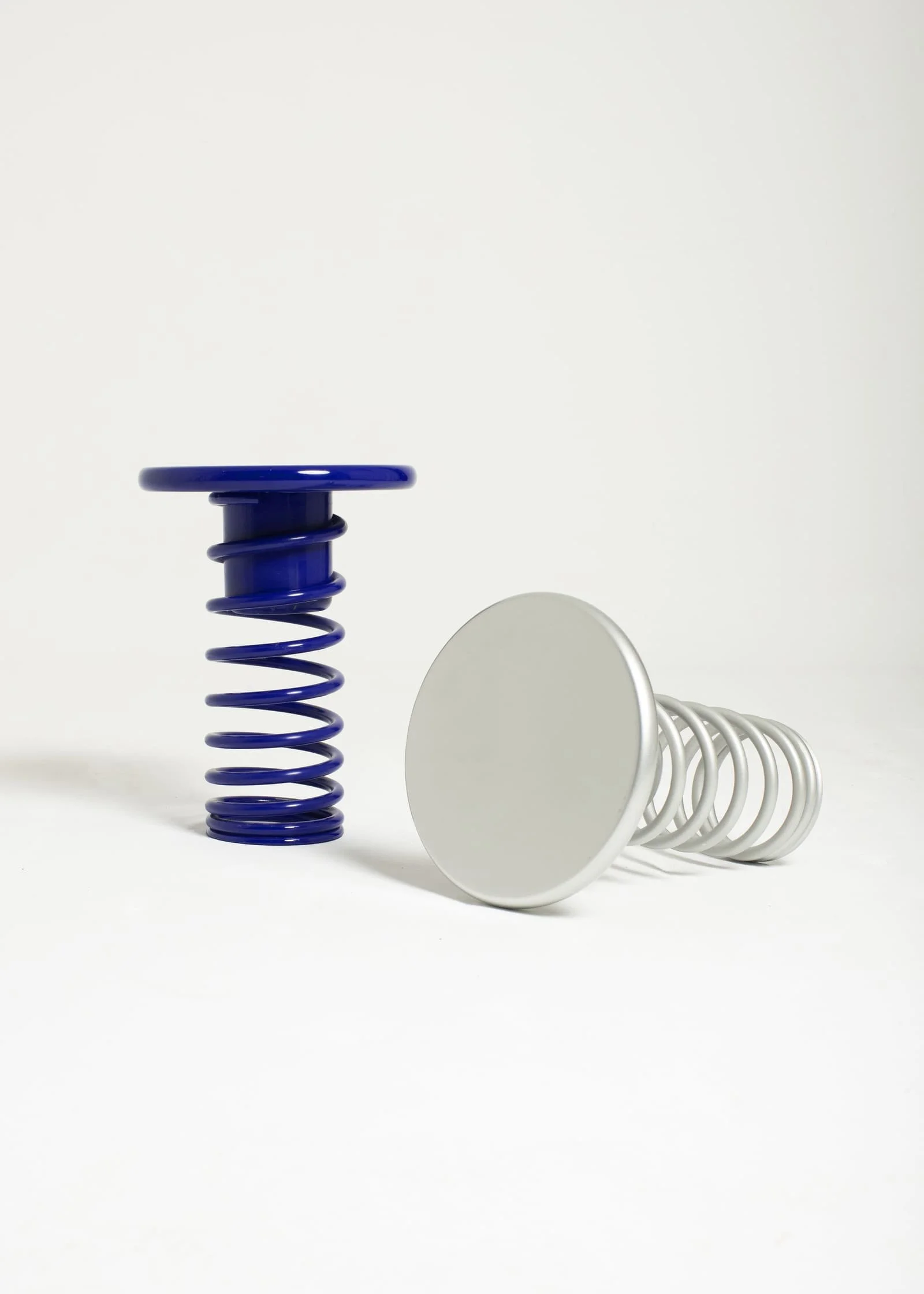
Twist Stool
DESIGNEERS
A fictional character you'd love to design a home for, and what would you build them?
YET Design Studio
The Little Prince.
We imagine a small house somewhere between a refuge and an observatory, a place designed for curiosity rather than ownership. There would be very few objects, but every one of them would deserve to be there. Perhaps that is what we admire most about The Little Prince: the understanding that meaning comes not from possession, but from the relationship we build with things.
DESIGNEeRS
One YET. piece, placed anywhere in the world. Where does it land?
YET Design Studio
A Strut Chair standing alone inside the Teshima Art Museum in Japan. Not as an exhibition piece, but simply as another object sharing the room with light, wind, water, and silence. Some spaces ask objects to perform. Others allow them simply to exist.
DESIGNEeRS
And finally, the design rule you were taught and have since taken great pleasure in breaking?
YET Design Studio
"Less is more."
We have always been more interested in a different question: when is less enough?
Reducing a form is easy. Knowing when to stop is much harder. Especially when working with materials that already carry a strong presence of their own, the challenge is not how much can be removed, but whether what remains still holds the feeling, the strength, and the meaning we want it to carry
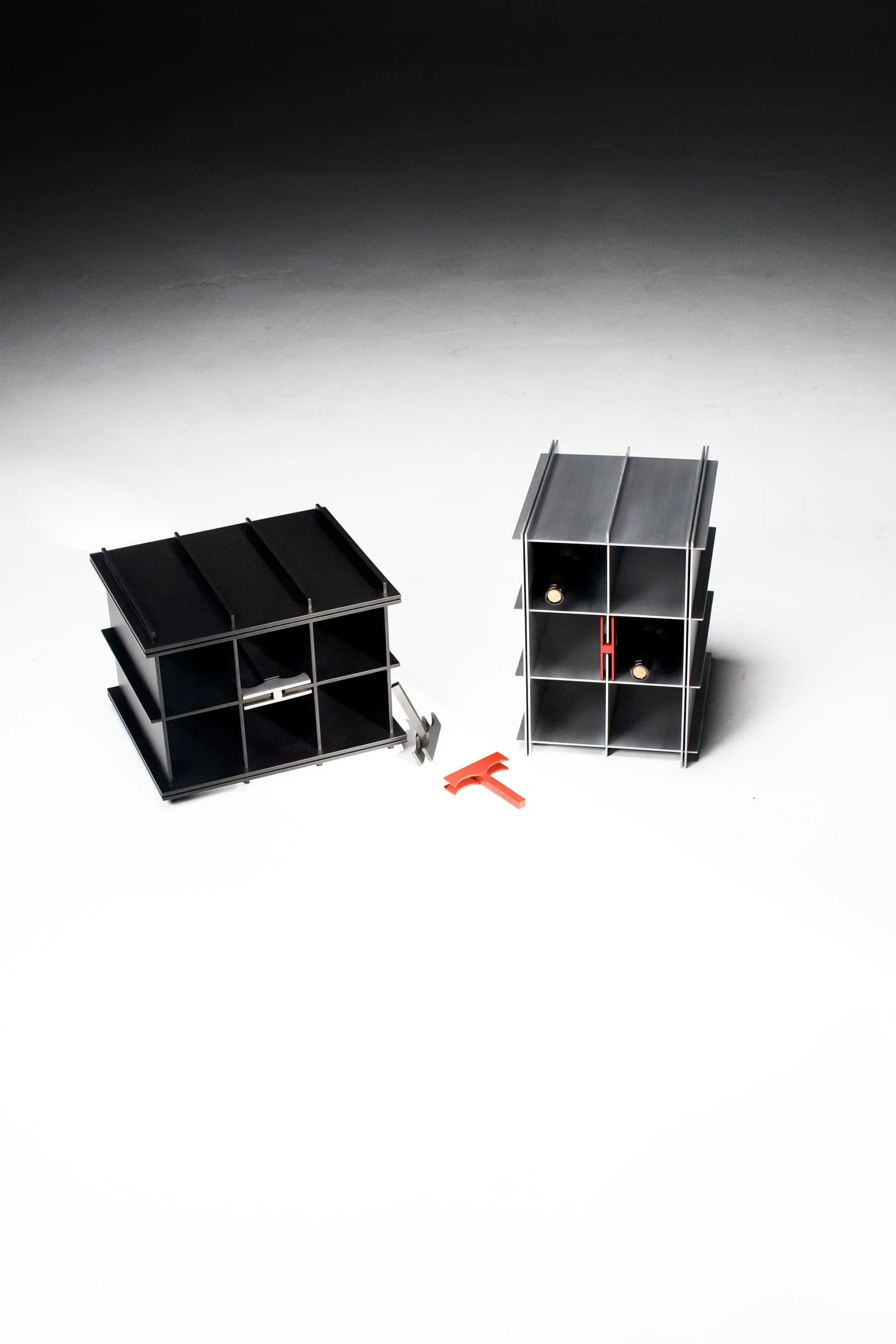
Core Wine Rack
Photography credits:
Betül Cetin, Tuğçe seçen,
kaan bayoğlu