From Argentina, Costantini Makes Furniture Like Sculpture
people • collectibles
Founded by William C. Stuart, Costantini grew from his background in sculpture, welding and metal casting into a design practice where art, furniture and functional objects continue to overlap. Established in Buenos Aires before expanding internationally, the studio has developed a distinctive approach to made-to-order furniture, limited editions, unique works and bespoke commissions, with materiality and craftsmanship at the centre of the process.
Today, Costantini operates as a gallery, workshop and design house, producing much of the work it exhibits through its own atelier. Designers, engineers and master artisans work across materials including cast bronze, solid wood, fibreglass, steel, plaster, parchment, leather and marble, with each piece individually crafted and tailored to its setting.
For Stuart, the relationship between art and functional design remains deliberately fluid. His practice is shaped by experimentation, one-of-a-kind work and a belief that materials, making and the people involved in the process can influence an object in unexpected ways. Longevity is equally important, with pieces intended to develop character and remain meaningful beyond the moment of their creation.
In this conversation with Designeers, William C. Stuart discusses his sculptural beginnings, the influence of Argentina, the relationship between art and furniture, material experimentation, interiors and the future of Costantini.
Words: designeers
October 2026
WEBSITE: costantinidesign.com
INSTAGRAM: @costantinidesign
DESIGNEERS
You began in fine art, moving through filmmaking, painting and sculpture before establishing Costantini in Buenos Aires in 2001. How did furniture first enter your practice, and when did it begin to feel like a serious direction rather than an extension of your art?
William C. Stuart
There are elements in my work today that I can trace back to when I studied sculpture in college, specifically welding and metal casting. These are trades associated with building functional objects, and they continue to influence the way I approach furniture design and sculptural work today.
After a few years as an aspiring filmmaker, I realised the time required to see my own work became a barrier to experiencing it as one would when seeing it for the first time. Sculpture is immediate. If I packaged it as furniture, I knew I could make a living doing it while continuing to explore the relationship between art, sculpture and functional design.
It became very real when I opened my first gallery in 2003. Just a few months later, I was commissioned to furnish an entire restaurant, including the artwork for the main dining room. That project made furniture and custom commissions feel like a serious direction for the practice rather than simply an extension of my art.
DESIGNEERS
You grew up in upstate New York but built much of your studio and manufacturing practice in Buenos Aires. How did Argentina change the trajectory of your work, both creatively and as a business?
William C. Stuart
Argentina is a vast, beautiful country with so many natural resources. Buenos Aires is a great city, but there’s also Patagonia, Misiones, Mendoza and Catamarca, to name a few. The raw materials and craftsmanship have defined my furniture and design work since the beginning.
My first table was very simple: rectilinear shapes cut from thick slabs of solid wood. The work evolved immediately through engaging with clients and taking on custom furniture commissions. That process allowed the practice to develop through making, experimentation and direct relationships with clients.
Another great part about working in Argentina is the time zone. We are only a couple of hours' time difference from New York, so I get a full workday with the team every day. There are also many passenger aeroplanes with open cargo space, so it’s only a 10-hour flight for the work to get here.
All of these factors led to hiring a dedicated team very early on. If we finished whatever we had sold, I had to design something for them to do. Those days often turn out to be our most productive because we are making for ourselves and can make choices instantly, much more like an art practice.

Bruno Ovino Modern Armchair in Argentine Rosewood and Sheepskin by Costantini

Liviana Carved Wood Slatted Dining Chair with Woven Rush Seat by Costantini
DESIGNEERS
Costantini has evolved from an early furniture collection into a studio capable of producing everything from limited pieces to large-scale hospitality and architectural commissions. What has remained consistent in your approach throughout that evolution?
William C. Stuart
First, I want to make work that endures. It’s funny, I was doing contract work before I even knew what that term really meant. Should residential furniture be any less resilient than something designed for hospitality? Someone once posted on Instagram that they had built an entire house around a table I made for them years earlier.
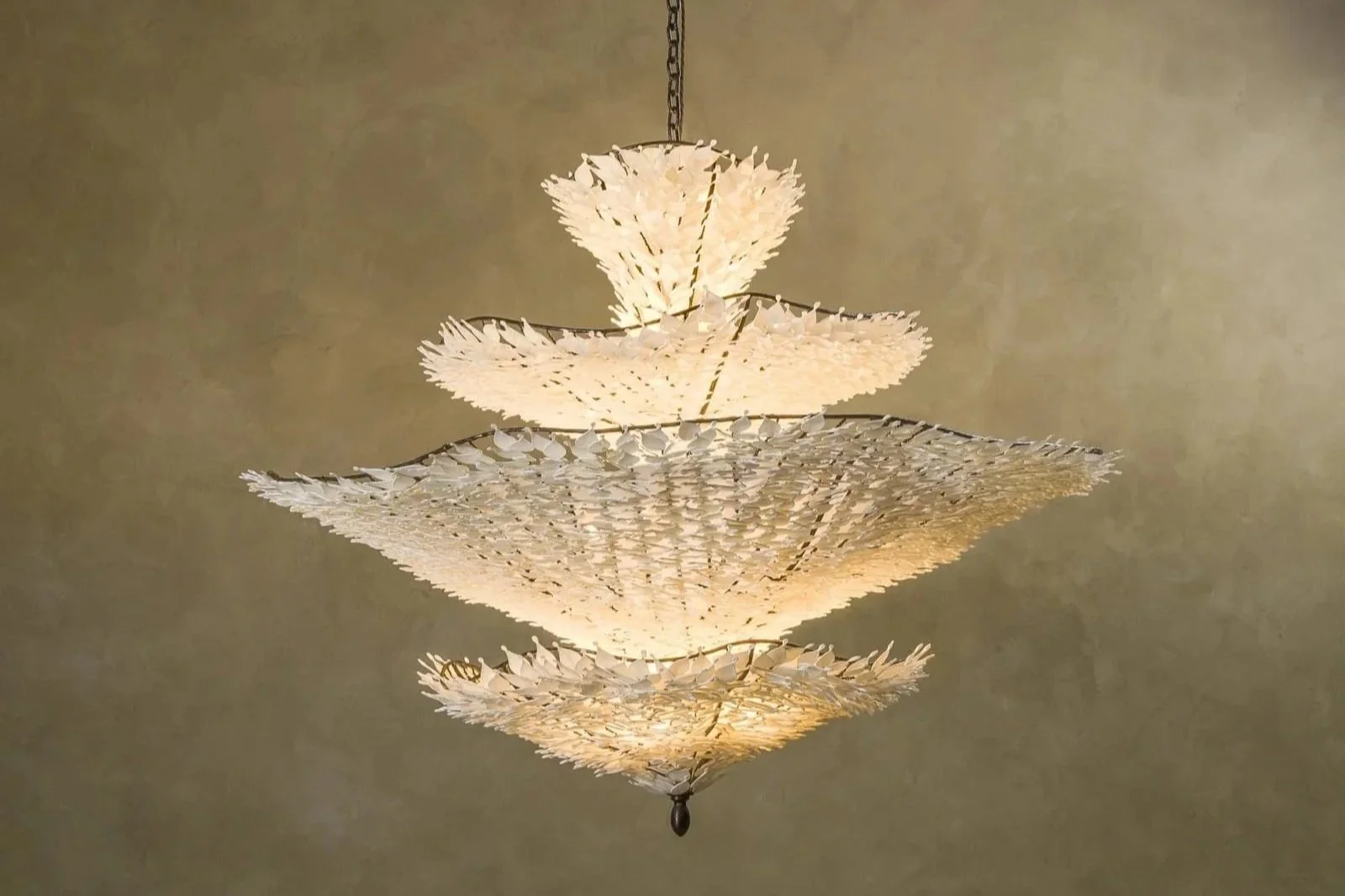
Secondly, I want as much of my work as possible to be one-of-a-kind. That might be as simple as the wood grain or as ambitious as the pieces I recently installed at the UAG headquarters in New York.
Andy, the owner, told me in the first meeting that he wanted statement pieces, so we began with a massive sculpture that also serves as a reception desk. It was made from onyx, cast bronze, wood and fibreglass. I had never done anything quite like it, but he believed in me, and it worked. That success led to the chandelier and then the artwork in the lobby.
For me, these kinds of commissions demonstrate how furniture, sculpture, architecture and interior design can come together within a single project.
DESIGNEERS
Your work moves between sculpture, furniture, lighting, interiors and installation. Do you still make a distinction between an artwork and a functional object, or has that boundary become increasingly irrelevant to you?
William C. Stuart
Certainly there’s work you are supposed to hang on the wall and other work you can sit on. If you invert those two, it’s probably an indication of the quality of the piece.
I’m interested in that space where sculpture and functional furniture meet, because a piece can serve a practical purpose while still being experienced as art.
DESIGNEERS
Materiality is central to your work, from cast bronze and wood to fibreglass, onyx, parchment, leather and steel. When you begin a new piece, does the idea usually lead you to the material, or can the material itself become the starting point?
William C. Stuart
Of course. This is where the time in the workshop pays off. You need to have that dialogue with the process and the people who do it to push the limits of materials, develop new techniques and see where the making process can take you.
My Richiamo series was born out of seeing alambre, or wire, on a spool at a supplier’s warehouse. Sometimes a work is born not only out of a material, but also from a found object.
That direct engagement with materials and craftsmanship is an important part of my approach to furniture and collectible design. The material can suggest the form just as much as an initial idea can.
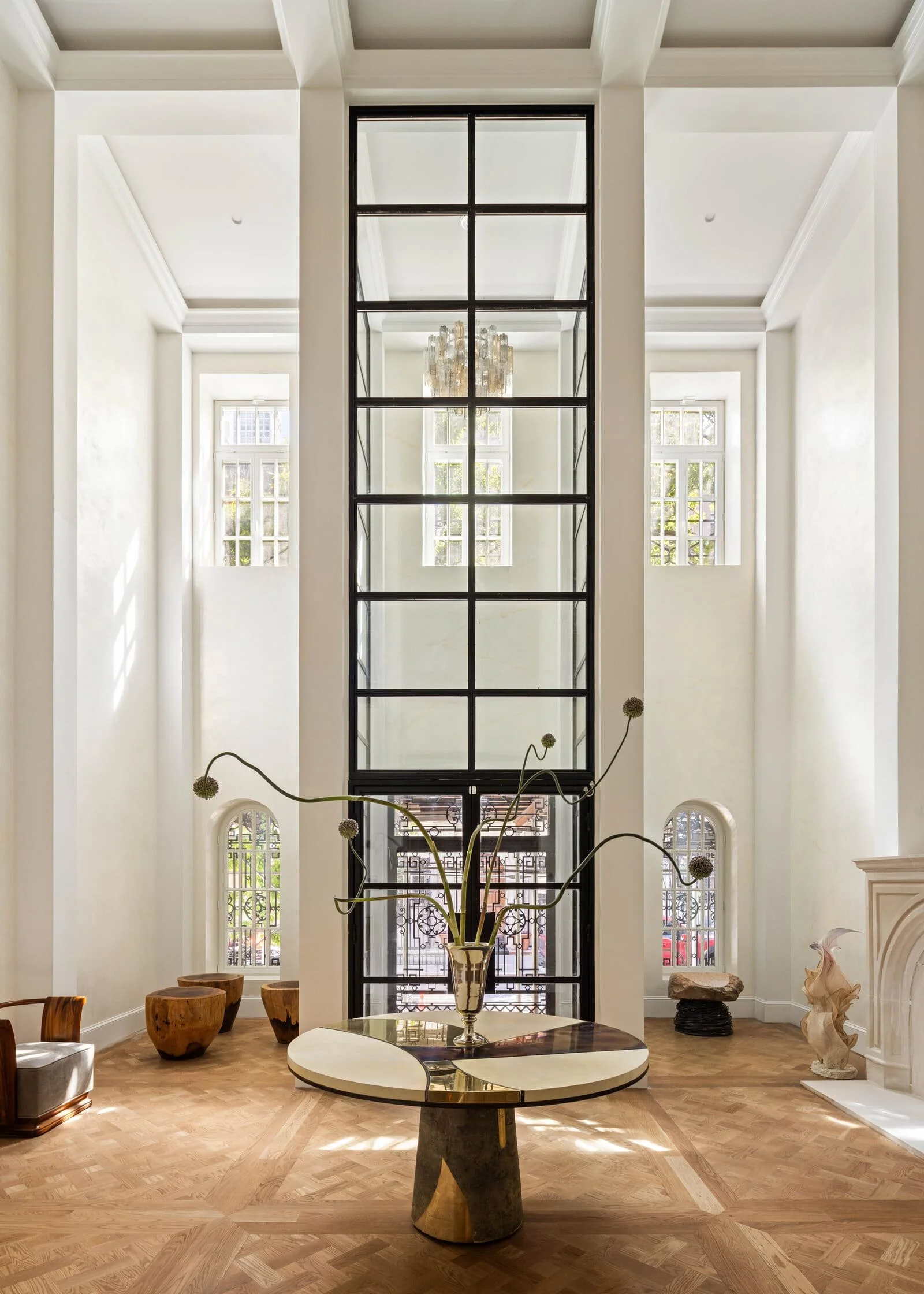
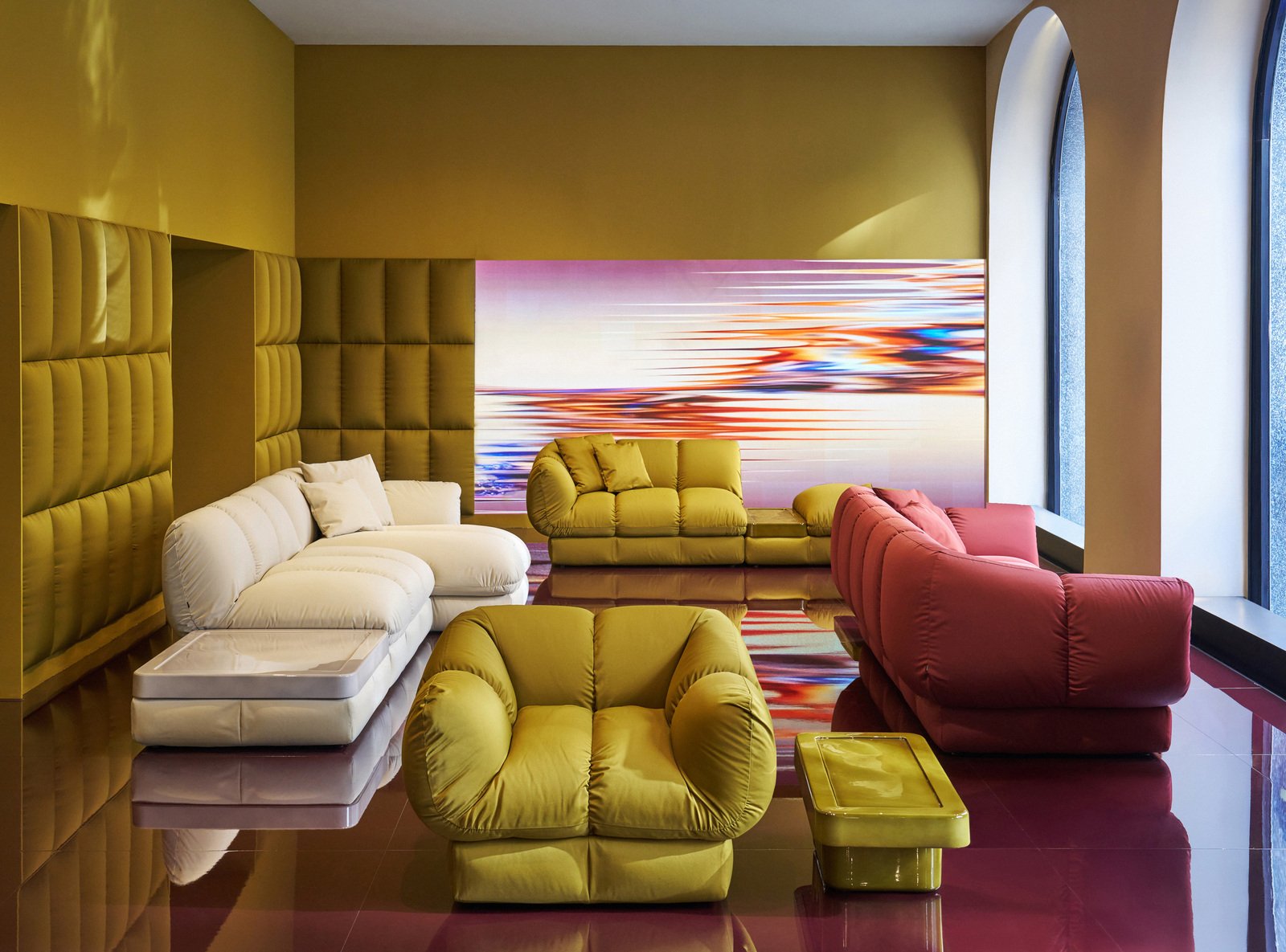
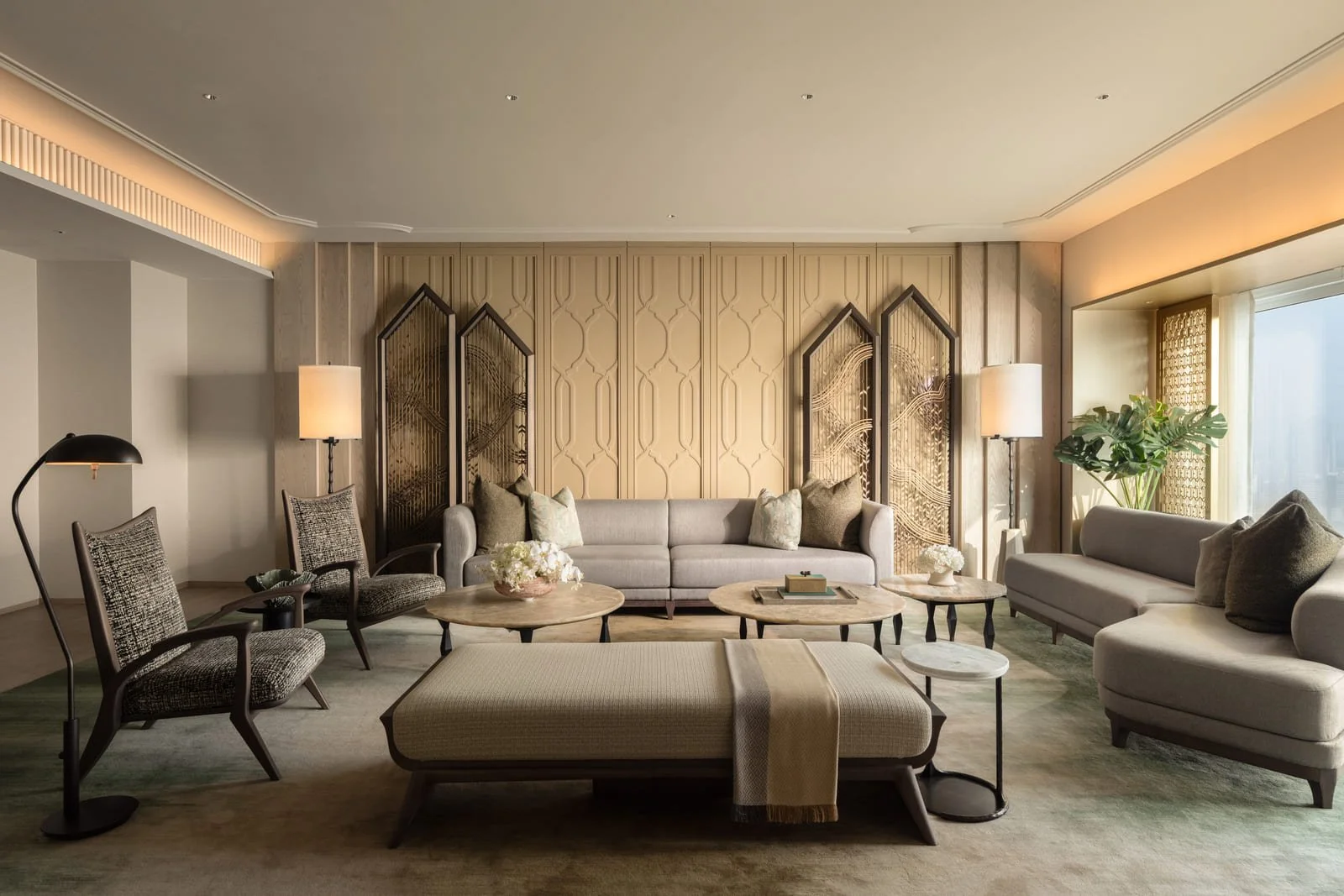
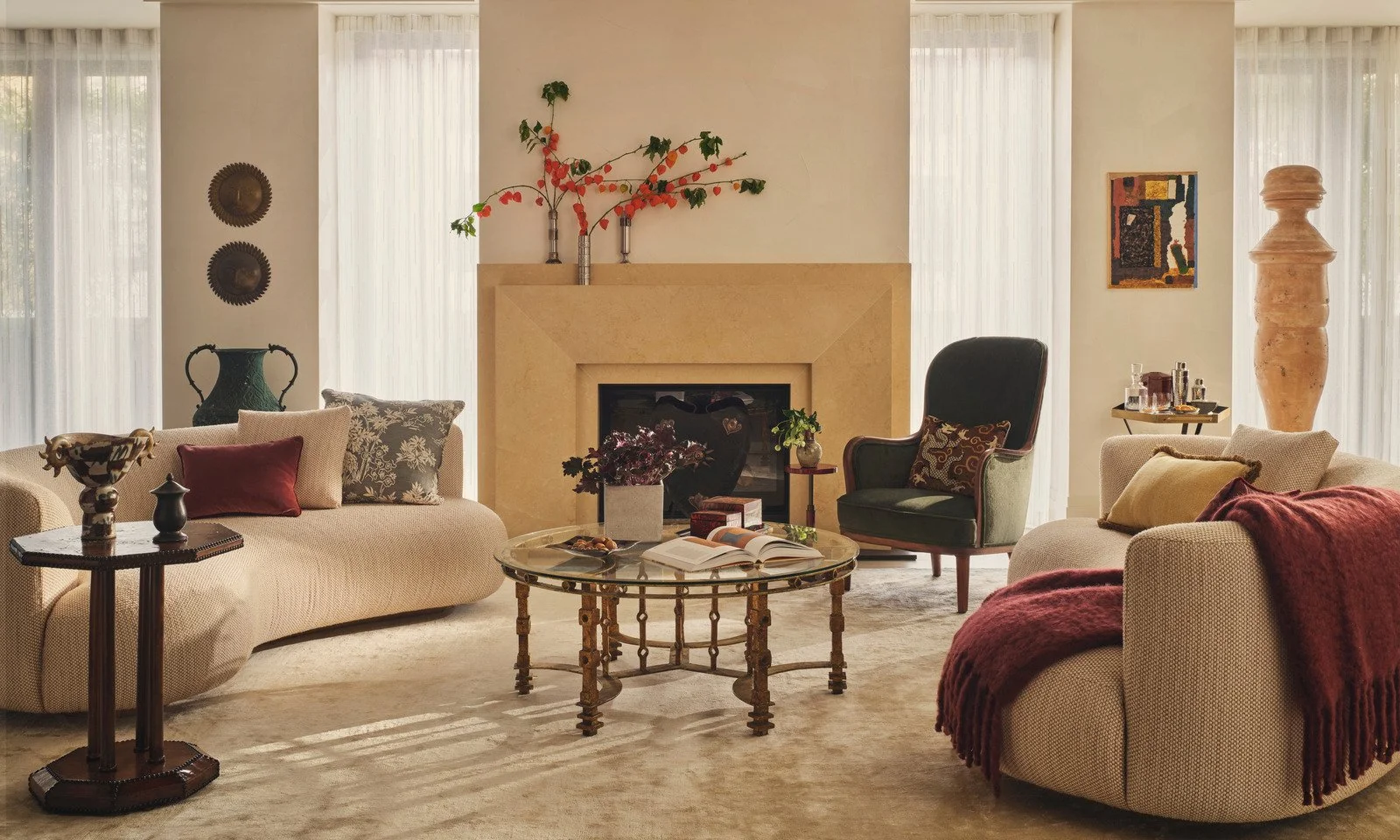
New York townhouse exhibit by Costantini
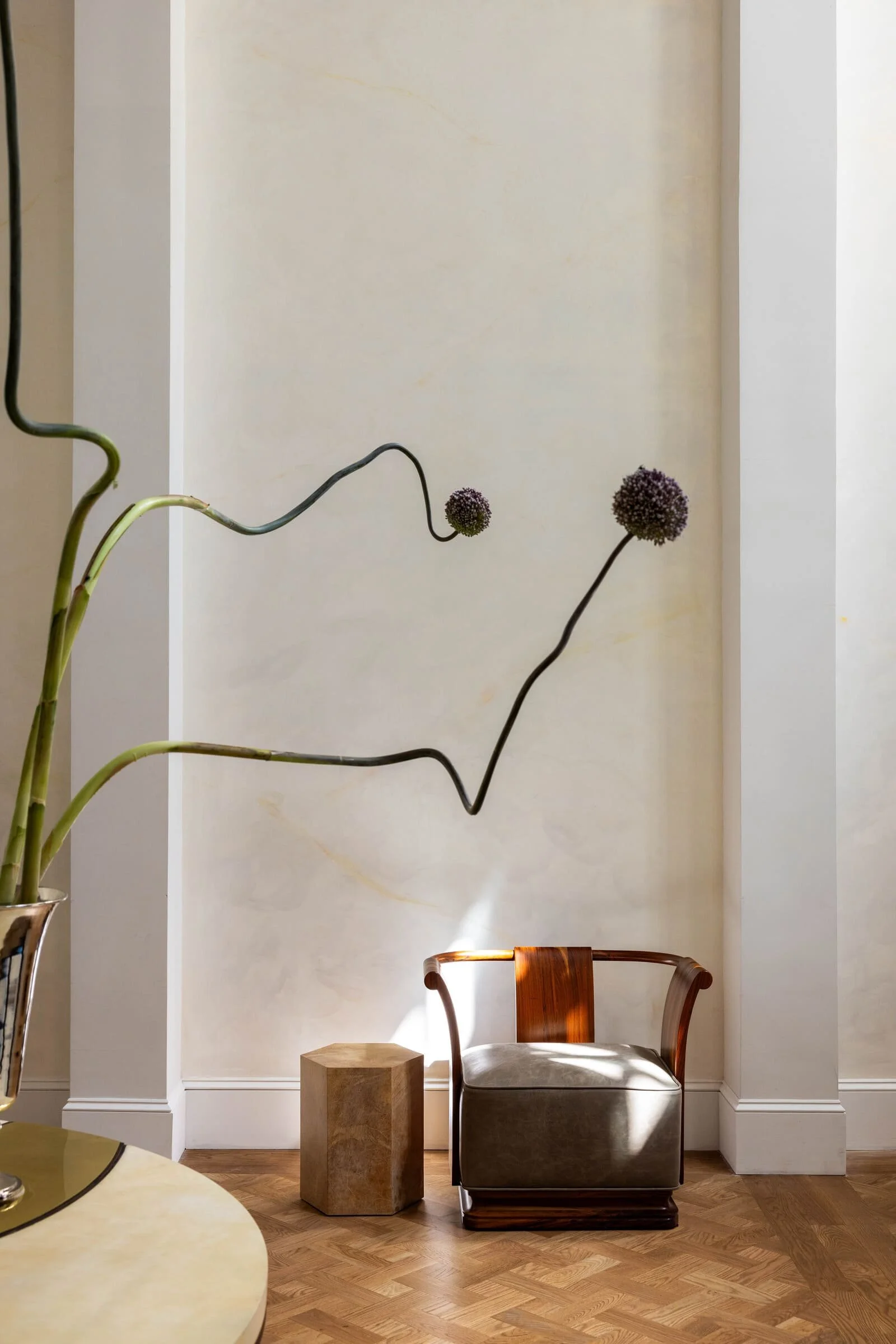
New York townhouse exhibit by Costantini
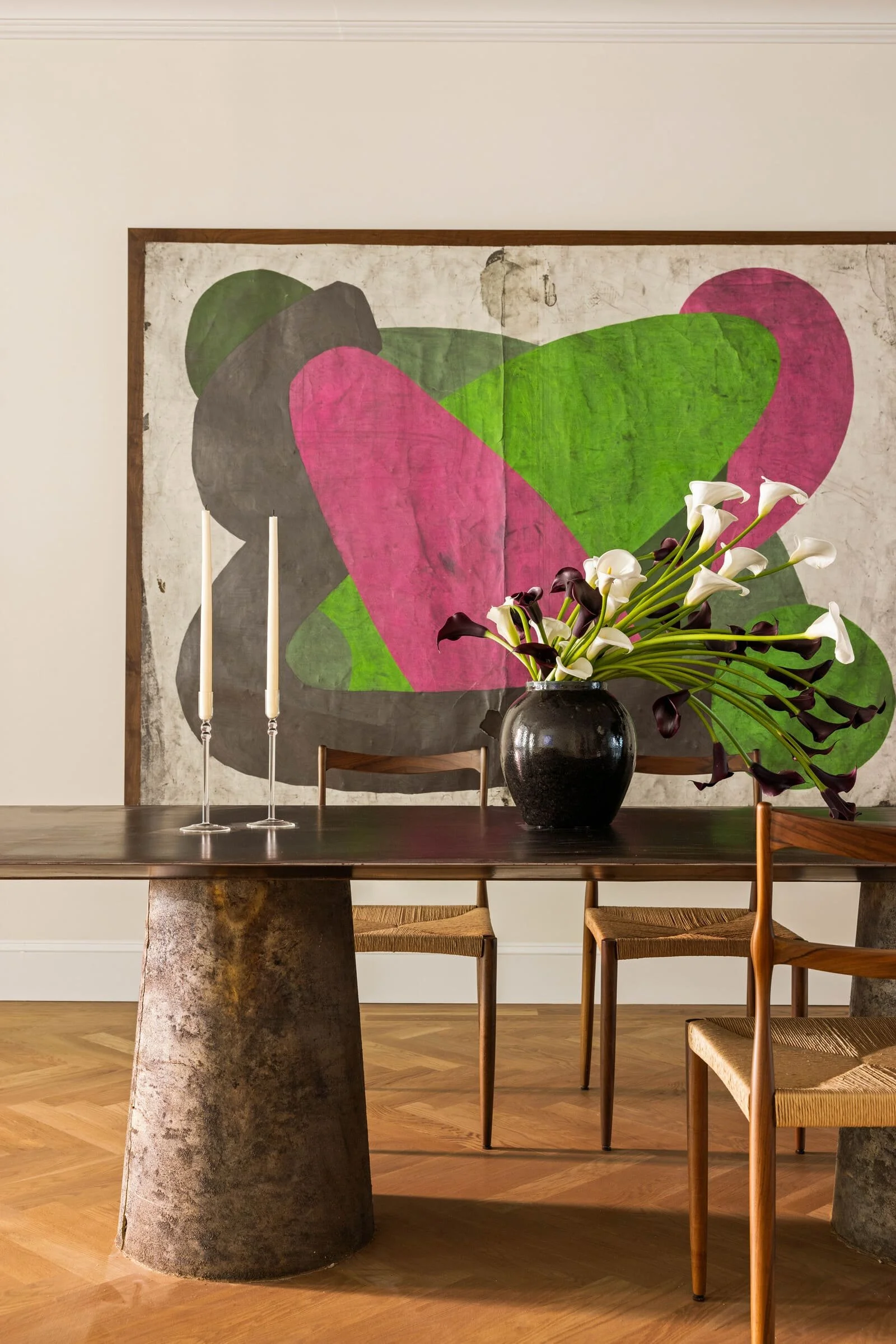
New York townhouse exhibit by Costantini
“There’s work you are supposed to hang on the wall and other work you can sit on. If you invert those two, it’s probably an indication of the quality of the piece.”
William C. Stuart
DESIGNEERS
You’ve spoken about artists and designers such as Paul Evans as important references. What is it about work that sits somewhere between sculpture, furniture and material experimentation that continues to interest you?
William C. Stuart
Nothing should ever be “just” one thing. There are pluralities in all of us and in the things we live with. Experimentation leads to surprises and one-of-a-kind pieces.
Then living with a piece adds another dimension. Use gives it age and history, and it continues to change. That’s why I value noble materials that age gracefully. The making is only the beginning of a piece’s life.
For me, that is part of what makes collectible furniture and functional sculpture interesting. A piece continues to develop through its relationship with the people and interiors around it.
DESIGNEERS
Recently, you brought more than two decades of furniture and artwork together within a New York townhouse, almost as a single installation. What did seeing that body of work in one environment reveal to you about your own practice?
William C. Stuart
First, it reminded me how much I enjoy doing interiors. If you look at Gio Ponti or Jean Michel Frank, so much of their product design came from a specific interiors project.
The townhouse was built in 1892 and restored over the last few years. The focal piece in the entry, my Benone Mosaico 59, was something I had been developing since last year, but I couldn’t have imagined a better home for it.
From there, the other floors unfolded so naturally. I was also able to bring in other artists like Mirei Monticelli, who I’ve been representing in the US since 2019.
The project reminded me how naturally furniture, artwork, interiors and architecture can work together, and how much an environment can shape the way a piece is experienced.
DESIGNEERS
Although Costantini has become an established design and manufacturing studio, you’ve described yourself as an artist first and are considering presenting limited-edition and artistic work under your own name. What is prompting that distinction now?
William C. Stuart
In fact, I’ve been doing it since even before founding Costantini. When I showed some of my latest work to a friend who runs a prominent art and design gallery, he suggested it.
For me, the work comes first. Whether something should be credited to me personally or to the company is less important. What matters is the work itself, the ideas behind it and the process of making it.
That distinction also gives me the opportunity to explore more limited-edition and artistic work while continuing to develop Costantini as a furniture and design studio.
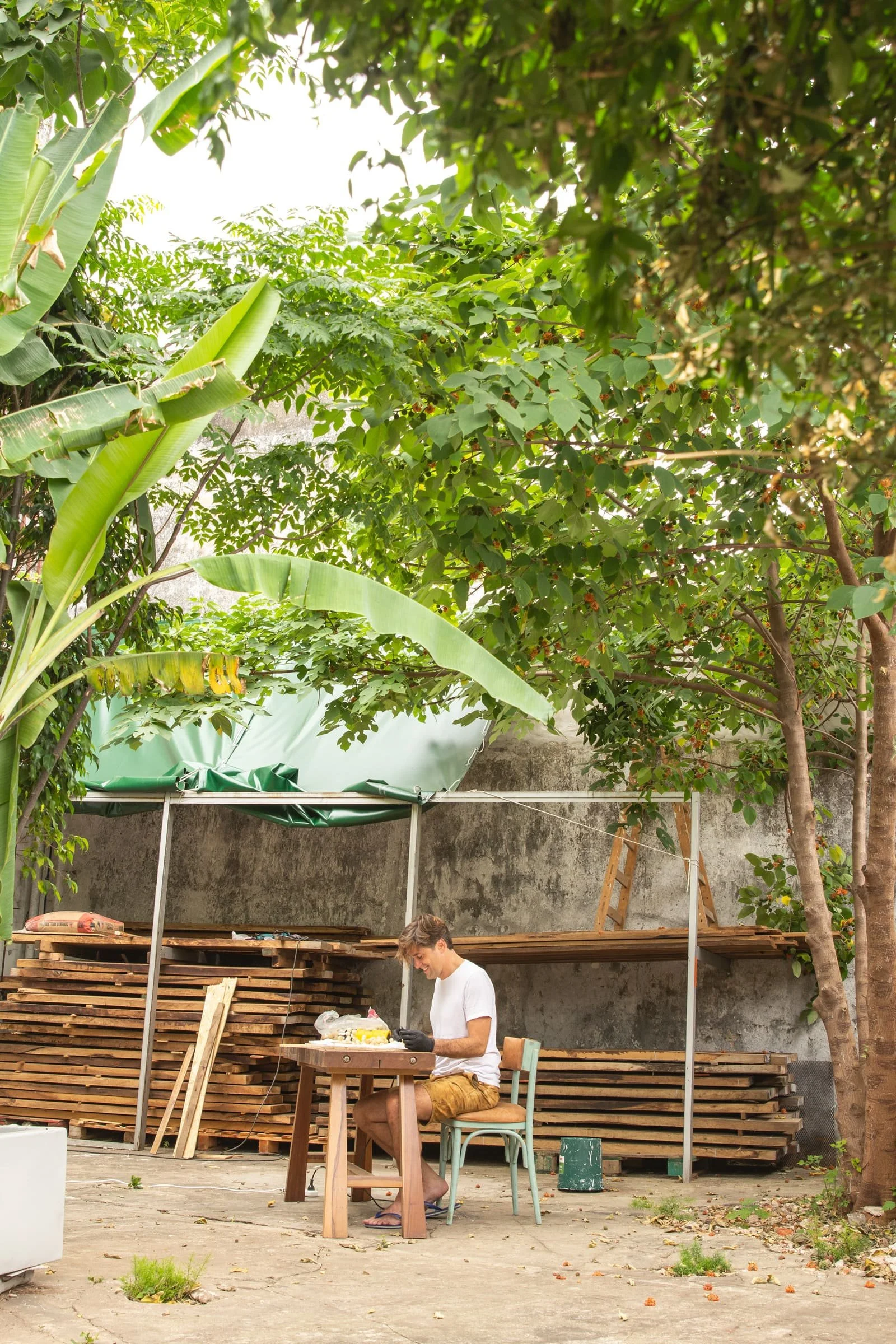
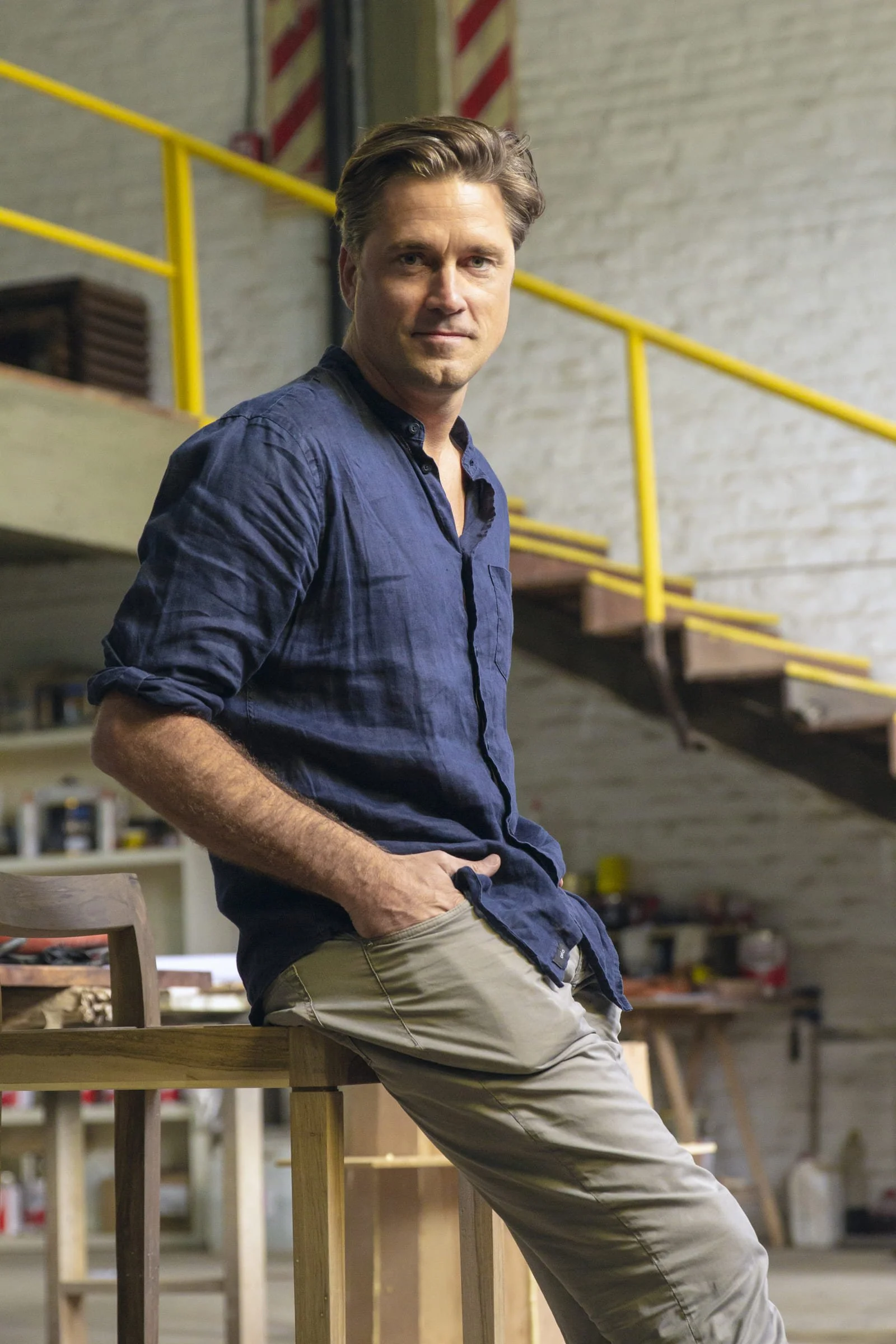
William C Stuart Workshop in Argentina

Custom Alonzo Table from Costantini for Nate Berkus
DESIGNEERS
Your practice can move between collectible pieces, private residential work, large commercial commissions and manufacturing for others. Looking ahead, where do you most want your own work to sit, and what kinds of projects or collaborations are you hoping to pursue next?
William C. Stuart
I don’t want to limit my practice to a single category. What has changed is that I can now be more selective about how I spend my time and whom I work with.
I’m looking for clients and collaborators who value experimentation, trust my process and want to create something we haven’t seen before. That could mean collectible furniture, a private residential interior, a large-scale commercial commission or another project that allows furniture, sculpture, materials and architecture to come together.
DESIGNEERS
If you were hosting a dinner bringing together the people who have shaped your creative world, who would be around the table, and what would you want the conversation to be?
William C. Stuart
I love to cook, so I’d probably do an open-flame BBQ on a beach. If I could, I’d bring back Rodelio Aglibot to help me out and thank him for giving me my first contract.
I worked with Anthony Bourdain at Les Halles as well when I first moved to New York. I would love to hear what Jean Michel Frank’s time was like in Argentina. I’d sit him next to Rodin, Brancusi, Lucio Fontana, Jean-Luc Godard, Hemingway and Man Ray.
I could do this forever. This is fun. How big is the table?
I recently designed a piece that could, in theory, go on forever. Maybe we could invite everyone.
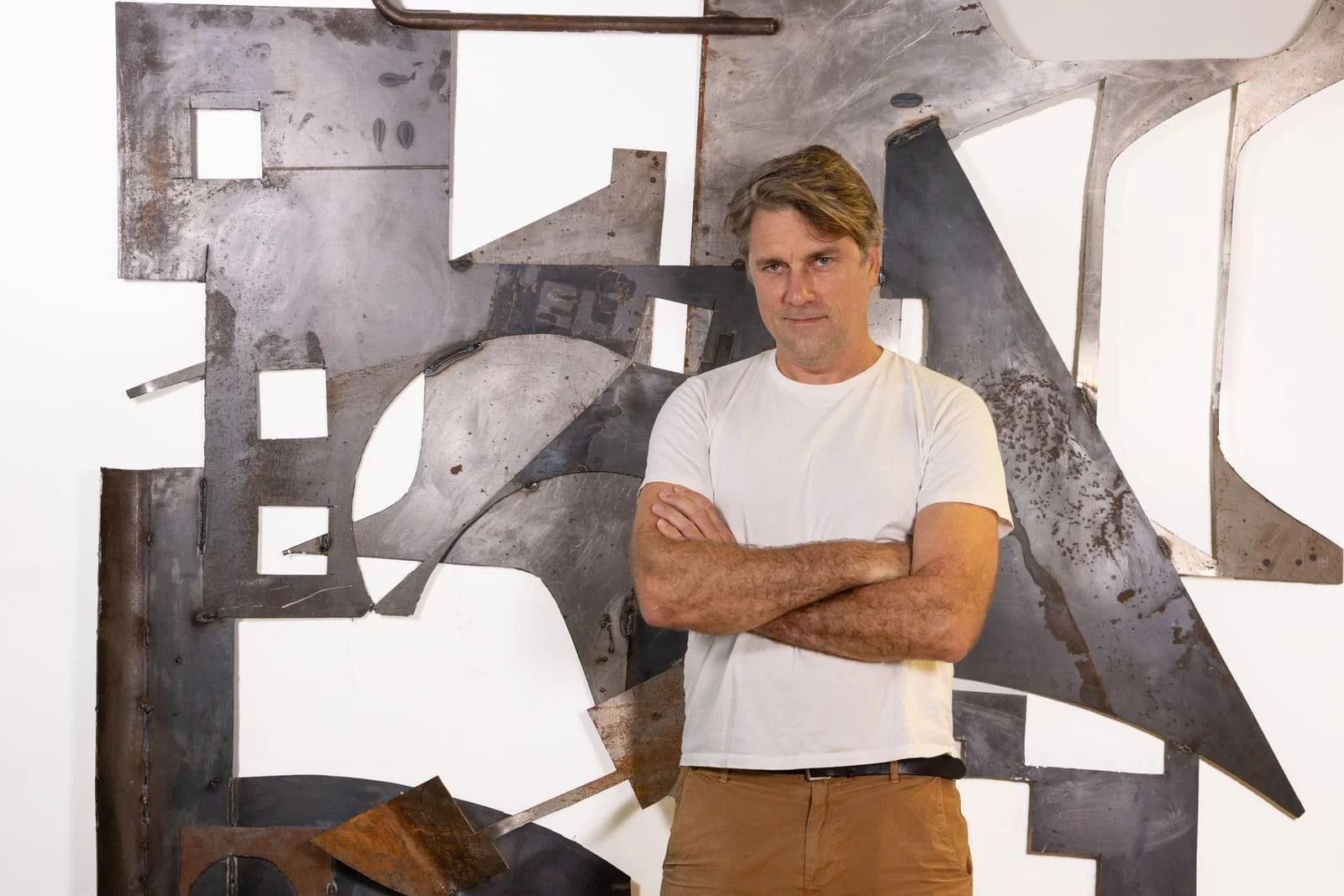
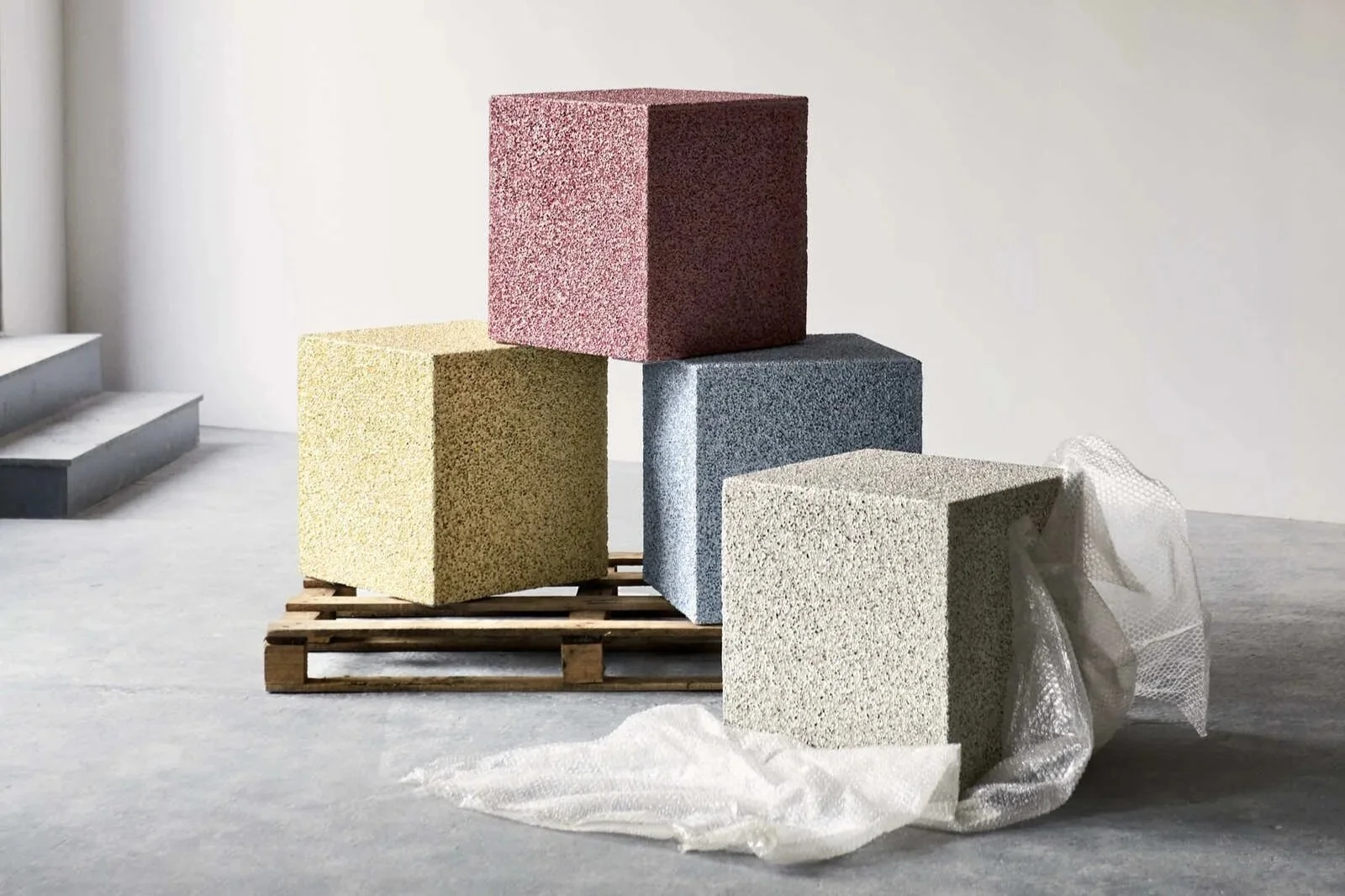
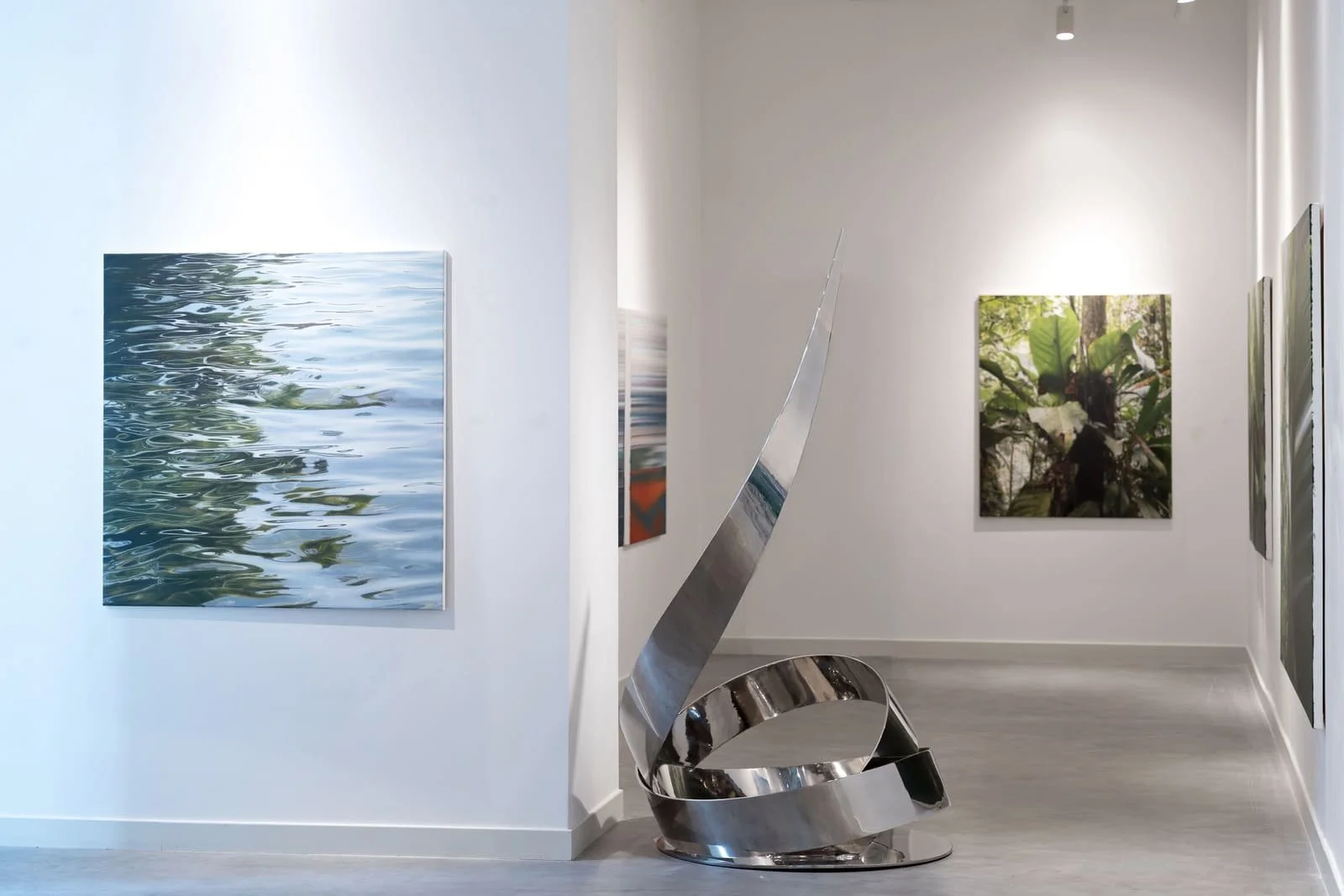
Will & Wall Sculpture by Costantini
photography credits
New York townhouse exhibit: Hayley Ellen Day