people • designers
At 18, Alana Marie lay down on the floor of the Sagrada Família and looked up. The scale, colour and strangeness of Gaudí’s interior stopped her completely, and with it came the realisation that space could alter the way a person feels.
That instinct later took her to Los Angeles and into Kelly Wearstler’s studio, where she learned another defining lesson: there are no rules.
Today, through Alana Marie Interiors, she creates highly individual spaces across the US and beyond, guided by one principle of her own: “No repeats.”
Designeers spoke with Marie about creative freedom, client trust and why, in an industry increasingly tempted by recognisable formulas, she would rather begin again each time.
Words: designeers
november 2026
WEBSITE: alanamarieinteriors.com
INSTAGRAM: @alanamarie_interiors
DESIGNEERS
You say you did not always know you wanted to be a designer, but your childhood suggests otherwise.
Alana Marie
Apparently it was always there, whether I recognised it or not.
My parents reminded me that from about seven or eight through high school, once a year I wanted to completely redesign my bedroom. At first they thought it was cute, but then it became this annual event. There would be themes, new colours, wallpaper and bedding.
One year I dragged this huge fake tree upstairs from our living room because I wanted a jungle room. We had leopard wallpaper, and I hung monkeys from the tree above my bed. My mother said, “You always had it in you. We just didn’t know it was a career.”
DESIGNEERS
Then Barcelona changed the direction completely.
Alana Marie
I had taken some time after high school and was travelling in Europe. I went to Barcelona intending to stay for about a week and ended up there for four months because I fell completely in love with the city.
One day I wandered into the Sagrada Família and literally lay down on the floor looking up. I remember thinking, how is this possible? How can somebody create a place that makes you stop, makes you emotional, makes you feel comfortable and completely out of your element at the same time?
I had just turned 18, and it was one of those moments when you understand that the world is so much bigger than you are.
At that point, I thought the answer was architecture.
DESIGNEERS
You eventually moved from architecture into interiors. What changed?
Alana Marie
I studied architecture in Miami for about two years, then started working with a design firm and travelling again. By the time I came to Los Angeles, I understood that I was much more interested in what happened inside the building.
I went back to school for interiors, completed a four-year programme in three years, and towards the end I interned at Kelly Wearstler. After two internships, they offered me a position. That became an incredibly formative period.
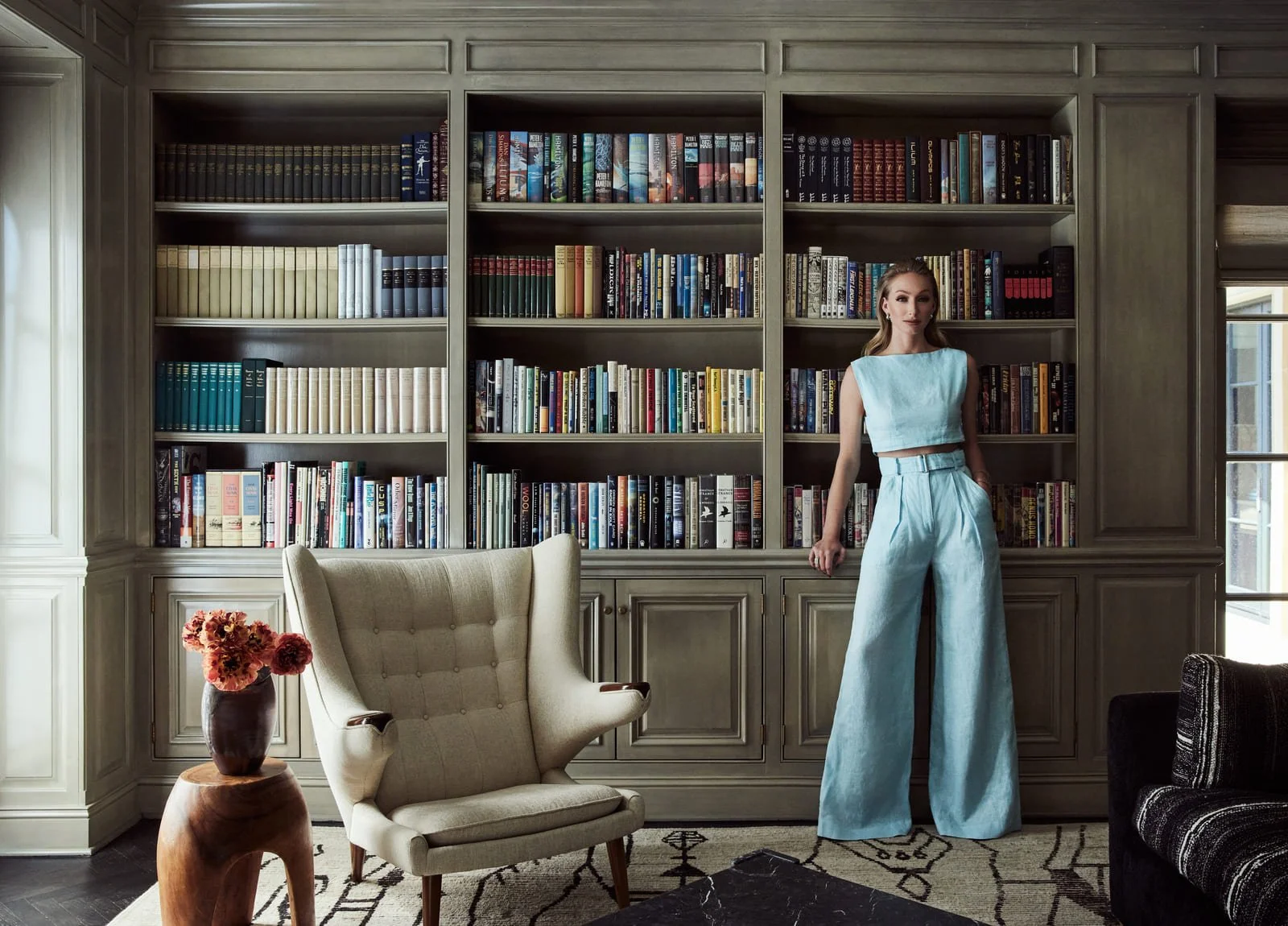
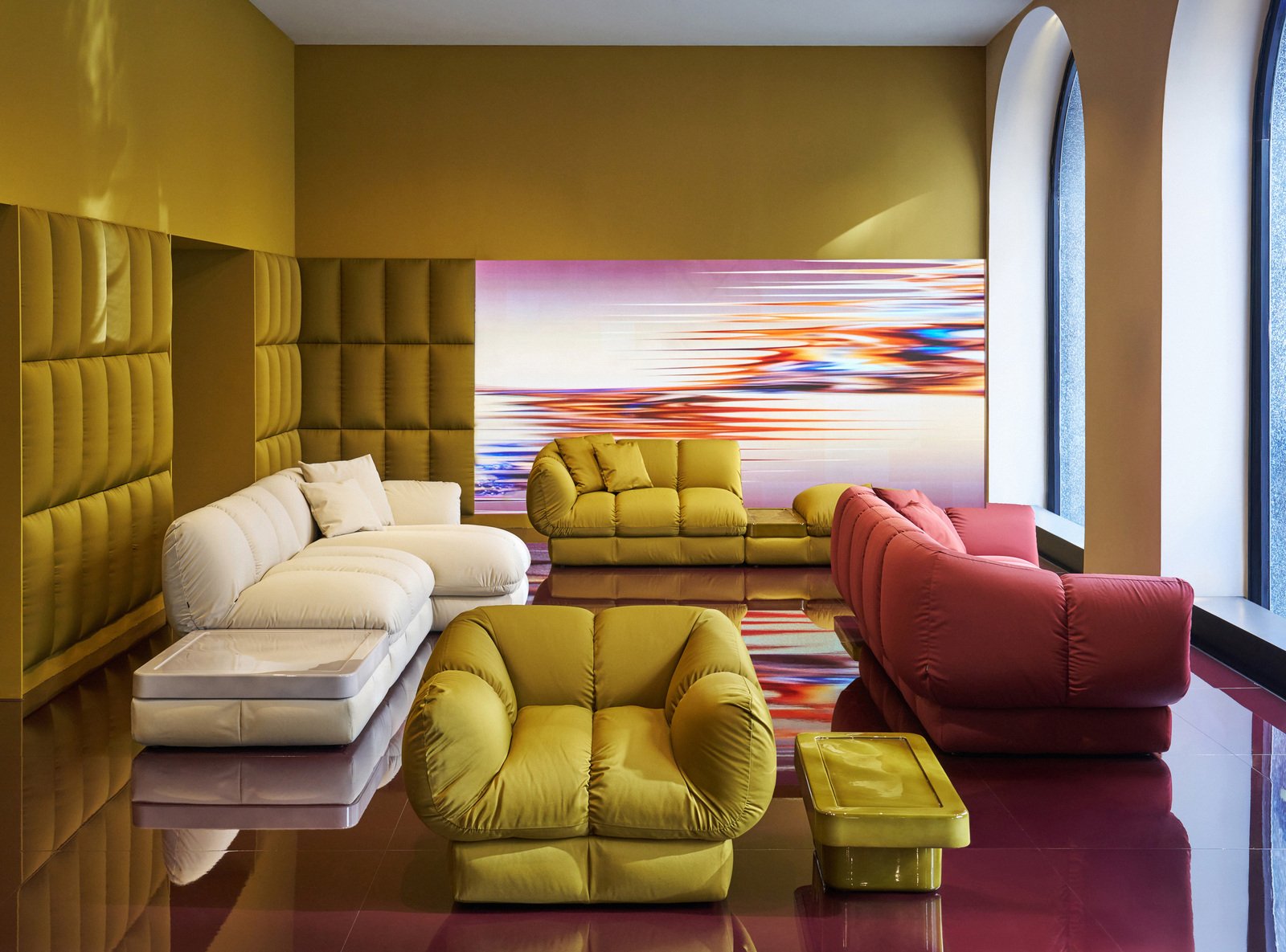
Vintage Social project by Alana Marie in Los Angeles
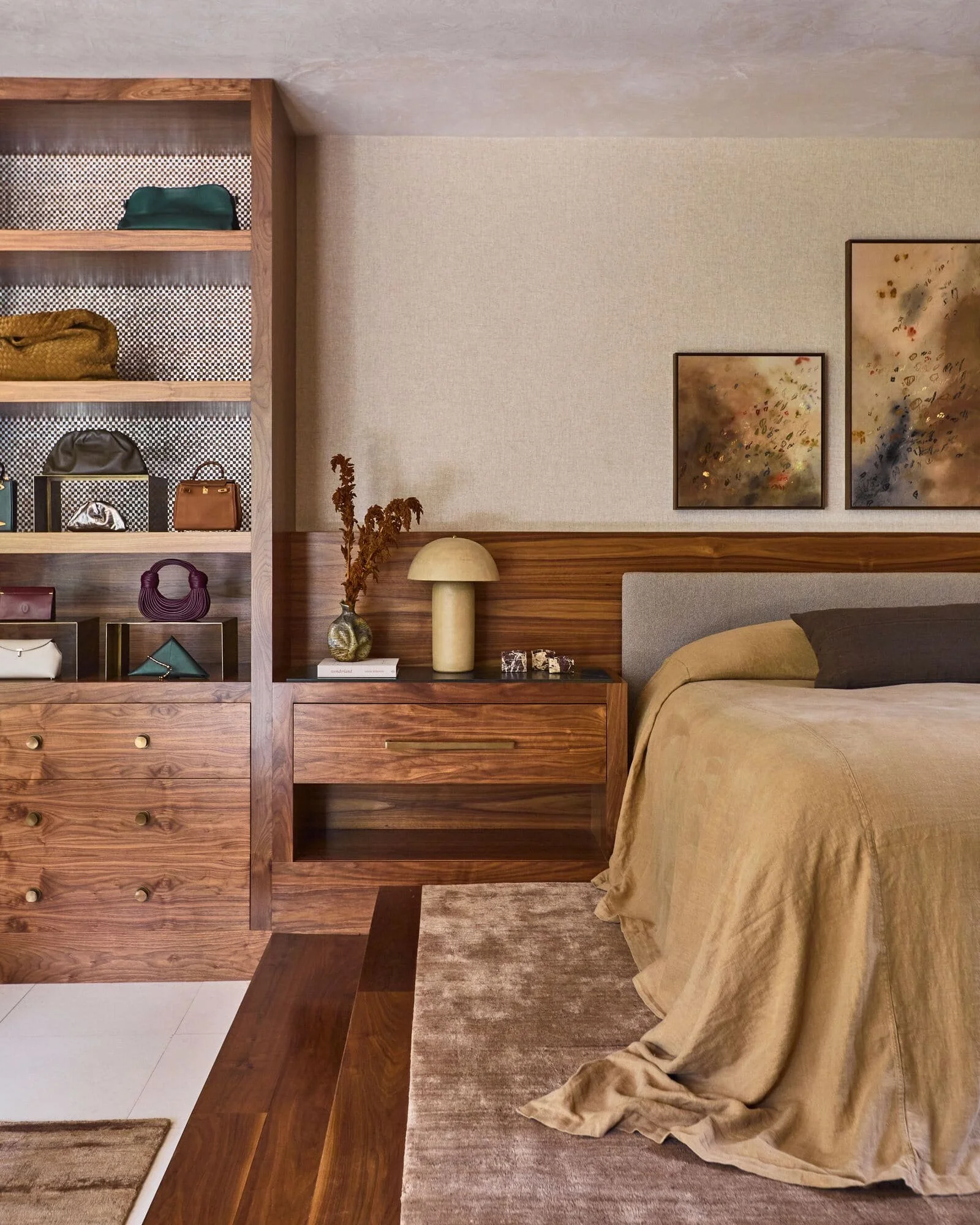
Vintage Social project by Alana Marie in Los Angeles
DESIGNEERS
What did Kelly Wearstler teach you?
Alana Marie
The biggest thing was that there are no rules.
That is such a valuable lesson when you are young because you realise you do not have to fit everything into an established box. Kelly has always been incredibly fearless about materials, colour and combinations that other people might initially find uncomfortable.
I remember working on the Austin Proper. We were installing the hotel, and there was nothing happening on the reception ceiling. Kelly found this checked fabric and said, essentially, “That needs to be on the ceiling.”
Everybody immediately explained why we could not do it. The fabric was not fire-rated, there were technical problems, installation problems.
She looked at the design team and basically said, “Figure it out.”
So we did. We found treatments, backing, installation methods, everything we needed. I remember watching it go up and thinking: you really can do almost anything if you want the idea badly enough.
That sounds like a very simple moment, but it stayed with me.
DESIGNEERS
You later worked with Kara Mann before launching your own studio at the beginning of COVID. Was that timing terrifying?
Alana Marie
It was not the plan.
I joined Kara to help develop a hospitality division in Los Angeles. We were working on a project in Houston and then, about eight months in, COVID arrived and everything stopped.
I had imagined that perhaps three or four years later I might start my own studio. Instead, the world essentially said, “No, it is now.”
Strangely, the timing worked. Everybody was sitting at home staring at the things they had wanted to change for years.
My first independent project came through somebody I knew from my time at Kelly. It began as a home bar and turned into a relationship that still continues. We did the children’s rooms, then the kitchen, then the den. We have gradually worked our way through the house.
That first project still means a lot to me.
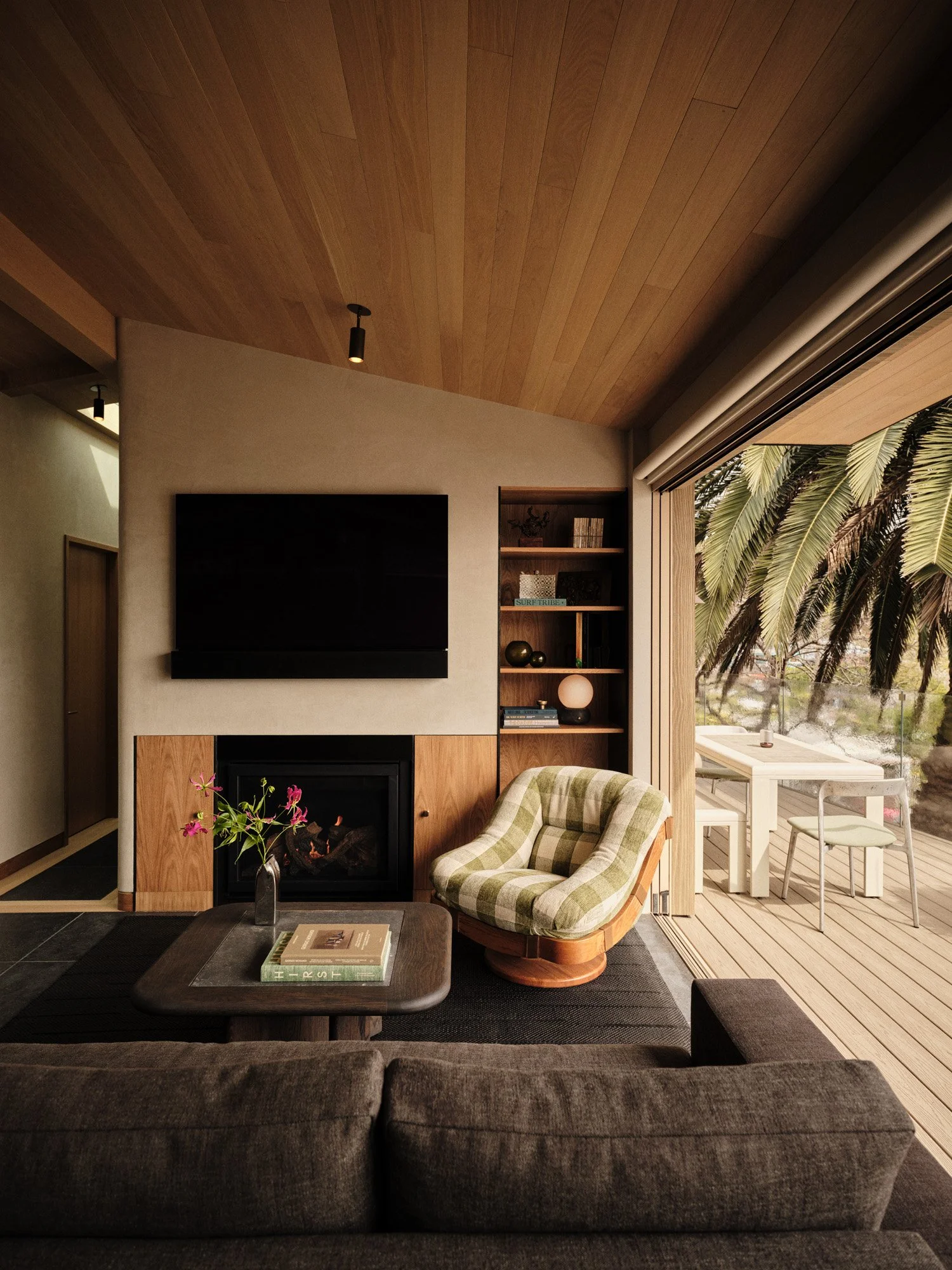
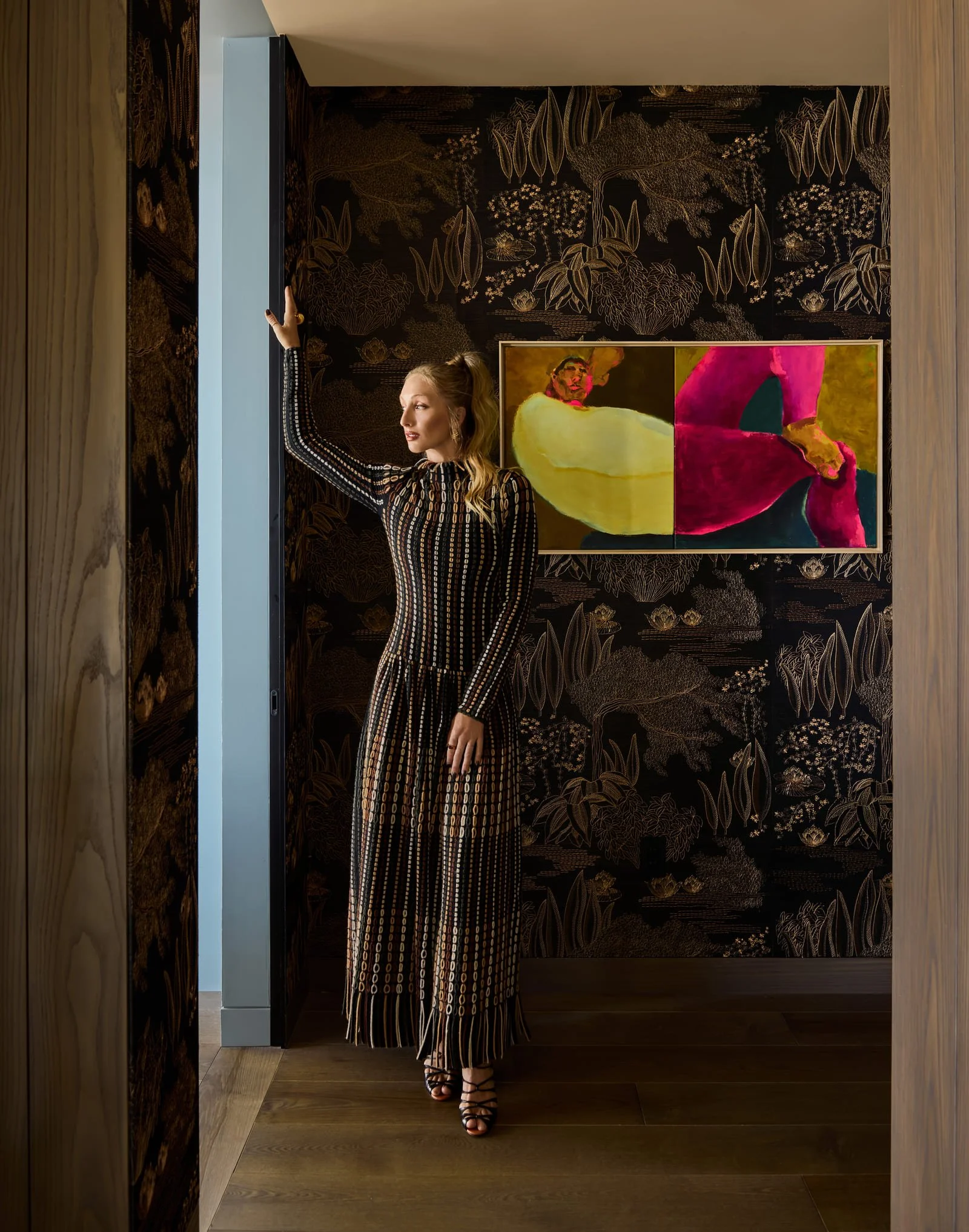
Paradise project by Alana Marie in Malibu, CA
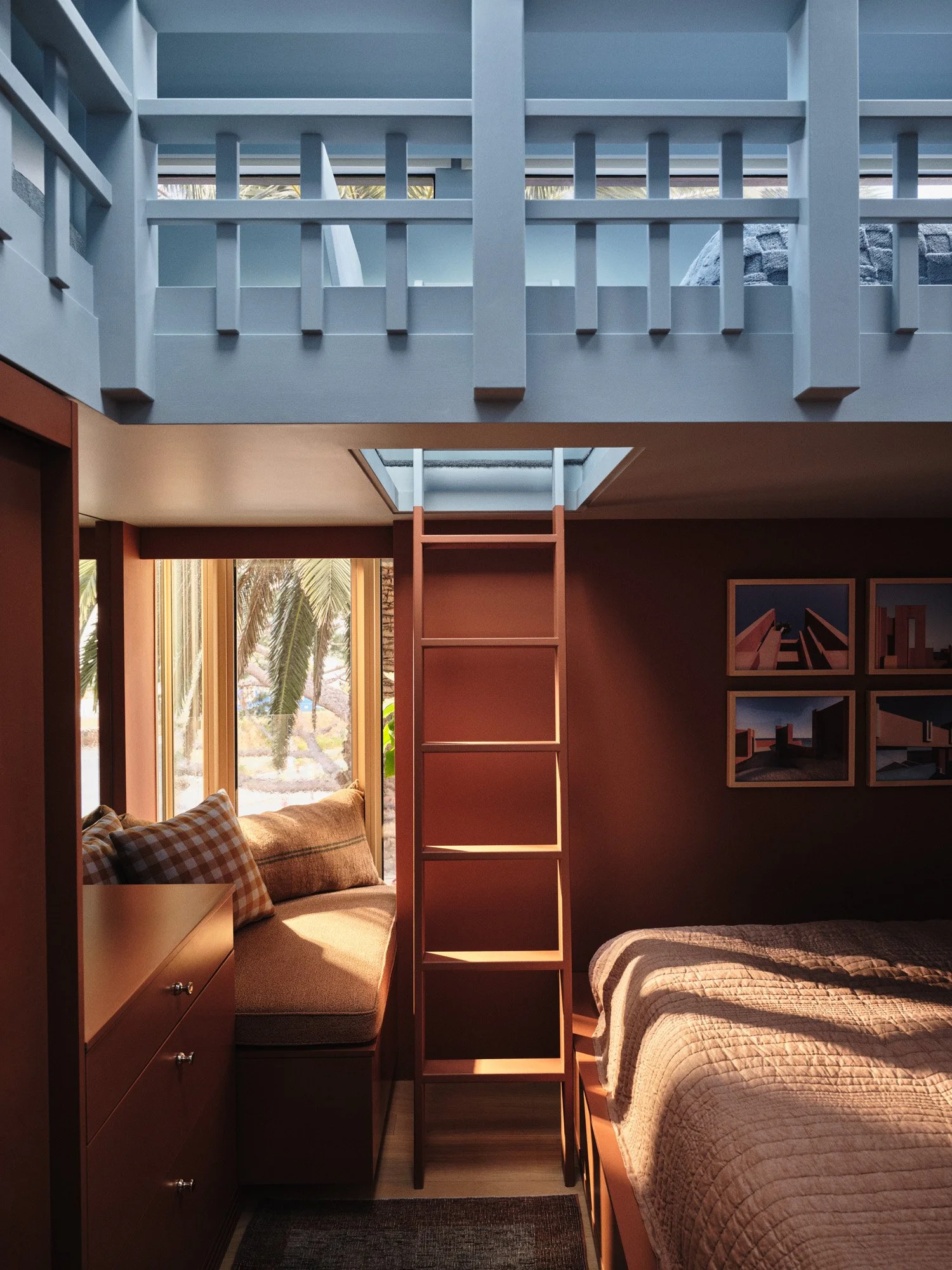
Paradise project by Alana Marie in Malibu, CA
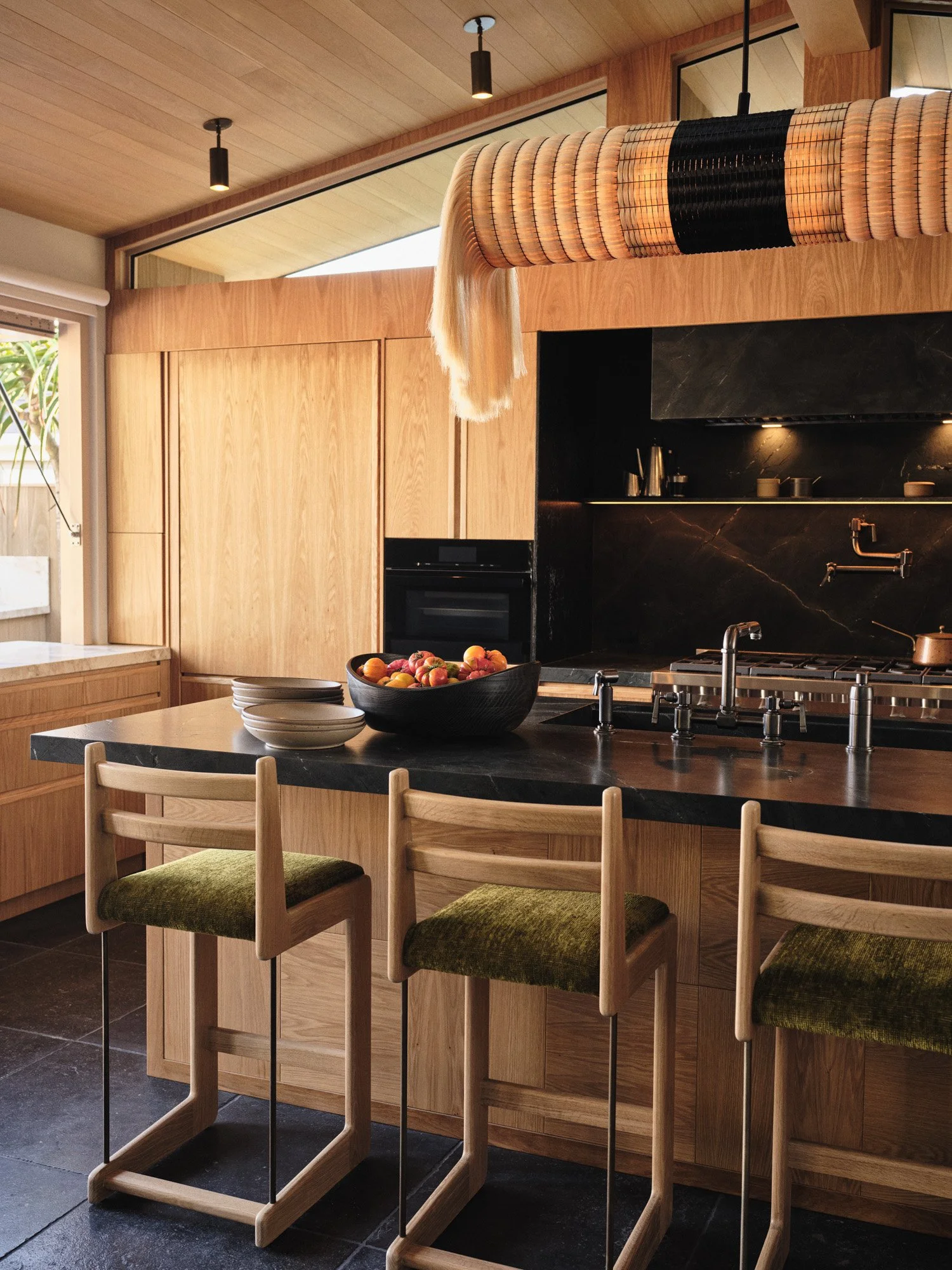
Paradise project by Alana Marie in Malibu, CA
“You really can do almost anything if you want the idea badly enough.”
Alana Marie
DESIGNEERS
What was it like seeing an entire home completed under your own name for the first time?
Alana Marie
Surreal. The first whole-house project that really gave me that feeling was our Bel Air residence. It was an older home, and while we were not changing the structure dramatically, we reworked the floors, bathrooms, finishes, railings and almost all of the furniture.
When the photographs came back, and then other people started publishing and reposting them, I remember thinking, “People are looking at this?”
I still have that reaction. It feels strange that something that existed in your head, then in sketches and drawings for years, suddenly exists independently in the world.
DESIGNEERS
You have said that giving clients too many choices can actually make the design process worse.
Alana Marie
Absolutely. Clients want a voice, and they should have one, but there is a point where choice becomes stressful rather than empowering.
We generally present three or four highly curated possibilities. Anything within those options is something we would be happy to use. But there is a reason we do not present 25.
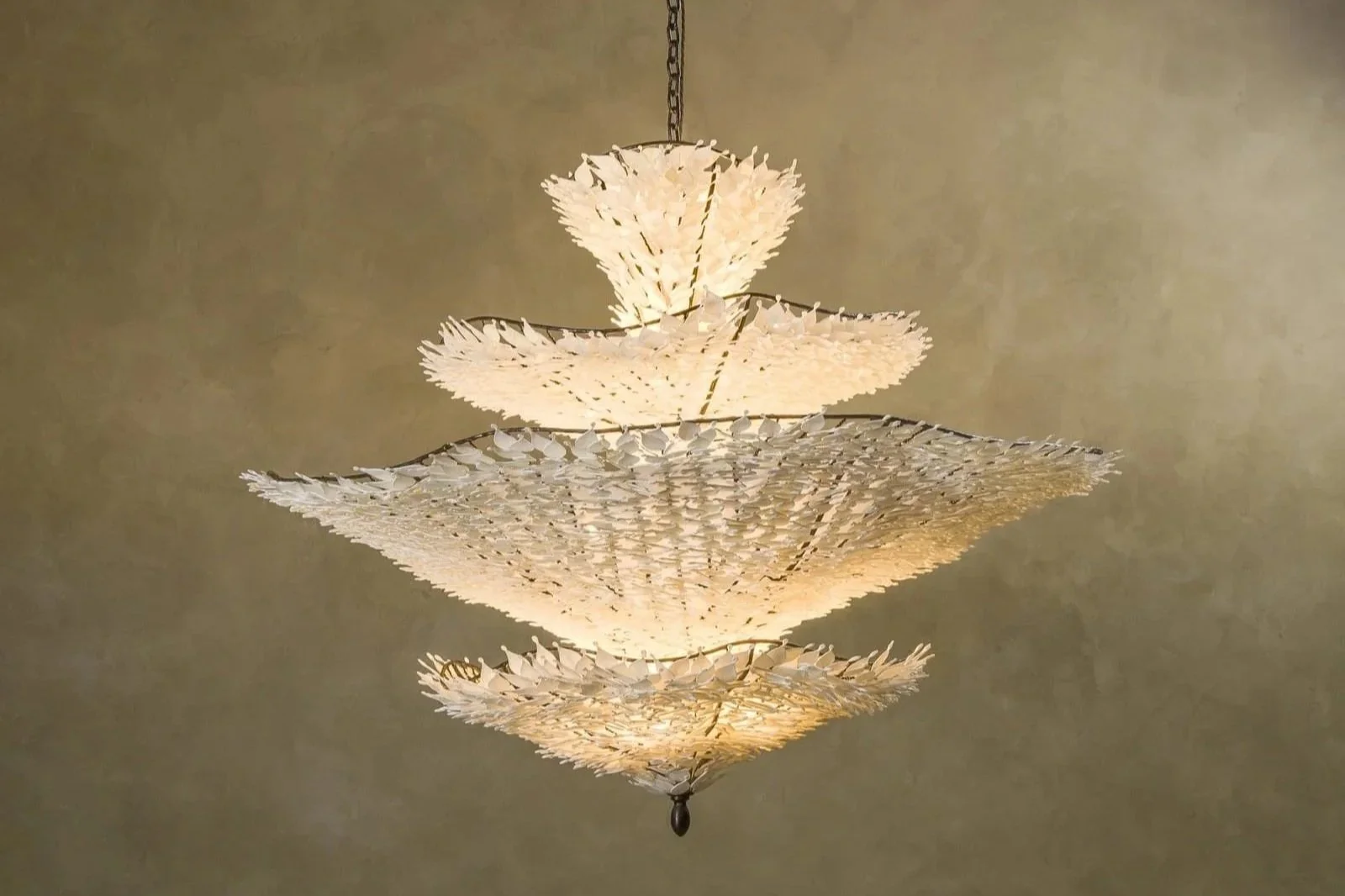
Everything in an interior affects something else. If you suddenly choose a chandelier with fringe, perhaps that changes what can happen on the sofa. A decision that looks isolated to the client often has consequences throughout the room.
That is part of what they are hiring us to understand.
We recently finished a four-year house in Tahoe, and afterwards the client wrote something very funny in our questionnaire. Early in the project, she would ask us to show her more options, then more again, and every time she ultimately came back to the first selection.
She said she wished she had understood earlier simply to trust us.
That is really the process. Trust becomes more important than infinite choice.
DESIGNEERS
How do you understand a client before you begin designing?
Alana Marie
We ask almost absurd amounts of information.
Are you a shoes-on or shoes-off household? Is there somewhere in the world your family travelled that stayed with you? What colours do you respond to? What do you eat? How do you live?
Then I ask them to send us photographs of anything they love.
The interesting thing is that people usually send interiors from Pinterest. I tell them, “I don’t want to see the room you think is cool. I want to see what you actually like.”
Send me a pair of shoes. A plate. Your grandmother’s rocking chair. A colour. A restaurant. Something you brought home from a trip.
We are not trying to reproduce somebody else’s interior. We are trying to extract enough information from you to create yours.
When we present the initial concept, it is not a photorealistic rendering. It is texture, colour, objects, references, atmosphere.
If you show somebody a finished-looking 3D room too early, they become psychologically attached to it. We want the concept to remain open enough to evolve.
DESIGNEERS
Looking across your projects, there is warmth and a strong mix of material, but not an obvious signature style. Is that deliberate?
Alana Marie
Very. I never want us to have a lane.
If somebody comes to our studio, they are probably not looking for a rigidly minimalist house or a formula they have already seen in ten of our previous projects.
Someone recently asked me what distinguishes the studio, and I had to think about it. Then I realised: no repeats.
Across seven years of projects, we have never intentionally repeated a material or a piece in exactly the same way.
There is something exciting for the client in not knowing precisely what they are going to get. They can look at the body of work and think, “I trust that I am going to like it, but I have not seen my house yet.”
That is where the adventure is.
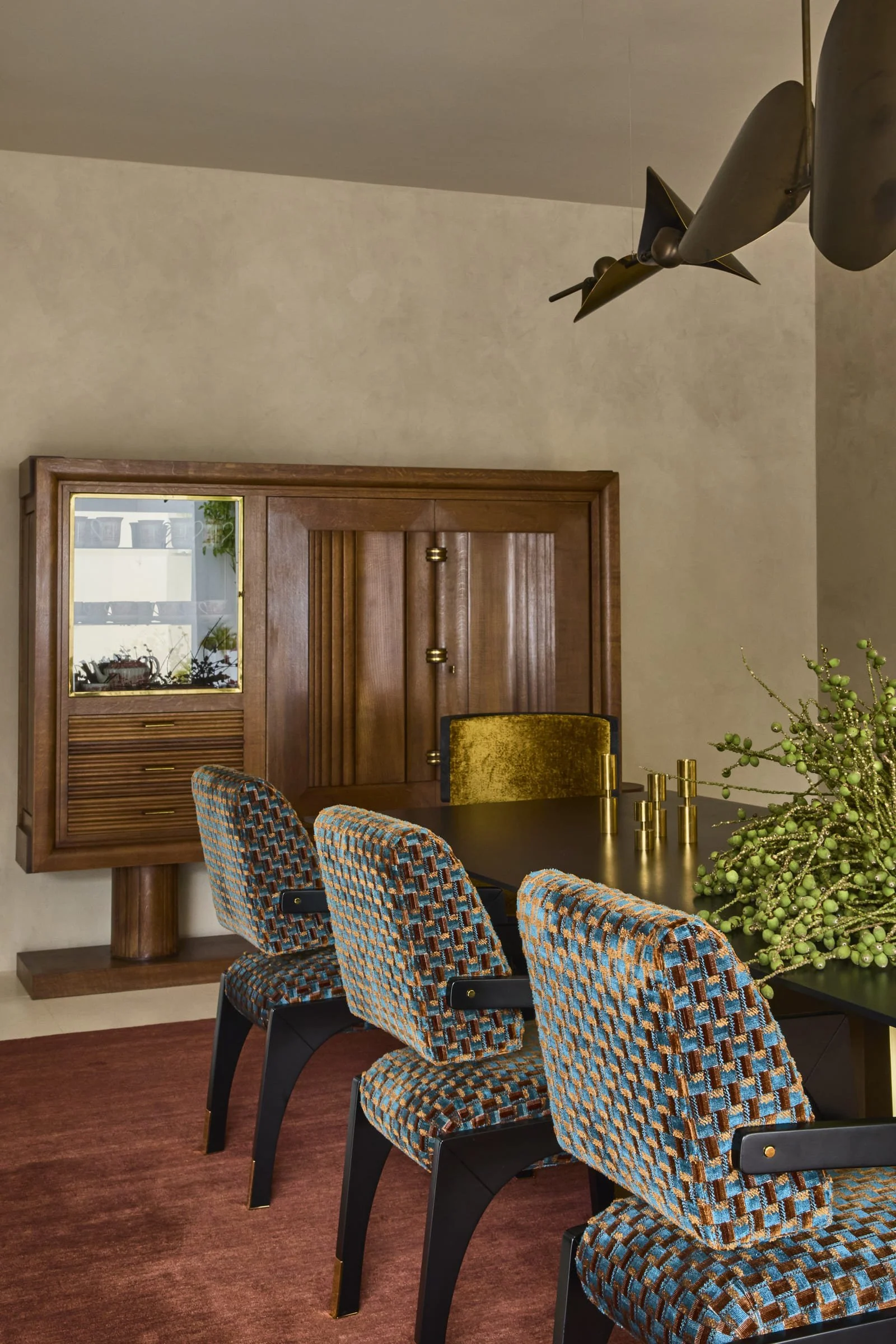
Vintage Social project by Alana Marie in Los Angeles
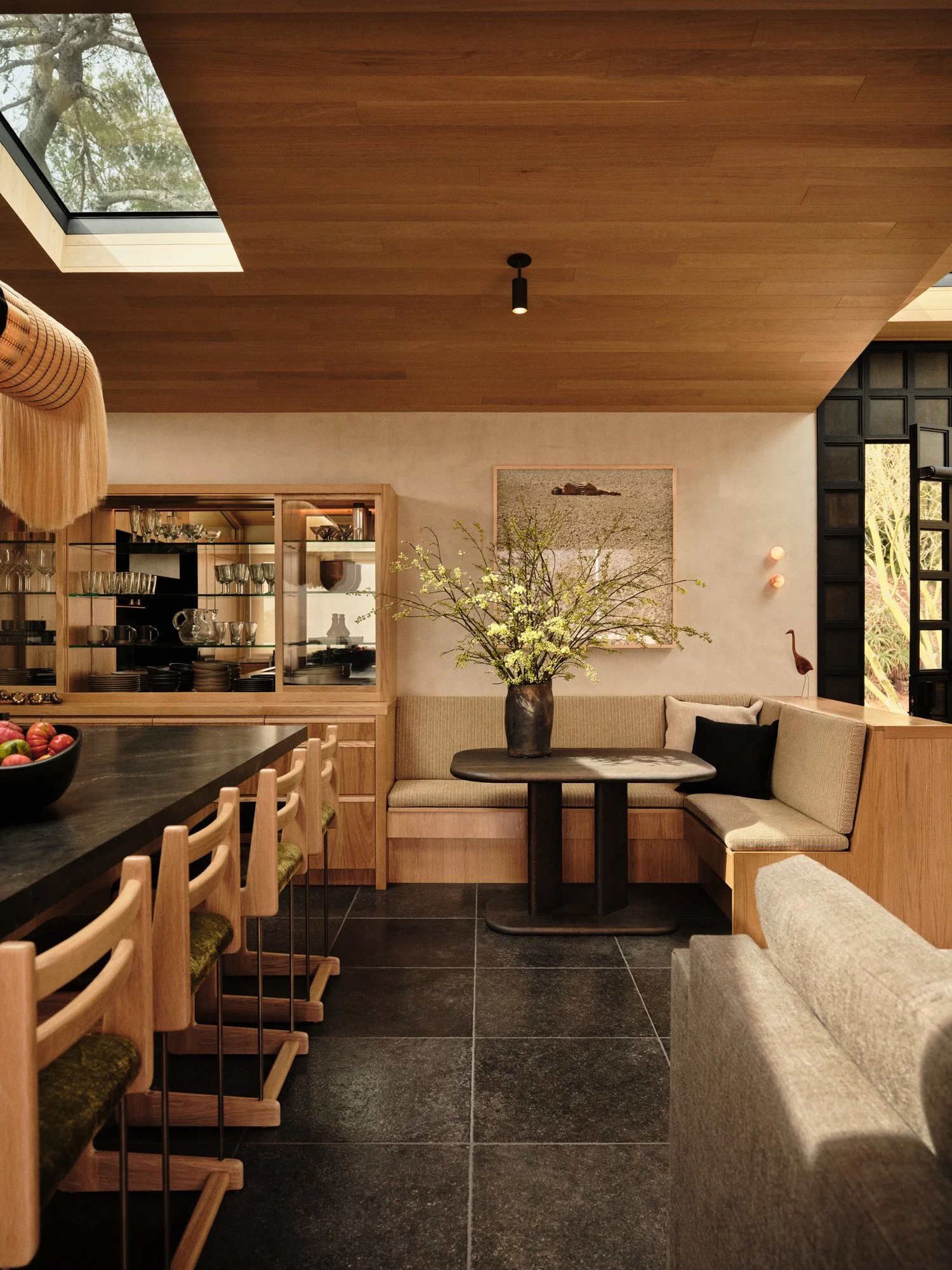
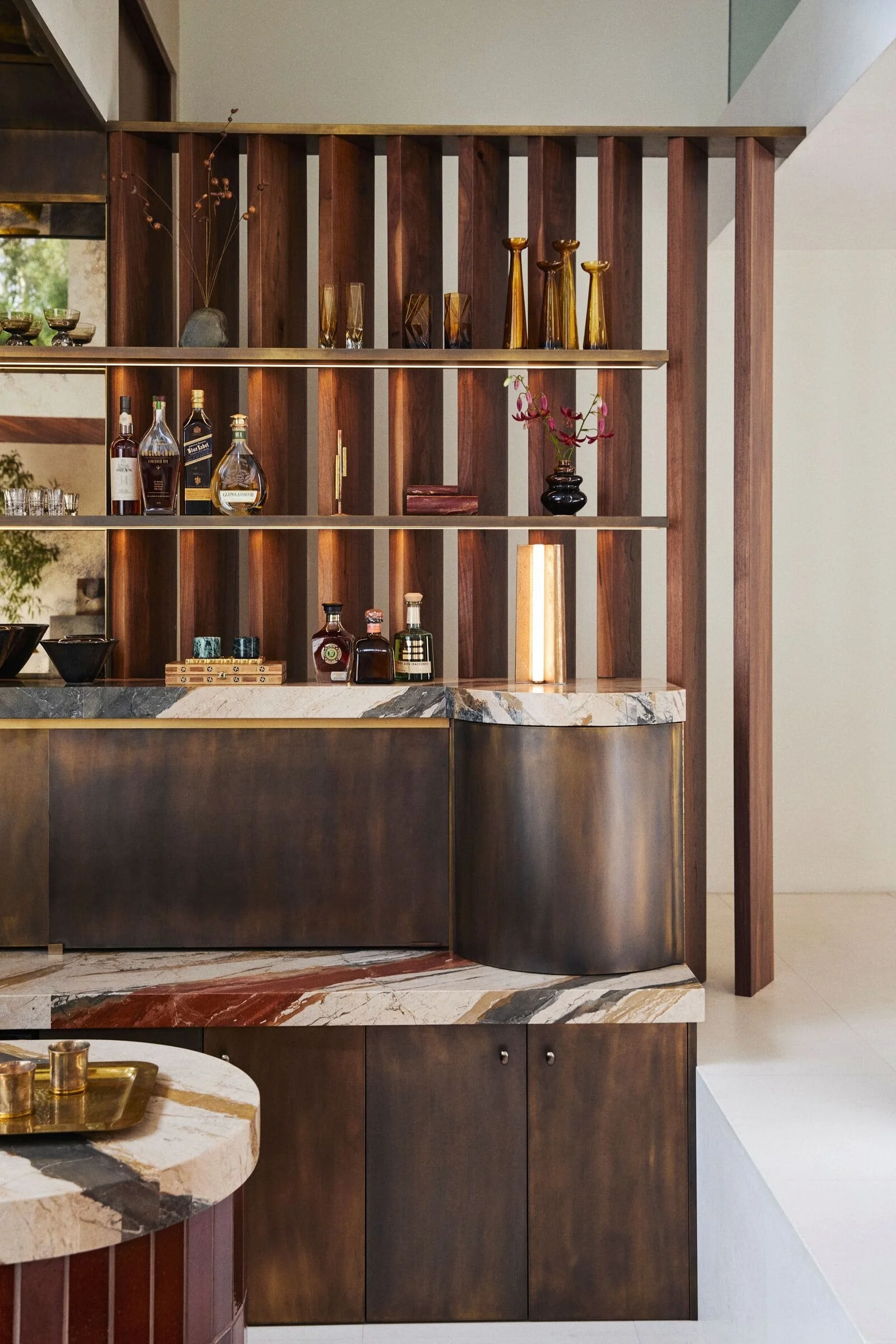
Paradise project by Alana Marie in Malibu, CA
DESIGNEERS
Does that require an unusual degree of trust from the client?
Alana Marie
Completely. Sometimes we present something and the client is simply unsure. If I feel strongly about it, I will say, “Let us try it. If you still hate it when everything is installed, we will change it.”
Usually it stays.
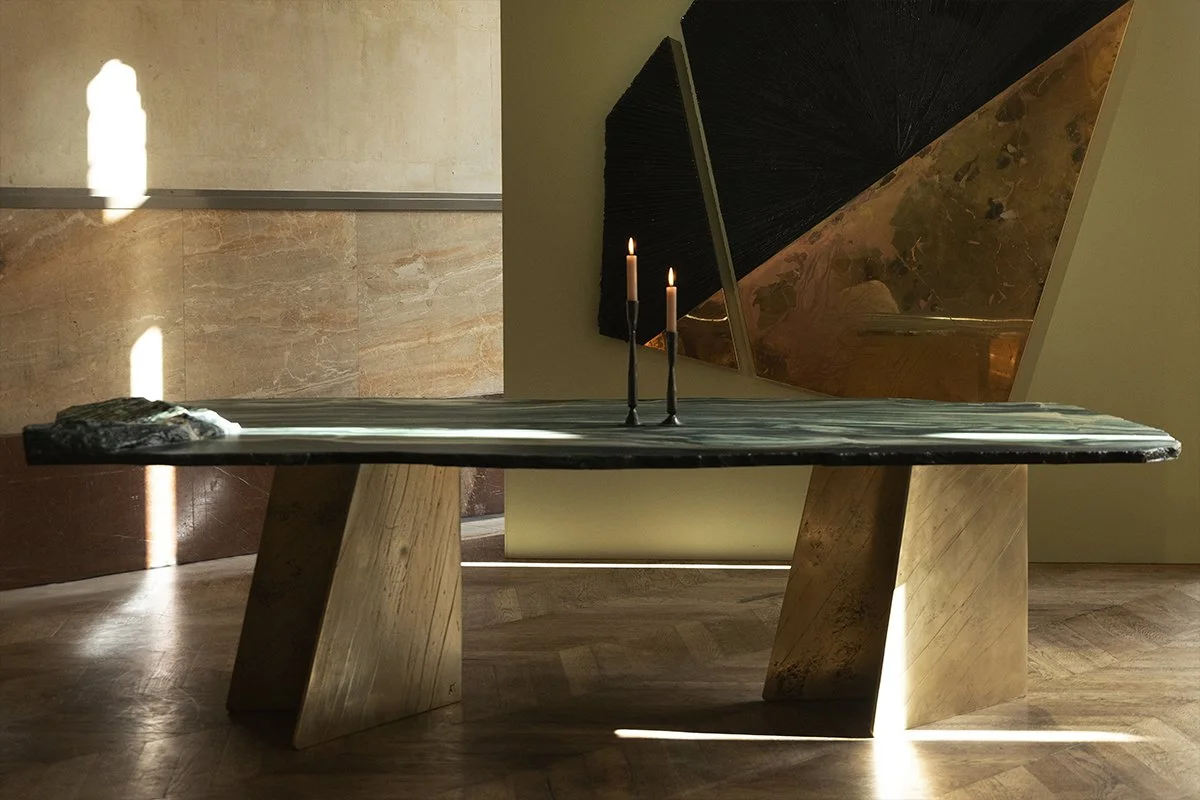
In Tahoe, we designed a dining table using this very raw-looking piece of wood. The client was worried because the rest of the house felt polished and elevated. She thought it might look completely out of place.
I kept saying, “That is exactly why it needs to be there.”
She trusted us, and afterwards told me it might be her favourite object in the house.
Juxtaposition is often what makes a room interesting. If everything belongs too easily, you lose tension.
DESIGNEERS
Collectible design appears increasingly often in your projects. What role does it play?
Alana Marie
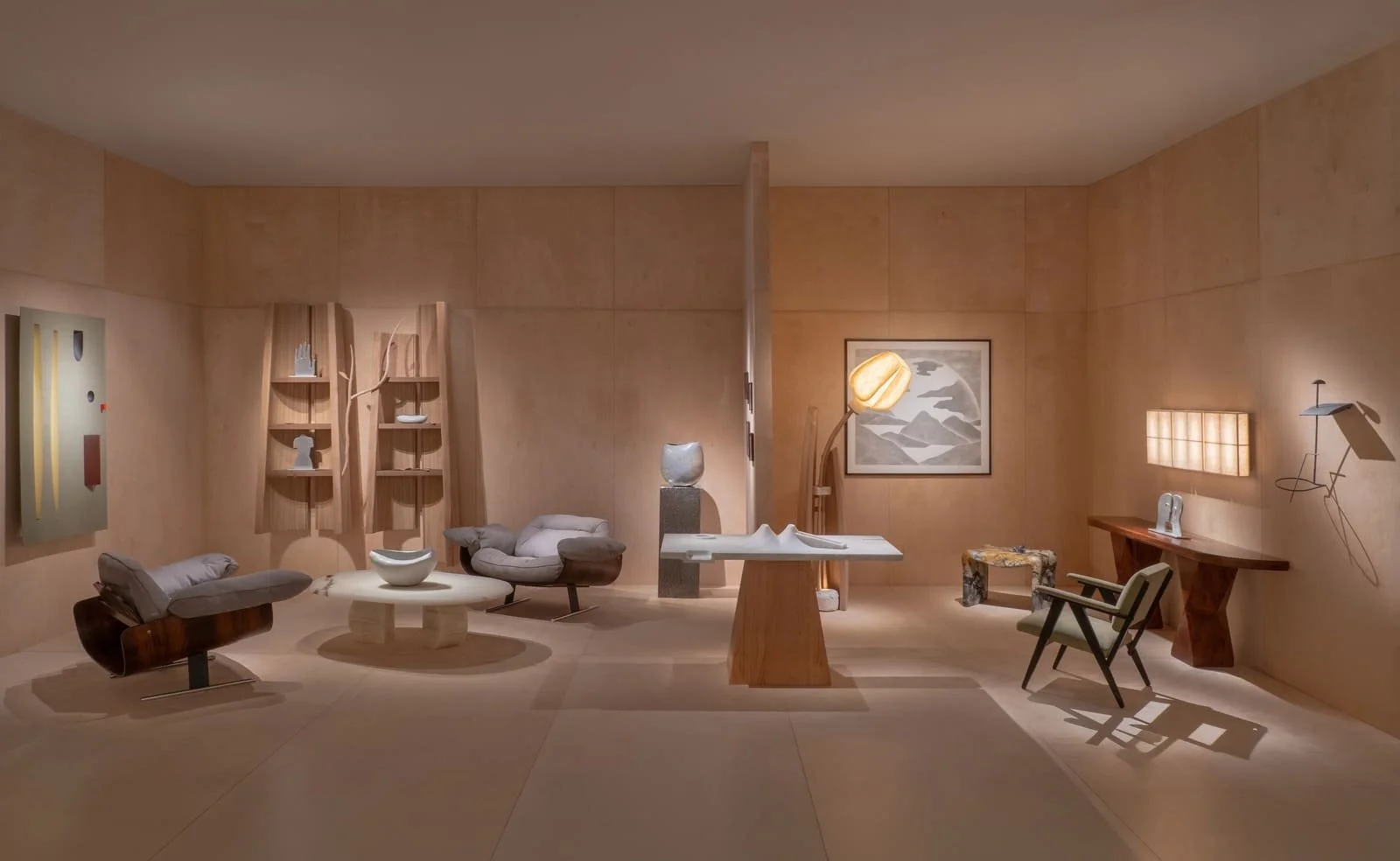
Most clients want a few pieces that have a real presence, something people stop in front of or ask about.
We are constantly mixing collectible pieces with custom work and more accessible furniture. I do not think a compelling interior needs every single object to announce itself as important.
The interesting part is the conversation between them.
We source all over the world. We work with wonderful people in Los Angeles, particularly for custom metal and upholstery, but we are equally likely to commission something in Italy, Denmark or Stockholm.
A house becomes richer when everything does not come from the same place.
DESIGNEERS
Is there a designer or maker whose work is particularly exciting you now?
Alana Marie
There are always people I am watching. I am especially interested in makers who combine materials in ways that feel difficult to categorise, because that is often where something new begins.
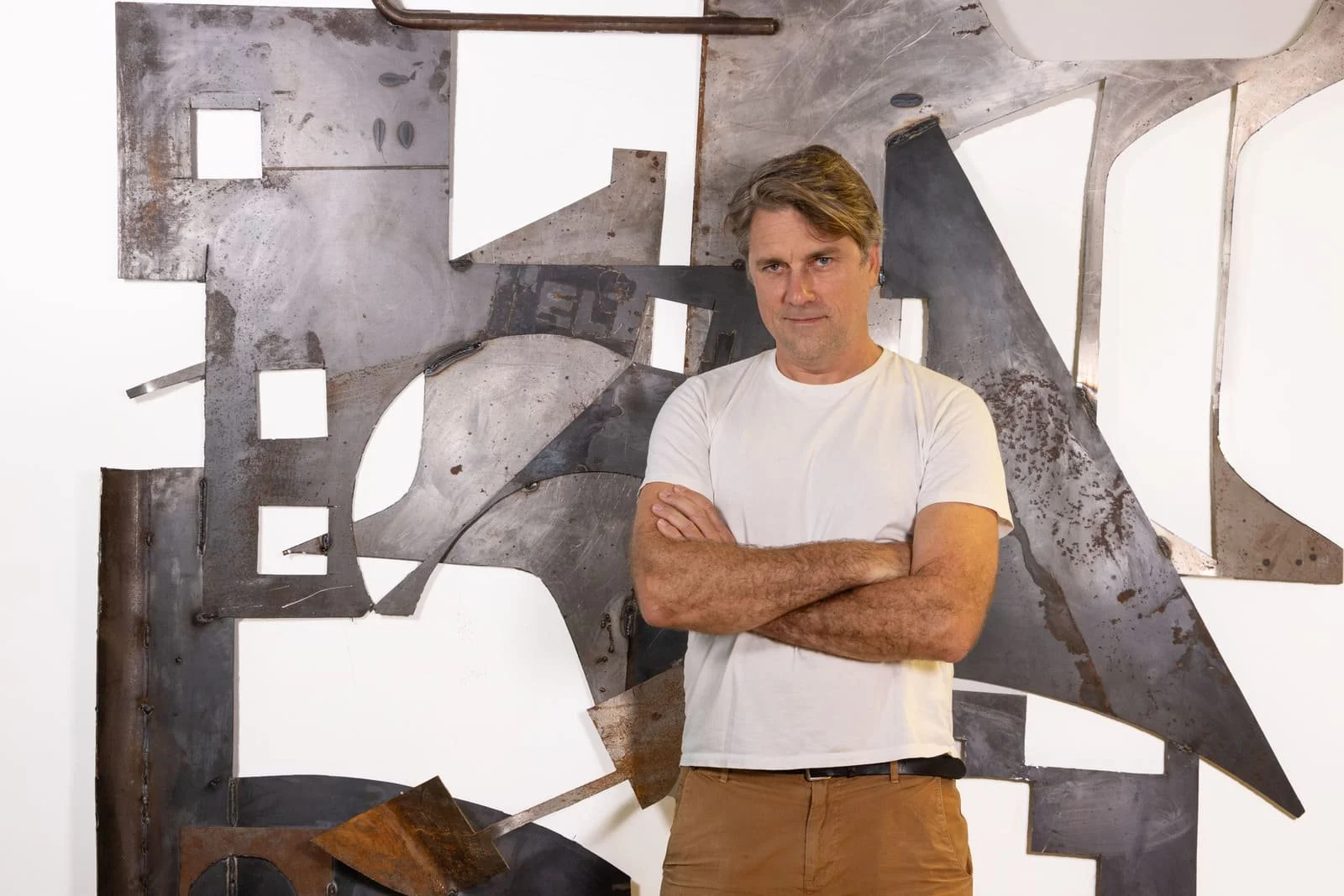
And locally, Rhett Baruch Gallery has been an incredible source for us. Their eye for finding artists is very strong, and we have worked with them across entire homes.
That kind of relationship is invaluable because you are not simply shopping for an object. You are discovering people.
DESIGNEERS
What would you consider the greatest success for a completed interior?
Alana Marie
That the client feels it could only belong to them.
I do not want somebody to walk into one of our projects and immediately recognise a formula.
Ideally, the room contains things that make sense because of the people living there, their history, their travels, their habits and the way they actually move through the house.
You can still feel our hand in it, but it should never overwhelm theirs.
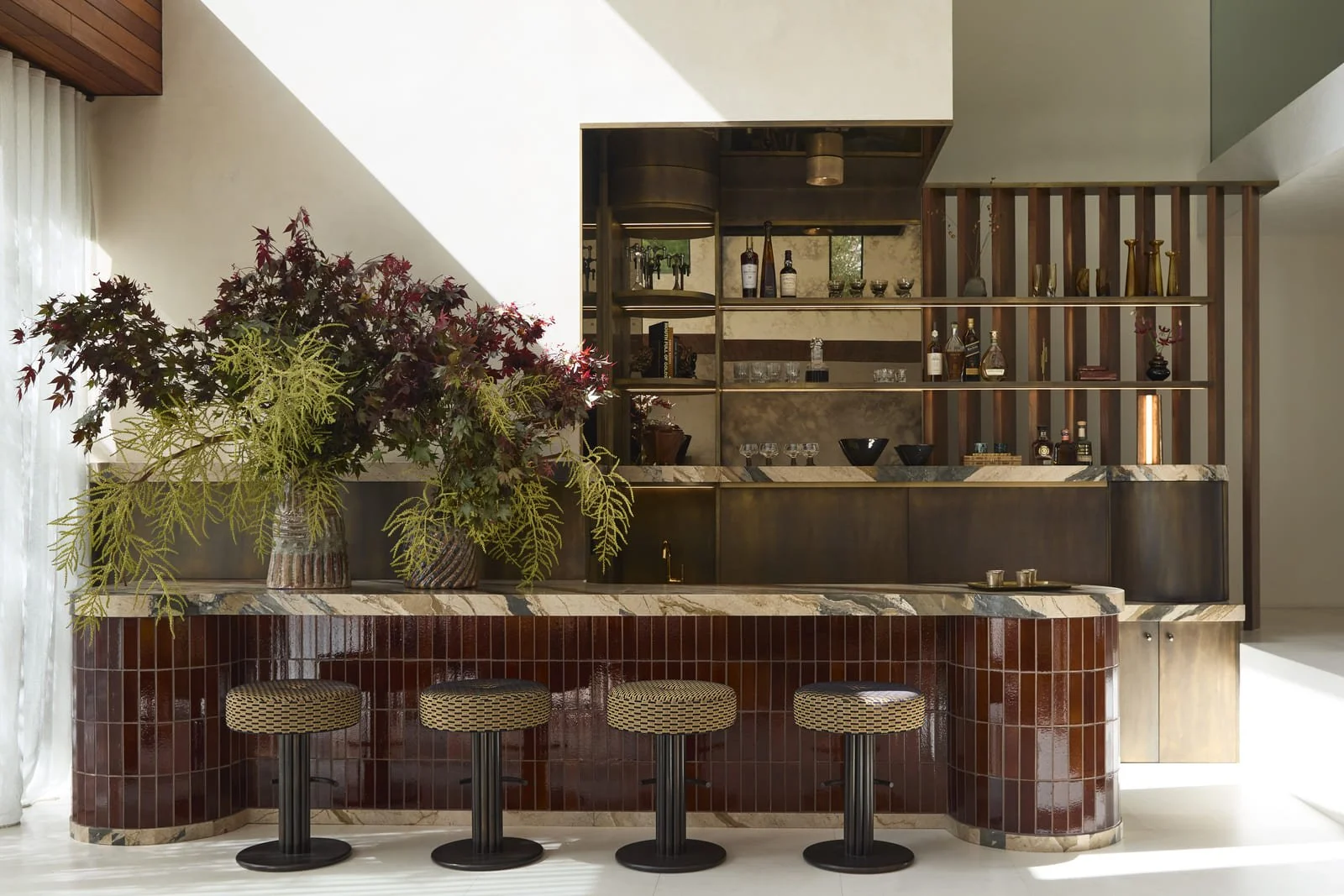
Vintage Social project by Alana Marie in Los Angeles
There is a useful contradiction in Marie’s philosophy. The designer who learned that “there are no rules” has built an increasingly rigorous process around protecting creative freedom: fewer choices, more research, more trust and, above all, no repetition.
It is an approach that resists one of contemporary design’s easiest temptations, the recognisable formula. Marie would rather begin again.
Perhaps that is why the annual childhood bedroom transformations feel less like a charming biographical footnote than an early manifesto. The wallpaper changed, the colours changed, one year an artificial tree appeared behind the bed.
The point was never to perfect the room.
It was to see what else it could become.
photography credits
Rich Stapleton, Mark Durling and Sam Frost