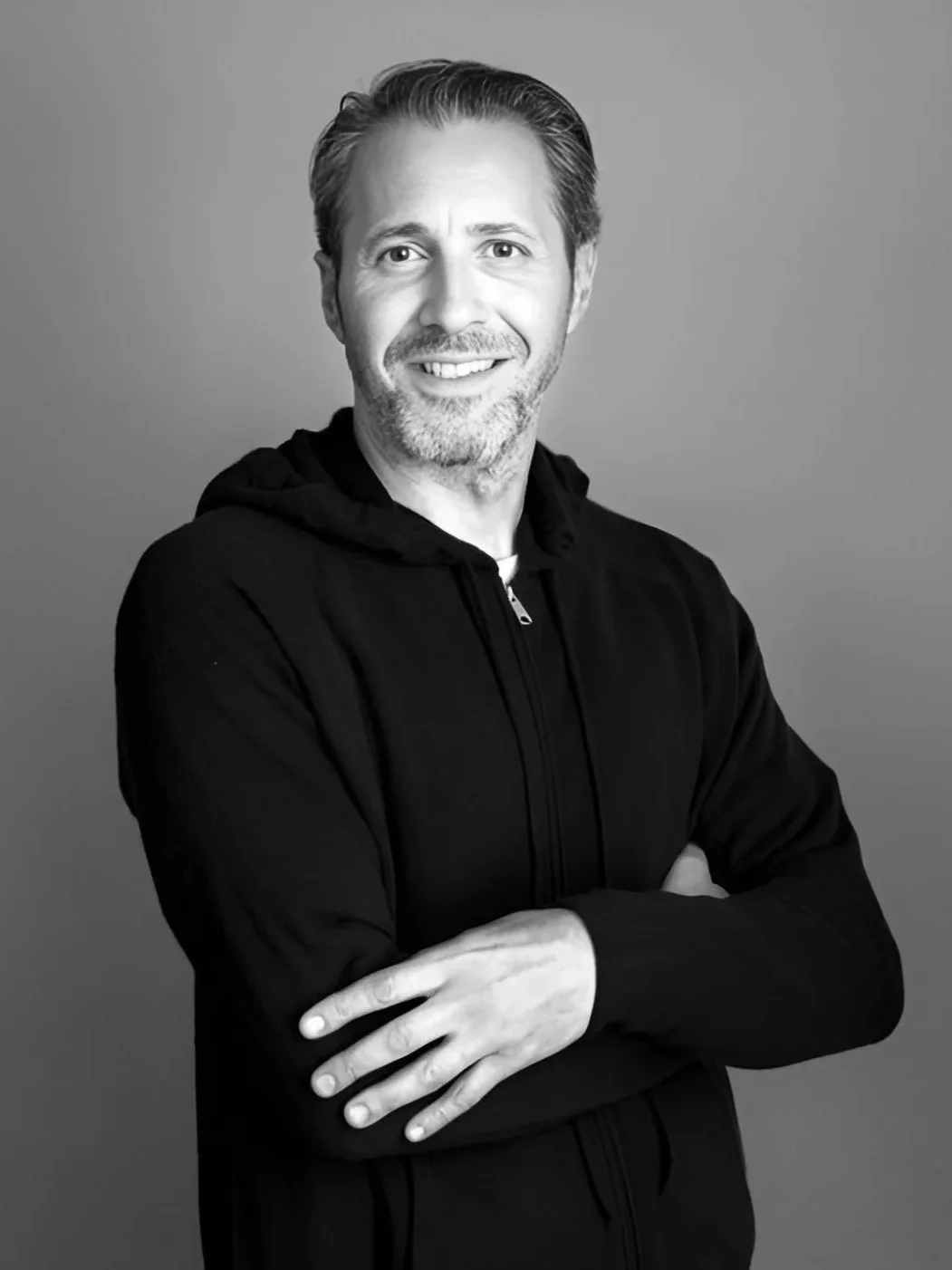
people • designers
At Kwerk in Paris, the architect and entrepreneur is borrowing from hospitality, theatre and wellness to rethink a workplace many of us discovered we could live without.
“The office now has to justify the journey,” Albert Angel says, neatly capturing the problem facing employers, architects and developers after years in which millions of people discovered they could work perfectly well from almost anywhere.
Angel’s answer is not to make the office resemble home. Quite the opposite. “I hate it when people say Kwerk feels like home,” he says. “It shouldn’t. You want to leave home and come somewhere else.”
That distinction sits at the centre of Kwerk, the Paris workplace company he founded with his husband and business partner. Across three locations in the city’s eighth arrondissement, work is treated less as a logistical necessity than as an experience, bringing together highly considered interiors, hospitality, food, wellness and service.
Words: designeers
October 2026
WEBSITE: kwerk.fr/en
INSTAGRAM: @kwerkparis
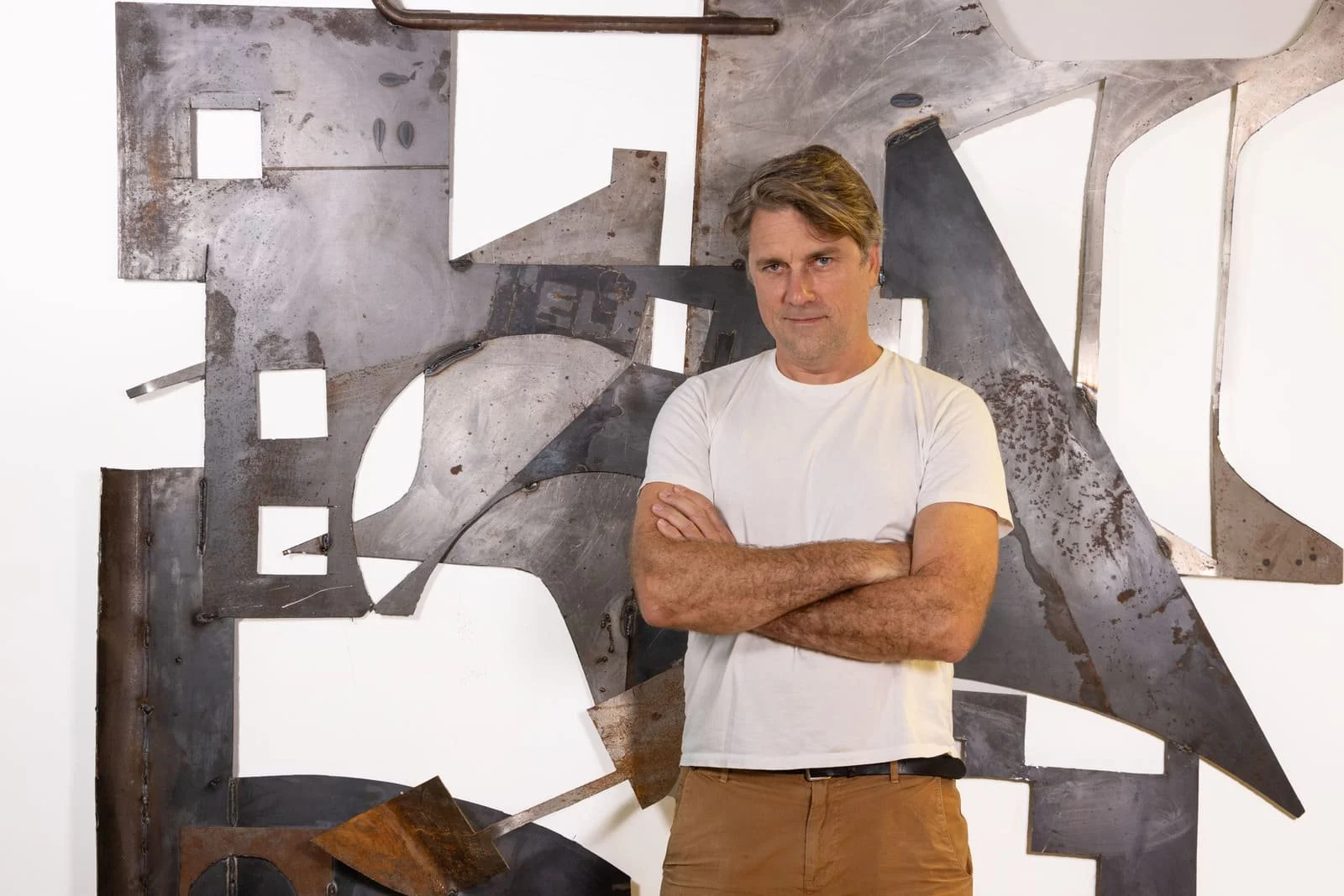
Angel arrived there by an unusually varied route. Born in Kinshasa, educated as an architect in Cape Town and professionally formed in New York, he worked across museum design, branding and hospitality before becoming one of the early occupants of WeWork. Watching the coworking model grow gave him a clear view of what it had solved, but also what he felt was missing: the emotional experience of the person walking through the door.
Designeers spoke with Angel about the office after remote work, what workplaces can learn from hotels, why architecture should create memory, and his ambition to build something closer to the Aman of the working world.
DESIGNEERS
You moved through museum design, branding and hospitality before creating Kwerk. How did those different worlds shape the way you think about space?
Albert Angel
I began in multidisciplinary environments, particularly museum design, and later moved into branding. That was a real turning point because branding sits at the intersection of creativity and business. You are thinking about image, market, identity and how somebody responds emotionally.
Eventually I moved into hospitality design, and that became very important because hospitality forces you to think not just about what a space looks like, but about how somebody experiences it.
When we created Kwerk, all of those influences came together.
DESIGNEERS
You were also one of the early users of WeWork. What did you see there that made you think the workplace could be done differently?
Albert Angel
I had an office in one of the early WeWork locations in New York, so we watched the whole phenomenon grow very quickly.
What interested us was that coworking had clearly solved something, but the model still felt heavily centred around real estate: how many square metres, how many desks, how efficiently the space could be used.
We wanted to bring our hospitality experience into that world and focus much more closely on the person using the space.
The idea was that you should arrive at work and feel looked after, so that you can concentrate on what you actually came there to do.
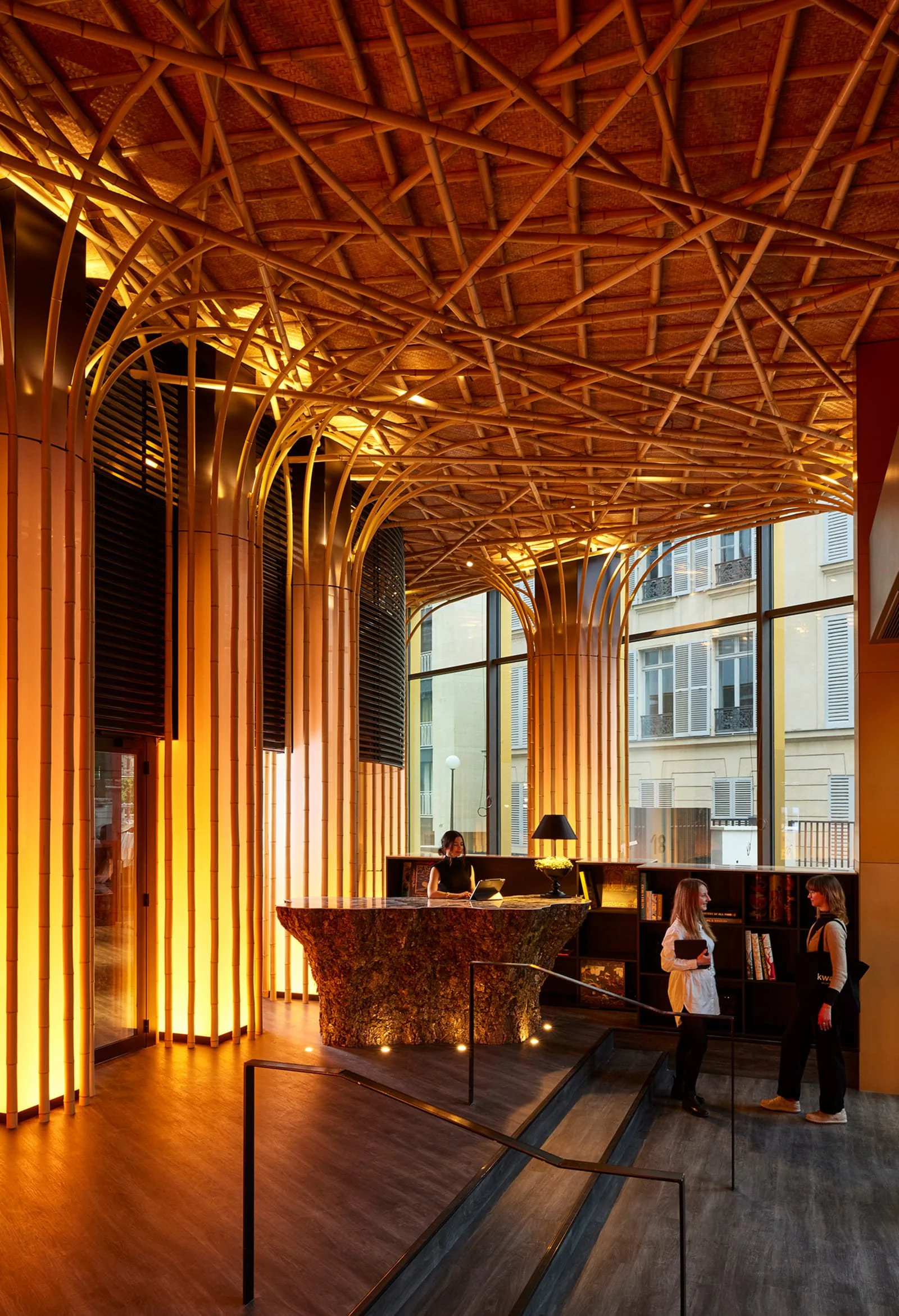
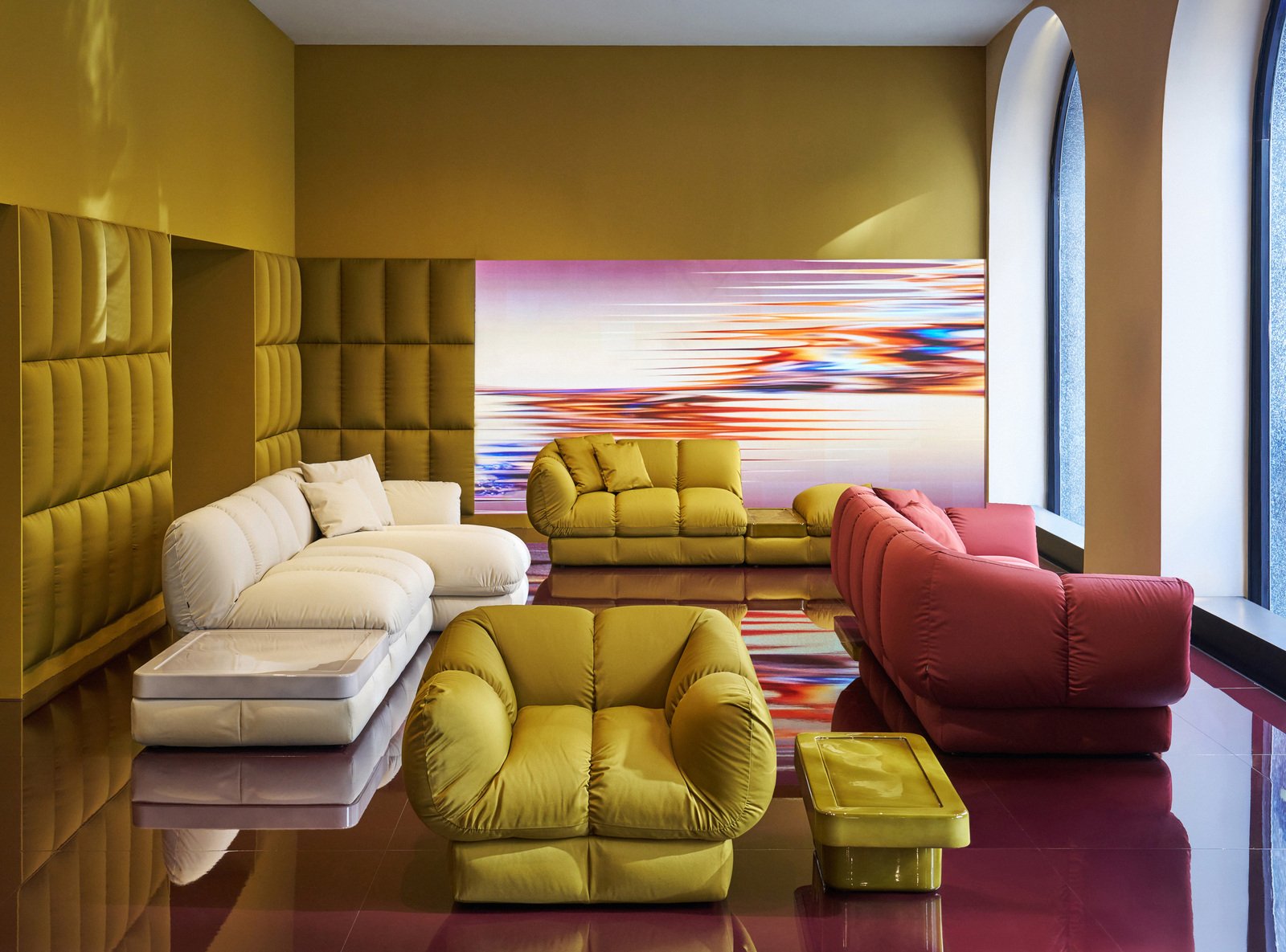
Lobby at Kwerk Saint-Honoré, Paris
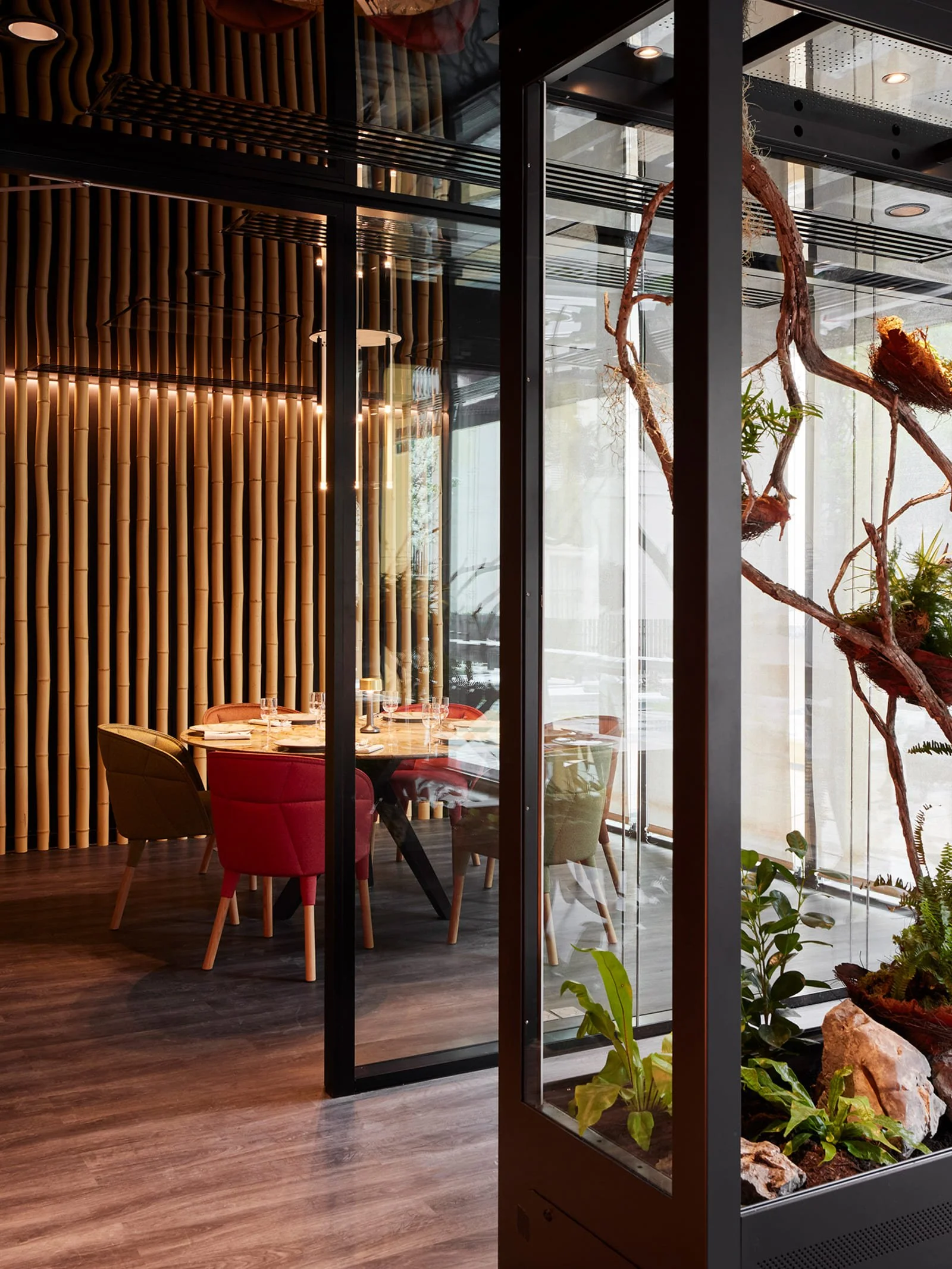
Restaurant and hospitality spaces at Kwerk, Paris
DESIGNEERS
Has remote work fundamentally changed what people expect from an office?
Albert Angel
Completely. People have now worked from home, from hotels and from almost anywhere, so their expectations are higher.
They are no longer willing to travel across a city simply to sit at another desk. The office has to justify the journey.
People expect comfort, beauty, flexibility and good service, but they also want something they cannot reproduce at home. The workplace has become part of how a company communicates its culture to employees.
It can even become a recruitment tool. You are saying, this is the environment we are offering you.
DESIGNEERS
What should an office actually borrow from a great hotel?
Albert Angel
The most important thing is not the amenities. It is the art of receiving people.
In a good hotel, you feel expected. Somebody understands what you need and small points of friction are dealt with before you have to think about them.
That is what we wanted to bring into the workplace. We have concierge-style reception, a general manager for each building, baristas, restaurants and people who know the clients.
For me, hospitality is fundamentally about generosity and care.
Luxury is not ostentatious. It is the feeling that every detail has been considered and that everything works effortlessly around you.
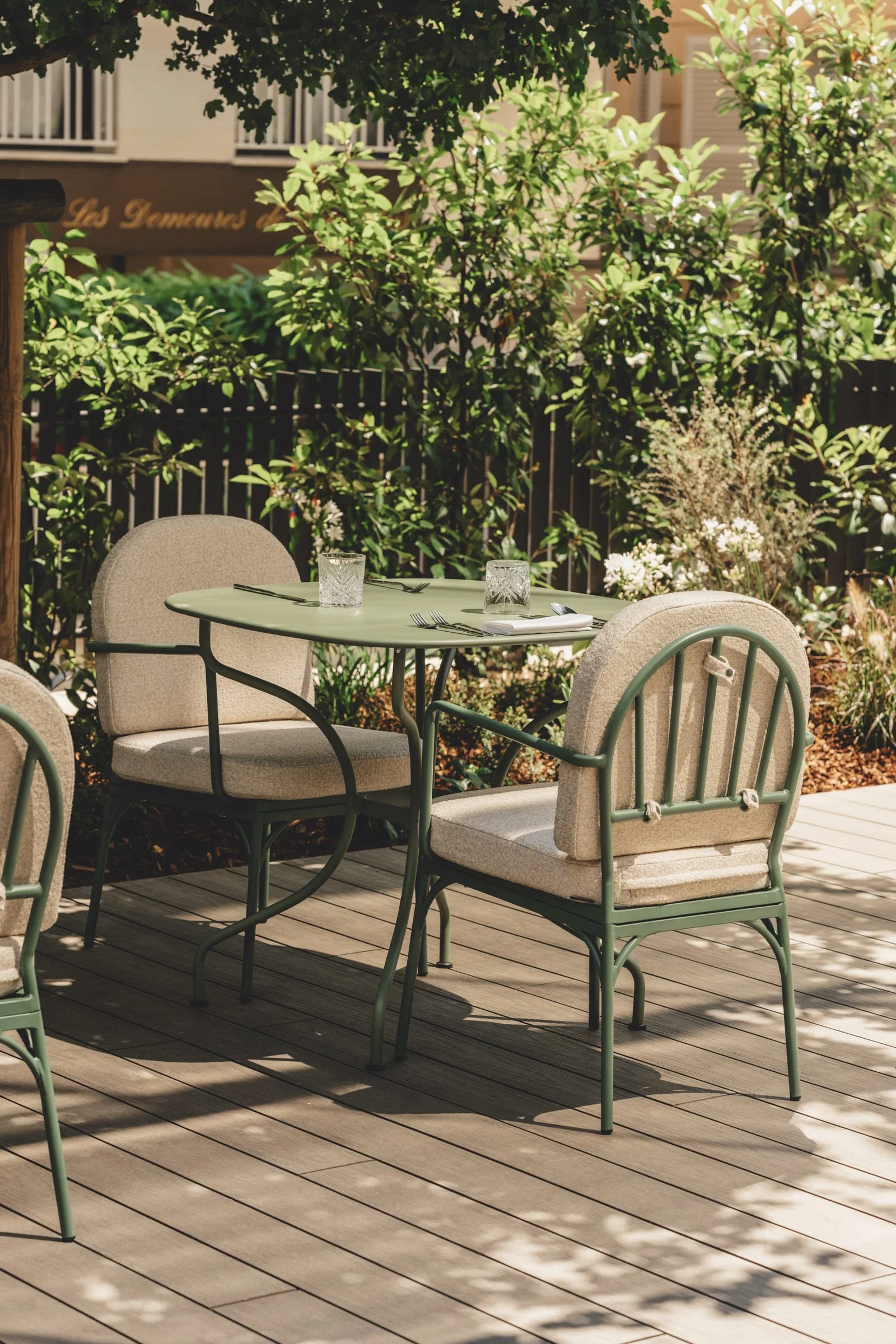
Kwerk Offices Paris
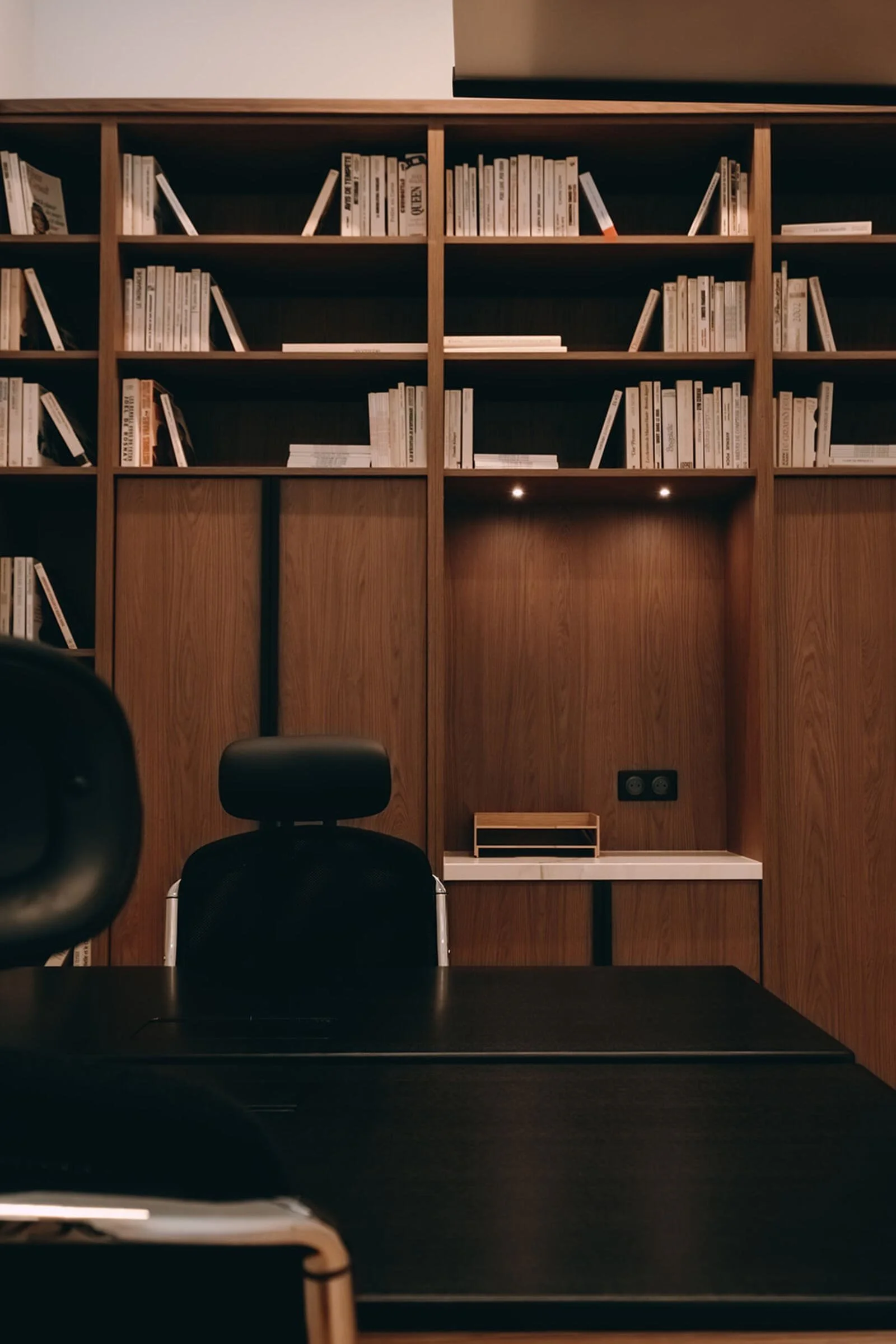
Kwerk Offices Paris
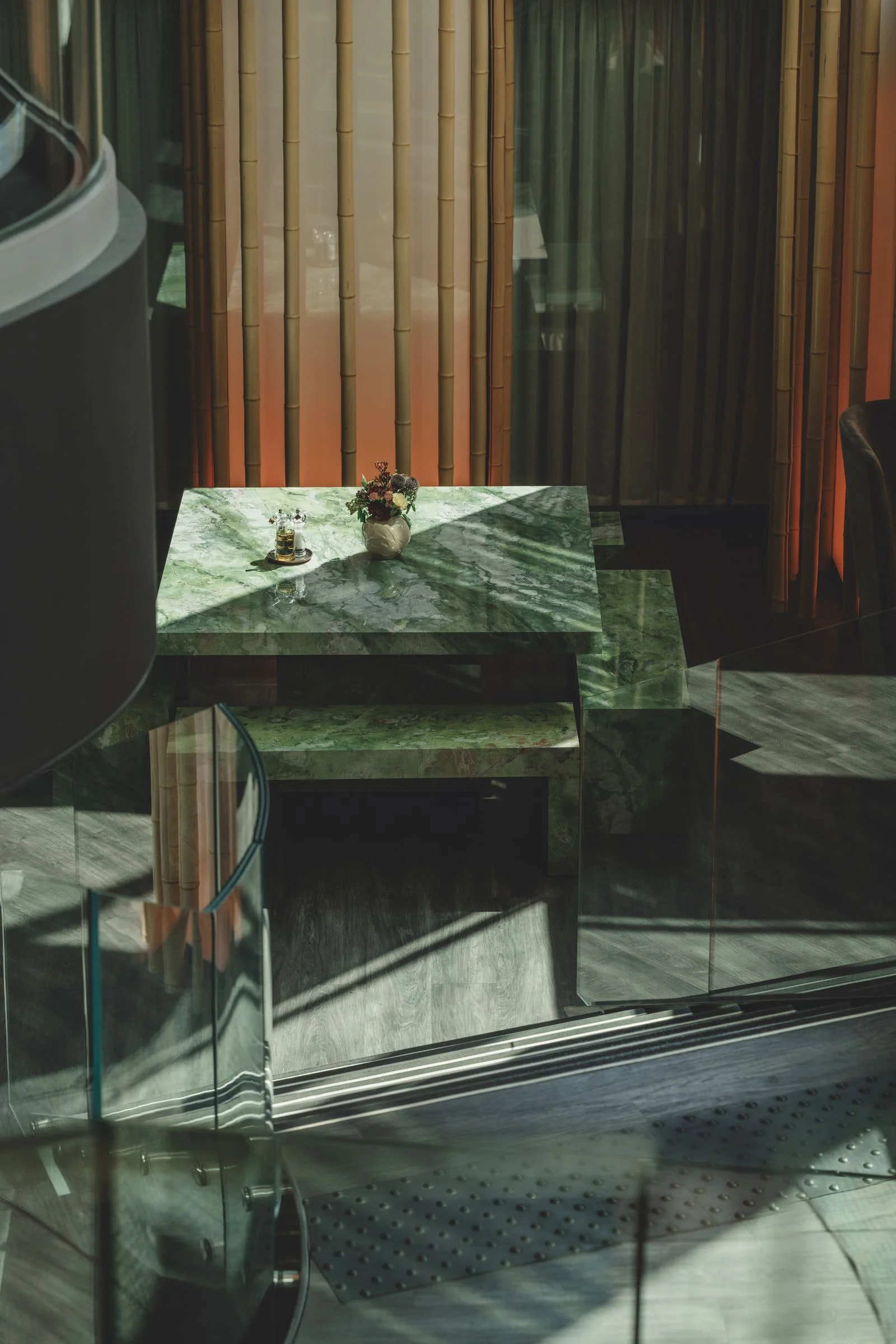
Kwerk Offices Paris
“We wanted to bring our hospitality experience into that world and focus much more closely on the person using the space.”
Albert Angel
DESIGNEERS
Your interiors are deliberately very different from one location to another. Why not create a recognisable Kwerk aesthetic?
Albert Angel
Because I think every building has its own story.
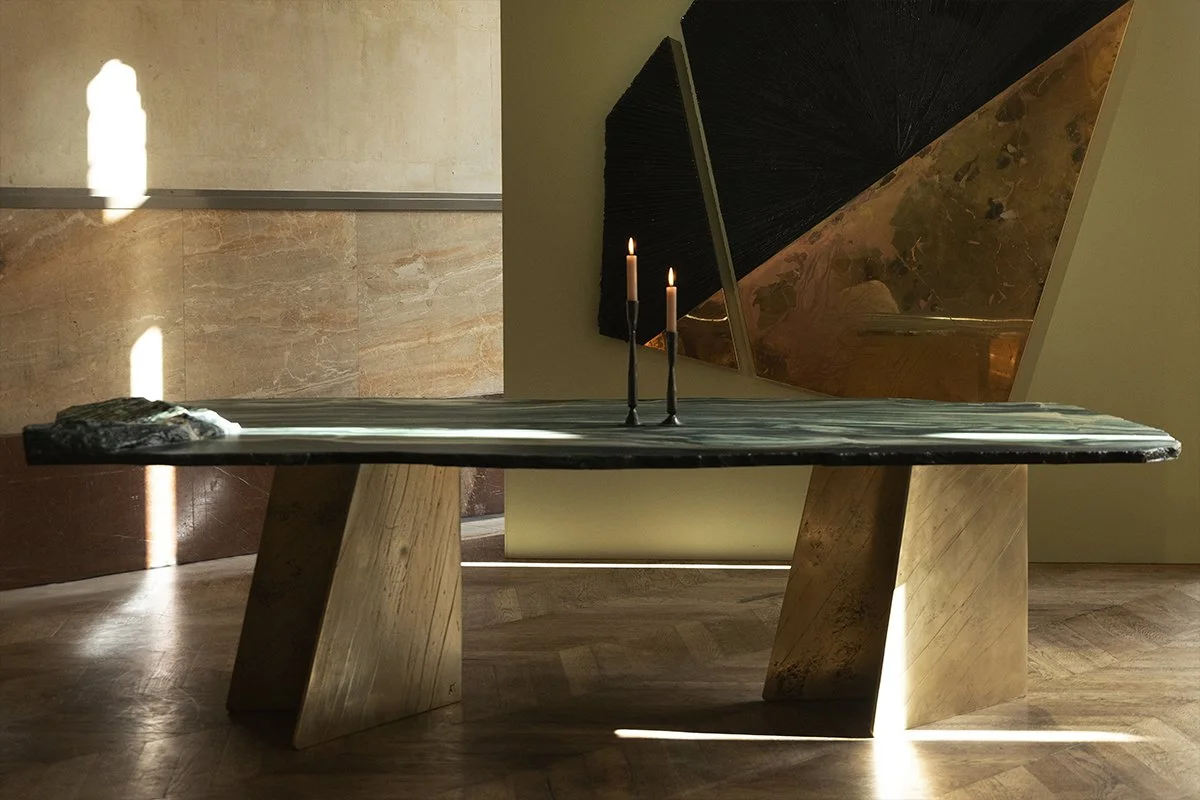
I am very influenced by the character of the architecture itself and by what the space seems to require. At Saint-Honoré, the building is very modern and glassy, so inside we created something warmer, almost like a dreamlike bamboo forest.
Madeleine is completely different. It feels almost like a temple to working, with an alphabet carved into the walls and circadian lighting that changes throughout the day.
I do not like the word theme, but each place needs a narrative.
I love theatre and storytelling, and for me architecture should create memory. You should enter a place and feel something.
DESIGNEERS
Wellness is unusually integrated into Kwerk. Do you see that as an amenity or as part of the working day itself?
Albert Angel
Very much as part of working.
We developed what we call “well working”, which is really about improving the quality of somebody’s time rather than simply adding a gym.
There are meditation rituals, yoga spaces and, in some locations, things such as infrared sauna and dry flotation. Someone might take a short flotation session, clear their mind and then return to work.
People sometimes joke that if you give employees all of this, they will never work. I believe the opposite. If someone feels physically and mentally better, they will work better.
The younger generations in particular are much less willing to accept an environment that does not support their well-being.
DESIGNEERS
You design much of the furniture and control everything from the restaurants to the uniforms. Why go into that level of detail?
Albert Angel
Because if you want to tell a coherent story, all of the details need to belong to the same world.
I like designing everything. When I do not design the furniture, we work with other designers and with French and Italian houses, but the experience needs to feel consistent all the way through.
That includes how somebody is greeted, the furniture they use, the food, the uniforms, even the way the teams communicate.
We also deliberately give a lot of space to common areas. More than 30 per cent of a building can be dedicated to shared space, which means that when you enter, it can almost feel empty.
I like that generosity. There is a point at which efficiency and density become inhuman.
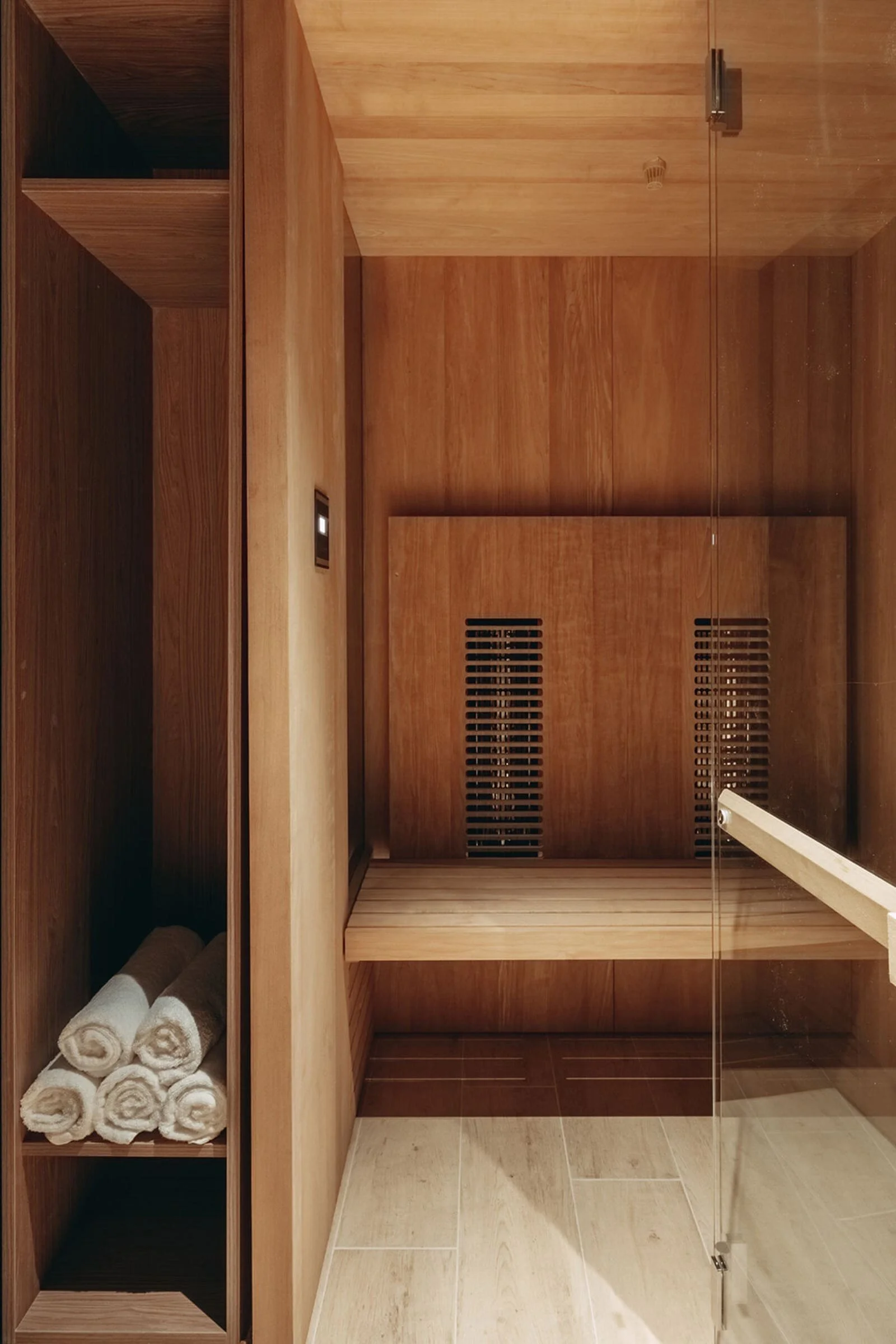
Wellness space at Kwerk, supporting its approach to “well working”
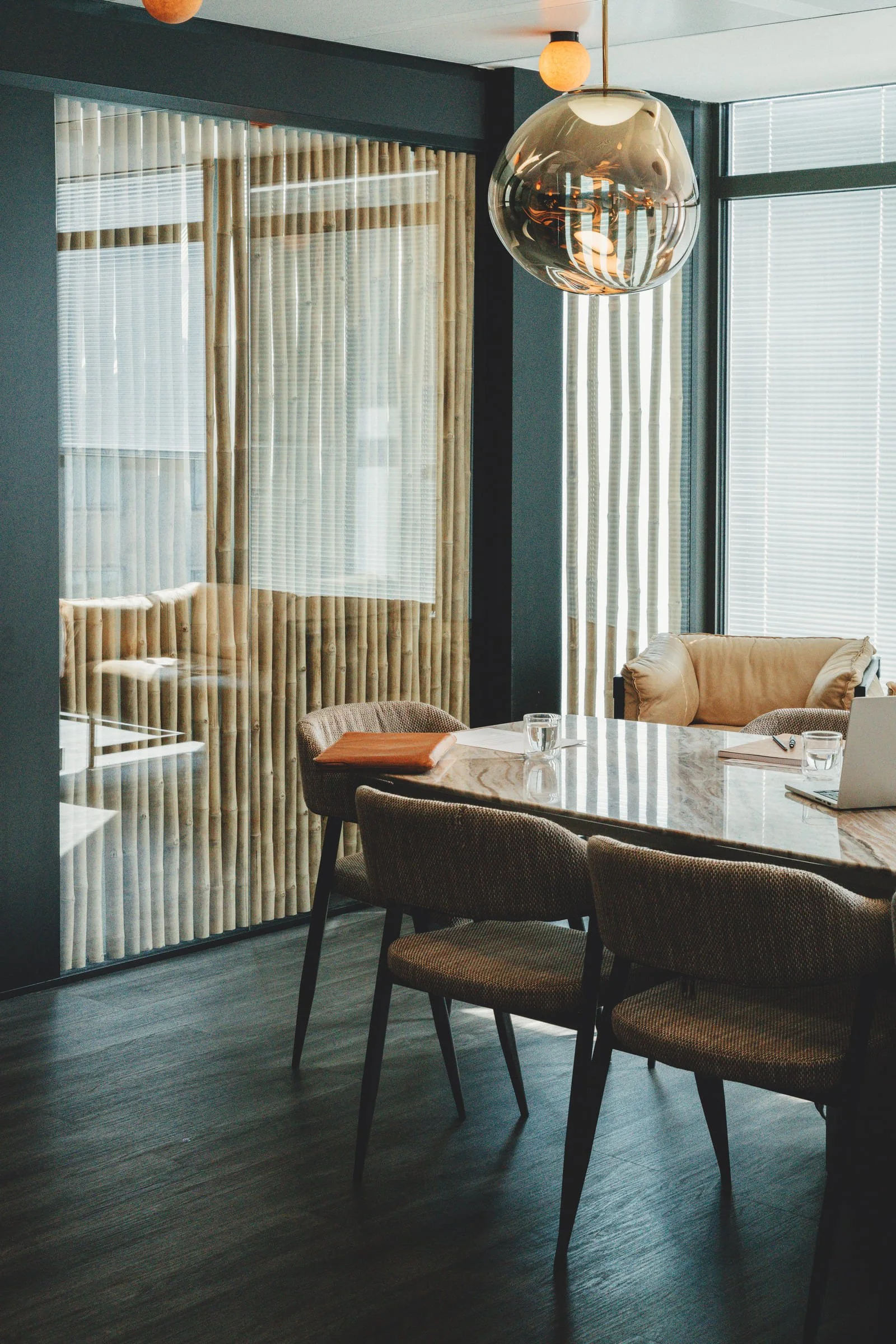
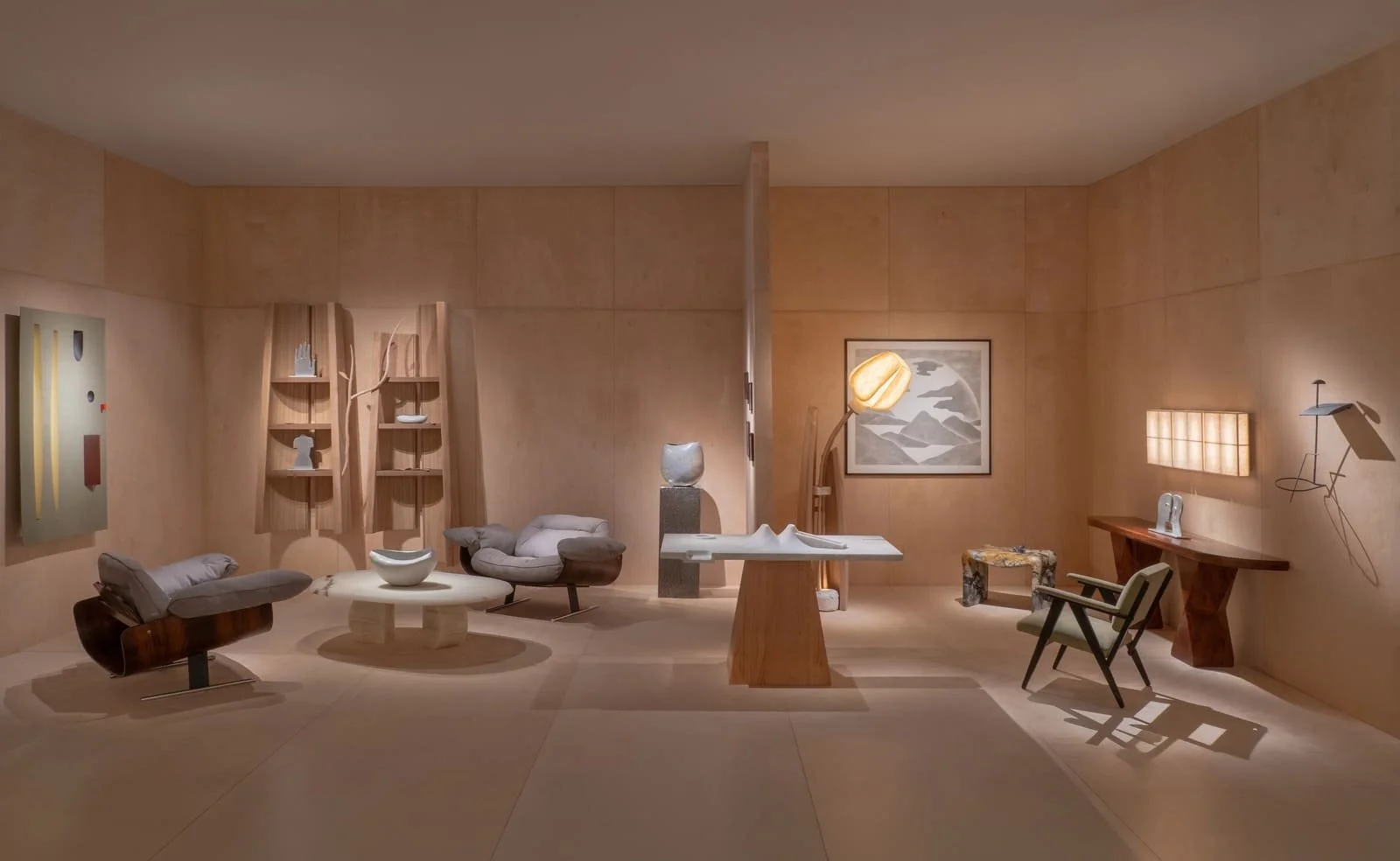
Kwerk workspace combining hospitality, workplace design and wellbeing
DESIGNEERS
Has operating the spaces yourself changed you as an architect?
Albert Angel
Completely.
Before Kwerk, I would design a hotel or restaurant, hand it over, and later discover that the client had changed something because the operation required it.
With Kwerk, we live with what we design.
Every building becomes an experiment. After opening, we ask what worked, what people used, what they ignored and what needs to change. The next location then becomes another version, and sometimes we go back and retrofit an earlier one with something we have learned.
That is an extraordinary education for a designer because you are not simply imagining how people will use a space. You actually get to watch it happen.
DESIGNEERS
You once had seven locations and now have three. What does that say about the way you want Kwerk to grow?
Albert Angel
We made a deliberate decision not to renew some leases because those buildings no longer represented where Kwerk had evolved to after ten years.
I would rather have fewer locations that deliver the right experience than grow simply for the sake of growth.
Our ambition is to become something like the Aman or Four Seasons of the office.
You do not need one on every corner.
The natural next step would probably be another major international city, perhaps somewhere like London, but the important thing is preserving the intimacy and the quality of experience.
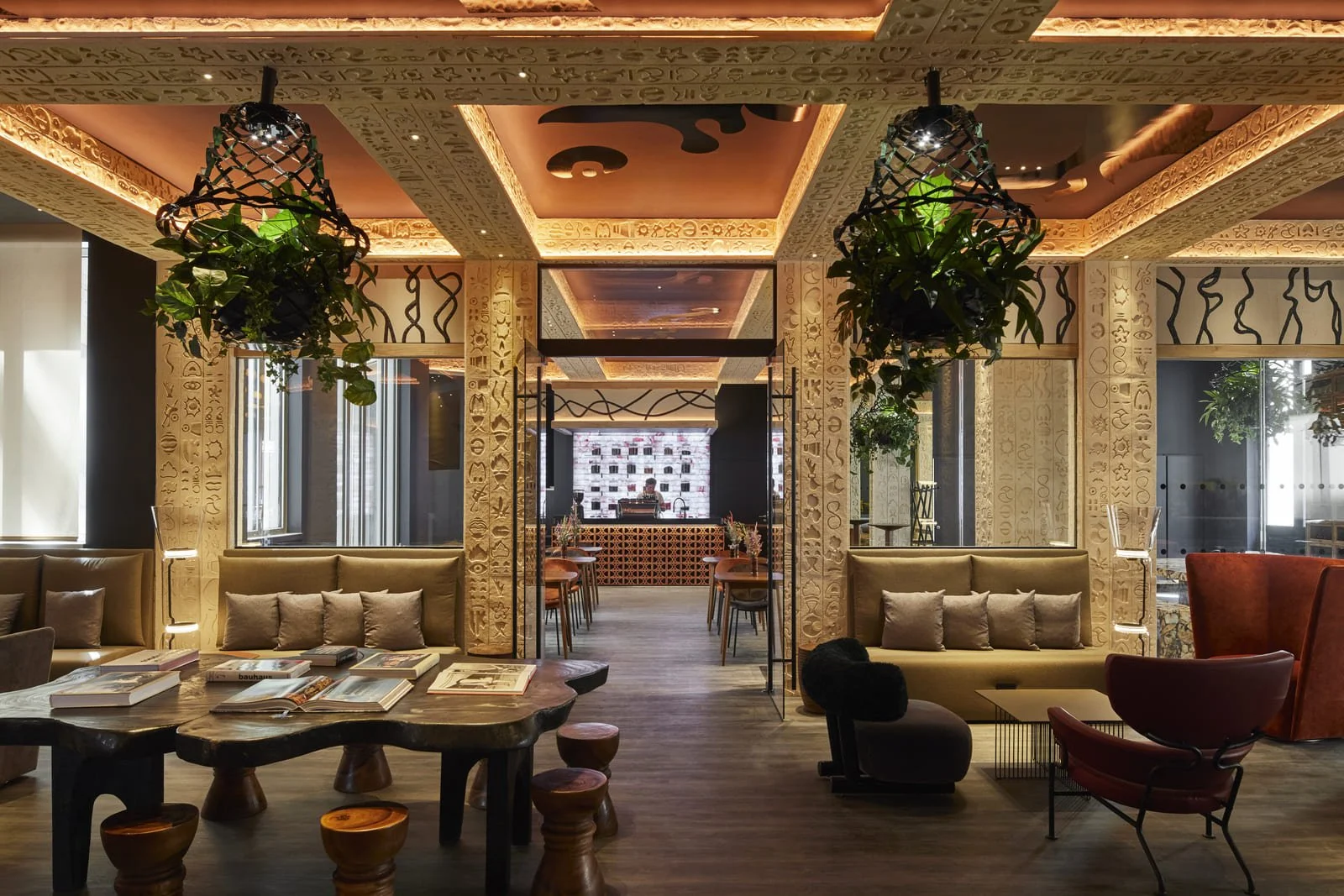
Workspace at Kwerk Madeleine featuring carved lettering and circadian lighting
Image credits:
Louise de Metz and Francis Amiand