Alex Turco Wants You to Touch the Art
people • collectibles
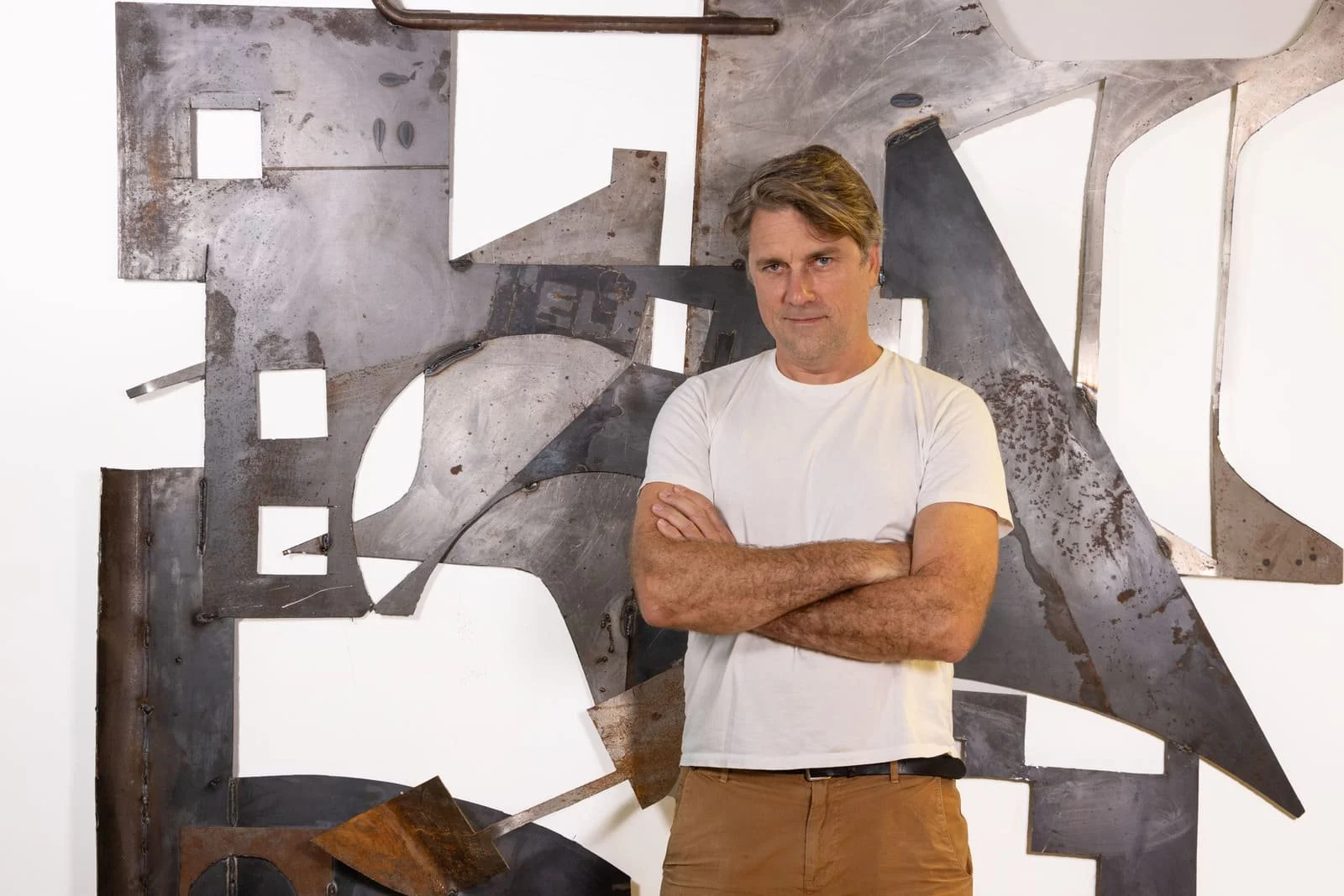
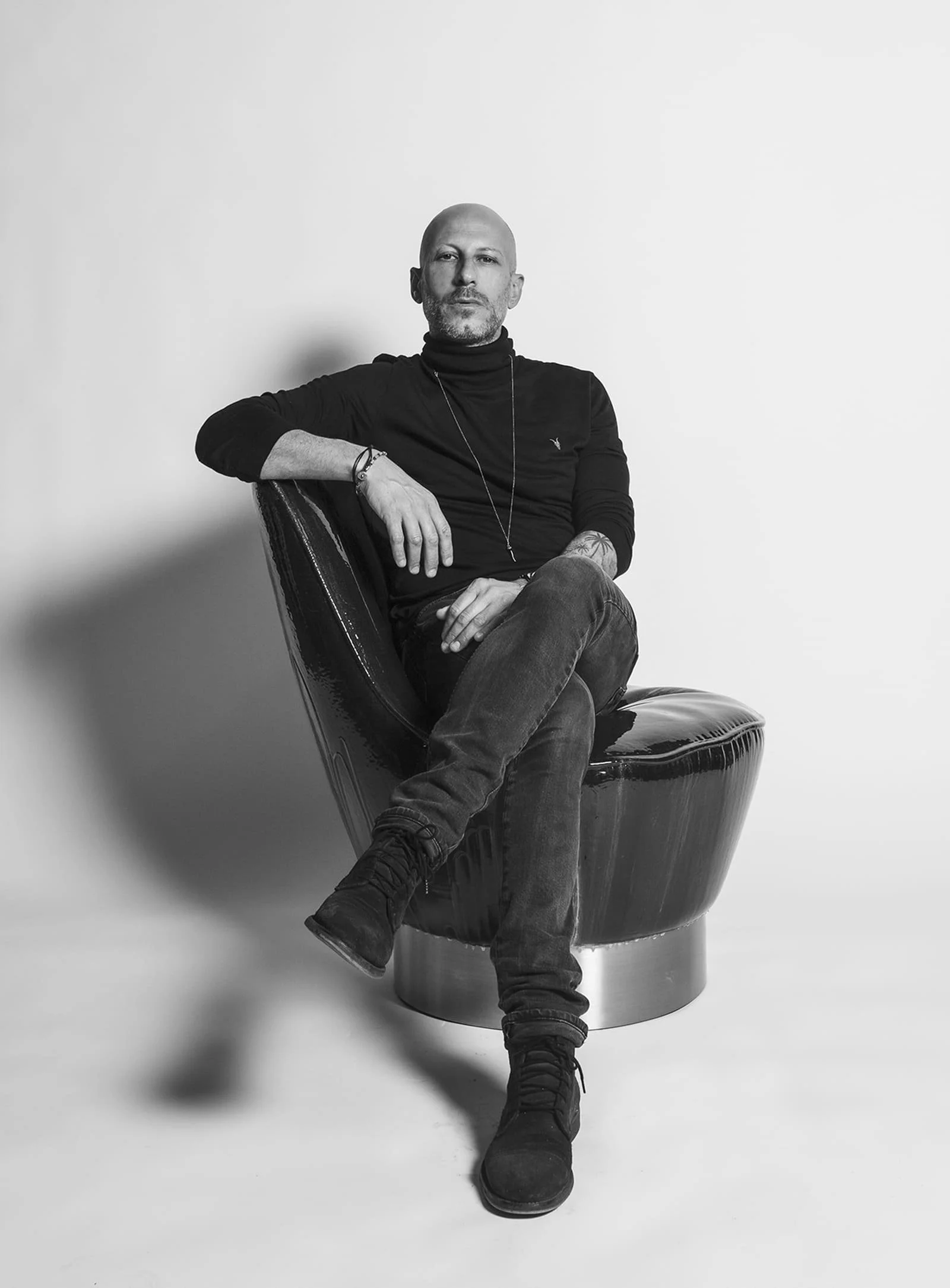
Italian artist and designer Alex Turco works between Italy and the United States across art, interiors and collectible design. His practice explores the relationship between nature, material and form, bringing together a minimalist visual language with an interest in craftsmanship, natural materials and sculptural objects.
Turco’s journey into collectible design developed from his early work as an artist, beginning with painting and resin before moving into decorative surfaces, interiors and eventually one-of-a-kind furniture.
Nature remains a central influence throughout Turco’s practice. His fascination with fossils and minerals began in childhood and continues through his exploration of stone, crystals and geological materials, particularly those sourced from Brazil. Working with specialist artisans in northern Italy, Turco combines material research with Italian craftsmanship, allowing the natural qualities of each material to influence the final form.
Words: designeers
october 2026
WEBSITE: alexturco.com
INSTAGRAM: @alexturco.onlyone
Raised among cameras, fossils and minerals, the Italian artist-designer has spent decades moving between art and interiors. Now, with galleries in Italy and Miami and a growing collection of one-of-a-kind furniture, he is turning the materials of the natural world into objects meant to be lived with.
Alex Turco remembers spending Sunday mornings in the mountains with his father. There were cameras, fossils, minerals and, on one particularly foggy morning, an elderly woman whom the seven-year-old Turco photographed almost by instinct. The image later won a regional photography competition, selected, he recalls, without the judges knowing the photographer was a child.
It is tempting to find the origins of his current work there. Turco grew up around visual culture, but also around the physical evidence of the natural world. His father moved between painting, graphic design and photography, while collecting fossils and minerals in his spare time. Turco eventually moved from portraiture to resin, from resin to architectural surfaces, and from surfaces to the one-of-a-kind furniture and objects that now make up his Only One collection.
He calls himself an “art designer”, a term he adopted early in his career when neither artist nor designer seemed sufficient. Today, working with marble, crystal, cast bronze and aluminium alongside specialist artisans in northern Italy, that ambiguity has become the point.
For Turco, collectible design should retain the presence of art without surrendering function. His instruction to collectors is disarmingly simple: touch it.
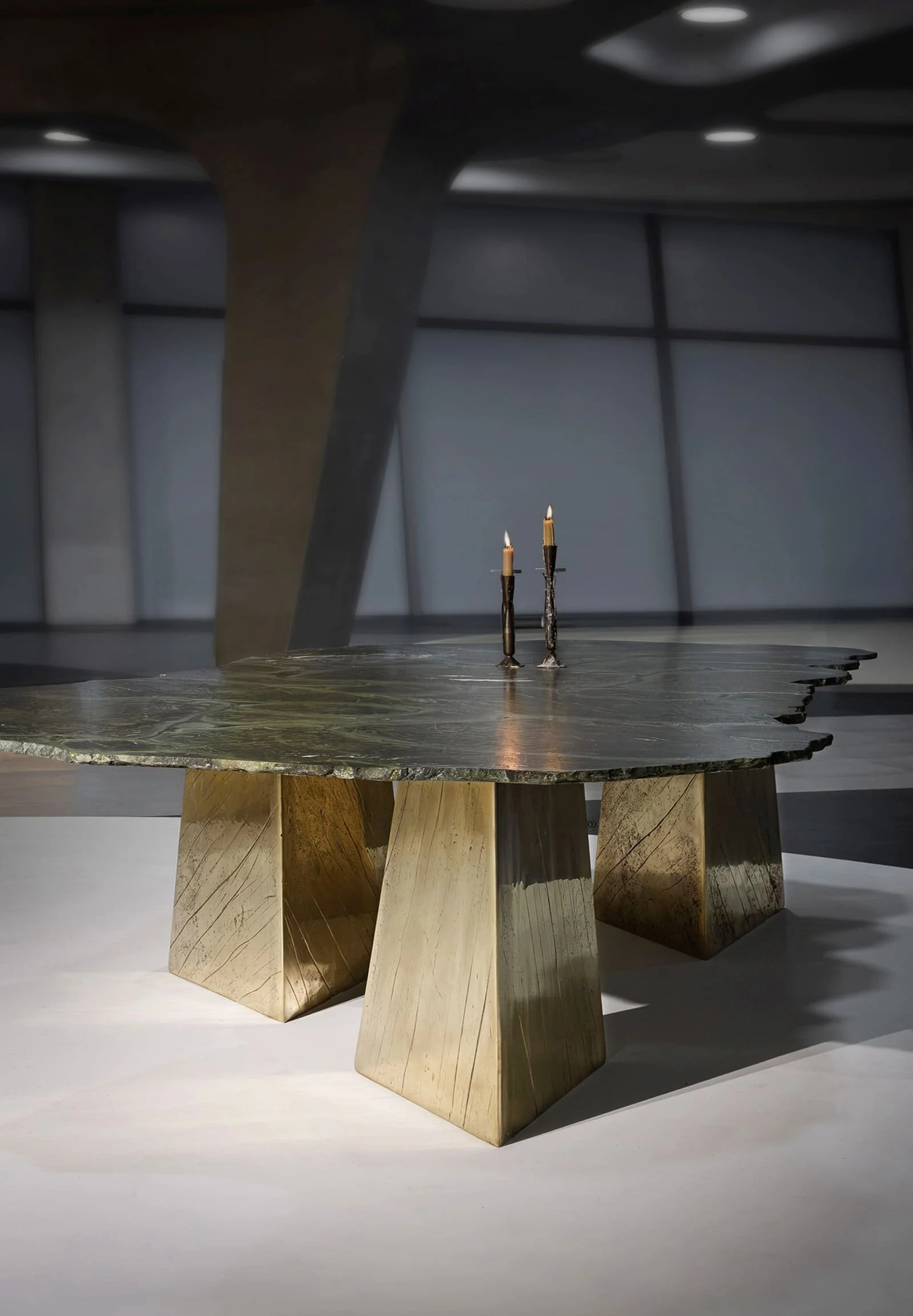
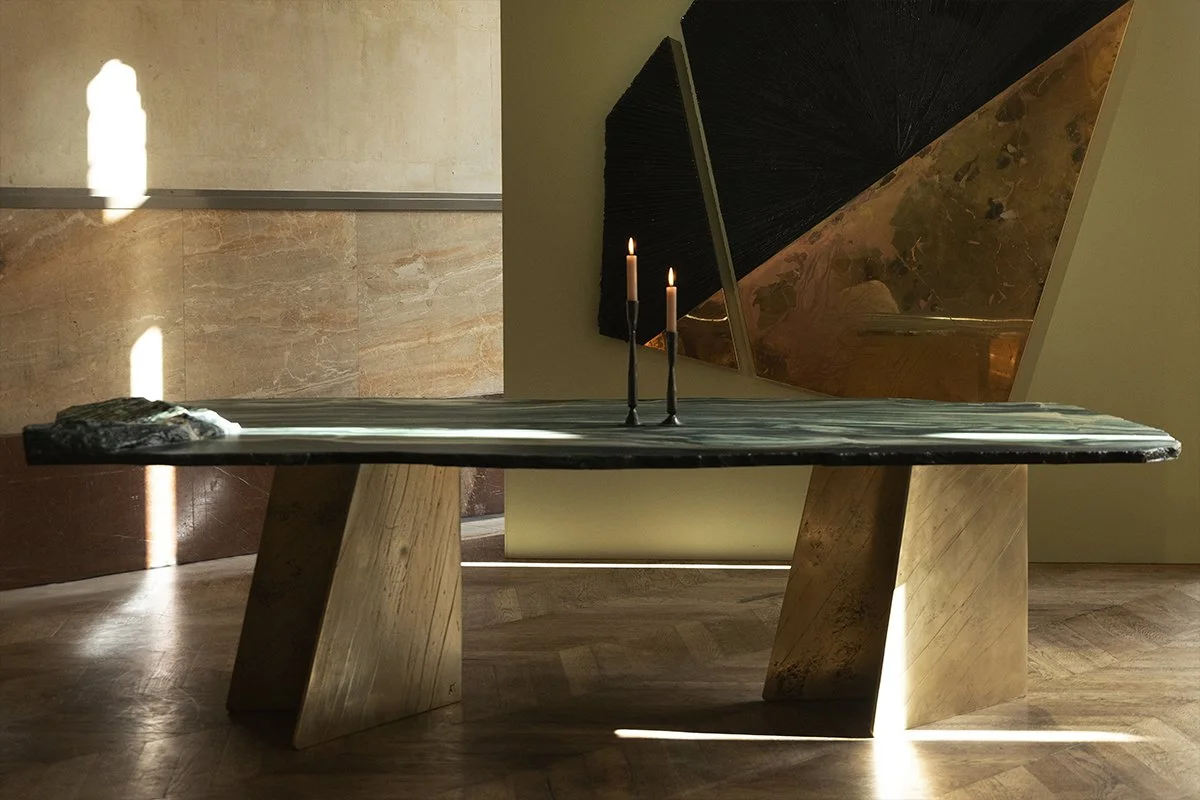
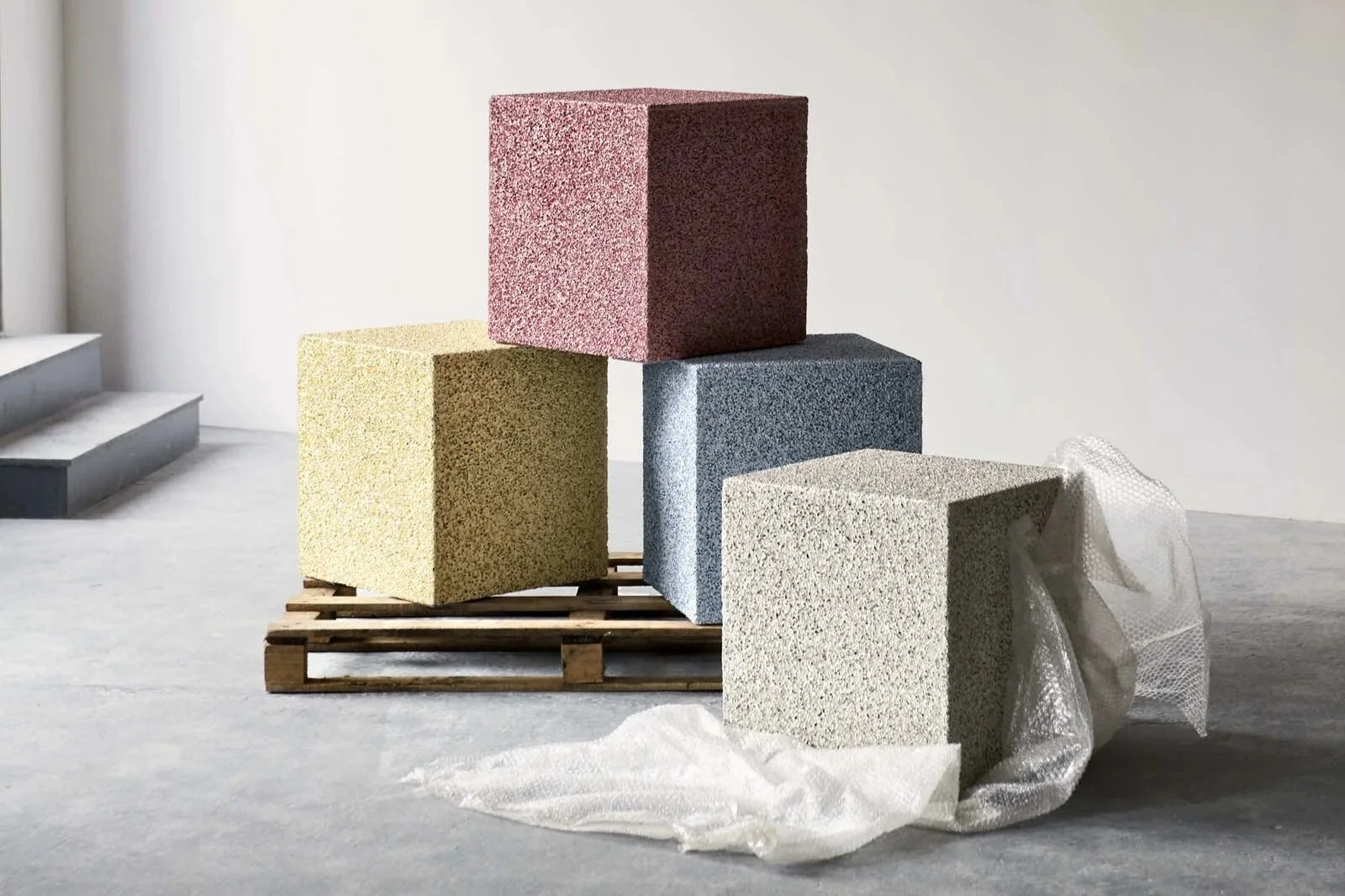
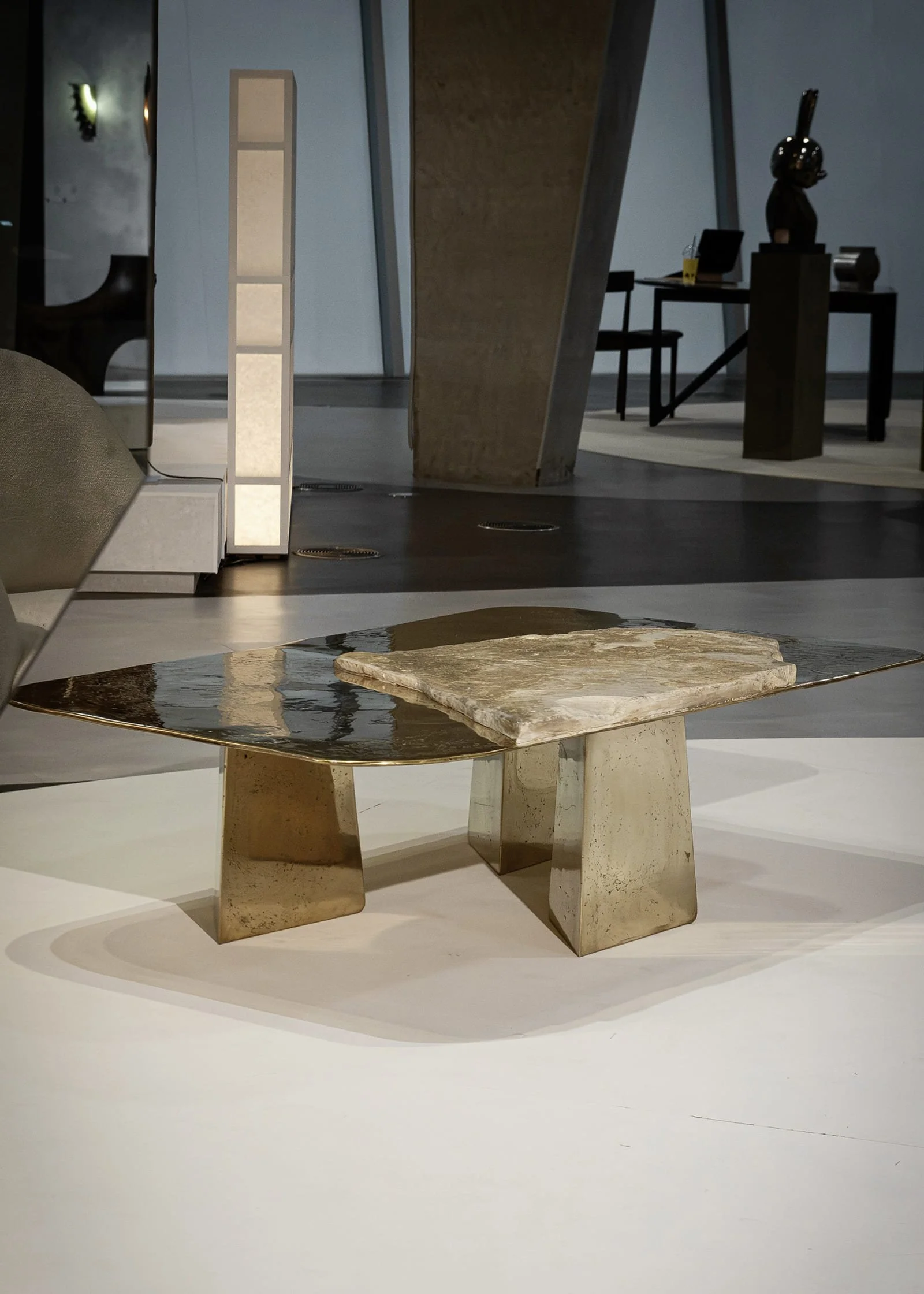
Lapponio Table by Alex Turco at Design Miami Seoul
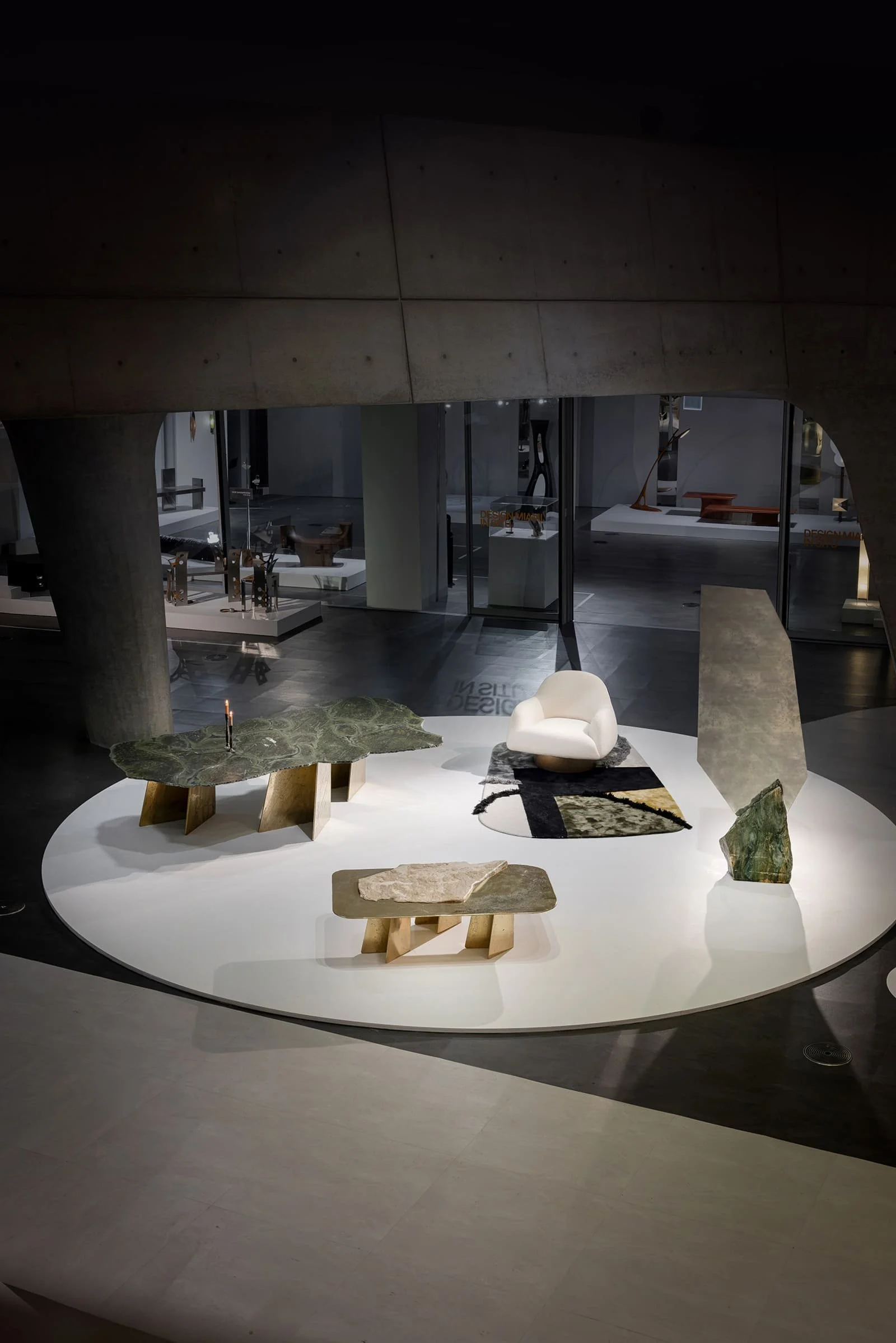
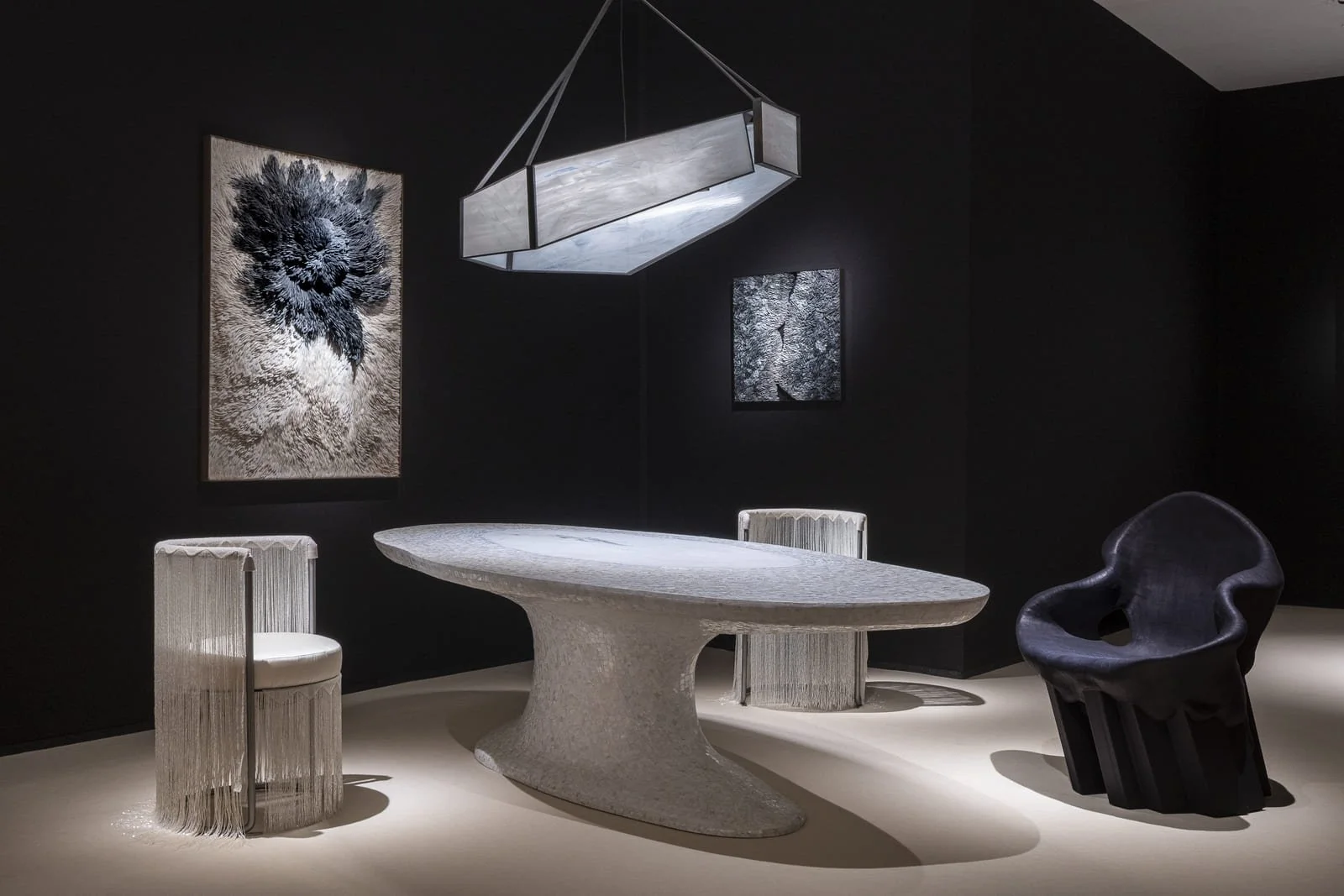
One Only Collectible Design Collection by Alex Turco at Design Miami Seoul
Designeers spoke with Turco about growing up around materials, the evolution from artistic surfaces to collectible furniture, why Brazilian stone currently fascinates him, the freedom of working outside the traditional gallery system, and what America understands about living with art.
DESIGNEERS
You grew up around art and photography. What are your earliest memories of making things?
Alex Turco
My father was enormously important. He began as a painter, then became a graphic designer and later a photographer, so from a very young age I was surrounded by brushes, colour, cameras and images.
He was also a collector of fossils and minerals. We would spend weekends in the mountains searching for them together. I think that gave me this fascination with materials very early on.
When I was about seven, I took a photograph of an elderly woman during one of those mornings in the mountains. It was very early, perhaps seven or eight in the morning, and everything was surrounded by fog. The photograph was entered into a competition and was selected without anyone knowing that I was seven years old.
I still have it.
DESIGNEERS
When did that interest become a practice of your own?
Alex Turco
At around 15, I began painting portraits for friends on canvas. But quite quickly I became frustrated by the flatness of the canvas. I discovered epoxy resin and realised I could create relief and depth, something much more three-dimensional.
That gradually took me towards decorative surfaces and interiors. By my early twenties, I was fascinated by hotels, restaurants and private residences and by the role art could play within those spaces.
I started asking myself: am I an artist, or am I a designer?
Eventually I decided I was somewhere in between. That is when I began calling myself an art designer. Was working with interiors always part of the plan? Very much so. Even 25 years ago, I knew I wanted to work with interior designers rather than operate exclusively within the traditional art-gallery world.
I began creating decorative panels for interiors, initially using canvas mounted onto wood because I needed a strong substrate for the resin. Interior designers then began asking for different dimensions, colours and compositions.
Later I developed waterproof artistic panels on aluminium for showers, outdoor spaces and wet areas. That became an important part of the practice, particularly in the United States. I opened my first studio in Miami in 2009.
DESIGNEERS
Surfaces are still very present in the furniture you make today. Do you see a direct line between those early works and your collectible design?
Alex Turco
Absolutely. The original collection was called Artistic Surfaces, and that interest in texture has never disappeared.
With collectible design, the vocabulary has expanded. I now work with cast metals, bronze, brass, aluminium, marble, crystal and other natural materials.
There is always research into what a material can do, but also into what already exists in nature. I am not interested in completely controlling it.
DESIGNEERS
Does a piece generally begin with an idea or with a material?
Alex Turco
Very often with the material.
I might discover a particular stone or crystal and begin thinking about what I can create around it.
That probably goes back to those weekends collecting fossils and minerals with my father. I have always been interested in materials before they become designed objects.
Then I work very closely with artisans here in northern Italy. I am fortunate because this region has extraordinary knowledge of metal, marble and woodworking.
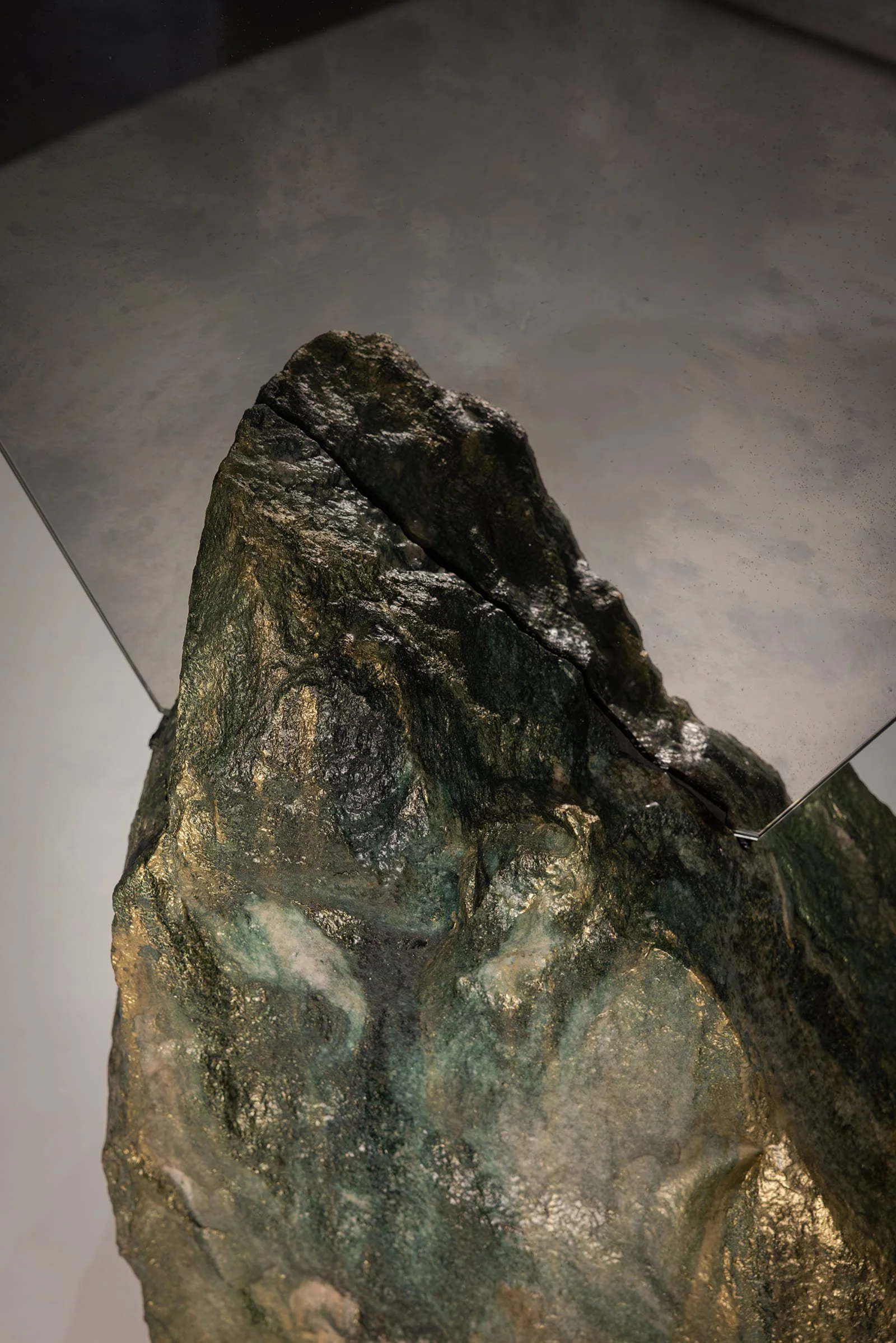
Details of One Only Design Collection by Alex Turco
Stoneage Table by Alex Turco at Design Miami Seoul
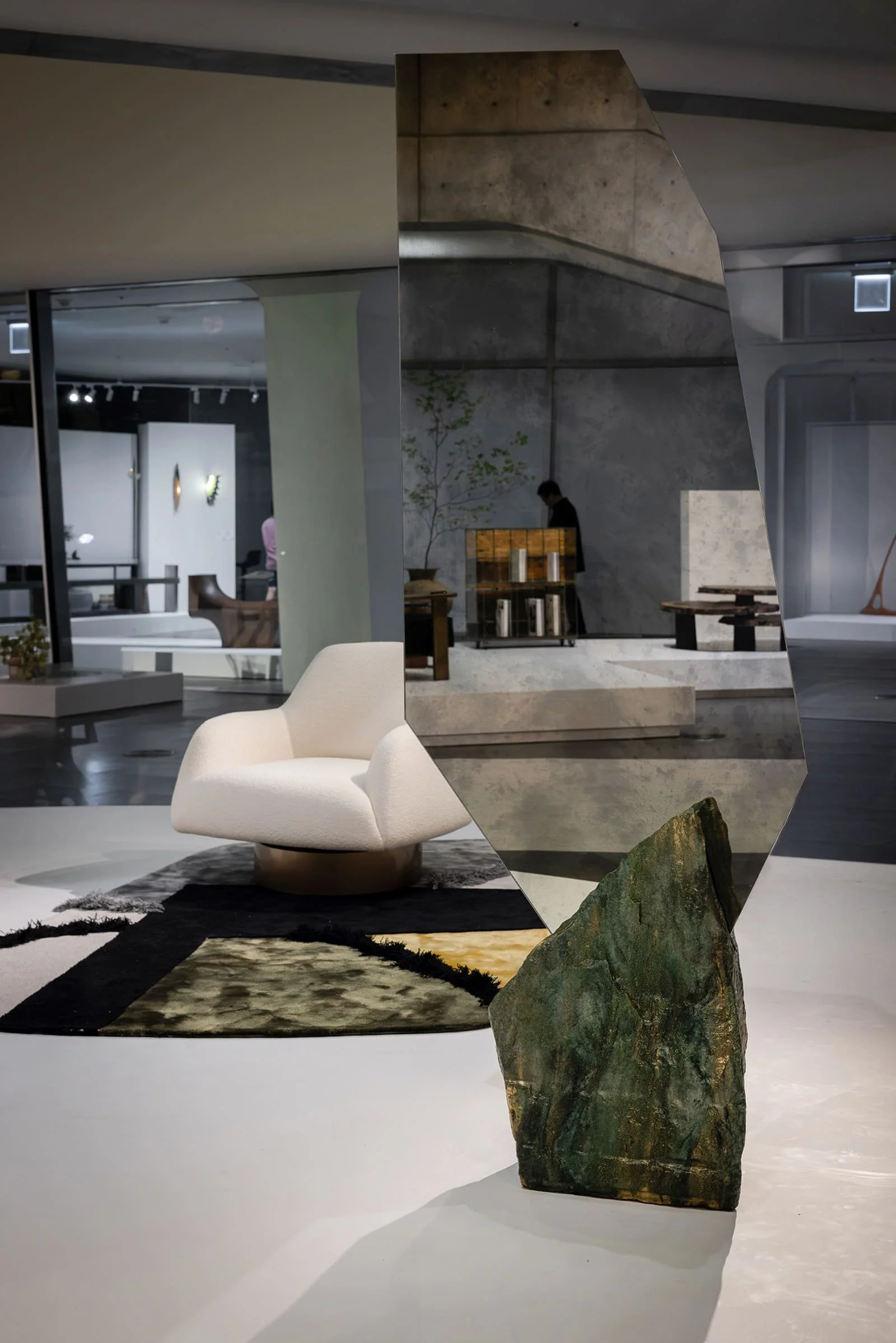
One Only Collectible Design Collection by Alex Turco at Design Miami Seoul
“Collectible design needs to be lived with. An artwork does not necessarily have to sit at a distance from everyday life.”
alex Turco
DESIGNEERS
How involved are you in actually making the pieces?
Alex Turco
I follow everything from beginning to end, but I also respect specialist knowledge.
If we are casting metal, for example, the foundry understands things I cannot possibly understand at the same level. The same is true of marble.
For me, collaboration with artisans is fundamental. I bring the idea and the direction, but the object develops through that dialogue.
DESIGNEERS
Your collection is called Only One. Why was it important that there be no editions?
Alex Turco
Because I genuinely want every piece to be unique.
There are no editions and no series. A client can ask for something related to an existing piece, perhaps an Acropolis coffee table or a Vittoria dining table, but we might change the dimensions, metal, stone or colour.
Even if we wanted to reproduce something exactly, nature would not allow it. You cannot recreate an identical vein of marble or an identical crystal.
So there is a starting point, but never an exact copy.
DESIGNEERS
Does most of that custom work come through interior designers?
Alex Turco
Around 95 per cent of our clients come through interior designers.
That relationship is very important because they might see one piece and understand immediately how its language could be adapted for a particular room or project.
That is where the flexibility of the collection becomes useful.
DESIGNEERS
What material are you most excited by at the moment?
Alex Turco
Brazilian stone. Over the last six months, I have discovered extraordinary marbles, quartzites, crystals and minerals coming from Brazil.
Italy obviously has some of the greatest marble traditions in the world, particularly materials such as Carrara, which are extraordinary for architecture and decoration. But I am looking for something less conventional, something that already feels singular before I touch it.
The colours and geological character of the Brazilian materials are remarkable. Nature seems to be becoming increasingly important in the work. It is probably the central influence now.
Travel has made that stronger. Whenever I go somewhere, I am interested in its geological landscape and in what materials belong to that place.
I have worked with volcanic lava, salt from salt flats, even palm leaves in Miami.
I want to notice what is already there and then think about how it can become part of a piece.
DESIGNEERS
Your work sits between sculpture and furniture. How important is function to you?
Alex Turco
Very important. I always tell people, 'Please touch it.'
Collectible design needs to be lived with. Someone might originally collect a crystal simply as a beautiful natural object, but I am interested in asking what happens when that crystal becomes part of a coffee table or bedside table.
The same is true of our mirrors. They are artworks, but they are also mirrors. I like connecting those different worlds within one object.
An artwork does not necessarily have to sit at a distance from everyday life.
DESIGNEERS
That seems almost contrary to the traditional museum idea of art, where touching is the one thing you are constantly told not to do.
Alex Turco
Exactly. I want the opposite relationship.
Material is very important to my work, so experiencing it only visually means losing something. Texture, temperature, weight, and reflection – these are part of the object.
The functional element permits people to develop a different relationship with it.
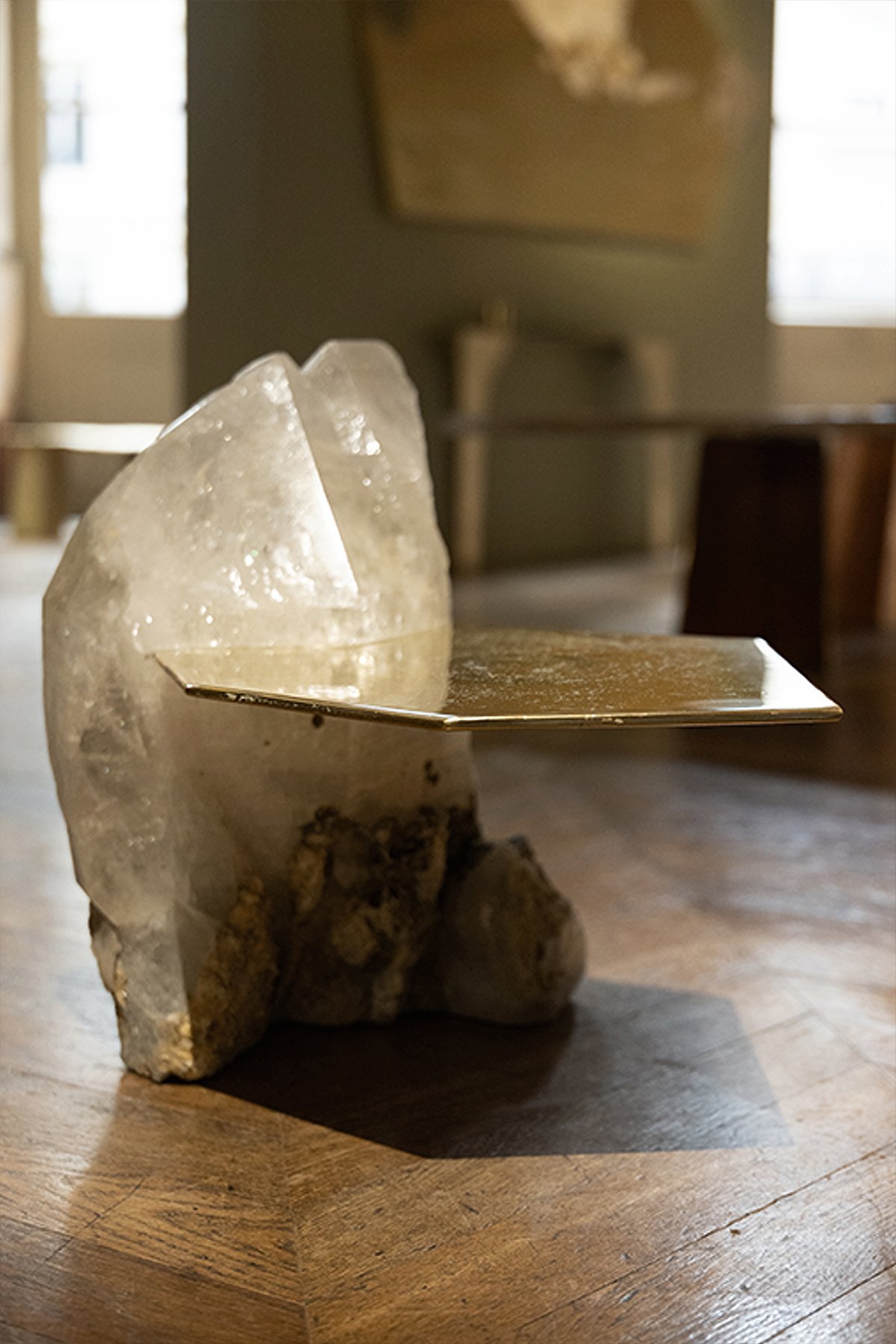
Ialino Table from One Only Collection by Alex Turco
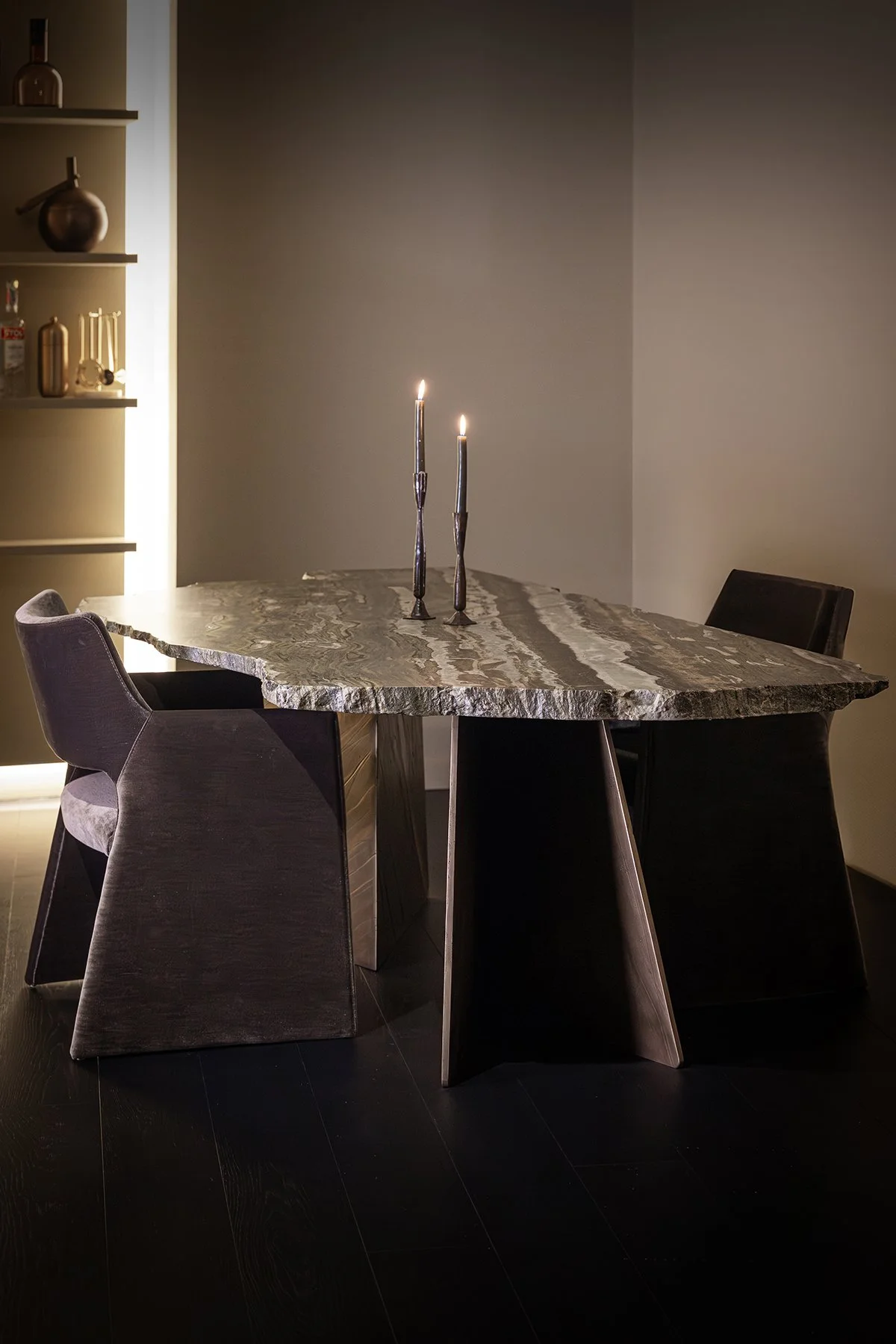
Vermont Table from One Only Collection by Alex Turco
DESIGNEERS
You have worked in Miami since 2009 and now have a gallery there. What initially drew you to America?
Alex Turco
The possibility of building something.
I lived in California for five years, and after Italy, it is probably my favourite place in the world. But Miami and New York have also given me extraordinary opportunities to meet people and develop the business.
I still believe something of the American dream exists. There is an openness to somebody arriving with an idea and trying to build something from it.
People respect that ambition.
DESIGNEERS
Do American collectors relate to the work differently from European collectors?
Alex Turco
In my experience, yes.
There is an openness and enthusiasm that I find very special.
A collector might buy a piece and later send me a wonderful letter, or invite me to their home for dinner because they want me to see the object in the space where they now live with it.
Sometimes an interior designer introduces me to the final client, and that relationship continues beyond the transaction.
Italy is culturally different. People can be much more private about what they own or how they live. I enjoy that warmth in America very much.
DESIGNEERS
You are also increasingly presenting the work independently rather than exclusively through galleries. Why?
Alex Turco
Freedom.
There are wonderful galleries that understand artists and allow them to develop their own vision. But there are also traditional gallery relationships where the artist can become very controlled.
For me, that became limiting.
Presenting at a fair independently allows an interior designer or collector to encounter the whole collection as I imagined it. I can control the environment, the story and the conversation around the objects.
That does not mean I am against galleries. We are developing relationships with galleries in London, Australia and New York. It simply has to be the right relationship.
DESIGNEERS
Are there designers you particularly want to see working with the collection?
Alex Turco
Peter Marino would be extraordinary. I have worked with his studio previously through Artistic Surfaces, but I would love for him to discover the collectible collection.
I admire the way he brings art and material into luxury interiors.
Vincenzo de Cotiis is another interesting example because his work crosses so naturally between architecture, interiors, art and collectible design. And, of course, Kelly Wearstler has created an extraordinary language around collecting and commissioning work from artists and designers.
Those are the kinds of conversations that interest me.
DESIGNEERS
What are you trying to express with the newest collection?
Alex Turco
A connection with Mother Nature.
I want to begin with something that might have existed simply as a mineral, crystal or decorative stone and give it another possibility.
It can become useful without losing what made the material extraordinary in the first place.
That balance between natural material, art and function is where I want the collection to continue going.
DESIGNEERS
You recently exhibited at the Design Miami, Seoul edition. What did that experience tell you about the international audience for the work?
Alex Turco
It was our first time in South Korea, and it was very interesting.
We sold three pieces, but what fascinated me was how international the buyers were. One piece eventually went to Abu Dhabi, while a dining table and mirror went to a private client in Melbourne. We also met interior designers from Singapore, Hong Kong, China and other parts of Asia.
So even though we were physically in Seoul, the audience was genuinely global. That is one of the things I find exciting about design fairs now.
DESIGNEERS
And what comes next?
Alex Turco
Paris first, where we will show three pieces centred around Brazilian stone, including onyx and crystal.
Then Miami will be larger. We have our own space and will show around eight pieces, again with Mother Nature as the central inspiration. The Miami gallery is already open, with the formal opening still to come.
For me, all of these developments are part of the same idea. I want to build a world around the work without separating the art, the material, the furniture and the experience of living with it.
They should all belong together.
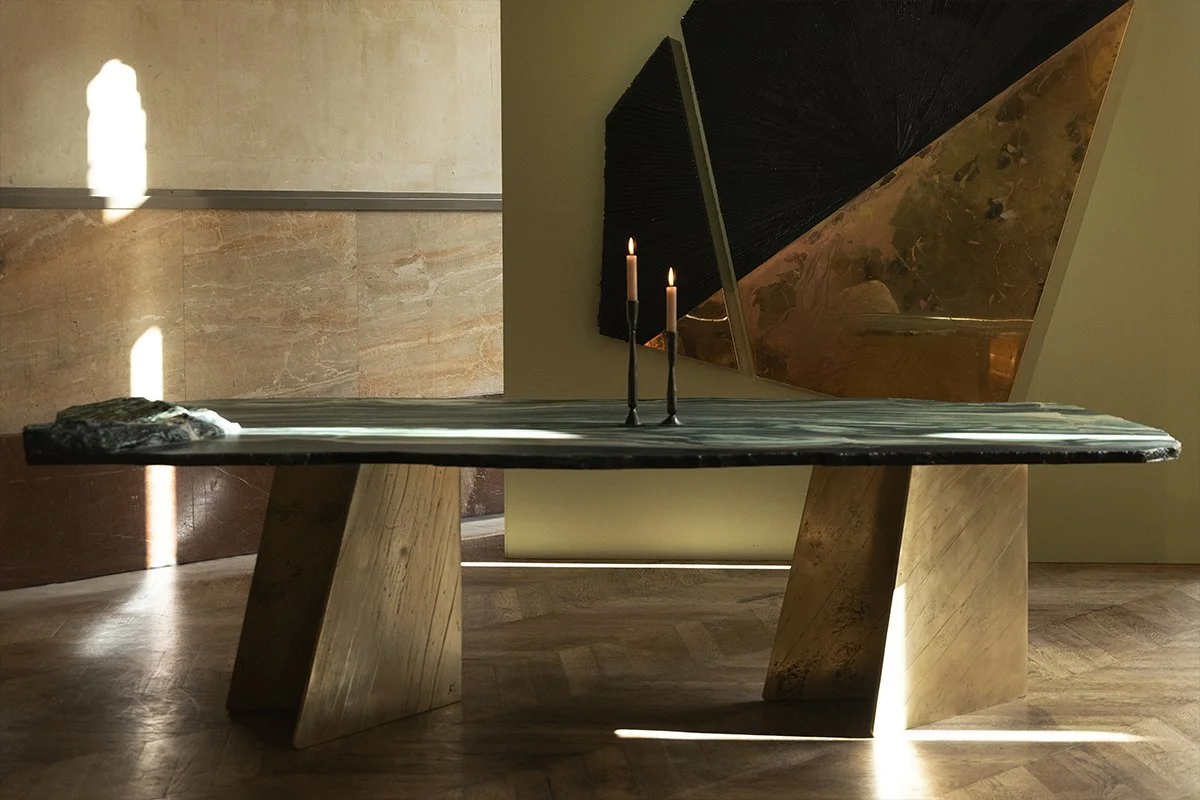
Lapponio Table from One Only Collection by Alex Turco