How Delhi, Craft and Architecture Shaped Charu Gandhi’s Eye

people • designers
The Elicyon founder on growing up between craft and architecture, the family heirloom shaped by Partition, learning from Zaha Hadid, and why the most considered spaces often reveal themselves slowly.
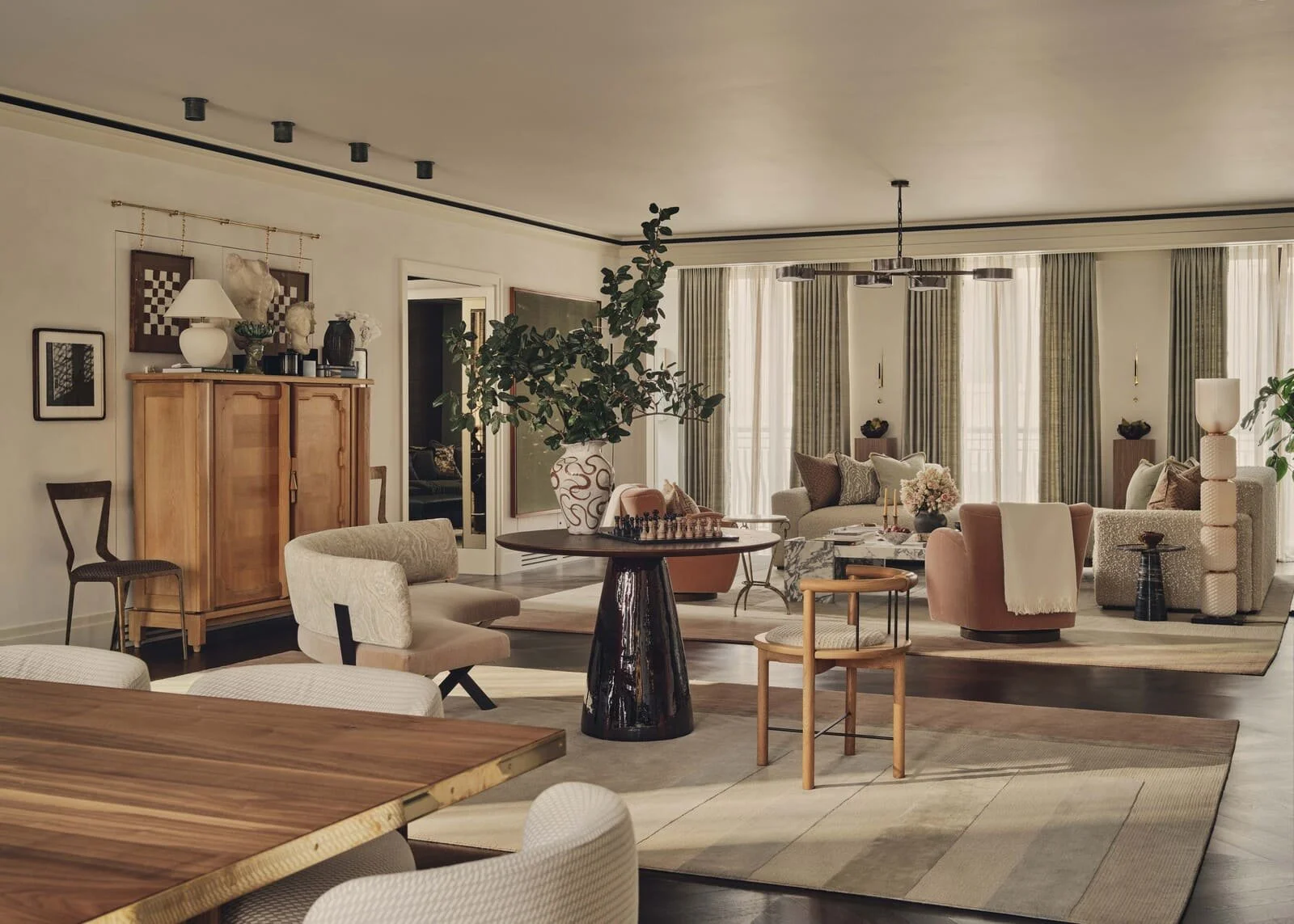
Growing up in Delhi gave the Elicyon founder an early familiarity with colour, pattern, craftsmanship and the imperfect beauty of things made by hand. Training at the Architectural Association in London introduced another vocabulary entirely, one of structure, proportion, context and discipline.
That tension has remained central to her work. It appears in the way she talks about objects and memory, in her fascination with theatre and hospitality, and in the carefully calibrated interiors produced by her London studio. Designeers spoke with Charu Gandhi about the influences that shaped her eye, the objects she would never part with, and what makes a room feel considered rather than simply decorated.
Words: designeers
september 2026
WEBSITE: elicyon.com
INSTAGRAM: @elicyon
DESIGNEERS
You grew up in Delhi and later trained as an architect at the Architectural Association in London. How did moving between those two worlds shape your eye?
Charu Gandhi
Growing up in Delhi gave me an instinctive relationship with colour, pattern, craft and materiality. Everyday life there is layered, often imperfect, with a real appreciation for things made by hand.
London and the Architectural Association introduced a very different discipline: proportion, space, structure and context. My eye has ultimately been shaped by that combination. I love richness and detail, but I need rigour and reason behind every decision.
DESIGNEERS
Your mother is a silversmith, and you grew up around craft and making. What did watching her work teach you about detail?
Charu Gandhi
I grew up understanding that the smallest details are often where the greatest amount of thought and skill sits.
Watching my mother work, I saw the patience involved in making something properly and the importance of the human hand. At Elicyon, we spend a great deal of time on details someone may never consciously notice, but collectively they are what make a room feel considered.
It also taught me to value the maker as much as the finished object.
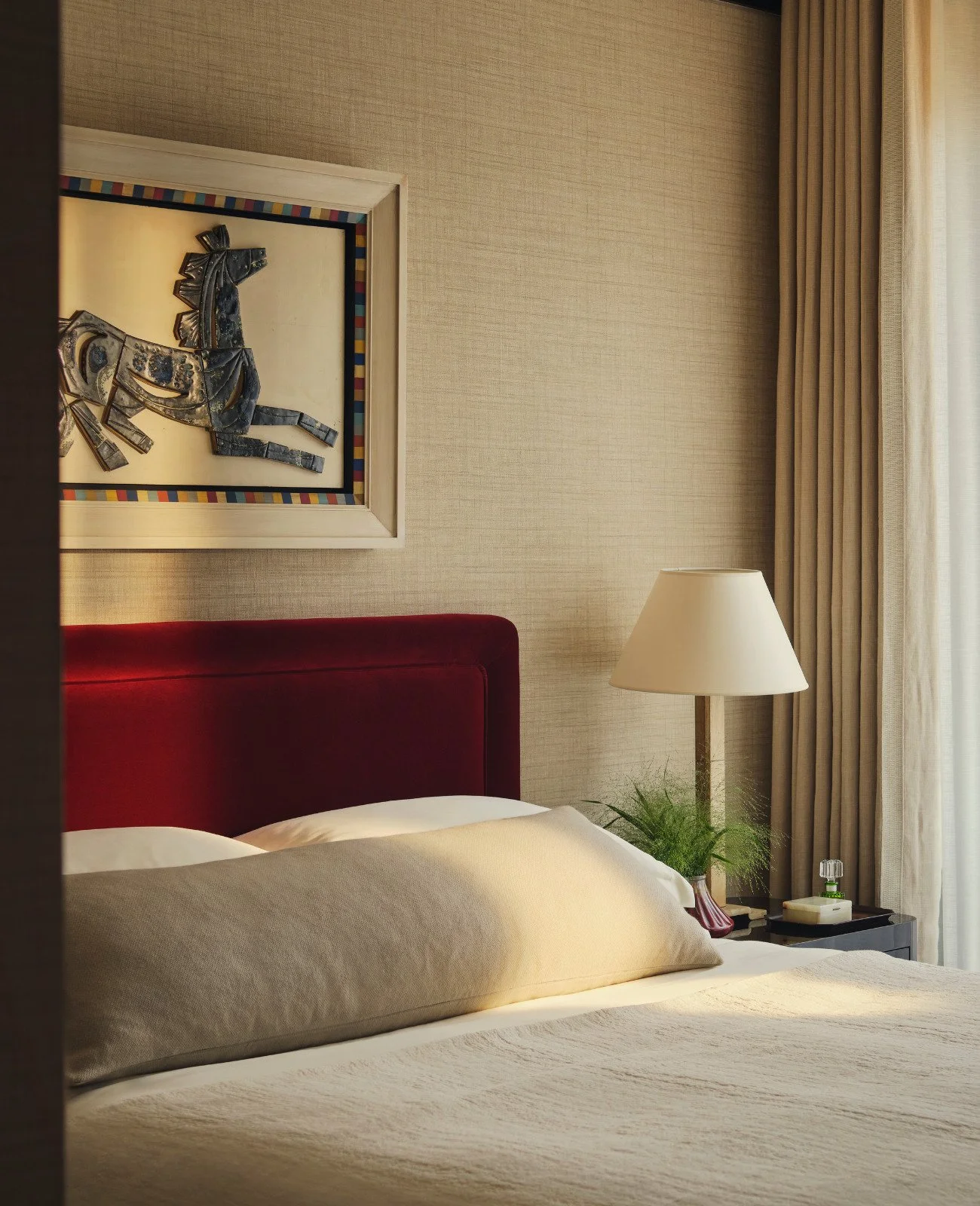
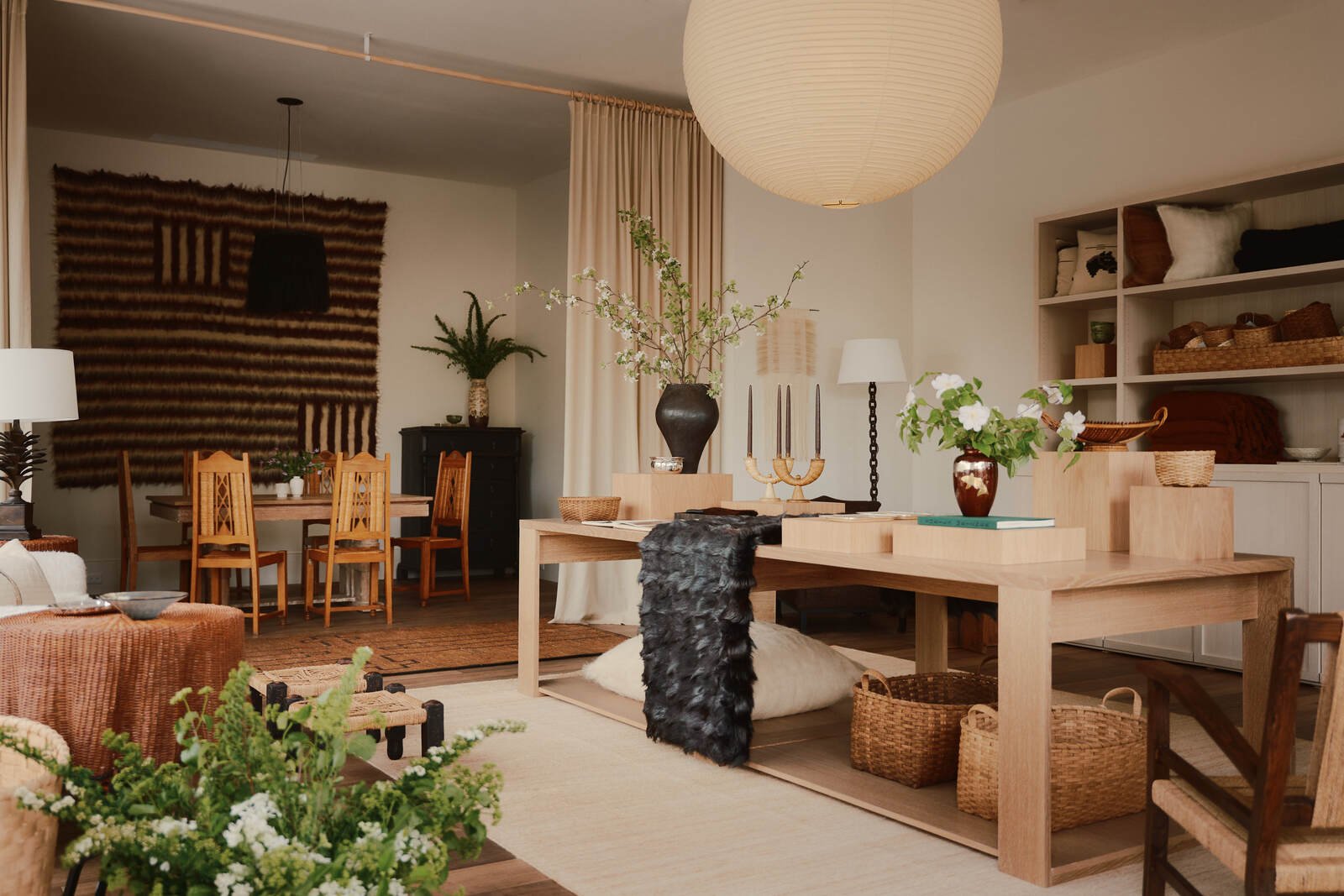
A sophisticated residential interior by Elicyon
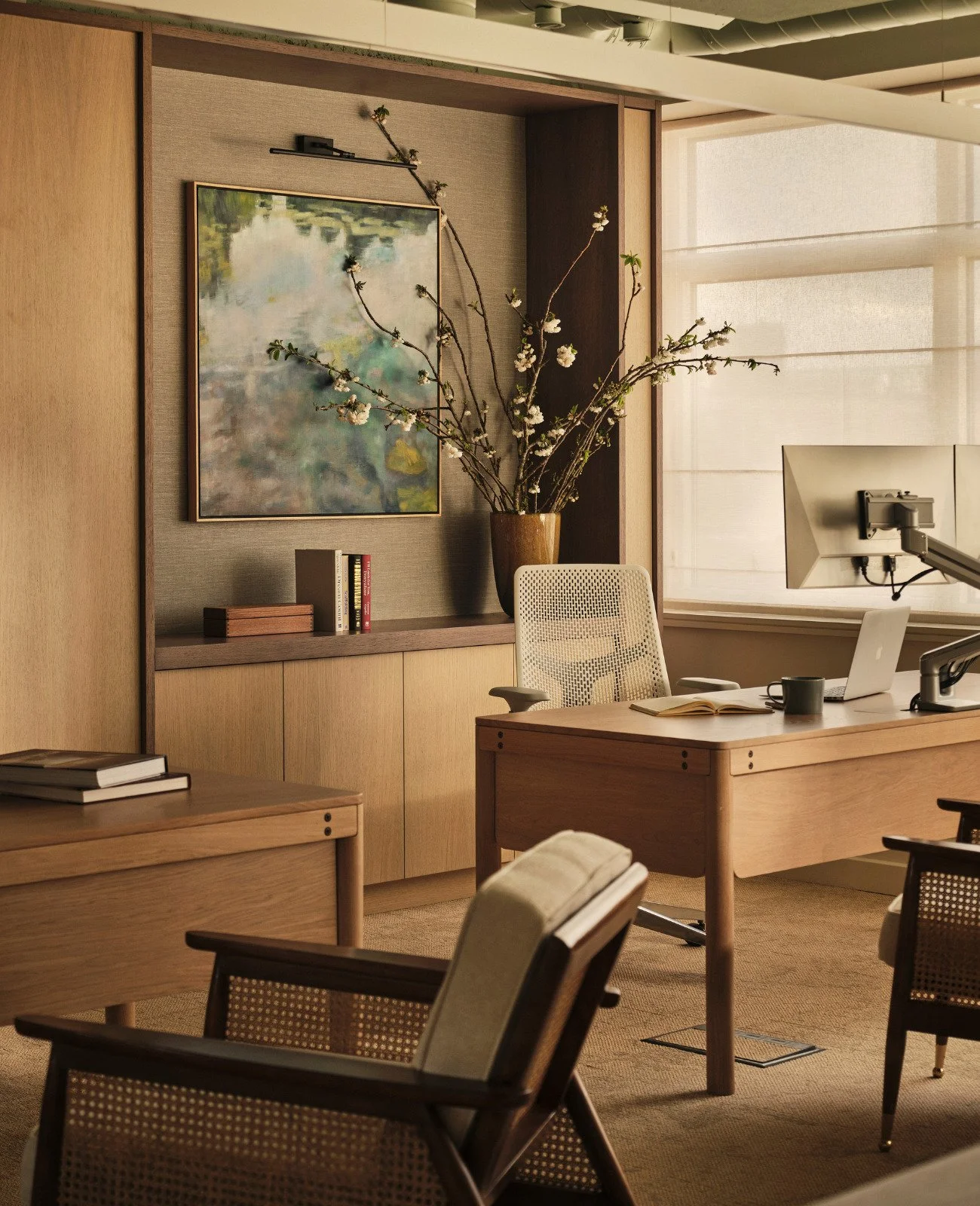
Materiality and texture in focus within the space
DESIGNEERS
You founded Elicyon after working in architecture and design. What surprised you most about building a studio of your own?
Charu Gandhi
How much of building a studio has very little to do with design.
You begin because you love designing, and suddenly you are thinking about people, culture, finances, strategy and how to create an environment where other creative people can do their best work.
What has been particularly rewarding is seeing Elicyon develop an identity beyond me. There is now a collective intelligence within the studio, with different perspectives and expertise making the work stronger.
DESIGNEERS
Your own home is a compilation of ceramics, artisan glass, contemporary art and pieces made by your mother. What is one object you would never part with?
Charu Gandhi
A silver teapot, milk jug and sugar pot that belonged to my family.
I never met my maternal grandfather, who died when my mother was 17, but I grew up hearing stories about him and about the journeys my wider family endured during Partition. The silver tea set was among the very limited number of things they brought with them.
I heard stories of my great-grandfather’s tall house with its gold-leaf-covered roof, the horse-drawn carriages and the fields he owned. This carved silver tea set is a remnant of that “before”, when the family lived together on one street in a series of courtyard homes, before they were forced to make a perilous journey and scatter across the subcontinent.
It is dented, patinated, detailed and imperfect. It is immensely precious to me.
What I love about objects is that their value rarely has much to do with what they cost. The things I would never part with are those that connect me to a person, a memory or a moment.
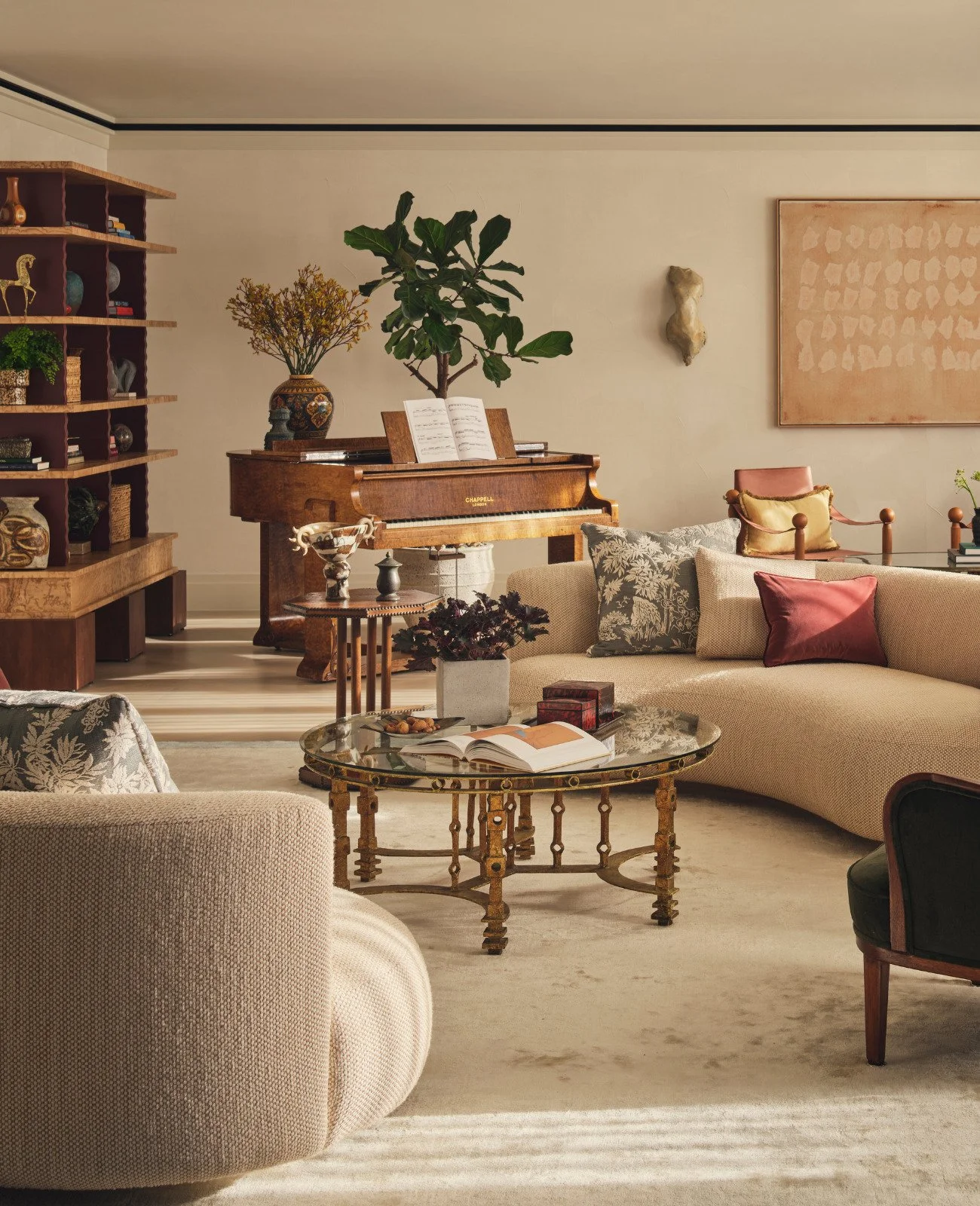
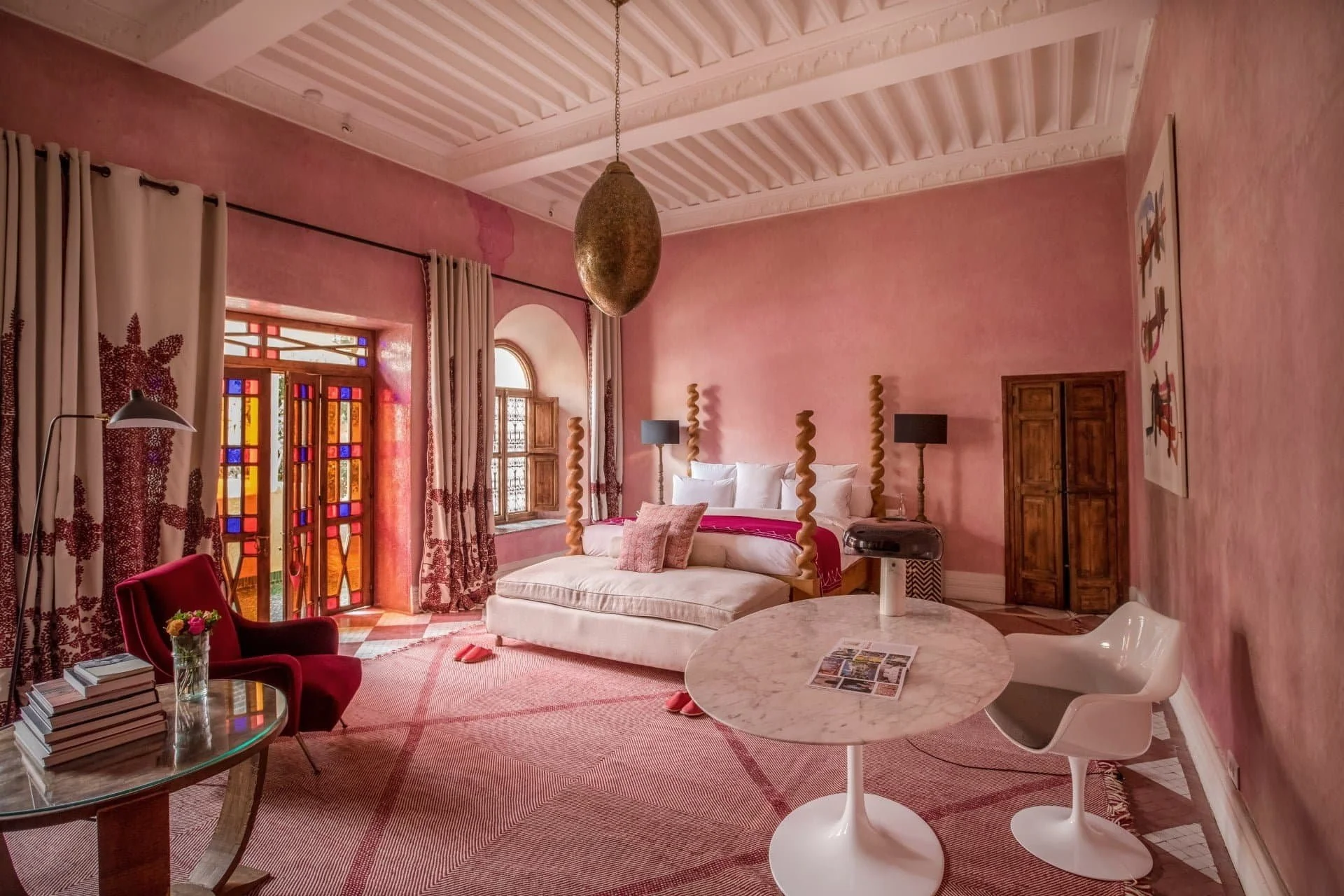
A richly layered living space by Elicyon
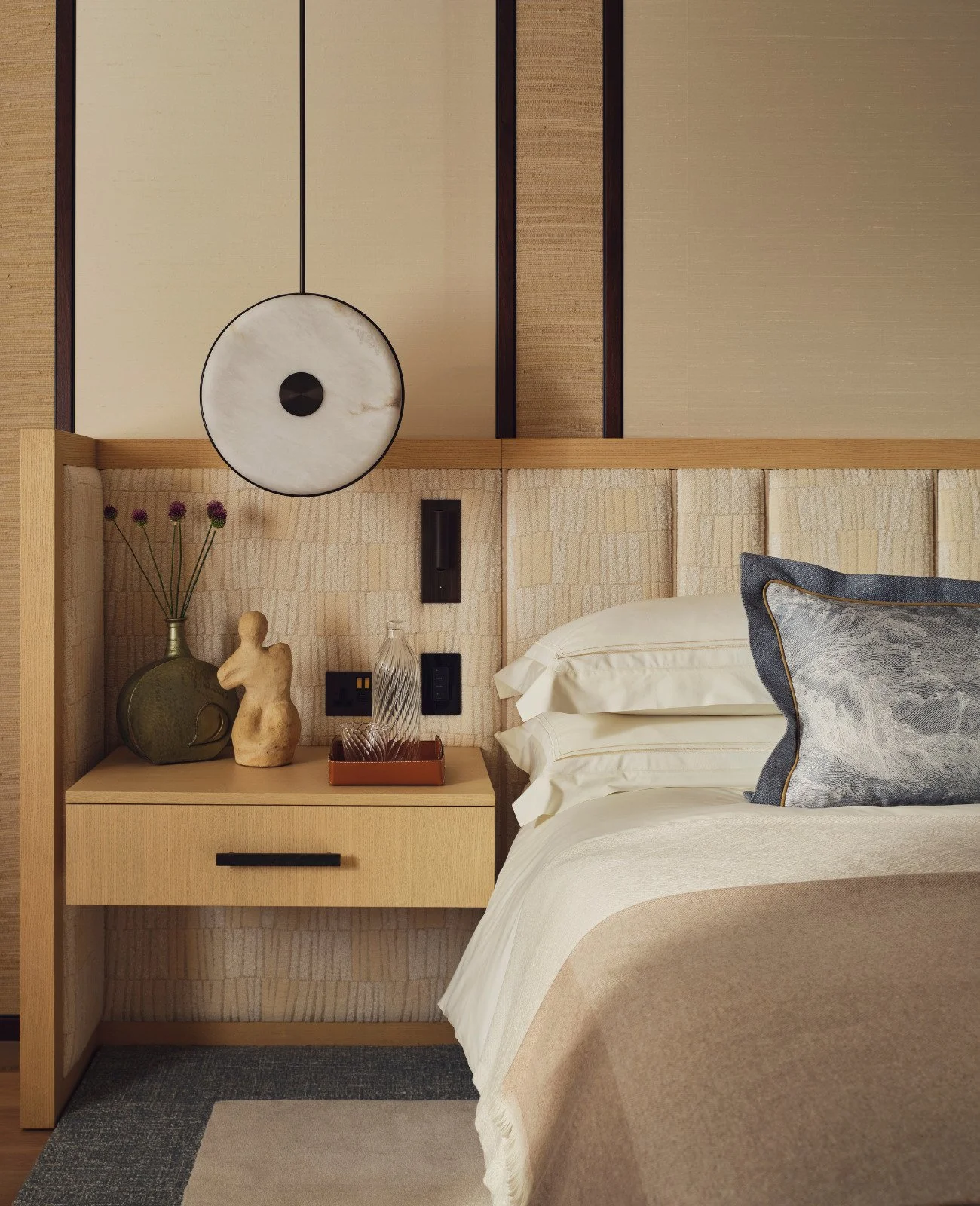
Bespoke detailing and tactile materials within an Elicyon interior
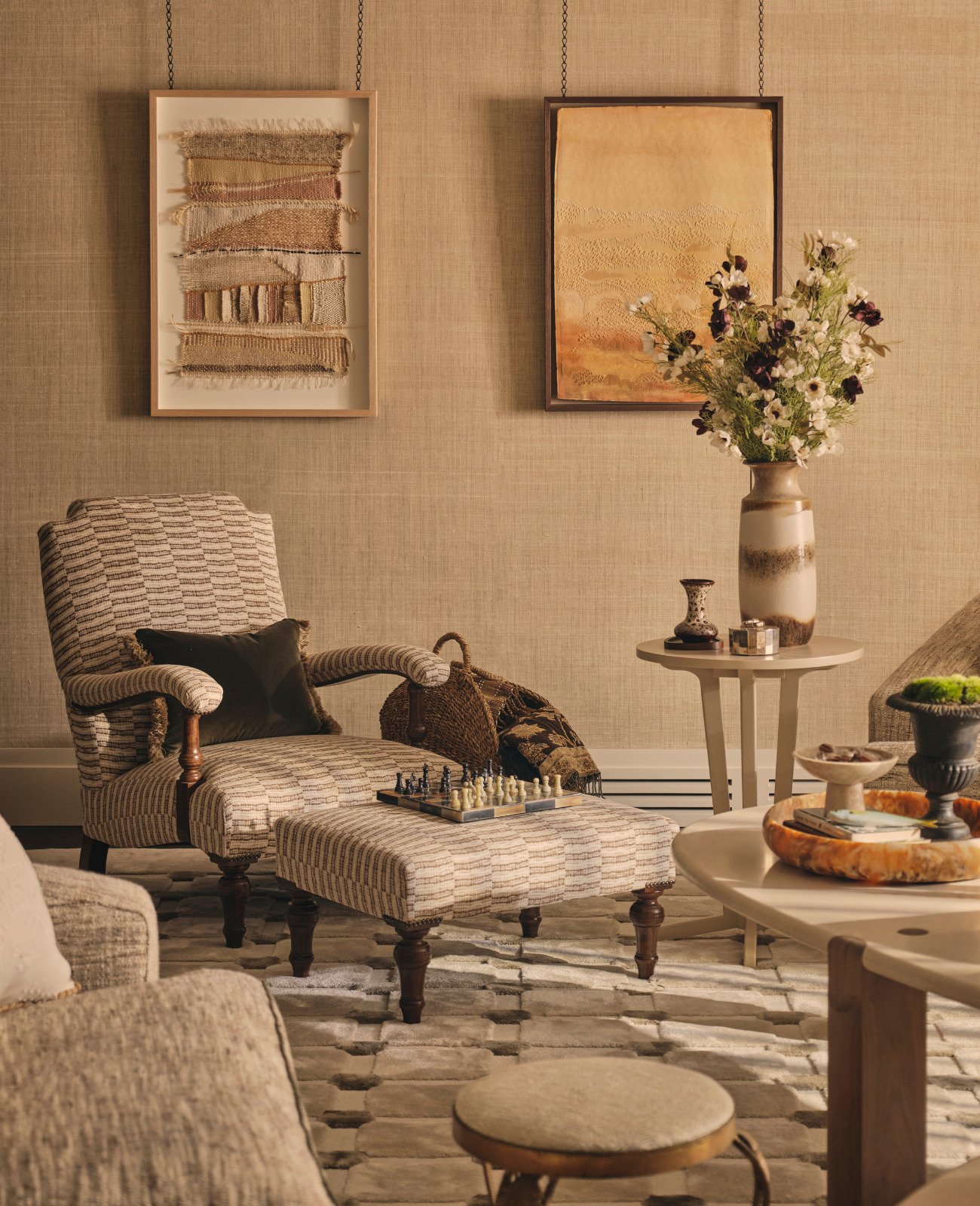
A refined residential interior by Elicyon
“You begin because you love designing, and suddenly you are thinking about people, culture, finances, strategy and how to create an environment where other creative people can do their best work.”
Charu Gandhi
DESIGNEERS
You often look beyond interiors for ideas. What has caught your eye recently?
Charu Gandhi
Theatre.
I recently saw Akram Khan’s Giselle, where classical ballet, Indian dance and contemporary movement come together with set, texture, light and shadow.
I enjoy bringing theatrical references into our work: impact, drama, atmosphere and an understanding of where you want the eye to travel. I also love that sense of anticipation in live performance, the little moment just before something happens.
For me, theatre is to the performing arts what craft is to design. It is more raw, perfectly imperfect and wonderfully immediate.
DESIGNEERS
For WOW!house 2026, you created The Lalique Bar around crystal, timber, fabric and stone-like surfaces. How did you stop the room from feeling like a showroom?
Charu Gandhi
The starting point was the way crystal captures and refracts light. We began thinking about how that quality could become part of the architecture itself.
We developed a restrained palette of warm timber, tactile fabrics and stone-like finishes to give the crystal something richer and more grounded to sit against. Curves run through the joinery, furniture and bar so that the room feels fluid and enveloping rather than hard or architectural.
Lighting was fundamental. We wanted it to move through and around the crystal, creating reflections, shadows and smaller moments of discovery.
Nothing was intended to reveal itself all at once.
DESIGNEERS
The room was also designed around entertaining. How did you imagine people actually using it?
Charu Gandhi
We designed it around the way an evening naturally unfolds.
The bar is the anchor, but the architecture draws you around the room into smaller pockets where you might sit, have a drink, discover an object or find yourself in a more intimate conversation.
There is a real theatre to entertaining. The lighting shifts the mood, crystal catches the eye from different viewpoints and details give you reasons to look more closely.
A successful entertaining space needs to work at different scales. It should feel convivial when it is full, but equally inviting when there are only two people having a drink.
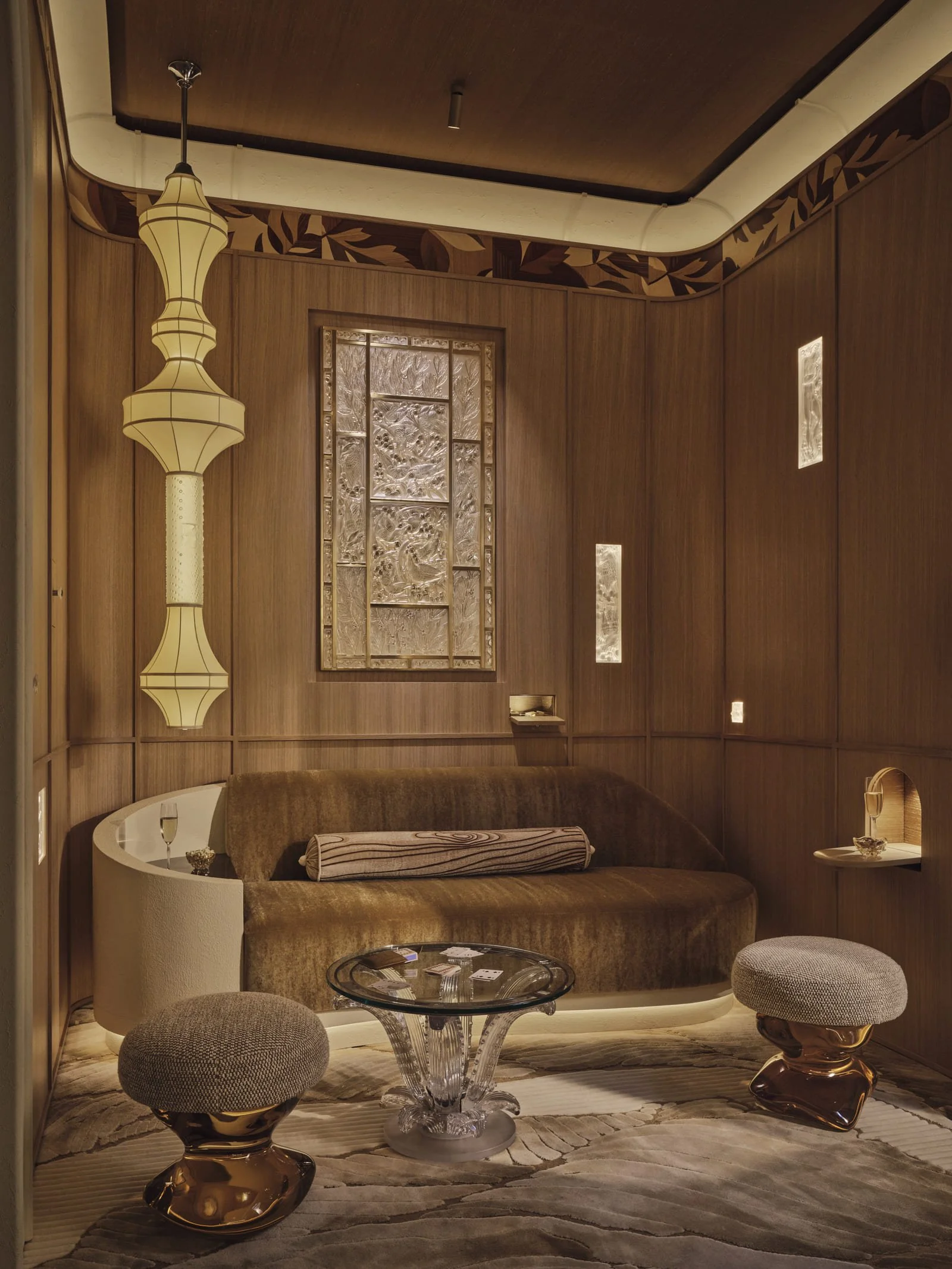
The Lalique Bar by Elicyon at WOW!house 2026
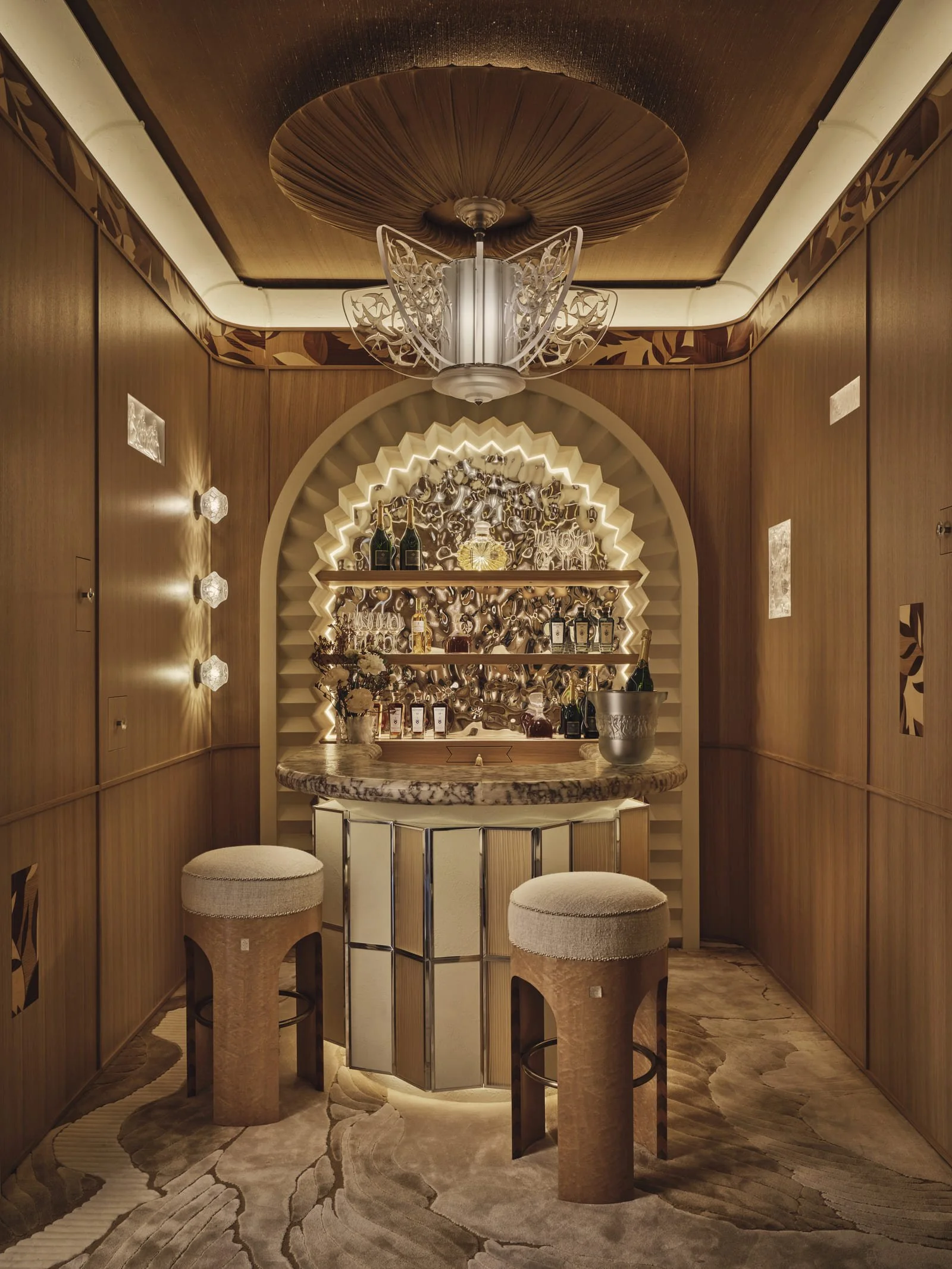
The Lalique Bar by Elicyon at WOW!house 2026
DESIGNEeRS
What is your favourite hotel in the world, and what has it taught you about hospitality?
Charu Gandhi
More recently, I have had extraordinary experiences at both Soneva Jani and Soneva Fushi in the Maldives.
The properties and settings are beautiful, but what stayed with me was the team, the brand ethos and the way every element of the stay was considered. The very best hotels have an almost invisible quality to their service. The team is always one step ahead, quietly anticipating your needs and making everything feel effortless.
It is particularly meaningful that Elicyon is now working on the redesign of both Soneva Jani and Soneva Fushi as part of the brand’s next chapter of Bare Luxury. Having first experienced them as a guest gives me a deep appreciation for what makes them special.
DESIGNEeRS
If you were hosting a dinner party, who would be seated around the table?
Charu Gandhi
I would want people who changed the language of their field rather than simply excelled within it.
Zaha Hadid would definitely be there. I studied at the Architectural Association, where she had been a student and later returned as visiting faculty. She even sat on one of my design juries, so there is a personal connection.
Steve Jobs would also have to come. My father was one of the people who brought Apple computers to India and South Asia in 1984 and worked closely with Steve, who visited us in India. Looking back, being exposed so young to that relationship between design, technology, business and human behaviour probably influenced me more than I understood at the time.
Then Lee Miller, for the extraordinary range of her life; Miuccia Prada for ideas, fashion and commerce; David Bowie for reinvention; James Baldwin for people and society; Agnès Varda for curiosity and humanity; and Ngozi Okonjo-Iweala for an entirely different perspective on economics and global leadership.
And Fran Lebowitz, because I love people who are funny without trying to be agreeable. I suspect she would puncture any hint of self-importance at the table.
I would also leave one seat free for someone I hadn’t met yet. I love social gatherings with an element of the impromptu.
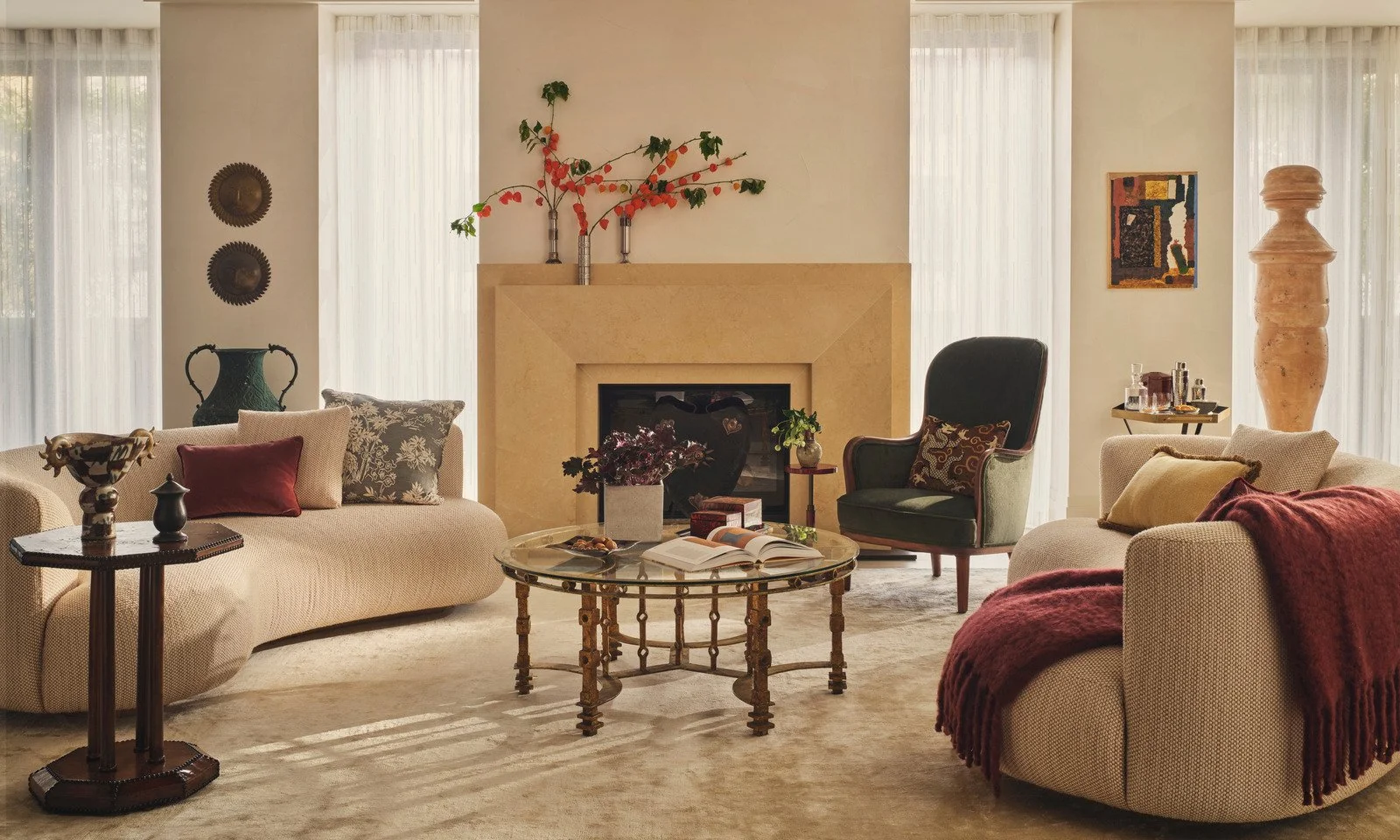
Elicyon’s approach combines architectural rigour with craftsmanship and detail
photography credits: nick rochowski