Yang Lan is Keeping the Fire of Chinese Craft Alive
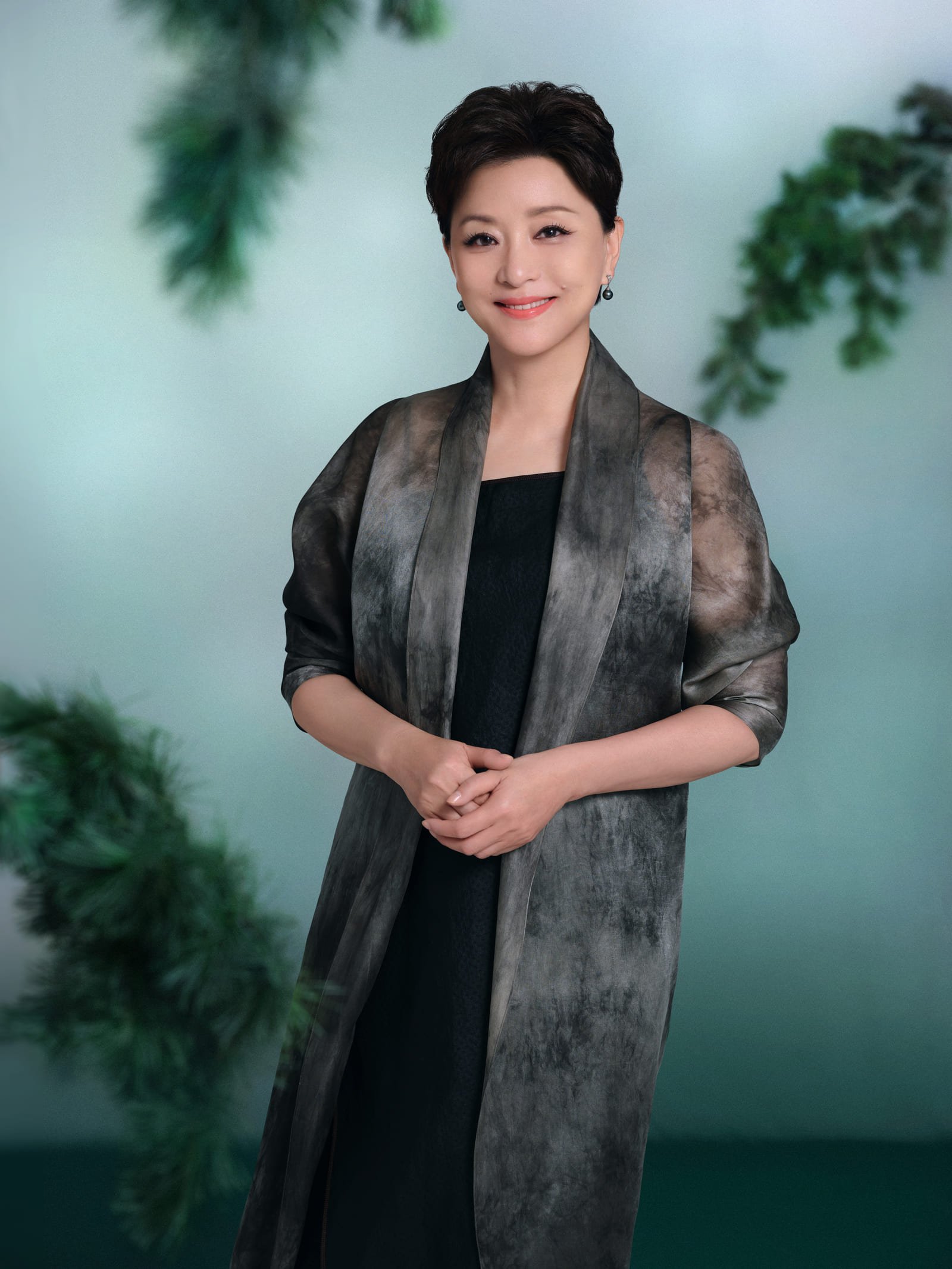
people • lifestyle
As Chairperson of Sun Media Group and a leading broadcaster and media entrepreneur in China, Yang Lan has spent more than three decades connecting people, ideas and culture through media. Her interview programme, Yang Lan One on One, has featured more than 1,200 conversations with global leaders.
For London Design Festival, Yang Lan co-curated Reviving Craft: Reflection of the Mind alongside Su Dan, Deputy Director of the Chinese Traditional Culture Museum and Professor at Tsinghua University. The exhibition brought together contemporary Chinese artisans and designers working with centuries-old techniques, presenting craft as a living practice rather than an exercise in nostalgia.
Having interviewed more than 100 craftspeople for her Reviving Craft television programme, Yang Lan has explored how a younger generation is using traditional techniques to create new forms, narratives and expressions.
In this conversation with Designeers, she discusses Chinese craftsmanship, the makers behind Reviving Craft, and how traditional craft can remain relevant to contemporary life.
Words: designeers
October 2026
WEBSITE: chinasunmedia.com
INSTAGRAM: @yanglan_sunmedia
DESIGNEERS
You travelled across China to find many of the artists and makers in Reviving Craft. What was it that made you stop and know you had found someone special?
Yang Lan
Over the course of making Reviving Craft, I interviewed more than 100 artisans and designers, and what struck me most was the depth of commitment behind so many of these practices. In some families, the same craft has been carried through five generations. That kind of continuity is extraordinary.
But I was equally interested in what happens when a younger generation enters the story.
In Jingdezhen, a city shaped by porcelain for more than a thousand years, I found tens of thousands of young people coming to learn traditional techniques and establish studios of their own, including international students and young artists. At the weekend markets, I would wander from stall to stall and see them presenting work that was unmistakably contemporary, even though it had been made using techniques with very deep roots.
That was the moment I understood that these traditions were not simply being preserved. They were still alive.
The younger generation was not copying the past. They were using inherited techniques to express their own emotions, identities and points of view. For me, that is when craft becomes most exciting, when continuity and reinvention exist at the same time.

Reviving Craft: Reflection of the Mind at Somerset House

Reviving Craft: Reflection of the Mind at Somerset House
DESIGNEERS
You’ve said you were struck by the authenticity of the makers themselves. What did you see in them that felt so rare?
Yang Lan
What I encountered again and again was a profound sense of respect. Respect for nature, for materials, for the work of others, for clients, for collaborators, and perhaps most importantly, for time.
I remember meeting a master lacquer artisan near Huangshan who had spent more than 40 years reviving an ancient technique known as rhino-skin lacquer. The effect is extraordinary, built through more than 100 layers of lacquer and natural minerals, with colours and striations that seem almost geological.
He told me that working with lacquer is also a way of quieting the mind. Each layer has to dry naturally. You cannot accelerate the process with artificial heat, and you cannot force it. You simply have to wait.
A single piece can take him three years to complete.
His wife once teased him that in the time it took him to finish one lacquer box, an entire skyscraper could be built. He replied very calmly: “That doesn’t matter. I am following the natural course. In 300 years, the skyscraper may have disappeared, but this lacquer box or vase will still be here. Someone may hold it in their hands and understand me, and understand the life I put into it.”
That stayed with me. In a world increasingly defined by acceleration, these makers have a completely different relationship with time. They are not trying to outrun it. They are working with it.
DESIGNEERS
These artists are working with traditions that can be centuries old, but the work feels very much of the present. How do you keep craft alive without turning it into nostalgia?
Yang Lan
That question is really at the heart of the exhibition.
Professor Sudan and I were very clear that we did not want to present Chinese craft as something frozen in history. The techniques may be ancient, but the work has to speak to the present.
Of course, we include pieces that demonstrate extraordinary technical mastery, such as lacquer and embroidery screens, because that level of craftsmanship deserves to be seen. But alongside them are works that behave more like contemporary sculpture or installation, using those same inherited techniques to express very different ideas.
There is a line often attributed to Gustav Mahler that I return to: “Tradition is not the worship of ashes, but the preservation of fire. So you can see the fire, the life, the true emotions, and the true stories that need to burst out and be expressed, but using some of the techniques.”
For me, that is exactly the point. The value of tradition is not in reproducing the past perfectly. It is in keeping the fire alive, allowing new emotions, new stories and new perspectives to pass through an old technique.
That is how craft survives. Not through nostalgia, but through reinvention.

Reviving Craft: Reflection of the Mind at Somerset House
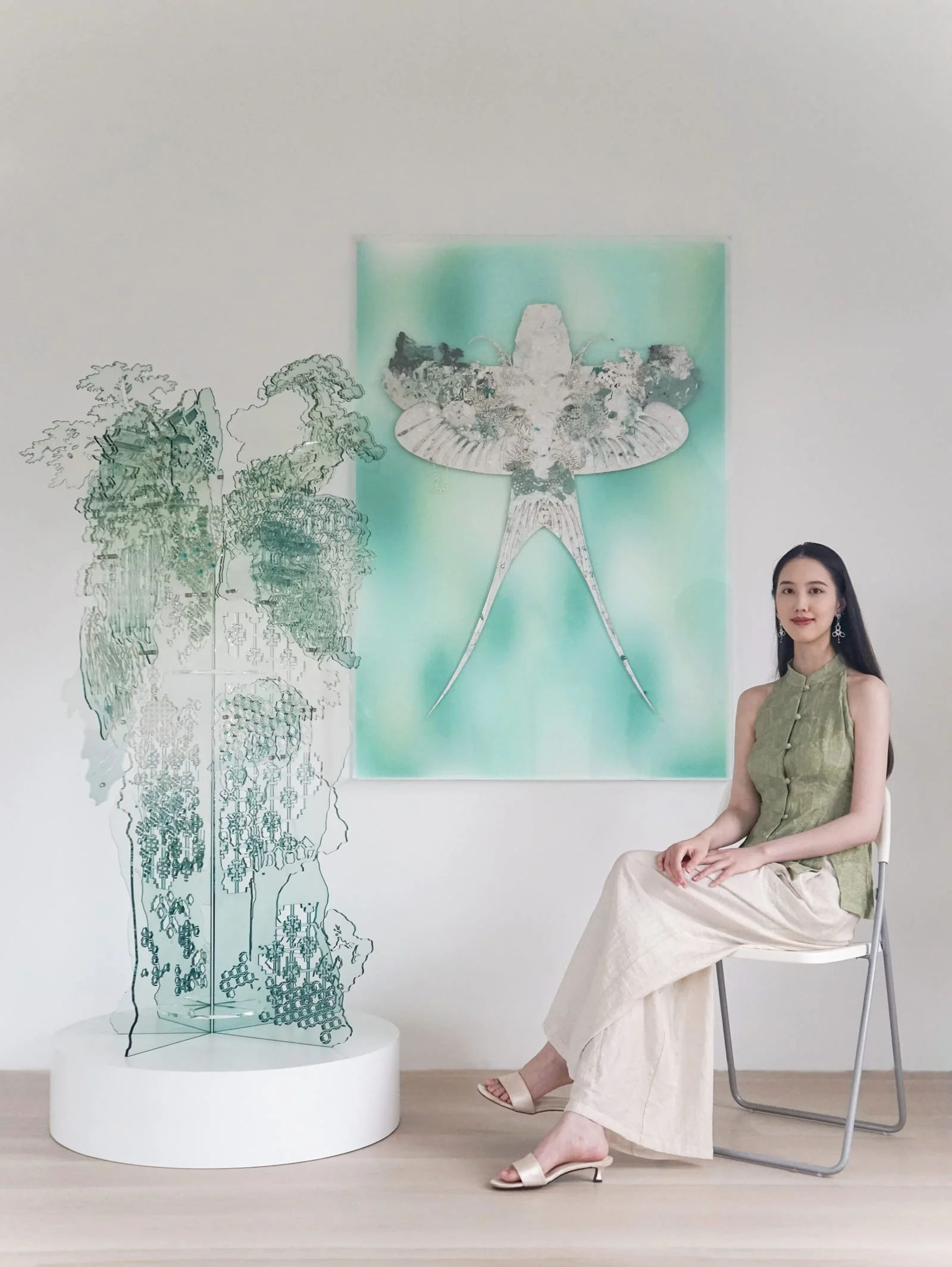
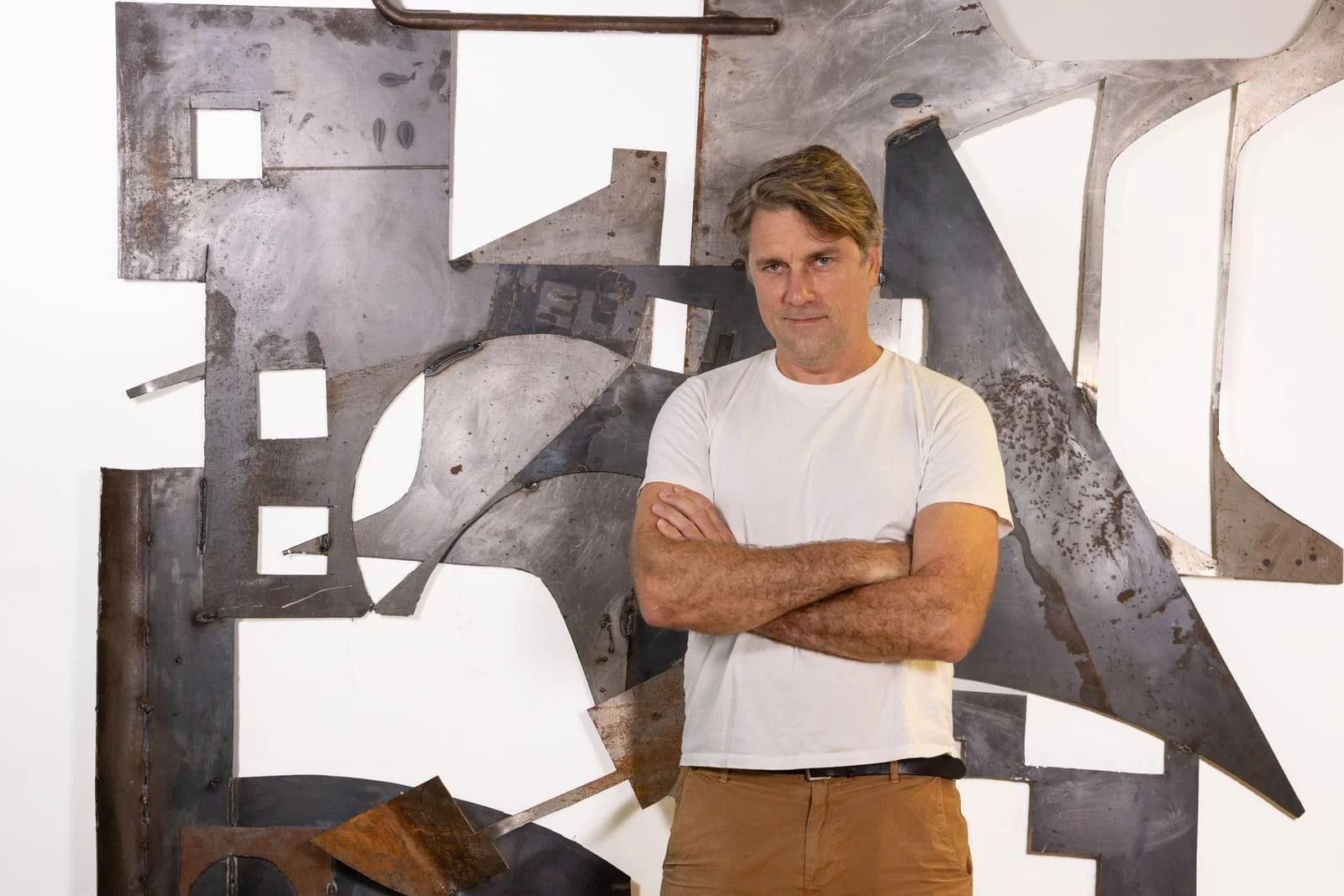
Artist Zhang Yihan with her work at Somerset House

Reviving Craft: Reflection of the Mind at Somerset House
“The techniques may be ancient, but the stories, emotions and ideas expressed through them can belong entirely to the present.”
yang lan
DESIGNEERS
You’ve spent your career telling stories and bringing people to a wider audience. Do you see supporting these makers as an extension of that same instinct?
Yang Lan
Very much so. If I look back over 36 years in media, the two words that probably define my work are connection and inspiration.
I see my role now as building bridges: between artisans and designers, between traditional craft and contemporary industry, and between these makers and a much wider international audience.
There is also an interesting shift happening in the market. Fashion, furniture and lifestyle brands are increasingly looking to traditional craft not simply for decoration, but for deeper stories, material intelligence and cultural meaning. That creates real opportunities for collaboration.
If I can help bring these artisans into those conversations, then the result is more than commercial visibility. It can create greater value for the makers themselves, while also bringing more depth, beauty and cultural substance into the products people live with every day.
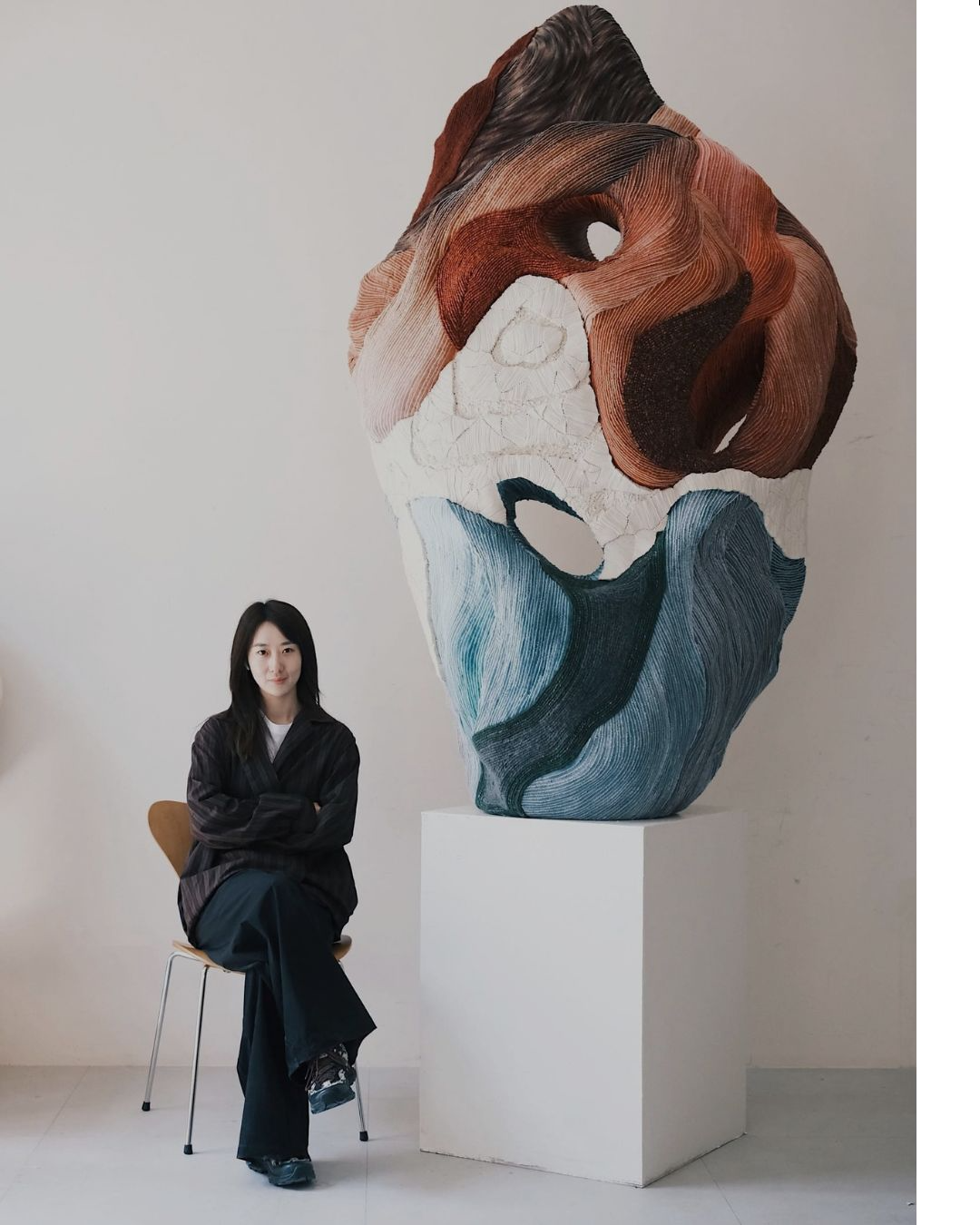
Artist Shuang Xi with her Soft Monolith sculpture at Somerset House
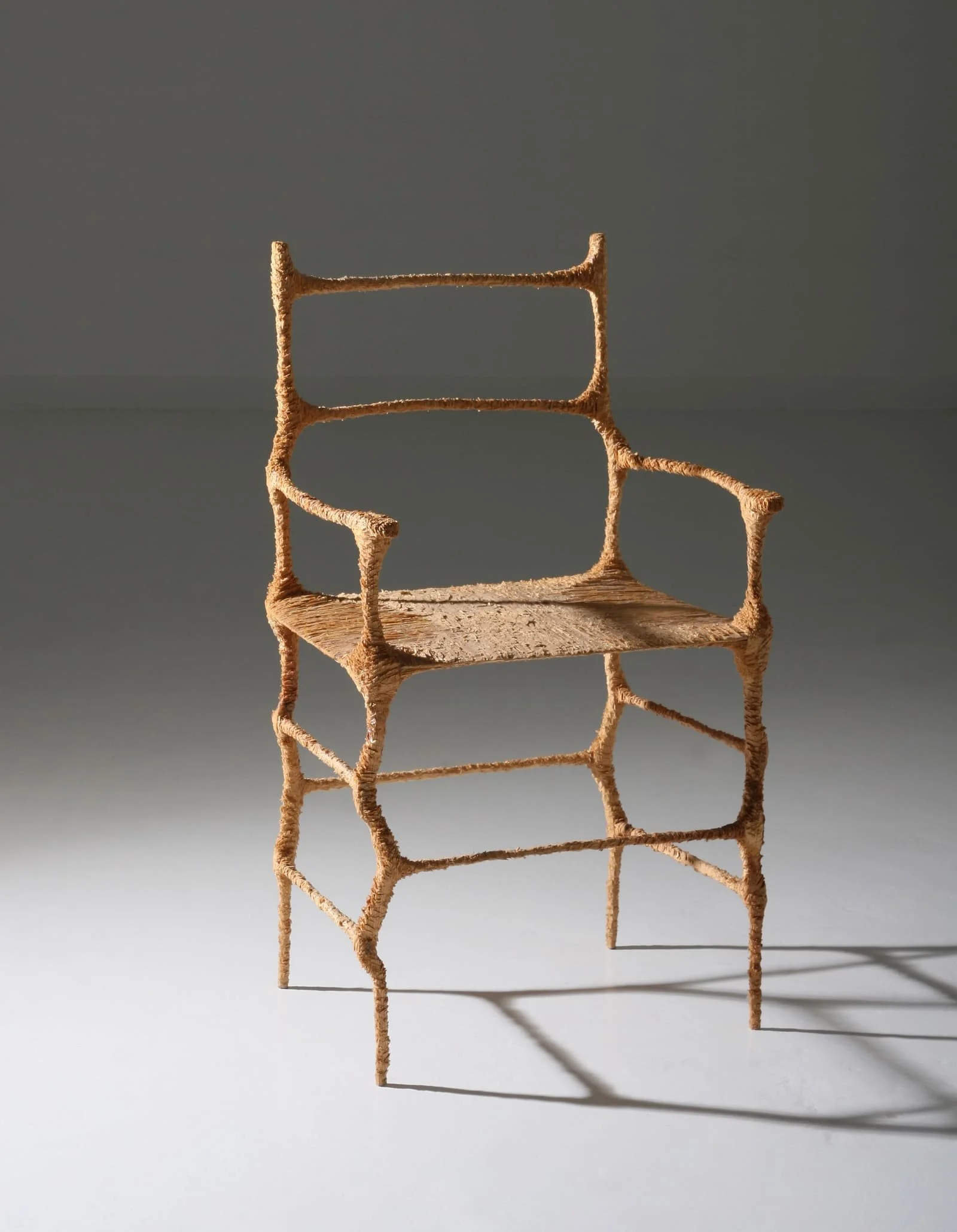
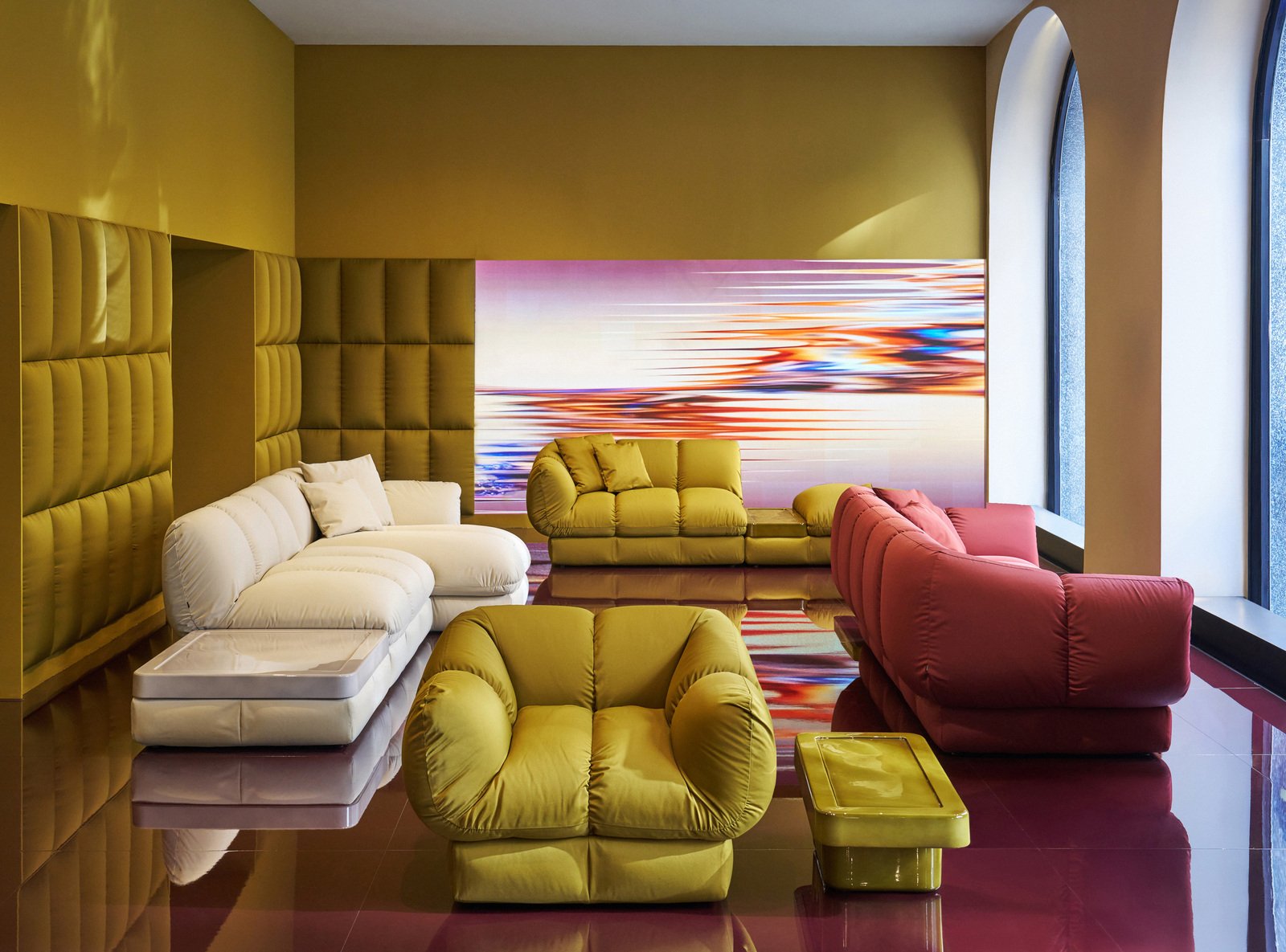
Gaozhong Chair presented at the Reviving Craft Installation
DESIGNEERS
What do you hope someone in London understands about contemporary Chinese craft after seeing this exhibition that they may not have understood before?
Yang Lan
I hope there is a moment of genuine surprise, a sense of, “I had no idea this existed.”
The scale and diversity of the exhibition reveal just how dynamic this generation of Chinese artisans and designers really is. These are not practices preserved behind glass. They are evolving, experimental and deeply alive.
What I also hope people encounter is a form of embodied human intelligence. There is knowledge in the hand, in the material, in repetition, patience and accumulated skill. That intelligence can communicate across cultures because it speaks to something very human.
We are living through a fragmented and accelerated moment, one in which many people feel anxious, isolated or overwhelmed. I hope the textures, the painstaking processes and the life stories behind these works create a different kind of encounter, one that slows us down and reconnects us with attention.
If visitors leave the exhibition with a greater appreciation for contemporary Chinese creativity, but also with a quieter question about what really matters in their own lives, then I think the exhibition has done something meaningful.

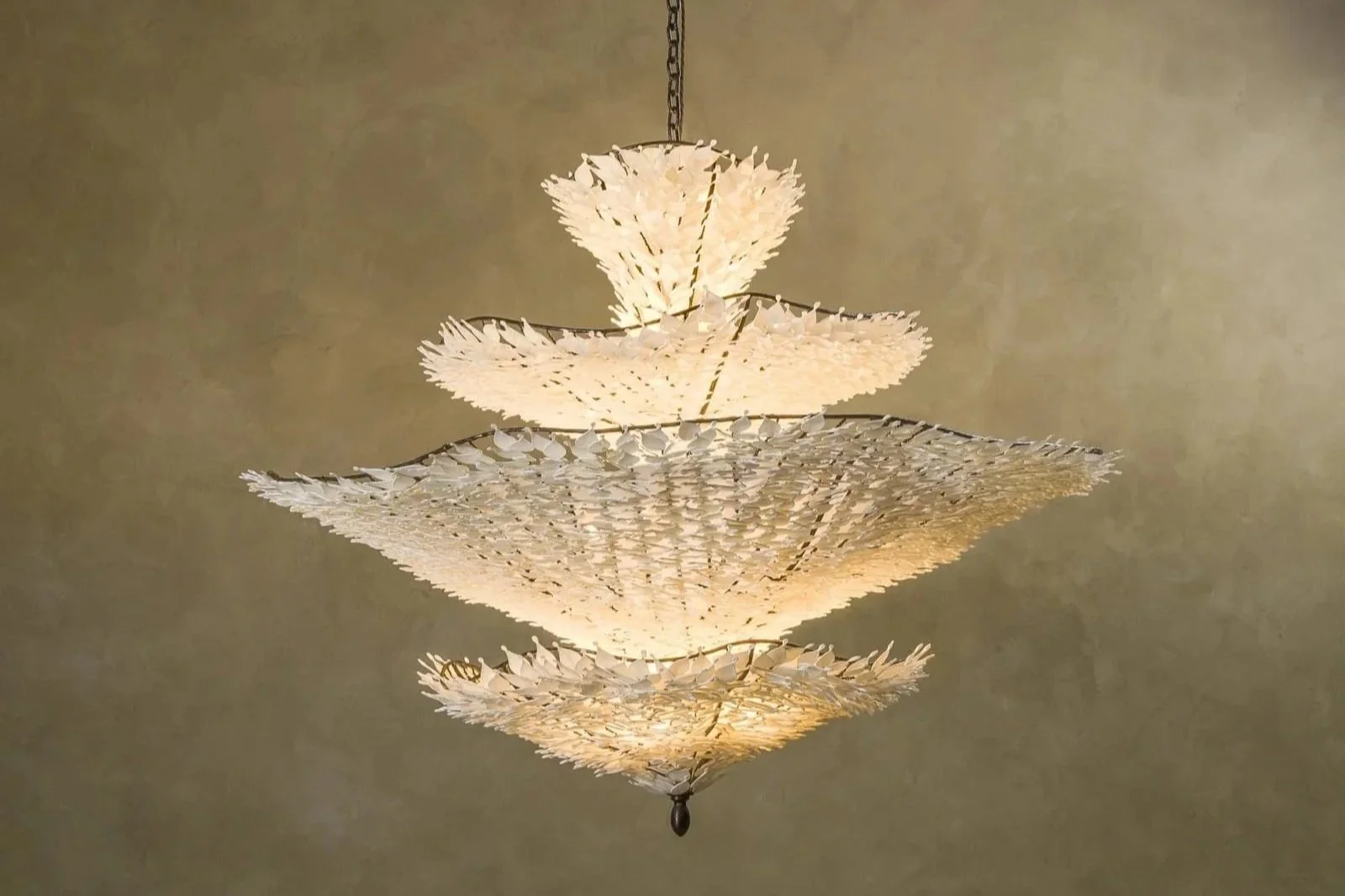
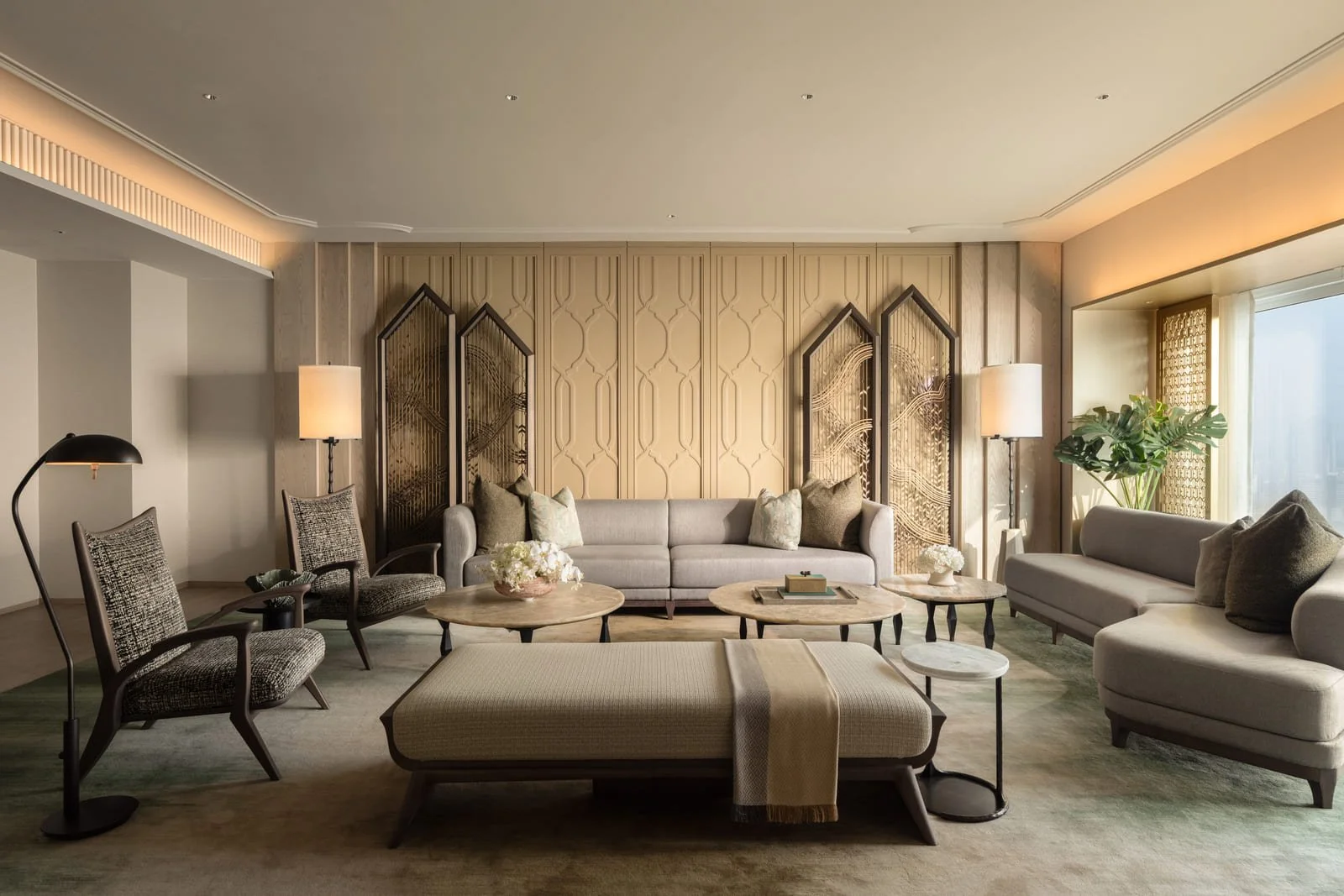
Reviving Craft: Reflection of the Mind at Somerset House
Photography credit: tom carter
ImageS courtesy Reviving Craft / Sun Media