people • designers
The Andrew Martin founder on Biba, Romanian kilims, Chinese design and why good taste is never timeless.
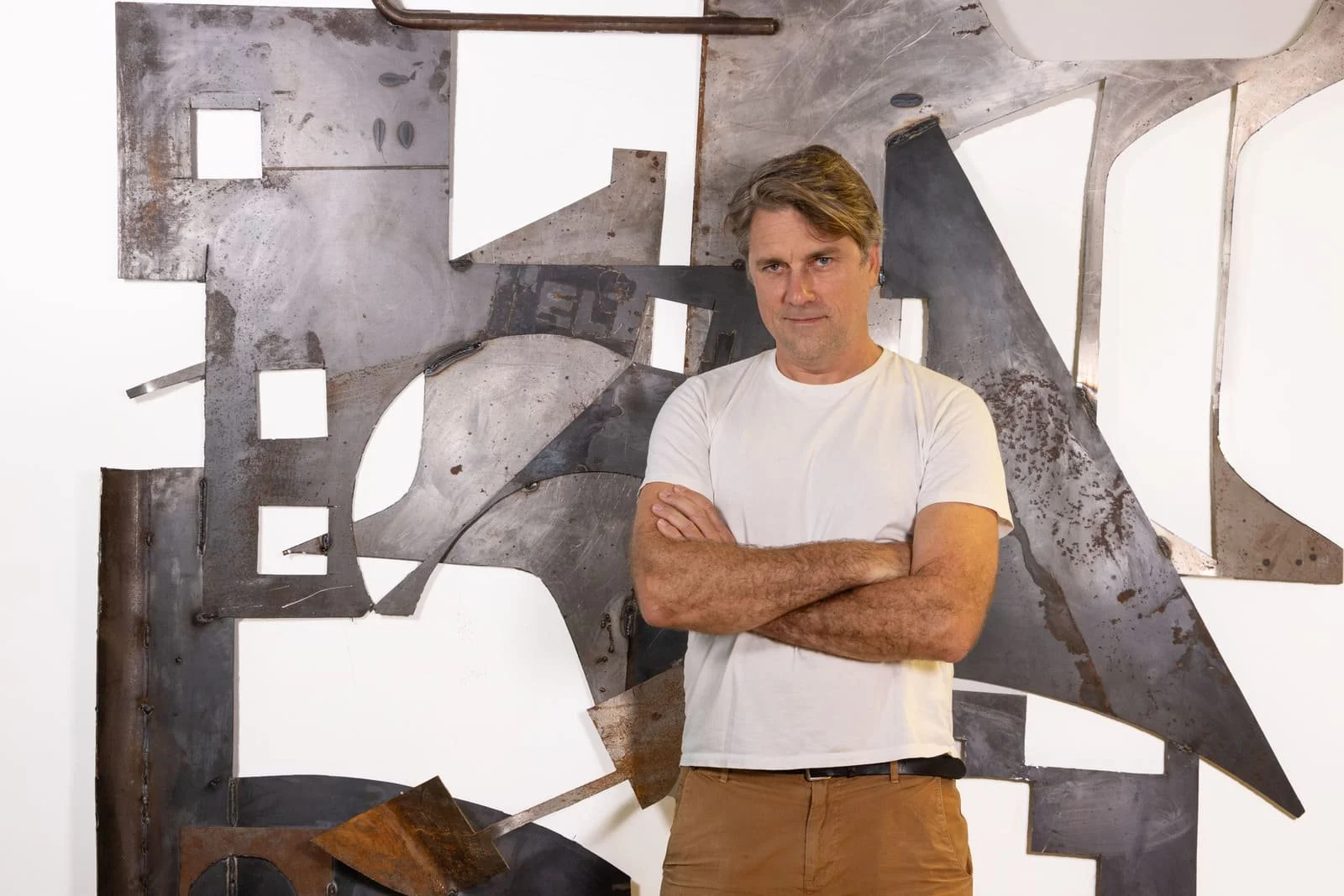
“Nothing is timeless,” says Martin Waller, founder of Andrew Martin. Since establishing the brand in the late 1970s, he has watched design move through successive waves of influence, from country-house interiors and Chinese lacquer to African textiles and industrial Americana. Each has had its moment, only to be reinterpreted by the next generation.
Travel has shaped Waller’s perspective as much as interiors, taking him from textile traditions in India and Southeast Asia to Romanian kilims, Guatemalan weaving and West African cloth. Yet it is people, as much as the objects they make, that continue to fascinate him. “You scrape away the top layer of anybody’s life,” he says, “and there’s a whole movie underneath.”
As the Andrew Martin Interior Design Review marks three decades, Designeers speaks with Martin about changing tastes, cultural exchange, China’s growing design confidence and the importance of remaining curious.
Words: designeers
October 2026
WEBSITE: andrewmartin.co.uk
INSTAGRAM: @andrewmartin_int
DESIGNEERS
You founded Andrew Martin in the 1970s, a period you have since called “the decade that taste forgot”. What made you want to enter interiors then?
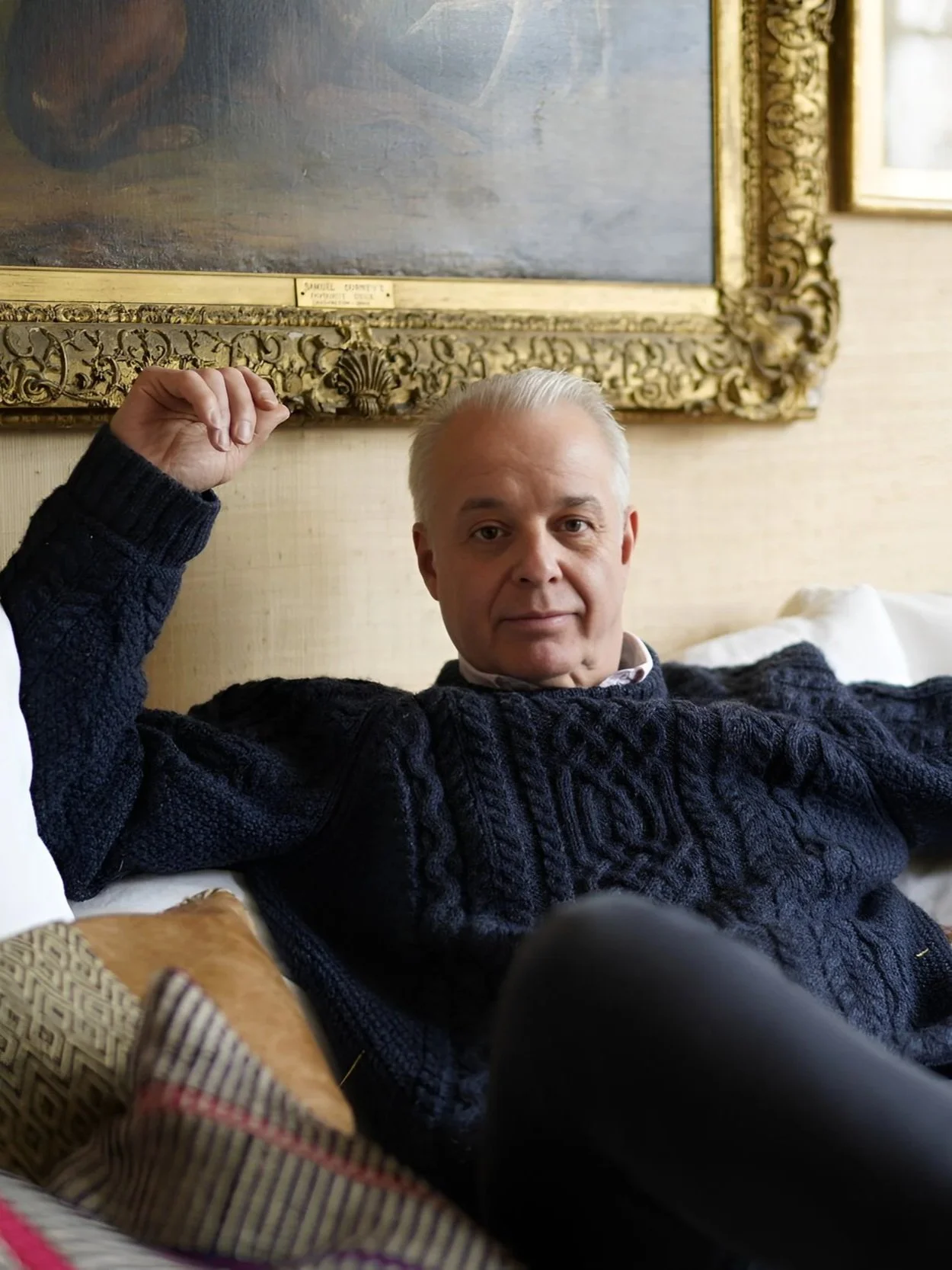
Martin Waller
It was actually an incredibly exciting decade because there was so much freedom and energy. We felt we could do anything and be part of something new.
One of the great influences was Biba on Kensington High Street. Retail itself was exciting then, and there was something compelling about the idea of creating a shop and a complete world around it.
Later, in the 1980s, banking became glamorous and everybody suddenly wanted to be a banker, but in the seventies there was a very different spirit. It felt much more experimental.
DESIGNEERS
Travel became central to Andrew Martin very early. What were you looking for when you began travelling?
Martin Waller
The most interesting thing is always the people.
I have always been fascinated by how differently people live. You scrape away the top layer of anybody’s life, and there is a whole movie underneath, and that becomes even more extraordinary when you travel.
I remember going to Nagaland and encountering communities where money barely played a role in daily life. Or travelling to remote places in Ethiopia or Siberia where the rhythms of life were entirely different from ours. Those experiences put everything into perspective.
But I have always been fascinated by textiles too, because textiles tell the story of trade, culture and history extraordinarily well. Early on, it was Thai silk and hand weaving, then India, African cloth, Peru, Guatemala and many other places.
Objects and textiles speak about where people come from.
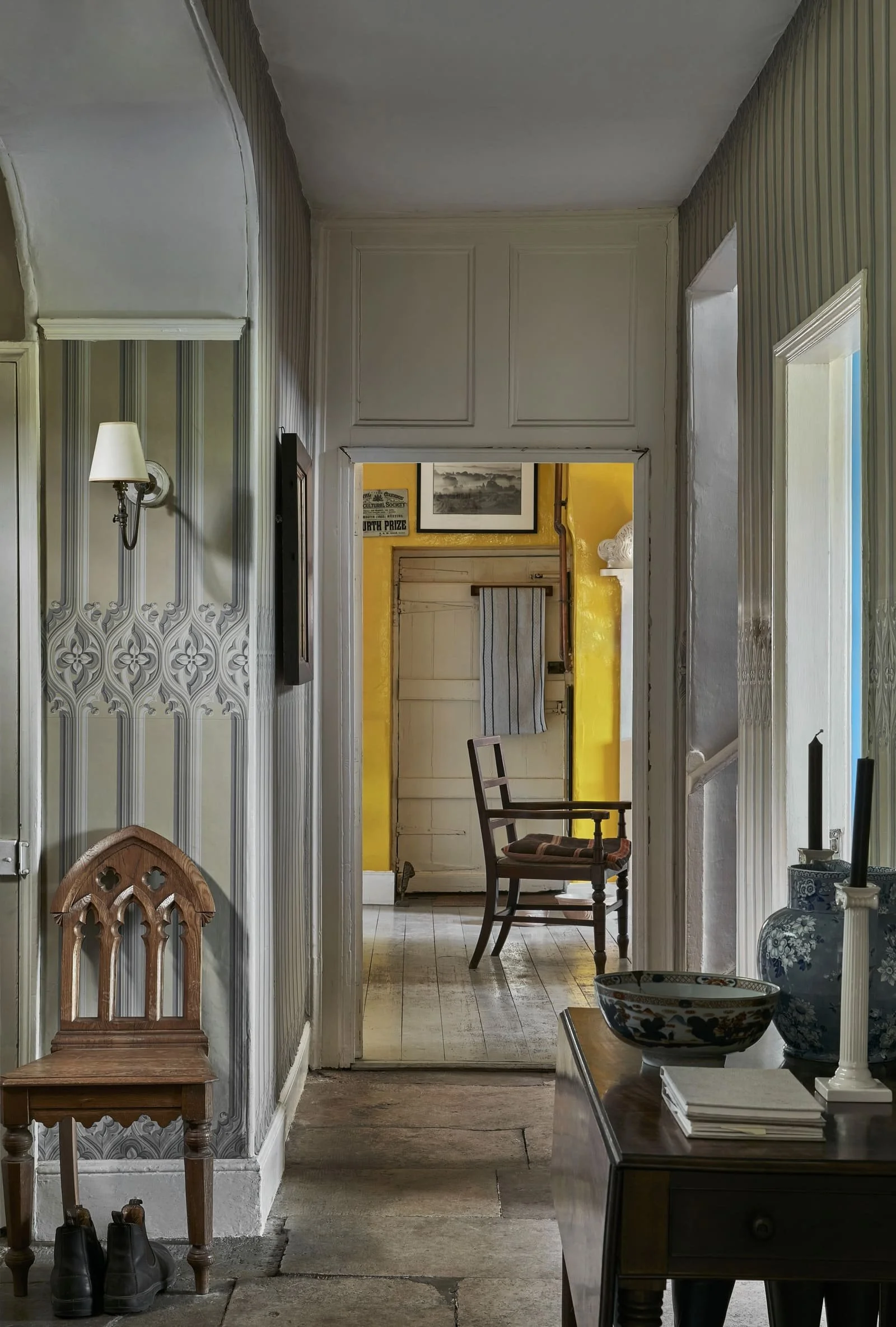
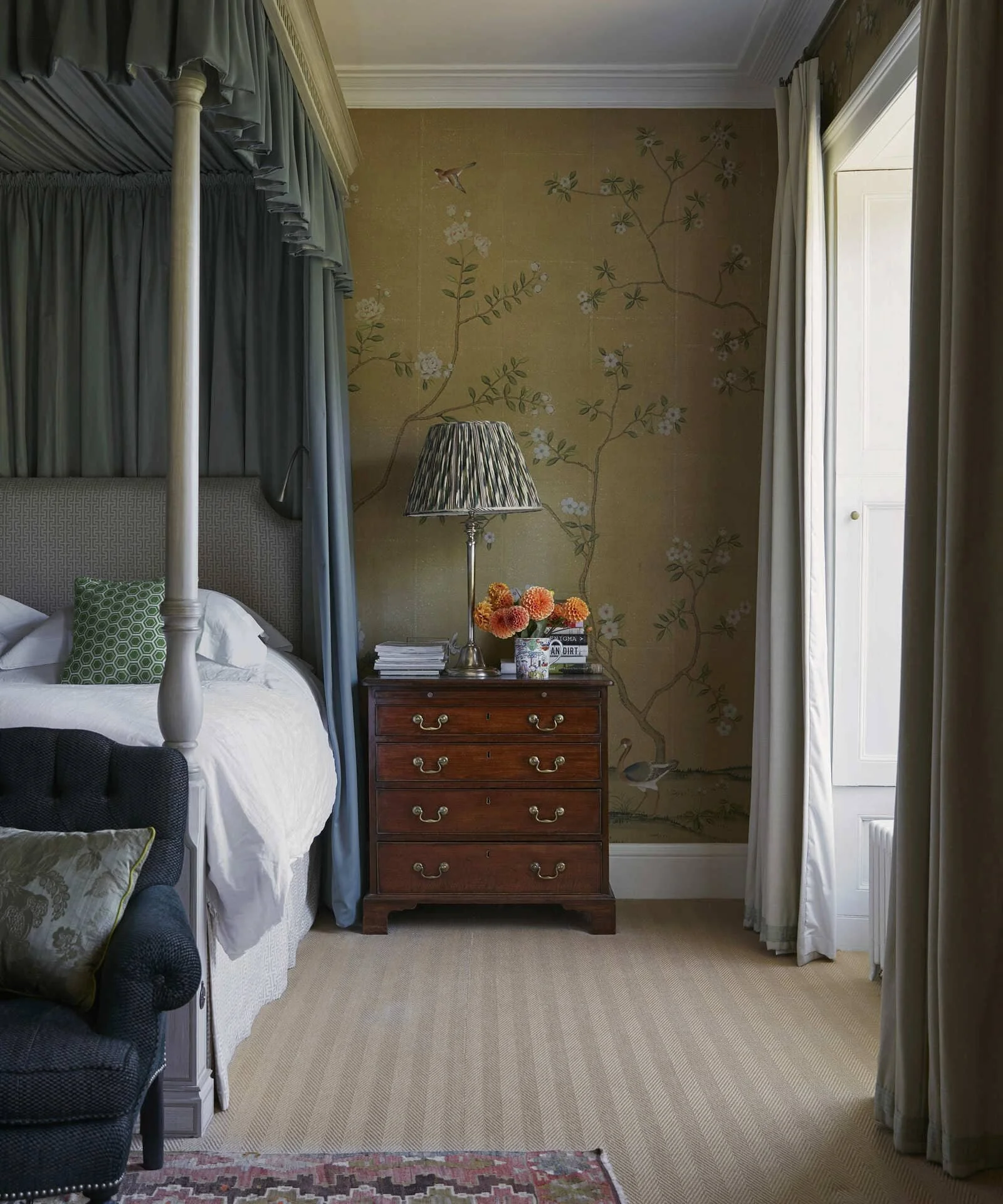
Design by Ben Pentreath (Andrew Martin Designer of the Year 2026)
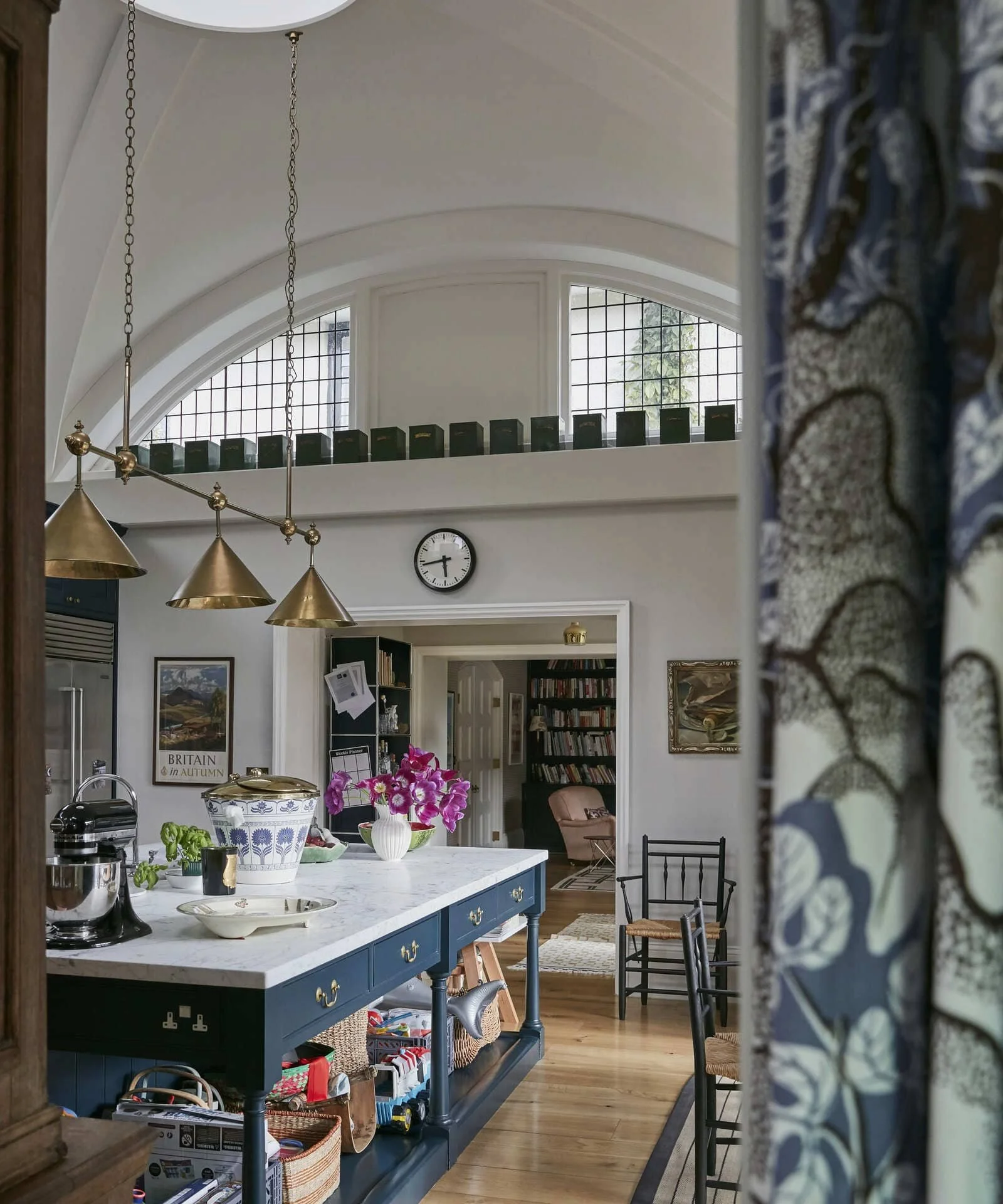
Design by Ben Pentreath (Andrew Martin Designer of the Year 2026)
DESIGNEERS
You were also sourcing and commissioning very early on.
Martin Waller
Yes. We were weaving dhurries in India in the 1980s, and I was buying Romanian kilims in Bucharest during the Ceaușescu years. Romania was quite an experience then. It could be difficult to find food, even at the hotel, and things like beer and chocolate were scarce. I would bring chocolates from London or beer to the rug weavers.
But that was part of travelling then. You had to go somewhere, meet people and understand how things were actually made. Today we have access to extraordinary amounts of visual information, but there is still something very different about physically being in a place.
DESIGNEERS
The idea of taking influences from different cultures is discussed very differently today. Has that changed the way you think about cultural exchange?
Martin Waller
It is an interesting debate, but I have never believed cultures should be sealed off from one another. Throughout history, ideas, philosophies, religions, crafts and aesthetics have travelled along trade routes. Cultures have always influenced one another.
And the craftspeople I have worked with want people to buy what they make. The weavers I know in the Andes are enormously happy that their work reaches customers elsewhere.
There needs to be respect, certainly, but I do not think the answer is to prevent cultural exchange. Trade itself has always been part of the way culture moves.
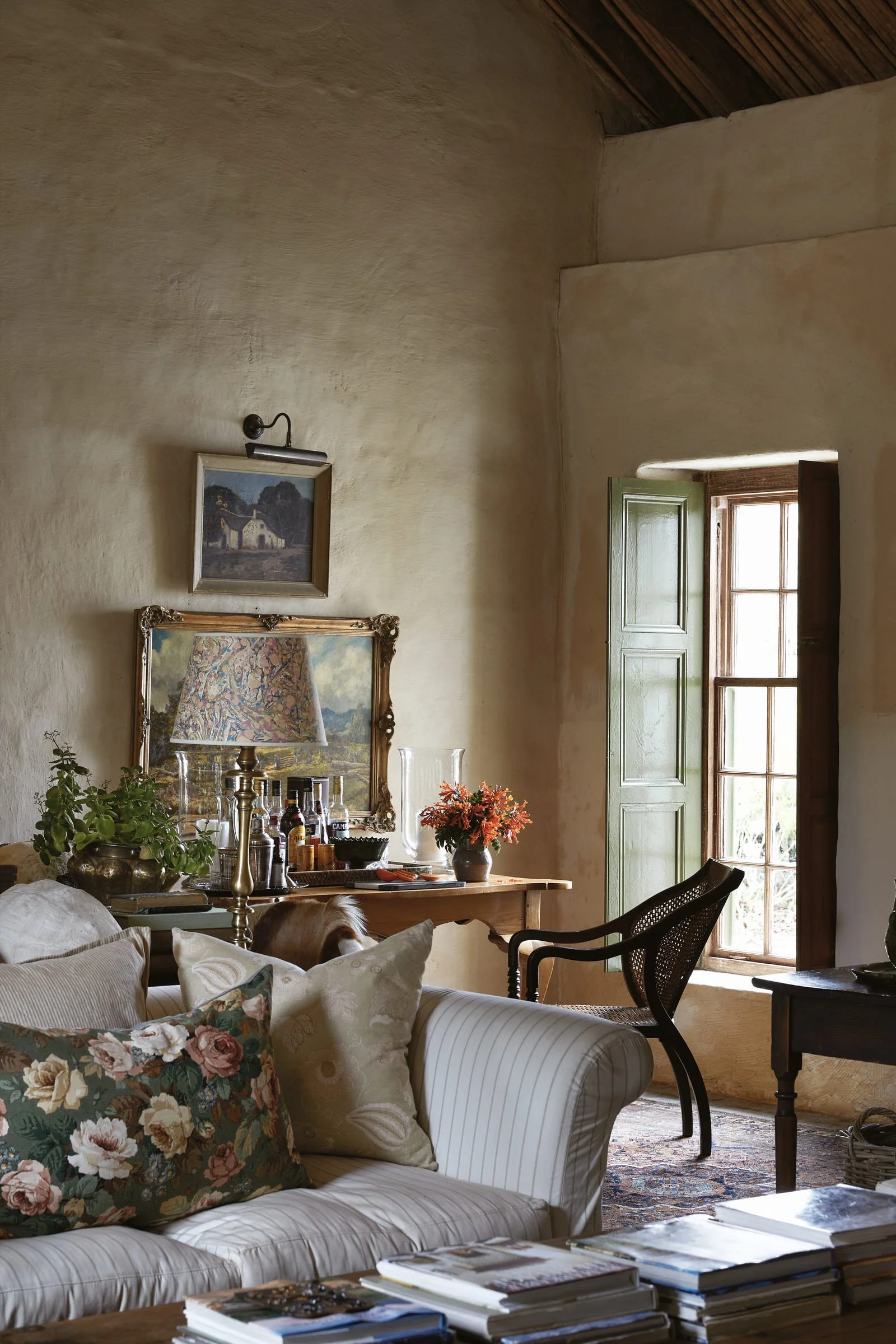
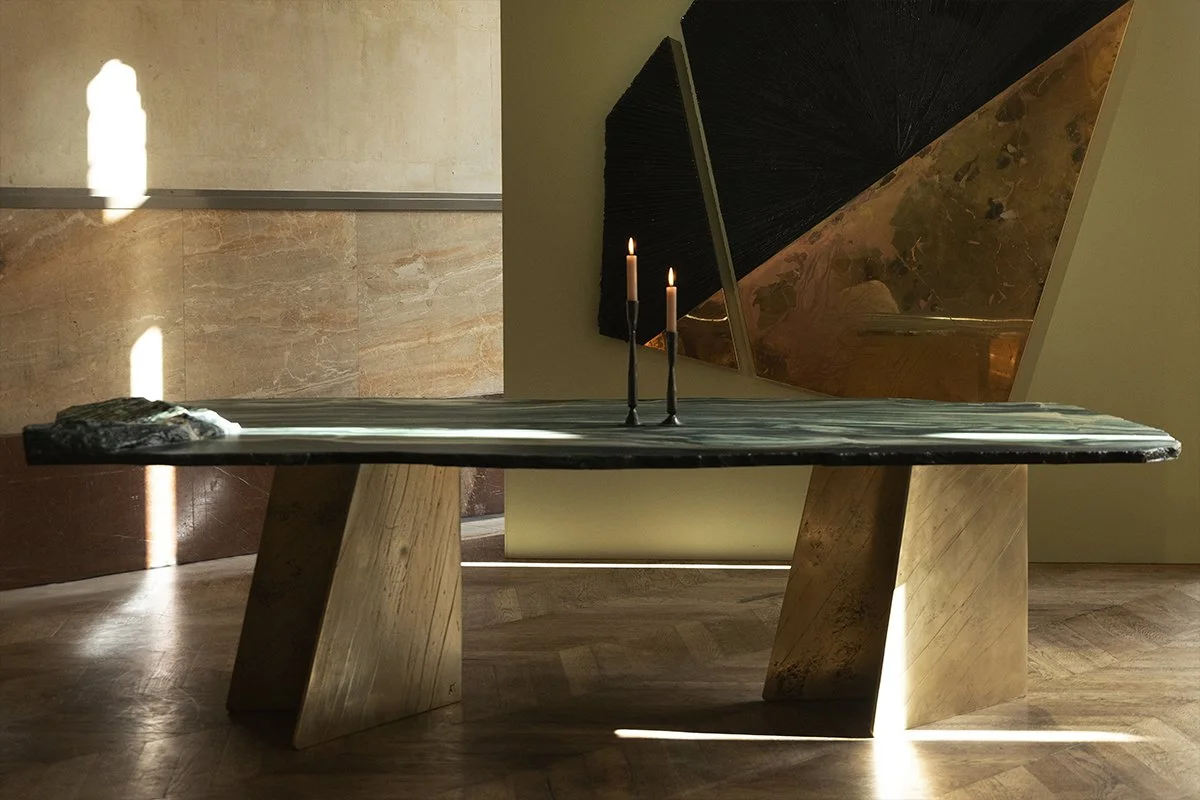
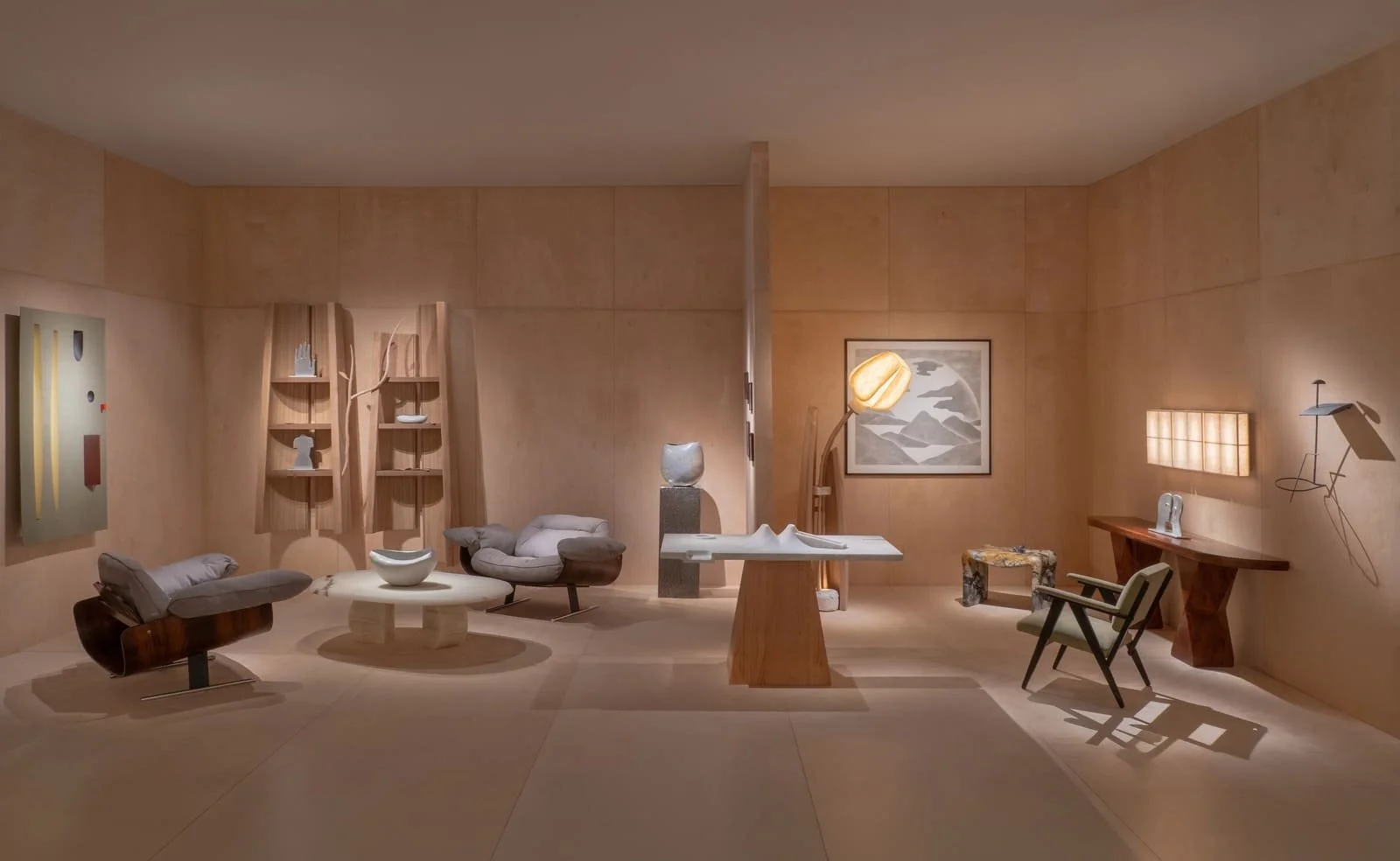
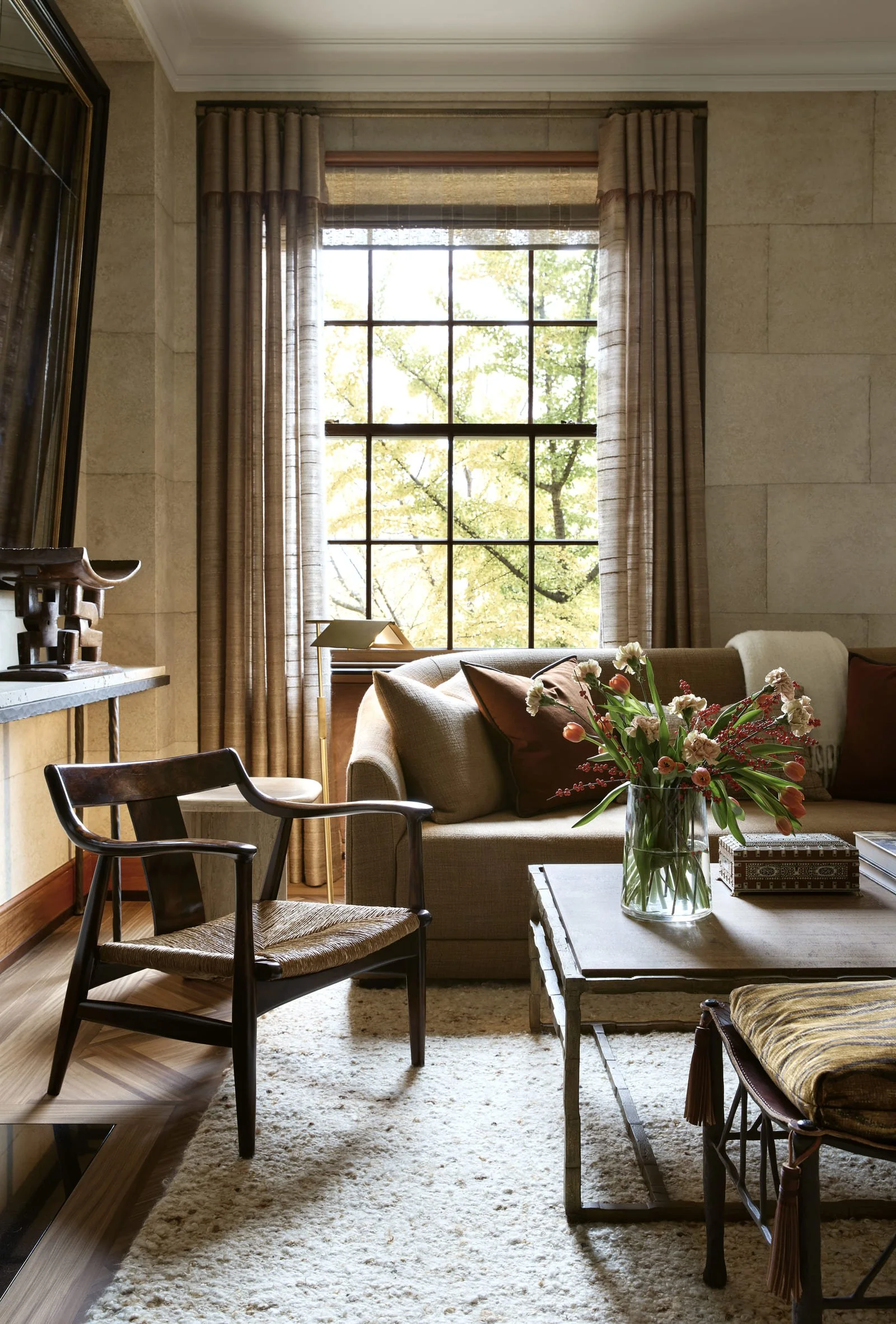
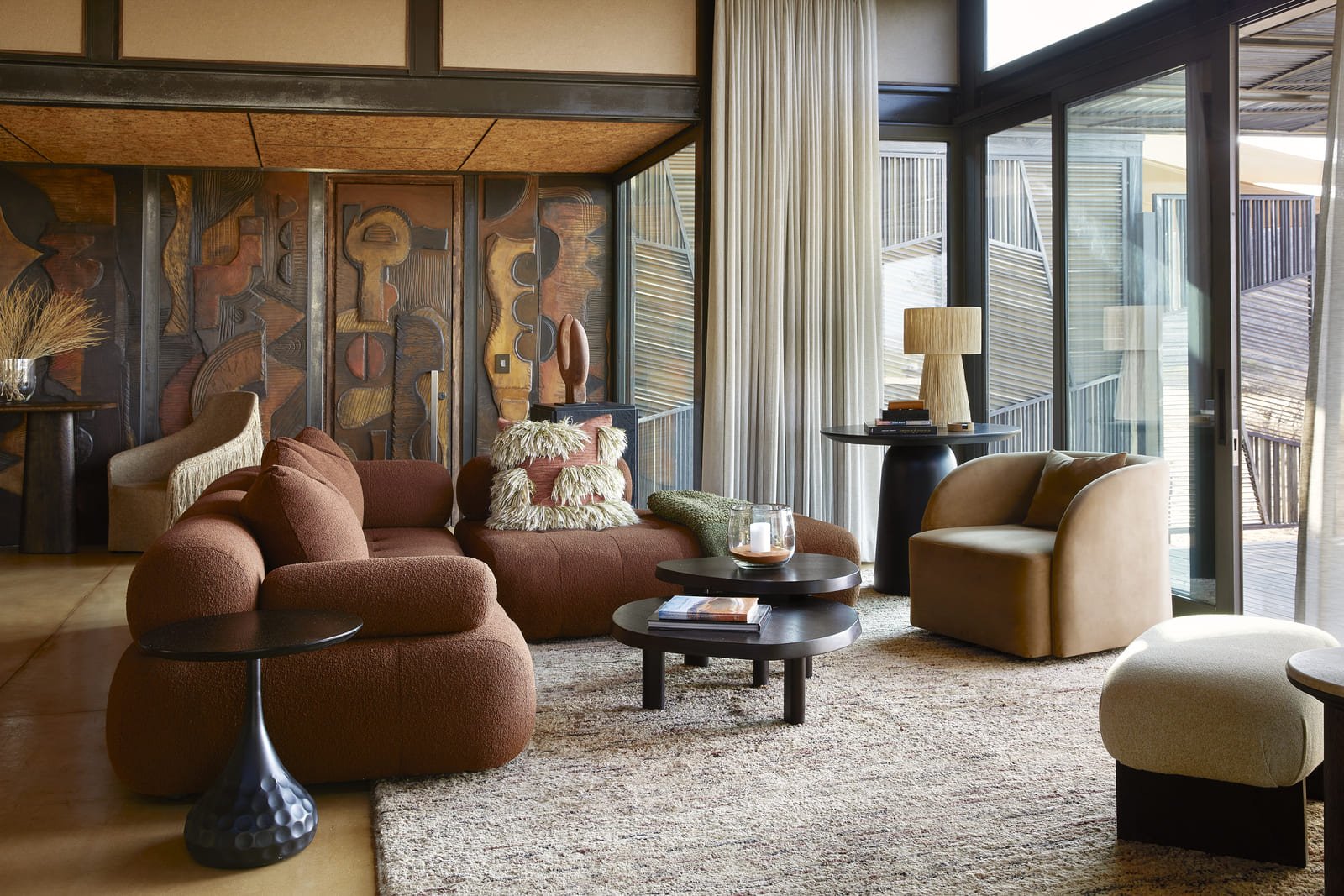
Andrew Martin Interior Design Review | Gregory Mellor
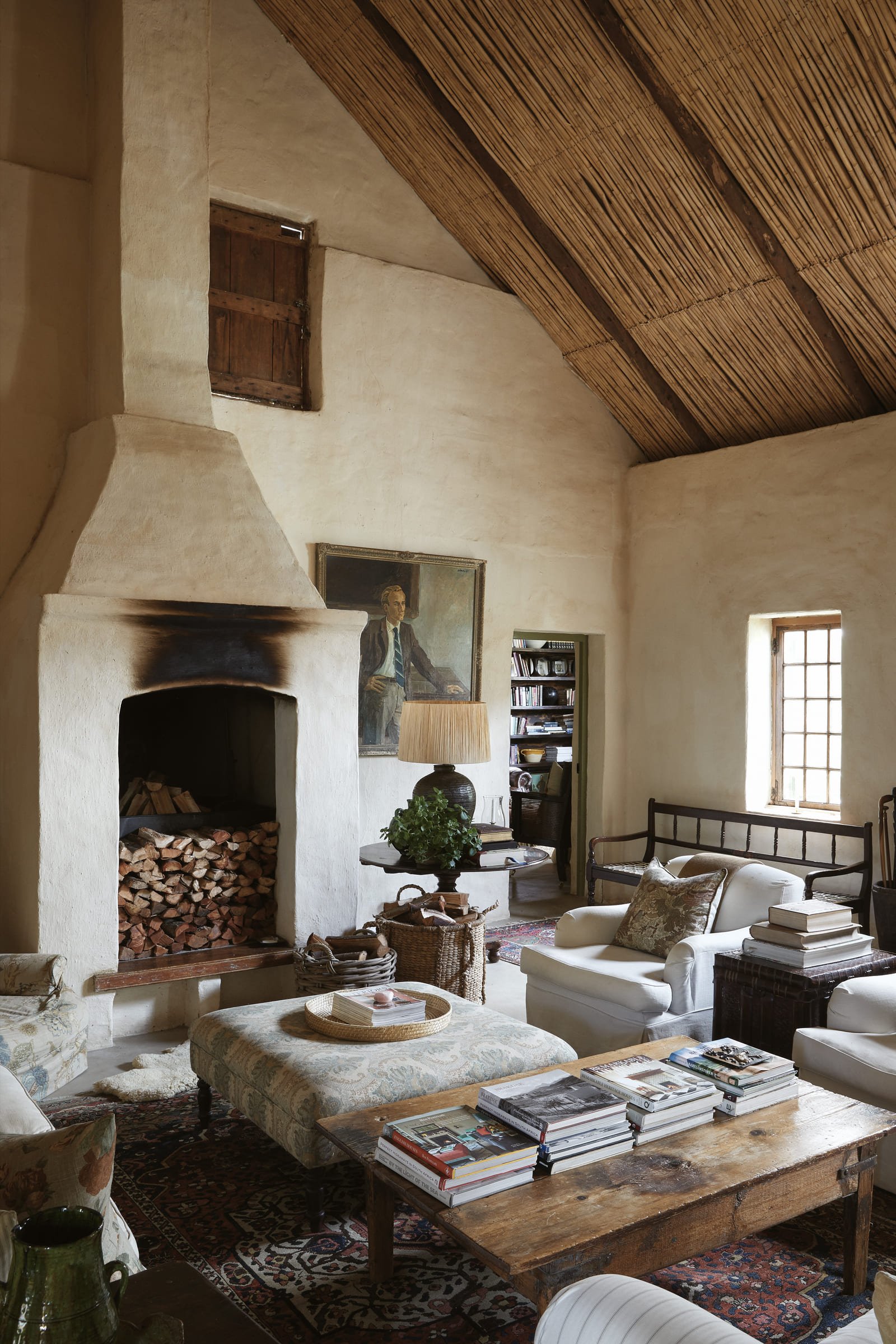
Andrew Martin Interior Design Review | Gregory Mellor
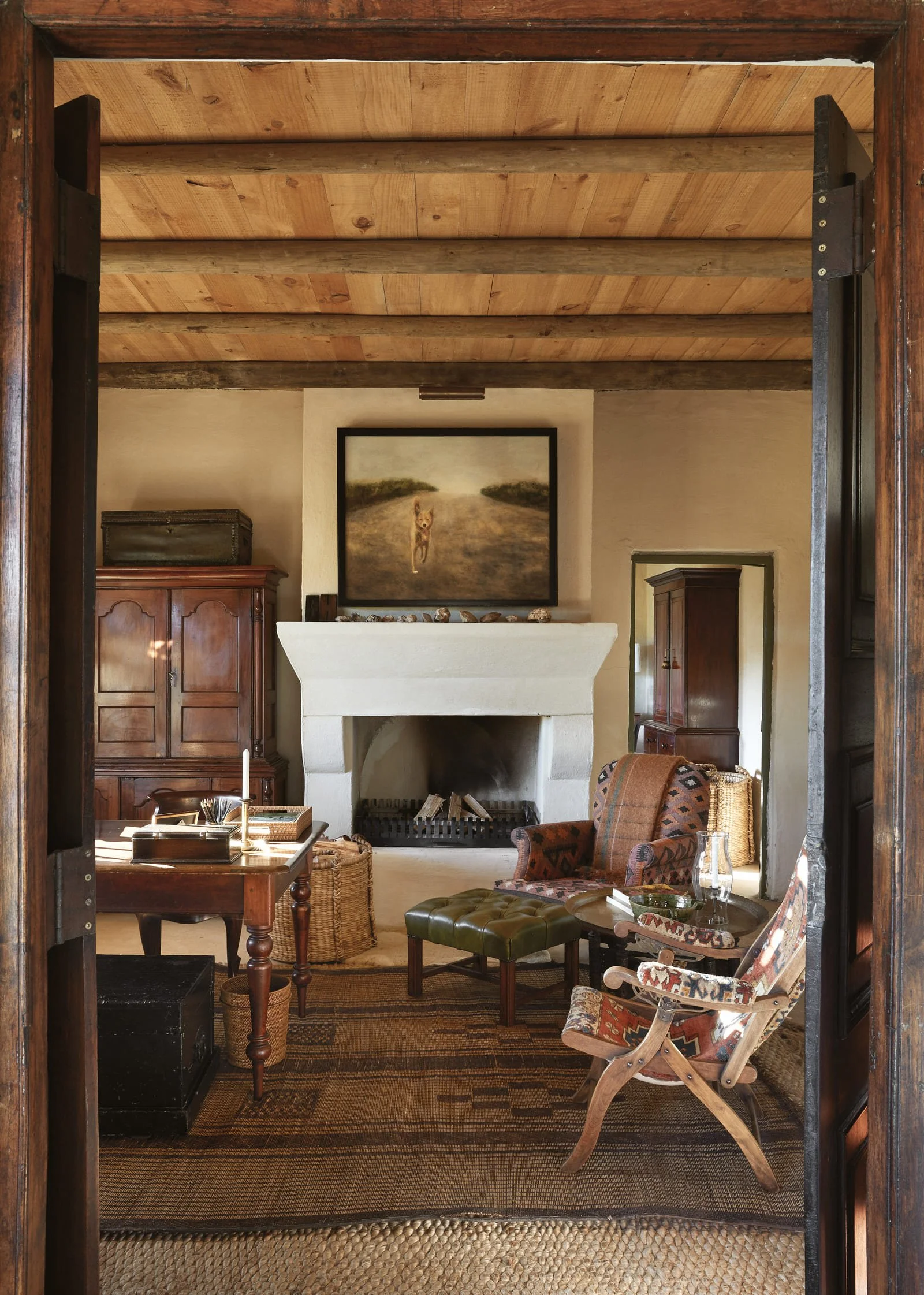
Andrew Martin Interior Design Review | Gregory Mellor
“I have never believed cultures should be sealed off from one another. Throughout history, ideas, philosophies, religions, crafts and aesthetics have travelled along trade routes. Cultures have always influenced one another.”
Martin Waller
DESIGNEERS
After decades of looking at interiors, has your definition of great design changed?
Martin Waller
Design itself changes enormously.
I lived through the seventies, then the country-house look of the eighties. In the nineties there were Chinese wedding cabinets and lacquer chests everywhere. Then African influences became very strong, followed by vintage Americana and industrial design.
If you look across the twentieth century, you move from Arts and Crafts to Art Nouveau, Art Deco, Modernism, Bauhaus and International Style.
People constantly say they want something timeless, but nothing is timeless. Political views change. Social attitudes change. Fashion changes. Why would taste somehow remain fixed?
DESIGNEERS
So what makes an interior memorable if permanence is impossible?
Martin Waller
Certain rooms survive in our collective imagination. Syrie Maugham’s white room, Nancy Lancaster’s yellow room, and the work David Hicks produced in the 60’s and 70’s – these things have entered design history.
But that is different from saying they are timeless.
There is often a point where interior design becomes artistic expression, and perhaps those are the rooms we remember. They represent something particularly clearly about their moment.
Thomas Chippendale is another wonderful example. He was arguably the greatest English furniture maker, and in the eighteenth century the grandest houses in the country were beating a path to his door. Yet by the beginning of the nineteenth century the business was effectively having a fire sale because taste had moved on.
Even great craftsmanship does not exempt you from fashion.
DESIGNEERS
China features increasingly prominently in the contemporary design world. What interests you about what is happening there?
Martin Waller
The ambition is extraordinary.
There is now a generation of Chinese designers developing a language that is not simply an imitation of Western interiors. You can still recognise elements of Chinese culture, perhaps in the relationship with water or landscape, but then you see these extraordinary staircases, lighting installations and monumental spaces.
The scale allows them to express ideas differently.
Design follows money to some extent, and China has been building on an enormous scale, just as Dubai has. That creates opportunities for grand ideas.
What is particularly interesting now is that there is also a renewed appreciation of historic Chinese buildings and heritage. There was a period when much of that was lost, but preservation and contemporary ambition are beginning to coexist.
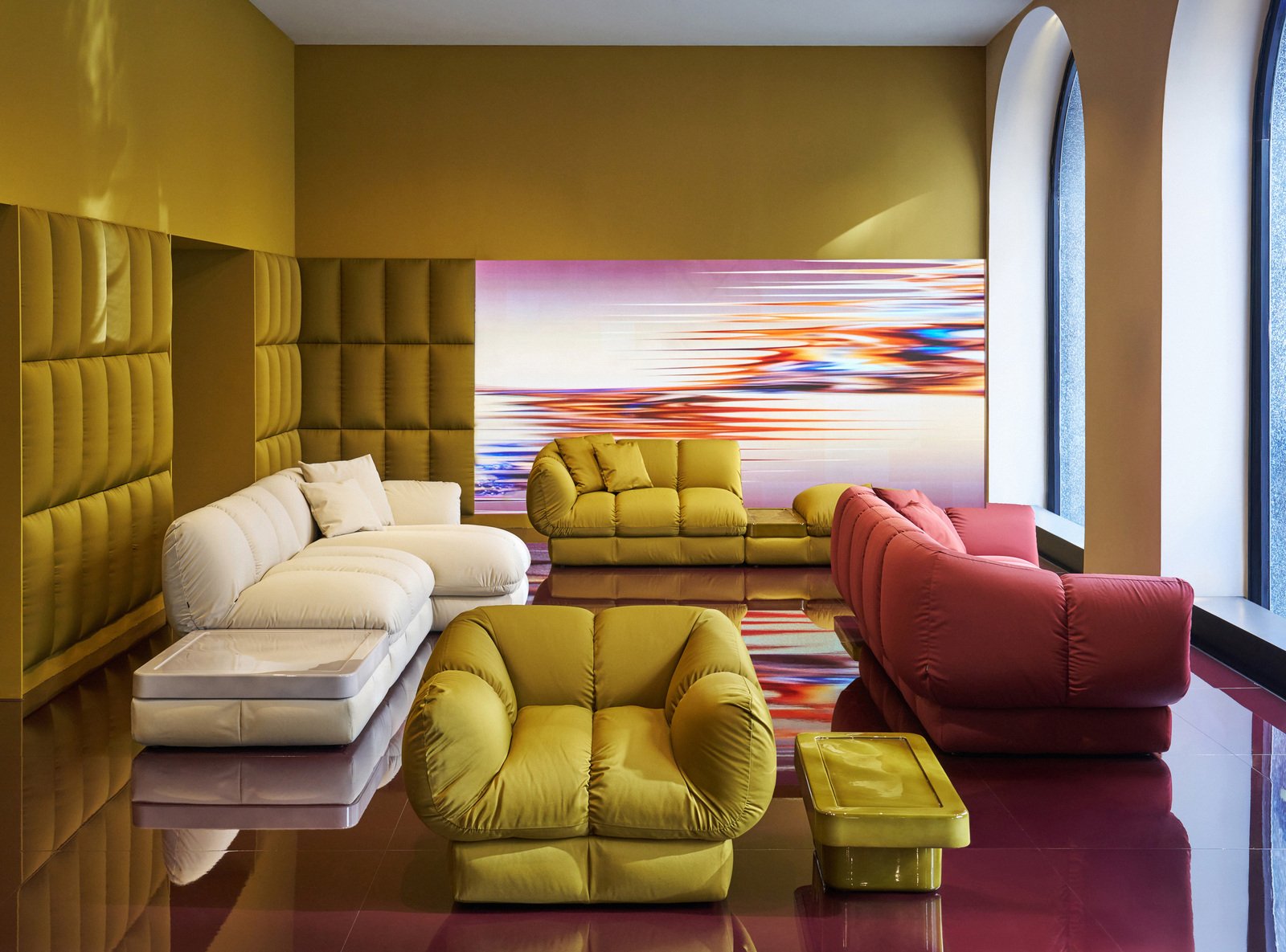
Andrew Martin Interior Design Review | Design by Ben Pentreath
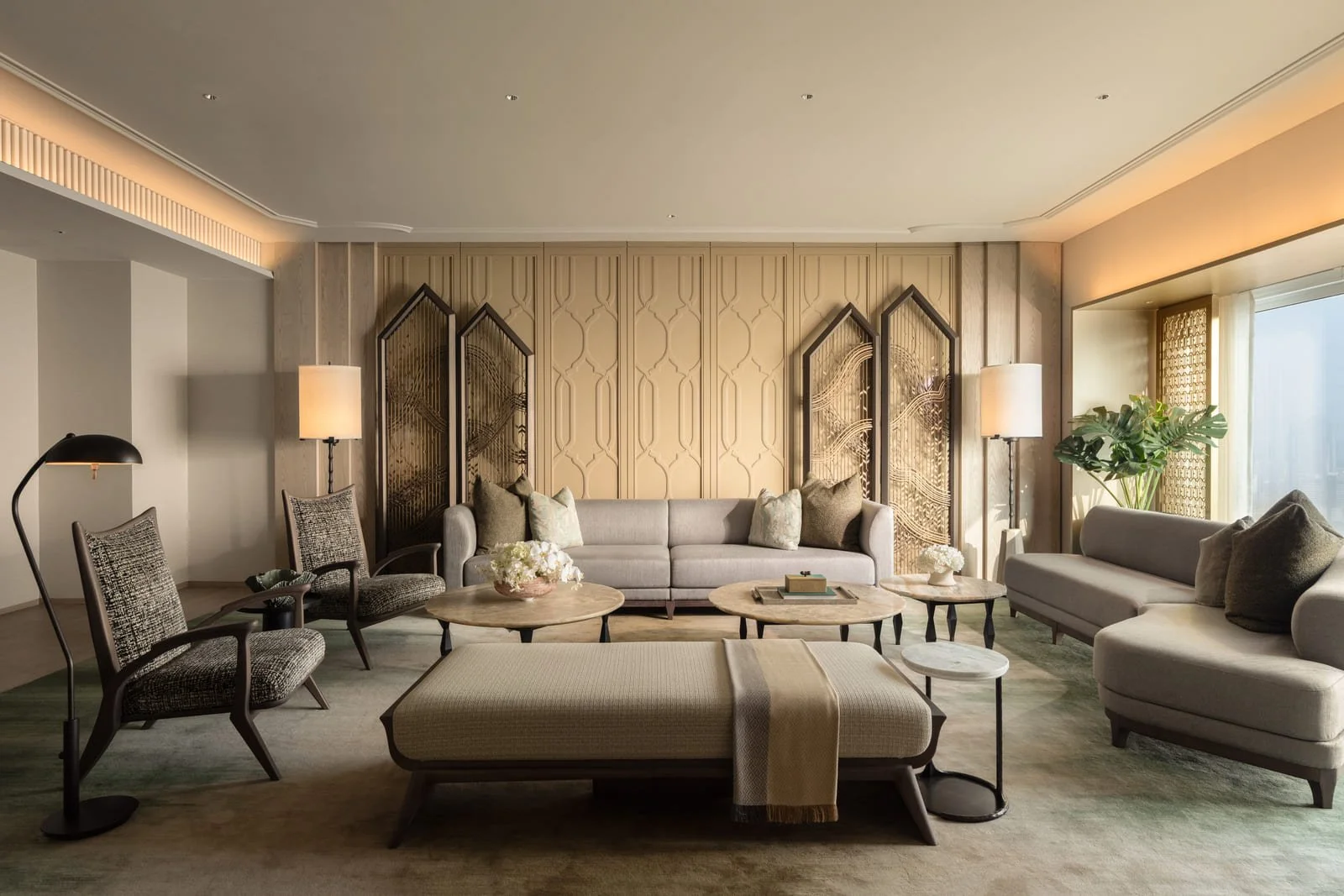
Andrew Martin Interior Design Review | Design by Gregory Mellor
DESIGNEERS
Has social media made our taste more sophisticated, or simply made everything look more alike?
Martin Waller
I am always slightly cynical about the idea of “better taste”.
Everybody thinks they have good taste, just as everybody thinks they have a good sense of humour.
Taste is so much a product of upbringing, geography, family and the world around you. Look at old Kyoto, Versailles, the Parthenon and John Pawson. They could hardly be more different, yet we might call all of them beautiful.
Social media probably brings much greater awareness of interiors and exposes people to things they would never otherwise see, which is positive.
But people also have a peculiar relationship with individuality. Everyone says they want something nobody else has, and then they all buy the same handbag.
DESIGNEERS
You have also spoken about film and theatre as important design influences. What do they offer that interiors sometimes do not?
Martin Waller
Film designers are hugely underappreciated.
Think about Ken Adam and what he did for the Bond films, or a film like The Last Emperor. Those worlds influence the way we imagine interiors long after we have left the cinema.
The same is true of theatre. People laugh when I say this, but The Lion King is an astonishing piece of design. Those opening minutes, with all those African-influenced costumes and forms coming into the theatre, are extraordinarily powerful.
You cannot help but be influenced by experiences like that.
Design is not produced in isolation. It absorbs fashion, cinema, theatre, politics, travel and everything else happening around us.
DESIGNEERS
Nearly five decades after starting Andrew Martin, what still makes you curious?
Martin Waller
Finding new places, but really it comes back to people.
I was in New York recently and started talking to my taxi driver. He was from Sudan, and suddenly we were talking about Khartoum and a part of the world I would love to visit but which is very difficult at the moment.
You meet somebody and think, I want to understand where this person comes from. I want to learn something about that place, that history, that life.
People sometimes think exploration means discovering somewhere nobody has ever been before. It doesn't.
History is a place to explore too.
Andrew Martin Interior Design Review | Design by Gregory Mellor
PHOTOGRAPHY credits:
Simon Bevan