Patricia Urquiola on Ardys and the Future of Design at Cassina
people • designers
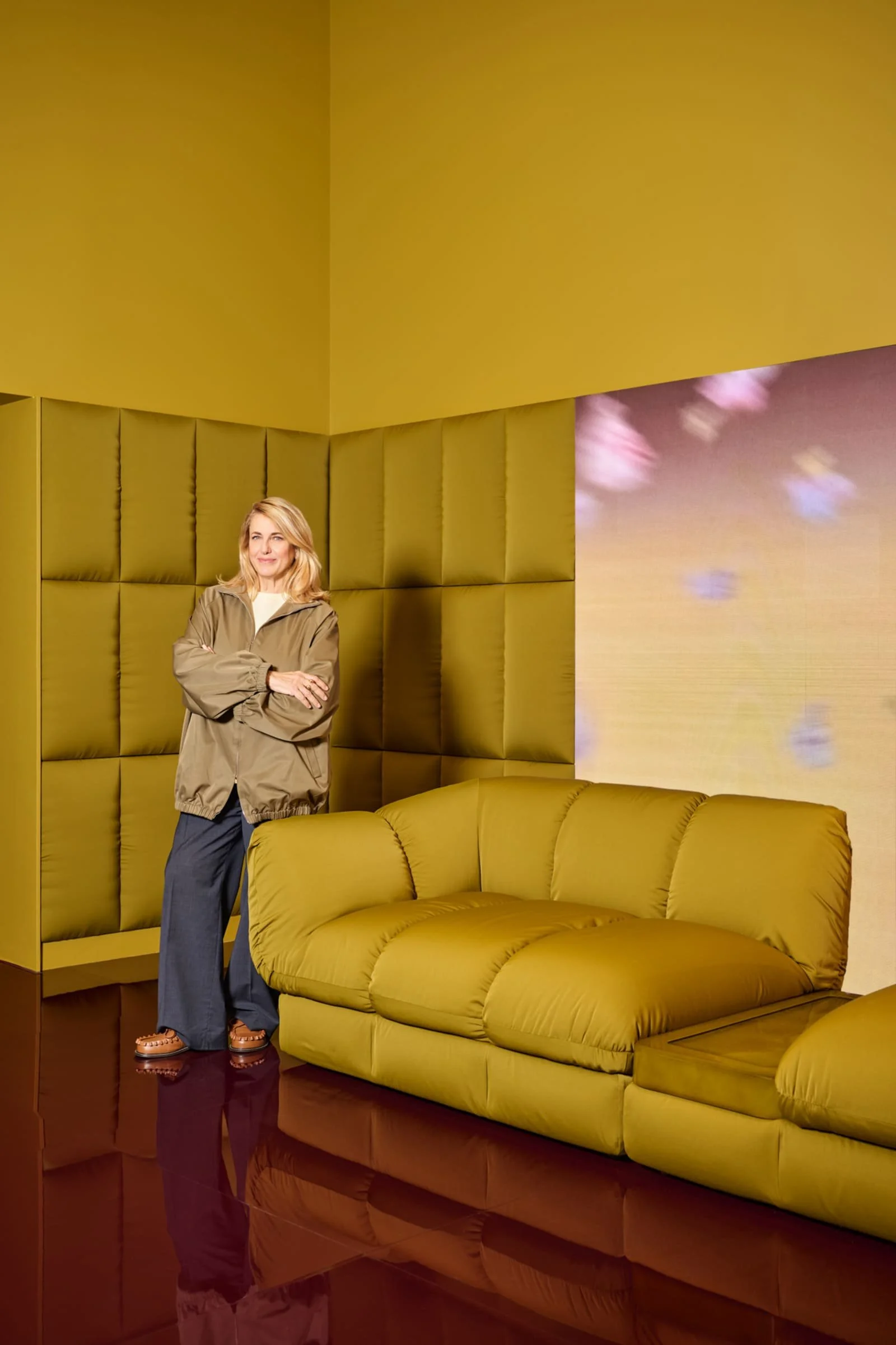
Patricia Urquiola has spent decades moving fluidly between product design, architecture and installations, developing a practice defined by experimentation, material research and an interest in how people experience objects and spaces. Born in Oviedo and based in Milan, Urquiola studied architecture in Madrid and Milan before working alongside influential designers including Achille Castiglioni and Vico Magistretti. She founded her own studio in 2001 and was appointed Art Director of Cassina in 2015.
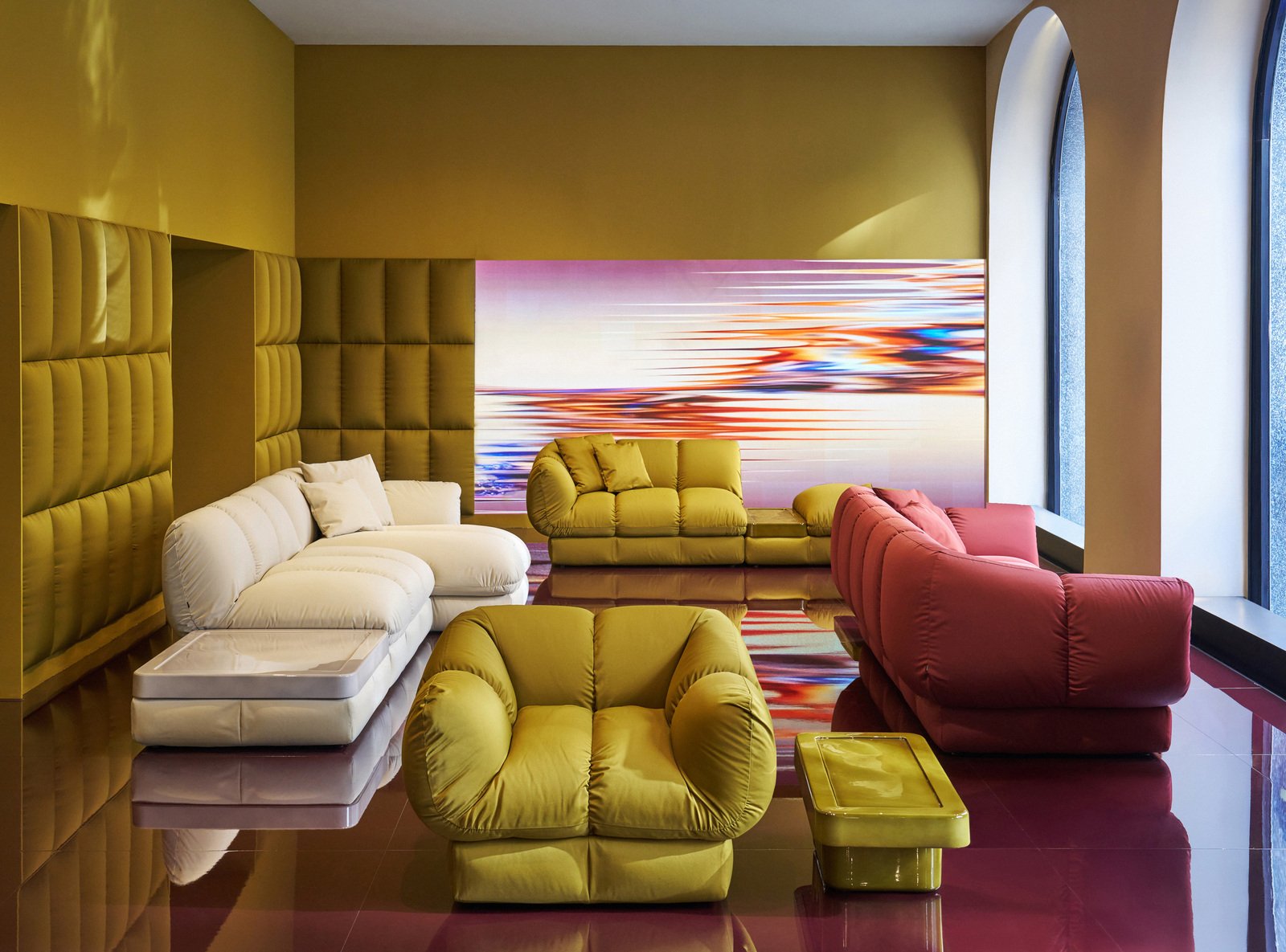
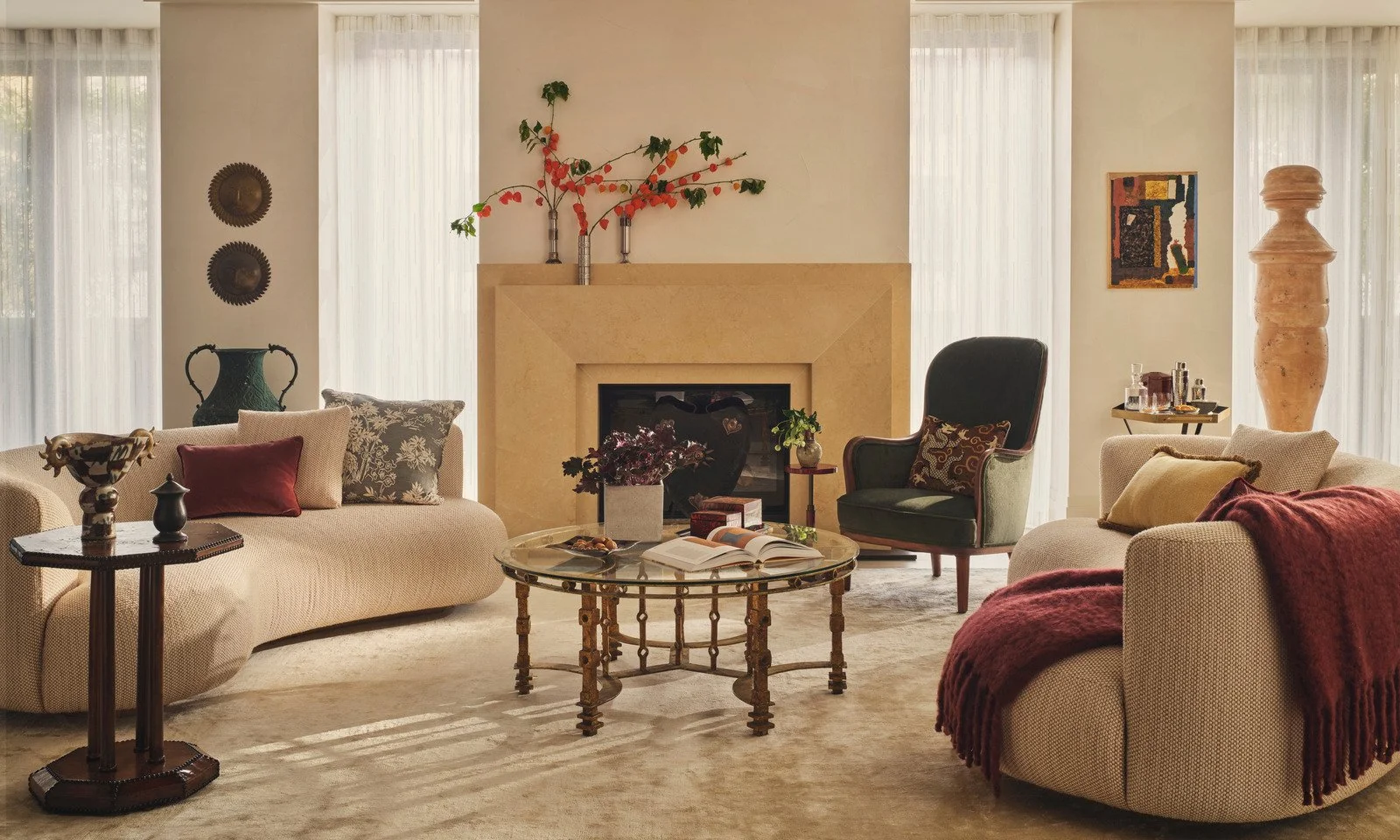
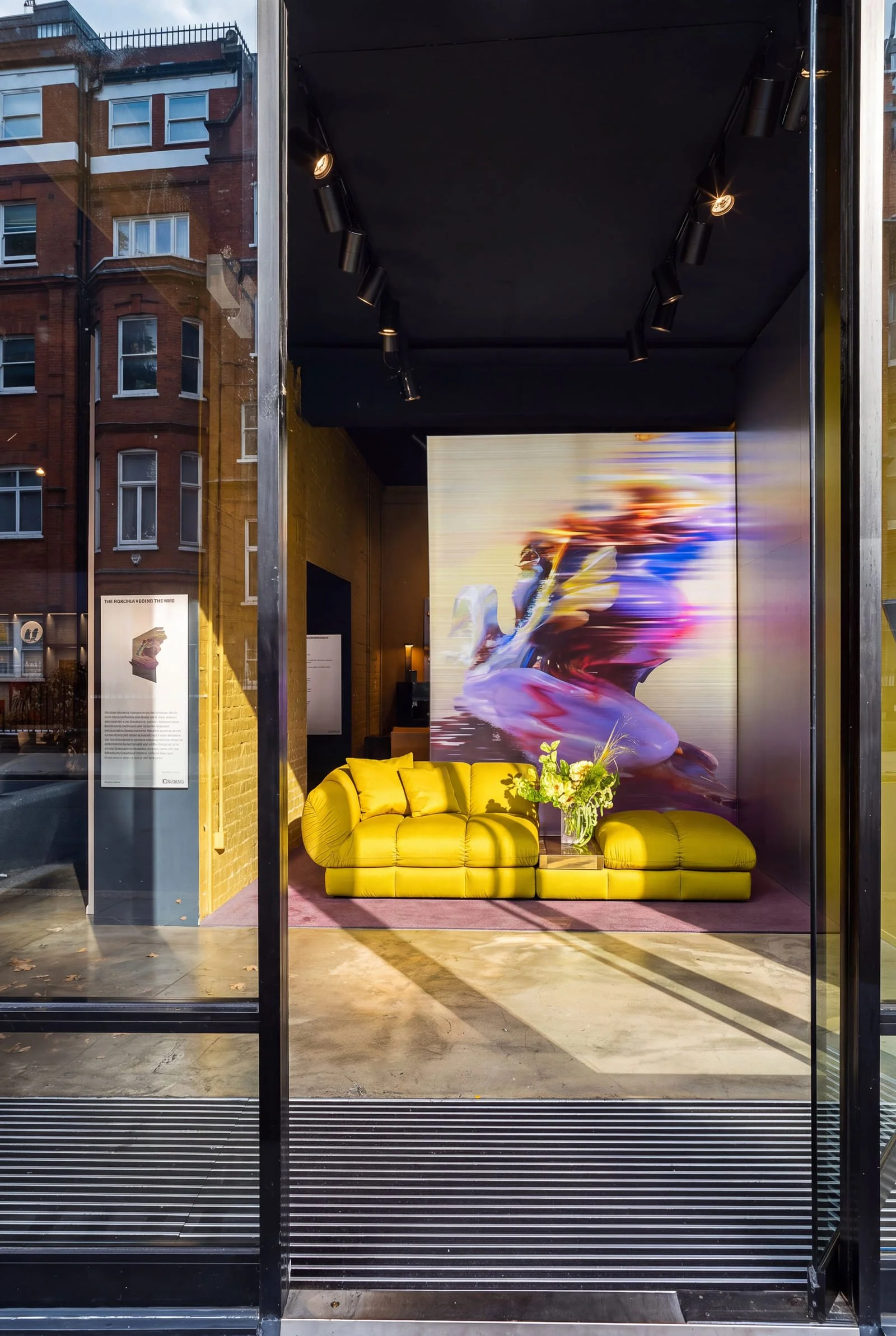
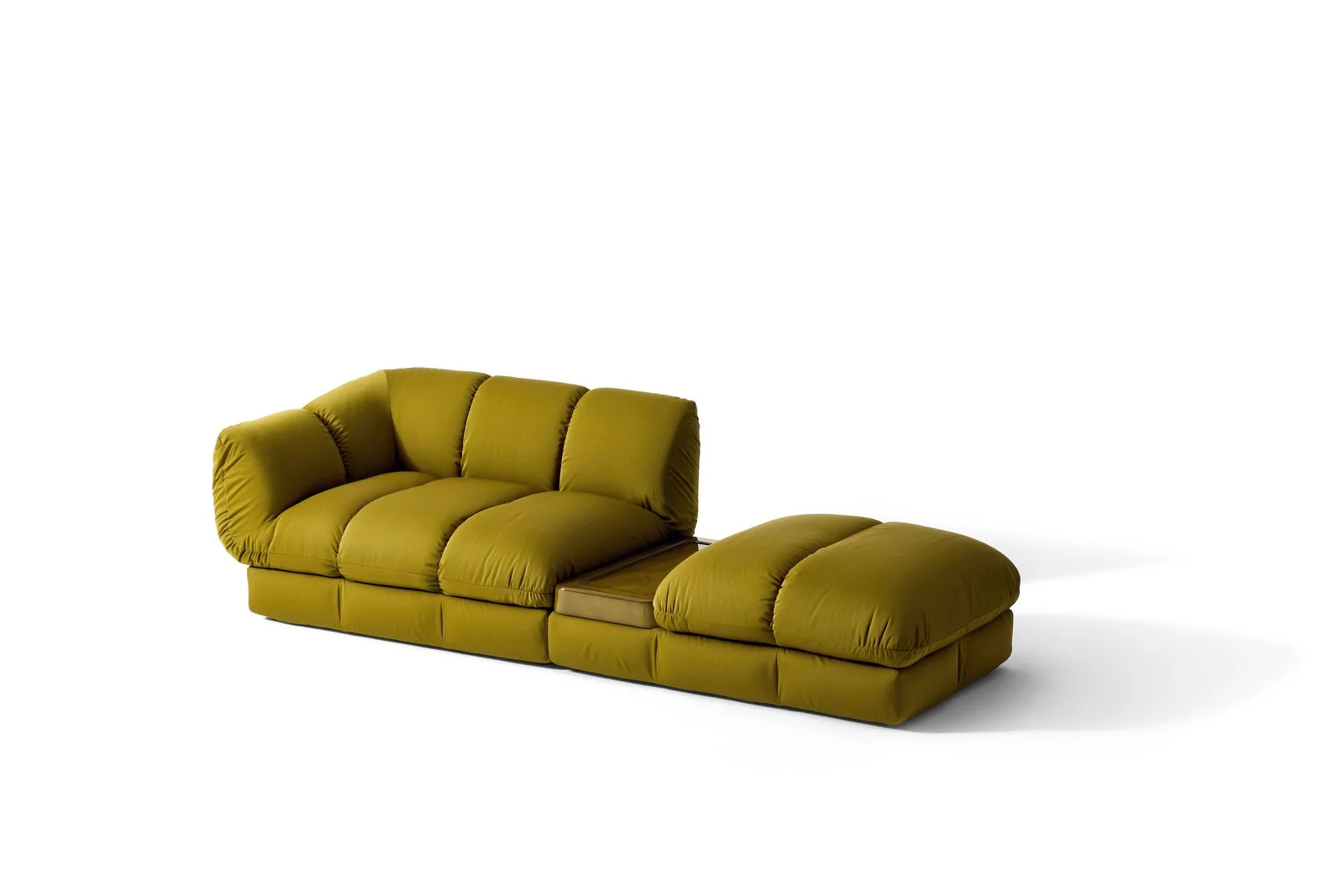
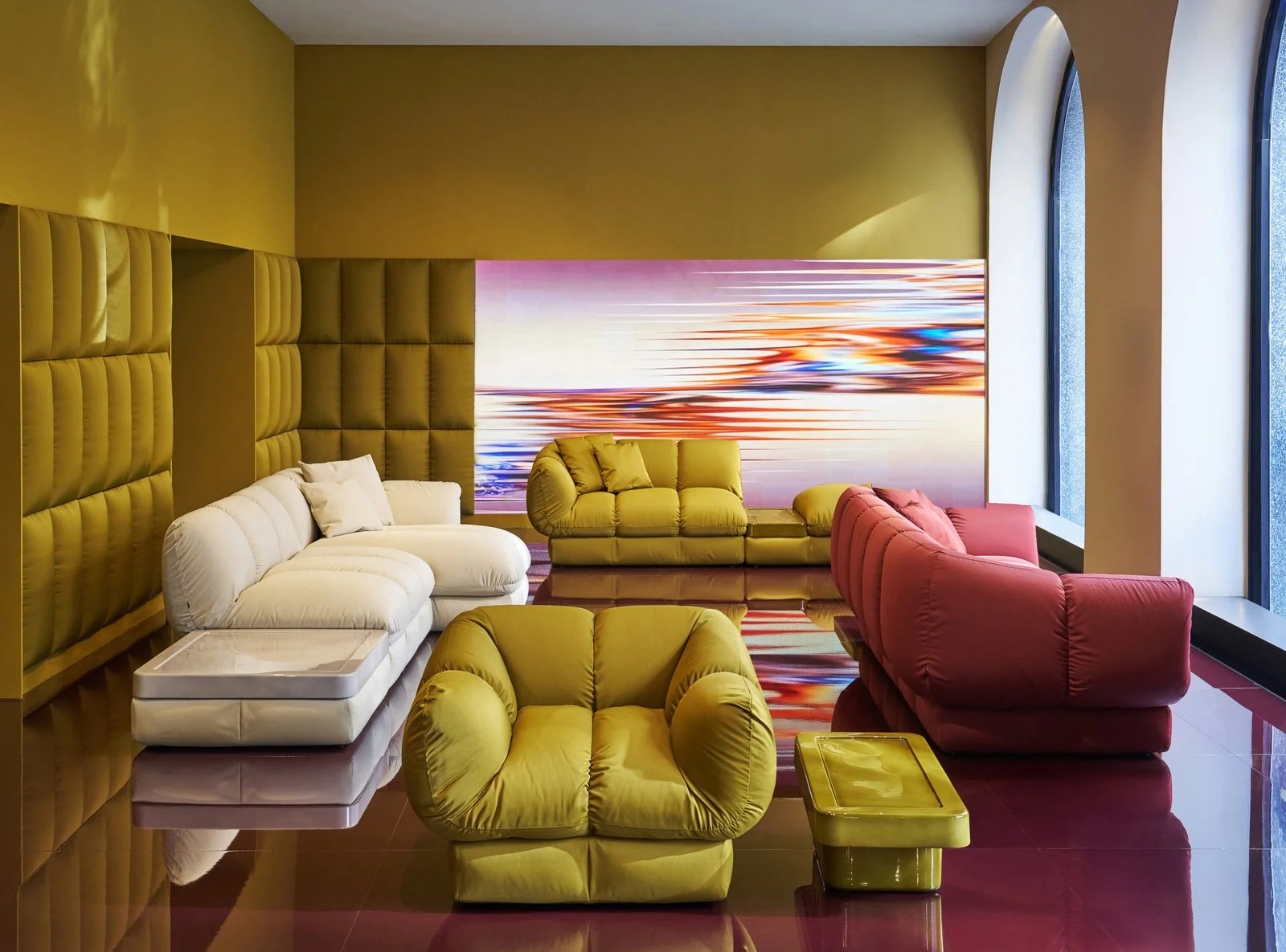
Her latest work for Cassina, the Ardys sofa, brings together softness and structure through generous quilted volumes and a precise modular system. Designed to be taken apart, reconfigured and adapted over time, Ardys reflects Urquiola’s belief that durability can also mean allowing furniture to change with the way we live.
The design also considers comfort through a wider lens, incorporating recycled materials and a construction that allows different components to be separated from the metal structure at the end of the product’s life. For Urquiola, this extends the idea of comfort beyond physical softness to include how an object is made, maintained, adapted and eventually disassembled.
In this conversation with Designeers, Patricia Urquiola discusses the thinking behind Ardys, adaptable furniture, contemporary comfort, material responsibility and the role of heritage in shaping Cassina’s future.
Words: designeers
october 2026
WEBSITE: cassina.com
INSTAGRAM: @cassinaofficial
DESIGNEERS
Ardys looks extraordinarily soft, almost like a duvet translated into furniture, yet underneath it is a very rational modular system. Were you interested in that tension between softness and structure from the beginning?
Patricia Urquiola
I wanted softness to be almost visible before you even sit down. Ardys has this idea of a large contemporary quilt, with generous volumes and deep stitching, but underneath there is a very precise structure. I like this coexistence: something sensorial and almost instinctive on the surface, supported by a very rational system.
DESIGNEERS
The sofa can be taken apart, reconfigured and adapted over time. Do you think we need to stop designing furniture as though the way we live will remain fixed?
Patricia Urquiola
Yes, because our lives are not fixed. Ardys is based on a square matrix, but the modules can be connected, separated, moved or used independently. You can reinvent the configuration over time. For me, this is important: durability is not only about how long an object lasts but also about its capacity to change with us.
Ardys sofa designed by Patricia Urquiola for Cassina
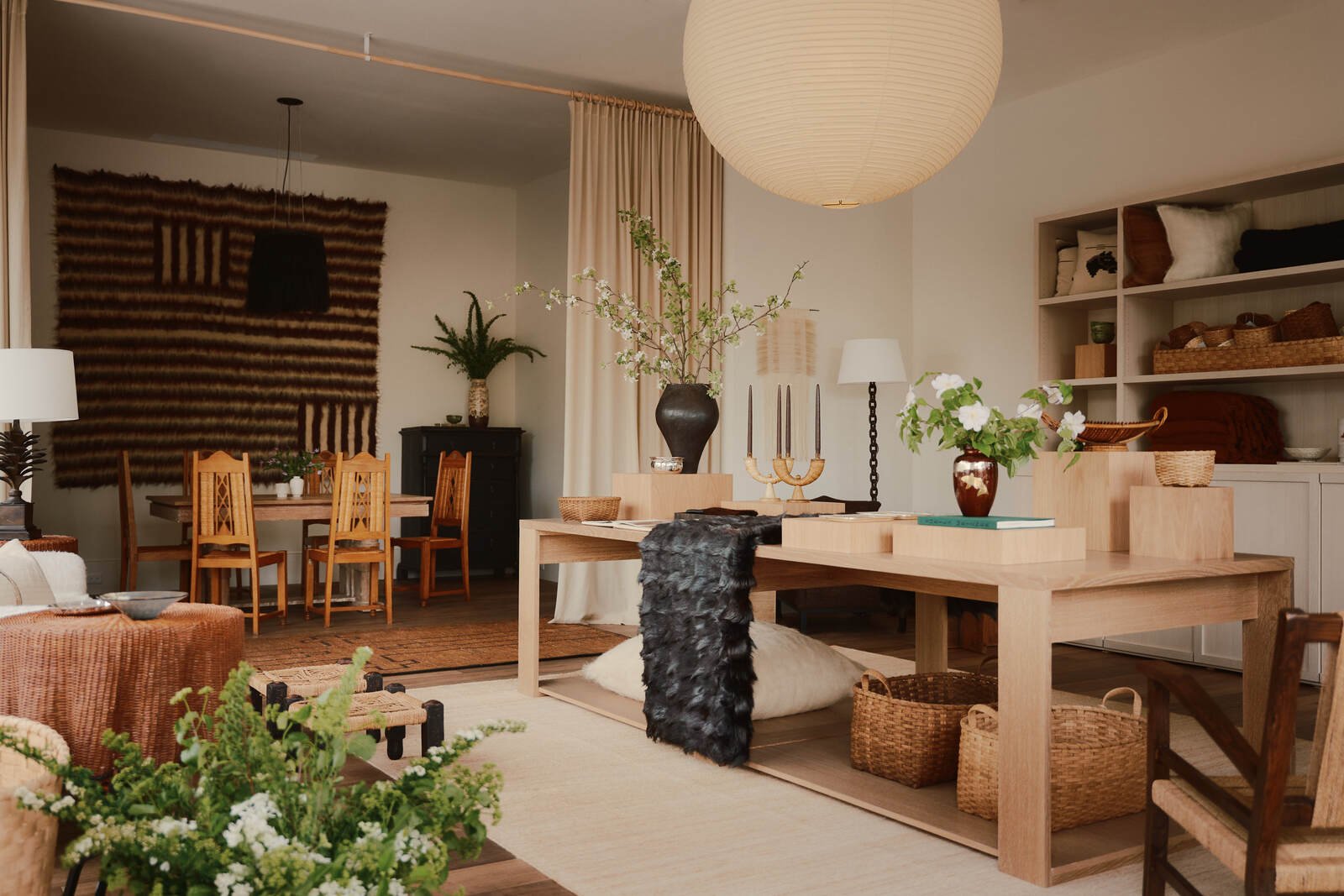
Inside the Cassina Store in London
DESIGNEERS
As Cassina’s Art Director, you are constantly placing contemporary work beside pieces by designers such as Gaetano Pesce, Verner Panton and Gianfranco Frattini. How do you keep heritage alive without letting it become nostalgia?
Patricia Urquiola
For me, heritage is not something to protect under glass. It must remain active. The most interesting thing about working with the Cassina archive is that these pieces were radical in their own time; they were experiments, sometimes even provocations. So, respecting them doesn’t mean freezing them. We study them again: how they were made, what their essence is, what can be improved today in terms of materials.
Detail of the quilted upholstery and deep stitching of Ardys
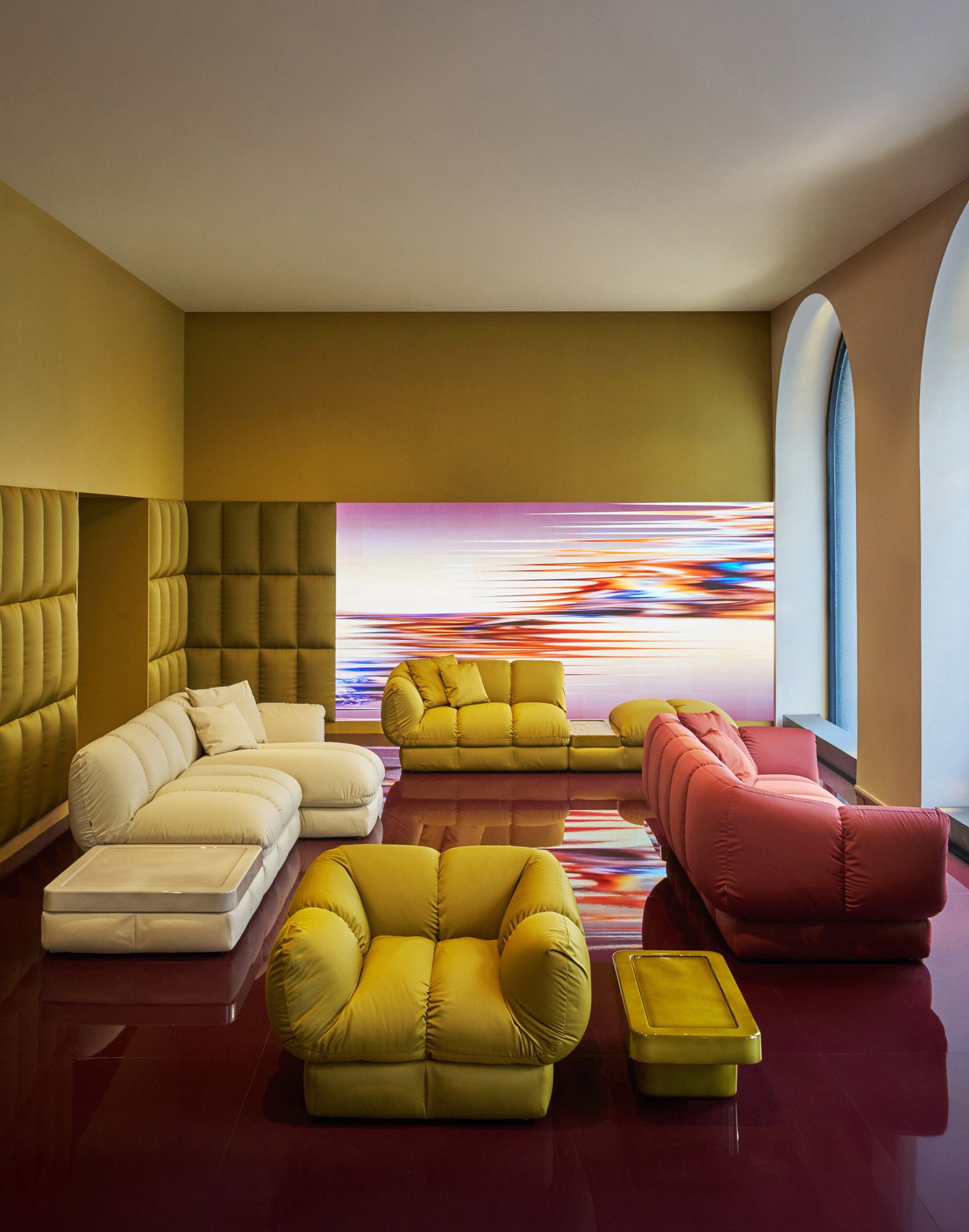
The modular Ardys sofa by Patricia Urquiola
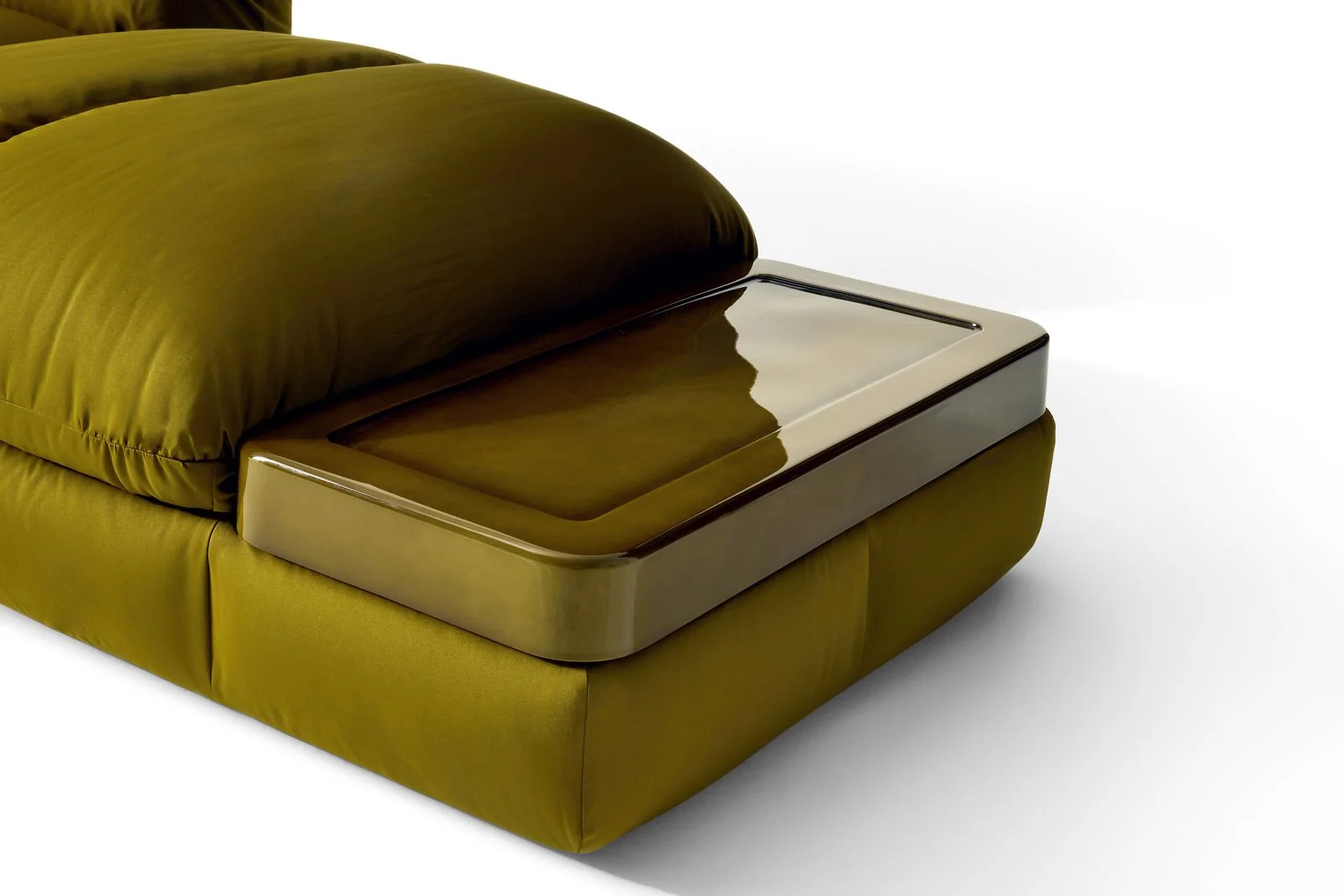
Detail of the quilted upholstery and deep stitching of Ardys
“Durability is not only about how long an object lasts but also about its capacity to change with us.”
Patricia Urquiola
DESIGNEERS
Comfort used to mean softness and ease. Today we also ask furniture to be adaptable, durable, repairable and more responsible in the way it is made. Has your own definition of comfort changed?
Patricia Urquiola
Of course there is physical comfort, but today we also must think about what is behind it. In Ardys, for example, the polyurethane foam contains a percentage of recycled polyols, while the inner padding is made from recycled polyester. And because we avoided traditional moulding methods, the different materials can be separated from the metal structure at the end of the product’s life.
For me, comfort today is also this: thinking about how an object is made, how it can evolve, be maintained and eventually disassembled. It is a form of care that goes beyond softness.
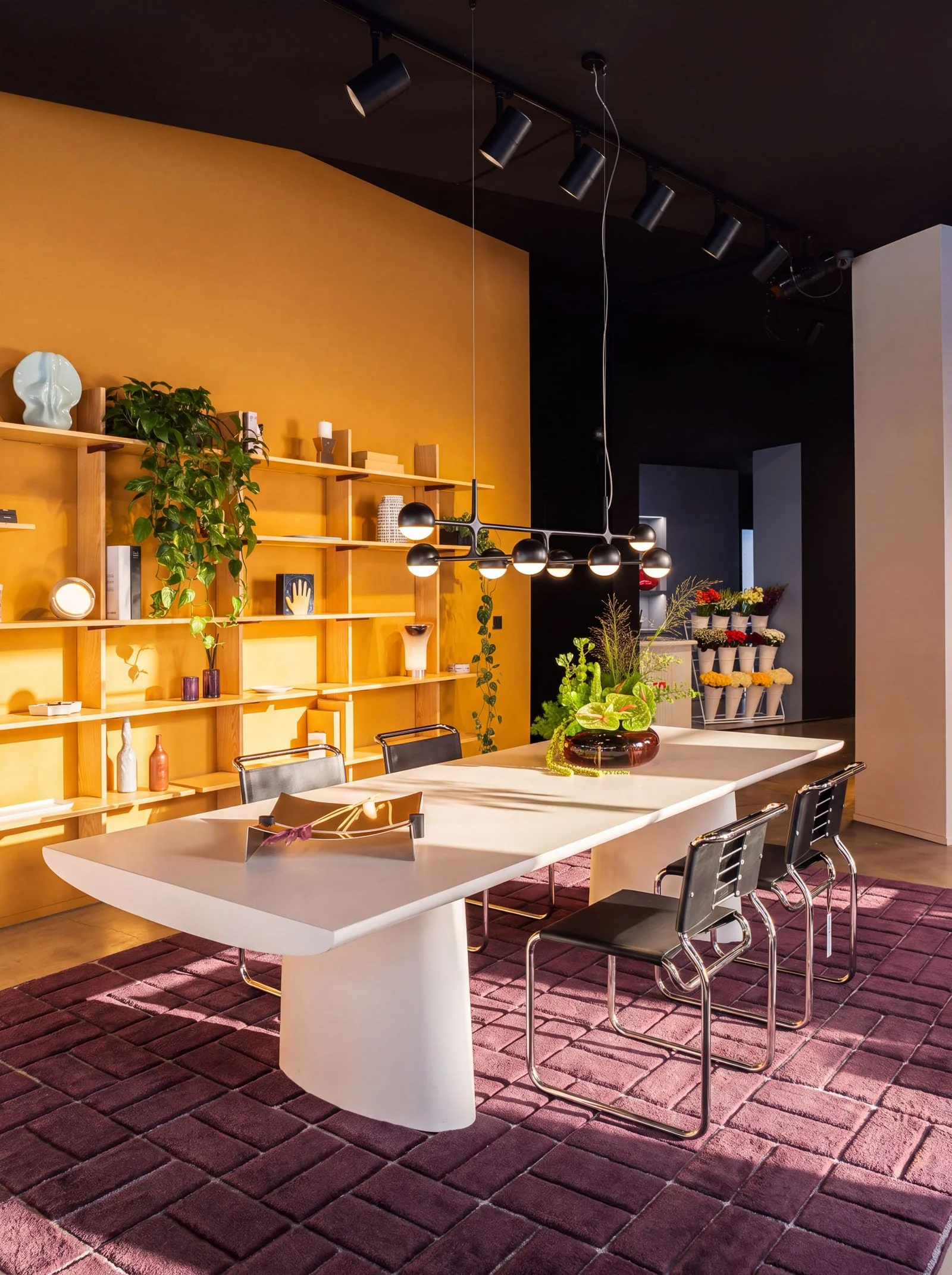
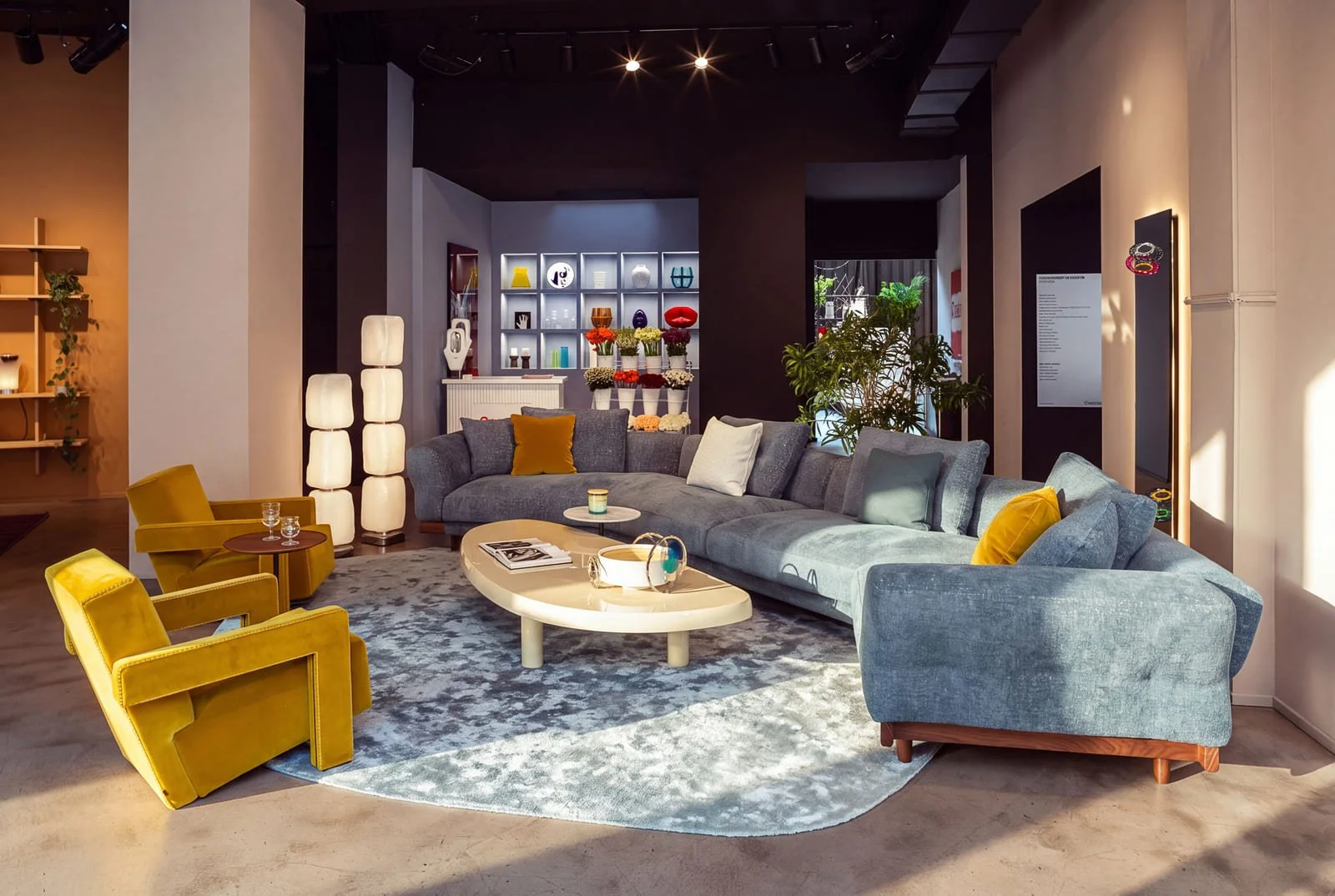
Inside the Cassina Store in London during London Design Festival
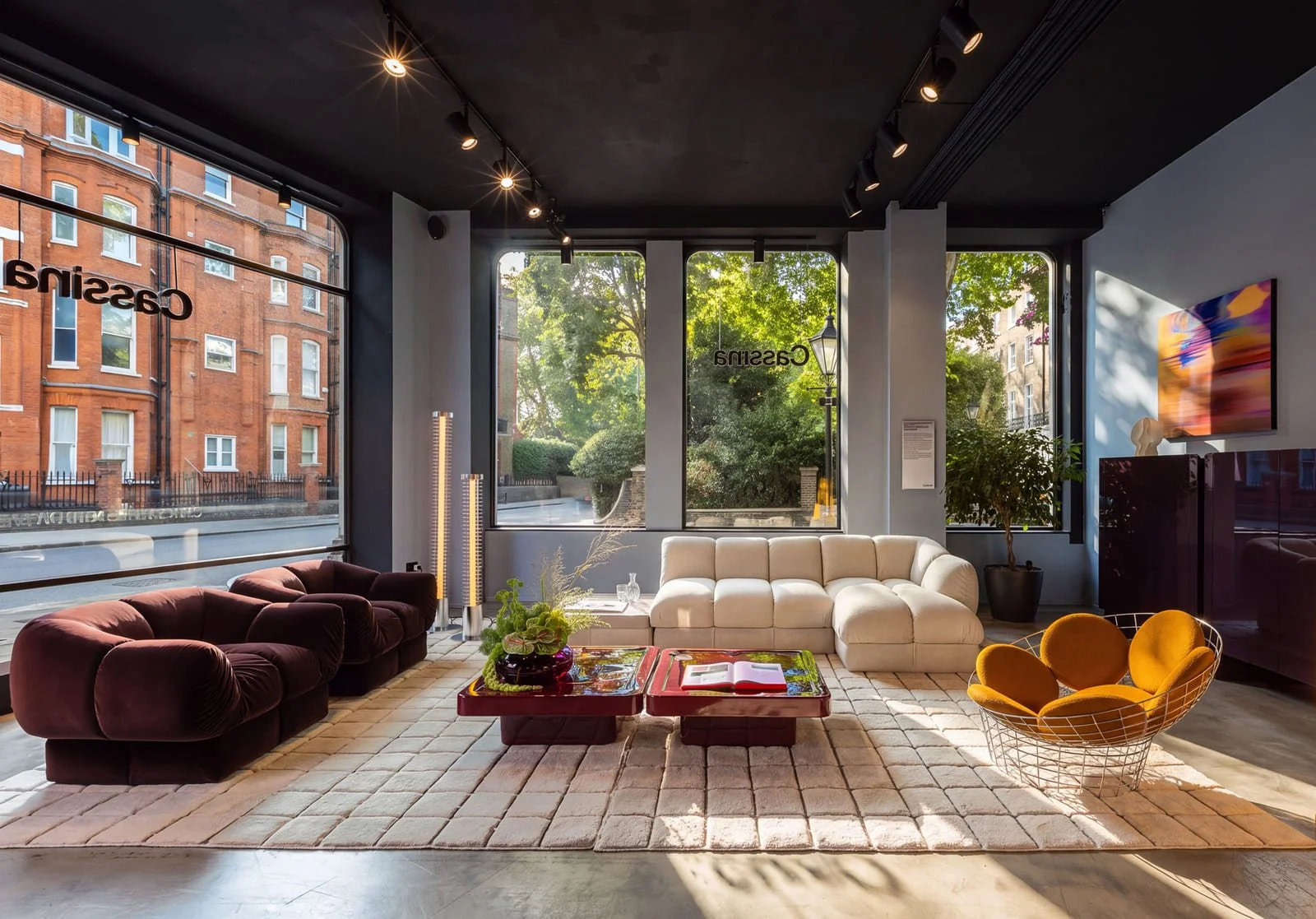
Cassina Store London during London Design Festival
DESIGNEERS
After almost a decade shaping Cassina as Art Director, what still surprises you about the company, and what do you think it needs to become next?
Patricia Urquiola
Cassina has this extraordinary heritage, but also a culture of experimentation that has always pushed it forward. For me, art direction has always been a responsibility, but also a continuous learning process.
Next year Cassina turns 100, so of course this makes us look back, but importantly it makes us ask what the next 100 years could be. It is a moment to understand what we have inherited, what we want to transform, and what new questions we want to open. I'm very curious about this next chapter.
The modular Ardys sofa by Patricia Urquiola
photography credits:
Francesco Dolfo, Maurizio Leoni, Luca Merli