Cox London: Good Objects Need Time
people • makers
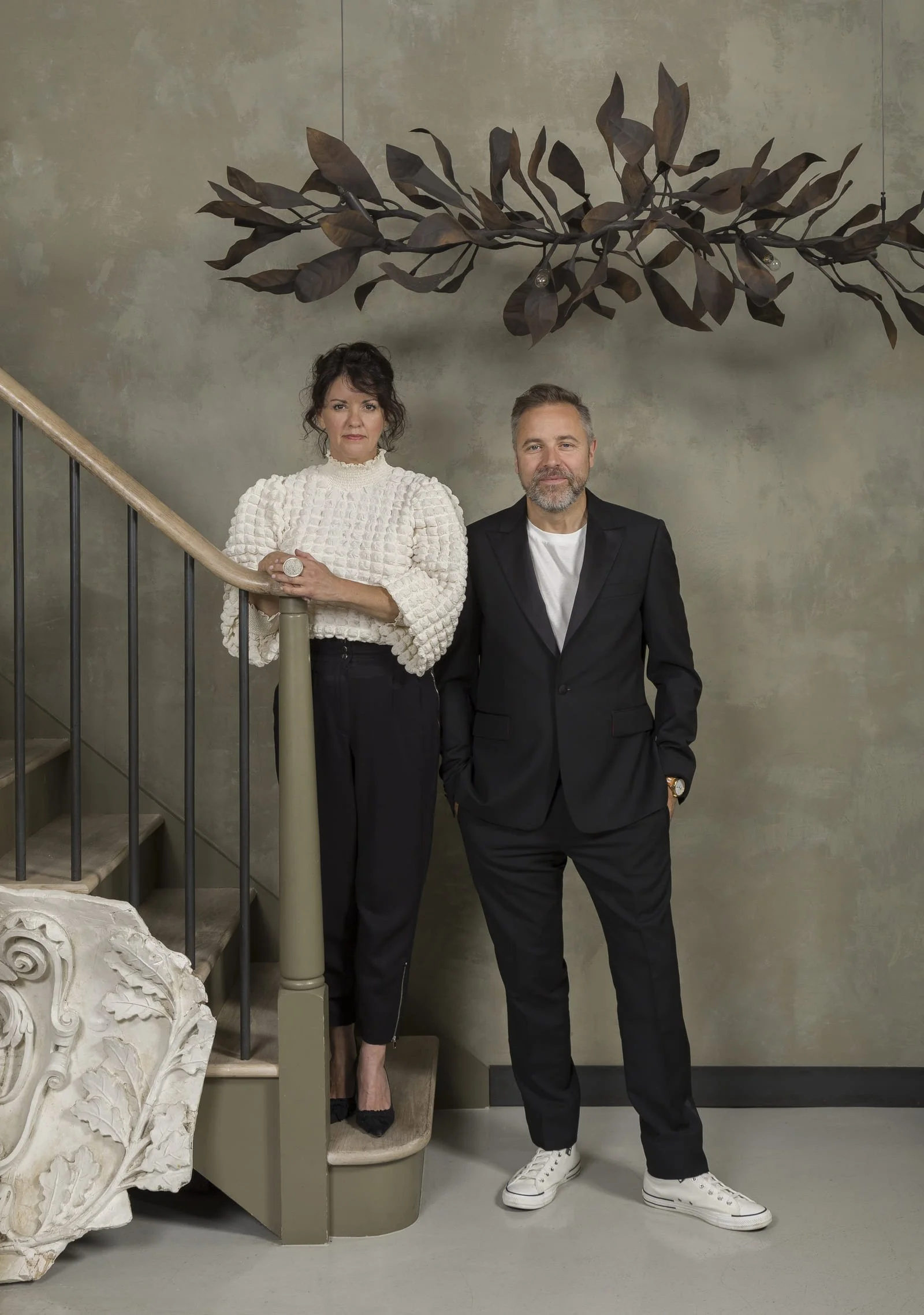
Christopher and Nicola Cox began as sculptors, and that instinct still shapes the studio they founded in 2005.
At Cox London, bronze is poured, iron forged and glass formed by hand, with materials allowed to retain their irregularity, weight and character. The result is furniture and lighting that feels closer to sculpture than production.
In a design industry driven by constant novelty, Cox London has built its identity around a slower idea: that good objects need time.
Designeers spoke with Christopher and Nicola Cox about craftsmanship, materiality, collaboration and what it means to make work intended to last.
Words: designeers
september 2026
WEBSITE: coxlondon.com
INSTAGRAM: @coxlondon
DESIGNEERS
Cox London grew from your shared background in sculpture and a fascination with the decorative arts. What first brought your creative paths together, and what made you decide to build a studio together?
cox london
We met at art school and shared the same fascination with making. We were both interested in sculpture, decorative arts, antiques and the stories objects can tell.
We've never really thought of ourselves as having stepped away from our sculptural roots and still approach everything from this perspective. What evolved was an obsession that lighting, furniture and objects could carry the same emotional power as sculpture while becoming part of people's everyday lives.
Building a studio together happened quite naturally. We were making work, restoring antiques, learning traditional crafts and collaborating with all sorts of creative people. Gradually those different passions came together and evolved into what is now Cox London. It was never a grand business plan. It grew from a shared desire to create beautiful things and to keep exploring where craftsmanship, art and design meet.
DESIGNEERS
Slow design is core to your identity. In a market that rewards speed and scale, what is the hardest part of protecting that pace?
cox london
The hardest part is probably saying no.
There is always pressure to move faster, make more and follow trends, but we learnt a long time ago through restoring art and antiques that the objects which survive are usually the ones that were made thoughtfully in the first place. When you take apart a piece that has lasted two hundred years, you see the intelligence, skill and care that went into it.
For us, slow design isn't about working slowly for the sake of it. It's about allowing enough time for ideas to develop properly, for materials to reveal what they want to do and for craftspeople to achieve their best work. Ultimately, we're trying to create pieces that will still feel relevant and beautiful long after today's fashions have disappeared.
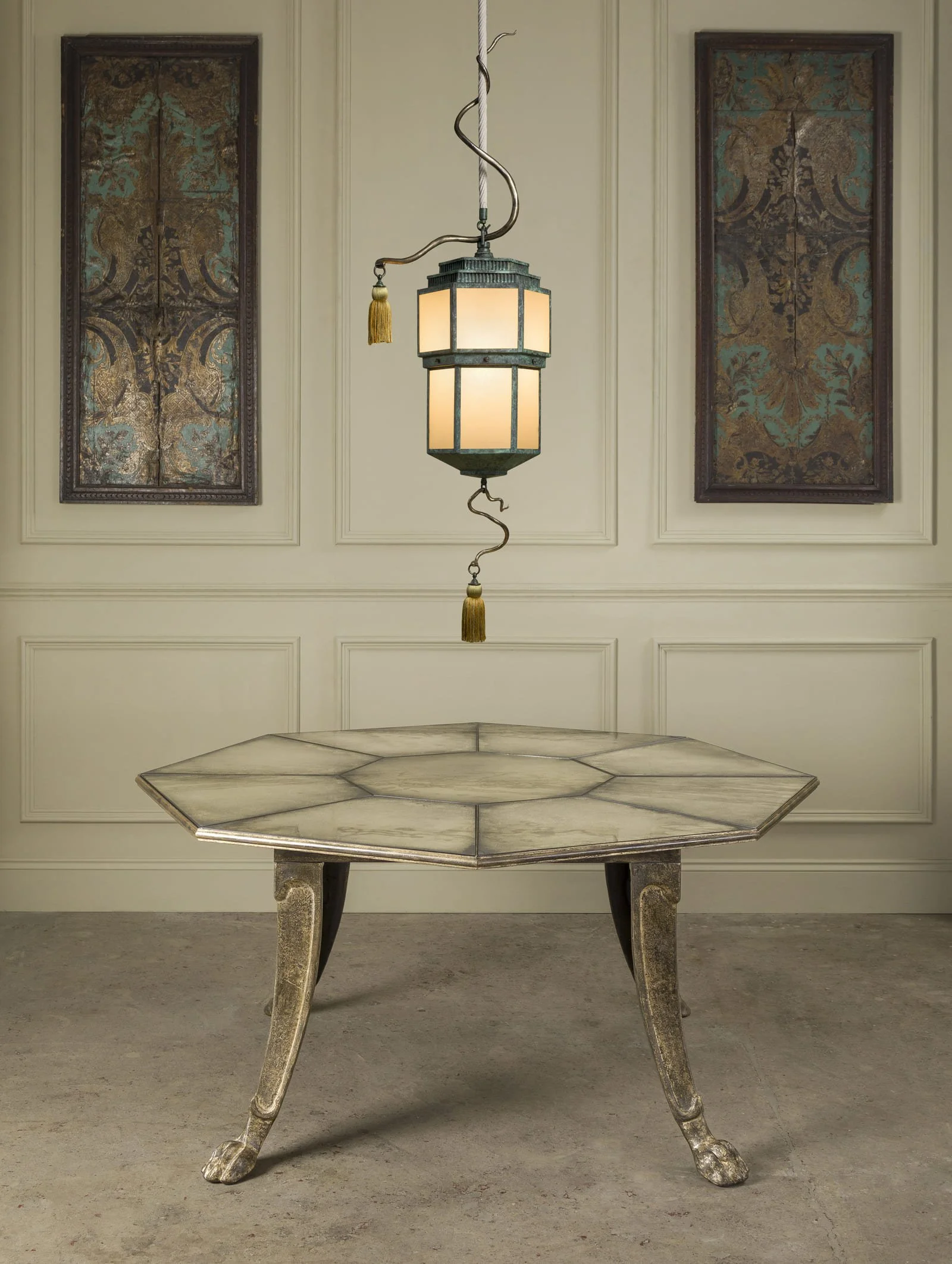
Asp Lantern and Octagonal Lion-Leg Table | Cox London
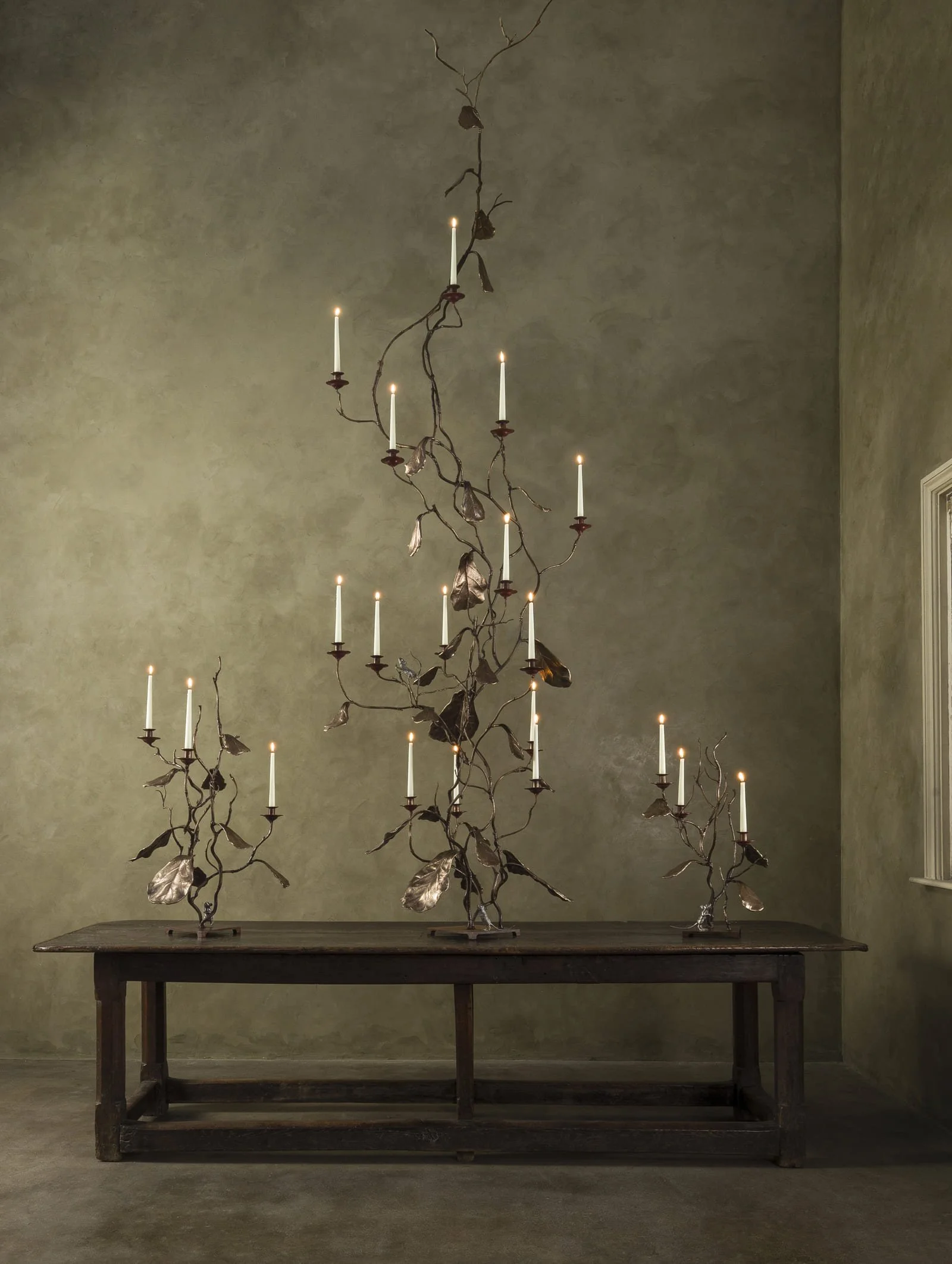
Fig Wisteria Collection | Cox London
DESIGNEERS
You work in molten bronze, hand-forged iron and kiln-formed glass. Which process still occasionally surprises you after all these years?
cox london
All of them, thankfully.
If materials stopped surprising us we would probably lose interest.
Glass can be wonderfully unpredictable and often has a mind of its own. Bronze can behave differently from one casting to the next. Even steel, which people think of as solid and dependable, can reveal unexpected character through forging and finishing.
What keeps us curious is that there is always an element of discovery. No matter how much experience we accumulate, materials still have lessons to teach us.
DESIGNEERS
Your patinas can make new objects feel excavated, weathered or inherited. How important is the illusion of age in your work?
cox london
We are not really trying to make something look old.
What interests us is creating depth, character and a sense of permanence. We love objects that feel as though they have a story behind them, even when they're newly made.
A patina can soften perfection and introduce richness and complexity. It can make a piece feel more human. We want our work to feel as though it belongs in a home from the moment it arrives and then becomes even more meaningful as it acquires its own history over time.
DESIGNEERS
More than 65 artisans and apprentices work within your North London atelier. How does such a large community of specialist makers shape the creative process?
cox london
The atelier shapes everything.
When we started, it was just the two of us making pieces ourselves. Today we are fortunate to be surrounded by an extraordinary community of designers, makers and craftspeople whose knowledge continually influences the work.
Ideas rarely travel in a straight line. A designer might bring a concept, a metalworker might suggest a different way of achieving it and a patinator might reveal a finish we hadn't imagined. The best projects become genuine collaborations.
What excites us most is watching skills and knowledge being shared between generations. The objects matter enormously, but so do the people who create them.
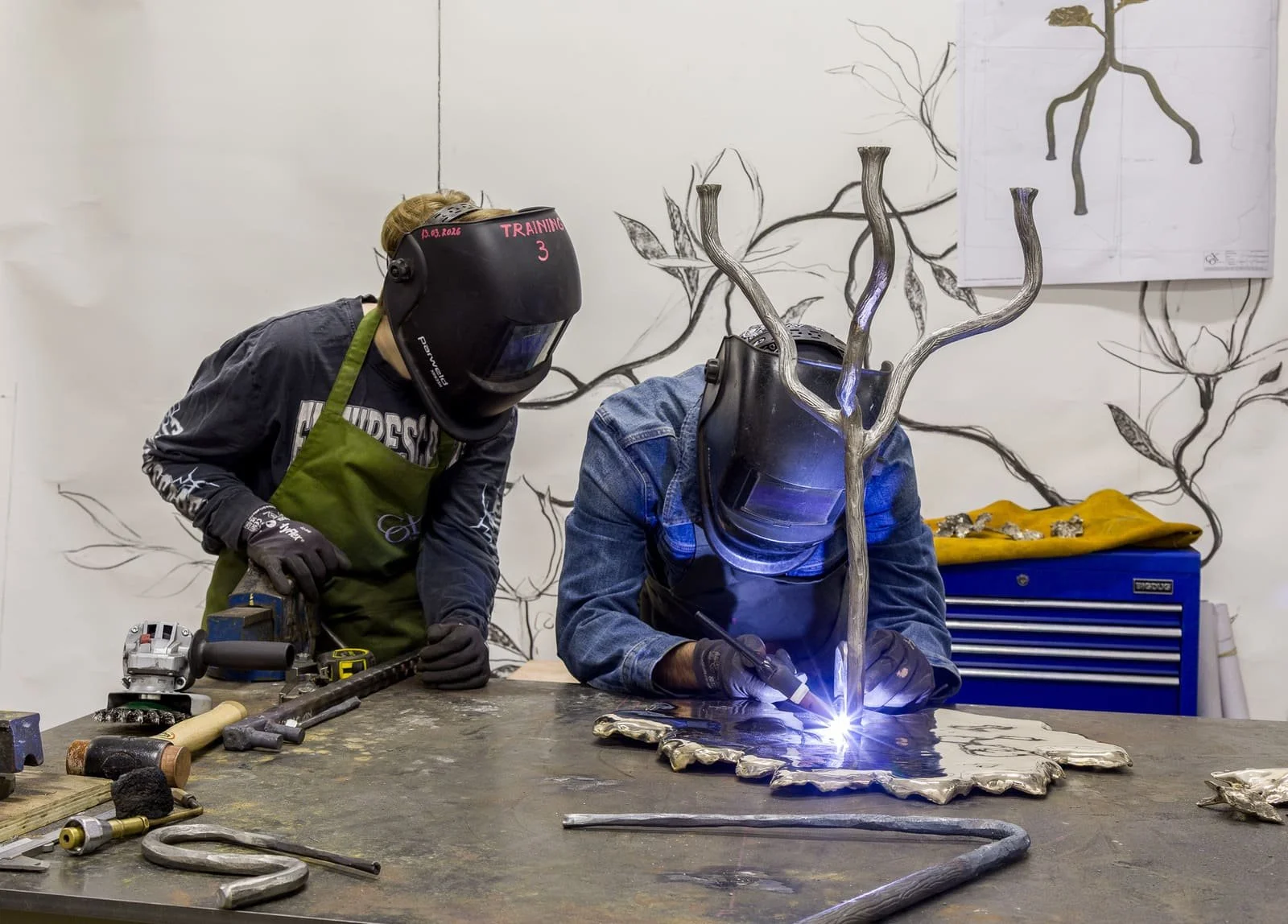
Cox London Apprentice Programme
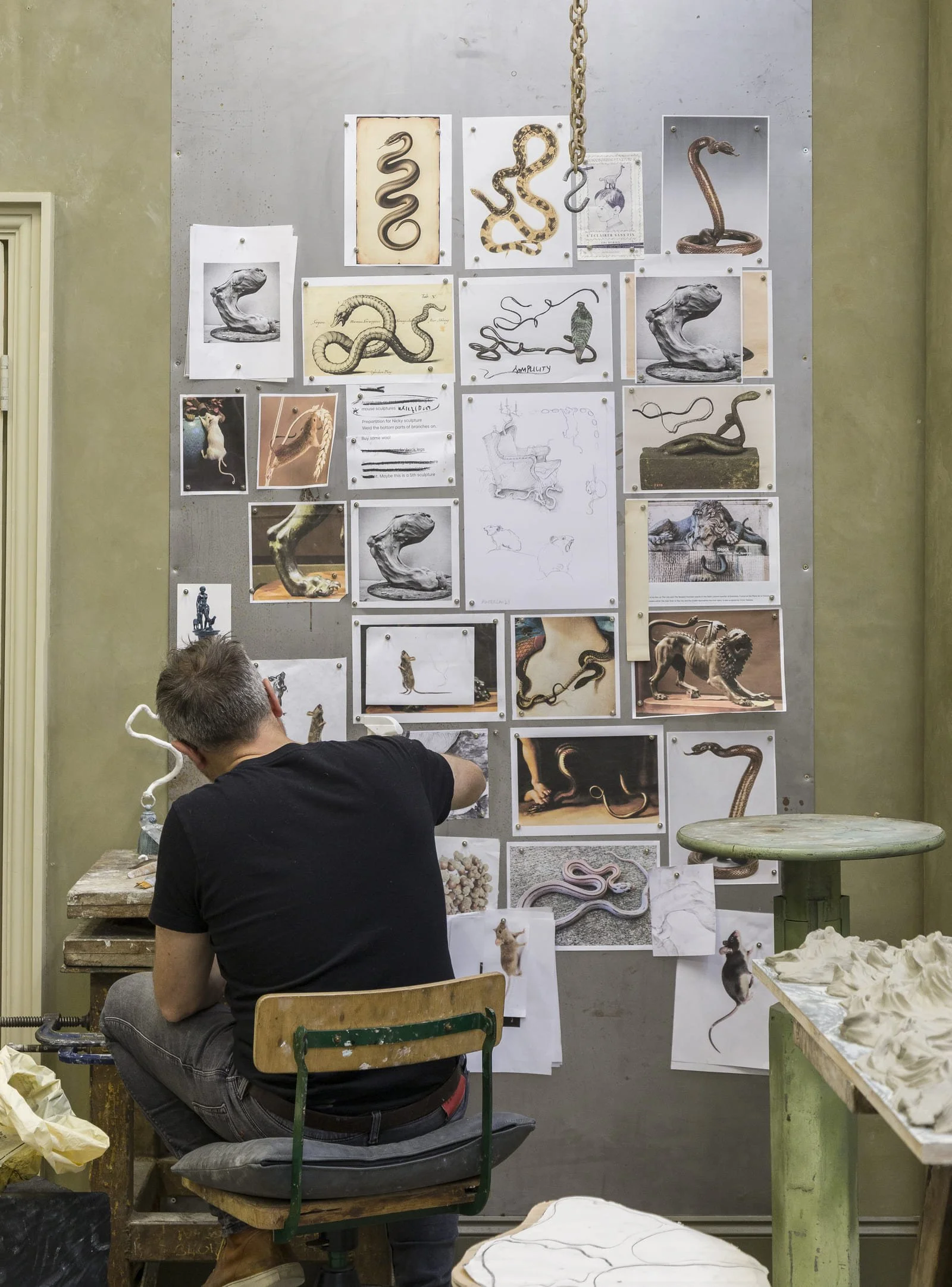
Christopher Cox in the London Studio
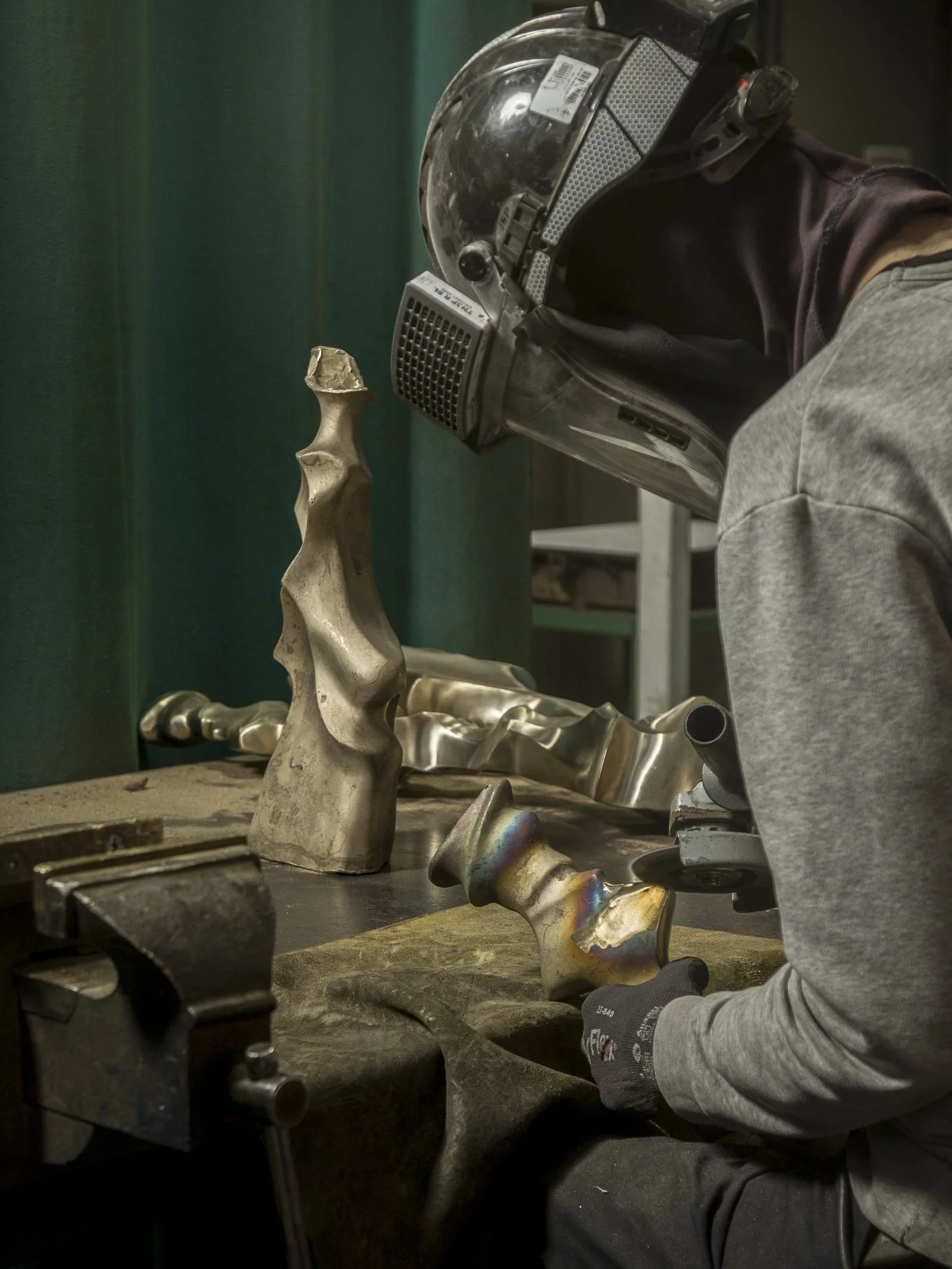
Cox London Foundry making of the Moifaa Console
“We love objects that feel as though they have a story behind them, even when they're newly made.”
cox london
DESIGNEERS
You are investing heavily in apprenticeships at a time when many traditional craft skills are becoming increasingly difficult to sustain. What are you most worried about losing, and what do you hope the next generation will do differently?
cox london
What worries us most is the loss of knowledge that isn't written down anywhere.
So much craftsmanship is passed from person to person through observation, repetition and practice. If those opportunities disappear, centuries of accumulated skill can disappear remarkably quickly.
At the same time, we don't want the next generation to simply copy what came before. We hope they bring new ideas, new technologies and fresh perspectives while respecting the traditions they inherit.
Our role is to pass the baton on in the strongest possible position and trust the next generation to take it somewhere we could never have imagined.
DESIGNEERS
What makes an object feel emotionally powerful rather than simply visually impressive?
cox london
For us, it's meaning.
It's relatively easy to create something that grabs attention. It's much harder to create something people want to live with for years.
The objects that resonate emotionally tend to reveal care, imagination and evidence of the human hand. They make you curious, reward attention and feel authentic.
Ultimately, we want people to develop a relationship with our work, not simply admire it from a distance.
DESIGNEERS
After so many years of working together, do you still surprise each other creatively?
cox london
Absolutely.
The interesting thing is that we still see things differently. We often start from different perspectives, and that's usually where the most productive conversations begin.
We've worked together for so long that there is a deep level of trust, but there is still plenty of challenge. We constantly share observations, ideas, books, exhibitions and discoveries with one another.
The day we stop surprising each other creatively is probably the day we stop growing.
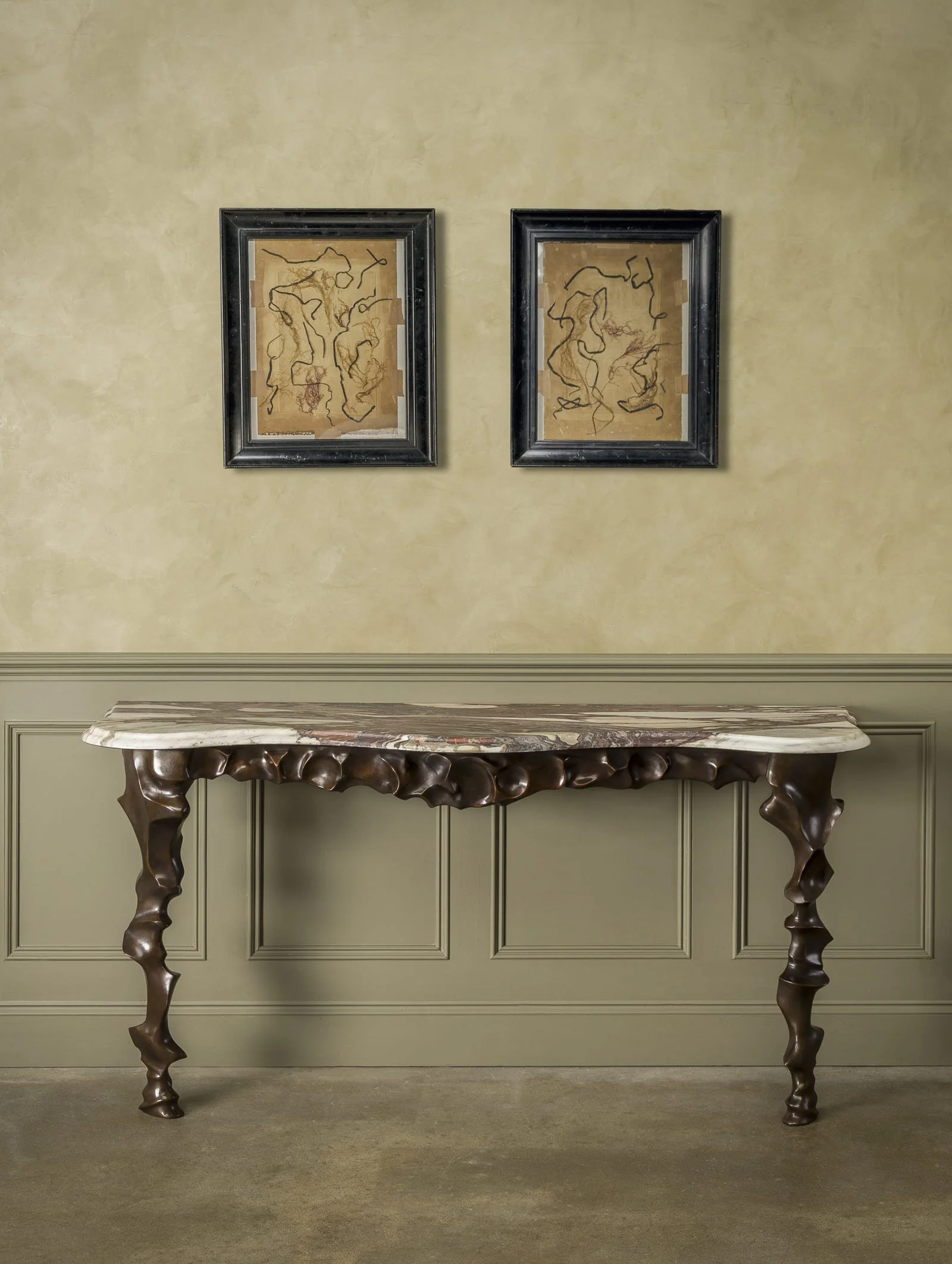
Moifaa Lonsole | Cox London
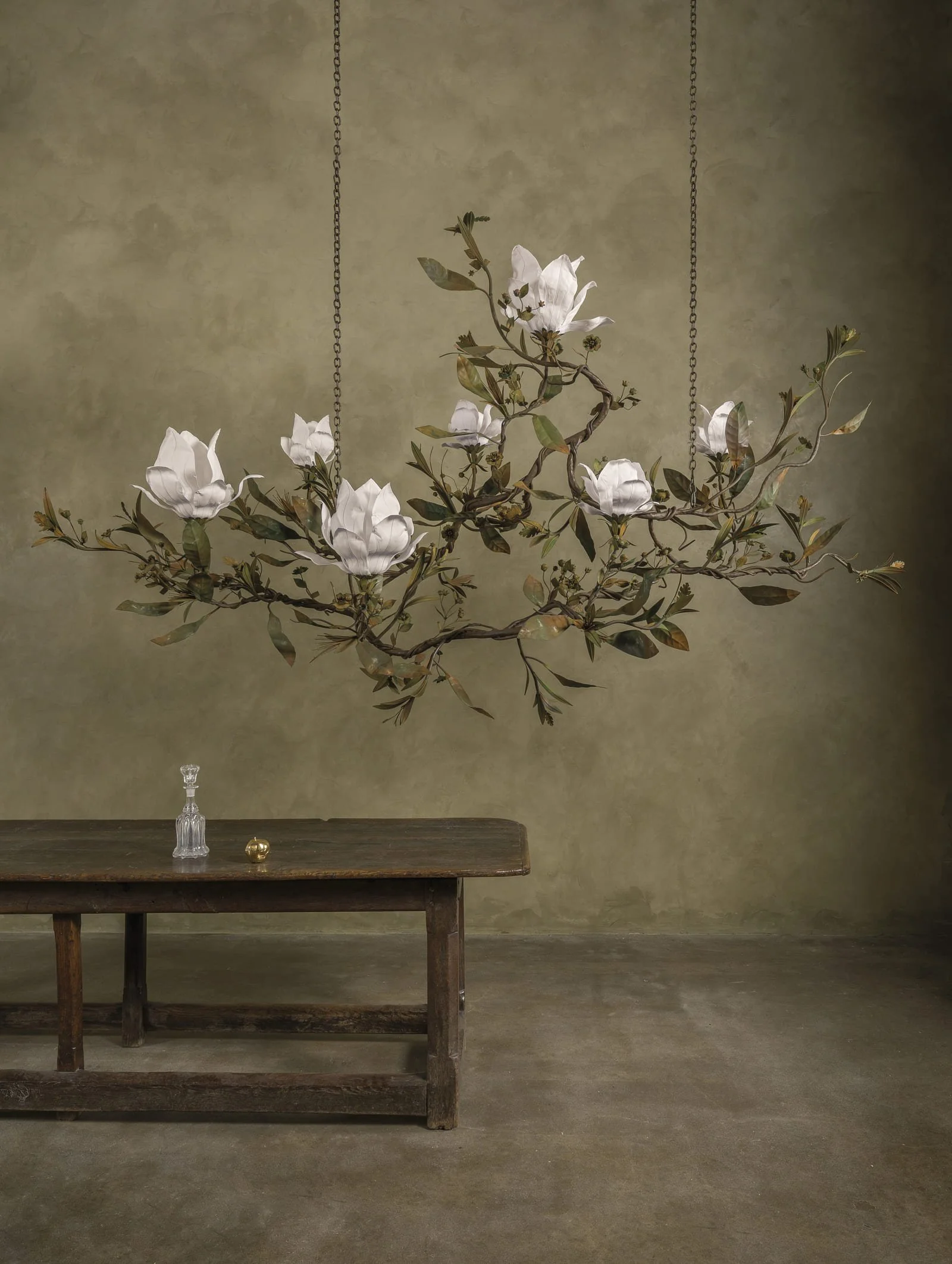
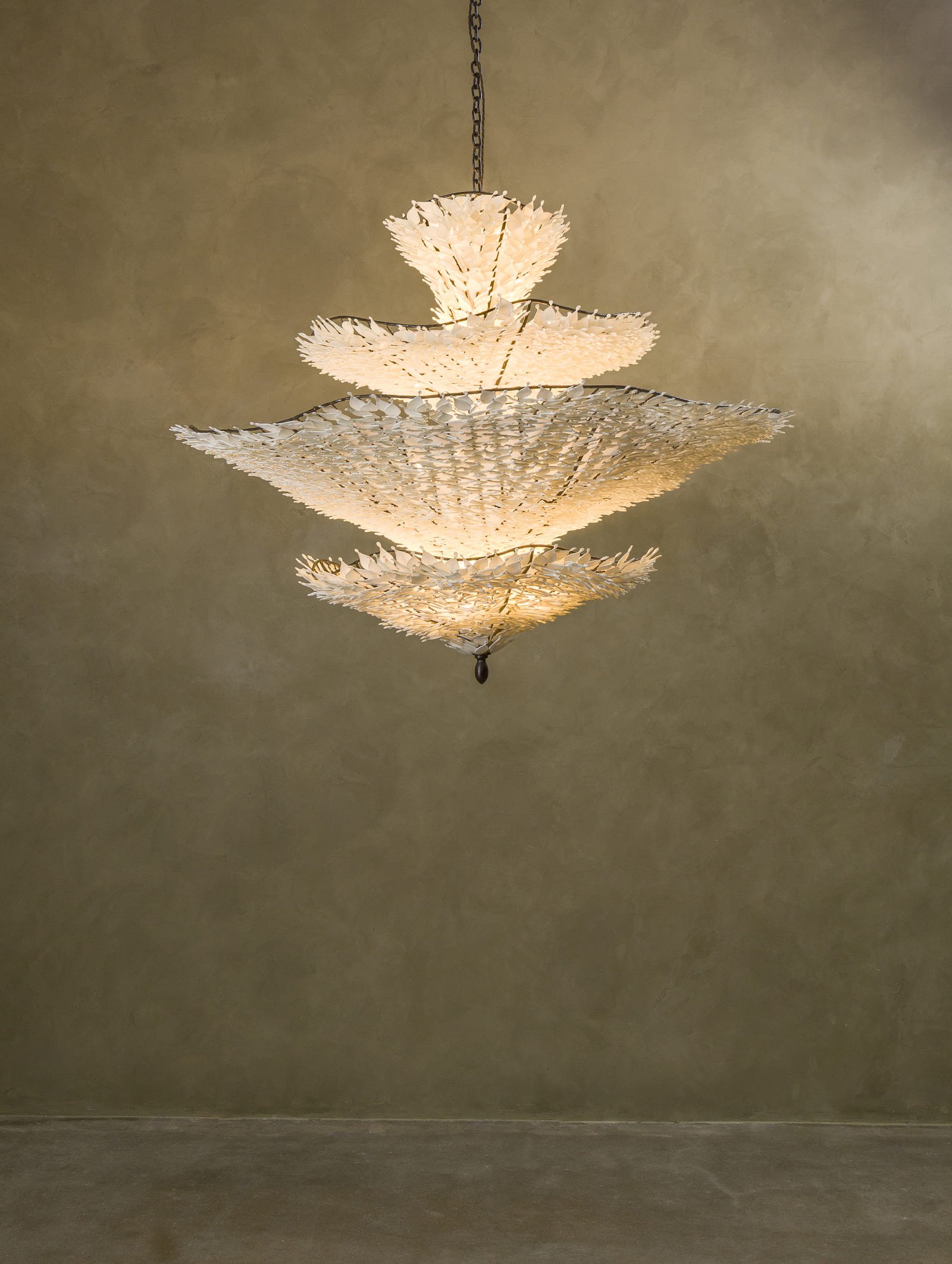
Winter Magnolia Chandelier | Cox London
DESIGNEeRS
Which piece best explains Cox London to someone who has never encountered your work before, and why?
cox london
Mater Quercus is probably one of the strongest examples.
It contains many of the things that are important to us: inspiration from nature, sculptural form, technical craftsmanship and an emotional quality that goes beyond function.
It feels rooted in the natural world while being entirely transformed through the hands of skilled makers. That's a balance we've always been interested in achieving.
DESIGNEeRS
What are you curious about now that you weren't curious about five years ago?
cox london
Increasingly, we're curious about legacy.
Five years ago we spent most of our time thinking about what we were making. Today we're equally interested in how knowledge, skills and culture are passed on.
We're fascinated by how creative businesses endure beyond their founders. How do you nurture exceptional people? How do you preserve traditional skills while continuing to innovate? How do you build something that lasts?
In many ways our curiosity has expanded from the objects themselves to the wider responsibility of stewardship. Creating beautiful work remains important, but so too is creating the conditions in which craftsmanship, creativity and making can continue to flourish for generations to come.
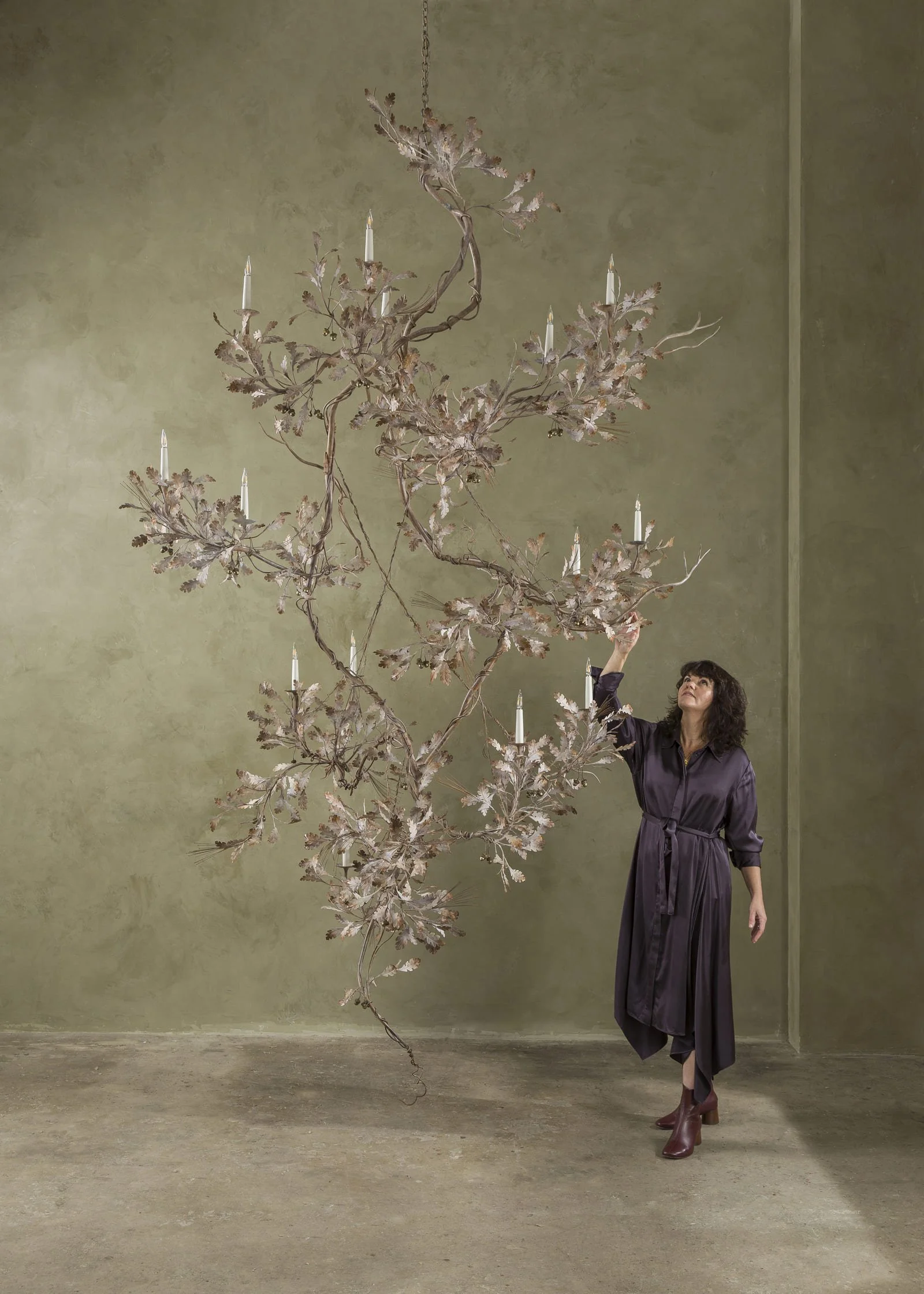
Mater Quercus and Nicola Cox in the London Atelier