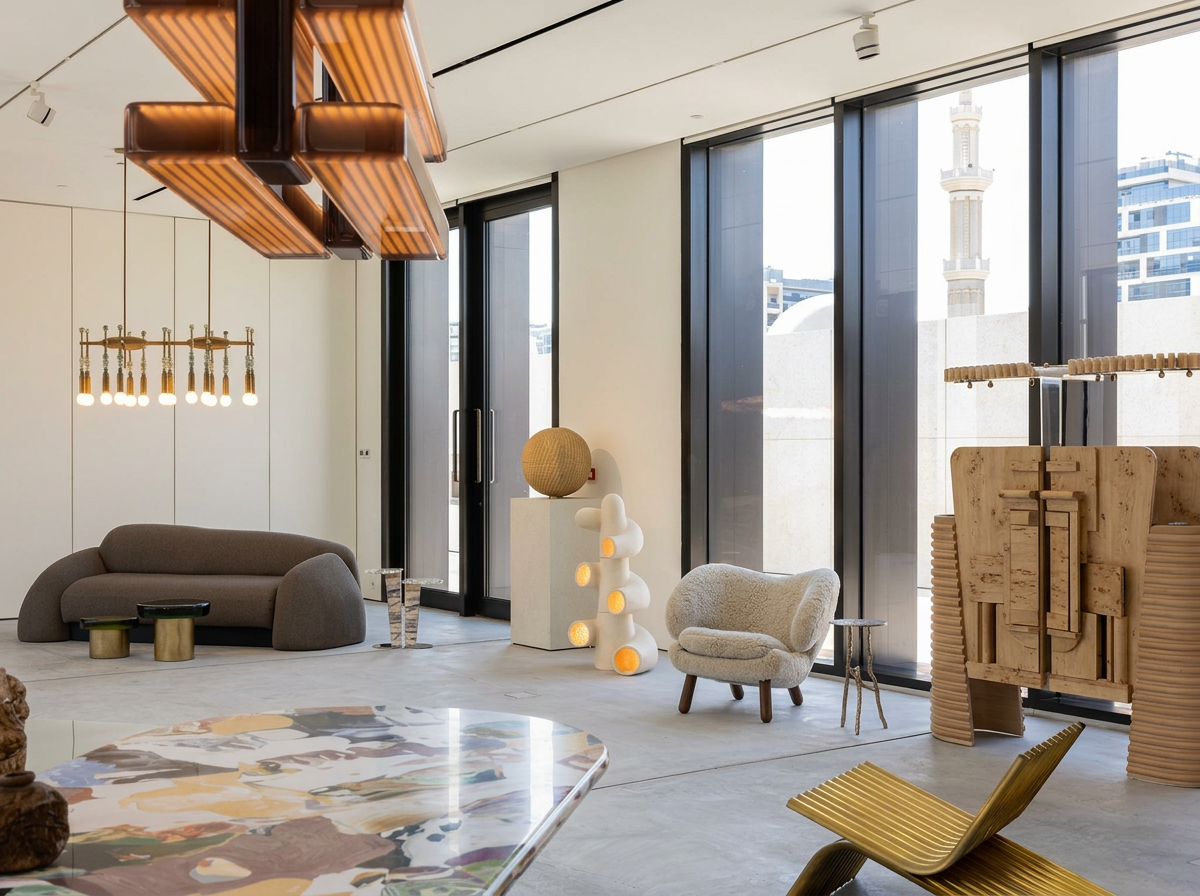
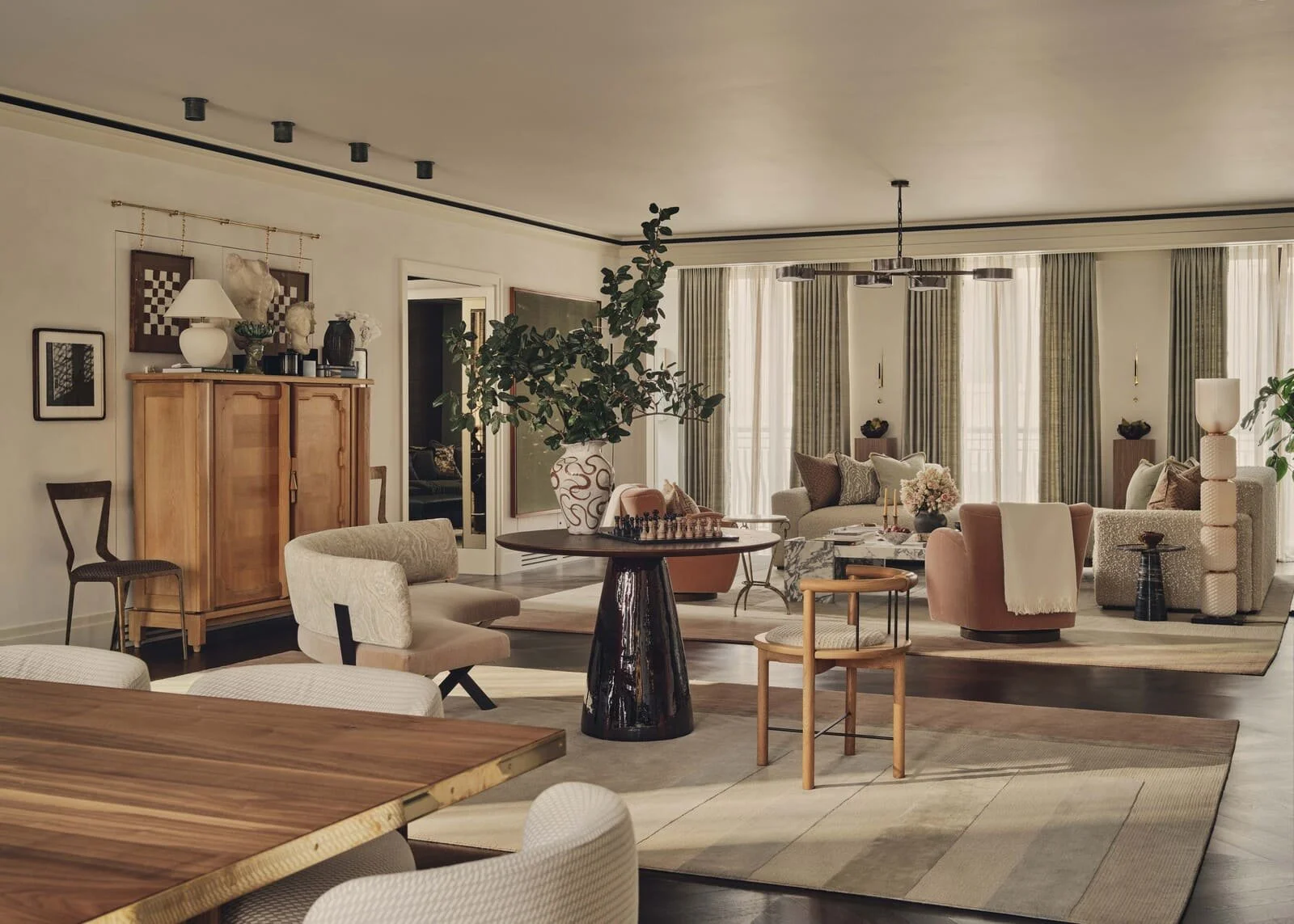
The World's Best Design-Led Cafés: Curated by ET'STUDIO
lifestyle
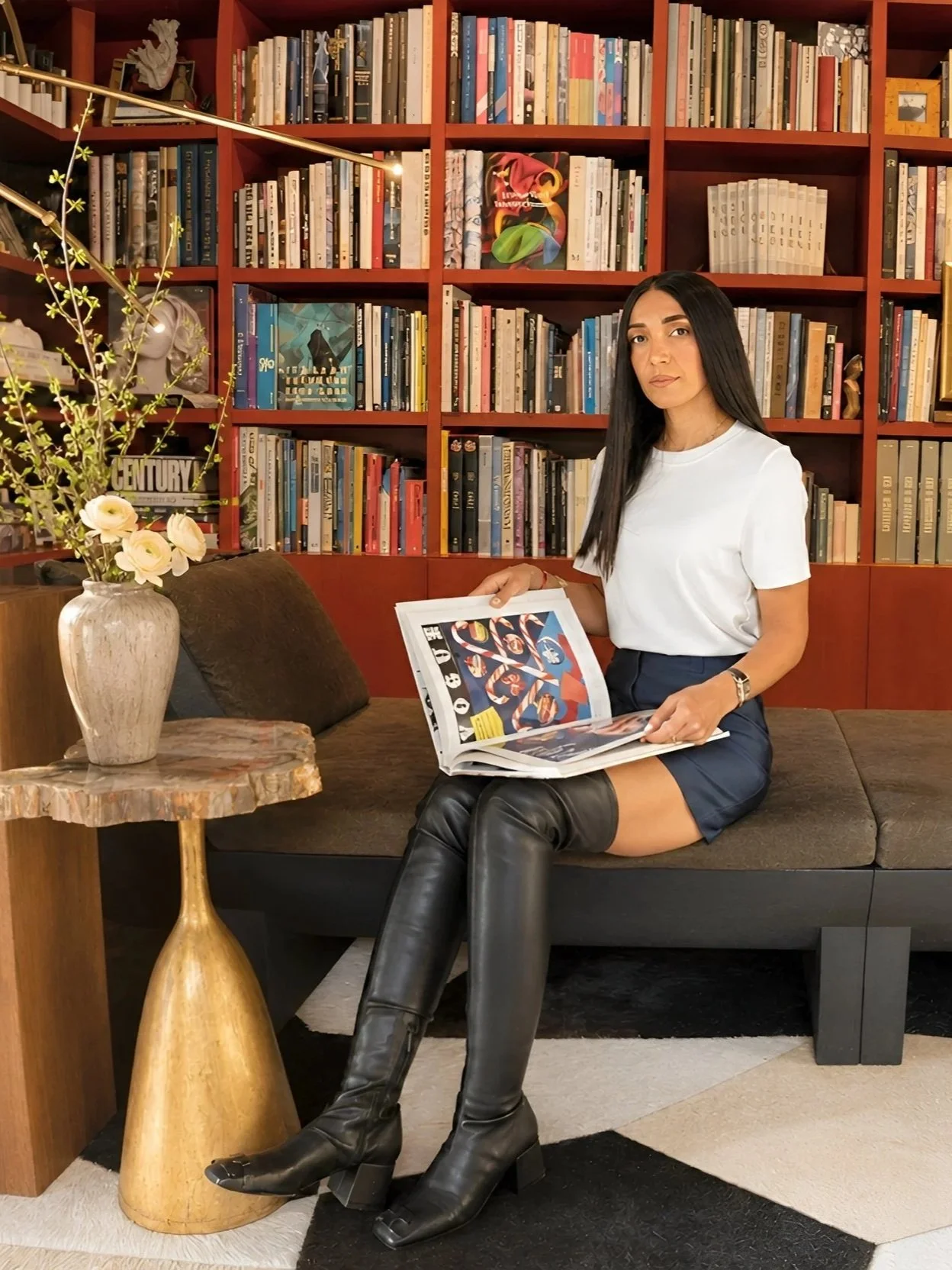
For Elnaz Taghaddos, the café is small-format hospitality - a complete design problem in miniature. The architect behind ET'STUDIO, with work spanning residential, hospitality and cultural projects across the UAE, New York and Saudi Arabia, treats cafés the way she treats hotels: as immersive spaces where every material, gesture and sightline earns its place.
Her selection follows that brief. From Los Angeles to Copenhagen, these are cafés conceived as architecture before they were conceived as coffee - places where proportion, light and material do the heavy lifting. Some are quietly composed. Others are sculptural and unapologetic. None are accidental.
This is her edit: the cafés where design carries equal weight to the coffee.
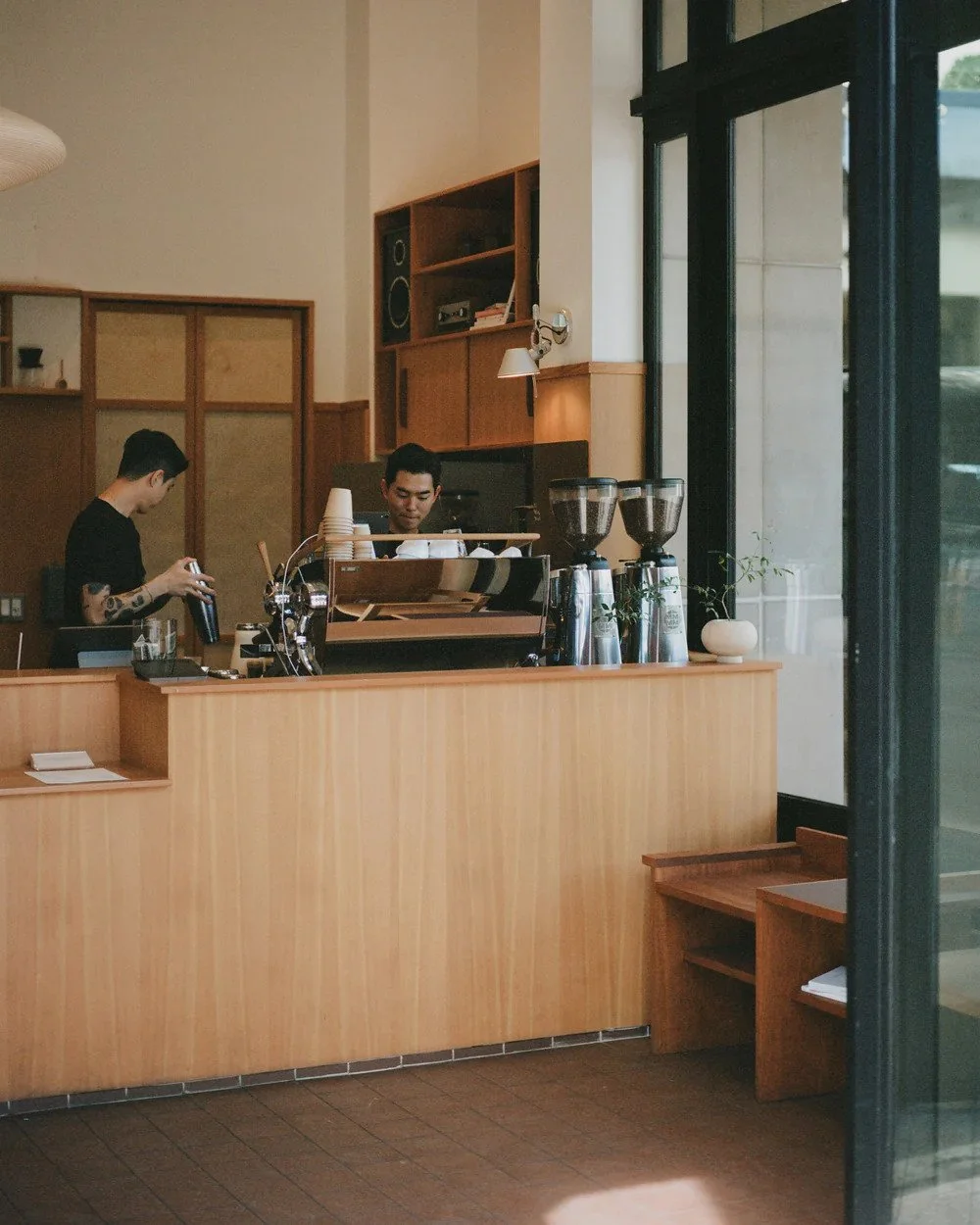
Maru Espresso Bar, Beverly Hills, Los Angeles
La Cabra, SoHo, New York
1. Maru Espresso Bar - BEVERLY HILLS, LoS ANGELES
Maru Espresso Bar in Beverly Hills distils the café experience into its purest form - focused, intentional, and quietly refined. Rooted in a philosophy of craftsmanship and simplicity, the space reflects a timeless approach to coffee culture, where every element is reduced to essentials. The design is minimal yet warm, with clean lines, subtle materials, and an emphasis on ritual, creating an atmosphere that feels both contemporary and deeply grounded in tradition.
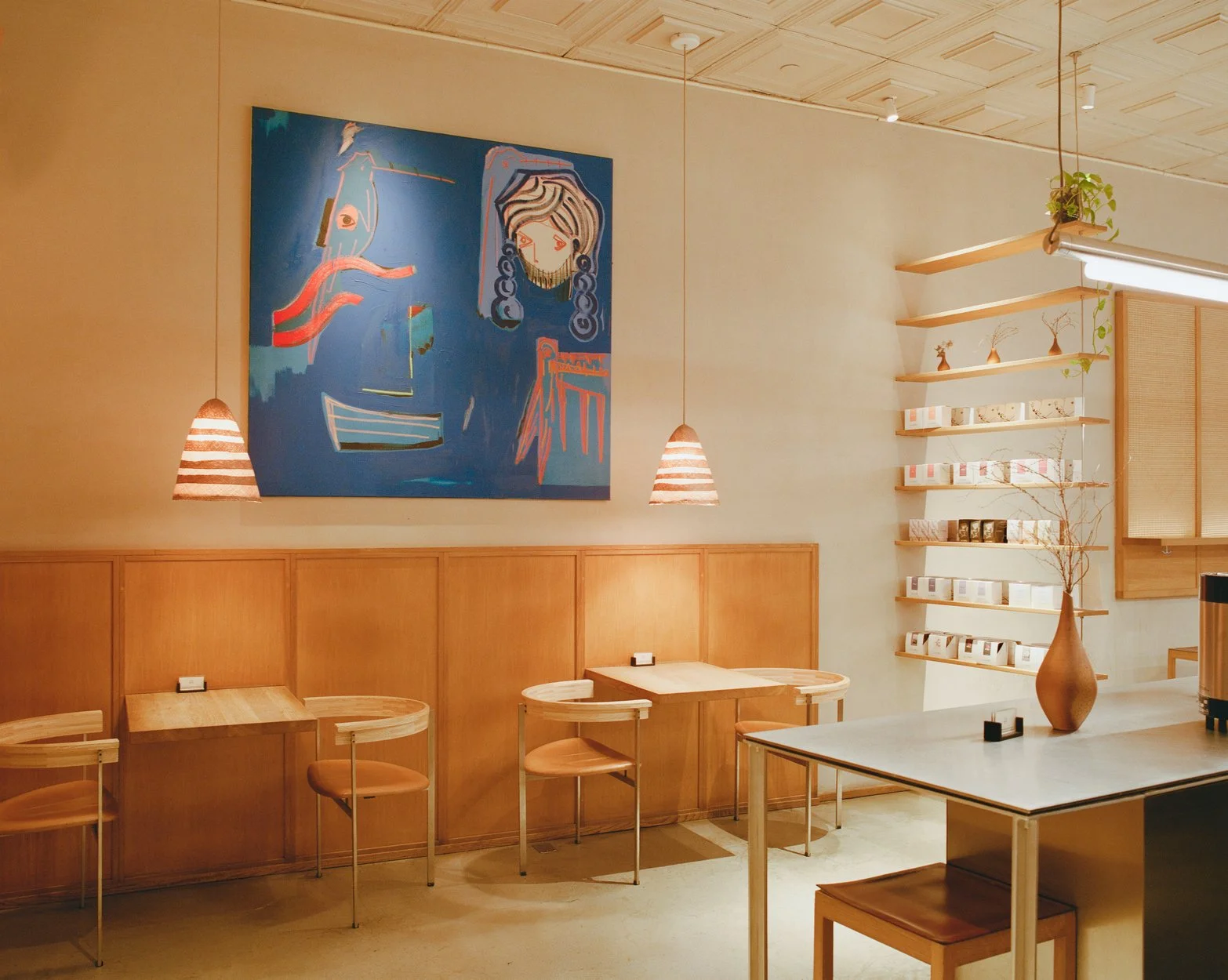
2. La Cabra - SoHo, New York
Tucked into the design-forward streets of SoHo, La Cabra brings a calm, Scandinavian minimalism to New York’s vibrant café scene. The space feels light and effortless, with pale wood, soft textures, and a neutral palette that lets natural light do the work. An open coffee bar keeps everything connected, creating an easy flow between the craft and the space, and a relaxed, modern café experience.
Bouche, Brussels
Acid Café, Berlin
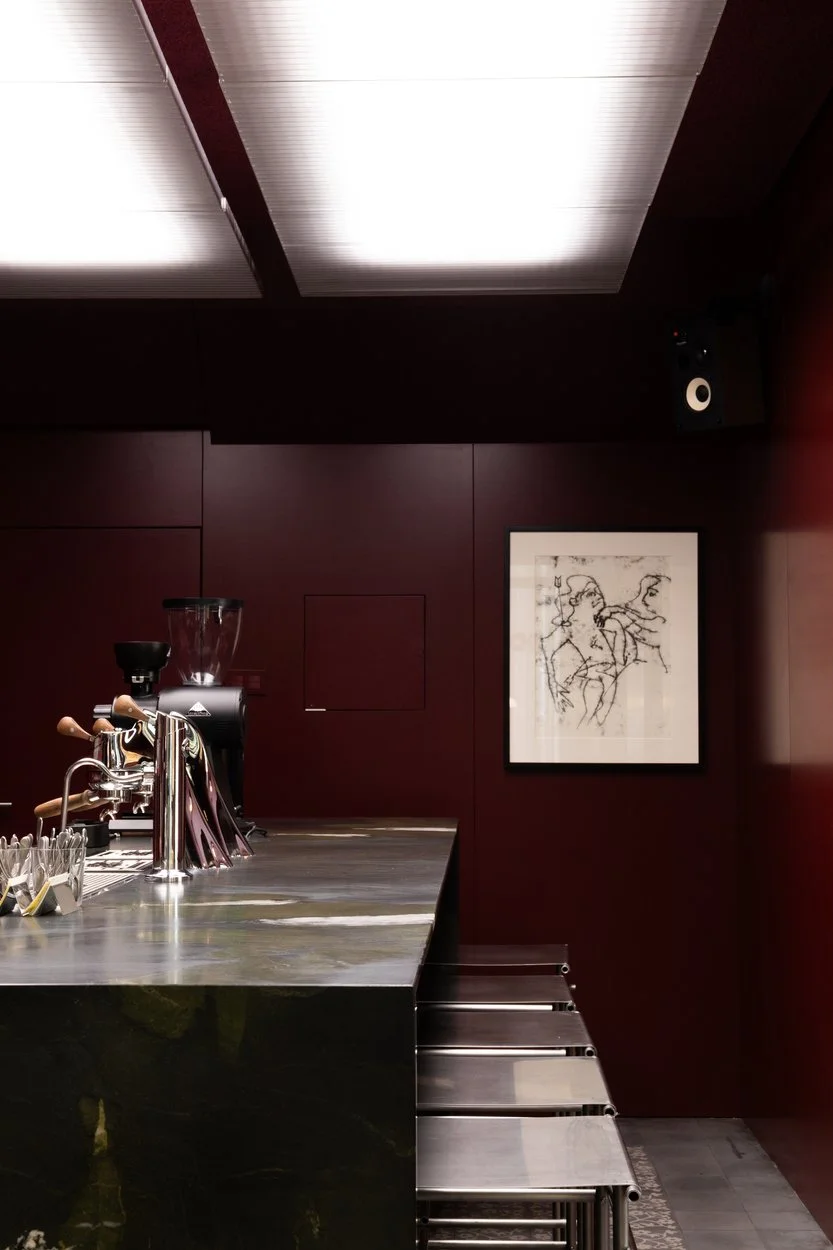
3. BOUCHE - Brussels, Belgium
Bouche feels like subtle and quietly refined, sitting along a central Brussels street with a minimal, almost understated façade. The entrance blends seamlessly into the urban fabric, with clean lines and a soft, neutral presence that doesn’t try to overpower its surroundings. Small outdoor seating elements add a casual, welcoming touch, creating a gentle transition between the city and the café’s more curated interior.
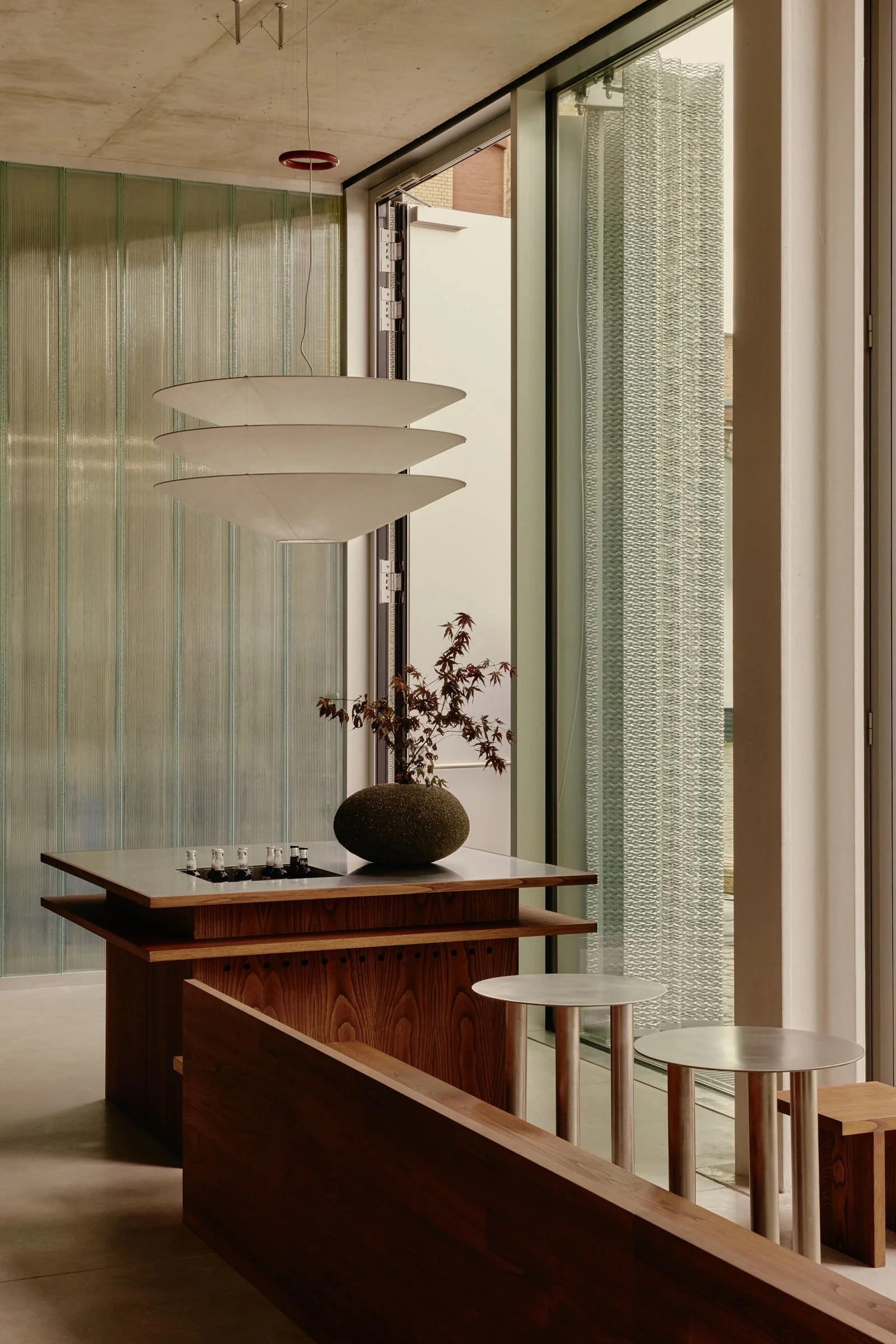
4. ACID Café - Berlin, Germany
ACID Café reads as a quiet architectural gesture; its façade is restrained and almost anonymous, yet the large openings create a strong visual connection to the interior - turning the café into a living composition from the street. There’s a subtle tension between the existing building shell and the curated intervention inside, where transparency, proportion, and rhythm become the defining design elements.
Dreamin Man, Paris
OSMO Coffee Studio, Madrid
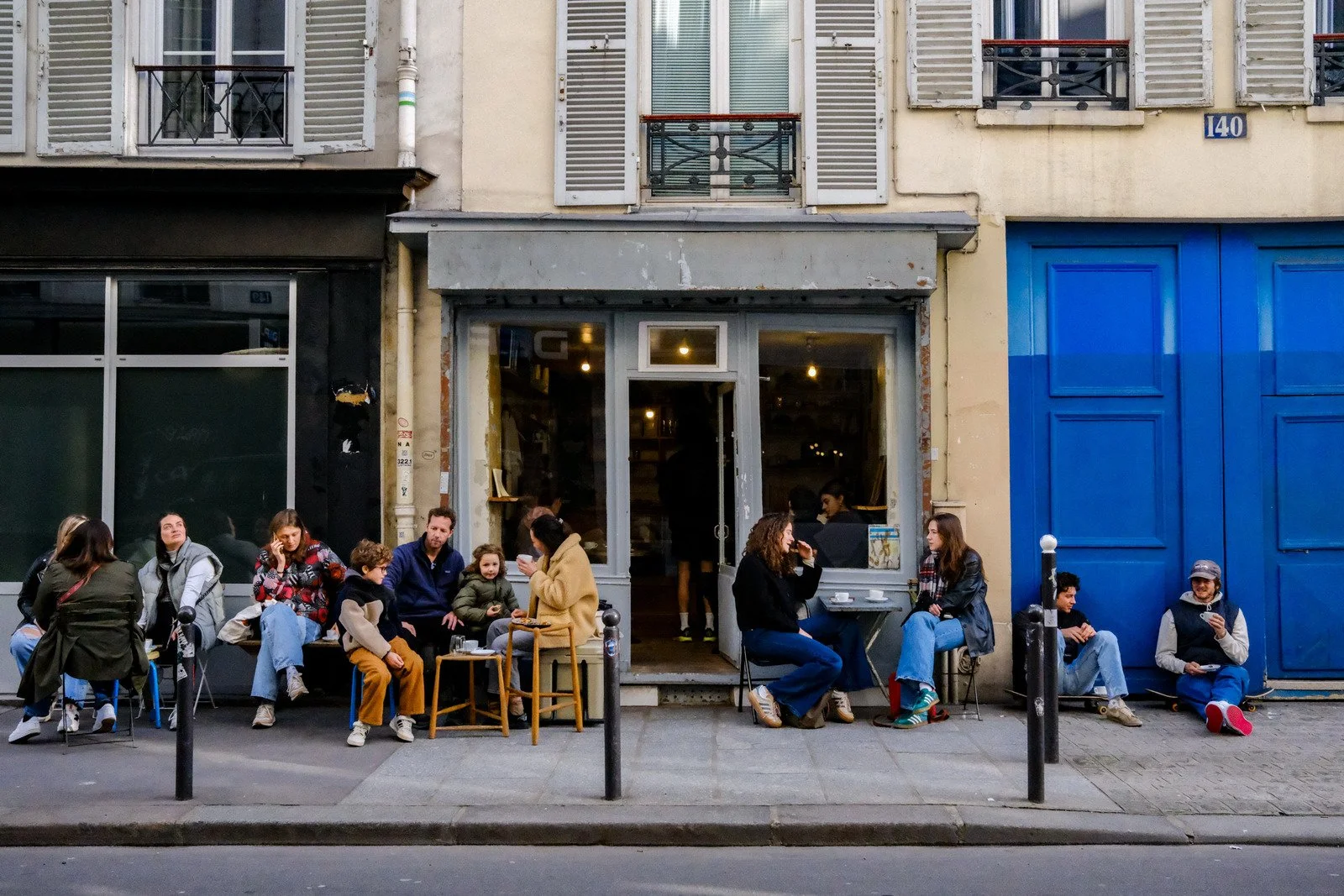
5. Dreamin Man- Paris, FRANCE
From the outside, Dreamin Man carries a soft, almost cinematic presence within the Parisian streetscape. The façade feels light and approachable, with a subtle blend of modern café identity and classic urban context. Large openings and a gentle interaction with the street create an inviting threshold, where the boundary between inside and outside becomes fluid. The design is quiet yet expressive, capturing a relaxed, design-led charm that sits naturally within the rhythm of Paris.
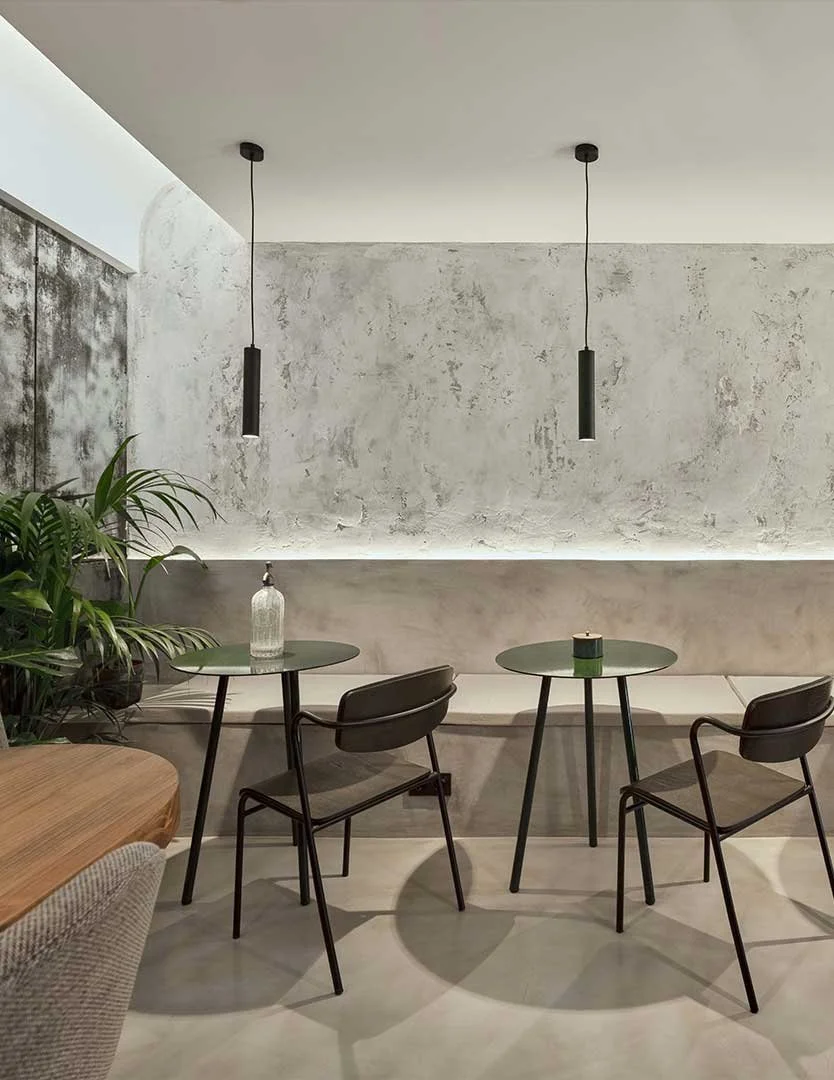
6. OSOM Coffee Studio - Madrid, Spain
OSOM Coffee Studio presents a clean and contemporary architectural expression, defined by precision, clarity, and restraint. The façade is composed with a strong sense of proportion, where transparency becomes a key design element, allowing a seamless visual connection between interior and street. A minimal material palette and subtle detailing give the space a refined presence - quiet yet confiden - reflecting a thoughtful, design-led approach within Madrid’s urban context.
Watch House, London
Café Irma, Zurich
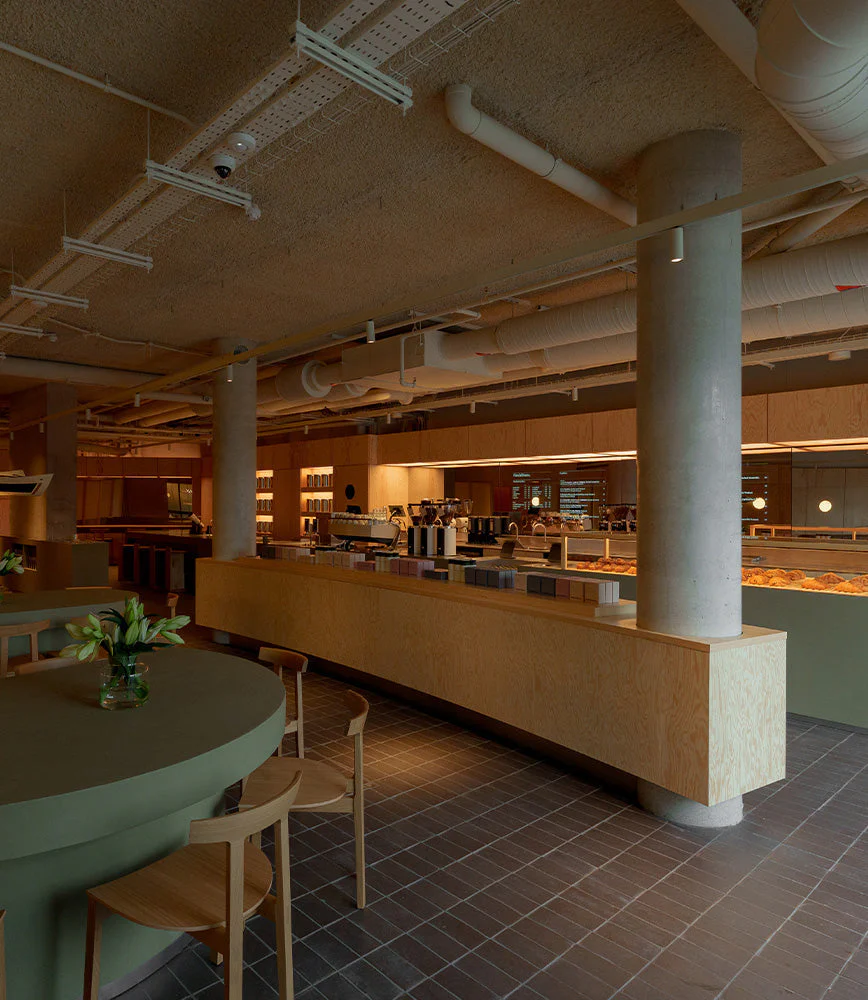
7. WatchHouse - London
WatchHouse expresses a refined balance between heritage and contemporary design, creating a café identity that feels both grounded and elevated. The architectural language is clean and composed, often defined by natural stone, warm tones, and carefully framed openings. There’s a strong sense of material honesty and proportion, where each element feels deliberate yet effortless. The result is a timeless, design-led presence that sits comfortably within London’s layered urban context.
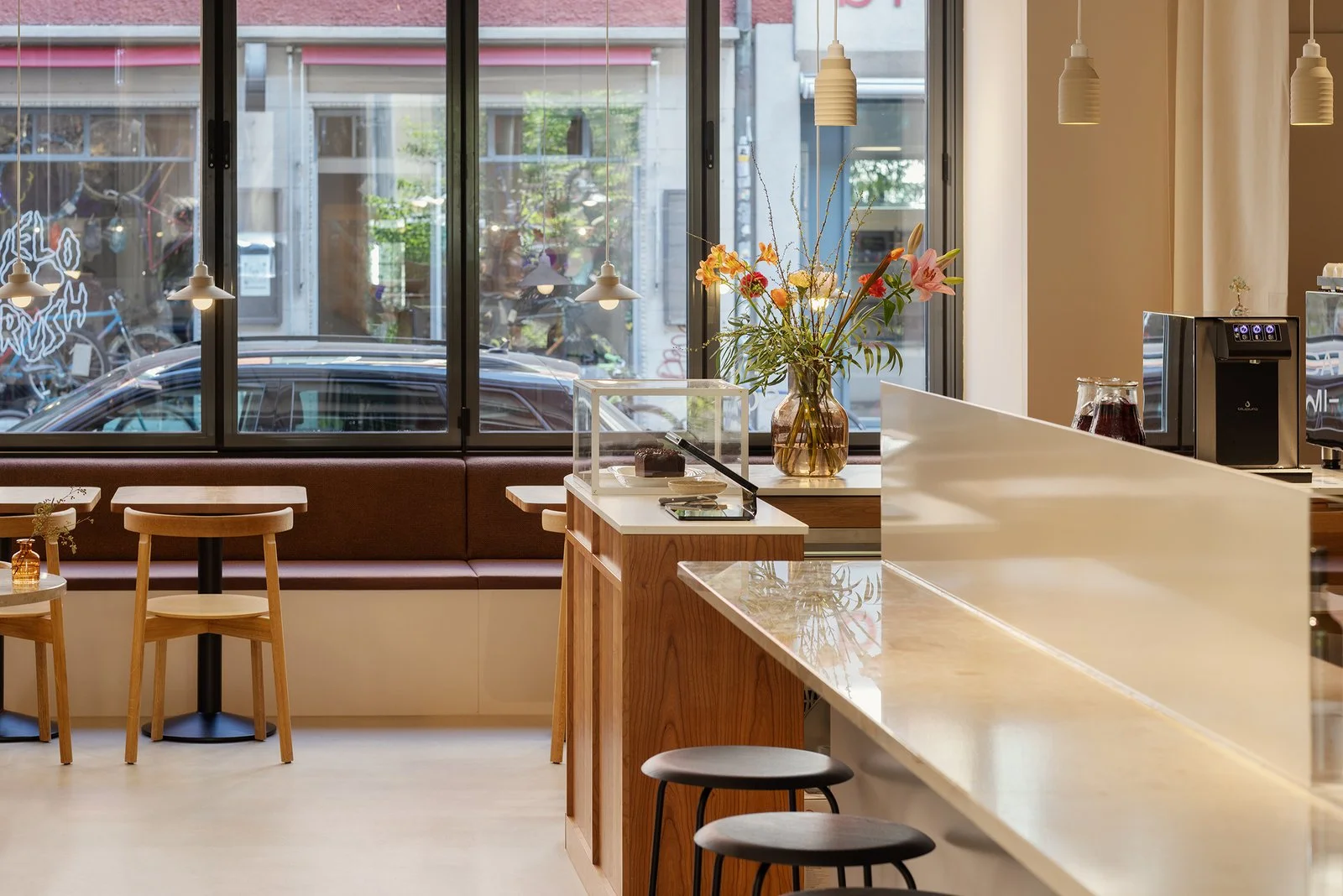
8. Café Irma - Zurich, Switzerland
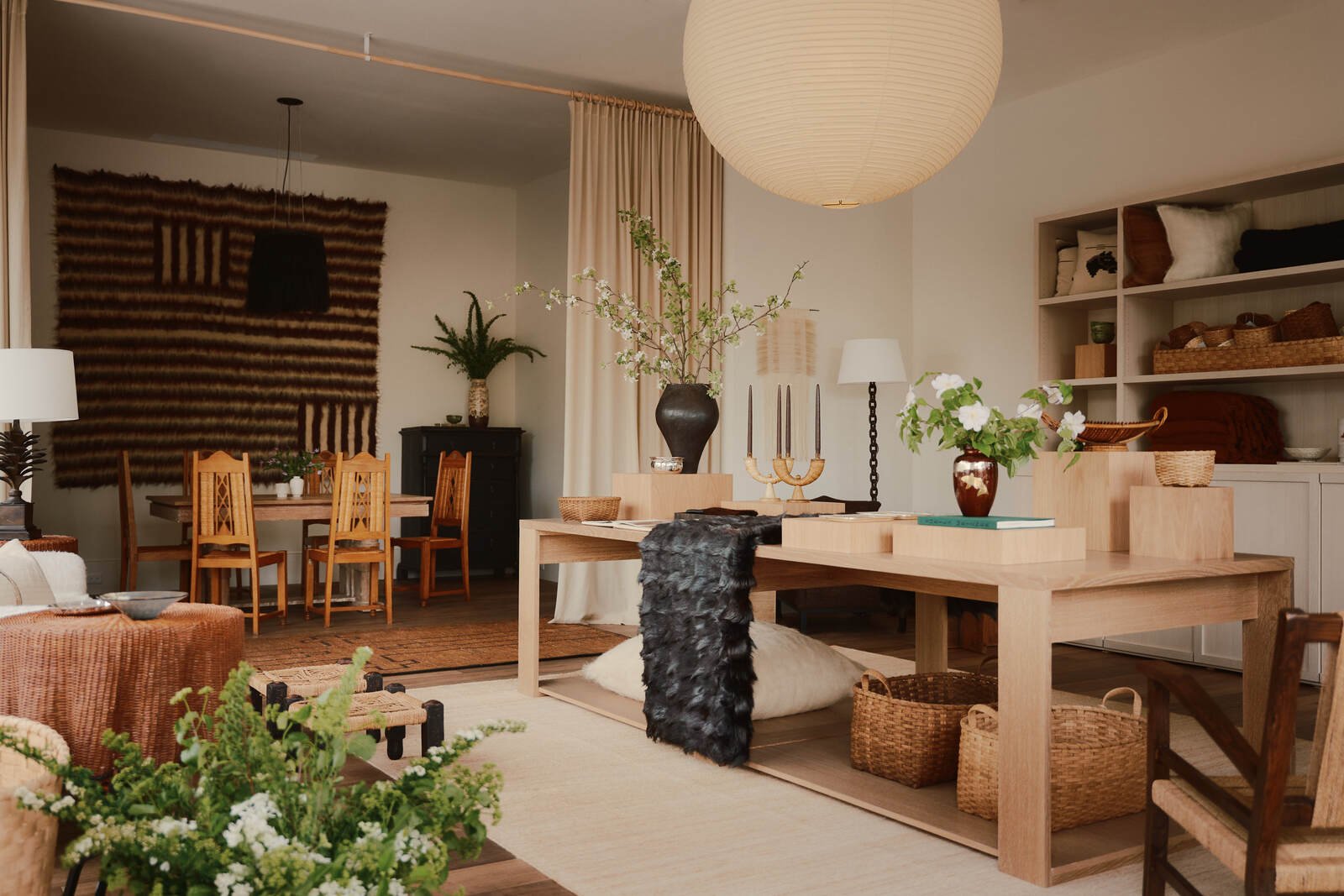
Café Irma reflects a quiet, design-led approach rooted in craftsmanship and material honesty. The architecture is subtle and composed, with a soft, earthy palette and natural materials that create a calm, almost tactile atmosphere. The space feels warm and intentional, where details - like handmade lighting and textured surfaces - add depth without excess. It’s a café where design doesn’t try to stand out, but instead creates a grounded, authentic experience centered around craft and simplicity.
The Roe Bar, Copenhagen
KONCRETE, Dubai
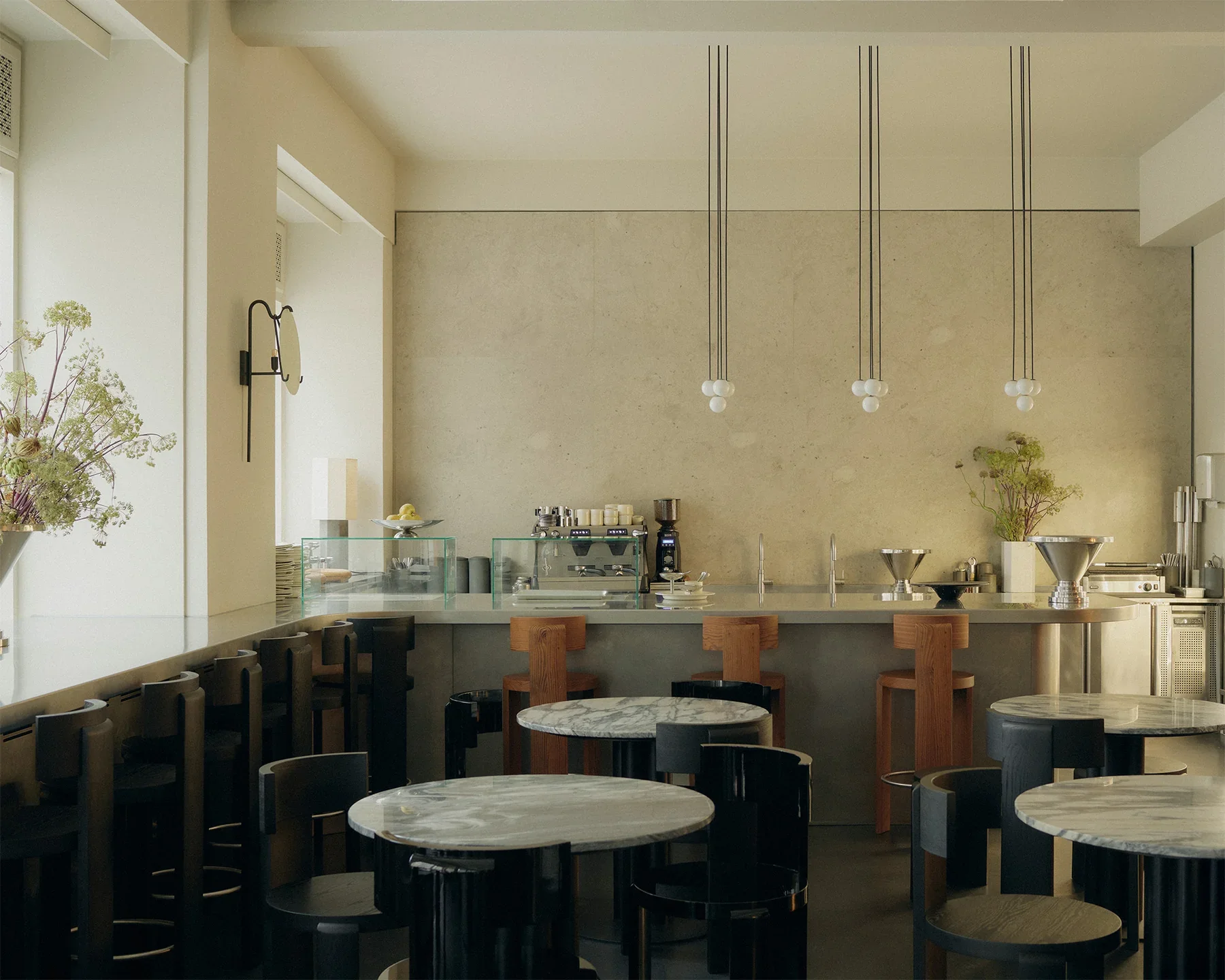
9. THE ROE BAR - Copenhagen
Tucked within the refined universe of Louise Roe Gallery, The Roe Bar feels less like an afterthought and more like a natural extension of the brand’s quiet, sculptural language. The menu moves with the rhythm of what is available, offering breakfast and lunch dishes made in-house, each prepared from scratch with a focus on freshness and simplicity. There is a quiet confidence in this approach, allowing quality to speak without distraction. More than just a café, The Roe Bar operates as a social and sensory extension of the gallery itself, where conversations unfold, ideas linger, and the pace of the city softens, if only for a moment.
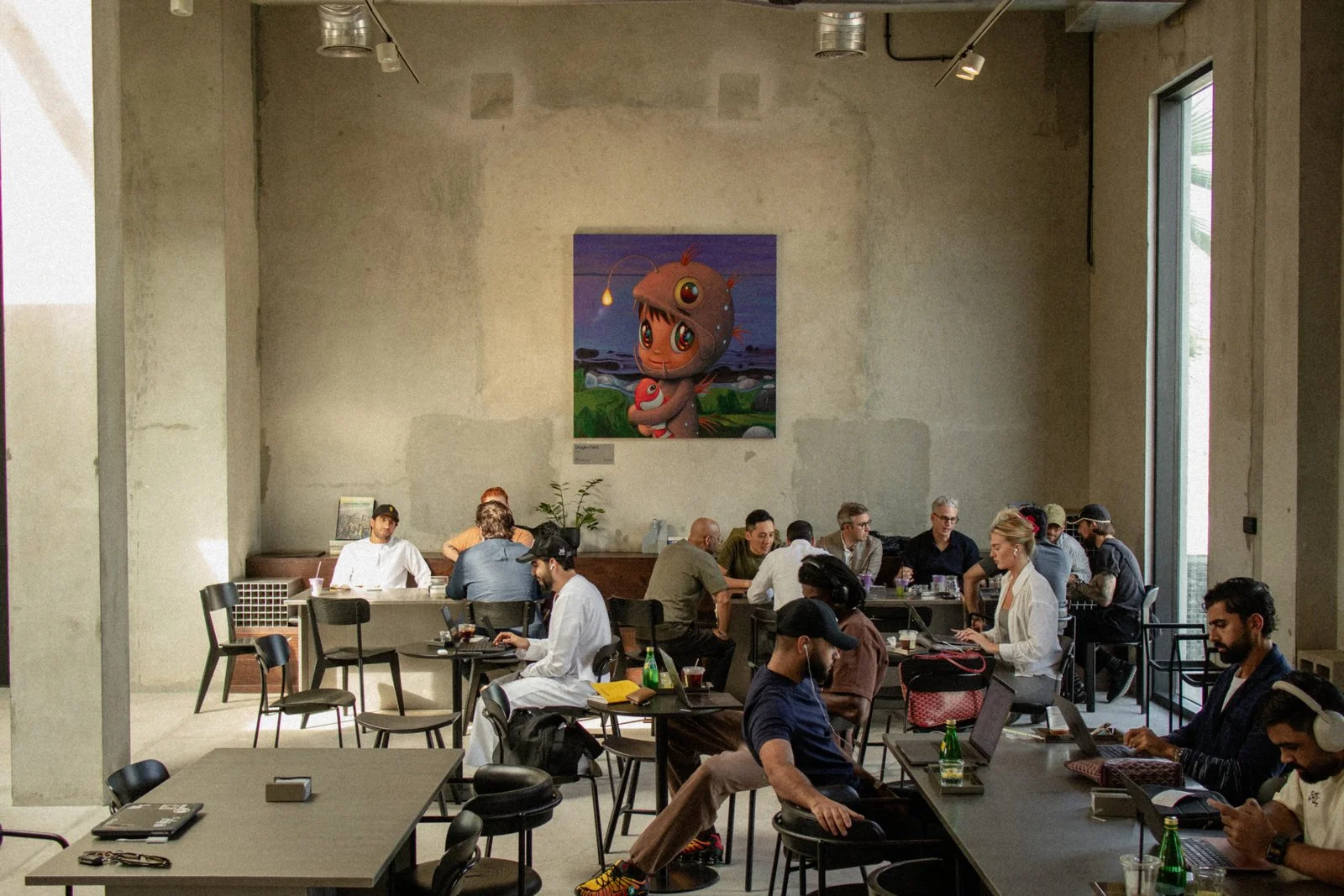
10. KONCRETE - Dubai
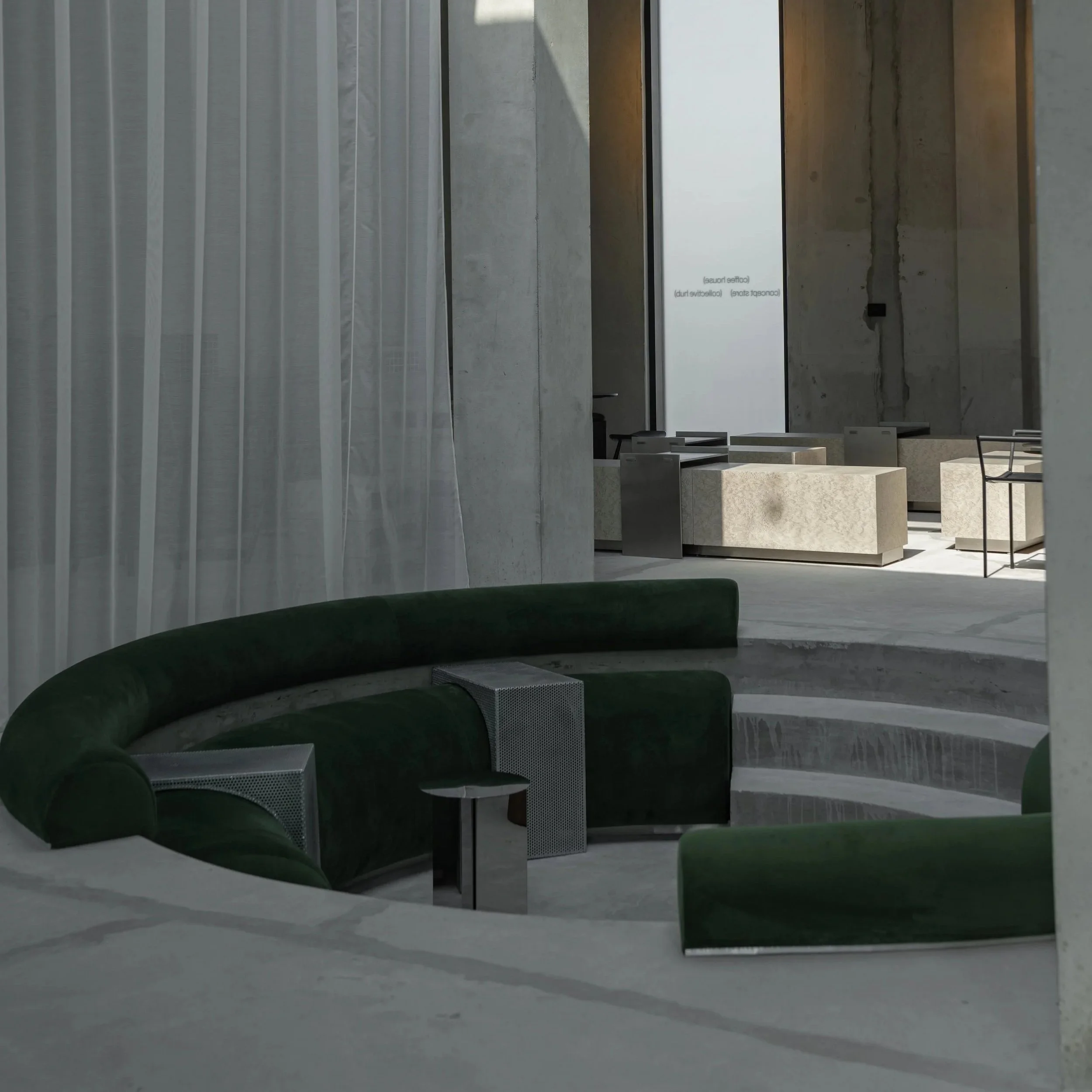
KONCRETE is a bold architectural statement built around raw materiality and spatial experience. The design embraces a brutalist language—exposed concrete, unfinished textures, and strong geometric forms—creating a space that feels both monumental and minimal. The structure itself becomes the identity, where light, shadow, and surface imperfections are intentionally revealed rather than concealed.
A central atrium introduces natural light deep into the space, softening the heaviness of the material palette and creating a dynamic interplay between openness and enclosure.
KONCRETE, Dubai
What connects these cafés is not geography, but a shared way of thinking about space, experience, and intention. Each one offers a distinct expression of how design can elevate something as familiar as coffee into a moment of pause, presence, and connection.
Seen through the lens of ET Studio, they reflect a broader shift towards spaces that are thoughtful rather than excessive, where atmosphere, materiality, and meaning take precedence over spectacle. In these places, design is not just observed, it is felt, quietly shaping how we move, gather, and experience the everyday.
PHOTOGRAPHY CREDITS:
LA CABRA: Kendall Wheeler
BOUCHE: evan justins
ACID CAFE: marina Denisova
cafe irma: Nora Dal Cero
the roe bar: Alexander Höllsberg