The Architecture of Dining: Urbanjobs on Restaurant Interiors
people • DESIGNERS
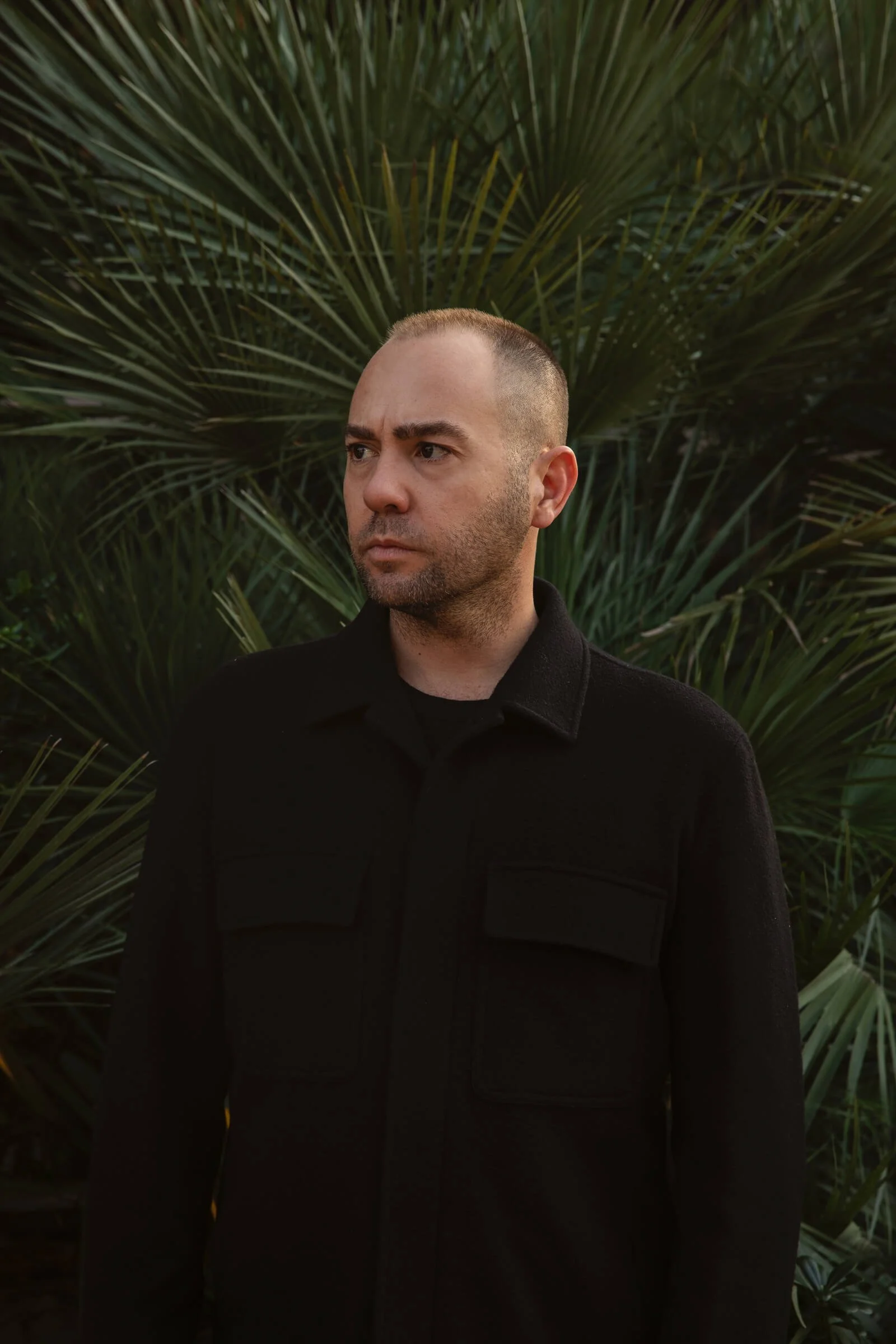
Founded by Murat Dede, Urbanjobs is a multidisciplinary studio based in Istanbul, shaping some of the city’s most recognisable hospitality environments. Working across restaurants, retail, residential, and workplace design, the studio approaches interiors as immersive spatial experiences where atmosphere is not an afterthought but the starting point.
Rooted in a deep understanding of how people gather, dine, and move through space, Urbanjobs builds layered environments defined by light, texture, and rhythm. From acclaimed destinations such as Batard, Momo Bebeköy, and Zula to international collaborations with figures like Alan Yau, the studio has developed a language that is both refined and deeply sensory. In this interview, Murat Dede reflects on Istanbul’s influence, the role of atmosphere in restaurant design, and how material, light, and time shape spaces that are meant to be lived in.
Words: designeers
MARCH 2026
WEBSITE: urbanjobs.istanbul
INSTAGRAM: @urbanjobs
DESIGNEERS
Murat, Urbanjobs was founded in Istanbul, a city where food, culture and social life are deeply intertwined. How has Istanbul shaped your understanding of restaurant design?
Murat Dede
Istanbul is a city where daily life unfolds around food and social interaction. Restaurants are not simply places to eat; they are extensions of urban culture where people meet, celebrate, and spend long evenings together. Growing up and practising here naturally shaped my understanding of hospitality spaces as environments that must host rituals of gathering. The city’s layered history, contrasts between old and new, and its dense social life constantly remind us that atmosphere and human interaction are at the core of any successful restaurant design.
DESIGNEERS
Designing a restaurant is very different from designing a home. When you begin a new hospitality project, what is the first element you imagine: the atmosphere, the spatial choreography, or the story behind the concept?
Murat Dede
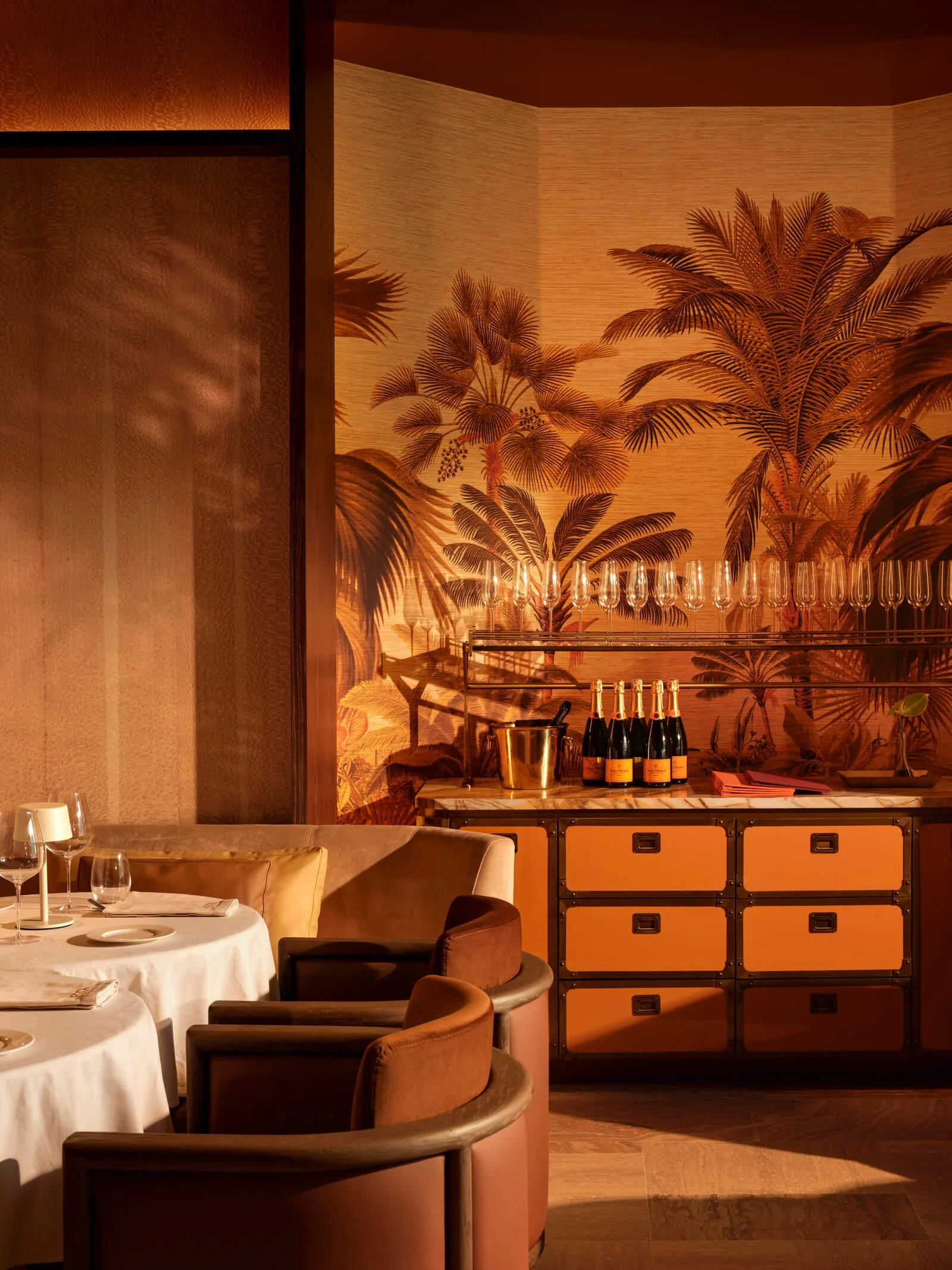
For us, the starting point is always atmosphere. Before thinking about objects or forms, we try to imagine the emotional condition of the space: how it should feel when someone enters, sits down, and spends time there. Once that atmosphere is defined, spatial choreography naturally follows—how people move, how views open, how light evolves during the evening. The narrative of the concept grows from this foundation.
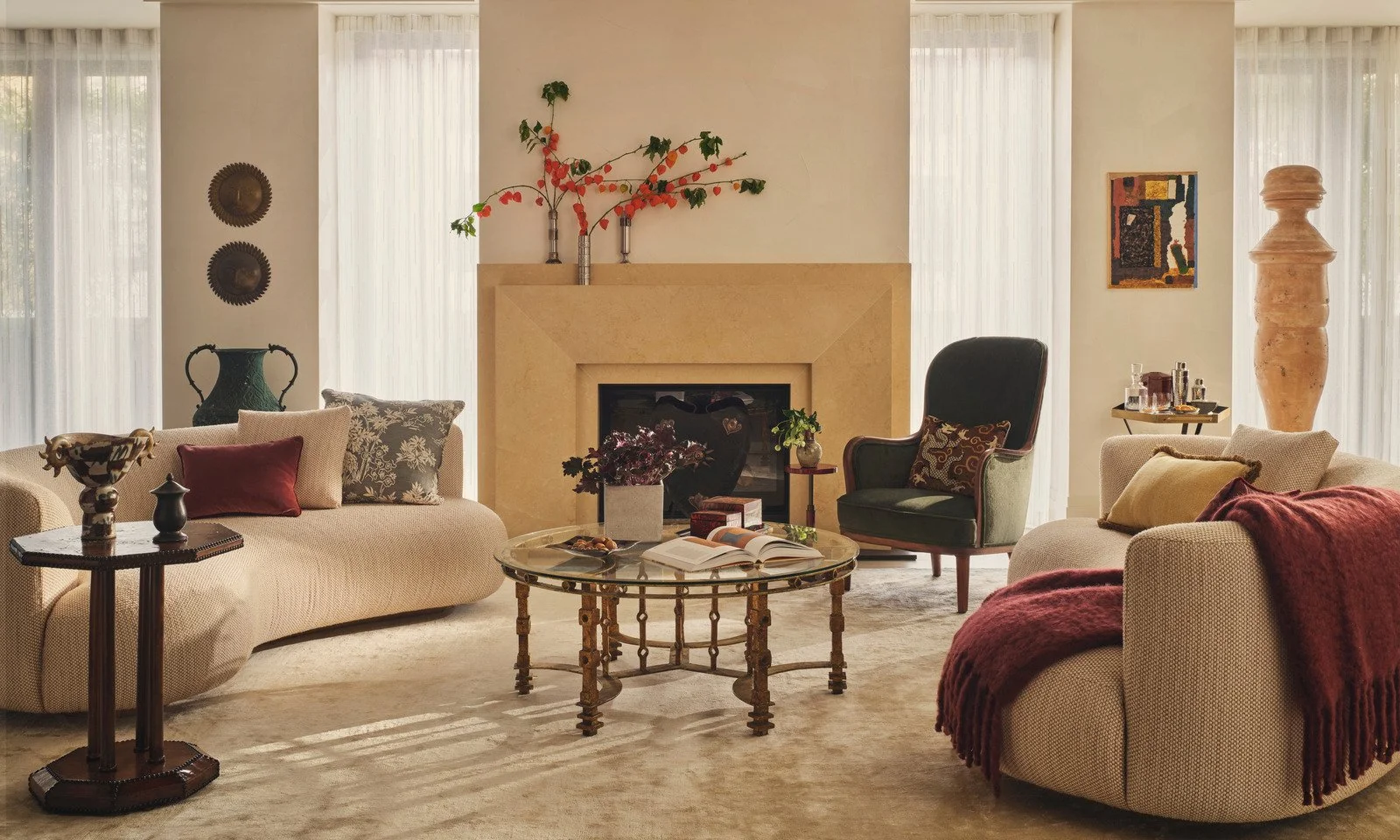
ESCA by Urbanjobs
ESCA by Urbanjobs
DESIGNEERS
Atmosphere is everything in a restaurant. Beyond aesthetics, what elements do you believe truly shape the emotional experience of a dining space?
Murat Dede
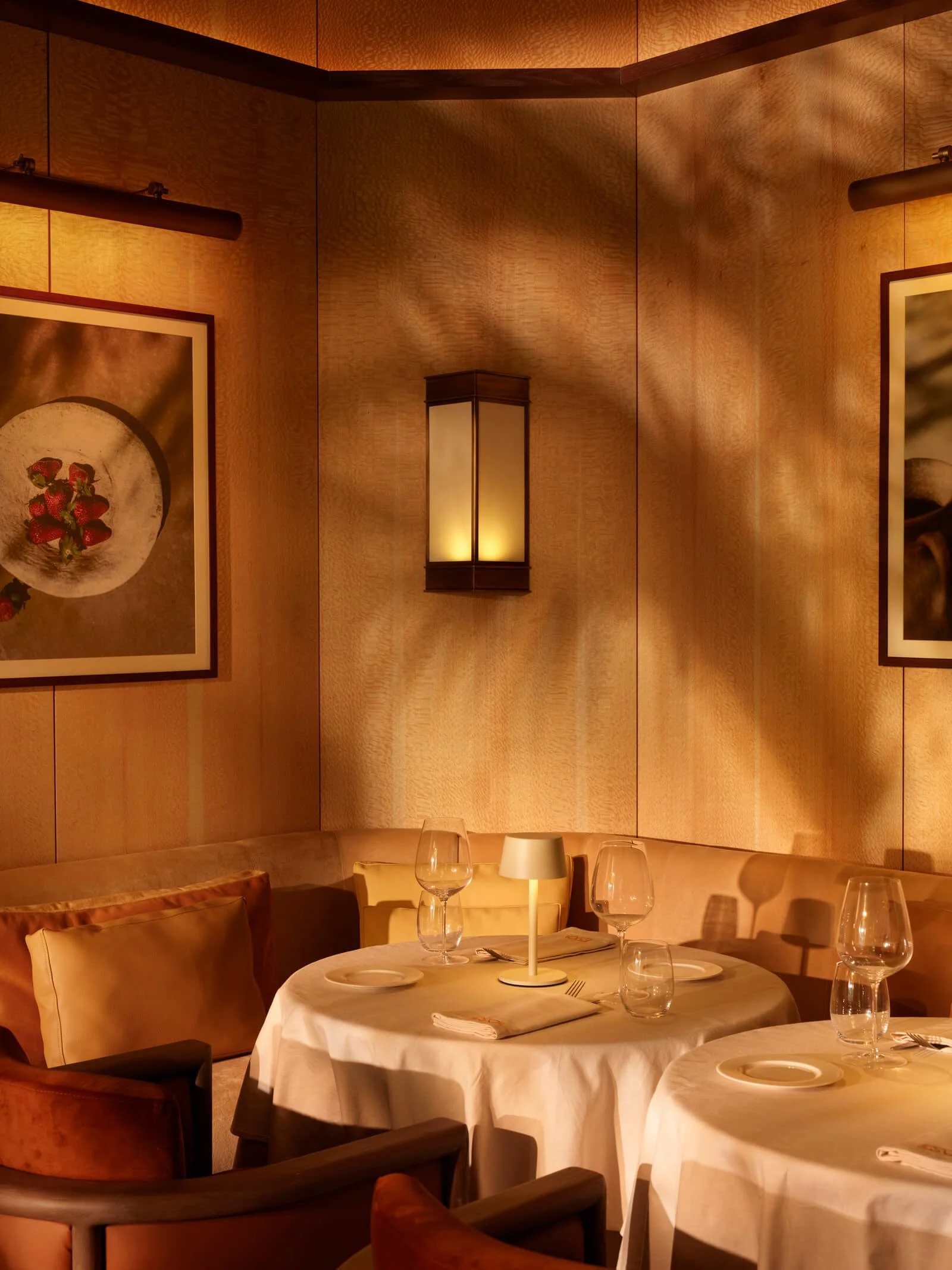
Atmosphere is built through sensory layers. Light, sound, texture, and spatial rhythm all contribute to how people perceive a place. Lighting determines intimacy, acoustics shape comfort, and materials influence how people physically experience the environment. In our work we try to design these layers very carefully so that the space does not rely only on visual impact but creates a complete sensory experience.
DESIGNEERS
Lighting, acoustics, and materiality often determine whether a restaurant feels intimate or overwhelming. How do you approach these more invisible layers of design?
Murat Dede
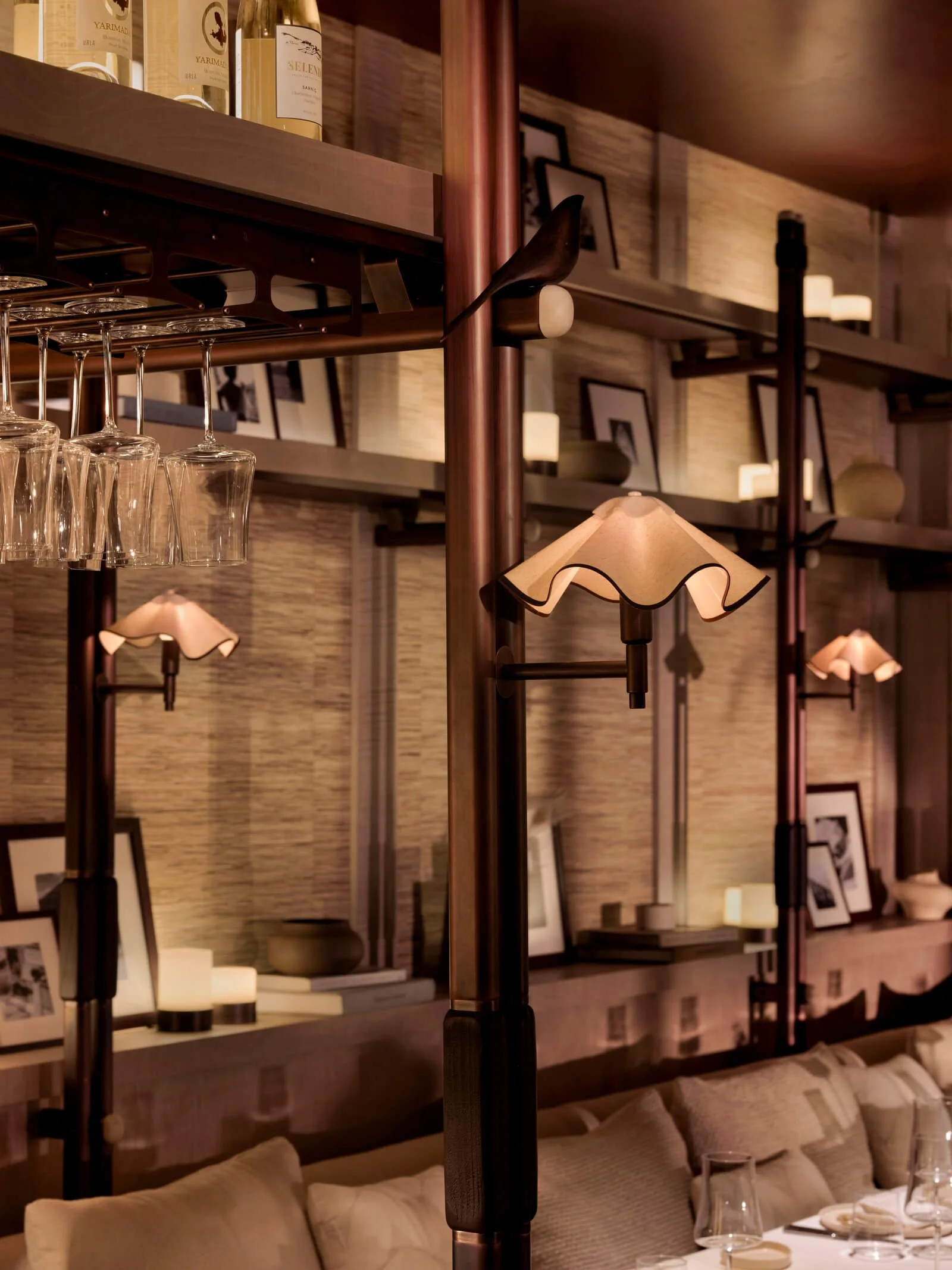
These elements are often less visible but extremely powerful. Lighting is treated almost like a narrative tool - it changes the perception of materials and shapes the mood of the evening. Acoustics are carefully considered because conversation is central to dining culture. Materiality then ties everything together; textures absorb light, soften sound, and create tactile depth. When these elements work together, the space begins to feel balanced and comfortable without the user necessarily understanding why.
DESIGNEERS
Restaurants are spaces that age quickly due to constant use. How do you choose materials that can withstand this intensity while still feeling refined and timeless?
Murat Dede
Durability is essential in hospitality design. We prefer materials that improve with time rather than deteriorate - natural stone, solid wood, metals that develop patina. At the same time, refinement comes from how these materials are combined and detailed. The goal is to create interiors that feel elegant on opening day but also retain character as they age through daily use.
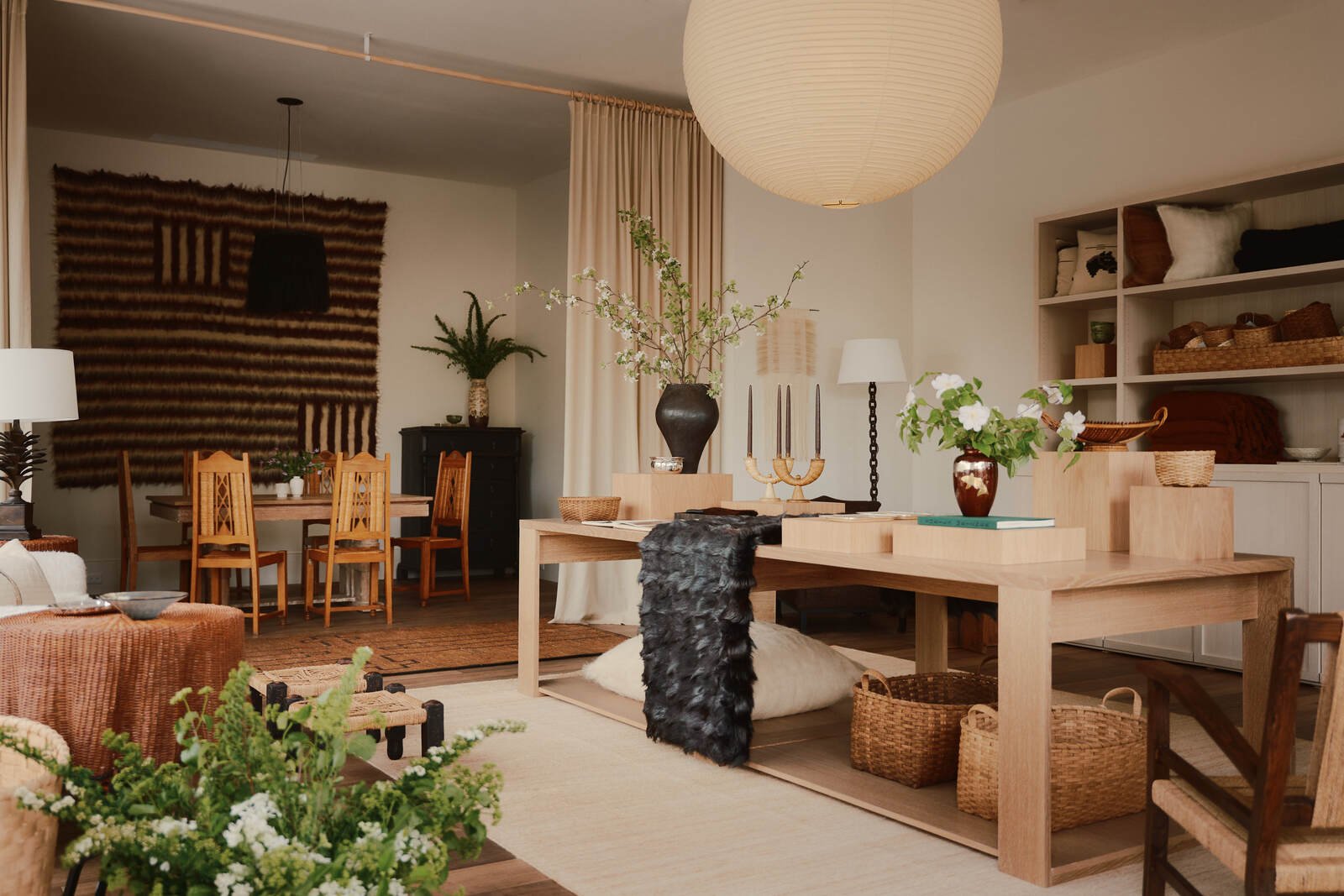
SCALLA by Urbanjobs
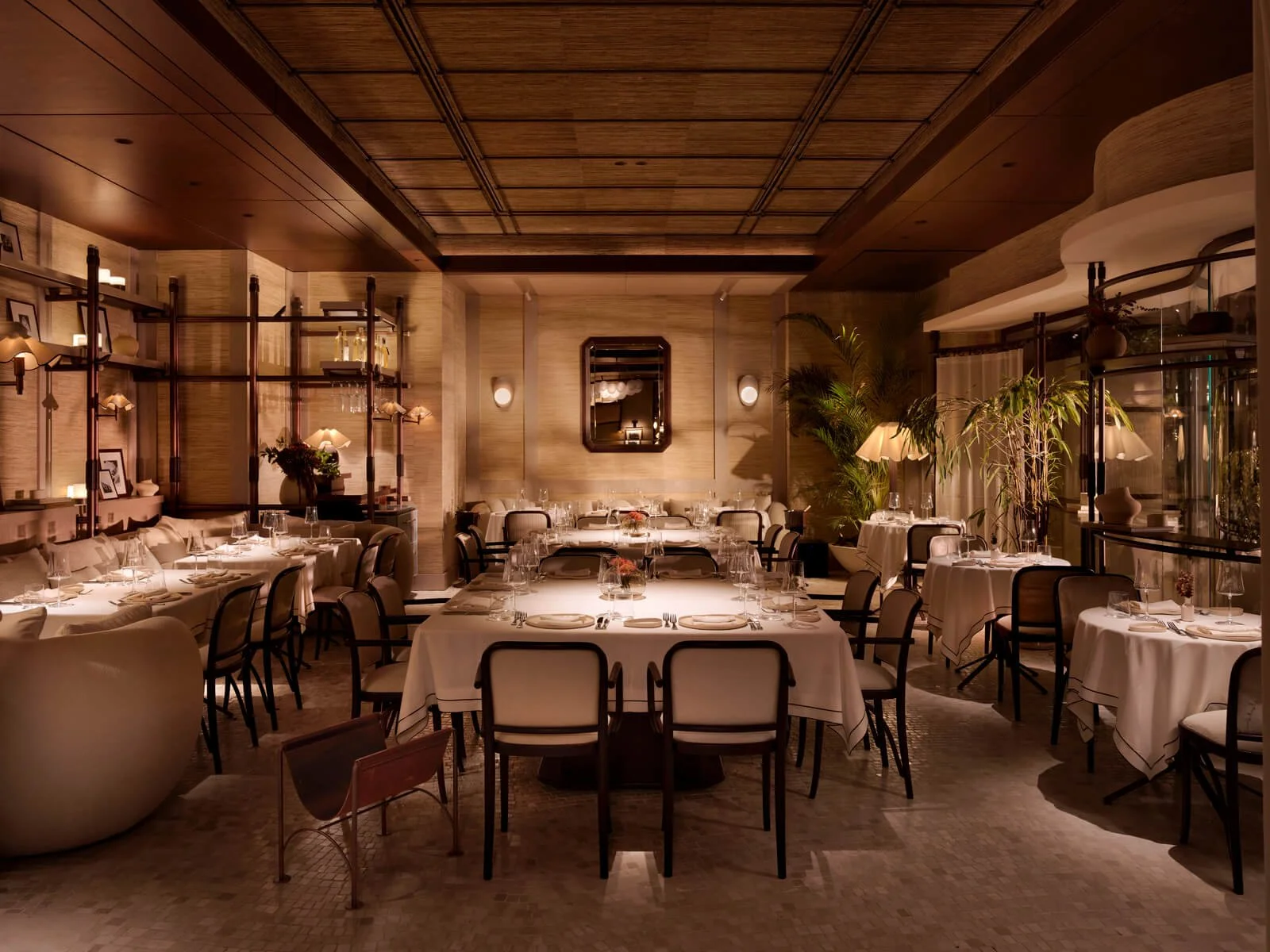
SCALLA by Urbanjobs
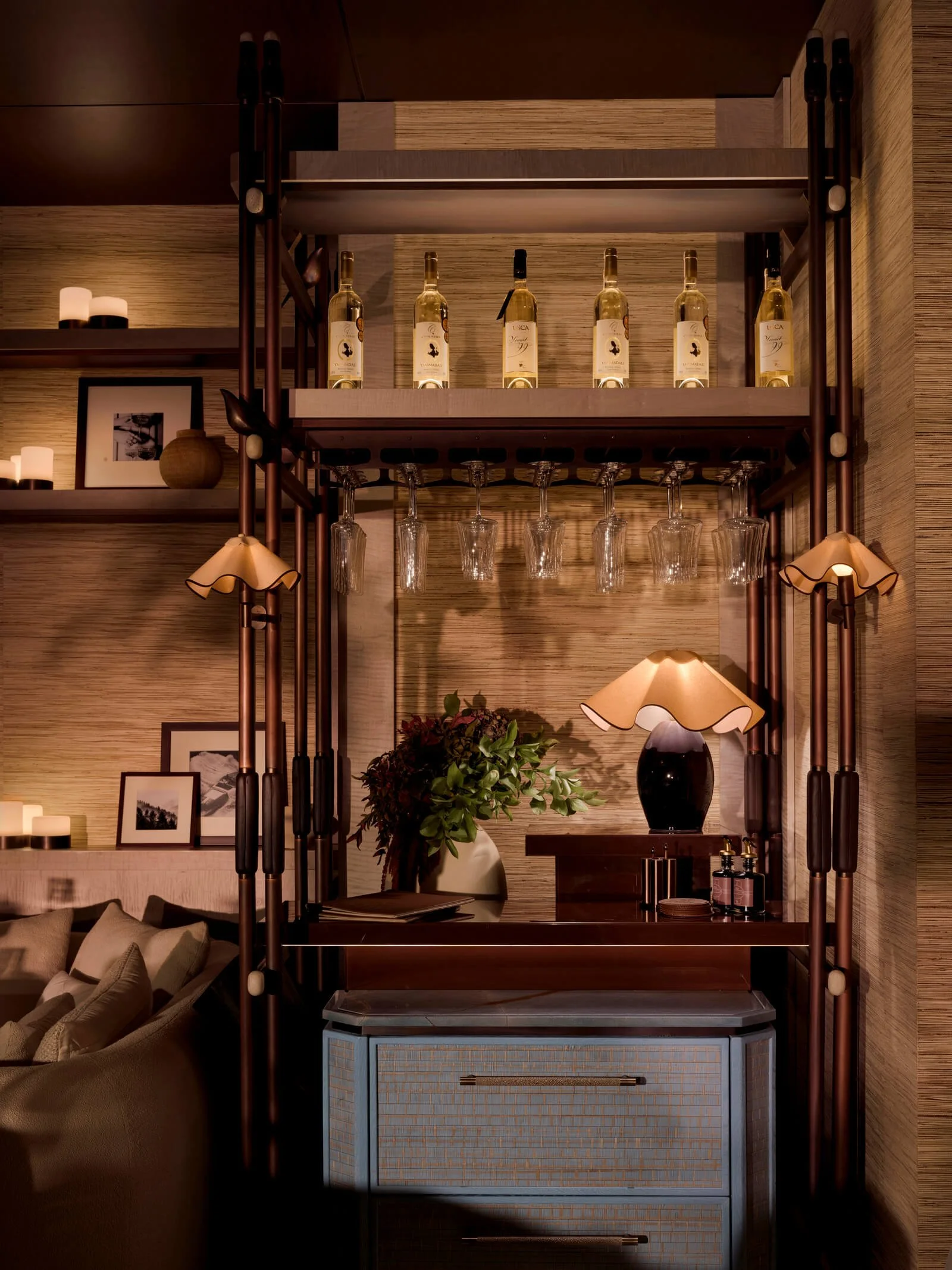
SCALLA by Urbanjobs
“We prefer to translate cultural memory through atmosphere, materials, and spatial feeling. Istanbul’s richness is always present in the background.”
Murat Dede
DESIGNEERS
Istanbul sits at the crossroads of cultures. Do you consciously weave local references into your projects, or do you prefer to create more universal design languages?
Murat Dede
We rarely use direct historical references. Instead, we prefer to translate cultural memory through atmosphere, materials, and spatial feeling. Istanbul’s richness is always present in the background—its textures, contrasts, and social energy—but we aim to interpret these qualities in a contemporary way so the spaces feel both rooted and universal.
DESIGNEeRS
From your perspective, what distinguishes a restaurant interior that becomes iconic from one that simply follows design trends?
Murat Dede
Iconic interiors are usually the result of a strong and coherent idea. They are not designed to follow a style of the moment but to create a distinct spatial identity. When every element—from layout to furniture to lighting—serves the same concept, the space becomes memorable. Trend-driven interiors often focus on visual gestures, while iconic spaces build a deeper spatial experience.
DESIGNEERS
Looking ahead, how do you see restaurant design evolving as dining culture continues to shift globally?
Murat Dede
Dining culture is becoming increasingly experiential. People expect restaurants to offer more than food; they seek atmosphere, narrative, and social energy. I believe restaurant design will continue to move toward immersive environments where architecture, gastronomy, and storytelling merge. At the same time, sustainability and longevity will become increasingly important, pushing designers to think more carefully about materials and construction methods.
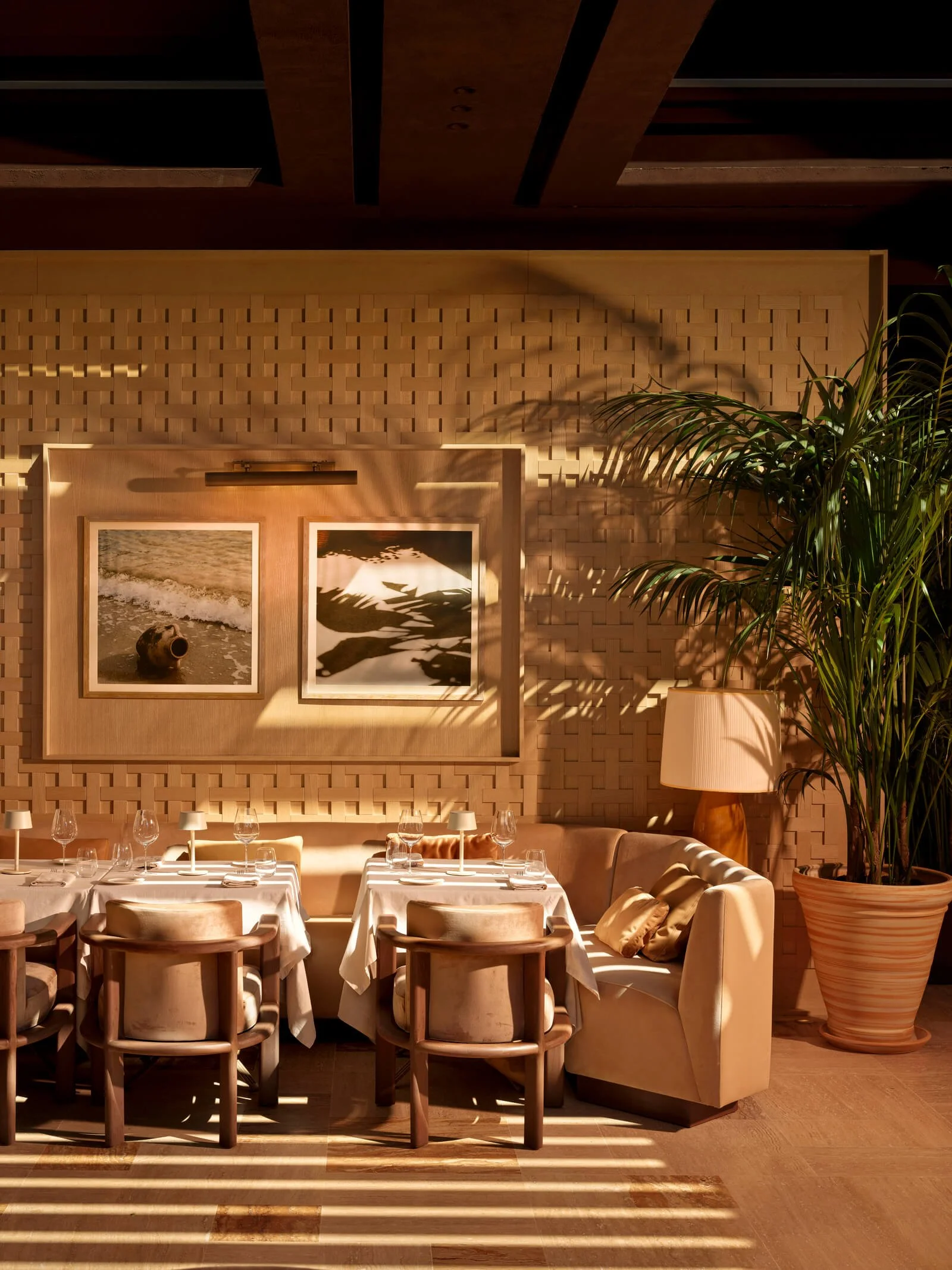
ESCA by Urbanjobs
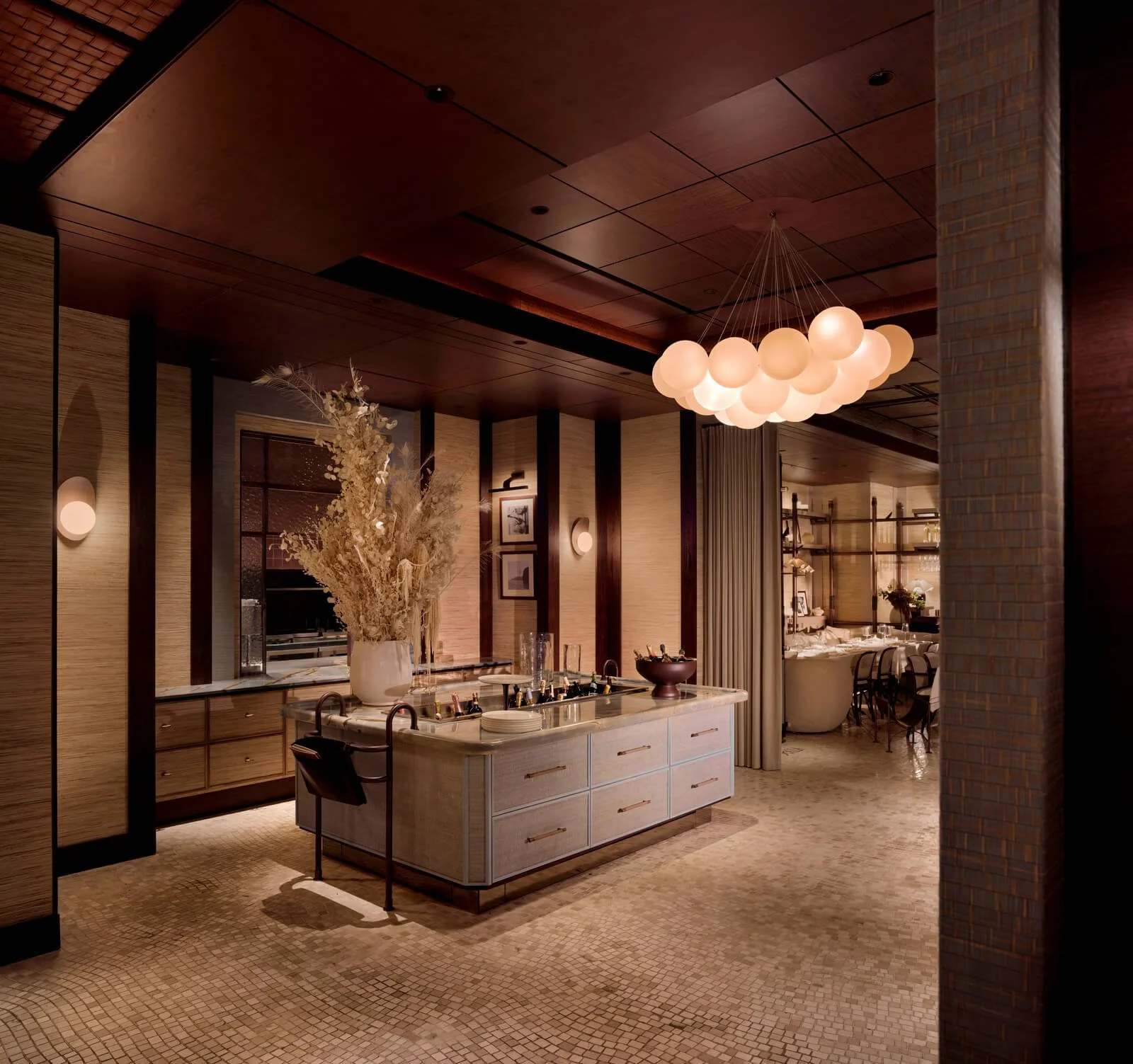
SCALLA by Urbanjobs
DESIGNEeRS
If you could design a restaurant anywhere in the world with complete creative freedom, where would it be and what kind of atmosphere would you create?
Murat Dede
I would be interested in designing a restaurant in a place where landscape becomes part of the spatial experience - perhaps somewhere on the Mediterranean coast or in a remote natural setting. The atmosphere would be calm, tactile, and deeply connected to its surroundings, allowing architecture, light, and nature to interact subtly.
DESIGNEERS
Your dream dinner guest?
Murat Dede
Sigmund Freud, to uncover how spaces influence our inner world.
DESIGNEERS
Your favourite hotel in the world?
Murat Dede
Mandarin Oriental Lago di Como in Italy.
DESIGNEERS
Your design hero?
Murat Dede
Peter Zumthor, for his deeply atmospheric approach and the way he designs spaces that are felt as much as they are seen.
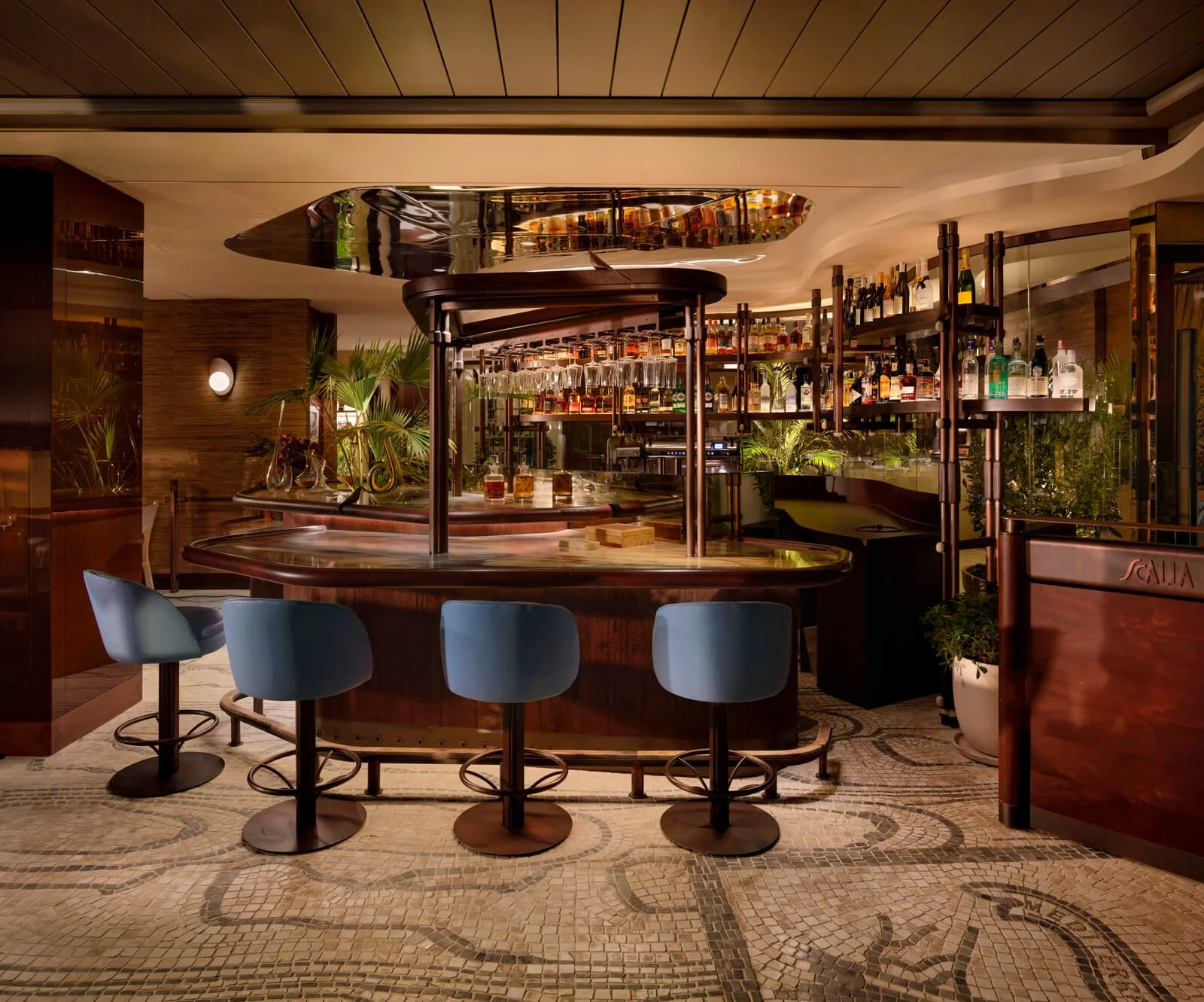
SCALLA by Urbanjobs