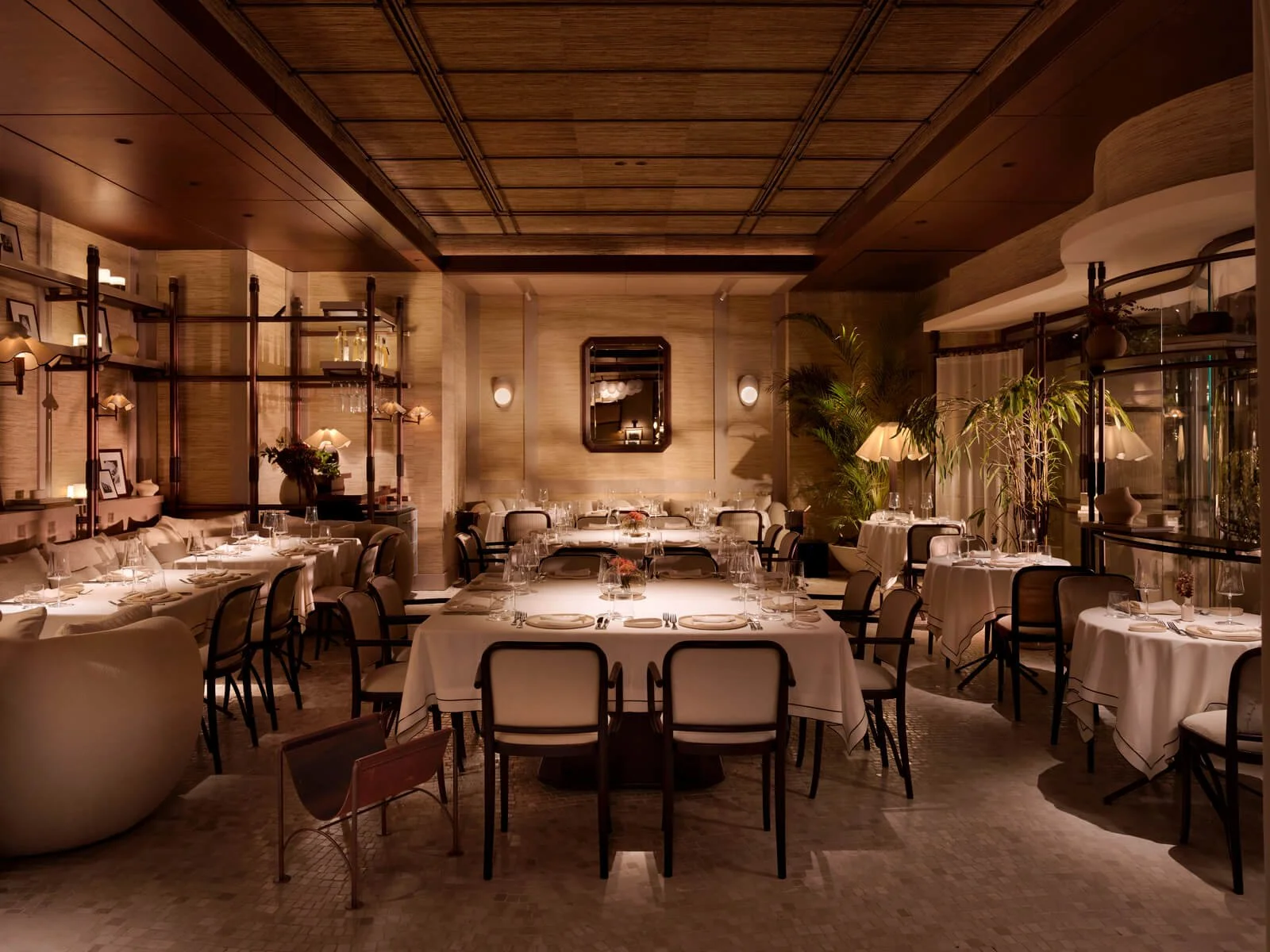
Tadeáš Podracký: Ritual Objects for a Future Folklore
people • ARTISTs
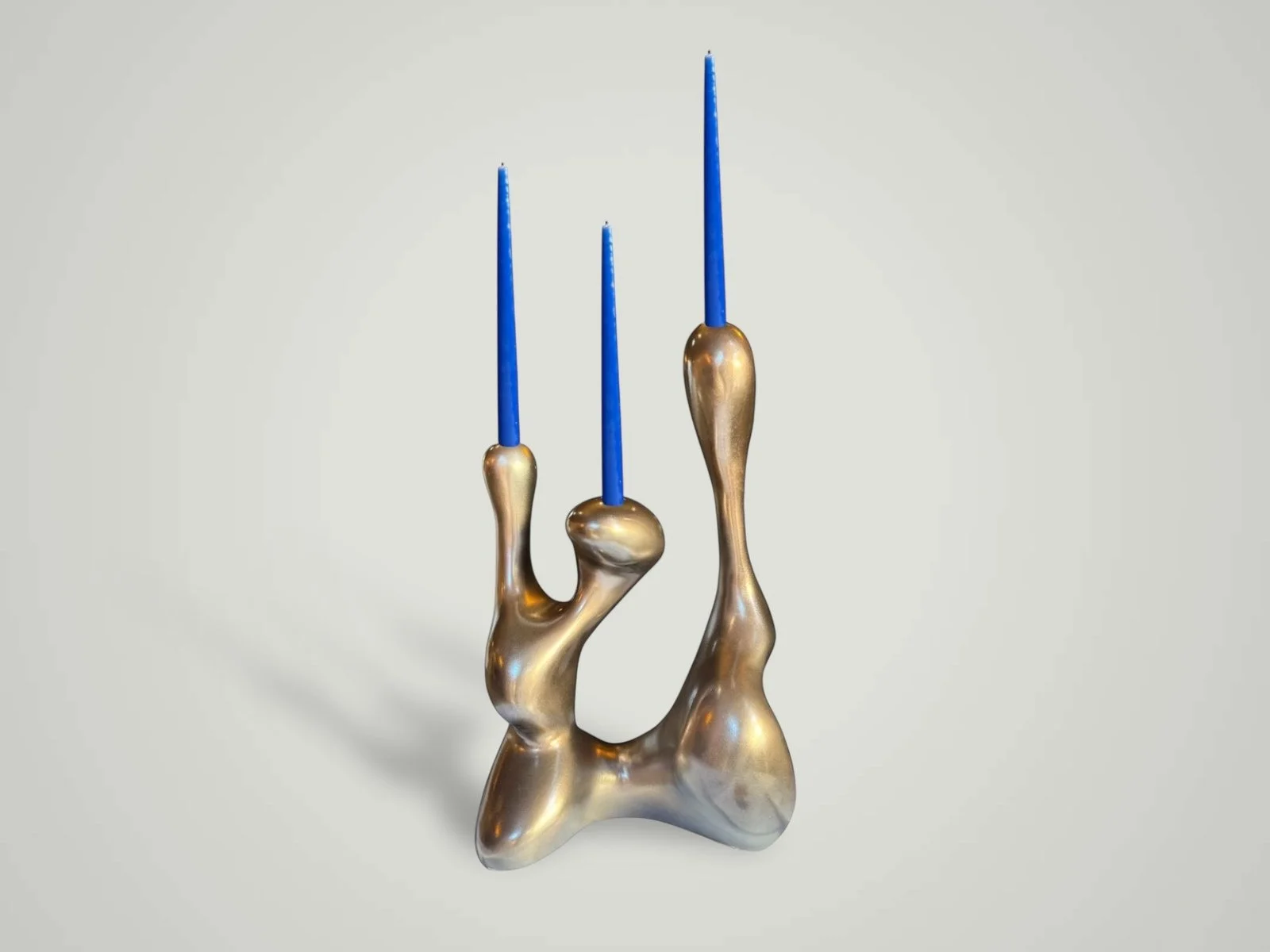
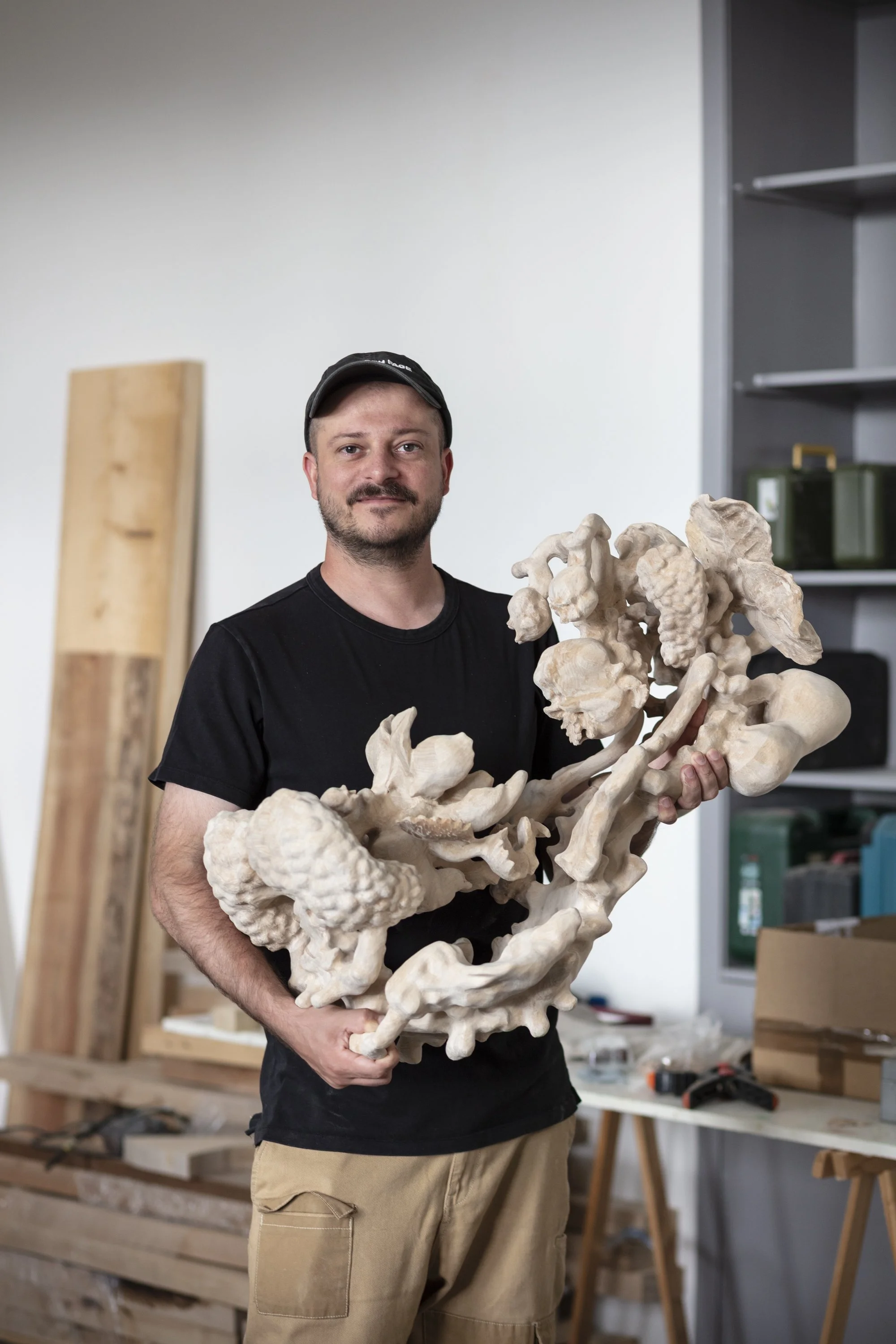
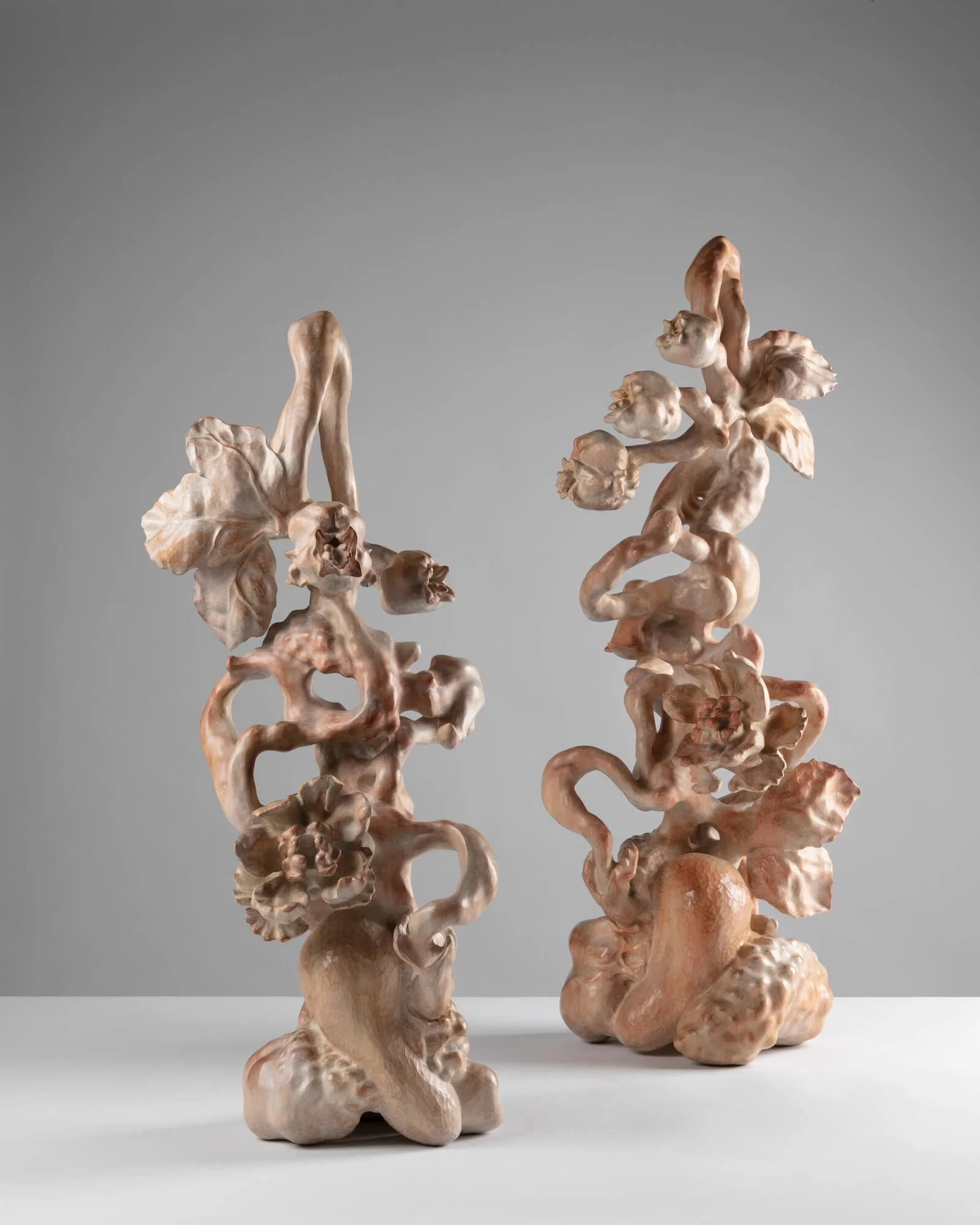
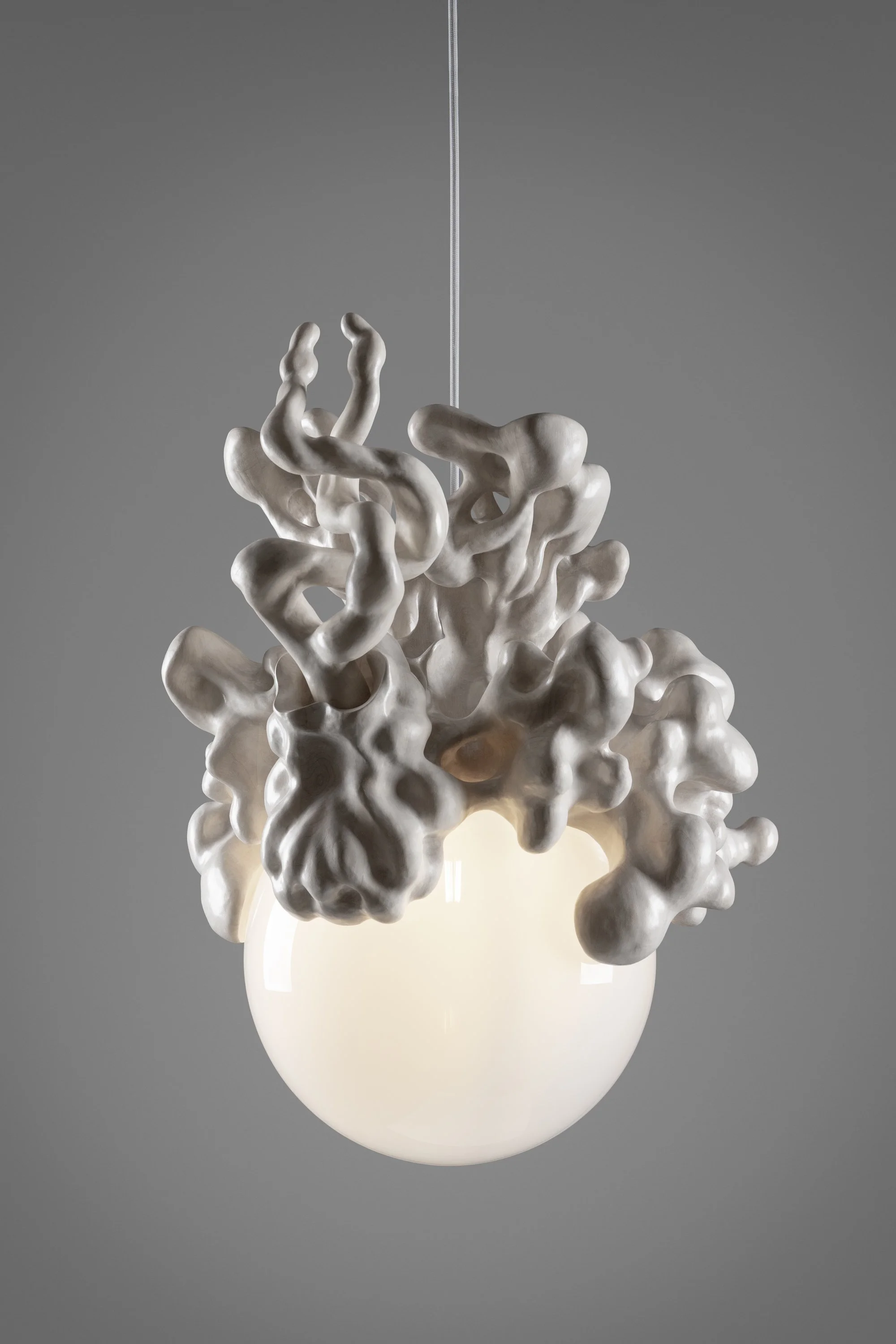
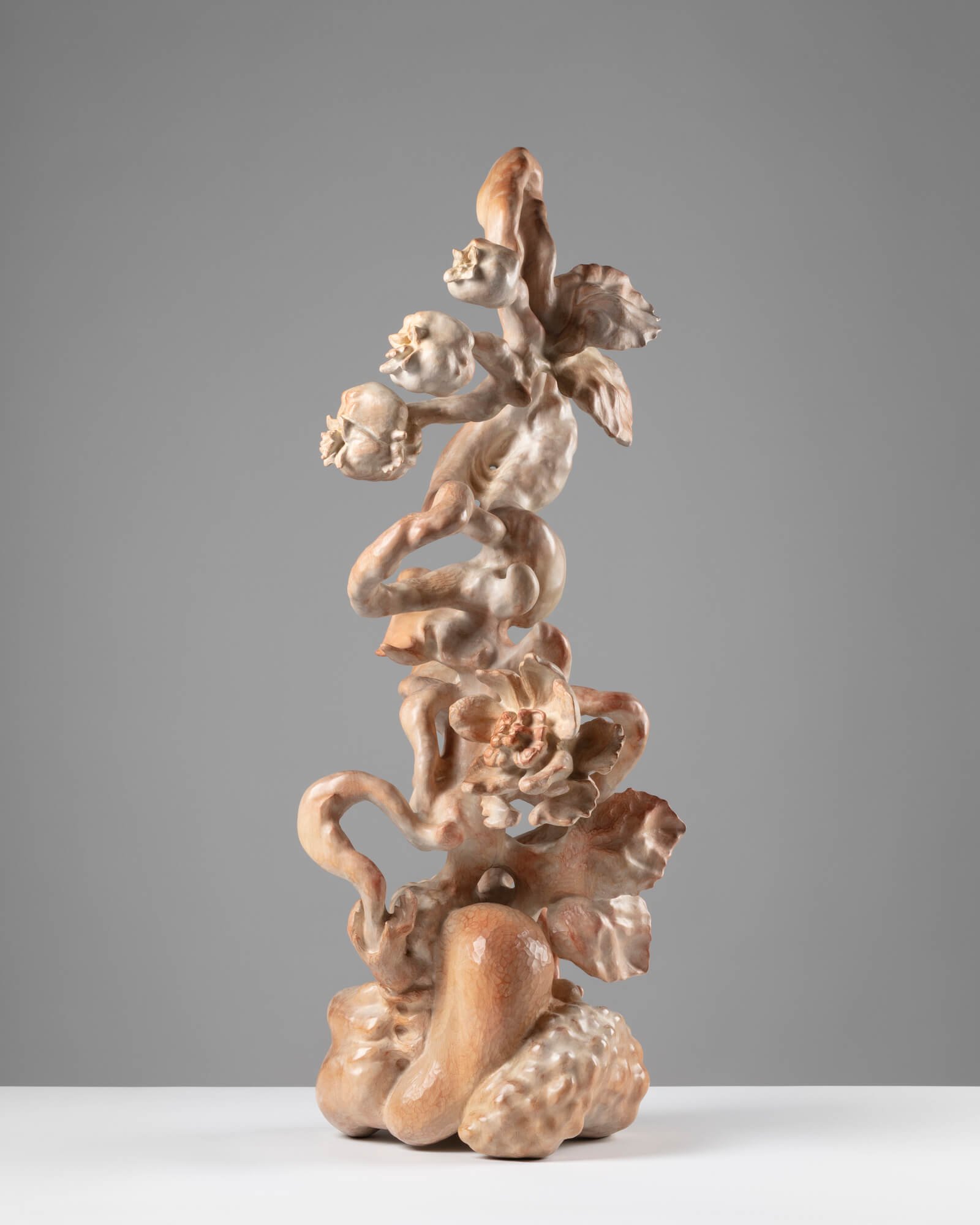
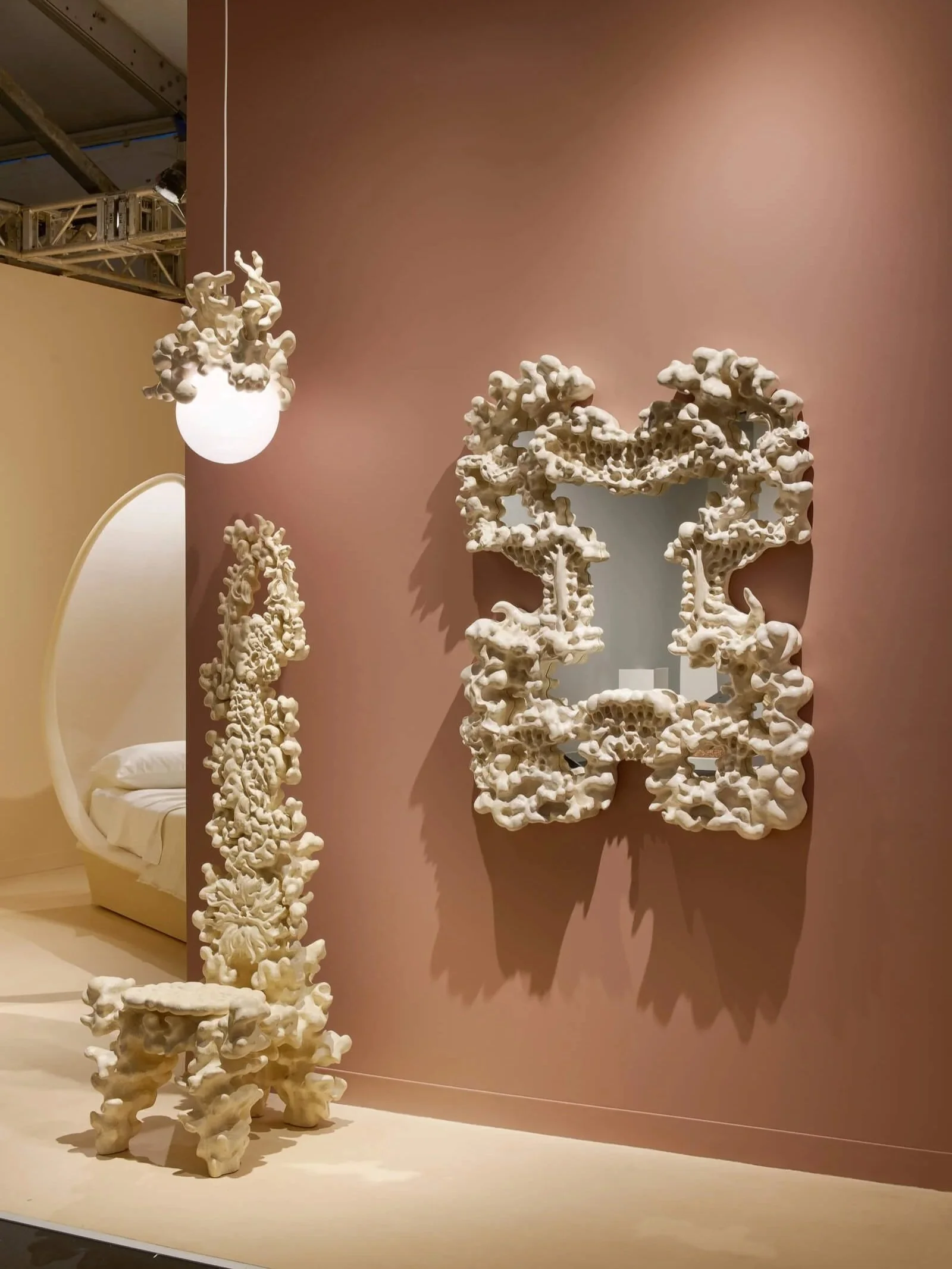
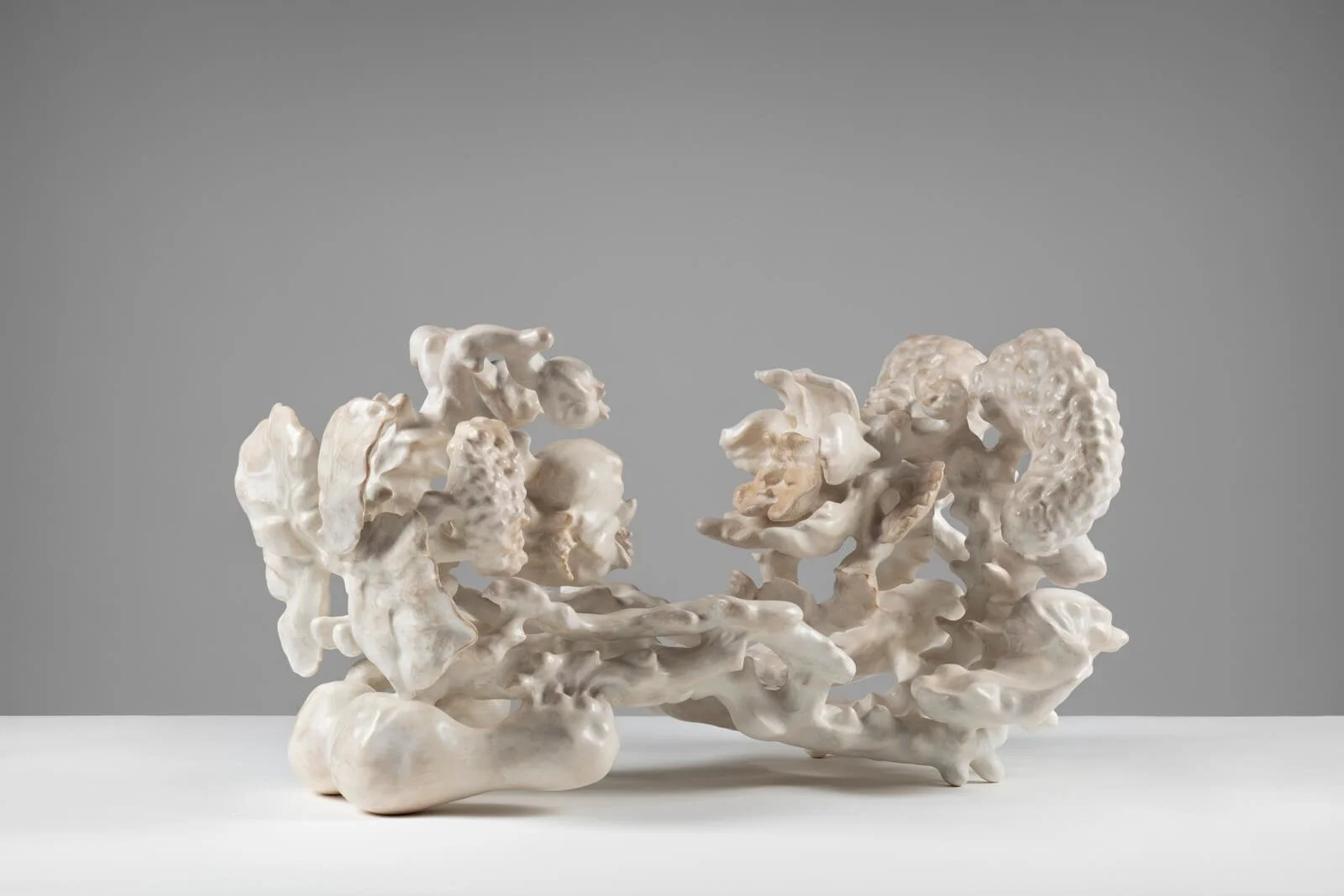
Tadeáš Podracký is an artist whose practice unfolds in the fertile space between sculpture and design, where material, narrative, and physical process meet. Grounded in sculptural skill and a direct engagement with matter, his work has evolved from raw gestures and discarded materials toward an intense exploration of natural substances, particularly wood. Through processes of transformation, tension, and hybridity, Podracký creates objects that appear grown rather than made, shaped by ritual, time, and resistance. In this interview, he reflects on the power of working in between disciplines, the discipline imposed by material itself, and how objects can function as carriers of memory, mythology, and lived experience.
Words: designeers
FEBRUARY 2026
WEBSITE: tadeaspodracky.com
INSTAGRAM: @tadeaspodracky
DESIGNEERS
Your work lies between sculpture and design. When did you realise the “in-between” wasn’t a compromise, but the point?
tadeas podracky
I knew it more or less from the beginning. I was always drawn to objects that are in direct contact with people and forms that surround them and influence them. I perceive these most strongly because they shape our behaviour through everyday interaction. That relationship between people and objects has always fascinated me.
Because of that, working only within design was never possible for me. I thought differently and didn’t fit into that framework creatively. At the same time, focusing only on aesthetic or purely personal expression didn’t feel strong enough. That is why working in the “in-between” is so important to me. It allows different kinds of strength to coexist.
I believe that positions in between are very powerful, even though they are demanding to develop. You have to think carefully about how the work will be read and understood by others. For me, this in-between space represents the future, even though it suffers from the fact that people often prefer work that can be easily categorised.
DESIGNEERS
Early on, you worked with discarded matter and raw gestures. What changed in you (or in your life) that pulled you toward wood and natural materials?
tadeas podracky
It was influenced by the fact that I returned home and started living again in Prague, in my home country. I became more interested in folklore motifs, stories, and traditions, which naturally led me to wood. Through wood, I began to explore craft, landscape, and the way the material is treated, where it grows and what shapes it.
I would say that the material itself forced me to settle and calm down in terms of my expressive palette. In general, the more time you spend with your own practice, the deeper your understanding becomes—including your taste, your sense of value, and your relationship to the things you respect.
Another aspect was partly practical. It is extremely difficult to work in between disciplines; there is a very small market for this kind of work, especially when it is not primarily aesthetic but focused more on physicality, process, or concept. This is a demanding position for an artist, and it was demanding for me as well. Gradually, I shifted toward working with a single material, which eventually proved to be an advantage. My focus stabilised, and I was able to deepen it. In the end, wood completely absorbed me.
DESIGNEERS
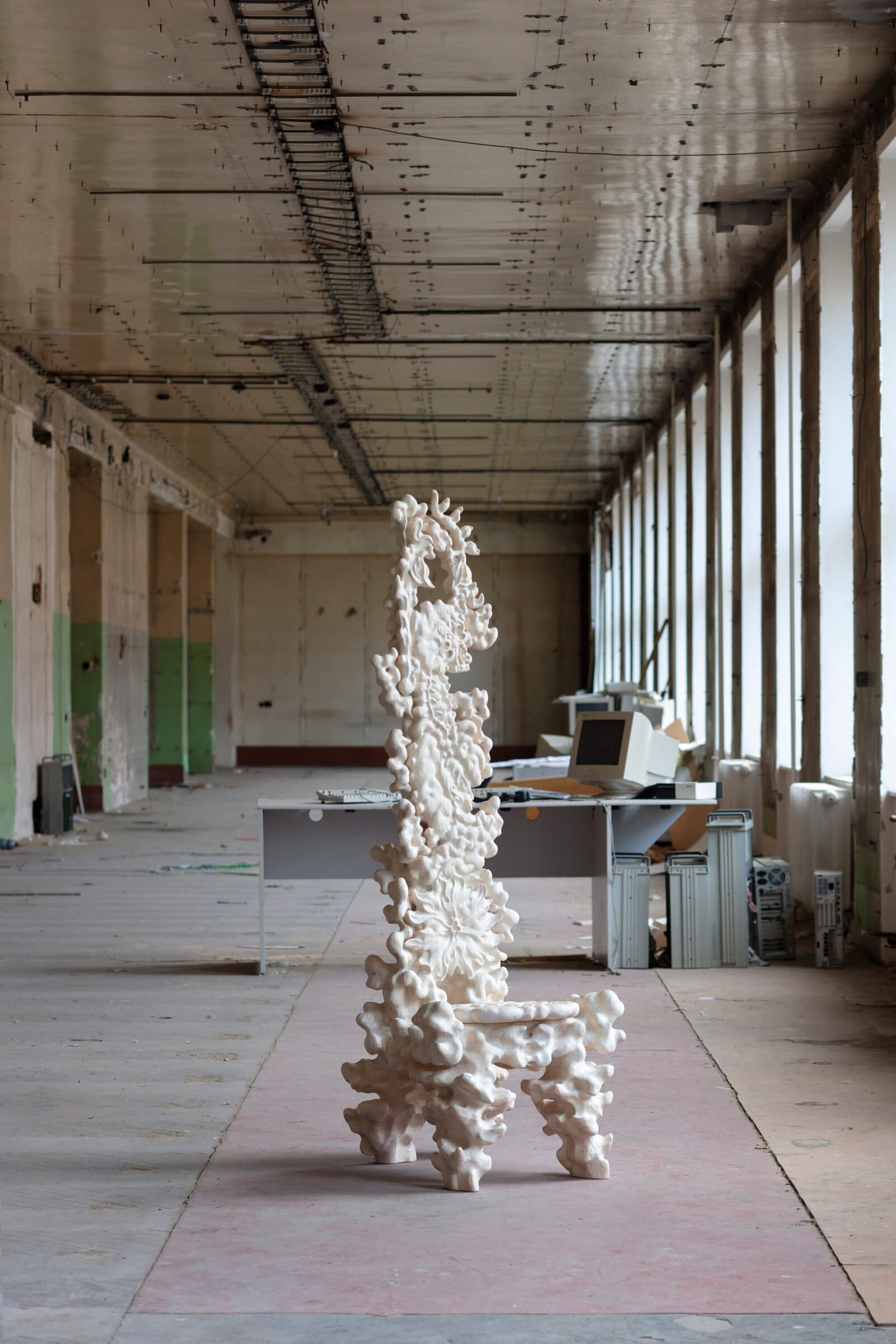
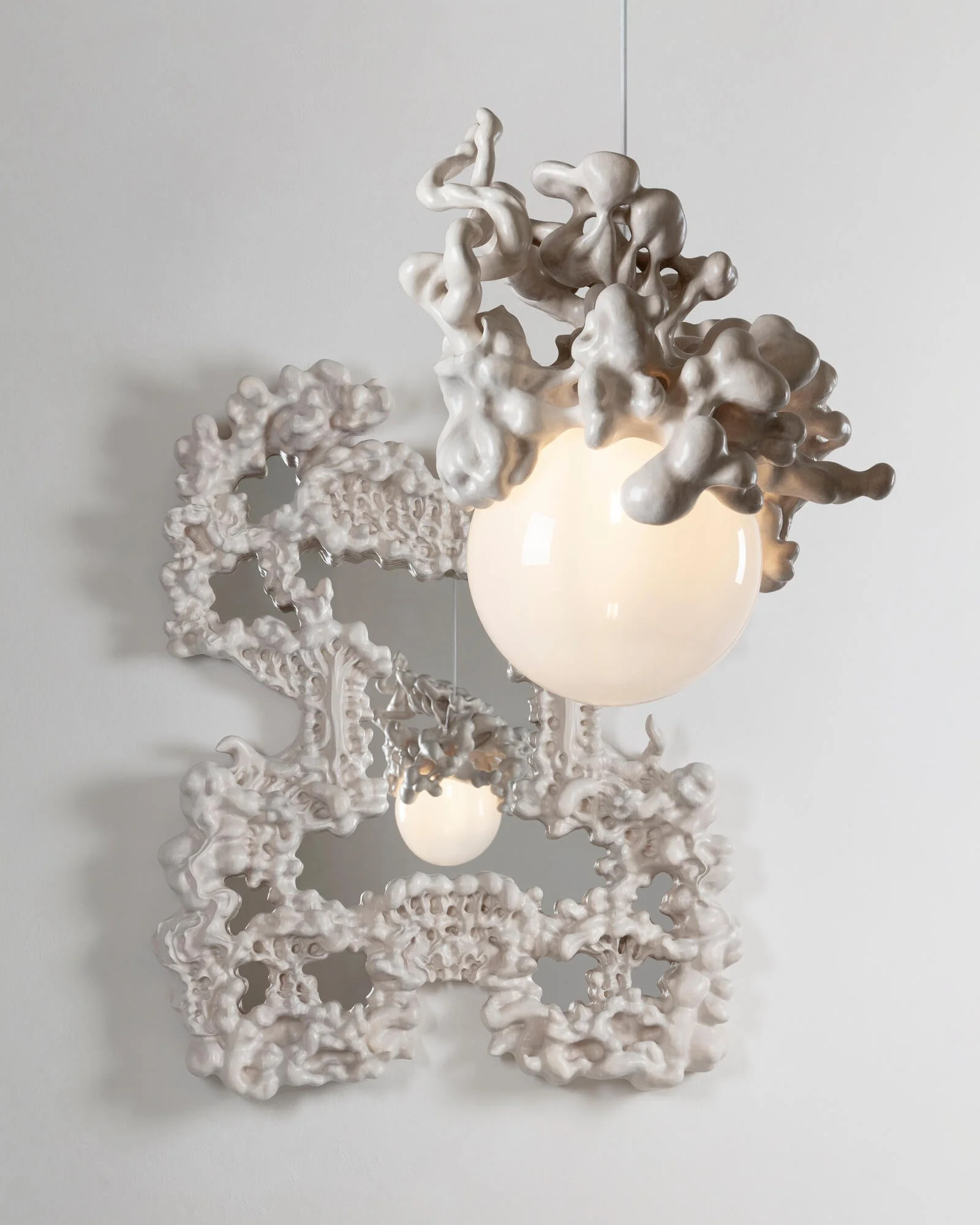
You often build hybrid structures that look “grown.” Are you thinking like a sculptor, an engineer, or a storyteller when you resolve form?
tadeas podracky
For me, imagination is primary. The idea of how something might function and what kind of otherness, what kind of alternative to reality, it can offer. This is what interests me the most. It is mainly a narrative force. I follow one narrative line centred on transformation, metamorphosis, and hybridity across cultural, social, and natural contexts. These layers often overlap, and I move between them, constructing my own story.
At the same time, I am fundamentally a sculptor. My mind and my hands think spatially, and that is something I have always had. My work emerges through a long physical process, with most pieces made sculpturally, by hand. It is physically demanding, but it also carries a strong sense of authenticity, pushing me to the limits of both my physical capacity and my approach.
I value this process because it teaches me a great deal, including a sense of humility. You can have a very radical idea, but material and physical resistance will discipline it—and at the same time draw out its strongest qualities. It is a good filter.
DESIGNEERS
Many of your pieces feel like artefacts from a ceremony we can sense but can’t name. Do you believe objects can hold memory or even transmit it?
tadeas podracky
I believe that objects can, of course, hold memory. But I would go further - I think objects can function as other kinds of entities, both living and non-living, as figures that come to life through mythology. I believe everything is connected and that the world functions like a permeable membrane. This is exactly how I want my objects not only to appear, but to function.
Because, as I mentioned before, my work involves a very demanding physical process, each piece is connected to me through the time and labour invested in it. When I look back, I often see specific parts of the year or periods of my life reflected in individual works - the making process takes several months and is very personal.
So yes, on a conceptual level, I believe objects can carry stories. But I don’t think this is just a concept - in my case, it is a confirmed experience.
DESIGNEERS
You’ve studied across Eindhoven, Prague, and New York. What did each place unlock in you? Materially, intellectually, and aesthetically?
tadeas podracky
Prague is home for me, with all the historical layers that come with it. It is a city saturated with history—from the decorative nineteenth century, through socialism, to the capitalist growth of the 1990s. This has had a strong influence on me.
In New York, I realised that I needed to learn from others and from different cultures and that I had to remain open to different approaches and ways of working. I understood that coming from Central Europe represents only a very narrow band of my experience, and that the world is far more complex and diverse than I had previously imagined. For that, I am grateful.
Eindhoven taught me to think about my work in depth—to place it within a broader context, to analyse my position as an artist, and to be able to articulate it clearly. It helped me understand what makes my work distinct. I am grateful for this combination of experiences. I am still learning, and fortunately, I travel a lot now, which continues to shape my perspective.
“I believe objects can carry stories. But I don’t think this is just a concept, in my case, it is a confirmed experience.”
tadeas podracky
DESIGNEERS
Your work sits between contemporary art, collectible design, and craft. How do you want it to be collected: used, lived with, contemplated, or all three?
tadeas podracky
I want all of it. Just as my work deals with transformation and my approach to making is hybrid, I want my objects to occupy all of these positions at once. That sense of otherness and uncertainty is essential to me, even if it is demanding. Because the work exists between established categories, I focus above all on its strength. I am not interested in aesthetic or commercial appeal - what matters is that the work is lived through, honest, and grounded in real experience. If it is truly strong, it does not need explanation and can stand on its own in any kind of space.
DESIGNEERS
Looking ahead: what are you trying to build now? A new material direction, a new scale, or a deeper mythology?
tadeas podracky
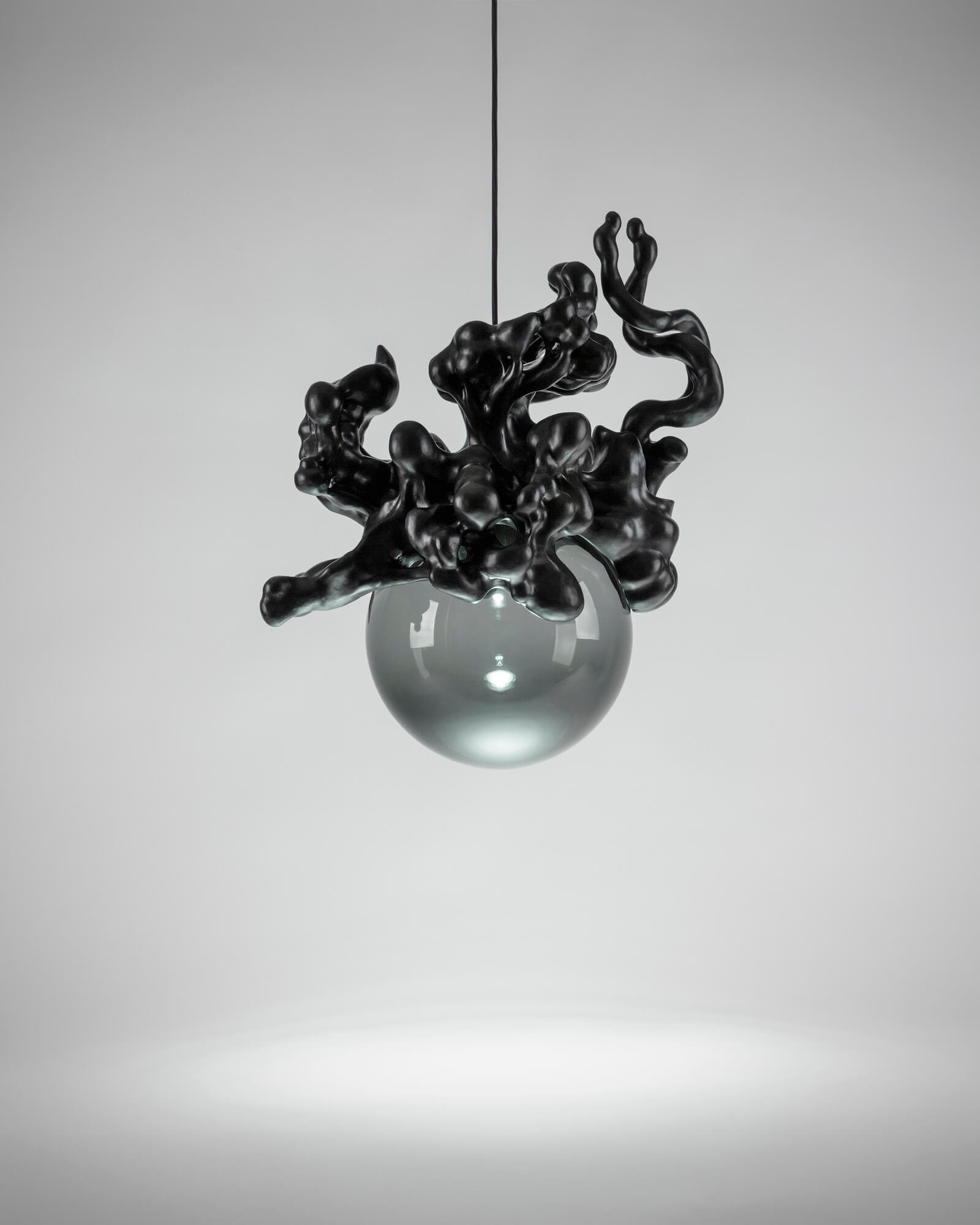
At the moment, I want to move deeper rather than outward - to work in series where I don’t make compromises and follow a more intimate, human path. At the same time, I want to explore larger scales and combinations with other materials.
I’ve been travelling a lot recently, encountering new cultures and approaches, and I want this experience to enter the work as well. I’m interested in moving toward larger forms and, alongside my existing output, developing a more monumental, sculptural position.
DESIGNEERS
Who is your dream dinner guest?
tadeas podracky
Richard Sennett.
DESIGNEERS
Your design hero?
tadeas podracky
Roberto Matta, Martin Pruyer, J. B. Blunk, Frederick Kiesler, and many others.
photography by EVA RYBAROVA