people • DESIGNERS
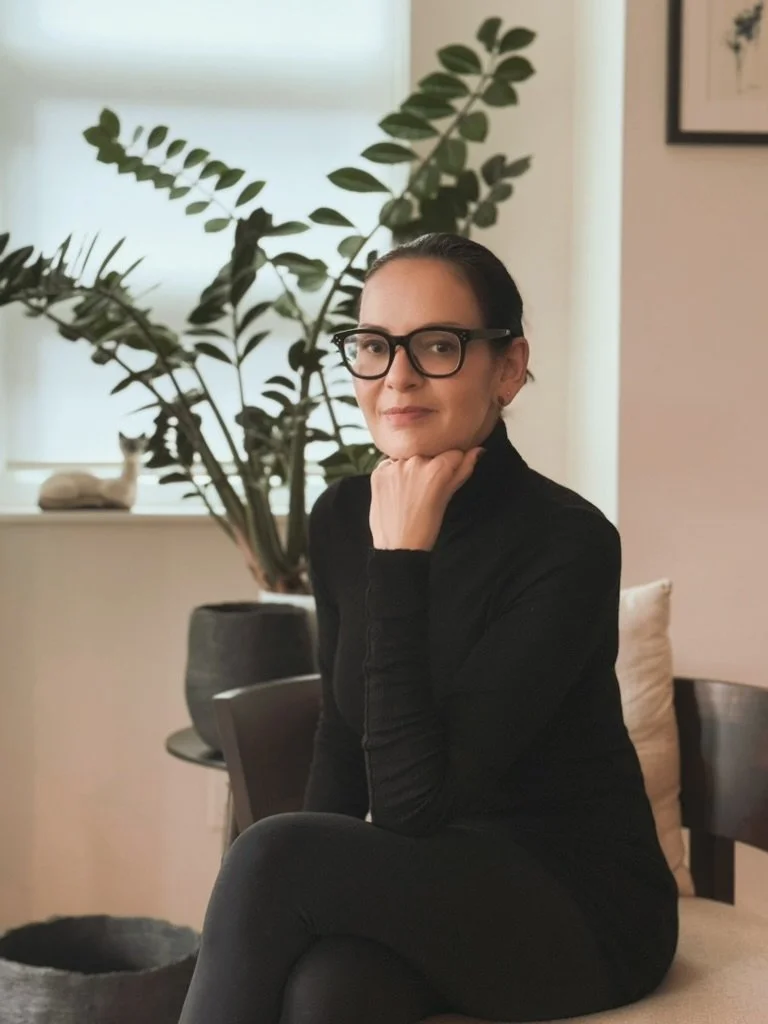
At Studio HAVN, architecture and interior design converge in a pursuit of refined aesthetics, material honesty, and lasting impact. In this interview, founder Tanis Paul shares the studio’s layered approach, drawing on global experience, contextual sensitivity, and a deep reverence for natural materials. From preserving heritage to integrating biophilic principles and embracing selective innovation, her insights reveal how thoughtful design creates spaces that resonate with time, place, and purpose. Discover the philosophy behind Studio HAVN’s most defining projects.
Words: designeers
APRIL 2025
WEBSITE: studiohavn.com
INSTAGRAM: @studio.havn
DESIGNEERS
Studio HAVN combines architecture and interior design. How does this interdisciplinary approach influence your projects?
Studio HAVN
At Studio HAVN, we merge architecture and interiors into a seamless, holistic design. With experience in NYC and LA, I've seen how space, structure, and interiors shape user experiences. Our integrated approach ensures materiality, proportion, and composition work cohesively to achieve a refined aesthetic that feels considered and lasting. Clients benefit from a unified vision, streamlining the process. Whether crafting a full home or refining an interior, our goal remains the same: creating intentional, refined spaces deeply connected to their inhabitants.
DESIGNEERS
Do you have a signature element or style that you incorporate into your designs?
Studio HAVN
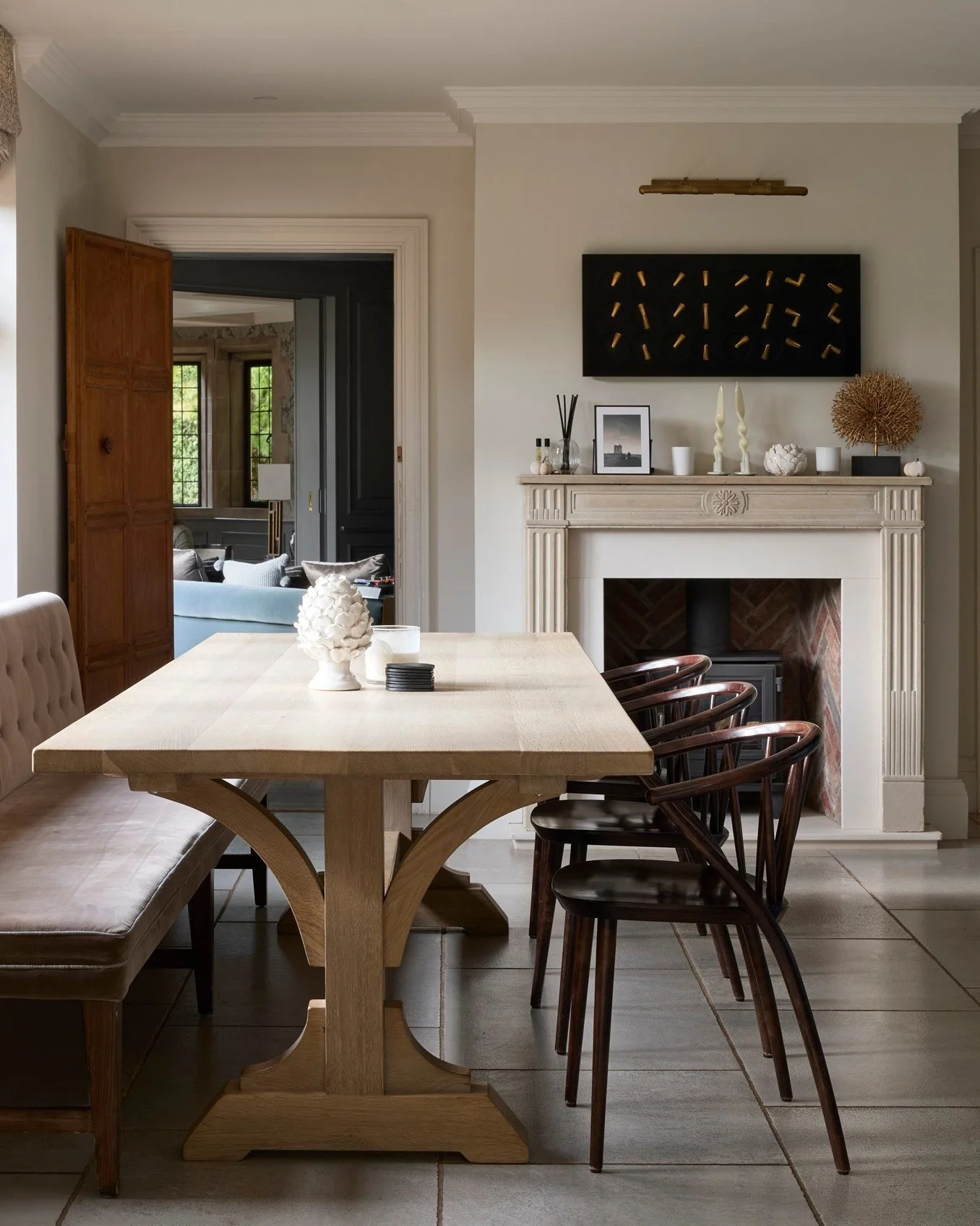
Rather than a signature style, our work is defined by a deep respect for natural materials and context. We believe architecture emerges from its site, drawing inspiration from the landscape, climate, and history to shape both exterior and interior design. Our process is one of layering, creating spaces that feel inherently timeless through thoughtful materiality, proportion, and detail. Collaboration is key—we ensure each project reflects our client’s vision while maintaining a cohesive philosophy rooted in authenticity, context, and craftsmanship.
DESIGNEERS
Which project or accomplishment are you most proud of, and why?
Studio HAVN
One of my greatest accomplishments has been practicing internationally—leaving Canada to work in the U.S. and later relocating to the UK to establish my own practice. Each transition brought challenges but also broadened my design perspective and allowed me to work on incredible projects across diverse cultural and architectural landscapes.
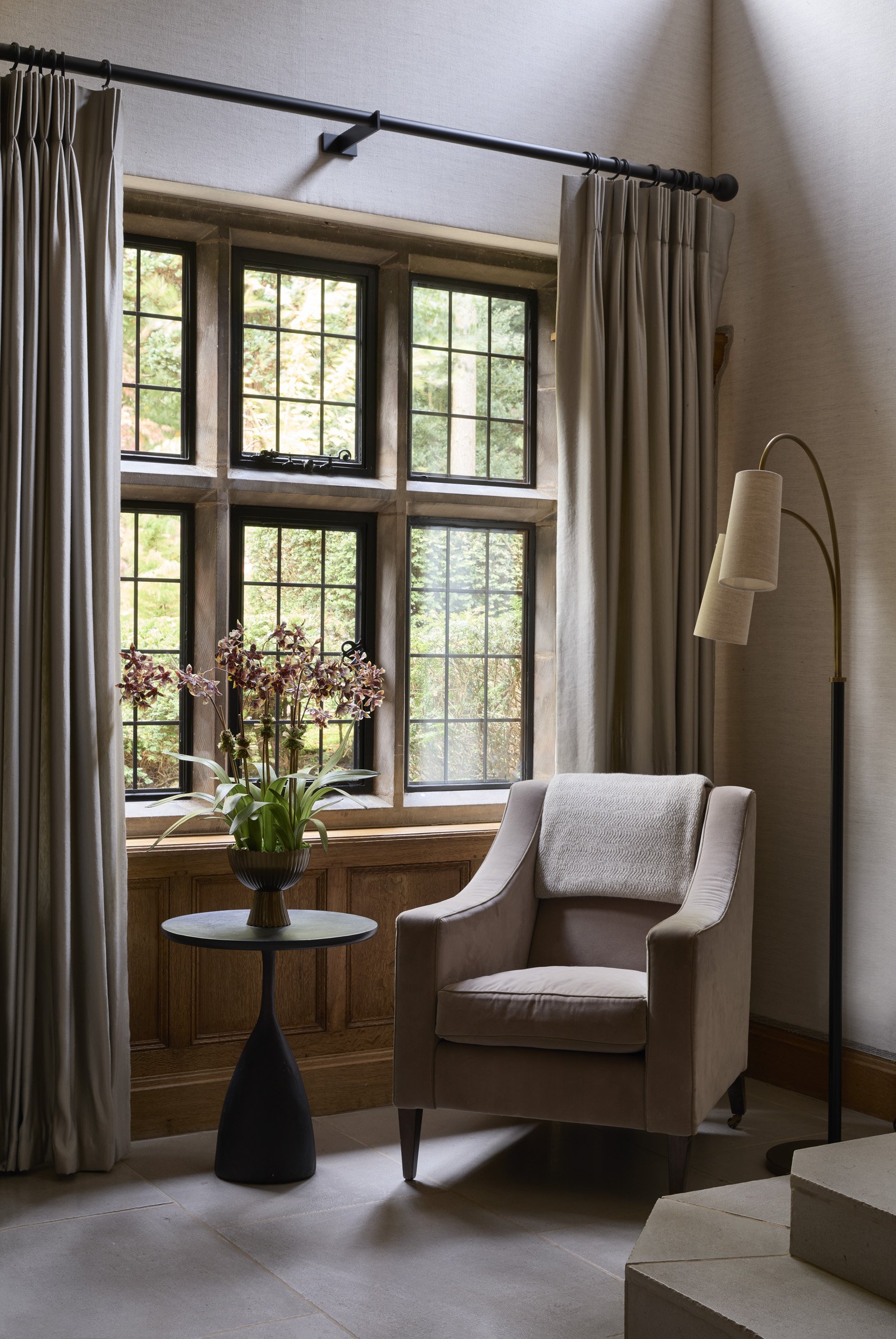
The project I’m most proud of is a Grade II listed property in Cheshire, a five-year endeavour balancing heritage preservation with modern family living. The site’s complexity—featuring a moat, lake, and historic outbuildings—required meticulous research, creativity, and collaboration. Adapting the home for a young family meant respecting its character while making it functional and contemporary. We honoured the site’s history by using locally sourced materials and seamlessly blending past and present. The result is a timeless, livable home that reflects both its heritage and the needs of modern life. Most rewarding was the trust built with our clients, whose openness allowed us to push creative boundaries and craft a space deeply personal to them.
DESIGNEERS
Beyond the art world, are there particular philosophies, literature, or life experiences that inspire your work?
Studio HAVN
Beyond art and design, travel, reading, and research have deeply influenced my architectural approach. I’m inspired by how landscapes—climate, topography, and materials—shape design, ensuring architecture feels rooted in its environment.
Teaching has also been integral to my practice. I’ve led design studios, notably in Iceland, collaborating with the University of Manitoba and Dalhousie University. My long-standing connection to Iceland, shaped by years of work and research, continues to inspire me, aligning with my focus on raw, elemental beauty. These experiences reinforce my commitment to context-driven design, where architecture engages meaningfully with its surroundings.
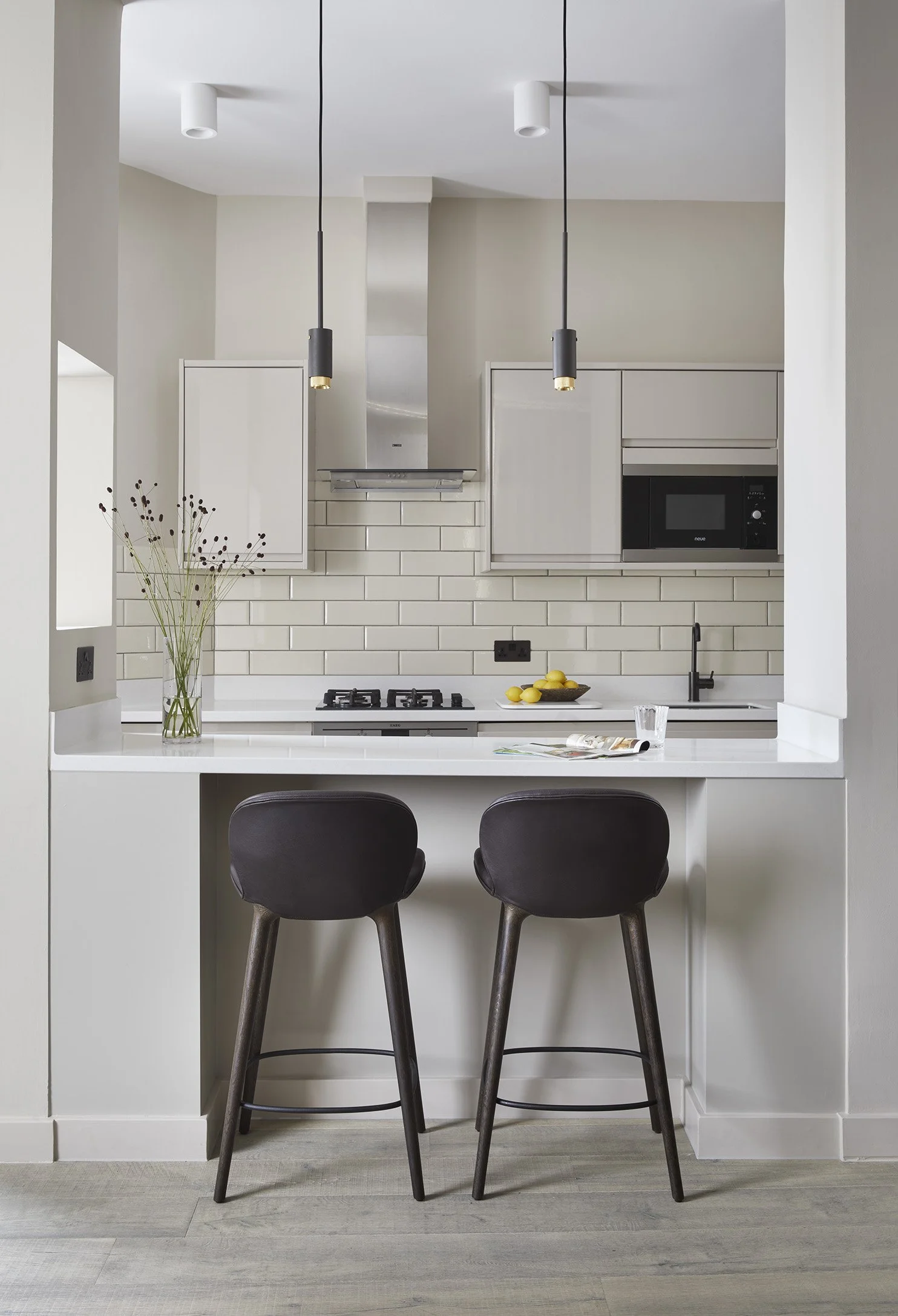
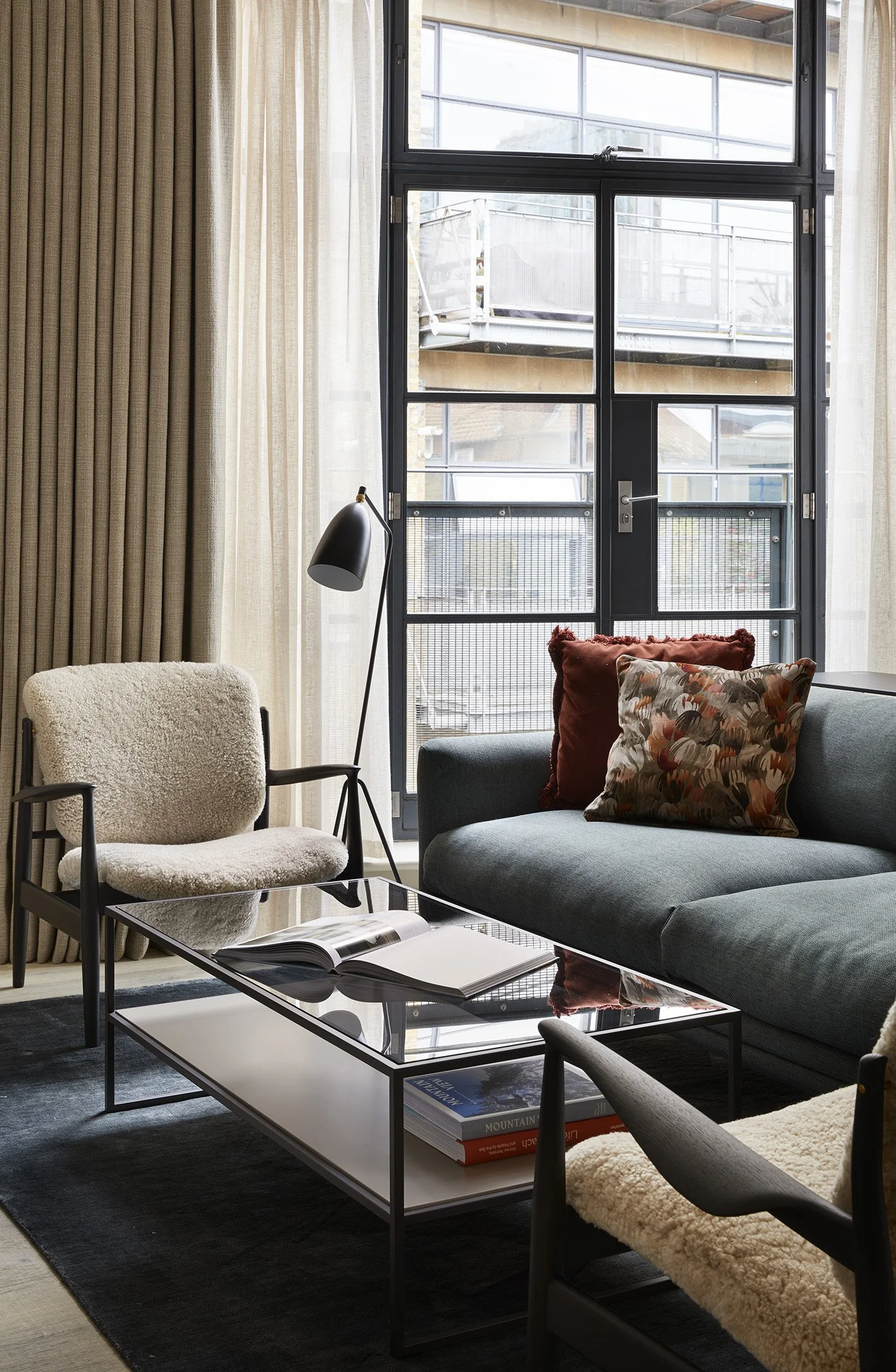
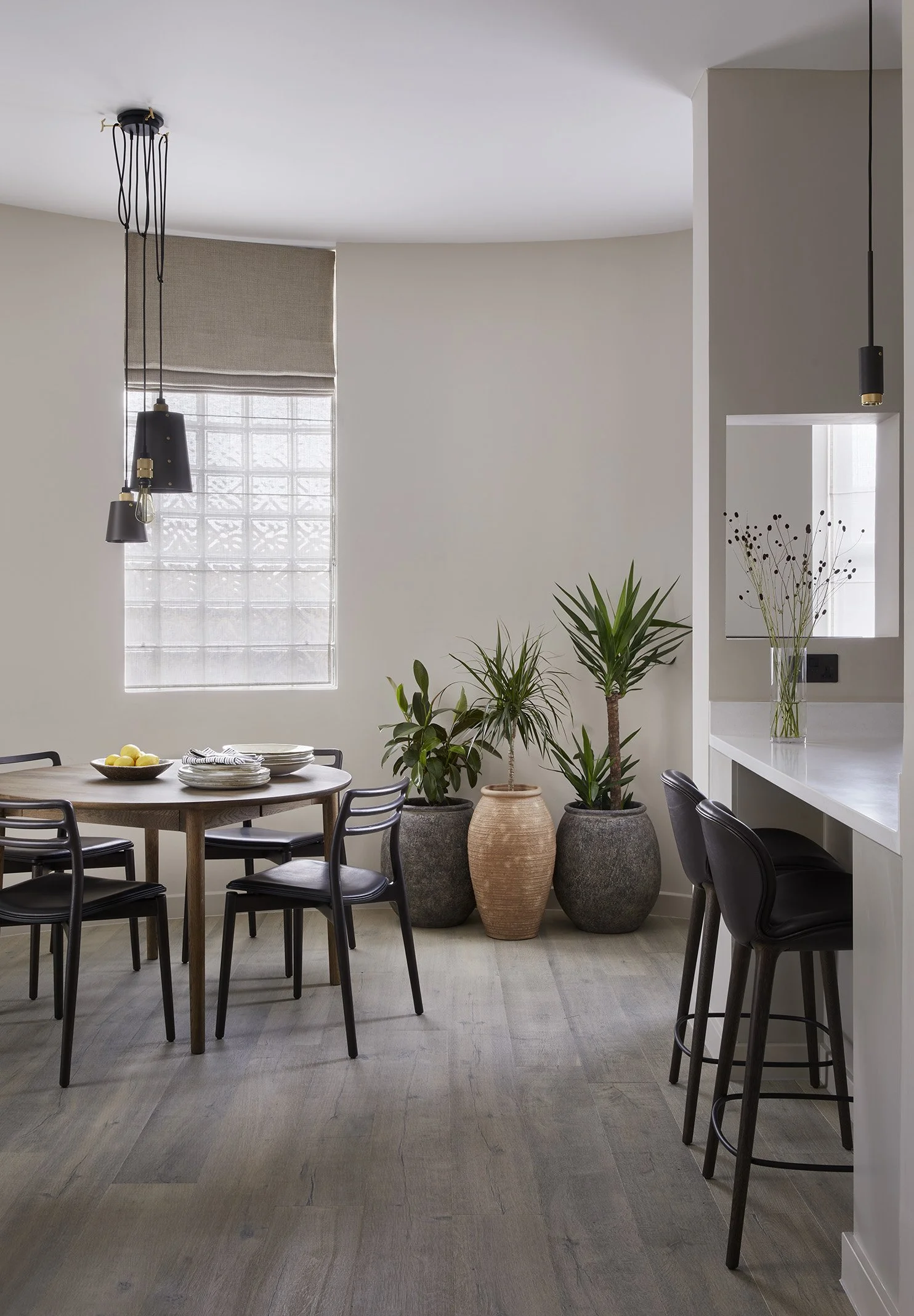
“Our work is defined by a deep respect for natural materials and context. We believe architecture emerges from its site, drawing inspiration from the landscape, climate, and history to shape both exterior and interior design.”
Studio HAVN
DESIGNEERS
What emerging trends do you foresee in architecture and interior design, and how is StudioHAVN preparing for them?
Studio HAVN
As design evolves, key trends are shaping architecture and interiors. Sustainability remains crucial, though balancing eco-conscious choices with luxury can be challenging. We prioritize using natural, locally sourced materials and designing homes that adapt over time with materials that age beautifully. Biophilic design is also on the rise, with a growing demand for natural light, greenery, and seamless indoor-outdoor connections to enhance well-being. Meanwhile, AI is increasingly integrated into design, though we remain rooted in a hands-on, human-driven approach. We embrace AI selectively—to refine layouts and material choices—while preserving the craftsmanship and personal touch that define our work. At Studio HAVN, we blend tradition with innovation, ensuring our designs are both timeless and forward-thinking.
DESIGNEERS
Top three favourite suppliers you love working with?
Studio HAVN
At Studio HAVN, we collaborate with a network of trusted suppliers to ensure exceptional quality in our projects. While we work with many, a few stand out:
Holland & Sherry– Their luxurious textiles bring depth, elegance, and timeless appeal to interiors.
Matthew Cox– A go-to for bespoke furniture, their craftsmanship adds individuality and sophistication to our designs.
Domingue Finishes- Their high-end plaster and stone finishes create rich, tactile surfaces that enhance our spaces.
We also rely on Hetherington Newman for bespoke joinery and Granite House for premium natural stone. Sourcing globally, we carefully select suppliers to ensure every project reflects our commitment to quality, craftsmanship, and innovation.
DESIGNEERS
Design hero?
Studio HAVN
My design heroes span both historical and contemporary figures, each shaping my approach in unique ways.
Tadao Ando’s mastery of concrete, light, and nature inspires my focus on simplicity as a powerful design tool. His Church of the Light exemplifies how architecture can foster tranquillity and a deep connection to its surroundings.
Peter Zumthor’s emphasis on sensory experiences—how materials, light, and space evoke emotion—aligns with my belief that design should be both beautiful and meaningful.
Axel Vervoordt’s understated, harmonious interiors reinforce the importance of quiet beauty, where every detail is carefully considered for timeless impact.
Piero Portaluppi’s Villa Necchi Campiglio exemplifies the seamless integration of classical and modern sensibilities, while Carlo Scarpa’s meticulous craftsmanship and materiality elevate the ordinary into something extraordinary. Each of these designers, in their own way, has influenced my pursuit of thoughtful enduring spaces.
DESIGNEERS
Favourite design hotel in the world?
Studio HAVN
My favourite design hotels are Aman in Hangzhou, Mezzatorre in Ischia, and Fogo Island Inn, though I’ve yet to visit the latter.
Aman Hangzhou’s minimalist design, harmoniously blending with the natural surroundings, deeply resonates with my approach to creating grounded, timeless spaces that honour tradition.
Mezzatorre in Ischia, a place we visit each summer, impresses with its cliffside location, luxurious design, and respect for historical context. The use of local materials and preservation of the building’s history are elements I admire.
Fogo Island Inn, though not yet visited, stands out for its modern architecture and sustainable design, reflecting my values of respecting the environment and community through thoughtful design. Its connection to the landscape and use of local craftsmanship are particularly inspiring.
DESIGNEERS
What would be your ideal project to work on, regardless of constraints?
Studio HAVN
My ideal project would be a lakeside home in Canada, or any lake setting, where the design prioritizes a minimal, thoughtful approach, blending seamlessly with the landscape. Grounded in natural materials like stone, wood, and metal, the architecture would enhance the environment while maintaining timeless elegance.
The interiors would be bathed in natural light, with soft tones and natural materials creating a serene, enduring space. The design would embody the philosophy of ageing gracefully, with a seamless mix of old and new, evoking a sense of belonging. It would be a reflective retreat, a place for reading and thinking.
This approach would create a home that not only harmonizes with its surroundings but evolves with its inhabitants, offering both personal connection and enduring beauty