people • photographers
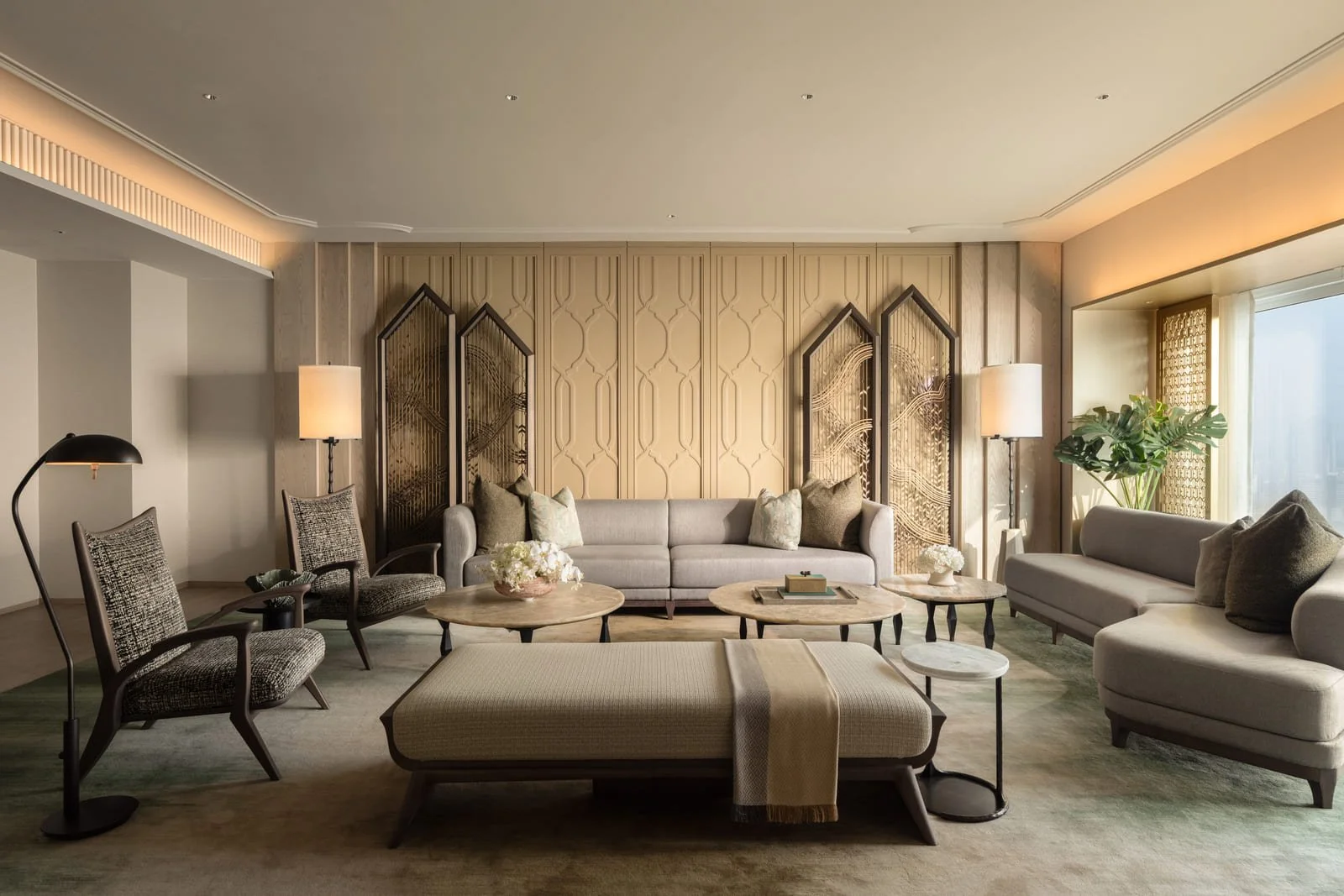
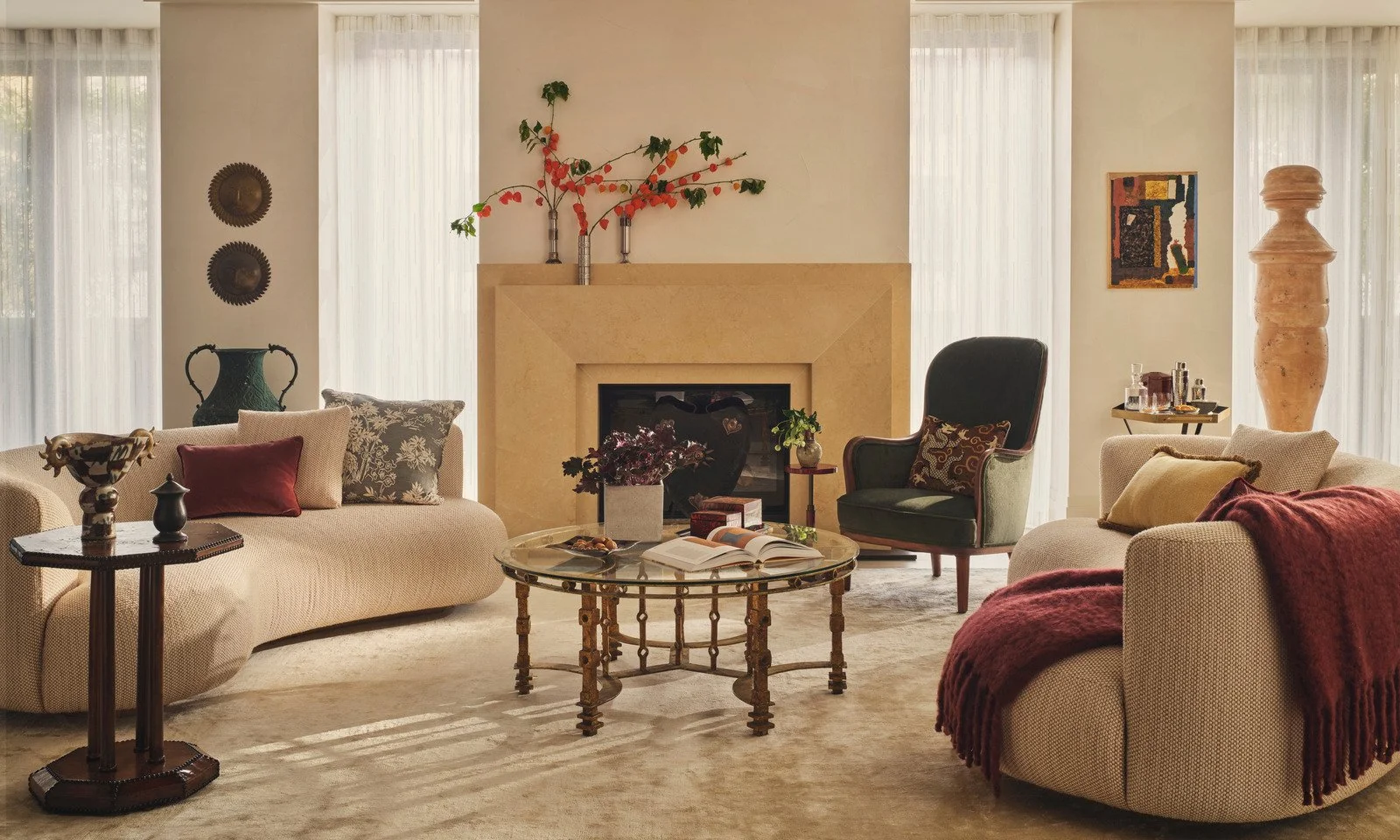
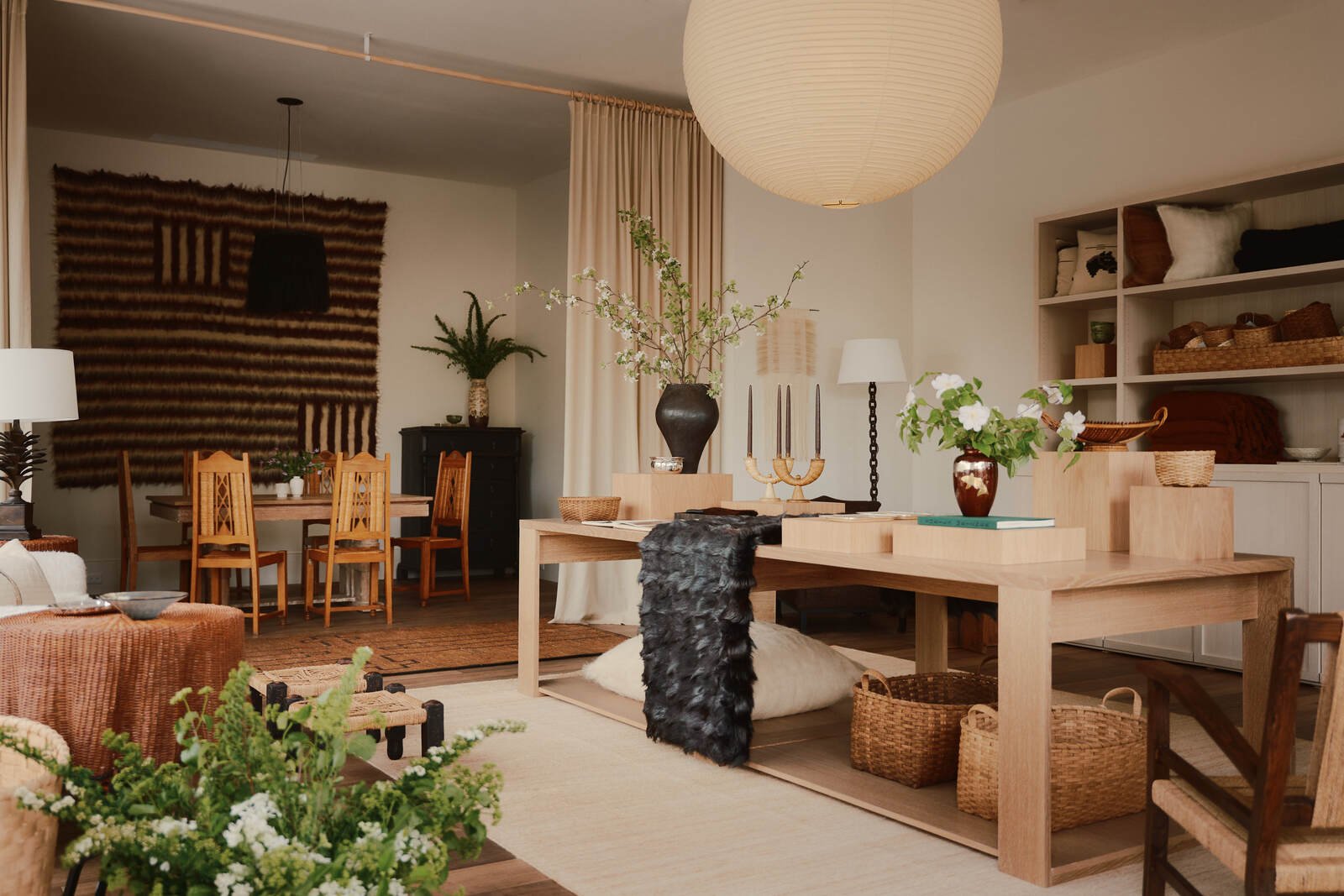
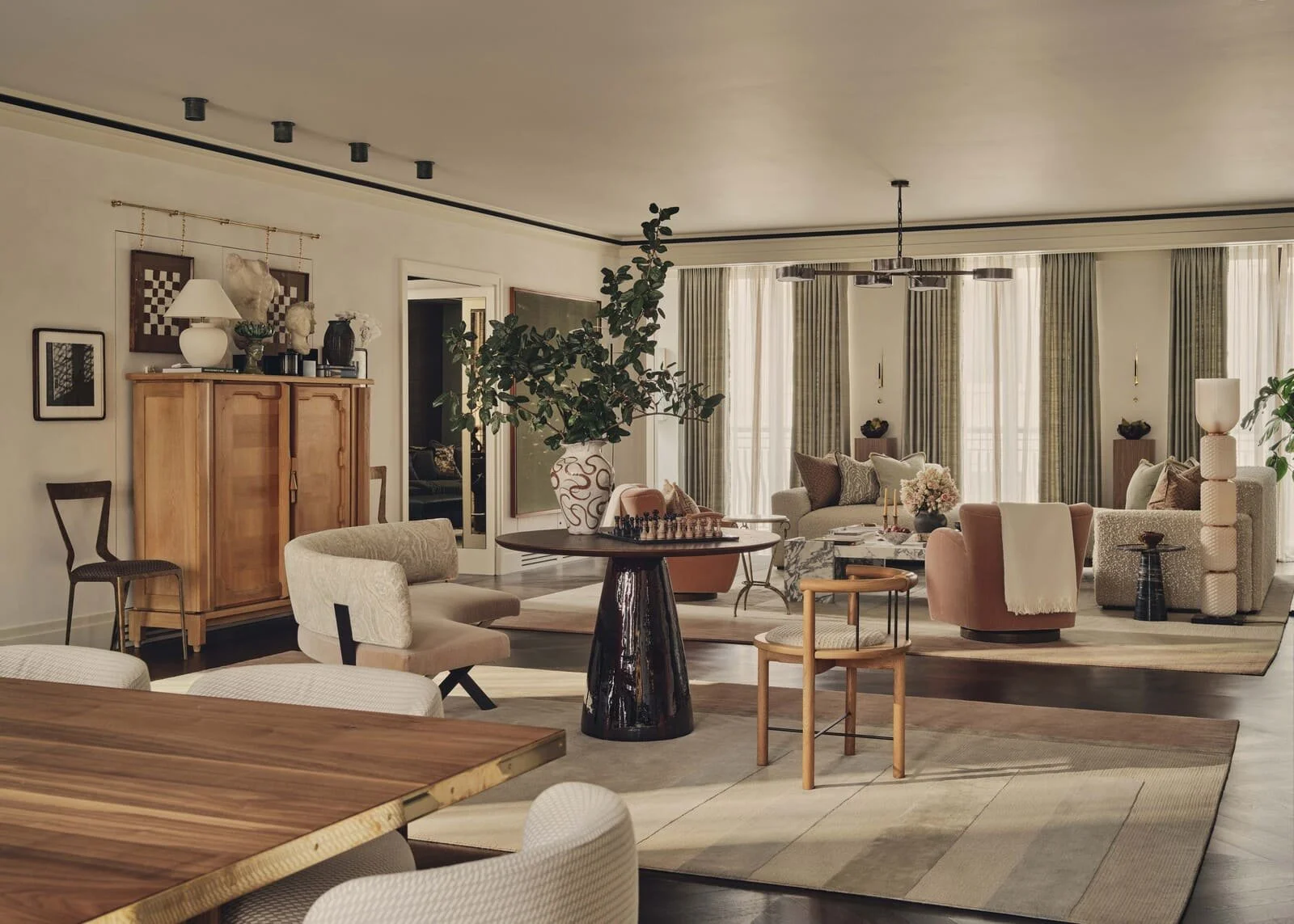
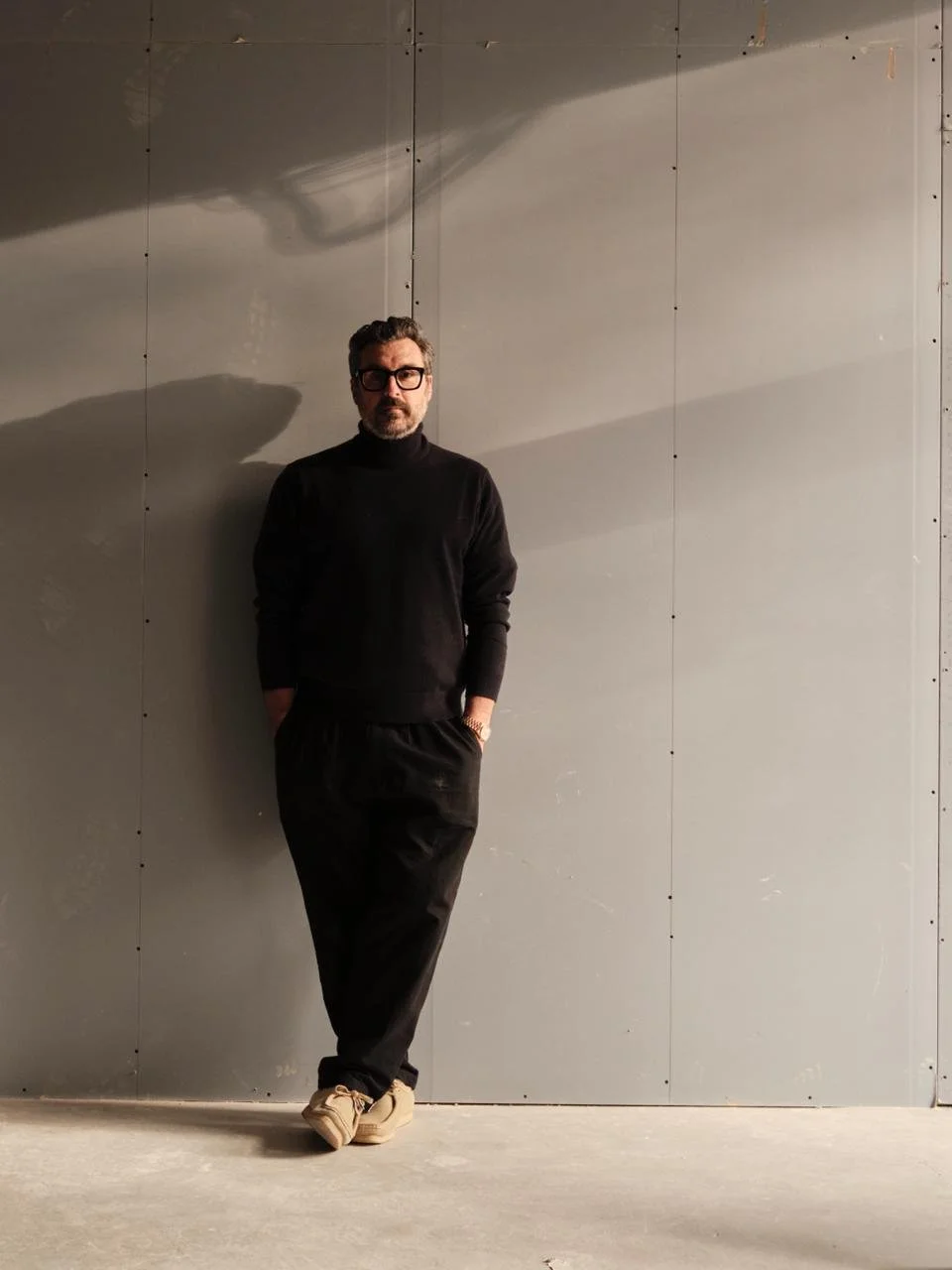
Ben Anders is a London-based interiors and lifestyle photographer whose work is defined by atmosphere, restraint, and an instinctive understanding of space. Working across commercial and editorial projects for brands such as Carl Hansen & Son, Herman Miller, and Elle Decoration, Ben approaches each brief with a deliberate eye for light, composition, and material presence. His images move beyond documentation, revealing the emotional rhythm of interiors through cinematic framing and thoughtful observation. In this interview, Ben reflects on his relationship with light, the balance between control and authenticity, and how architecture, cinema, and art continue to shape his visual language.
Words: designeers
JANUARY 2026
WEBSITE: benanders.co.uk
INSTAGRAM: @benandersstudio
DESIGNEERS
You have a very distinctive way of capturing space. What’s the first thing you look for when you walk into a room you’re about to photograph?
BEN ANDERS
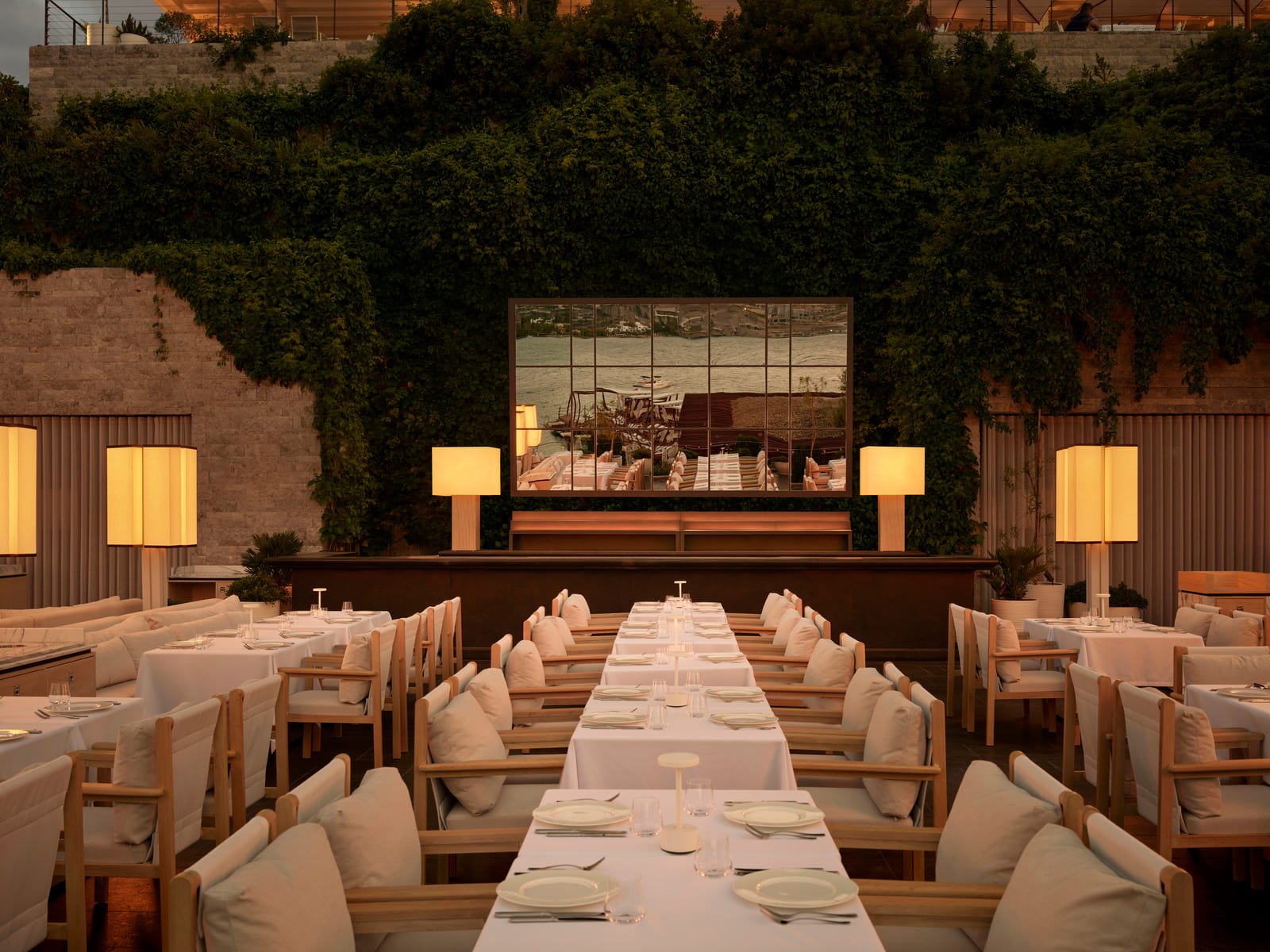
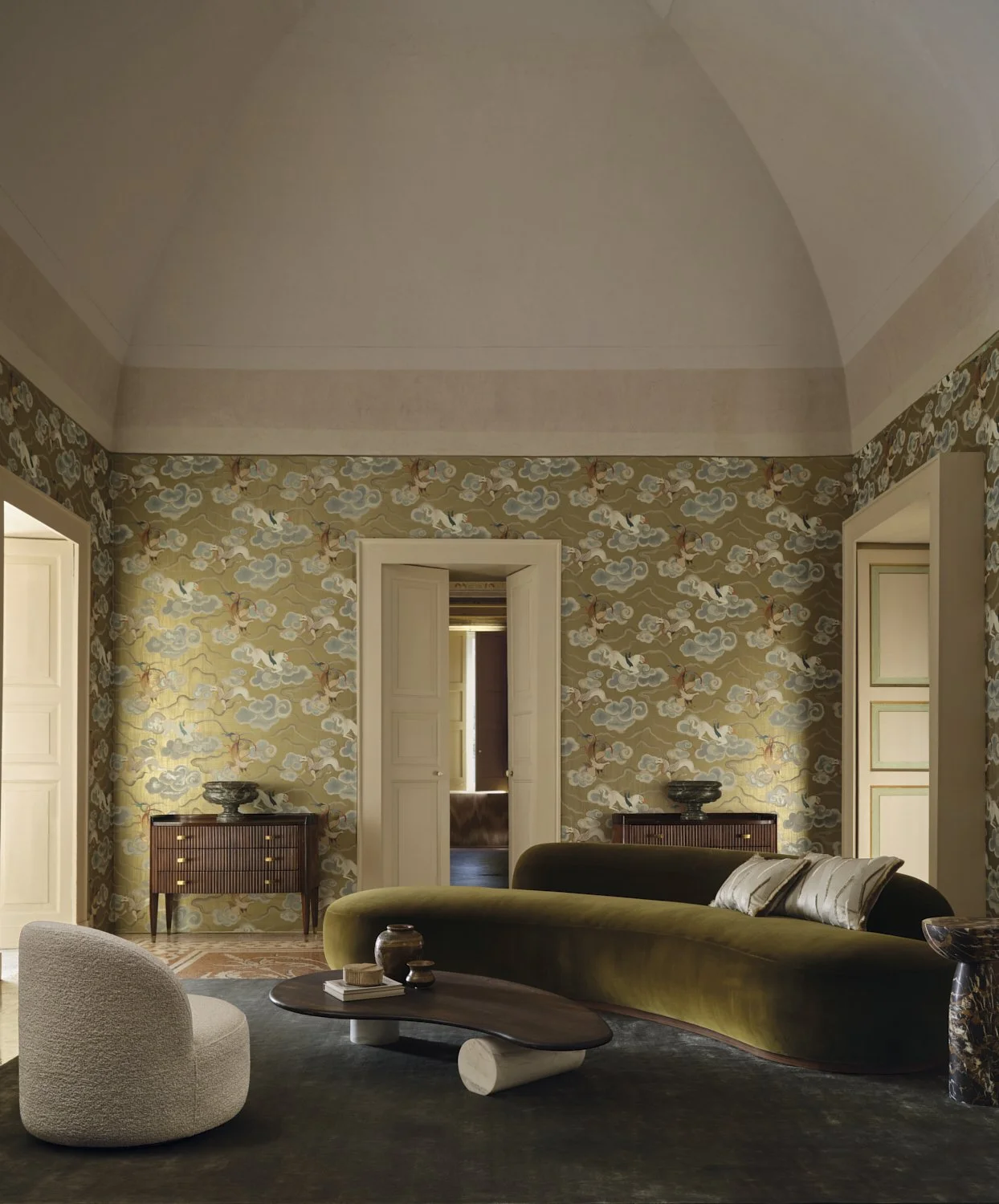
Light. It’s the first thing I study. Once I understand how the light sits in the room, I know how to shape the composition, highlight the details and bring out the atmosphere.
DESIGNEERS
How would you describe your visual signature in three words?
BEN ANDERS
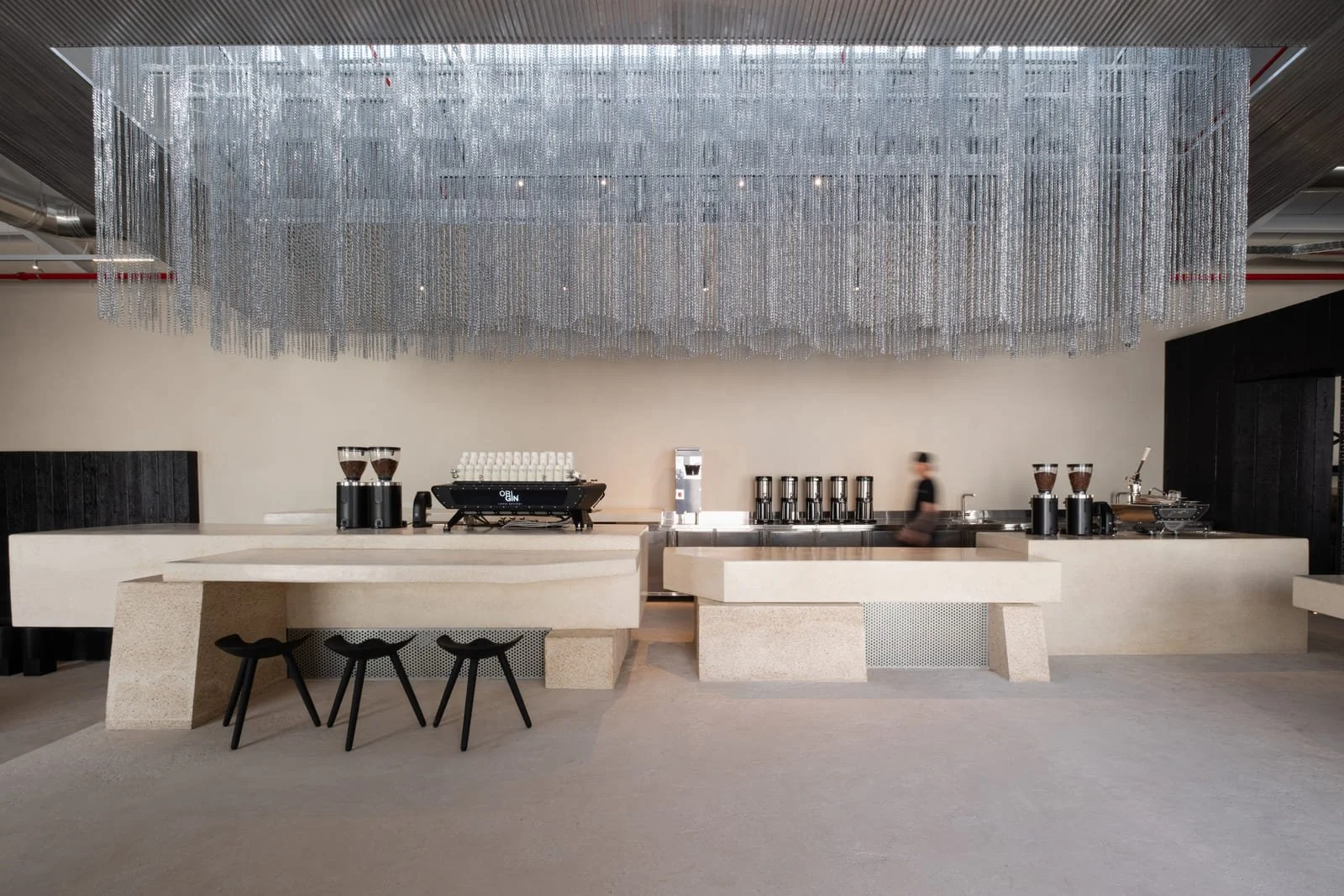
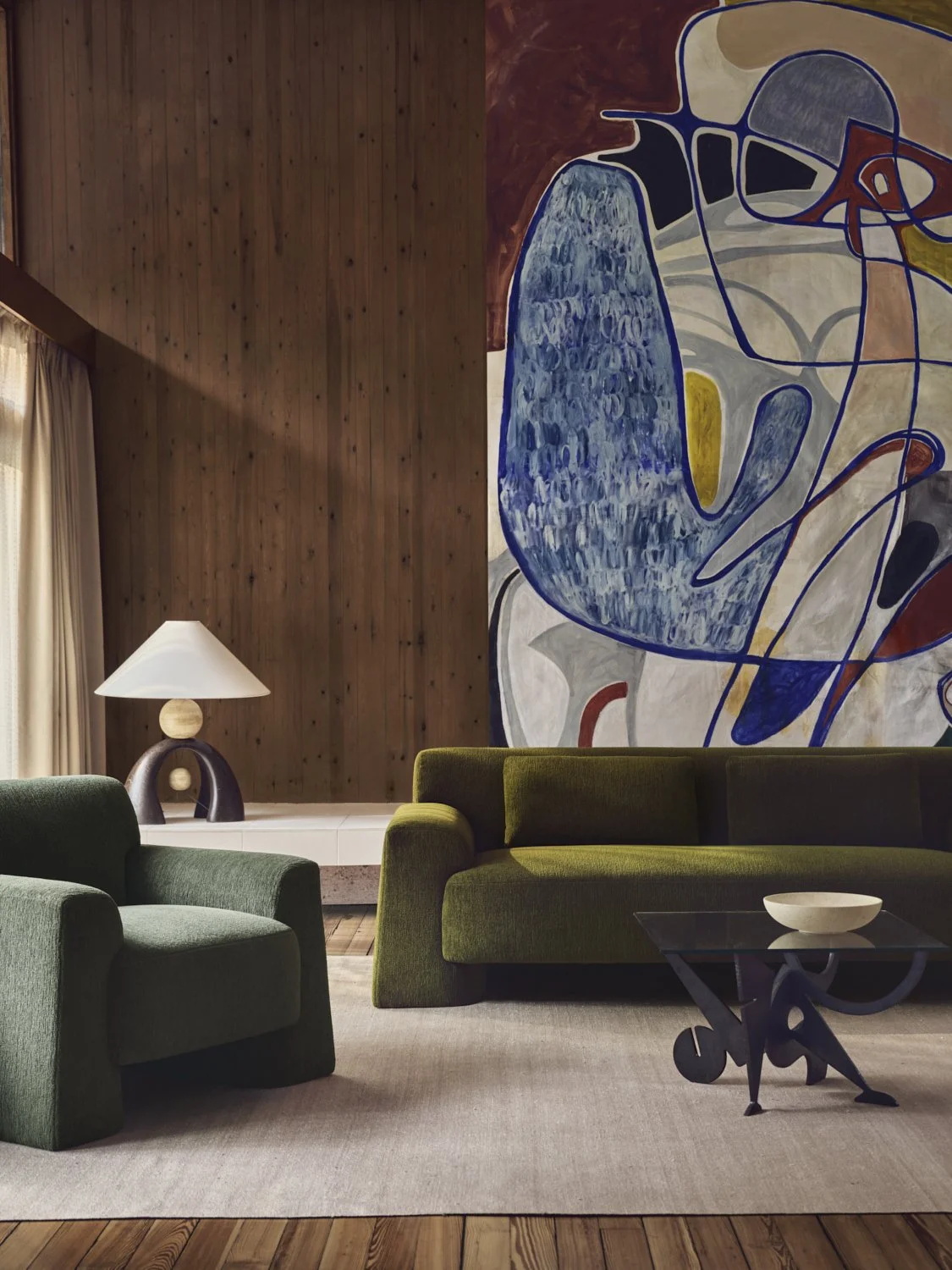
Cinematic, textural, and atmospheric.
DESIGNEERS
Interior photography is part observation, part choreography. How do you decide what to reveal… and what to hold back?
BEN ANDERS
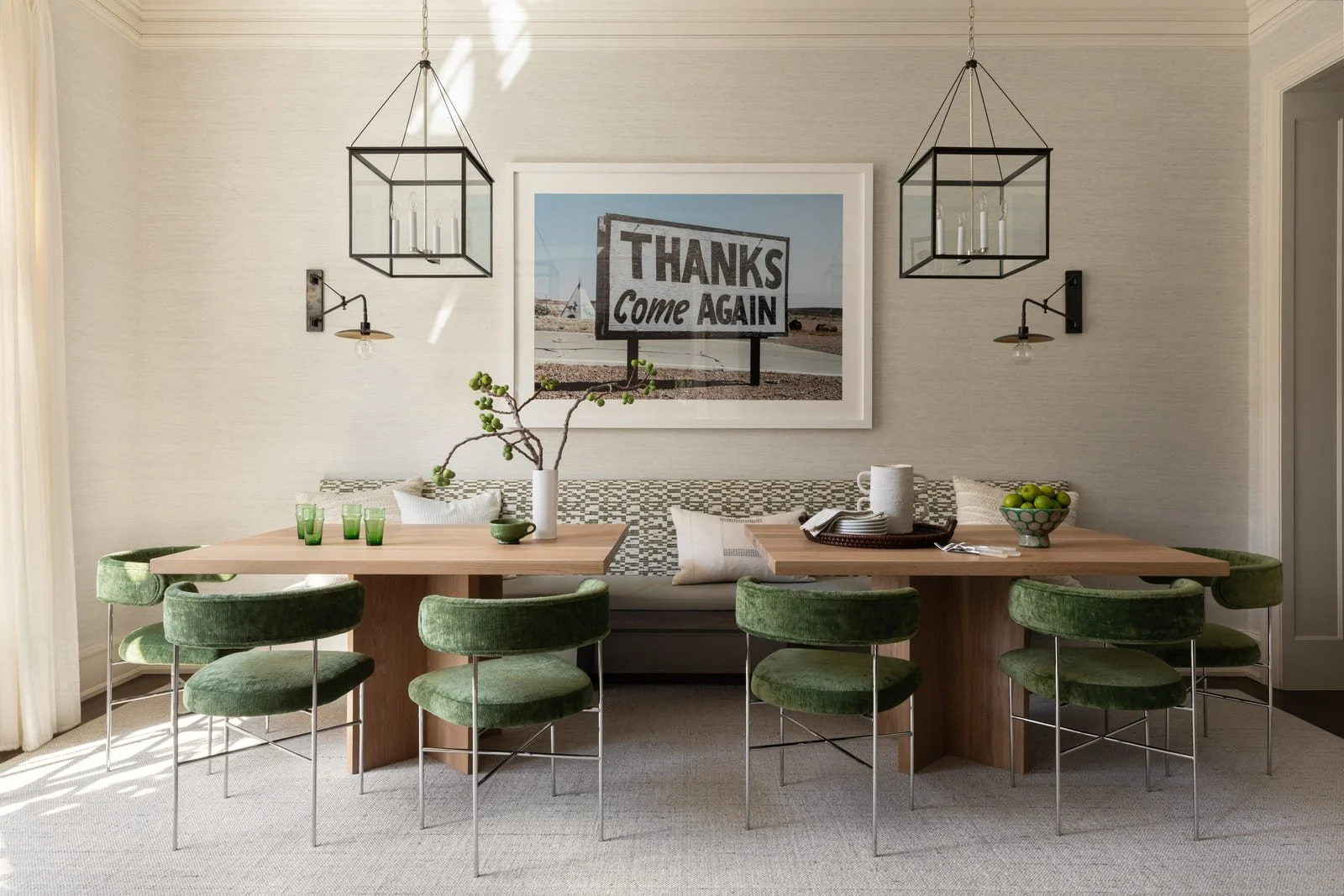
I reveal the details that communicate the essence of the space, and I hold back anything that clutters the story. It’s a blend of natural observation and considered styling, enough structure to guide the viewer, but enough restraint to keep the image feeling authentic.
DESIGNEERS
Is there a particular material, texture, or type of light you love photographing the most?
BEN ANDERS
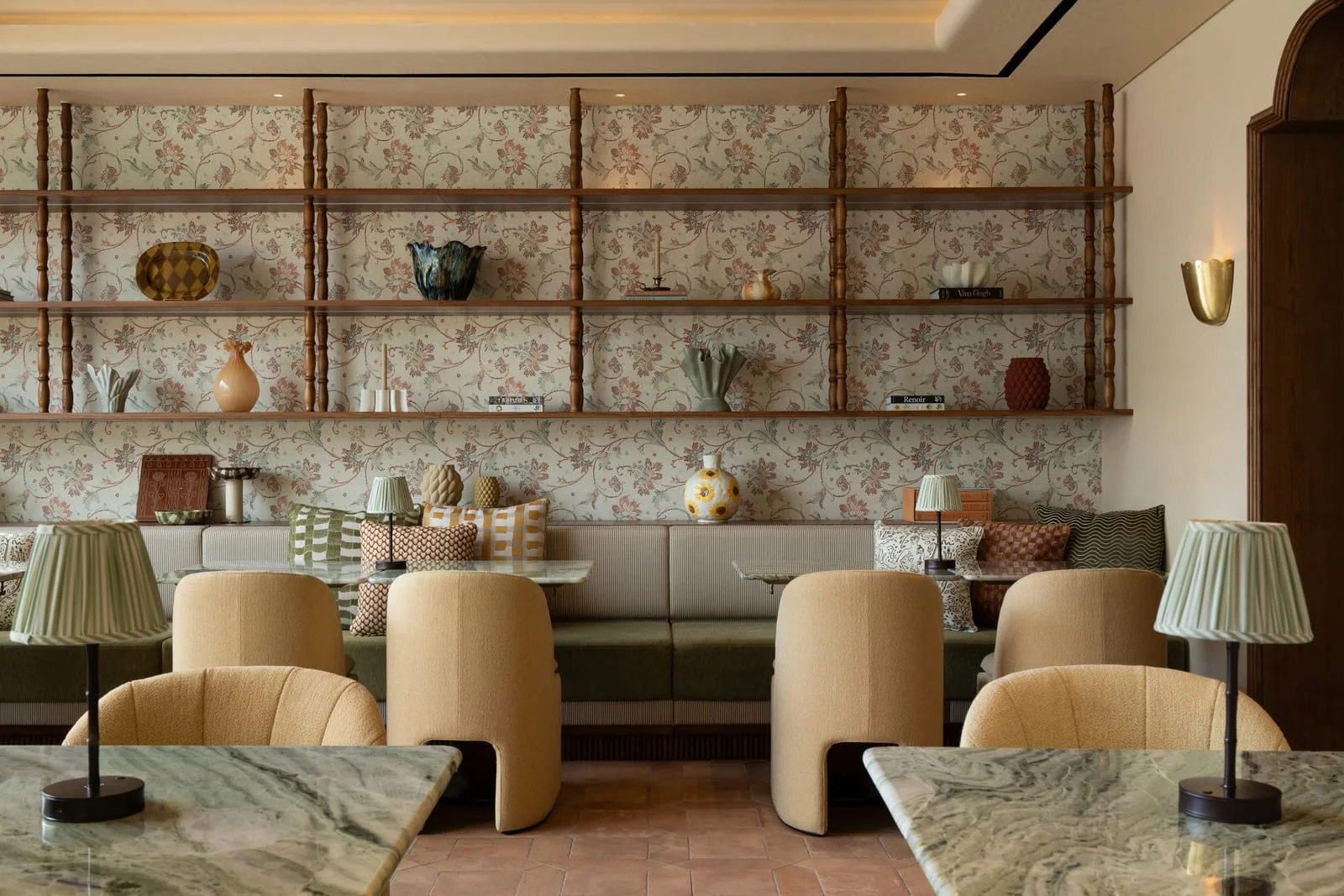
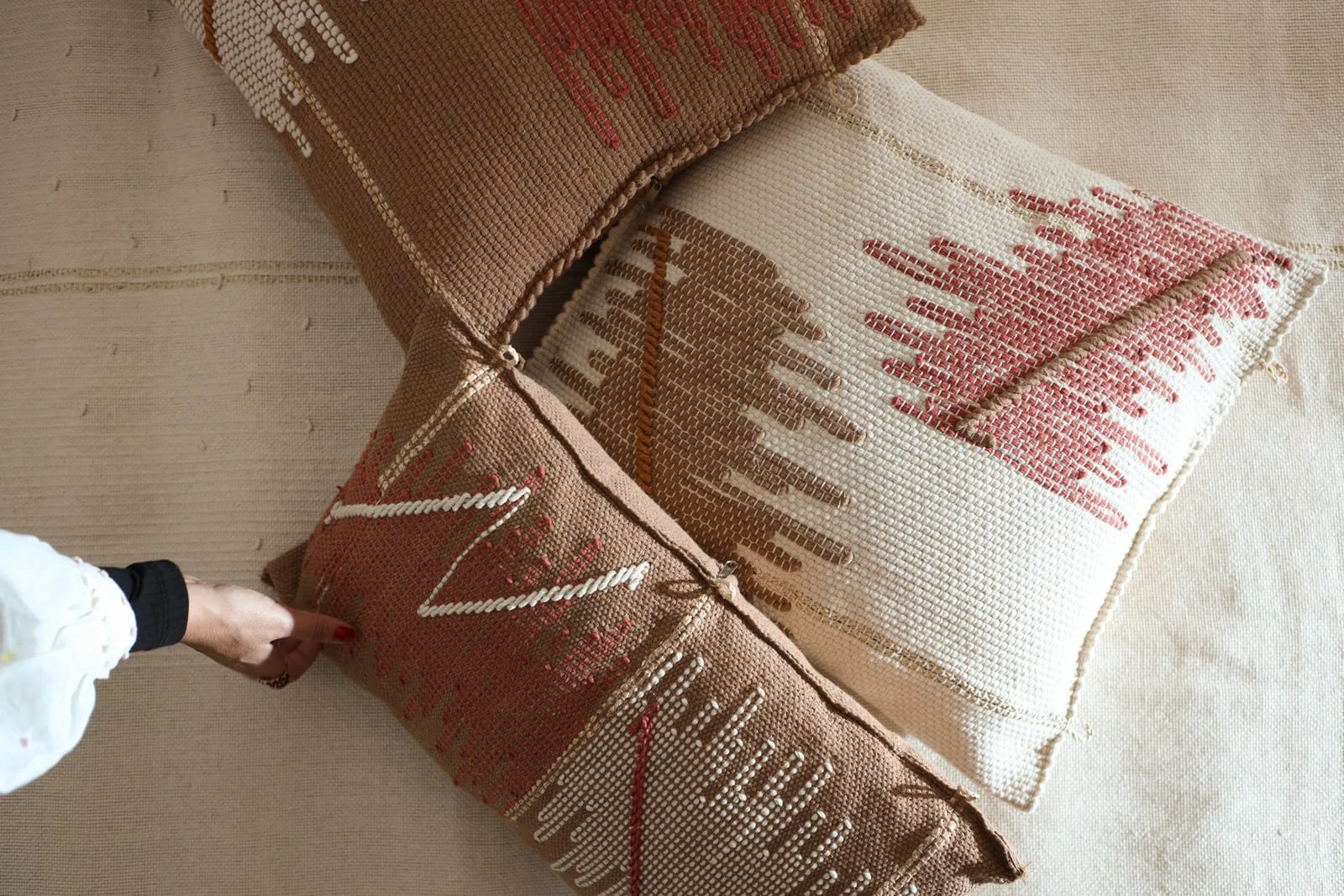
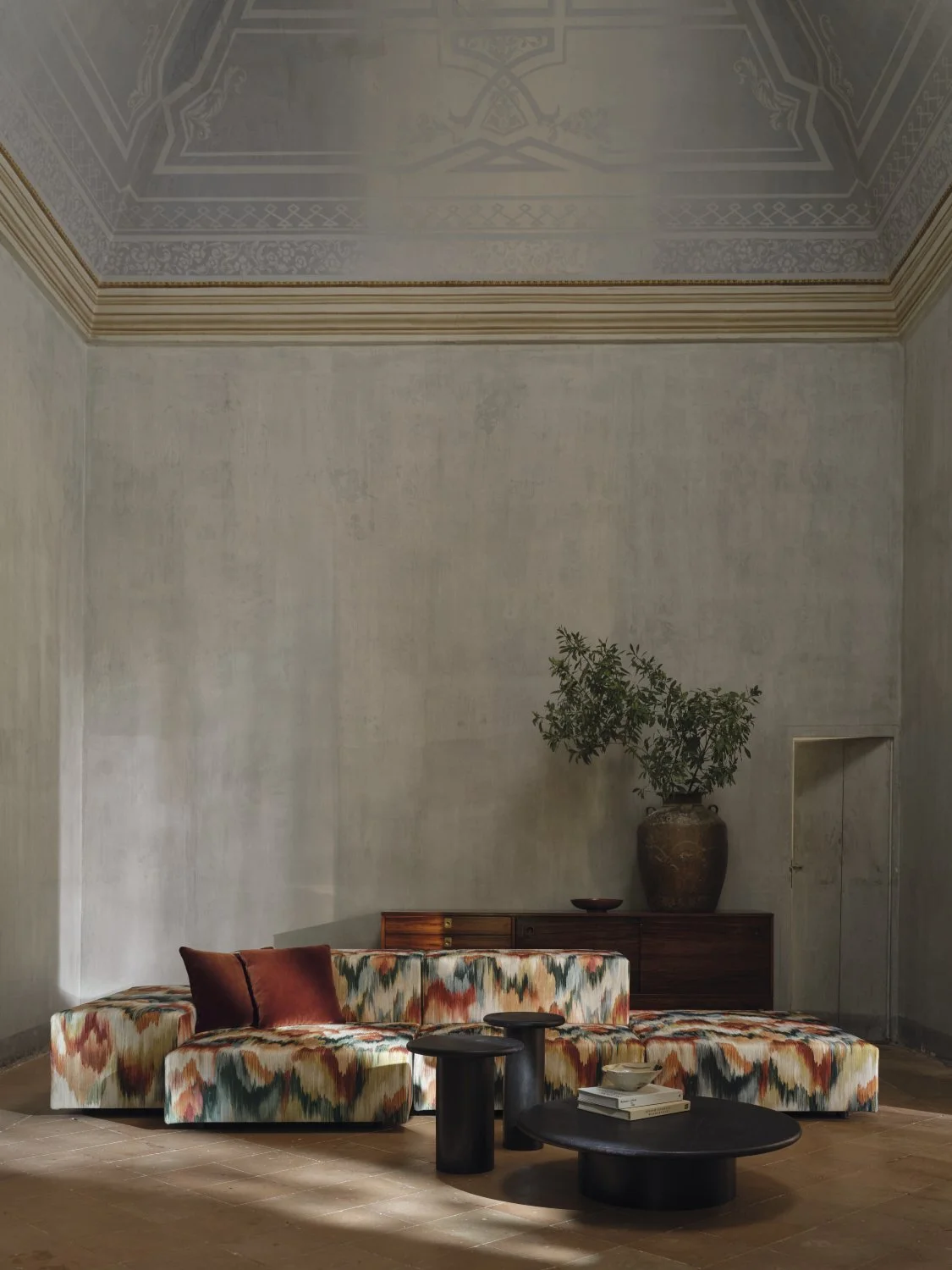
I’m especially drawn to surfaces that respond emotionally to light, textured walls, warm woods, and fabrics with depth. In gentle, sculptural daylight, they create a mood instantly.
DESIGNEERS
Many of your images feel calm, architectural, and quietly dramatic. What influences shaped your eye? Photographers, designers, filmmakers?
BEN ANDERS
I am and have been influenced by a mix of architecture, cinema, and art. I’m drawn to the quiet precision of architects like Peter Zumthor and the way he uses light and material to create atmosphere. Cinematically, I’ve always loved the restraint and mood of filmmakers like Denis Villeneuve and Sofia Coppola with that sense of calm tension. And the work of James Turrell has been a huge influence; his understanding of light as a physical, emotional force has always stayed with me. I think all those influences filter into how I compose and light a space.
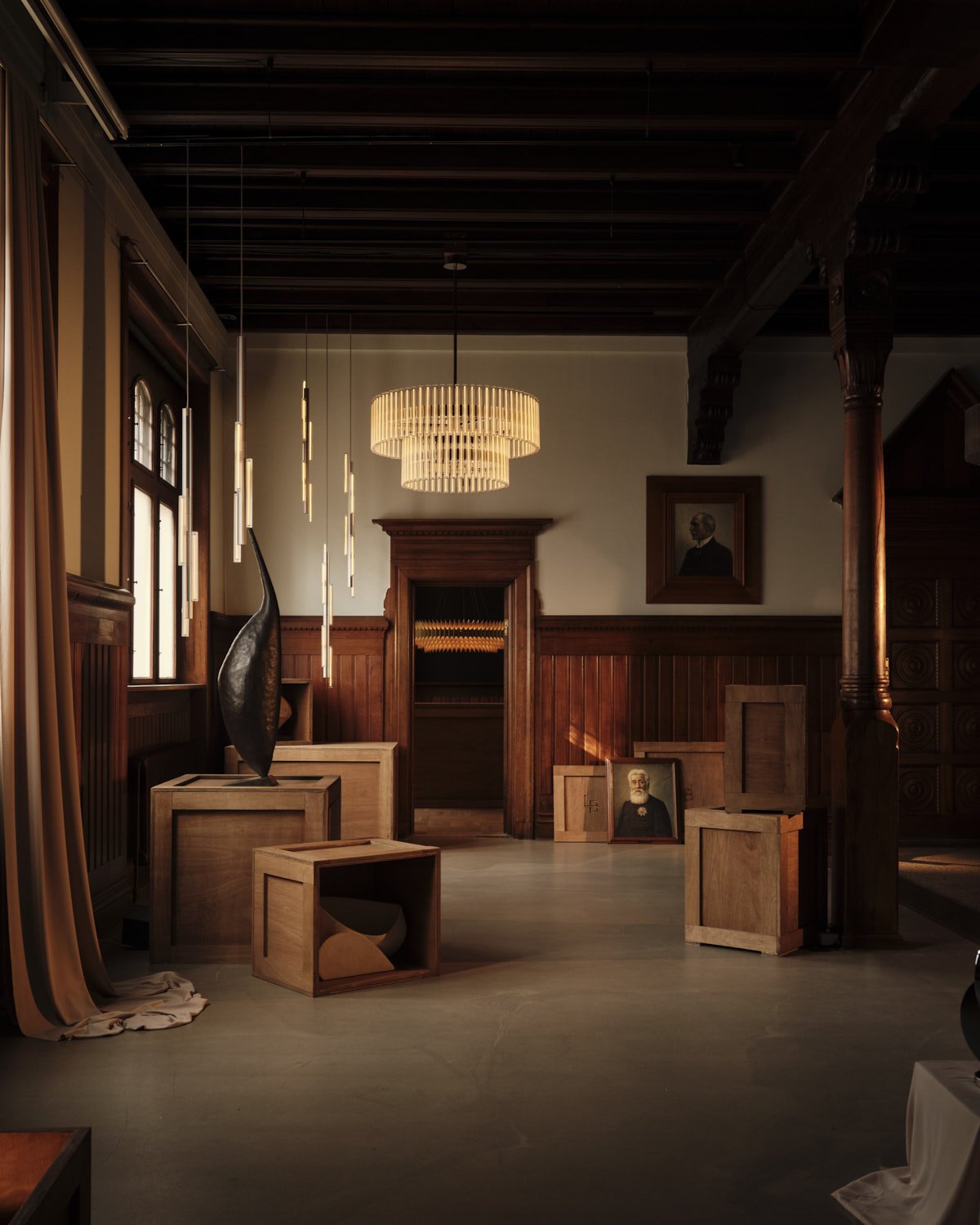
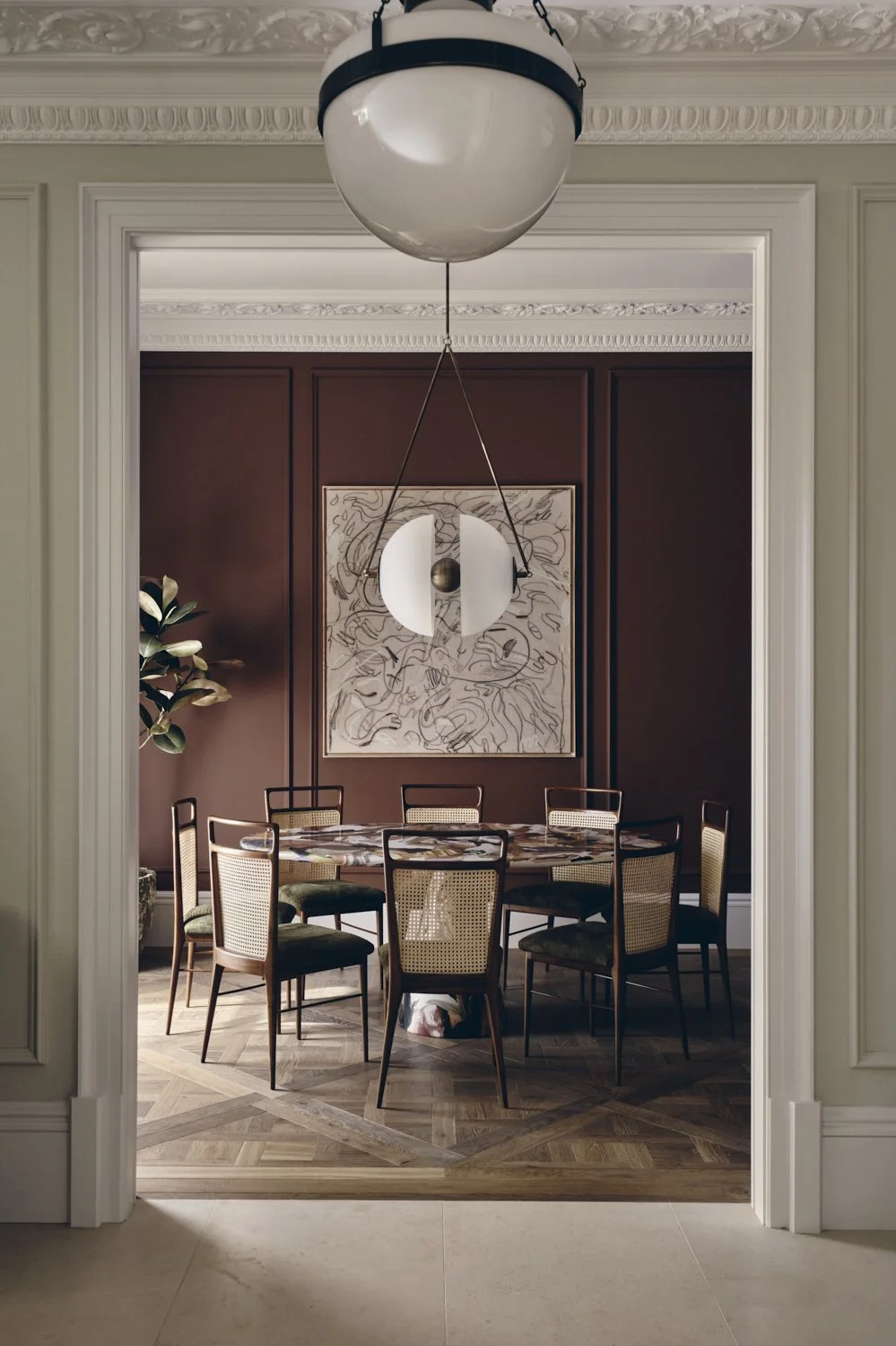
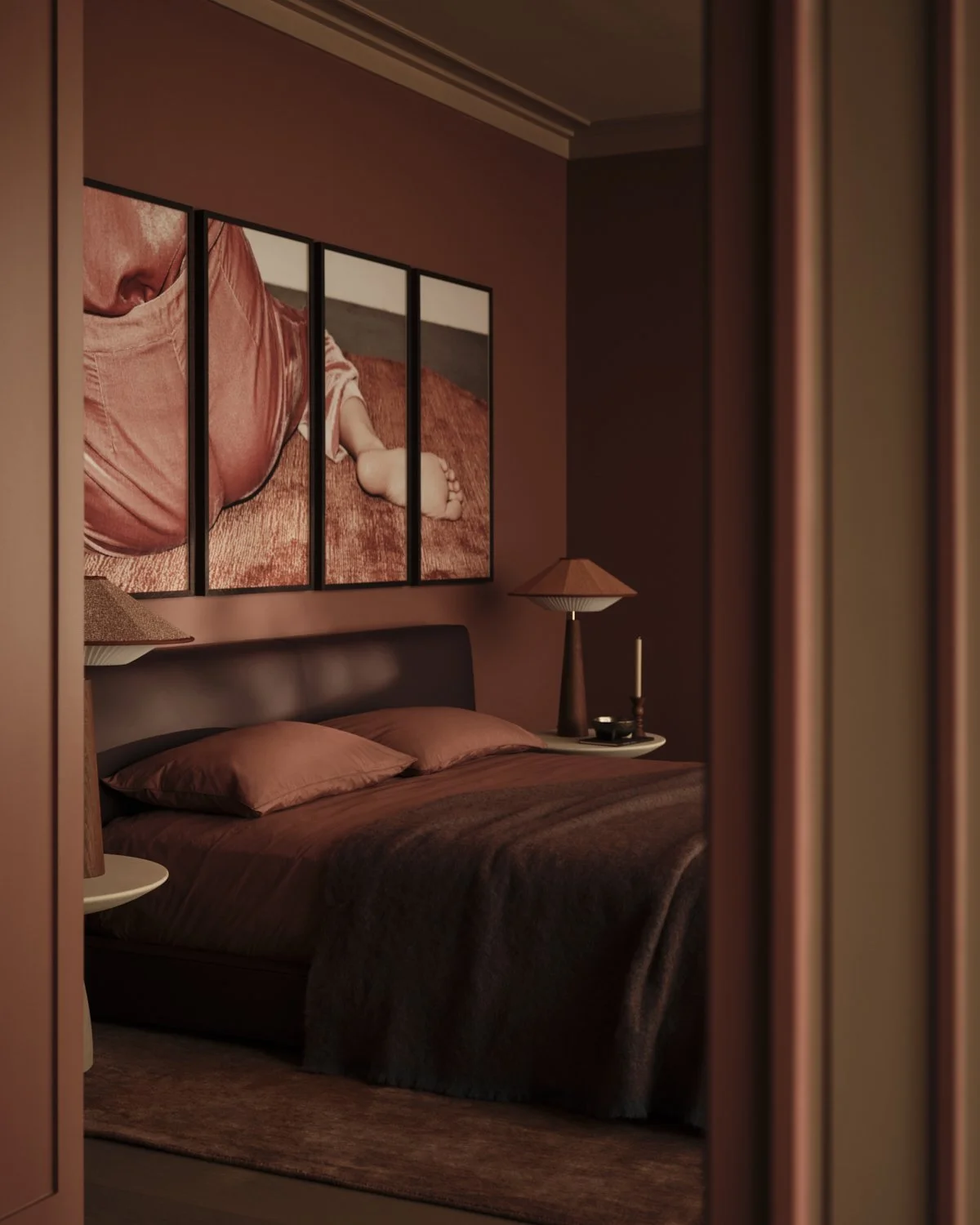
“For me, an interior becomes truly photogenic when light and texture work together to create atmosphere. It doesn’t need to be perfect—it just needs a sense of mood and honesty that the camera can respond to.”
BEN ANDERS
DESIGNEERS
What’s the biggest difference between photographing a lived-in home and a polished design project?
BEN ANDERS
The biggest difference is rhythm. A lived-in home already has a natural flow, objects, marks, and layers that tell you how the space is actually used. You work with that energy. A polished design project is more controlled and intentional, so you’re creating the rhythm: shaping the light, the composition, and the styling to reveal the designer’s vision without it feeling over-constructed. Both are rewarding, just in different ways.
DESIGNEERS
Which is your favourite lens to shoot interiors?
BEN ANDERS
My GFX system does the heavy lifting for most of my interiors work, but the 35mm on the Fuji X-System is my favourite for capturing those spontaneous, energetic moments that feel alive and unposed.
DESIGNEERS
What’s a recent project that challenged you creatively, and what did you learn from it?
BEN ANDERS
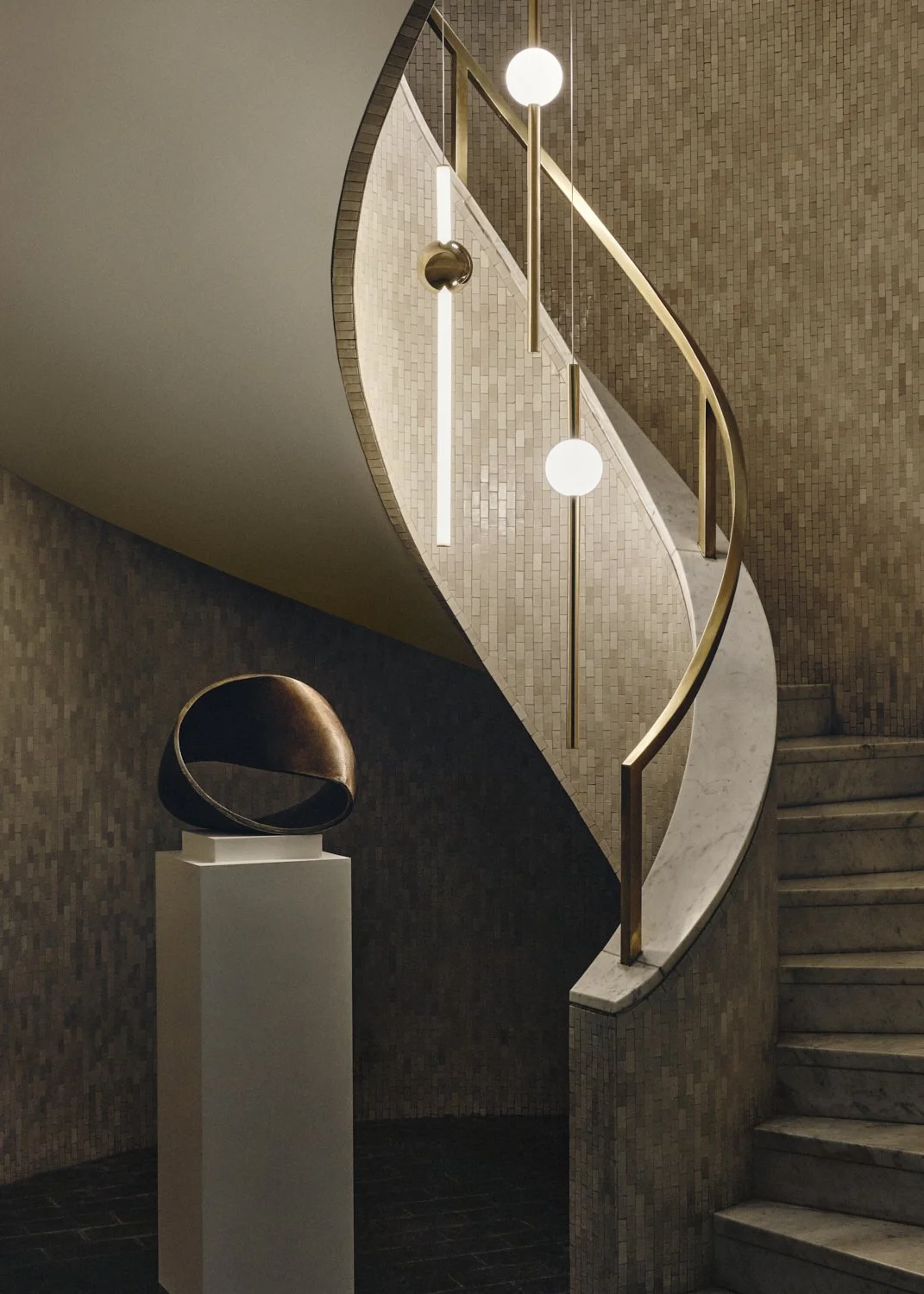
Photographing the Rosewood Chancery was a creative challenge in the very best way. Originally designed by Eero Saarinen as the American Embassy, the building has now been thoughtfully reimagined as a hotel by David Chipperfield Architects. Working on such an iconic structure came with huge expectations from both the project team and the press. The pressure was very real, but the crew were exceptional, and together we delivered a body of work I’m incredibly proud of.
DESIGNEERS
When you photograph a designer’s work, what do you feel is your responsibility to them as an image-maker?
BEN ANDERS
My responsibility is to honour the designer’s vision, to understand the intention behind their choices and translate that into images that feel true, atmospheric, and considered.
DESIGNEERS
And finally, what makes an interior truly photogenic in your eyes?
BEN ANDERS
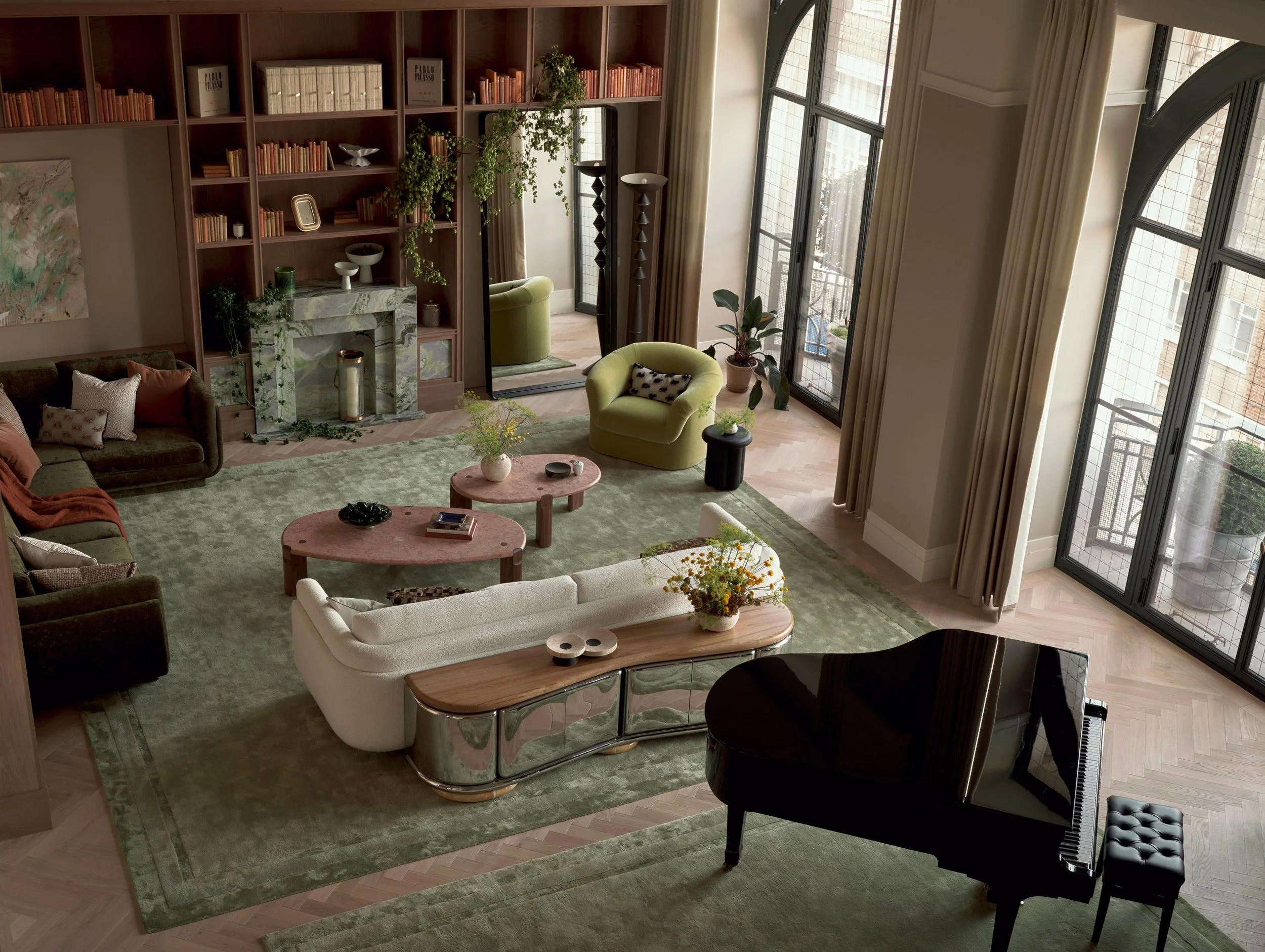
For me, an interior becomes truly photogenic when light and texture work together to create atmosphere. It doesn’t need to be perfect, it just needs a sense of mood and honesty that the camera can respond to. And when the natural light isn’t quite there, I’ll often shape or create it to bring that atmosphere to life.
photography credits
portrait by Bennie Curnow