people • MAKERS
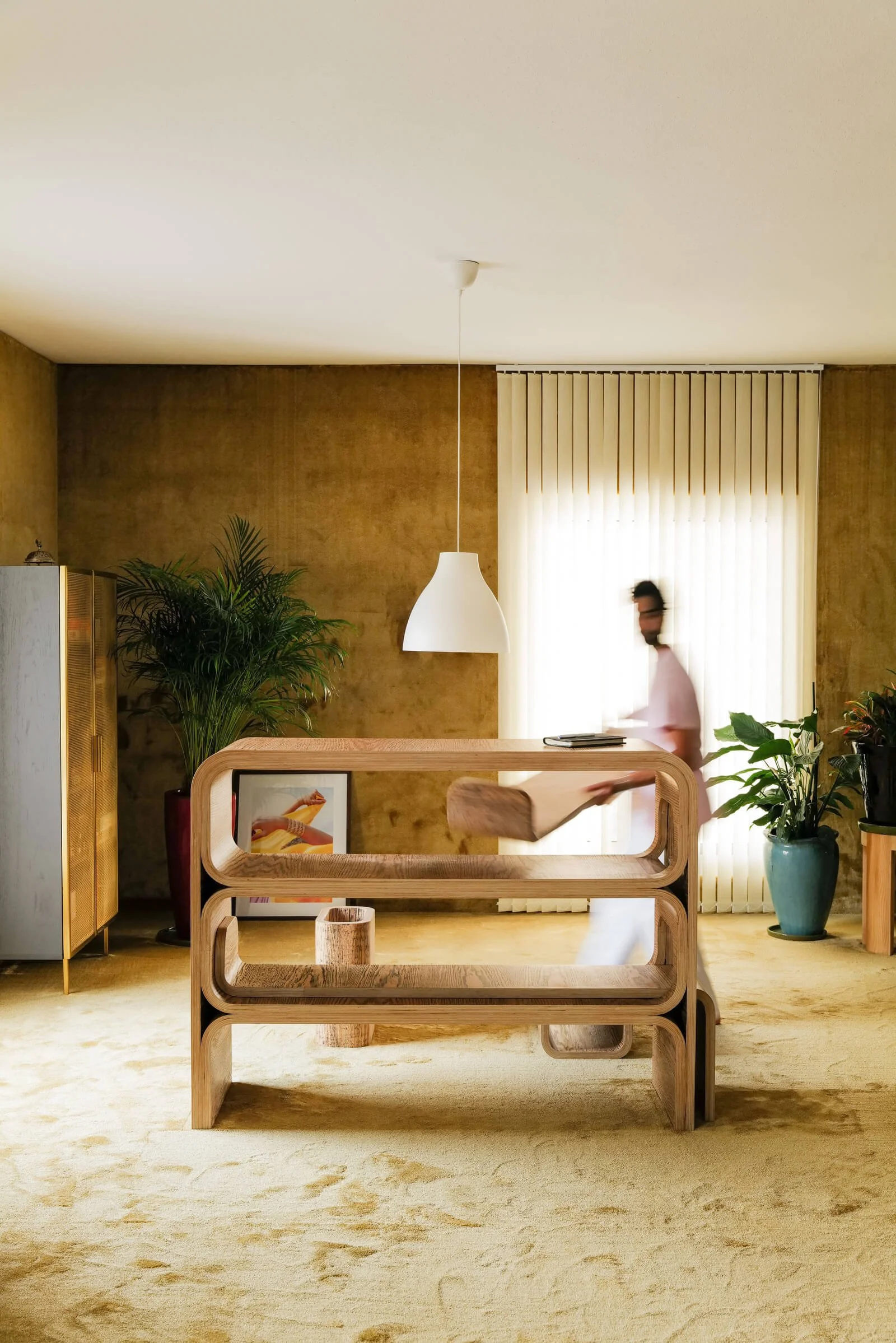
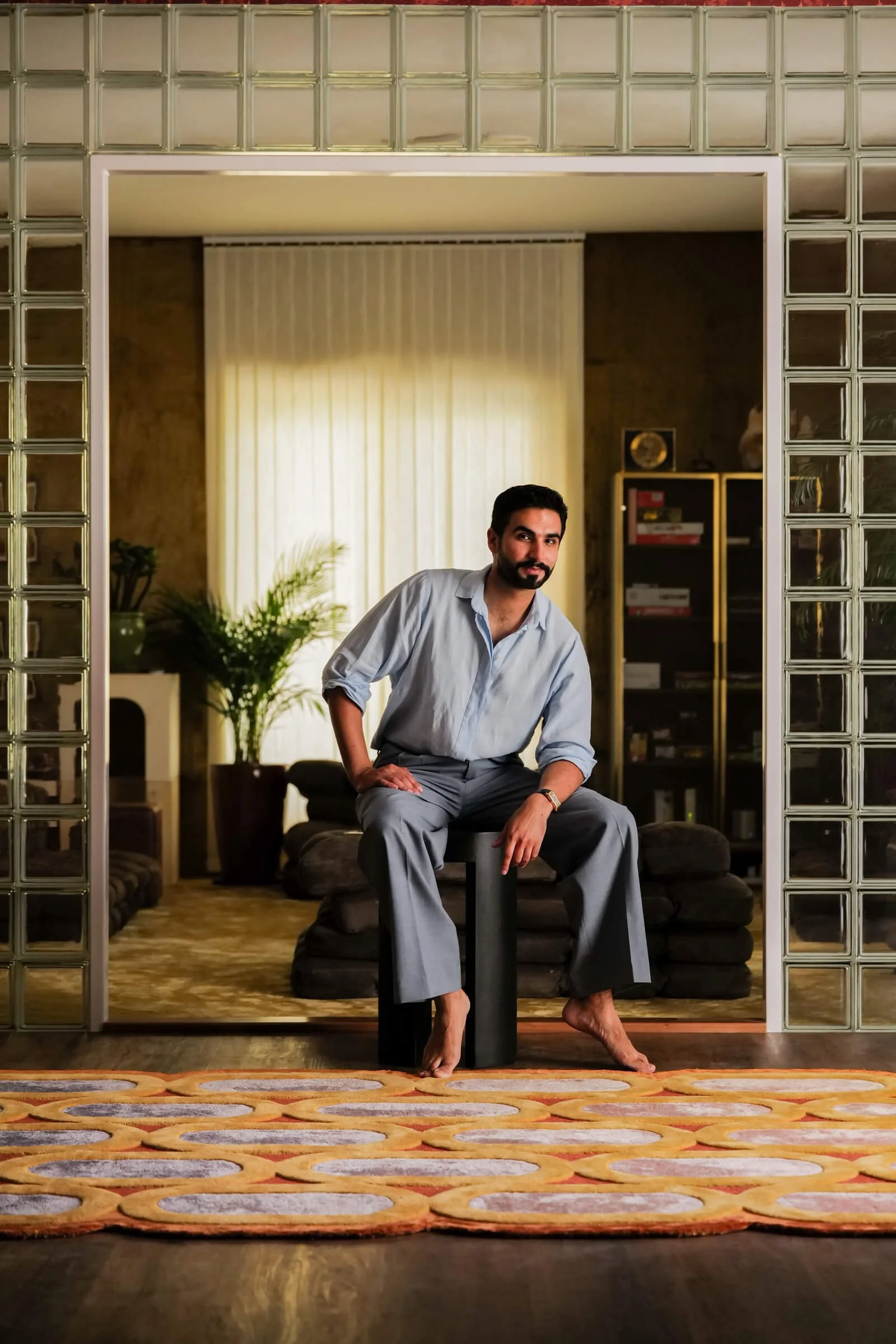
In a city defined by rapid transformation and bold ambition, MODU Method stands out by embracing the art of flexibility. Founded in Dubai by Omar Al Gurg, the studio offers a fresh, playful take on modular design, where versatile furniture concepts, eccentricity, and sentimentality intersect. Each piece is designed not just to inhabit a space but to evolve with it.
Omar's multidisciplinary background in architecture, photography, and design is evident in the thoughtful balance between form and function that defines the MODU Method. With a focus on rethinking how we interact with everyday objects, the studio is carving its own space within the region’s growing creative landscape.
This conversation dives into the mindset behind the brand, the inspirations that drive Omar’s creative process, and the evolution of a design identity shaped by curiosity and adaptability.
Words: designeers
MAY 2025
WEBSITE: modumethod.com
INSTAGRAM: @modumethod
DESIGNEERS
The MODU Method is known for transforming spaces through modular and versatile furniture. Can you tell us how this project was born and the philosophy behind it?
Omar Al Gurg
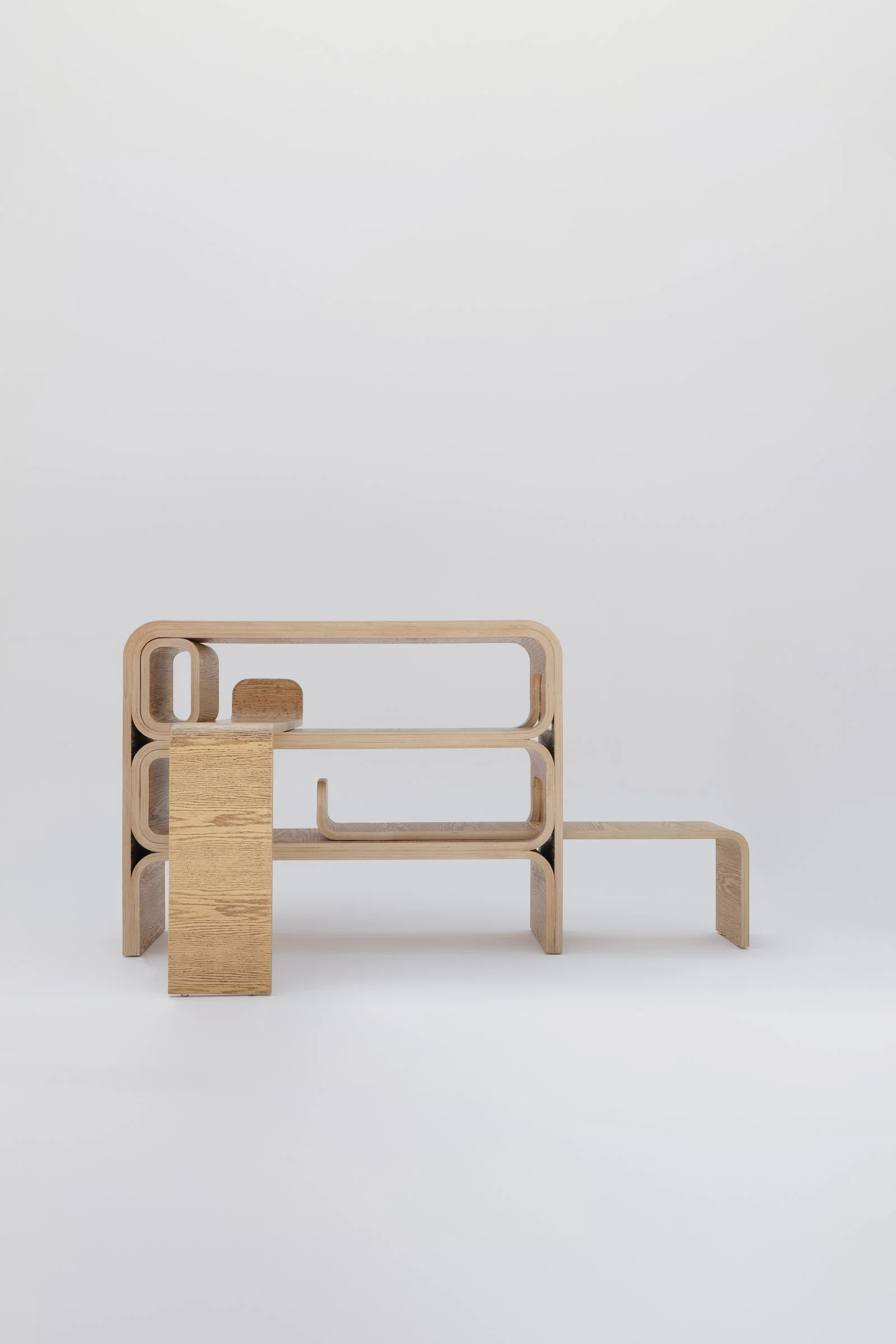
MODU Method was born during my national service when I found myself sketching modular design furniture concepts to solve everyday household inconveniences. The philosophy behind MODU is about creating modular, versatile pieces that adapt to people’s needs and foster a sentimental connection. The more you interact with our furniture, the more it becomes a meaningful part of your daily life.
DESIGNEERS
MODU Method is described as a brand for "people who love a bit of eccentricity." How do you balance playfulness with functionality in your designs?
Omar Al Gurg
I always design with a clear purpose in mind. For me, design is fundamentally about problem-solving and sentimentality in design, but it’s also about embracing a playful spirit. I draw inspiration from the quirky, fun vibes of the 1970s and try not to overthink things. I trust my instincts and let the materials and the intended function guide the design, making sure each piece is both functional and a bit eccentric.
DESIGNEERS
You recently took on the role of curator for the fifth edition of the UAE Designer Exhibition during Dubai Design Week. How was the transition from exhibitor to curator, and what new perspectives did you bring to this edition?
Omar Al Gurg
Taking on the curator role reframed my mindset. Instead of presenting my own work, I focused on showcasing others’ furniture concepts to its fullest. I aimed to create conversations between the pieces and ensure a cohesive experience despite the diversity. This mirrored my own design process, but applied to a collective scale. It was incredibly rewarding and educational, introducing me to new materials and methods of design that I wouldn’t have encountered just by exhibiting.
DESIGNEERS
Your products, such as "Spike" and "Nu," have distinctive names and personalities. What is the creative process behind their conception and naming?
Omar Al Gurg
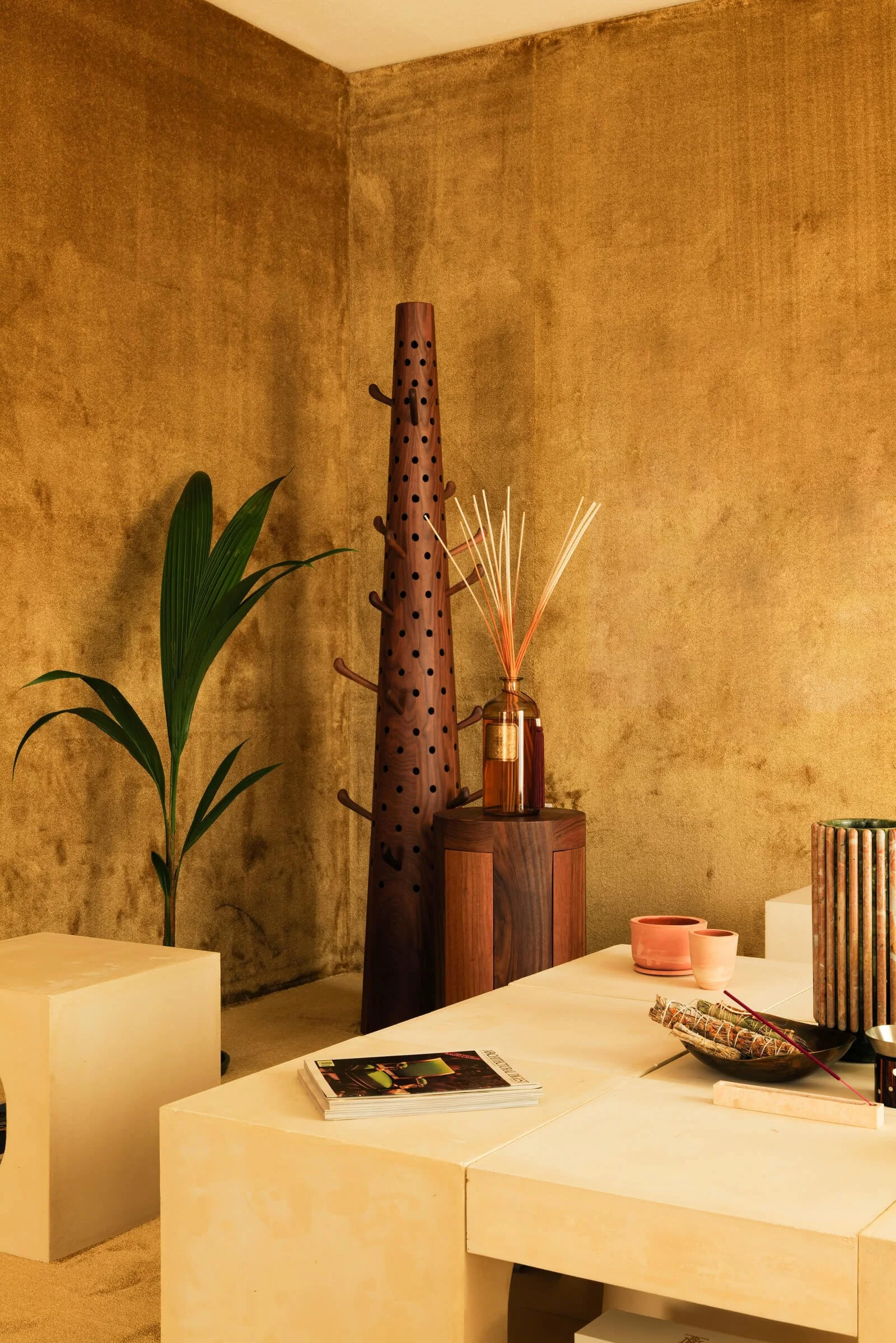
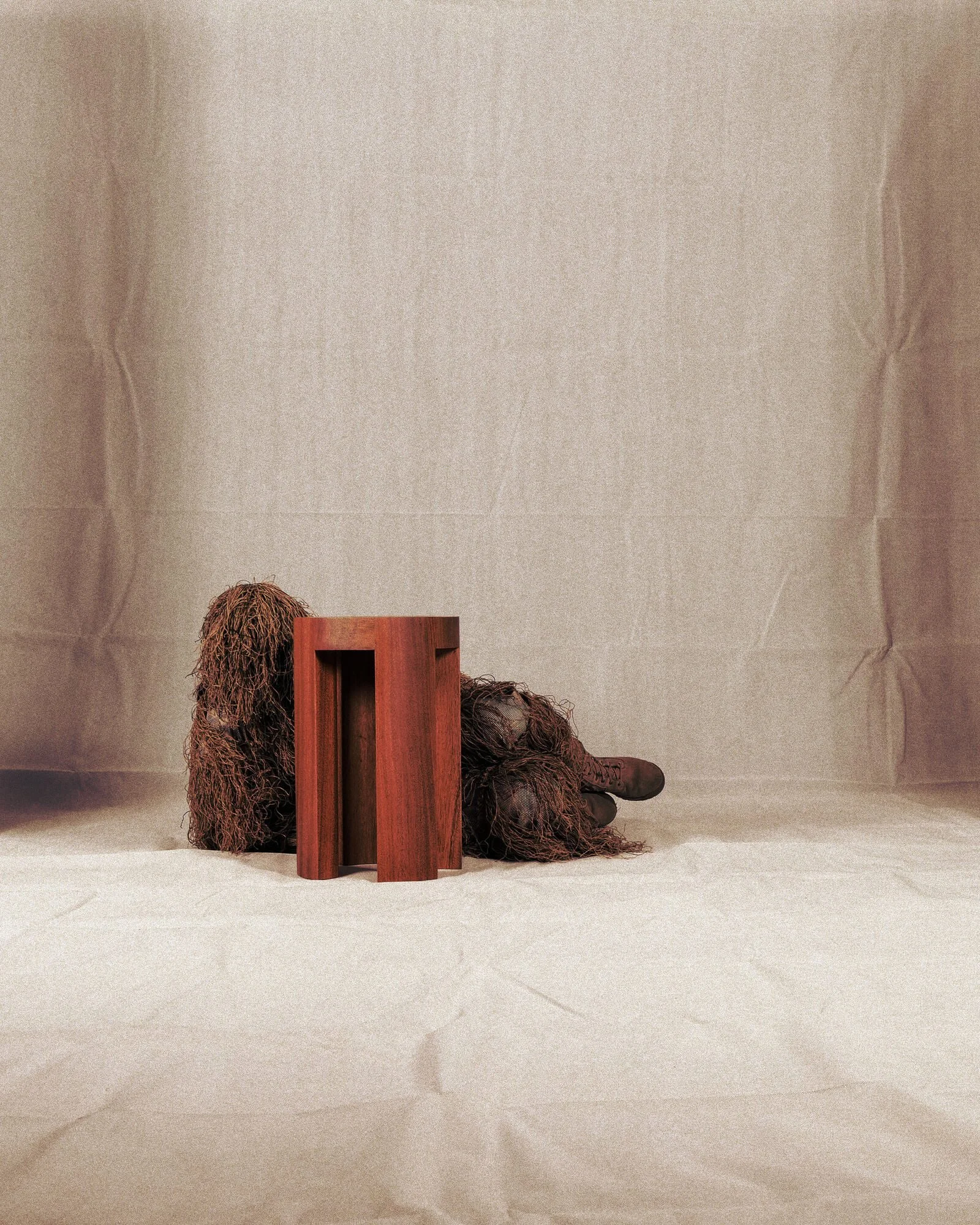
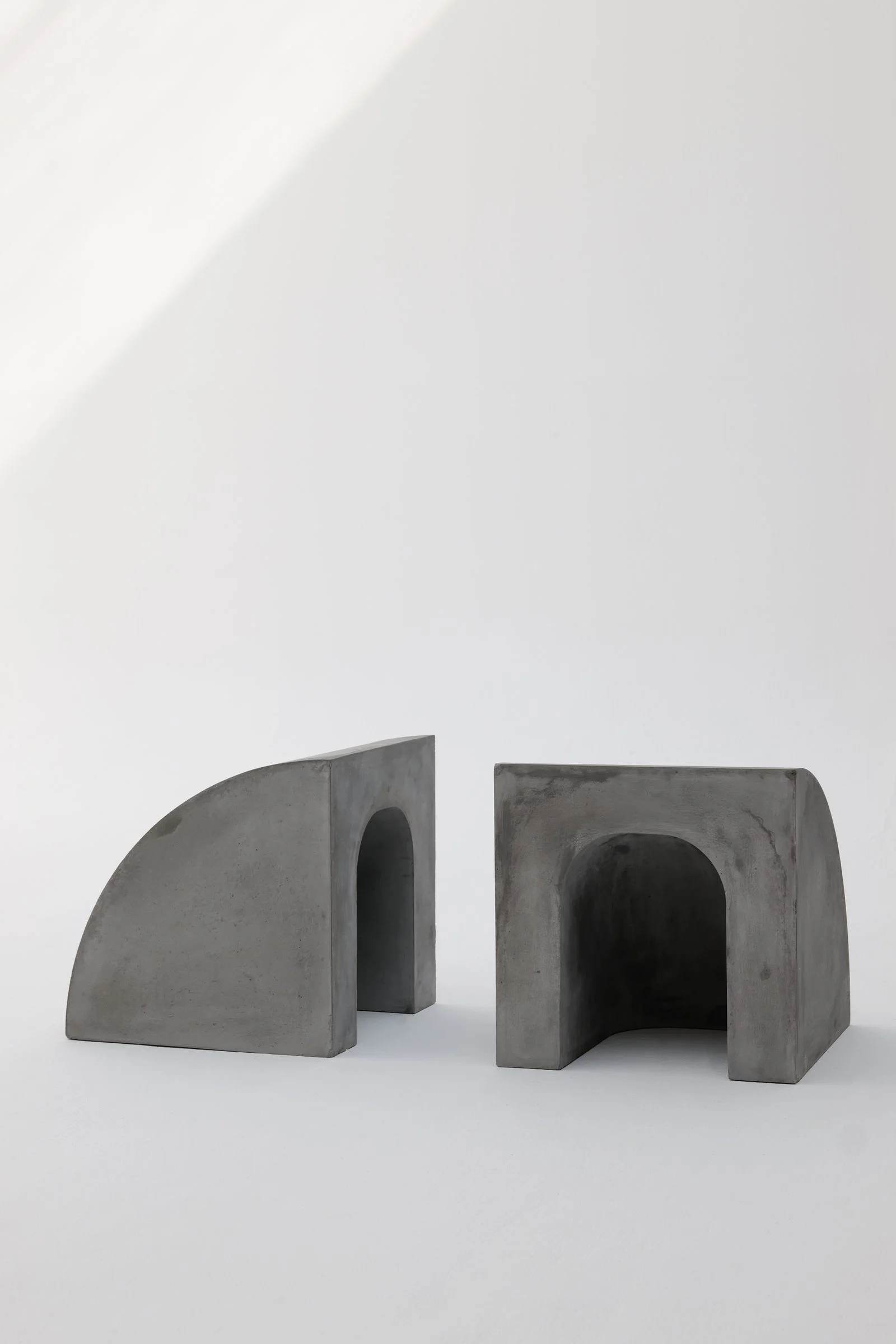
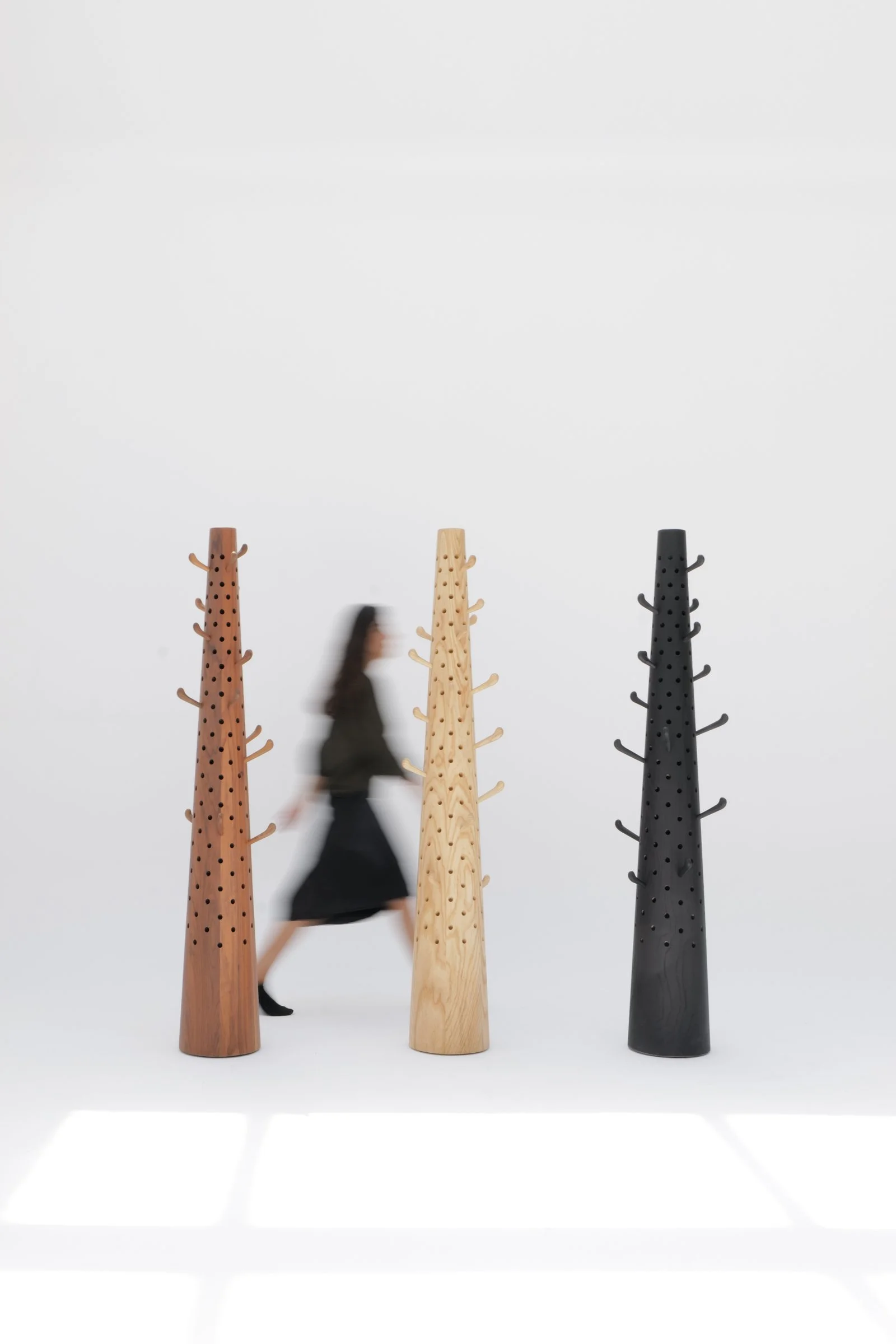
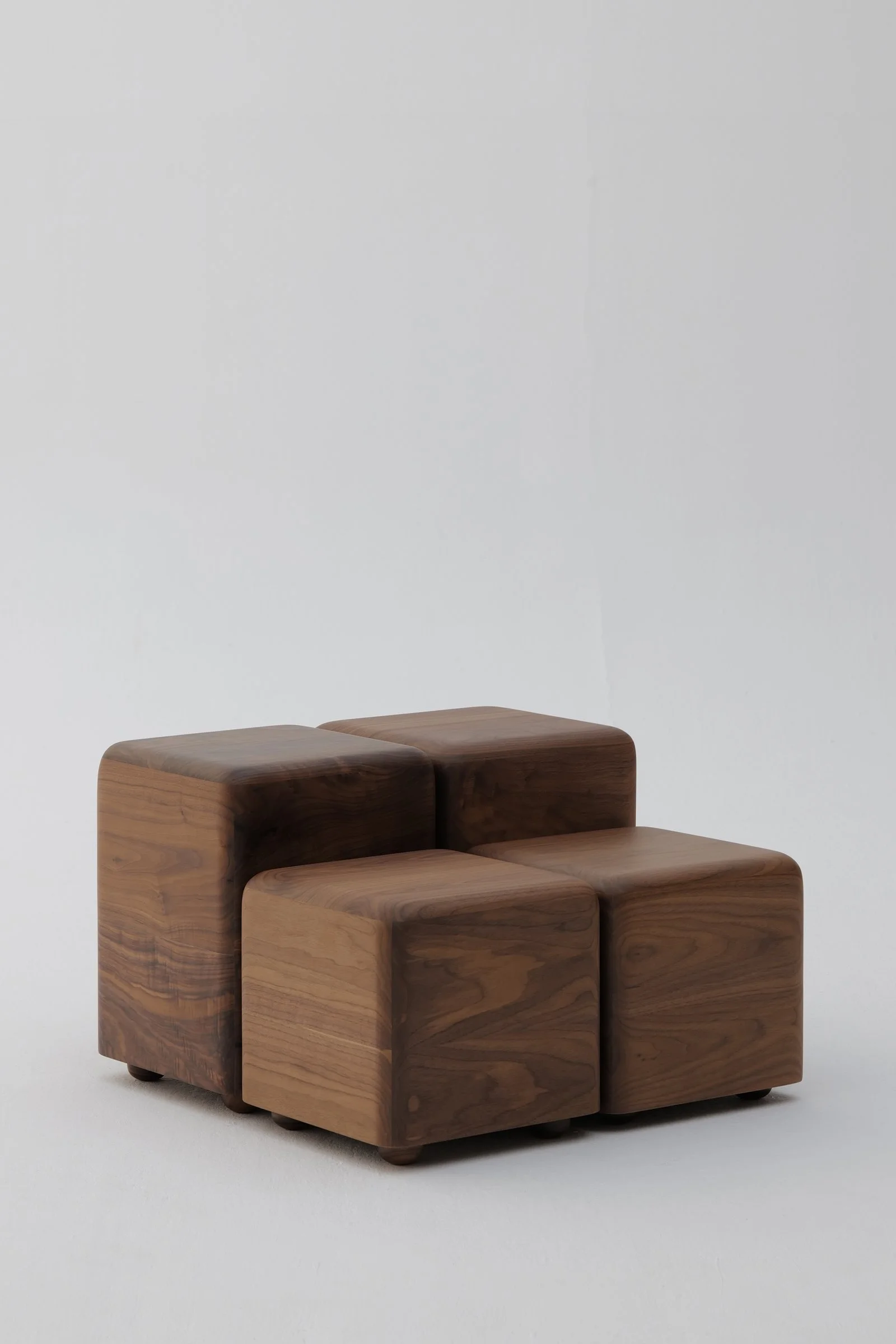
I don’t overthink the naming process. I try to give each piece a fun name that fits its shape or idea. ‘Spike’ got its name because it resembles a cactus. ‘Nu’ shifts shape depending on its orientation, forming an ‘N’ or a ‘U’. ‘Gene’ is about interlocking-like genetics, but it’s also just a friendly name. The names within the MODU collection are meant to be playful and relatable to build a sentimental bond between the person and the object.
DESIGNEERS
Your background in architecture and photography, how does it influence your approach to furniture design?
Omar Al Gurg
My background in architecture gives me a broad foundation. I’m capable of producing buildings, but I find furniture design more gratifying because of the quicker turnaround. Photography, which I love, influences my architectural eye more than my product design, but it helps a lot with documenting my pieces. Architecture offers structure, while photography helps with storytelling.
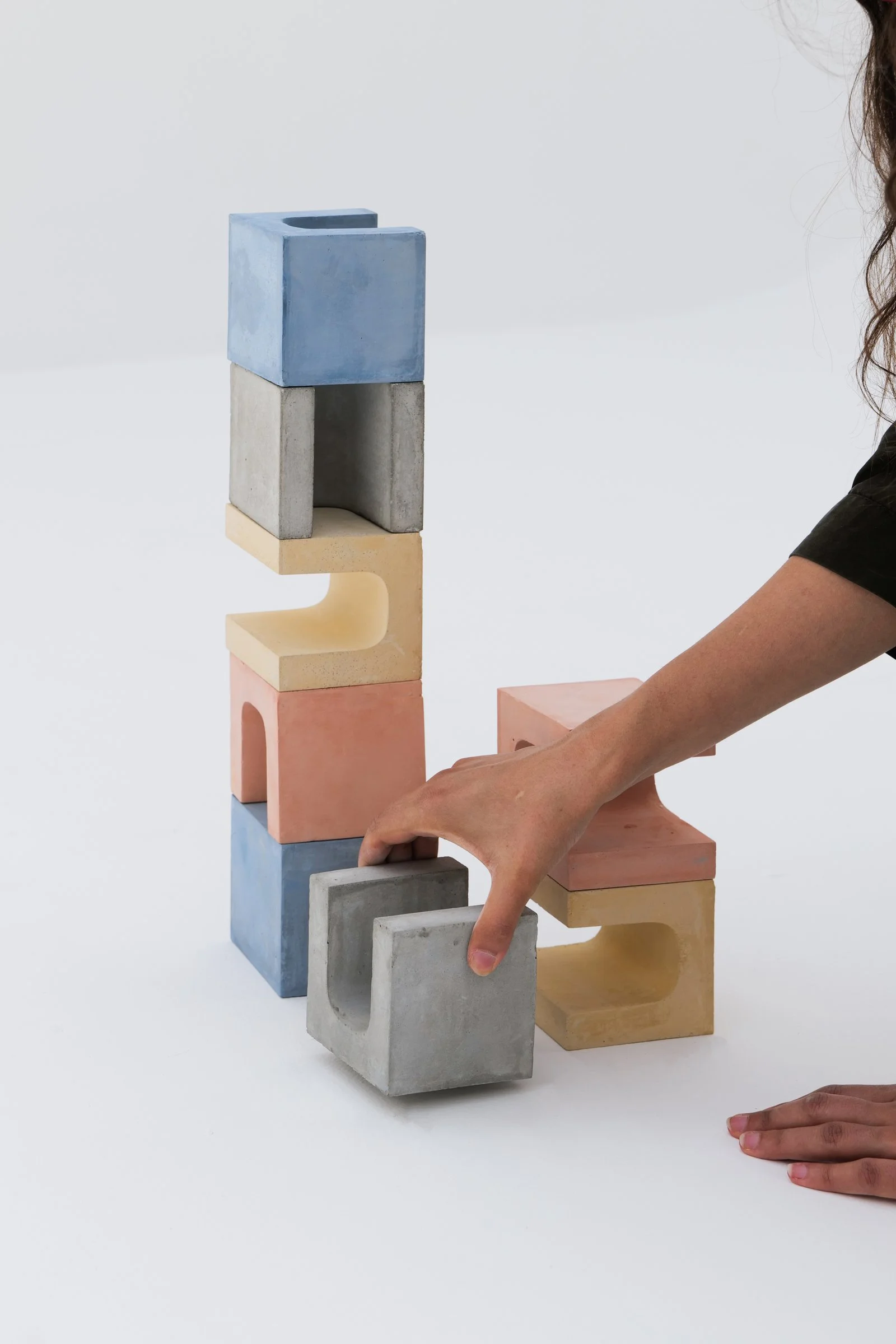
“The more you interact with our furniture, the more it becomes a meaningful part of your daily life.”
Omar Al Gurg
DESIGNEERS
Which designers or artistic movements have had the most significant influence on your creative journey?
Omar Al Gurg
I draw a lot of inspiration from Álvaro Siza, Ricardo Bofill, Alvar Aalto, and Charles and Ray Eames. I’m also influenced by Brutalism and the Bauhaus movements that focus on functionality, materiality, and clean lines.
DESIGNEERS
Can you share a significant challenge you faced while developing the MODU Method?
Omar Al Gurg
One significant challenge has been the sheer variety of daily obstacles, client expectations, internal structuring, and accounting. It’s a constant juggling act. I’m still overcoming it, but I’ve become much more flexible and adaptable as a result. Each challenge brings growth.
DESIGNEERS
Being born and raised in Dubai, you have witnessed the city's transformation into a global hub for art and design. How has this influenced your creative and entrepreneurial journey?
Omar Al Gurg
Watching Dubai evolve into a creative hub has been incredible. It gave me the confidence to pursue design professionally. Seeing others thrive in the scene made it feel accessible. I’ve loved art since childhood, and this city gave me the platform to pursue it fully.
DESIGNEERS
Beyond design, what are your passions or interests that contribute to your creativity?
Omar Al Gurg
I have a few outlets; diving is when I feel most at peace. Pottery helps me clear my mind. Photography is a creative escape, and reading constantly sparks new ideas. These passions fuel me in different ways and keep things fresh.
DESIGNEERS
What is your favourite hotel, and what makes it special in your eyes?
Omar Al Gurg
Silent Living in Portugal is my go-to. Their houses in the countryside are designed to help you disconnect. Casa na Terra is a serene underground home by a lake, and Casa no Tempo has wild horses, cows, and a vegetable patch. It’s immersive and deeply calming.
DESIGNEERS
If you could collaborate with any designer or artist, past or present, who would you choose and why?
Omar Al Gurg
Charles and Ray Eames. Their playful, experimental spirit is something I deeply admire. They weren’t afraid to push boundaries and merge design with art. I’d love to just learn from their process and energy.