PUUPA by Luccas Iatauro: Collectible Furniture as a State of Becoming
people • makers
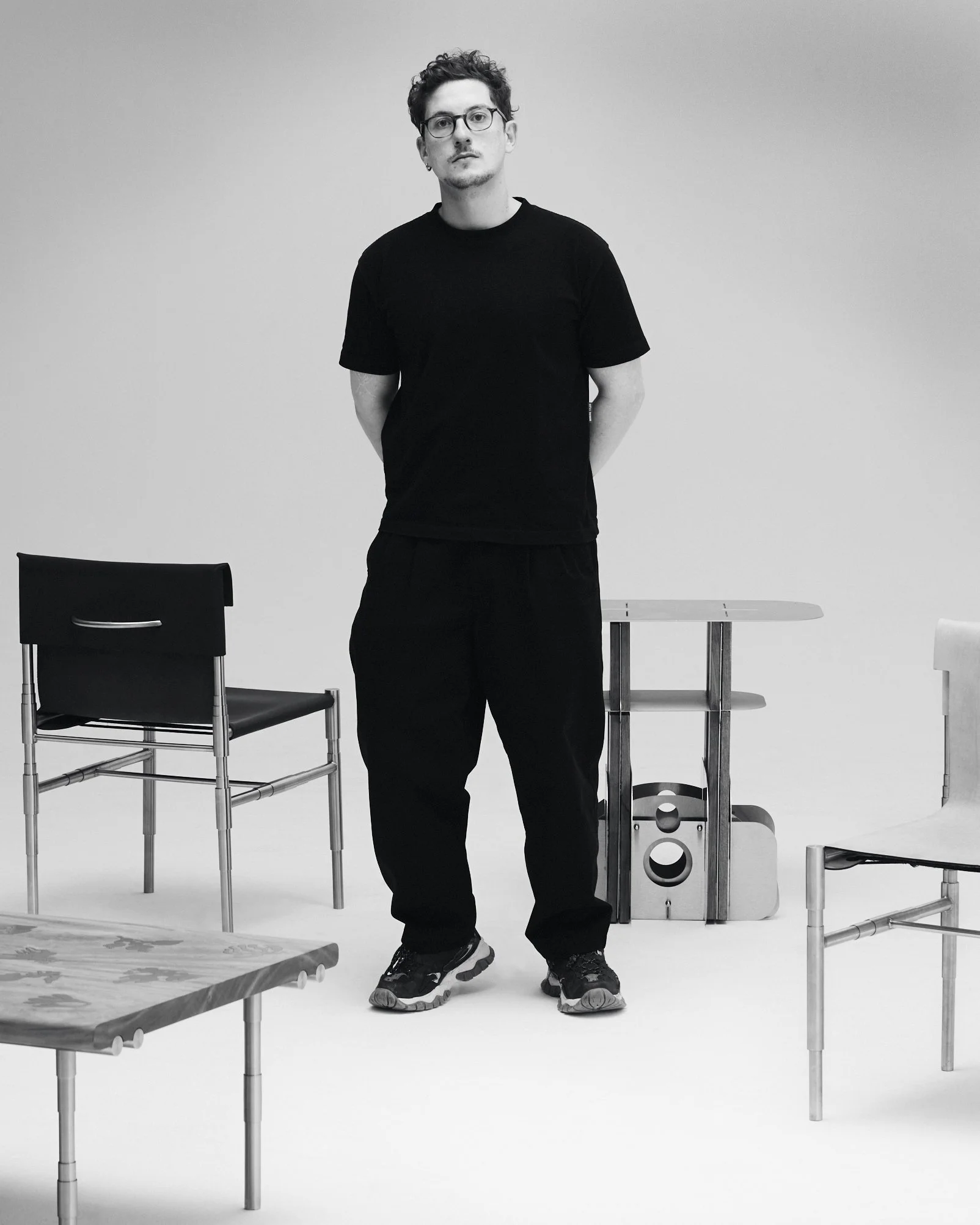
PUUPA is an independent design studio founded by Brazilian furniture designer Luccas Iatauro, specialising in collectible furniture and design objects produced in limited editions. Working at the intersection of contemporary furniture design, art, and architecture, PUUPA is driven by rigorous research, material experimentation, and philosophical inquiry.
Rather than pursuing a fixed aesthetic or recognisable signature, the studio approaches each piece as a transitional body, an evolving system shaped by process, tension, and transformation. Materials are not merely selected but actively negotiated, allowing form to emerge through making rather than resolution.
In this interview, Luccas Iatauro reflects on the idea of becoming as a design methodology, the role of material intelligence in shaping contemporary collectible furniture, and how objects can operate as active spatial agents, not static outcomes, but living presences within an architectural context.
Words: designeers
JANUARY 2026
WEBSITE: puupa.design
INSTAGRAM: @puupadesign
DESIGNEERS
Puupa takes its name from the Latin term for a transitional body. How does the idea of transformation guide your approach to designing contemporary furniture?
Luccas Iatauro
The idea of pupa as a body in transition allows me to think of furniture not as a resolved object, but as a moment within an evolving process. This concept structures Puupa’s design approach. Each piece is conceived as a transitional system, positioned between art, design, and architecture. Rather than approaching furniture as a finished, fixed entity, I treat it as a system in becoming, emerging through an ongoing process of research, prototyping, and material testing, where form remains provisional and responsive.
In Classical Latin, pūpa designated a doll or small figurative body: a complete form devoid of agency. Through visual and metaphorical association, this notion later extended to the biological stage of the pupa, or chrysalis; a compact, enclosed body undergoing internal transformation.
DESIGNEERS
Describe your work in three words.
Luccas Iatauro
Provocative, playful, and experimental.
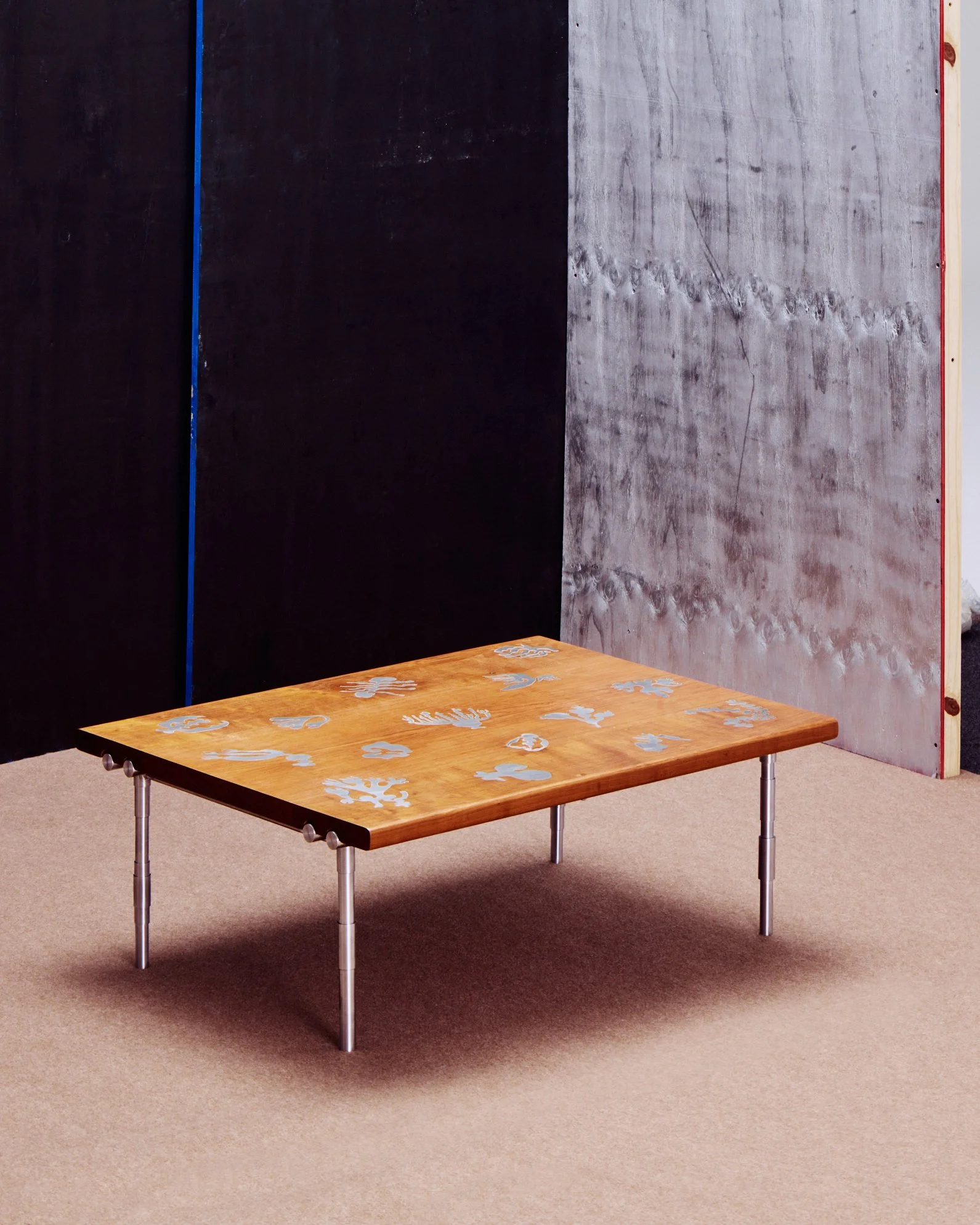
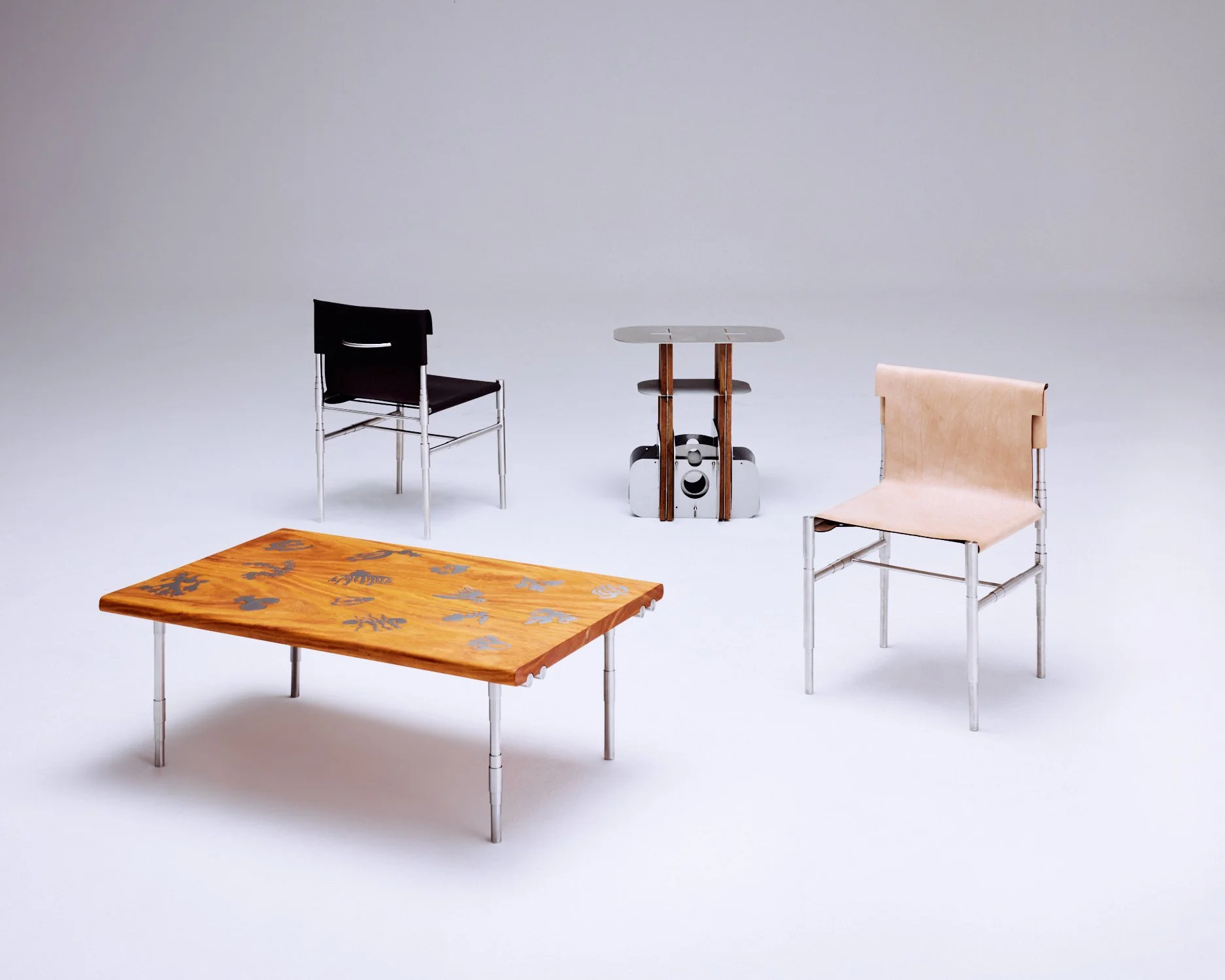
Mesa Baixa
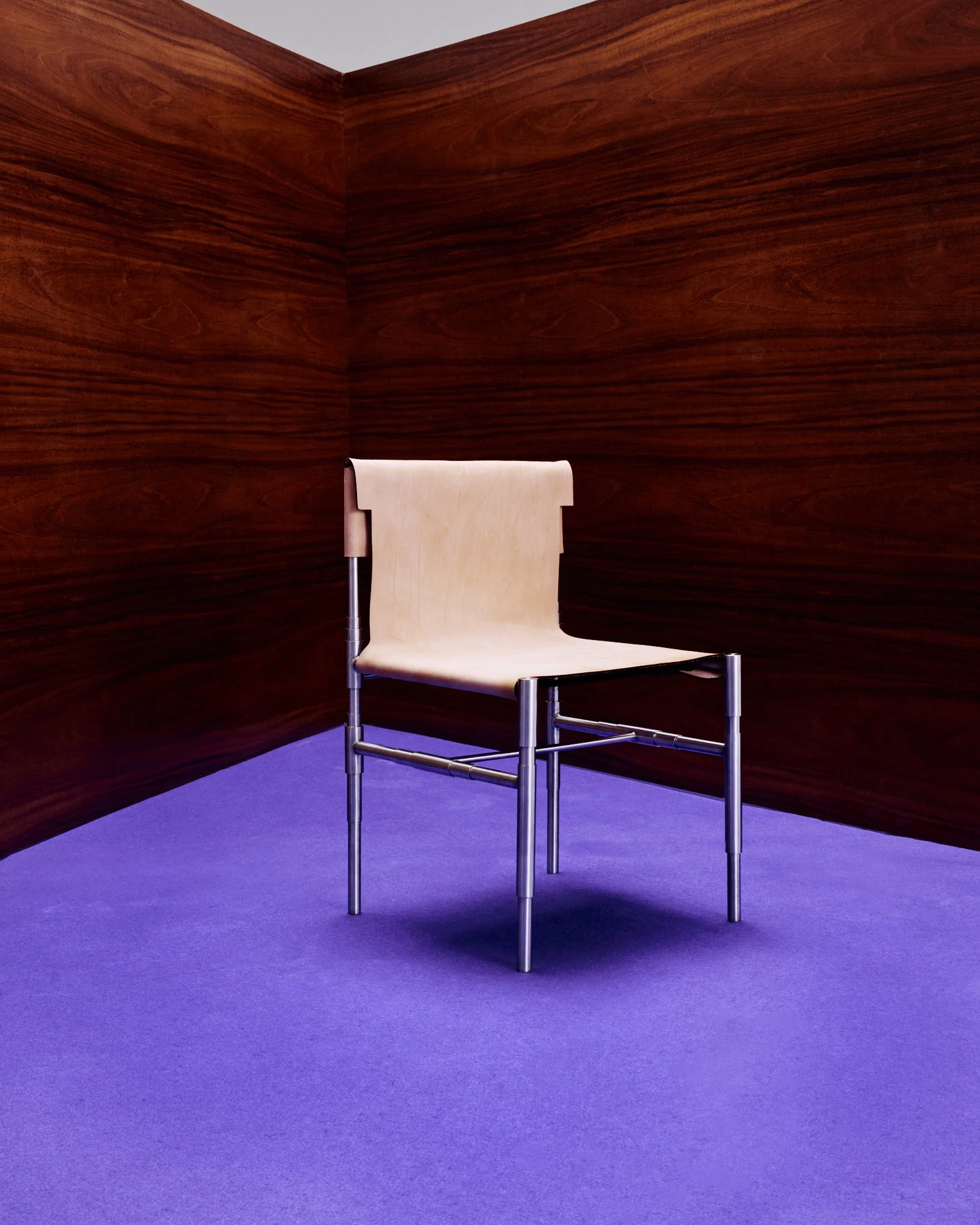
Cadeira 1
DESIGNEERS
Which was the first piece of furniture you fell in love with?
Luccas Iatauro
I would say my grandfather’s work desk. Made of heavy wood with a leather-lined working surface, it sparked my curiosity through its hidden drawers and concealed mechanisms that would lock, unlock, or reveal compartments. I still hold a vivid memory of the day he showed me how to activate and use these systems.
DESIGNEERS
Your work sits at the intersection of art, design, and architecture. Do you see Puupa as a design studio, an artistic practice, or an ongoing research laboratory?
Luccas Iatauro
Puupa functions primarily as an ongoing research laboratory. While the outcomes materialise as furniture, the process is rooted in the investigation of structure, material behaviour, and spatial impact. The practice naturally intersects with art and architecture, but not as categories to be blended. Rather, they are fields of knowledge that inform how objects can think, behave, and occupy space.
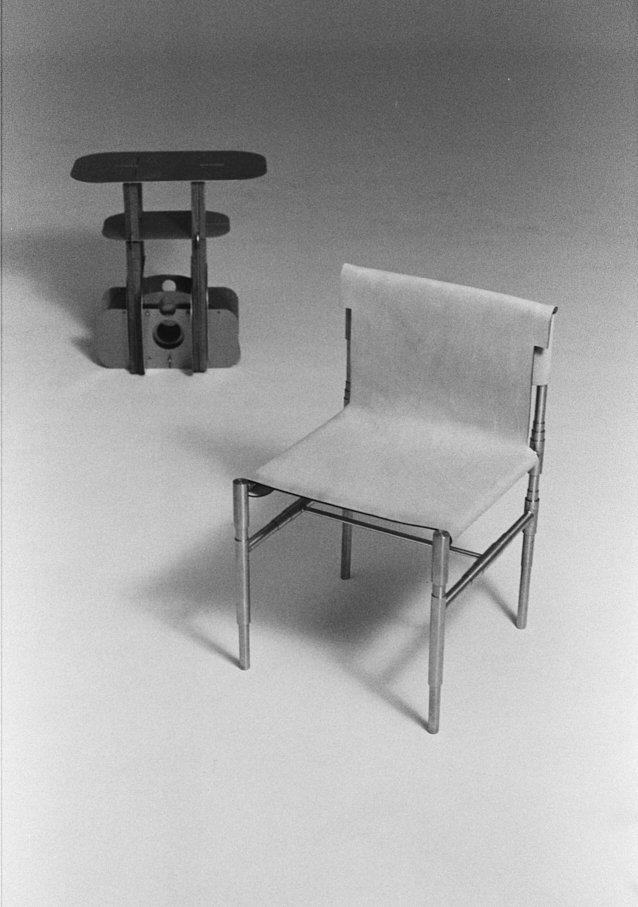
ML1 and Cadeira 1
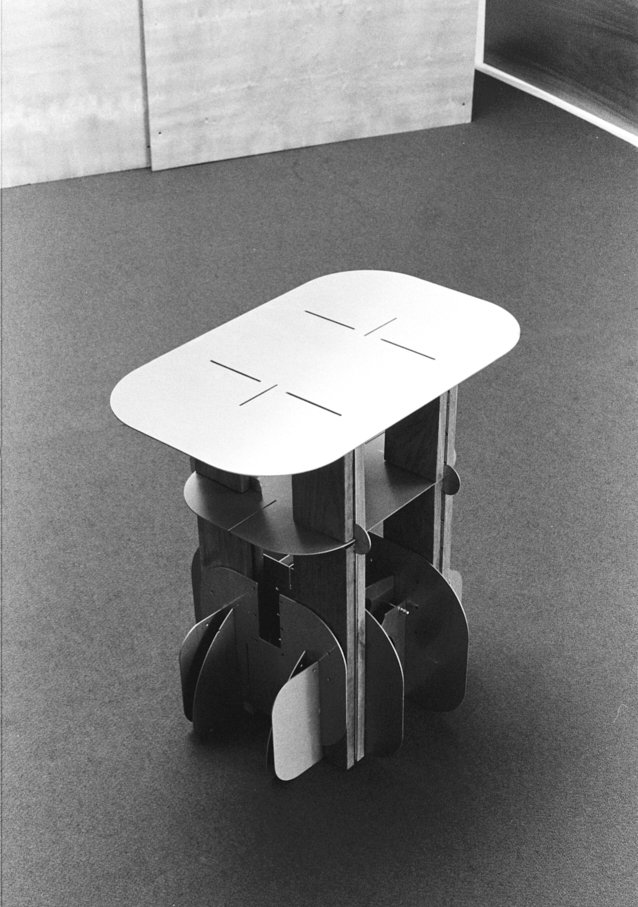
ML1
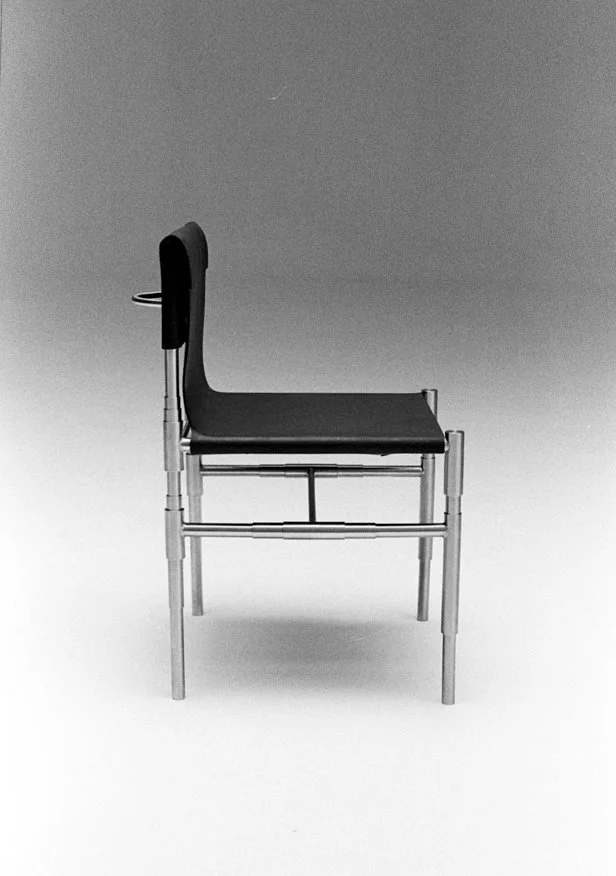
Cadeira 1
“Wood carries memory and organic variability; stainless steel introduces precision, resistance, and tension; leather operates as a mediator between body and structure.”
Luccas Iatauro, PUUPA
DESIGNEERS
Materiality is a central force in Collection I. What did working simultaneously with wood, stainless steel, and leather reveal to you about their relationship to structure and form?
Luccas Iatauro
It revealed their distinct temporal and structural qualities. Wood carries memory and organic variability; stainless steel introduces precision, resistance, and tension; leather operates as a mediator between body and structure. Their relationship is not hierarchical. Instead, form emerges from negotiation between flexibility and rigidity, warmth and coldness, handcraft and industrial logic.
DESIGNEERS
Puupa’s entire foundation lies in research. What question or curiosity is currently driving your next phase of investigation?
Luccas Iatauro
My current research is driven by the question of how structure can operate as narrative without becoming illustrative. I am interested in how an object can communicate states of tension, balance, and transformation through construction alone, rather than through symbolic or decorative gestures. Ultimately, I aim for the viewer to engage with my work not as static products, but as active spatial entities.
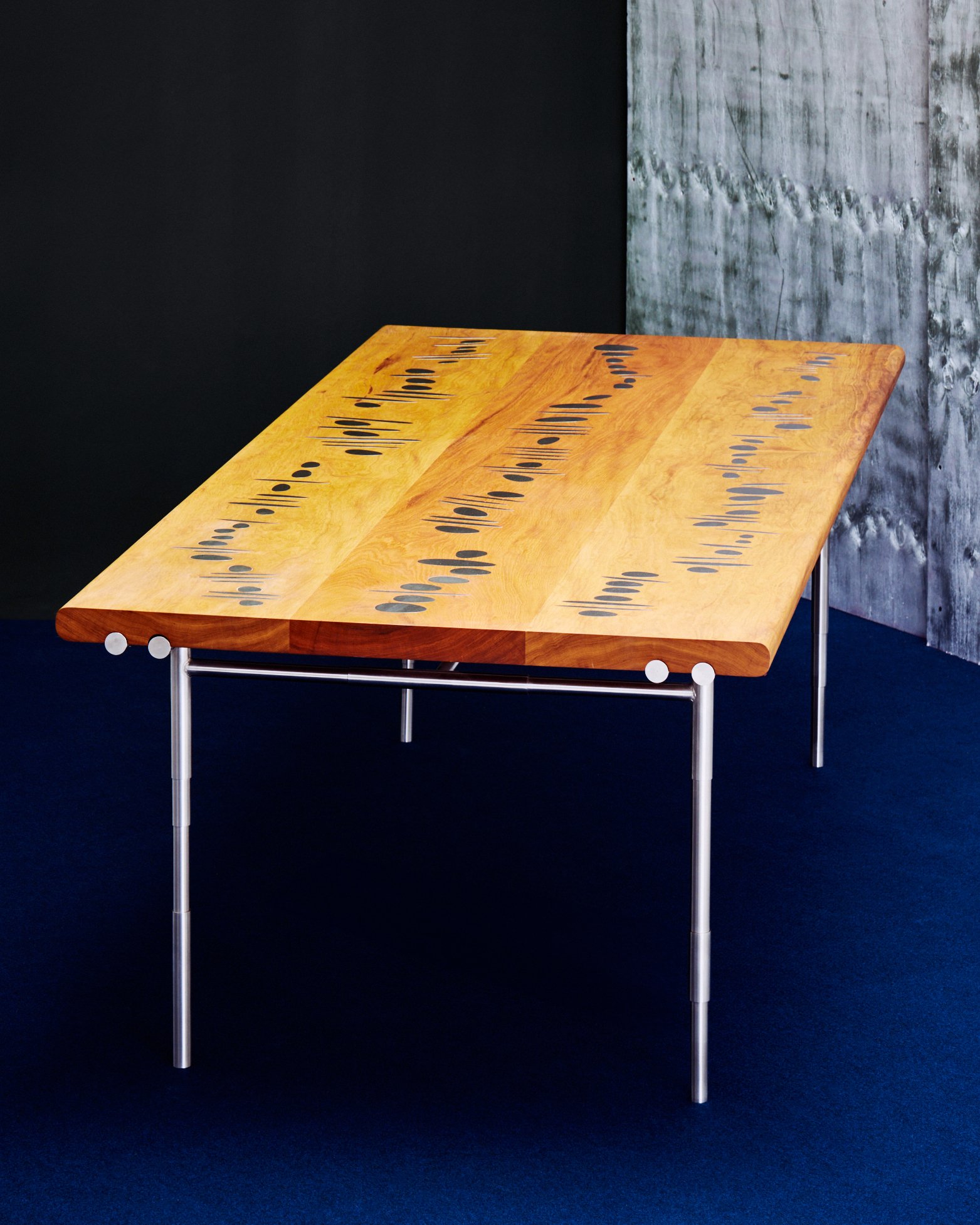
Mesa Alta
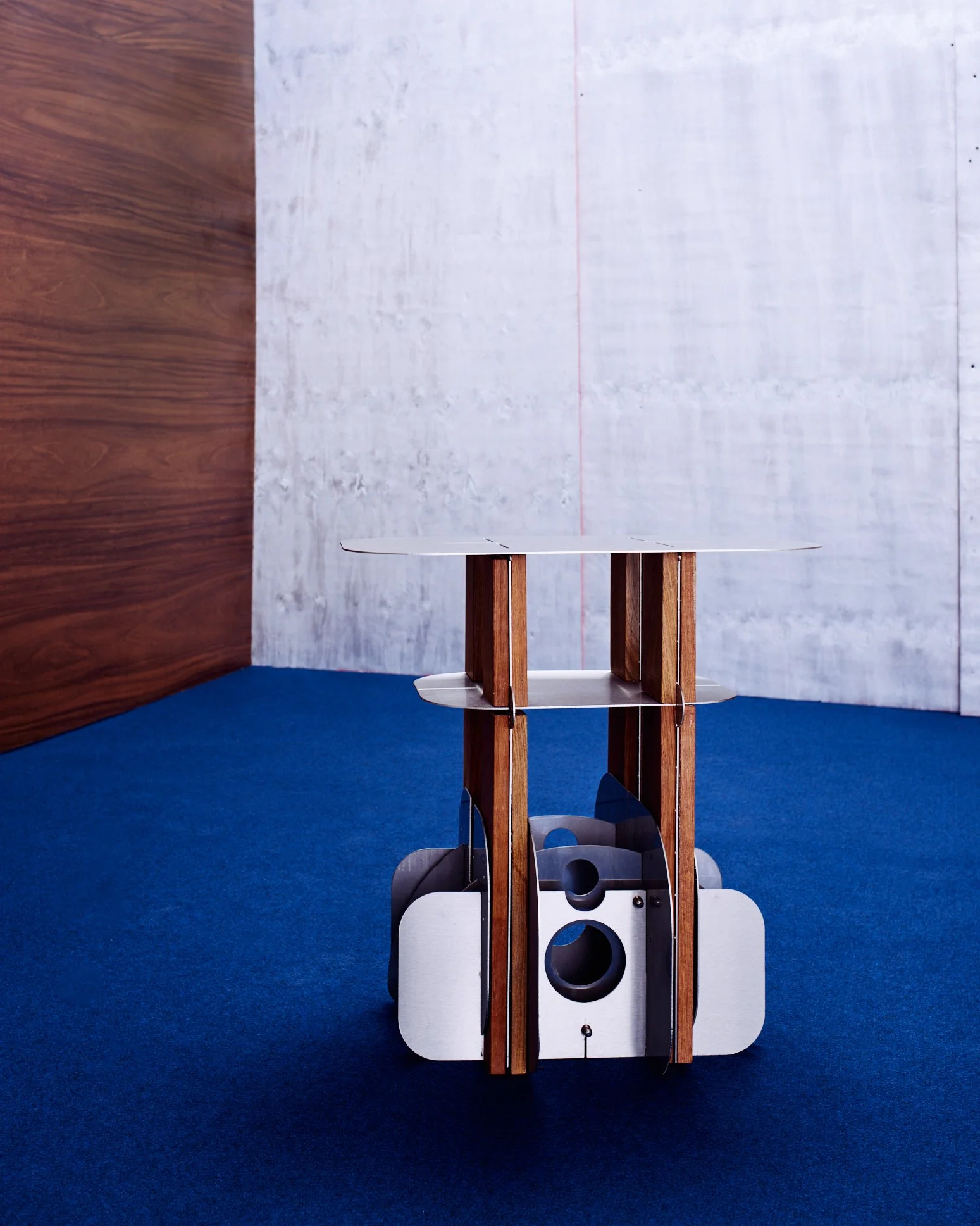
ML1
DESIGNEERS
You describe each piece as an “active spatial element.” How do you see your furniture functioning more like architecture than an object?
Luccas Iatauro
I approach furniture as something that organises space, rather than simply inhabiting it. Each piece establishes axes, thresholds, and spatial tensions that affect how a body moves, pauses, or orients itself. In this sense, the furniture behaves architecturally: it defines relationships, frames voids, and alters perception, even at a reduced scale.
DESIGNEERS
What is the emotion you hope the pieces evoke in people encountering them for the first time?
Luccas Iatauro
A sense of curiosity and quiet displacement. I hope the pieces feel familiar yet subtly uncanny, inviting contemplation rather than immediate understanding. That moment of hesitation is essential to my work, as it opens space for reflection and heightened physical awareness. In this way, I aim to create more questions than answers.