people • DESIGNERS
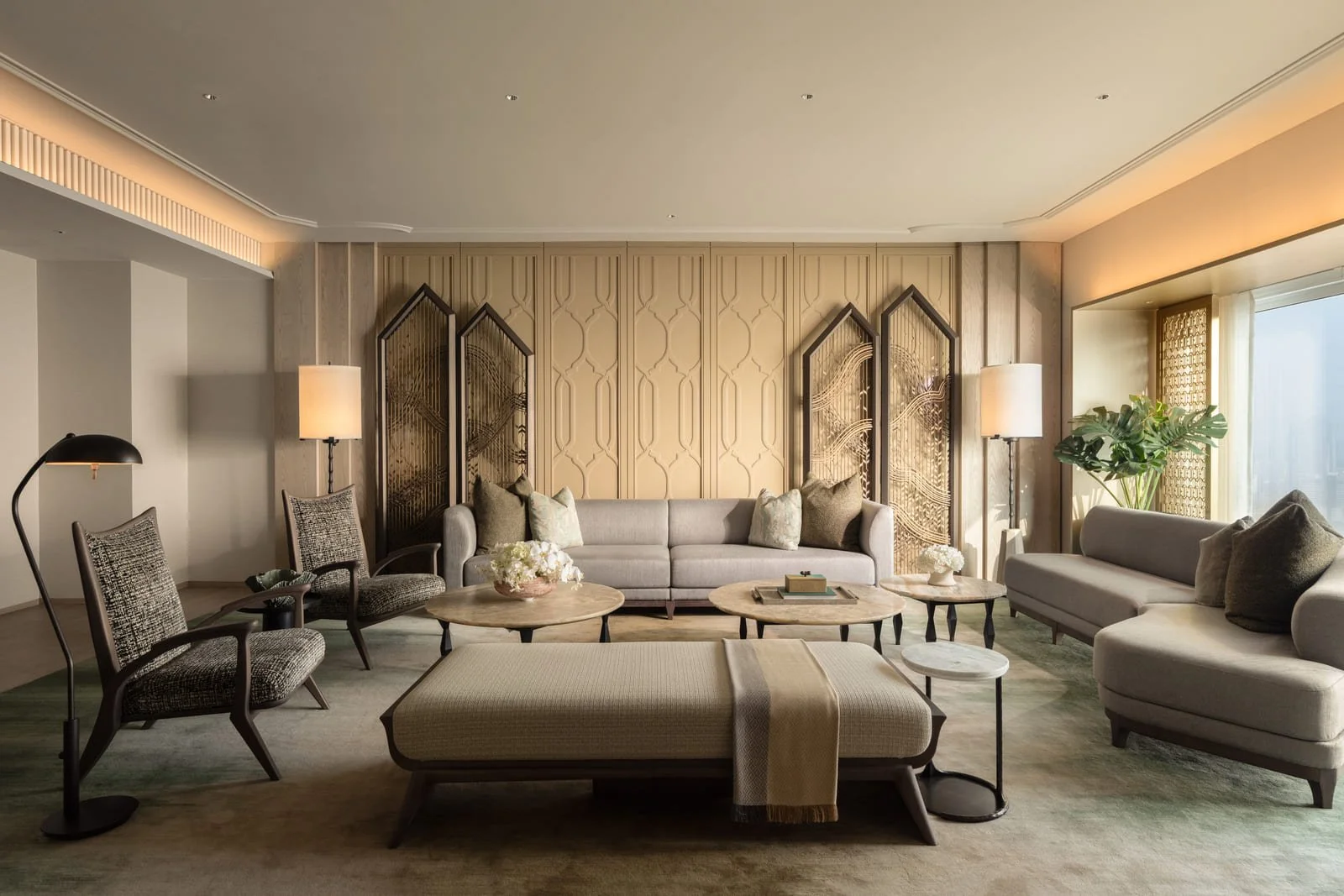
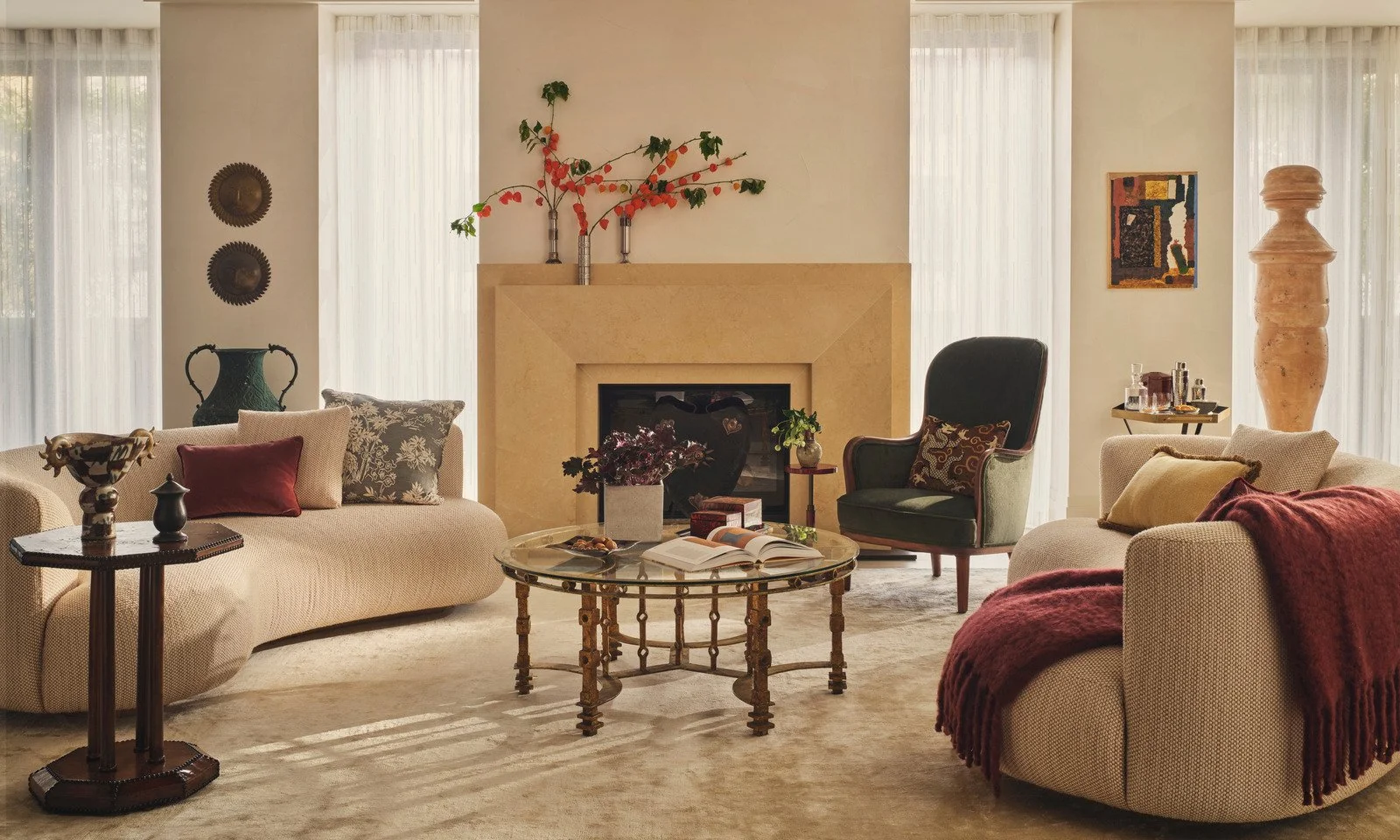
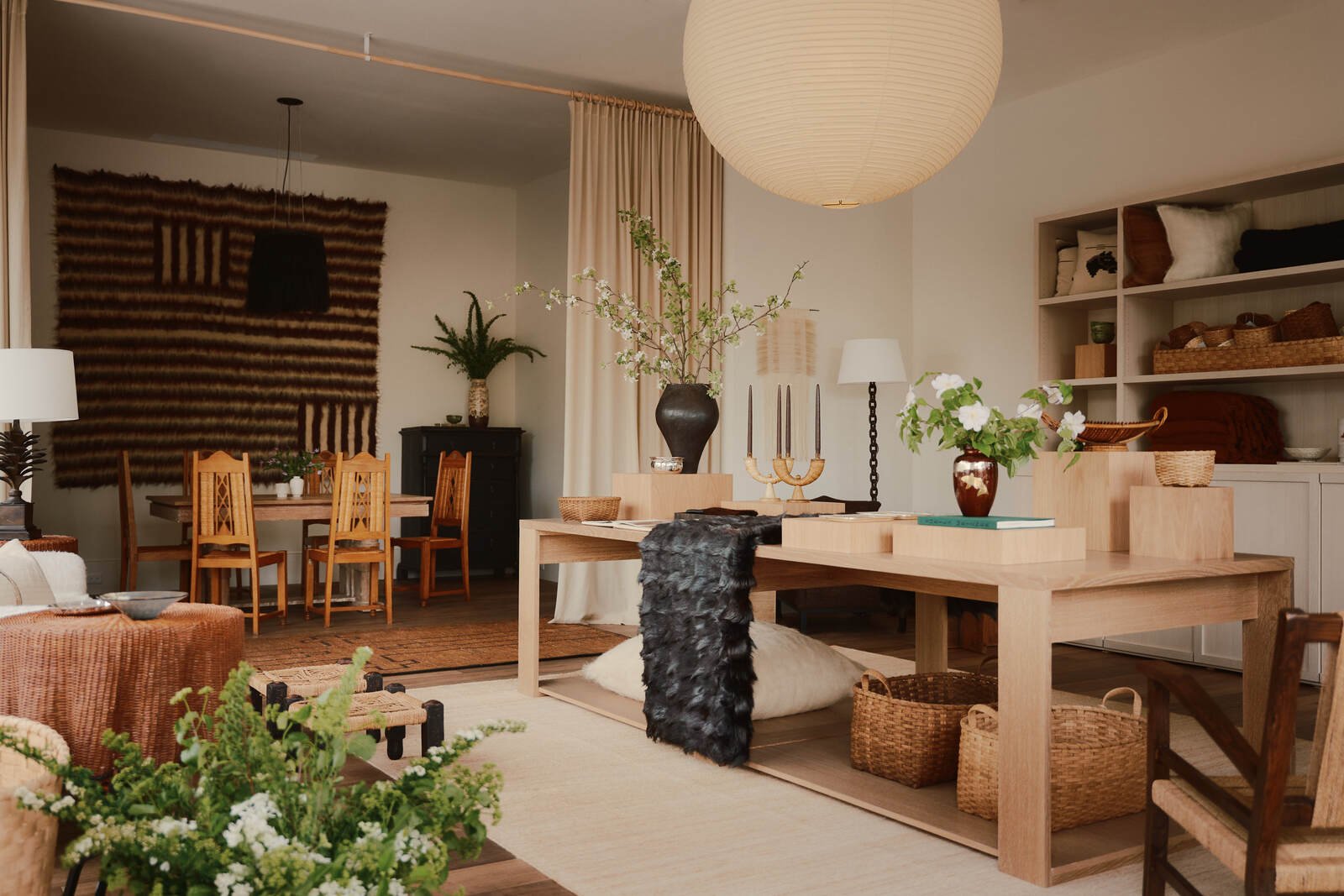
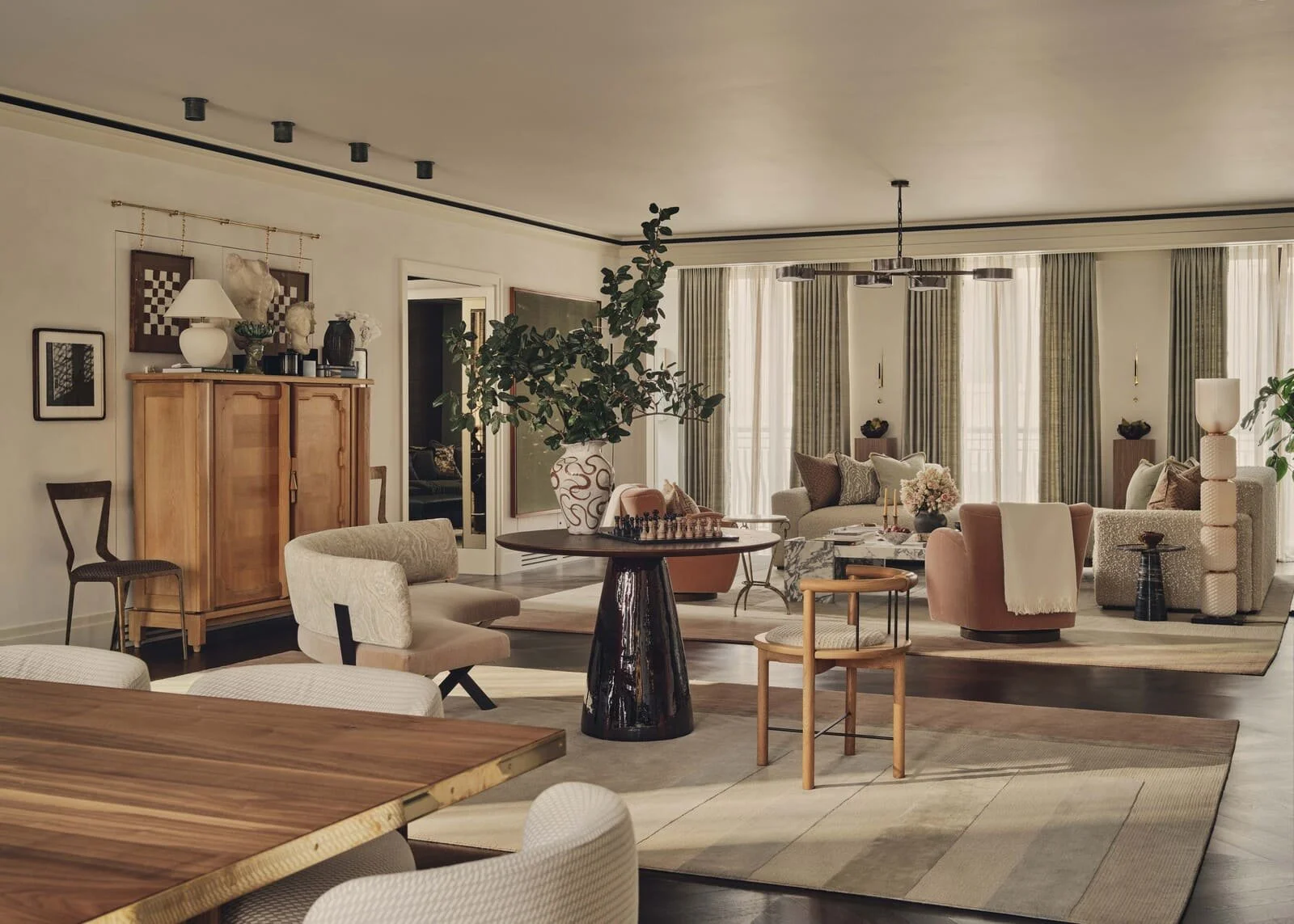
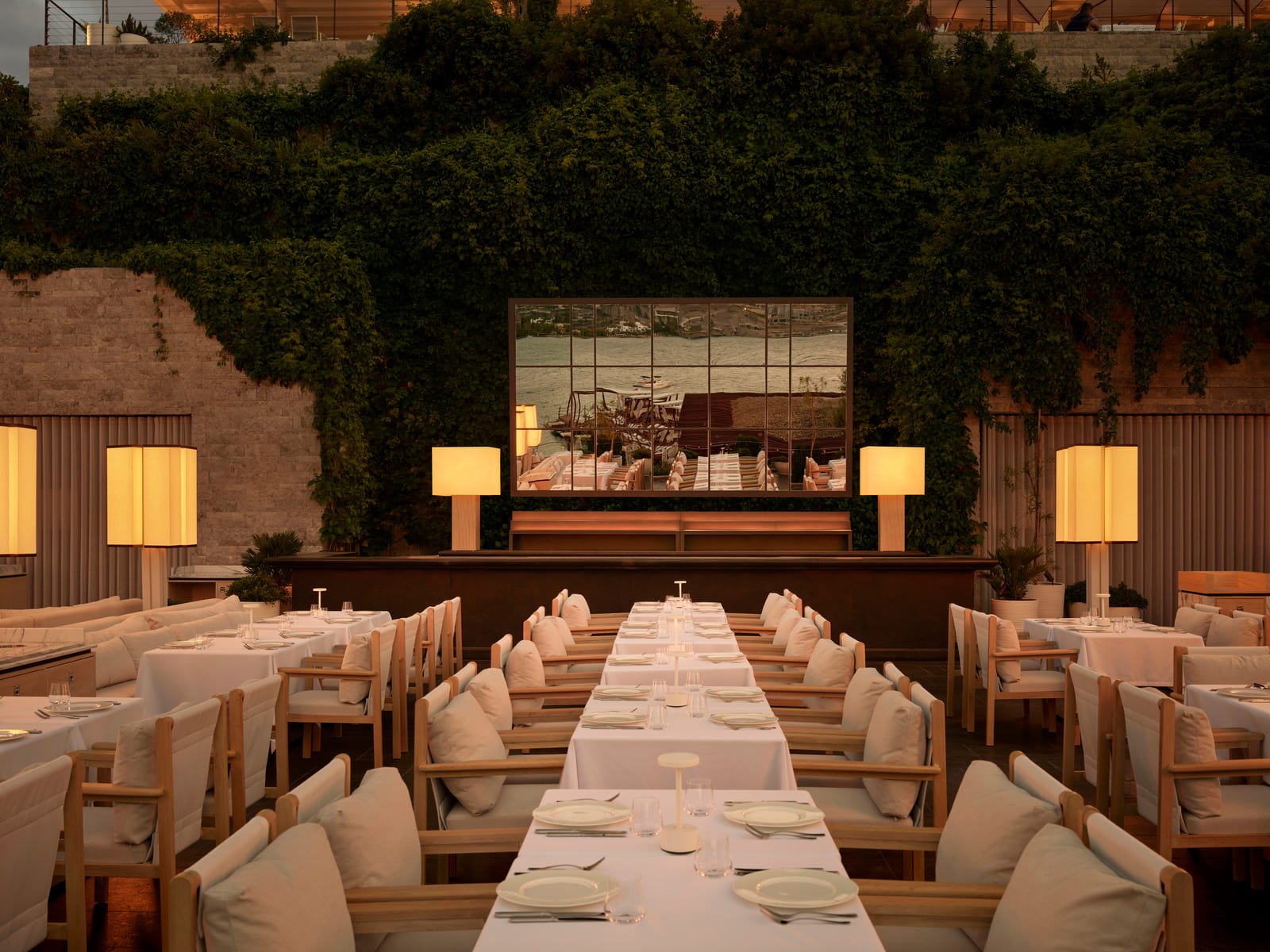
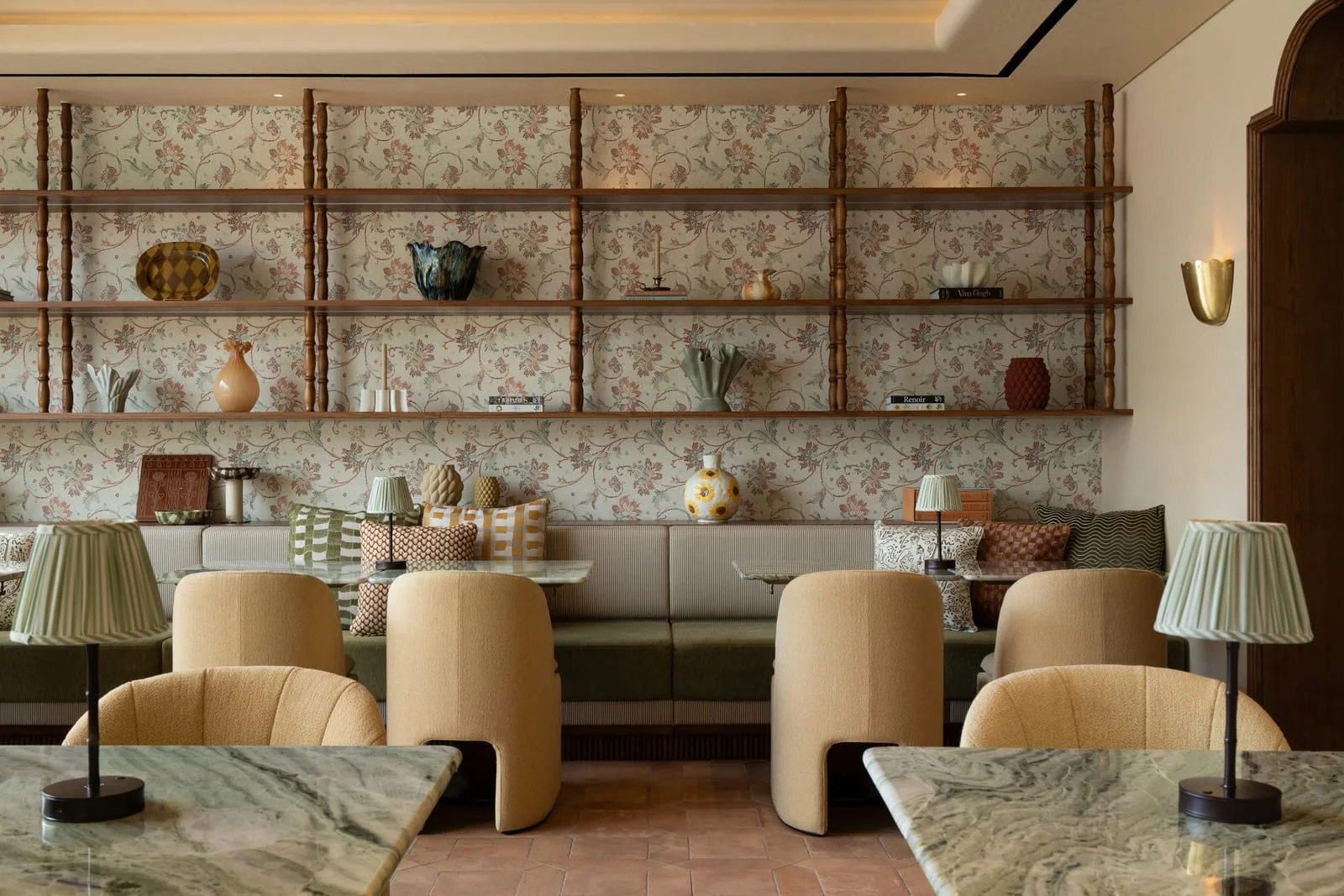
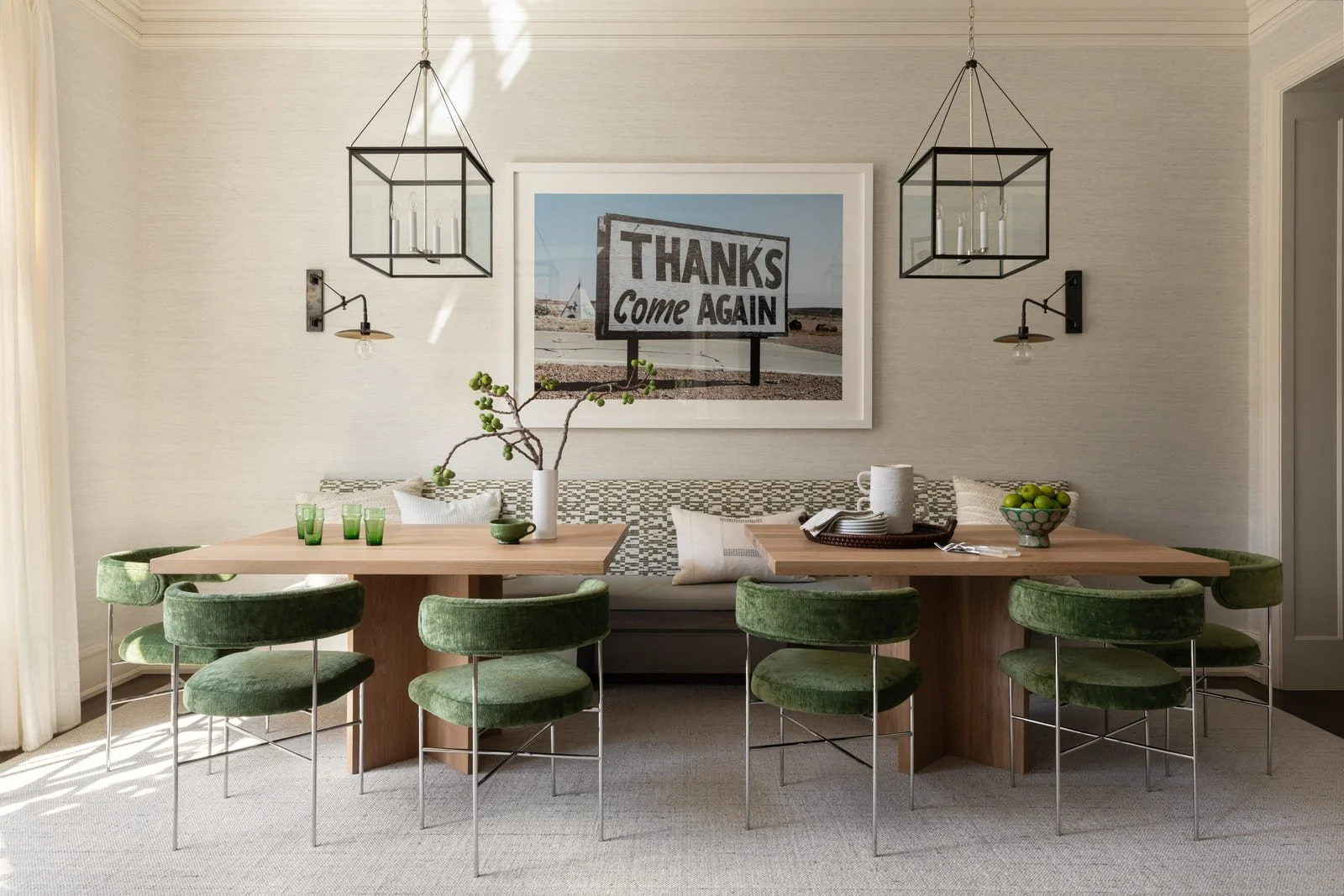
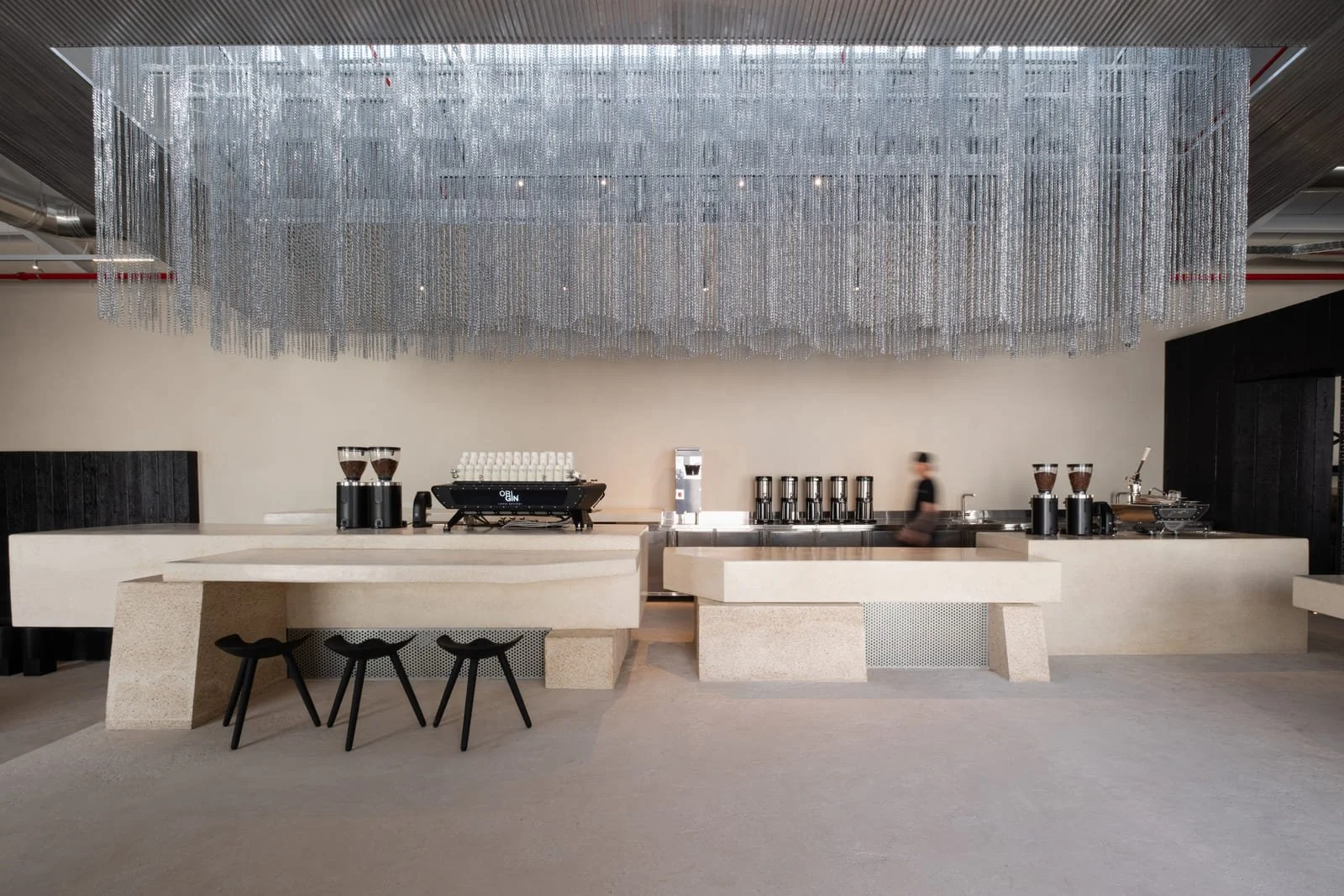
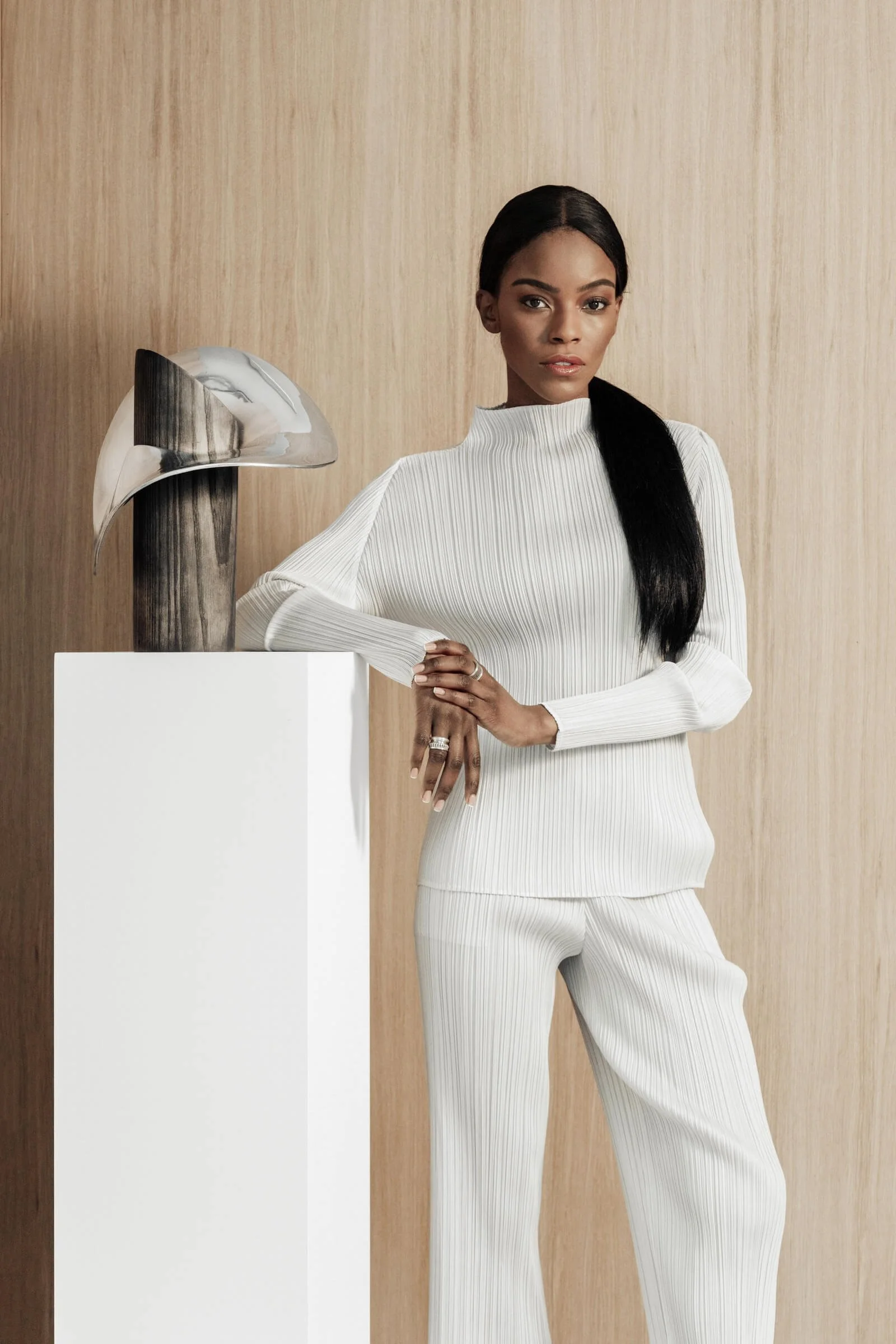
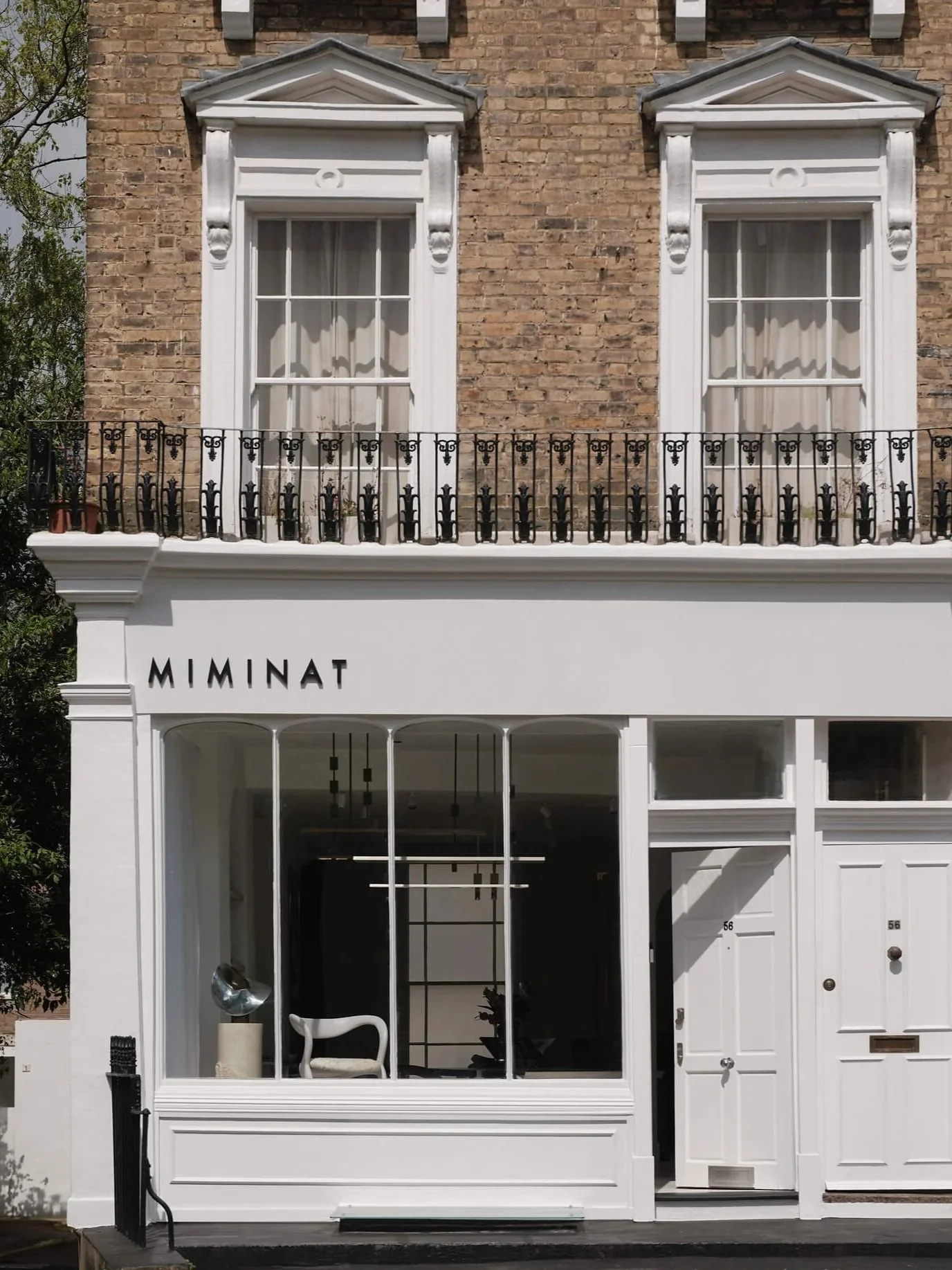
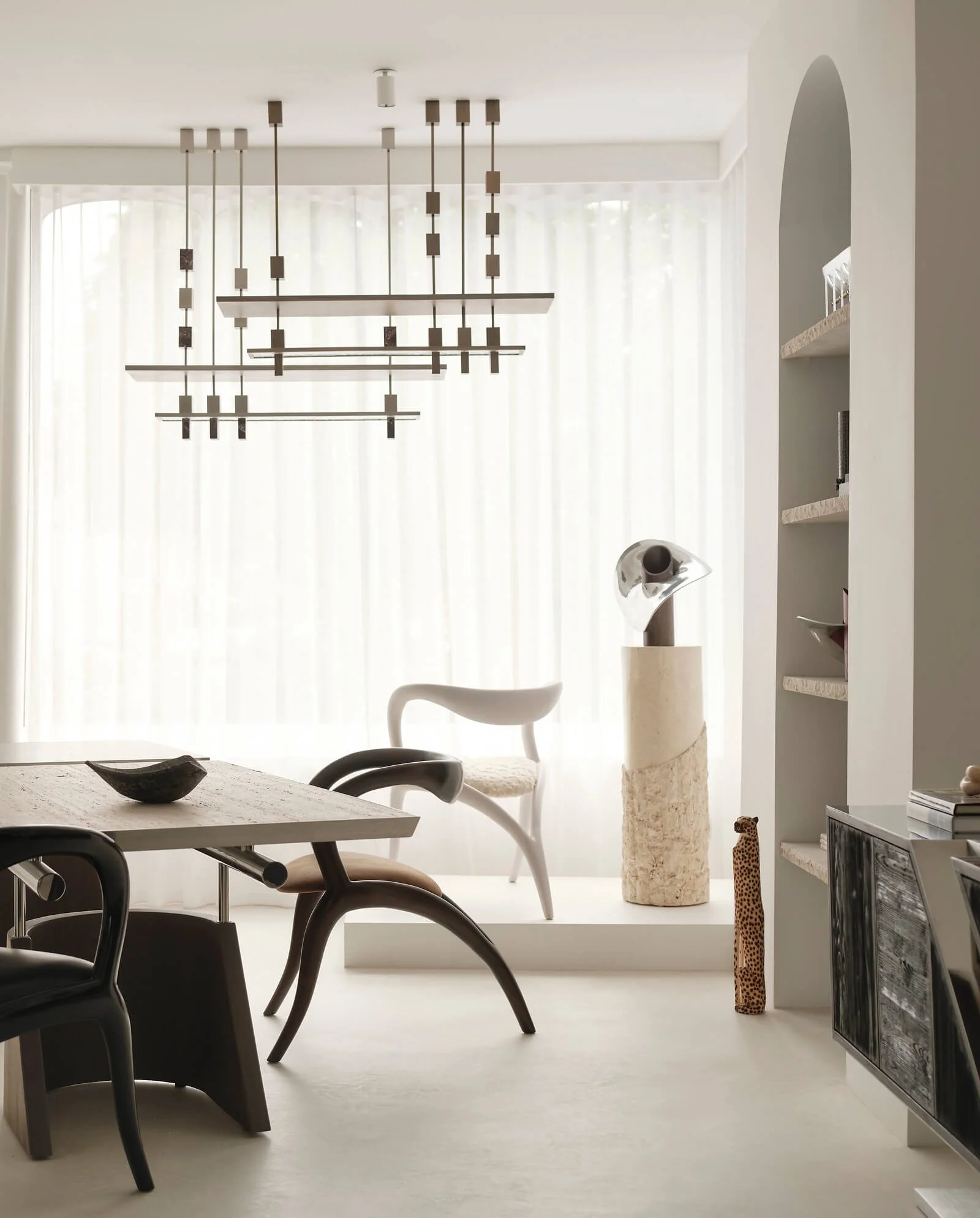
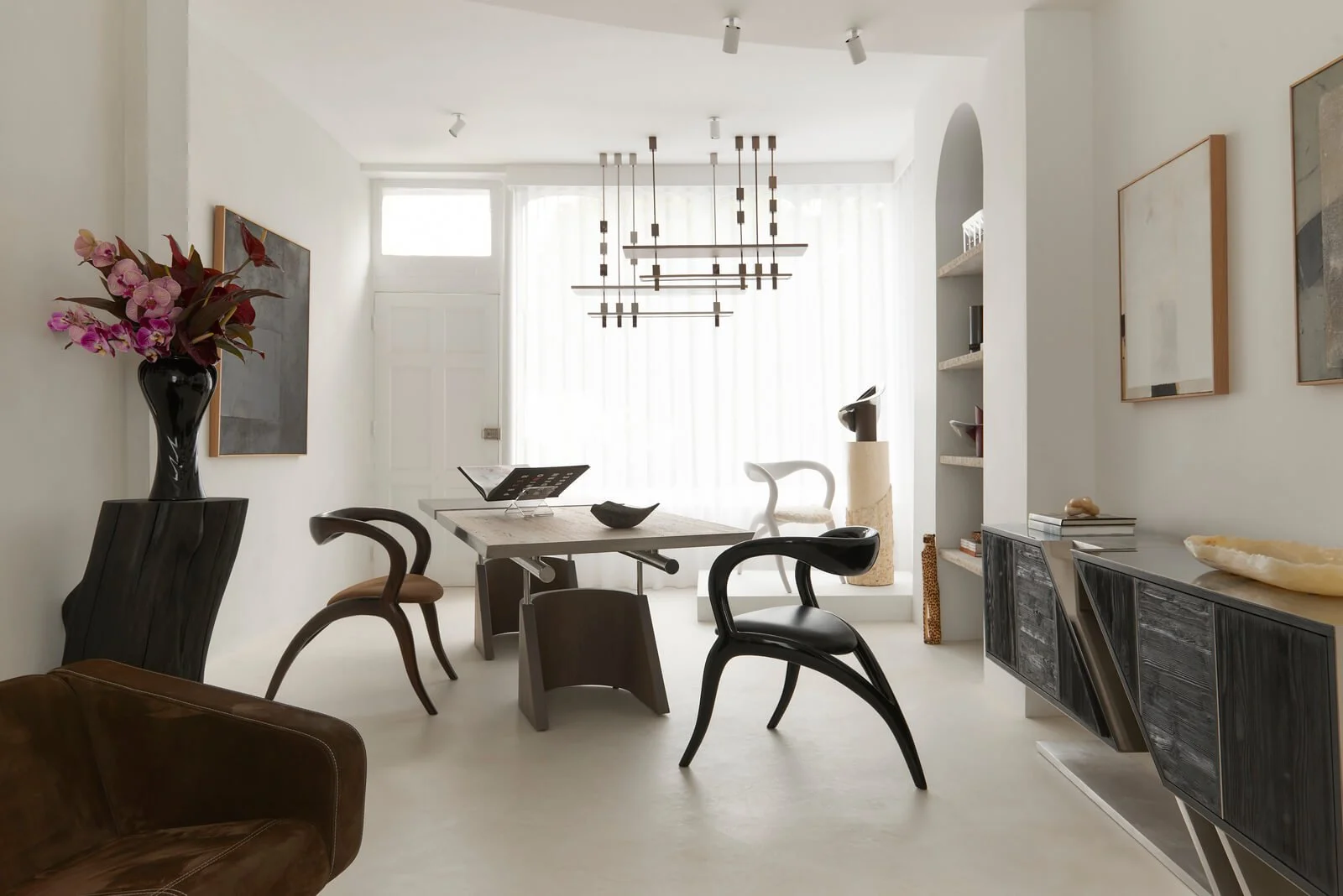
Tucked behind an unassuming facade in St. John’s Wood, Mimi Shodeinde’s new showroom is more than a retail space, it’s a meditation on form, culture, and atmosphere.
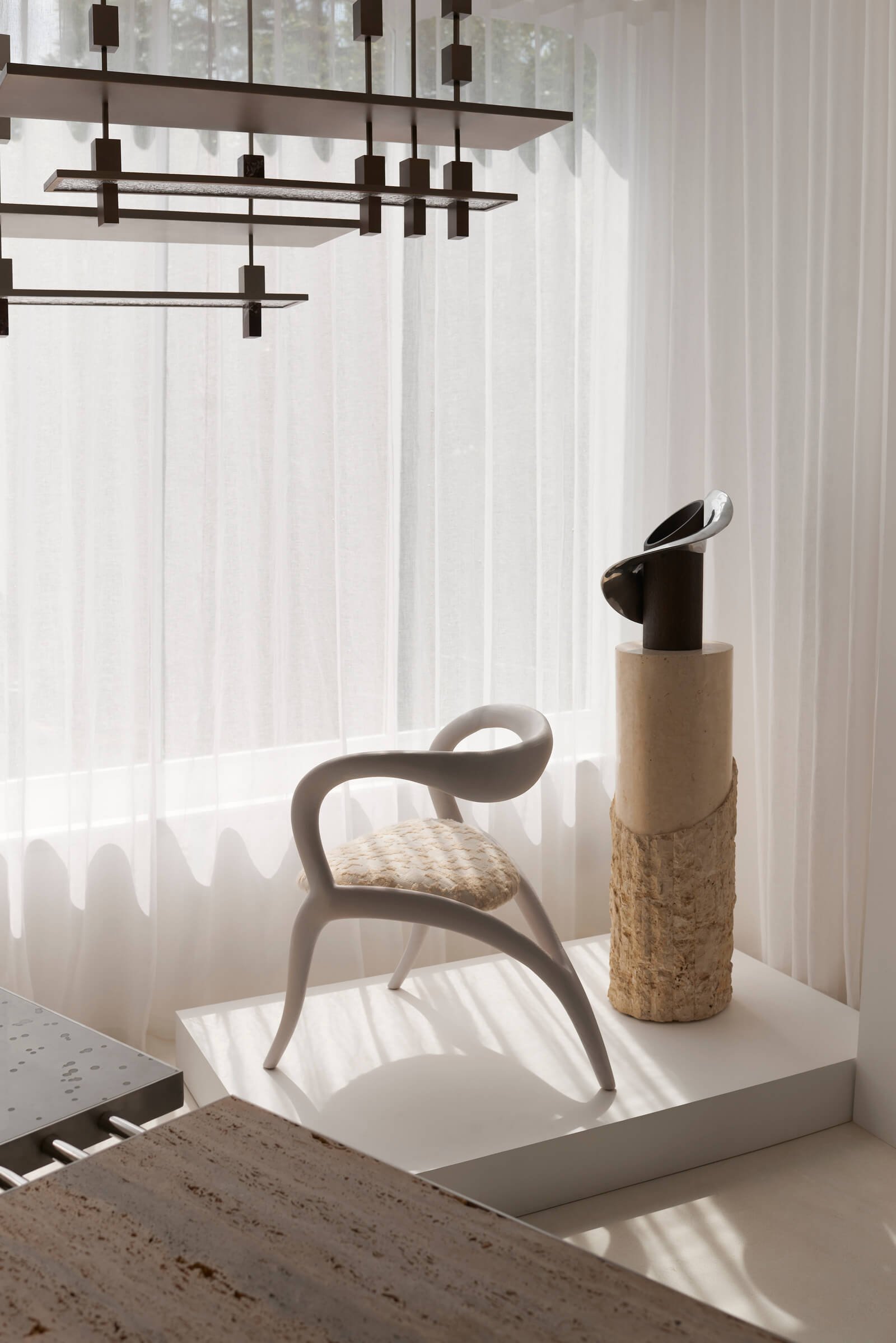
A seamless extension of her eponymous design studio Miminat, the space invites visitors into a world where furniture becomes sculpture, materials speak in rhythm, and ancestral echoes guide contemporary expression. From the tactile richness of bronze and oak to the soft authority of curve and line, the showroom captures Mimi’s singular vision: bold yet restrained, grounded yet imaginative.
In this exclusive Designeers Journal feature, we sit down with Mimi to explore the story behind the space, her creative philosophy, and the evolution of the Miminat collection.
Words: designeers
AUGUST 2025
WEBSITE: miminat.com
INSTAGRAM: @miminat
DESIGNEERS
Your new showroom in St. John’s Wood is full of stunning pieces from your furniture collection. What experience do you want people to have when they step inside?
Mimi Shodeinde
I wanted to create a space that offers a deeply personal reflection of my design journey, not just a showroom, but an immersive environment that speaks to my influences and philosophy.
It was important to me that visitors feel something when they step inside: a connection with the emotionality of the pieces and the sense of craft and intention behind every detail.
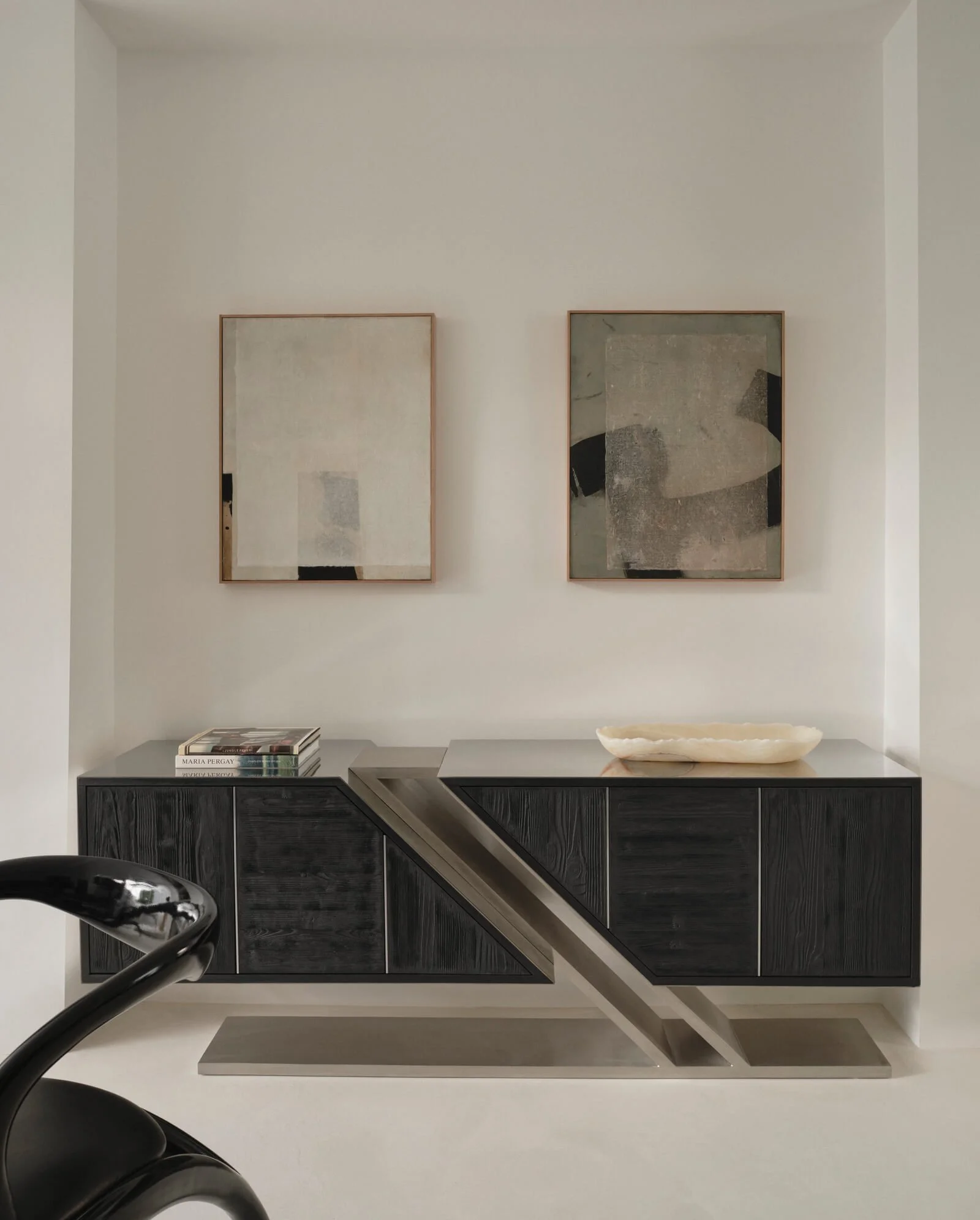
The space acts as a gallery where I’ve curated one-of-one versions of my most recognisable furniture, lighting, and accessories, alongside objects with personal meaning, books, artworks, and collected items that have shaped my creative outlook. It also serves as a materials library, where visitors can explore the tactile beauty of raw and refined surfaces.
For me, materiality is integral to design. I wanted to create a place where visitors can engage with textures, tones, and natural beauty, sparking conversation, experimentation, and connection, a living reflection of my creative world.
DESIGNEERS
Your sculptural furniture pieces blur the line between design and art. How do you begin developing a new product? Is it led by materials, form, or story?
Mimi Shodeinde
It’s always a combination, as material, form, and story are deeply interconnected. Every design begins with a feeling, a moment, memory, or instinct, then evolves through an intuitive dialogue between concept, craftsmanship, and material.
I don’t see materials as merely functional, but as emotive vessels carrying memory, weight, and narrative. From there, I explore sculptural silhouettes that convey movement and emotion, often blurring the boundary between functional design and collectible art.
I think of it as building a visual and tactile language, layering textures and finishes to create pieces that feel grounded yet expressive.
DESIGNEERS
Which materials have taught you the most as a designer? Are there any material combinations you return to again and again?
Mimi Shodeinde
Wood has probably taught me the most. It’s a versatile, honest, and timeless material, always surprising in how it responds to shaping, layering, and finishing. It deepened my understanding of form, texture, and emotional resonance.
I often return to wood and metal pairings, especially aluminum. The contrast between warm, organic timber and the cool precision of metal creates balance, a grounded yet expressive dialogue of textures.
DESIGNEERS
When your work is conceptual or unconventional, how do you communicate that vision to clients or collaborators who might not immediately “get it”?
Mimi Shodeinde
I see part of my role as helping people see and feel differently. When a piece or space pushes boundaries, I lean into storytelling: explaining the emotional resonance behind materiality, cultural references within the form, or the intention behind spatial flow.
Visuals like sketches, samples, and 3D renders support the process, but dialogue is key. When clients feel the intention, they usually come on the journey with me.
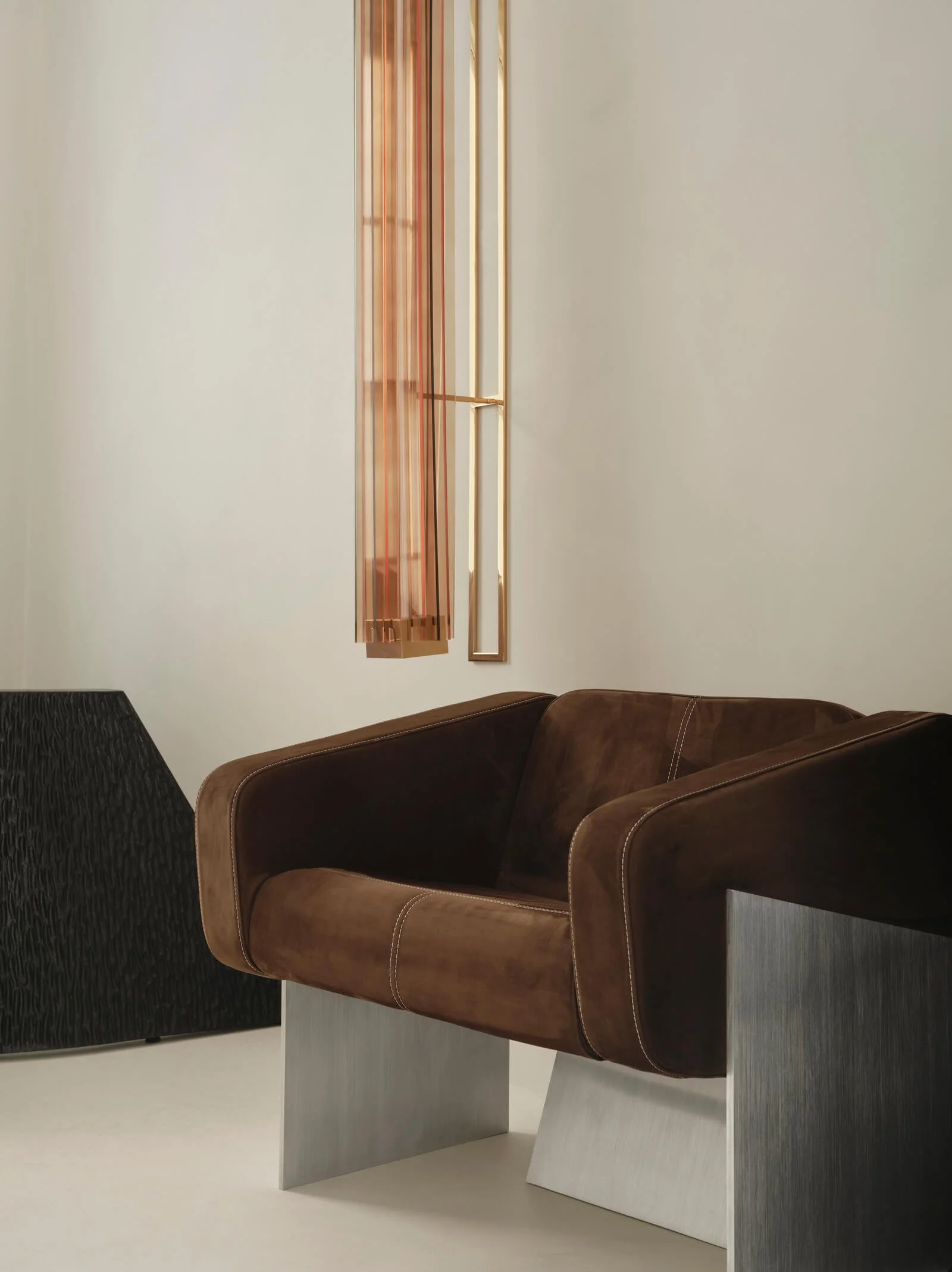
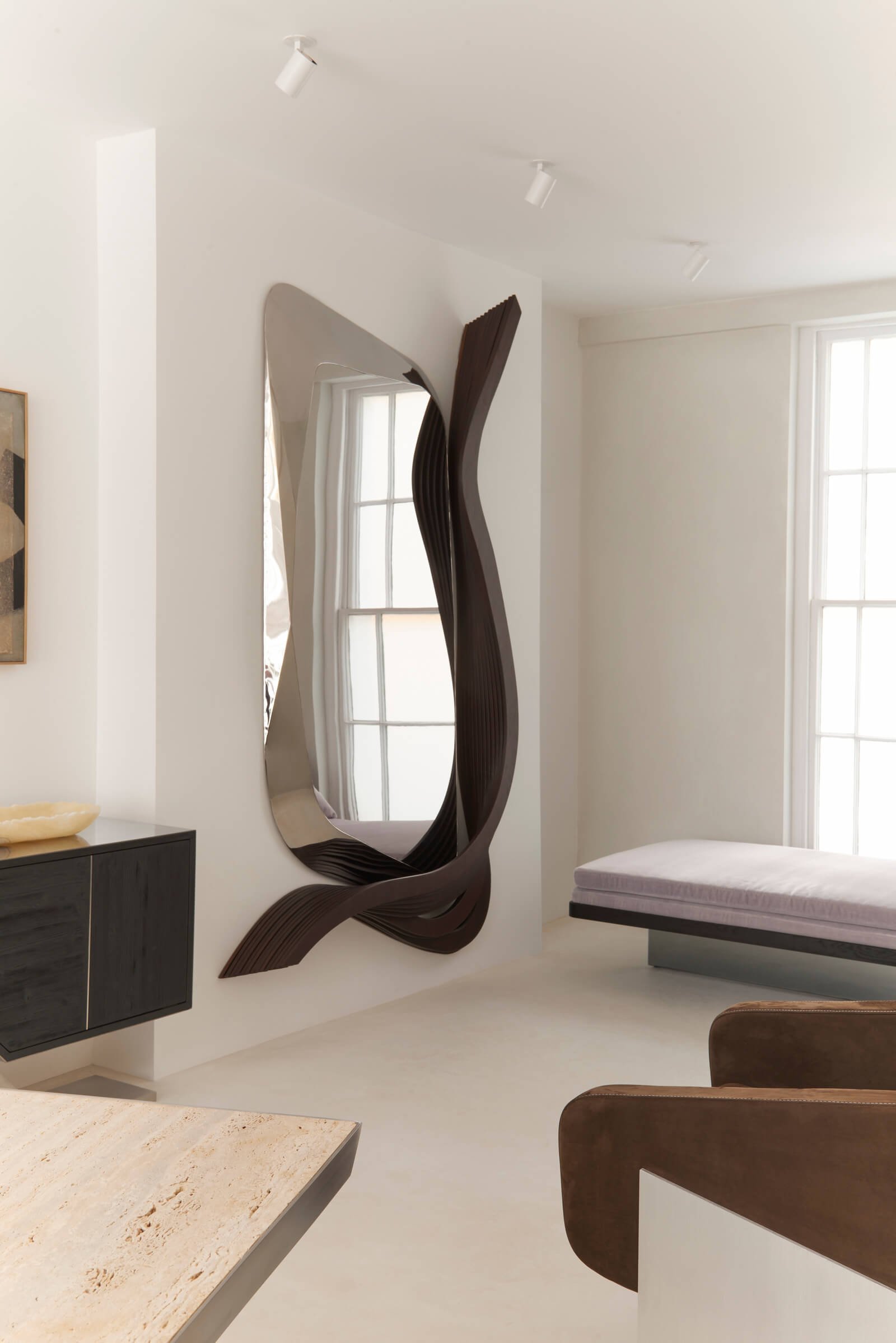
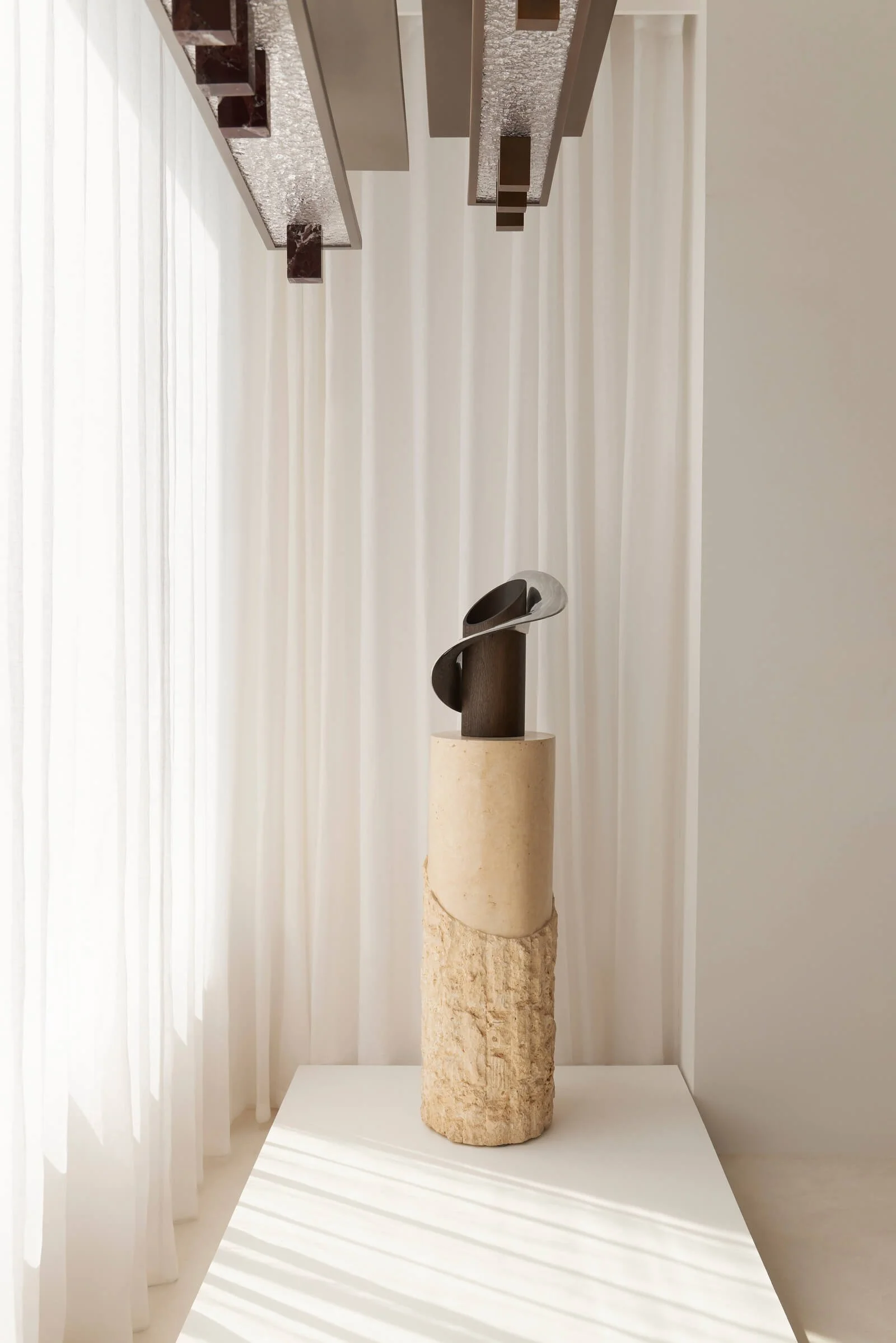
“I’m drawn to creating sculptural silhouettes that convey movement and emotion, often blurring the line between functional design and collectible art.”
Mimi Shodeinde
DESIGNEERS
Which piece from your collection do you hope will achieve iconic status, and why?
Mimi Shodeinde
Each piece reflects a chapter of my design story, but the Omi chair stands out. It embodies the balance I strive for, art and function, strength and softness, while carrying cultural symbolism and emotional depth. Seeing the strong emotional responses it evokes confirms its potential as an iconic design.
DESIGNEERS
If your London showroom had a soundtrack on repeat, what would it be?
Mimi Shodeinde
Diana Ross – “It’s My House.”
DESIGNEERS
Your dream creative collaboration. Who would you choose, and what would you design together?
Mimi Shodeinde
There are so many, but Hermès, Bang & Olufsen, Olafur Eliasson, and Range Rover are at the top.
Hermès, for their craftsmanship and storytelling through materials
Bang & Olufsen, for merging technology with design
Olafur Eliasson, for immersive, sensory approaches to space
Range Rover, close to my heart as both a past collaborator and as their ambassador
In an ideal world, I’d bring all these voices together for a multi-sensory project, where art, design, sound, and motion converge, an experience built on touch, materiality, and emotion.
DESIGNEERS
What’s your favourite destination in the world for creative inspiration— and how has it shaped your design perspective?
Mimi Shodeinde
Different places have shaped my creative DNA:
Middle East: Sacred architecture in Saudi Arabia and Kuwait showed me the power of harmony, geometry, and restraint.
India: Its richness in craft, texture, and symbolism inspires an emotional depth rooted in tradition.
Europe: Italy and Scandinavia sharpened my appreciation for proportion, timelessness, and refinement.
Together, these influences shape a design language grounded in materiality, emotion, and sensory experience.
photography by
Felix Speller, edvinas bruzas and Gen Lutkin