Fictional Spaces: How Talanoaga Turns Products into Stories
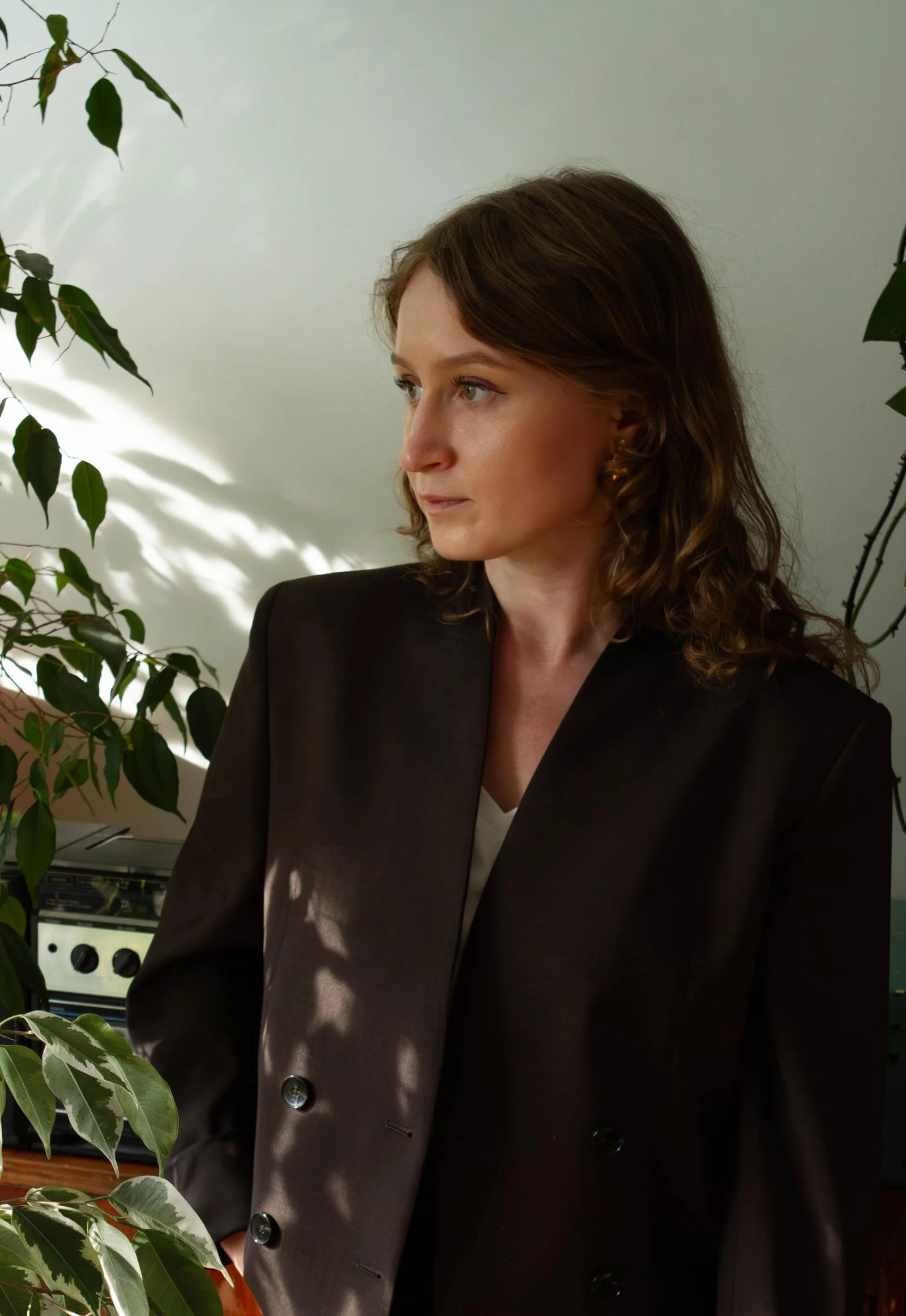
people • INTERIOR DESIGNER
From Poland to Spain and now Barcelona, Talanoaga has carved out a unique place in the world of architecture and design visualisation. Founded by an architect with a deep passion for furniture and interiors, the studio explores how digital tools can tell stories, elevate products and shape the way we imagine space. Through its philosophy of Fictional Spaces, Talanoaga is pushing the boundaries of how design is presented and experienced.
Words: designeers
OcTOber 2025
WEBSITE: fictional-spaces.com
INSTAGRAM: @talanoaga
DESIGNEERS
Describe your work in three words.
TALANOAGA
Space, emotion and narrative. These three words reflect how I approach every project, shaping interiors and visualisations that go beyond function to tell a compelling design story.
DESIGNEERS
Can you tell us about your background? From Poland to Spain and now Barcelona, how has your architectural education shaped your approach to design and visualisation?
TALANOAGA
Studying architecture taught me to value proportion, detail and the essence of good design, which now defines my approach to visualisation. I have always been drawn to furniture design, and through Talanoaga I connect that passion with my practice to create product presentations that feel both functional and artistic.
Barcelona has been transformative, offering the creative and personal freedom I needed. The city’s vibrant design culture inspires me daily and continues to shape the way I explore ideas and bring them to life.
DESIGNEERS
What drew you to the world of 3D visualisation, and how did Fictional Spaces come to life as a creative direction?
TALANOAGA
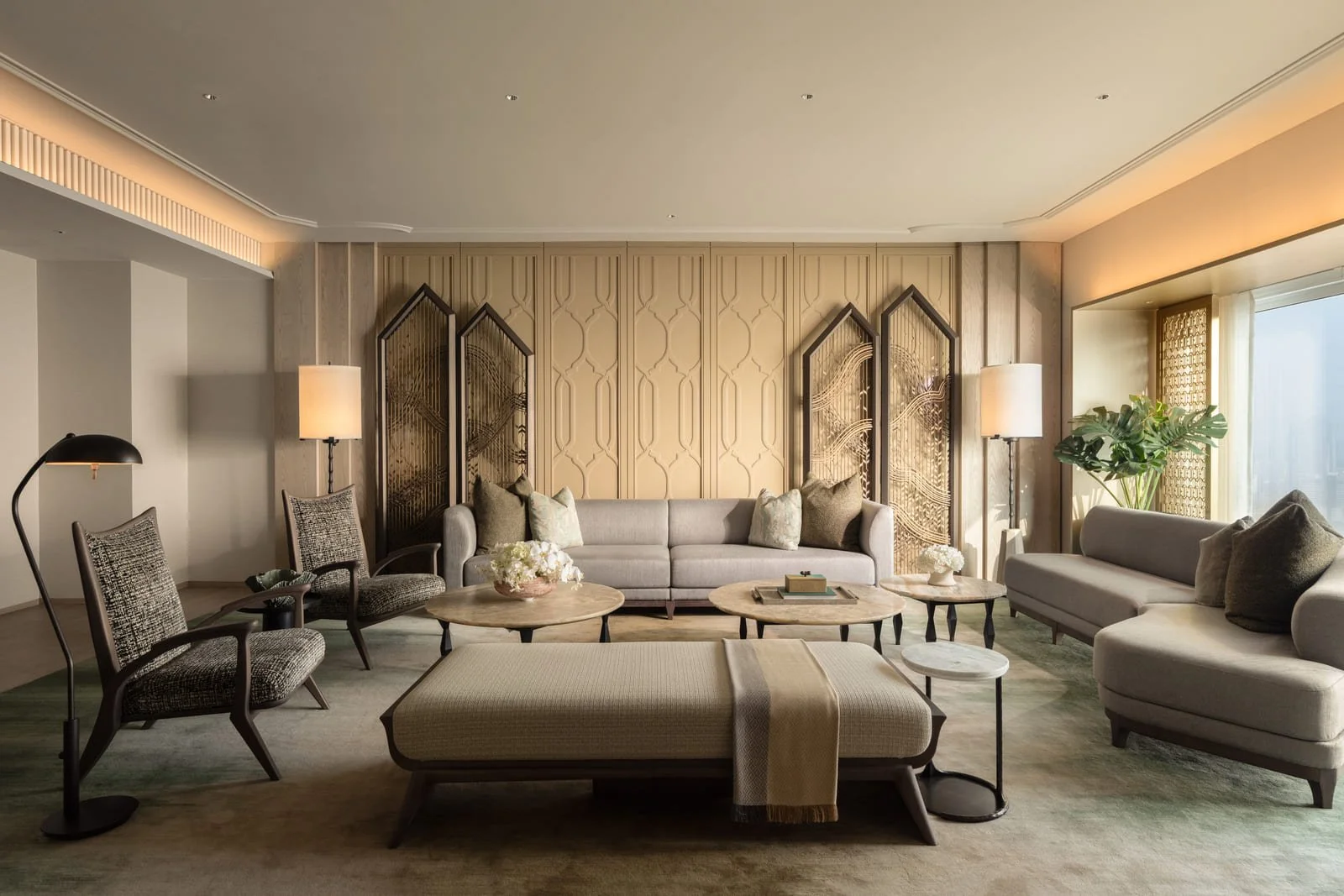
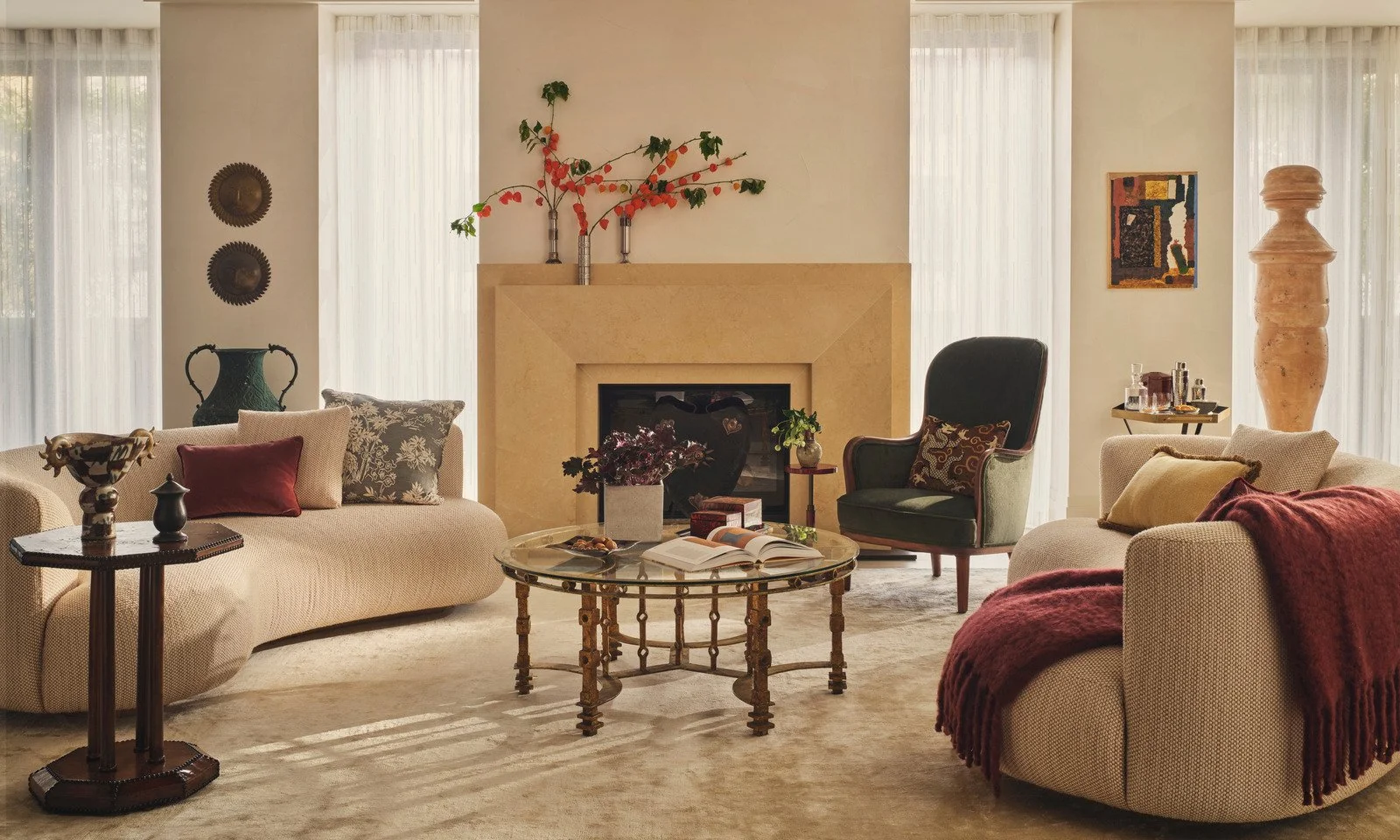
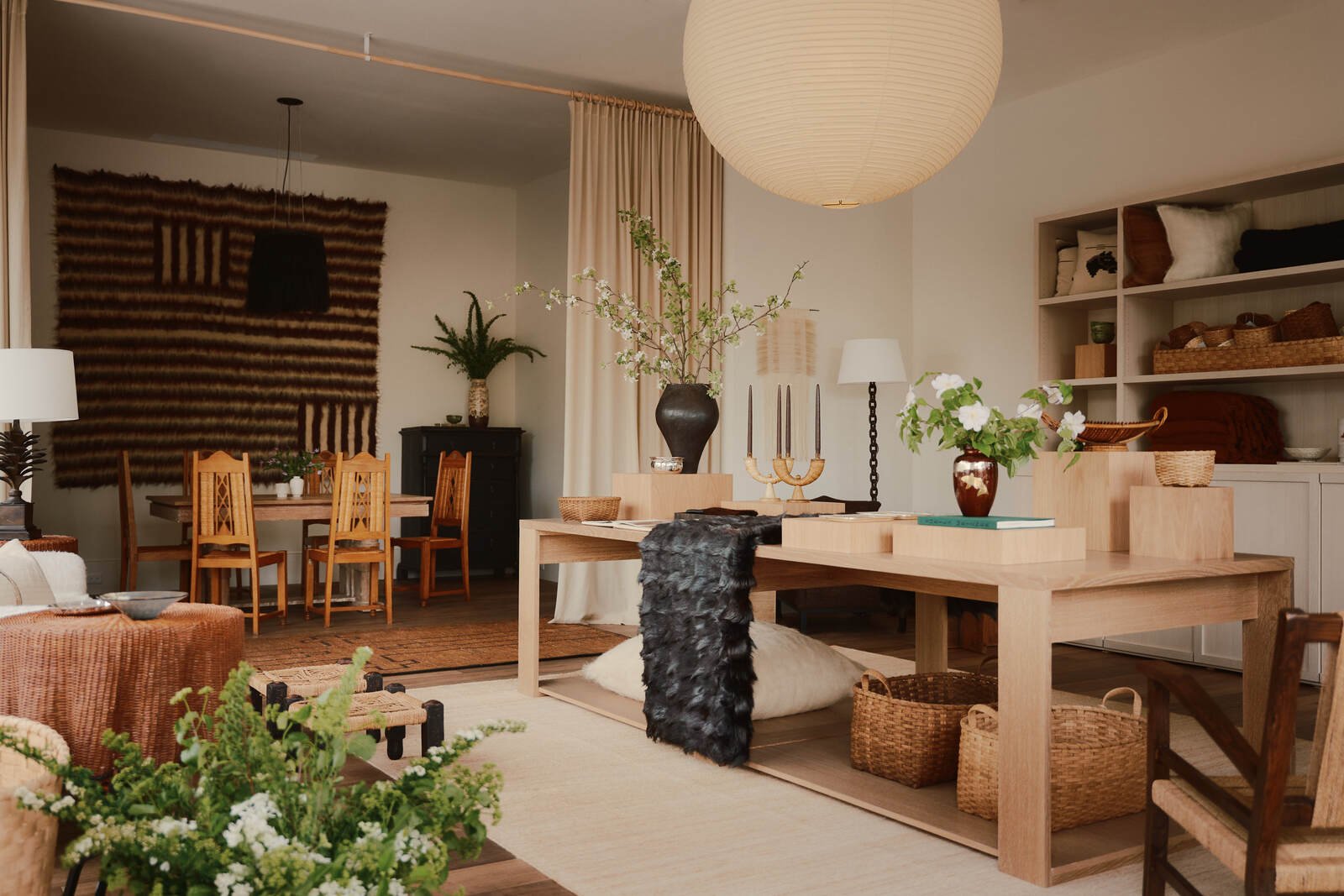
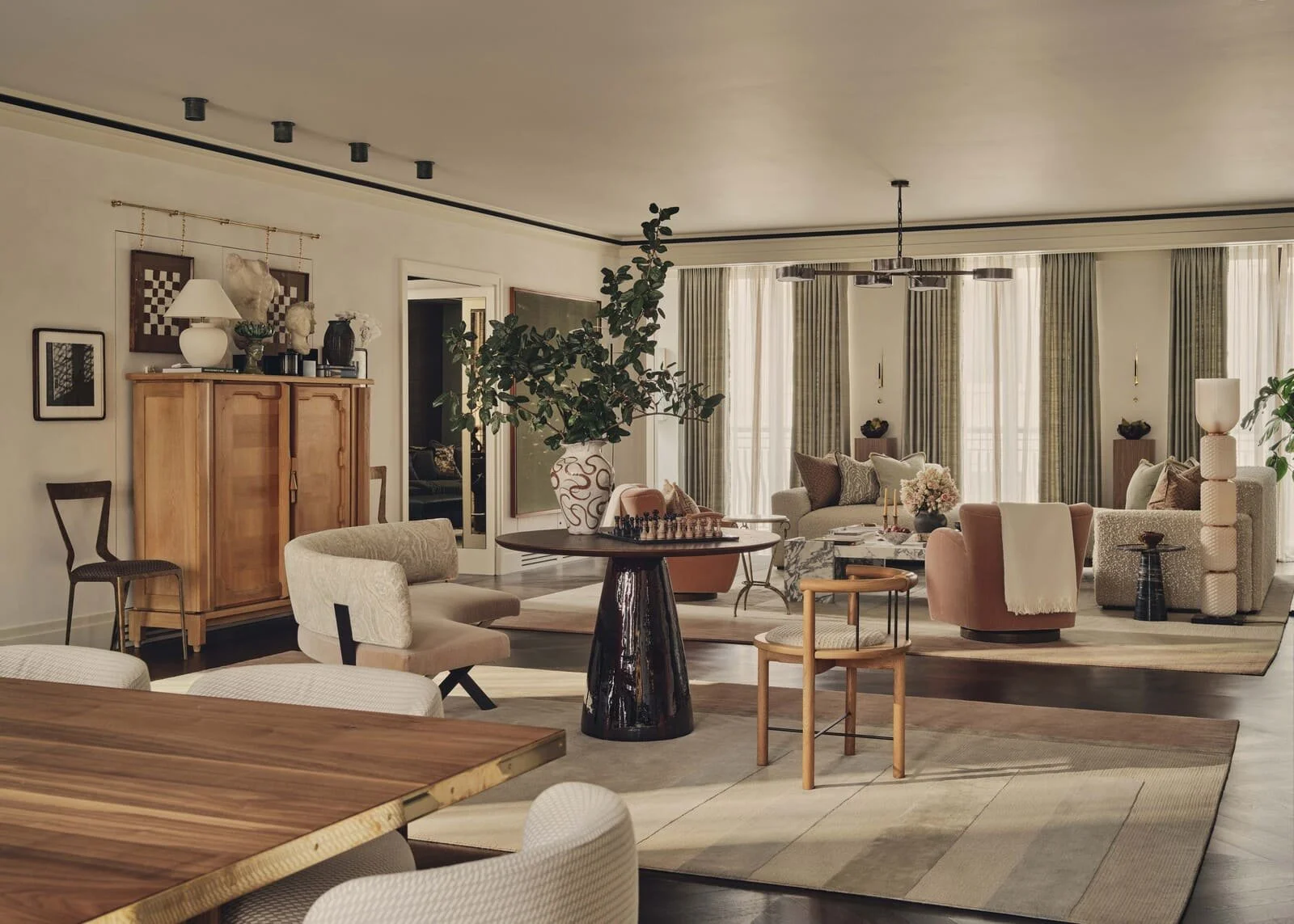
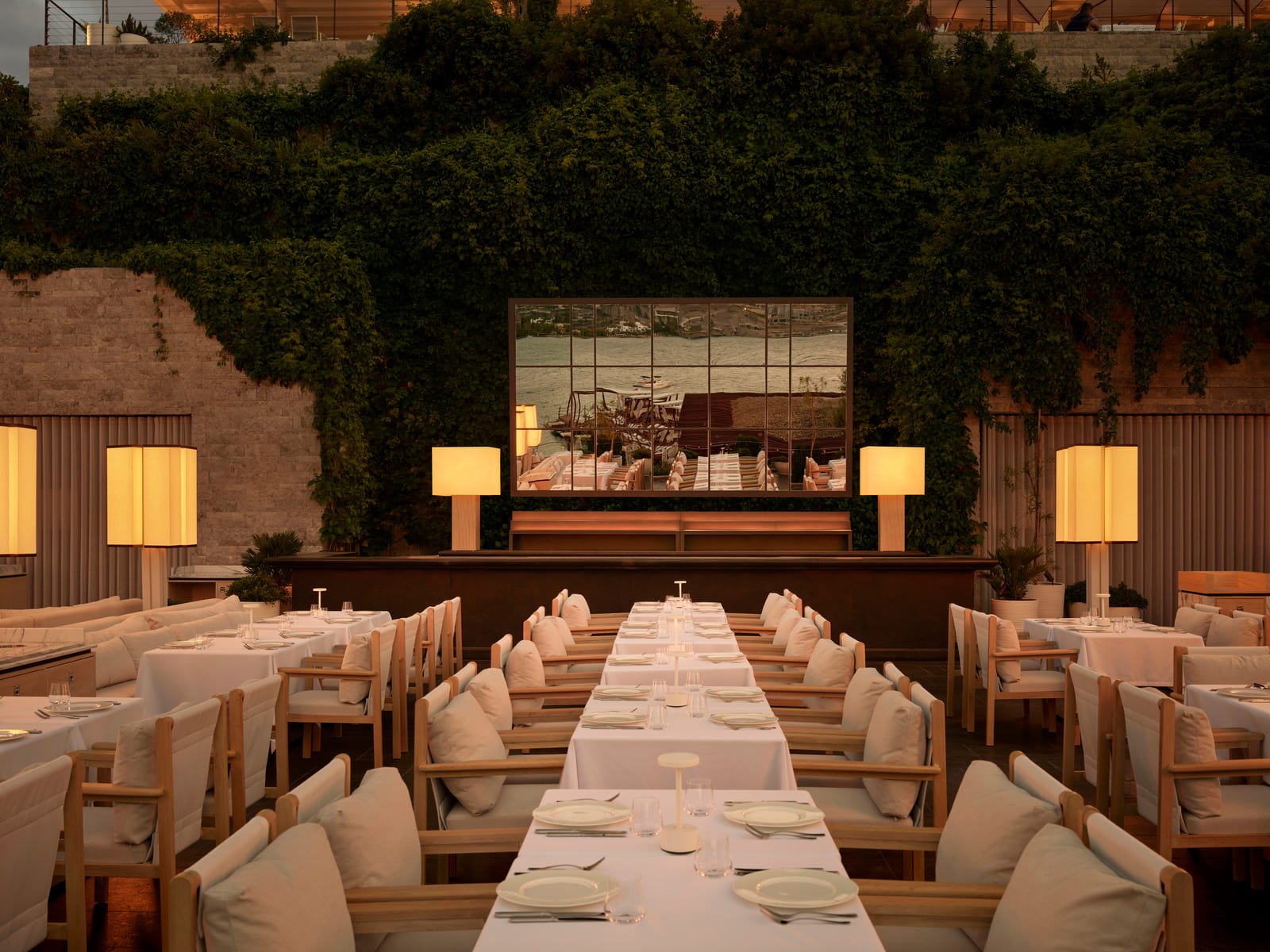
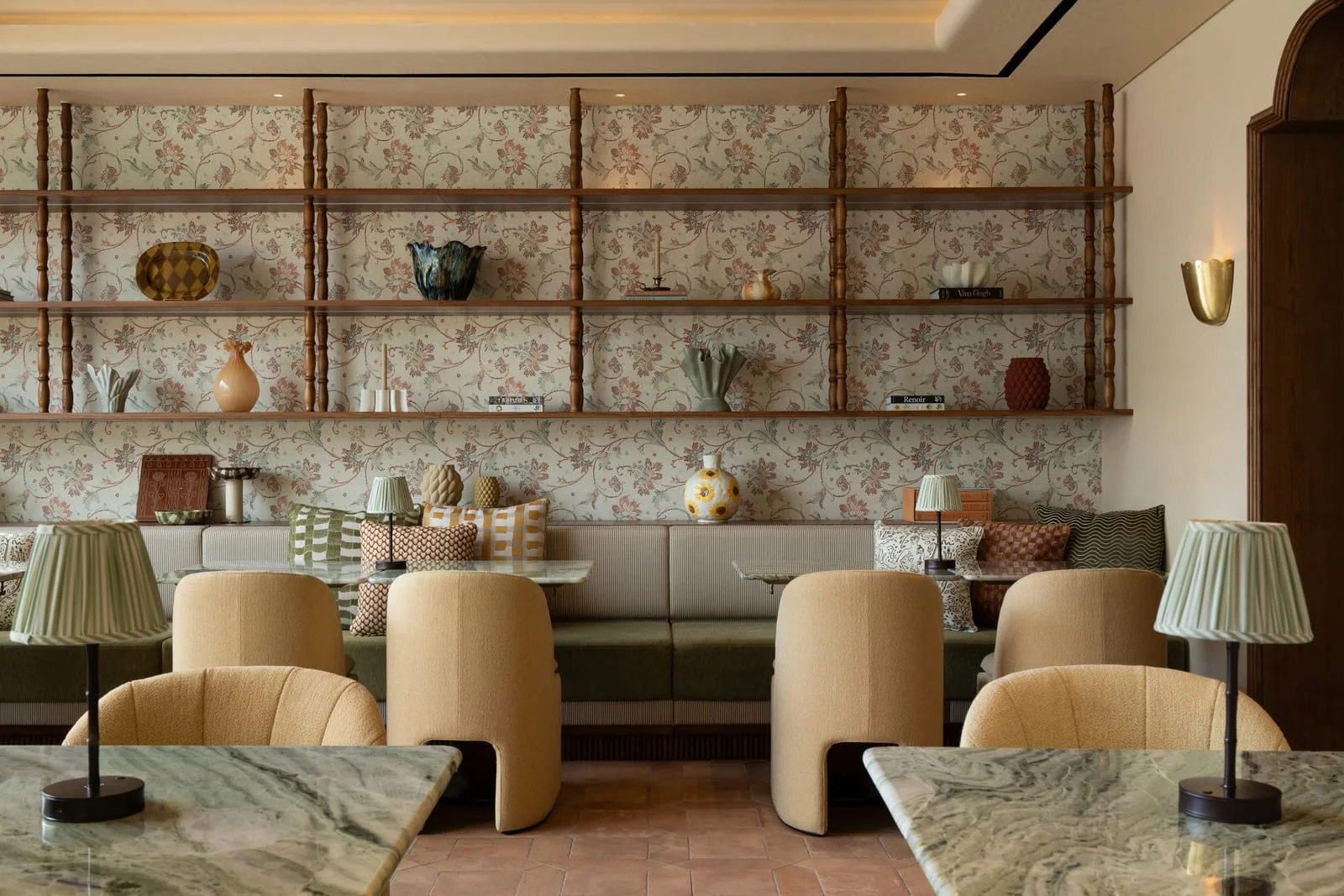
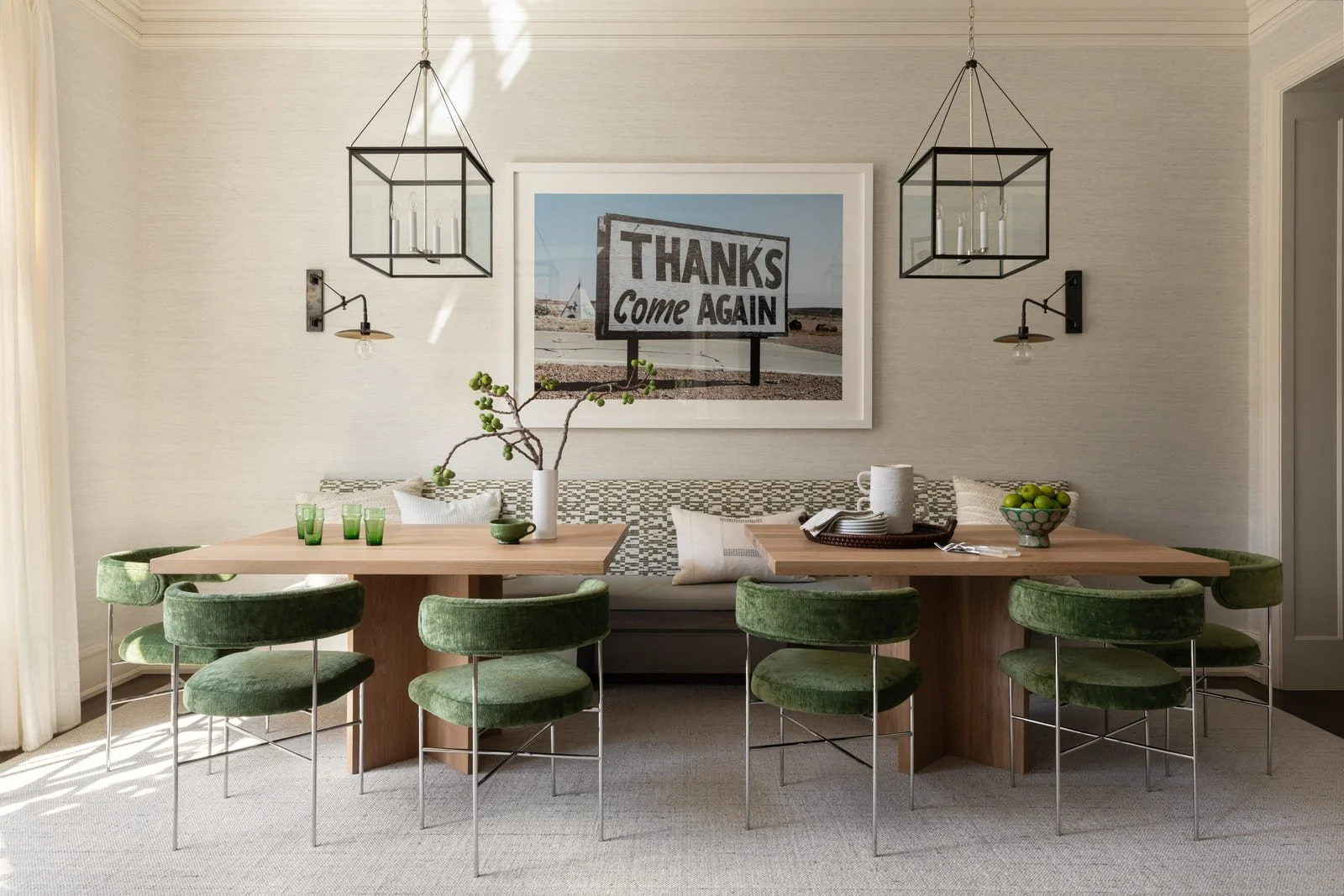
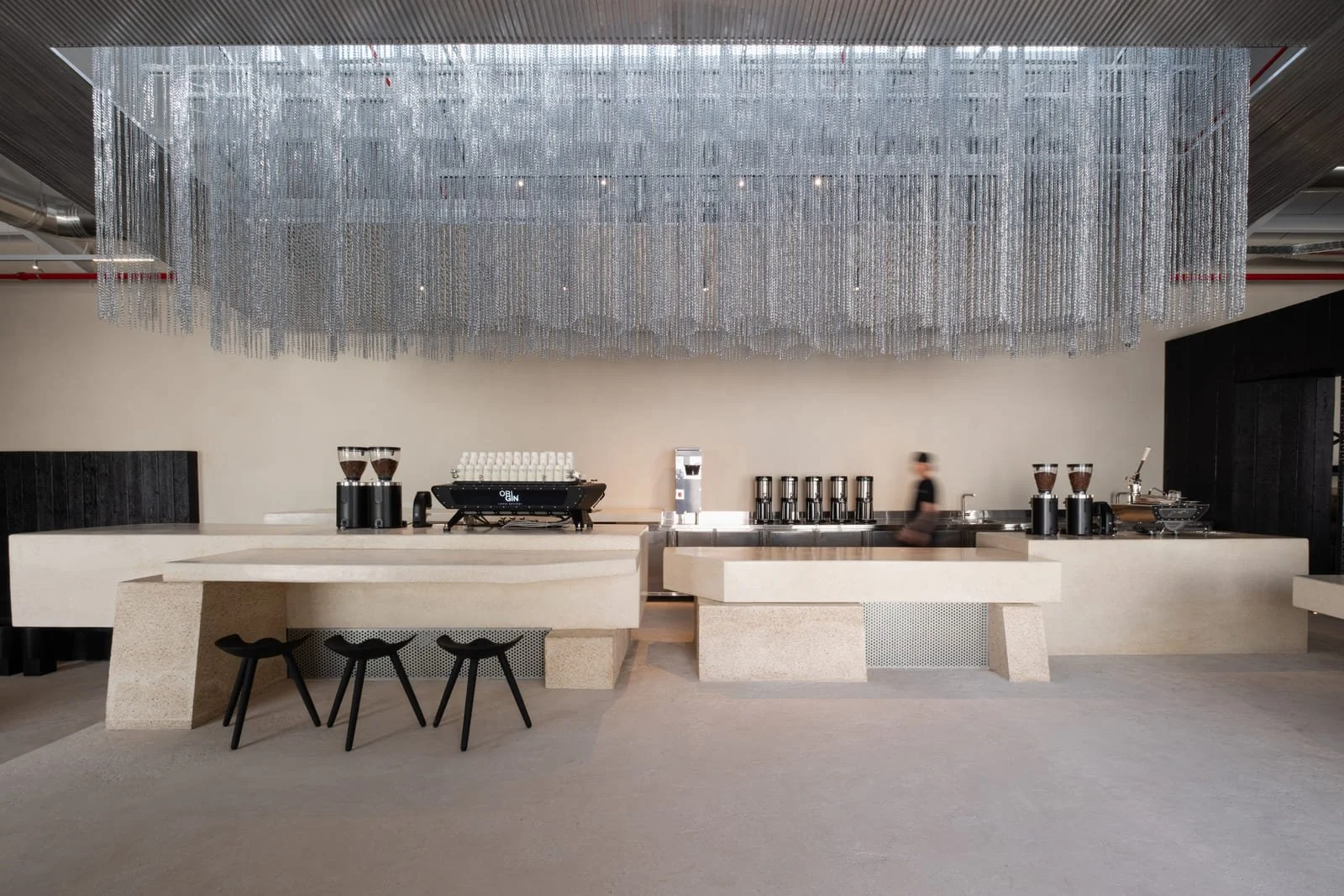
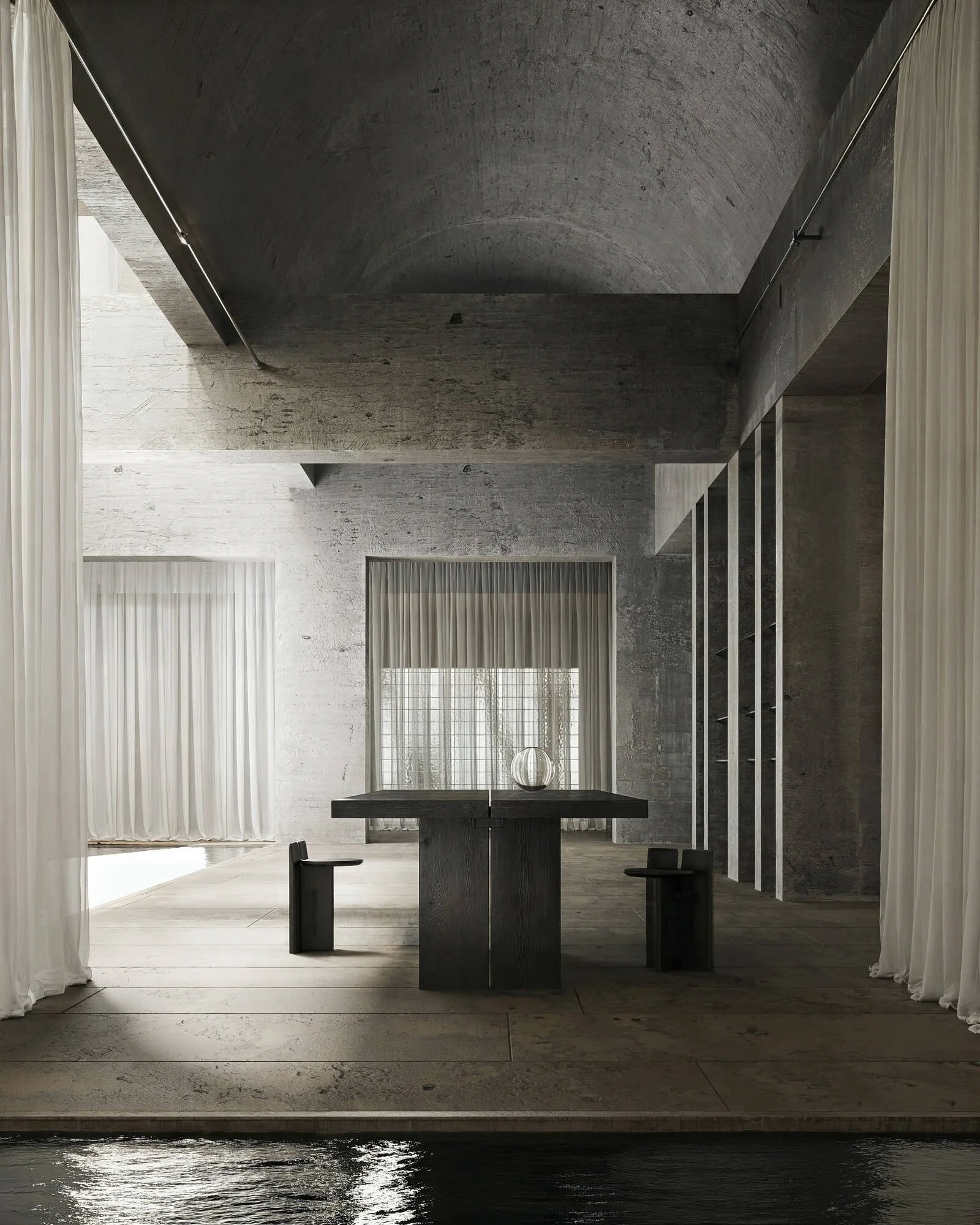
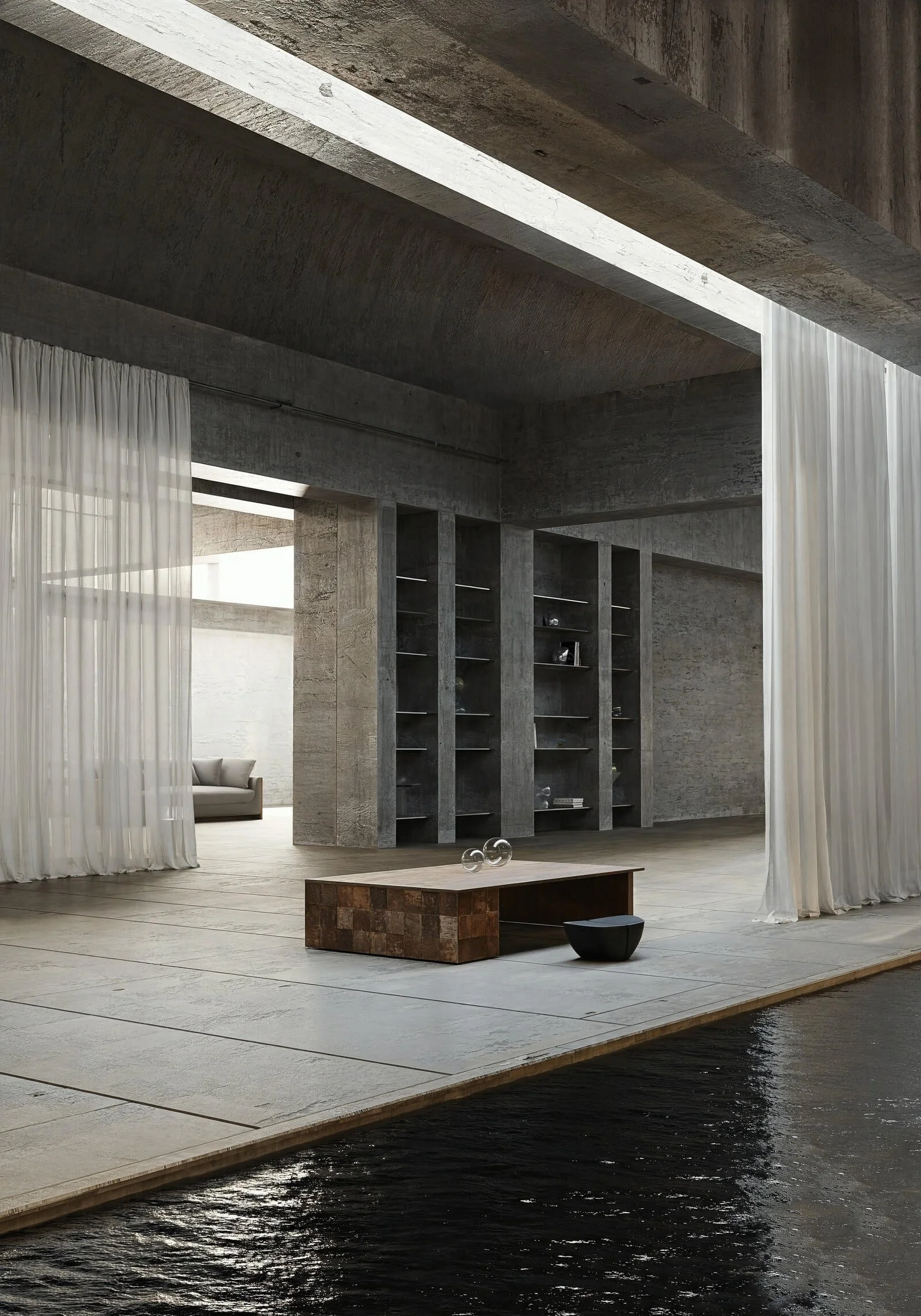
I was drawn to 3D visualisation because products, especially furniture, are never created in isolation. They are designed for context, to shape atmospheres, reflect lifestyles and express cultural meaning. A chair, a table or a lamp is more than an object. It is part of a larger story of how people live and interact with their environment.
Through Fictional Spaces I explore this dialogue between form, space and identity. My aim is to give products a voice by presenting them in narratives that inspire the imagination of future users. Even though the medium is digital, it mirrors reality while also expanding what is possible beyond the physical world.
DESIGNEERS
Talanoaga often blends architecture, interior, and furniture design. How do these disciplines influence the way you imagine and build a space?
TALANOAGA
Products, especially furniture, are not designed to exist in a vacuum. They are created with context in mind, to inhabit spaces, reflect lifestyles, and respond to cultural values. A chair, a table, or a lamp is never just a standalone object; it carries with it the story of how it will be used, the atmosphere it will create, and the identity it will add to an environment. Great design acknowledges this dialogue between object and space, between form and the people who interact with it. I strive to create this design, one that influences the imagination of future users and gives products a voice. Even though it is digital, it mirrors reality while removing the limits of what is possible and available in the physical world.
DESIGNEERS
What inspired you to explore 3D visualisation as a medium, and how did this path evolve into shaping Talanoaga’s creative direction?
TALANOAGA
My interest in 3D visualisation began during my architectural studies when I wanted to present my projects more effectively. Over time, I discovered that I found more joy in creating images than in working as an architect, so I spent five years developing my skills as a CG artist.
Yet my designer spirit wanted more. As I built a portfolio of digital designs, I realised that this was the creative direction I truly wanted to pursue. This process gave rise to Talanoaga and eventually to the concept of Fictional Spaces, where architecture, interiors and storytelling meet in a digital medium.
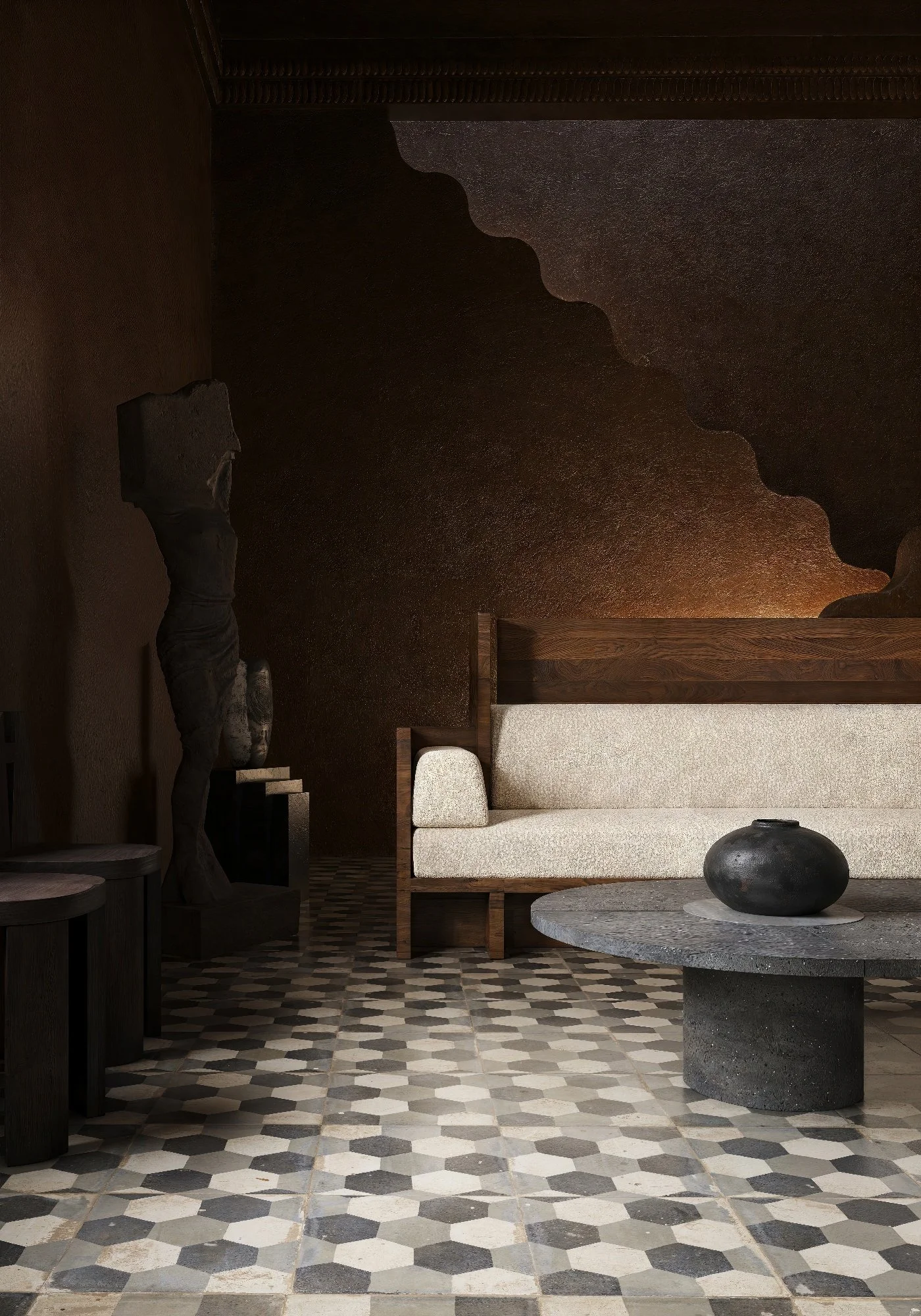
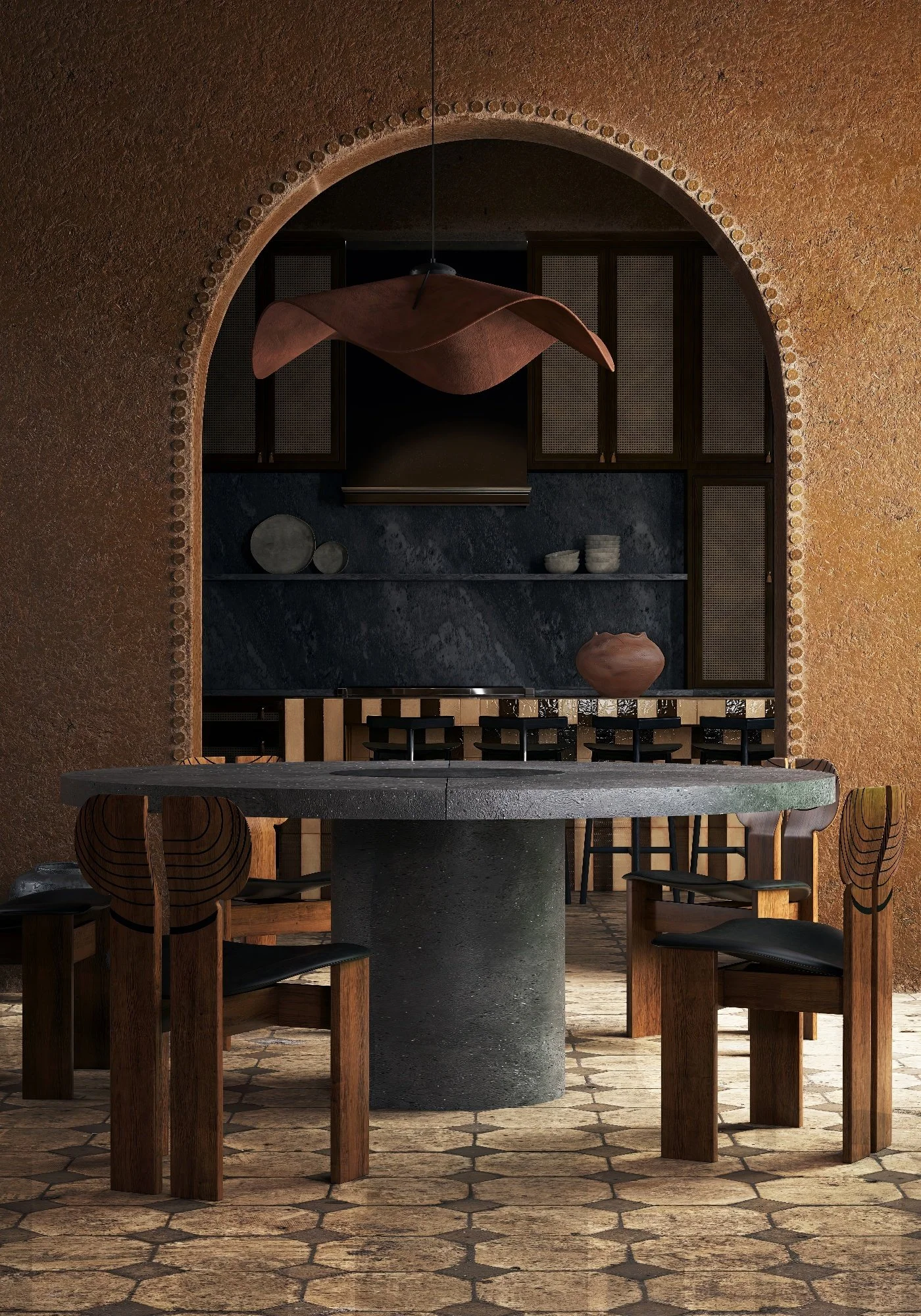
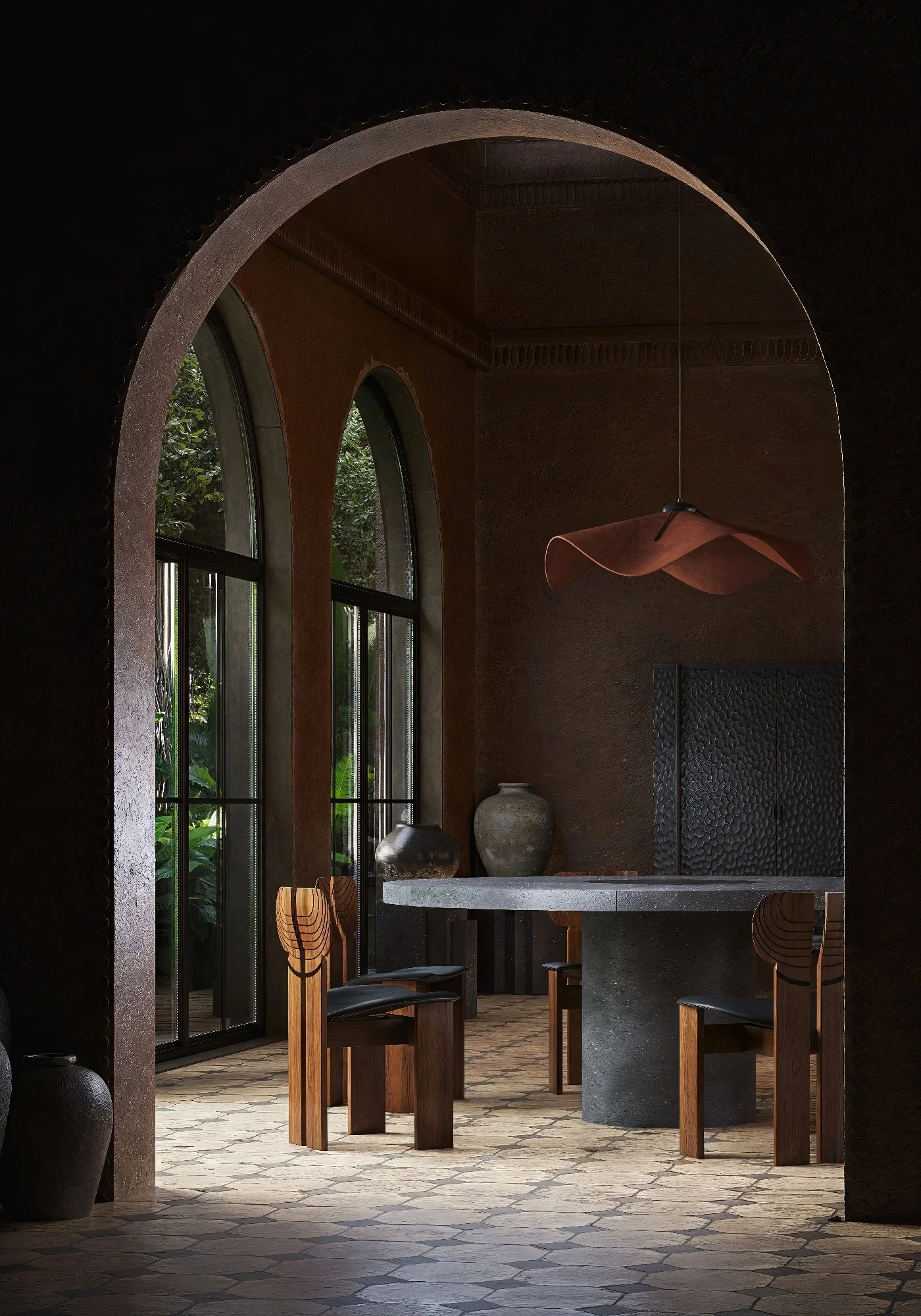
“A chair, a table or a lamp is never just an object. Each carries a story of how it will be lived with, the atmosphere it creates and the identity it adds to a space.”
TALANOAGA
DESIGNEERS
You are also part of the Rookies Awards jury. What do you look for in emerging talents, and what qualities make a project stand out in your eyes?
TALANOAGA
I look for visual sensibility, meticulous attention to detail and a clear personal voice in every project. When reviewing submissions, I pay close attention to the descriptions as well as the imagery, trying to understand the artist behind the work. What makes a project stand out is the ability to tell a compelling story through both visuals and words, creating a connection that goes beyond technical skill.
DESIGNEERS
You often speak about bringing a “human touch” into 3D images. What does that mean for you in practice?
TALANOAGA
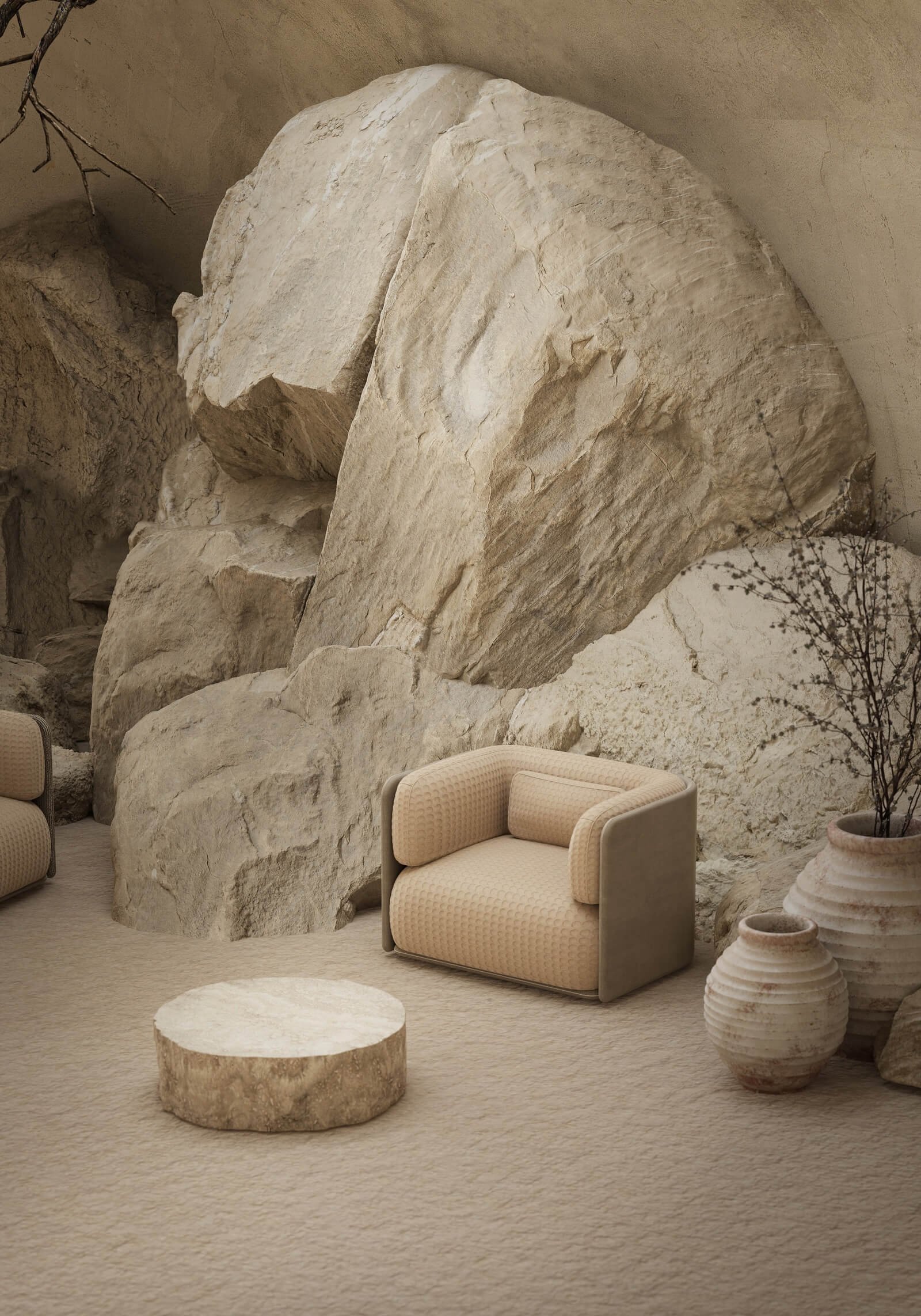
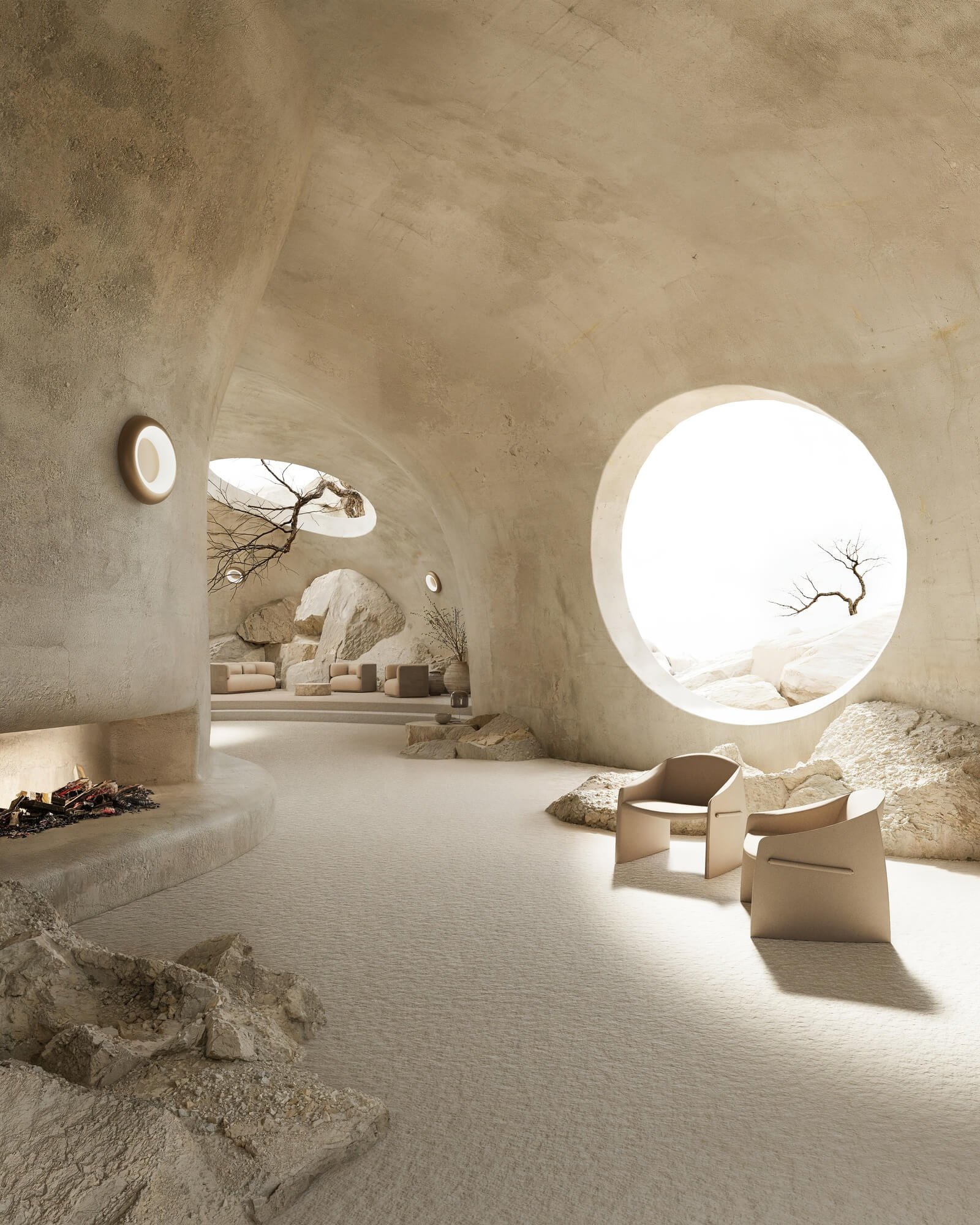
For me, it means seeking connection on an emotional level through the images and designs I create. In practice, it’s about analysing the values, the message, and the in-depth qualities of the product I work with, and reflecting them visually. I also explore matching materialities, architectural styles, tones, relevant stories, quotes, and connections with other techniques that highlight or complement the product, helping to create a compelling narrative around it.
DESIGNEERS
You mentioned your upcoming website and ebook launch: what can we expect from these new projects?
TALANOAGA
The ebook is my way of sharing the philosophy behind product presentation and the deeper reasons that drive my work. It explains the origins of Fictional Spaces and serves as a professional guide for those who want to rethink how their products are visually communicated.
The new website will be a visual expression of Talanoaga, bringing together the Catalogue, case studies of personalised projects and a clear representation of what Fictional Spaces stands for. Creating these projects took a year of work, allowed me to collaborate with inspiring designers and fulfilled my dream of building something meaningful. My hope is that they will bring value to others and support their journey toward more powerful and thoughtful product presentations.
DESIGNEERS
If you could invite one dream dinner guest, who would it be and why?
TALANOAGA
That is a difficult question because there are many people who inspire me for different reasons. If I had to choose one, it would be Haruki Murakami. His writing has shaped my imagination since my teenage years, teaching me to see the world as layered and full of hidden meaning. I admire his ability to create worlds that feel surreal yet profoundly human, where even the ordinary carries mystery and silent conversations. His work reminds me that nothing is ever only what it seems.
DESIGNEERS
What is your favourite hotel in the world, the one you would book for yourself?
TALANOAGA
Boca de Agua in Quintana Roo, Mexico. I look forward to escaping there one day and experiencing its unique blend of design, nature and tranquillity.
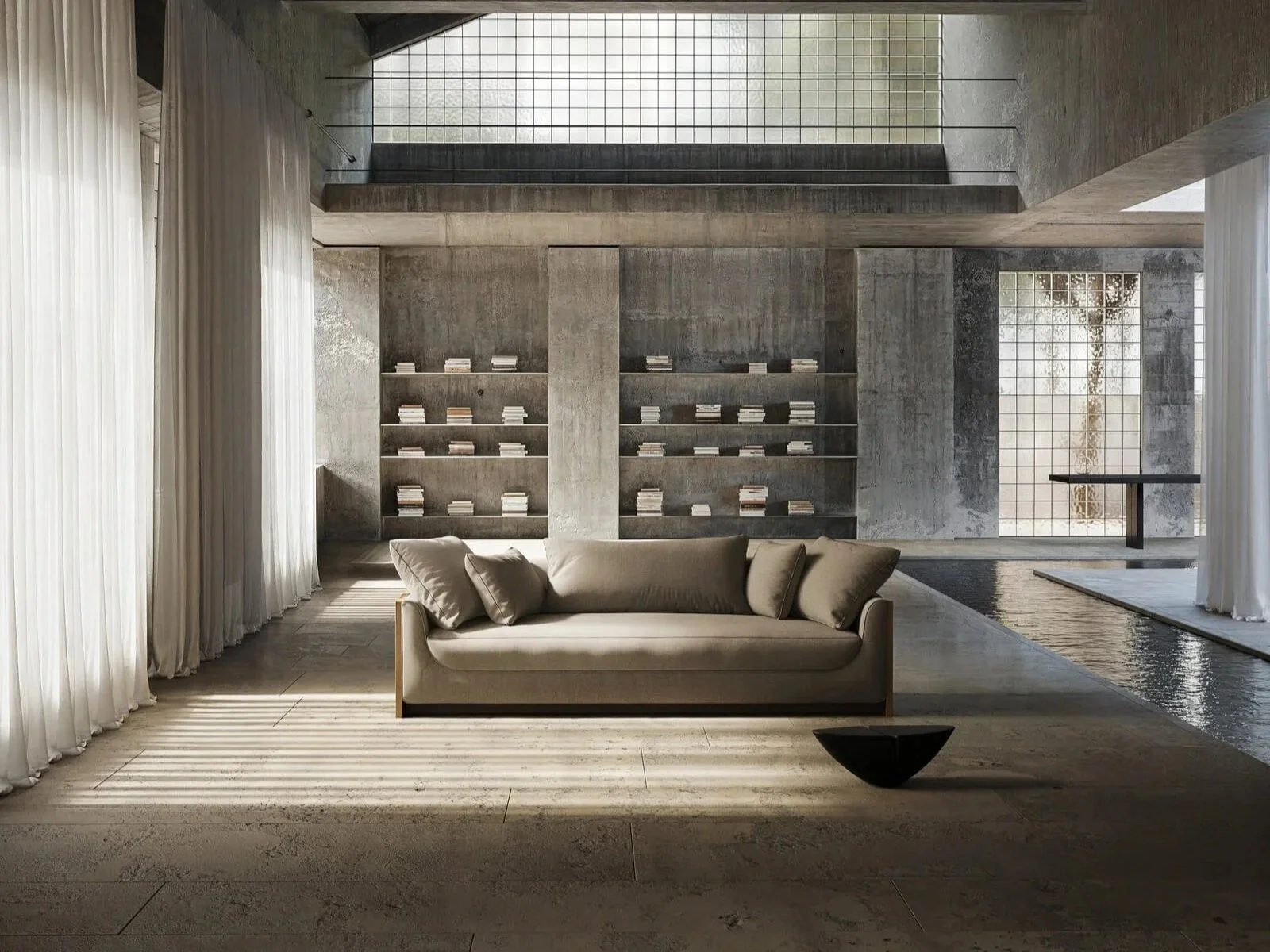
Talanoaga is more than a design practice. It is a philosophy that treats every product and every space as part of a larger story. Through Fictional Spaces, the studio is shaping a new way of seeing design, one that merges architecture, interiors and furniture into narratives that connect with people on an emotional level. With a new ebook and website on the horizon, Talanoaga is set to inspire a wider audience and continue redefining the art of product presentation in the digital age.