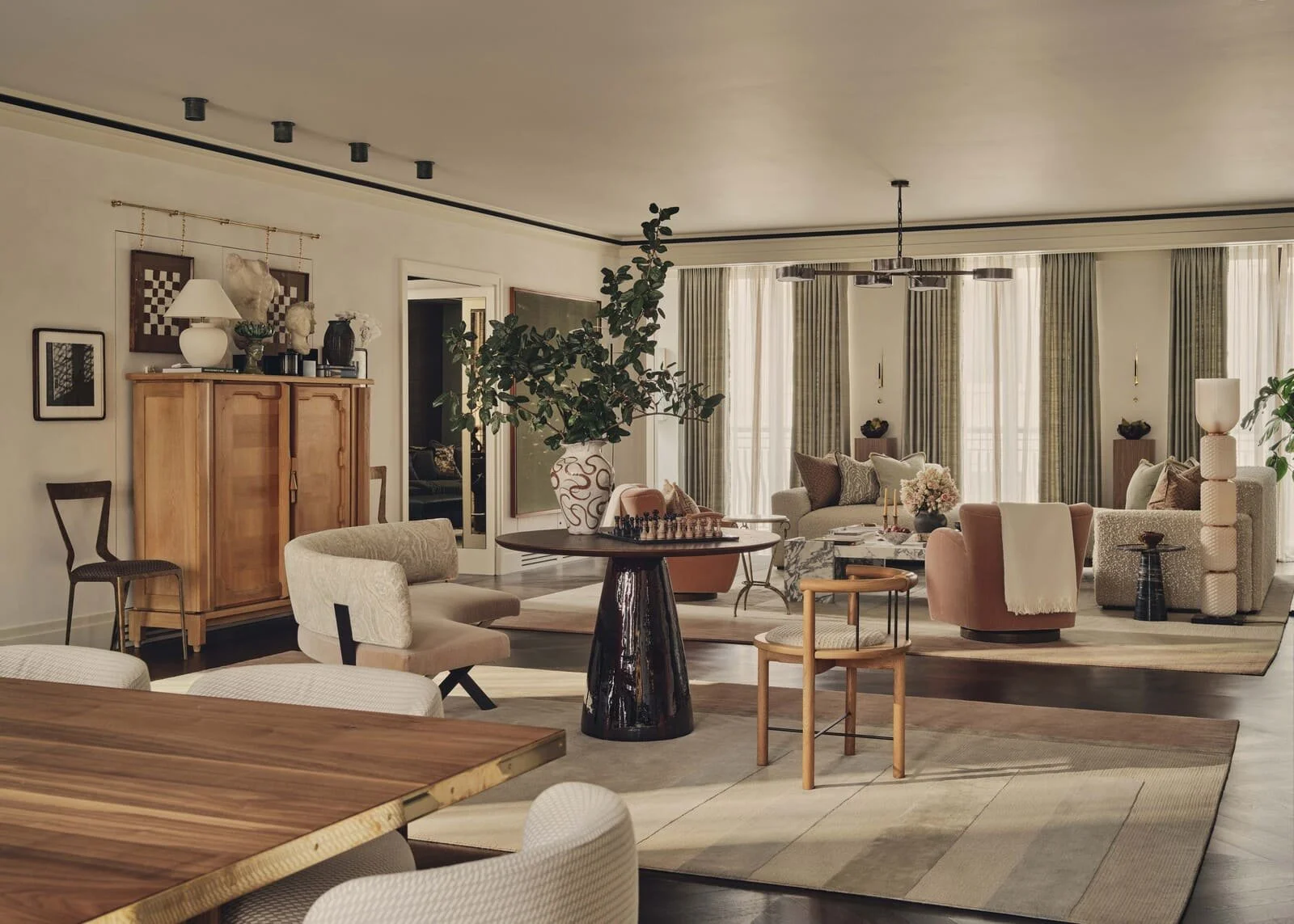
Inside the Narrative Eye of Nick Rochowski
people • photographers
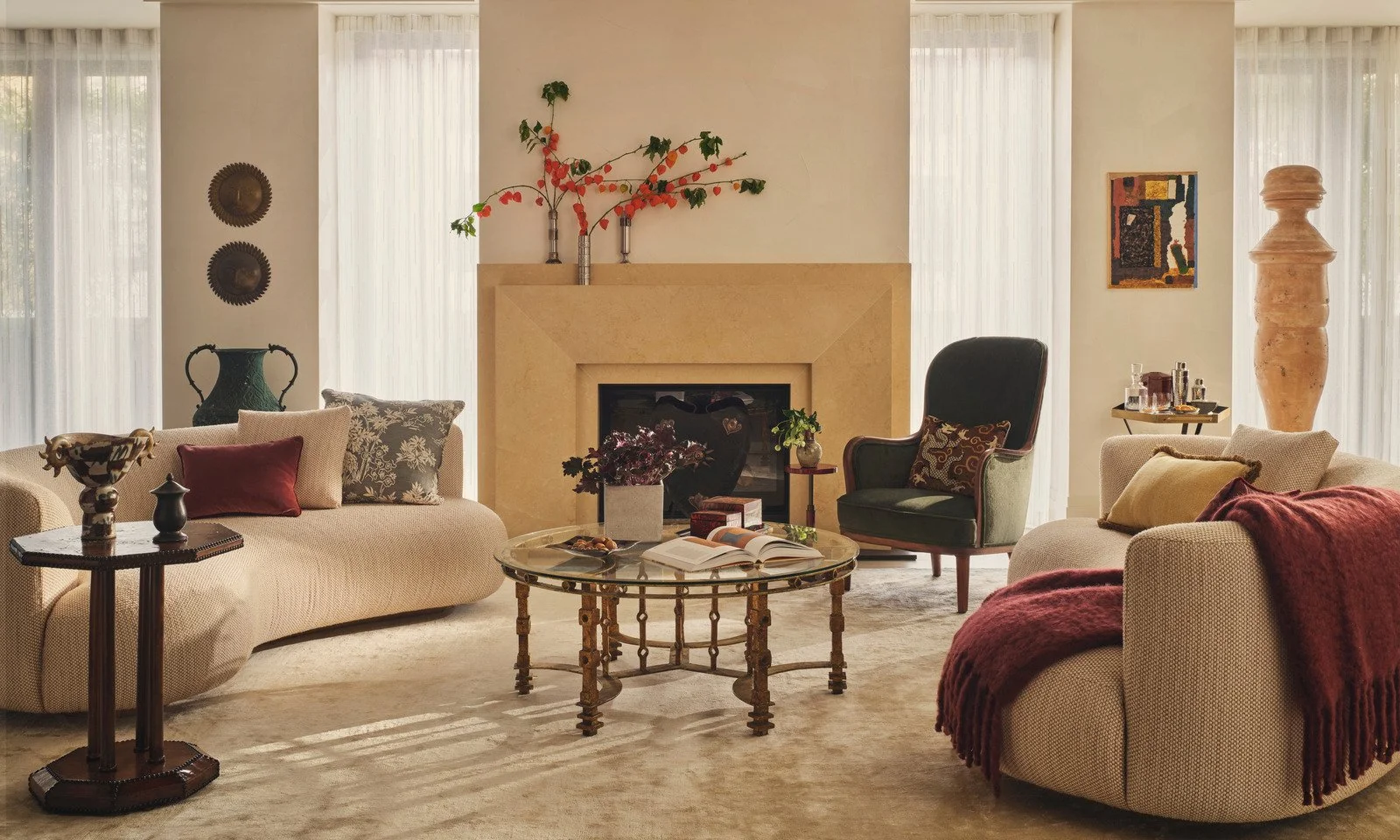
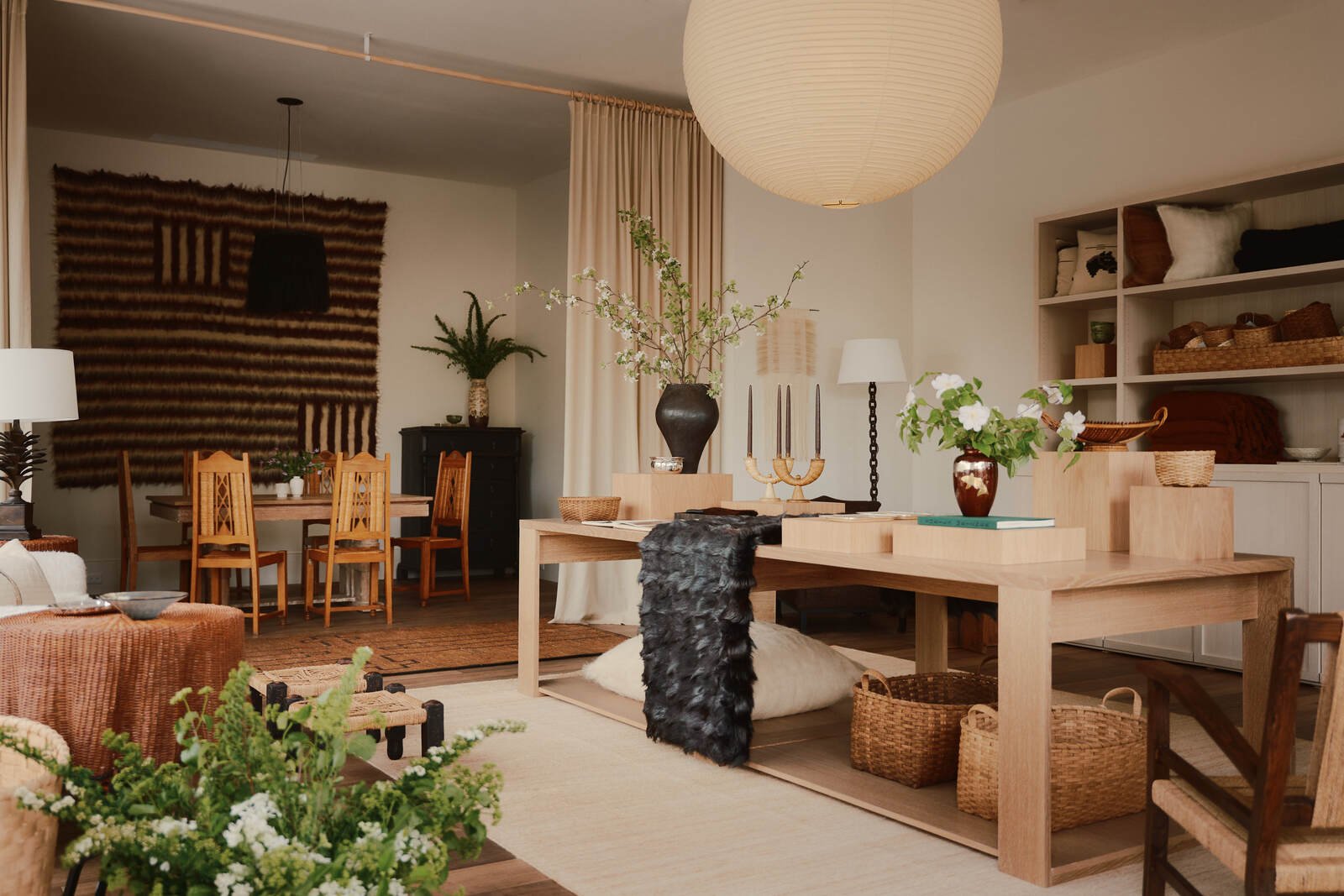
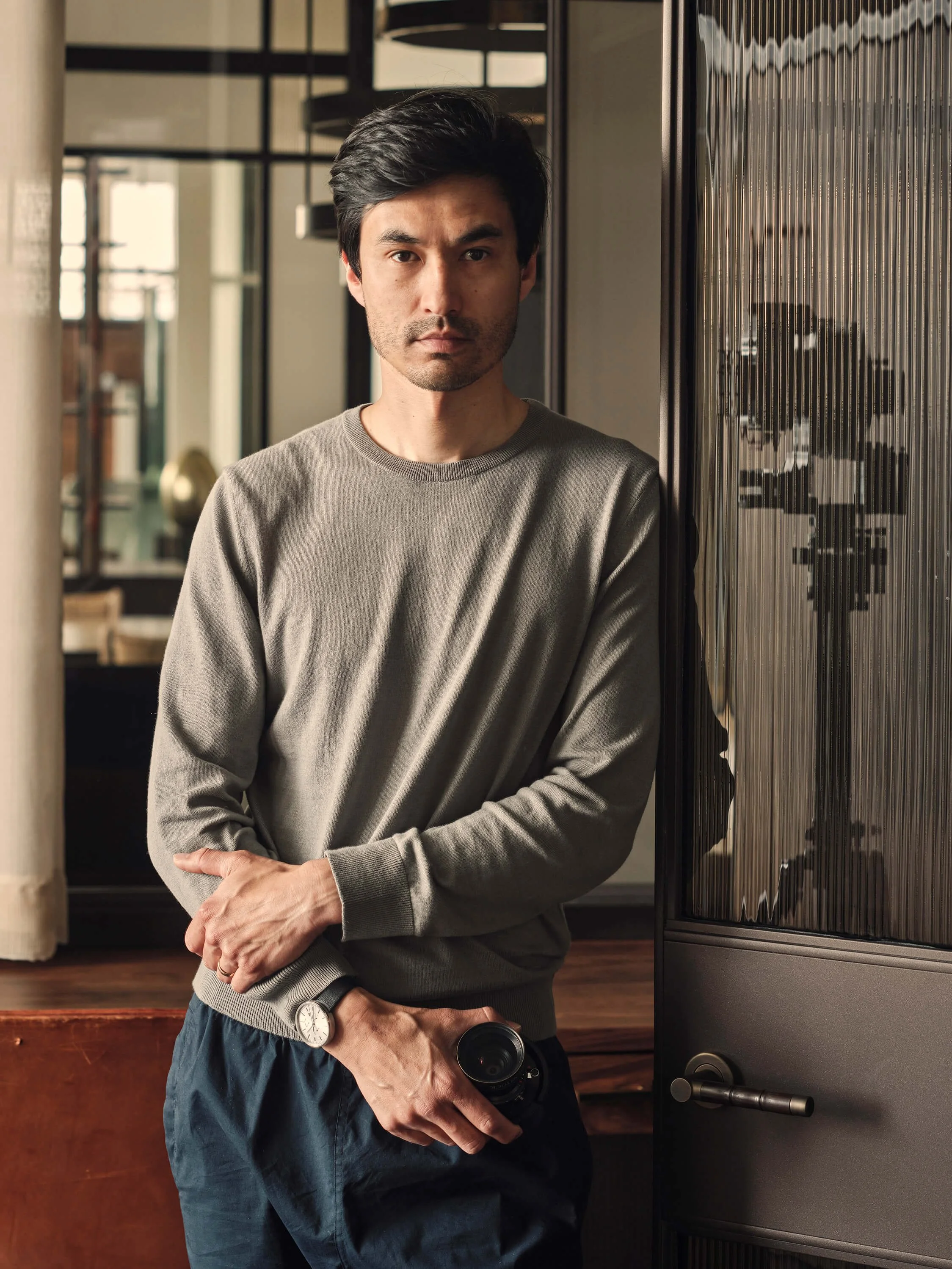
Nick Rochowski is a London-based architecture and interiors photographer recognised for his narrative-led approach to photographing space. With a background spanning graphic design, typography, film and animation, his work is shaped by storytelling, sequencing and visual rhythm, qualities that bring clarity, depth and emotional coherence to every image.
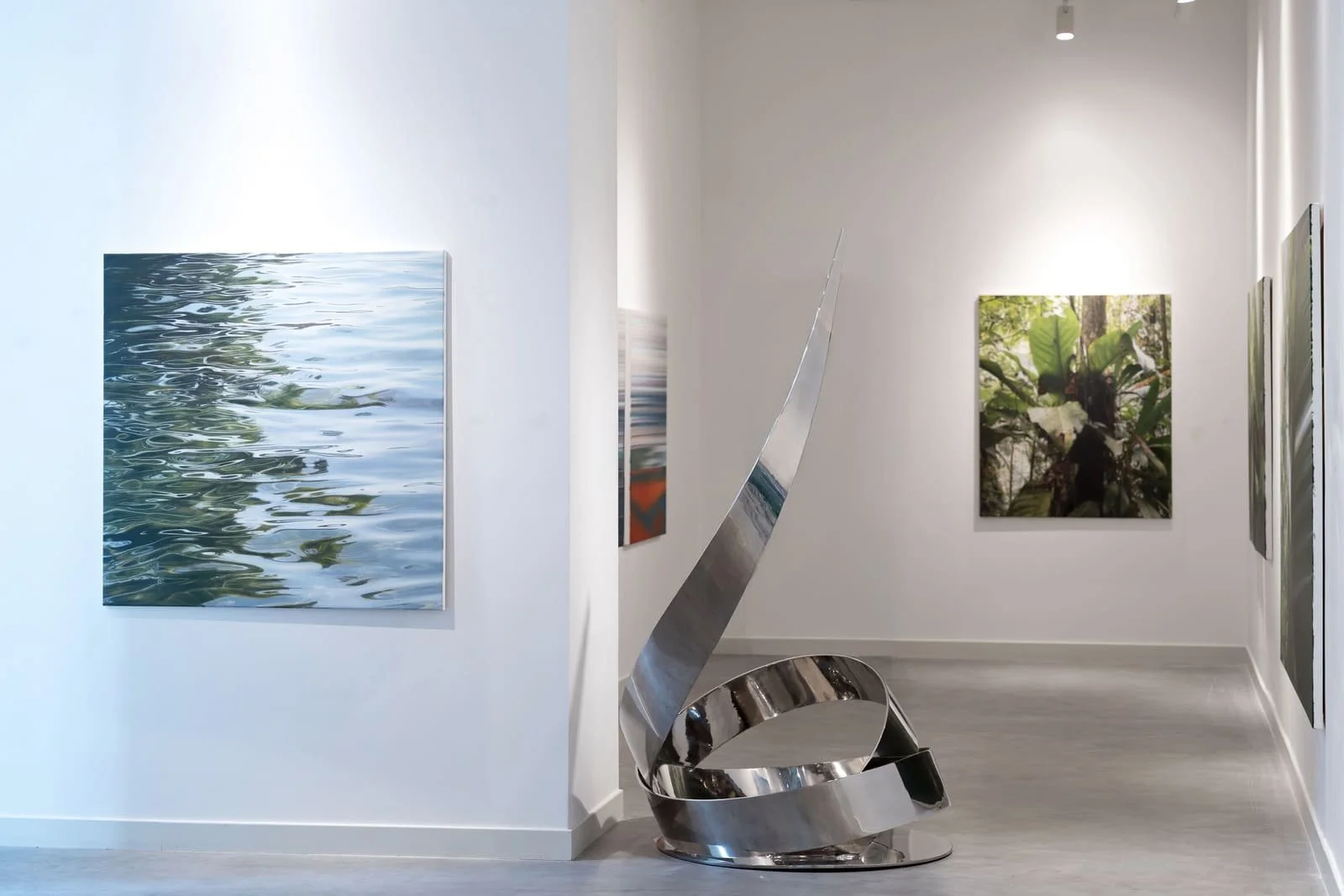
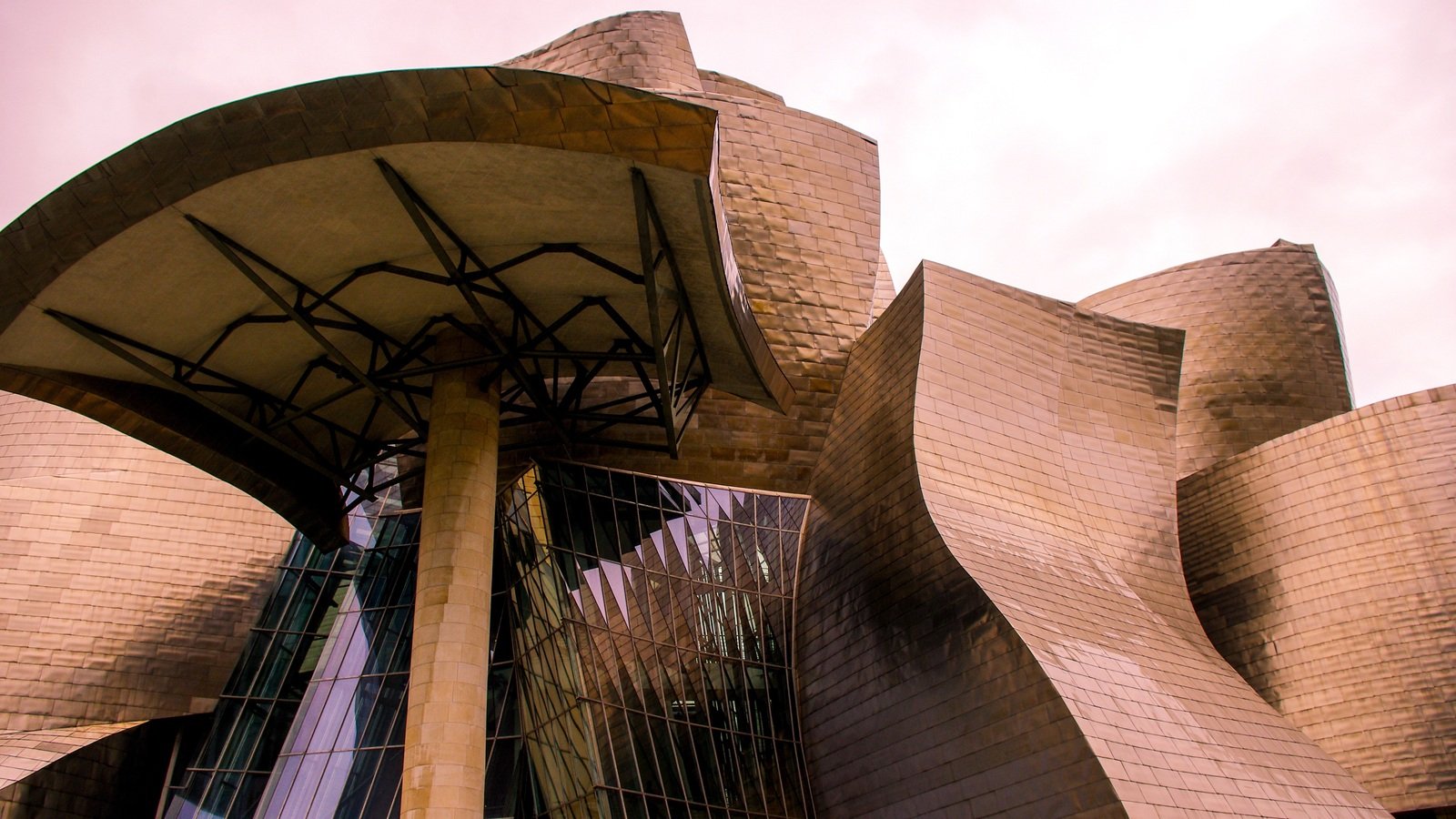
Working across editorial photography, commercial interior photography and cultural commissions, Rochowski captures residential and public interiors with a considered focus on natural light, proportion and atmosphere. Rather than presenting spaces as purely styled compositions, his images treat interiors as lived environments — shaped by materiality, shadow and human intention.
In this interview, Rochowski reflects on creative collaboration, the development of visual literacy, the importance of editing, and the role of instinct in shaping a photographic practice grounded in narrative and restraint.
Words: designeers
February 2026
WEBSITE: rochowski.net
INSTAGRAM: @studio_rochowski
DESIGNEERS
What’s the first thing that sparks your creativity in the morning, coffee, music, silence, or something else entirely?
NICK Rochowski
I first picked up a camera in my early teens, at the start of secondary school. From a young age, I was deeply interested in film, animation and drawing, so storytelling and image framing have always felt instinctive to me. It was not until university, while studying graphic design and typography and living in the city, that I really began working seriously with images. I was shooting personal projects and using them across book layouts, posters and speculative magazine ideas. The photobook remains a defining creative pillar in my practice.
DESIGNEERS
In a perfect world, how do you like to collaborate with designers/stylists? What makes the best creative dynamic on set?
NICK Rochowski
I believe the best results come from collaborating early with interior designers, architects, and stylists. For most projects, that means an initial chat, often followed by a site visit before completion. Visiting a space mid-project allows me to understand the designer’s vision, key references, layout decisions, materials, and finish selections, while also assessing light conditions, scale, and spatial qualities, crucial for planning strong interior photography.
For stylist-led shoots and brand projects, collaboration starts even sooner. Early conversations help define the creative direction, visual language, moodboard references, brand tone, and production approach, so the shoot feels cohesive from the very beginning.
On set, I aim for a calm, efficient workflow where the team operates in rhythm, then connects at key points where a shared eye elevates the outcome. No matter the crew size, a successful interior design shoot depends on clear communication, aligned expectations, and collaborative decision-making throughout the day.
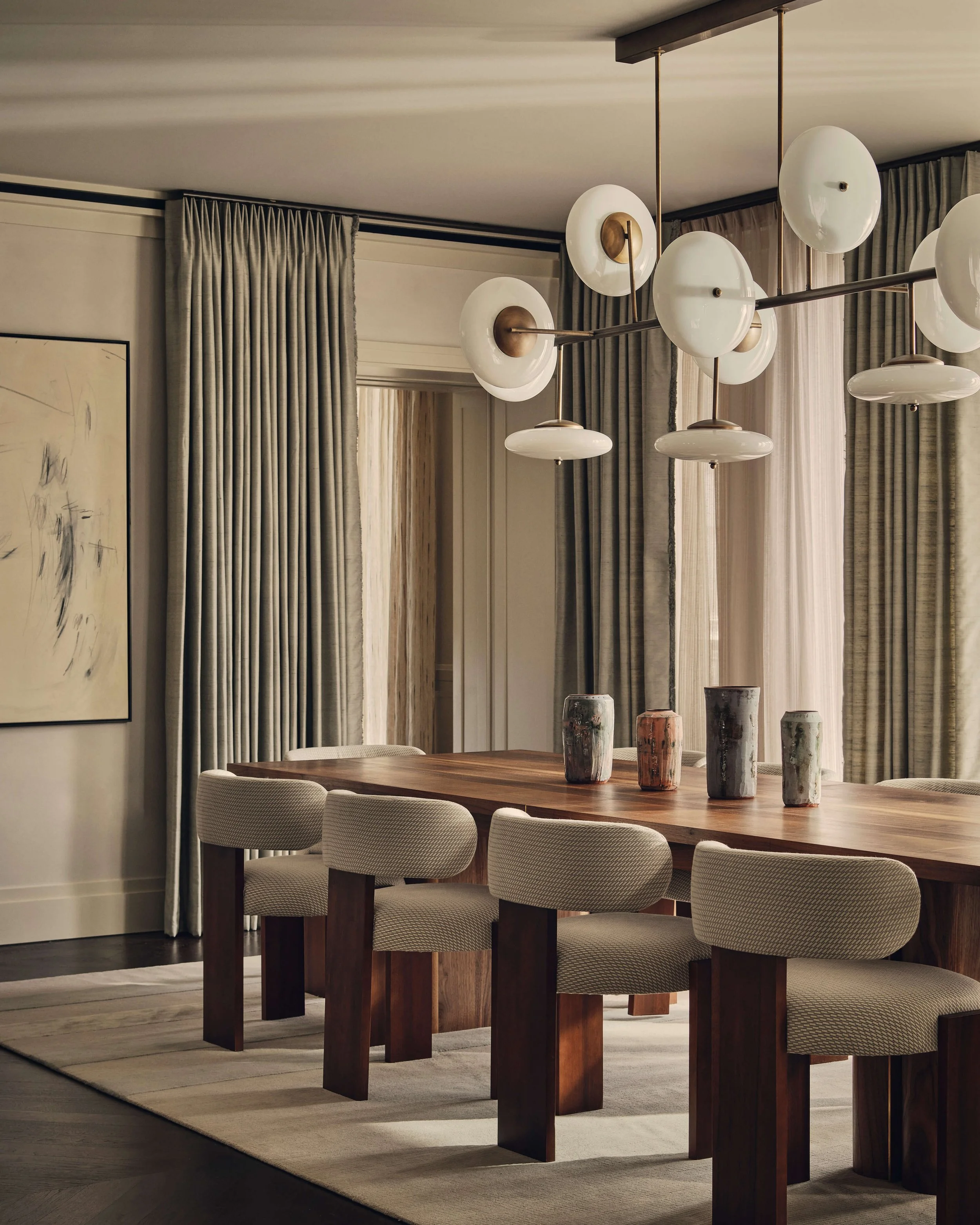
Project by Christian Bense
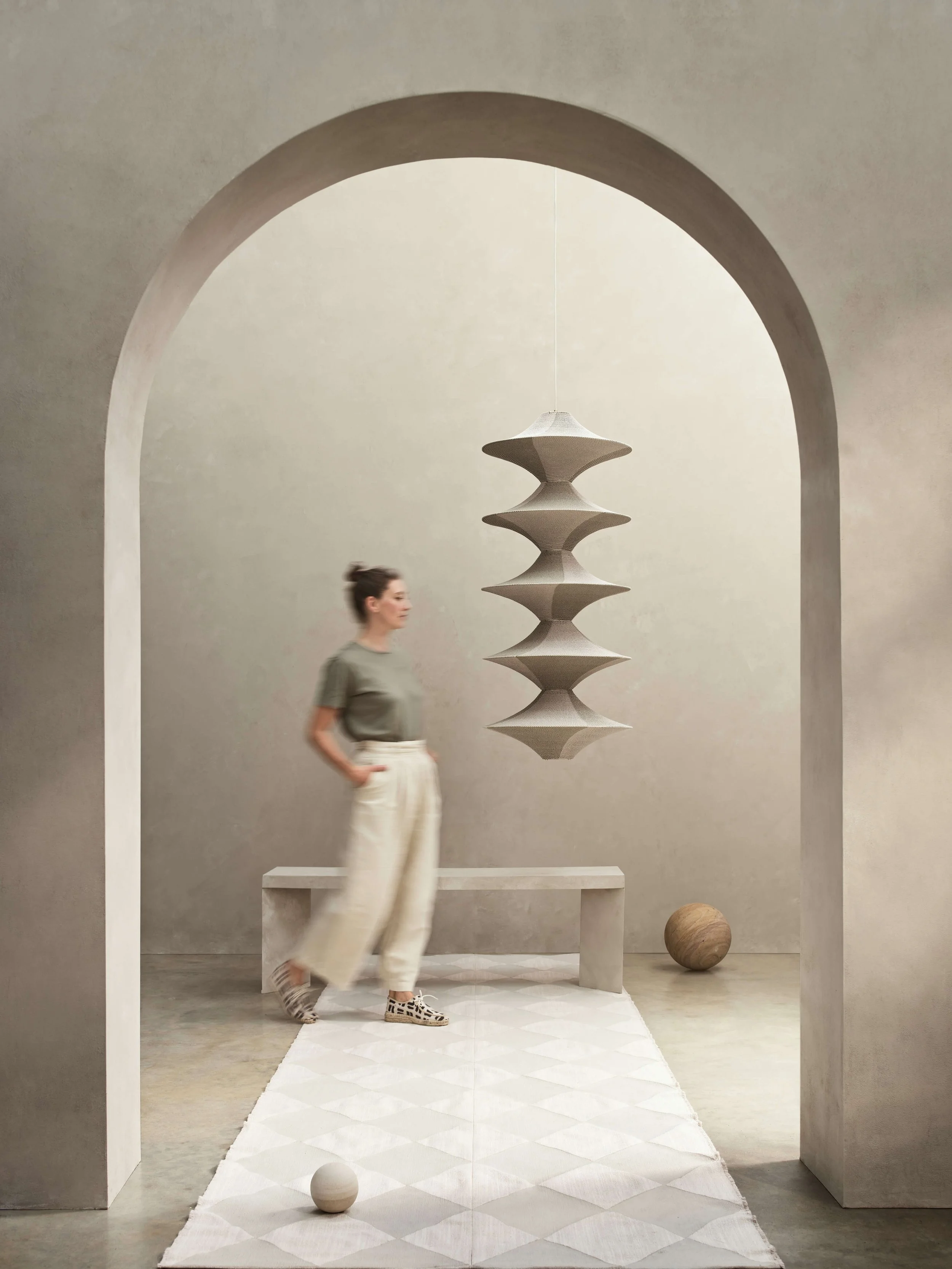
Project by Naomi Paul Studio
DESIGNEERS
What makes a space photogenic before you even lift the camera? Light, proportion, restraint, texture, styling?
NICK Rochowski
Often it is the innate character of a room, building or object. Light plays a crucial role too, particularly the relationship between light and shadow, or how those elements are diffused across a space.
DESIGNEERS
When you arrive on site, what’s the first thing you look for? the hero angle, the light path, or the story of how someone lives there?
NICK Rochowski
All three are essential. While first impressions are often the ideas I return to later, I also allow myself to respond to changing moods and evolving possibilities. I pay close attention to how light and shadow are behaving, or how they might shift throughout the day. I carefully track the sun’s movement using a number of apps so that I can work with the light rather than against it.
DESIGNEERS
What detail do you always shoot that clients don’t ask for, but editors love?
NICK Rochowski
Image literacy is incredibly high now, among both editors and clients, so we are often aligned. That said, I always try to photograph the designer or designers within the space itself. It may sound obvious, but shoots can be long, demanding and time-sensitive, and portraits are sometimes overlooked. I also like to capture lifestyle moments and, particularly for interior apartment projects, exterior views too, even if they are more reportage in nature. These details help build a narrative that editors respond to.
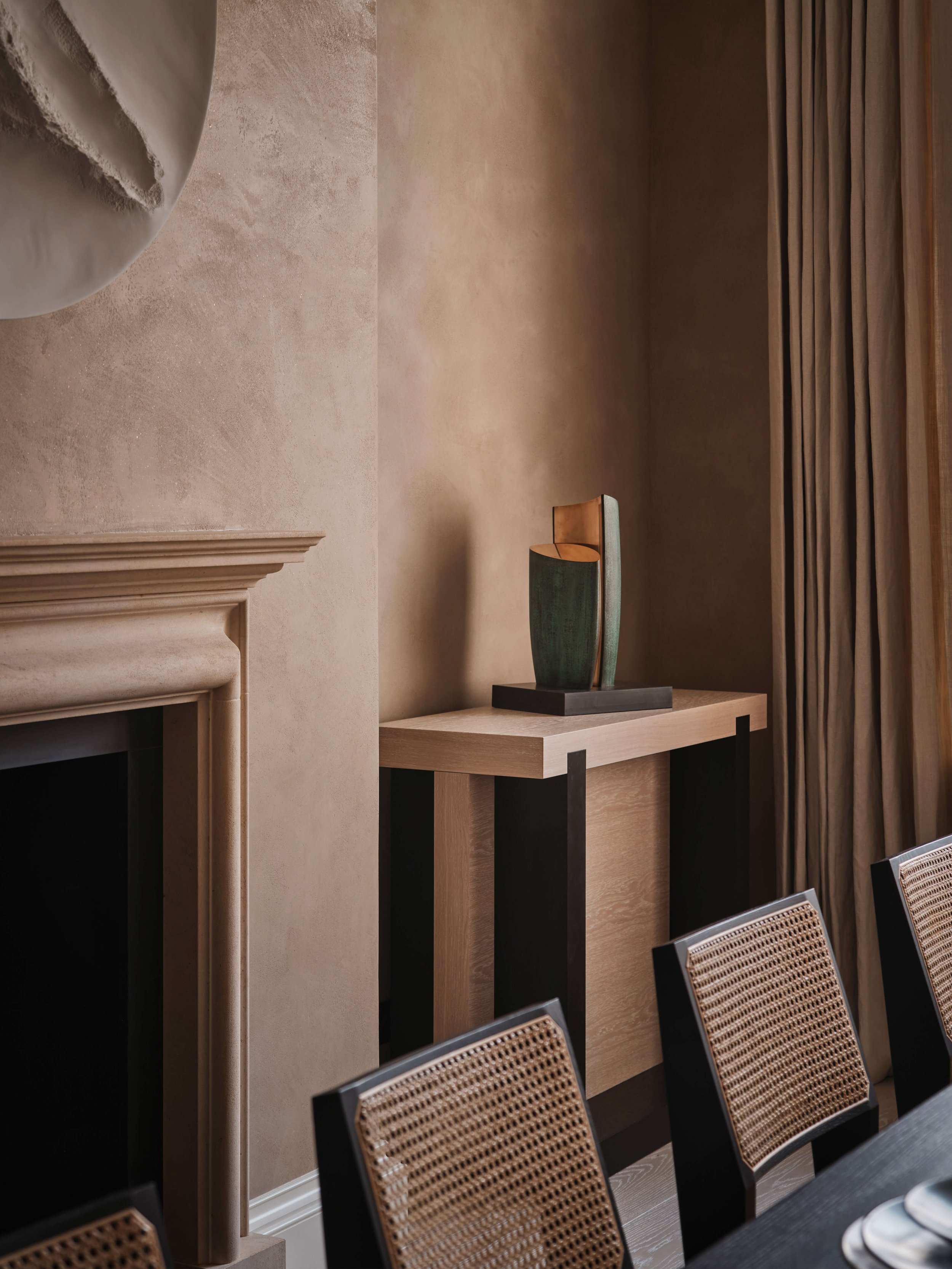
Project by State of Craft
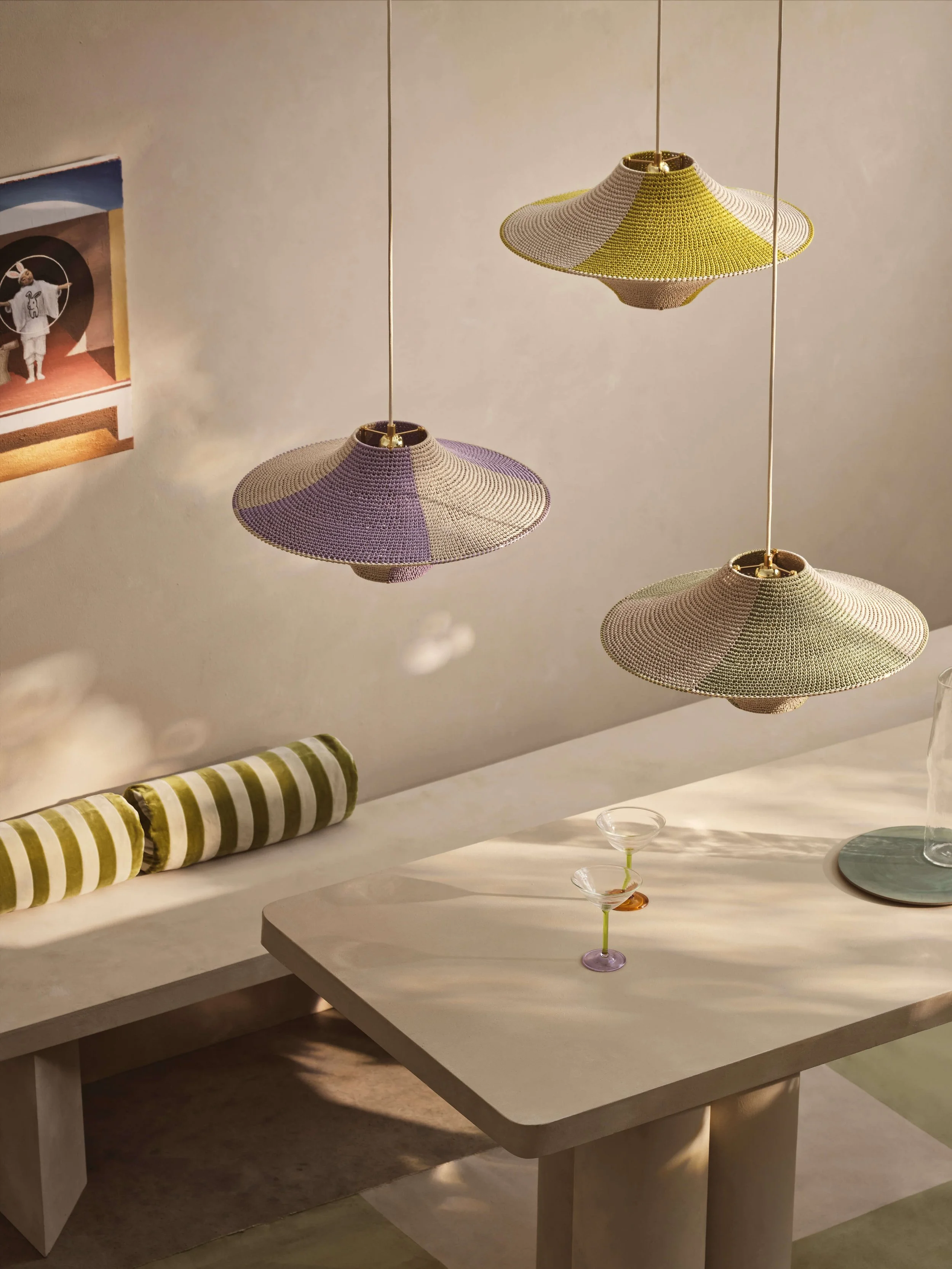
Project by Naomi Paul Studio
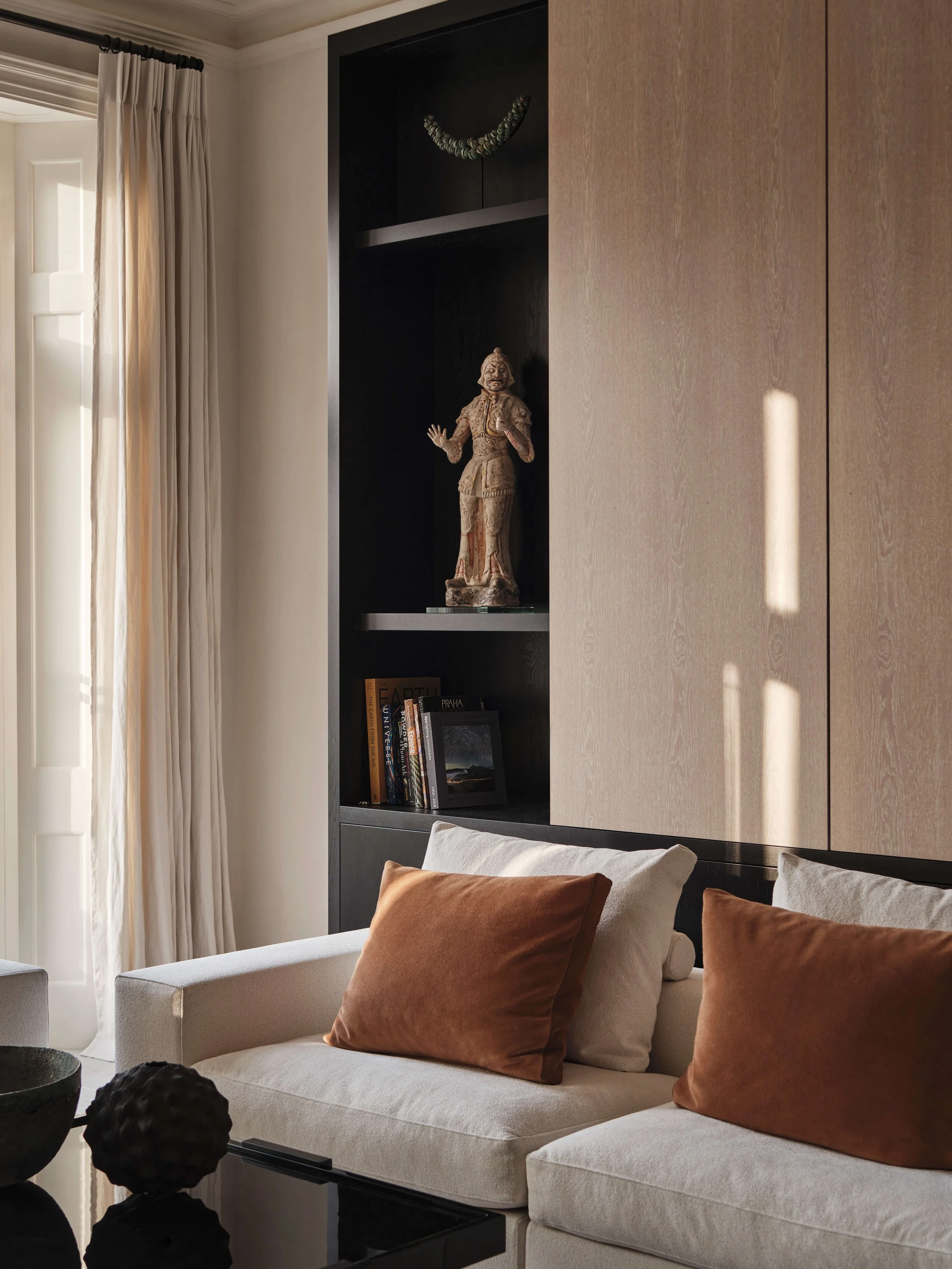
Project by State of Craft
“Much like cinema, photography often comes together in post-production, and I place great value on the editing and grading process.”
NICK Rochowski
DESIGNEERS
If you could give designers one piece of advice to get stronger imagery, what would you change about how they prepare a space?
NICK Rochowski
Attention to detail and careful curation are key. During a shoot, we often remove more than would make sense in everyday use, but distilling the composition usually results in a stronger image. This applies even in busy, lived-in homes filled with artwork and objects. The aim is not to strip away individuality, but to communicate it clearly through the camera. Light also has a transformative effect on how a space is perceived, often revealing details that are otherwise overlooked.
DESIGNEERS
Signature style: How do you stay ‘recognisably you,’ while still honouring the designer/space in front of your lens?
NICK Rochowski
Despite the level of preparation and attention to detail, the act of forming an image remains instinctive for me. I am not consciously trying to preserve a particular style but rather responding to what is in front of me. Light, shadow, form, texture, and composition all guide how the story is told.
Editing is equally important. Much like cinema, photography often comes together in post-production, and I place great value on the editing and grading process. I always shoot with this in mind, giving myself flexibility later on. I studied darkroom printing at university and discovered the creative potential of film early on, so there is a direct relationship between how I shoot and how I edit.
DESIGNEERS
Your dream project to shoot, real or fictional?
NICK Rochowski
My ambitions are always evolving. I have recently photographed some remarkable projects that are yet to be released. I would love to shoot Case Study House No. 22, collaborate on a classic project with Vitra, or work on projects in Japan.
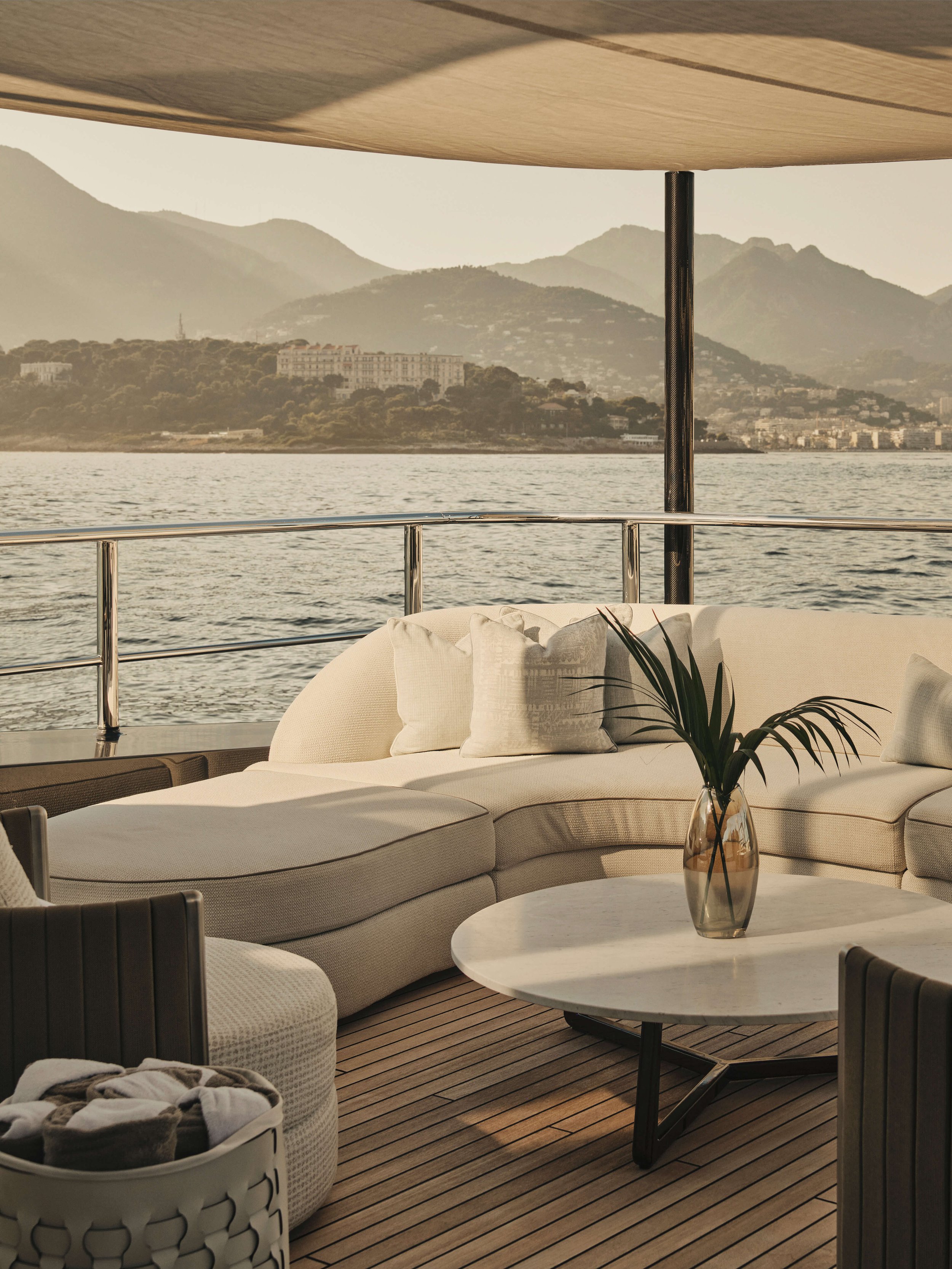
Project by Studio Indigo
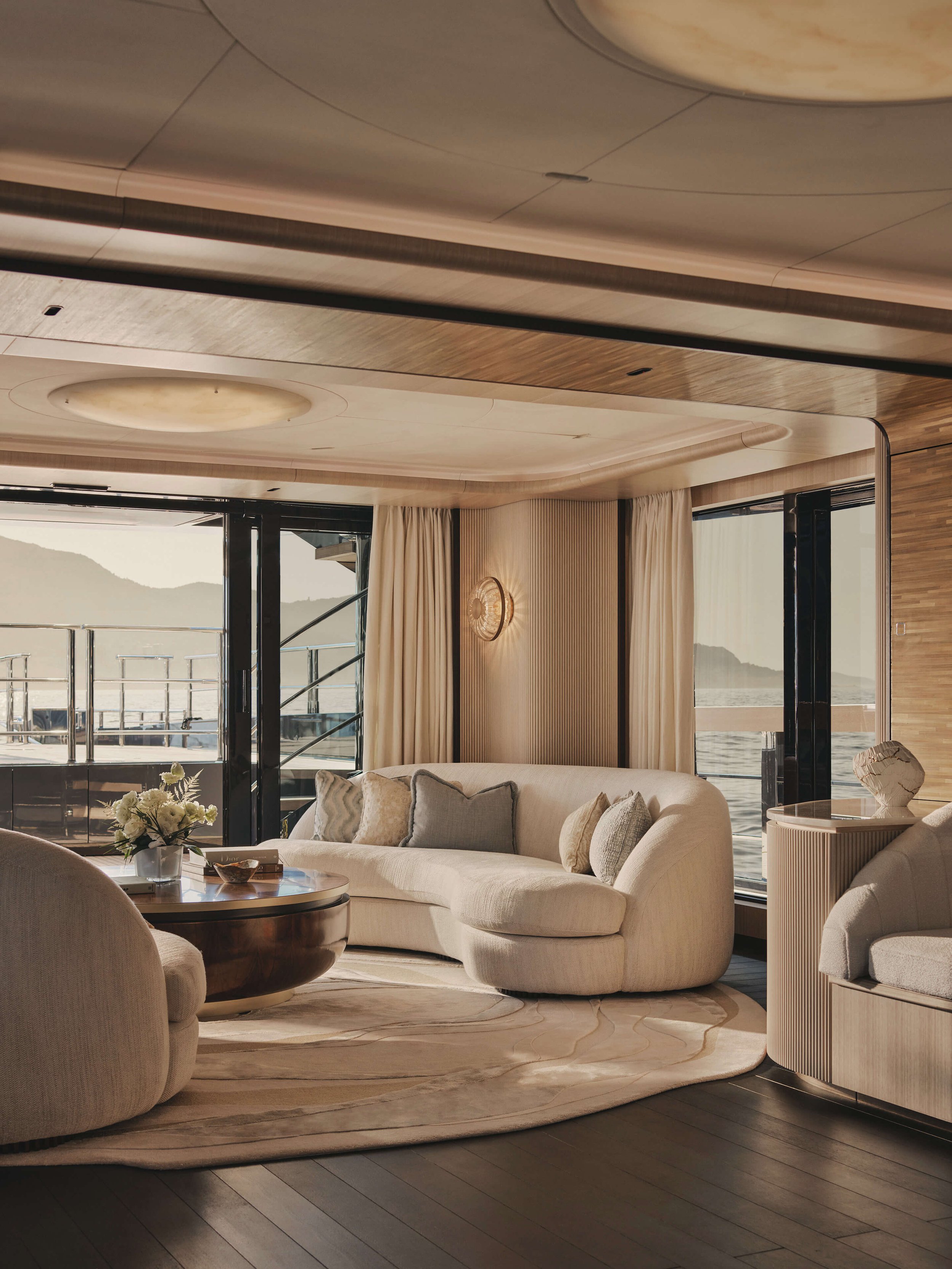
Project by Studio Indigo
DESIGNEERS
What do you prefer: morning light or golden hour?
NICK Rochowski
Ideally, both, although always with a degree of filtering and softening.
DESIGNEERS
The most underrated part of a shoot?
NICK Rochowski
That's a good question! Clients do appreciate my detailed shoot schedules! But... I think stepping away for a moment from the shot and then coming back with a slightly refreshed perspective can do wonders. I'm not sure if people would say that's underrated, but it slips people's minds, and the worst thing is if you come back to it later in the edit and realise you missed something.
DESIGNEERS
Your edit style: crisp / warm / cinematic / true-to-life?
NICK Rochowski
Out of those, I would say crisp and warm!
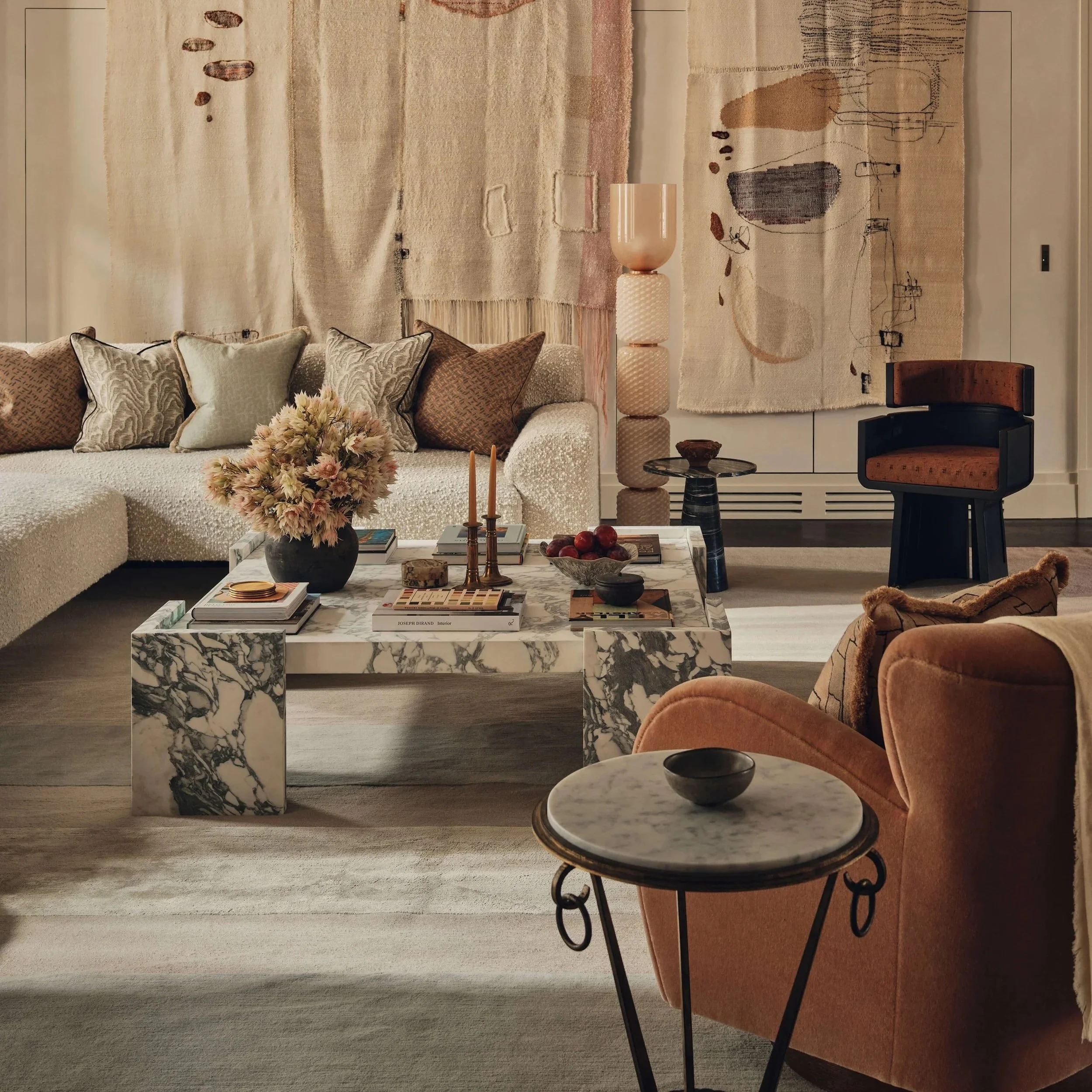
Project by Christian Bense