people • designers
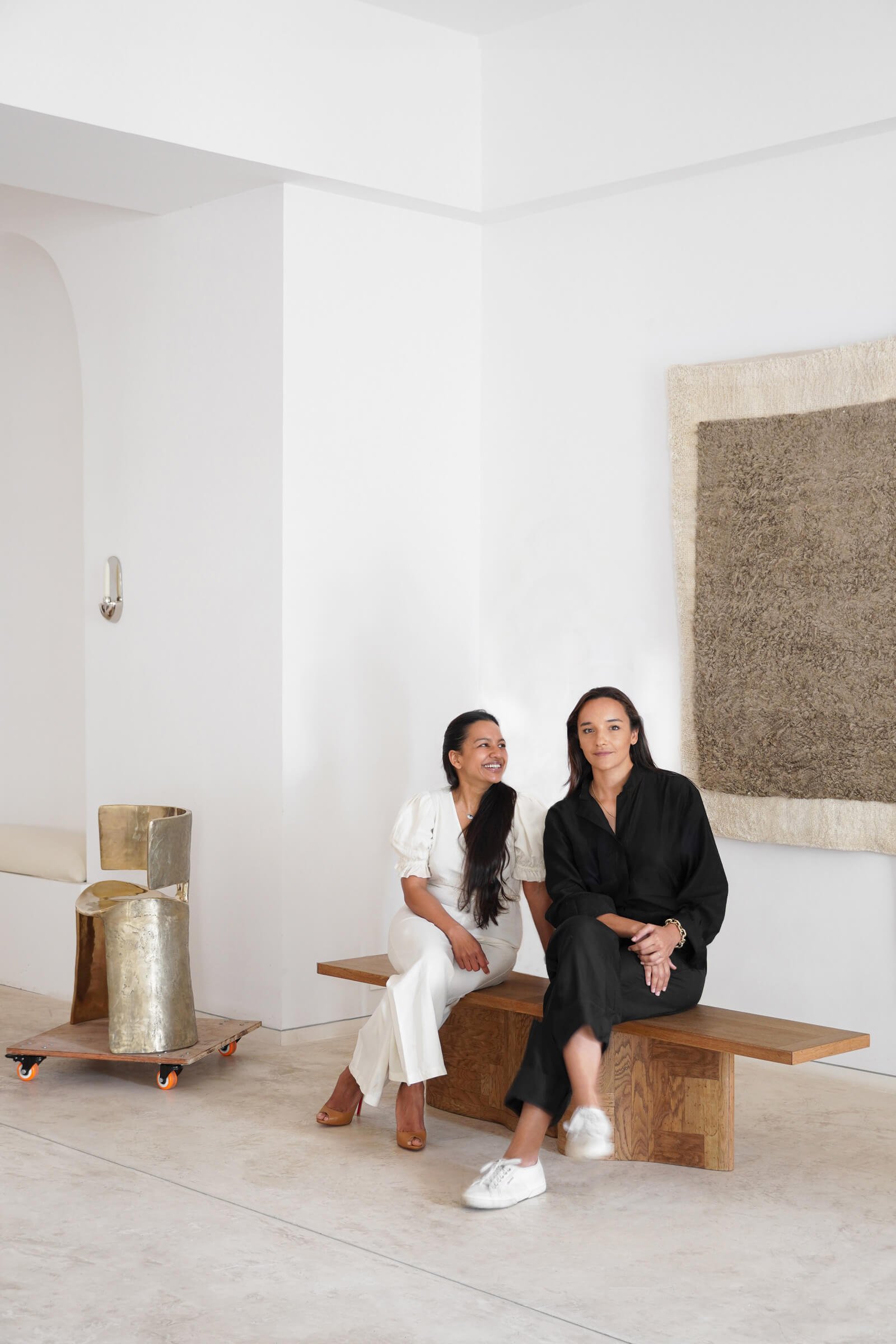
Æquo Gallery in Mumbai is one of India’s leading voices in contemporary collectible design, championing a new era of craftsmanship rooted in heritage. Founded by Tarini Jindal Handa and Florence Louisy, the gallery brings global attention to India’s extraordinary artisanship by pairing master craftspeople with visionary international designers. The result is a body of work often described as “antiques of the future” - sculptural pieces that merge centuries-old techniques with modern material innovation.
Through its curatorial approach, Æquo redefines India’s place within the global design landscape, positioning Mumbai as a hub for future-forward craft. Its collections explore the intersection of tradition and contemporary culture, revealing how Indian workshops, materials, and craft lineages can be transformed into bold, collectible objects with lasting cultural value. This feature delves into Æquo’s creative philosophy, its collaborative process, and the expanding global influence of a gallery reshaping the narrative of Indian design.
DESIGNEERS
You met in Paris in 2019. Can you remember the moment when the idea for Æquo first took shape? Was it over coffee, a late-night conversation, or during one of those design week epiphanies that just wouldn’t let go?
Æquo Gallery
What connected us initially was realising that India had no gallery dedicated to contemporary collectible design despite its vast craft heritage. That absence became the starting point. Tarini’s family has long supported the preservation of Indian craft, so the foundations were naturally in place. When I arrived as a designer and began sketching pieces to understand how the workshops operated, I encountered a world of small ateliers, each with its own rhythm and deep intelligence. The artisans were curious, open, and willing to experiment. Working at this intimate scale felt immediate and authentic. We soon knew we had to invite more designers into this ecosystem. That shift led me from designer to curator, and gradually the idea grew into what is now Æquō.
DESIGNEERS
Launching a gallery dedicated to collectible design in India was a pioneering move. What was the biggest risk you took at the beginning, and what made you brave enough to take it?
Æquo Gallery
The biggest risk was building something in a space that didn’t yet exist. There was no established audience for local collectible design in India. Large-scale production was present, but nothing was built around limited editions or artisanal experimentation. There was also no roadmap for connecting international designers with Indian craft workshops. Still, we trusted India’s depth – its refined techniques, material intelligence, and instinctive sense of form. Small ateliers naturally drew us in. Their scale encouraged dialogue, precision, and honesty. This human-centred way of creating became our passion and is why every piece carries such presence. From there, the project grew organically, through designers and artisans who believed in us. Word spread naturally, building a community committed to the same values.
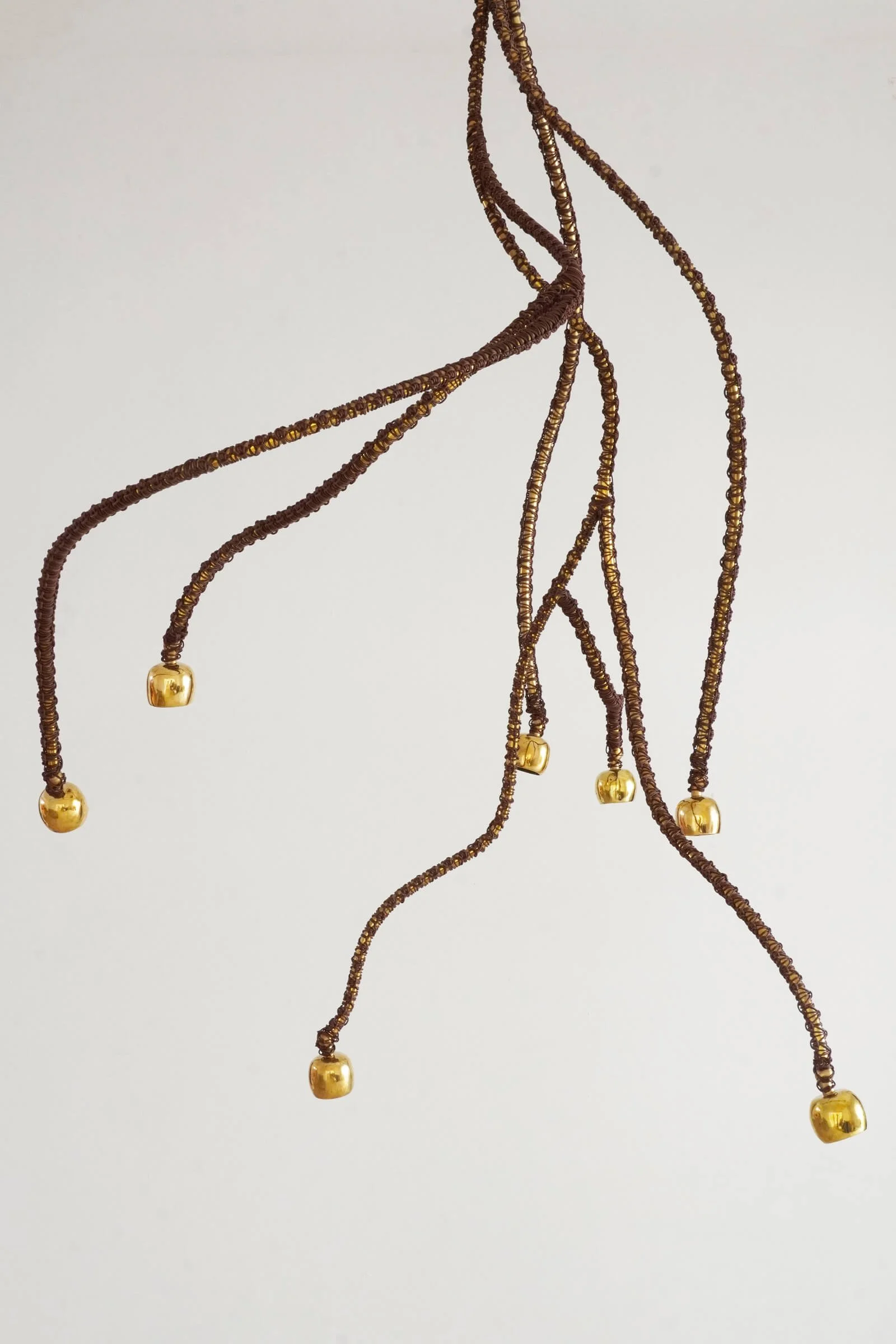
Fergusson Light by Valeriane Lazard
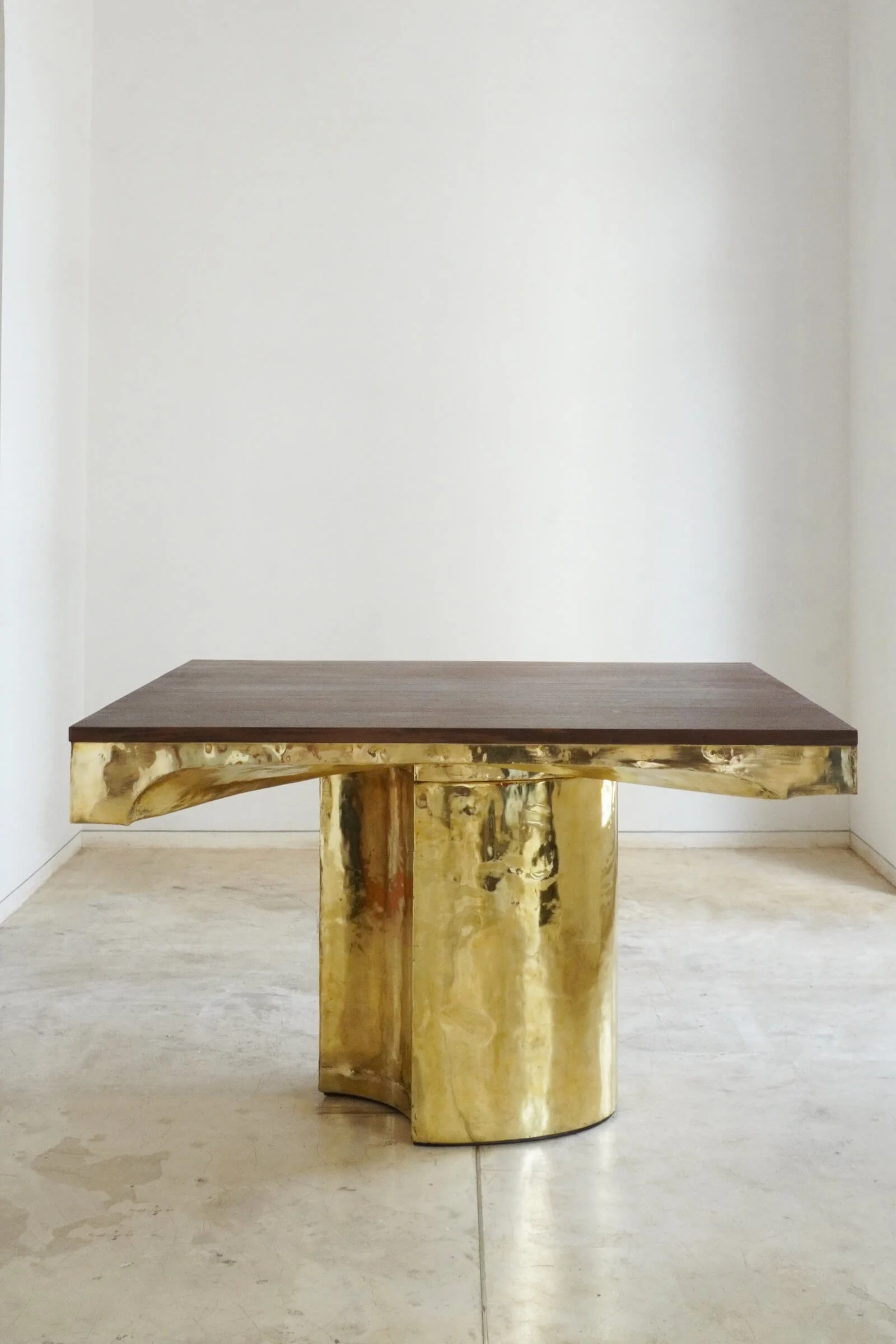
Fergusson Table by Valeriane Lazard
DESIGNEERS
The name Æquo means “equal,” reflecting your belief in balance between designer and craftsman. How do you keep that equality alive in practice especially when creative visions collide?
Æquo Gallery
We protect that equality by grounding every decision in the material and in the artisan’s process. We work with designers of very different scales and with techniques rooted in varied cultural histories, yet everyone receives the same level of commitment. These works require such deep investment that we must be certain about the people we collaborate with. We choose those who are curious, generous, and fully engaged. Small ateliers make this equality tangible. Conversations unfold around the workbench, with ideas tested directly on material. That immediacy removes ego and keeps the dialogue balanced on both sides.
DESIGNEERS
India’s craft landscape is vast and full of stories. How do you find the right makers, what makes you stop and think, this is someone we want to collaborate with?
Æquo Gallery
We look for makers with a clear sense of their own craft language. Technical skill matters, but openness matters more. Their willingness to explore a direction neither side has tried before is essential. This instinct often leads us to intimate workshops where you can feel the craft in motion. Ideas emerge in real time, and the work gains a density that large-scale production simply cannot replicate. We believe in growing alongside our artisans. When someone says yes without knowing where a project might lead, that trust becomes a foundation. It’s what makes collaborations meaningful and lasting.
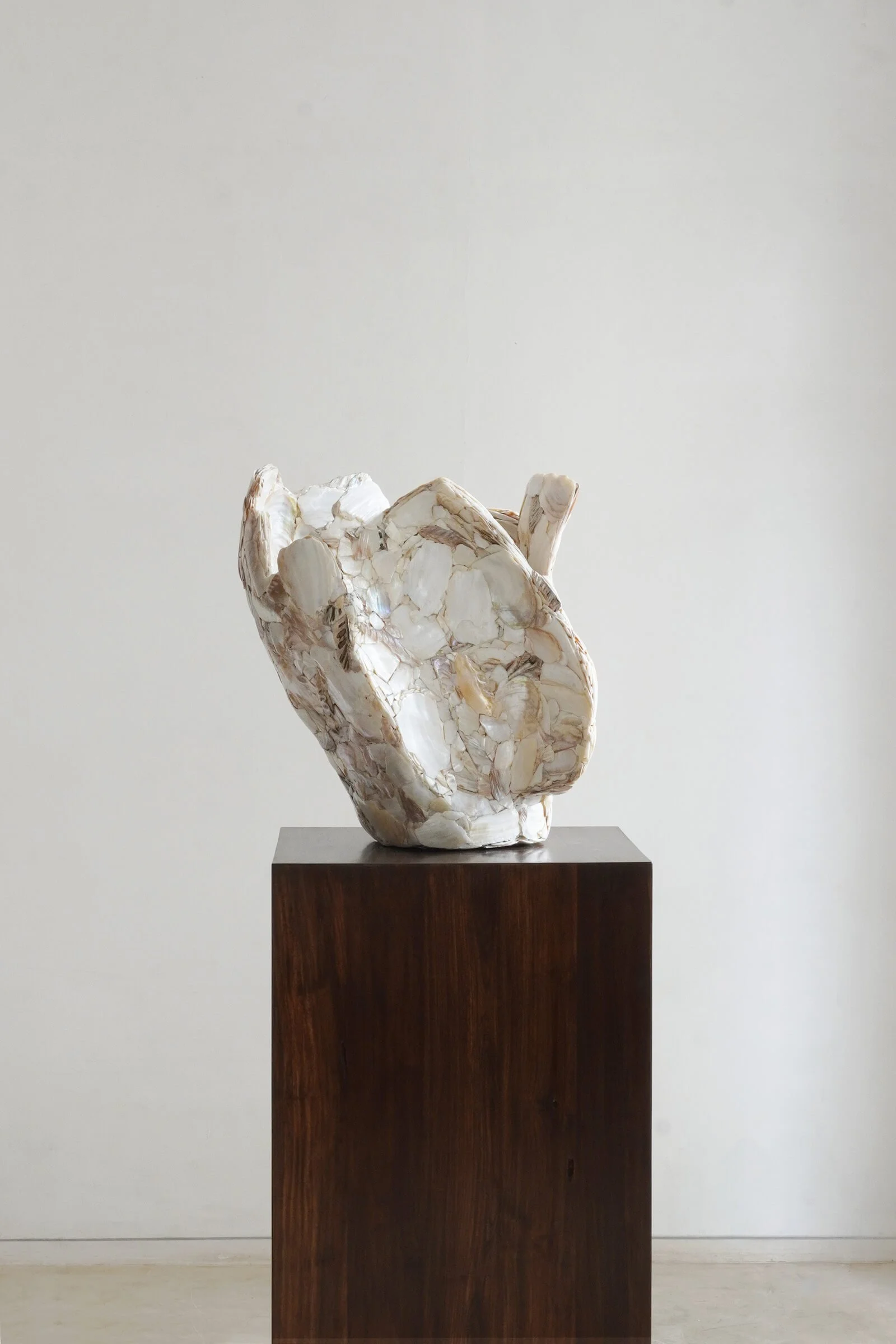
Tidal Fragment by Inderjeet Sandhu
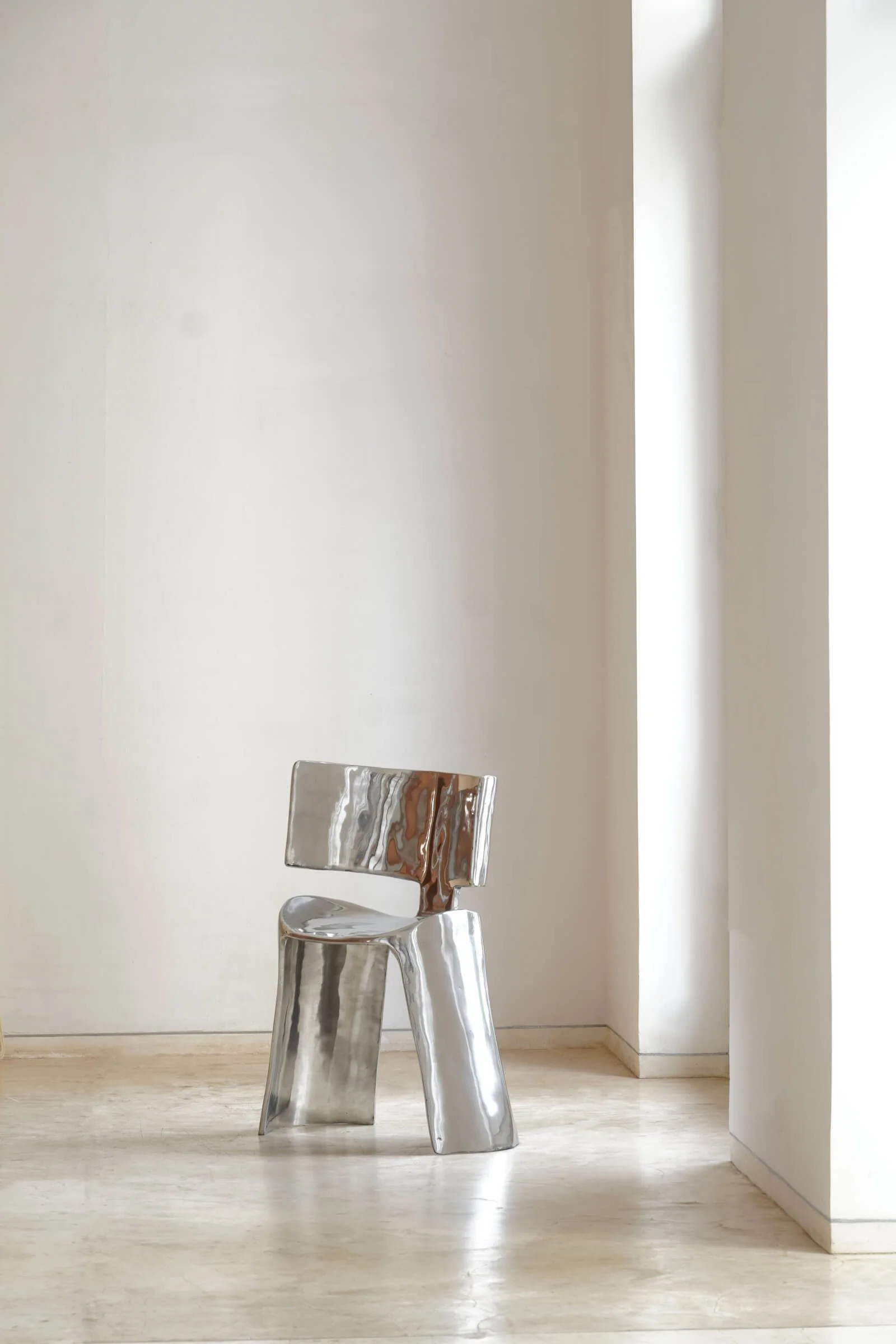
Tavit Chair by Florence Louisy
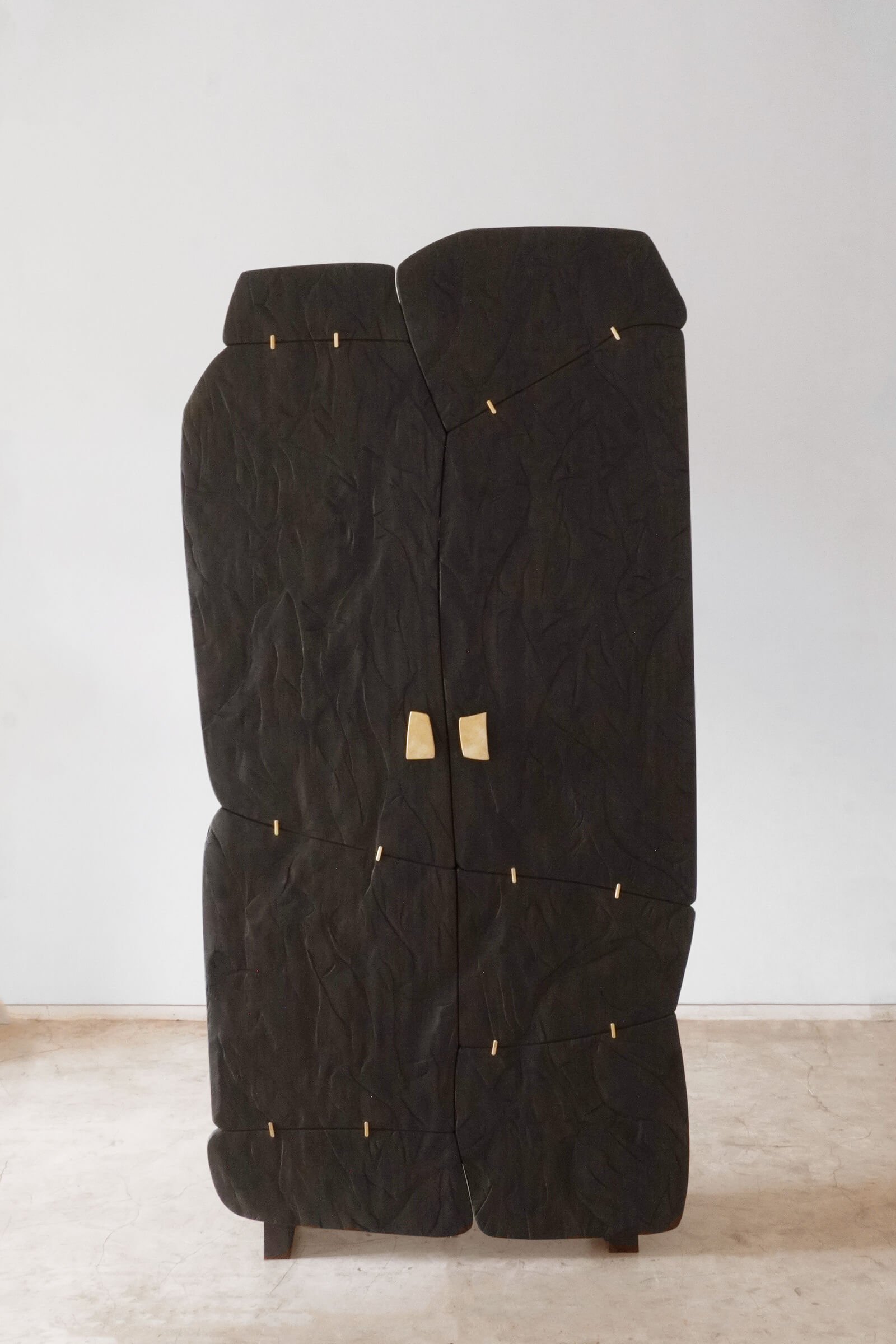
Slabs Cabinet by Linde Freya
“Observing how something is carved, cast, bent, or polished reveals more than any sketch. I follow what the process uncovers and often pause on a moment that feels unexpected.”
Æquo Gallery
DESIGNEERS
Florence, your curatorial approach feels both intuitive and intellectual. Do you have a ritual or habit that helps you get into your creative flow, something uniquely yours?
Æquo Gallery
I need to spend time with materials and workshops before I shape a project. Observing how something is carved, cast, bent, or polished reveals more than any sketch. I follow what the process uncovers and often pause on a moment that feels unexpected. That is usually where I see which designer might enter the technique and push it in a new direction. With our expanding team, this knowledge, imagery, and research now circulate through the studio, keeping the process collective but sharp.
I curate designers who differ greatly because the techniques themselves vary so widely, but also because their ways of thinking must align with ours. Sometimes the choice is instinctive. I can read a designer’s mindset through how they work, and that needs to resonate with us. I stay with every collection from concept to exhibition to maintain coherence across our world, even when practices differ.
DESIGNEERS
Tarini, you come from a lineage deeply intertwined with the arts. How do you balance the worlds of business, creativity, and intuition and which side surprises you most about yourself?
Æquo Gallery
Tarini moves effortlessly between her business roles and her presence within Æquō. Her ability to structure projects, understand contexts quickly, and build long-term relationships creates the framework the gallery relies on. She anticipates what each project needs and knows how to position it, giving the team stability and confidence to push the work further.
Her interest in international artists is a major force. She constantly scans the global design world, sensing how a new voice or geography could expand the conversation around India. This openness stretches Æquō’s boundaries while keeping it firmly aligned with its mission. This duality, structured yet curious, strategic yet open, defines her contribution to the project.
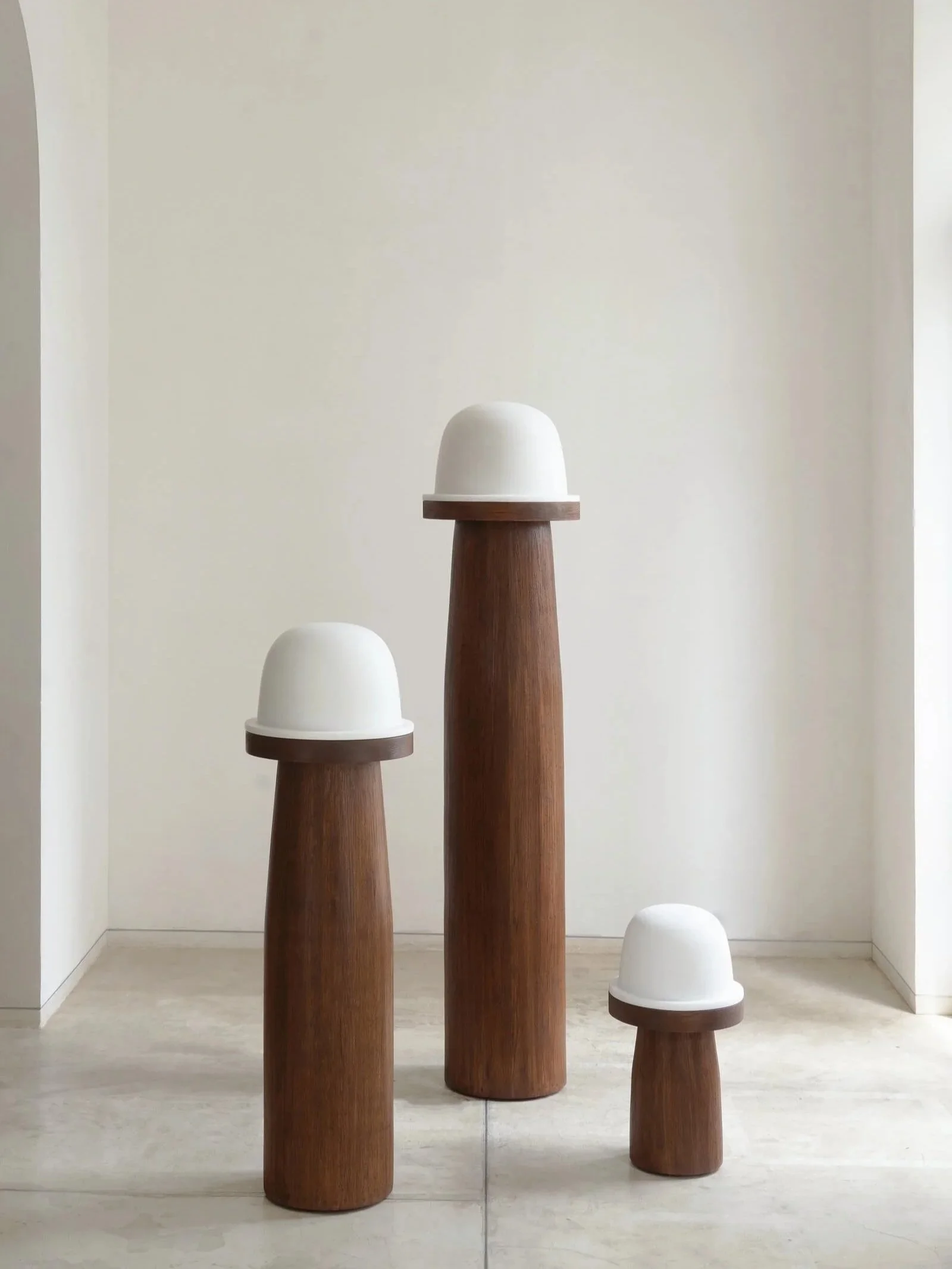
Shilla Lights by Florence Louisy
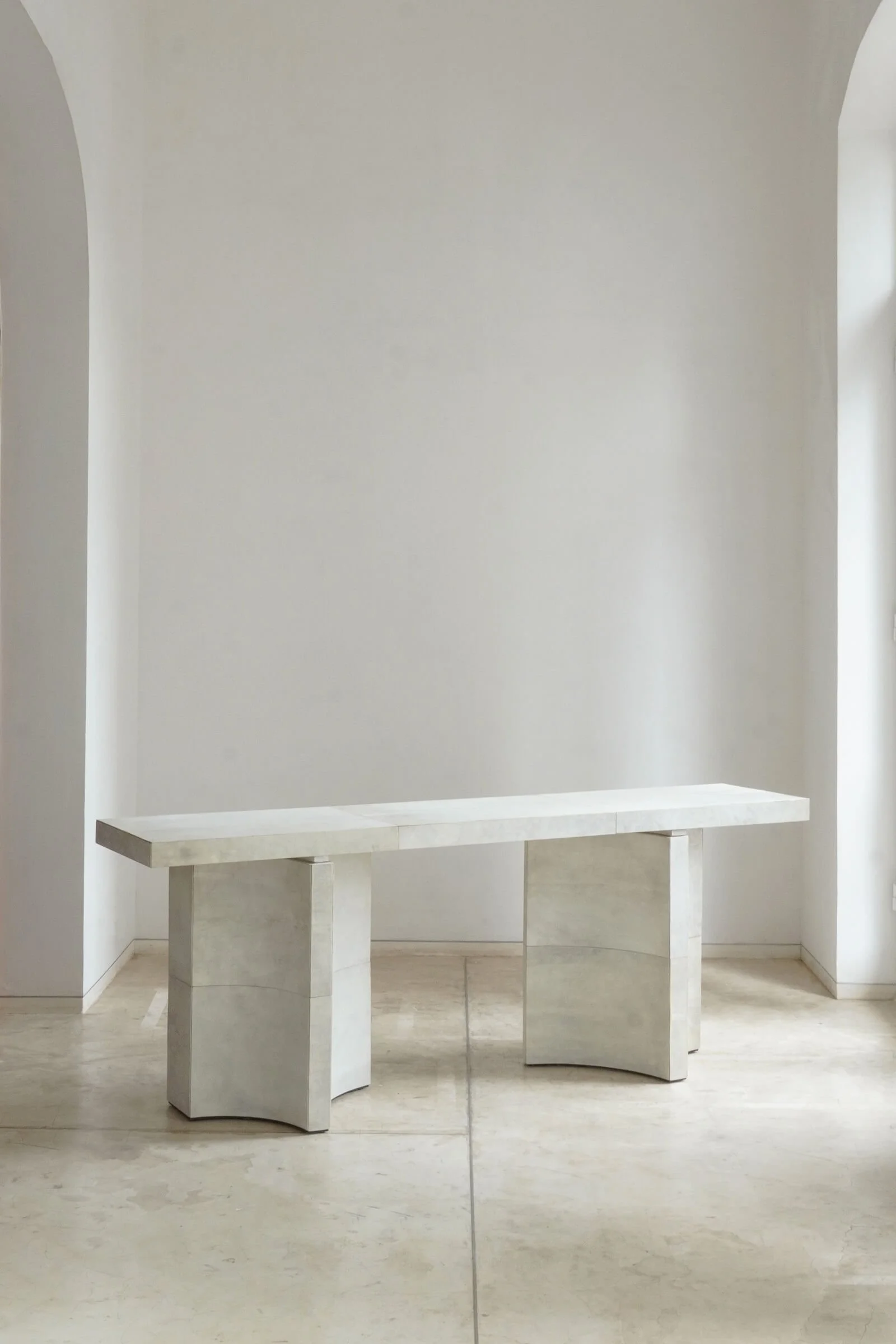
Parchement Console by Valeriane Lazard
DESIGNEERS
If Æquo were a person, how would you describe its personality? A quiet philosopher, a bold romantic, or perhaps a refined rule-breaker
Æquo Gallery
Æquō would be a thoughtful traveller, someone who explores widely without losing his inner compass. He absorbs the world, meets people, and collects ideas, and always returns to a clear centre where those discoveries can be distilled with precision.
DESIGNEERS
When someone encounters an Æquo piece in a home or gallery for the first time, what do you hope they feel in that moment?
Æquo Gallery
A quiet pull. A slight sense of intrigue.
DESIGNEERS
Finally, if Æquo had a soundtrack (a song that plays softly in the background of your gallery) what would it be, and why does it capture your world so perfectly
Æquo Gallery
We often play Yom’s Celebration album. The music is calm and powerful, with a mixed identity that feels both ancient and contemporary.
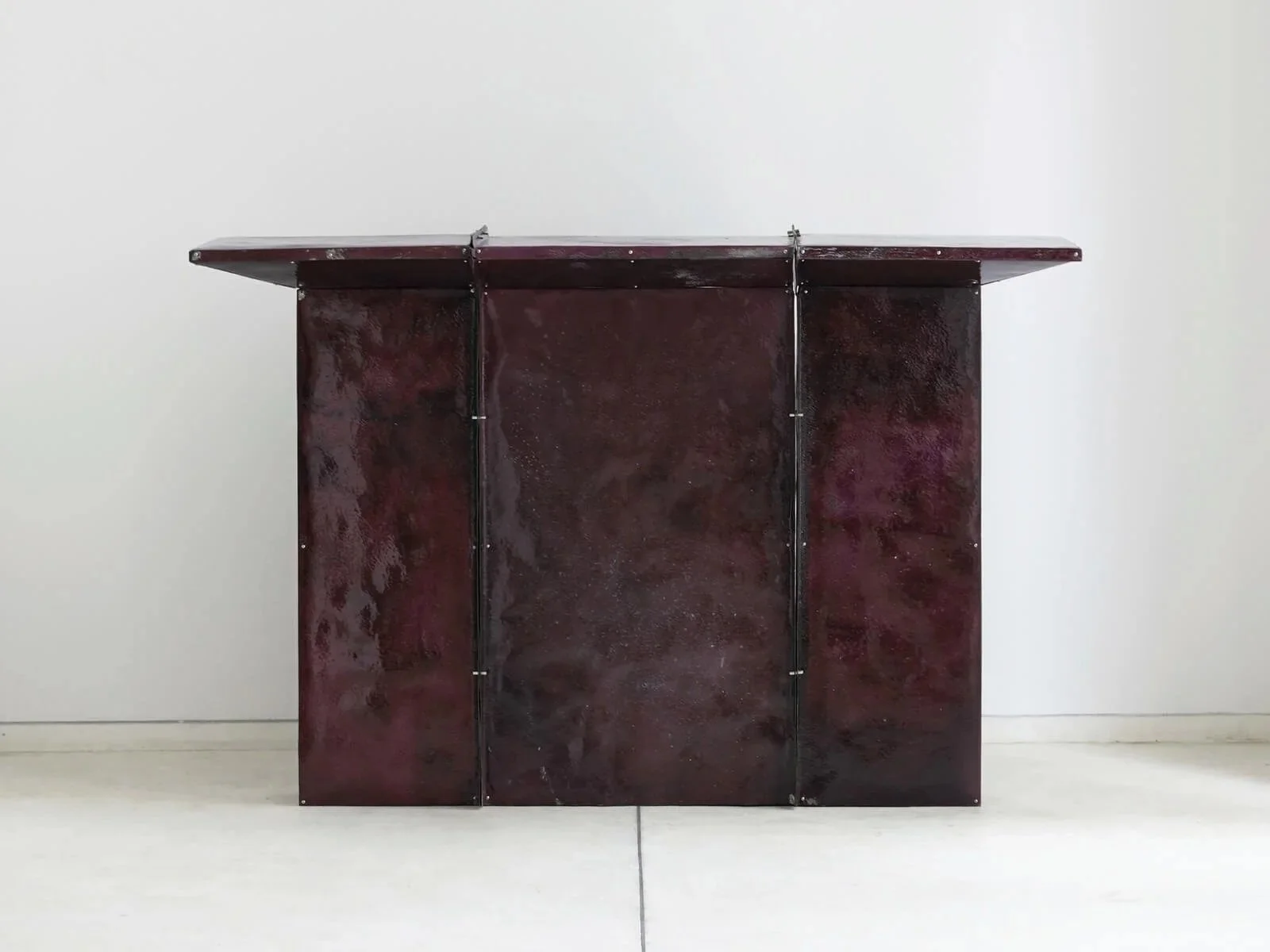
Esmal Console by Florence Louisy