people • designers
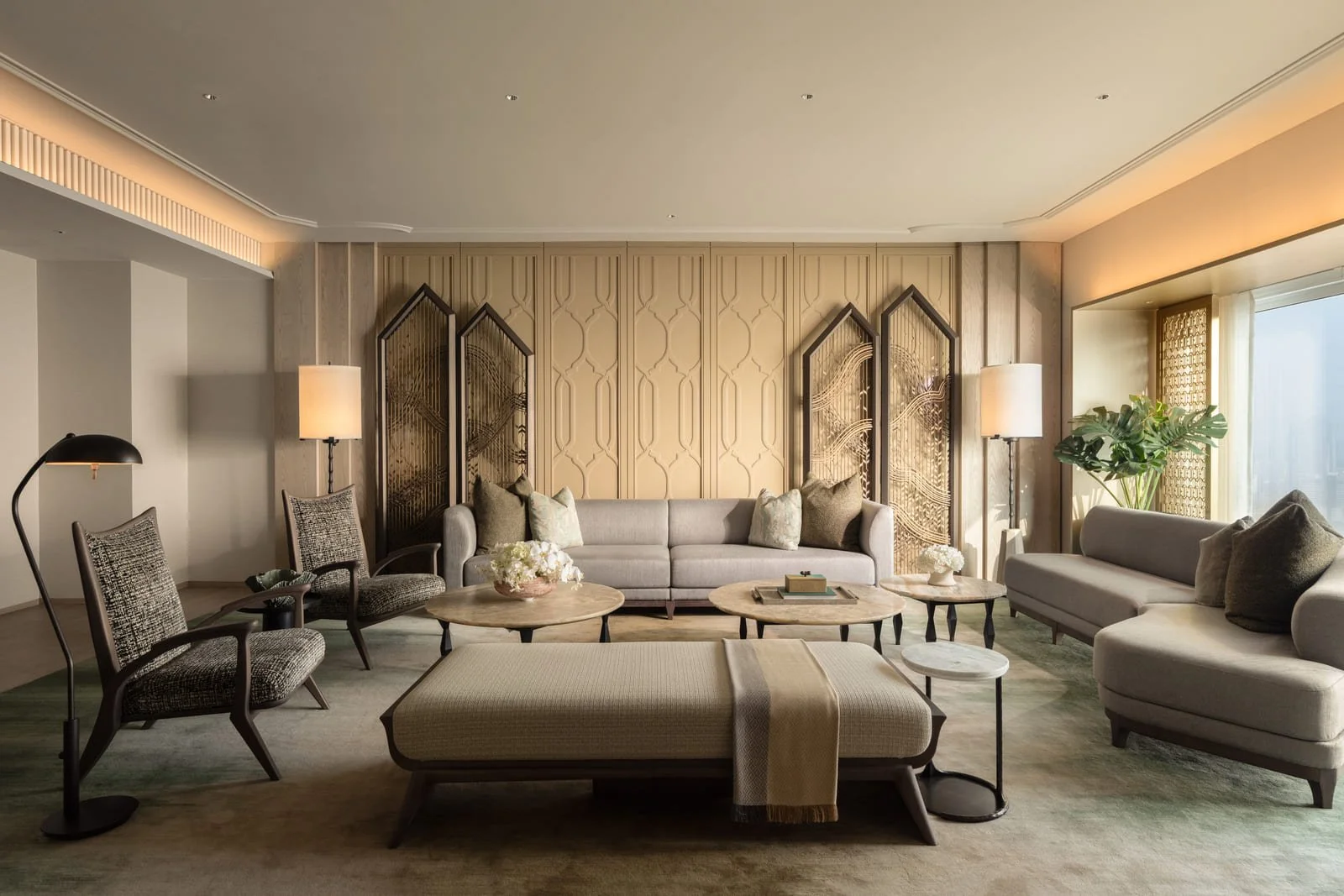
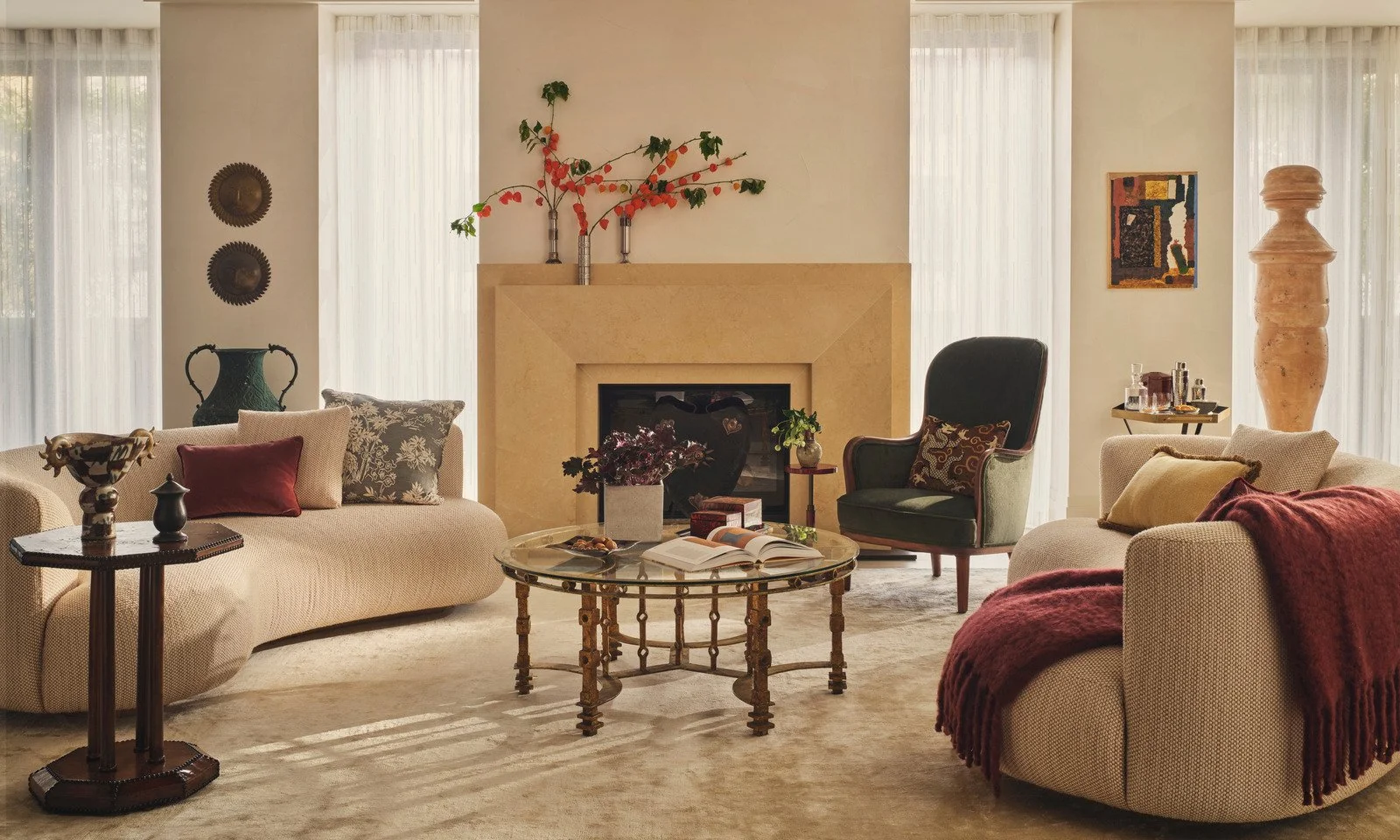
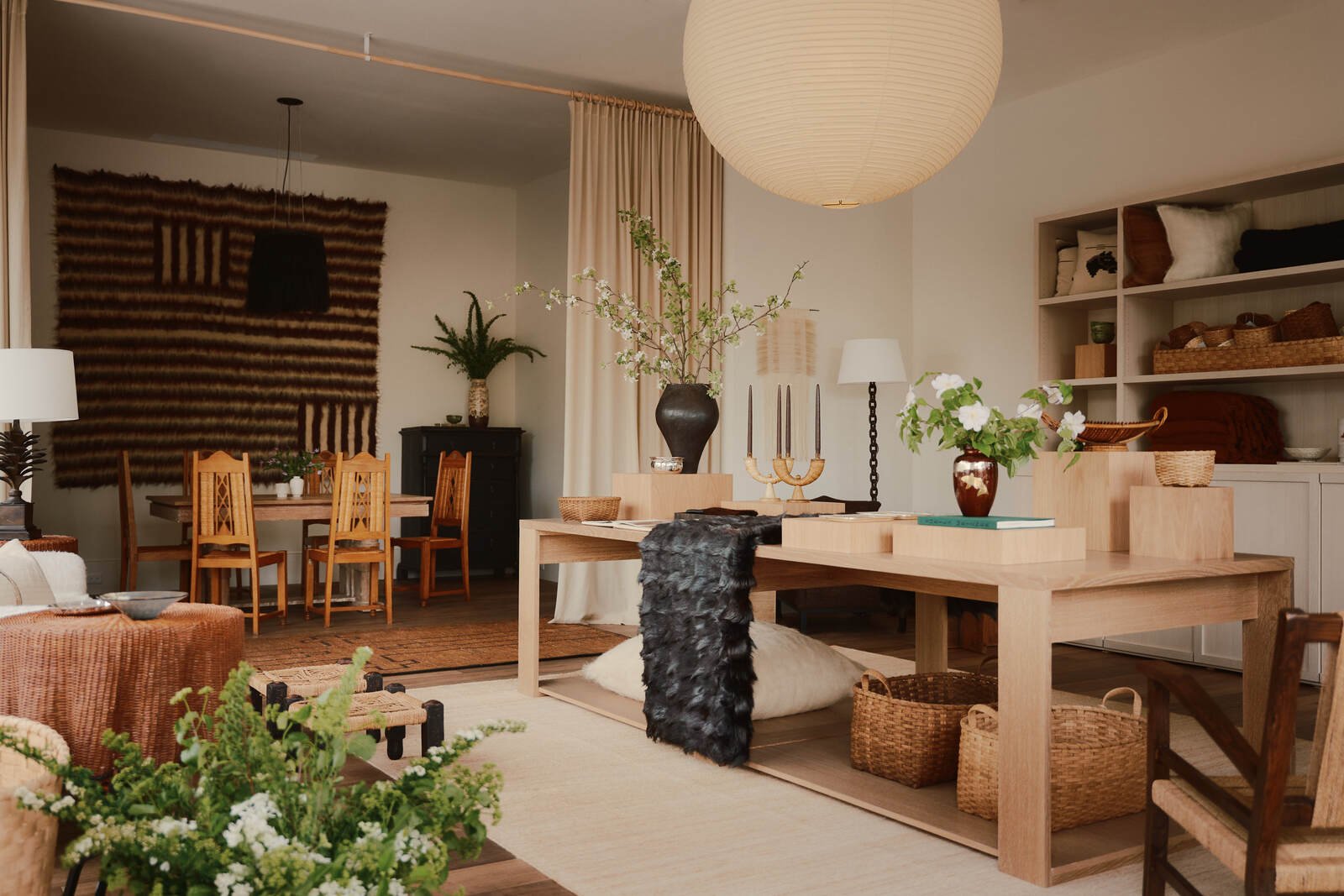
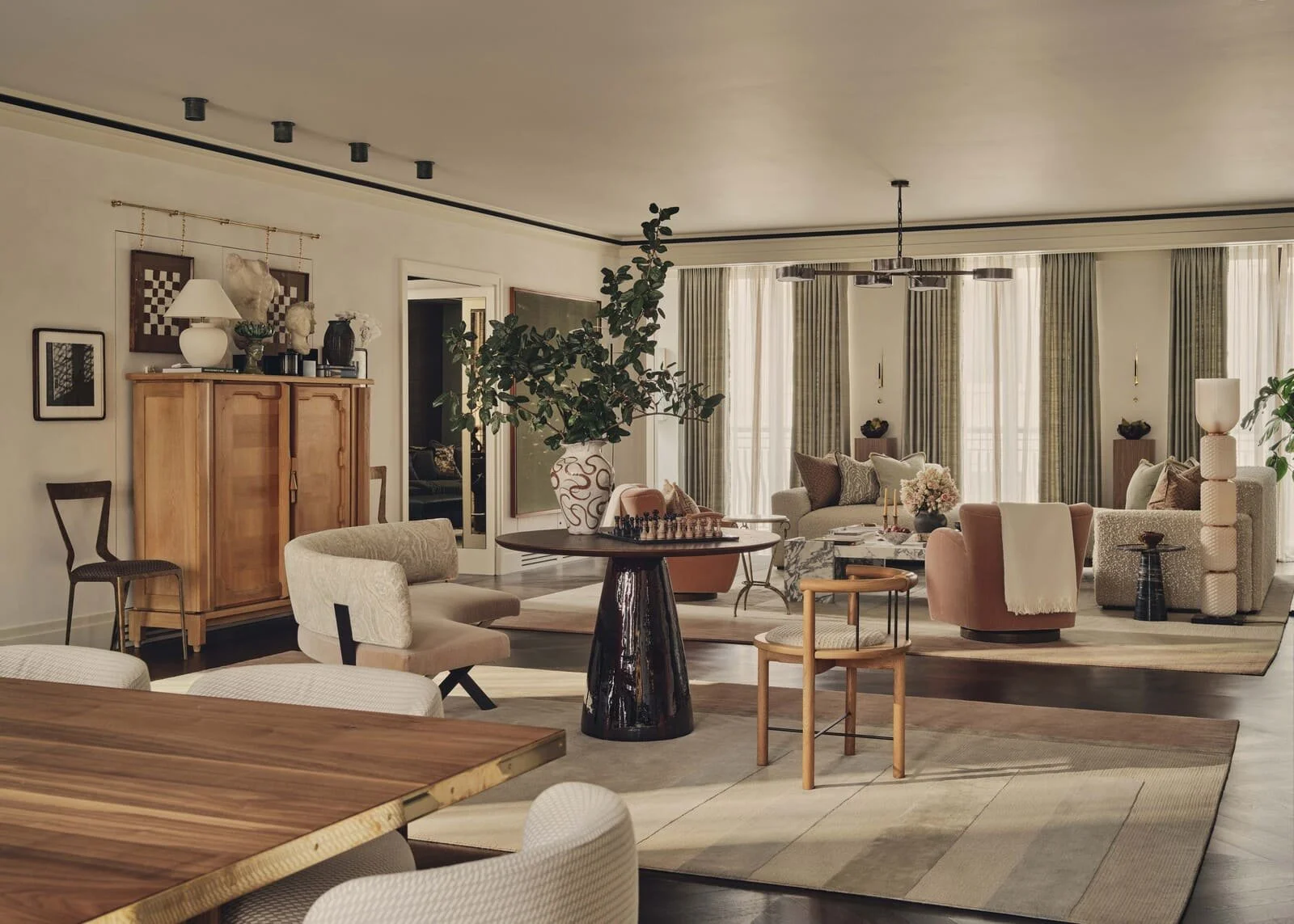
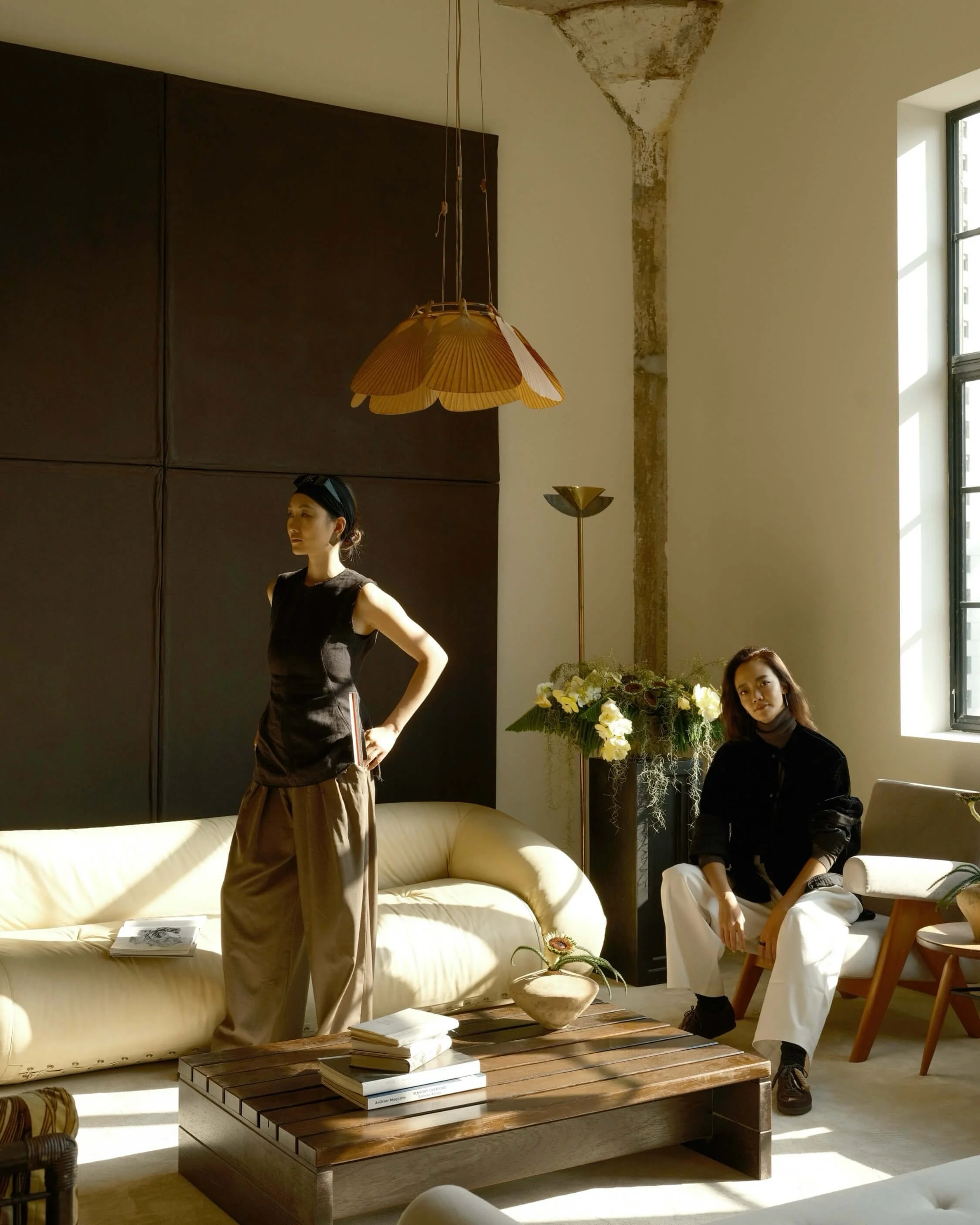
For their latest exhibition, Studio ŪMA transformed the historic Guang’er Warehouse on Suzhou Creek into an environment that feels alive with emotion, tactility and quiet presence. Titled Her Room Breathes, the installation reimagines a room not as a static container but as a living consciousness shaped by memory, rhythm and vulnerability. Working with a language that moves between art, collectible design and spatial poetry, Studio ŪMA invites visitors to experience space as respiration, where material softens into gesture and atmosphere becomes the true architecture.
In this interview for Designeers, the studio reflects on designing with feminine consciousness, the role of time and imperfection, and the ways in which softness and structure coexist within their work. They speak about Shanghai’s layered identity, the nuances of tactility, and how a room can become a portrait, a presence, a quiet unfolding of emotion. Their approach is one of attentive presence, where beauty is found not in perfection but in the breath between things.
Words: designeers
NOVEMBER 2025
WEBSITE: studiouma.co.uk
INSTAGRAM: @_studiouma_
DESIGNEERS
“Her Room Breathes” explores the idea of a room as a living organism. What was the first spark behind this project, and how did the idea of “her” emerge as its central presence?
Studio ŪMA
The idea began during our first visit to Guang’er Warehouse in the summer. The space’s stripped-down brutalist interior led us to focus on creating a domestic environment, one that would stand in deliberate contrast to its raw surroundings. We became interested in the quiet, intimate life of a room and how that life shifts with its occupant.
Rather than treating the room as an inert backdrop, we imagined it as a living organism, one that breathes, reacts, and evolves. From this, the idea of “her” emerged naturally: a presence at once universal and personal. In this framework, the room becomes an extension of her consciousness, shaped by her rhythms, her memory, and her vulnerability.
DESIGNEERS
You speak of designing with feminine consciousness. How do you translate that into material, texture, and spatial rhythm?
Studio ŪMA
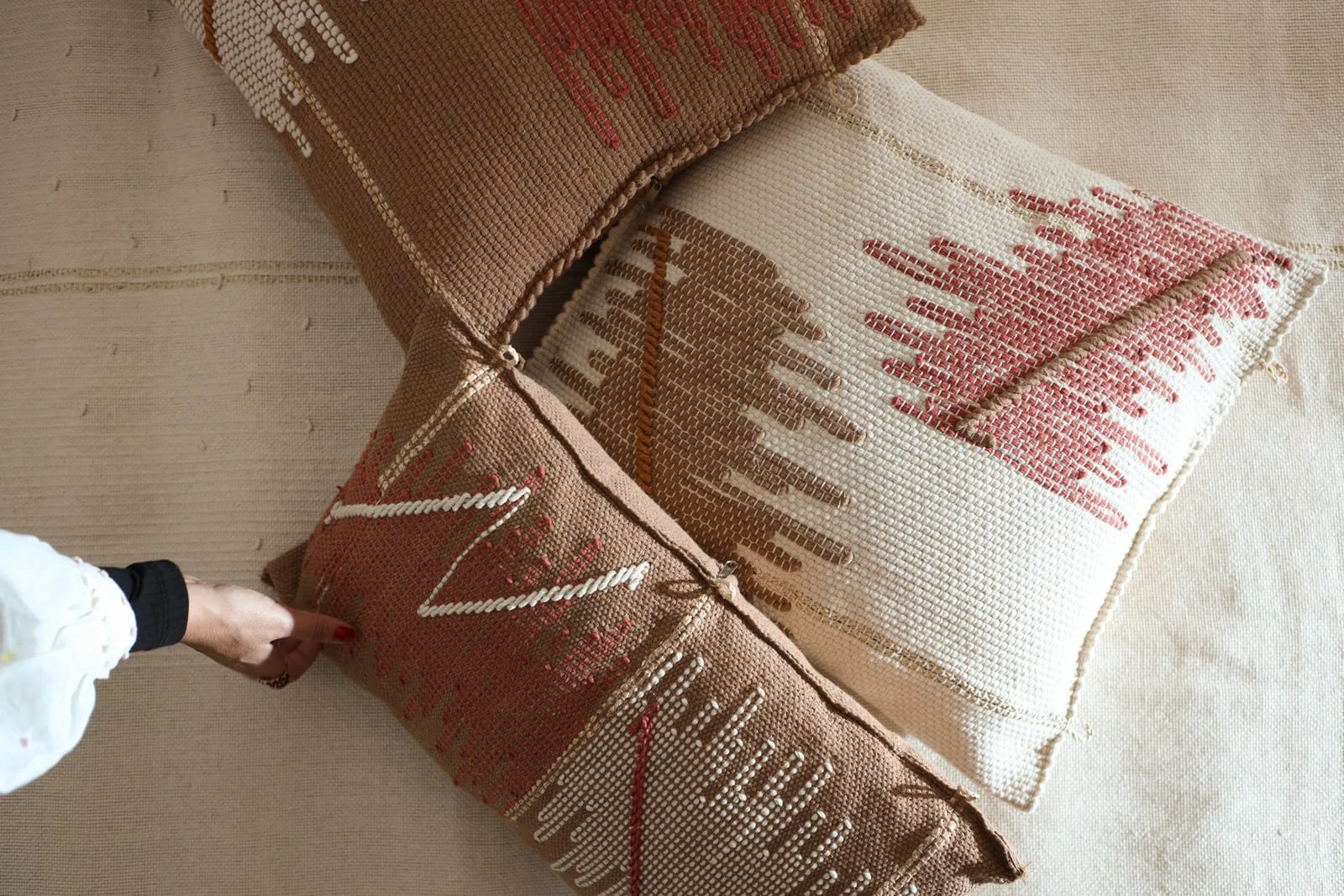
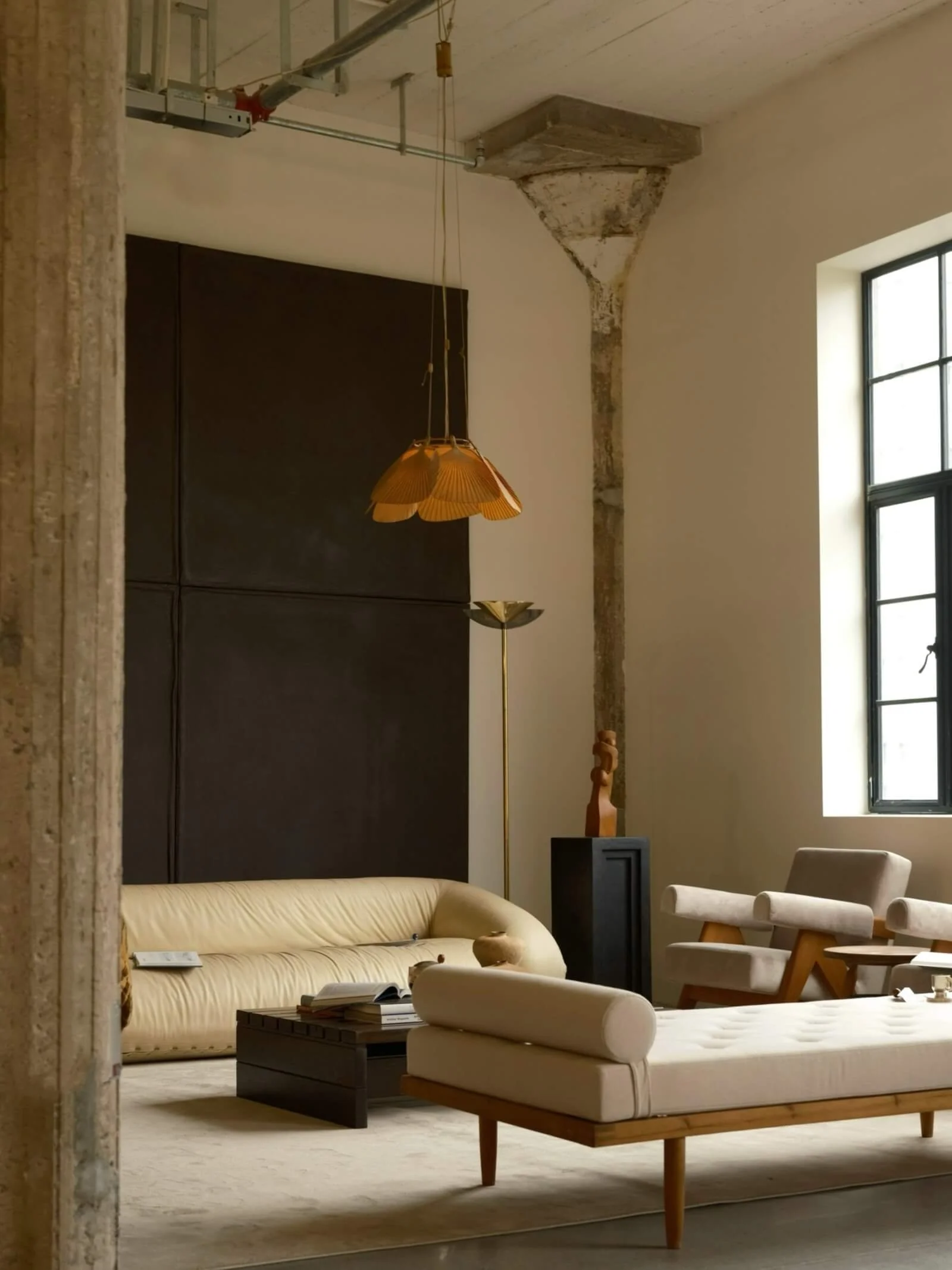
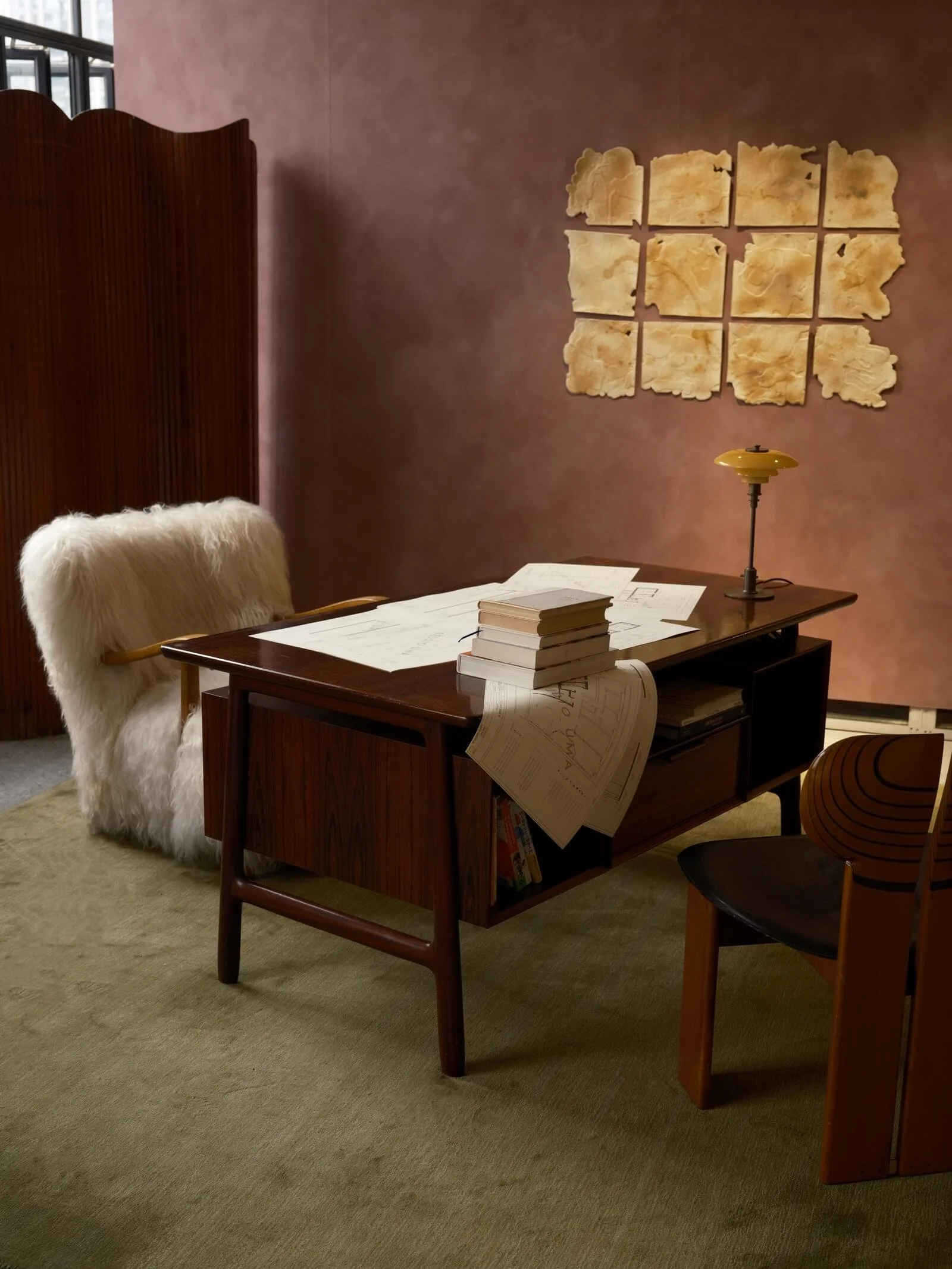
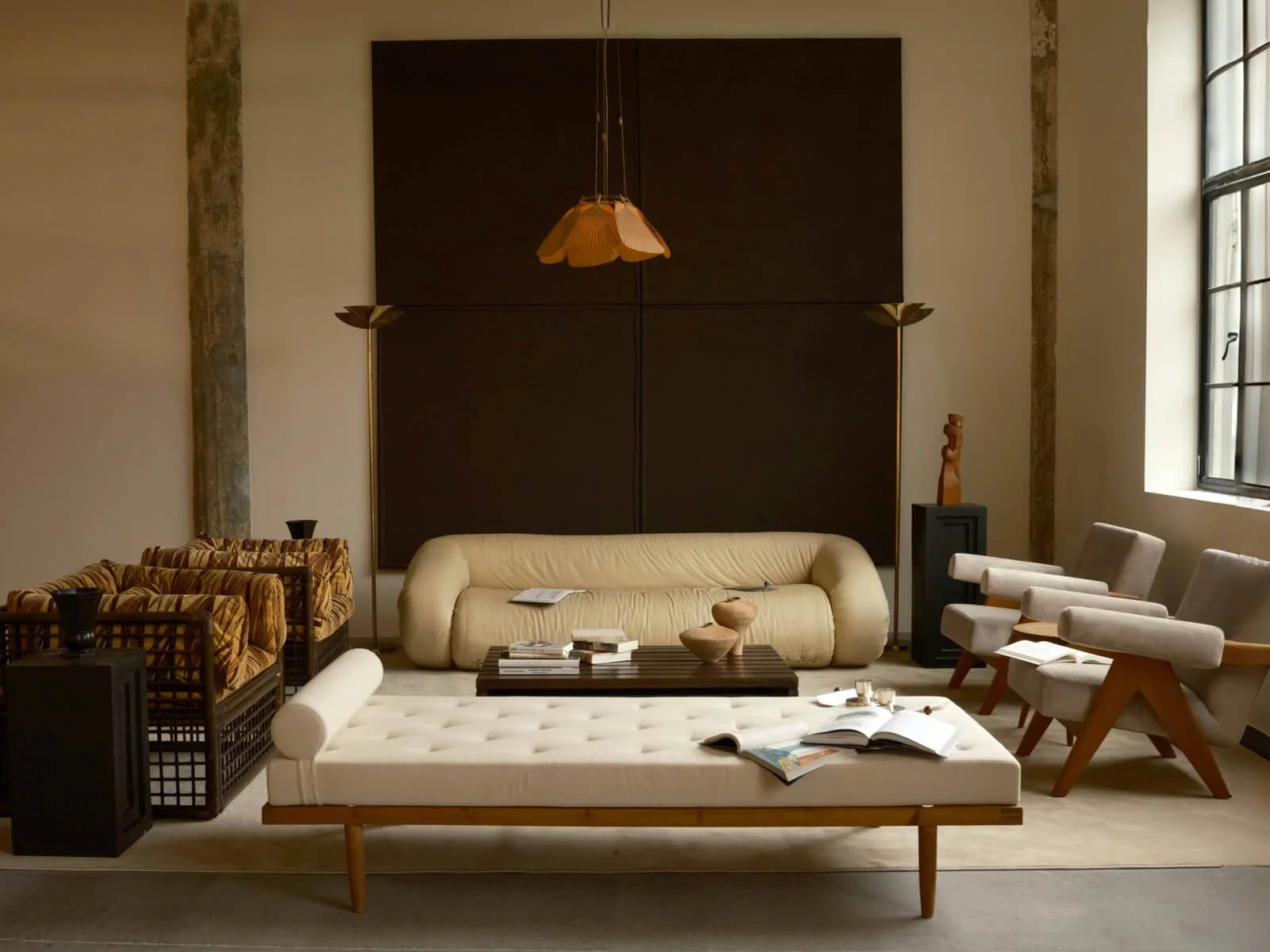
Feminine consciousness, for us, is about attunement to subtlety and sensitivity. We translate this through material choices that invite touch, warm woods, soft metals, and hand-hammered textures, and through spatial rhythm, such as curves that cradle, surfaces that breathe, and lighting that whispers rather than shouts.
DESIGNEERS
This project sits at the intersection of collectible design and contemporary art. How do you curate a dialogue between the two without one overpowering the other?
Studio ŪMA
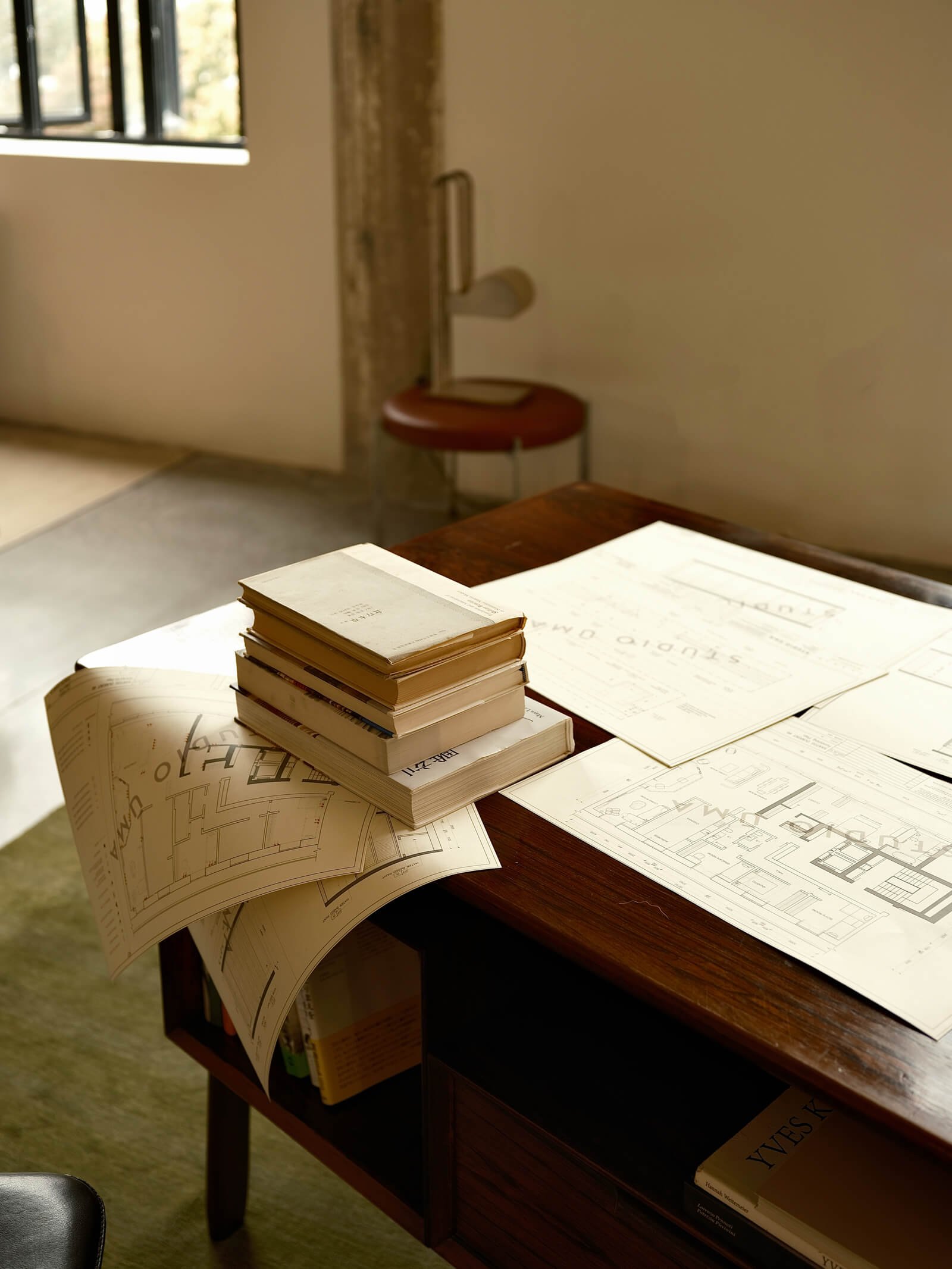
We allow each object to maintain its own voice, but place them in conversation through scale, proportion, and context. Their coexistence becomes a conversation, a layering of time and intention, rather than a competition.
DESIGNEERS
You describe the exhibition as forming a “third language, neither Western functionalism nor Eastern minimalism.” How would you define that language in spatial or emotional terms?
Studio ŪMA
It is a language of tactility and pause, one that prioritises emotional resonance over strict function. Spatially, it favours fluidity over rigidity, gestures over grids. Emotionally, it is intimate and reflective, encouraging visitors to slow down and notice how light, texture, and objects converge in a personal, almost subconscious dialogue.
DESIGNEERS
You’ve woven works from iconic designers like Pierre Jeanneret and Tobia Scarpa with contemporary artists such as Jess Allen and Ni Zhiqi. What guided your curation in pairing these worlds?
Studio ŪMA
We are drawn to harmony in contrast. The decision to pair iconic design with contemporary work is guided by tonal and material affinities: a muted wood might echo a metal sculpture, or a geometric form might converse with a more organic shape. It is less about era and more about resonance, about creating a space where past and present breathe together.
DESIGNEERS
Studio ŪMA’s aesthetic embraces oxidation, patina, and the marks of time. How does this idea of imperfect beauty influence how you approach each project?
Studio ŪMA
Patina, oxidation, and the soft decay of material; these are not flaws but proof of a life lived. Imperfection allows objects to feel human and to carry history and warmth. Each project begins with this philosophy: that beauty emerges through interaction, use, and the passage of time.
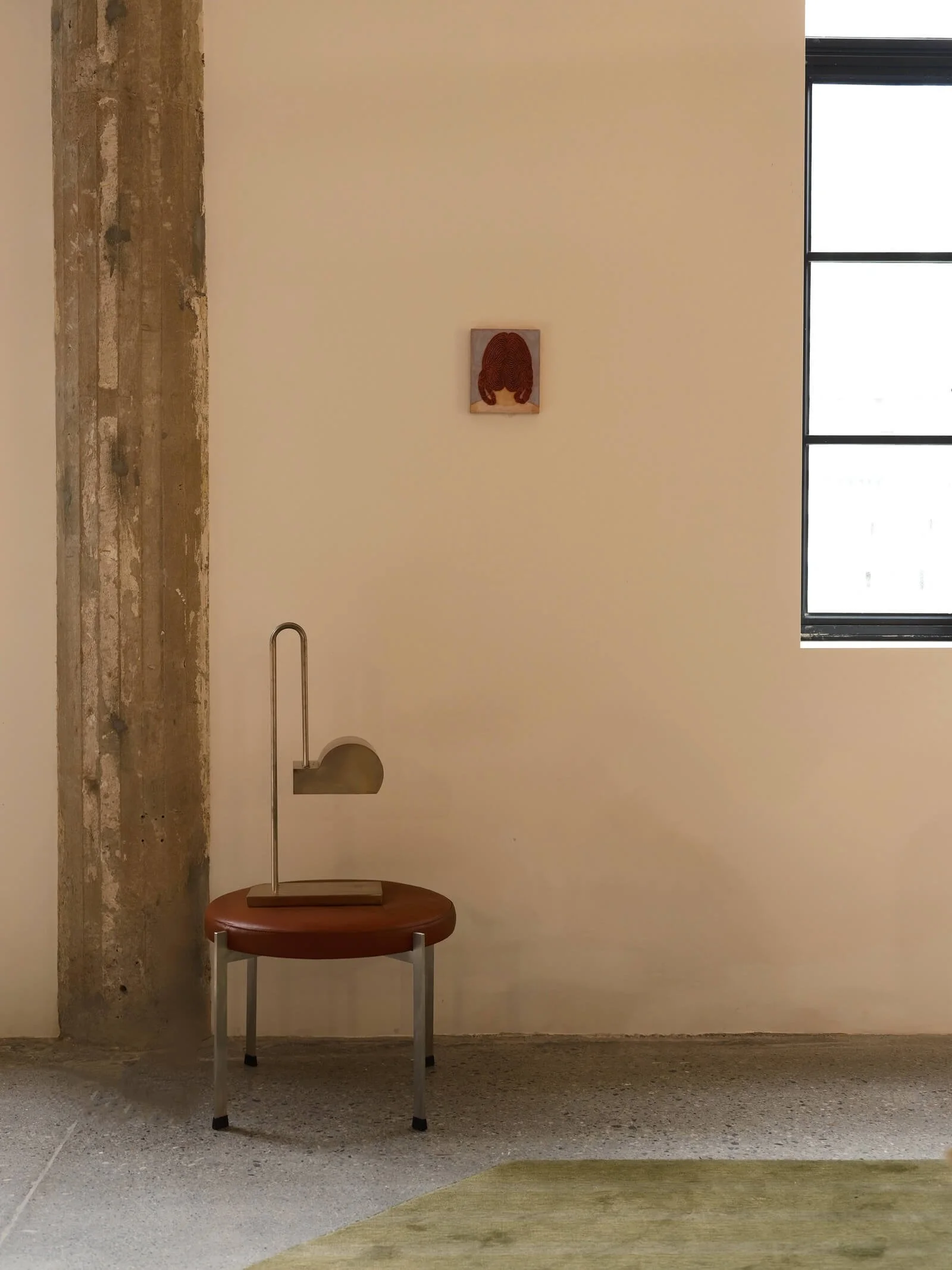
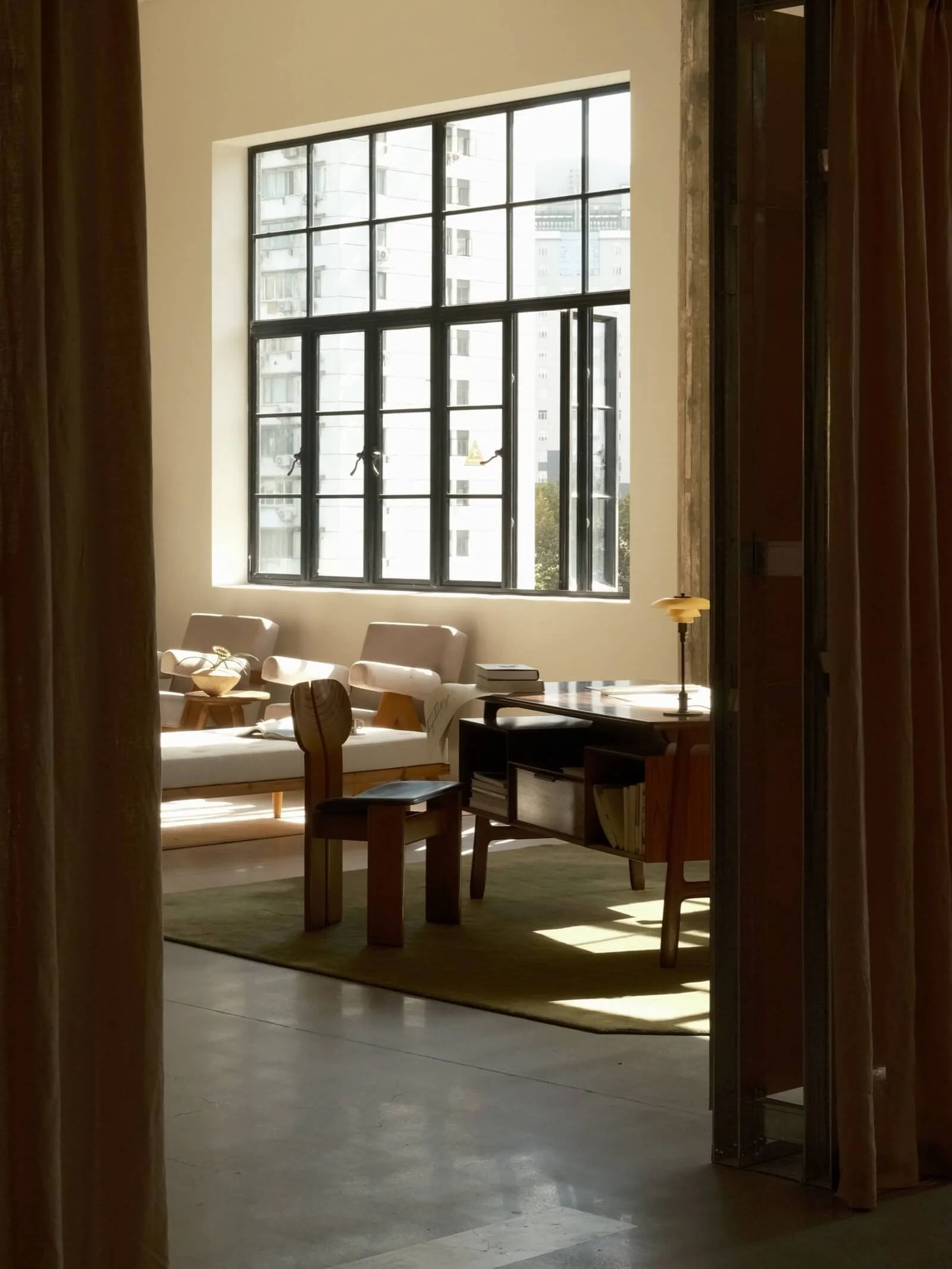
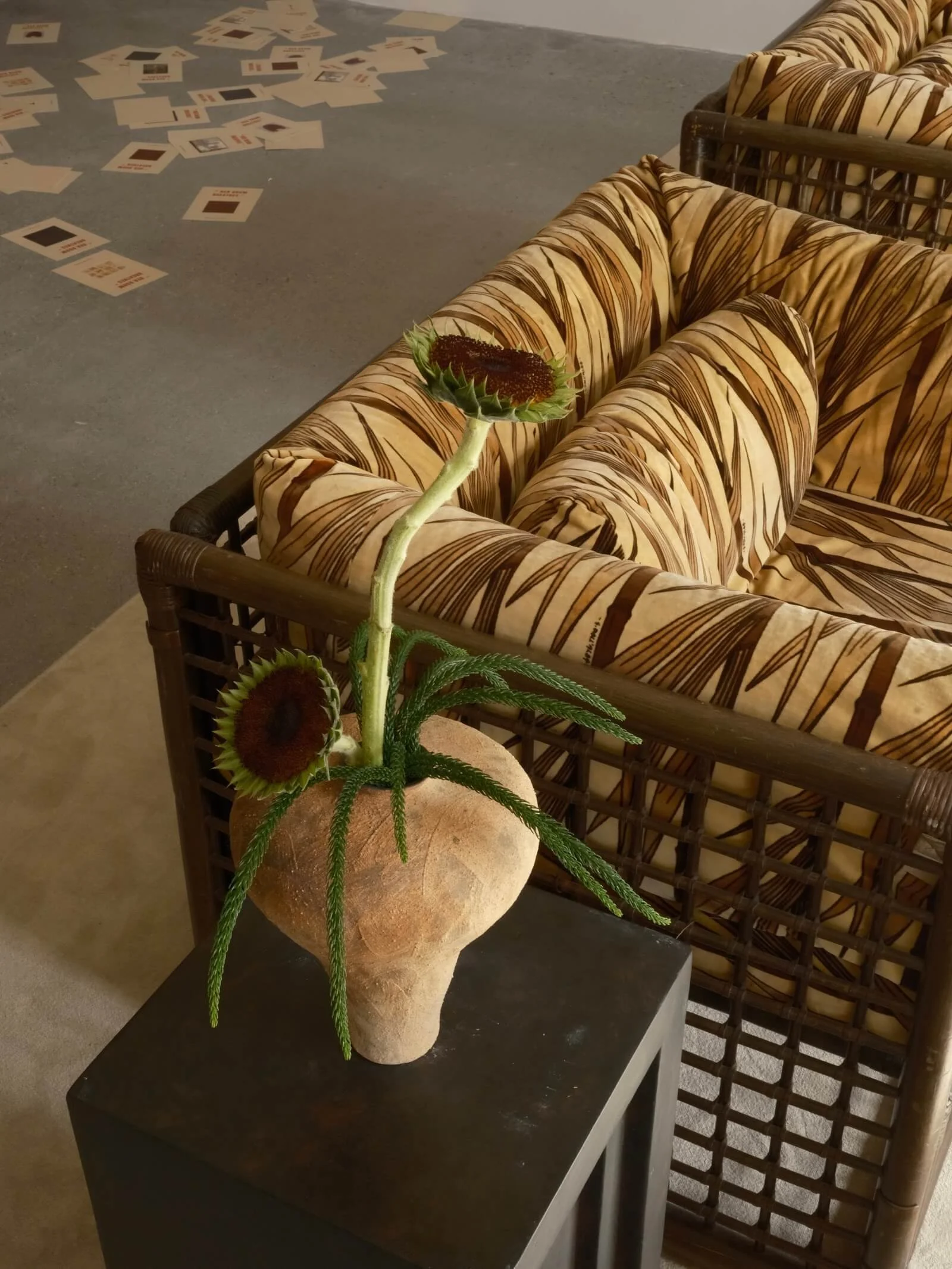
“We allow each object to maintain its own voice, but place them in conversation through scale, proportion, and context. Their coexistence becomes a conversation.”
Studio ŪMA
DESIGNEERS
You’ve described the installation as “design as respiration.” What do you hope visitors feel when they step into the space?
Studio ŪMA
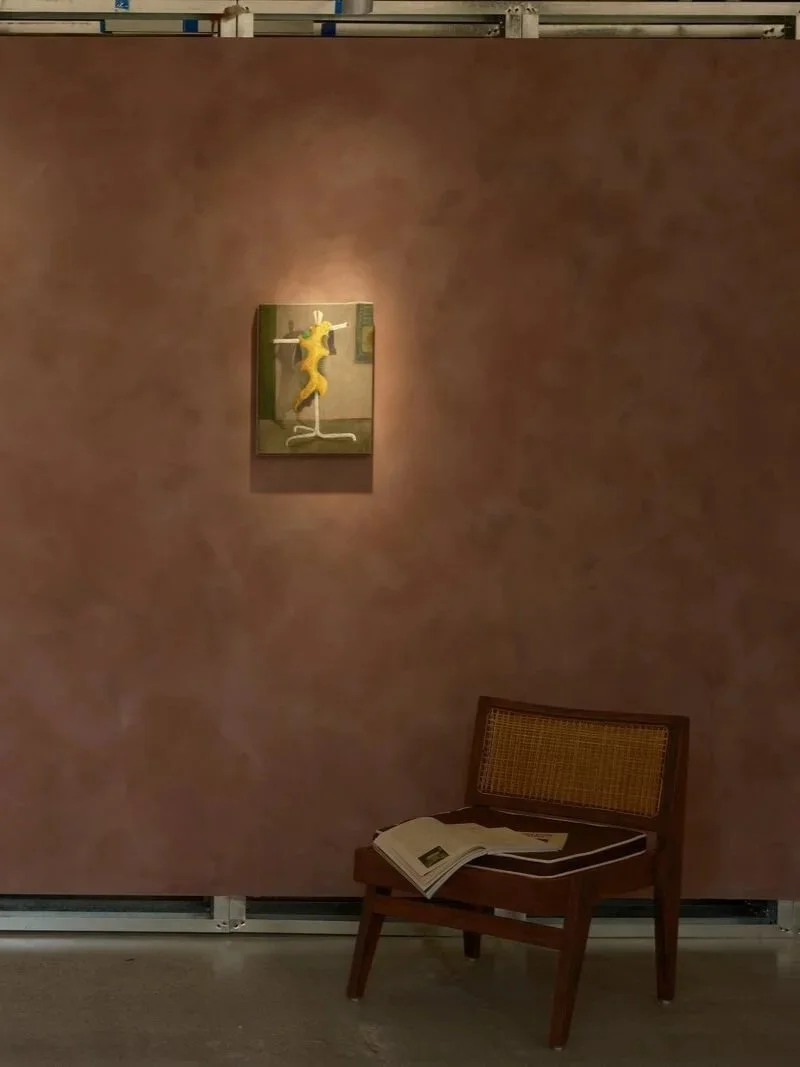
We hope visitors feel a subtle rhythm — a pause and a sigh. The space is intended to breathe with them, inviting reflection and intimacy. Design as respiration is about movement and stillness coexisting: a chair that encourages rest, a wall that encourages gaze, a light that encourages pause.
DESIGNEERS
Set within the historic Guang’er Warehouse on Suzhou Creek, how did Shanghai’s layered past and industrial soul shape the mood of this exhibition?
Studio ŪMA
Shanghai is layered: industrial grit meets cosmopolitan refinement, history meets reinvention. The Guang’er Warehouse offered this duality: its raw, weathered walls became a canvas, while the city’s energy lent a pulse. The exhibition absorbs that rhythm, marrying industrial honesty with delicate, poetic interventions.
DESIGNEERS
Which materials or forms in Her Room Breathes best capture the balance between softness and structure, stillness and movement?
Studio ŪMA
Bamboo framing velvet, airy textiles held within grounded forms, these contrasts let softness and structure, stillness and movement, exist in the same breath. These pairings create tension and harmony, stillness and movement, encouraging a tactile dialogue where the body instinctively knows how to inhabit the space.
DESIGNEERS
If Her Room Breathes were to evolve beyond the exhibition into a home, a philosophy, or a manifesto, what would its guiding principle be?
Studio ŪMA
It would be the principle of attentive presence: creating spaces that breathe, objects that age gracefully, and atmospheres that cultivate mindfulness. Whether a home, a philosophy, or a manifesto, it is about honouring the life of things and the life within them.
DESIGNEERS
A scent that defines “her”?
Studio ŪMA
“Mandarin Silkroad,” from san, a Thai fragrance we fell in love with during the exhibition.
DESIGNEERS
A texture that feels like home?
Studio ŪMA
Worn, smooth wood touched many times.
DESIGNEERS
A quote that captures Studio ŪMA’s philosophy?
Studio ŪMA
“Design is how it feels in the breath between things.”
photography credits: amber pan