Where Silence Speaks: A Saudi Vision in Milan
people • DESIGNERS
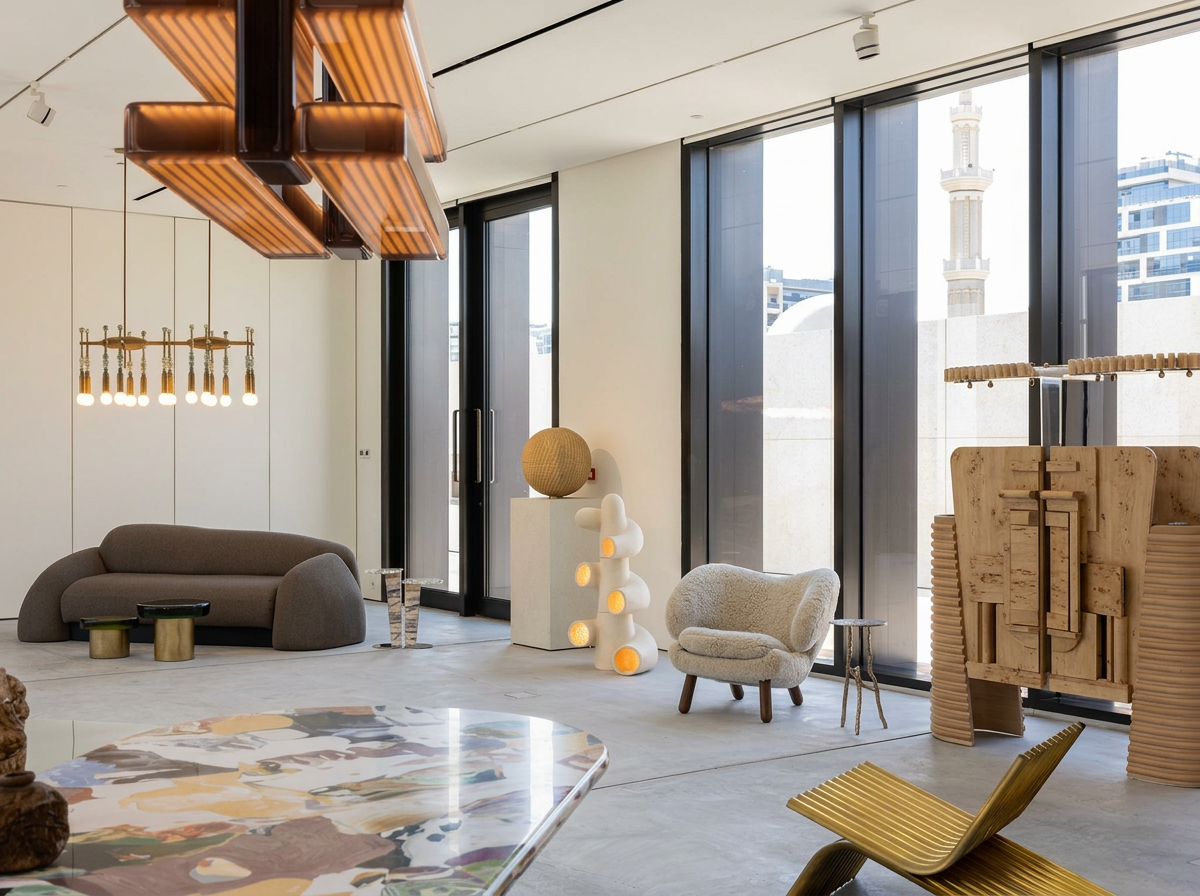
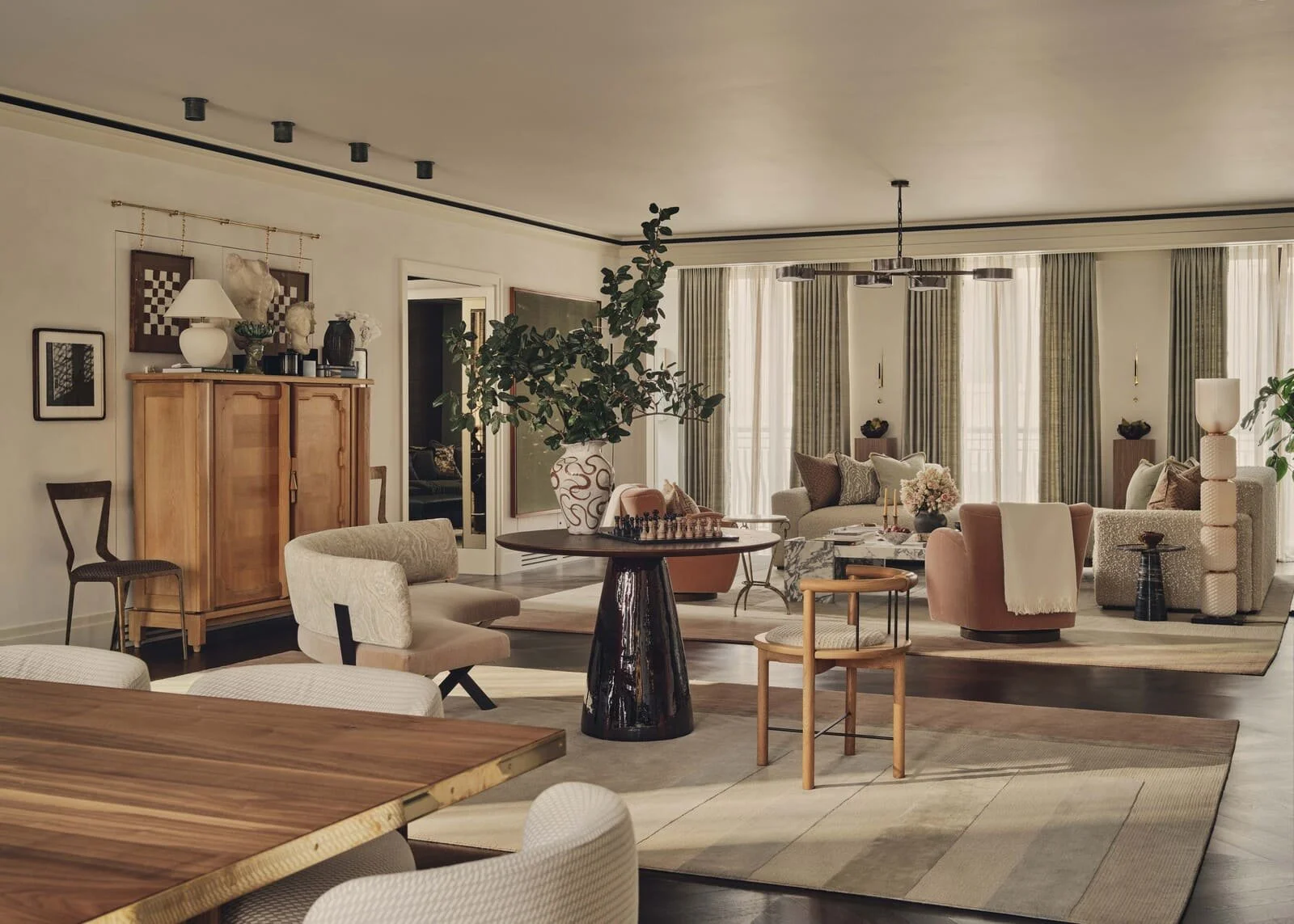
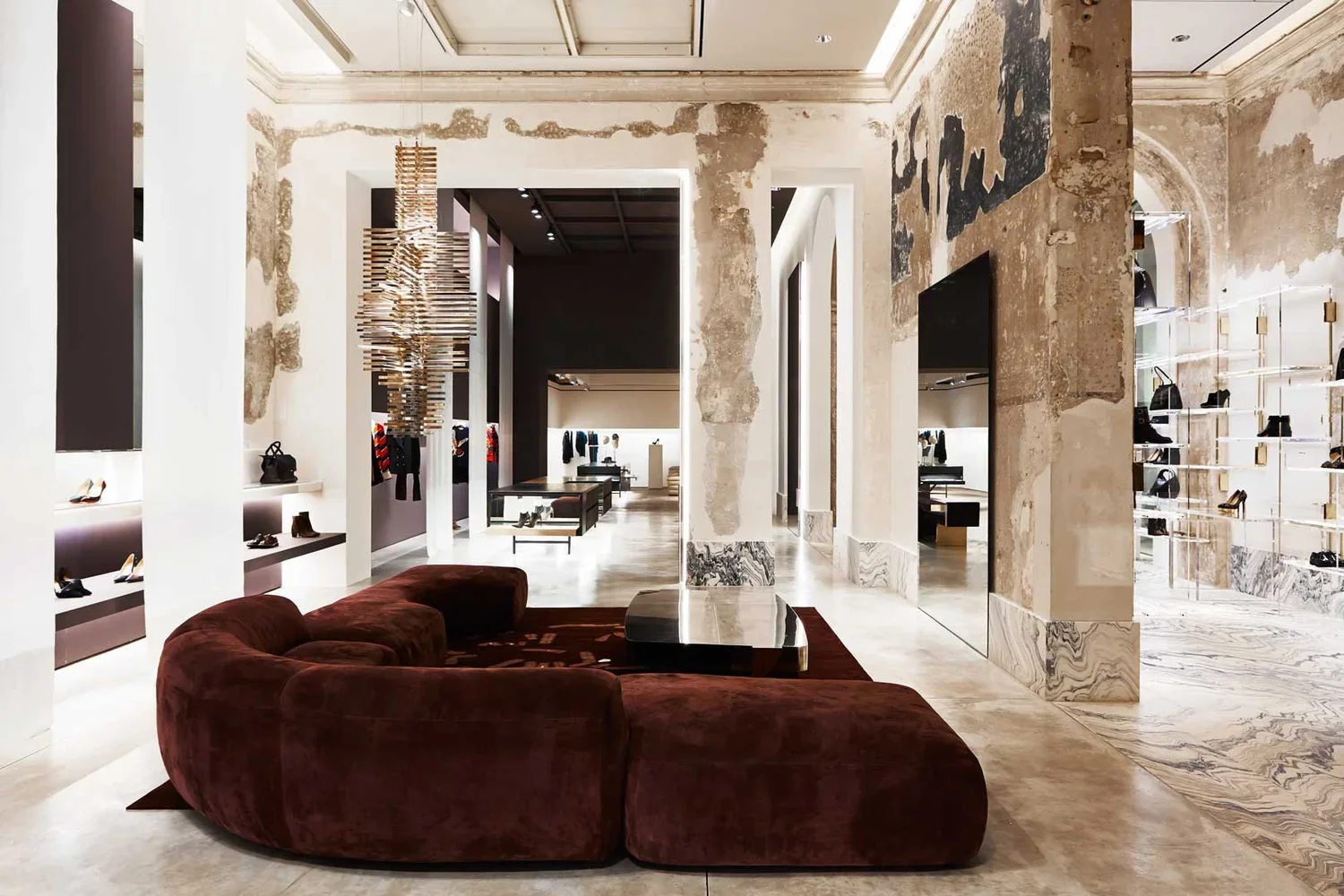
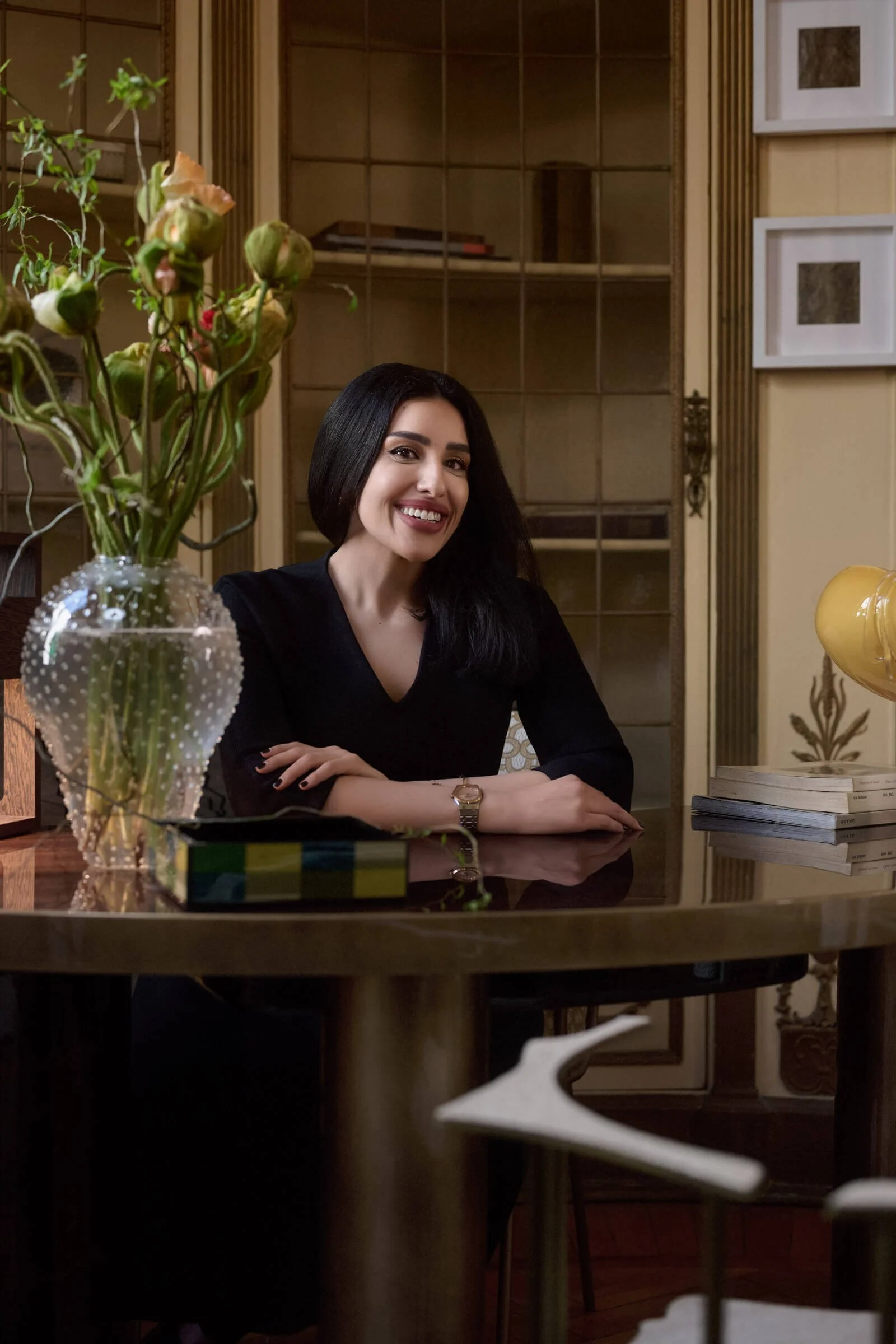
Nebras Aljoaib is a prominent Saudi interior architect and designer whose work sits at the intersection of sculptural form, emotional stillness, and cultural nuance. Based in Riyadh, her practice spans furniture, interiors, and spatial design, with a distinct emphasis on silence, materiality, and memory. Known for her collaboration with Artemest and her standout installation, The Reading Room at Milan Design Week, Nebras brings a poetic, grounded sensibility to the forefront of contemporary Arab design, reimagining spaces that resonate across cultures. Whether designing a marble-slung chair or curating the flow of a space, her work invites presence, reflection, and quiet distinction.
Words: designeers
MAY 2025
WEBSITE: NebrasALJoaib.com
INSTAGRAM: @nebrasaljoaib
DESIGNEERS
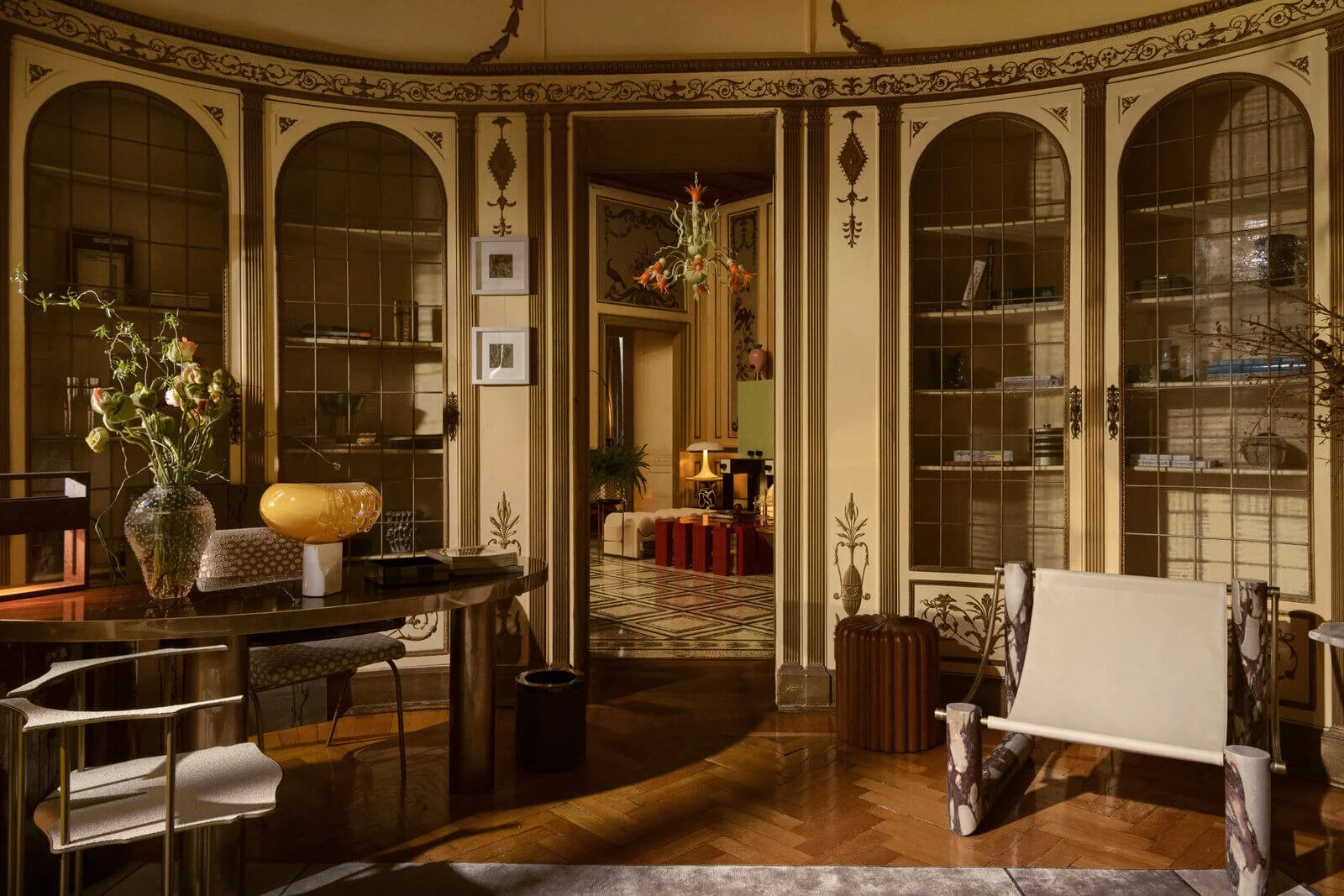
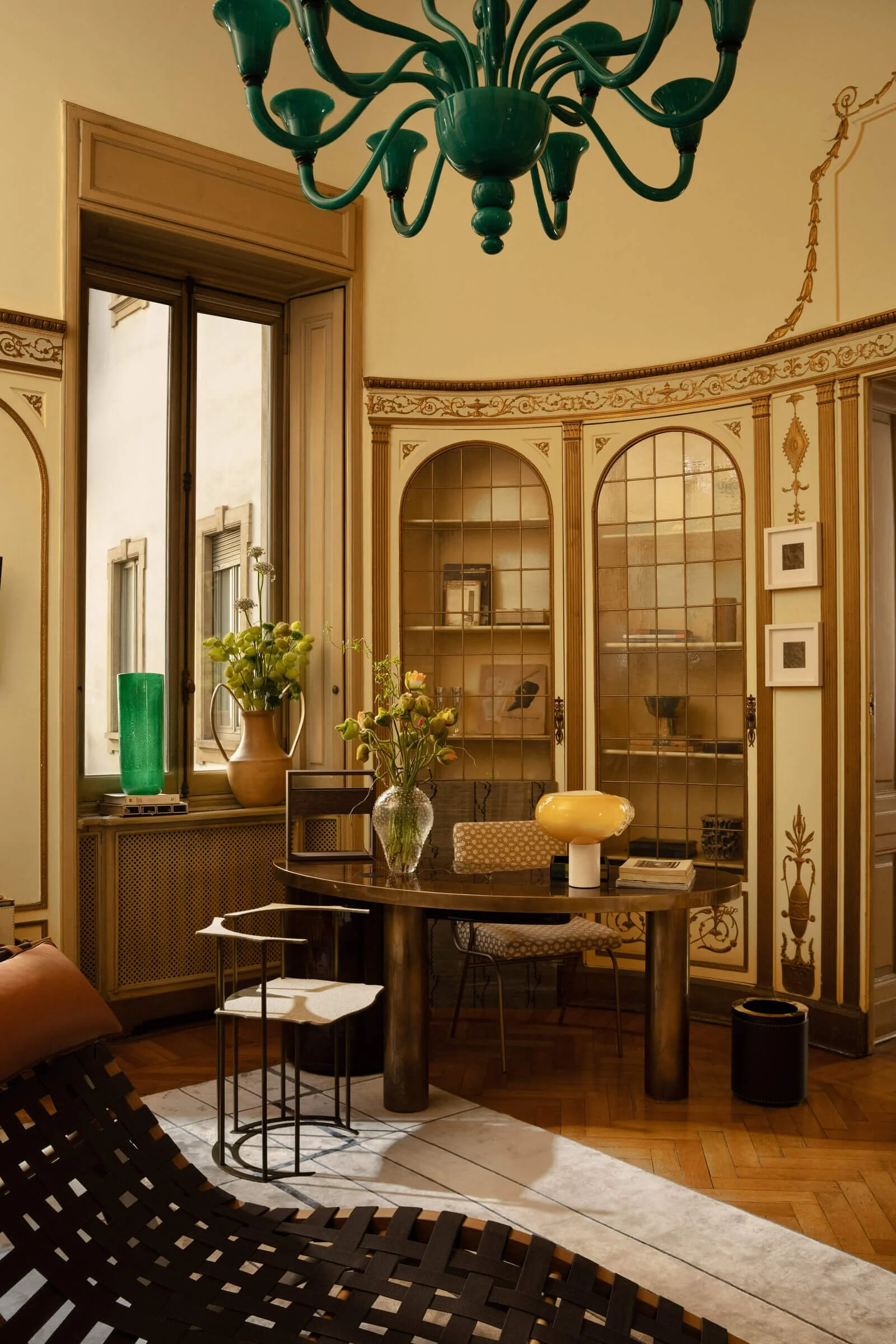
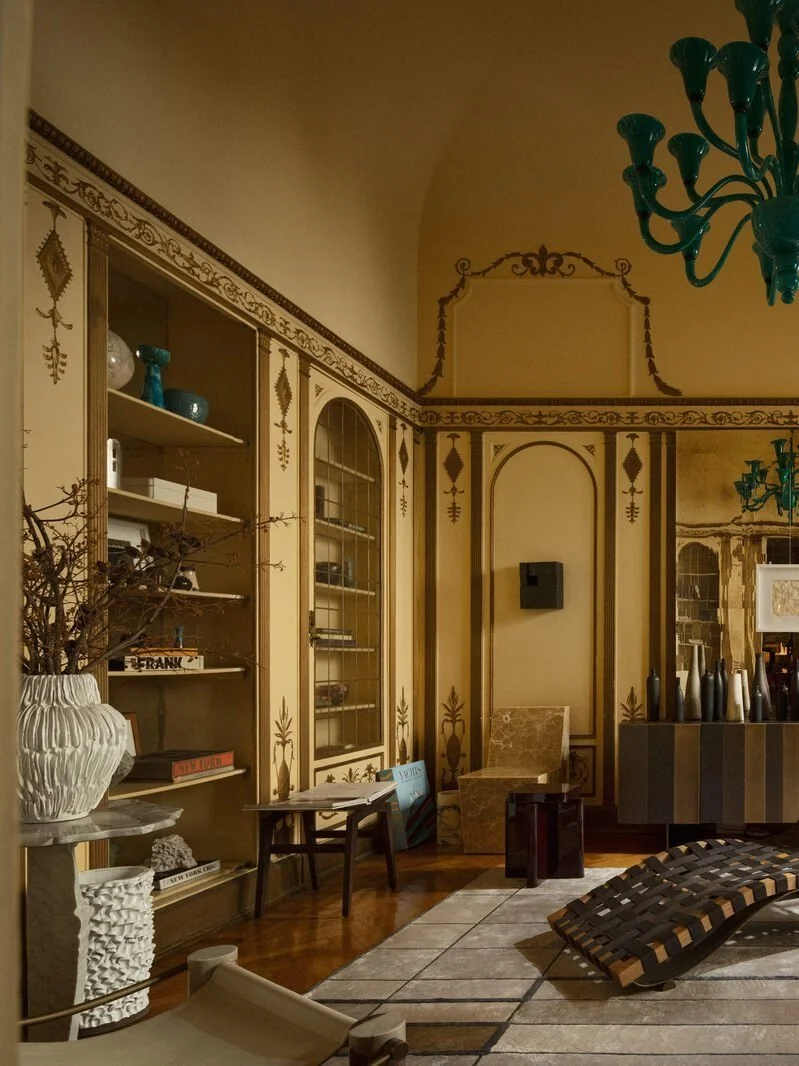
The Reading Room at Milan Design Week was a standout, bold, sculptural, embodying a unique sense of emotional stillness. What story were you hoping to tell with this space?
Nebras ALJoaib
I wanted to create a pause, a room that invited stillness without demanding silence. I didn't just want to fill the space; I wanted to frame it, allowing light, texture, and form to speak on their own terms.
DESIGNEERS
You shifted the focus away from a desk and toward a more conversational atmosphere. What does “reading” mean to you in this context? Is it literal or more metaphoric?
Nebras ALJoaib
It’s metaphoric. For me, reading is about attunement: to space, to self, to others. It’s about observing without interruption. In that sense, The Reading Room becomes a space where you read the silence and the structure of a chair at the same time. Reading, here, is an act of presence.
DESIGNEERS
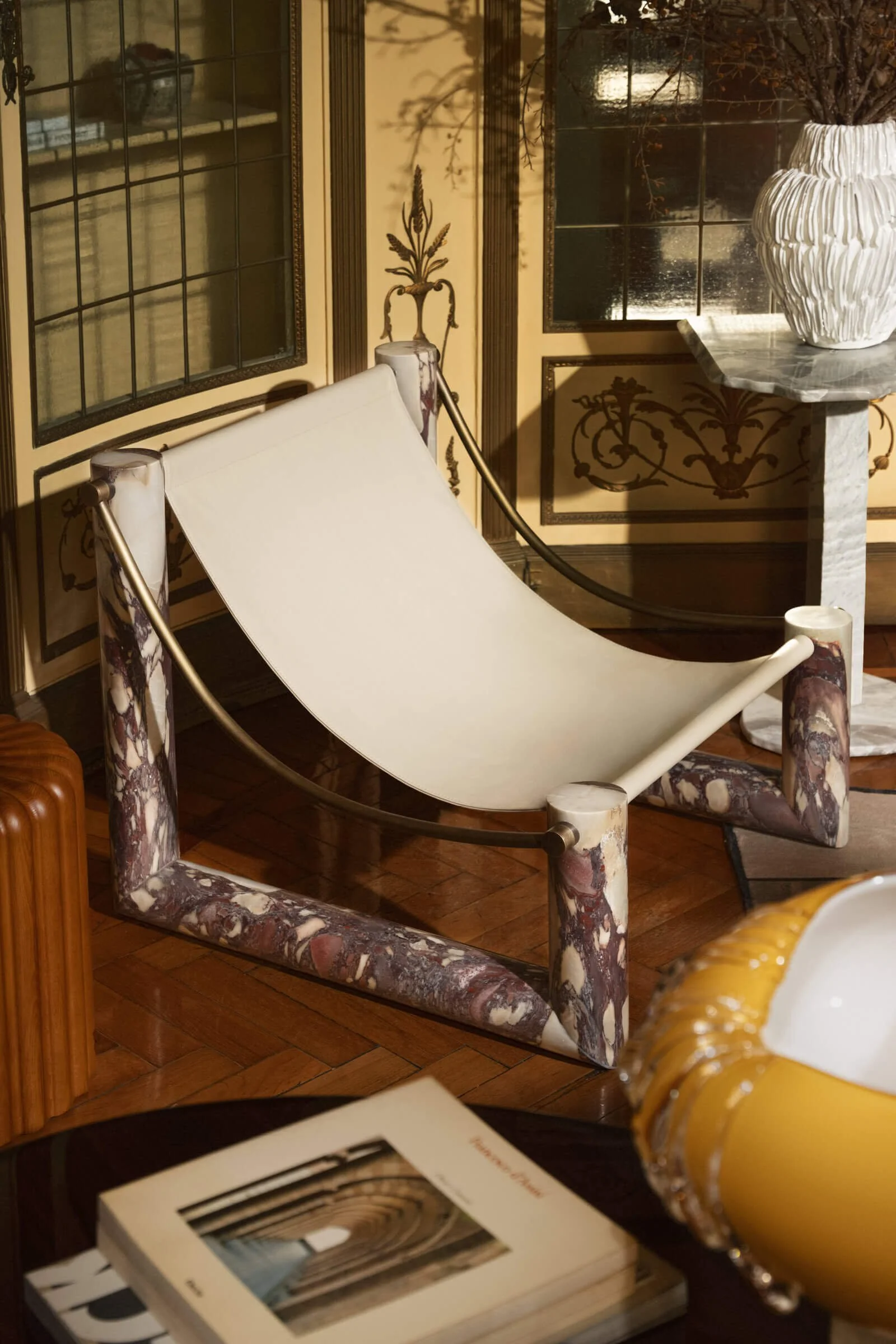
The Sling Chair you designed with Artemest is stunning. Can you share a bit about the collaboration and the idea behind those refined marble arms?
Nebras ALJoaib
The Sling Chair was born from a desire to hold opposites in balance, weight and lightness, structure and surrender. The marble is a gesture of grounding, almost architectural. I travelled to Italy with Artemest, working directly alongside renowned Italian craftsmen. It was enlightening to see firsthand how the traditions of Italian crafts—precision, material intuition, and artistry—infuse their approach. Collaborating with Artemest was about refining that balance through Italian craftsmanship and Arab design codes.
DESIGNEERS
How did it feel to bring your design language, shaped in Saudi Arabia, into a historic Milanese apartment? Did anything surprise you about the way it translated?
Nebras ALJoaib
There was a kind of quiet harmony. The apartment had its own memory, and my work carries another. When placed together, they didn’t compete; they conversed. What surprised me was how naturally the forms held their ground. In today's world, in global design, we are targeting distinction while sitting naturally in our diverse settings.
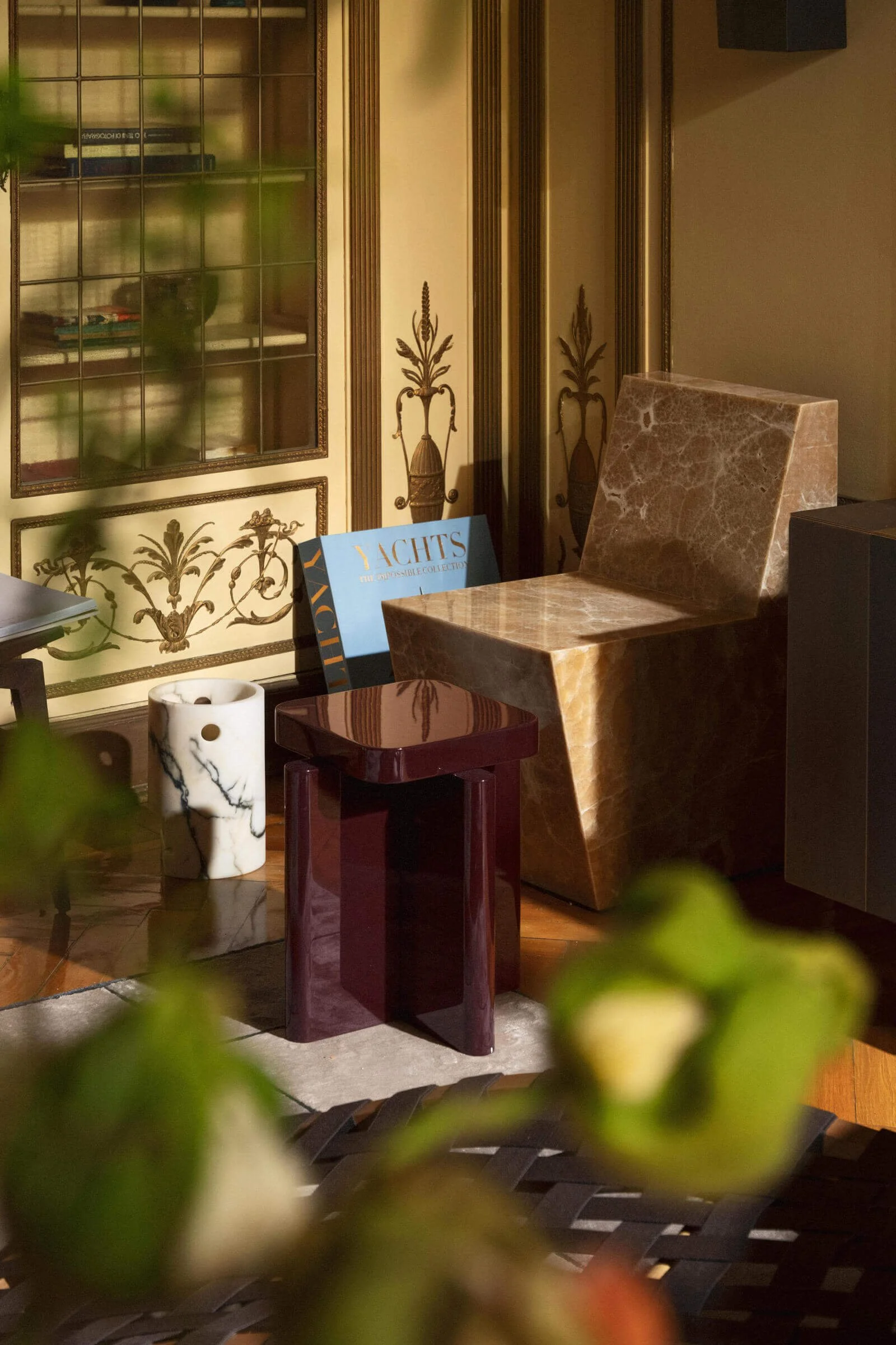
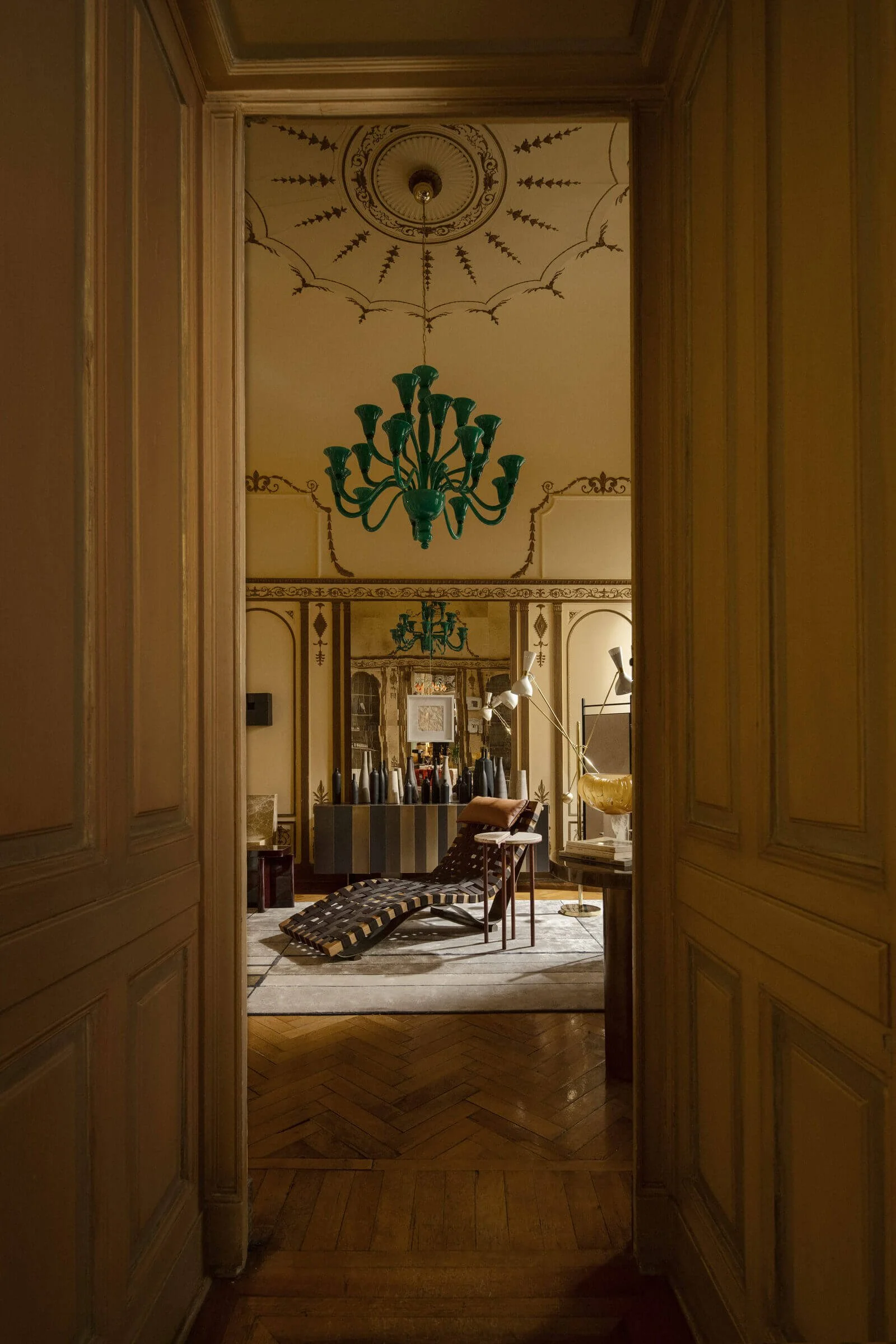
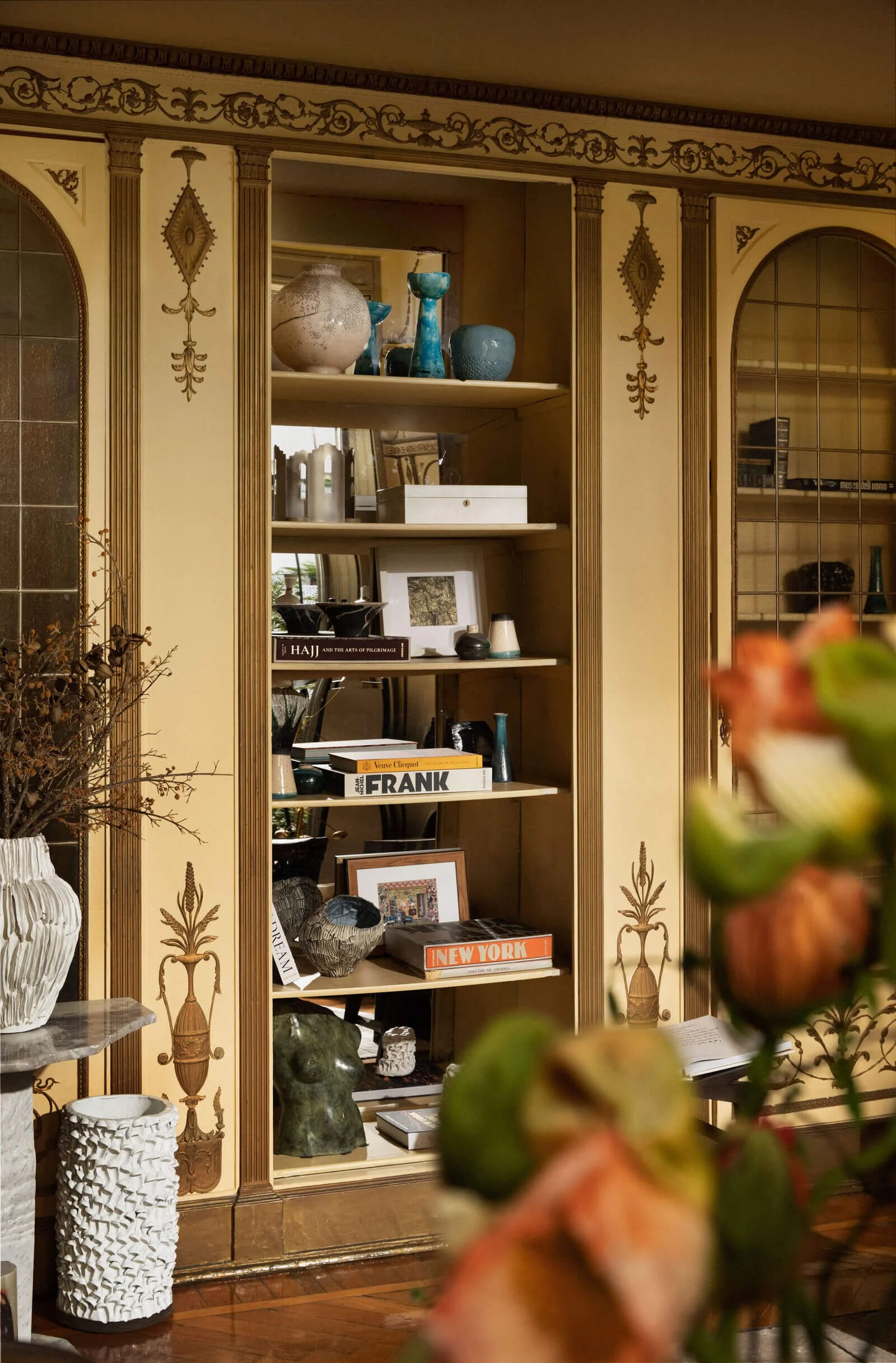
“For me, reading is about attunement: to space, to self, to others. It’s about observing without interruption.”
Nebras ALJoaib
DESIGNEERS
If The Reading Room had a soundtrack, what would it be?
Nebras ALJoaib
Something soulful like a cello or oud, just taking its time. It wouldn’t be background music; it would breathe with the room.
DESIGNEERS
When designing furniture, what shifts for you? Is it a more personal process than interiors, or simply a different rhythm?
Nebras ALJoaib
It becomes more sculptural. The scale is intimate, but the impact is immediate. Furniture carries the weight of the body, so the process becomes almost tactile, like designing for a presence you can’t yet see.
DESIGNEERS
What’s something you’ve brought home from Milan - tangible or not?
Nebras ALJoaib
A sense of dialogue. In Milan, history and design are in constant conversation, layered and never rushed.

DESIGNEERS
A client once told us they wanted their space to feel “impossible to forget.” What would your answer to that brief look like?
Nebras ALJoaib
First, I’d smile because that’s exactly the kind of brief I live for. I’d start with one bold, anchoring gesture, maybe a carved stone bench that curves like a wave or a ceiling that dips like a desert dune. Something your body remembers before your brain does.
DESIGNEERS
What’s your design philosophy in five words?
Nebras ALJoaib
Silence, texture, gravity, memory and light.