Two Creative Identities Pushing the Boundaries of Moroccan Heritage
people • makers
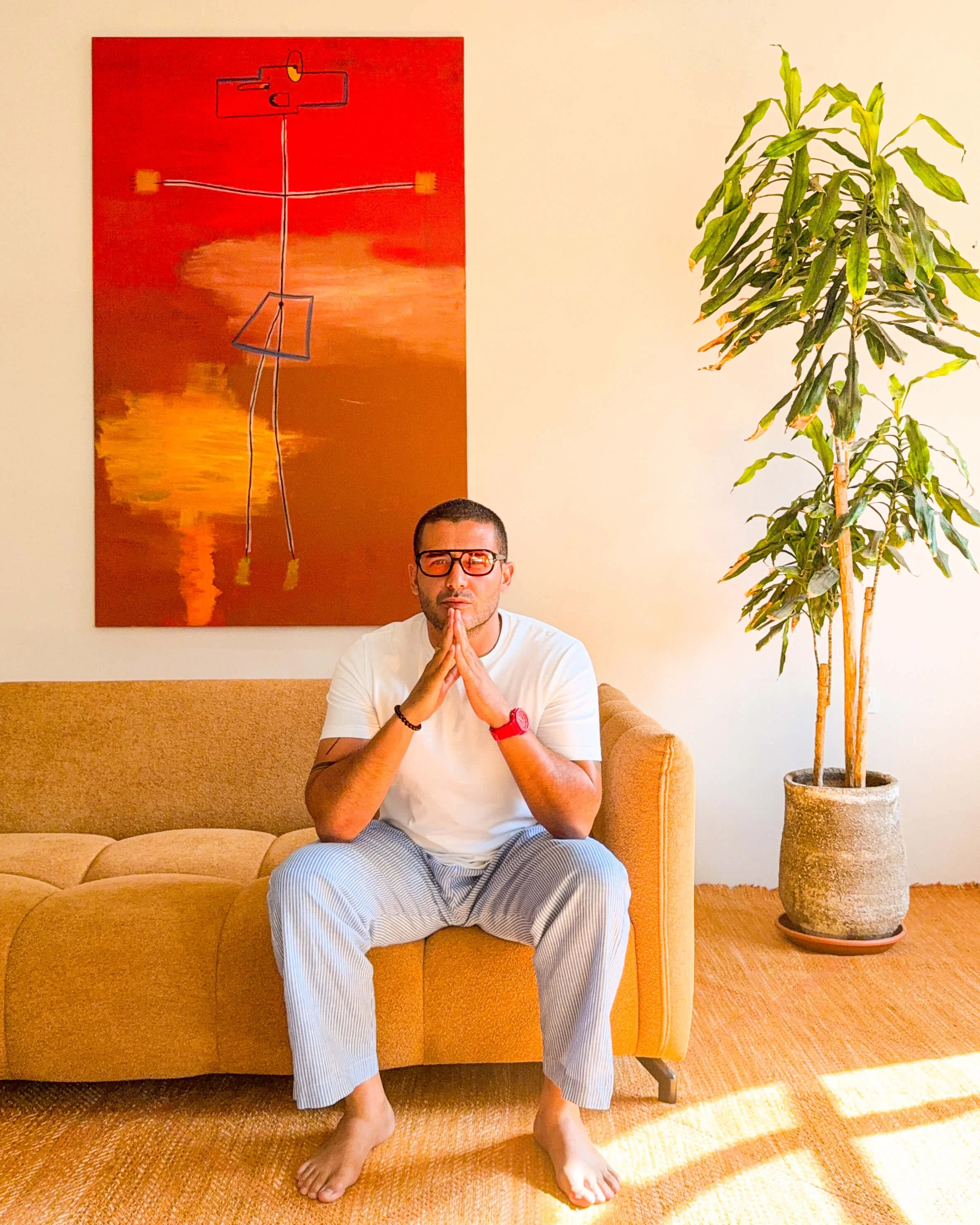
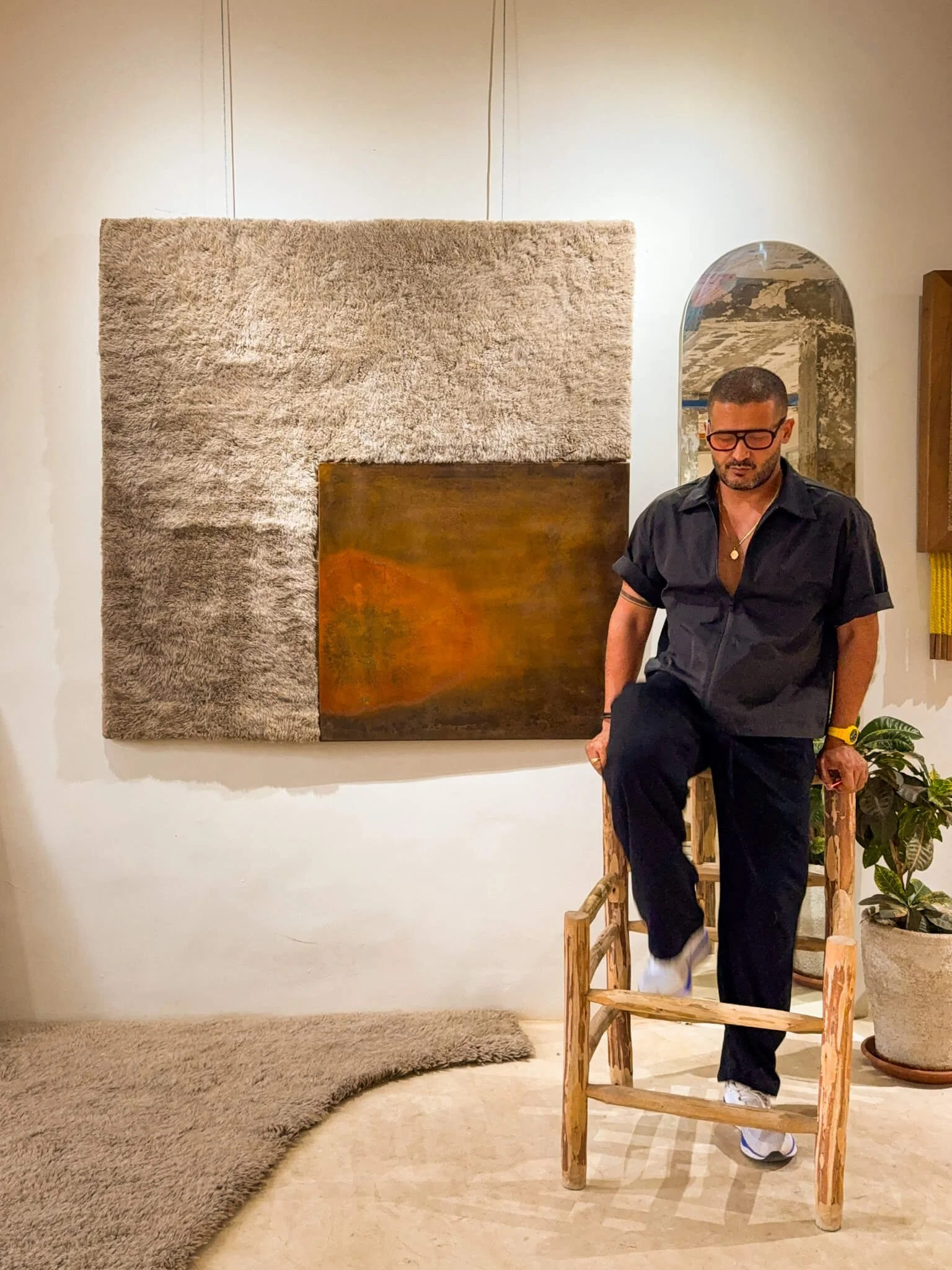
Moroccan designer NICH, the artistic extension behind TRIBALISTE, moves between structure and intuition with a clarity that feels entirely his own. His work emerges from a deep understanding of Moroccan craft as a living system where engineering, memory, abstraction, and emotion coexist.
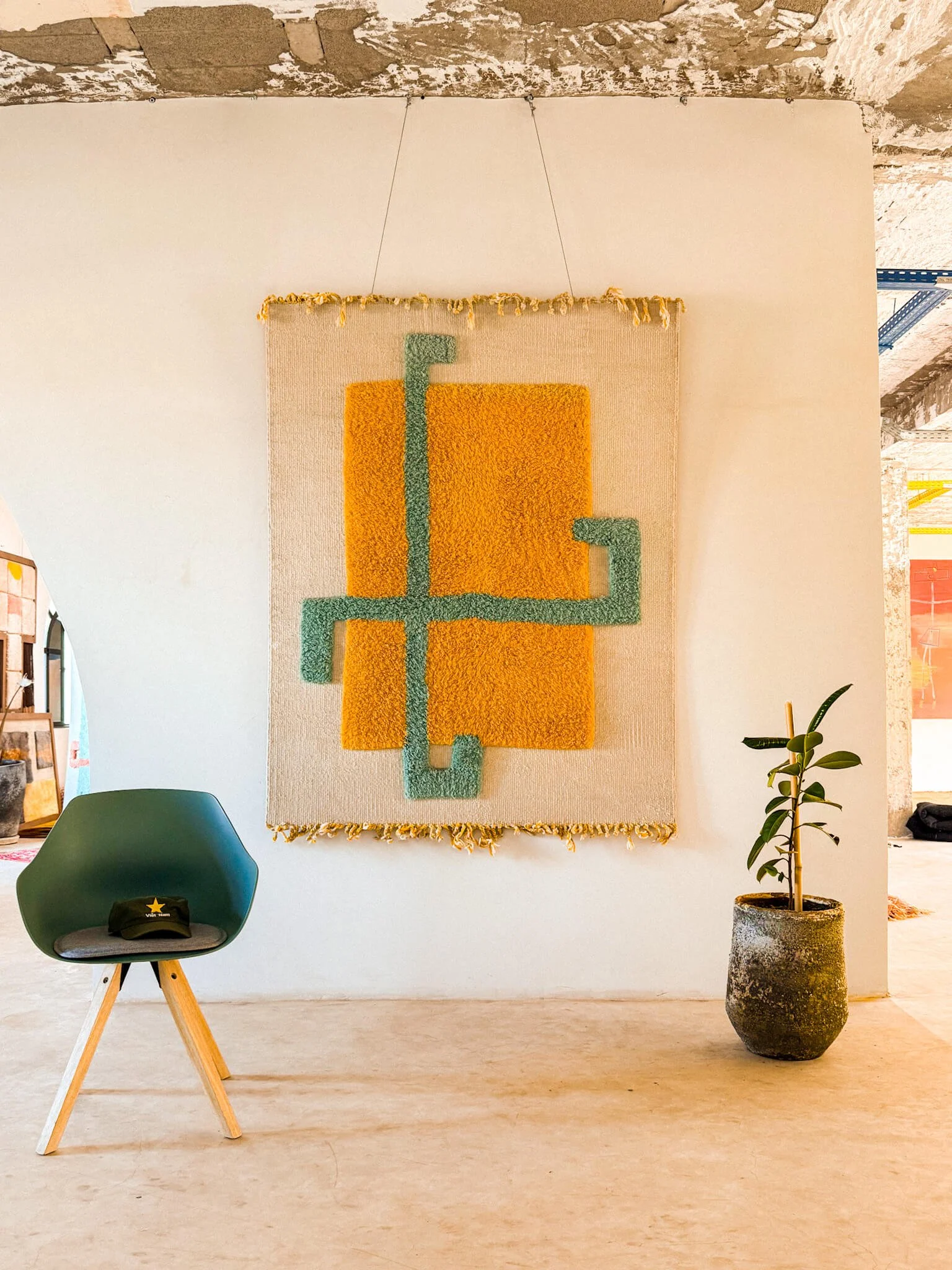
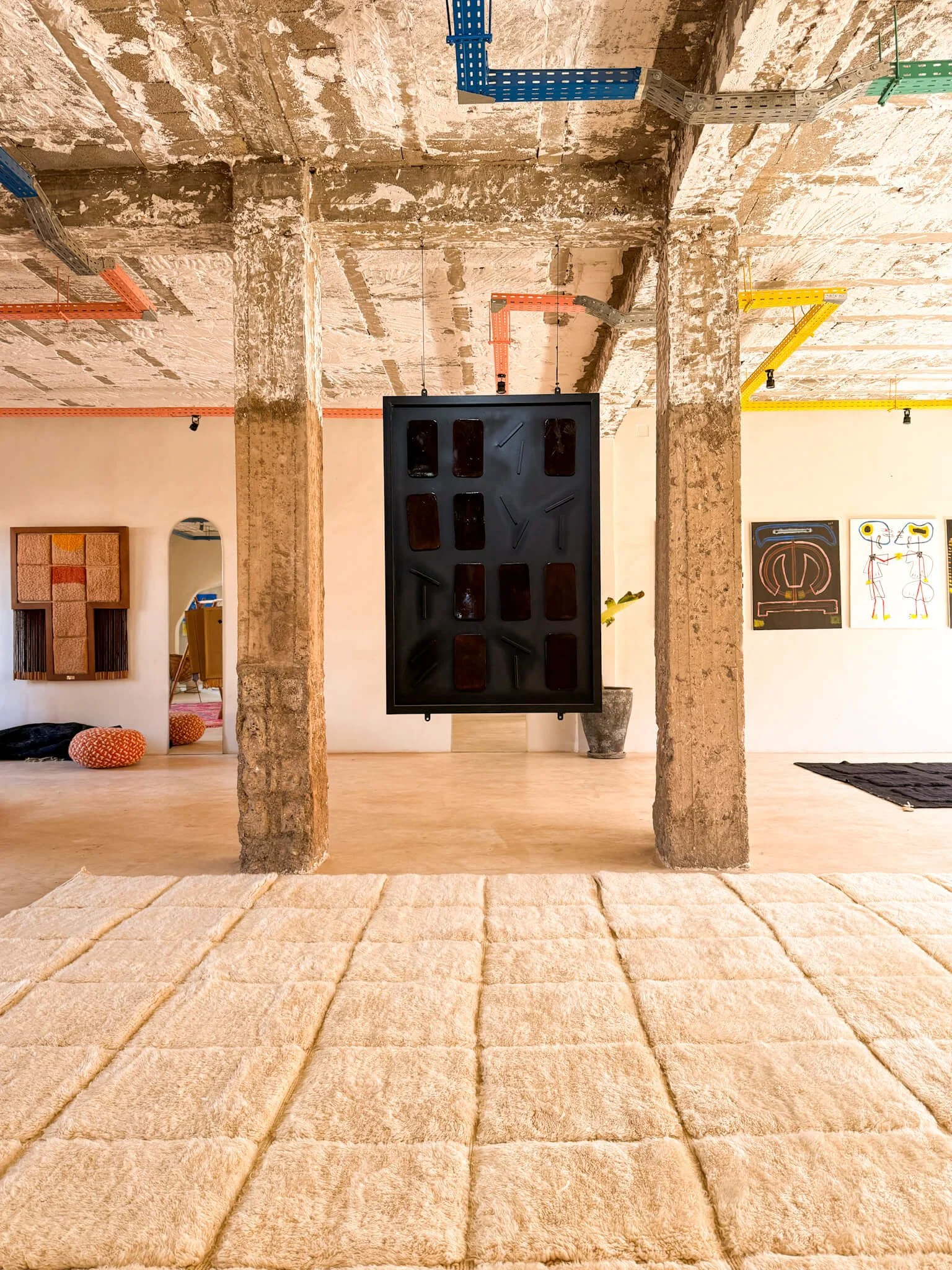
Through handcrafted rugs, sculptural objects, and mixed media works, he reads heritage as an active language rather than a preserved artefact, decoding the symbols, tensions, and philosophies embedded within traditional Berber weaving.
In this conversation with Designeers, he reflects on chaos as a creative catalyst, the intelligence of ancestral craft, the power of coded female narratives within Moroccan textiles, and the dynamic relationship between his two identities. TRIBALISTE offers precision and mastery rooted in architecture and proportion, while NICH dissolves structure in pursuit of the subconscious. Together, they reveal a Moroccan design language that is evolving, assertive, and intellectually rich.
Words: designeers
DECEMBER 2025
WEBSITE: tribaliste.com
INSTAGRAM: @tribaliste & @nichnichen
DESIGNEERS
Tell us something fun about you that people would never guess from looking at your work.
TRIBALISTE
People see structure, geometry and control in my work. What they would never guess is that I come from a chaotic mind. As a child, I used to take apart electronic devices simply to understand why they existed. I still work the same way. I deconstruct ideas before rebuilding them into carpets, paintings or objects. People assume I am organised, but the truth is that I make the chaos look intentional.
Perhaps that is why I love jazz. It feels anarchic and free, yet from the disorder emerges a melody that makes emotional sense. That is exactly how my creativity functions: a disorder that eventually resolves into clarity.
DESIGNEERS
How and when did your creative journey begin?
TRIBALISTE
My creative journey began not with art but with questioning. I grew up between two worlds: the raw physicality of Moroccan craft and the highly rational environment of my studies in France. The tension between instinct and structure shaped how I see everything.
I started creating the day I realised the objects around me were not fixed. They were possibilities. Carpets, steel, wood, and pigments were simply materials waiting to be reimagined. There was no single moment. There was a shift. I stopped trying to fit into one identity and accepted that my creativity lives in the space between cultures, technologies, memories, and mistakes.
DESIGNEERS
TRIBALISTE and NICH feel like two characters, one rooted in function and craft, the other in contemplation and artistic expression. How would you describe their personalities?
TRIBALISTE
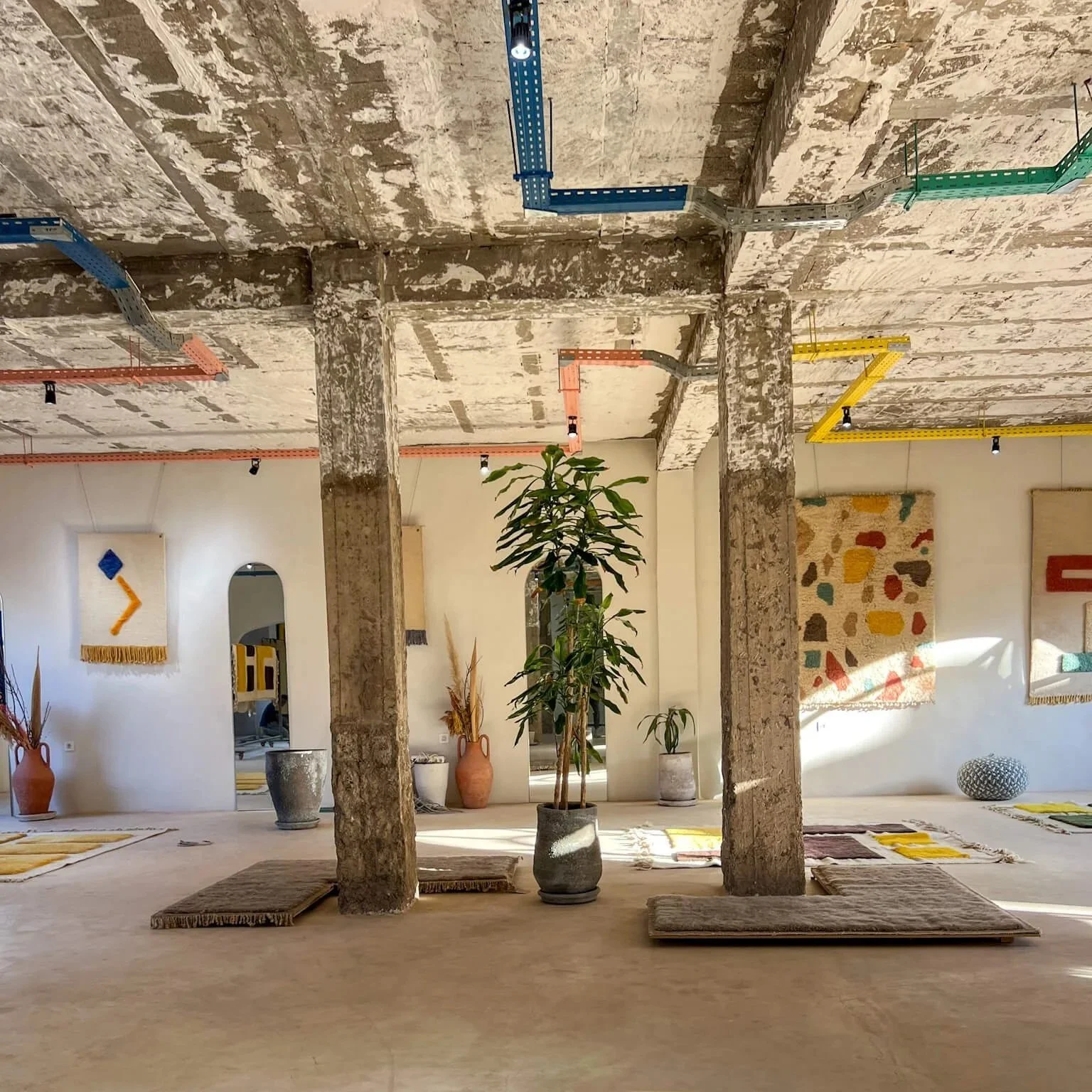
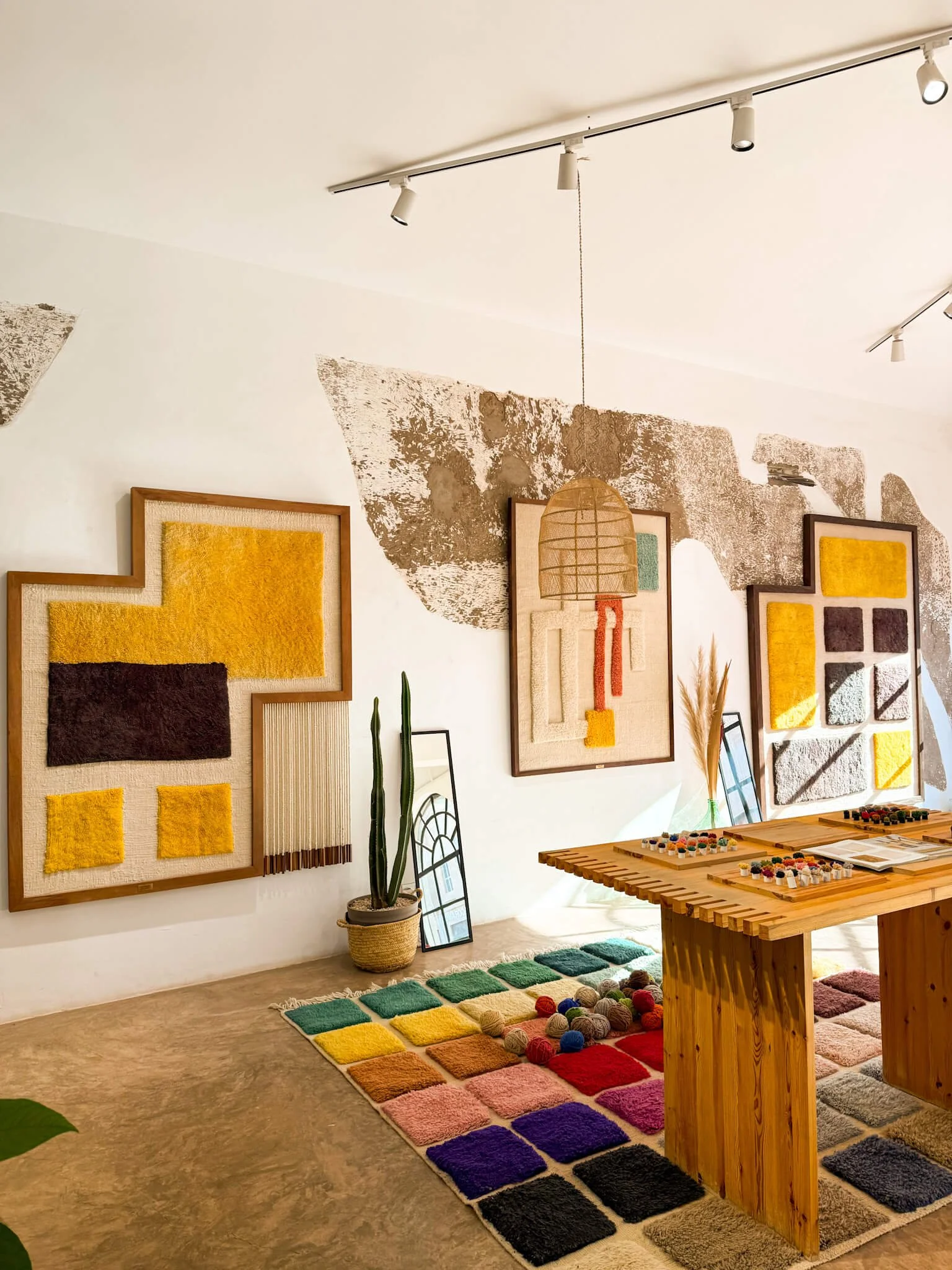
Tribaliste is the architect: structured, pragmatic, and obsessed with proportion and function. It treats craft as a form of engineering where every detail is intentional. This is why major architects and luxury hotels trust us, from Hyatt to Royal Mansour and Sofitel. They see the system behind the beauty and the professionalism behind the service. Tribaliste builds and solves, and makes complexity feel simple.
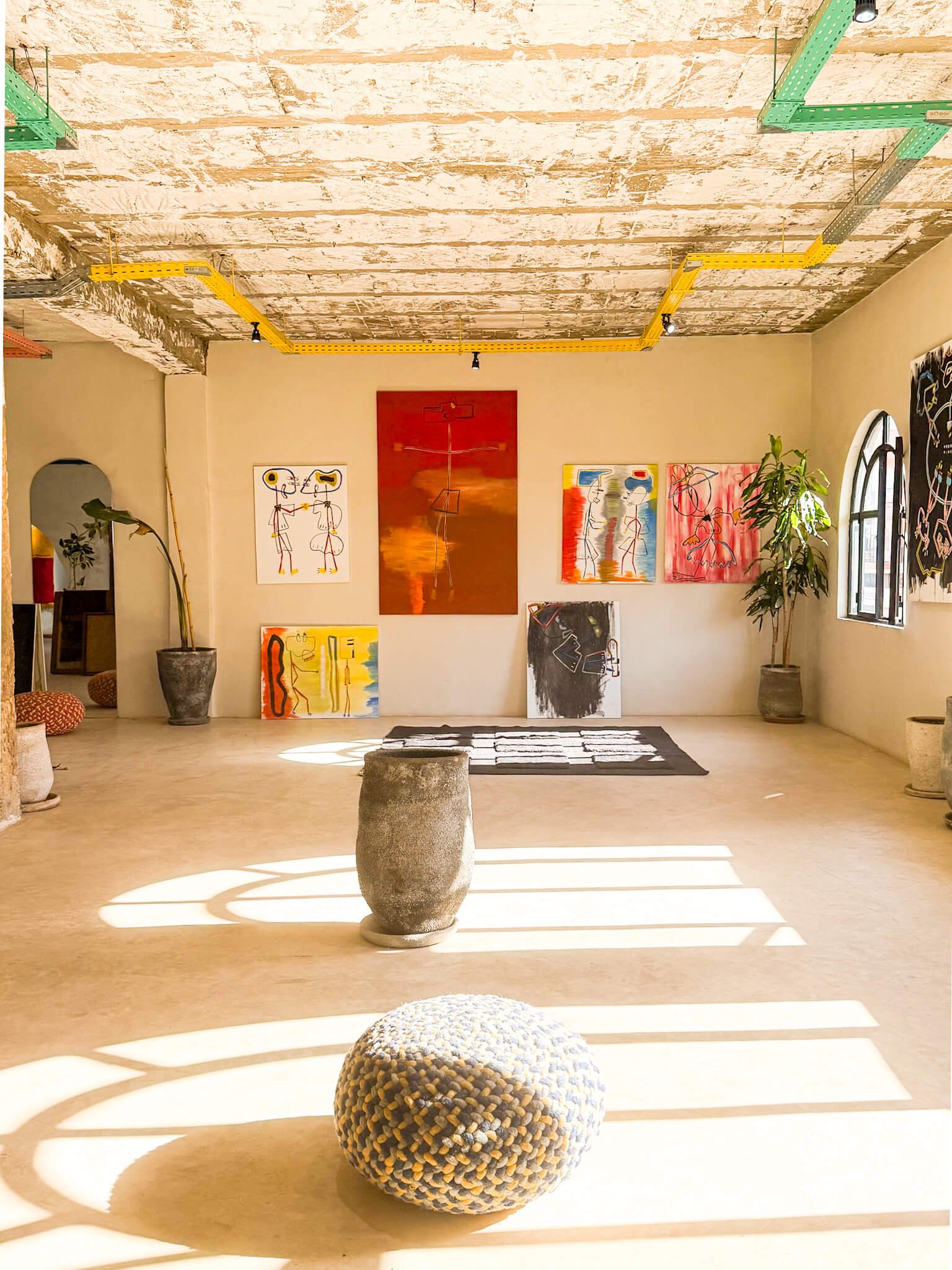
NICH is the subconscious one. He exists where logic dissolves, and intuition takes the lead. NICH reveals emotion, memory, and abstraction. Where Tribaliste seeks clarity, NICH embraces the blur.
Together, they create the tension I need. One gives structure; the other opens it.
DESIGNEERS
You collaborate closely with artisans who hold generations of knowledge. Can you share a moment or a lesson from a craftsperson that changed the way you create?
TRIBALISTE
The biggest shift came when I understood what Berber weaving truly holds. After reading Bruno Barbatti’s research on Moroccan carpets, I realised a Berber rug is not decorative. It is a communication system.
For generations, women wove subjects they could not speak about publicly: desire, fertility, fear, protection. The symbols were coded experiences. Even the iconic Beni Ouarain diamond once represented the female body and sexuality.
This changed everything. It taught me that weaving is not a craft. It is a language. And you do not design a language. You learn to listen to it and treat it with respect.
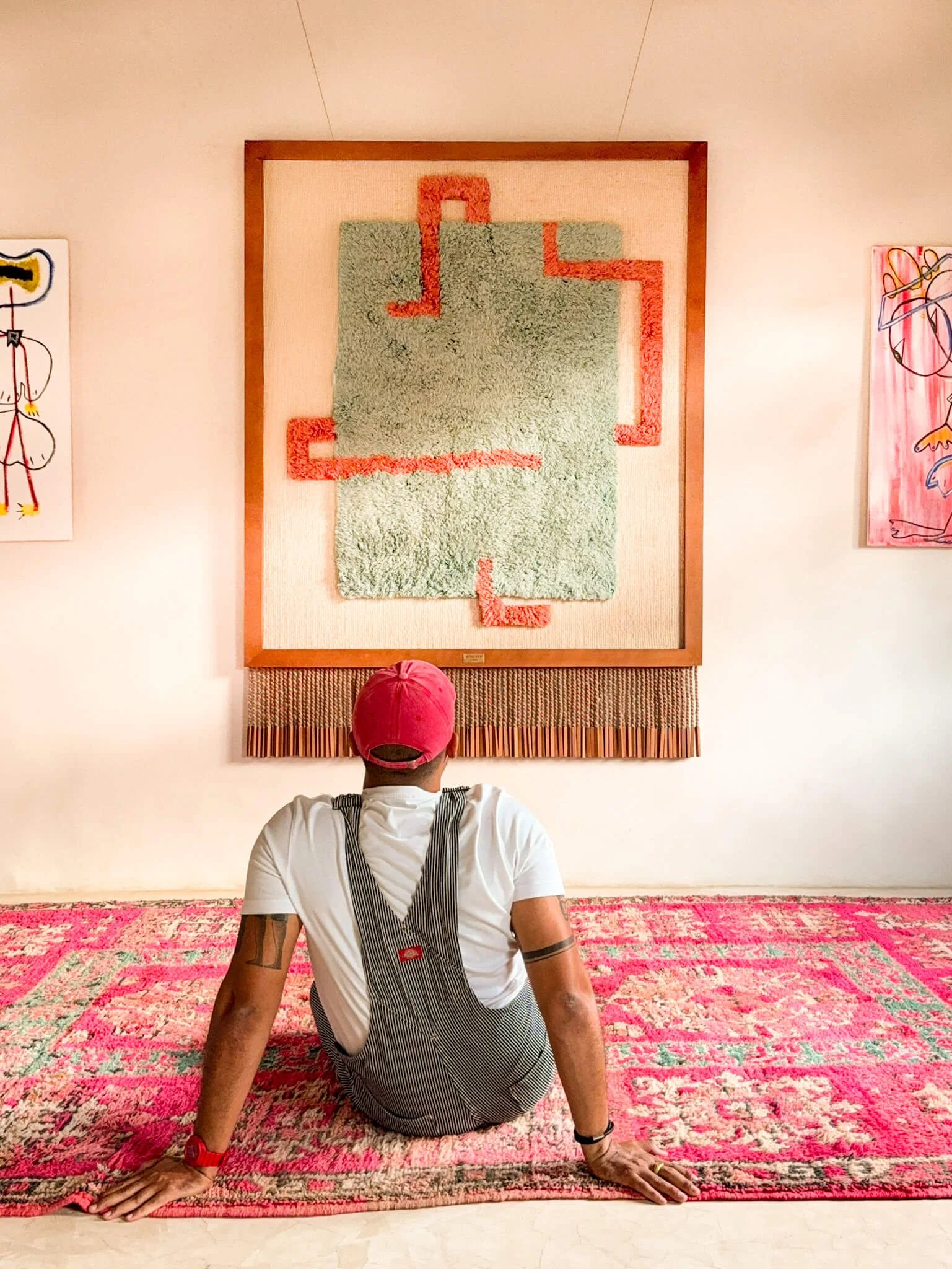
“After reading Bruno Barbatti’s research on Moroccan carpets, I realised a Berber rug is not decorative. It is a communication system.”
TRIBALISTE
DESIGNEERS
If you could explore another Moroccan craft tradition beyond weaving, which would you choose and why?
TRIBALISTE
I no longer see Moroccan craft as separate disciplines. For me it is a philosophy. It is a way of approaching matter with intuition and intelligence.
Rather than choosing one craft, I want to work at the intersection of all of them. My ambition is to create pieces that merge zellige, metalwork, ceramics, or wood carving into new narratives. Moroccan heritage is strongest when materials speak to each other. That is the space I want to explore.
DESIGNEERS
Your artistic extension, NICH, allows you to go beyond function. What do you explore there that rugs alone cannot hold?
TRIBALISTE
NICH is where I am free from responsibility. Tribaliste deals with proportion, durability and how an object lives in someone’s home. NICH is free from those constraints.
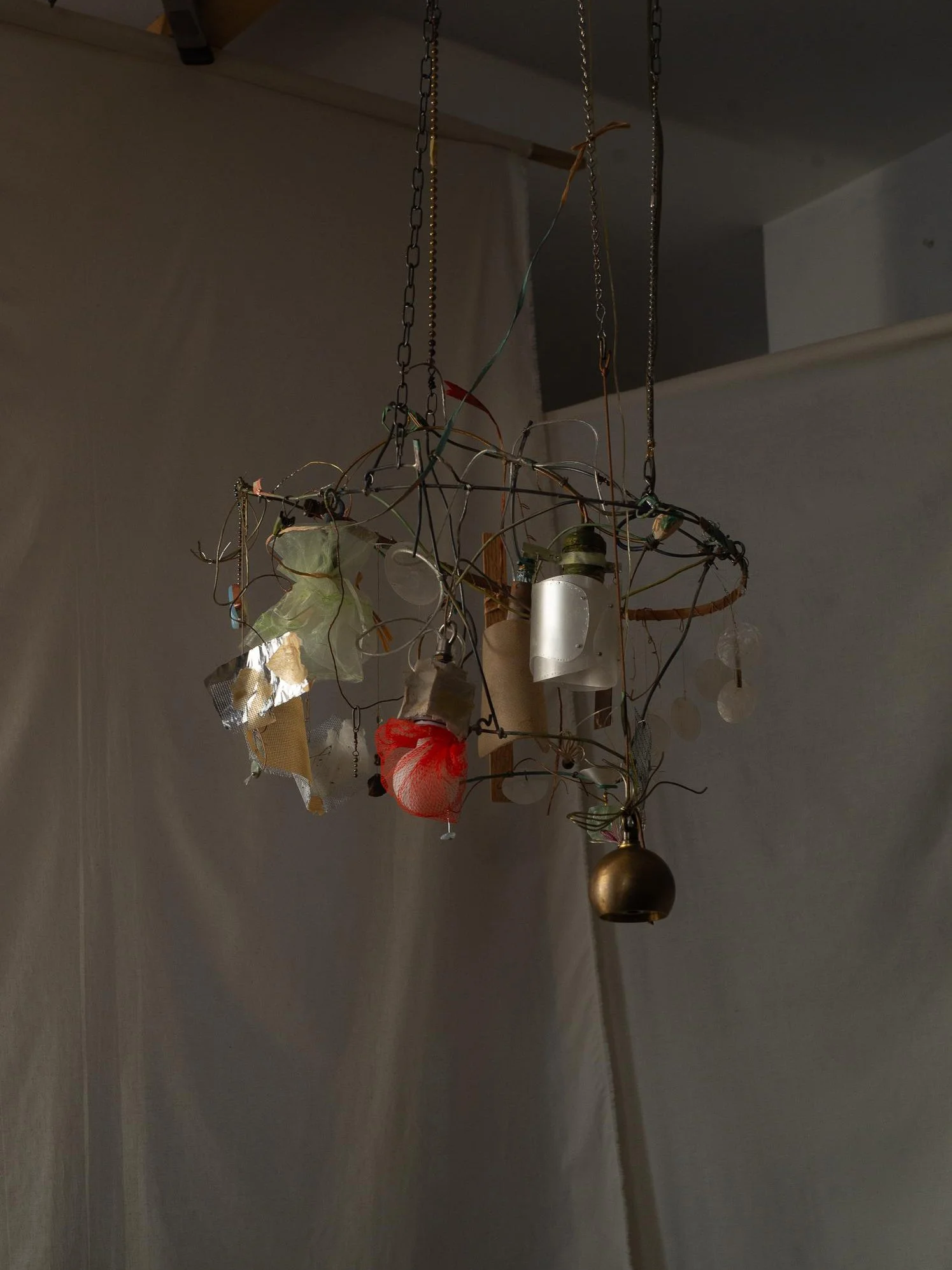
In NICH, I explore contradiction, distortion, instinct and emotional noise. Rugs have their own beautiful limitations. With painting, steel, wood or mixed media, I can stretch ideas, break them, slow them down or amplify them.
NICH is not about creating objects. It is about understanding why an object exists at all. It is the honest part of my practice, the part that does not try to be useful, only true.
DESIGNEERS
If your entire body of work told one Moroccan story to the world, what would it say?
TRIBALISTE
It would say that Morocco is not frozen in tradition. It is a living system of reinvention.
People often describe Moroccan craft through nostalgia, but our heritage is movement and transformation. The ability to turn whatever we have into whatever we imagine.
Genetic studies recently showed that Moroccans carry predominantly Amazigh North African DNA, with only a small Arab component. It confirmed what I always felt. Morocco is not a copy of any culture. Our identity is layered, self-constructed and deeply local even as it absorbs the world.
That is the story I want to tell. Moroccan craft is not decorative. It is intellectual, emotional, symbolic and constantly evolving. Morocco is not the end of a tradition. It is the beginning of new ones.
DESIGNEERS
A Moroccan dish you love?
TRIBALISTE
Chicken tagine. Nothing tastes more comforting or more uniquely Moroccan. When you eat it with your hands, your fingers turn bright yellow from the saffron. It is the most authentic Moroccan manicure.
DESIGNEERS
A Marrakech place that feels like home?
TRIBALISTE
Zède Zéro, my experiential private guest house in the mountains of Tahnaout. It is 45 minutes from Marrakech in a Berber region where my mother’s family is from. The mountains make me feel grounded and connected to something older than myself. It feels like returning to a source I always carried within me. The project will be revealed soon.
DESIGNEERS
A dream project you haven’t yet created?
TRIBALISTE
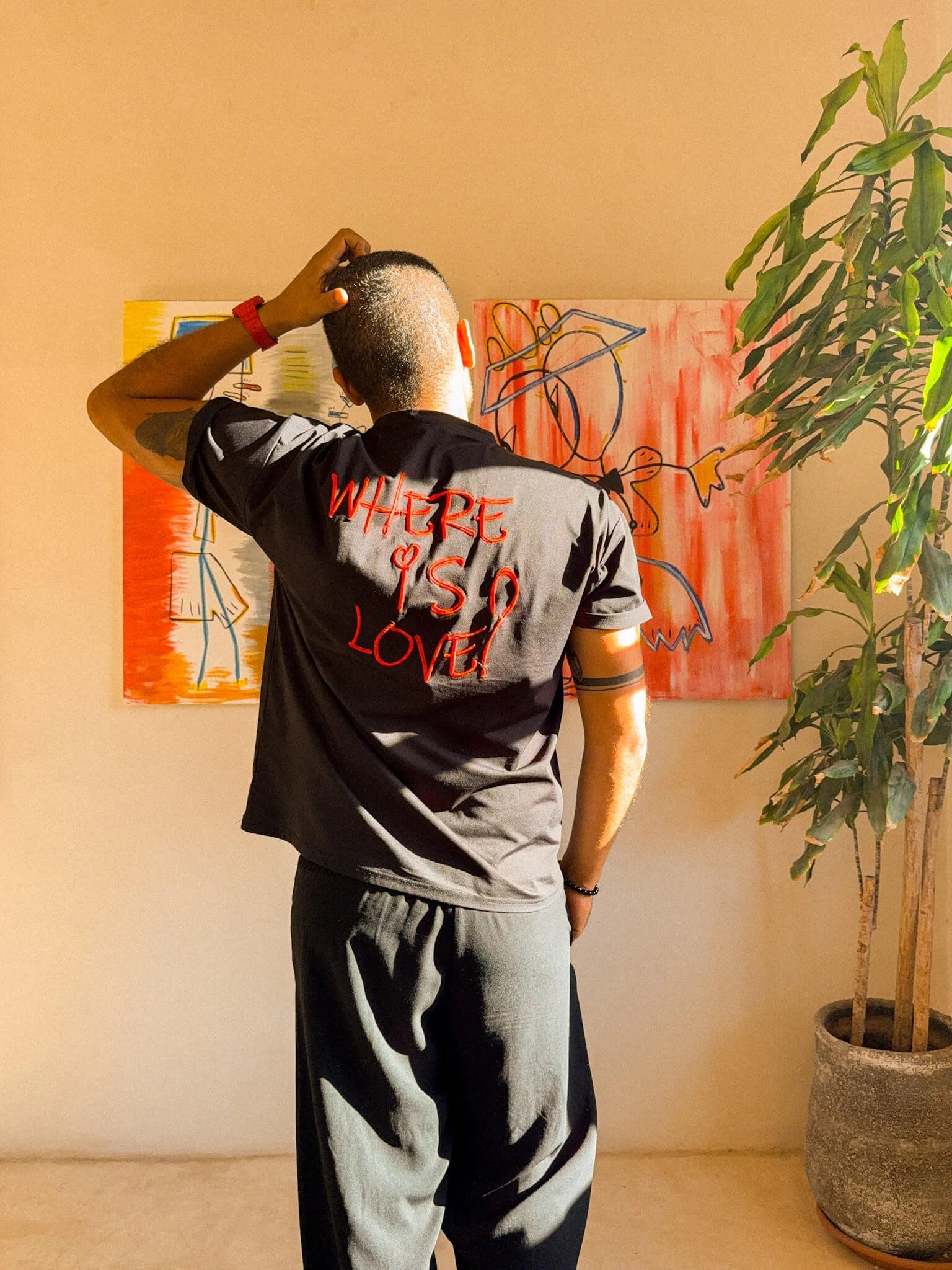
A clothing project. Not fashion. Clothing with purpose.
I believe clothes are a language. They communicate identity, intention and attitude long before we speak. My dream is to design garments that behave like sentences, using shapes and textures that reveal states of mind.
If we treat clothing as communication rather than decoration, it becomes a tool in daily life. That is the project I want to bring to life. The vision is clothes as attitude.