people • designers
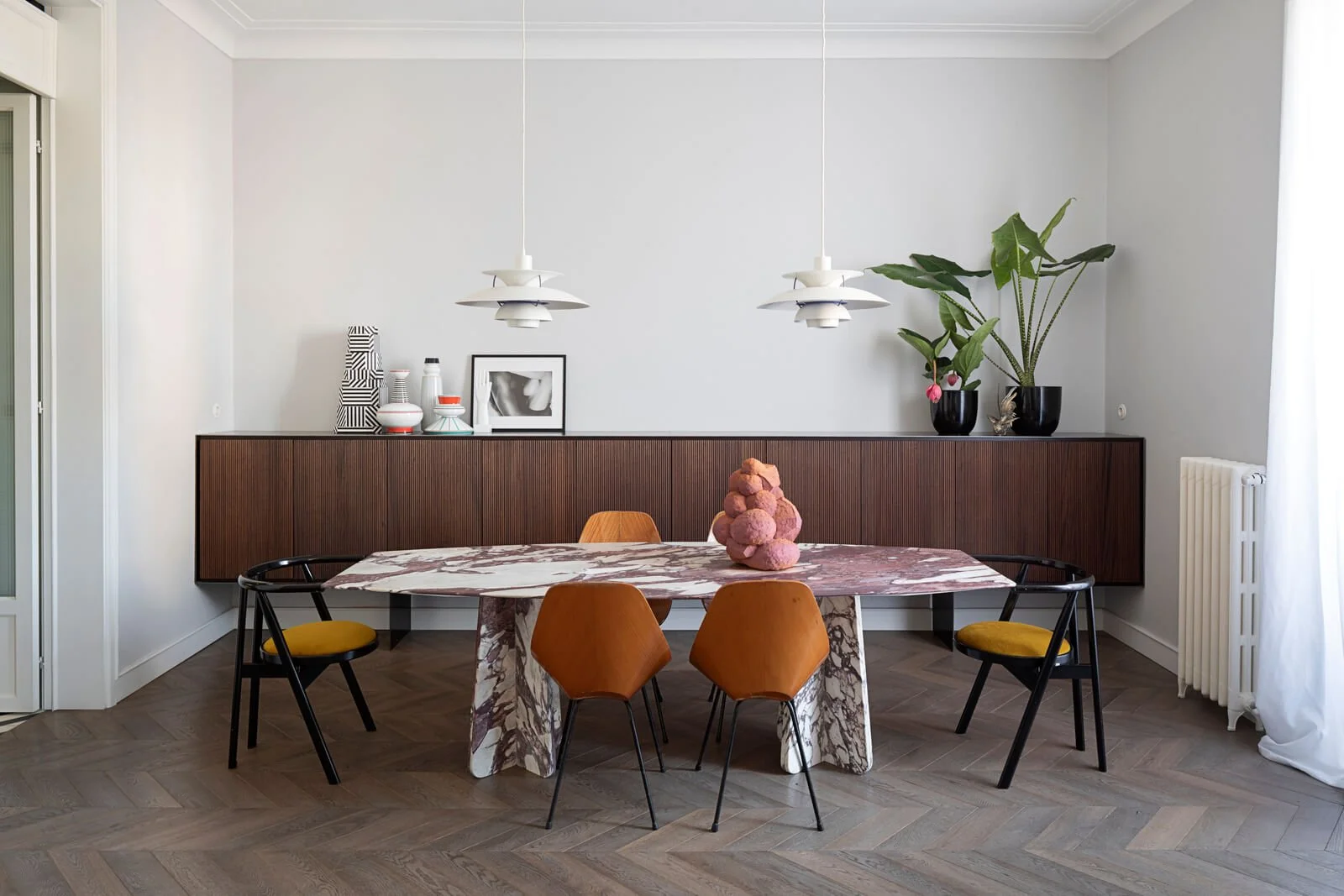
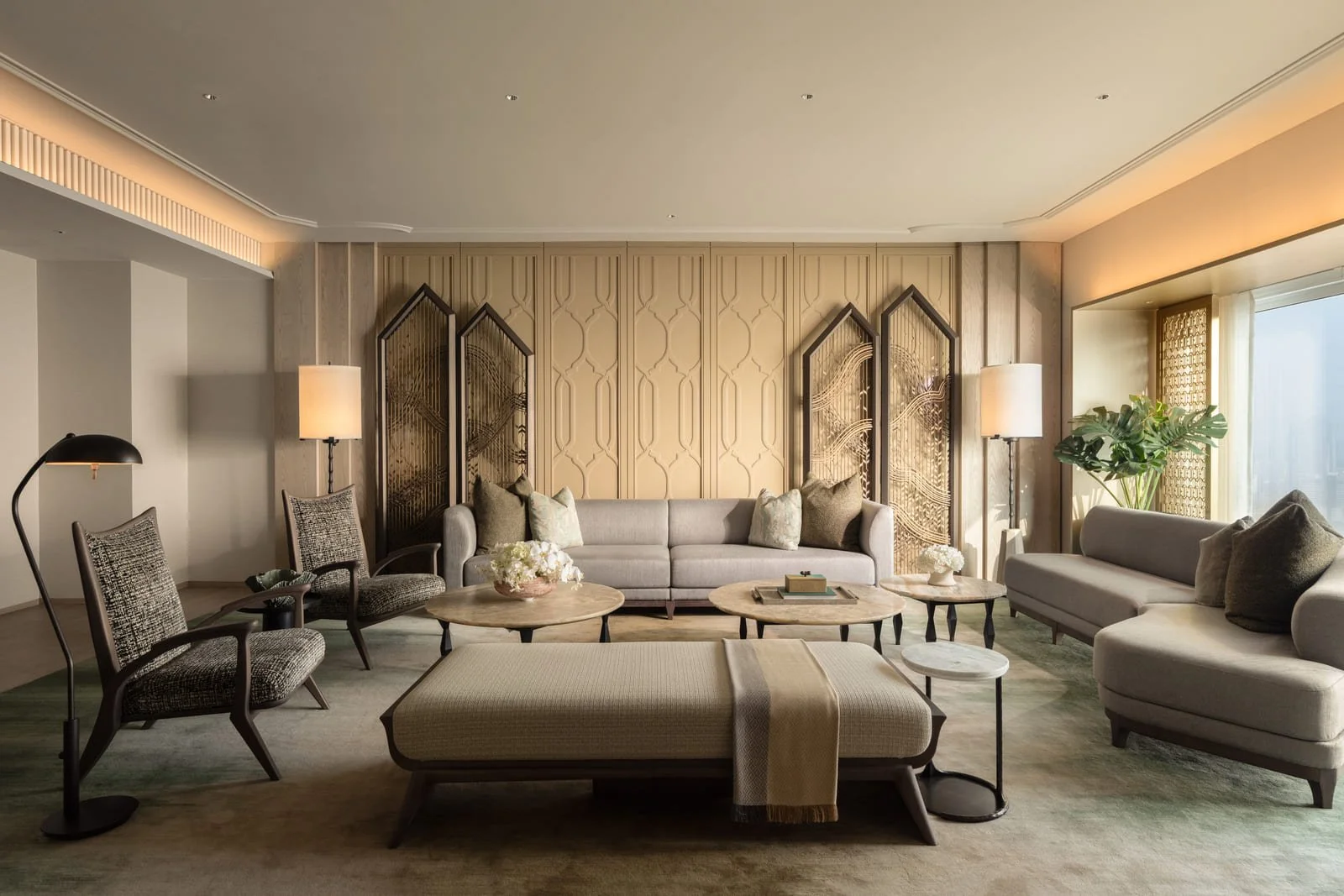
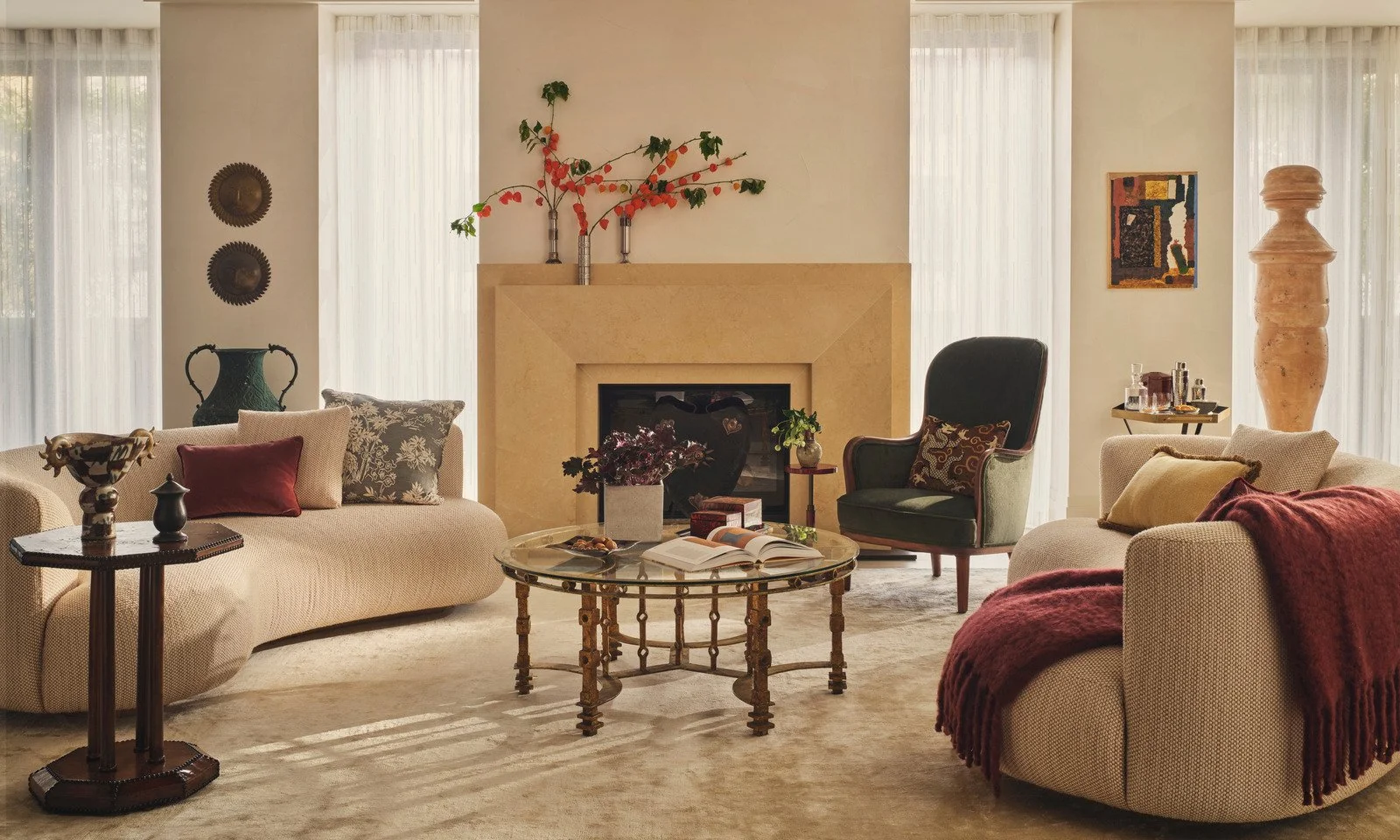
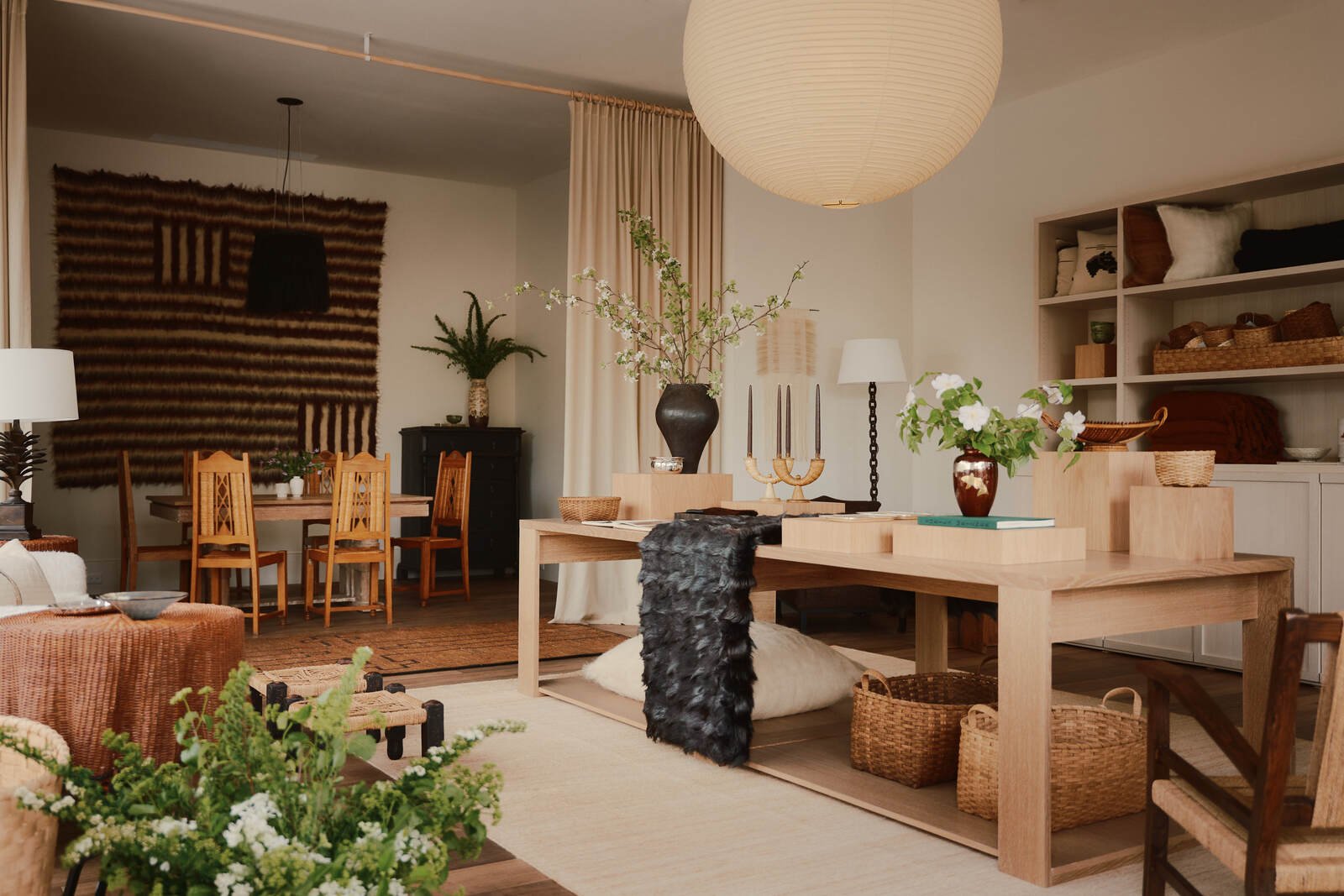
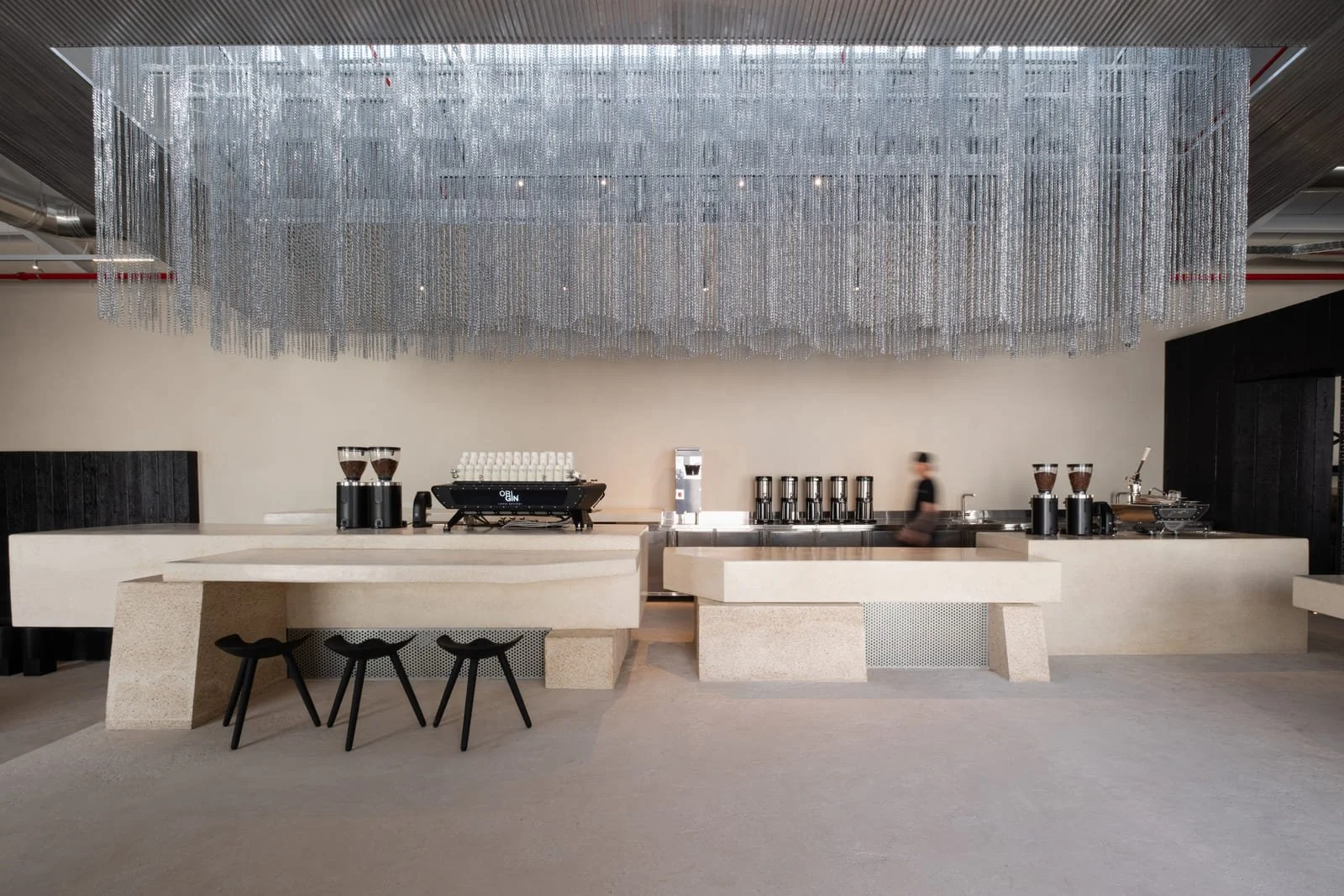
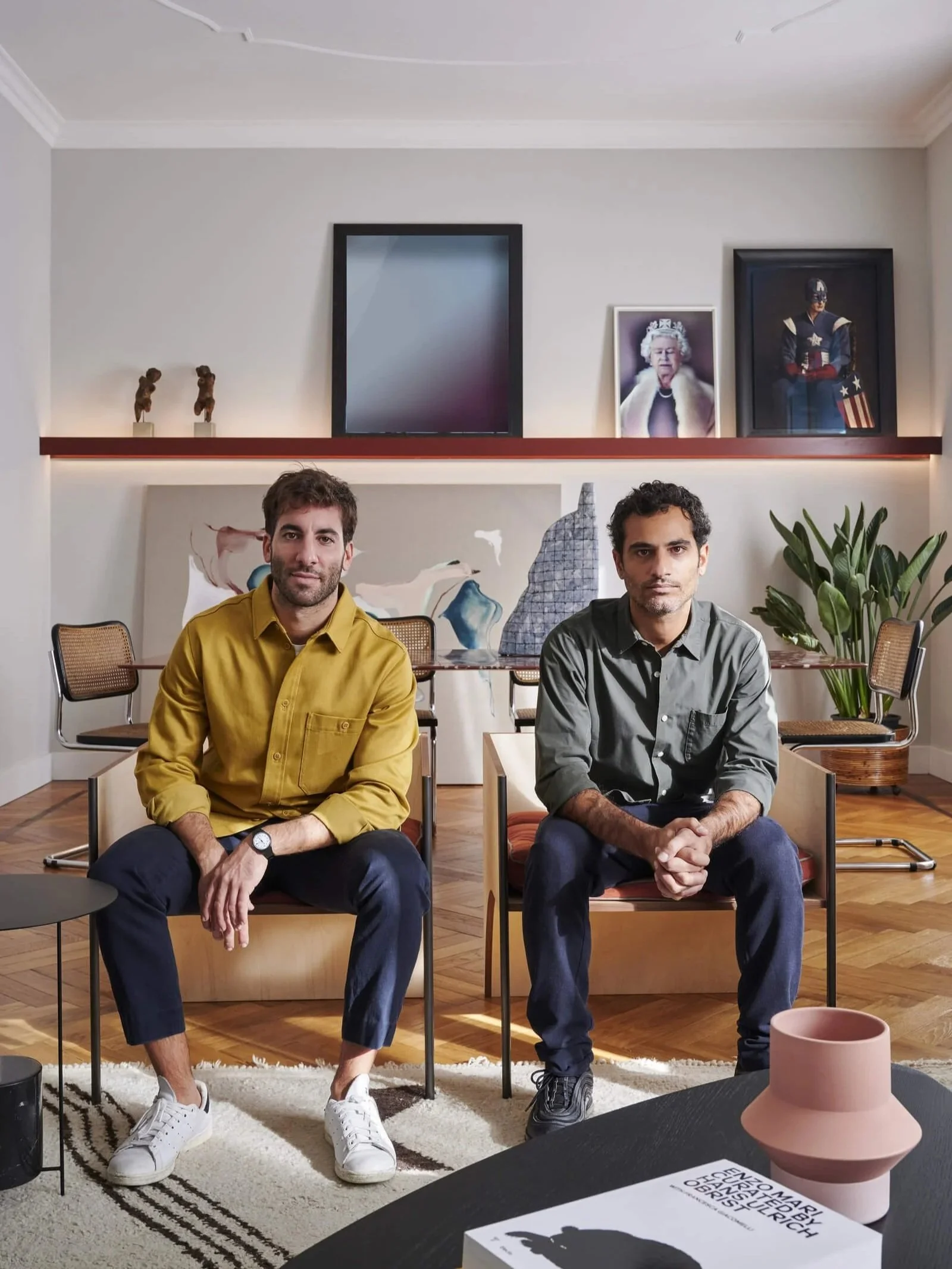
LIT STUDIO is a Milan-based architecture and interior design studio founded by architects Rudy Faissal and Riccardo Boccia. Known for its refined, multicultural approach, the studio blends Italian elegance with Middle Eastern sensibility to deliver contemporary residential, retail, and bespoke design projects across Europe and the Middle East.
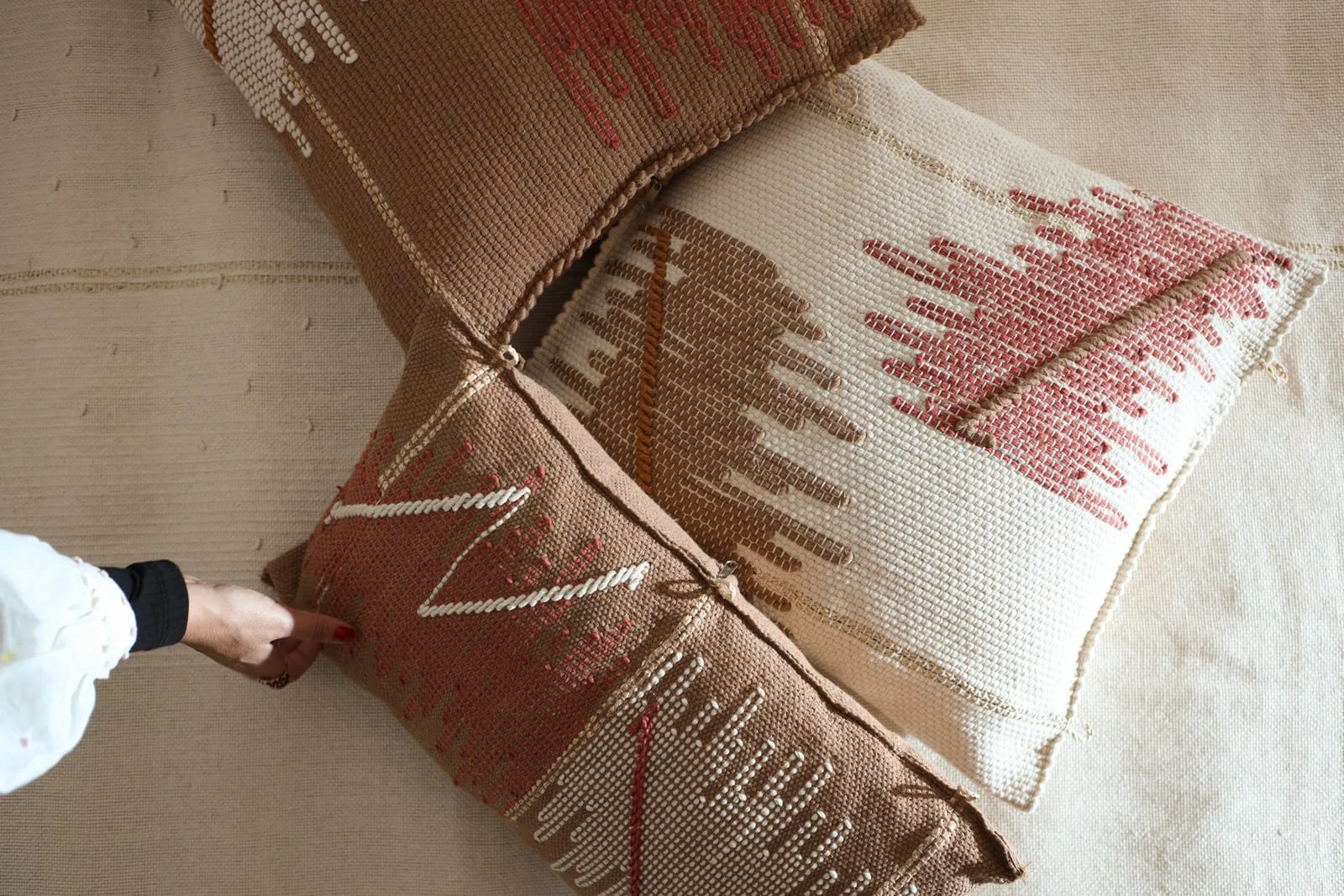
With a multidisciplinary portfolio spanning architectural design, luxury interiors, and collectible product design, LIT STUDIO is recognized for its clean lines, expressive materials, and handcrafted detailing. The team draws from global experience in cities like Beirut, Venice, Ferrara, and Copenhagen—resulting in interiors and buildings that feel culturally resonant and visually sophisticated.
From modern Milanese apartments to high-end commercial spaces and limited-edition furniture, LIT STUDIO offers tailored design solutions that merge functionality with poetic form. Their work reflects a strong design pedigree, shaped by collaborations with Giorgio Armani, Dordoni Architetti, Storage Associati, and DWA Design Studio.
As one of the emerging architecture and design studios in Milan, LIT STUDIO continues to shape meaningful spaces that reflect global narratives, material innovation, and architectural clarity.
Words: designeers
AUGUST 2025
WEBSITE: litstudio.it
INSTAGRAM: @litstudiomilano
DESIGNEERS
Who are you, and where do you come from?
Rudy Faissal
I was born in Lebanon and moved to Venice at the age of eighteen to study architecture at IUAV. That decision was shaped by a childhood trip to Italy after one of the wars in Lebanon. I still remember being nine years old and completely overwhelmed by the art, the churches, and the sculptures in the Vatican Museums. That memory stayed with me and sparked a desire to live and learn here. Lebanon gave me resilience and emotional depth; Italy gave me structure and a lifelong connection to art and design.
Riccardo Boccia
I was born in Ferrara, a culturally rich town in northern Italy. Growing up there helped me develop what I now see as my defining traits—creativity and an ability to understand cultural diversity. Those values became the foundation for co-founding LIT STUDIO with Rudy.
DESIGNEERS
How did Lit Studio come to life? Was there a specific spark, a shared vision, or a series of happy accidents?
Rudy Faissal
We met about ten years ago through mutual friends while on vacation. Both of us were already working as architects in Milan, and I was also consulting for a luxury fashion brand and preparing to launch my own studio. I brought Riccardo in to collaborate on a project, and the partnership just clicked. That led to more collaborations, and eventually, we formalised it as LIT STUDIO, built on trust, creative rhythm, and a shared vision.
Riccardo Boccia
The name “LIT” blends our roots, Libano and Italia. It also felt bold and fresh, capturing the studio’s identity: precise, energetic, and sharp.
DESIGNEERS
What’s the creative vision behind LIT STUDIO?
LIT STUDIO
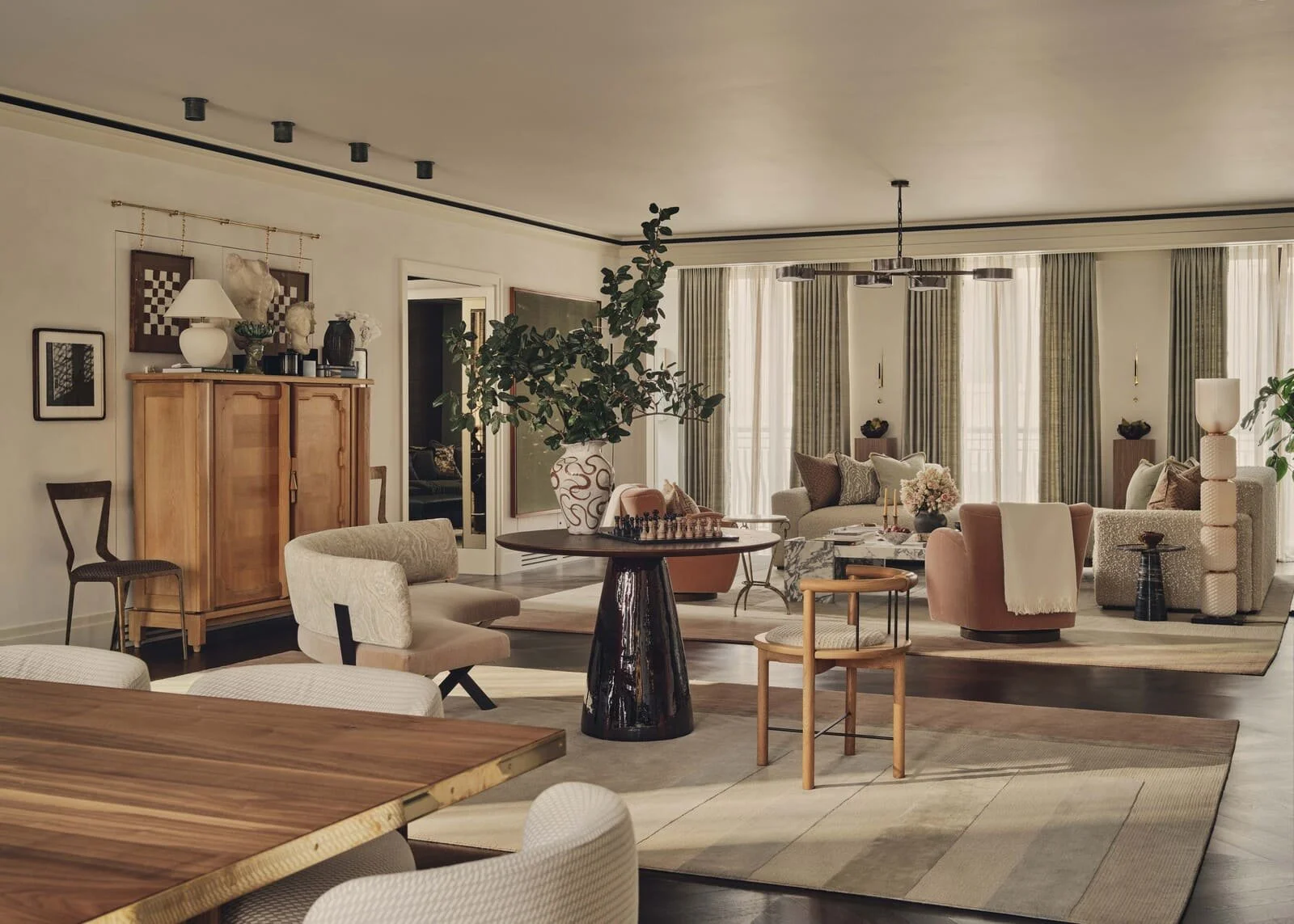
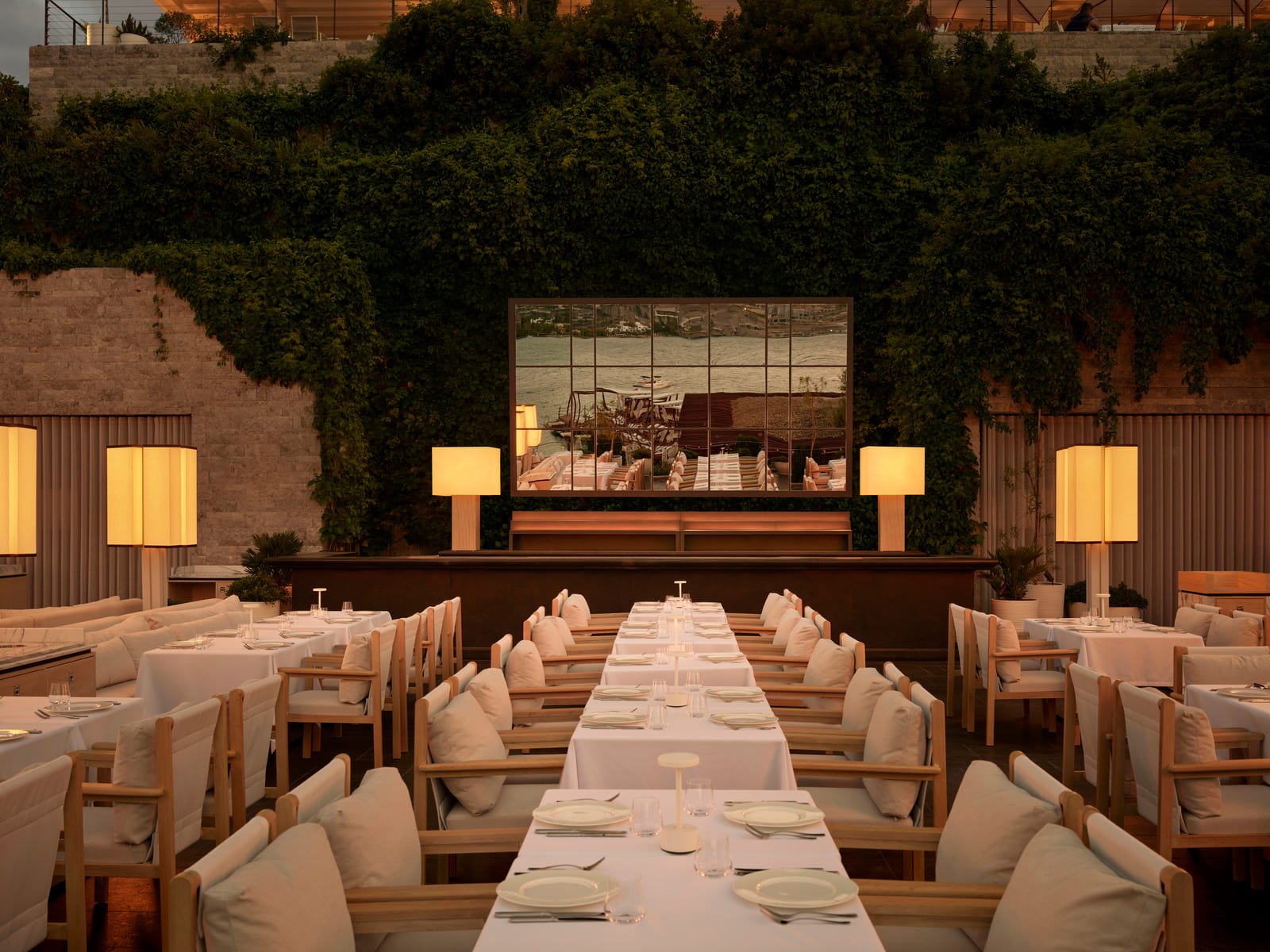
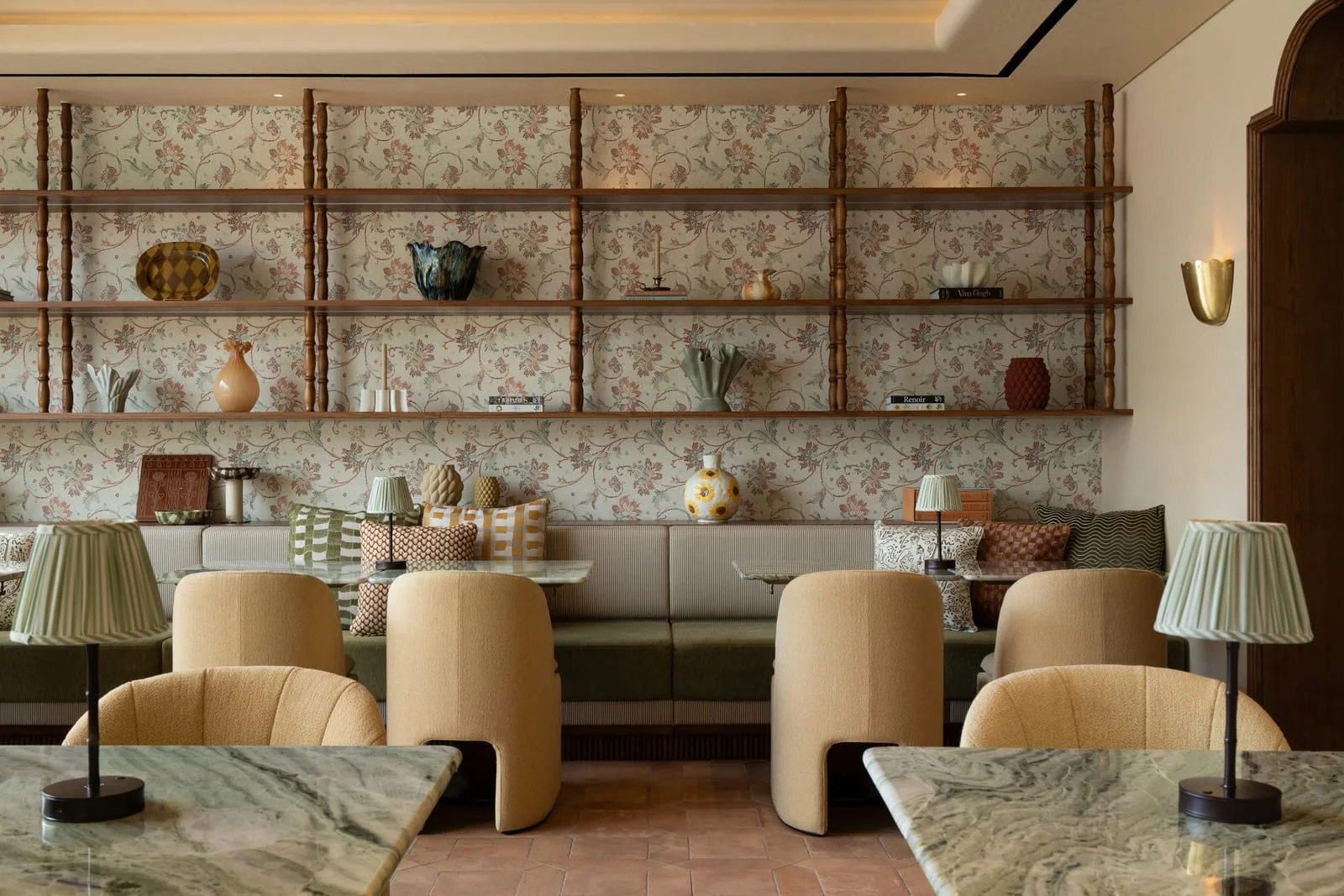
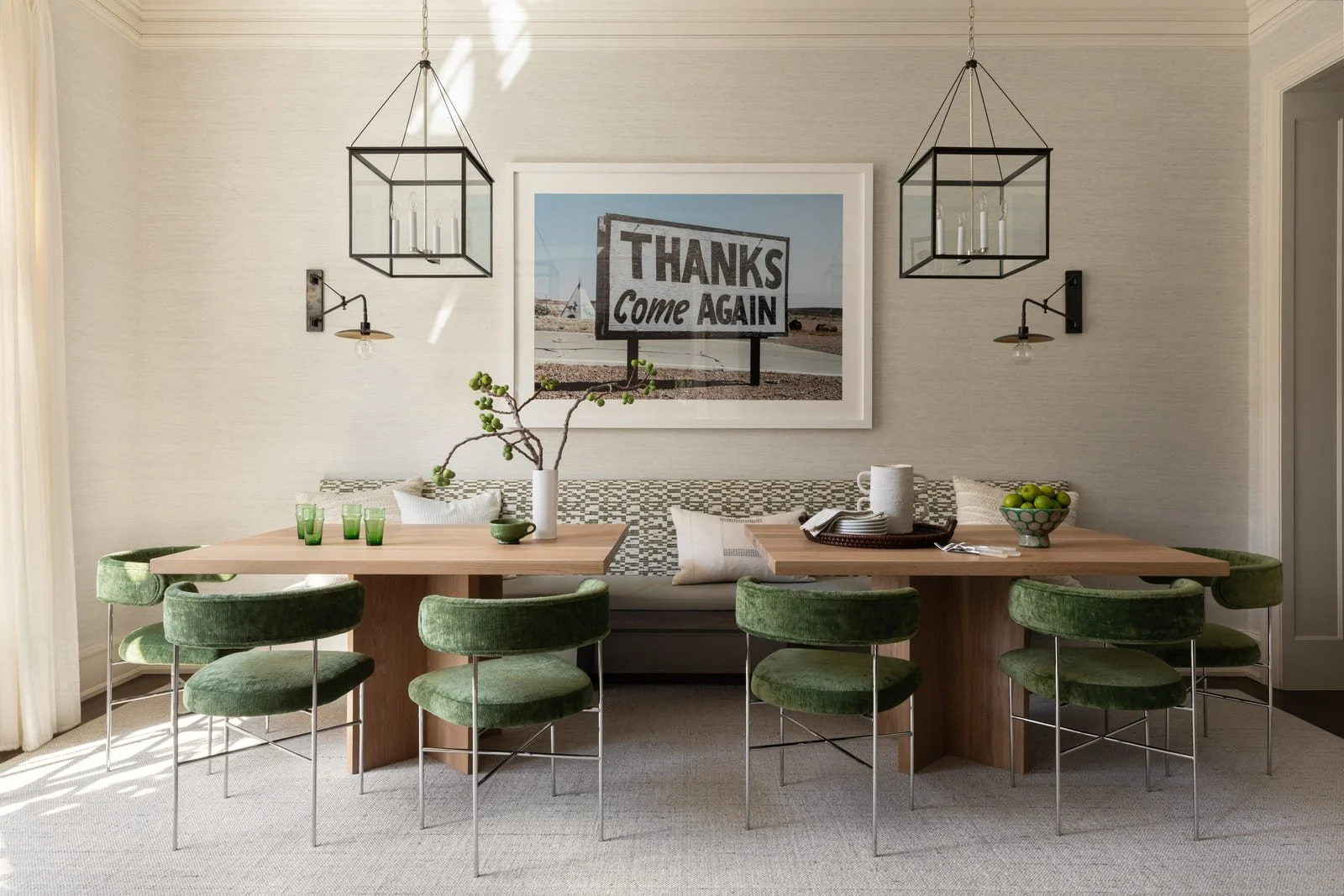
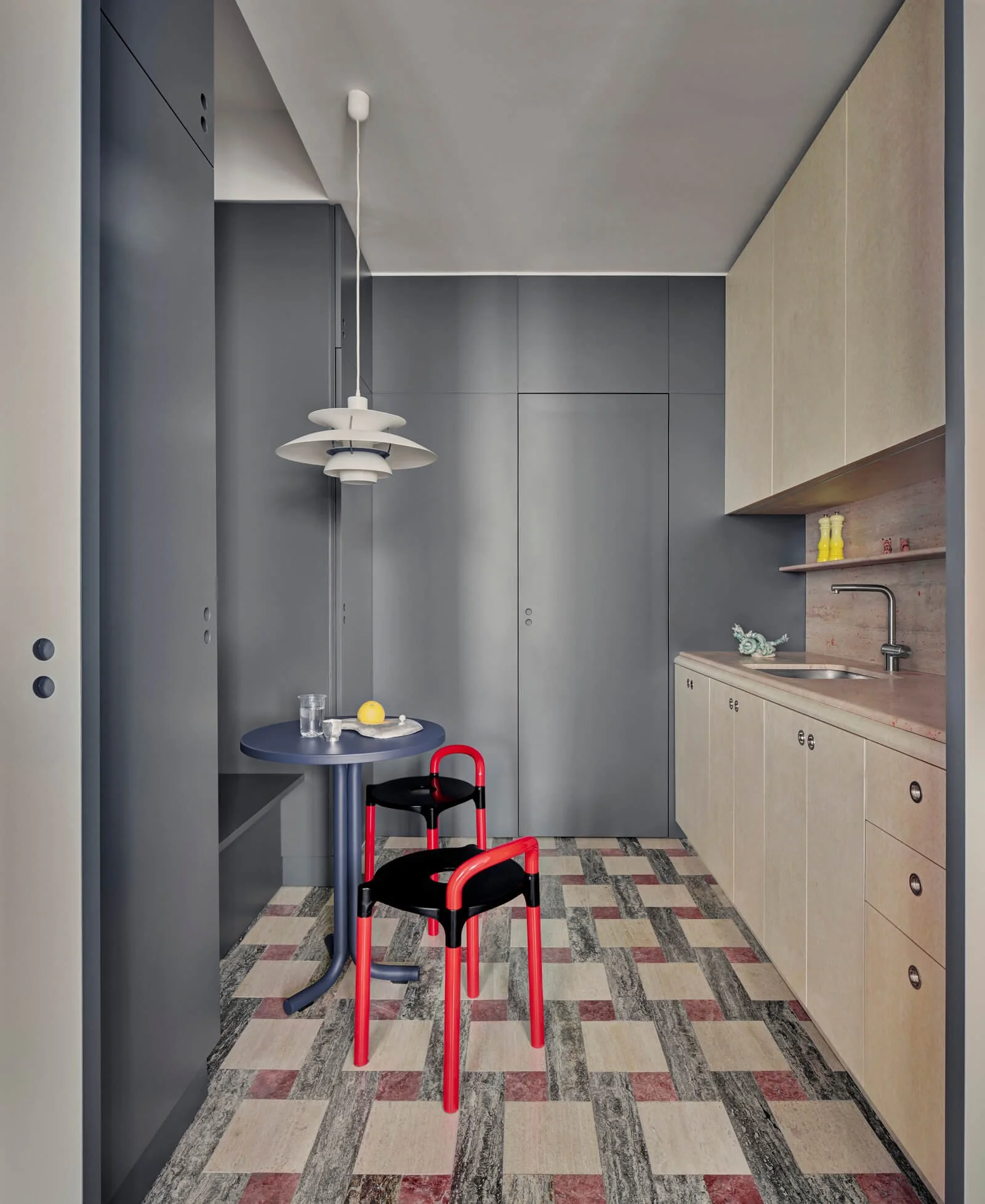
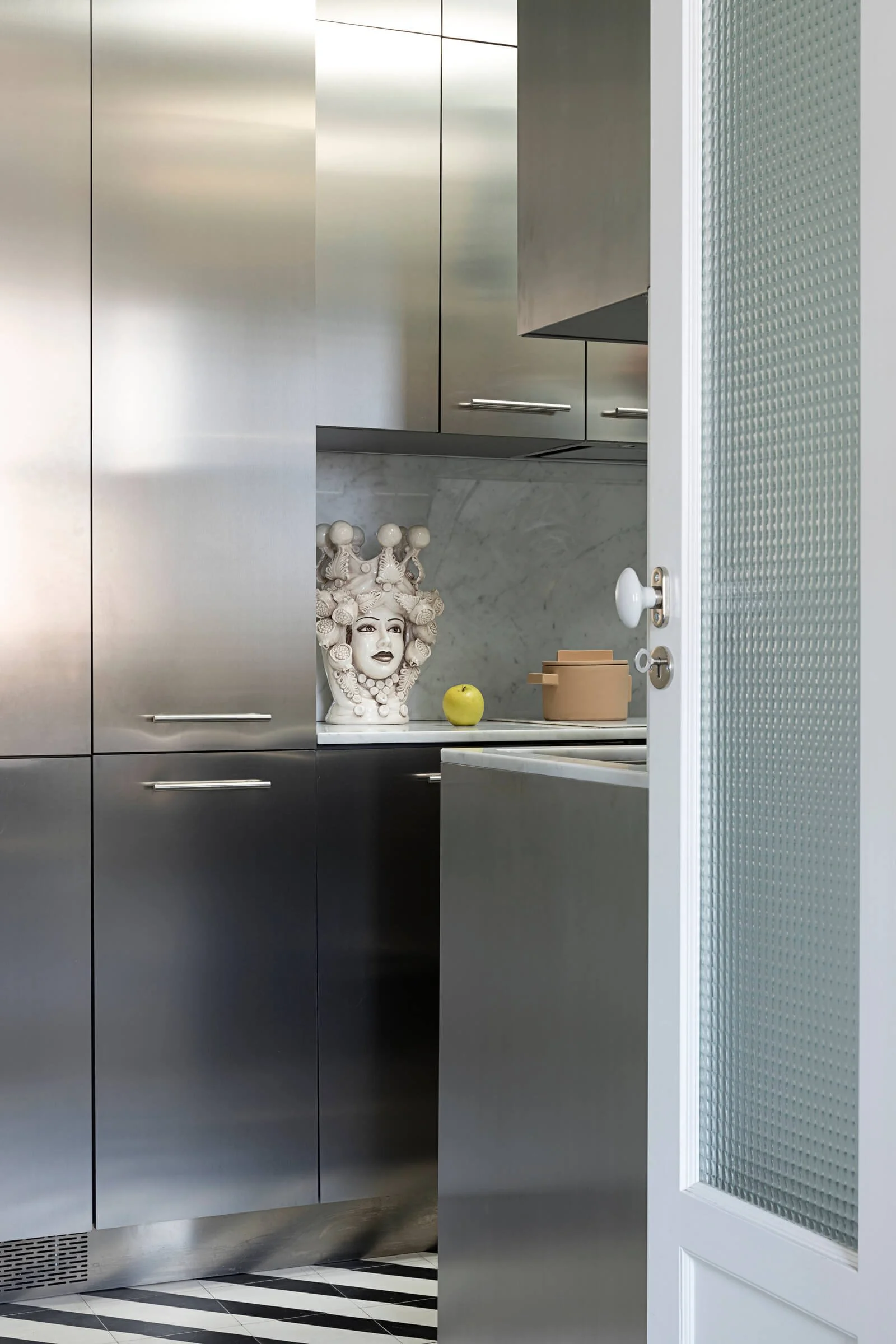
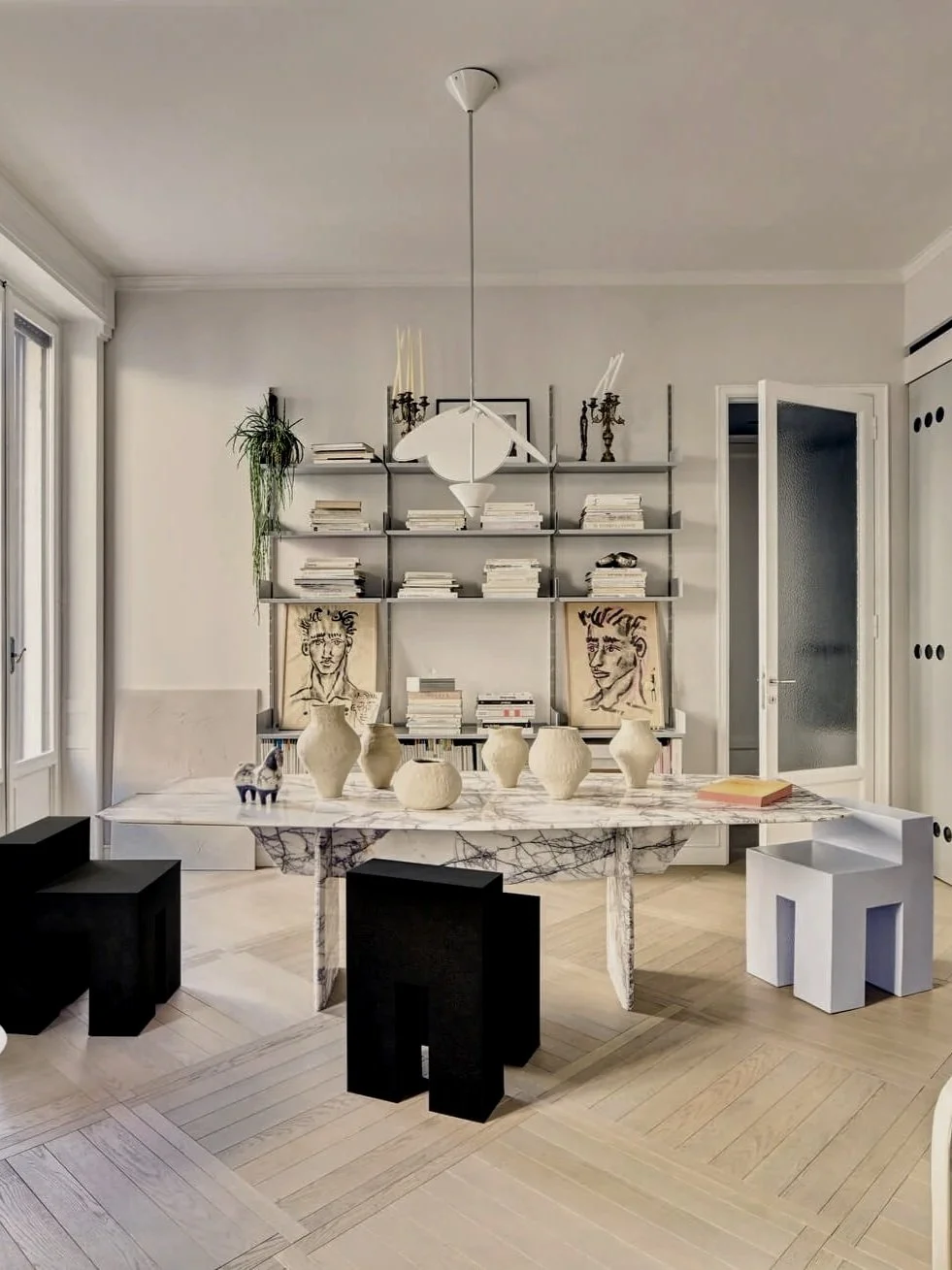
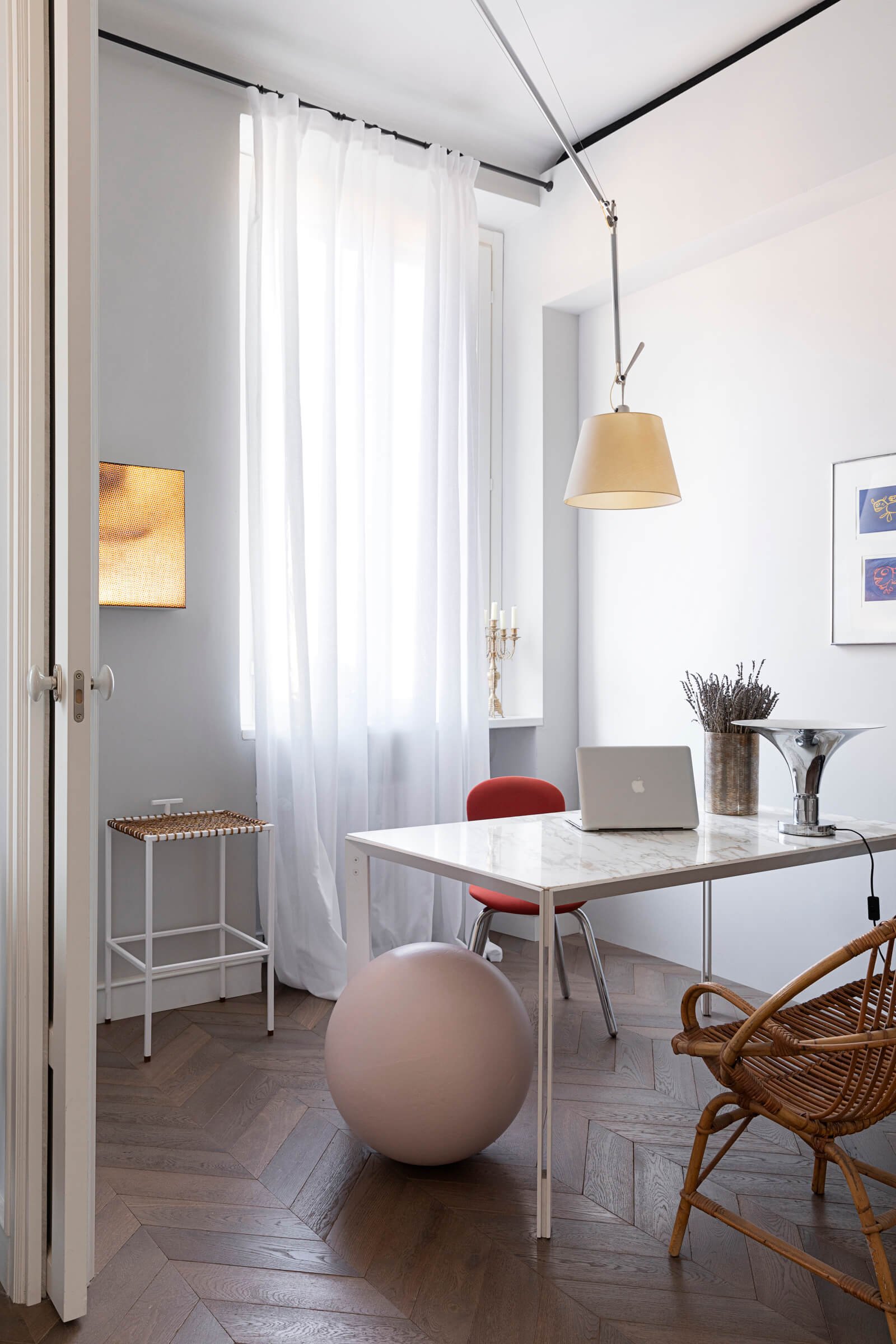
Our work blends the strength and resilience of Lebanese culture with the timeless elegance of Italian design. We're committed to creating interiors and architecture that are minimalist yet expressive, functional yet emotional. Material integrity, sustainable thinking, and storytelling are central to our process. We keep the design language refined, the craftsmanship intentional, and the collaborations deeply personal.
DESIGNEERS
Is there a project that feels especially meaningful to you?
LIT STUDIO
Our first concept project for Missoni holds a special place in our hearts. It marked a turning point for LIT STUDIO, our first large-scale commission, and a chance to contribute to the brand’s eco-sustainable retail strategy. That trust opened doors for further collaborations in real estate and retail design, including the Missoni Home Boutique in Milan. It was proof that sustainability and innovation can coexist in luxury retail architecture.
DESIGNEERS
Define your design ethos in three words.
LIT STUDIO
Cross-cultural, eclectically refined and material-conscious.
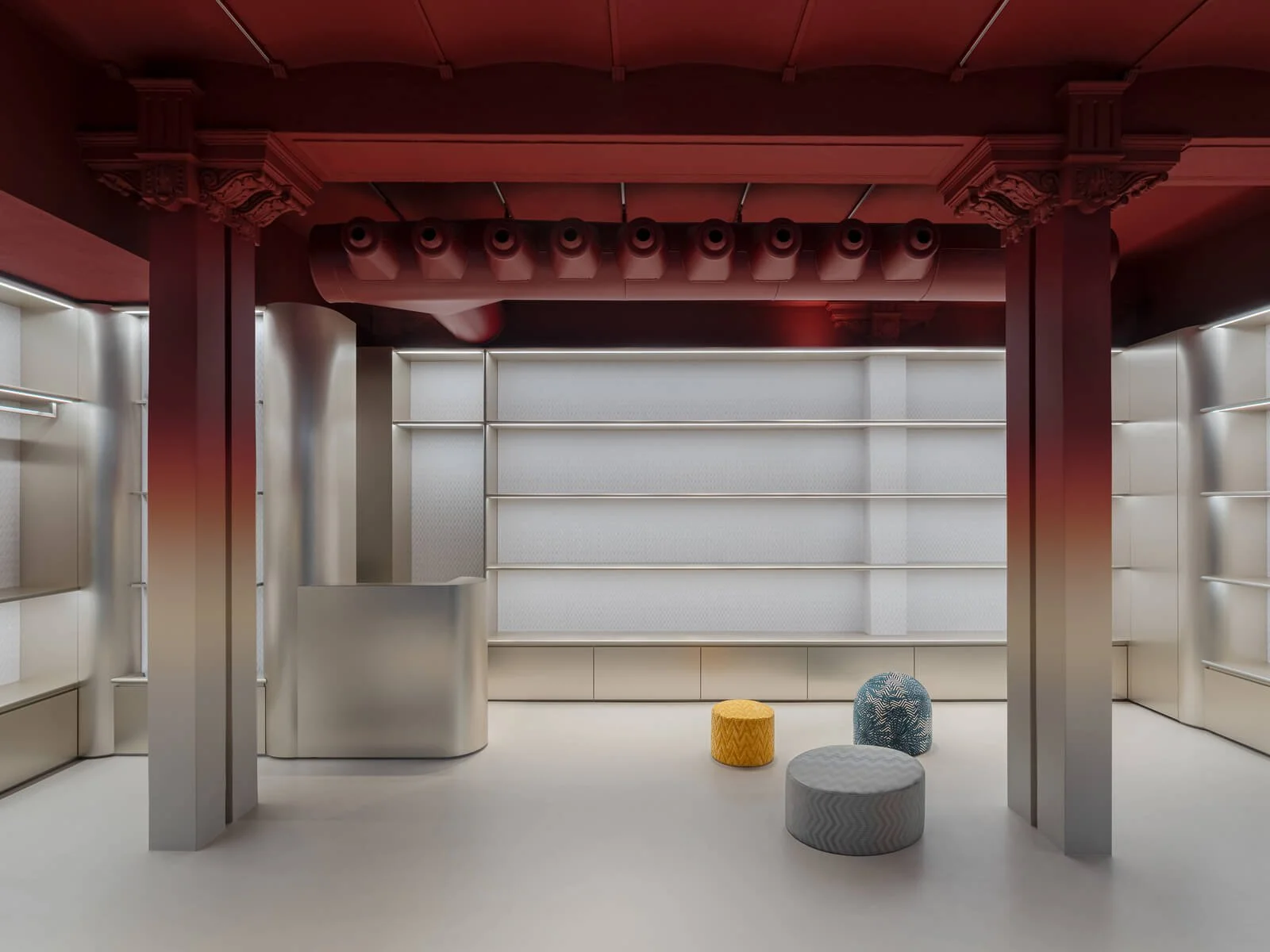
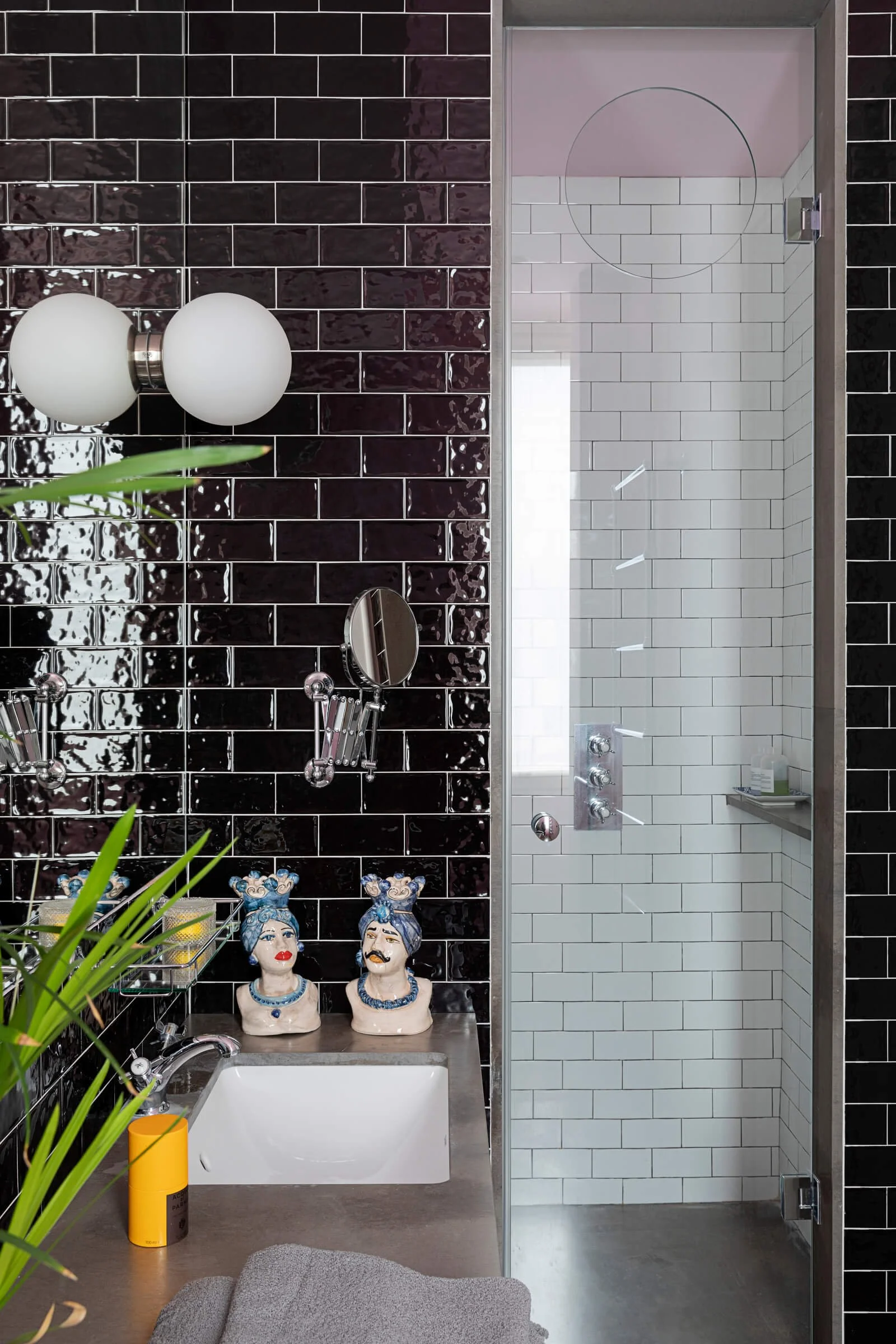
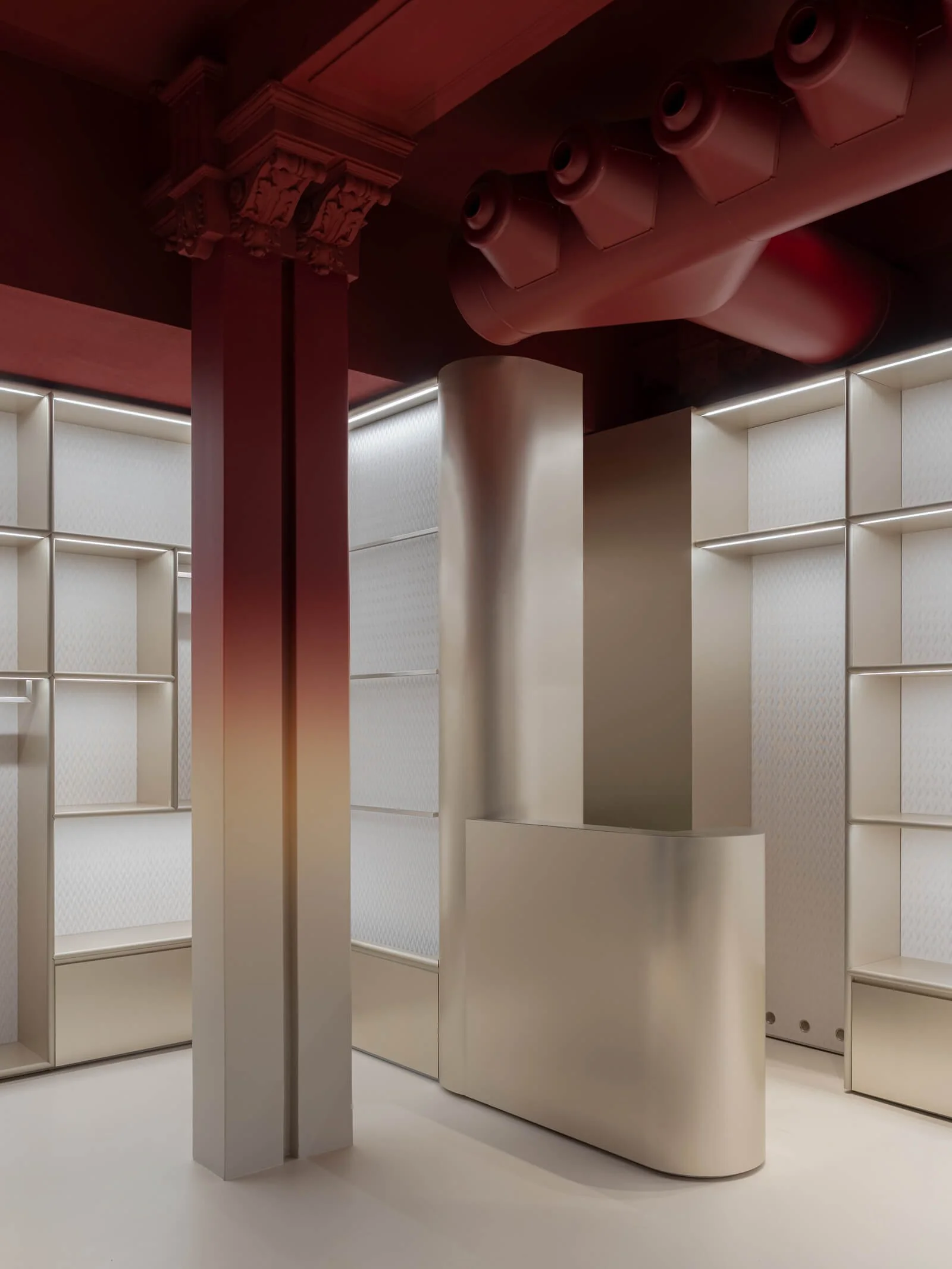
“Our work blends the strength and resilience of Lebanese culture with the timeless elegance of Italian design. We're committed to creating interiors and architecture that are minimalist yet expressive, functional yet emotional.”
LIT STUDIO
DESIGNEERS
Favourite part of the design process—and the one you’d skip?
Rudy Faissal
The early concept phase is my favourite, when ideas are fluid and full of possibility. That’s when we get to explore the story we want the project to tell. The part I’d happily skip? The over-perfection loop. When you start second-guessing every detail, it can dilute the emotional clarity of the original idea.
DESIGNEERS
Design crush or source of endless inspiration?
Riccardo Boccia
I’ve always lived in creative dualities. During my student years, I was drawn equally to the rigorous clarity of Portuguese architecture, think Aires Mateus, and the bold expressiveness of Dutch designers like Rem Koolhaas and MVRDV. Today, the sheer accessibility of global creativity means I’m constantly discovering new influences.
DESIGNEERS
Favourite design-led hotels around the world?
Rudy Faissal
Adrère Amellal, in Siwa, Egypt. It’s the definition of “design without design”: raw, poetic, and in total harmony with nature. Originally developed by Dr. Mounir Neamatalla and later refined with India Mahdavi, it’s a space you simply sink into.
Riccardo Boccia
Château La Coste, in Provence. A place where art, architecture, and landscape come together in total symbiosis. It captures everything I love about thoughtful design.
DESIGNEERS
A gallery or cultural space that inspires your work?
Rudy Faissal
Japan. I’ve always imagined going for a design project, especially retail, but it hasn't happened. Yet.
Riccardo Boccia
A wild safari in Tanzania. I’m fascinated by the intersection of raw nature and primal design logic.
DESIGNEERS
When you're not designing, where does your mind escape to—a place, a ritual, or a state of being?
Rudy Faissal
Silence. I'm not wired for multitasking. A quiet, focused environment is key to unlocking ideas.
Riccardo Boccia
My creative space is more mental than physical, but I do need order and cleanliness to work well. Clutter blocks clarity.