people • MAKERS
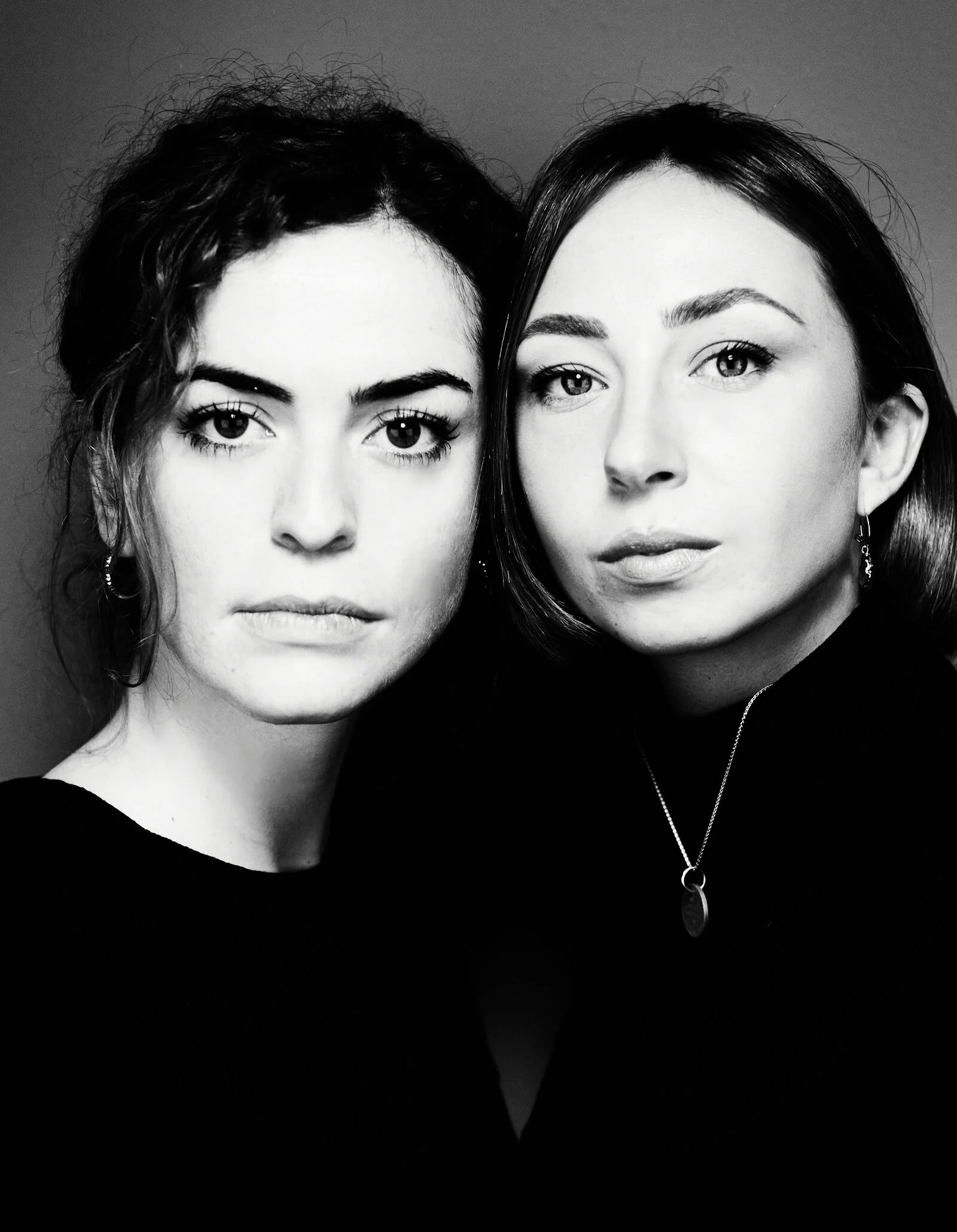
Studio Terre is a multidisciplinary design practice founded in 2020 by Eva Noemi Marchetti (Nino), Francesca Guarnone (Jufà), and Riccardo Brunetti. Based in the hills near Milan, their studio explores the intersection of functional art, interior architecture, and collectible design through a Mediterranean lens. Drawing from ancient materials like clay and Murano glass, they create sensorial objects and installations that bridge past and present. With features in Architectural Digest, Elle Decor, Damn, and exhibitions at Design Miami/Basel and PAD Paris, Studio Terre is emerging as a leading voice in contemporary material-driven design.
Words: designeers
AUGUST 2025
WEBSITE: studioterre-st.it
INSTAGRAM: @studioterre_
DESIGNEERS
Let’s start from the beginning. How did Studio Terre come to life, and how did you find yourselves working together? How has your creative partnership evolved?
Studio Terre
Studio Terre was born from a shared need: to slow down, reconnect with materials in a more direct way, and create with more authenticity. We met at a time when all of us were looking for a change of pace, something that went beyond the rigid frameworks of traditional design.
At first, it was very spontaneous and experimental — we started working together without a clear plan, just following instinct and curiosity. Our skills were different but complementary, and that helped us build a shared language. Over time, the dialogue has become more structured: today, we work as a tight-knit team, where each project grows out of hands-on experimentation and constant exchange of ideas.
DESIGNEERS
If you had to define your design vision in three words, what would they be?
Studio Terre
Sensory, narrative, and experimental.
DESIGNEERS
Is there a material or texture you truly adore?
Studio Terre
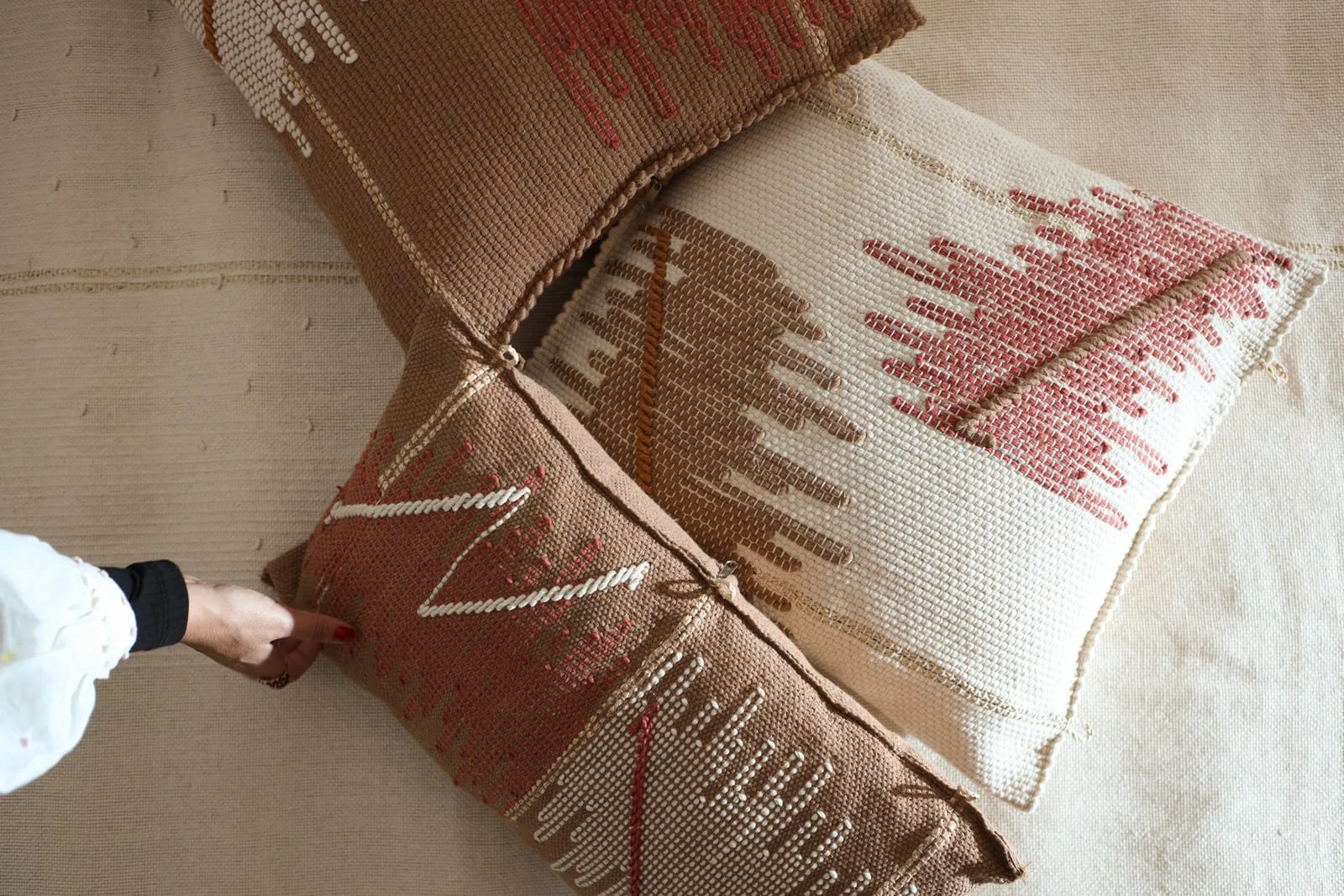
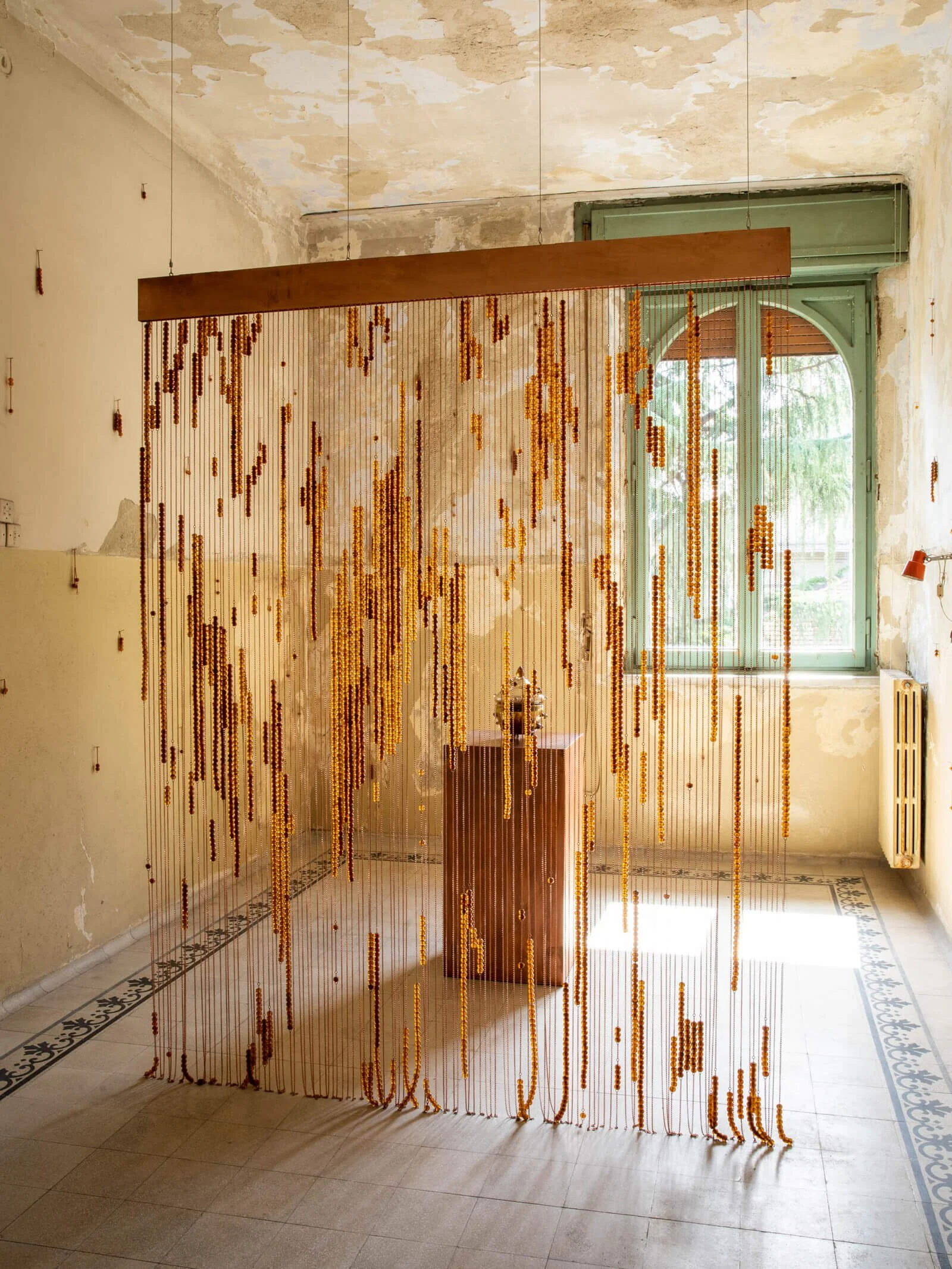
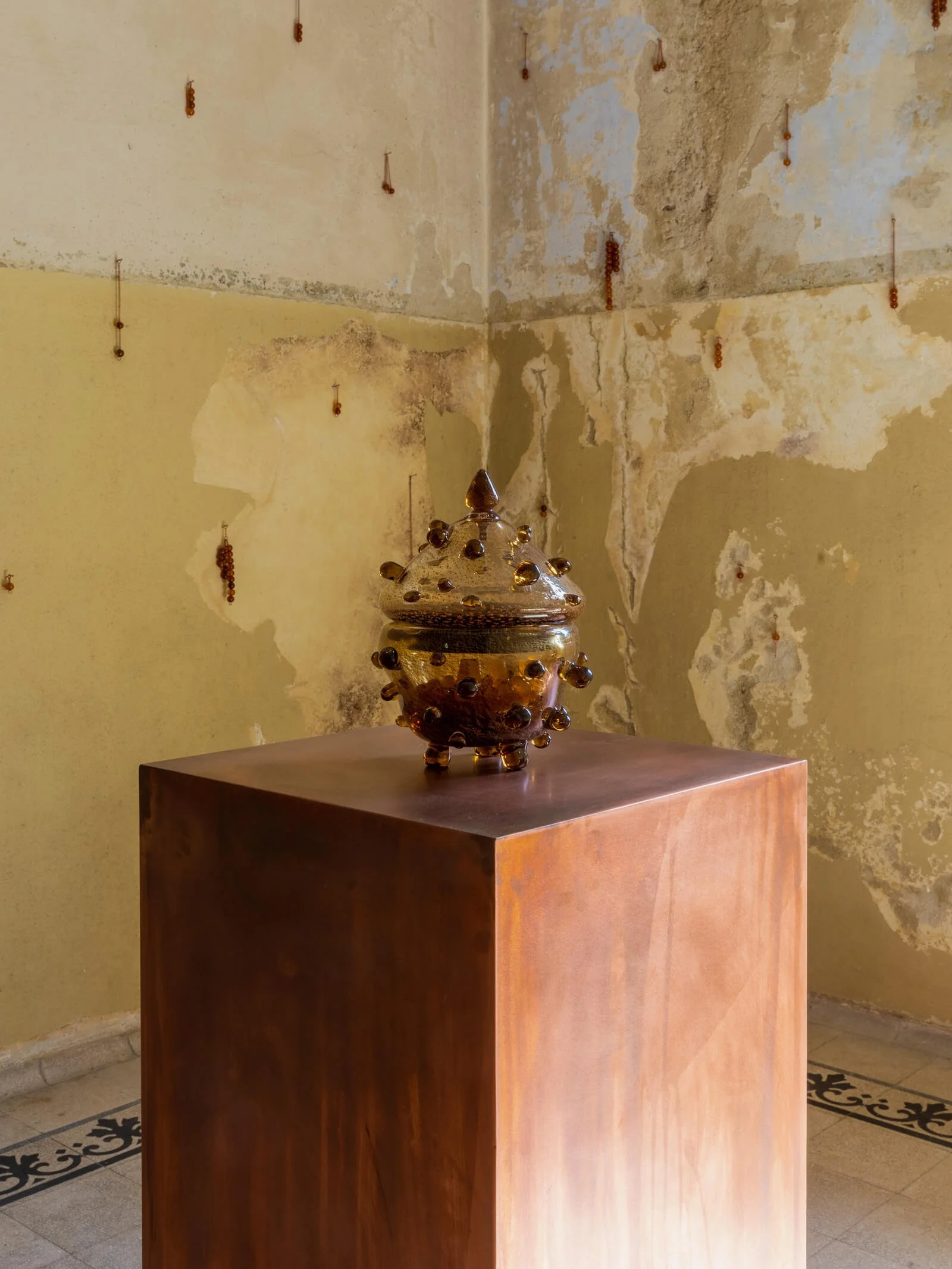
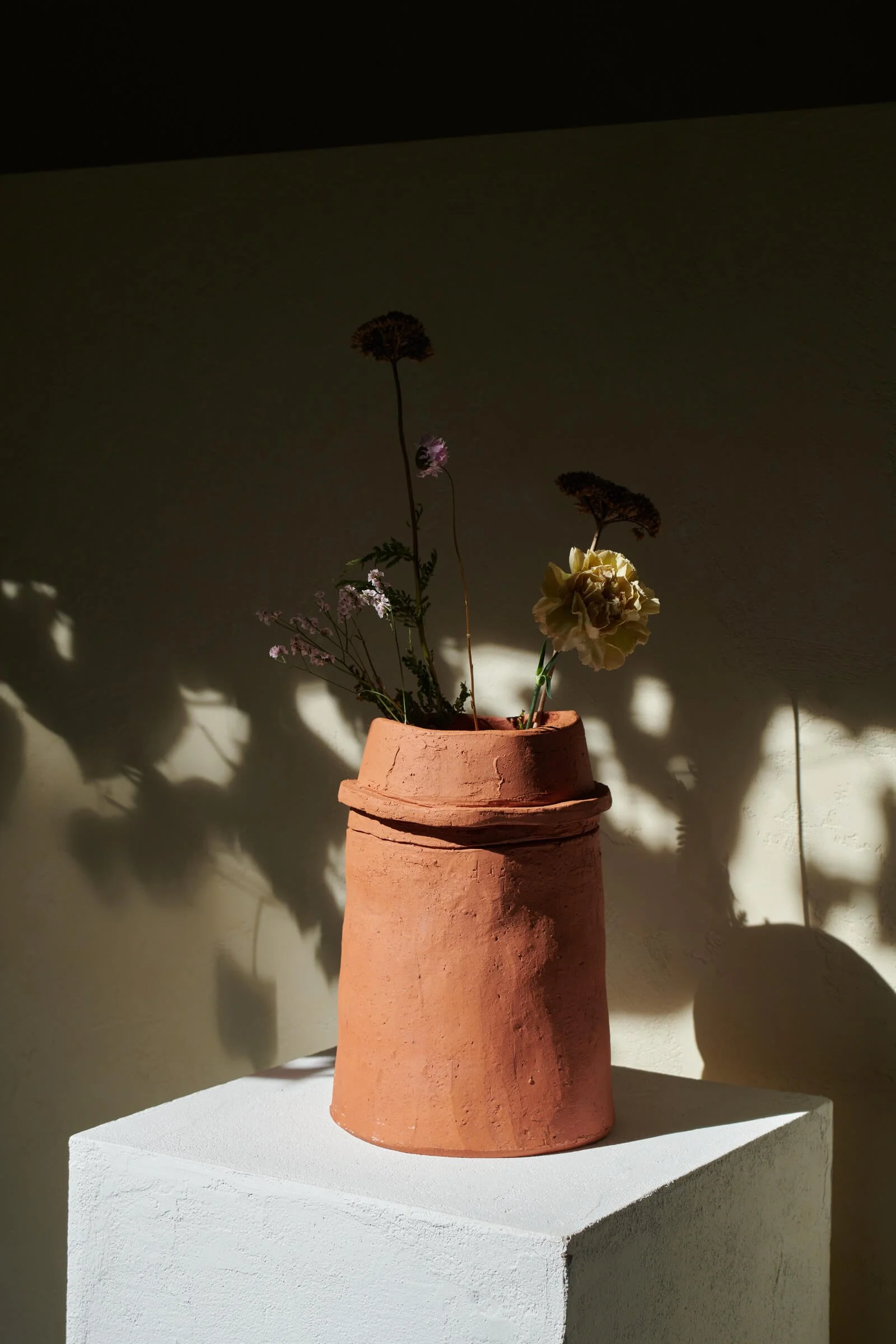
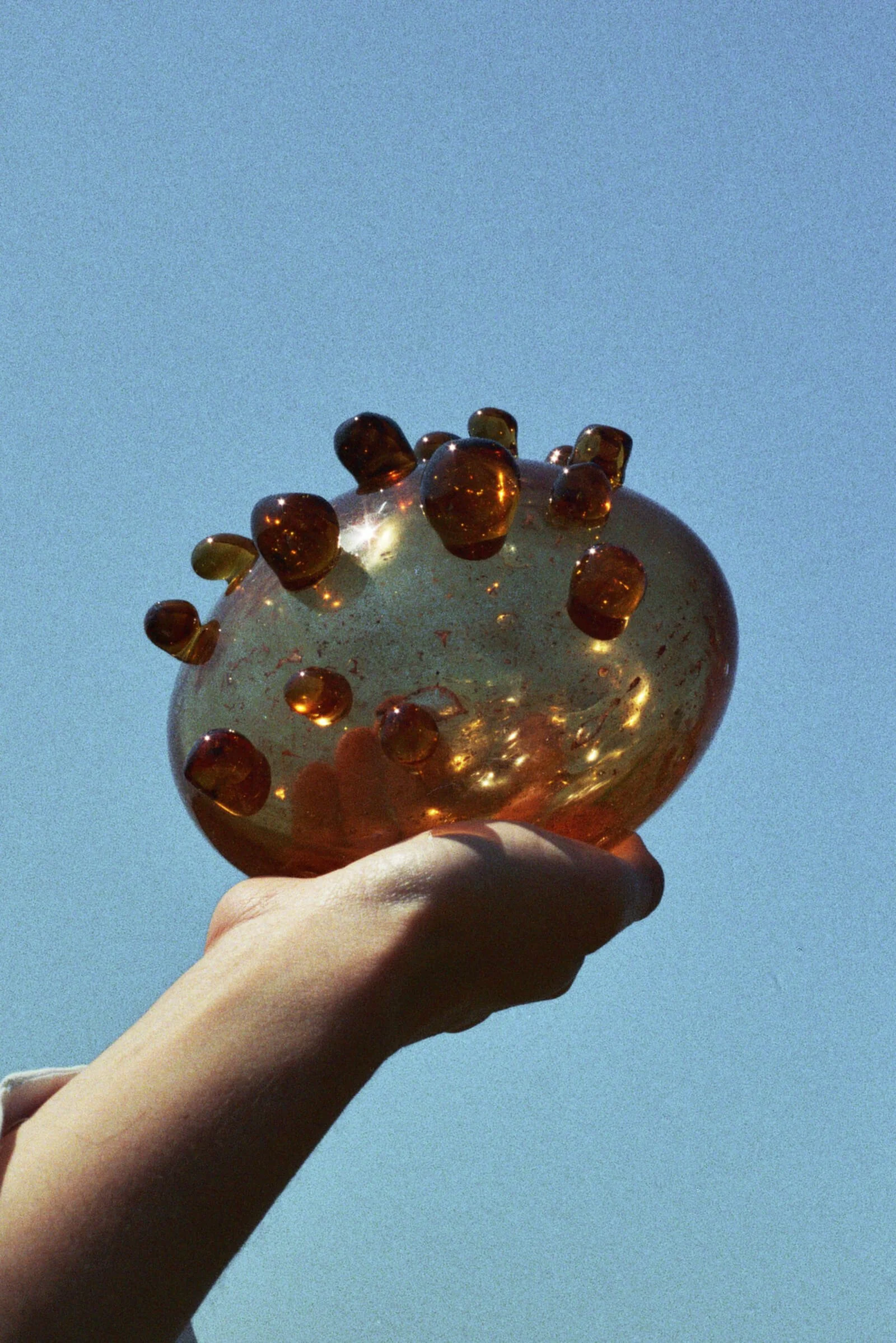
We have a special bond with clay. It’s the material everything started from. We love it because it’s alive, imperfect, and always changing. Besides clay, we’re also really drawn to glass, especially blown Murano glass. It’s a fascinating material that demands respect and dialogue; you can’t fully control it, you have to work with it. In general, we’re drawn to materials with a strong sensory presence, things you can feel and hear and that carry a story within them—now we are exploring the textile world.
DESIGNEERS
Your projects often reveal layers of local identities and material culture. How important is material choice in giving voice to these stories?
Studio Terre
For us, material is never just a tool; it’s part of the message. We often work with local materials—like Lombard clay or Murano glass—precisely because they embody a strong sense of place. We’re interested in letting those traces emerge, even in contemporary forms, because we believe design can be a way to tell stories of places, cultures, and gestures.
DESIGNEERS
Your practice spans architecture, interiors, and product design. How do these disciplines interact in your daily workflow?
Studio Terre
We don’t see strict boundaries between disciplines. Projects cross-inspire one another quite naturally. A detail from a product might spark an idea for an interior, and vice versa. We like to work fluidly, letting scales overlap and each project inform the next. It helps us keep a consistent vision while staying open and flexible.
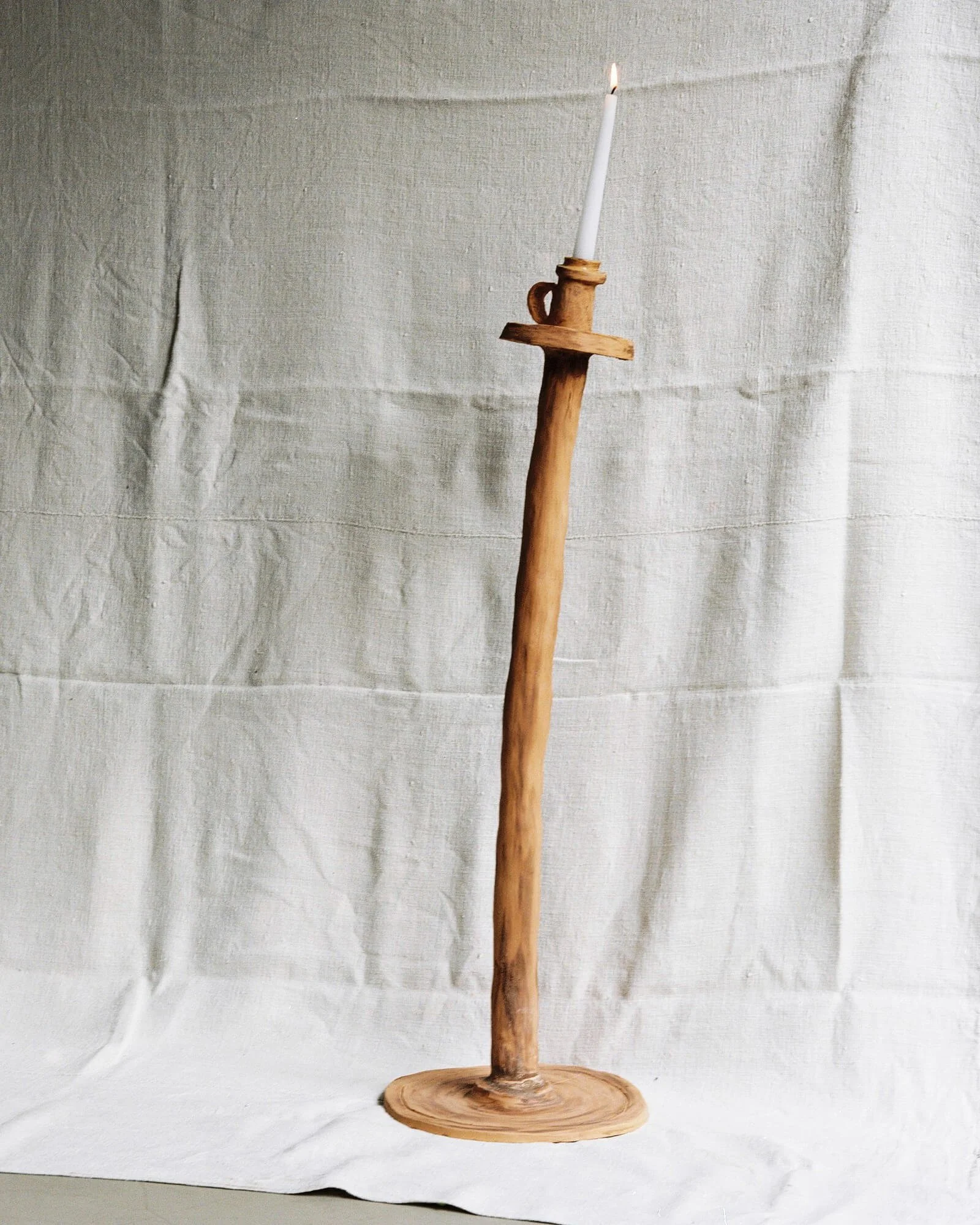
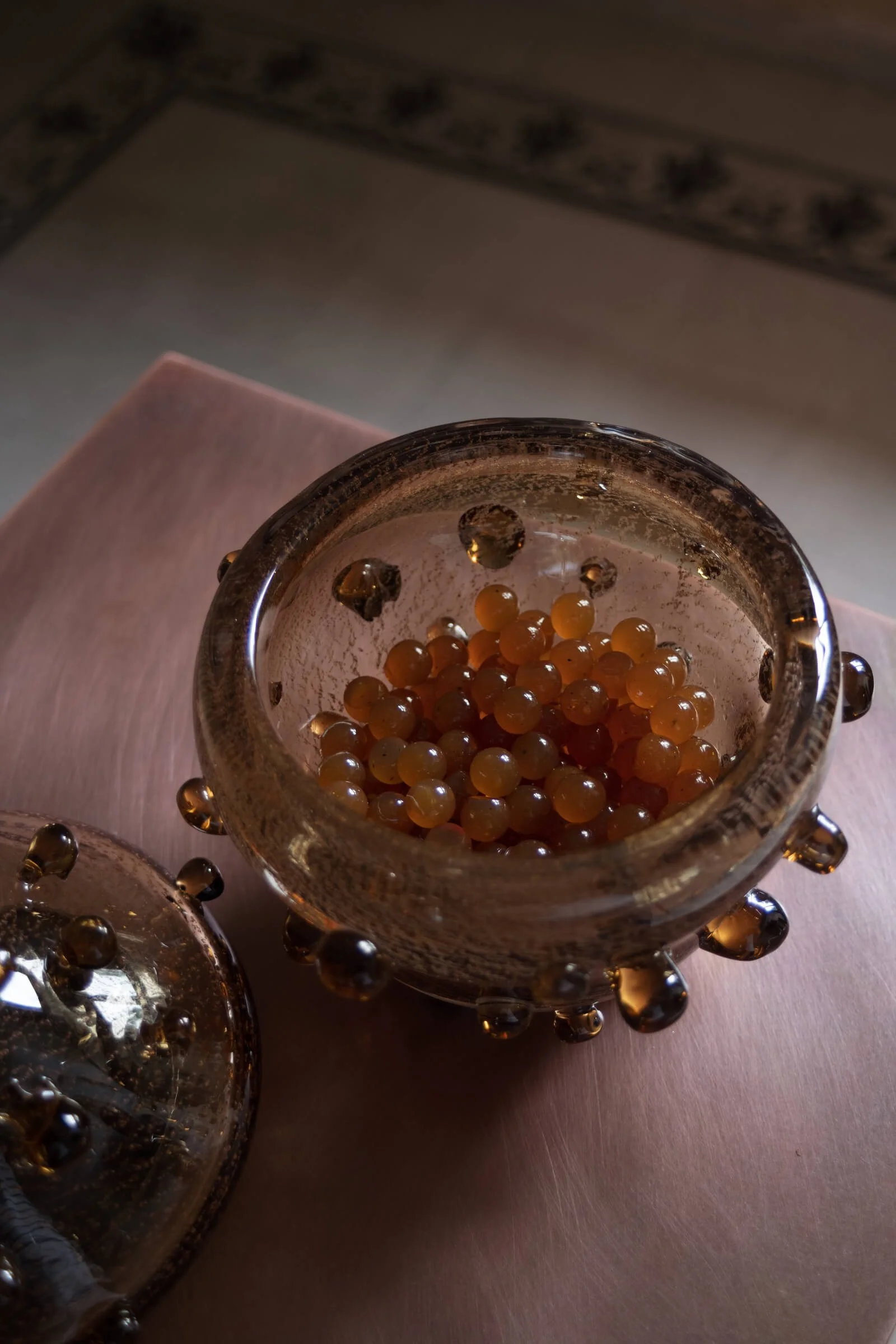
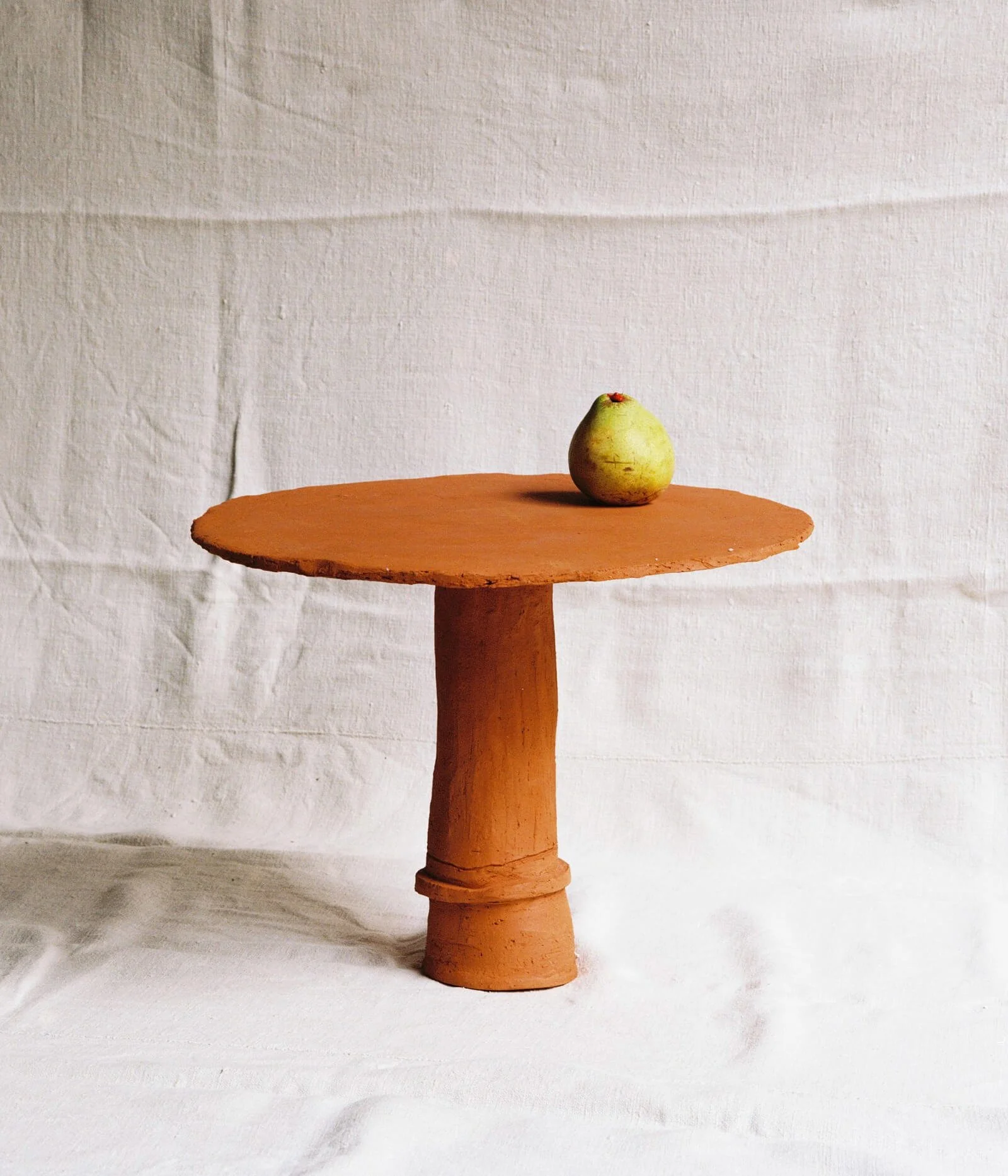
“We’re drawn to materials with a strong sensory presence, things you can feel and hear and that carry a story within them.”
Studio Terre
DESIGNEERS
The Mediterranean seems to run through your aesthetic, in colours, atmosphere, and emotional landscapes. What does this physical and symbolic territory represent for you today?
Studio Terre
For us, the Mediterranean is not a place but a feeling made of light and colours. We aim to bring its atmosphere into our projects as a guide to creating spontaneous beauty.
DESIGNEERS
When you’re not designing, where do you retreat to? A place, a ritual, or something that helps recharge your imagination?
Studio Terre
When we’re not designing, we like to take time for ourselves. Whether it’s a walk in nature, some quiet time with a book, or a chat with friends, these little breaks are essential to recharge our imagination and come back to work with fresh perspectives.
DESIGNEERS
Your work often balances a dialogue between past and present. How do you find harmony between memory and contemporary expression?
Studio Terre
The past inspires us, but we see it with fresh eyes, blending it with the present. The balance is in respecting our traditions while taking a contemporary approach. This way, our projects tell current stories born from memory.
DESIGNEERS
Is there one project that best captures your identity as a studio?
Studio Terre
If we had to pick one, it would probably be Come Stay Taste, shown at Alcova during Fuorisalone 2022. In that project, we brought together our focus on material, sensory research, and storytelling—all expressed in a contemporary, engaging way. It captures how we work: experimental, narrative, and deeply connected to place. That said, every project for us is a unique moment and a step in the ongoing evolution of our creative journey.
DESIGNEERS
Craftsmanship plays a central role in your process. What’s the value of working with your hands, and how does it influence your relationship with materials and ideas?
Studio Terre
For us, working by hand is essential. Touching the material helps us truly understand it and find more natural solutions. That said, it’s not always purely instinctive; it depends on the project. For those closer to product design, we spend a lot of time on careful planning and development.
DESIGNEERS
What visual or cultural references are currently inspiring you the most?
Studio Terre
We’re very inspired by contemporary languages and society, especially how they intertwine and reflect current cultural changes. We’re interested in seeing how these themes influence design and craftsmanship, bringing new ideas and sensibilities.
DESIGNEERS
What is your next dream destination?
Studio Terre
Definitely Southeast Asia and South America.