people • MAKERS
In this exclusive Designeers interview, the creative minds behind Iwan Maktabi, the Middle East’s leading name in luxury rugs and contemporary carpet design, share how they balance cultural heritage with modern innovation. From their Lebanese roots and a family legacy spanning nearly a century to pioneering collaborations with global designers and artists, the team reveals how they are redefining what a carpet can be. We explore the vision behind their Beirut and Dubai showrooms, the experimental spirit of Iwan Maktabi LAB, and their unwavering commitment to craftsmanship, sustainability, and fair trade. This is a story of keeping tradition alive while pushing the boundaries of modern rug design for a discerning, global audience.
Words: designeers
SEPTEMBER 2025
WEBSITE: iwanmaktabi.com
INSTAGRAM: @iwanmaktabiofficial
DESIGNEERS
Iwan Maktabi carries the legacy of a family story that began almost a century ago. What does this heritage mean to you today, both personally and professionally?
Iwan Maktabi
Heritage is our foundation – it’s what grounds us and guides us. On a personal level, it connects us deeply to our grandparents and the values they instilled: appreciation for beauty, craftsmanship, and a slower, more intentional way of life. Professionally, it’s the legacy we’re constantly working to protect and reinterpret. We always say: we don’t see carpet-making as ashes to be preserved, but as a fire to keep alive. That fire represents creativity, purpose, and a living craft. It’s what drives us to innovate while remaining rooted in tradition.
DESIGNEERS
Each of you plays a distinct role in the company. How do your individual backgrounds and strengths complement one another in shaping the brand?
Iwan Maktabi
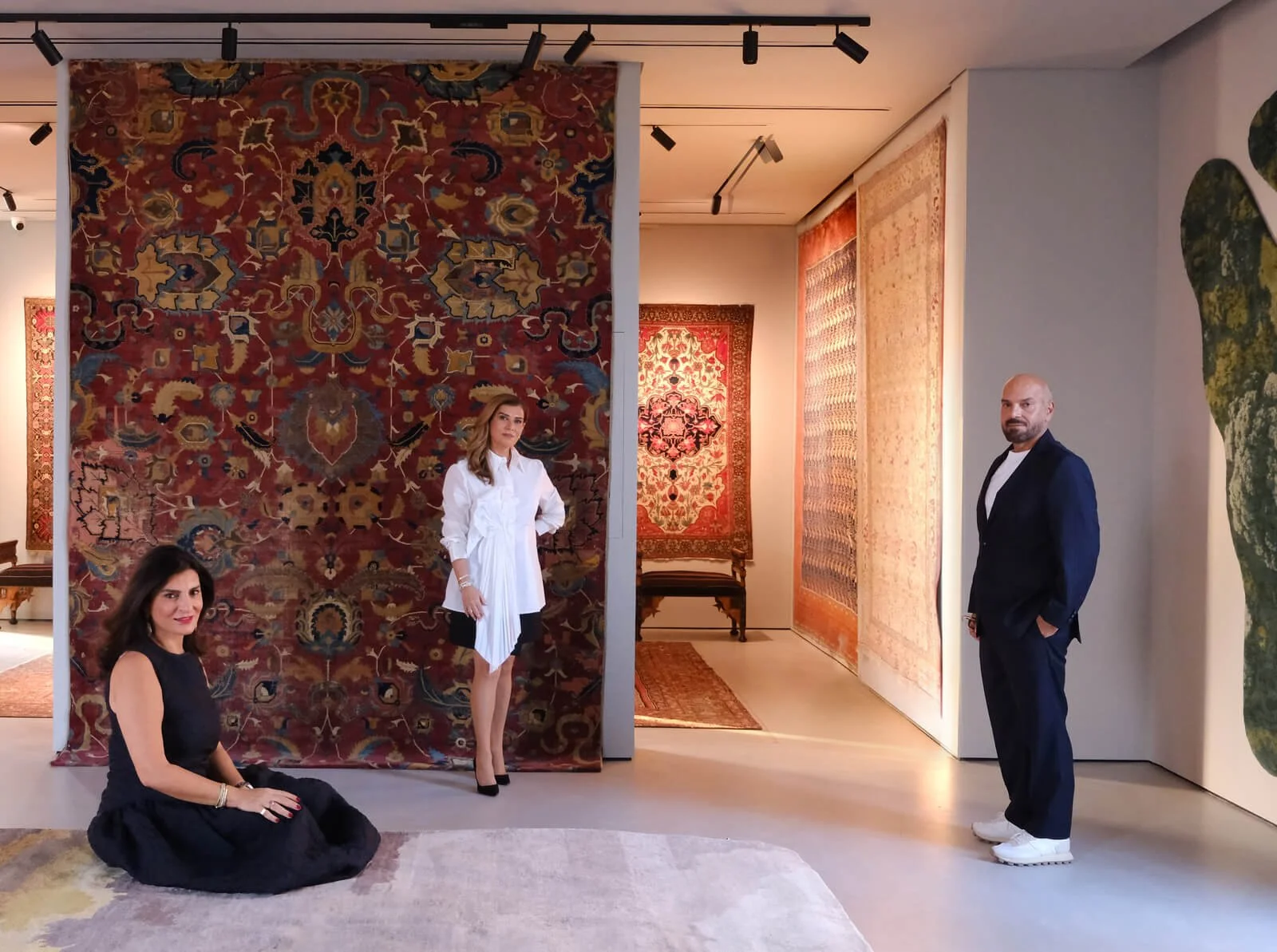
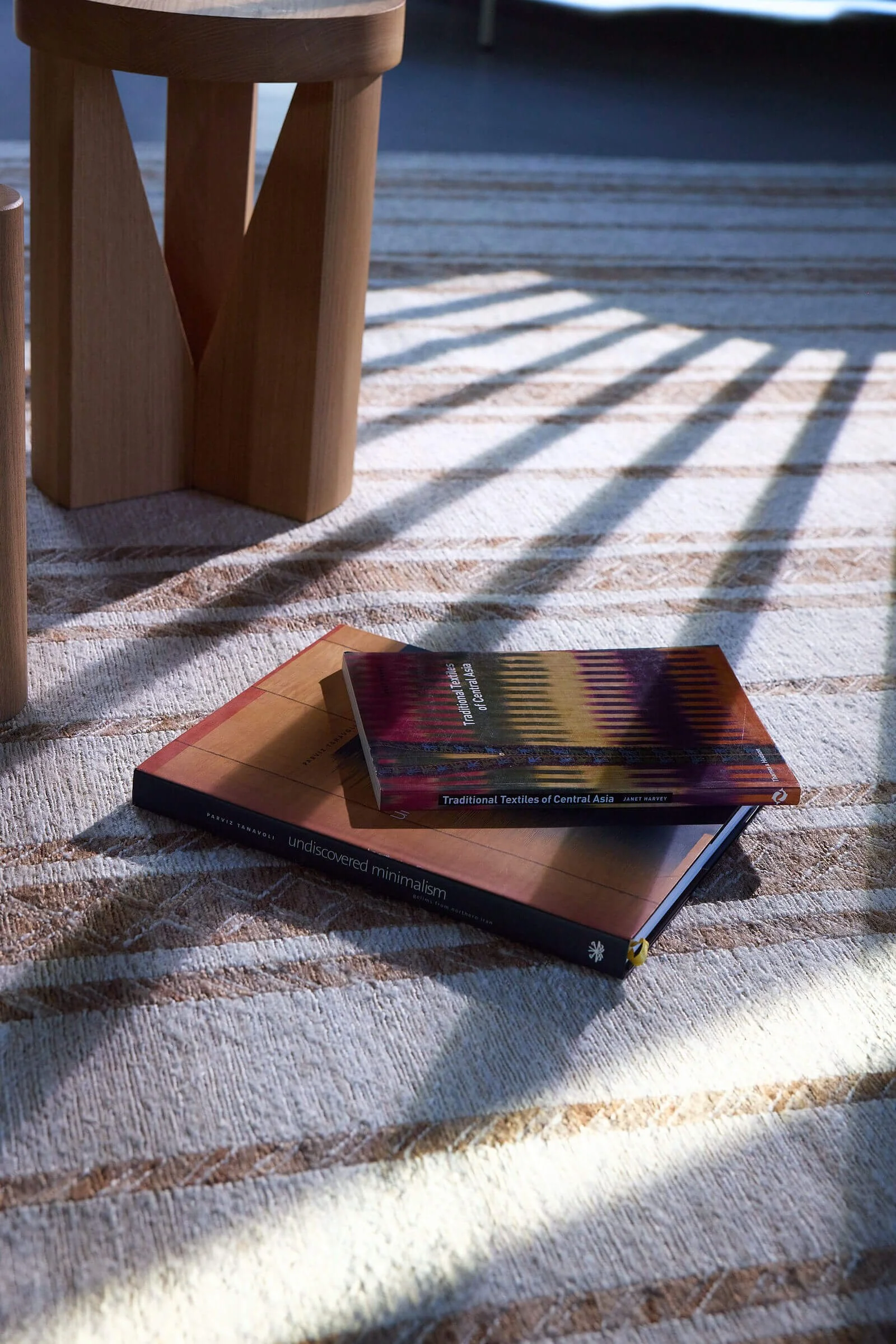
We often describe ourselves as a triangle, each point bringing something unique to the whole. Mohamed leads on creative direction and visionary collaborations, always pushing boundaries and challenging how carpets are perceived. Chirine adds curatorial depth, especially in Beirut, and has a strong connection with the local design and art community. Mona anchors the brand in Dubai, building relationships within the regional design scene and expanding our presence in the Gulf. What ties us together is a shared intuition and deep trust in one another’s judgment. We challenge each other, but we’re always aligned on the bigger picture.
DESIGNEERS
Over the years, you've collaborated with renowned designers and artists. What do you look for in a creative partnership?
Iwan Maktabi
Curiosity. The most inspiring collaborations are with creatives who don’t come from the carpet world – people like architects, painters, fashion designers – who approach the medium with a fresh perspective. We love when someone sees a carpet not just as a product, but as a surface for storytelling and experimentation. We’re not looking for safe or commercial; we’re drawn to people who take risks and have something to say visually. Those are the partnerships that really leave a mark.
DESIGNEERS
The carpets you produce carry deep cultural references while feeling entirely contemporary. How do you strike that balance between tradition and innovation?
Iwan Maktabi
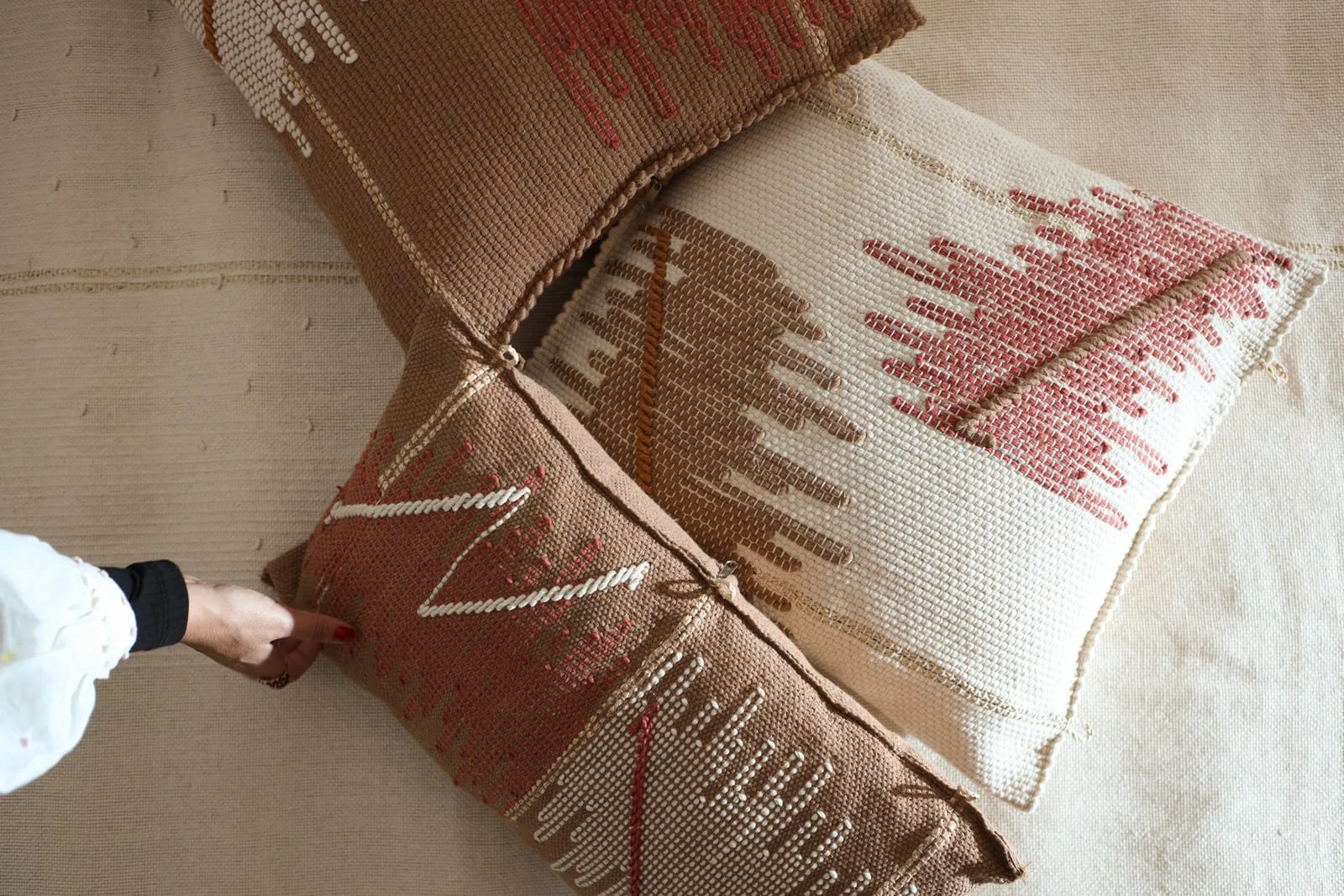
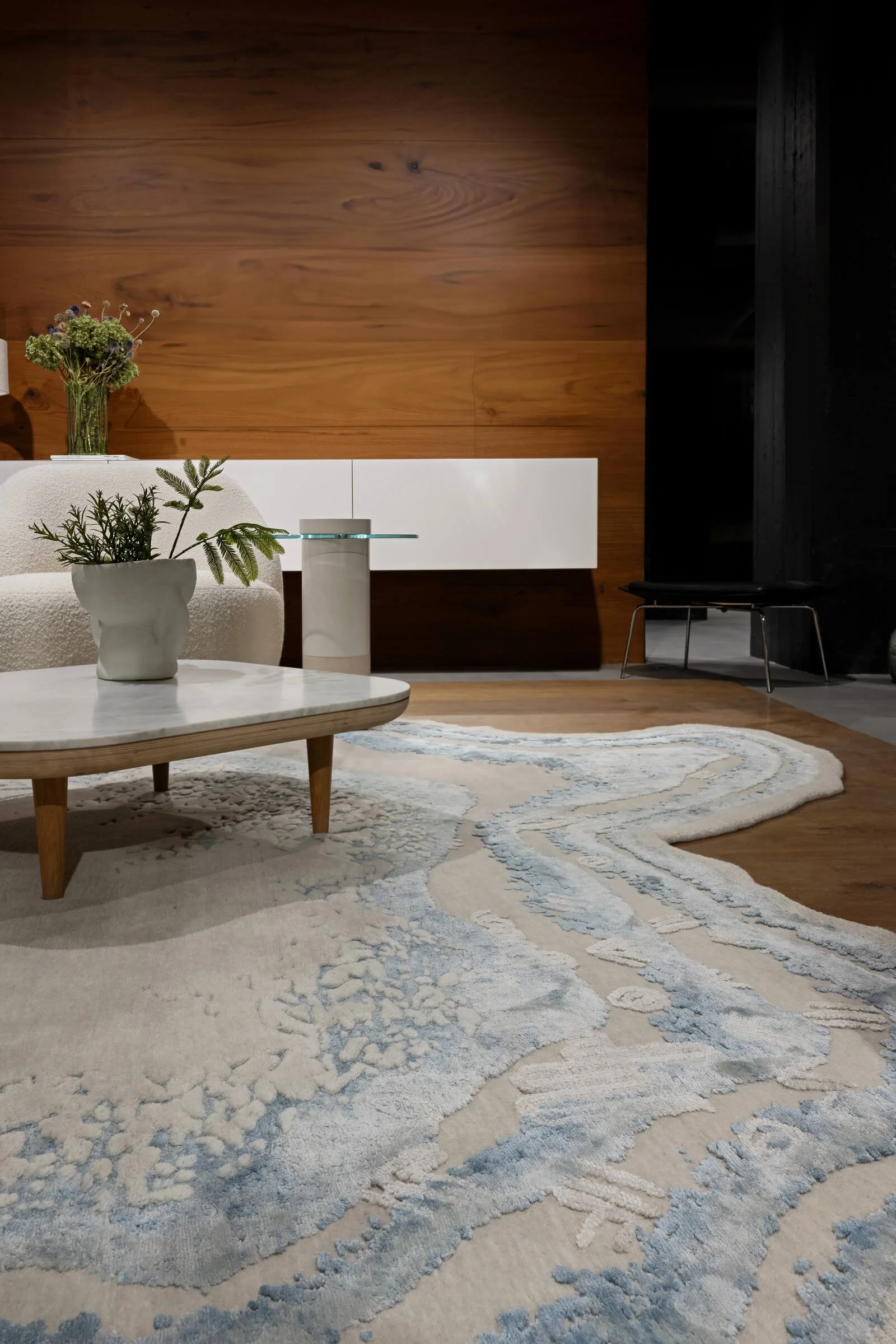
For us, tradition is a source of inspiration, not a limitation. Many of our collections begin with historical references – motifs, weaving techniques, or regional influences – but they’re always filtered through a contemporary eye. We don’t try to replicate the past; we reinterpret it. And our artisans play a big role in that process. They’re masters of their craft but also open to exploring new materials, patterns, and structures. It’s this dialogue between old and new, hand and mind, that allows us to strike that balance.
DESIGNEERS
With showrooms in multiple countries, how do you adapt your curatorial eye to different audiences and cultural contexts?
Iwan Maktabi
We adapt, but we stay true to our identity. Whether in Beirut or Dubai, our curatorial eye is rooted in authenticity. Of course, we’re attentive to regional tastes, but we believe in presenting strong narratives and letting people discover something they didn’t expect. The context may shift, but the soul of the collection remains intact.
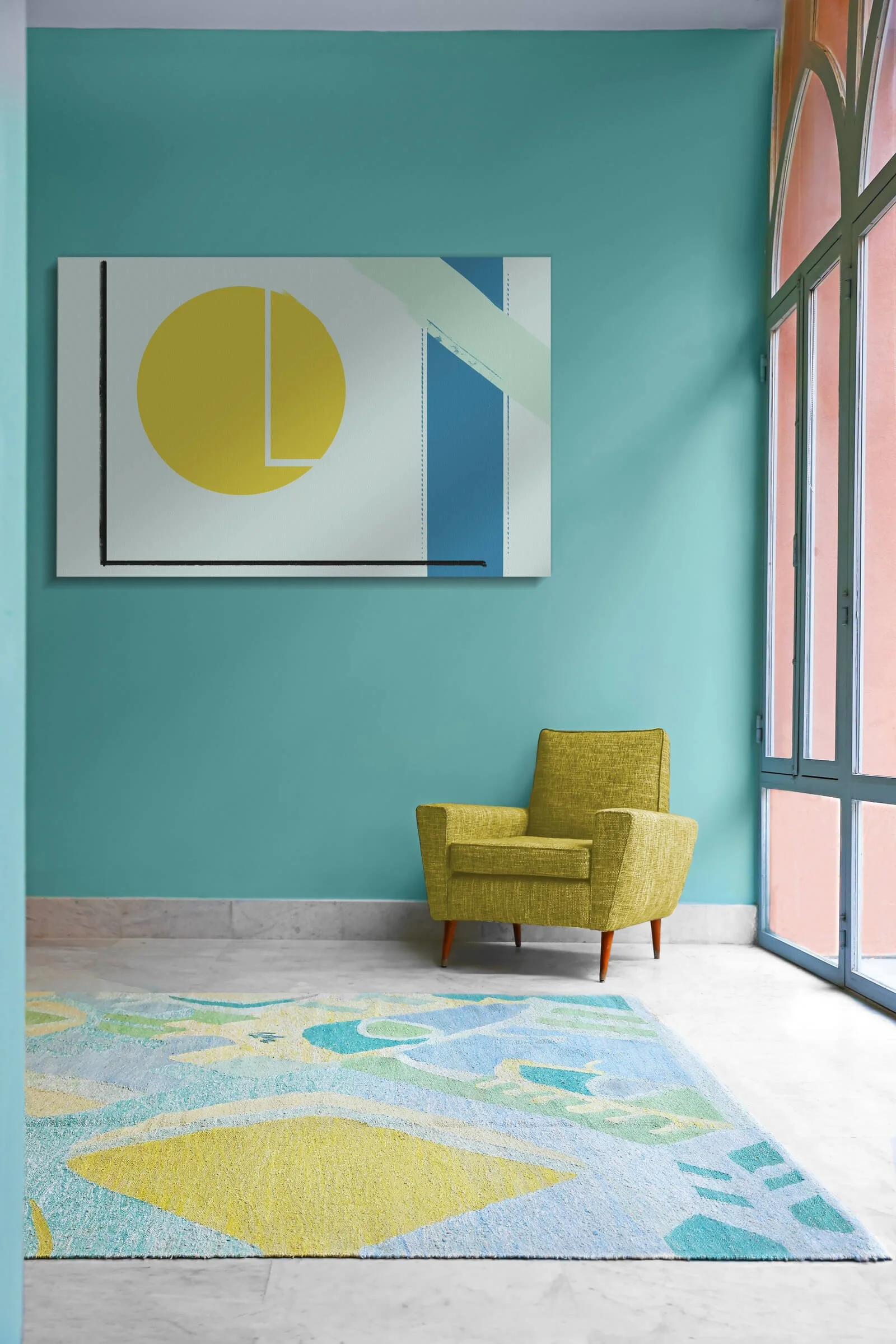
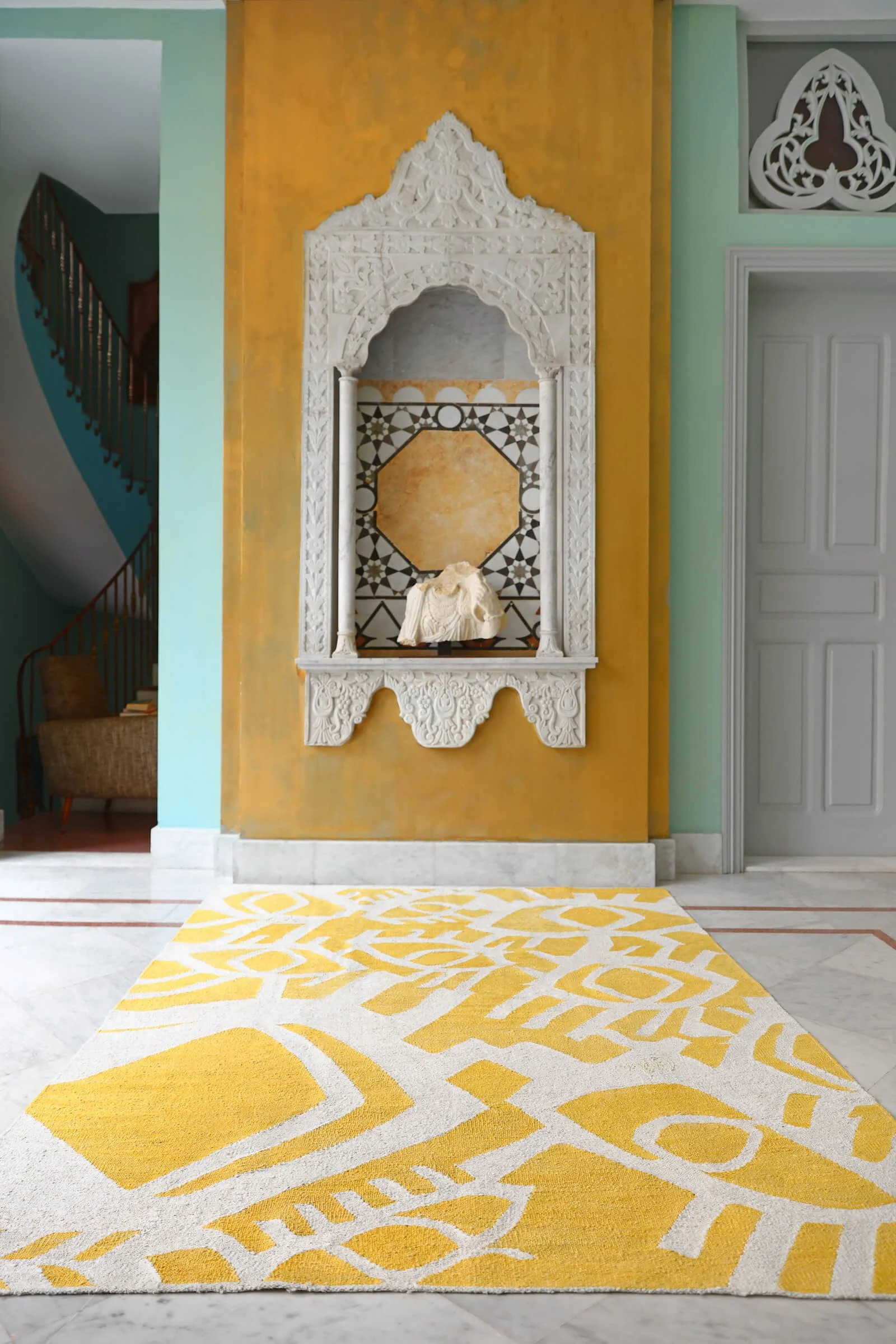
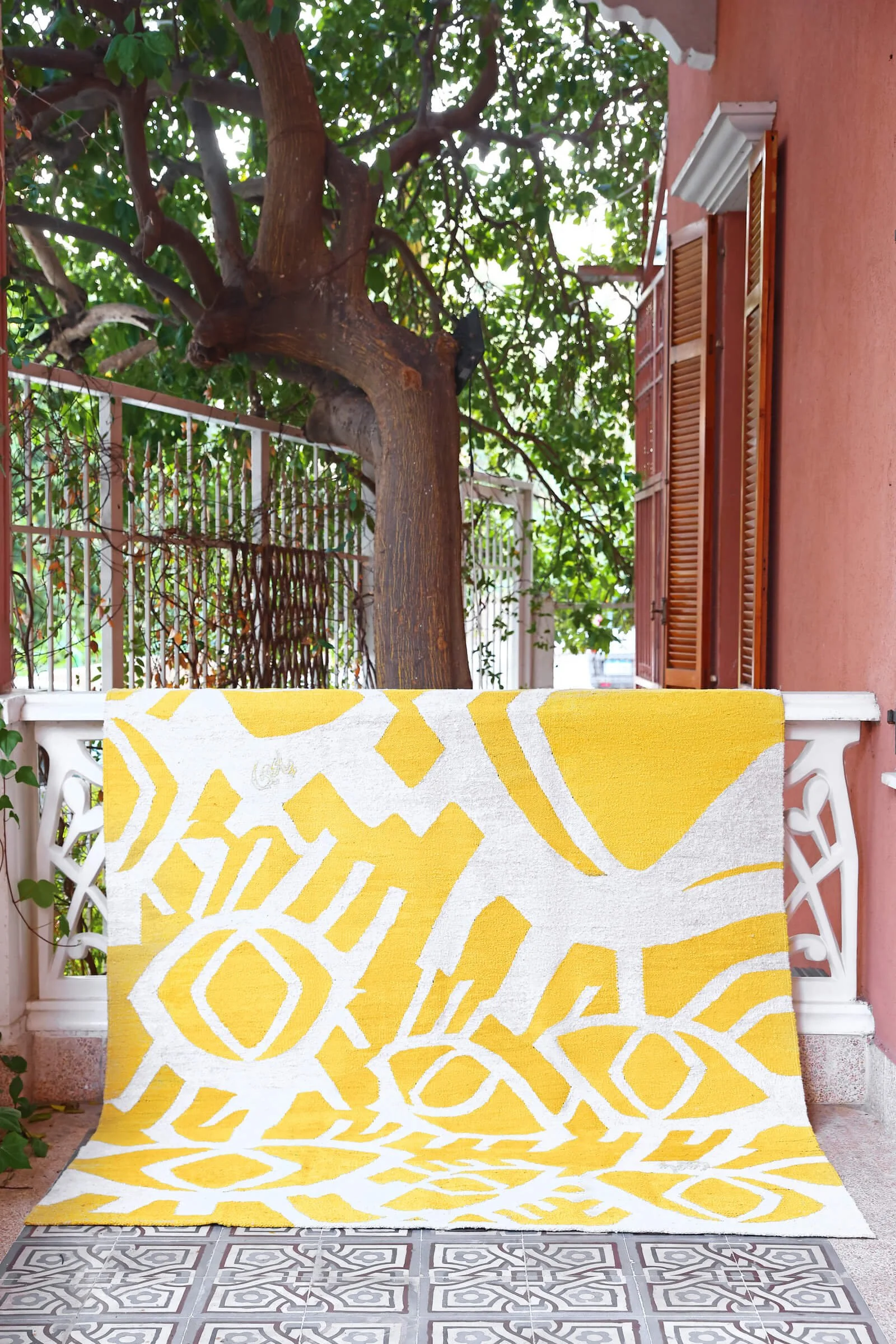
“The LAB is our creative playground – where we experiment with bold ideas, unconventional materials, and unexpected techniques. It’s also a space for dialogue, not just with designers and artists, but with the weavers themselves.”
IWAN MAKTABI
DESIGNEERS
Iwan Maktabi LAB is one of your most intriguing ventures – can you tell us more about its purpose and the type of experimentation it allows?
Iwan Maktabi
The LAB is our creative playground – where we experiment with bold ideas, unconventional materials, and unexpected techniques. It’s also a space for dialogue, not just with designers and artists, but with the weavers themselves. Some of our most iconic pieces have come out of the LAB. It’s not about mass production – it’s about exploration, risk, and surprise.
DESIGNEERS
Mona, you’ve played a pivotal role in establishing the brand’s presence in the UAE. How has the design scene in Dubai evolved through your lens?
Iwan Maktabi
Dubai’s design landscape has really come into its own. When we first entered the market, there was a timid interest. Over the years, we’ve seen a shift, a deeper appreciation for storytelling, for pieces that carry meaning and craft. There’s also a growing ecosystem of designers, collectors, and institutions that are shaping a distinct regional identity. I’ve seen people evolve from casual buyers into passionate collectors, and temporary spaces turn into permanent communities. It’s been incredibly rewarding to be part of that growth.
DESIGNEERS
Chirine, you’ve worked closely with designers in Lebanon, even launching initiatives like One Carpet for Love. How do you see design as a tool for resilience and expression in a country facing ongoing challenges?
Iwan Maktabi
In Lebanon, design is far more than aesthetics, it’s a form of resilience, of reclaiming space and identity amid uncertainty. One Carpet for Love came from the belief that creativity can bring people together and foster healing. When so much around us is fragile, weaving becomes both a grounding ritual and a way of telling stories that might otherwise be lost. Collaborating with local designers also reinforces our belief in beauty as a quiet act of resistance – and a way of staying connected to hope.
DESIGNEERS
Sustainability and fair trade are cornerstones of your philosophy. How do these values inform your day-to-day decisions – from sourcing to production?
Iwan Maktabi
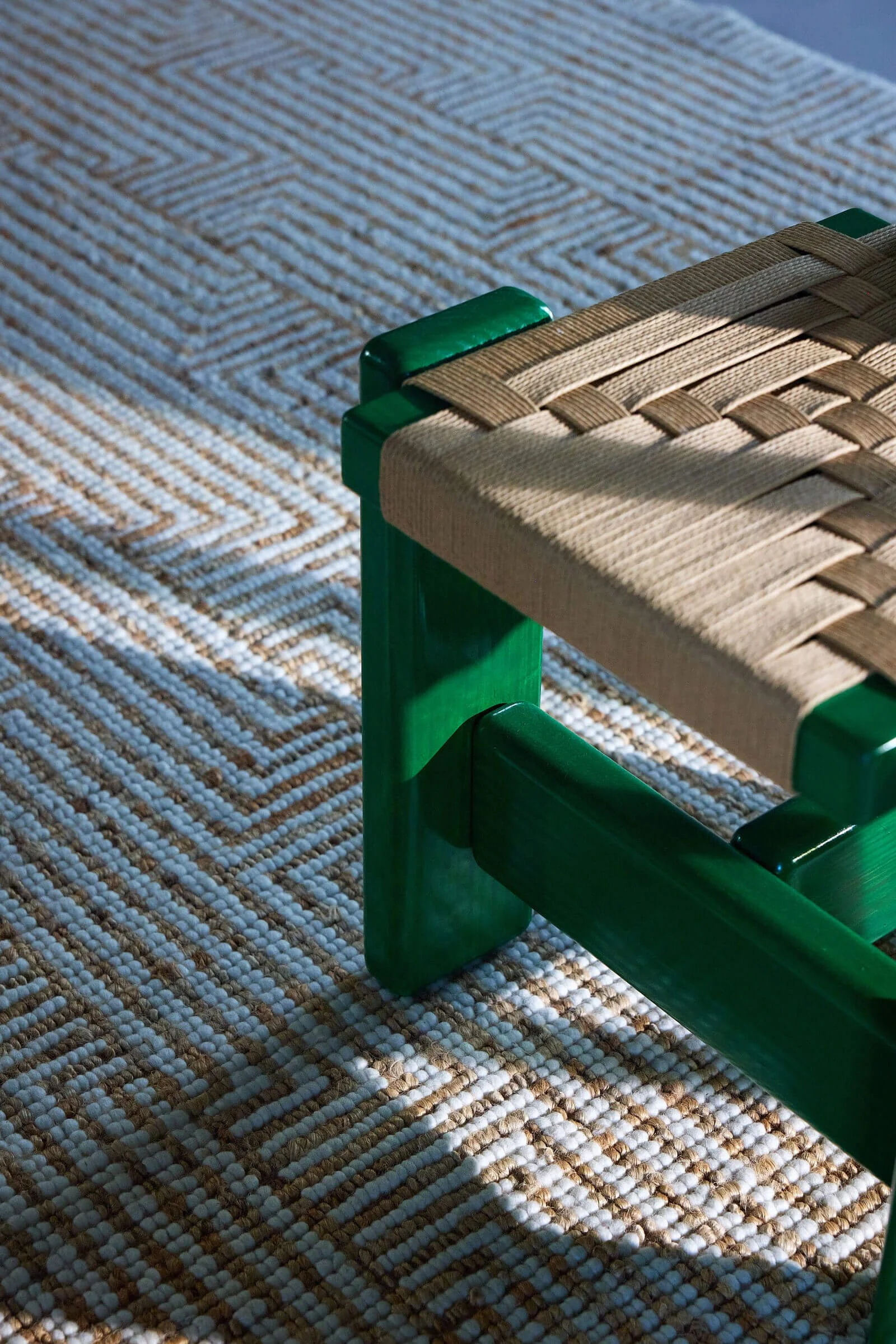
We work closely with weaving communities in Nepal and India, ensuring that our production is both ethical and transparent. We choose natural materials like wool, silk, nettle, and hemp, and invest in low-impact dyeing processes. Sustainability isn’t a trend for us—it’s an extension of our respect for the craft and the people behind it.
These values are woven into every part of our process. We’ve built close, long-term relationships with weaving communities in Nepal and India, ensuring that our production is both ethical and transparent. We work with natural materials – wool, silk, nettle, hemp – and prioritize low-impact dyeing techniques. For us, sustainability isn’t just a trend – it’s about honouring the people and the craft, and making sure that the beauty we create doesn't come at the cost of the environment or the artisans behind it.
DESIGNEERS
With the new Dubai flagship becoming a cultural hub, how do you envision the future of Iwan Maktabi beyond retail?
Iwan Maktabi
We’ve never seen Iwan Maktabi as just a retail space. Our flagship in Dubai has evolved into a space for dialogue – for hosting cultural events, storytelling, and creative exchanges. The future lies in deepening those cultural dialogues, hosting more exhibitions, and perhaps even publishing. We want to be part of the global design discourse – not just as a brand, but as a platform.
DESIGNEERS
What’s a project or collaboration that has left a lasting emotional mark on you?
Iwan Maktabi
The Libas collection, developed in partnership with the Mansoojat Foundation, was particularly special. Inspired by traditional Saudi garments, it was a deep exploration of cultural heritage and the stories embedded in fabric. Bringing those elements into the world of carpet design was powerful – not only from an artistic standpoint but emotionally as well. Seeing the response in Riyadh was incredibly rewarding.
DESIGNEERS
Finally, what advice would you give to the next generation of creatives who wish to work with heritage, but speak to the present?
Iwan Maktabi
Don’t imitate, interpret. Heritage should be treated as a living source, not a static reference. Take the time to understand it, to listen to its nuances, but then find your own way of expressing it. Your voice matters just as much as the past you're referencing. Be bold, be thoughtful, and most importantly, stay curious. The most compelling work happens when you engage with tradition, but aren’t afraid to challenge it.