Inside Lama Hourani’s Sculptural Jewellery Showroom in Shanghai
people • artists
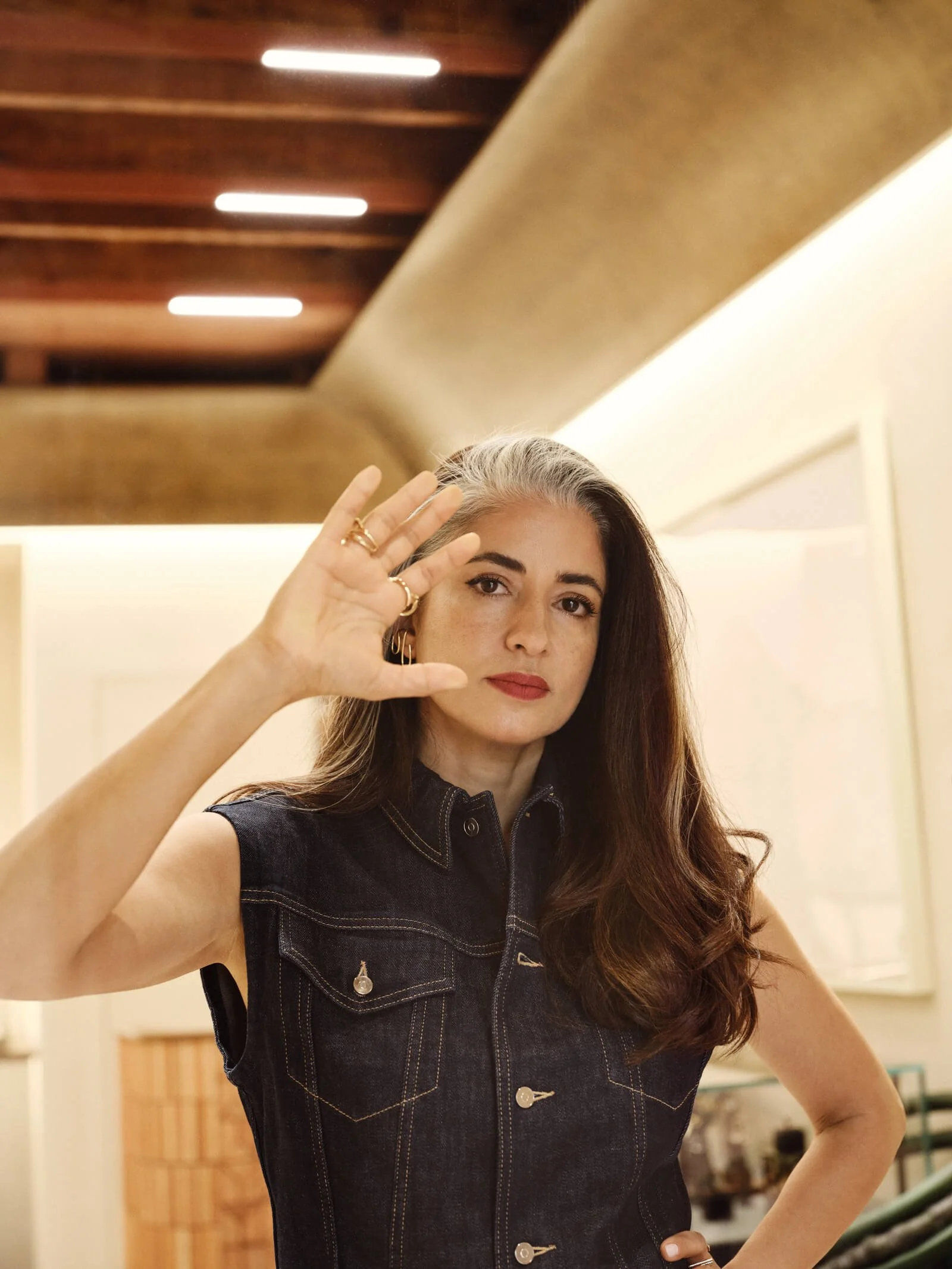
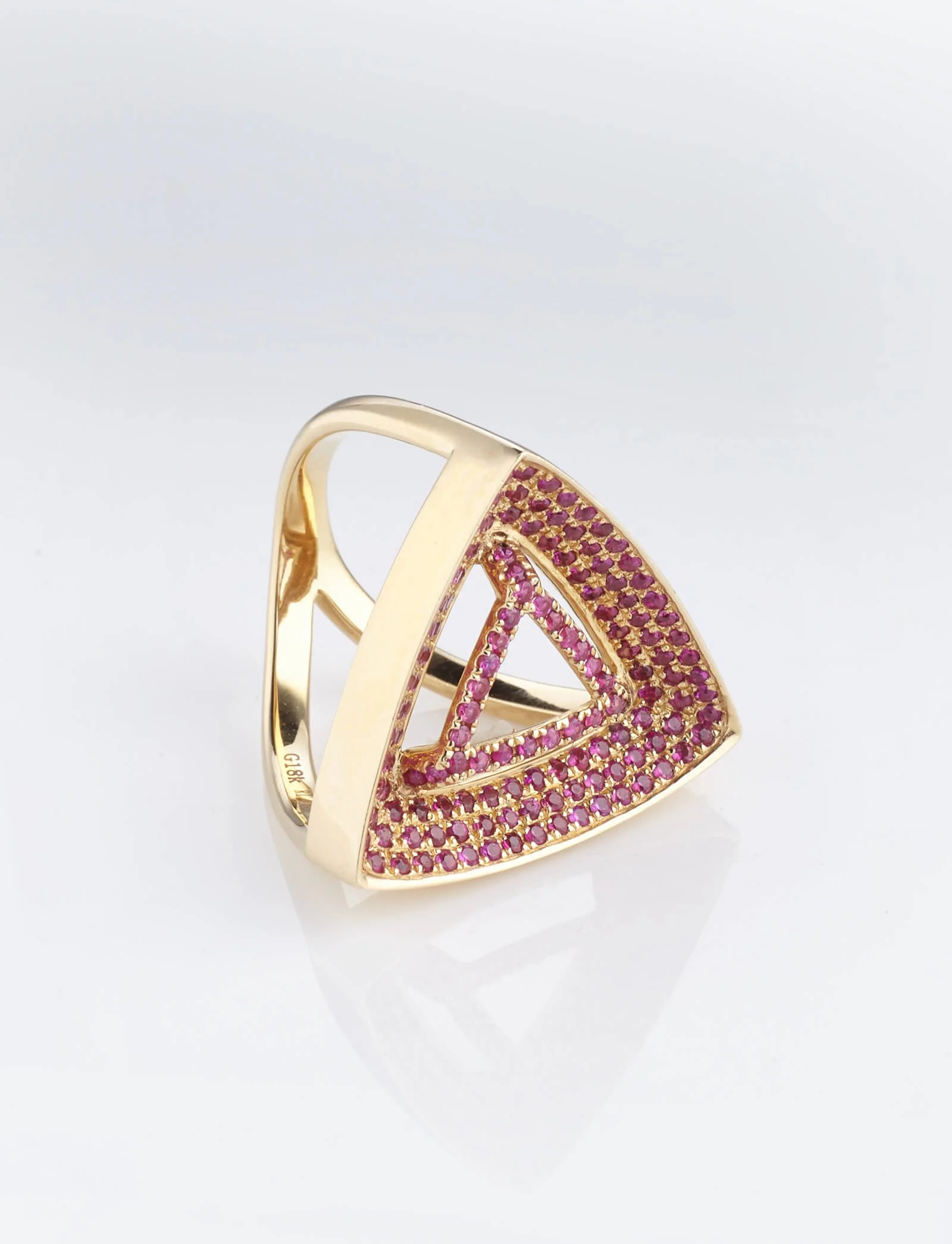
Blending jewellery, architecture, and cultural storytelling, Lama Hourani is a Middle Eastern jewellery designer whose sculptural, multidisciplinary approach bridges art, identity, and space. With roots in Jordan and a creative base in Shanghai, her eponymous Lama Hourani jewellery line explores the boundaries between object design, contemporary jewellery, and architectural form.
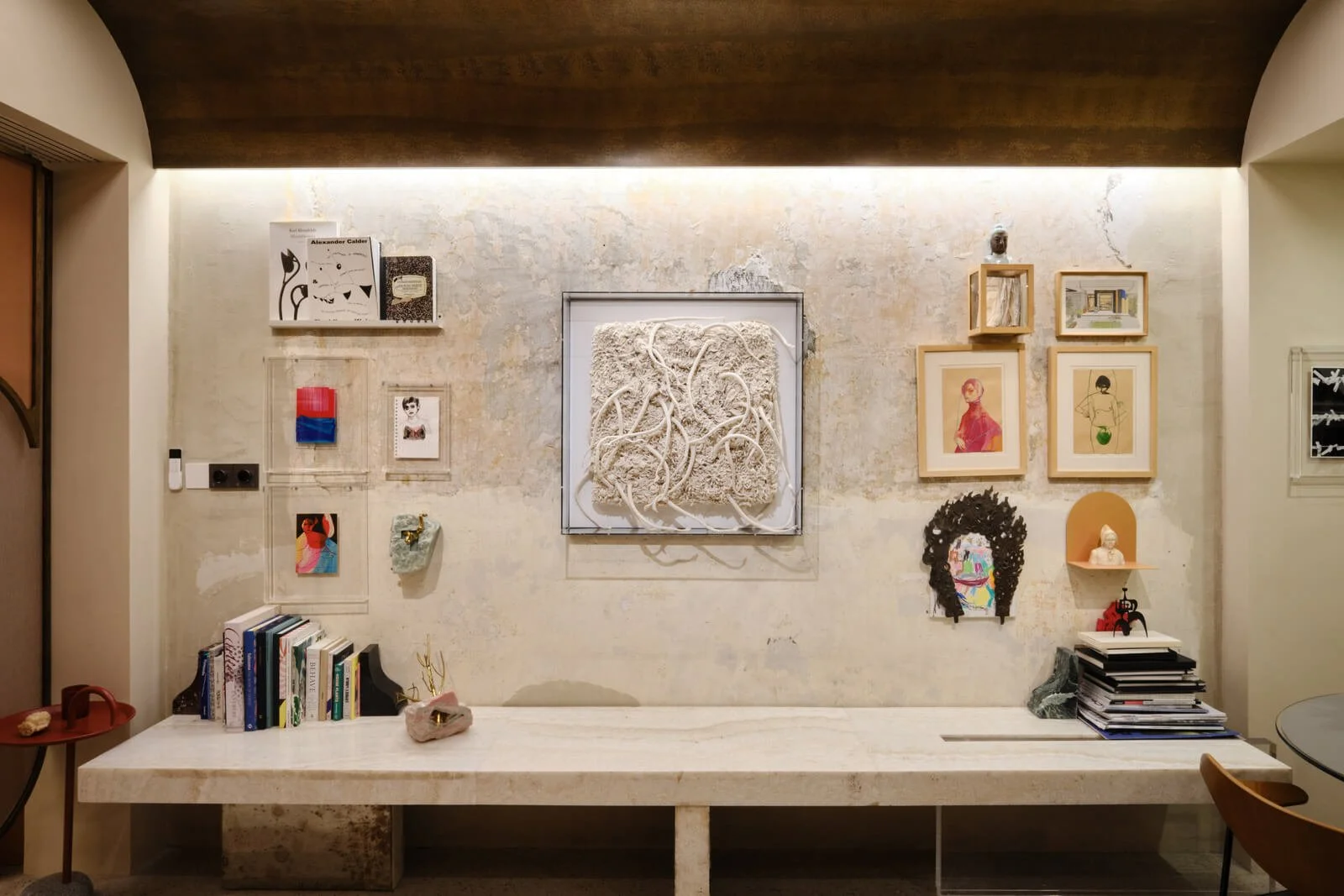
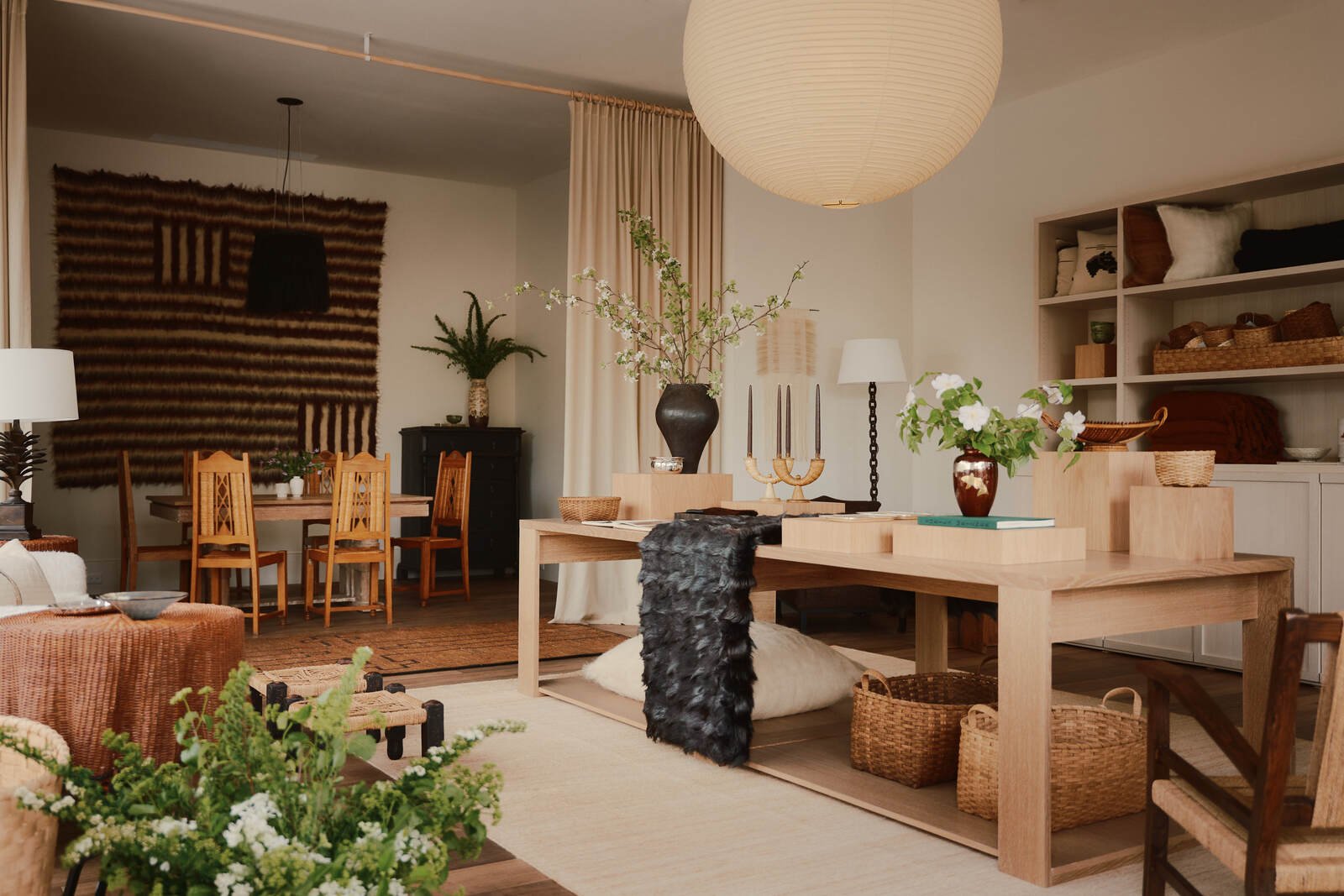
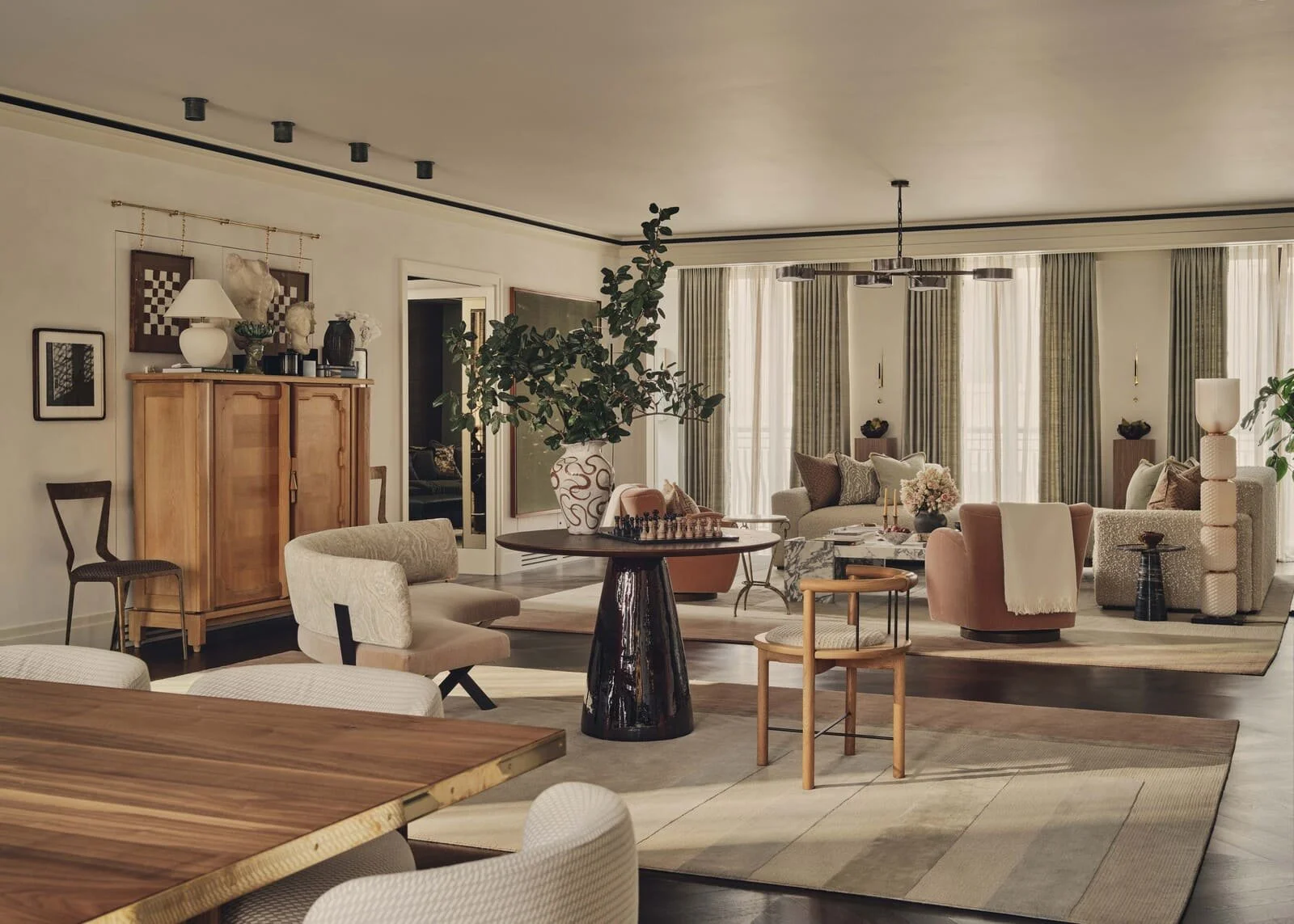
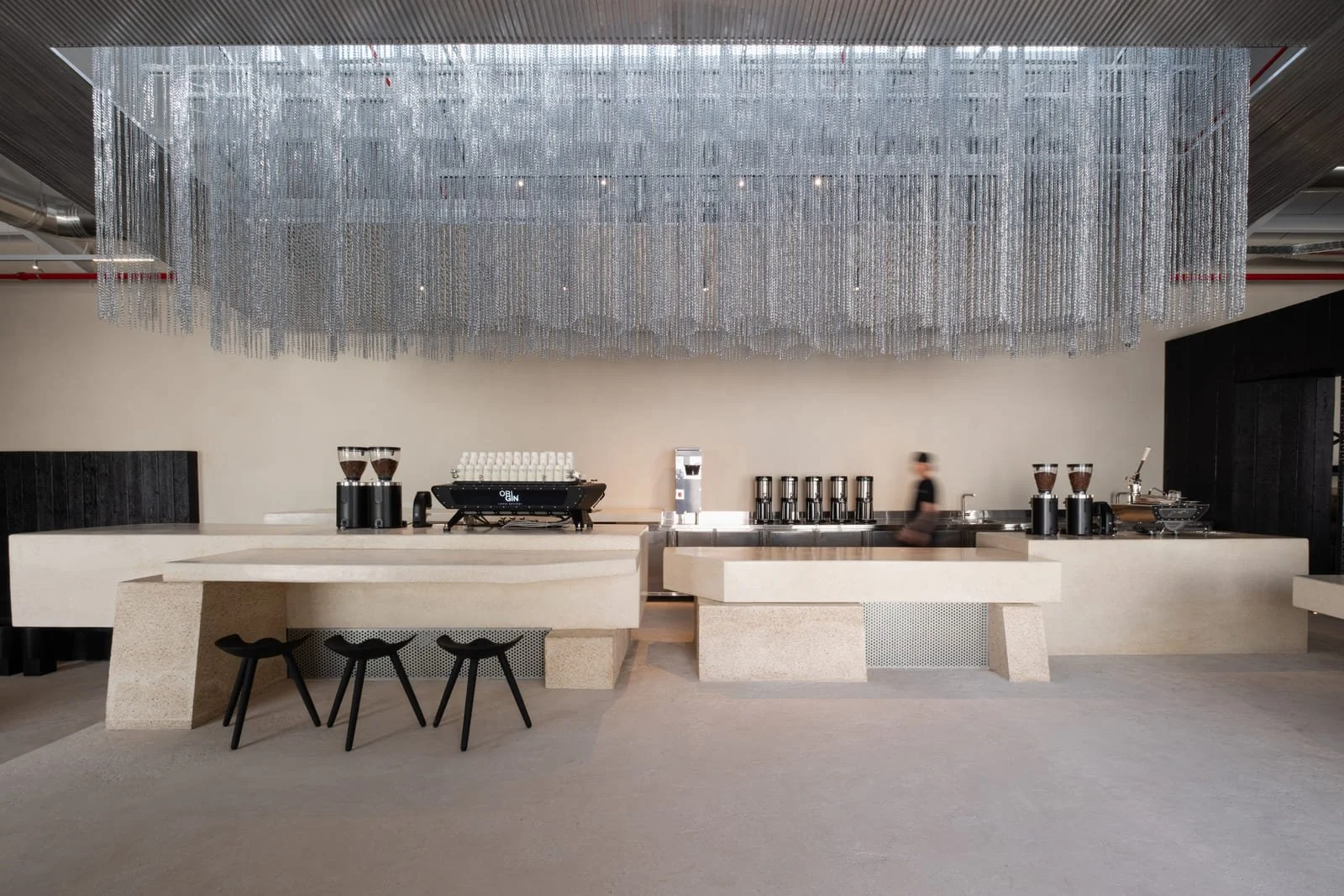
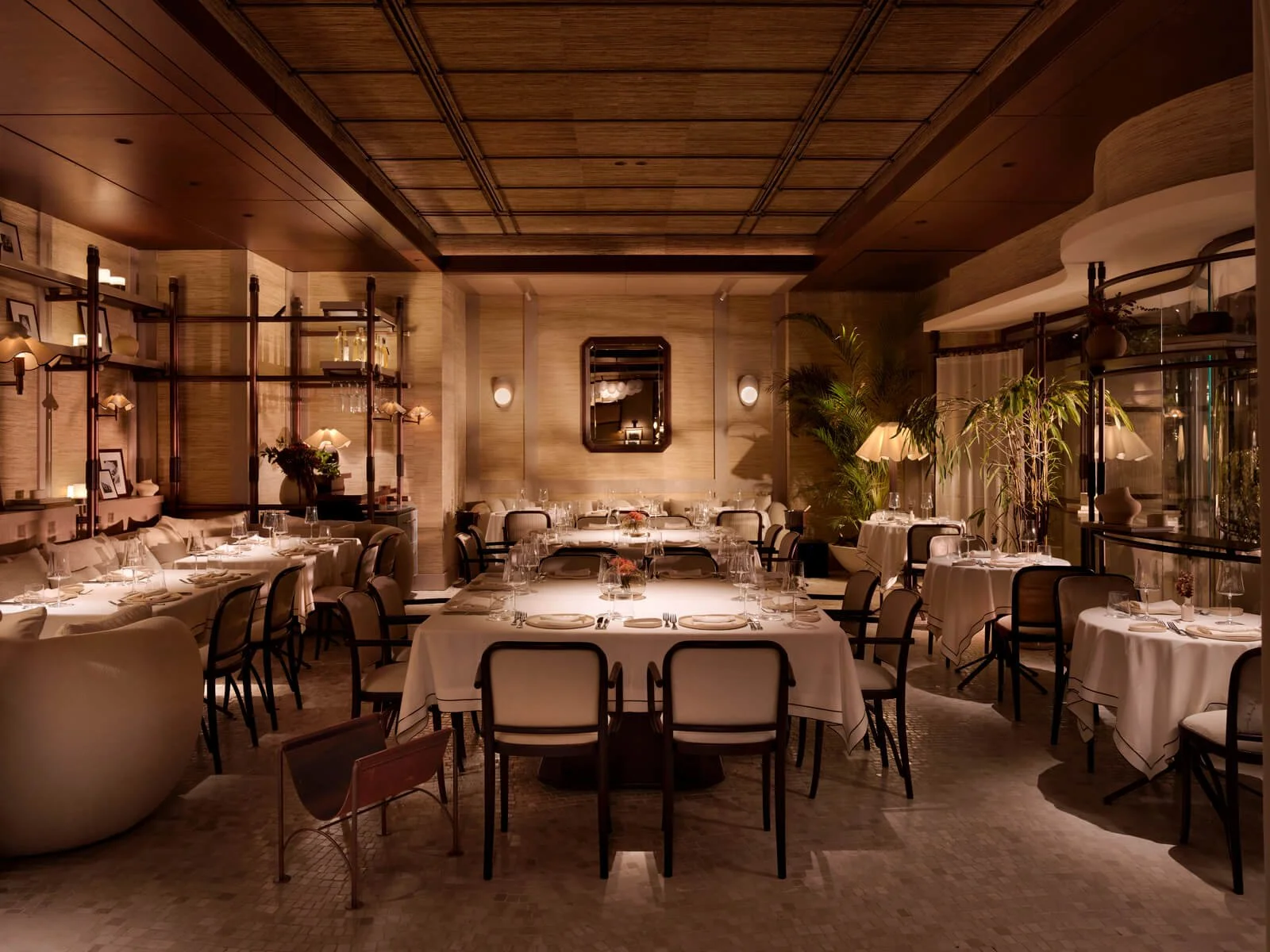
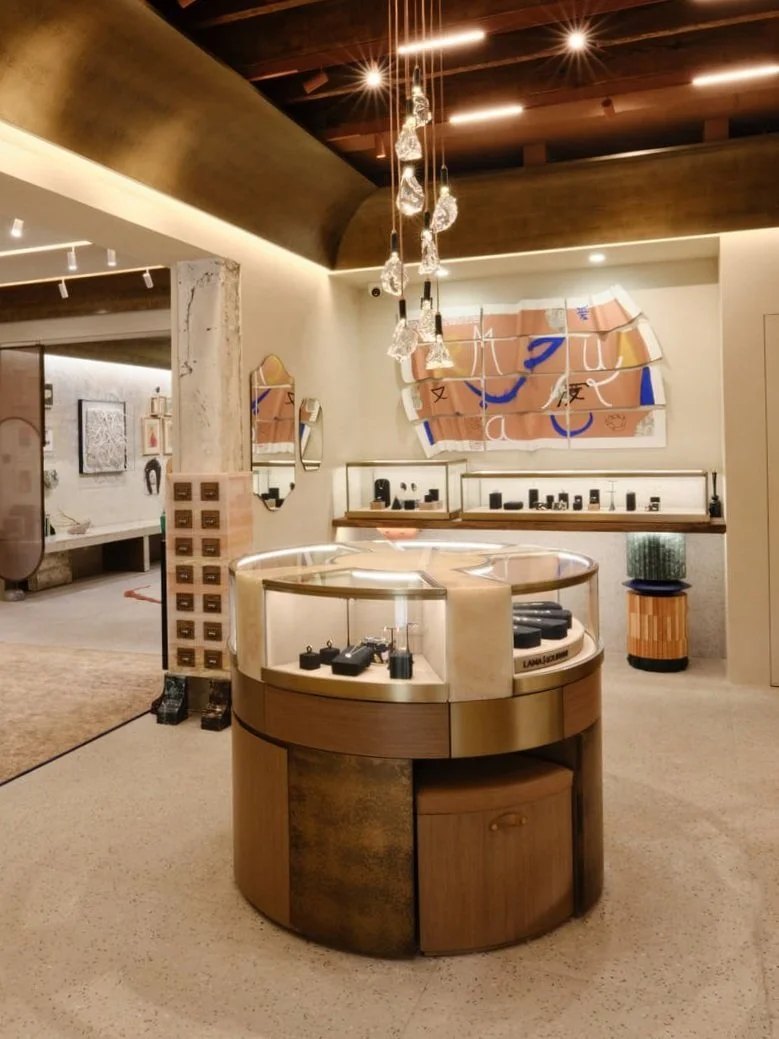
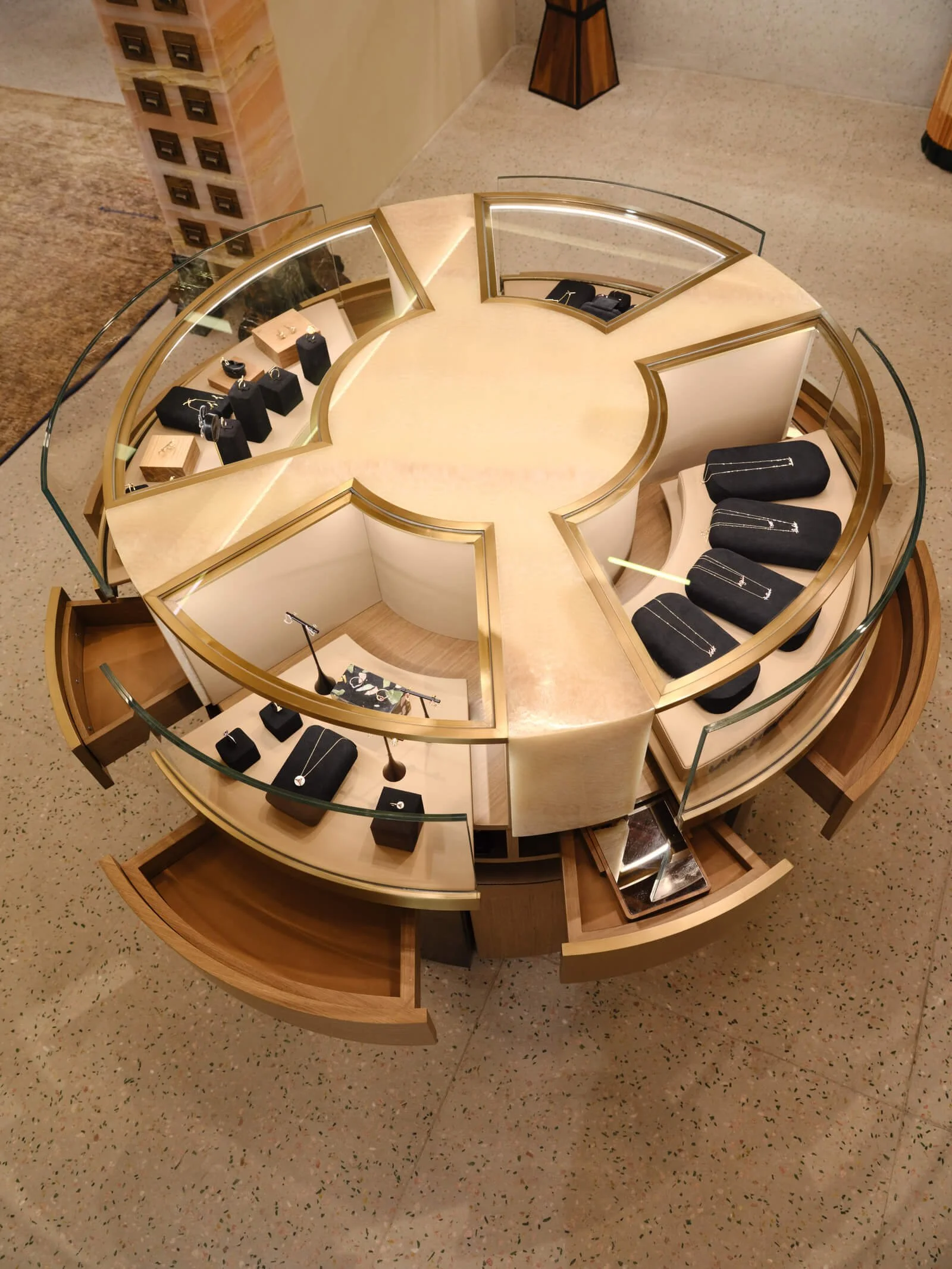
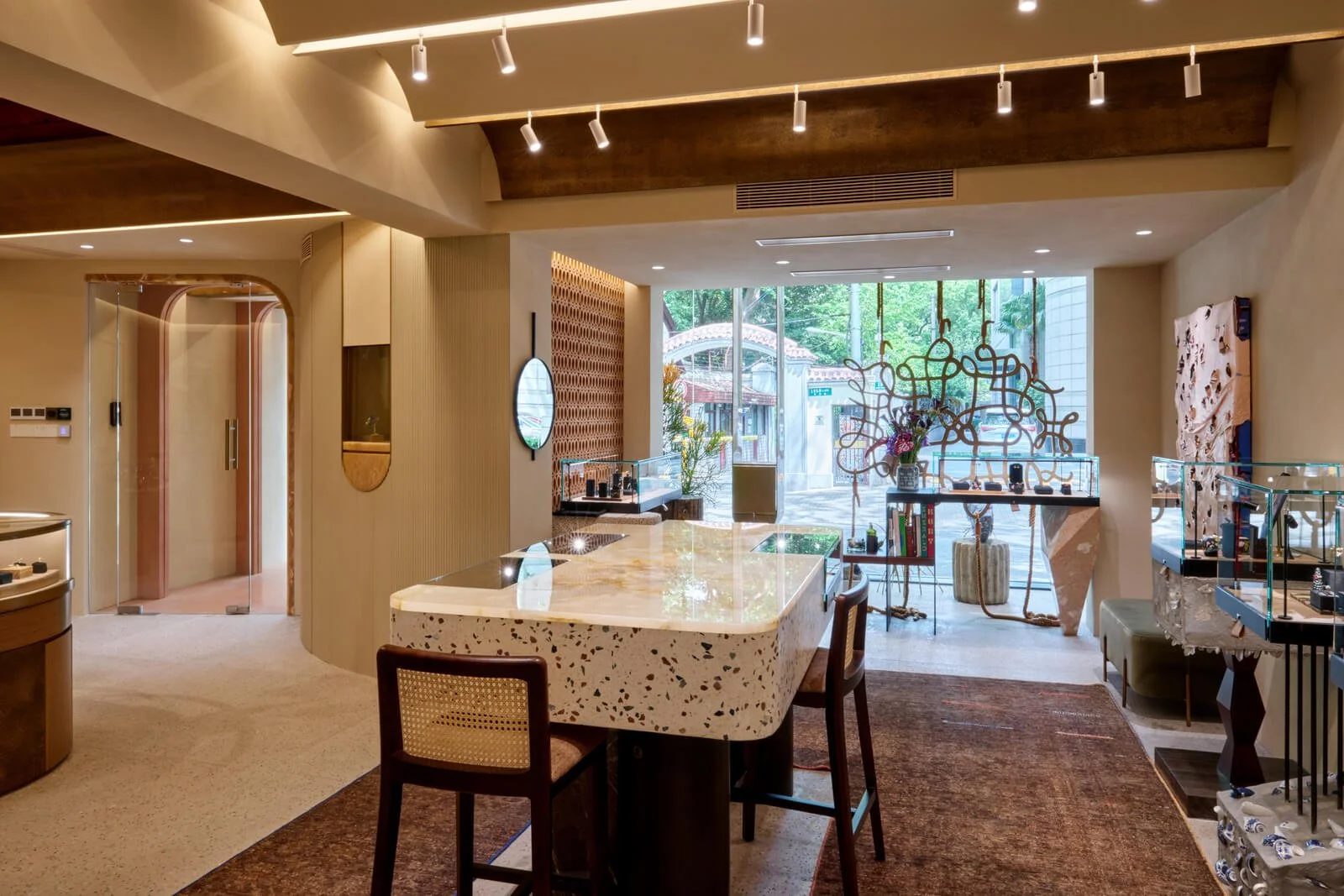
Her newly designed jewellery boutique in Shanghai reflects this philosophy in every detail. More than a retail space, it’s an immersive interior experience—a minimalist yet emotive environment where raw textures, sculptural displays, and curated lighting echo the material poetry of her collections. Drawing inspiration from archaeology, urban landscapes, and Middle Eastern design heritage, Lama creates a space where jewellery becomes both wearable art and spatial installation.
Celebrated for her commitment to women’s empowerment, cultural jewellery, and symbolic design, Lama shares with Designeers the story behind her boutique interior design, the role of cultural memory in her process, and how her showroom captures the poetic tension between permanence and movement.
Words: designeers
juLY 2025
WEBSITE: lamahourani.com
INSTAGRAM: @lamahourani
DESIGNEERS
Your designs often reflect a blend of cultural and architectural influences. Could you share how your travels and experiences have shaped your creative vision?
Lama Hourani
Shanghai represents a bridge between the brand’s Middle Eastern identity and Asia’s evolving creative pulse. By establishing our studio here, we’re positioning LAMA HOURANI as a global curator of interconnected narratives, where fashion, architecture, and contemporary art converge.
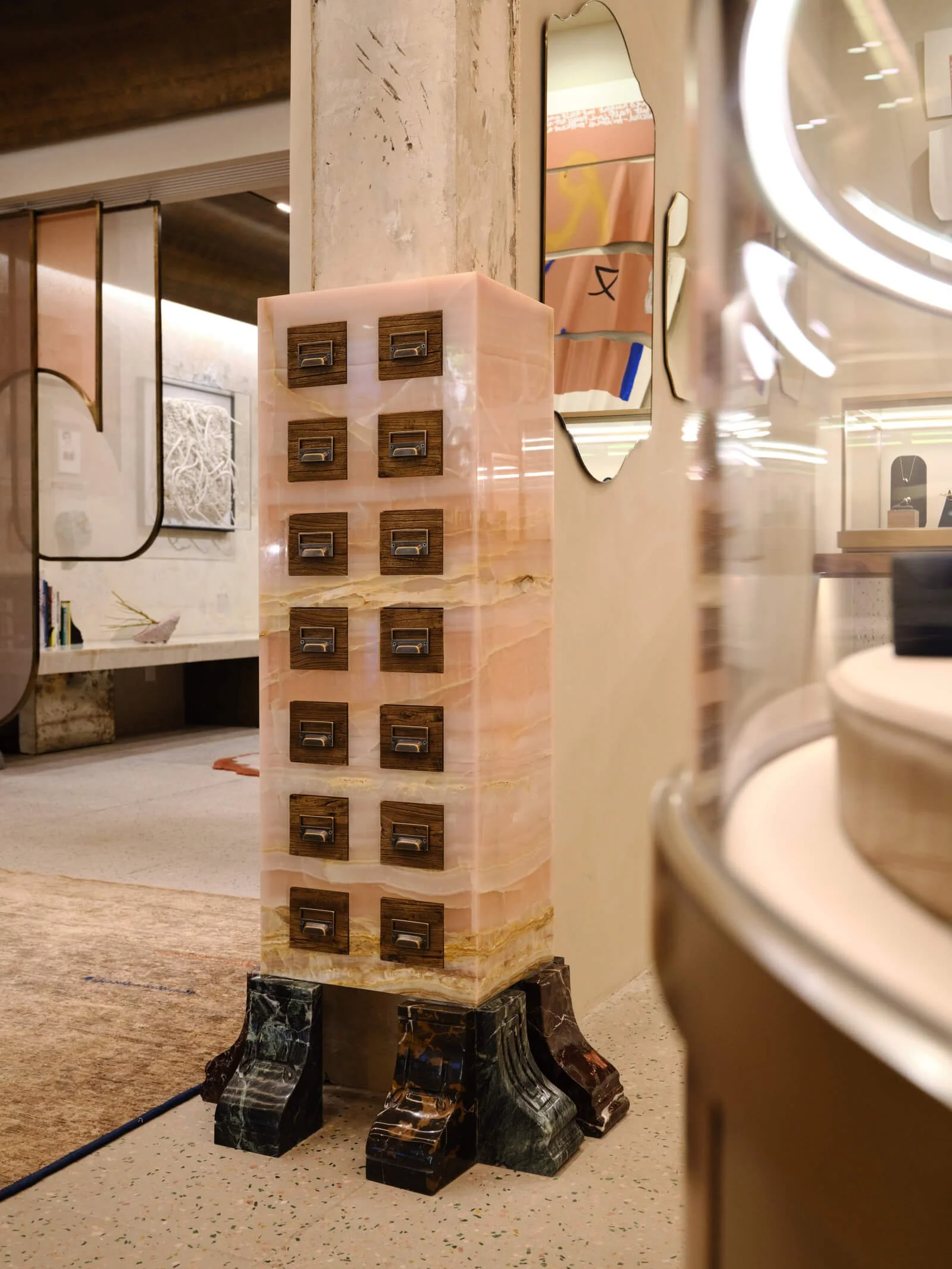
The space was designed to move beyond traditional retail—it’s a sensory, sculptural experience. The absence of overt branding reflects our belief in experiential storytelling. Every element—from bare plaster walls and timber ceilings to curated poetry and a design monograph library—is an invitation to explore both materiality and meaning.
I called this space Beit, the Arabic word for home. It’s not tethered to geography, but to the poetry of belonging. Our Shanghai jewellery boutique becomes a canvas of earthborn materials: terracotta, marble, and cement—each chosen to express nature’s imperfect grace through a diasporic lens.
DESIGNEERS
How do you approach the balance between traditional craftsmanship and contemporary design in your jewellery?
Lama Hourani
Our design philosophy is anchored in empowerment and self-expression. I believe jewellery design shouldn’t be confined by tradition - it should evolve as a personal extension of the wearer. We always begin with a concept, allowing the idea to guide the entire creative journey.
Each piece is shaped by intentional research, informed by history, culture, and material experimentation, not dictated by trends or marketing cycles. It’s a reflective practice, not a product-driven one. In that sense, our collections embody a quiet rebellion: they honour traditional craftsmanship while embracing the fluidity and freedom of contemporary design thinking.

DESIGNEERS
The interior of your Shanghai showroom is both innovative and inviting. What was your vision behind its design, and how does it complement your jewellery collections?
Lama Hourani
The Shanghai showroom was 13 months in the making—eight months to find the right location, and five to design and build it with care and intention. It’s far more than a retail space; it’s a multi-sensory destination rooted in experience rather than transaction.
Situated in the historic Former French Concession, the showroom strikes a balance between commercial accessibility and a sense of quiet discovery. We envisioned it as an art salon— a place where jewellery, art, and emotional connection intersect. The materials, the layout, the atmosphere — all are designed to mirror the values behind our collections: cultural depth, poetic restraint, and the freedom of personal expression.
DESIGNEERS
You've been recognised for empowering underprivileged women and individuals with disabilities through your work. Could you elaborate on these initiatives and their impact?
Lama Hourani
Rather than focusing solely on charity, I advocate for cultural entrepreneurship—a model that uses art and design as tools for empowerment and social connection. Our impact isn’t measured by scale, but by the ability to elevate the status of creative industries in the Middle East and the Arab world.
Through my work, I aim to bridge divides through storytelling, craftsmanship, and cultural integrity. While our direct support remains modest, the real change happens when we redefine narratives, open doors, and foster visibility for underrepresented voices — especially women creatives and designers with disabilities. Sharing our cultural story with authenticity is a quiet act of resistance and a powerful way to build cross-cultural understanding.
“My design hero isn’t a singular figure — it’s every woman who dares to break barriers, forging new paths and creating space for future generations.”
Lama Hourani
DESIGNEERS
Are there any upcoming projects or collections that you're particularly excited about and would like to share with our readers?
Lama Hourani
We’re finalising a new jewellery collection titled Signals, inspired by the ancient rock markers used by indigenous cultures to guide travellers across unknown terrain. These stones, often placed along remote paths, carried symbolic weight—marking spiritual seeking, enlightenment, and the silent dialogue between humanity and landscape.
The concept deeply resonated during our time in China. The vast natural landscapes, layered with history and ritual, mirrored our own creative and personal journey. Signals is a reflection on navigation, intuition, and the quiet markers that shape our path—both in the external world and within.
DESIGNEERS
Who is your design hero, and how have they influenced your work?
Lama Hourani
My design hero isn’t a singular figure — it’s every woman who dares to break barriers, forging new paths and creating space for future generations. This resonates deeply in regions like the Middle East, where stereotypes and limitations have historically held women back from creative and professional expression.
I believe in the power of values-driven design, of using our platforms — not just to create beautiful things — but to model empowerment, inclusion, and impactful leadership. Whether through jewellery, storytelling, or entrepreneurship, we all share a responsibility to lift others, shatter ceilings, and rewrite narratives with empathy and integrity.
DESIGNEERS
Could you tell us about your favourite artisan collaborator in Shanghai and what makes this partnership special?
Lama Hourani
I’ve been collaborating with local artisans and workshops in Shanghai to bring our most sculptural concepts to life—everything from custom door handles to bespoke interior elements within our creative space at Beit. These partnerships go beyond production; they are about translating abstract visions into tactile form.
The process is both intense and intimate. Working hand-in-hand with skilled makers has been essential to realising our creative intent — whether it’s a carved architectural detail or a handcrafted display fixture. It’s a dialogue between concept and craft, and I value the trust and technical mastery these collaborations bring to our world.
DESIGNEERS
Is there a particular place in China that you find especially inspiring for your creative process?
Lama Hourani
Yes — Dunhuang and the Qarhan Salt Lake left a lasting impression on me. The surreal, crystalline salt formations at Qarhan felt like ancient sculptures—silent markers that once guided travellers across vast, unfamiliar landscapes. That poetic symbolism deeply resonated and became the conceptual foundation for the Signals collection.
There’s something powerful about landscapes that hold memory in their form. Both places awakened a sense of connection between earth, time, and human movement, which continues to shape my creative language.