Five Museums Designers Would Cross Continents For
lifestyle
From Gehry’s titanium landmark in Bilbao to a botanical art world in the hills of Brazil, five Designeers members choose the museums that have stayed with them, not simply for what hangs on the walls, but for the way architecture, landscape and art conspire to change how we see.
For designers, the distinction is especially acute. A great museum is rarely just about the collection: it is the quality of the light, the sequence of rooms, the view glimpsed through a corridor, the relationship between an object and the architecture holding it. Sometimes the building eclipses the art altogether. Sometimes the landscape is the exhibition.
Designeers asked five members of its international creative community to choose a museum that has left a lasting impression. Their selections take us from Paris to Humlebæk, Saint-Paul-de-Vence to Bilbao and deep into the botanical landscape of Minas Gerais. Different in scale, geography and ambition, each makes the same case: the most memorable museums are not simply places in which to look at things. They are places designed to make us look differently.
Musée des Arts Décoratifs | Paris, France
Musée des Arts Décoratifs | Paris, France
1. Musée des Arts Décoratifs | Paris, France
SELECTED by Anouska Tamony
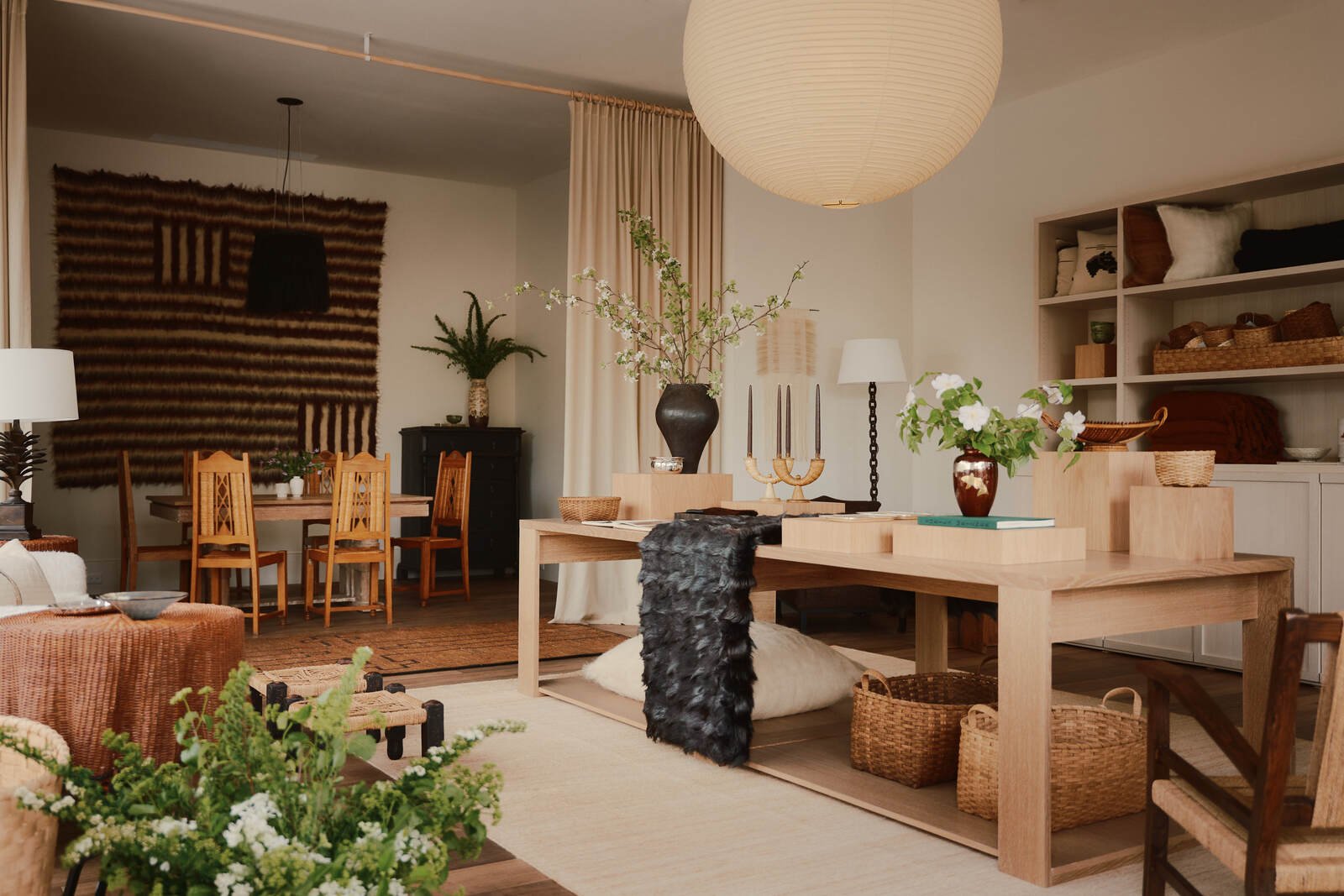
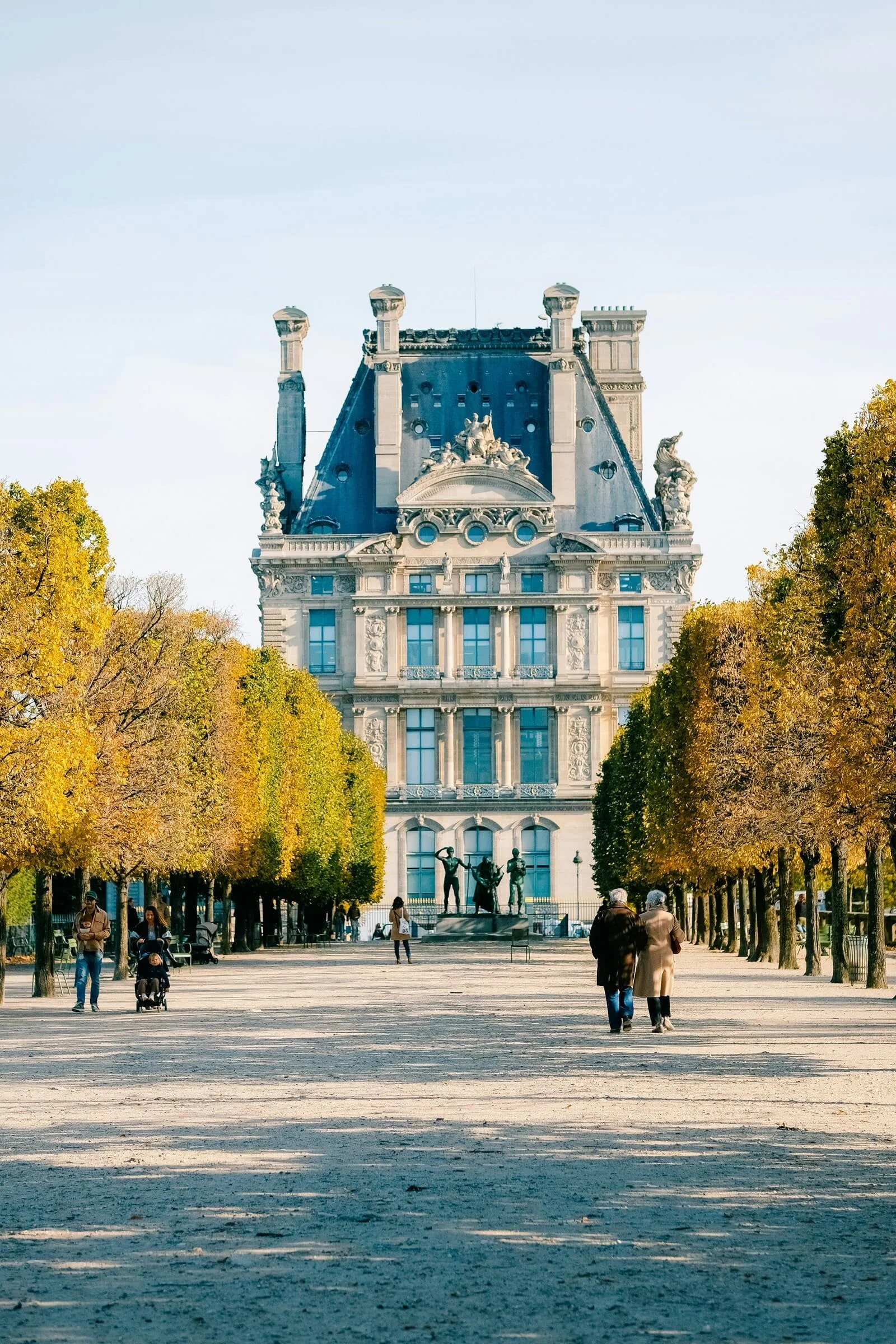
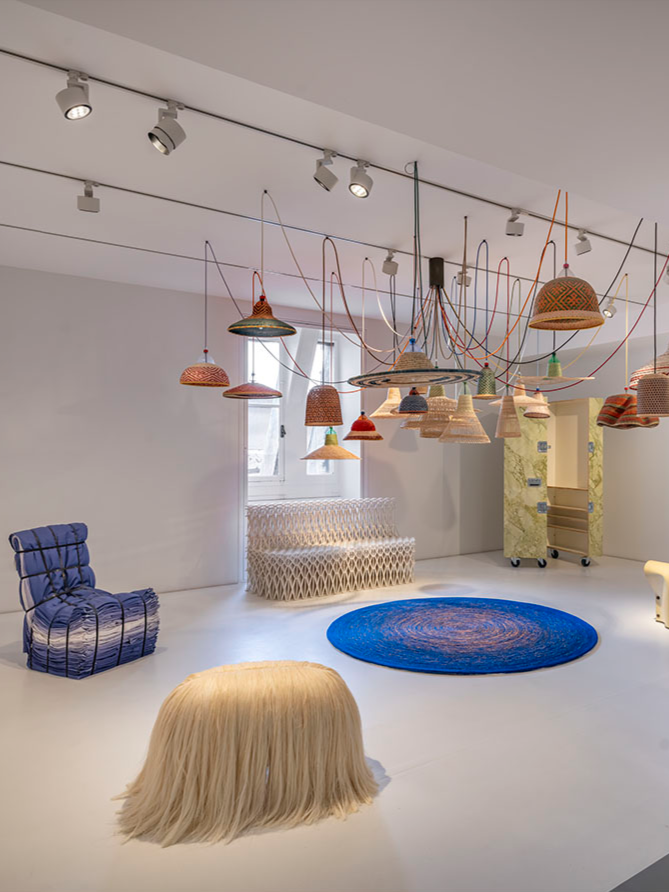
Housed inside the Louvre itself, in the Rohan and Marsan wings along the Rue de Rivoli, the Musée des Arts Décoratifs traces its origins to 1864 and the wave of design ambition that followed Paris's great World's Fairs. It opened to the public in 1905 as the largest museum of decorative arts in continental Europe, and it remains exactly that: roughly one million objects in the collection, from mediaeval furniture to Art Nouveau and Art Deco interiors to contemporary fashion and jewellery.
What sets MAD apart from its grander neighbour next door is scope rather than scale; this is a museum of how people actually lived, worked and dressed, told through furniture, textiles, wallpaper, tableware and toys spanning the Middle Ages to the present. Its fashion and jewellery galleries in particular have made it a reference point for designers, with major retrospectives; recent examples include Iris van Herpen and an upcoming Viktor & Rolf survey that treat clothing with the same seriousness as painting or sculpture.
Louisiana Museum of Modern Art | Humlebæk, Denmark
Louisiana Museum of Modern Art | Humlebæk, Denmark
2. Louisiana Museum of Modern Art | Humlebæk, Denmark
SELECTED by Esra Kazmirci
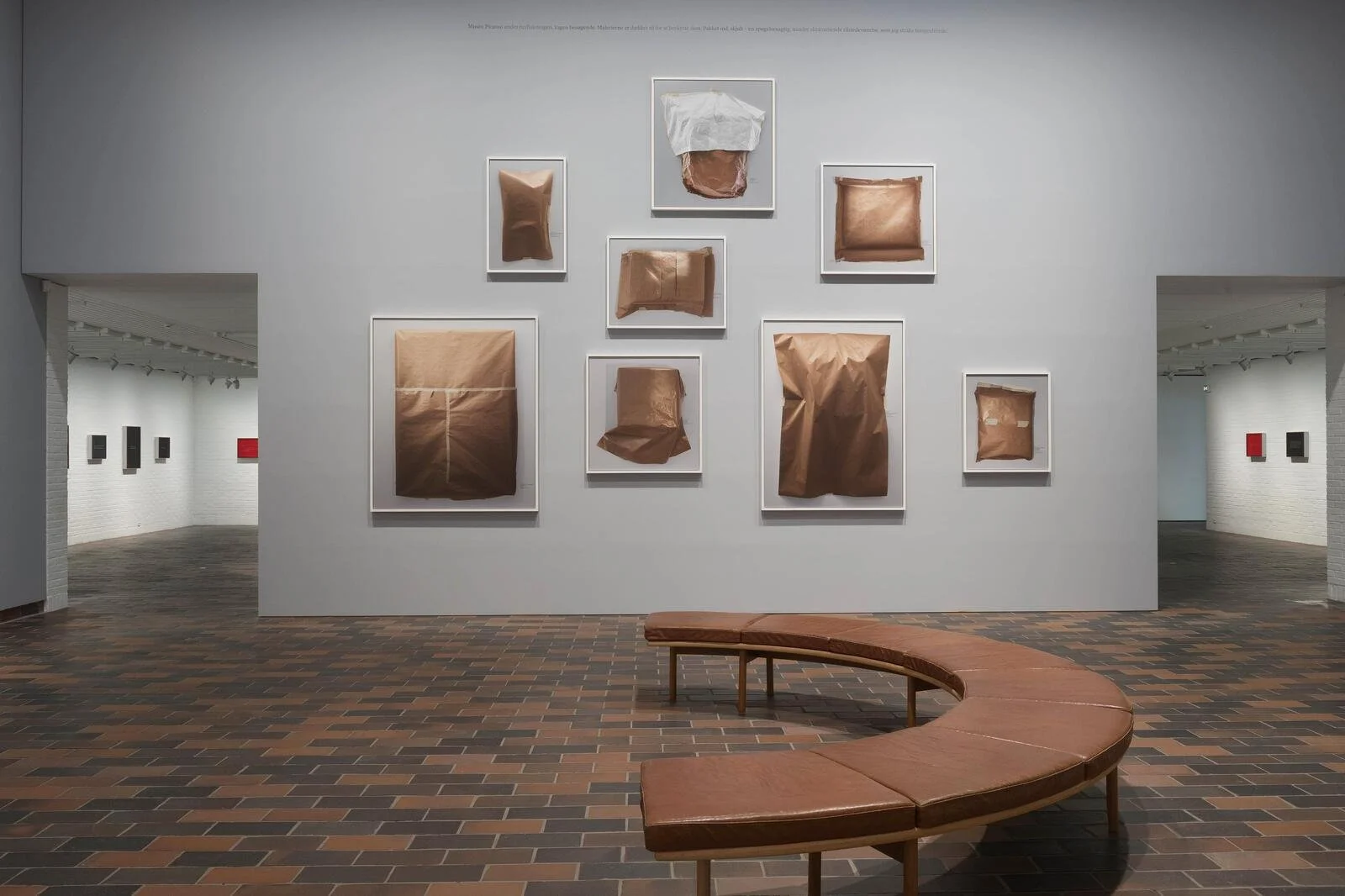
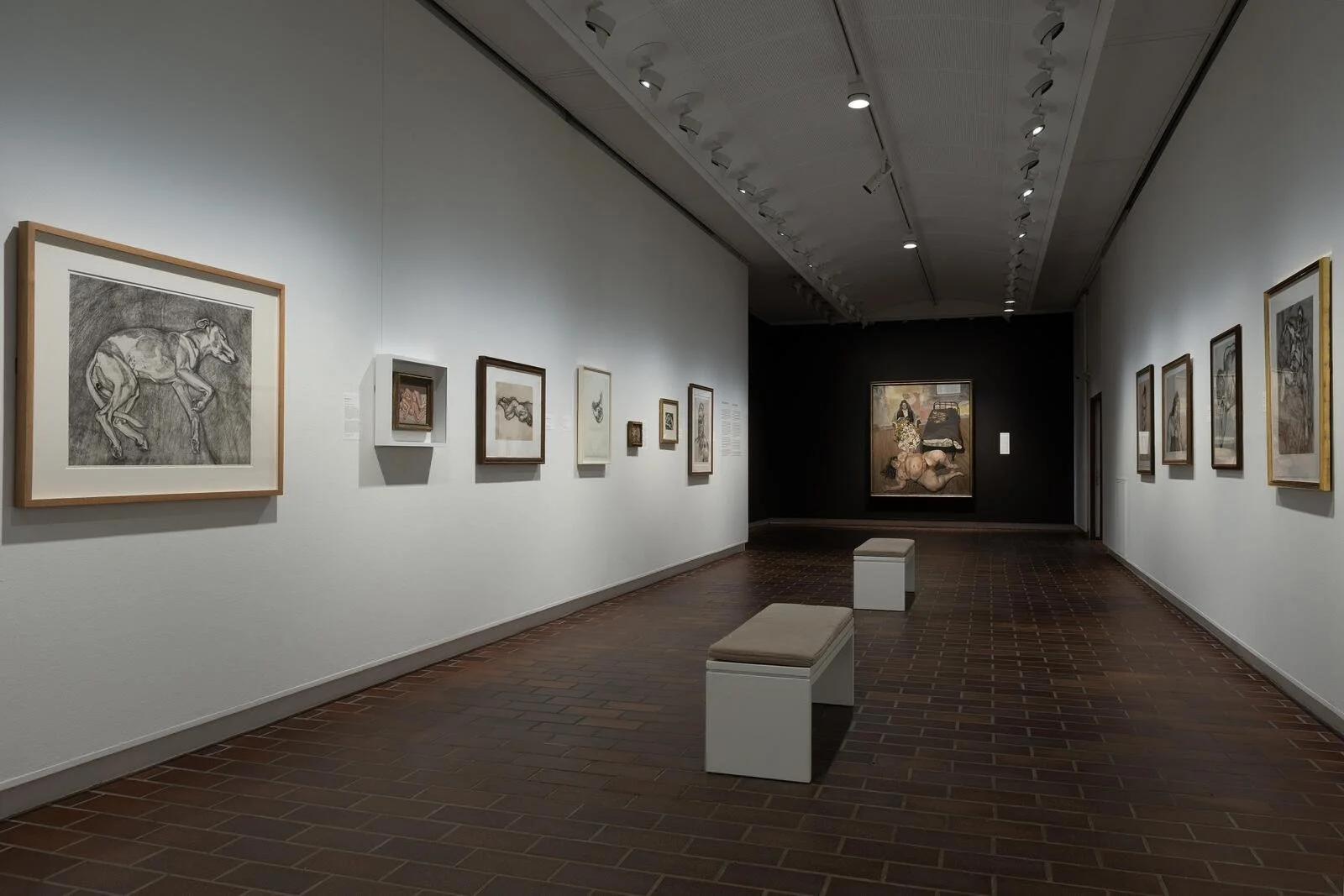
Founded in 1958 by the collector Knud W. Jensen, the Louisiana takes its unusual name from the 19th-century villa it was built around - a house whose original owner had married three women, each named Louise. Architects Jørgen Bo and Vilhelm Wohlert wrapped that villa in a series of low, glass-walled modernist pavilions, expanding the museum outward over decades rather than up, so that the building never competes with the coastline it sits on.
The result is one of the defining works of Danish modernism: understated, horizontal, and threaded through with glass corridors that keep the sea, the sky and a sprawling sculpture garden constantly in view. The permanent collection spans post-1945 modern and contemporary art (Giacometti, Ernst, Picasso, and Arp, alongside major Danish artists) but the architecture and the landscape are, for most visitors, the real draw. As one architecture critic put it, everything there simply belongs.
Fondation Maeght | Saint-Paul-de-Vence, France
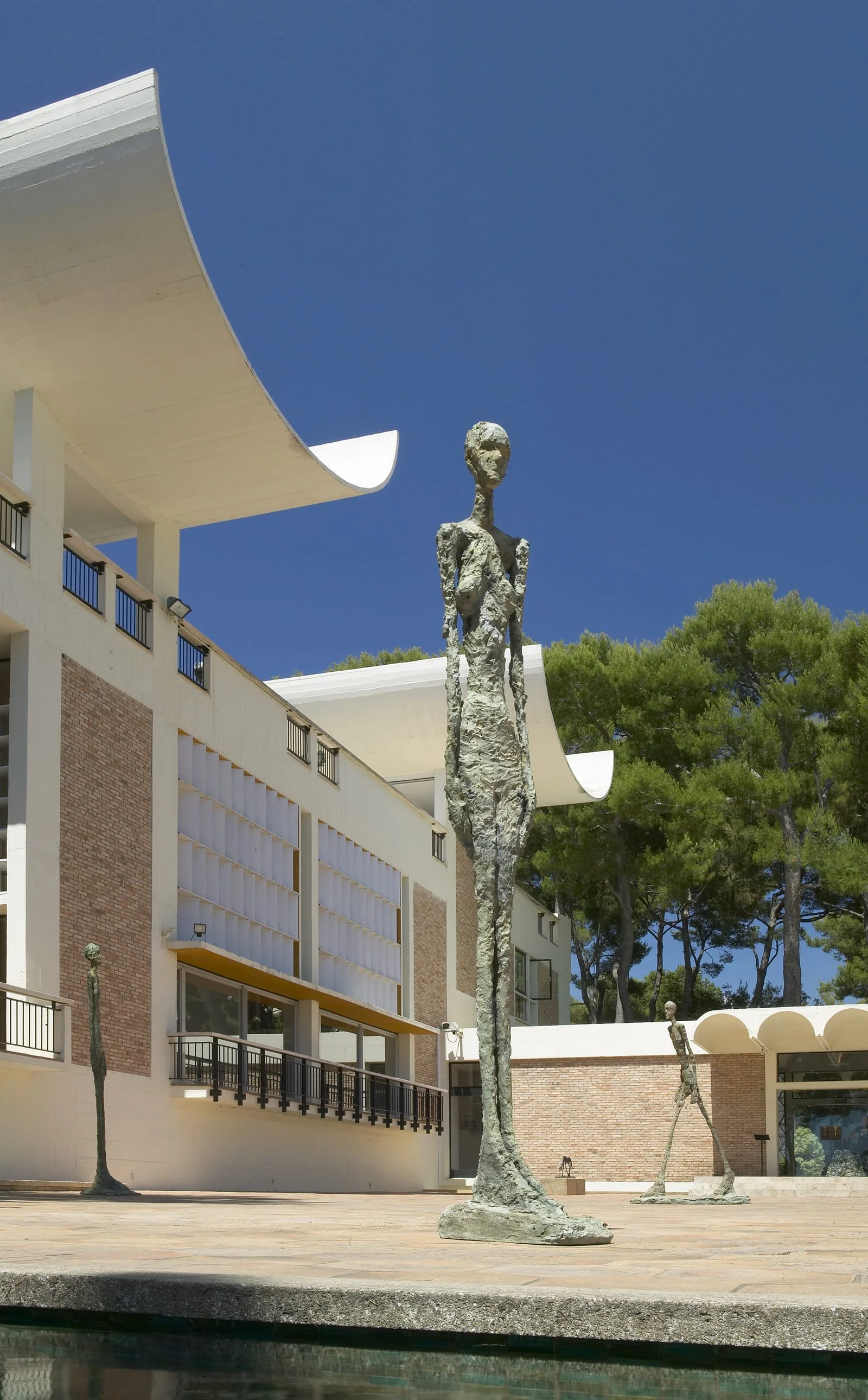
Fondation Maeght | Saint-Paul-de-Vence, France
3. Fondation Maeght | Saint-Paul-de-Vence, France
SELECTED by Hana Salley
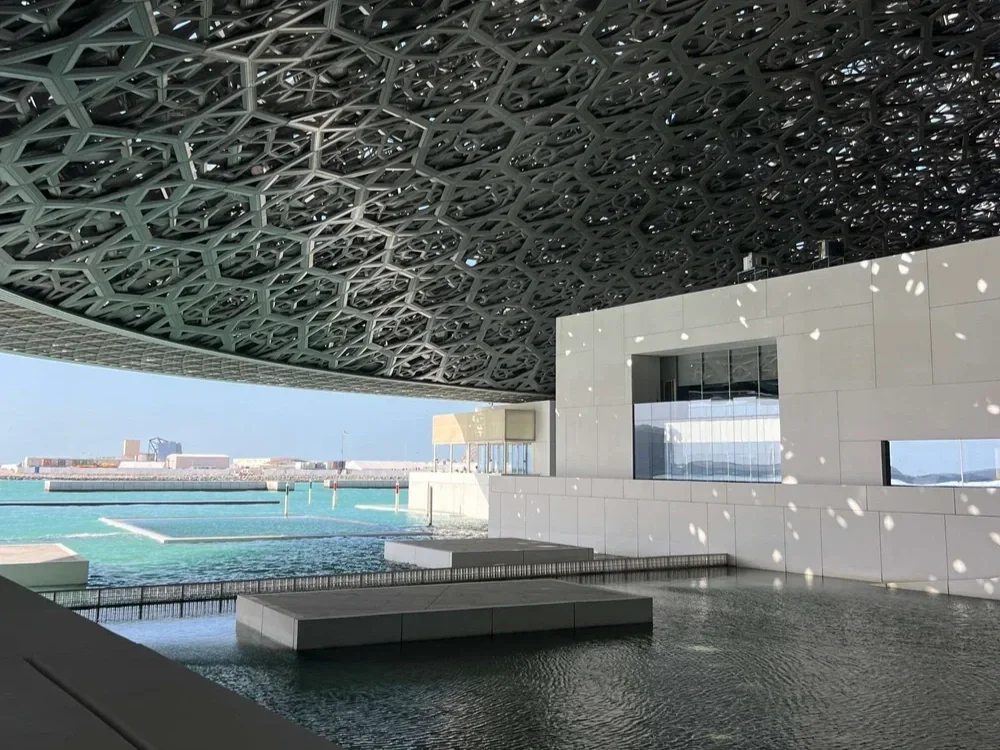
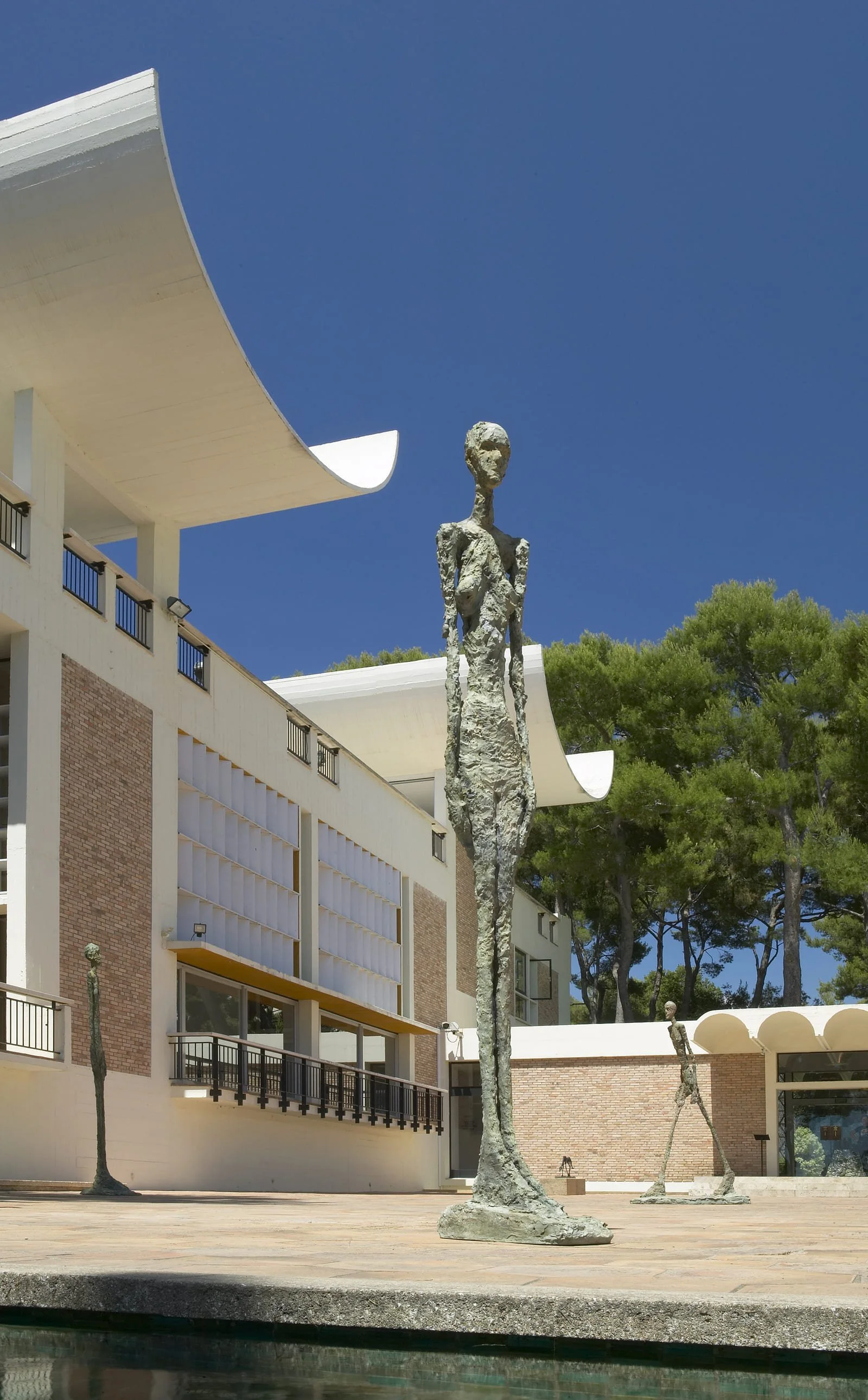
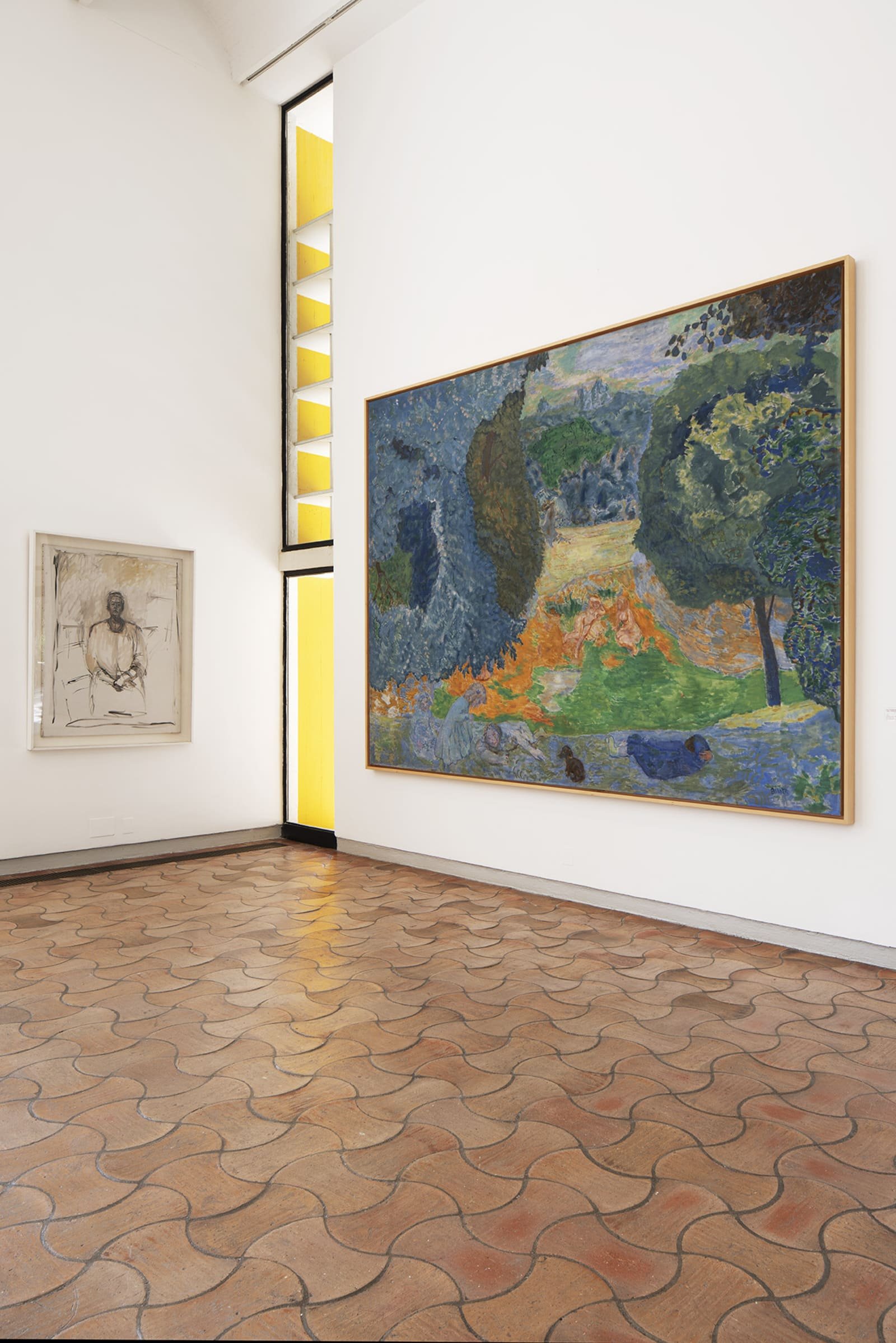
Founded by the art dealers Aimé and Marguerite Maeght and opened in 1964, the Fondation Maeght was the first independent art foundation in France - conceived, in a very literal sense, by the artists themselves. Working with the Catalan architect Josep Lluís Sert, Miró, Chagall, Giacometti, Braque, Calder and Léger each helped shape a space of their own within the complex so that the building reads less like a container for art and more like a collaboration between architecture and the artists it holds.
Set on a pine-covered hill above the mediaeval village of Saint-Paul-de-Vence, with views toward the Alps and the Mediterranean, the Foundation is as much a garden as a museum. Sert designed the light itself: curved, quadrant-shaped windows that trap and diffuse the Provençal sun onto the walls at exactly the height the paintings needed. The result, still remarkably intact more than sixty years later, is a place where art, architecture and landscape were never meant to be separated. The collection today runs to some 13,000 works, with the Giacometti Courtyard and Miró Labyrinth among its most beloved outdoor spaces.
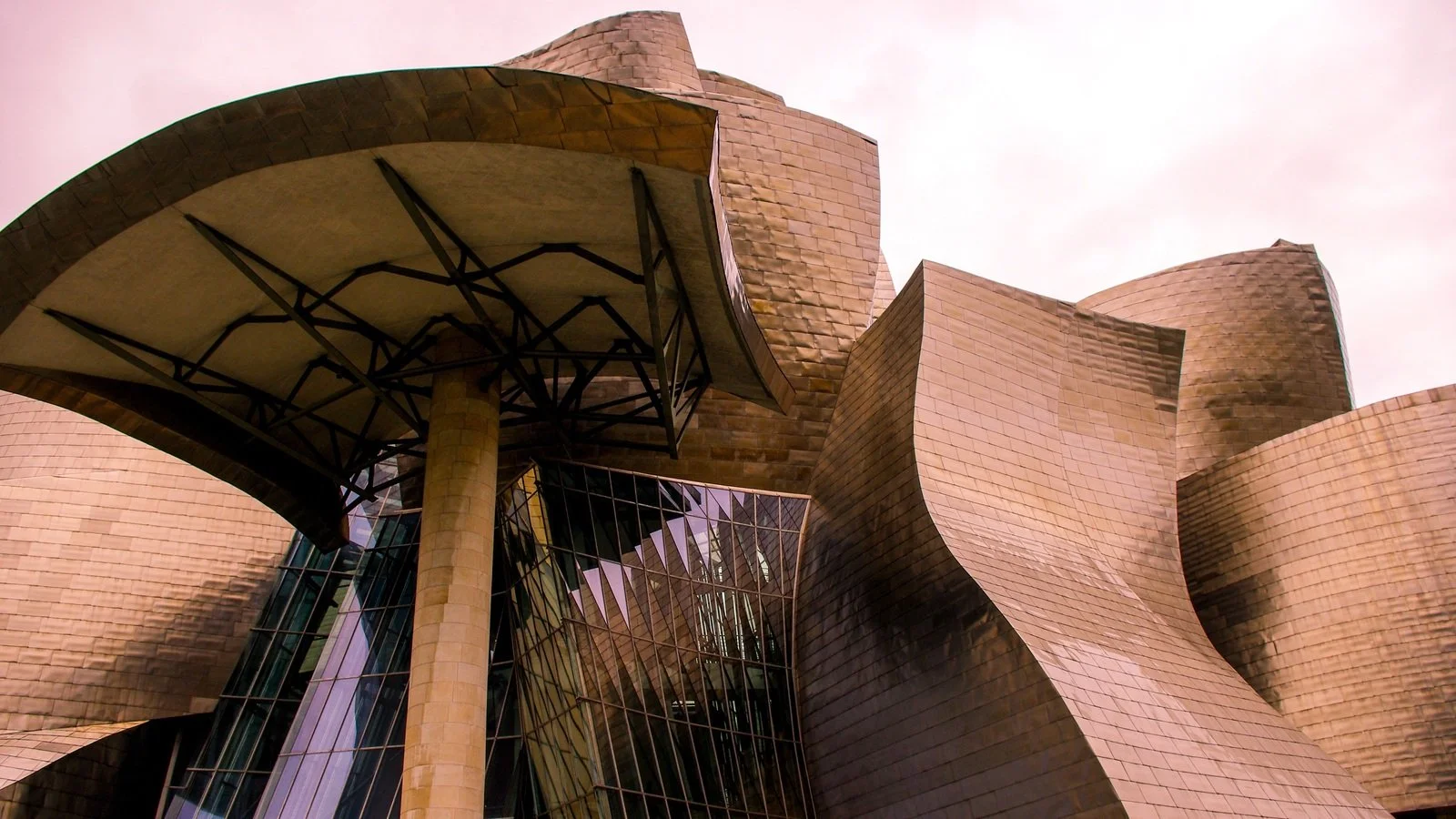
Guggenheim Museum Bilbao | Bilbao, Spain
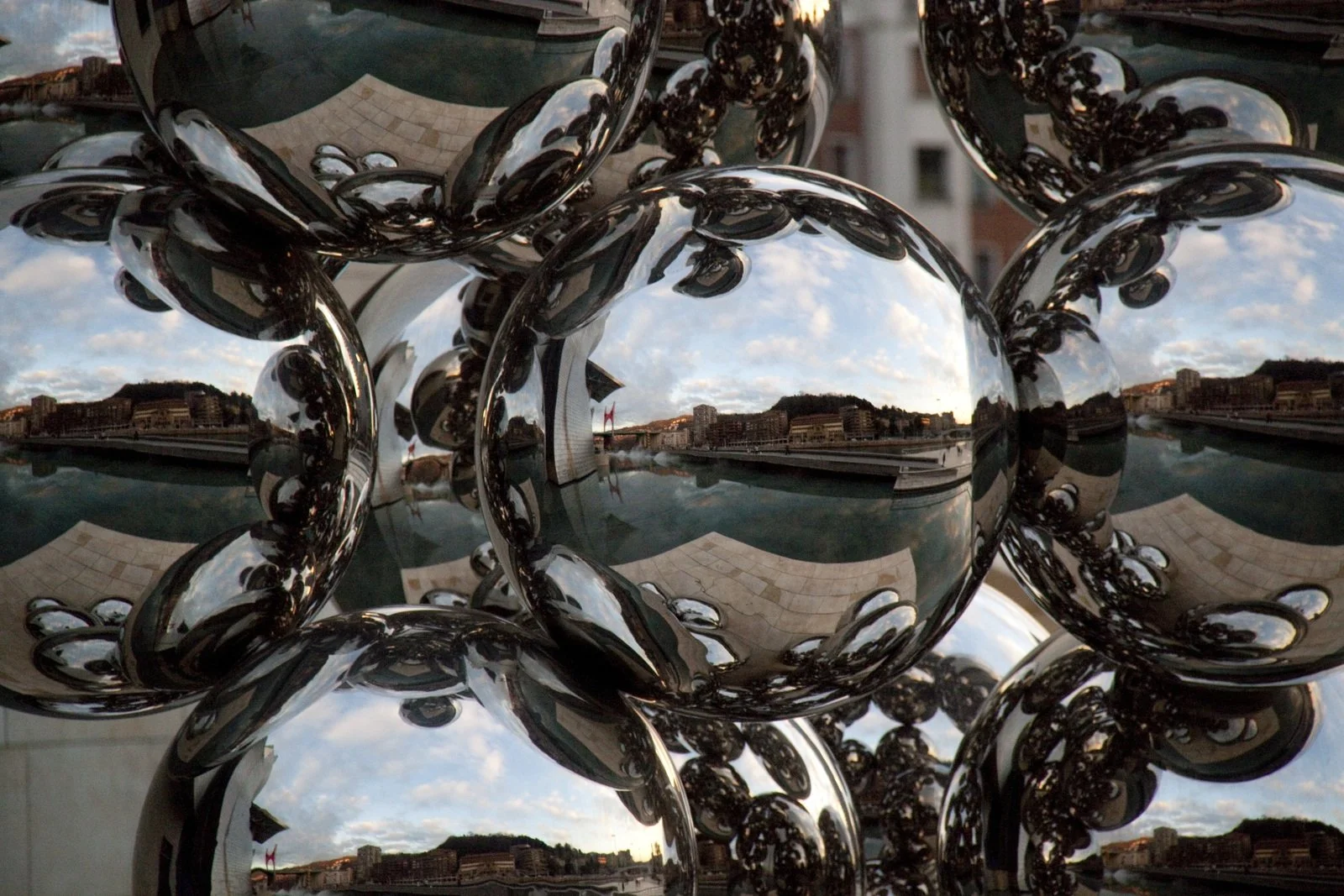
Guggenheim Museum Bilbao | Bilbao, Spain
4. Guggenheim Museum Bilbao | Bilbao, Spain
SELECTED by Aiya Bureau
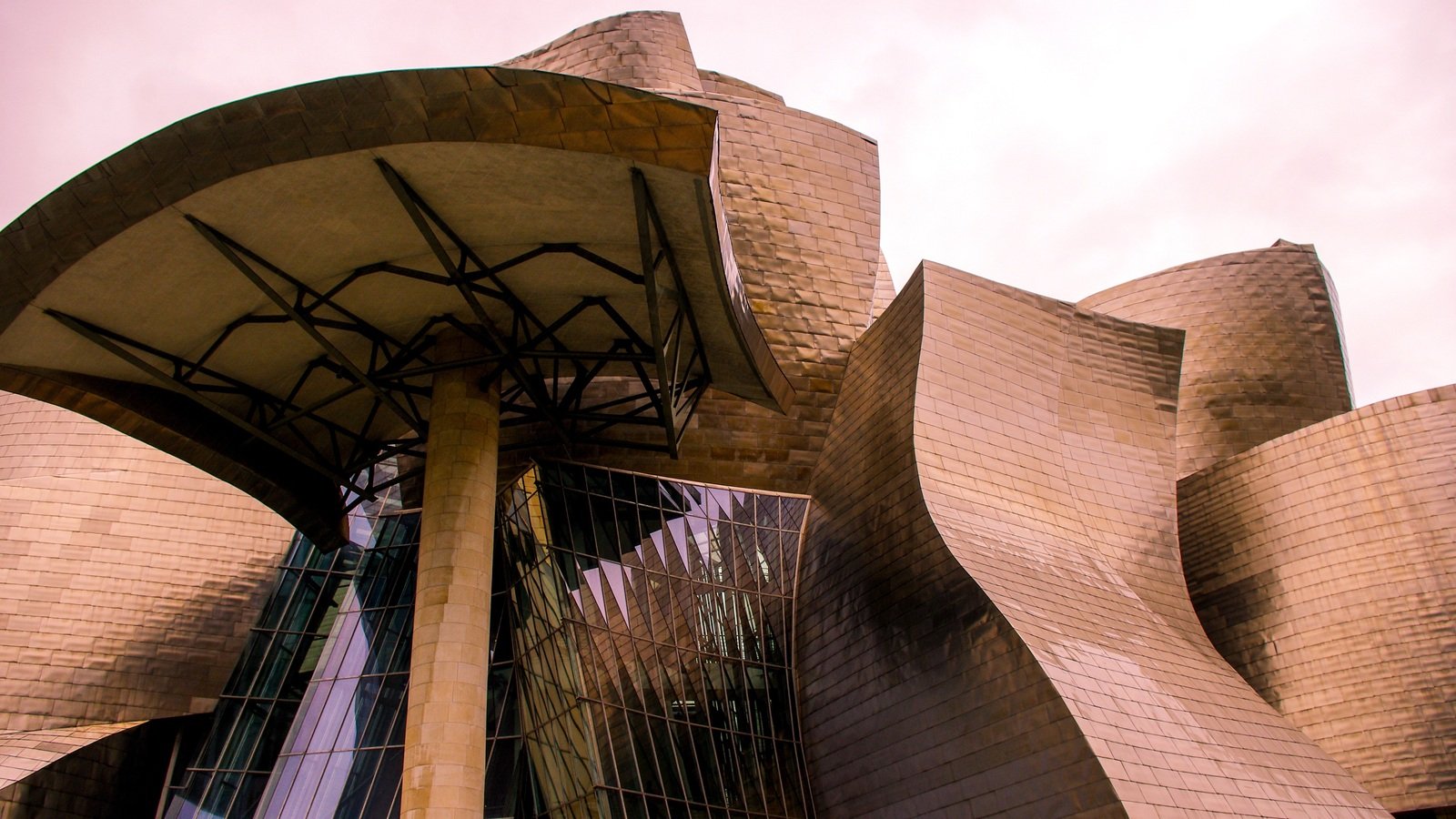
The Guggenheim Museum Bilbao is one of those rare cultural institutions where the building itself is as significant as the collection it houses. Designed by Frank Gehry and opened in 1997, its extraordinary titanium-clad volumes seem to change constantly with the light, the weather and the angle from which they are viewed, a museum that begins long before you step inside, from the moment you catch sight of it along the Nervión River.
What makes the Guggenheim especially compelling is Bilbao itself: a former industrial city in the Basque Country that used the museum as both symbol and catalyst for its own transformation, so influential that "the Bilbao effect" entered the language of architecture and urban planning. Nearly thirty years on, the building still feels radical and difficult to capture in photographs; it rewards being walked around, at different times of day, as the titanium responds to the changing light.
"The Guggenheim Bilbao is worth the journey. Gehry did not simply design a container for art; he created a destination. The most important "work" in the museum may ultimately be the museum itself."
— Aiya Lisova
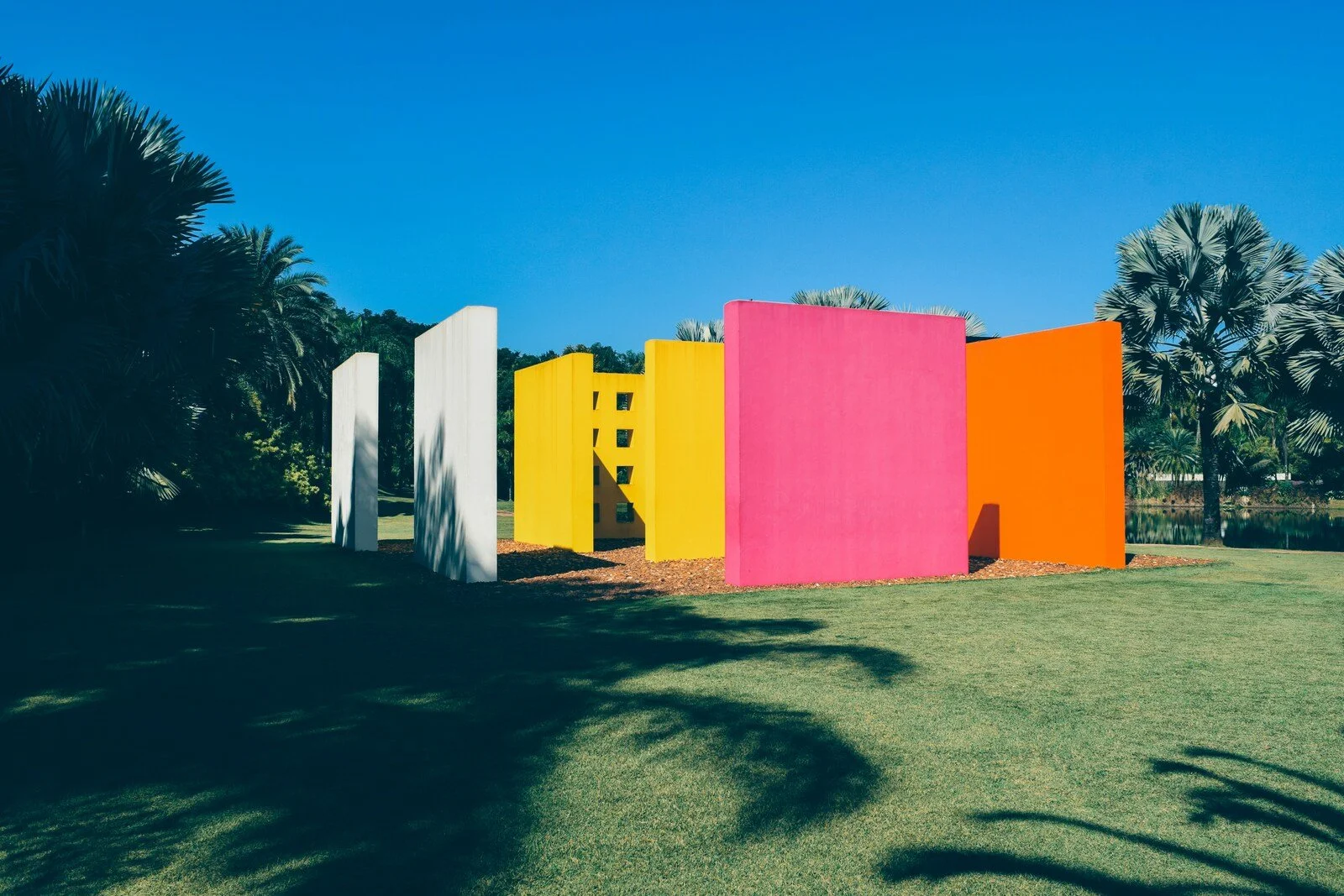
Inhotim | Brumadinho, Minas Gerais, Brazil
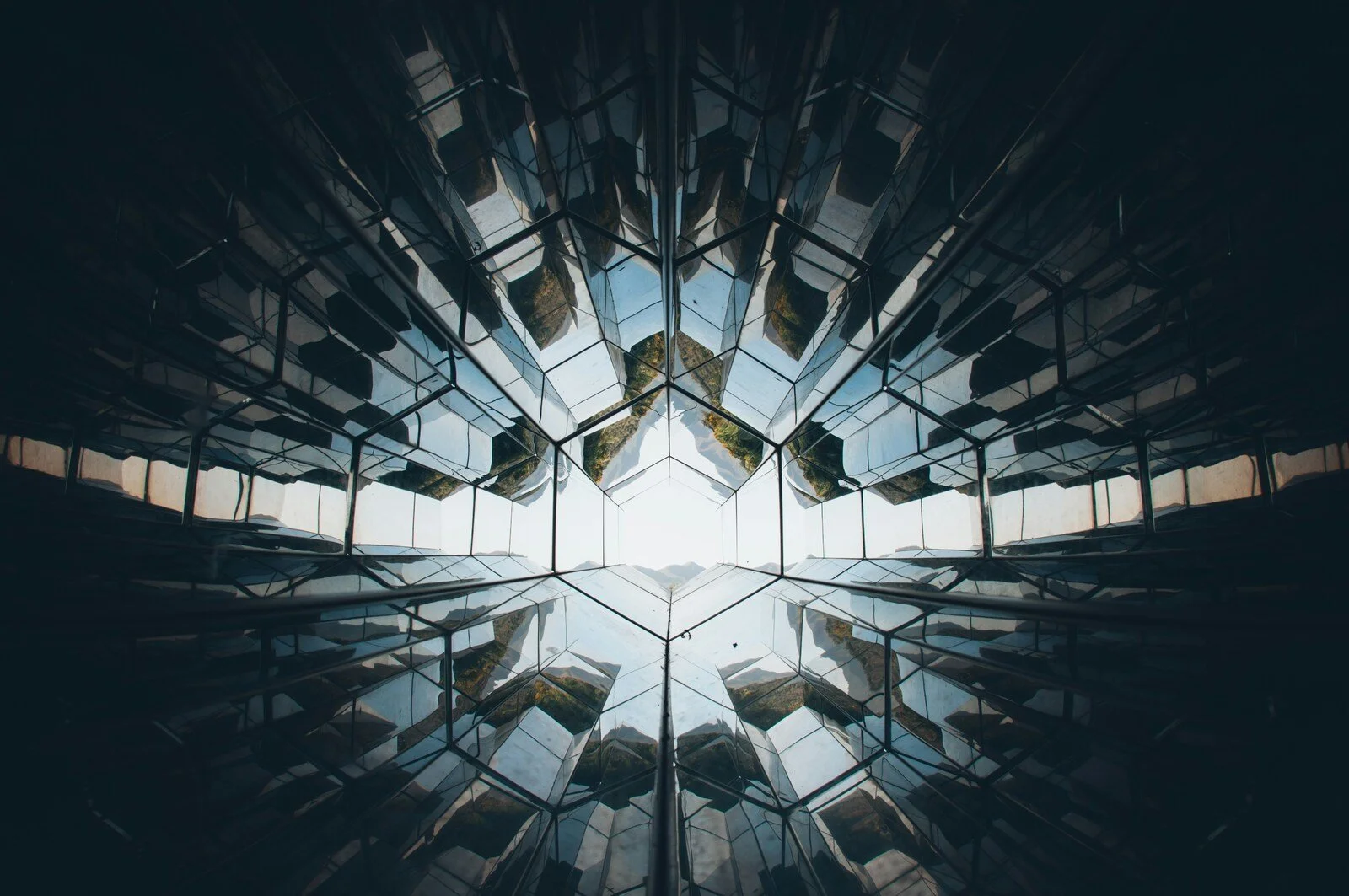
Inhotim | Brumadinho, Minas Gerais, Brazil
5. Inhotim | Brumadinho, Minas Gerais, Brazil
SELECTED by Juliana Pippi
Inhotim is a place where art, architecture and landscape become inseparable. Spread across a vast botanical garden in the hills of Minas Gerais, its collection is distributed among individual pavilions rather than a single building, so that visiting becomes an act of movement through nature as much as an encounter with art, each gallery in dialogue with its own patch of landscape and its own relationship to the body of the visitor walking through it.
"What fascinates me most is this dialogue between the built and the natural, and the way each pavilion creates its own relationship with the landscape and with the human body. For me, design becomes much more powerful when it is experienced rather than simply observed, and Inhotim embodies this beautifully."
The one thing visitors should not miss:
"The Adriana Varejão Gallery. It moves me deeply every time I visit. There is something extraordinarily powerful in the dialogue between her work, the architecture and the surrounding landscape. It feels particularly meaningful this year, with Adriana Varejão representing Brazil at the 2026 Venice Biennale alongside Rosana Paulino, a beautiful connection between Brumadinho and Venice."
— Juliana Pippi
Staying With Design
These museums differ dramatically in scale, geography and collection, but each begins with a clear idea.
A hillside in Provence becomes a collaboration between architects and the artists it was built to hold. A former industrial port becomes a symbol of its own reinvention. A botanical garden outside Rio becomes as much a work of art as anything installed within it. A modernist villa on the Danish coast becomes an extension of the landscape it looks out on. A wing of the Louvre becomes a museum of everyday life rather than a museum of masterpieces.
What makes these museums worth flying for is not simply the strength of their collections. It is the coherence of the complete experience, the way architecture, landscape, material and art support the same story.
At their best, design museums do not simply display art. They change how we see the place around them.
IMAGE credits: Feodor Chistakov, R. Perucho, Luc Boegly / Les Arts Décoratifs & PASCUALMAIA, Olivier Amsellem
cover image: Fondation Maeght | Saint-Paul-de-Vence, France