Design Hotels That Are Destinations in Their Own Right
lifestyle
From restored convents and historic palazzi to contemporary urban retreats, these hotels make design an essential part of the journey.
The most memorable hotels offer more than a beautiful room. They establish a world of their own, one shaped by architecture, material, art, landscape and a clear understanding of place.
Selected from recommendations shared by designers and creative insiders across the Designeers Destination Guides, these ten hotels are not simply places from which to explore a destination. They are destinations in themselves.
Ett Hem | Stockholm, Sweden
Venice Venice Hotel | Venice, Italy
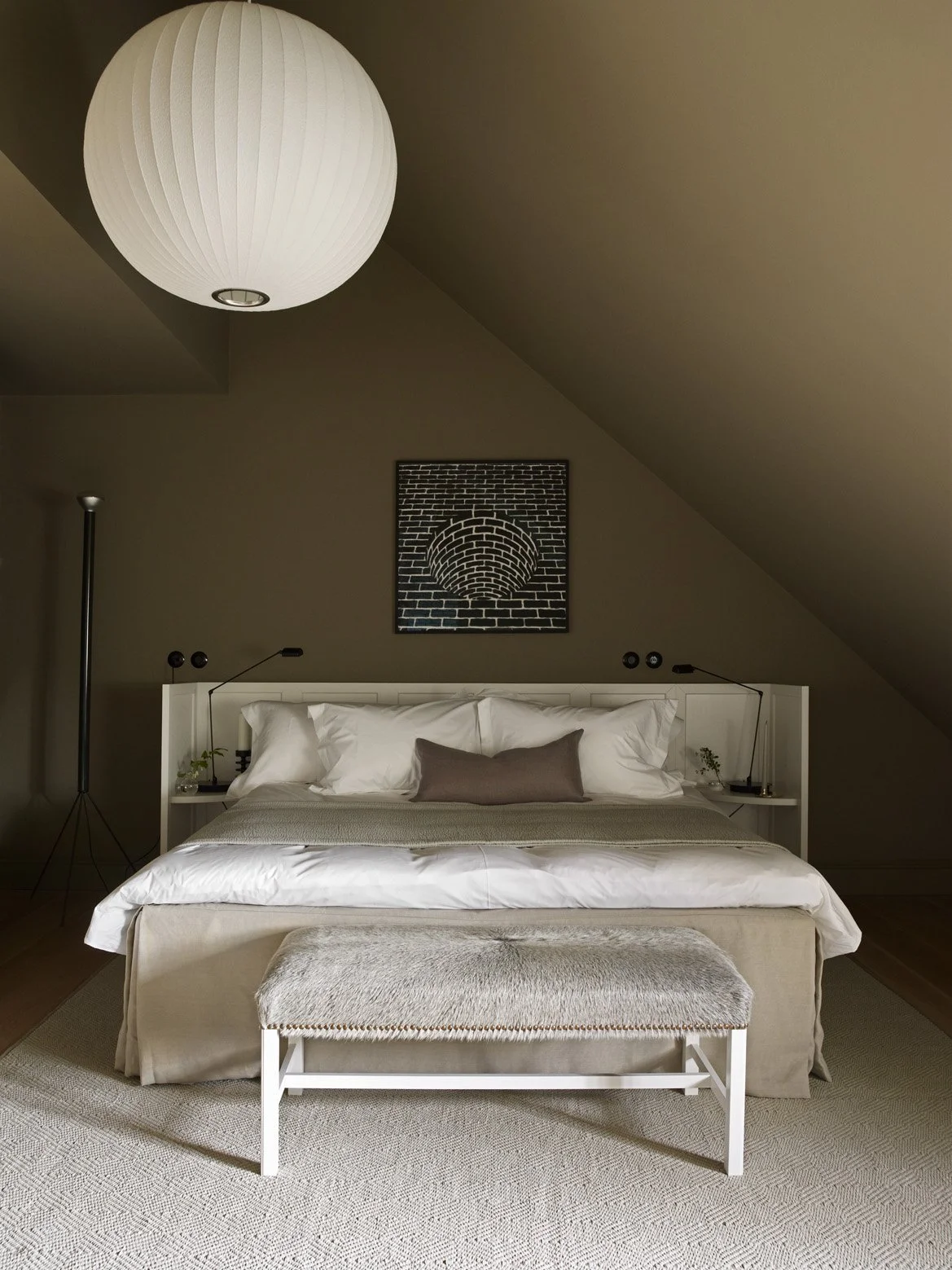
1. Ett Hem | Stockholm, Sweden
Ett Hem takes its name from the Swedish expression for “a home”, and the hotel’s domestic character is central to its identity.
Created within an early twentieth-century townhouse, its interiors were developed by Ilse Crawford to feel lived-in, generous and emotionally comfortable rather than formally styled. Vintage and contemporary furniture, art, books, timber, leather, brass and natural textiles are layered throughout a sequence of intimate rooms.
Guests are encouraged to use the house freely: to read beside the fire, settle into the garden, pour a drink or gather around the kitchen. The experience replaces the usual division between public hotel spaces and private accommodation with something more fluid and residential.
Ett Hem’s influence can be seen in countless boutique hotels that have since adopted the language of “home from home”. Few, however, achieve the same level of warmth and natural ease. Its design is sophisticated precisely because it never appears to be trying too hard.
Selected by AO/JN. Explore more through our Stockholm Design Guide.
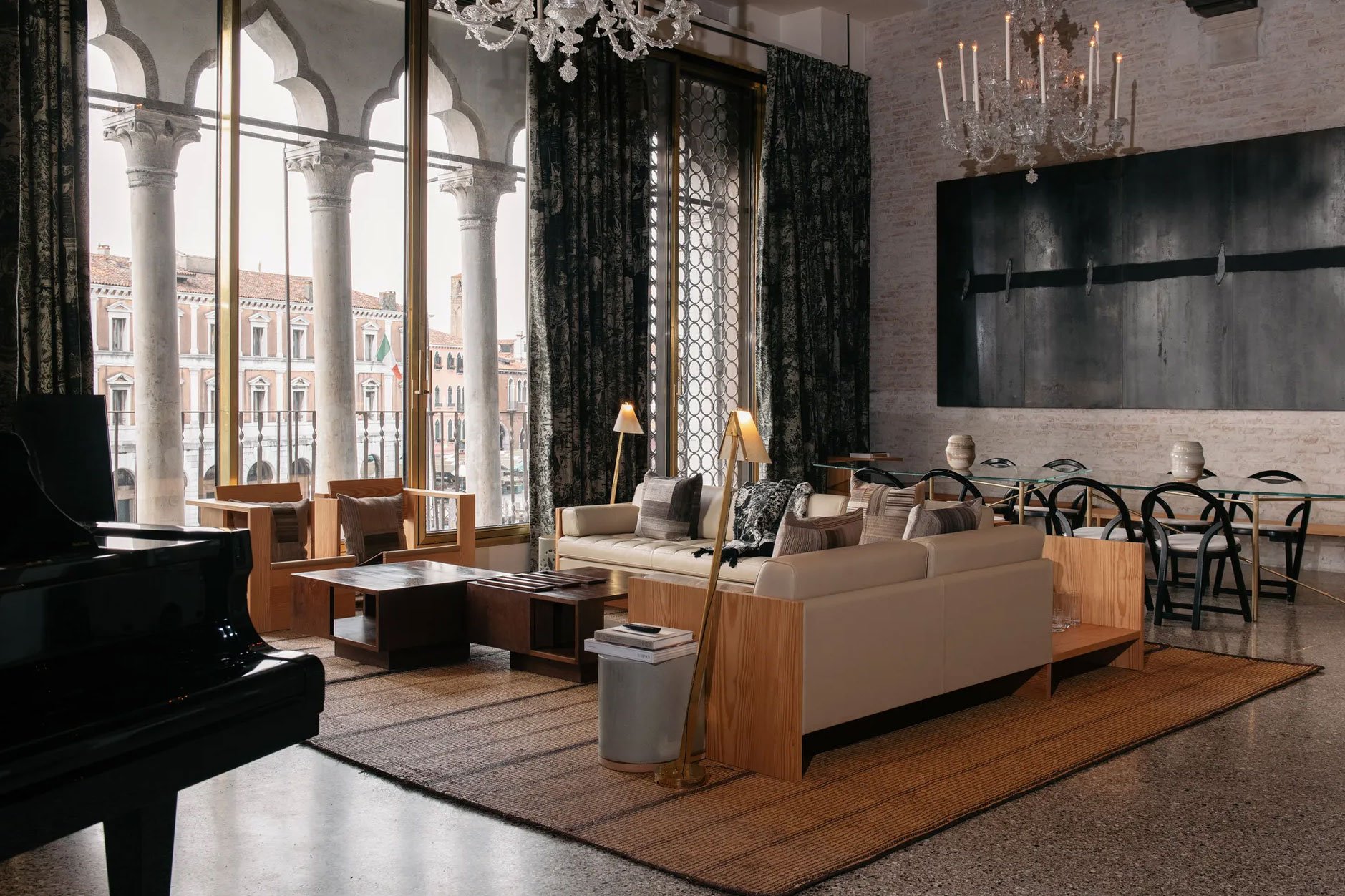
2. Venice Venice Hotel | Venice, Italy
Venice Venice Hotel occupies Ca’ da Mosto, one of the oldest palazzi lining the Grand Canal and a building with a long history of receiving travellers.
Rather than recreating a conventional vision of Venetian grandeur, the hotel introduces contemporary art, raw materials and experimental interventions into the historic architecture. Weathered brick, ancient stone and surviving decorative details sit alongside modern furniture, lighting and site-specific artworks.
Individual rooms have been shaped around artists, artistic movements and cultural ideas rather than treated as variations of a single decorative template. The art therefore feels embedded in the hotel’s identity rather than added after the interiors were completed.
The project’s power comes from the tension between preservation and creative disruption. Venice Venice neither disguises the palazzo’s age nor treats it as untouchable. Instead, it presents Venice as a living cultural city, one capable of absorbing contemporary art and design while remaining connected to its many layers of history.
Selected by Aina Kari. Explore more through our Venice Design Guide.
The EVE Hotel | Sydney, Australia

Sir Prague | Prague, Czech Republic
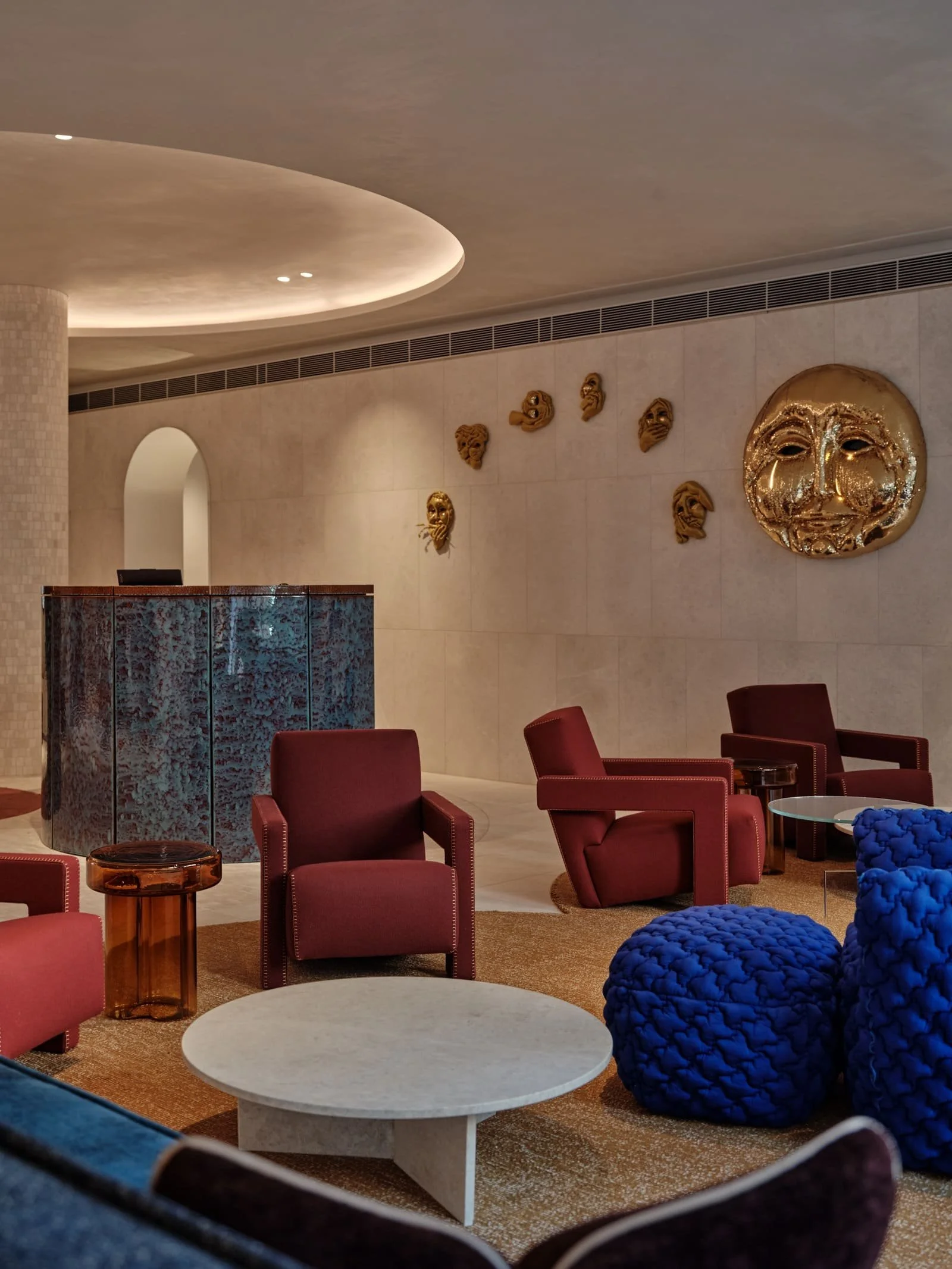
3. The EVE Hotel | Sydney, Australia
The EVE Hotel forms part of Wunderlich Lane, a new Sydney precinct where hospitality, dining, retail, architecture and landscape have been brought together within a reimagined urban site.
Inside the hotel, sculptural furniture, tactile materials and carefully selected artworks create an atmosphere that feels contemporary and distinctly Australian. The palette is warm and grounded, avoiding the anonymous polished surfaces associated with many new city hotels.
Public spaces have a relaxed, residential rhythm, while curves, textured finishes and planted areas soften the relationship between the hotel and the surrounding urban architecture. The result feels connected to Sydney’s particular way of living: sophisticated but informal, design-conscious without becoming overly precious.
The EVE is especially compelling because the experience extends beyond the property. Its relationship with Wunderlich Lane makes the hotel a gateway into a wider creative neighbourhood rather than an isolated place to sleep.
Selected by Carla Barton. Explore more through our Sydney Design Guide.
4. Sir Prague | Prague, Czech Republic
Sir Prague interprets the city through a layered visual language of Czech Cubism, Gothic atmosphere, folklore and contemporary hospitality.
Designed by Linda Boronkay, the hotel combines historic architectural details with custom furniture, hand-painted artwork, sculptural lighting and references to Prague’s artistic and mystical traditions. The result feels theatrical in places, but the richer gestures are balanced by softer rooms and quietly composed corners.
The library is one of the hotel’s strongest spaces, with dark timber, intimate lighting and a sense of accumulated character. Elsewhere, a sheltered courtyard provides a calmer counterpoint to the building’s more decorative interiors.
Rather than applying a generic international design language to a historic city, Sir Prague draws directly from its surroundings. Cubist geometry, local narratives and traditional craftsmanship are interpreted rather than copied, giving the hotel a sense of place that feels imaginative rather than themed.
Selected by Mila Zila. Explore more through our Prague Design Guide.
The Beekman | New York, USA
El Fenn | Marrakech, Morocco
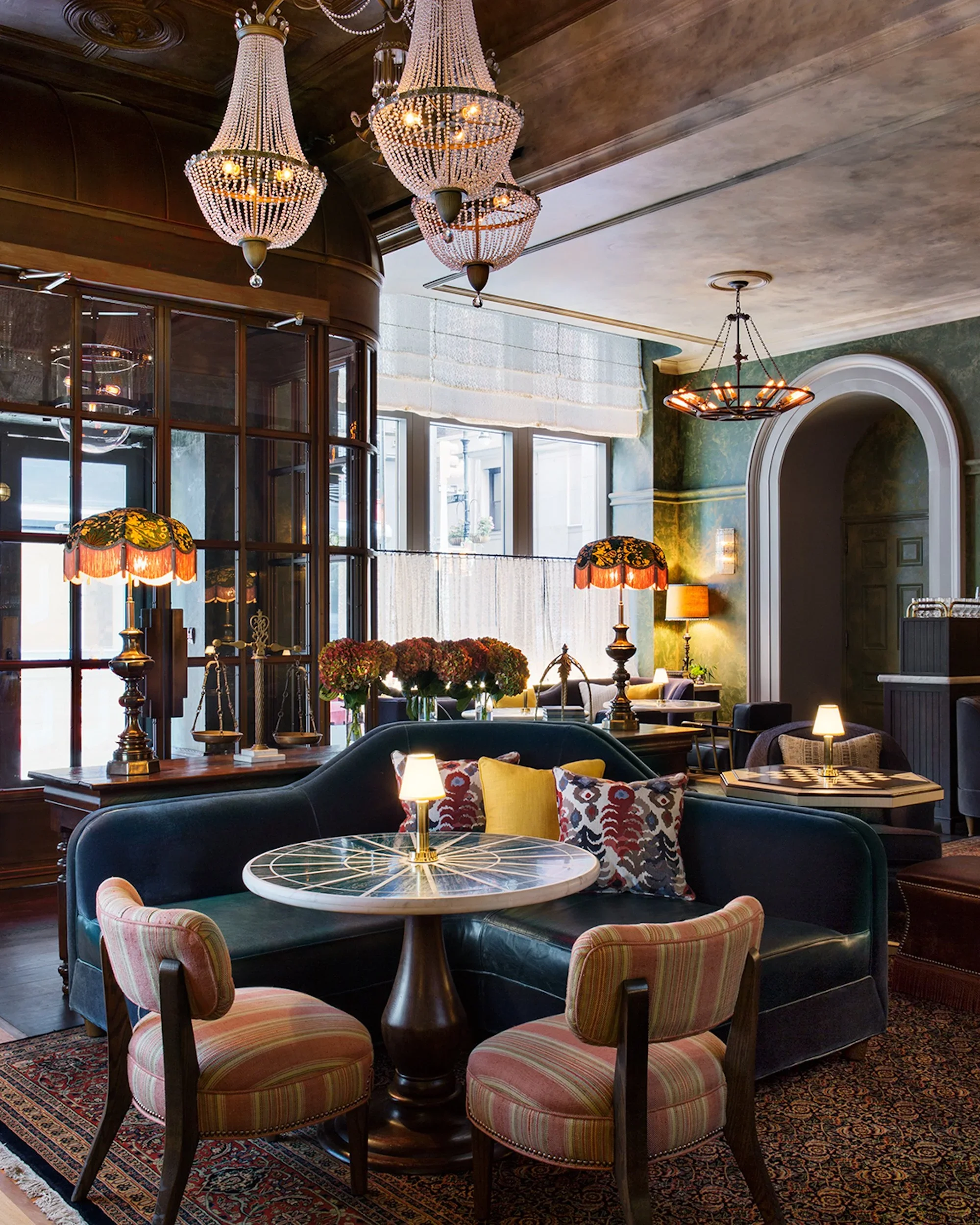
5. The Beekman | New York, USA
The Beekman’s extraordinary atrium makes it one of New York’s most immediately recognisable hotel interiors.
The nineteenth-century Temple Court building rises around a dramatic central void, with Victorian cast-iron balustrades climbing through nine levels towards a pyramidal skylight. The atrium creates a powerful sense of verticality, drawing the eye upwards while allowing guests to understand the scale and history of the building at a glance.
Martin Brudnizki’s interiors introduce rich textiles, antique-inspired furniture, patterned surfaces and warm lighting without competing with the architecture. The spaces feel layered and glamorous, but the building’s structure remains the defining presence.
The Beekman succeeds because its transformation respects the atmosphere created by age. Patina, shadow and historic detail have not been polished away. Instead, contemporary hospitality has been inserted into a structure whose architectural character already contains more drama than a newly built hotel could easily manufacture.
Selected by Magdalena Keck. Explore more through our New York Design Guide.
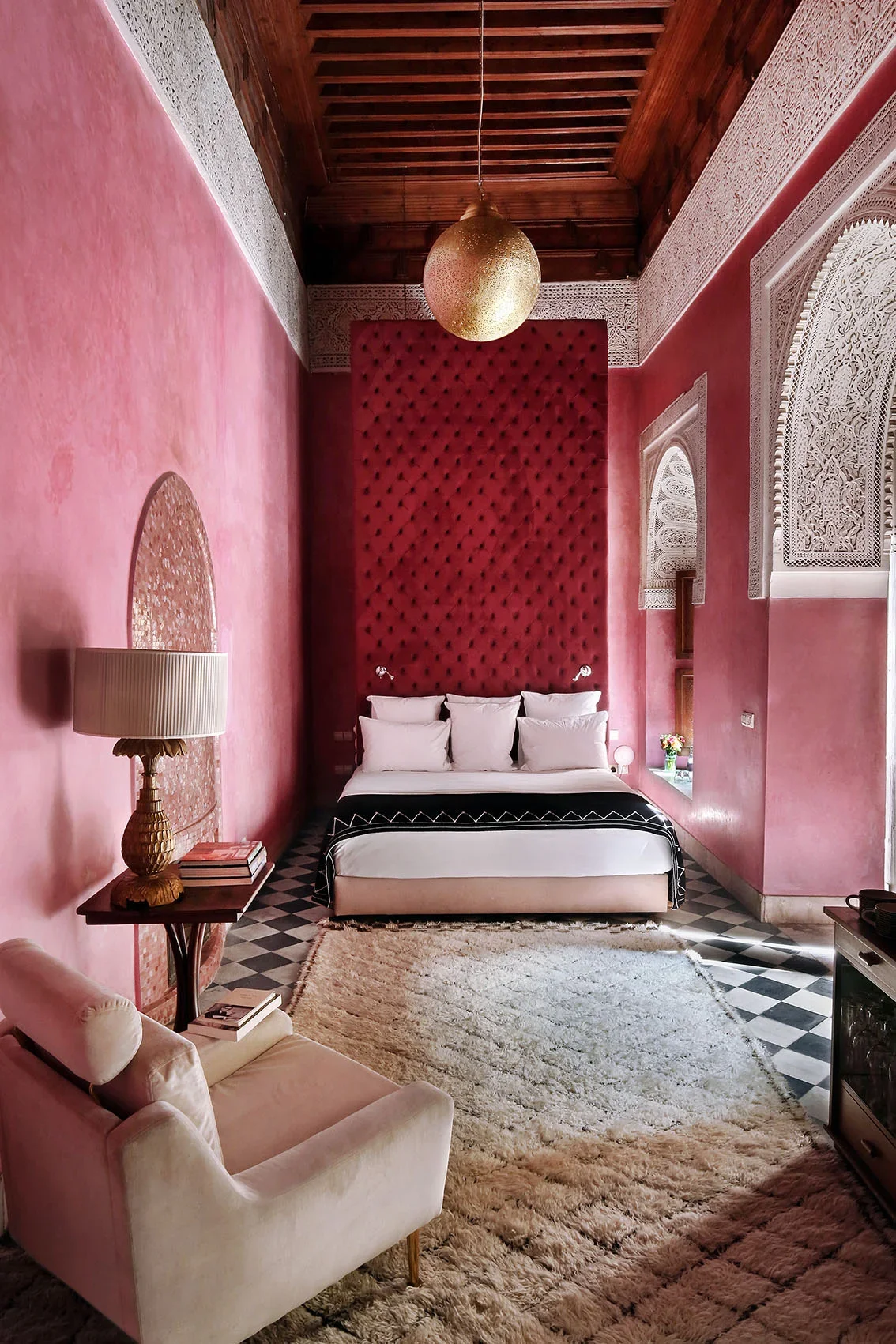
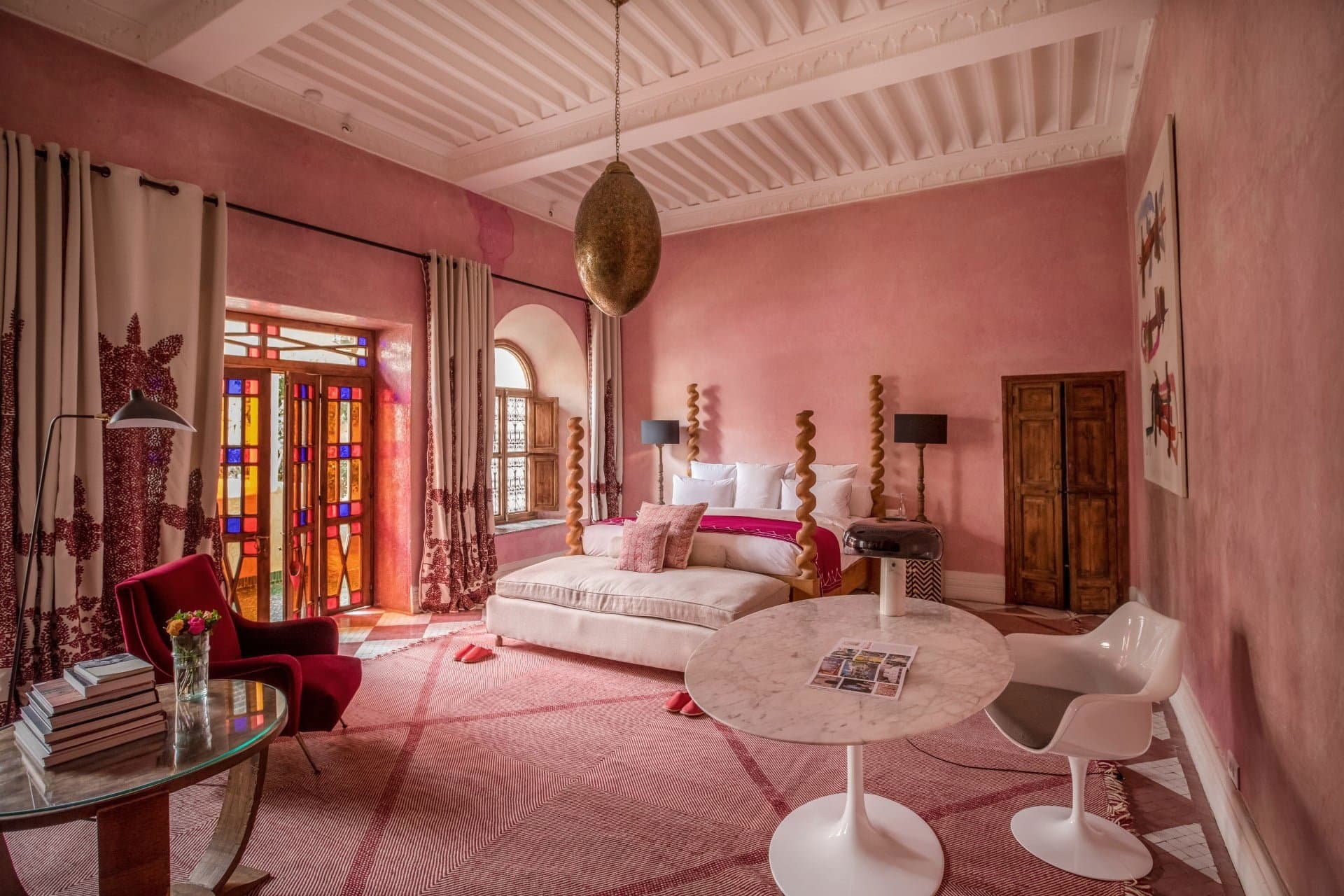
6. El Fenn | Marrakech, Morocco
Behind an understated entrance in the Marrakech medina, El Fenn unfolds through a succession of courtyards, terraces, gardens and richly coloured rooms.
The hotel’s name originally meant “house of art”, and art remains fundamental to its identity. Works from co-owner Vanessa Branson’s collection are integrated throughout the property alongside Moroccan craft, antique furniture, mid-century pieces and contemporary design.
Saturated walls, hand-cut tiles, carved timber, velvet upholstery and sculptural lighting give each space an individual character. Bedrooms are not repeated according to a standard hotel formula; each develops its own relationship between colour, object and material.
Despite the richness of the interiors, El Fenn retains the intimacy of a private house. Its courtyards provide moments of shade and quiet, while the rooftop opens towards the Koutoubia Mosque and Atlas Mountains.
It is a hotel that makes Marrakech’s creativity tangible, not through imitation, but through the living combination of local craft, contemporary art and personal collecting.
Selected by Maison Toukkani. Explore more through our Marrakech Design Guide.
Hotel Sanders | Copenhagen, Denmark
Hôtel du Couvent | Nice, France
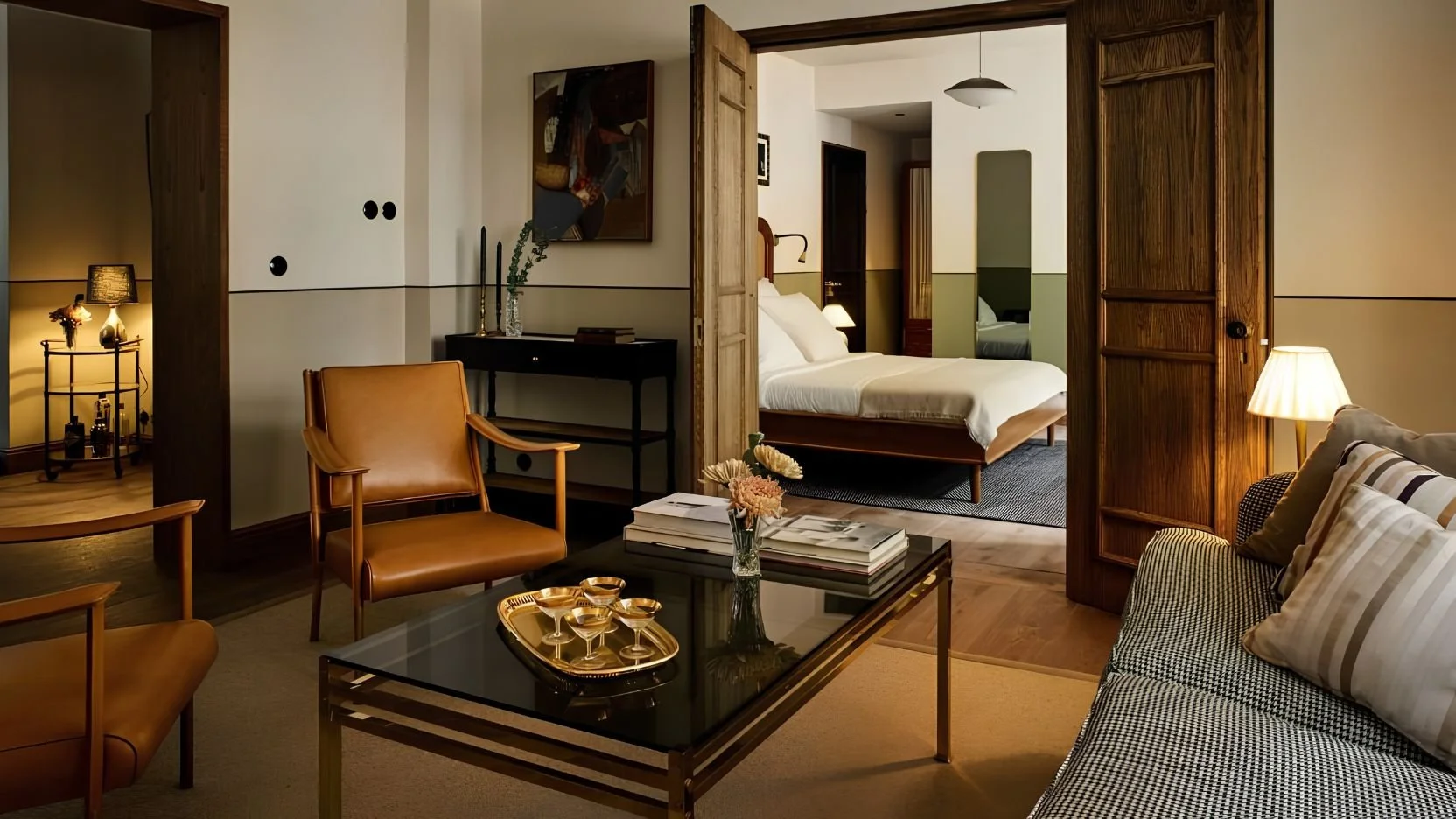
7. Hotel Sanders | Copenhagen, Denmark
Hotel Sanders occupies two historic townhouses in the heart of Copenhagen, creating an intimate boutique hotel shaped as much by its setting as by its interiors.
Designed by Lind + Almond, the hotel layers Danish mid-century design with English eccentricity, colonial references and the atmosphere of a well-travelled home. Timber, rattan, marble, velvet and leather sit alongside carefully chosen artworks and vintage details, giving the spaces a collected quality rather than a single decorative identity.
The theatrical character becomes more pronounced at TATA, where rich red velvet and warm timber reference the neighbouring Royal Danish Theatre and the background of founder Alexander Kølpin, a former ballet dancer. Elsewhere, Sanders Kitchen and the rooftop Orangery offer a softer, more residential interpretation of the same aesthetic.
Sanders succeeds by resisting the expected language of contemporary Scandinavian hotels. Its interiors feel nostalgic yet cosmopolitan, with a deliberate sense of age and imperfection that makes the hotel feel as though it has evolved rather than been designed all at once.
Selected by Louise Roe. Explore more through our Copenhagen Design Guide.
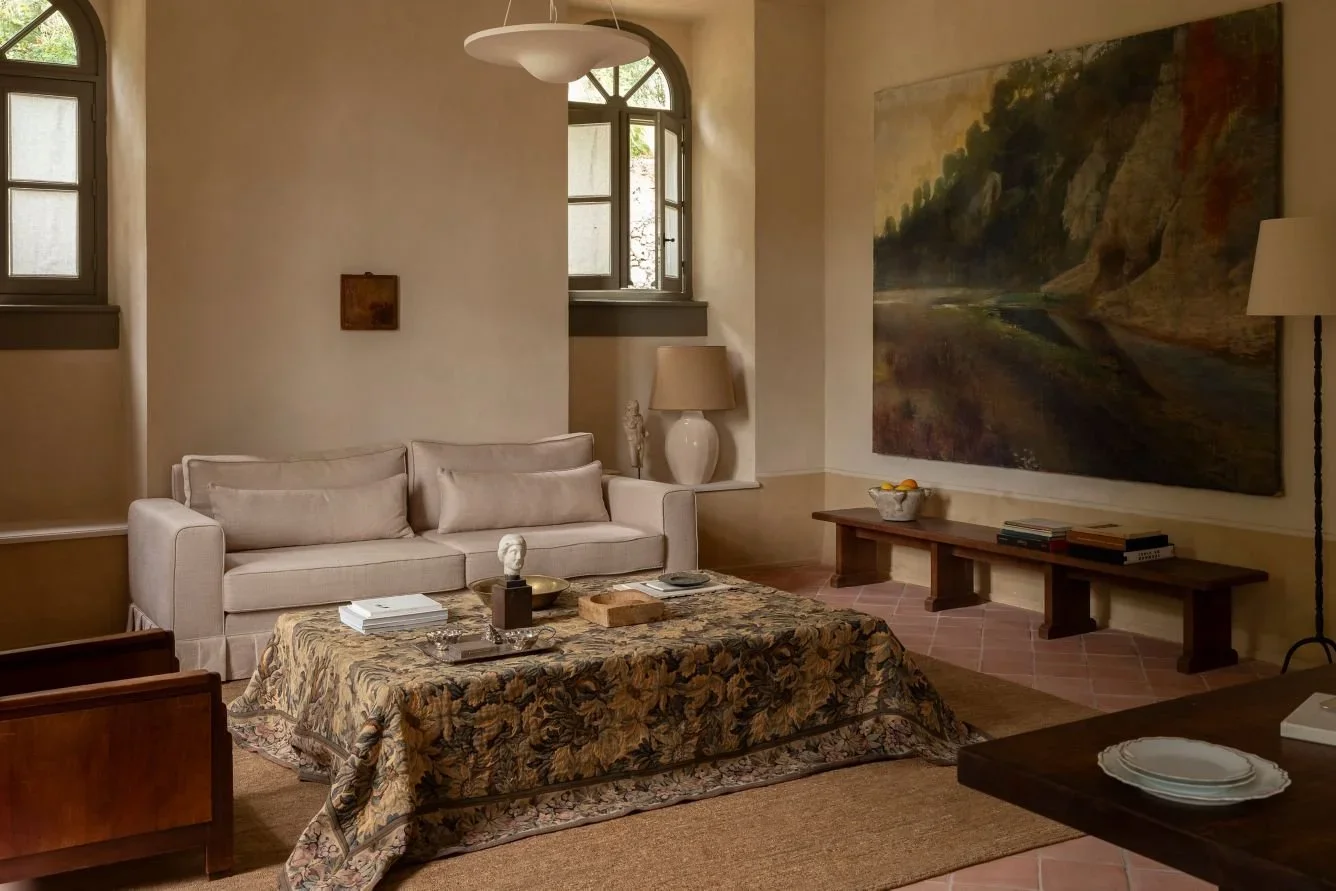
8. Hôtel du Couvent | Nice, France
Hidden above the streets of Nice’s Old Town, Hôtel du Couvent occupies a former seventeenth-century Visitation convent that has been carefully restored as a quiet Mediterranean retreat.
Festen Architecture approached the interiors with a sense of restraint appropriate to the building’s former life. Lime-washed walls, terracotta floors, aged timber and softly textured fabrics create rooms that feel peaceful rather than conventionally luxurious. Historic irregularities have been preserved, allowing the convent's character to remain visible beneath the refinement of the new hotel.
The experience extends beyond the bedrooms. Gardens, cloisters, a bakery, an herbalist, a library and subterranean bathing spaces create the feeling of a small, self-contained world.
What makes Hôtel du Couvent compelling is its refusal to overstate its transformation. The architecture is allowed to speak quietly, proving that hospitality can feel deeply luxurious without relying on decorative excess.
Selected by Sidika Owen d’Hauteville. Explore more through our Côte d’Azur Design Guide.
Casa Angelina | Praiano, Italy
Gorgeous George | Cape Town, South Africa
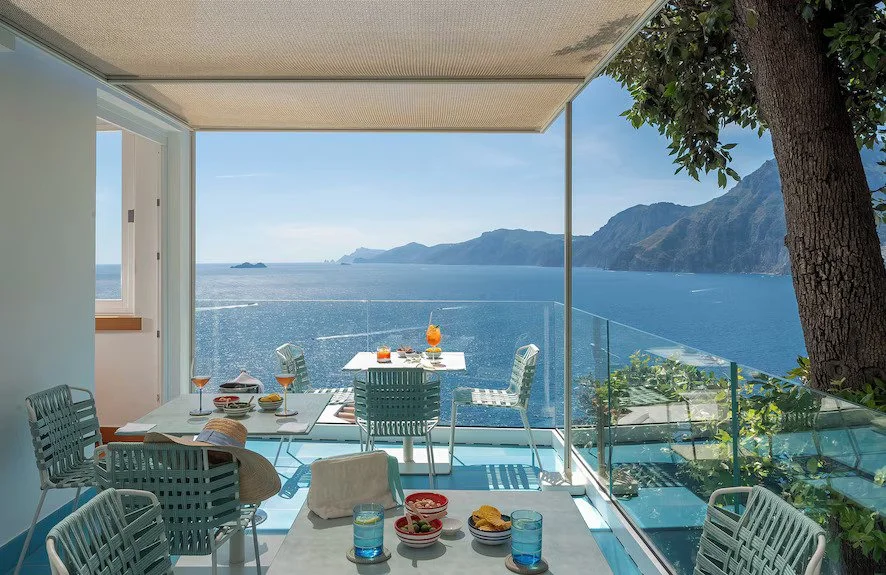
9. Casa Angelina | Praiano, Italy
Perched above the sea in Praiano, Casa Angelina offers a deliberately restrained alternative to the ornate villas and richly patterned hotels associated with the Amalfi Coast.
Designed by Marco de Luca, the hotel is defined by a near-total use of white. Floors, walls, furniture and architectural surfaces create a quiet framework through which the blue of the Mediterranean, the changing light and the surrounding landscape become the principal sources of colour.
The simplicity is deceptive. Small shifts in texture, carefully framed views and the placement of contemporary artworks prevent the interiors from feeling clinical. Floor-to-ceiling openings and terraces allow the architecture to recede, directing attention towards Positano, Capri and the horizon.
Casa Angelina demonstrates how a limited palette can heighten rather than reduce sensory experience. By removing visual noise, the hotel makes the landscape feel more immediate, turning the act of looking at the sea into the central design idea.
Selected by Designeers. Explore more through our Amalfi Coast Design Guide.
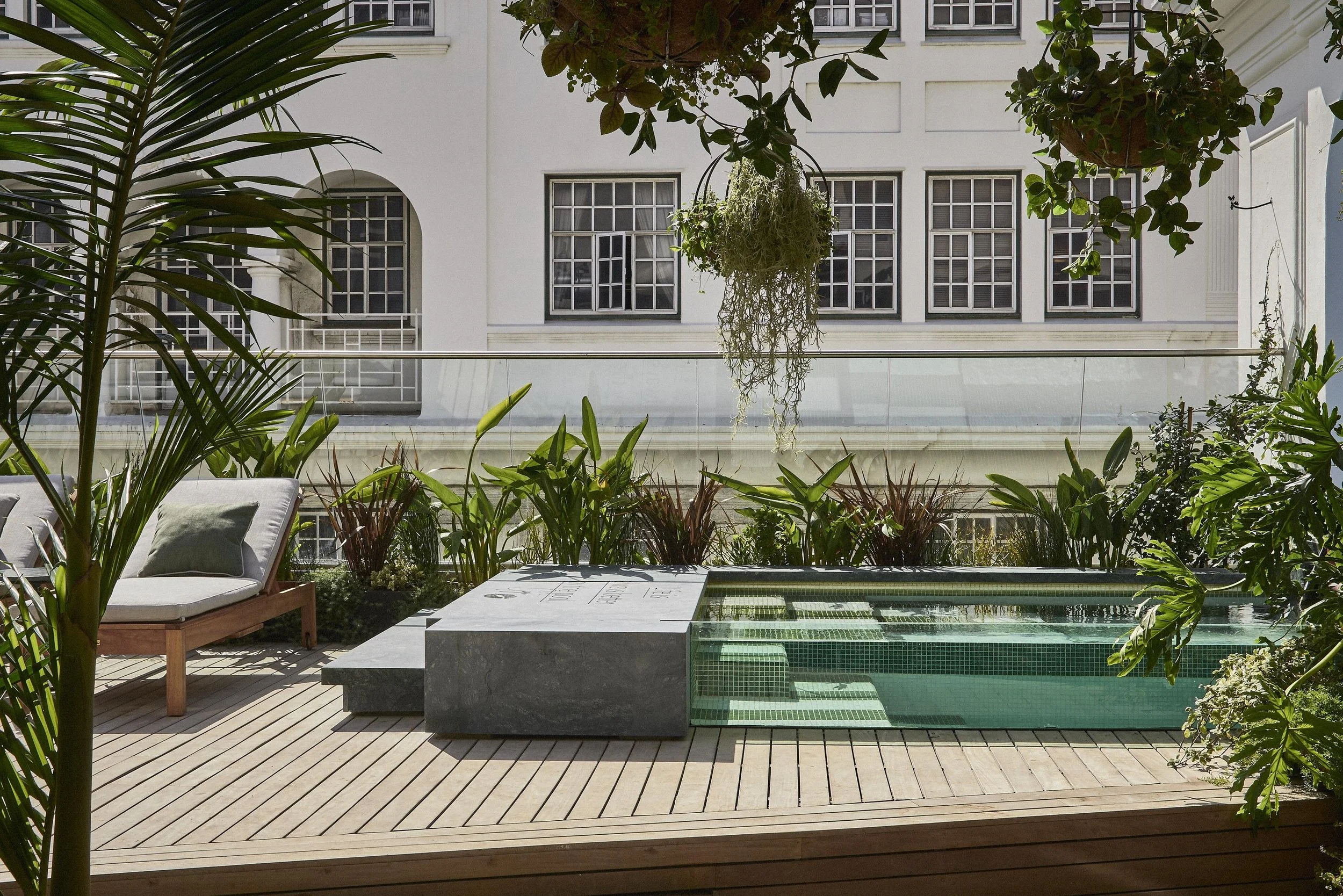
10. Gorgeous George | Cape Town, South Africa
Gorgeous George was created from two adjoining heritage buildings in central Cape Town, combining their different architectural characters into one expressive urban hotel.
The interiors champion South African design through custom furniture, locally produced objects, patterned surfaces and bold material combinations. Original building fabric remains visible, but it is animated by contemporary interventions rather than preserved as a static historical backdrop.
A rooftop terrace containing the hotel’s pool, restaurant and bar has become its social centre. With views towards Table Mountain, it connects the internal design world of the hotel with the scale and drama of Cape Town’s landscape.
Gorgeous George was conceived not simply as accommodation for visitors but as a gathering place for the surrounding neighbourhood. That local energy gives the hotel much of its character. It feels embedded in the creative life of the city rather than sealed off from it, truly an urban living where architecture, hospitality and contemporary African design meet.
Selected by Tristan du Plessis. Explore more through our Cape Town Design Guide.
Staying With Design
These hotels differ dramatically in scale, period and visual language, but each begins with a clear idea.
A former convent becomes a place of contemporary retreat without losing its quiet character. A Venetian palazzo becomes a setting for experimental art. A Swedish townhouse replaces formal hotel service with the atmosphere of a generous private home. A white building on the Amalfi Coast allows the landscape to become its most important decorative element.
What makes these hotels worth travelling for is not simply the beauty of their interiors. It is the coherence of the complete experience—the way architecture, art, material, hospitality and location support the same story.
At their best, design hotels do not distract from their destination. They help us understand it more deeply.
Discover more hotels, galleries, architecture, restaurants and independent creative destinations through the Designeers Destination Guides
COVER IMAGE: El Fenn, Marrakech
Explore all Destination Guides here.